When The Road Trip Was Part Of The Vacation
Family road trips always used to come with an unexpected promise: something enormous, strange, or downright theatrical might appear beyond the windshield. America's older highways were lined with places designed to turn a quick break into an afternoon. Many are now empty, deteriorating, or reinvented—but somehow still standing.
How many of these decaying roadside attractions would still get you to pull over?
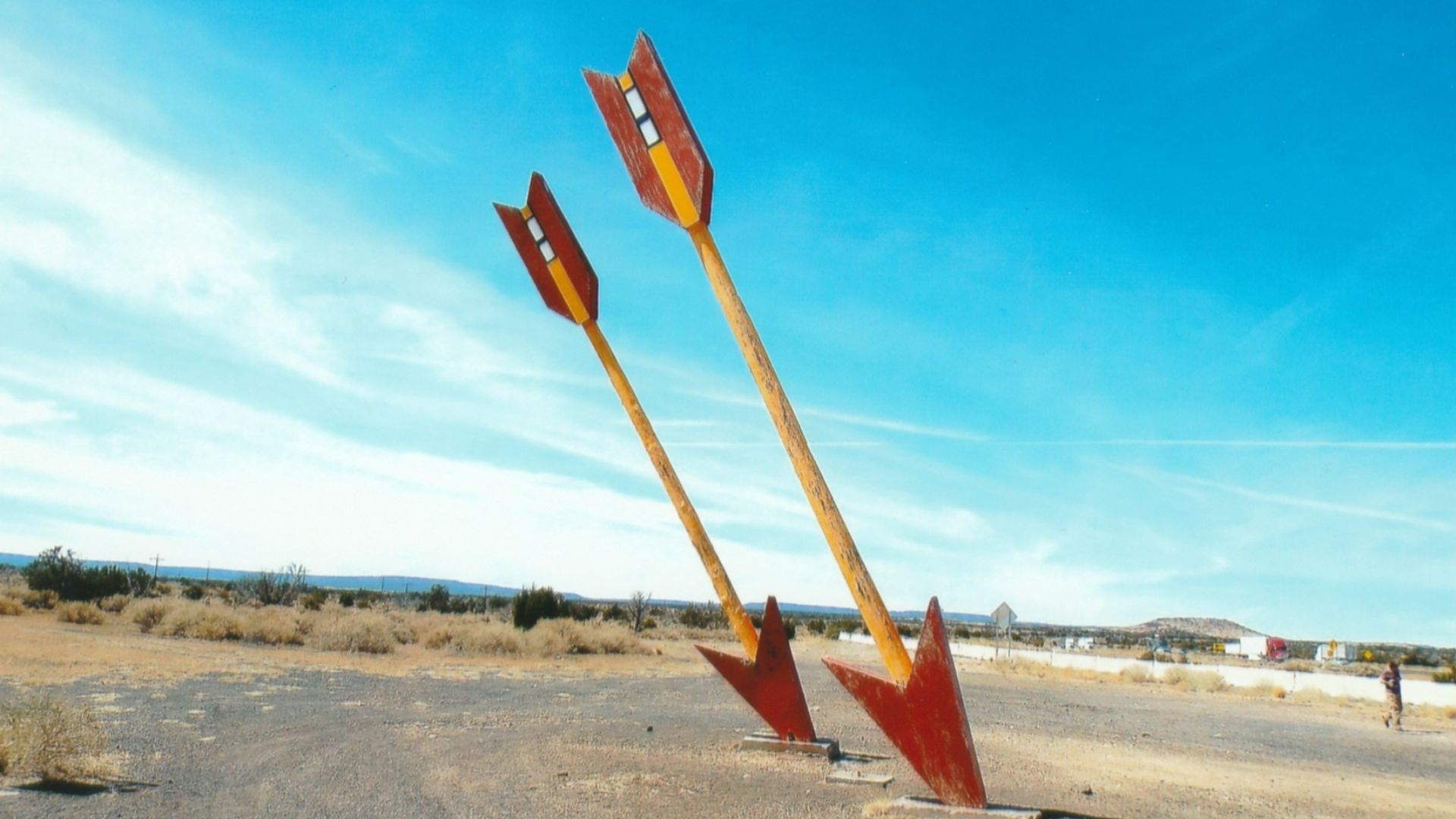
Twin Arrows, Arizona: The Roadside Landmark That Lost An Arrow
Near Flagstaff, Arizona, the Twin Arrows Trading Post promised motorists food, fuel, and an unmistakable landmark. Its giant wooden arrows survived long after the business closed. One eventually collapsed, leaving a lonely survivor beside abandoned buildings along old Route 66.
 Marine 69-71, Wikimedia Commons
Two Guns, Arizona: A Wild West Attraction Left In Ruins
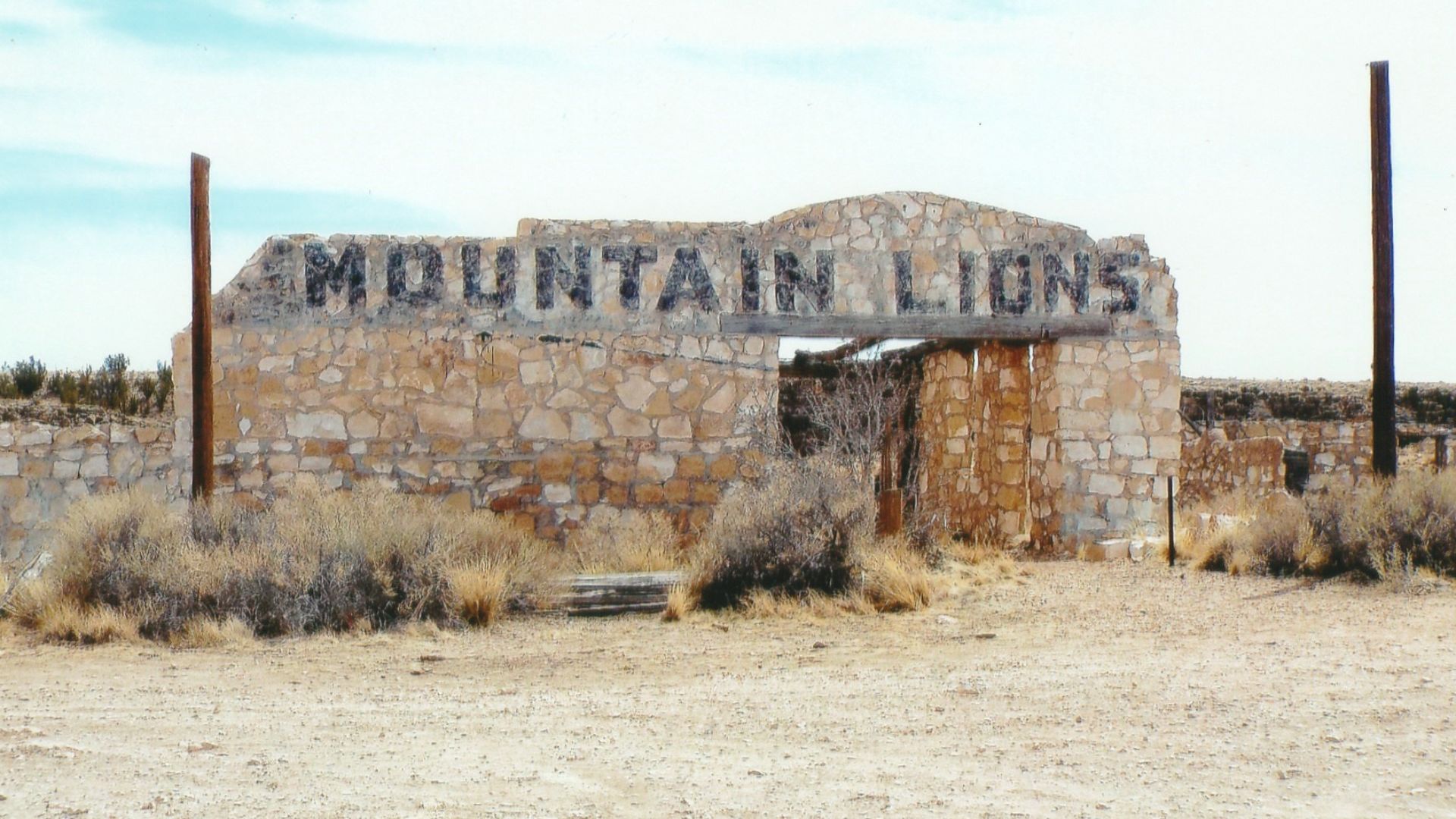
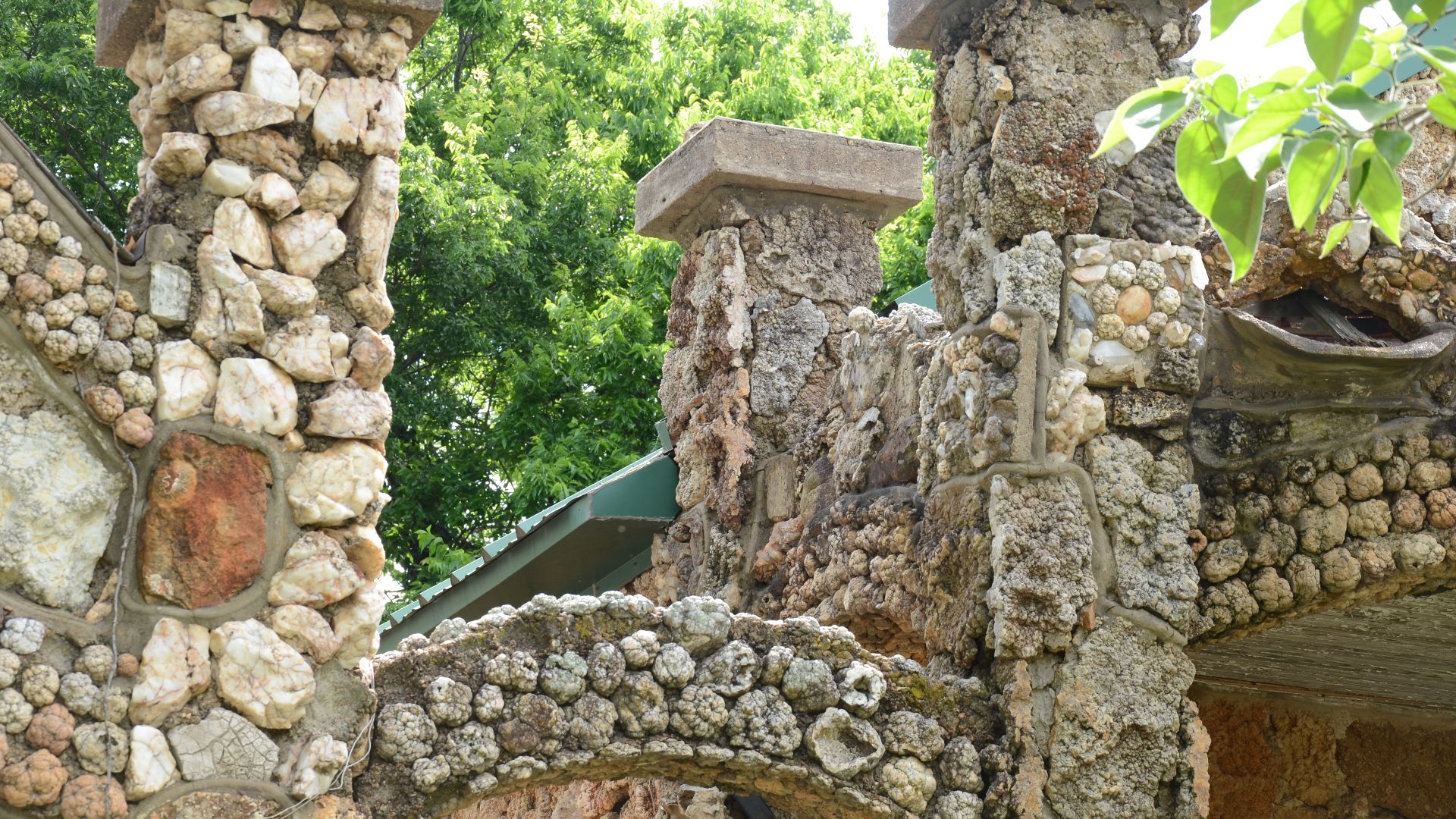
At Two Guns, Arizona, travelers once encountered a roadside zoo and a Wild West attraction beside Canyon Diablo. The old mountain lion enclosure and crumbling stone structures now tell a very different story. The unstable ruins are for looking at, not exploring.
 Marine 69-71, Wikimedia Commons
Fort Courage, Arizona: A Television Western Come To Life
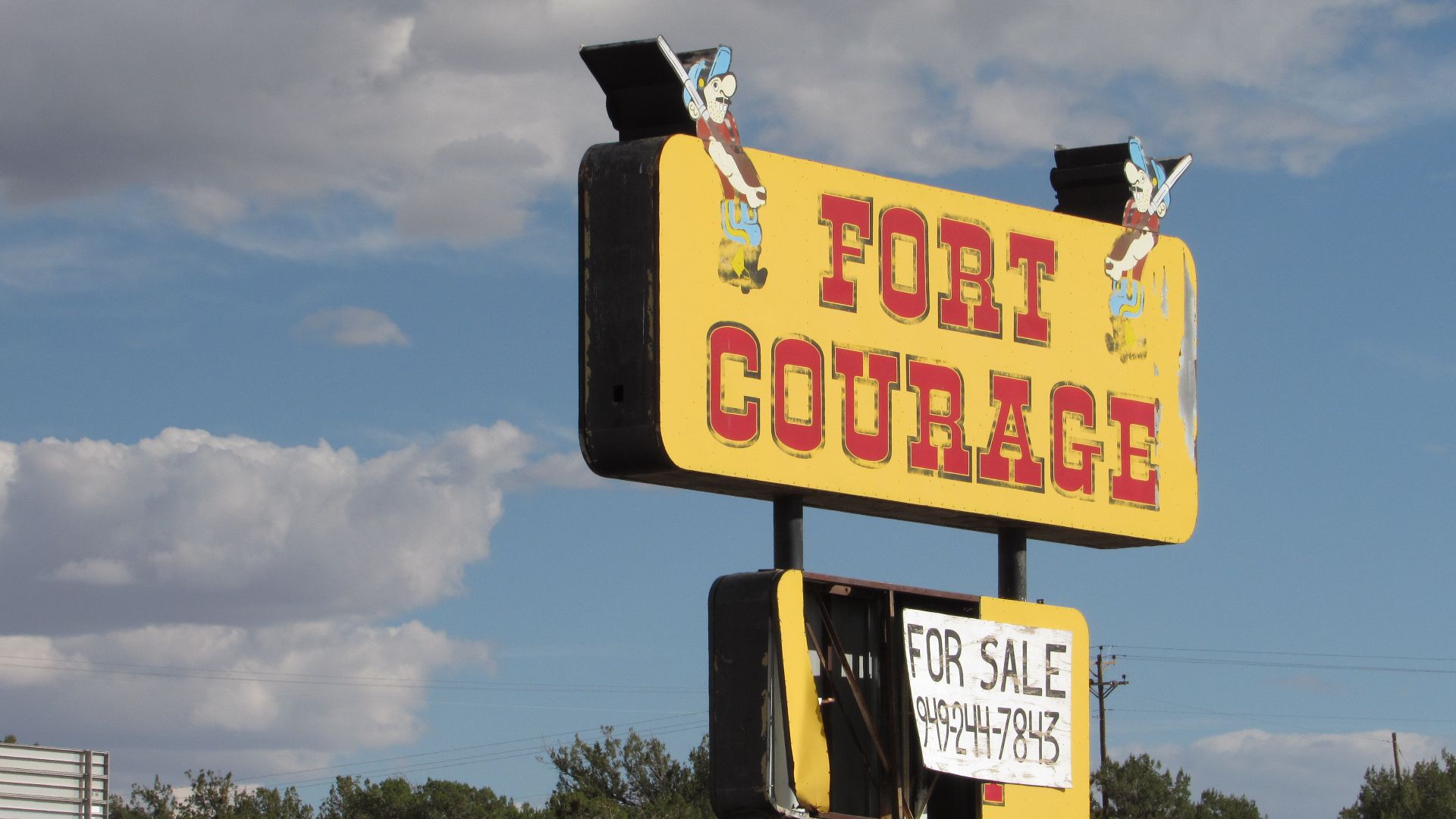
Arizona's Fort Courage borrowed its name and appearance from the television comedy F Troop. The roadside complex offered a replica frontier fort, a trading post, gasoline, and food near Interstate 40. It later shut down, leaving its theatrical buildings deserted and closed to visitors.
Painted Desert Trading Post, Arizona: Saved From Collapse
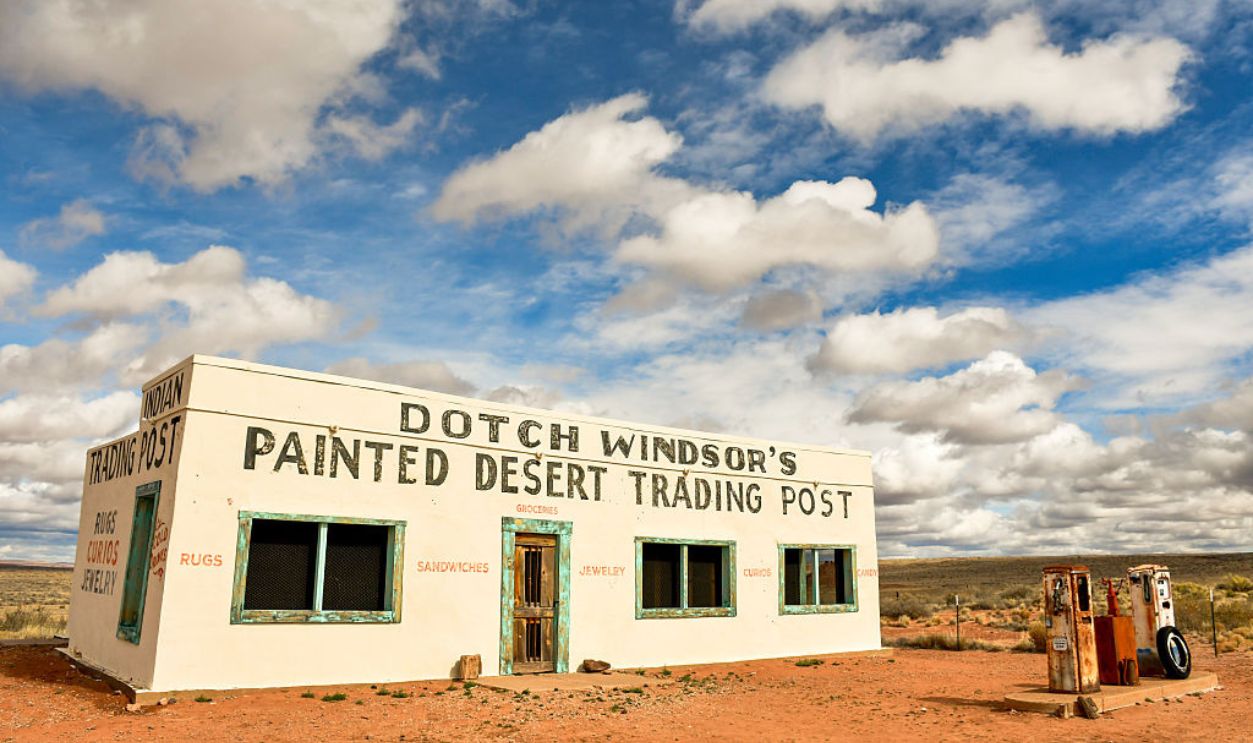
East of Holbrook, Dotch Windsor's Painted Desert Trading Post sold gasoline and souvenirs on Route 66. Decades after it closed, the building was close to collapsing. Preservation volunteers repaired its walls and roof, keeping its weathered appearance rather than turning it into another store.
 Christopher Reynolds, Getty Images
Cow Springs, Arizona: The Trading Post Beneath The Old Sign
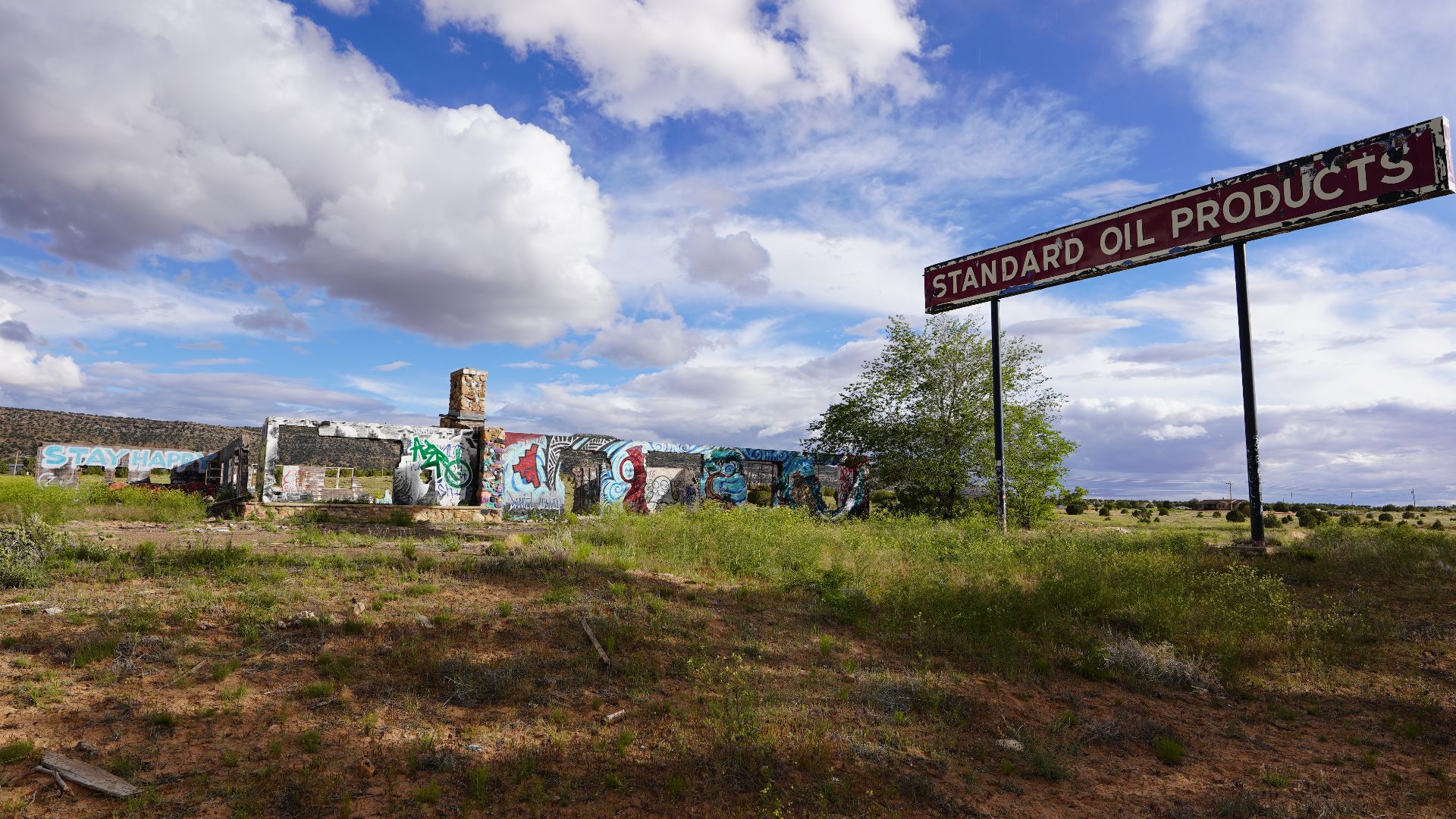
On the Navajo Nation, Cow Springs Trading Post once supported commerce along a remote Arizona highway. Its distinctive Standard Oil sign still marks the remains, but the building has largely crumbled. The ruins also recall a trading system with a difficult history for Navajo communities.
 Steven Baltakatei Sandoval, Wikimedia Commons
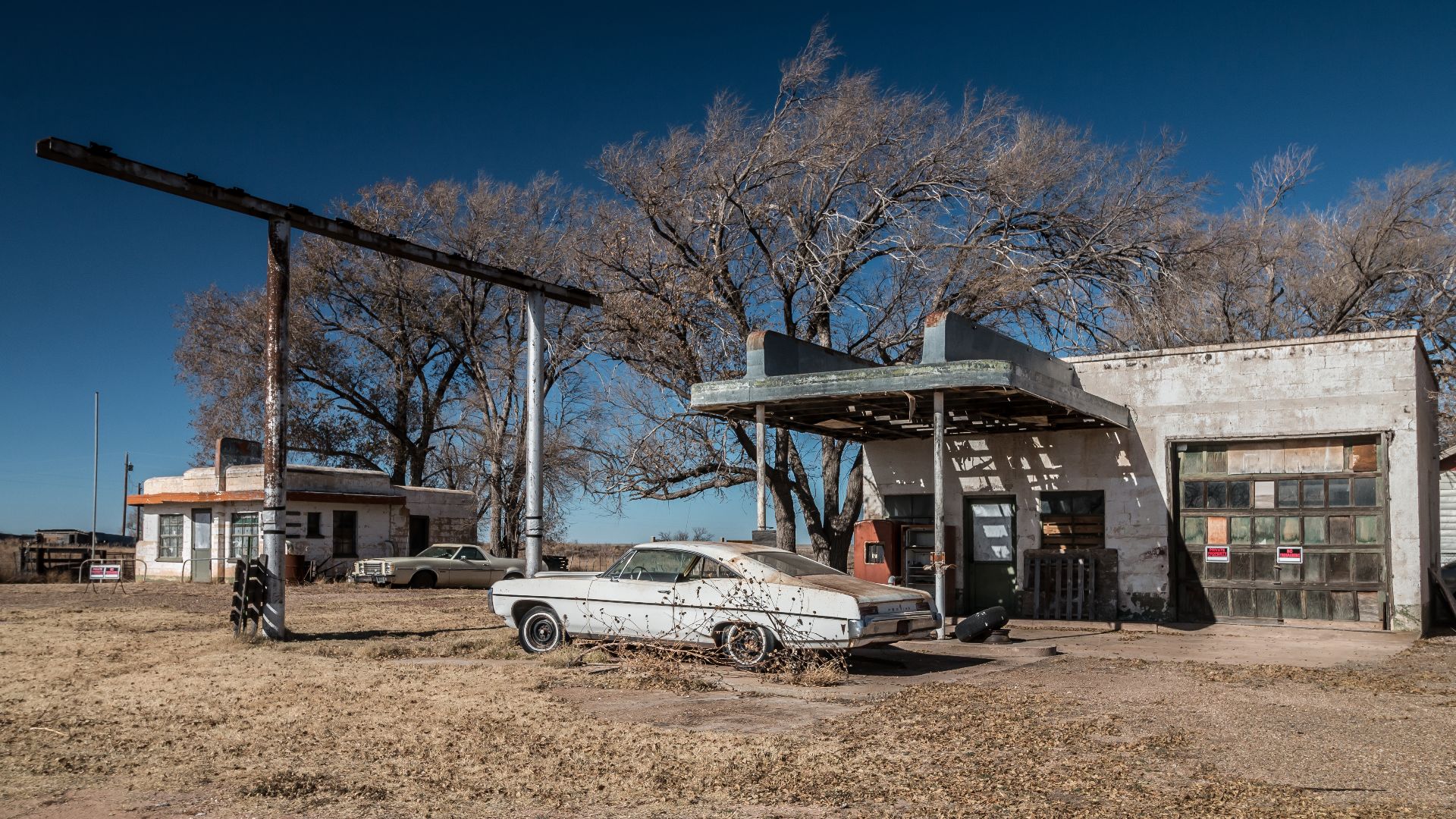
Glenrio, Texas And New Mexico: The Town The Interstate Forgot
Straddling Texas and New Mexico, Glenrio once fed and housed Route 66 travelers. Its diners, motel, and service station depended on passing cars. Interstate 40 diverted that traffic, and the old State Line Motel and other buildings became reminders of the former highway.
 Renelibrary, Wikimedia Commons
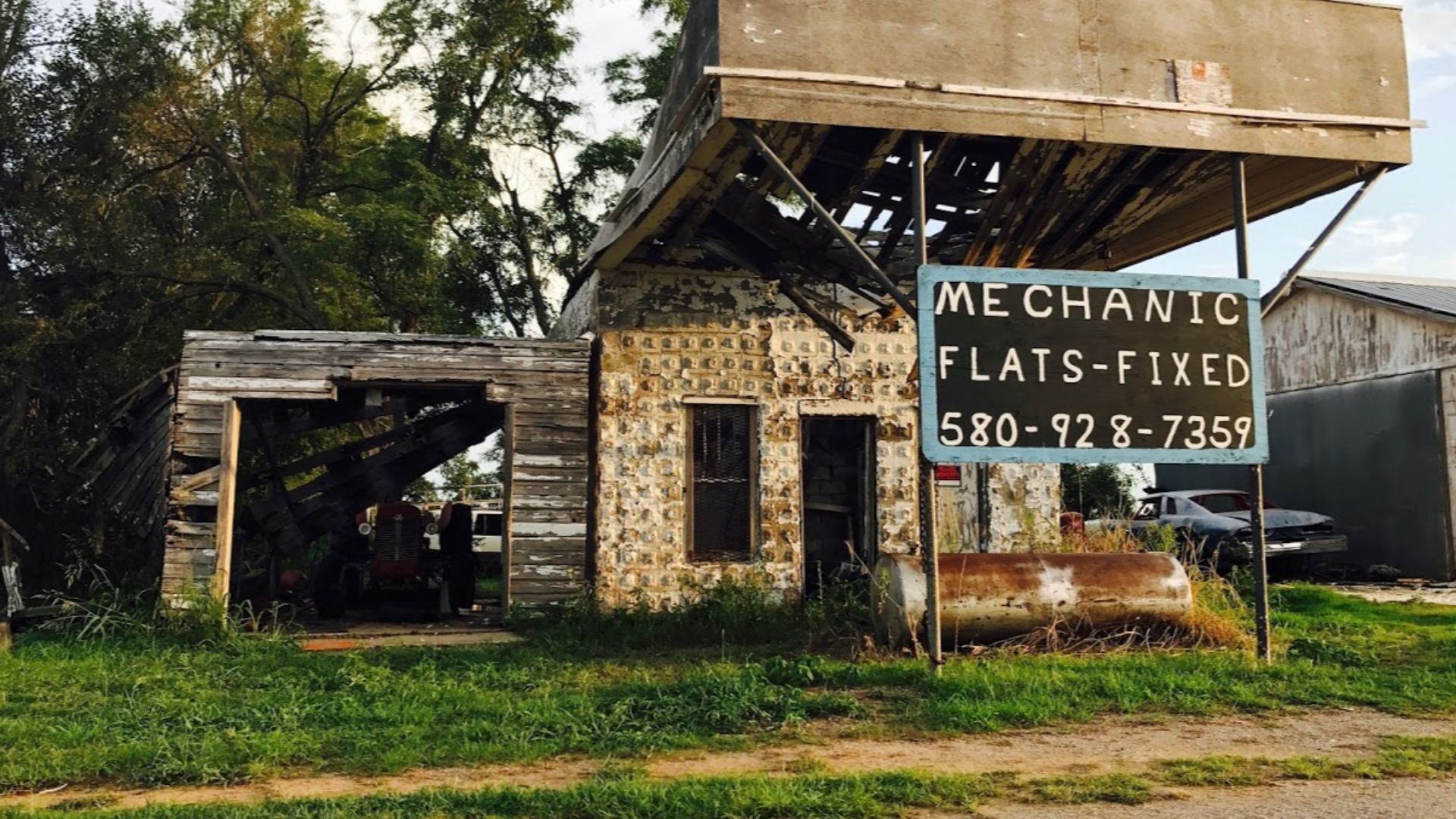
Texola, Oklahoma: A Gas Station From Another Century
Texola, Oklahoma, still has a weathered reminder of an era when stopping for gasoline required little more than a pump and a canopy. The Magnolia Service Station dates to around 1930. State preservation records list the concrete-block building as vacant and in poor condition.
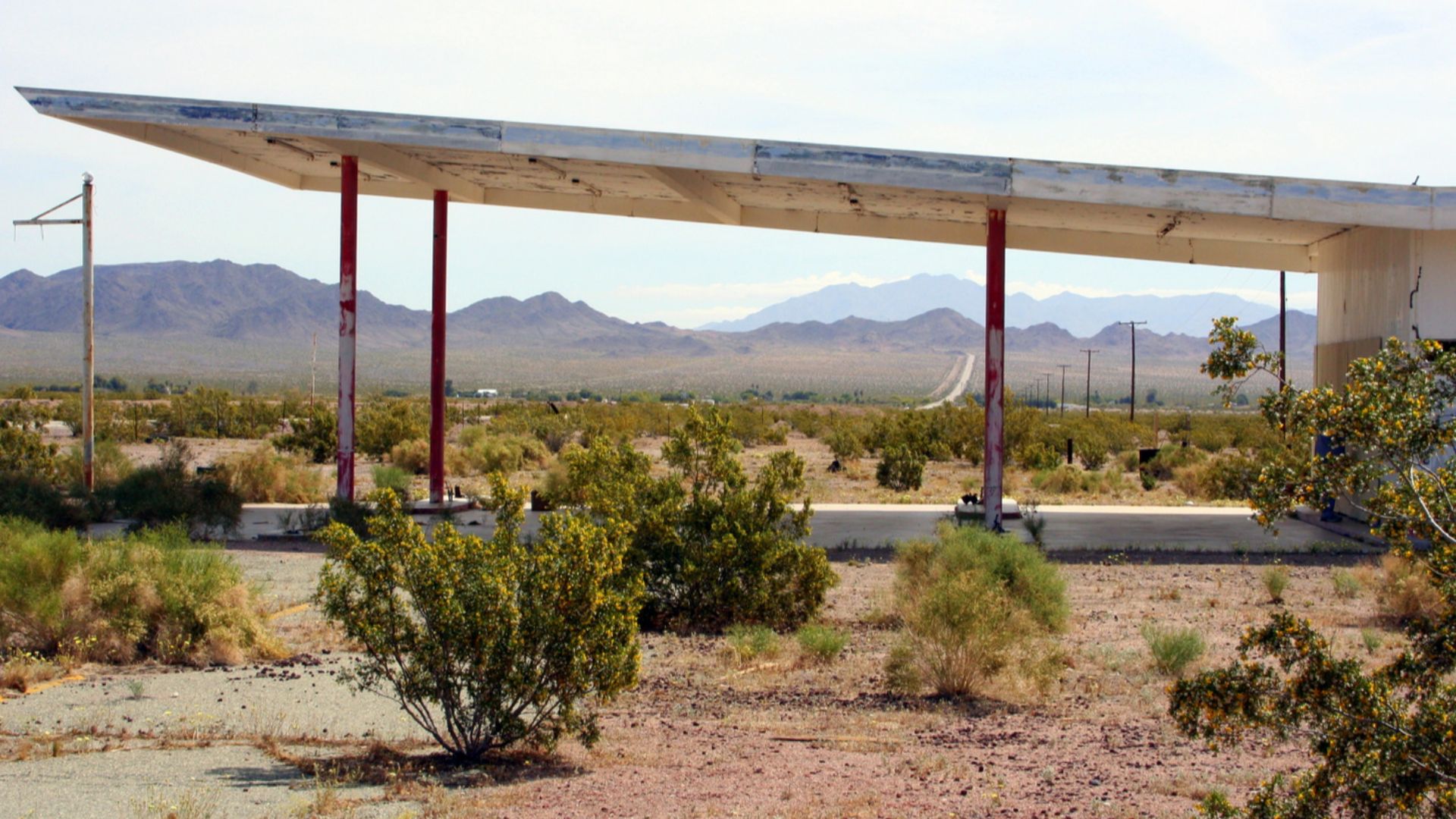
Road Runner's Retreat, California: The Diner That Got Its Glow Back
Near Chambless, California, Road Runner's Retreat once served meals and fuel to Route 66 motorists. Interstate 40 helped end the business, and its buildings remained shuttered. In November 2025, preservationists celebrated the relighting of its long-dark neon sign.
 Bruce Fingerhood from Springfield, Oregon, US, Wikimedia Commons
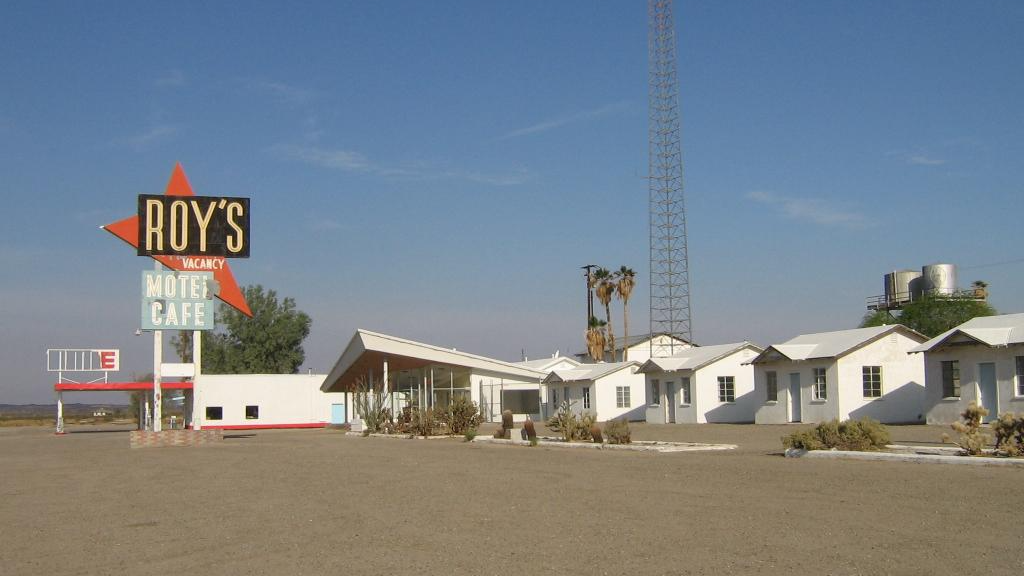
Roy's Motel And Café, California: A Desert Icon That Refuses To Disappear
Farther along the Mojave route, Roy's Motel and Café in Amboy became famous for its soaring neon sign. The motel rooms stayed closed for decades while motorists kept stopping for photographs. Today, its gas station and souvenir shop operate as restoration efforts continue.
 Lyght, CC BY-SA 3.0, Wikimedia Commons
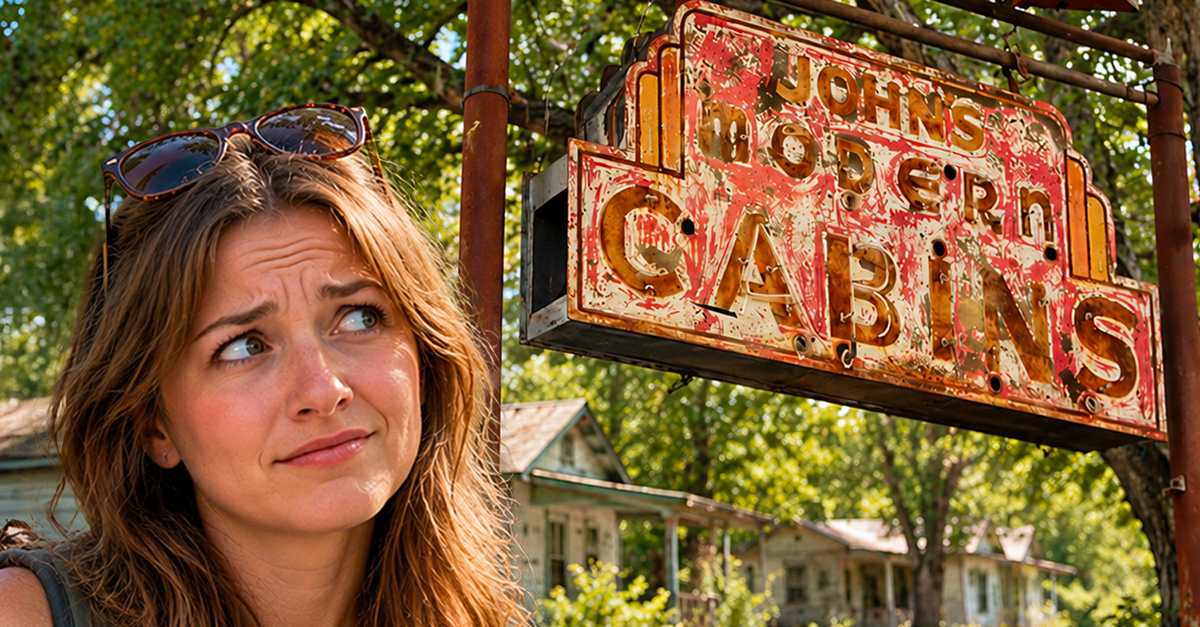
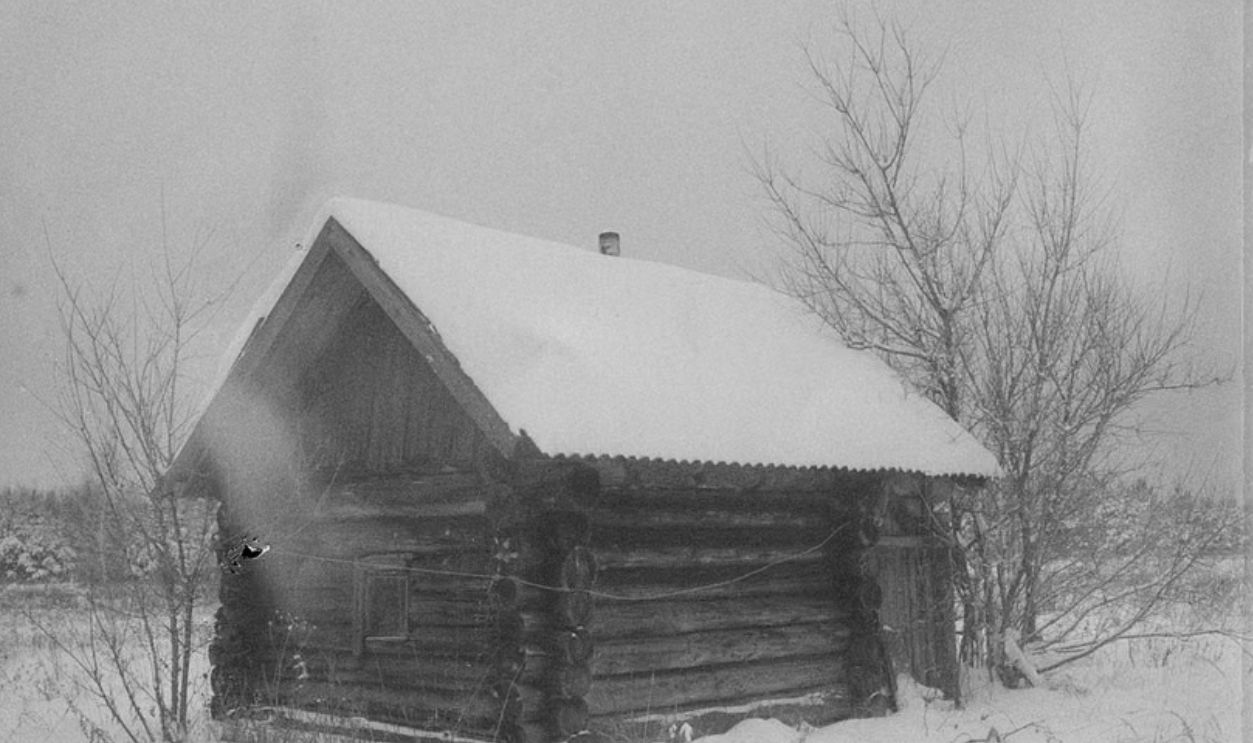
John's Modern Cabins, Missouri: When Six Cabins Were Enough
Missouri's John's Modern Cabins offered the sort of simple overnight stop that defined early highway travel. Most of its cabins eventually disappeared, leaving one surviving structure and an old neon sign. New owners announced preservation plans in 2024, but the original tourist camp remains a relic.
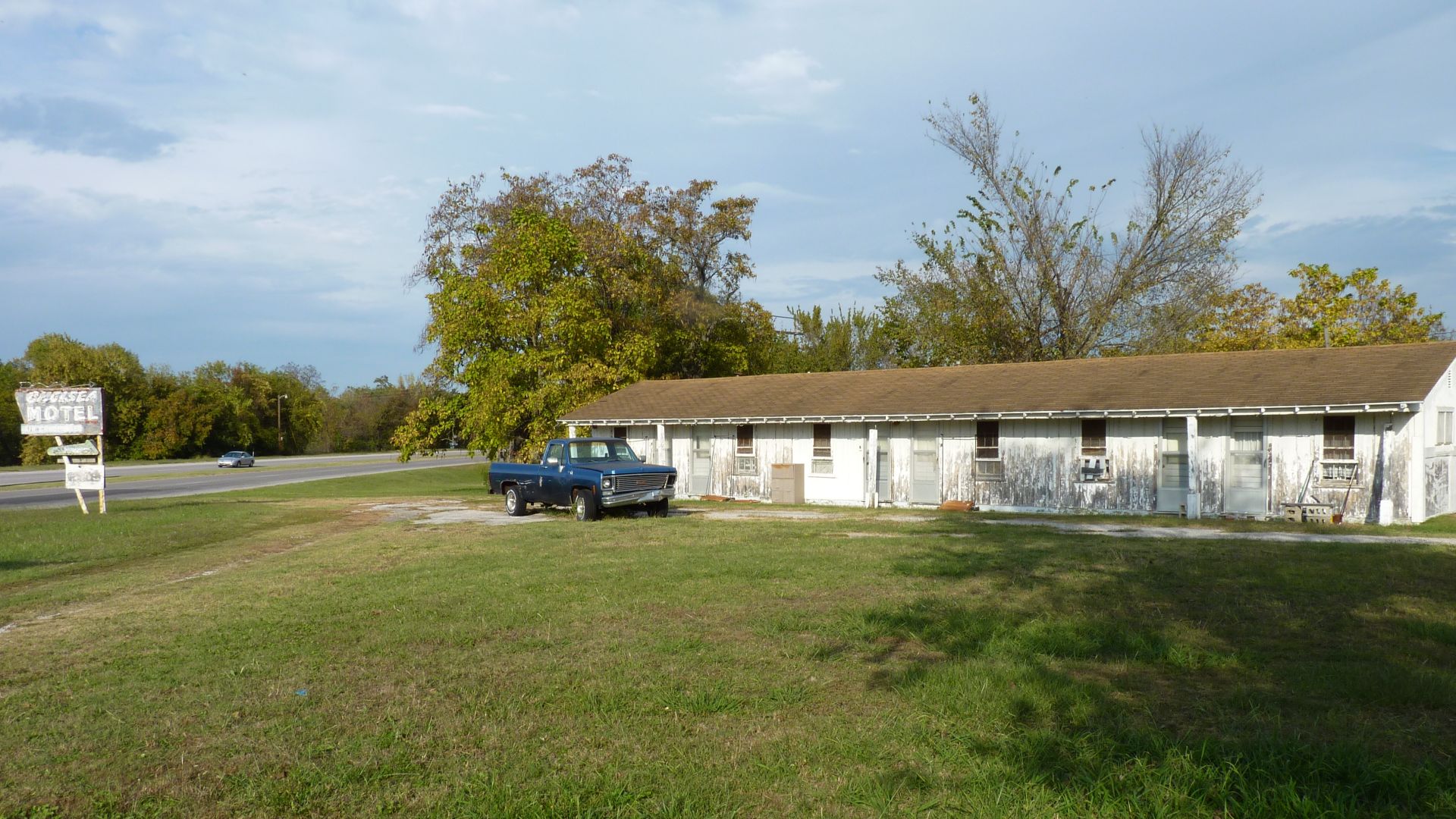
Chelsea Motel, Oklahoma: Six Rooms And A Forgotten Highway
At the Chelsea Motel in Oklahoma, six small guest rooms once catered to tired Route 66 families. Changing expectations for roadside lodging and faster highways helped undermine businesses like it. The National Park Service describes the old motel as abandoned and viewable only from the public roadside.
 AbeEzekowitz, Wikimedia Commons
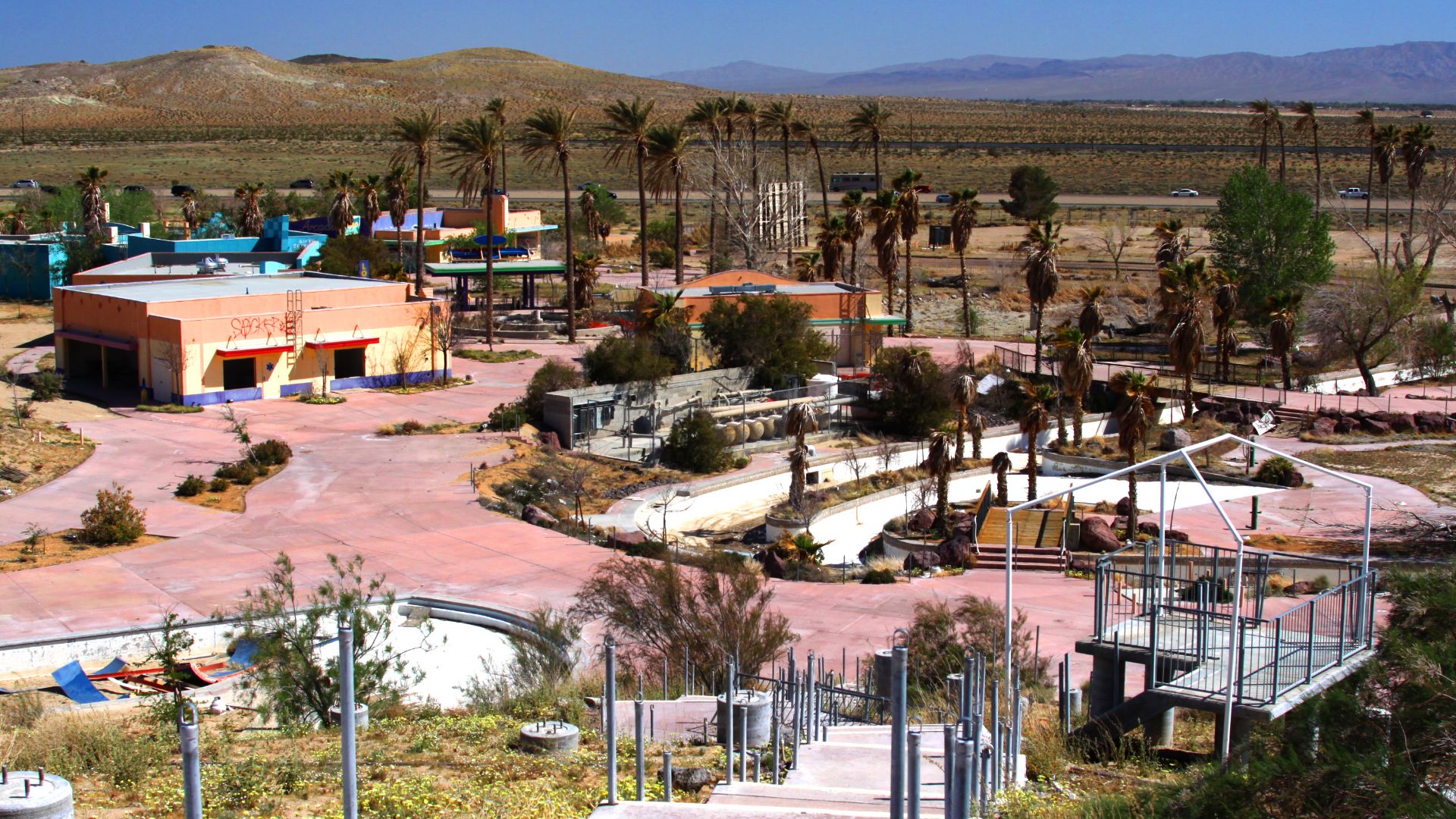
Lake Dolores, California: The Waterpark That Dried Up
California's Lake Dolores drew families into the desert with water slides and aquatic thrills. Later known as Rock-A-Hoola Waterpark, it passed through several owners before closing for good in 2004. The slides were removed, while the remaining buildings became a canvas for graffiti.
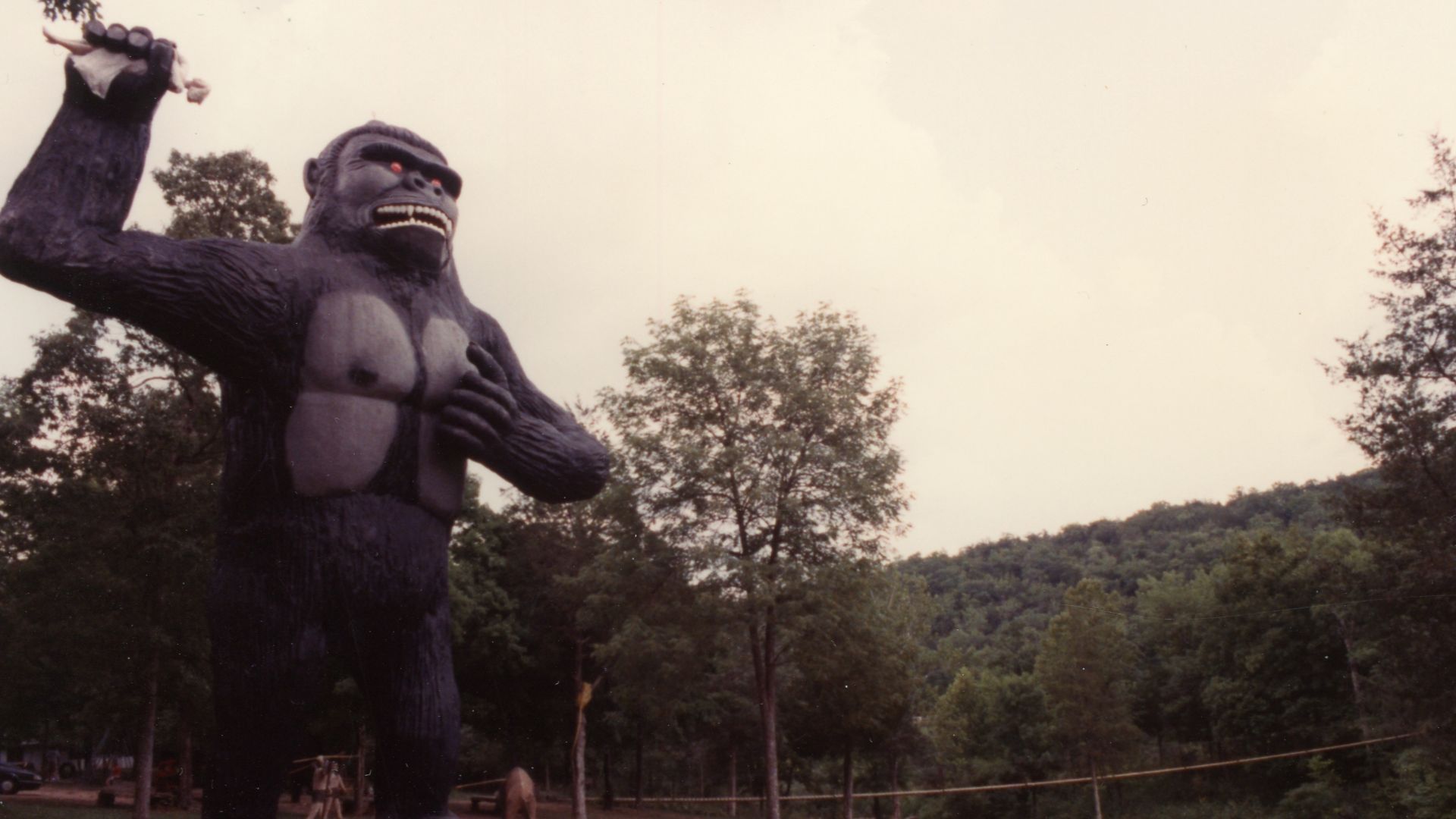
Dinosaur World, Arkansas: Where The Dinosaurs Were Left Behind
Outside Beaver, Arkansas, Dinosaur World once surrounded families with enormous prehistoric sculptures and a towering King Kong. The 65-acre attraction closed in 2005 after decades of operation. Photographs have since shown giant figures fading among the trees, but the privately owned grounds are not a public park.
 Jeremy Butler, Wikimedia Commons
Dogpatch USA, Arkansas: The Cartoon Town That Couldn't Survive
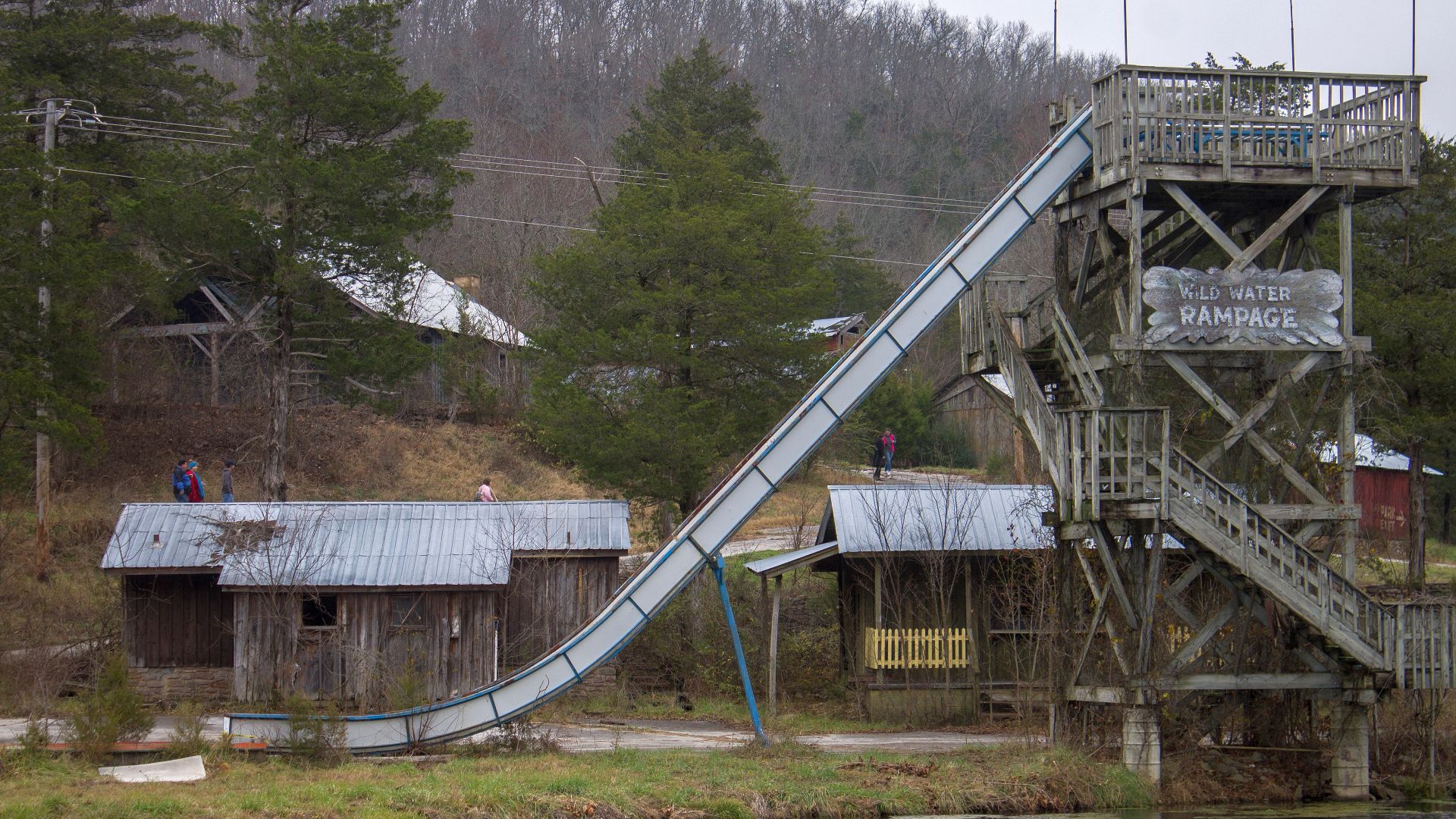
Arkansas also had Dogpatch USA, a theme park inspired by Al Capp's Li'l Abner comic strip. It operated from 1968 to 1993, drawing visitors to the Ozarks. The former grounds were purchased in 2020 for a proposed nature-focused redevelopment, rather than another cartoon village.
 kenzie campbell from springfield, mo, Wikimedia Commons
Ghost Town In The Sky, North Carolina: A Real Ghost Town Above The Mountains
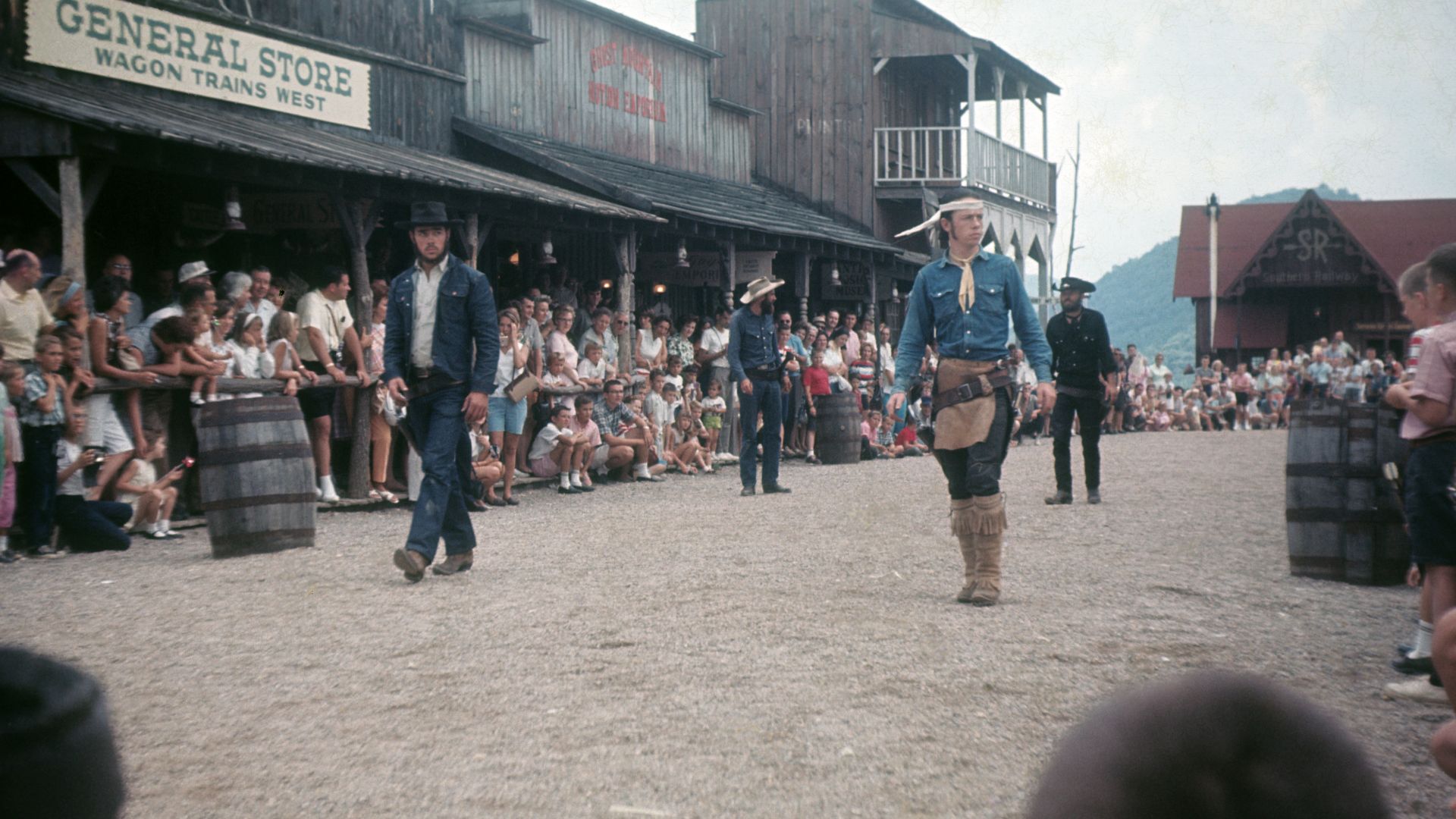
High above Maggie Valley, North Carolina, Ghost Town in the Sky offered gunfights and Western streets with mountain views. Visitors reached the mountaintop attraction by chairlift or incline railway. After repeated closures and attempted revivals, the park remains closed to the public.
 Tupelo the typo fixer, Wikimedia Commons
Frontier Town, New York: The Adirondacks' Forgotten Wild West
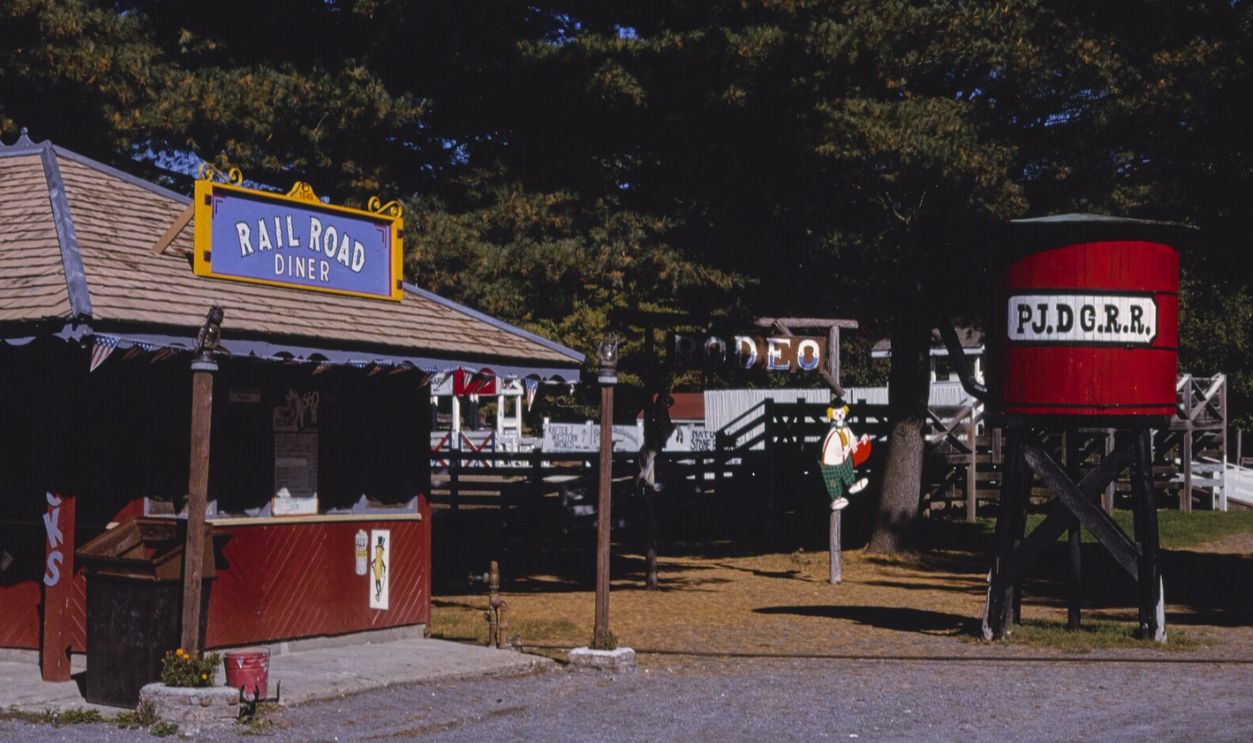
Along the Adirondack Northway, Frontier Town transported New York families into a make-believe Old West. It closed in 1998, and many structures deteriorated. The name survives on a state campground, although efforts to redevelop the remaining historic property have encountered obstacles.
 John Margolies, Wikimedia Commons
Fort Dells, Wisconsin: The Western Town Behind The Waterparks
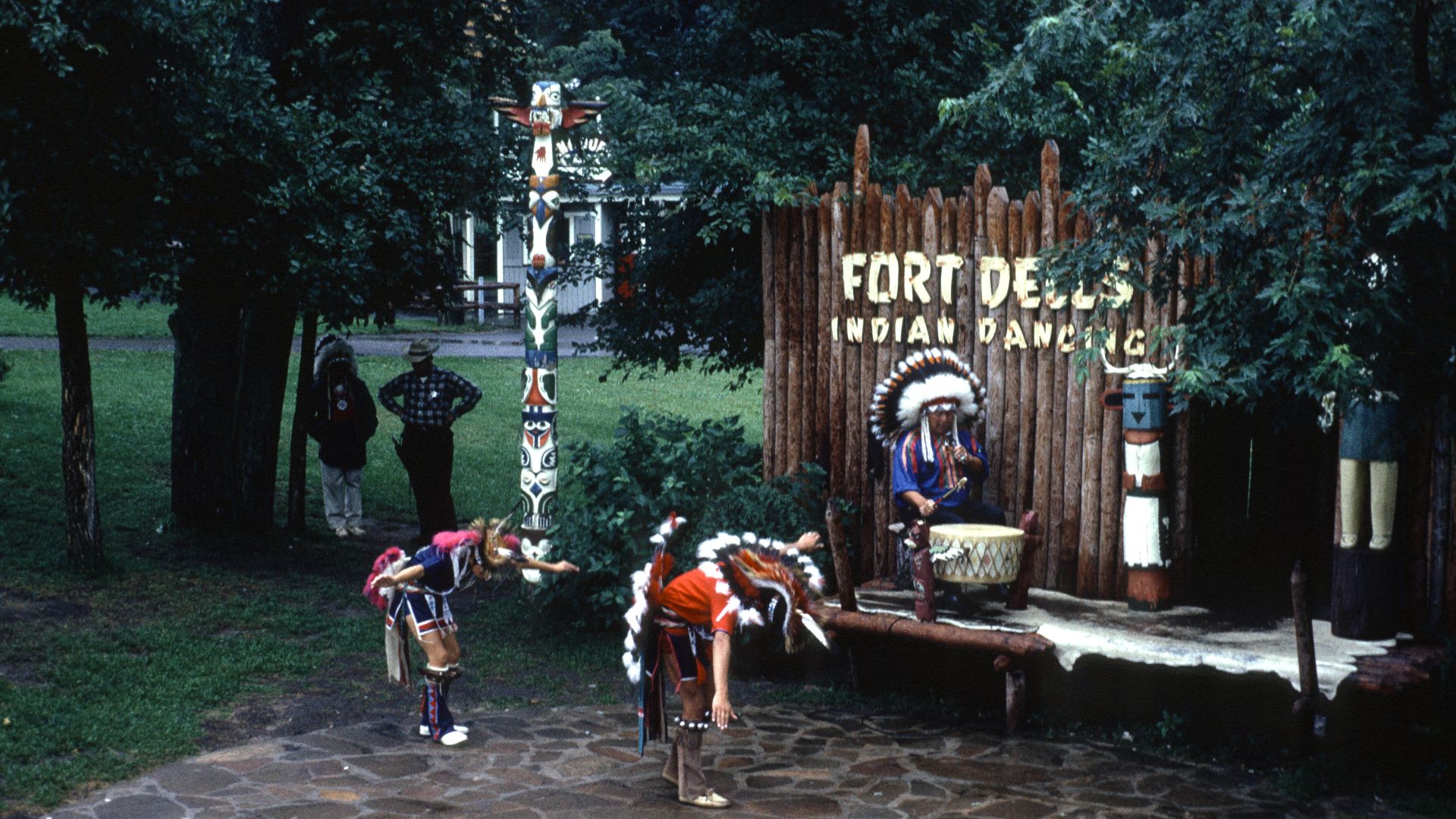
Before Wisconsin Dells became famous for waterparks, families visited Fort Dells for frontier-themed entertainment. The amusement park closed in 1991, and much of its roadside frontage was redeveloped. Behind newer businesses, researchers have identified remnants of the old boat channel, train route, and mine attraction.
Deer Forest, Michigan: A Storybook Park Reclaimed By Nature
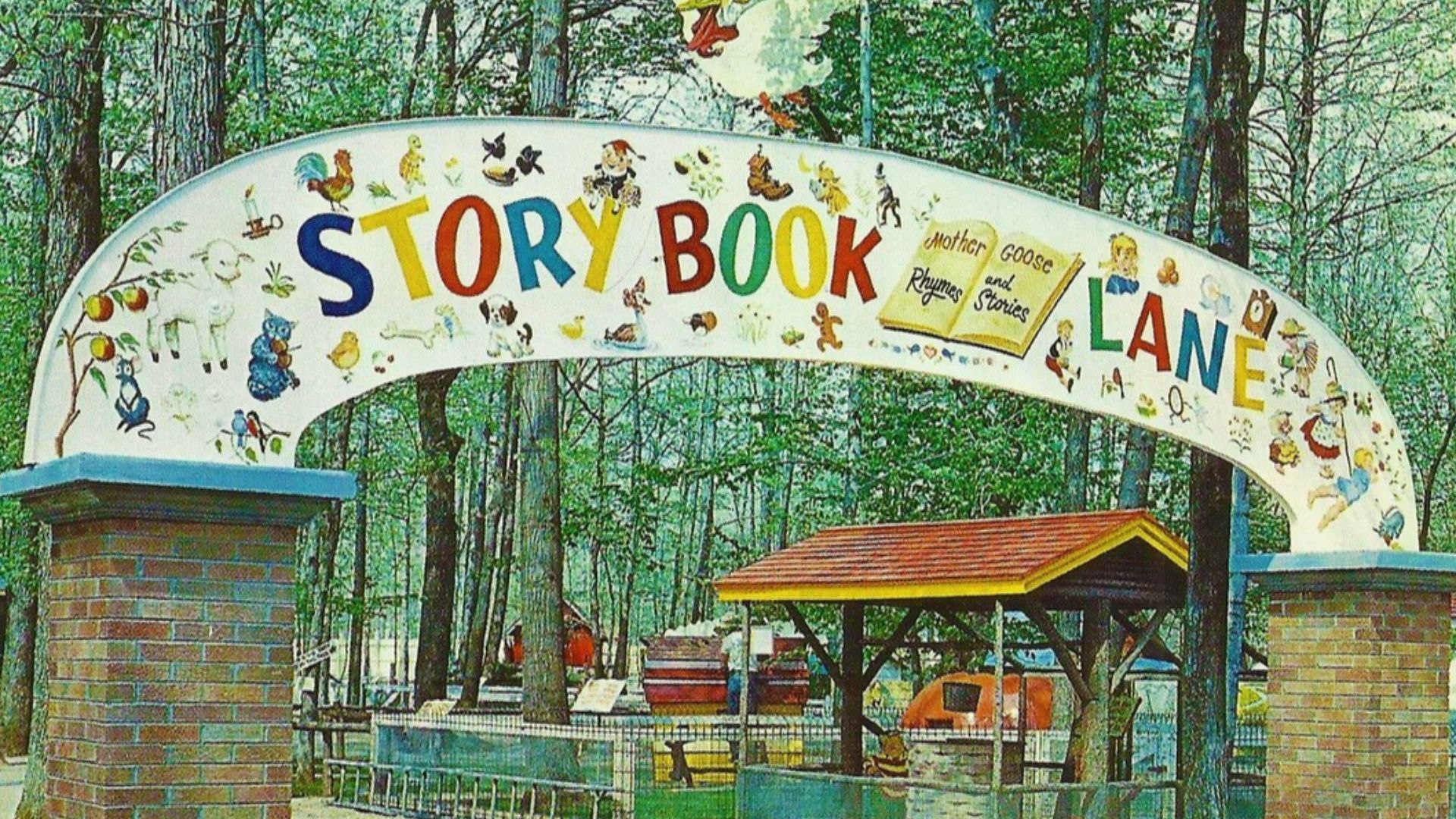
Michigan's Deer Forest mixed a petting zoo with fairy-tale cottages, a miniature train, and children's rides. Generations visited the Coloma attraction before it closed in 2015. Since then, vegetation has overtaken the grounds, leaving storybook scenery quietly disappearing beneath the trees.
 1950sUnlimited, Wikimedia Commons
Rose Island, Indiana: A Playground Lost To The River
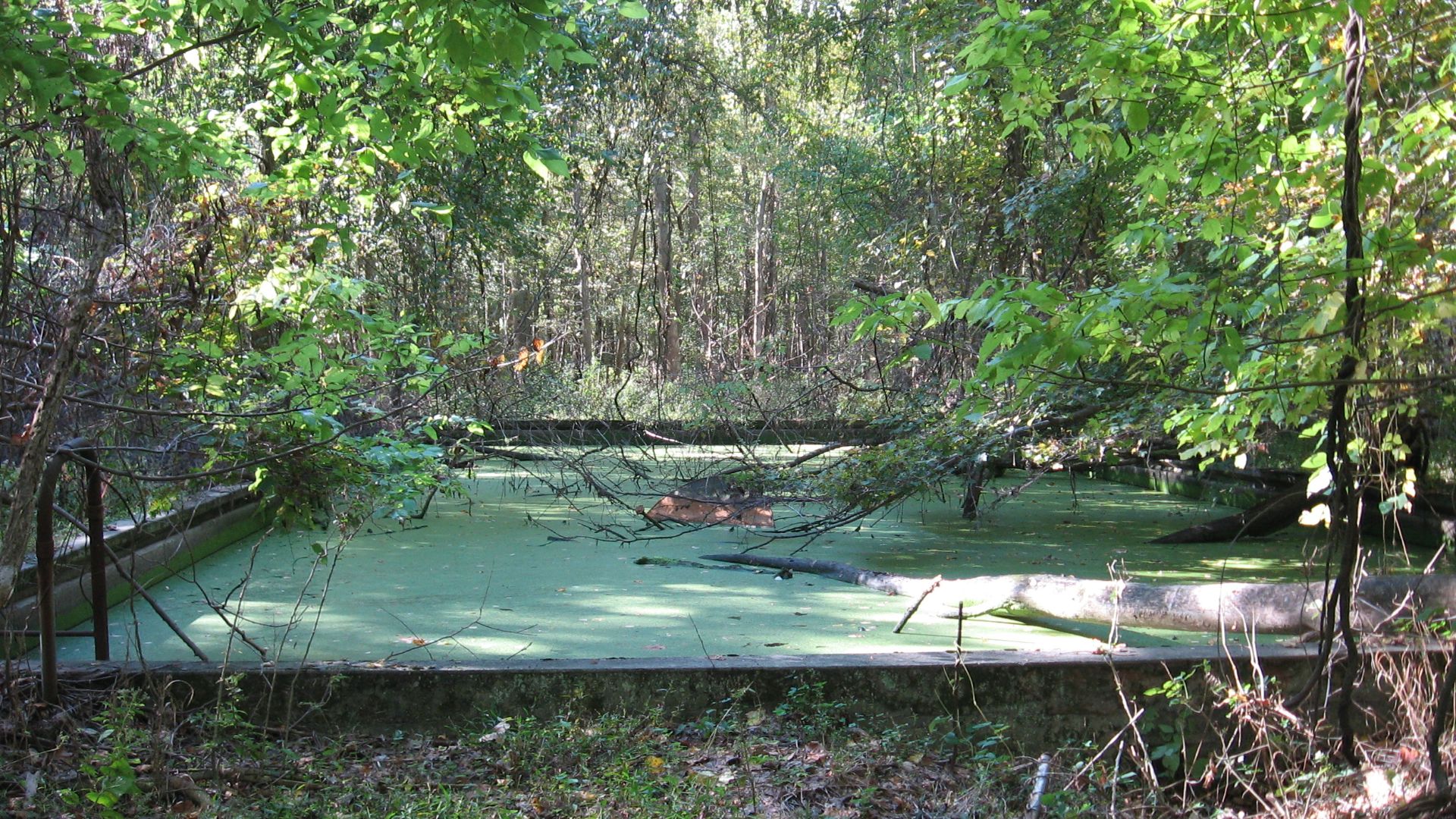
Indiana's Rose Island welcomed families with swimming, dancing, games, and amusement rides beside the Ohio River. A devastating flood in 1937 ended the fun. Today, visitors can reach traces of the former park on a designated trail inside Charlestown State Park.
 Gmiller123456, Wikimedia Commons
Lake Shawnee, West Virginia: The Amusement Park That Became An Attraction Again
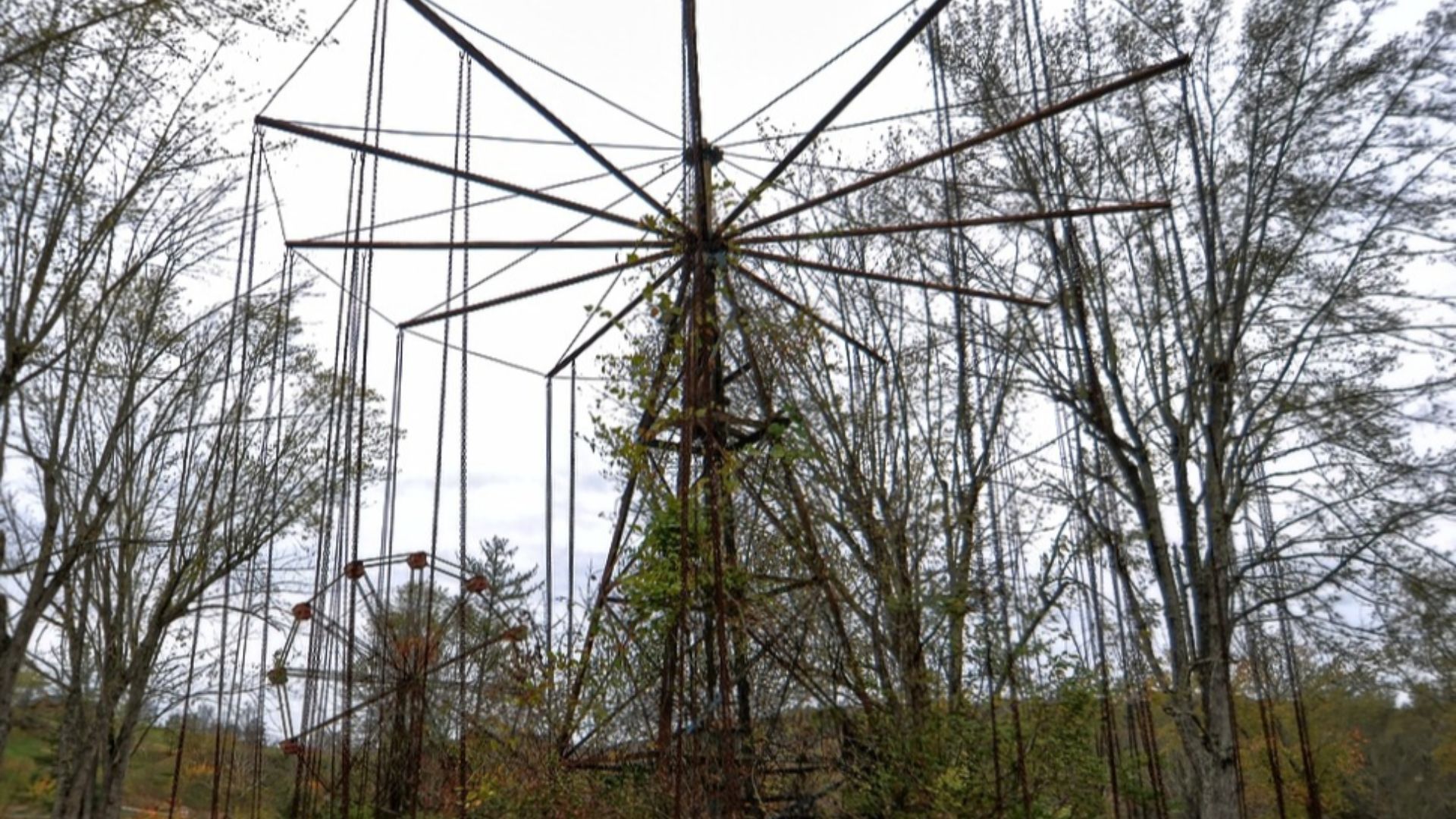
In West Virginia, Lake Shawnee's former amusement park still attracts visitors, although not for ordinary rides. Weathered structures remain part of its eerie appeal, and guided tours continue. A 2025 fire damaged a building used for tourism operations, reminding caretakers how vulnerable such landmarks can be.
 Forsaken Fotos from , Maryland, Wikimedia Commons
Crystal River Tourist Court, Arkansas: The Motel Built Around A Cave
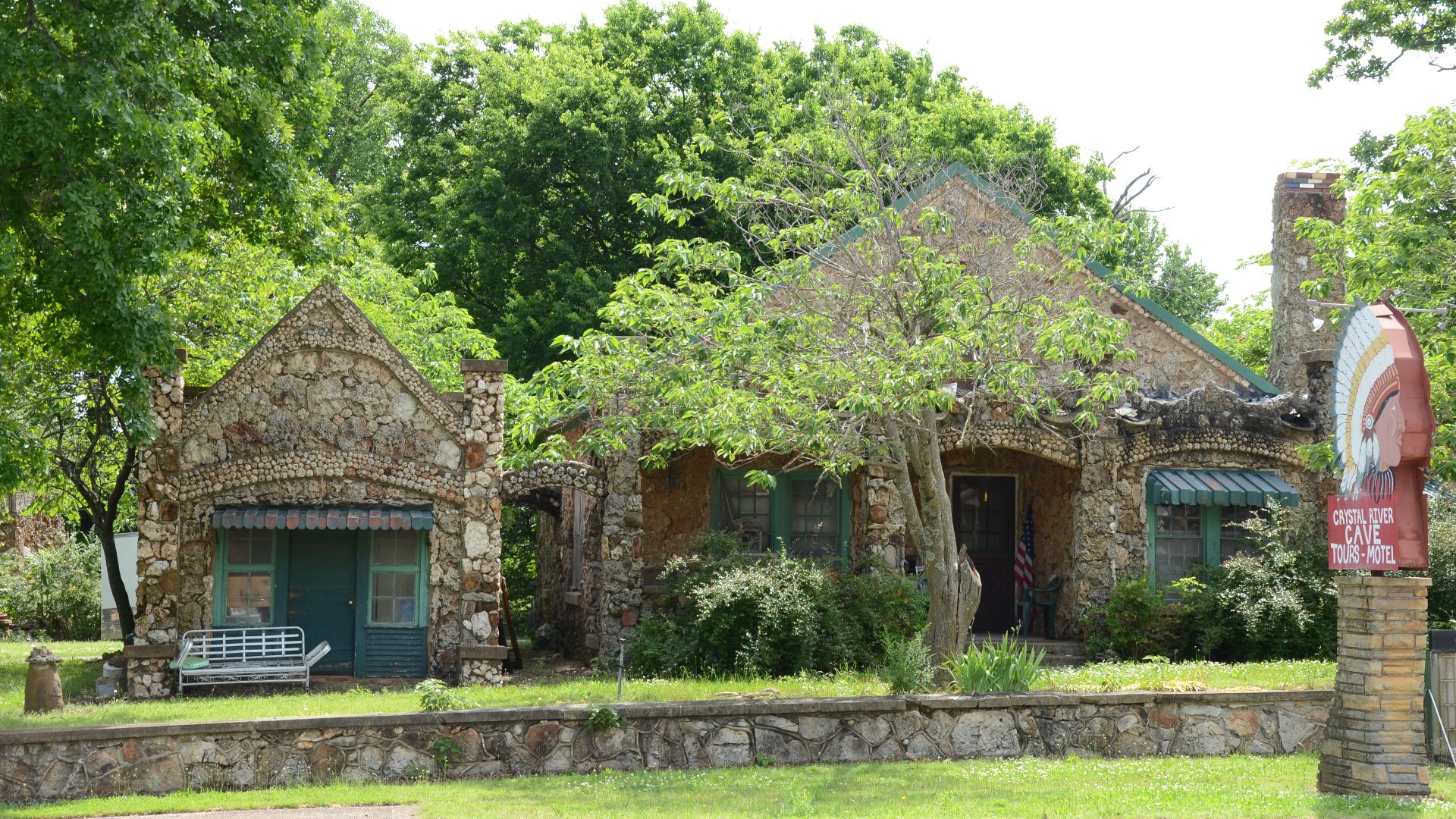
Arkansas's Crystal River Tourist Court offered an unusually dramatic roadside welcome in Cave City. Built in 1934, its stone structures surrounded the entrance to a natural cave. Guests can no longer book a room, although the owners have offered cave tours by appointment.
Jungle Habitat, New Jersey: The Safari That Became A Forest
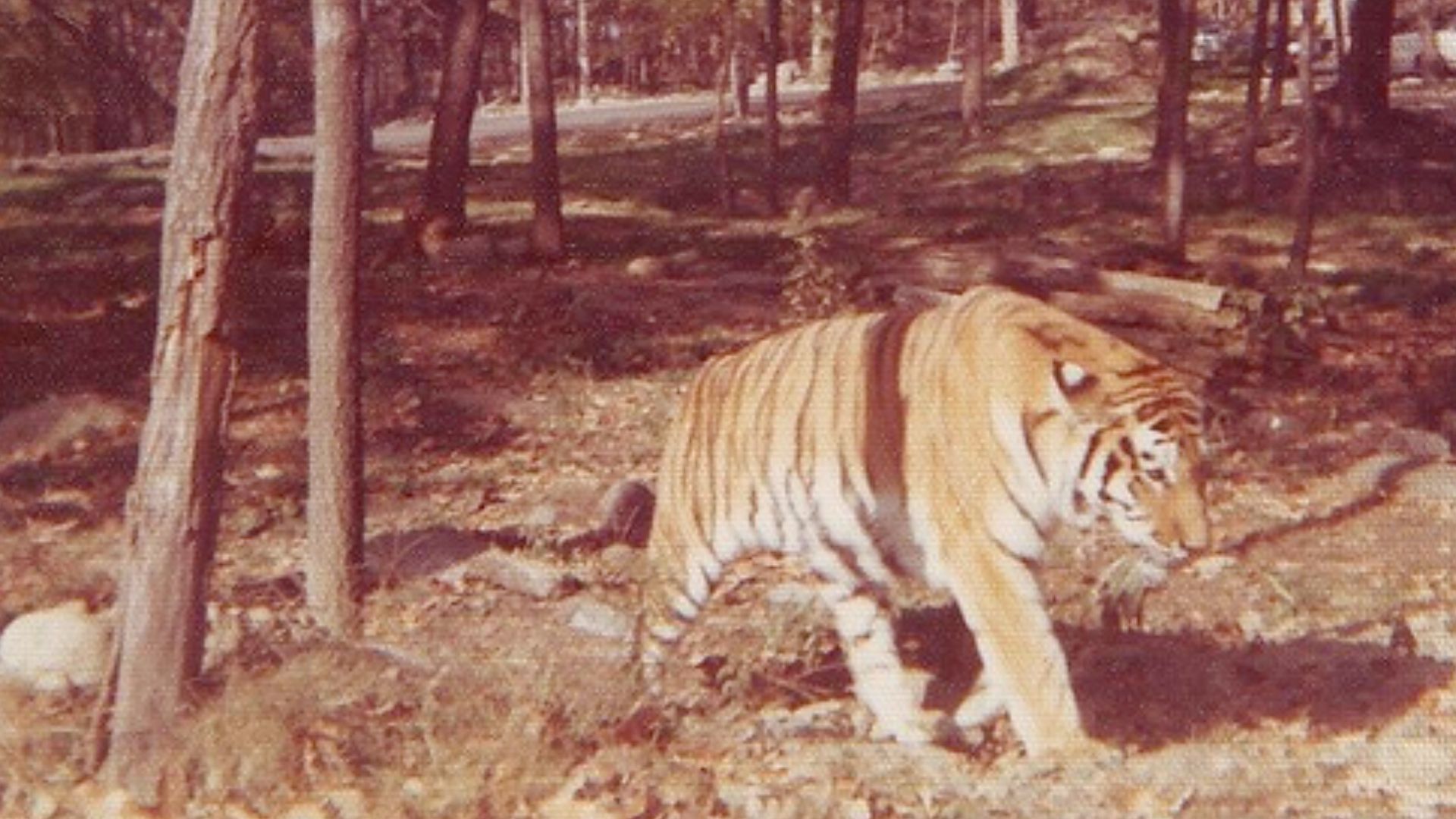
New Jersey's Jungle Habitat let 1970s families drive through a wildlife park run by Warner Bros. It closed in 1976, and the animals were removed. The land is now public parkland, where hikers and cyclists can still encounter remnants of the old safari infrastructure.
 dpred5 from Schwenksville, PA, Wikimedia Commons
South Of The Border, South Carolina: Still Open, But Not What It Was
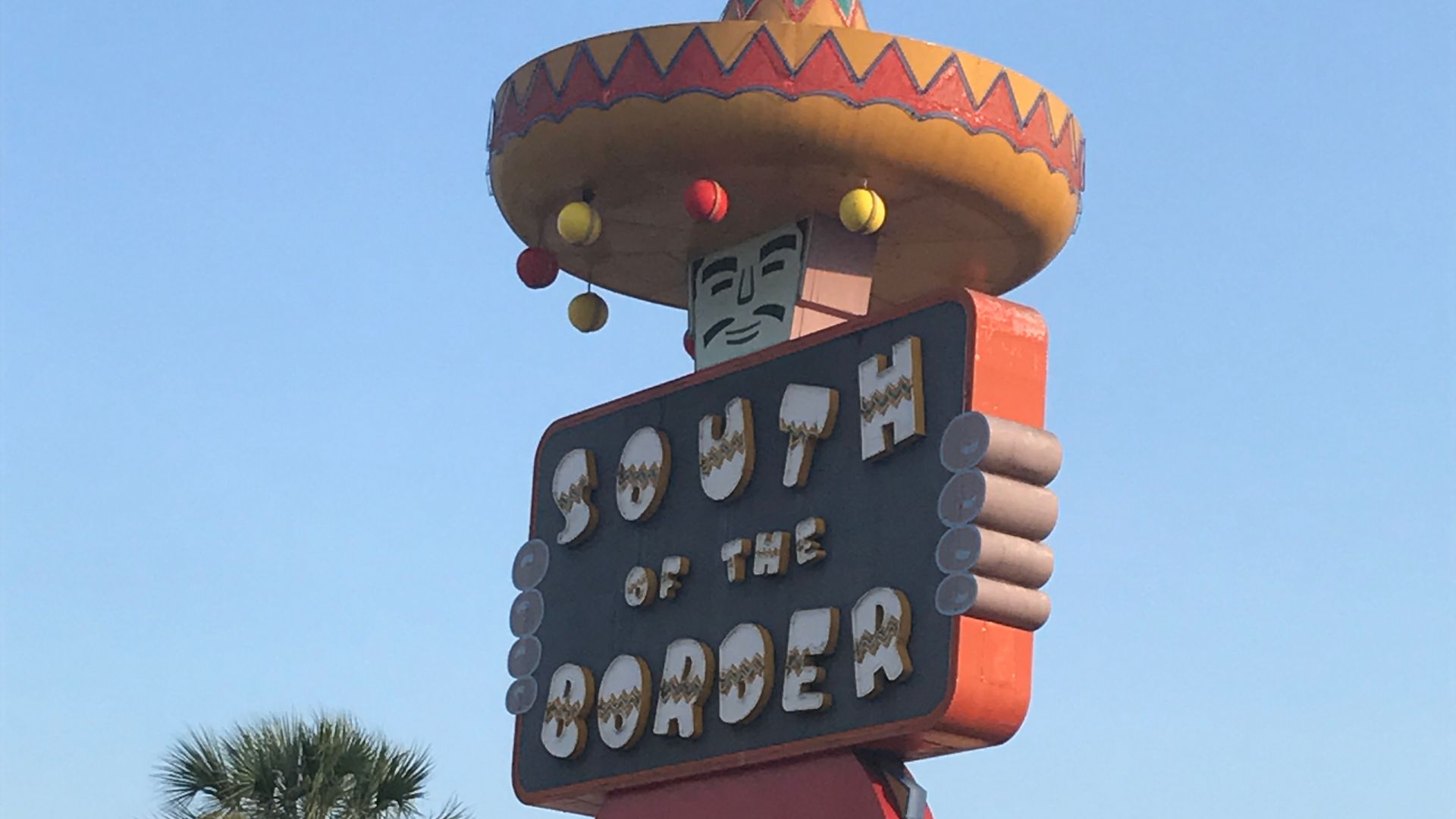
On Interstate 95, South of the Border still tempts travelers with its giant sombrero and sprawling roadside kitsch. Yet parts of the South Carolina complex have closed or fallen out of use. Other shops, lodging, and attractions remain open, making this a fading landmark rather than an abandoned one.
 Plantsmushrooms, Wikimedia Commons
Holy Land USA, Connecticut: A Roadside Landmark Finds New Life
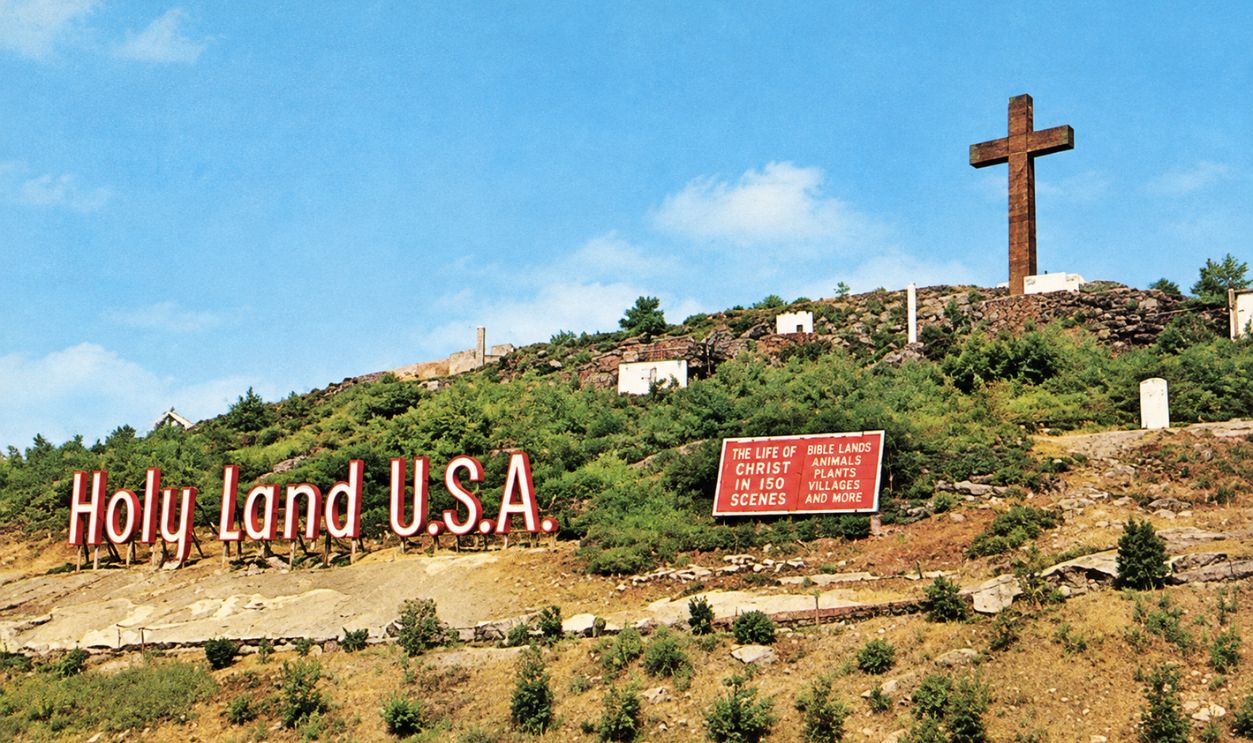
Connecticut's Holy Land USA once drew visitors to a hillside filled with biblical displays overlooking Waterbury. After closing in 1984, much of the attraction deteriorated. Its story recently turned again, with a newly created Stations of the Cross trail opening in August 2026.
 postcard, Wikimedia Commons, Enhanced
World's Wonder View Tower, Colorado: The Roadside Curiosity That Returned
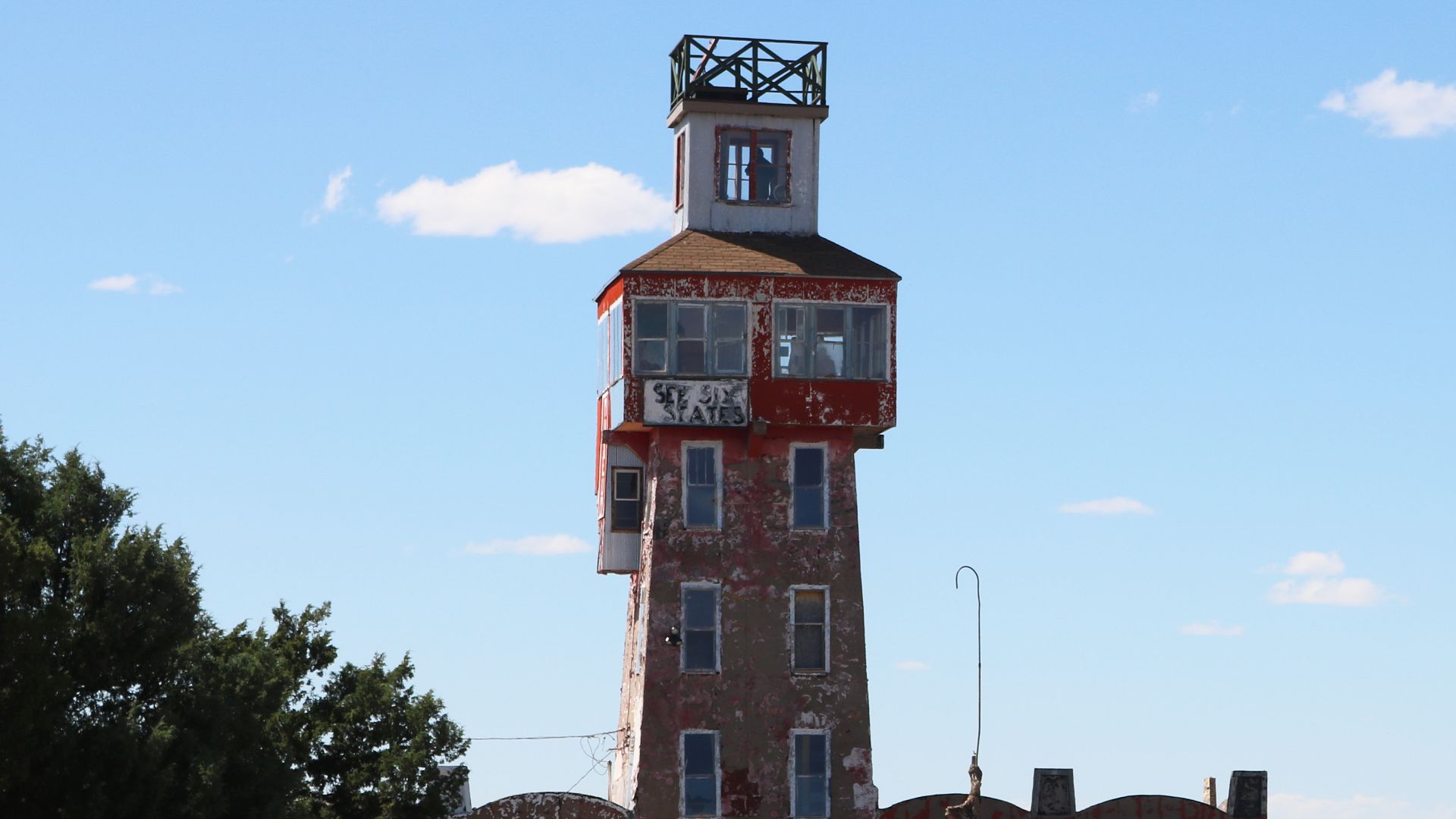
Colorado's World's Wonder View Tower once promised an improbable view across six states from the plains near Genoa. It closed after its longtime owner died in 2013. In May 2026, the restored tower reopened, proving a roadside curiosity can return after years of silence.
 Jeffrey Beall, Wikimedia Commons
Would You Stop Or Keep Driving?
Not every faded attraction is safe or even legal to enter, and some sites sit on private land. Still, their signs, statues, and empty buildings preserve an unforgettable chapter of American road trips. Would you pull over for a photograph, or keep driving?
Sources: 1, 2, 3, 4, 5, 6, 7, 8, 9, 10, 11, 12, 13, 14, 15, 16, 17, 18, 19, 20, 21, 22, 23, 24, 25, 26, 27