
It Sounded Like A Dream At First
When my friend suggested a luxury vacation, I pictured a nice hotel, a few fancy dinners, and maybe one memorable splurge. I agreed without asking enough questions because I assumed we had similar travel styles. That assumption fell apart the moment she sent me the itinerary.

Luxury Meant Something Very Different
Her version of luxury included five-star resorts, private airport transfers, spa packages, tasting menus, and premium excursions almost every day. The total price climbed far beyond what I had expected. Suddenly, I realized I had agreed to something I simply could not afford.

Sticker Shock Happens More Often Than People Admit
Money conversations between friends are surprisingly easy to avoid until someone has to pay. Travel experts regularly note that differing budgets are one of the biggest sources of conflict on group vacations. Being financially honest early usually prevents much bigger problems later.

Why We Avoid Talking About Money
Many people feel embarrassed discussing finances because income and spending habits vary widely. One friend may see a $500 hotel as a bargain while another considers it impossible. Neither perspective is automatically wrong, but both people need to know the expectations before booking.

I Started Doing The Math
After adding airfare, accommodations, meals, activities, transportation, and travel insurance, I realized the trip would cost thousands more than my vacation budget. I could technically charge it to a credit card. That did not mean it was a smart financial decision.

Vacation Debt Is Rarely Worth It
Financial experts generally caution against borrowing money for discretionary travel if repayment will create lasting financial stress. Interest charges can turn one expensive vacation into a much larger expense over time. A memorable trip should not create months or years of financial pressure.
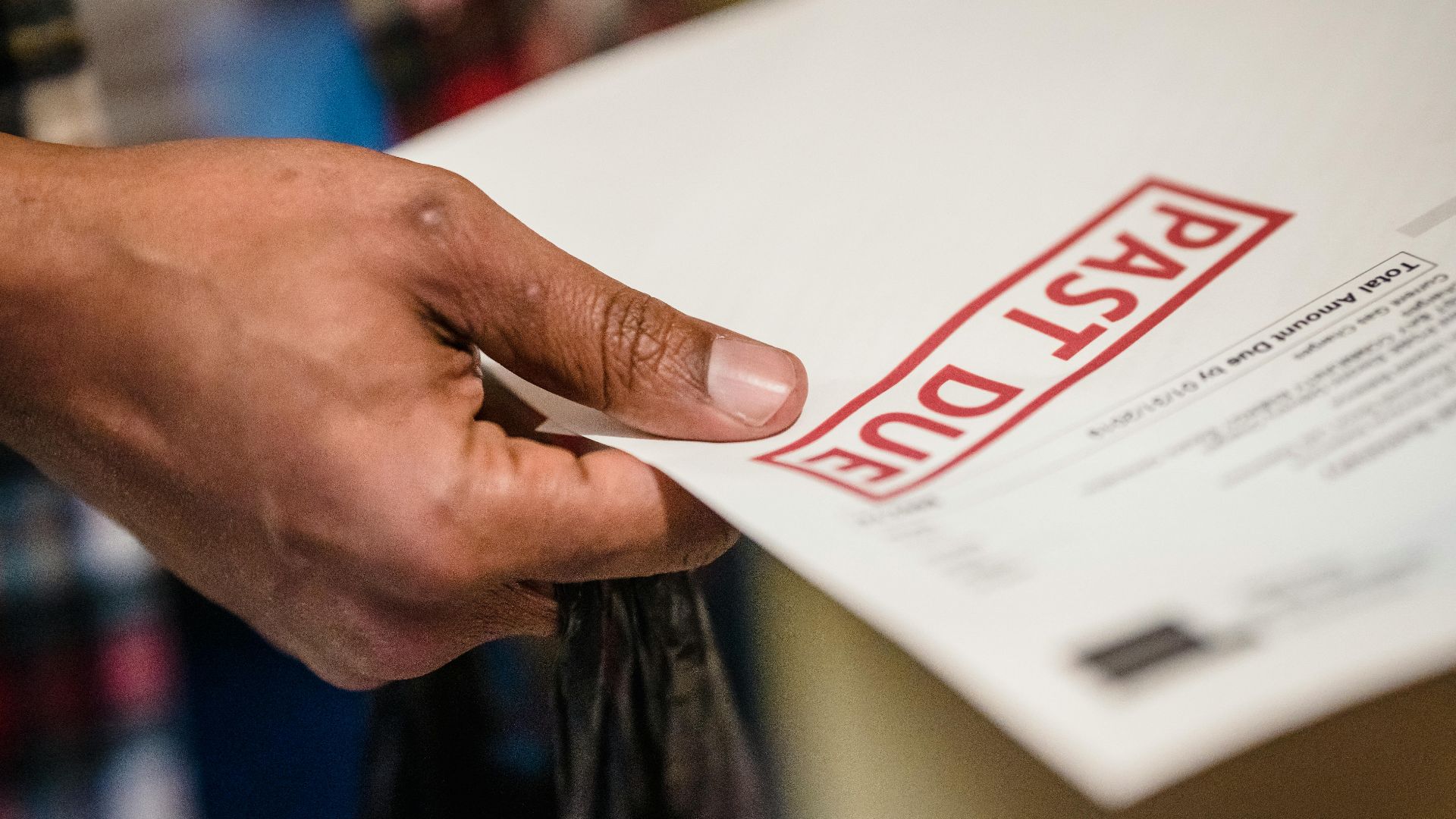
My Friend Already Made The Reservation
The situation became much more complicated when she told me everything had already been booked. She assumed I was fully committed because I had enthusiastically agreed at the beginning. Now I had to decide whether to speak up or quietly hope everything somehow worked out.

Can I Legally Cancel?
The answer depends on the booking terms rather than the friendship. Hotels, airlines, cruises, vacation rentals, and tour operators all have different cancellation policies. Some reservations are fully refundable, while others become partially or completely nonrefundable after certain deadlines.

Read The Cancellation Policy Carefully
Before making any decisions, it helps to determine exactly what has already been paid. Some bookings allow free cancellation within a specific window. Others charge penalties that increase as the departure date approaches.

Tell Your Friend Immediately
If backing out is becoming a real possibility, delaying the conversation rarely improves the outcome. Giving your friend more notice increases the chances of changing reservations or finding another travel companion. Waiting until the last minute usually makes everything more expensive.

Be Honest Instead Of Making Excuses
It is tempting to invent another reason for canceling. However, saying that the trip exceeds your budget is usually more respectful than creating a false emergency. Clear communication often preserves friendships better than vague explanations.
 LinkedIn Sales Solutions, Unsplash
Offer To Cover Fair Costs
Backing out does not always eliminate financial responsibility. If your cancellation creates unavoidable nonrefundable costs that your friend reasonably incurred because of your earlier commitment, offering to pay your share can help keep the situation fair. Etiquette experts commonly recommend this approach.

Explore Possible Compromises
Sometimes the entire trip does not have to disappear. You might stay at a nearby hotel, skip expensive excursions, or join only part of the vacation. Honest discussion can reveal options that nobody considered initially.

Separate Wants From Needs
Luxury vacations often include optional experiences rather than necessities. A spa day, helicopter tour, or private guide may sound appealing but may not fit every traveler's budget. Discussing priorities can reduce costs without eliminating the trip entirely.

Travel Styles Matter As Much As Budgets
Even friends with similar incomes may spend very differently while traveling. Some prioritize food. Others care most about accommodations or activities. Understanding those priorities before booking helps avoid disappointment later.

Never Assume Everyone Can Afford The Same Things
Income rarely tells the whole story. Someone earning more may also have higher living expenses, student loans, childcare costs, or other financial obligations. Assuming everyone shares the same spending comfort level often creates unnecessary tension.

Learn To Ask Better Questions
Before agreeing to any future trip, ask for an estimated budget, preferred hotel category, transportation plans, dining expectations, and optional activities. Those conversations may feel awkward for five minutes. They can prevent weeks of stress later.

Refund Policies Matter More Than Ever
Consumer agencies consistently encourage travelers to understand refund rules before making payments. Reading the cancellation terms carefully helps travelers understand what happens if plans unexpectedly change.
 The India Today Group, Getty Images
Travel Insurance Has Limits
Travel insurance may reimburse certain covered events like illness or severe weather. It usually does not reimburse someone who simply changes their mind because the vacation costs more than expected. Reading the policy before purchasing remains essential.

Friendships Can Survive Awkward Conversations
Money disagreements do not automatically end close friendships. Many conflicts become manageable once both people understand each other's expectations. Respectful honesty is usually more effective than silent resentment.

This Is Also A Learning Experience
Almost everyone makes at least one expensive planning mistake while traveling. The important lesson is not avoiding travel altogether. It is learning to clarify expectations before making commitments.

Future Trips Should Start With A Budget
Many experienced travelers recommend discussing the maximum overall budget before choosing a destination. Once everyone agrees on spending limits, selecting hotels and activities becomes much easier.

It Is Okay To Protect Your Finances
Feeling guilty about canceling is understandable. However, damaging your long-term financial stability for a vacation rarely benefits anyone. Responsible financial decisions are not selfish.

The Best Outcome Is Mutual Understanding
Ideally, both friends recognize that neither intended to create this situation. One assumed luxury meant one thing, while the other imagined something very different. Honest communication gives both people the best chance of preserving both their finances and their friendship.

The Bottom Line
Yes, you can still back out, but do it as quickly as possible. Review the booking terms, explain your financial situation honestly, and be prepared to cover any reasonable nonrefundable costs you committed to. The uncomfortable conversation today is usually far easier than paying for a vacation that you cannot realistically afford.

You May Also Like: