The Foods We Love To Argue About
You can't throw a stick in America without hitting a unique local delicacy. But even if the locals swear by them, that doesn't mean every visitor walks away convinced. Recent food surveys and rankings show that Americans still take pride in regional dishes—but they also love debating which famous bites get more hype than they deserve.
 The Washington Post/Getty Images
Chicago Deep Dish Pizza
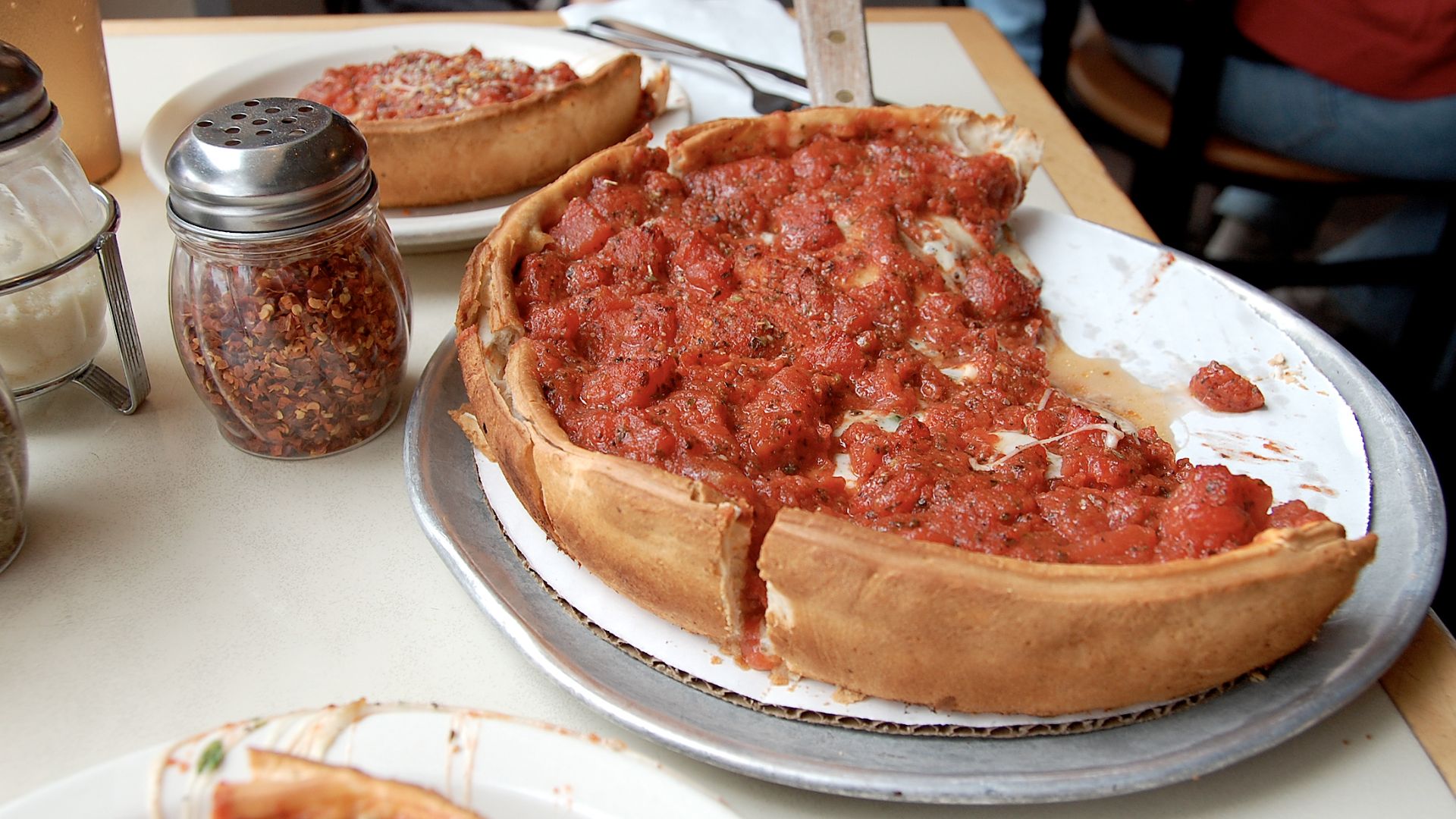
Chicago deep dish pizza is one of America’s most famous regional foods. Pizzeria Uno traces its origin story to 1943, when Ike Sewell developed the original deep dish pizza in Chicago. The problem is that visitors often expect a casual slice and get a knife-and-fork casserole instead. It can be delicious, but it is also heavy enough to turn a pizza stop into a full afternoon commitment.
 L. W. Yang from Los Angeles, California, USA, Wikimedia Commons
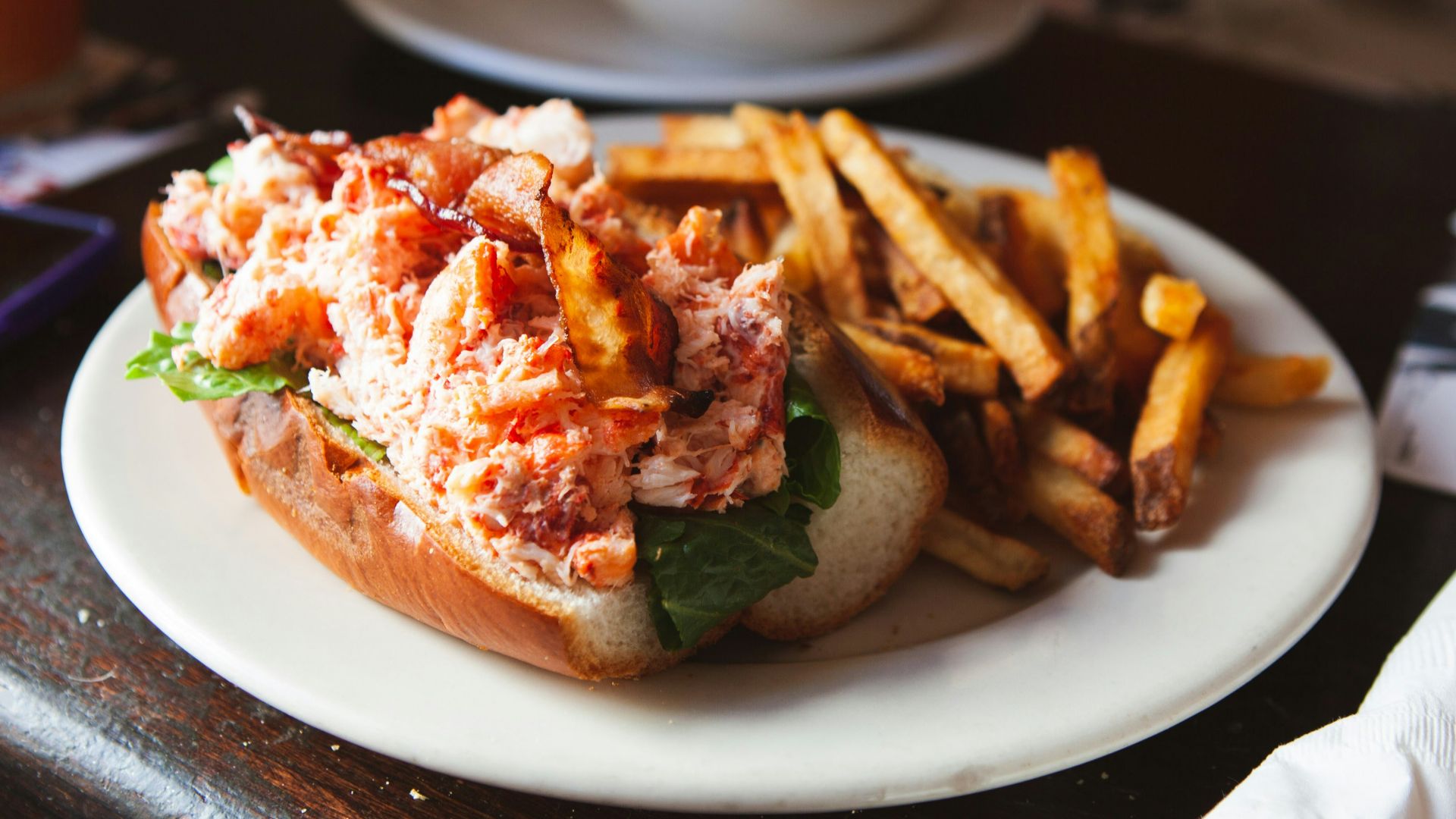
Maine Lobster Rolls
A good lobster roll can be one of the great pleasures of a summer trip through New England. Eater has called the lobster roll a coastal favorite with national appeal, which explains why travelers chase it so hard. The letdown comes when a tiny bun arrives with a luxury price tag and only a modest amount of lobster. When the roll is more mayonnaise, bread, or vacation marketing than sweet lobster meat, people start questioning the legend.
Philly Cheesesteaks
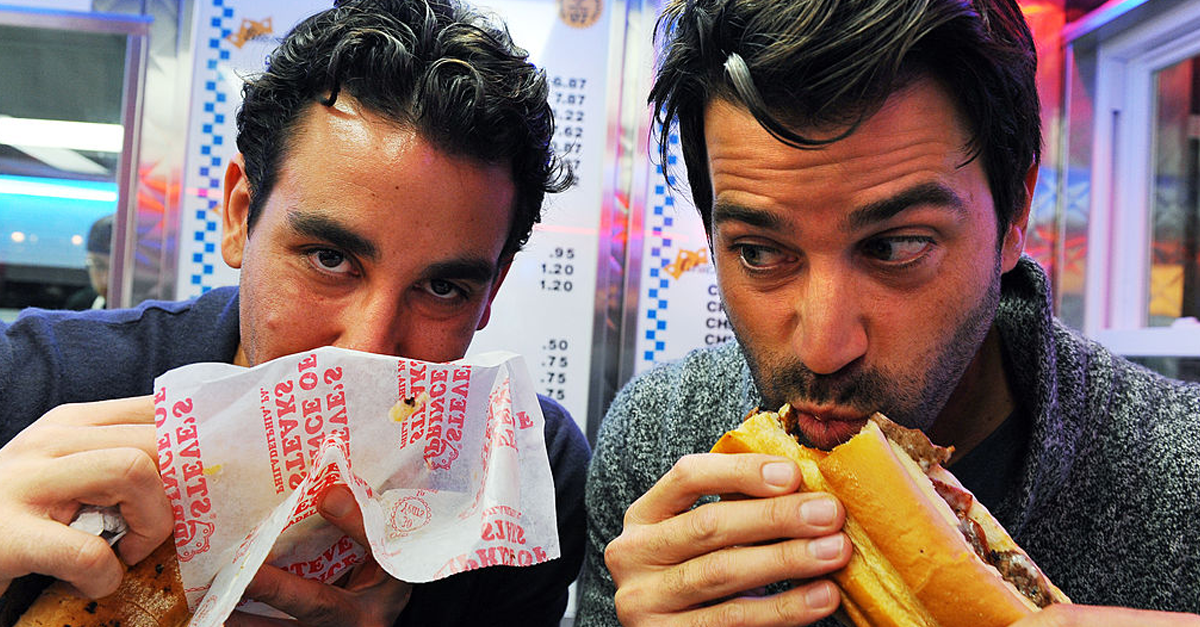
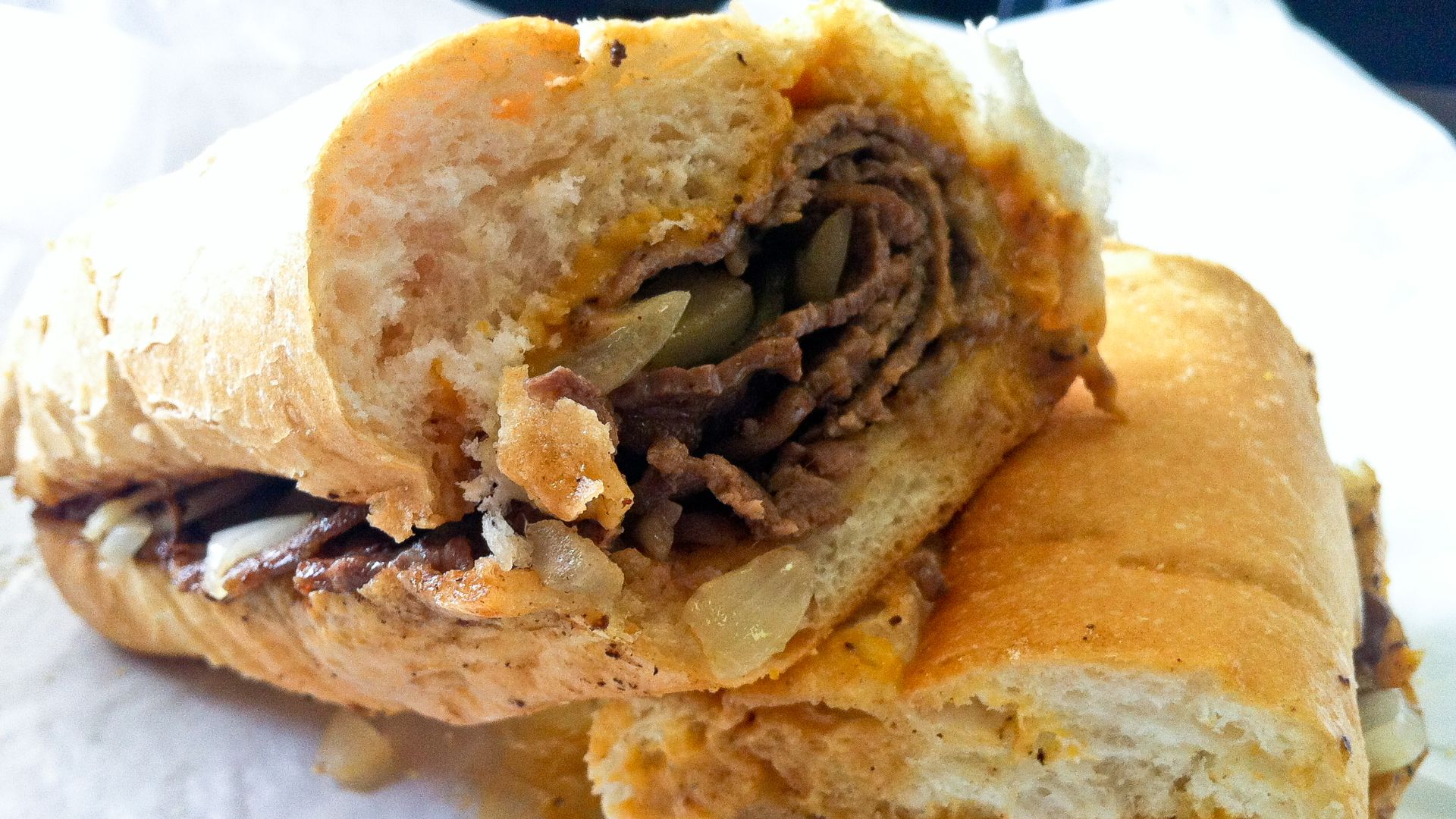
The philly cheesesteak is a real icon, and Visit Philadelphia describes it as the city’s most famous sandwich. The traditional story credits Pat Olivieri with inventing it in 1930 after putting beef on his grill. The trouble is that fame has turned some cheesesteak stops into long tourist lines for a sandwich that can be greasy, rushed, and uneven. The best versions still hit the spot, but the average one may not change your life.
 larryjh1234, Wikimedia Commons
New England Clam Chowder
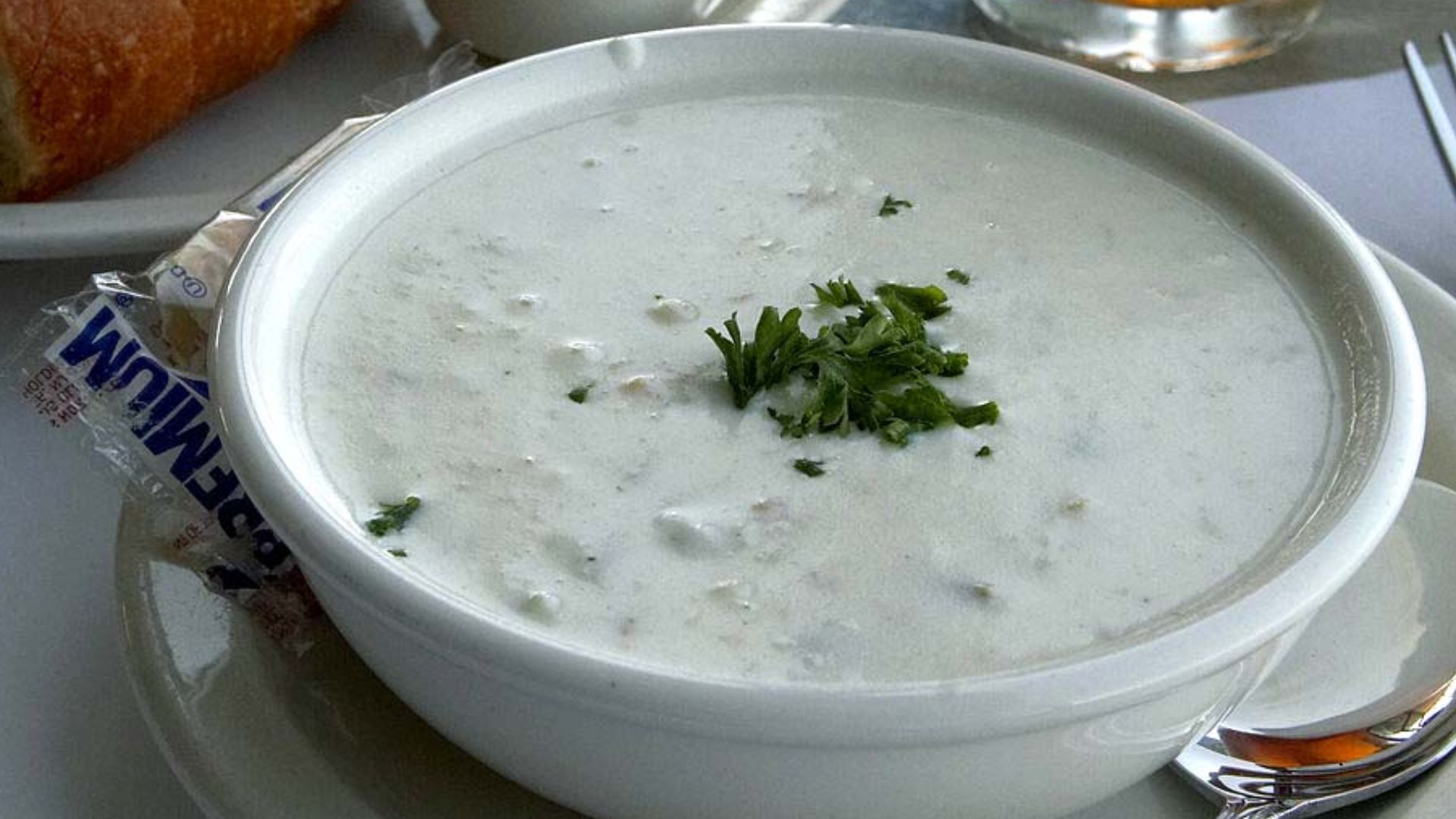
New England clam chowder has a long coastal history and a permanent place on seafood menus. It is creamy, comforting, and strongly tied to Massachusetts and the broader New England region. Still, chowder can feel overrated when it arrives as a thick bowl of potatoes and cream with only a few clams hiding inside. For visitors expecting bright seafood flavor, it can taste more like a winter soup than a coastal revelation.
 Jon SullivanThe original uploader was Y6y6y6 at English Wikipedia., Wikimedia Commons
Cincinnati Chili
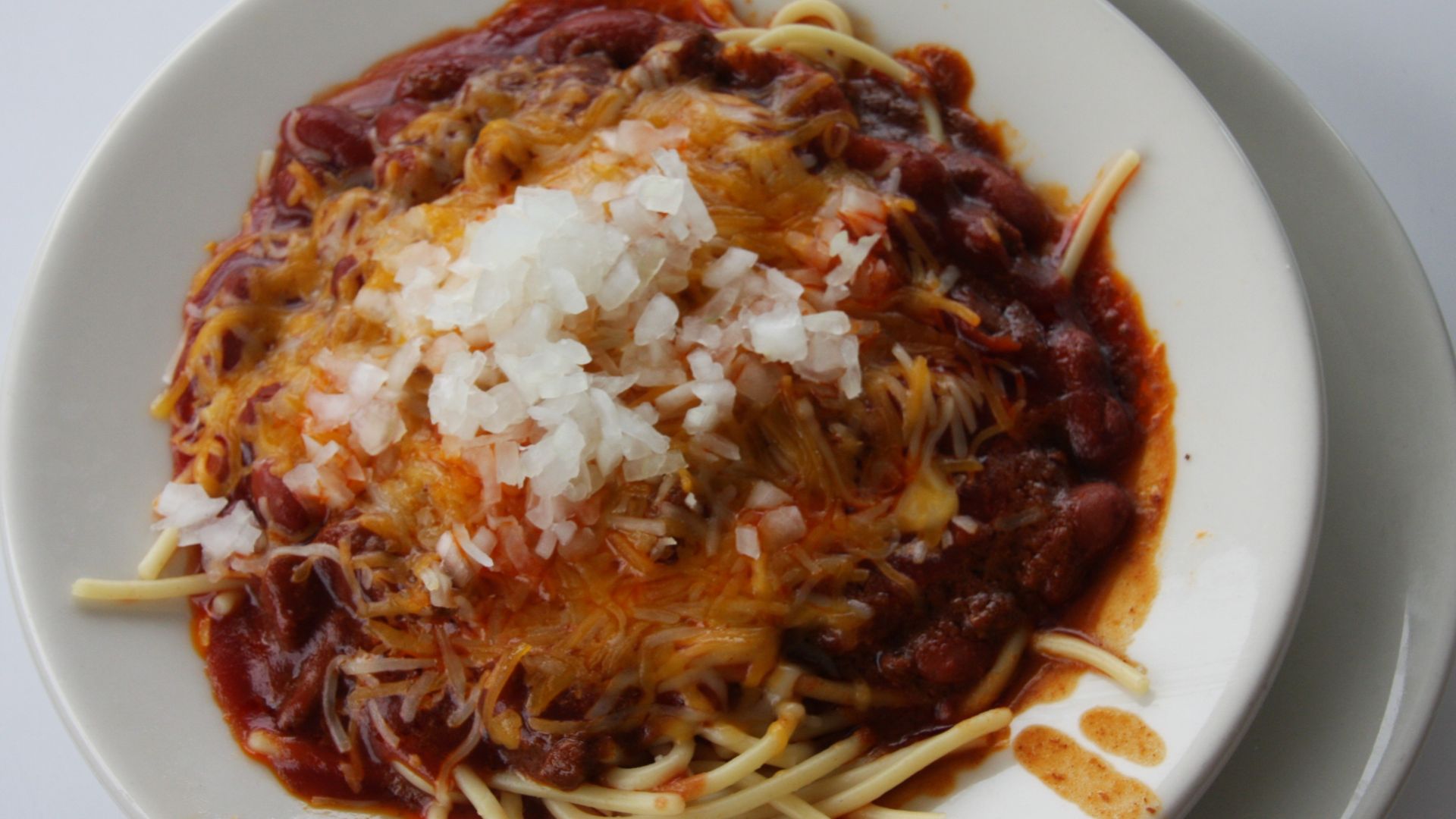
Cincinnati chili is one of the country’s most debated regional specialties. Local history traces it to immigrant restaurateurs and the rise of chili parlors such as Empress Chili in the 1920s. The dish is usually served over spaghetti and can include warm spices such as cinnamon, cloves, or nutmeg. That makes it beloved in Cincinnati, but deeply confusing to people expecting a standard bowl of Texas-style chili.
 Jonathunder, Wikimedia Commons
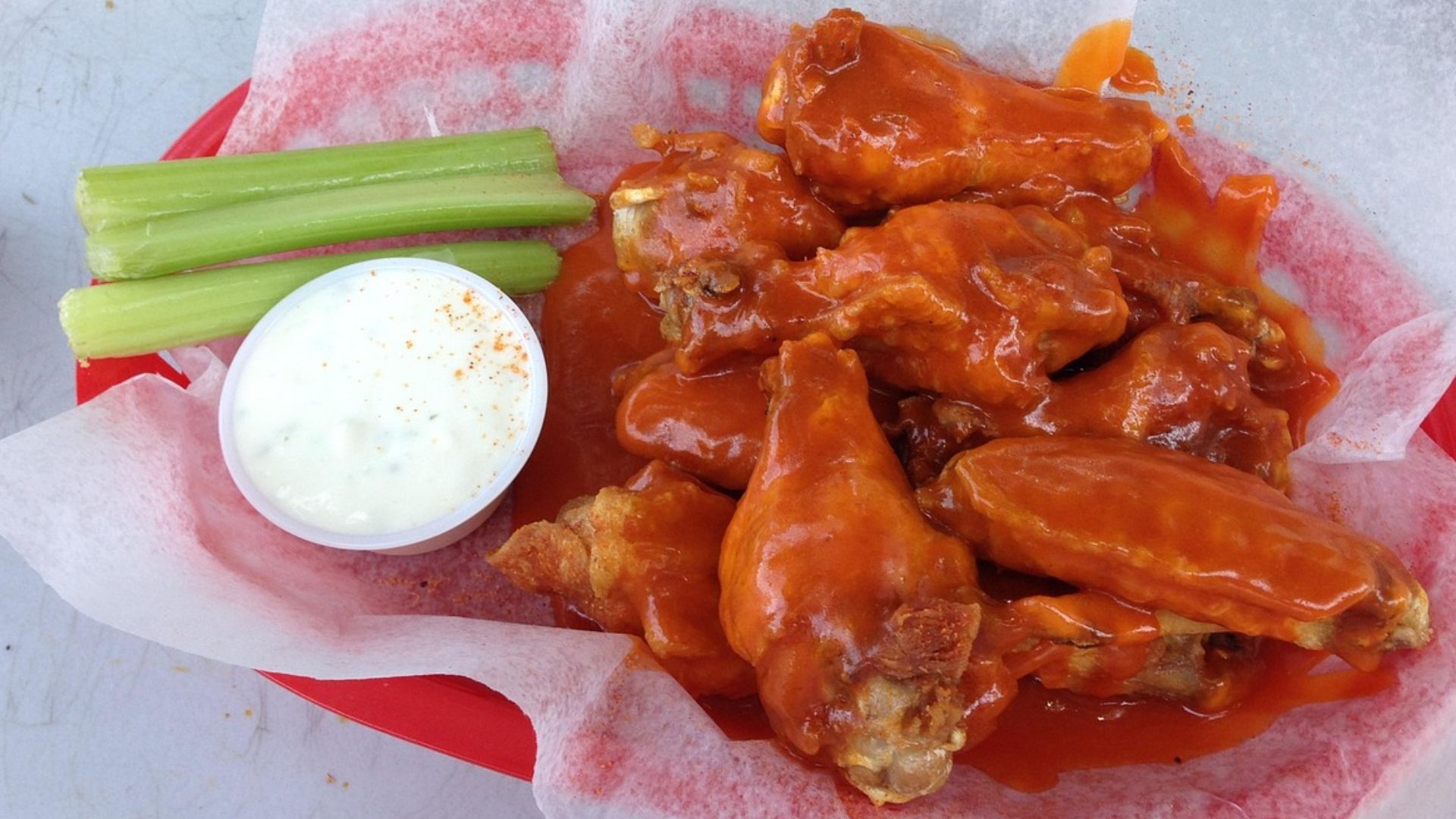
Buffalo Wings
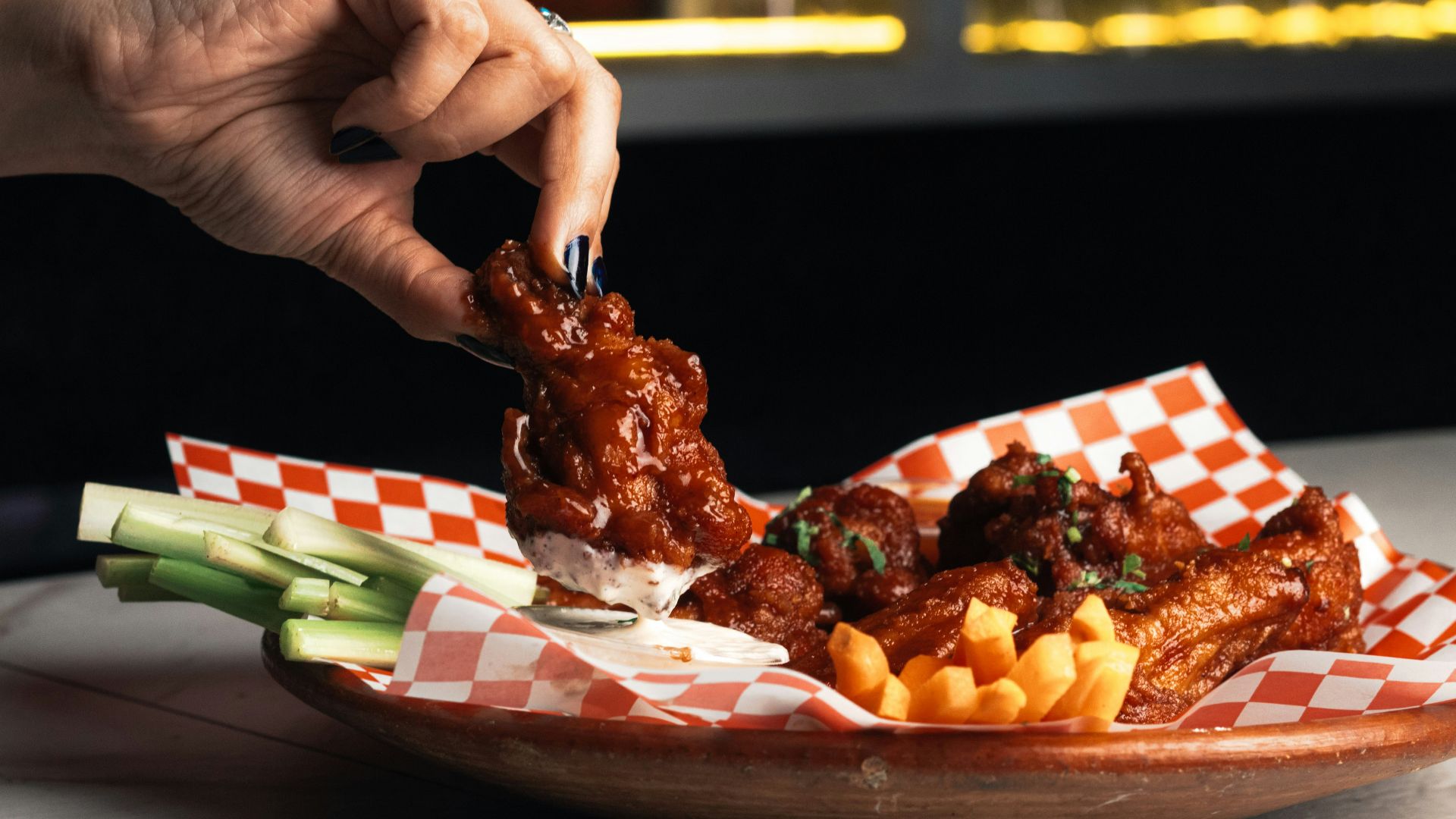
Buffalo wings have become so common that many people forget they are a regional food. Visit Buffalo credits the Anchor Bar with inventing Buffalo-style chicken wings in 1964, and Smithsonian notes that wings spread nationwide in the decades that followed. Their popularity is also the problem. Once every sports bar in America serves them, the original magic can get buried under soggy skin, bottled sauce, and tiny portions.
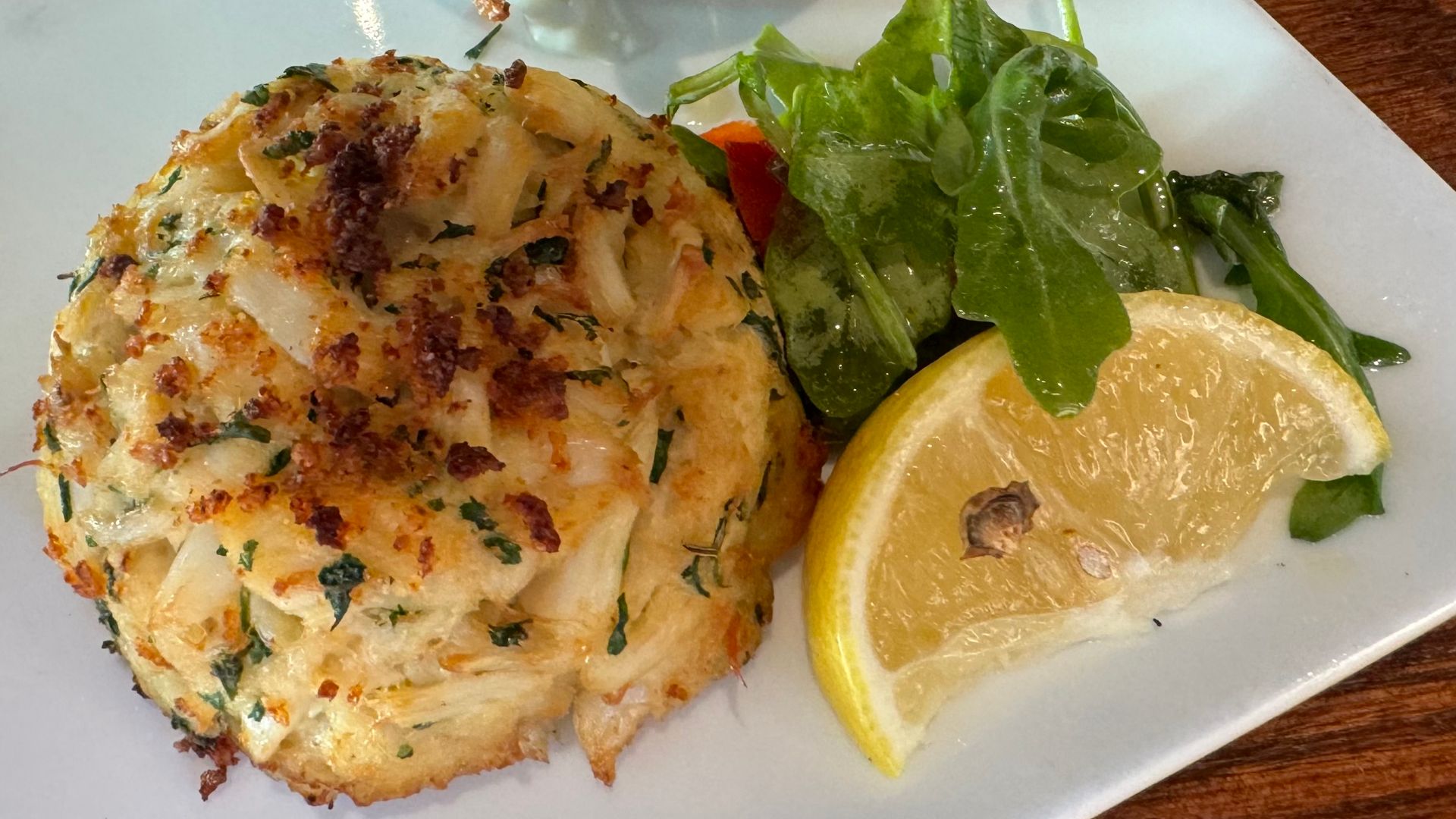
Maryland Crab Cakes
Maryland crab cakes are supposed to celebrate the flavor of blue crab. The best ones are rich, sweet, and barely held together with filler. The disappointment comes when a pricey crab cake tastes more like breadcrumbs than crab. Time also reported on seafood fraud concerns in Maryland crab cakes, which gives travelers another reason to ask where the crab actually came from.
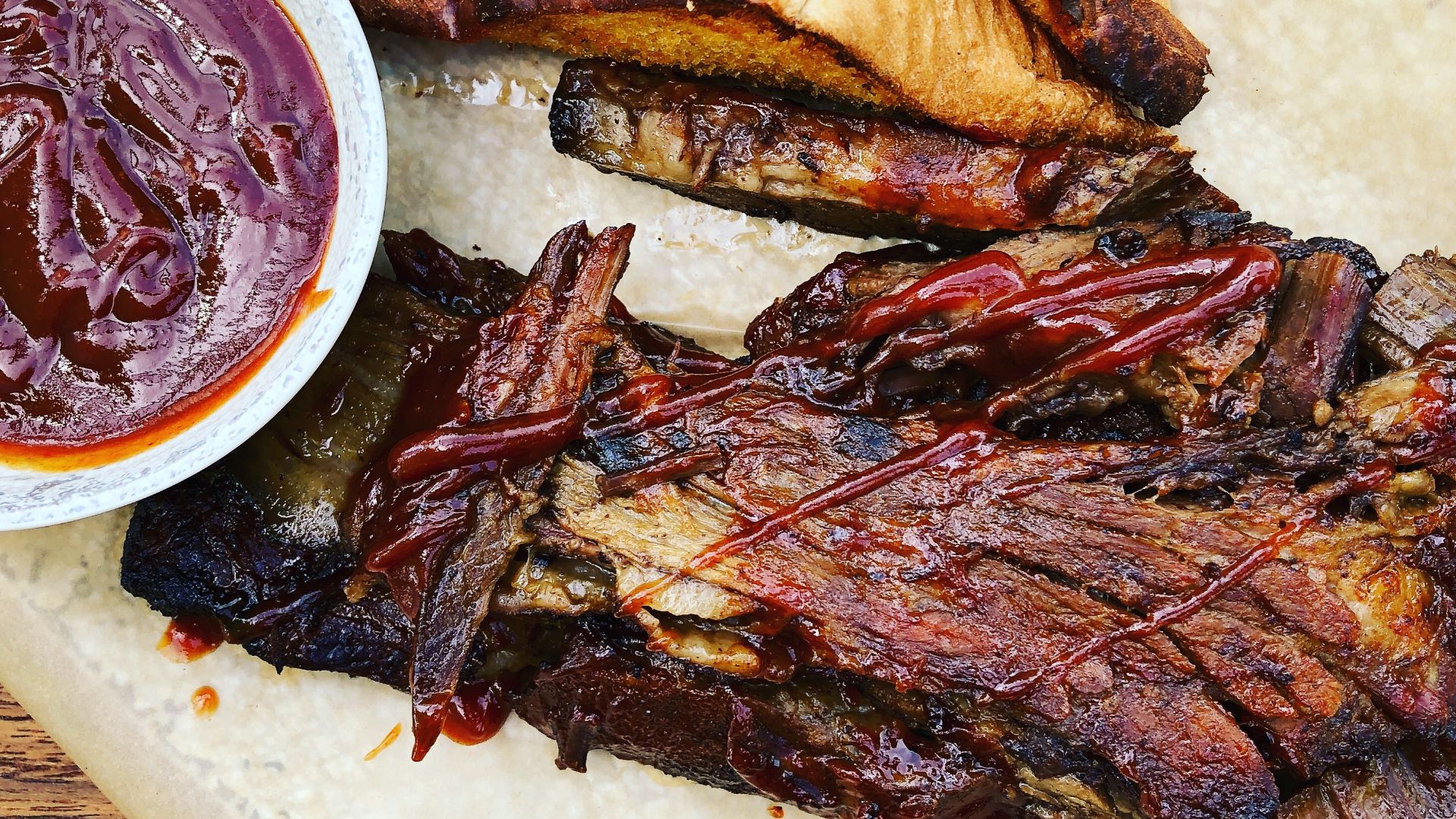
Texas Brisket
Texas brisket deserves its reputation when it is smoked properly. Food Network describes the Franklin Barbecue line in Austin as a rite of passage, which shows how seriously people take the dish. The issue is that hype has made brisket feel like an endurance sport. After hours in line, even excellent beef can struggle to match the fantasy people built while waiting.
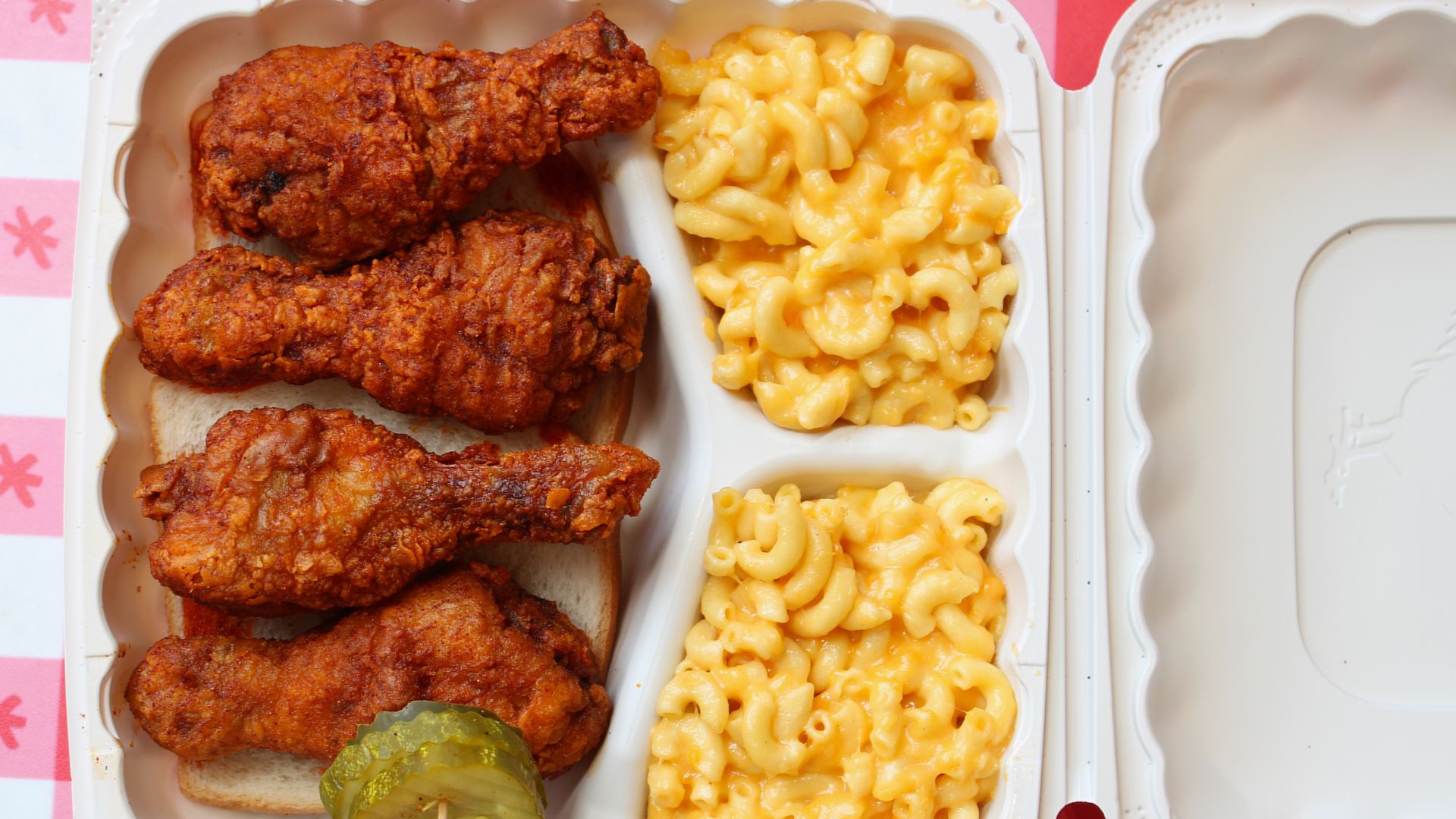
Nashville Hot Chicken
Nashville hot chicken has gone from local specialty to national menu trend. Prince’s Hot Chicken is widely associated with the original version, and Nashville food guides still treat the dish as a city essential. The catch is that many copycat versions focus more on pain than flavor. When the spice overwhelms the chicken, the dish can feel more like a dare than dinner.
 Myspiritanimalisamanatee, Wikimedia Commons
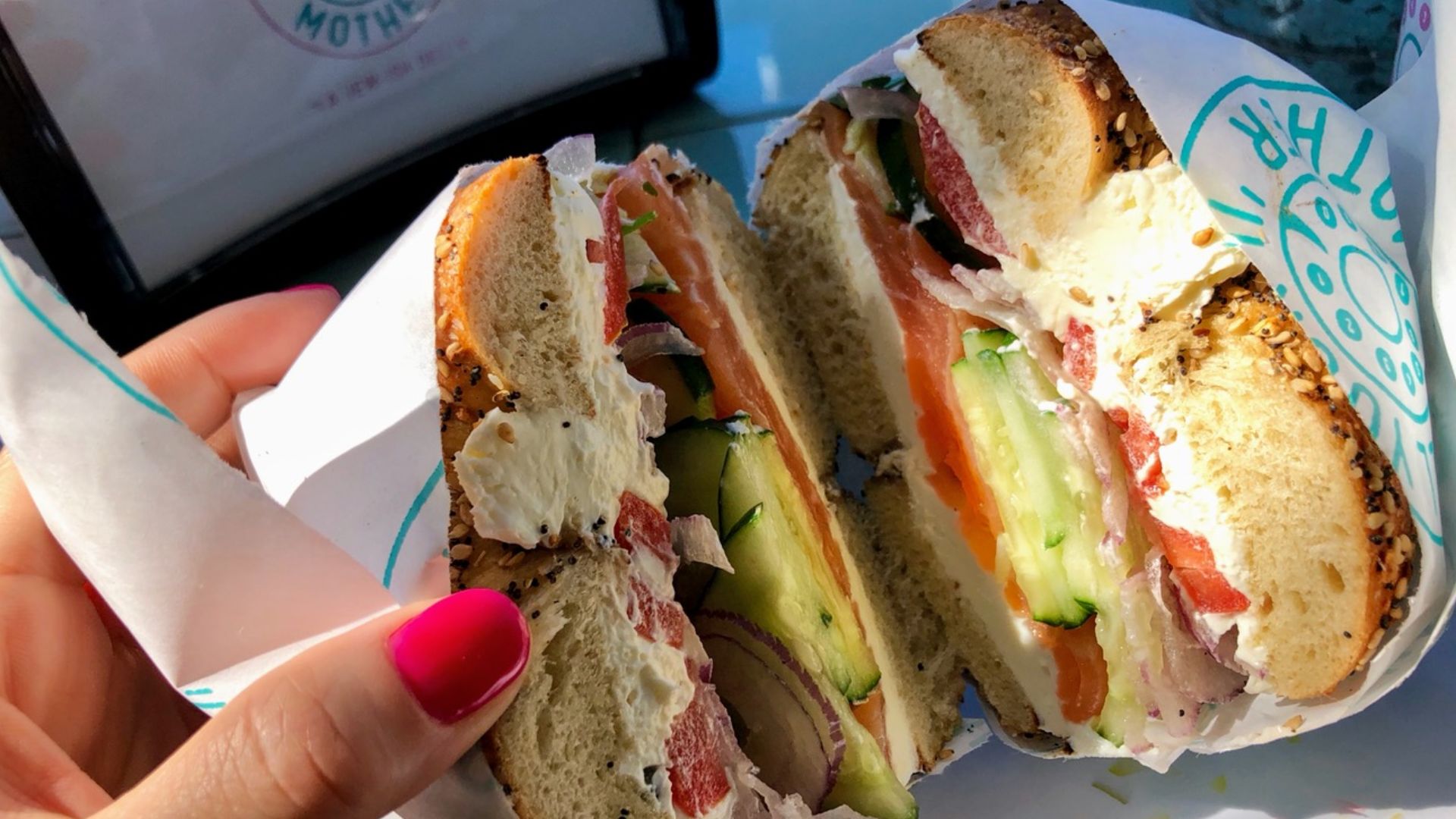
New York Bagels
New York bagels are a serious point of local pride. Food & Wine’s survey coverage found that New Yorkers named pizza and bagels with cream cheese among the foods that represent the state. The problem is not the best bagels, which can be outstanding. The problem is the expectation that every bagel in New York will be transcendent, even when some are merely dense, ordinary, and overpriced.
Chicago-Style Hot Dogs
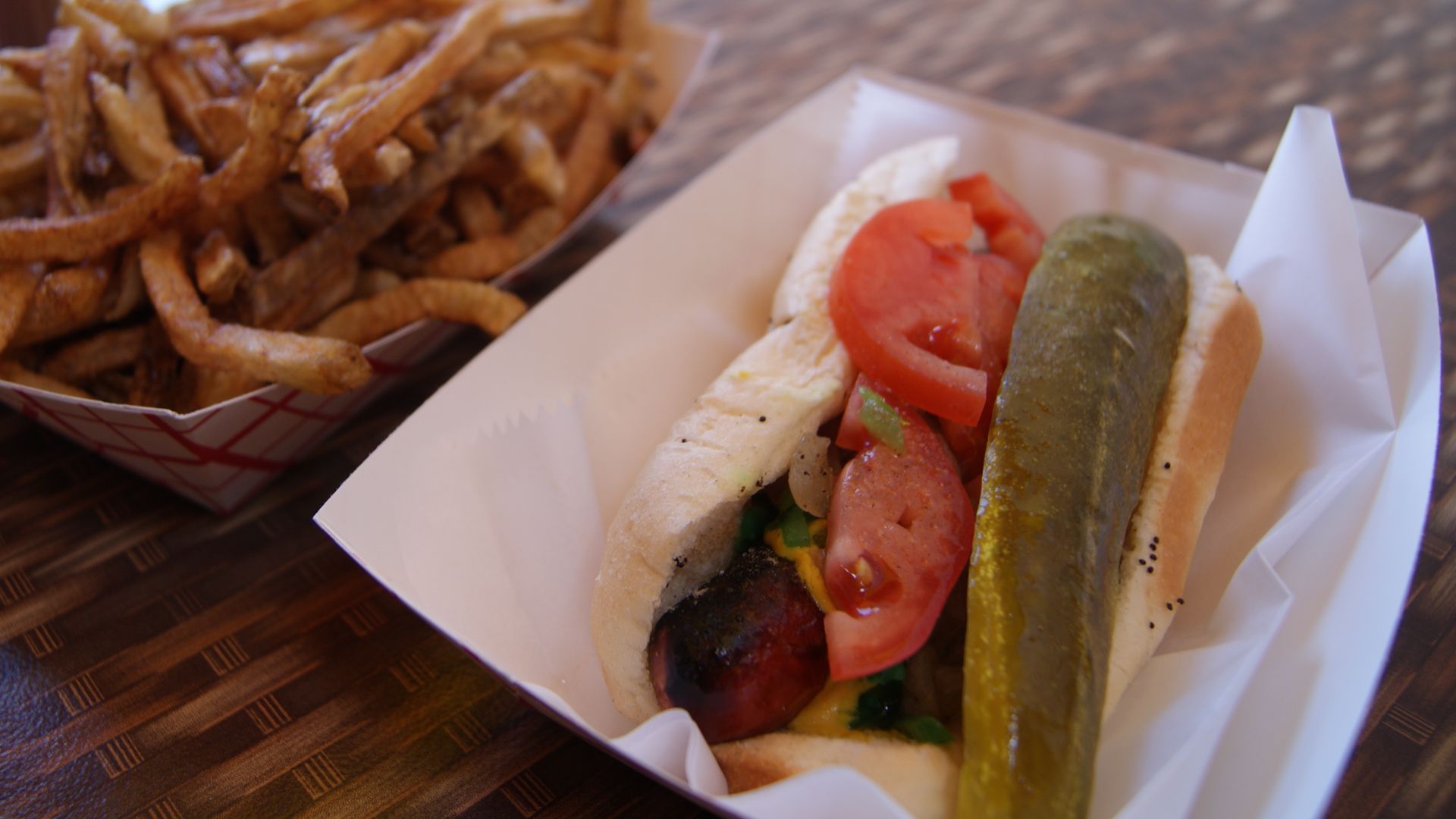
The Chicago-style hot dog has a strict identity and a loyal fan base. Food & Wine’s survey coverage lists Chicago-style hot dogs among the foods Illinois residents associate with their state. The fully loaded version brings mustard, relish, onion, tomato, pickle, sport peppers, and celery salt. For some visitors, that much topping turns a hot dog into a salad with a sausage buried underneath.
 Aneil Lutchman, Wikimedia Commons
Key Lime Pie
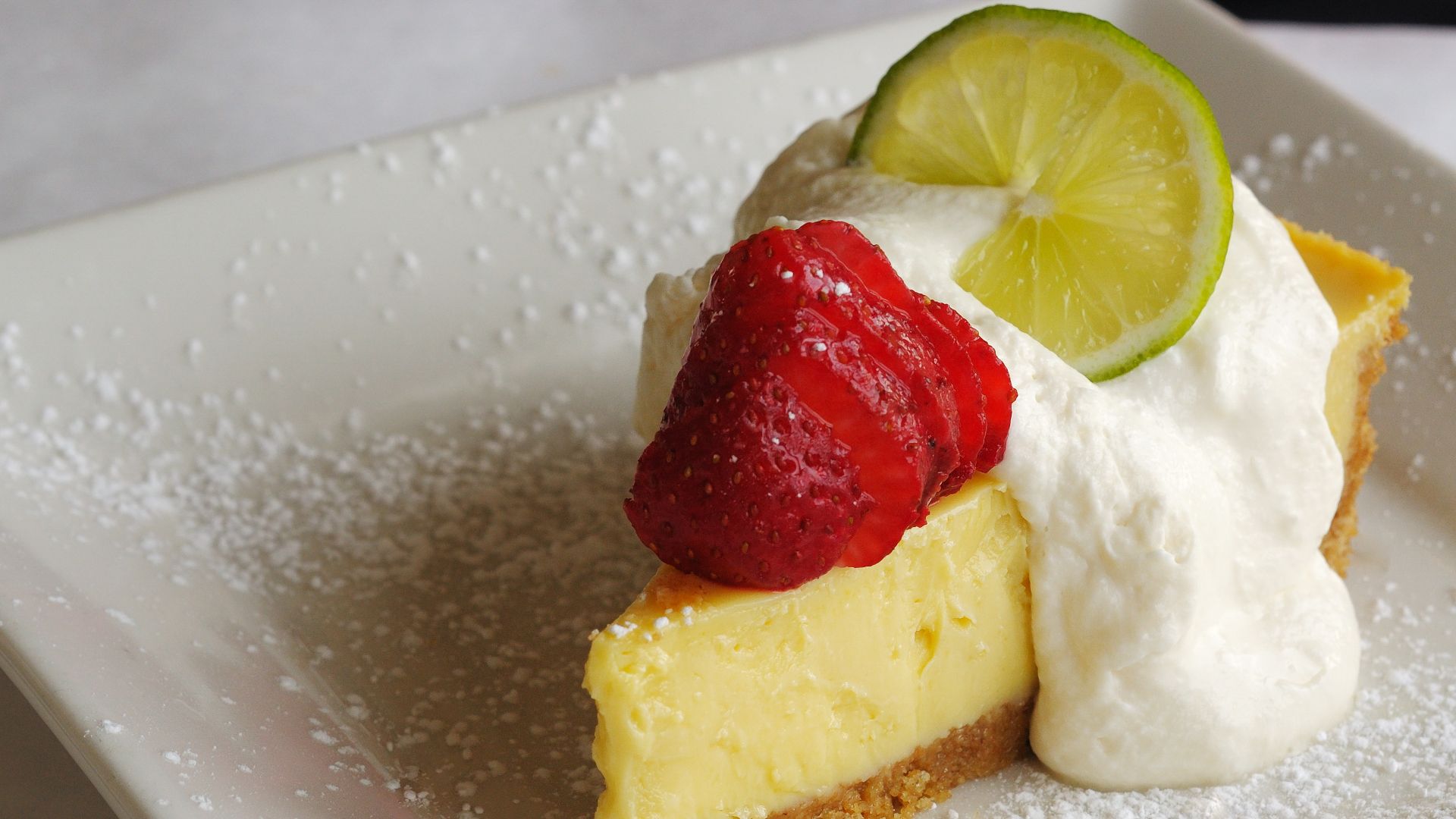
Key lime pie is one of Florida’s signature desserts. Food & Wine’s survey coverage lists Key lime pie among the foods Floridians connect with their state. A great version is tart, creamy, and refreshing. A disappointing one is too sweet, too stiff, or made more for souvenir appeal than citrus flavor.
 Ralph Daily, Wikimedia Commons
Indiana Pork Tenderloin Sandwiches
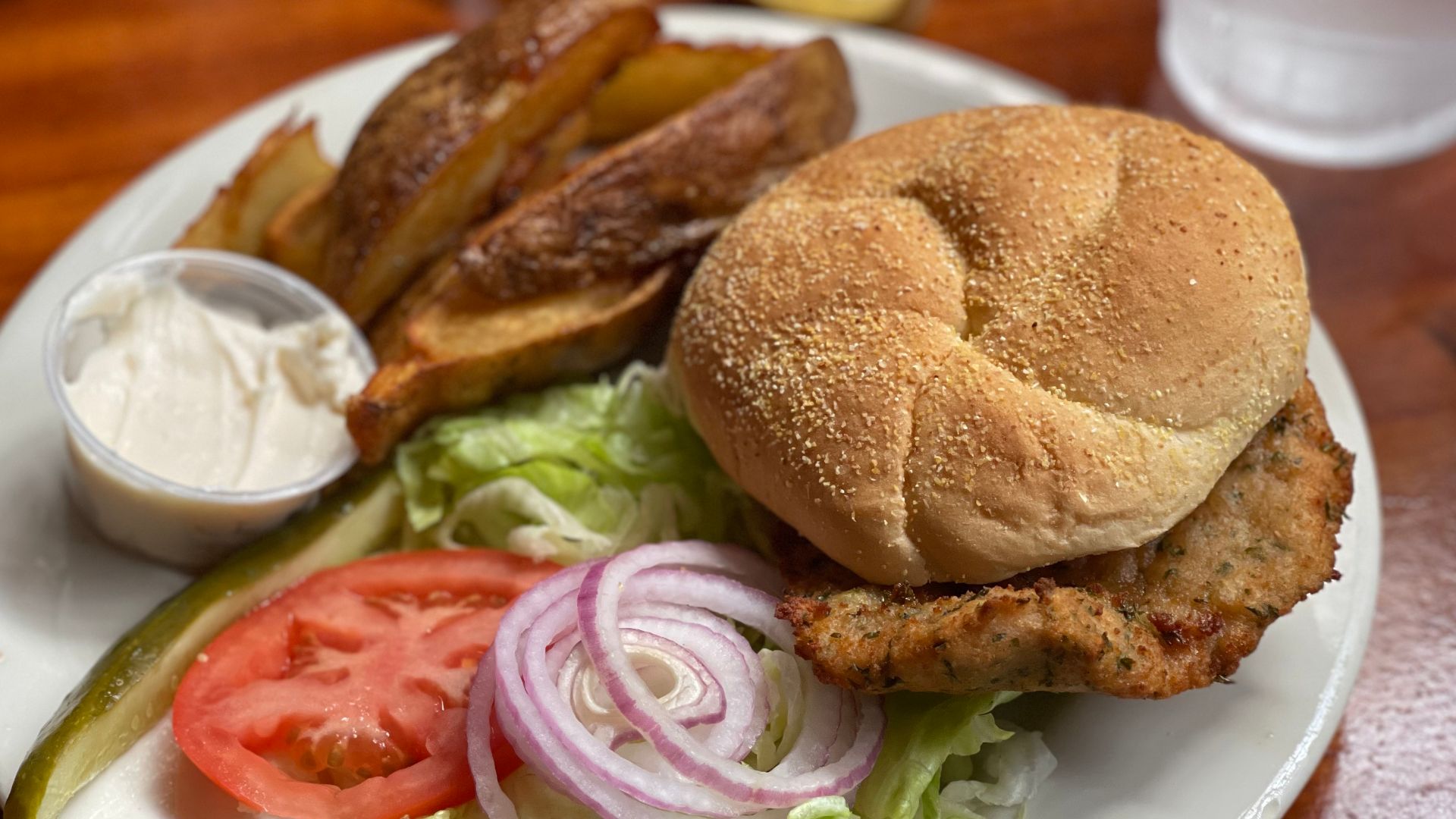
Indiana’s breaded pork tenderloin sandwich is famous for its size. Food Network describes it as a deep-fried pork cutlet that is often much larger than the bun. That visual is part of the charm, but it is also part of the problem. Once the novelty wears off, some versions are mostly breading, grease, and awkward bites.
Wisconsin Fried Cheese Curds
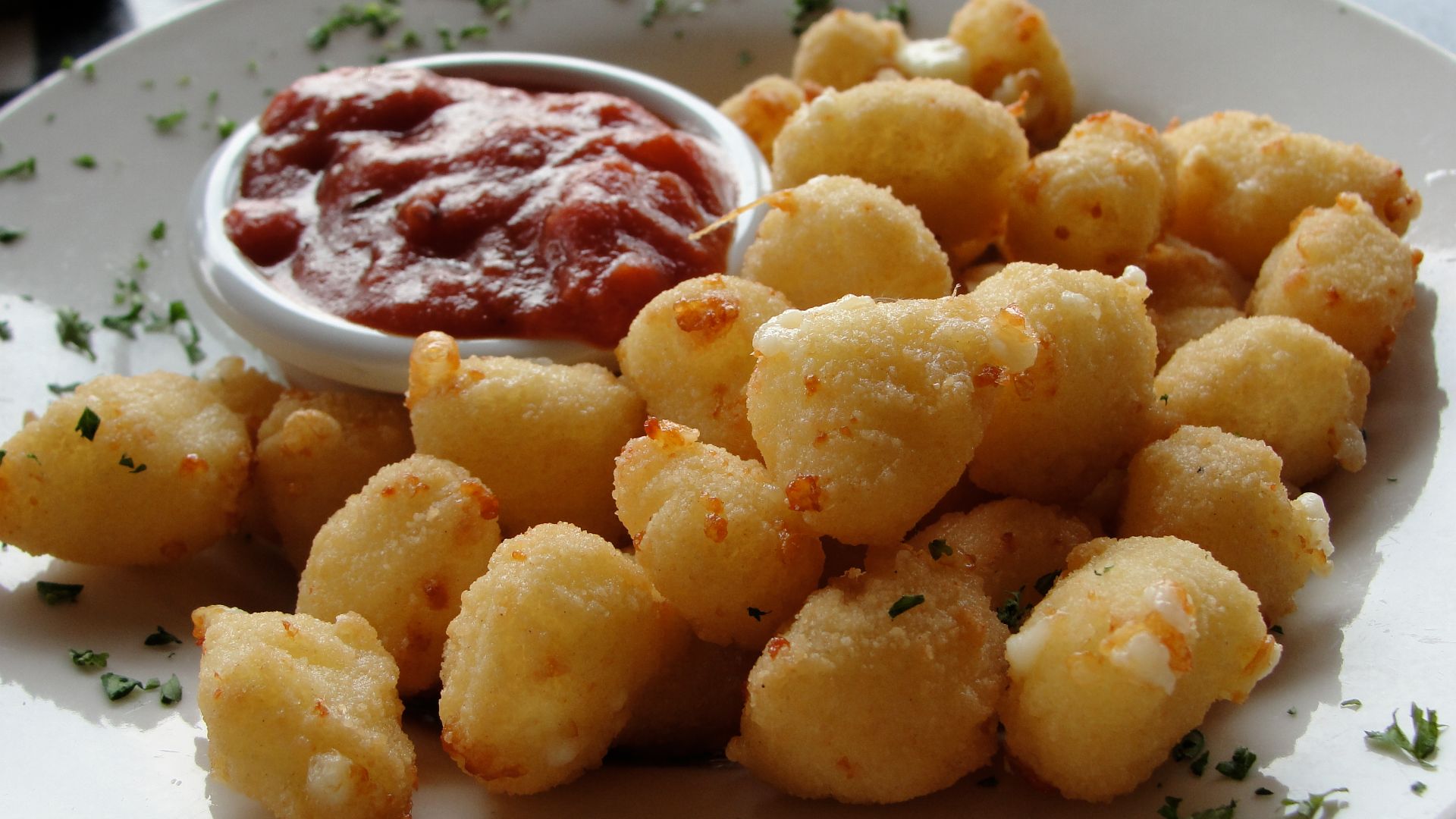
Wisconsin cheese curds are a dairy-state staple, and Food Network notes that fresh curds are loved for their squeaky texture. Deep-fried cheese curds have also gained cult status. The catch is that fried curds can quickly become generic bar food when they are not fresh. If they do not squeak, stretch, or taste especially cheesy, they are just another basket of fried bites.
 Greg Tally - User: (WT-shared) WineCountryInn at wts wikivoyage, Wikimedia Commons
Alabama White Barbecue Sauce
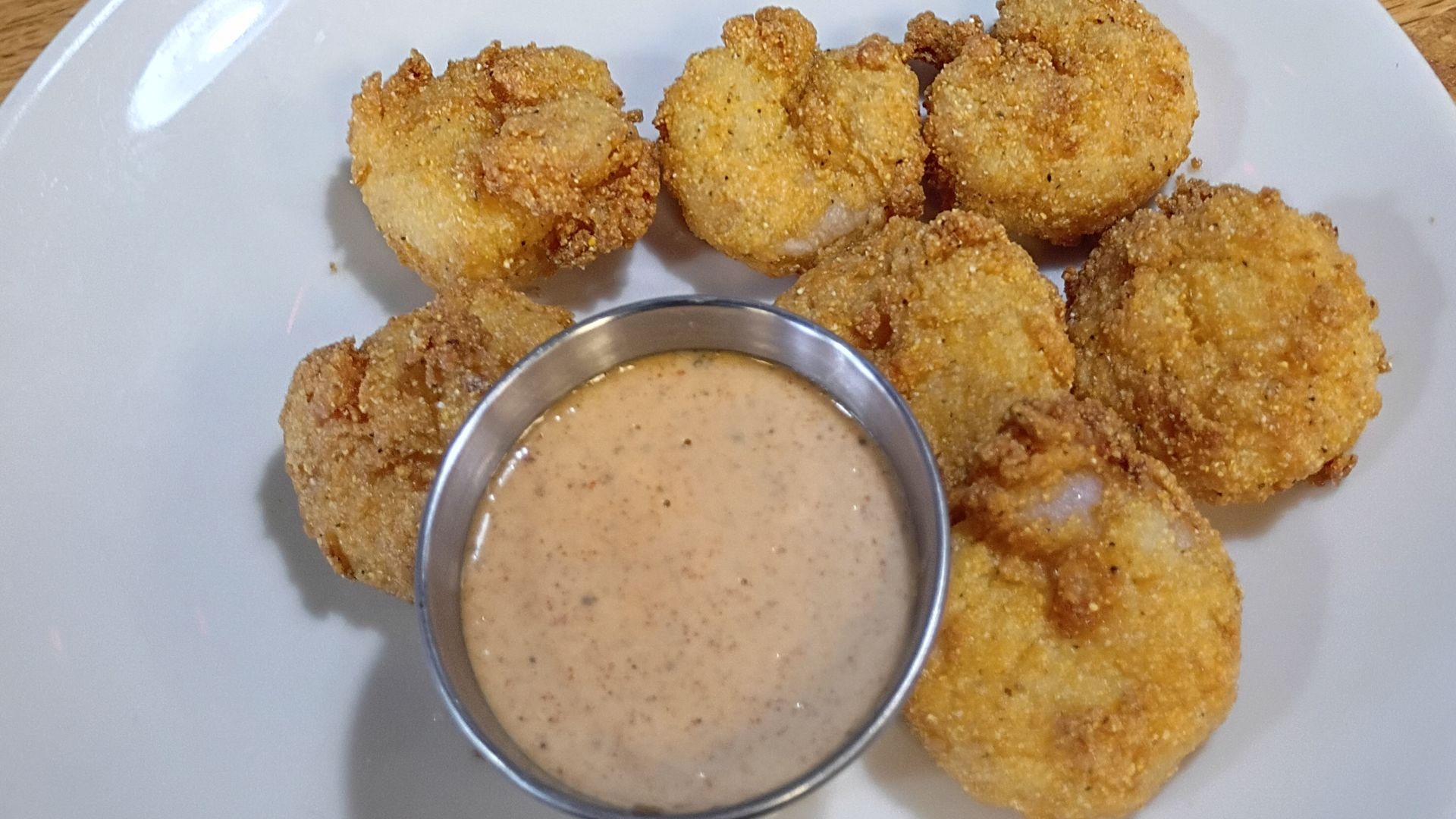
Alabama white barbecue sauce is one of the South’s more distinctive regional sauces. Food Network traces it to Big Bob Gibson Bar-B-Q in Decatur and describes it as a creamy, mayonnaise-based sauce served with smoked chicken. The flavor can be tangy and memorable. It can also feel strange to travelers who expect barbecue sauce to be smoky, sweet, red, and sticky.
Kansas Chili With Cinnamon Rolls
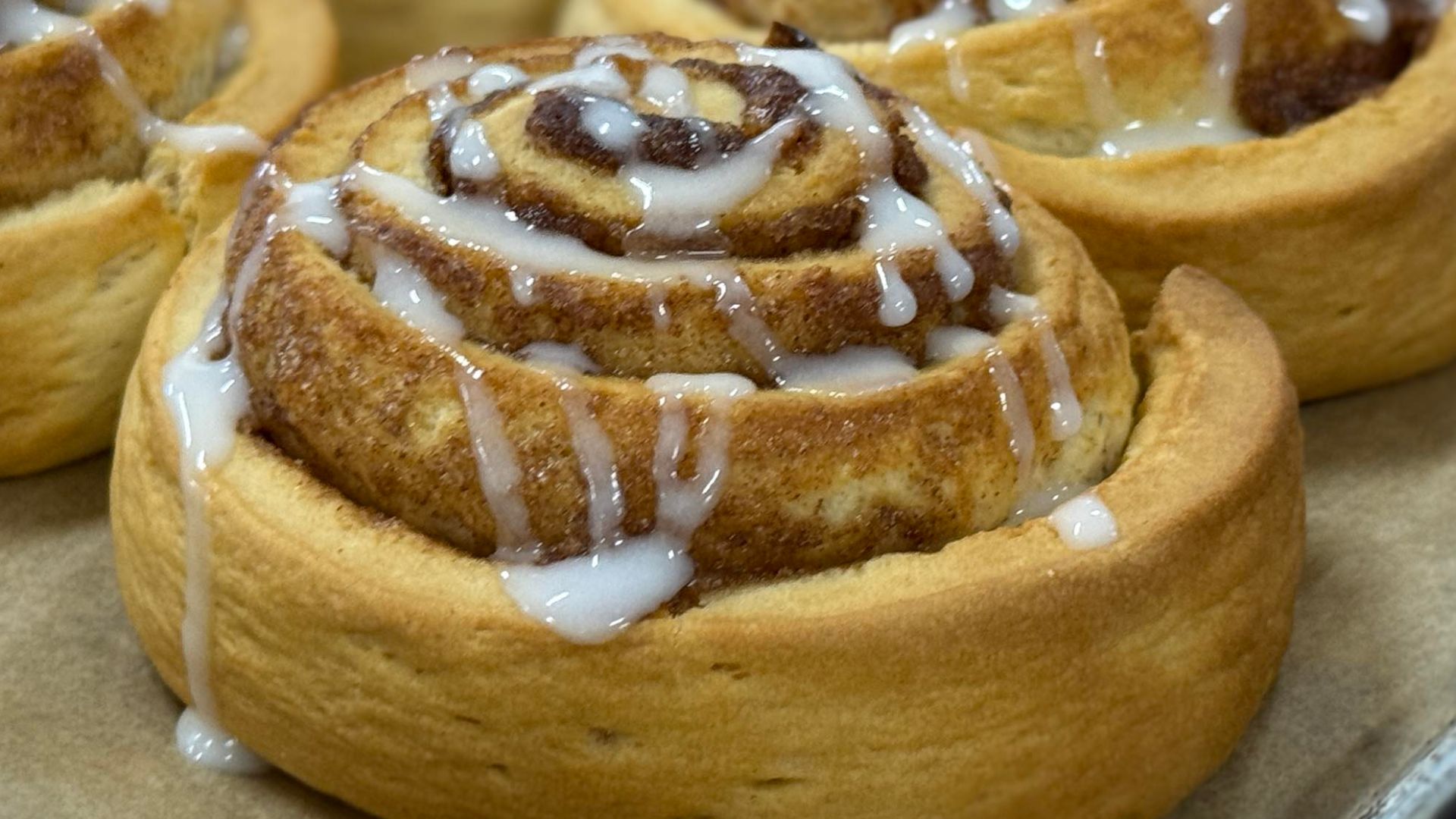
Chili with cinnamon rolls is a beloved combination in parts of the Midwest and western states. Smithsonian describes the pairing as a big regional deal, while also noting that it can be polarizing to outsiders. That is exactly why it lands on overrated lists. Fans see comfort and nostalgia, while skeptics see two good foods forced into one confusing meal.
 Masstown Market, Wikimedia Commons
Kentucky Hot Brown
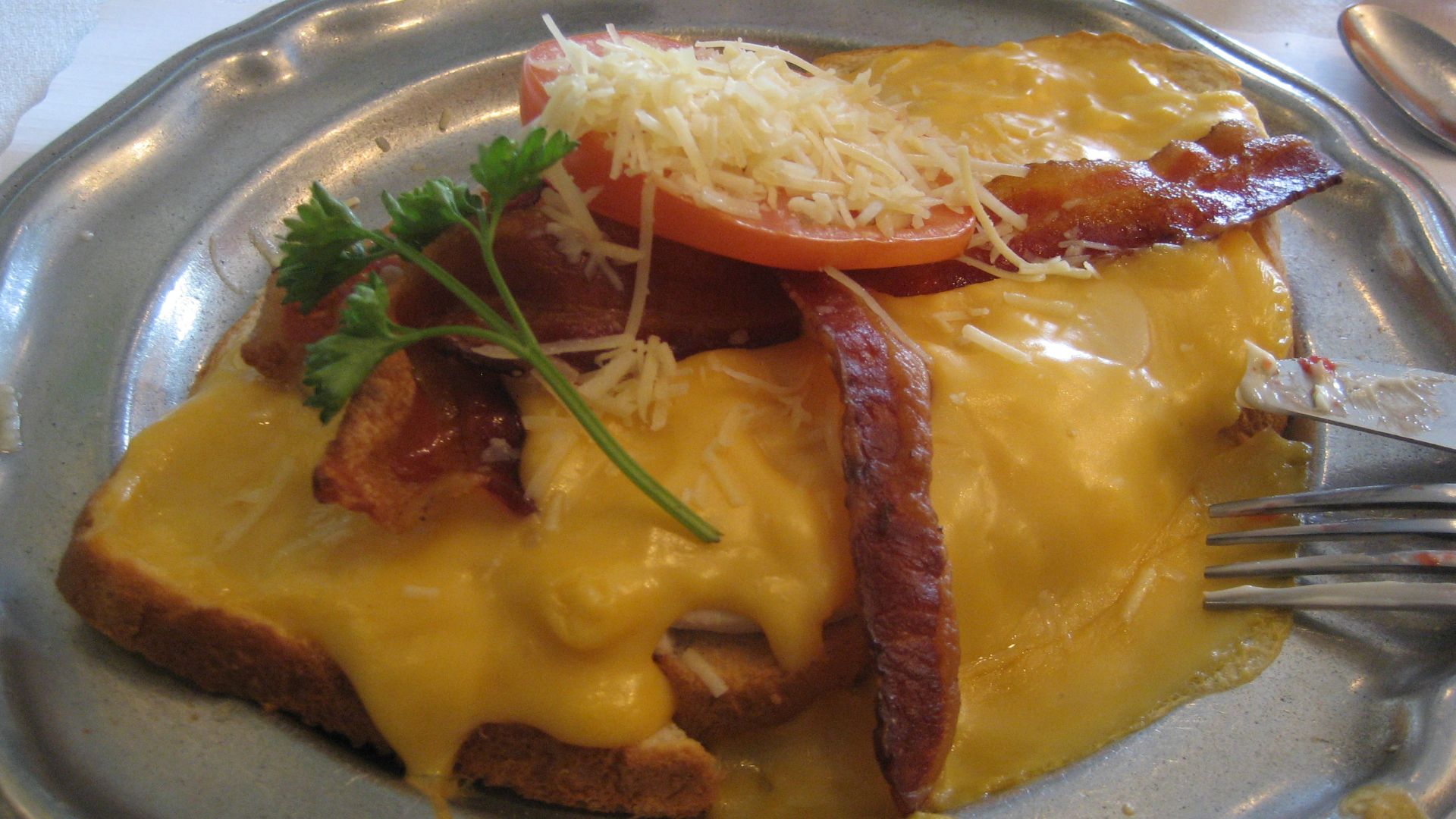
The Hot Brown is a famous Louisville dish with a very specific origin story. Food Network traces it to the Brown Hotel in 1926, where chef Fred Schmidt created an open-faced turkey sandwich with Mornay sauce and bacon. It is rich, historic, and undeniably filling. It can also feel like a lot of cream sauce for anyone hoping for a lighter lunch between sightseeing stops.
Vermont Apple Pie With Cheddar
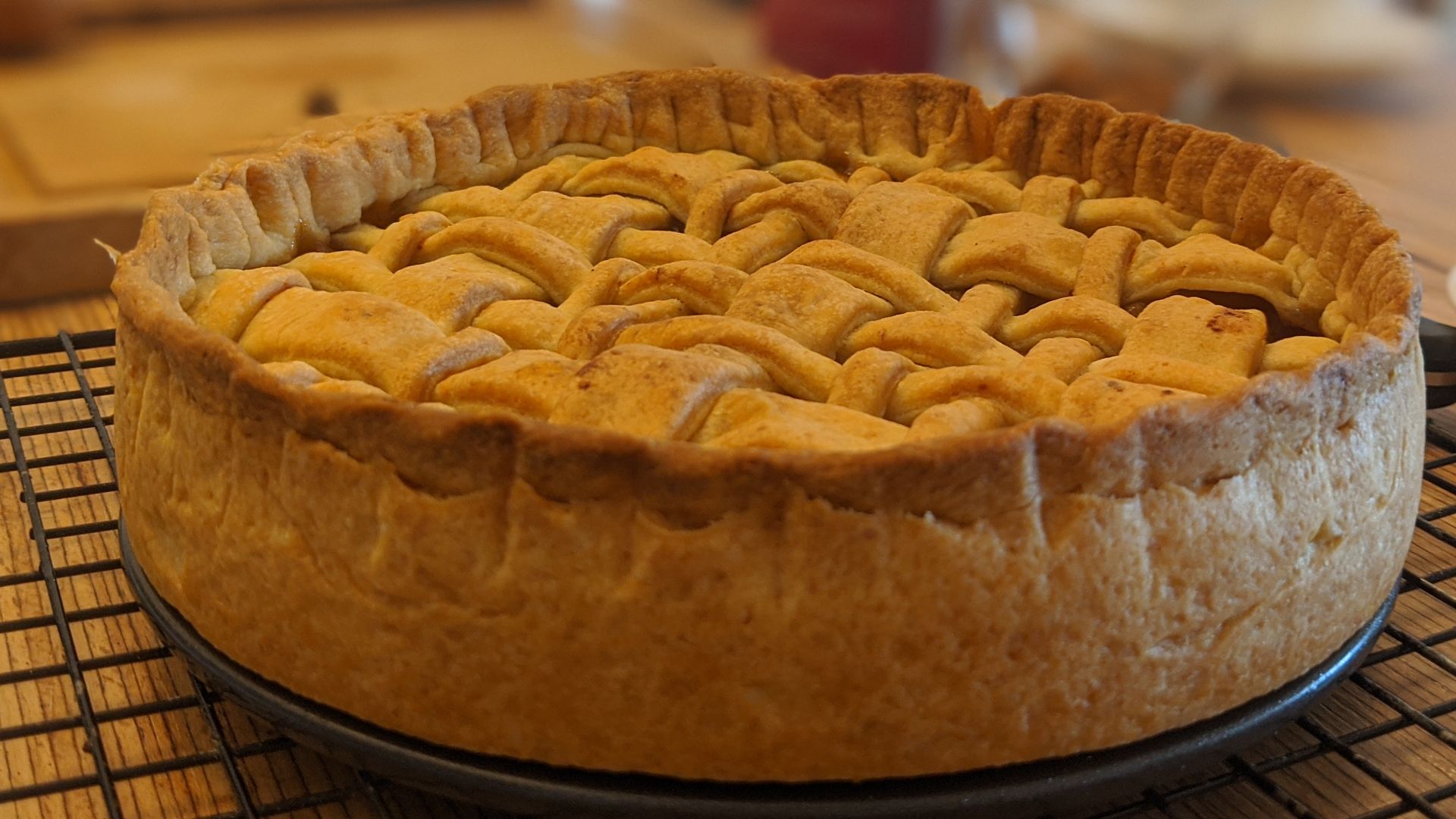
Apple pie with cheddar is a classic Vermont-style pairing. Food Network highlights the local saying that apple pie without cheese is like a hug without the squeeze. The combination makes sense to many people who grew up with sweet and salty desserts. For others, adding cheese to pie feels like a regional tradition that sounds more charming than it tastes.
Virginia Peanut Soup
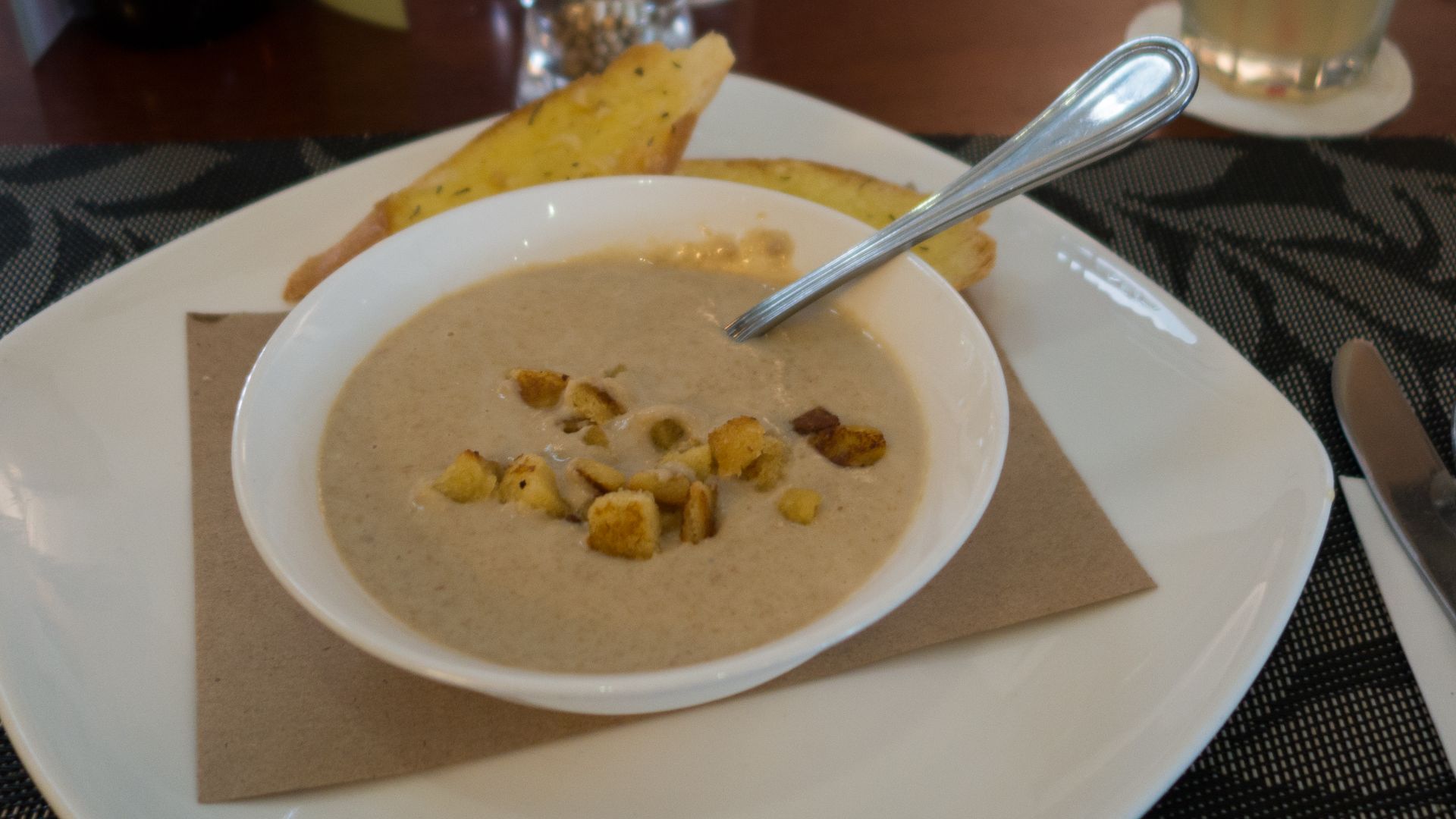
Virginia peanut soup has roots in the state’s historic food culture. Food Network describes it as a hearty soup made with ingredients such as onion, celery, chicken stock, and peanut butter. That history gives it real value, but the flavor can surprise visitors. If you are not ready for a savory peanut-butter soup, the first spoonful can feel like a culinary plot twist.
 Thomas Quine, Wikimedia Commons
Minnesota Juicy Lucy
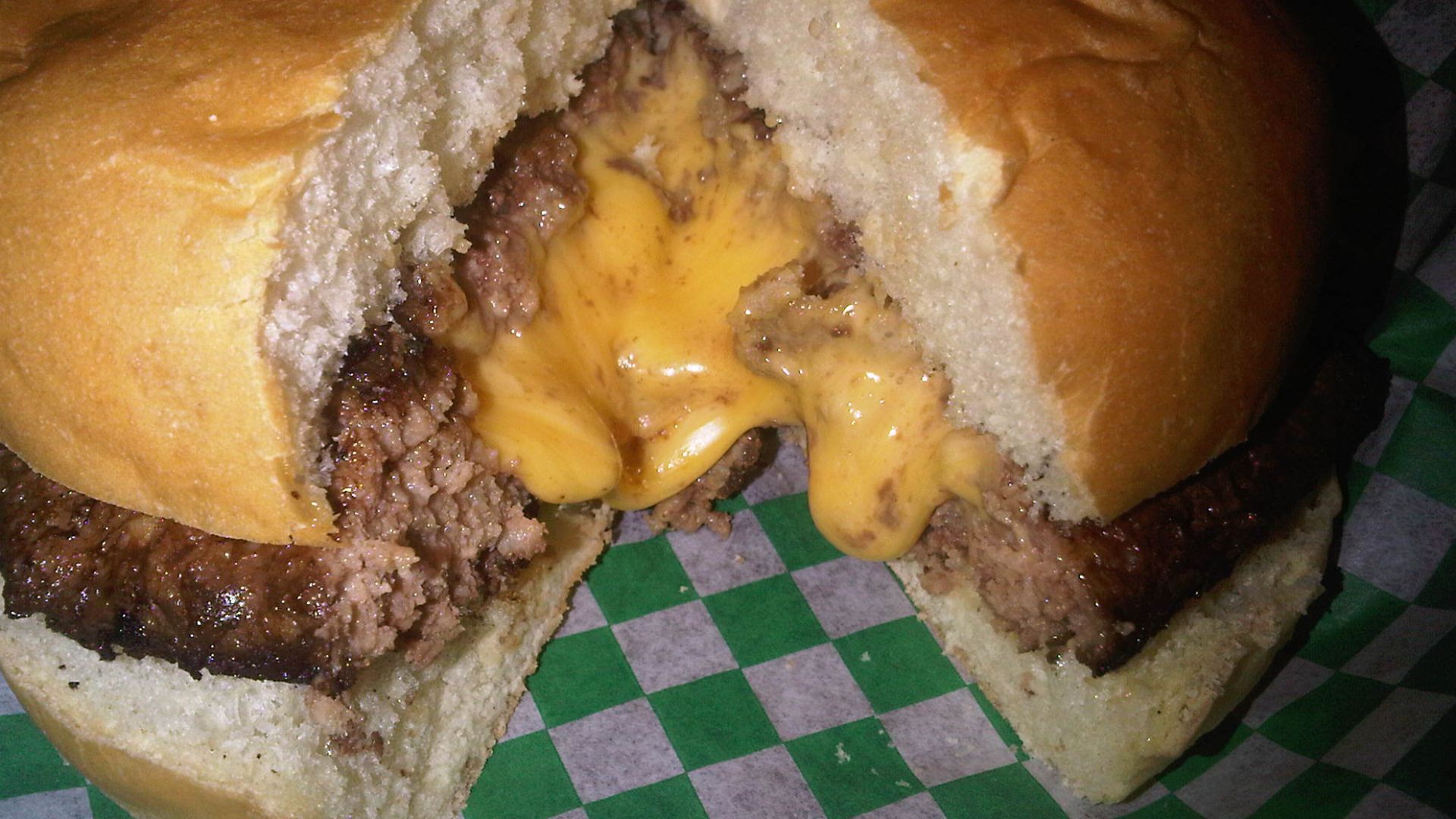
The Juicy Lucy is Minnesota’s famous cheese-stuffed burger. Food & Wine’s survey coverage lists it among the foods Minnesotans say represent their state. The concept sounds unbeatable, but the experience can be risky. Bite too early and the cheese can burn your mouth, but wait too long and the whole thing can turn into a regular burger with a hollow center.
New Jersey Taylor Ham, Egg, And Cheese
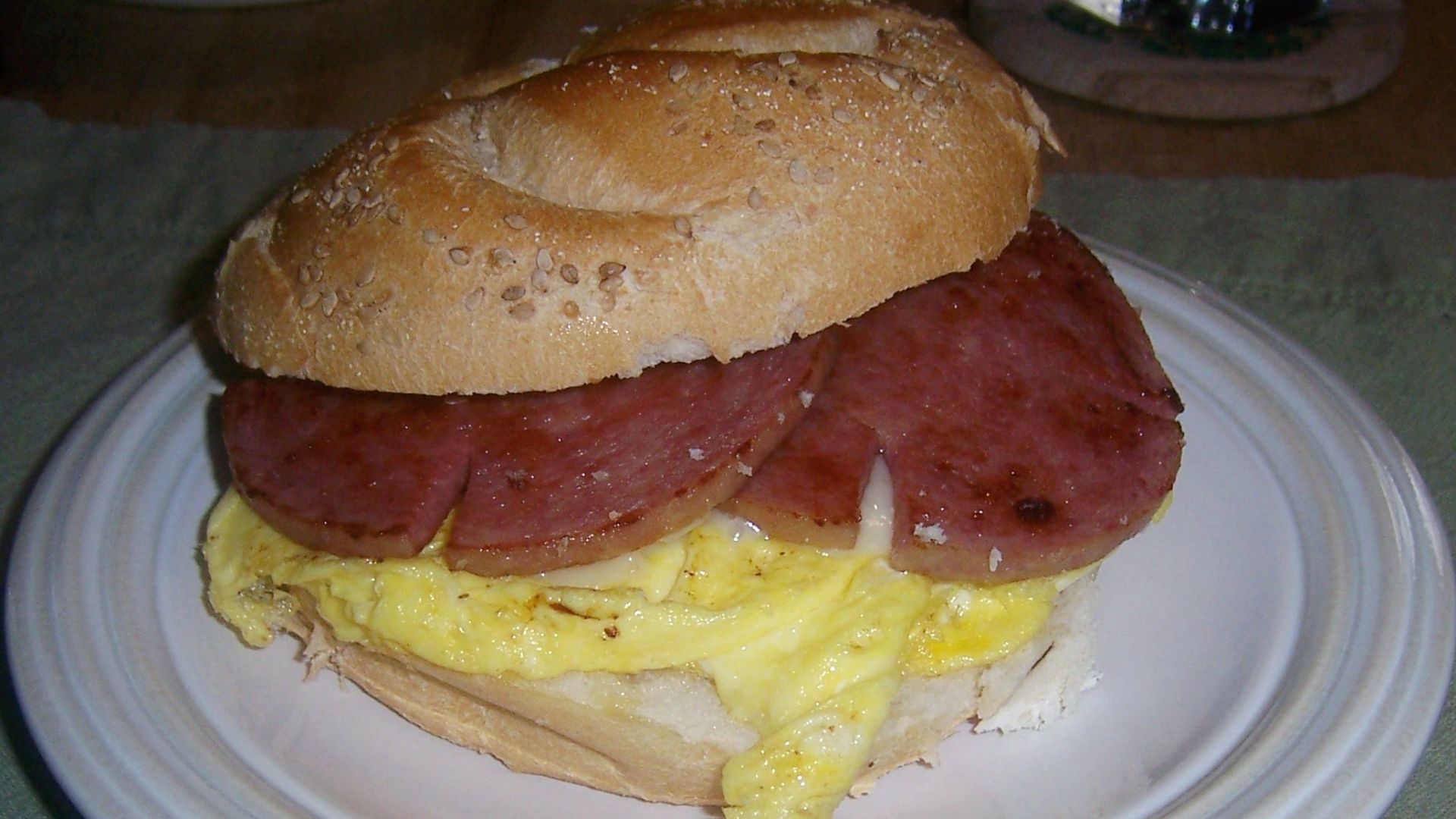
New Jersey residents have strong feelings about Taylor ham, pork roll, and breakfast sandwiches. Food & Wine’s survey coverage lists Taylor ham, egg, and cheese as one of New Jersey’s representative foods. It is salty, filling, and perfect for a quick morning stop. It can also underwhelm visitors who expected a once-in-a-lifetime sandwich and got a solid breakfast on a roll.
 Austin Murphy (talk), Wikimedia Commons
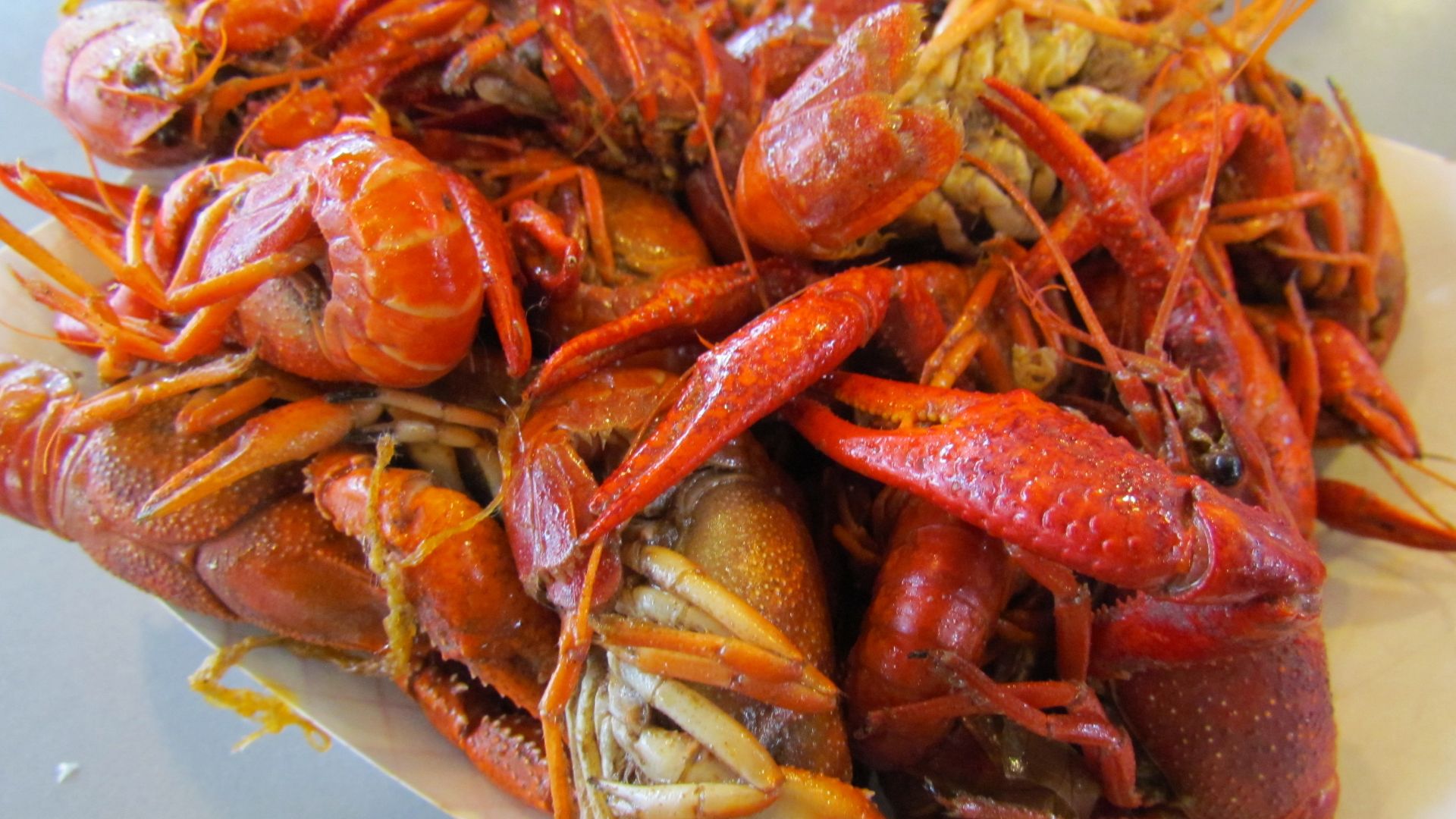
Louisiana Crawfish Boils
A Louisiana crawfish boil is as much a social event as a meal. Food & Wine’s survey coverage lists crawfish, Cajun cuisine, and gumbo among the foods Louisianans associate with their state. The downside is that crawfish are small, messy, and labor-intensive for newcomers. If you do not enjoy peeling, sucking heads, and working for each bite, the hype may feel bigger than the payoff.
 David Berkowitz from New York, NY, USA, Wikimedia Commons
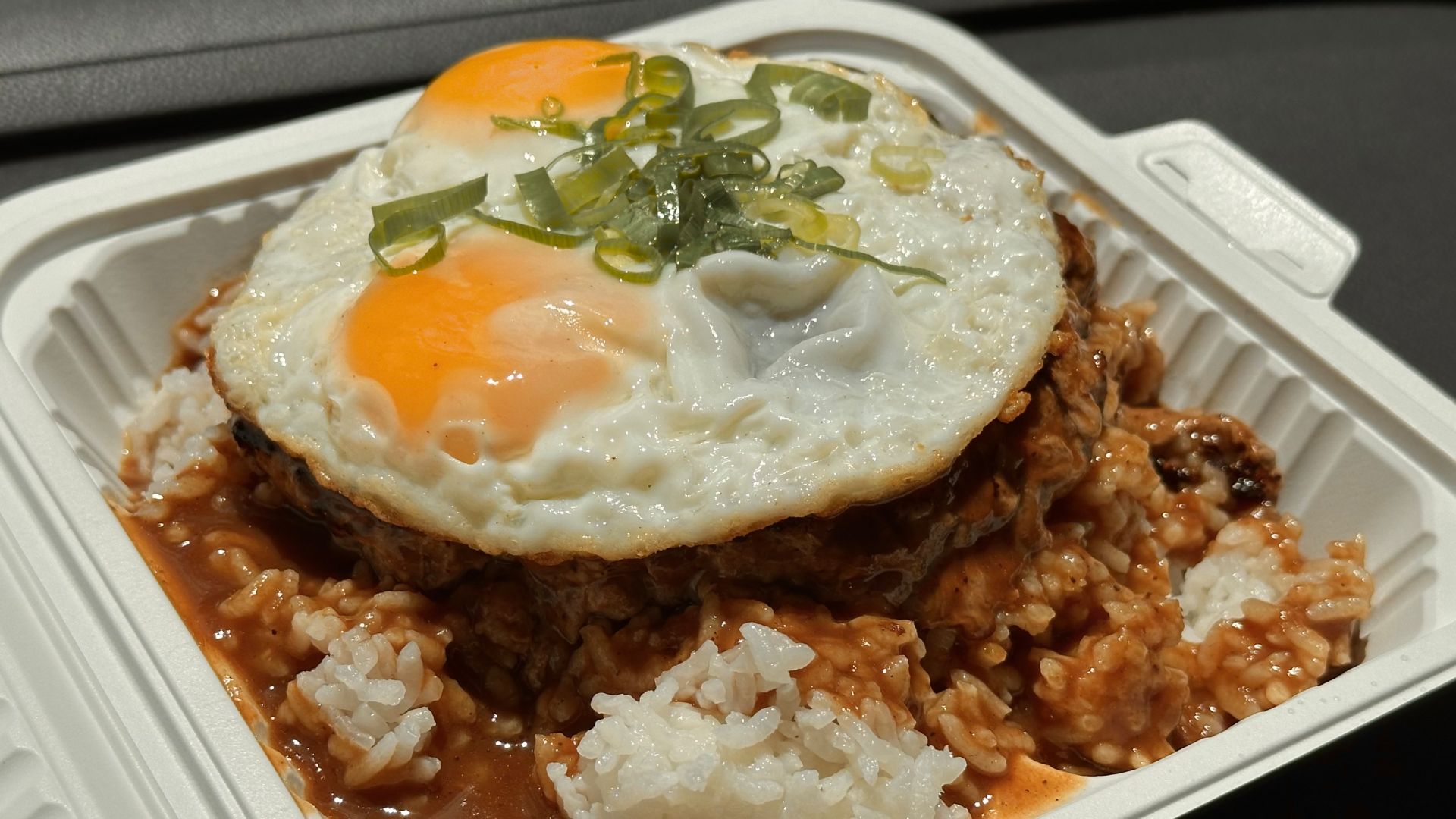
Hawaiian Loco Moco
Loco moco is one of Hawaii’s best-known comfort foods. Food & Wine’s survey coverage lists loco moco alongside poke and laulau as dishes associated with Hawaii. The usual combination of rice, hamburger patty, egg, and gravy is hearty and practical. For travelers expecting something tropical and delicate, it can feel more like diner food than an island revelation.
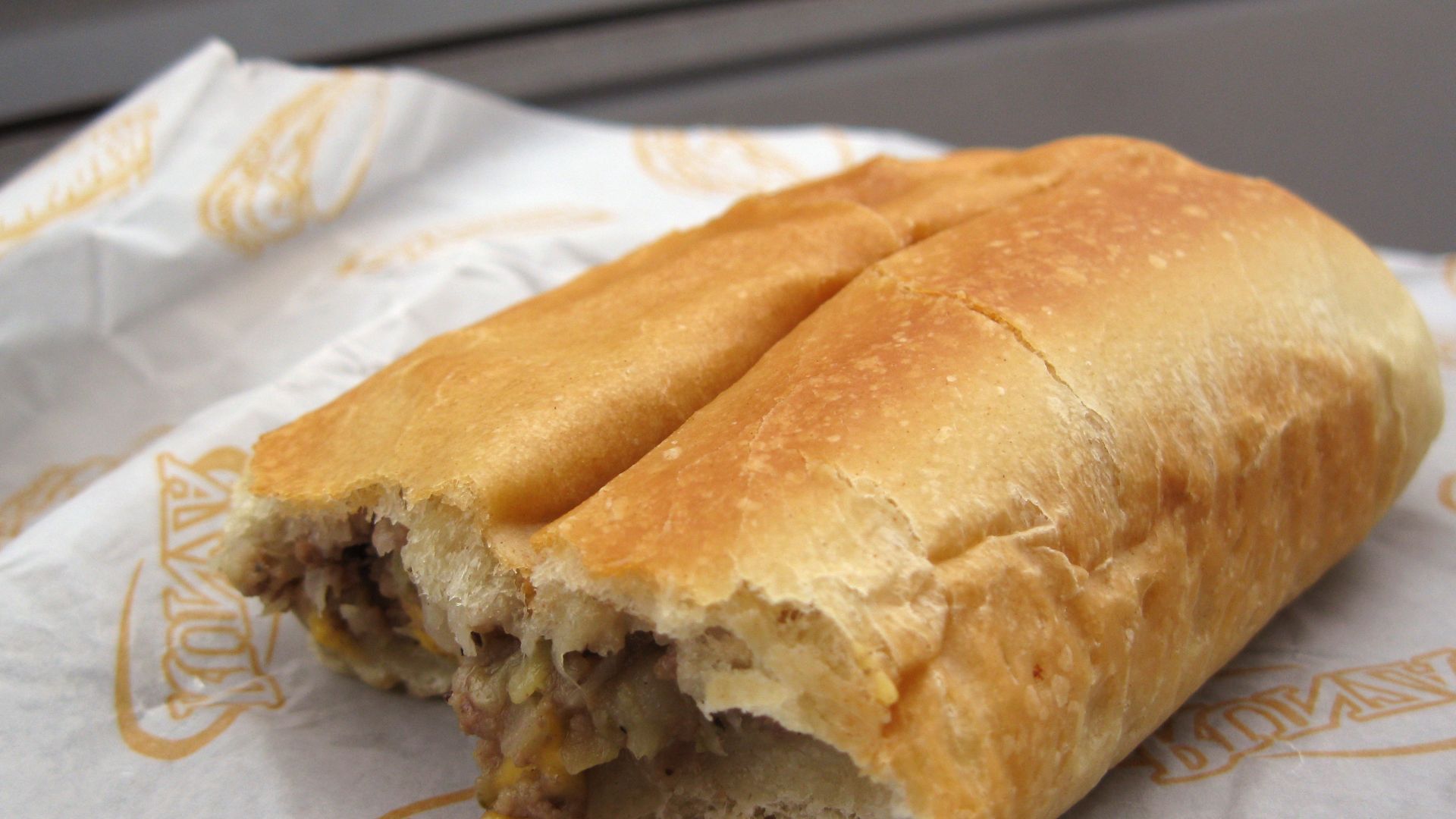
Nebraska Runza Sandwiches
The Runza sandwich is closely tied to Nebraska’s food identity. Food & Wine’s survey coverage lists Runza sandwiches among the foods Nebraskans say represent their state. The bread pocket filled with beef, cabbage, and onions has real immigrant-food roots and local nostalgia. Still, outsiders may find it plain if they were expecting a dramatic regional specialty.
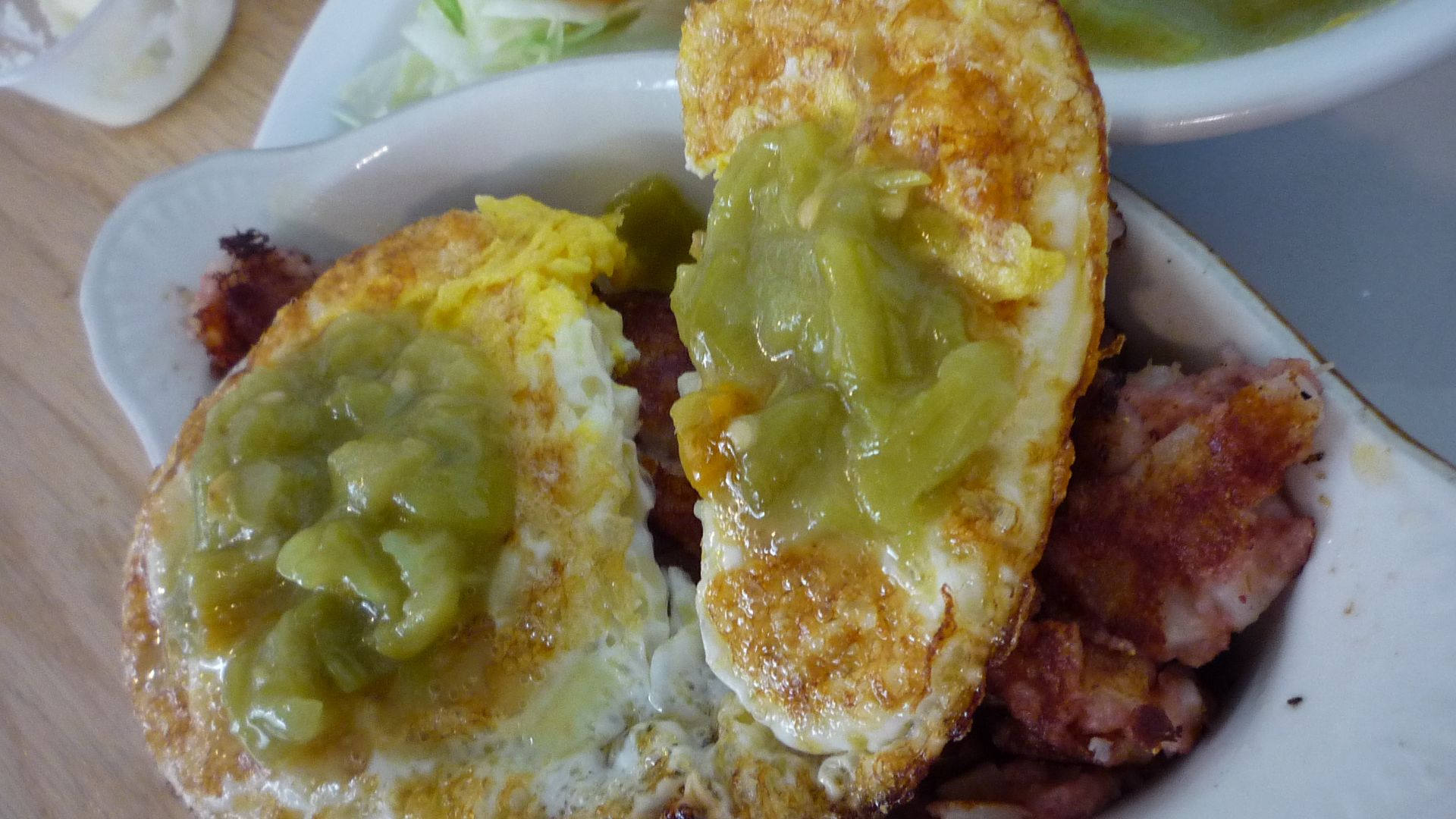
New Mexico Green Chile On Everything
New Mexico green chile has a serious following, and Food & Wine’s survey coverage lists green chiles and enchiladas among the foods New Mexicans associate with their state. The flavor can be smoky, earthy, and wonderful. The overrated part comes when travelers realize “green chile on anything” can sometimes mean the same topping applied to every dish. It is delicious, but it can dominate a trip quickly.
 Jeremy Noble from St. Paul, United States, Wikimedia Commons
Pennsylvania Pierogies
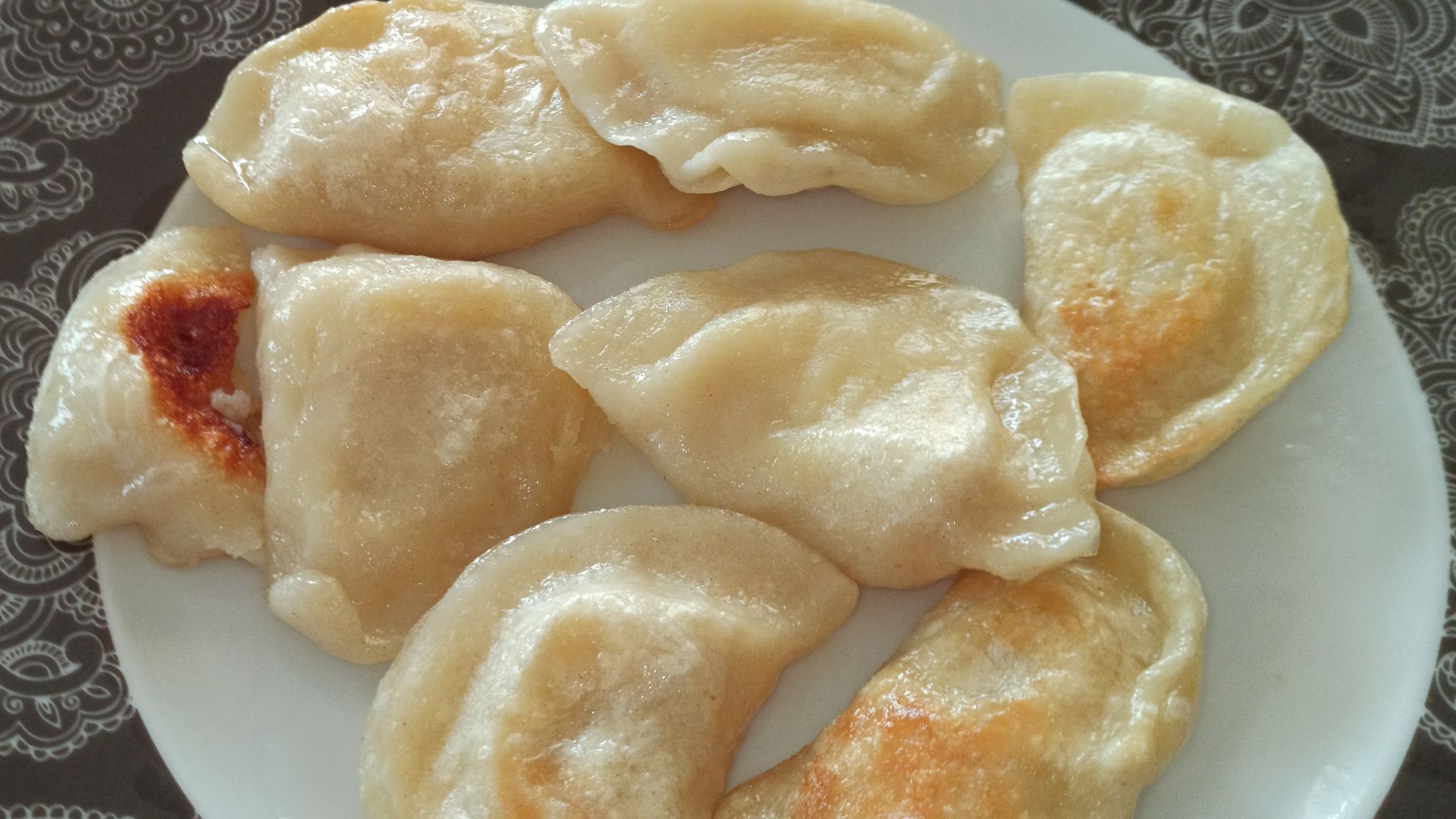
Pierogies have deep roots in Pennsylvania’s immigrant food culture. Food & Wine’s survey coverage lists pierogies and cheesesteaks among the foods Pennsylvanians identify with their state. A good pierogi is soft, buttery, and comforting. A bad one can be heavy, bland, and too close to a plain boiled dumpling without enough filling or seasoning.
Utah Fry Sauce
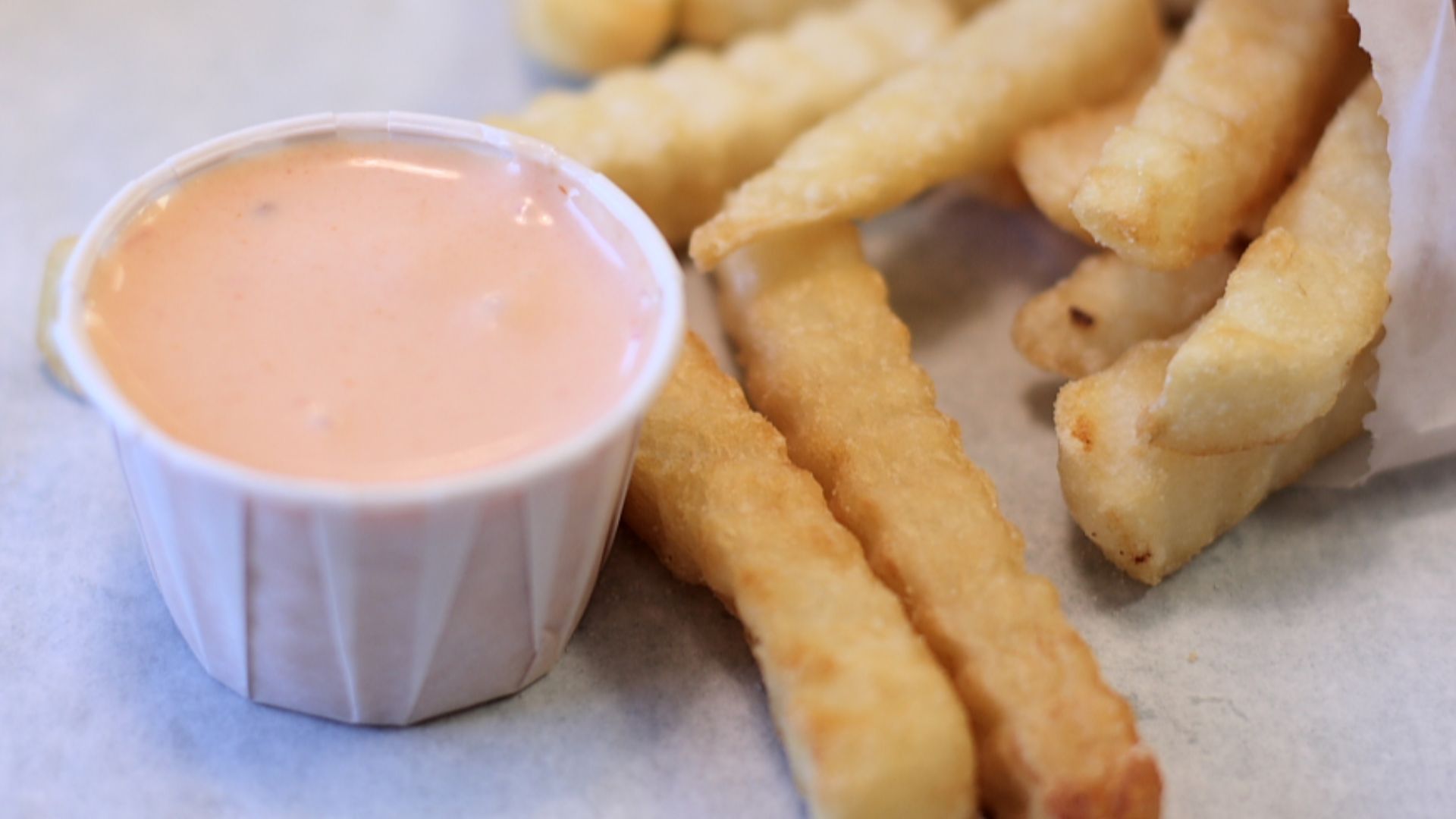
Utah fry sauce is simple, famous, and surprisingly divisive. Food Network describes fry sauce as a ketchup-based sauce associated with Arctic Circle and Utah burger culture. Fans love it because it is creamy, tangy, and perfect with fries. Skeptics wonder how ketchup mixed with a creamy sauce became a regional legend.
The Real Lesson For Food Travelers
The most overrated regional foods are rarely bad foods. They are usually dishes with expectations so high that an average version cannot compete. The smartest approach is to ask locals where they actually eat, not just where visitors line up. Try the famous dish if you are curious, but leave room for the less-hyped meal that might become your real favorite.