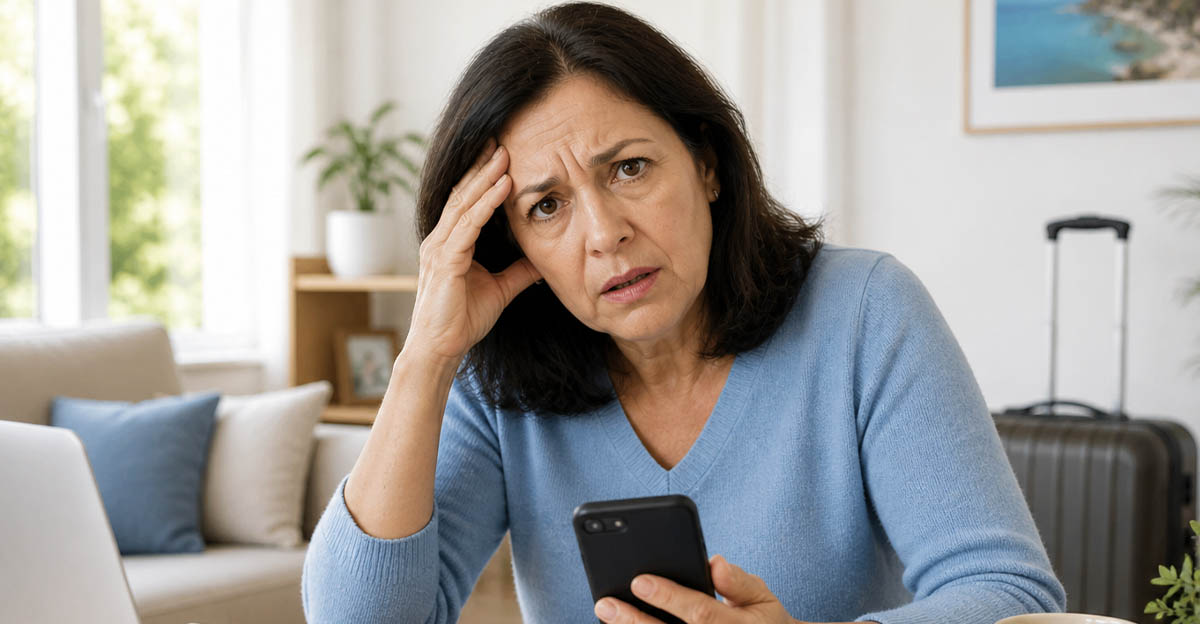
Wait, Where Did Your Trip Go?
You booked a vacation and even started planning outfits or itineraries…and then suddenly the travel agent disappears. No replies, no confirmations, and when you check your reservations, nothing exists. That sinking feeling hits fast. Did you just get scammed? Unfortunately, it’s very possible. But here’s the good news: this is a known type of scam, and there are clear steps you can take to fight back and try to recover your money.
This Is A Classic Travel Scam
What you’re dealing with is a common type of travel fraud where scammers pose as agents offering discounted packages. They often create convincing websites, social media pages, or even fake credentials to build trust. Once payment is made, they disappear or stop responding entirely. The upside is that because this scam is so widespread, banks and consumer protection agencies already have systems in place to help people in your exact situation.

Confirm Nothing Was Actually Booked
Before assuming the worst, double-check everything. Search your email, including spam folders, for confirmations, and try logging into airline or hotel websites using any booking numbers you received. You can also call the airline or hotel directly using their official contact info to confirm whether anything exists under your name. This will help you separate a misunderstanding from a full-blown scam.

Gather Every Piece Of Evidence
Now’s the time to get organized. Save emails, receipts, screenshots, payment confirmations, and any messages exchanged with the agent. Write down dates, names, and how you found them. This documentation becomes incredibly important when you start reporting the issue or trying to recover your money.

Contact Your Bank Or Credit Card Company Immediately
If you paid with a credit card, you may be in a strong position. Call your card issuer and explain that you paid for services that were never delivered. Ask about filing a chargeback for fraud or non-delivery. Acting quickly is key, because most banks have deadlines for disputes.

Timing Can Make Or Break Your Case
Chargebacks and fraud claims often have strict time limits. The sooner you report the issue, the better your chances of getting your money back. Waiting too long can weaken your case or even make it ineligible. Even if you’re unsure, it’s better to report early and sort it out later.

Other Payment Methods Are Harder
If you paid through wire transfer, debit card, gift cards, or crypto, recovery becomes more difficult. These methods are often flagged as red flags because they’re hard to trace or reverse. That said, still contact your bank immediately, because sometimes recent transactions can be stopped or flagged.

Stop Communicating With The “Agent”
If you haven’t already, cut off all contact with the person or company. Scammers often try to string victims along or come up with excuses to buy time. In some cases, they’ll even ask for additional payments to “fix” the issue. Don’t fall for it.
 Ruan Richard Rodrigues, Unsplash
Report The Scam To Authorities
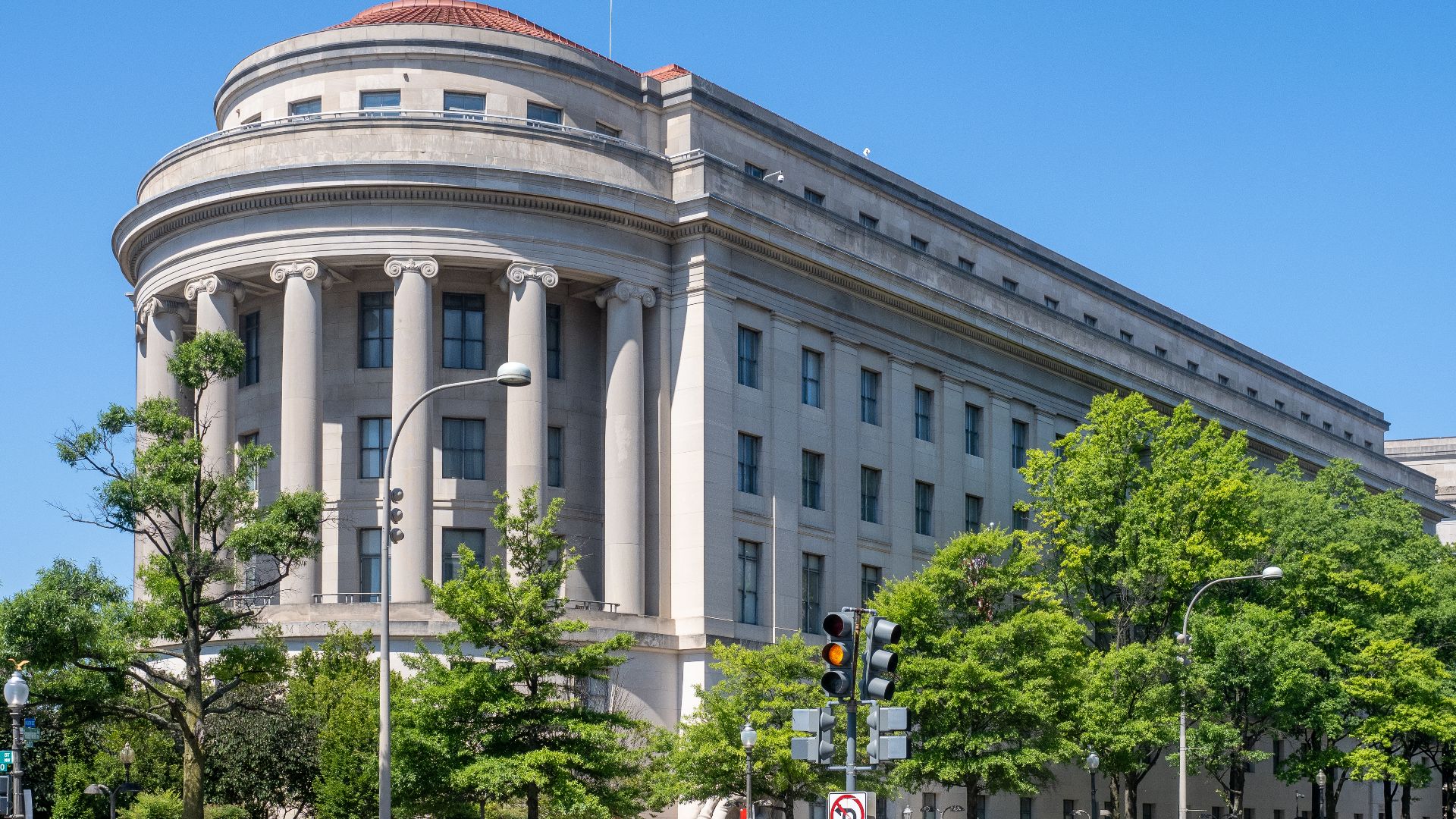
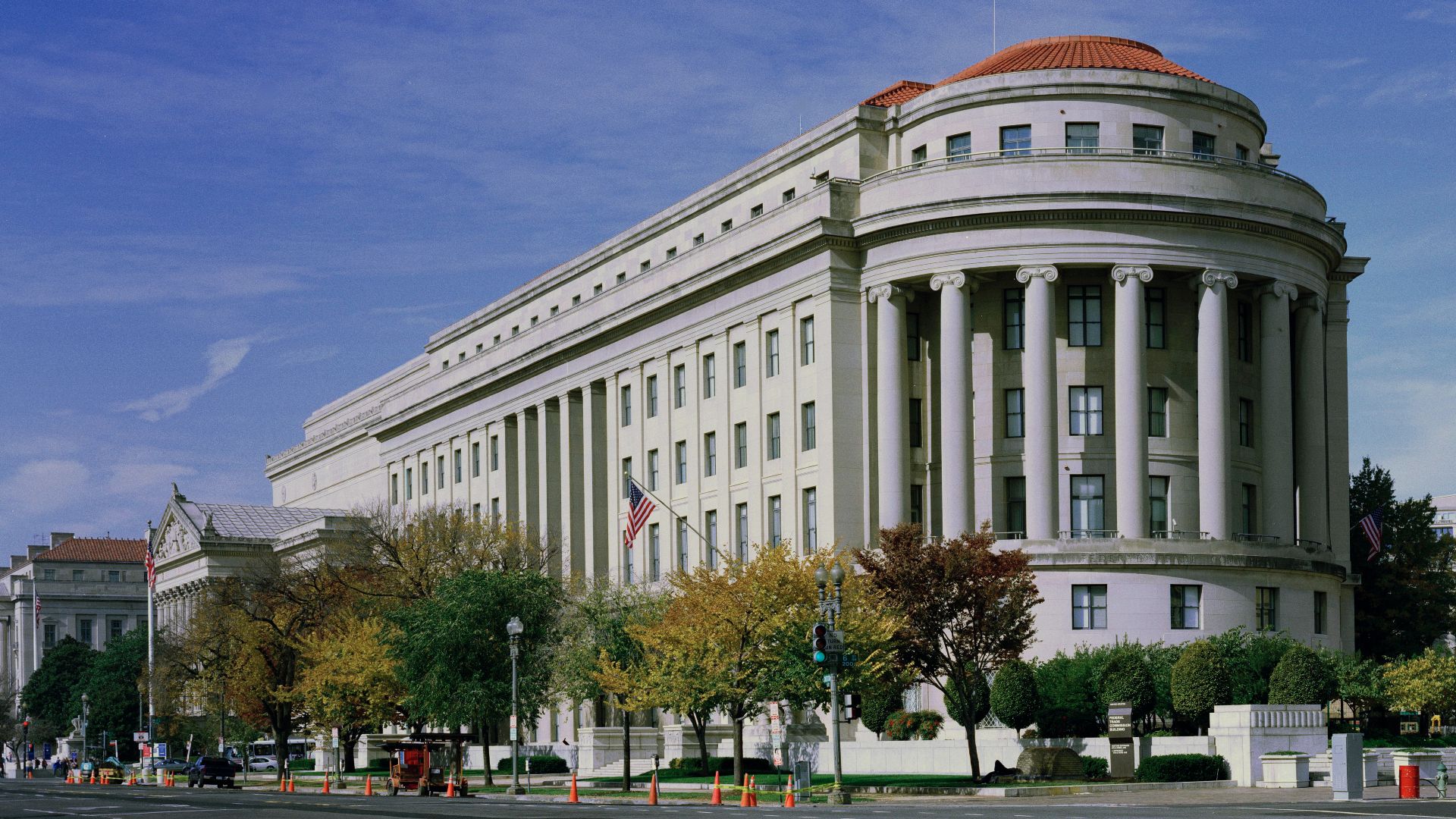
In the US, report the incident to the Federal Trade Commission (FTC) and the FBI’s Internet Crime Complaint Center (IC3). Reporting helps track scam patterns and can sometimes support investigations. Even if you don’t get immediate results, your report contributes to shutting these operations down.
 ajay_suresh, Wikimedia Commons
Check If The Agency Was Ever Legit
Look up the agency’s name along with words like “scam,” “review,” or “complaint.” Check if they’re listed with organizations like the Better Business Bureau or recognized travel associations. The FTC specifically recommends researching companies before and after issues like this to confirm legitimacy.
 Carol M. Highsmith (born 1946), Wikimedia Commons
Warn Others If You Can
If you found the agent through social media, a website, or a listing platform, consider reporting the account and leaving a warning. This won’t fix your situation, but it can prevent someone else from going through the same thing. Scammers rely on staying invisible as long as possible.
Watch For Follow-Up Scams
After an incident like this, you might get contacted by “recovery services” claiming they can get your money back for a fee. These are often scams too. Fraudsters sometimes target victims a second time, knowing they’re desperate for a solution.

Secure Your Personal Information
If you shared more than just payment details, like your passport number or address, take extra precautions. Monitor your accounts closely and consider placing a fraud alert if needed. Identity theft can sometimes follow financial scams.

Check Your Accounts Closely
Over the next few weeks, keep a close eye on your bank and credit card activity. Look for unfamiliar charges or unusual behavior. Fraud doesn’t always stop with one transaction, especially if your information was shared or stored.

Consider A Credit Freeze If Needed
If you’re worried your personal data was compromised, placing a credit freeze can prevent new accounts from being opened in your name. It’s a strong step, but worth considering in more serious cases.

Learn The Red Flags For Next Time
Scammers often use urgency, deep discounts, or pressure to get you to act quickly. The FTC warns against deals that seem too good to be true or agents who won’t provide clear terms and refund policies. If something feels rushed or vague, that’s usually a warning sign.

Always Verify Before Paying
Going forward, take a few extra steps before booking. Look up reviews from multiple sources, confirm the company’s registration, and call hotels or airlines directly to verify bookings. A quick check can save you from a huge headache later.

Use Safer Payment Methods
Credit cards offer the strongest protection when booking travel. Avoid paying unfamiliar agents through wire transfers, gift cards, or apps that don’t offer dispute options. If something goes wrong, those payments are much harder to recover.

You’re Not The Only One
Travel scams happen more often than people think, especially with online bookings and social media offers. Even experienced travelers get caught off guard because these scams are designed to look legitimate. The important thing is how you respond next.

You Still Have A Chance To Recover
Many people do recover their money, especially if they act quickly and use protected payment methods. Even if full recovery isn’t possible, taking the right steps can prevent further loss and protect your identity.

So, What Should You Do Right Now?
Start by contacting your bank and filing a dispute. Gather your documentation, report the scam, and secure your accounts. Then monitor everything closely and avoid further contact with the scammer. Take it one step at a time so it doesn’t feel overwhelming.

Final Thoughts
Finding out your dream trip doesn’t exist is frustrating, especially when you trusted someone to handle it. But even if you were scammed, you’re not stuck. By acting quickly, reporting the issue, and protecting your information, you can limit the damage and move forward with a lot more control than it feels like right now.

You May Also Like:
My passport is valid but has a small tear. Can airlines really deny boarding for that?