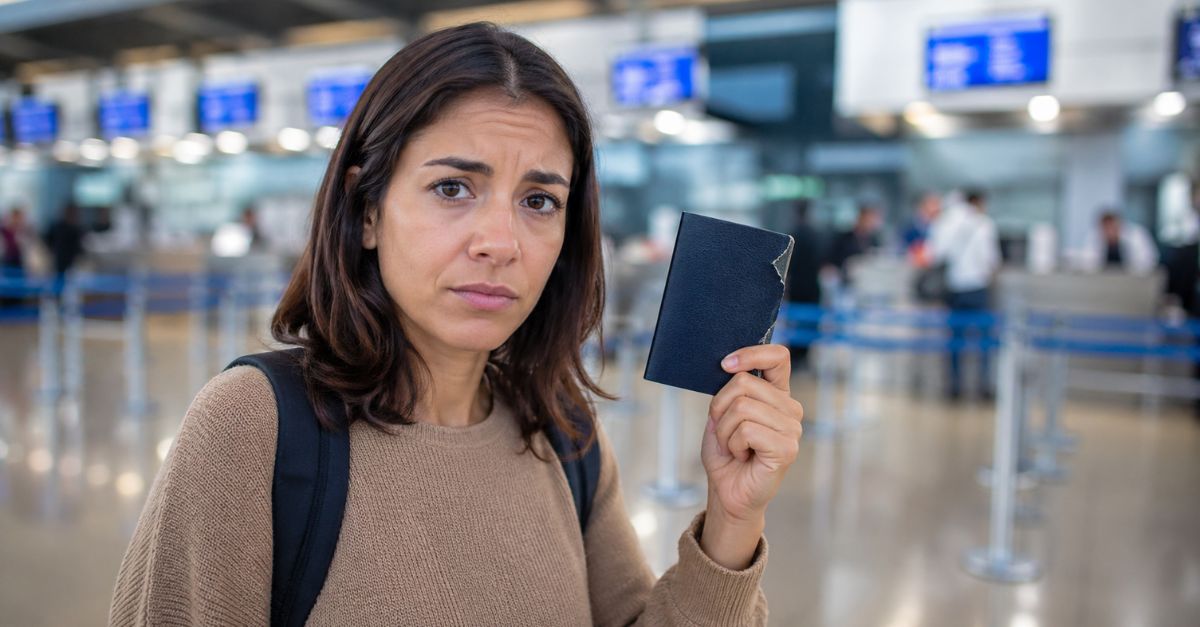
A Tiny Tear Can Wreck A Big Trip
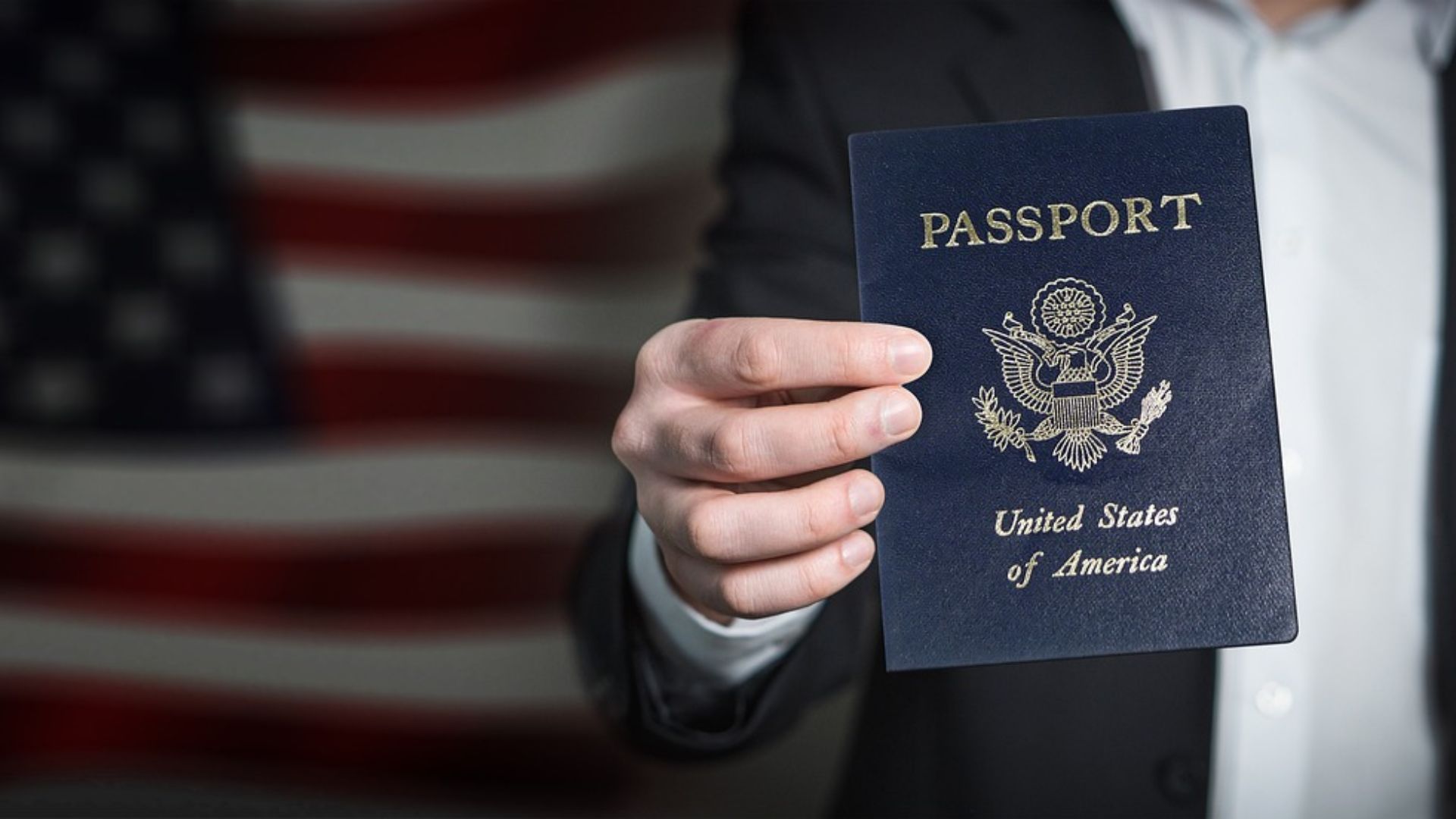
Your passport can be valid on paper and still get you stopped at check-in. It may seem minor, but small tear, a loose page, water damage, or even a chewed corner can make an airline or border officer decide the document is too damaged to accept. It sounds extreme, but it has happened to countless travellers, and it could happen to you.
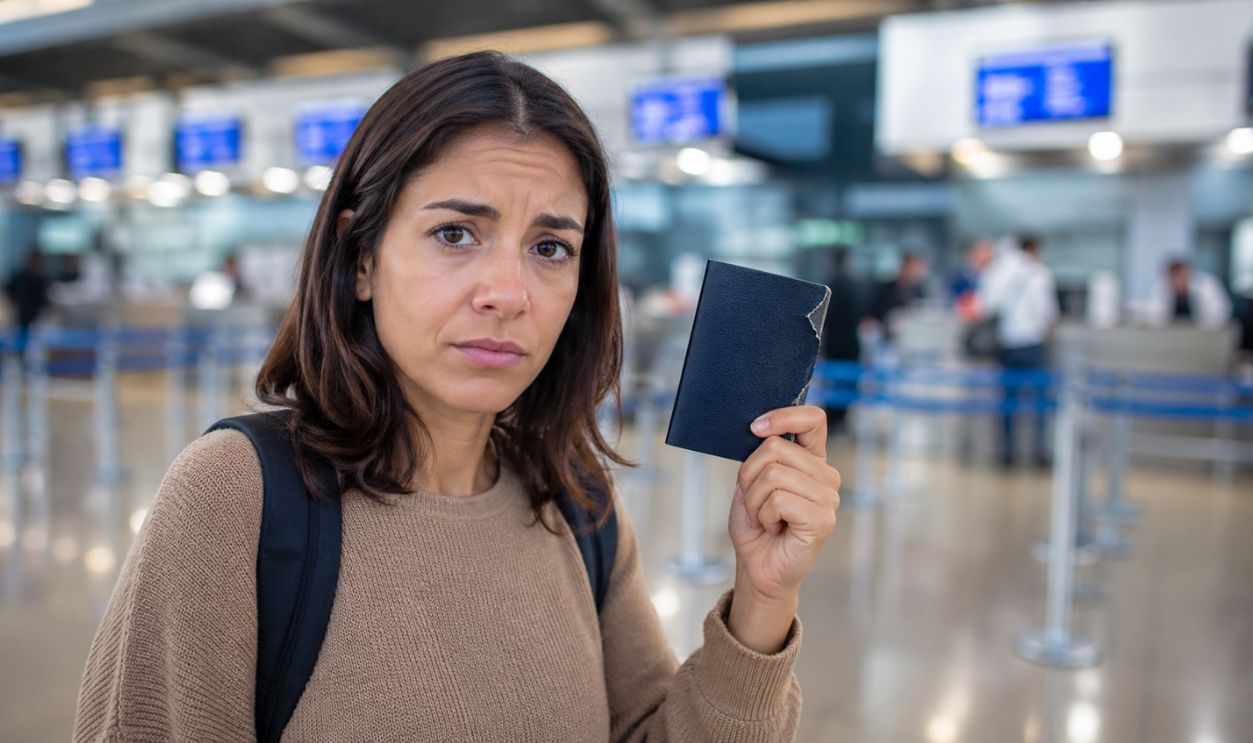
Yes, Airlines Can Really Turn You Away
Airlines can deny boarding if they think your passport will not be accepted at your destination. If border officials reject you after landing, the airline can face fines and the cost of flying you back. That is why check-in staff often play it safe when a passport looks damaged.

The Rule Many Travelers Miss
A lot of people think the expiration date is all that matters. It is not. Governments and airlines also care whether the passport is in good enough shape to prove who you are and let officials inspect security features, personal details, visas, and entry stamps.

The State Department Says Damage Counts
The U.S. Department of State is clear about this. Its guidance says normal wear is expected, but a passport damaged beyond normal wear and tear is not valid for travel. It lists problems like water damage, a torn page, unofficial markings, missing visa pages, or a hole punch as reasons a passport may need to be replaced.
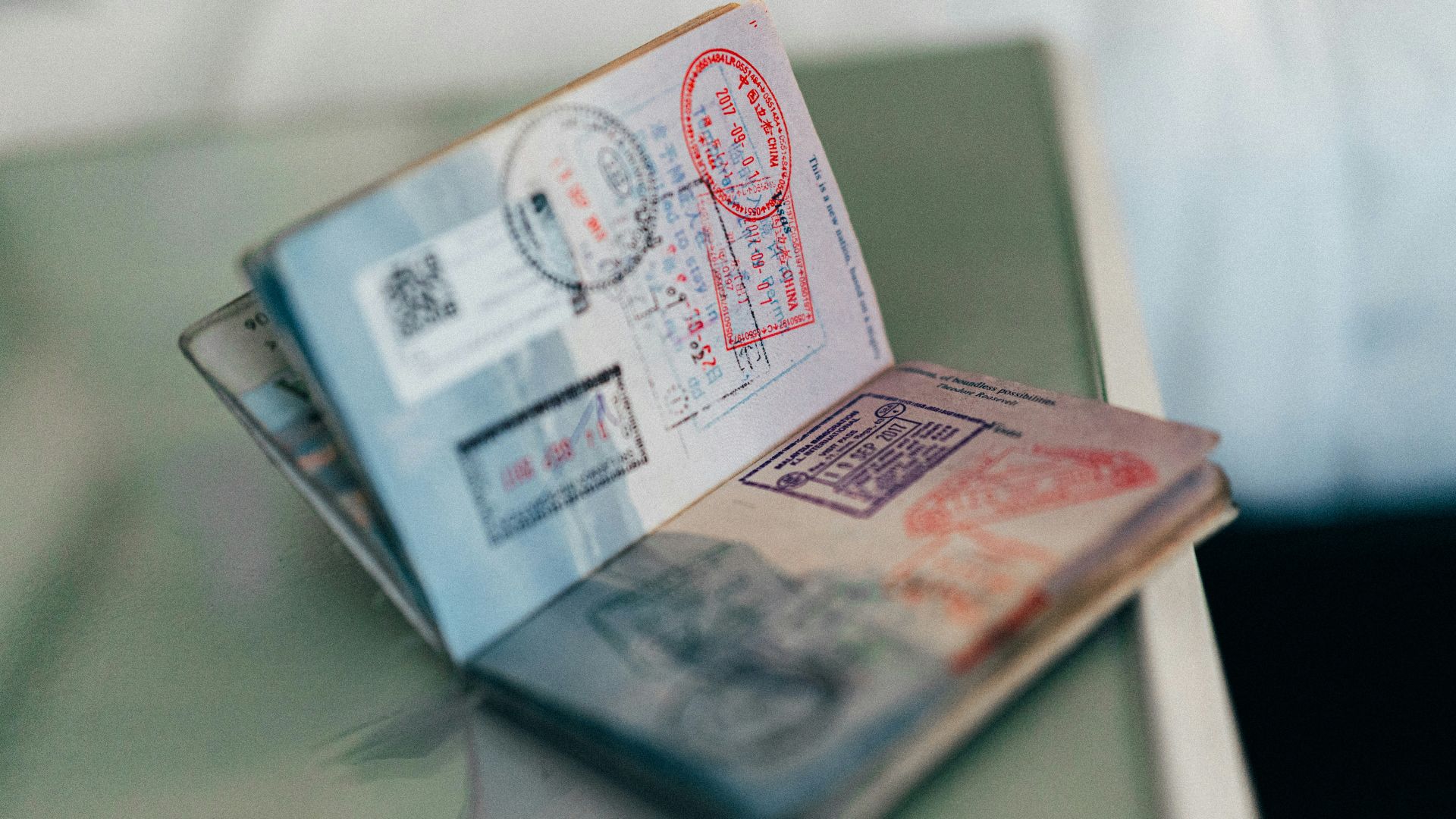 Kit (formerly ConvertKit), Unsplash
What Normal Wear Looks Like
The State Department draws a line between everyday use and real damage. A passport that is bent after years of travel is not the same as one with ripped pages or stains covering important information. The more a problem affects readability or security features, the more likely it is to cause trouble.
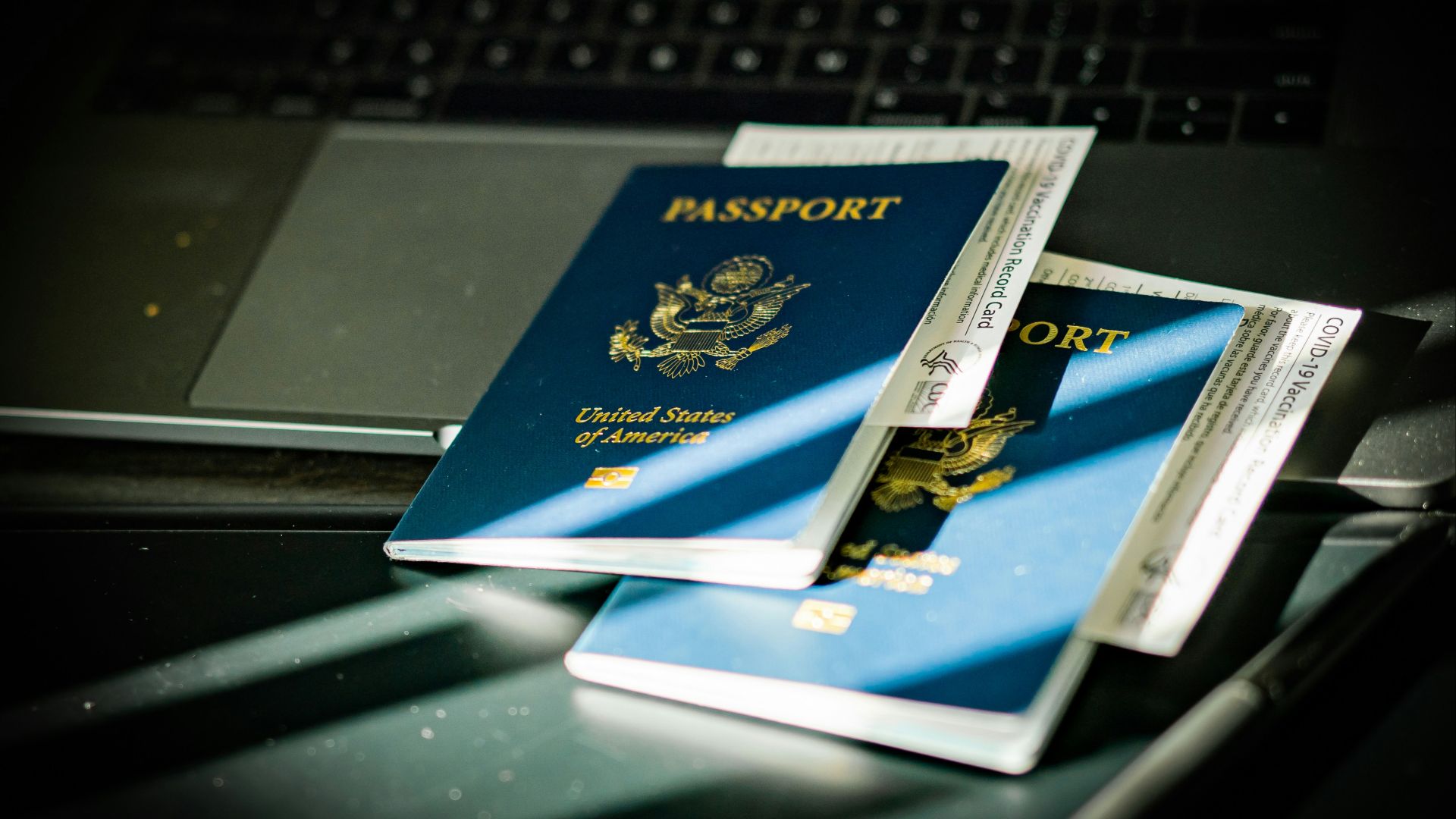
Why A Small Tear Can Become A Big Problem
A traveler may look at a tiny rip and think it is nothing. An airline agent may see the same tear and picture an immigration officer refusing it on arrival. That gap in judgment is why even minor-looking damage can derail a trip.
Why Airlines Are So Careful
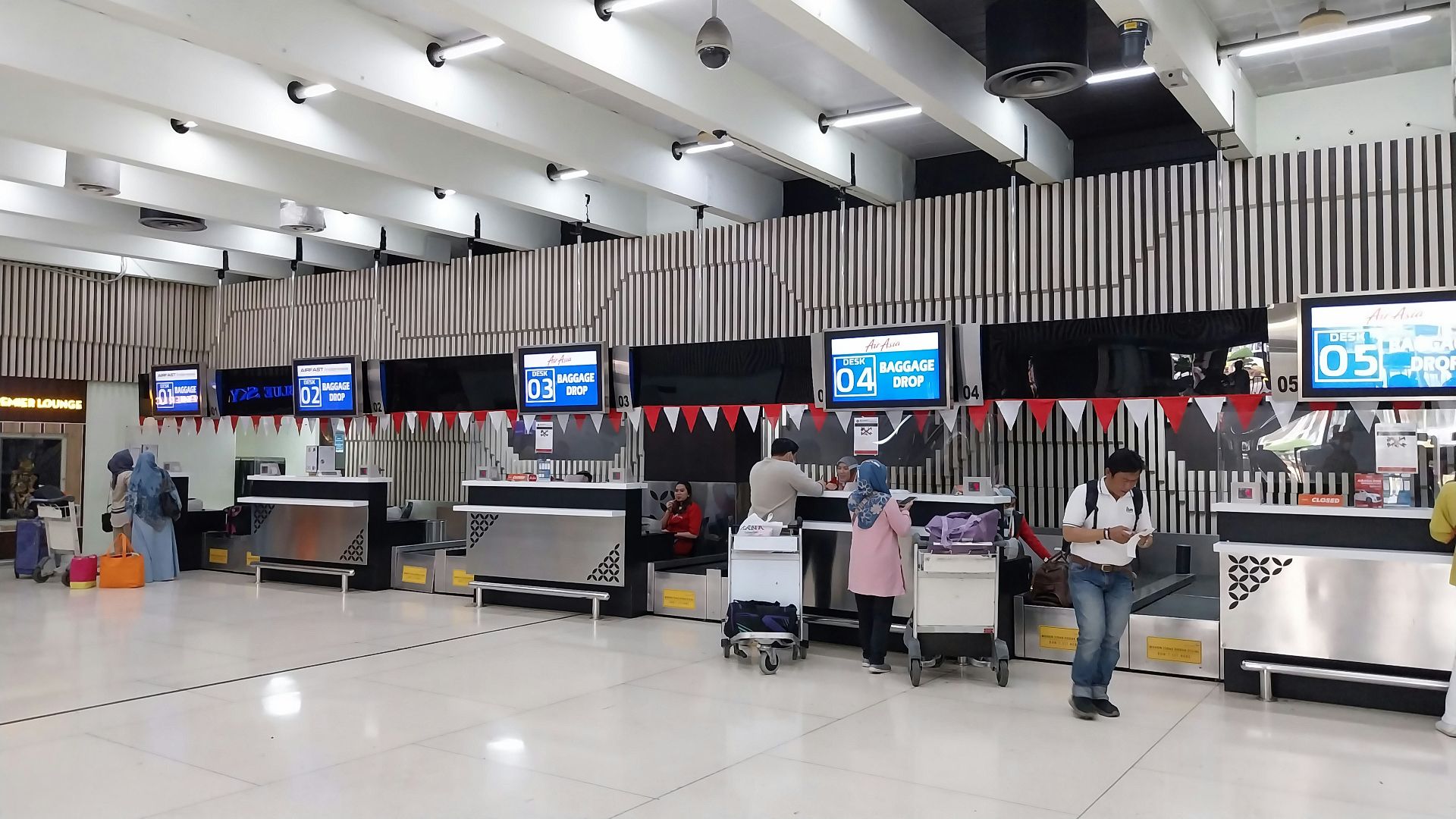
Airlines are not being strict for no reason. Around the world, carriers can be penalized for bringing in passengers without acceptable travel documents. The International Air Transport Association’s Timatic system helps airlines check entry requirements and assess documents before boarding.

Border Officers Have The Final Word
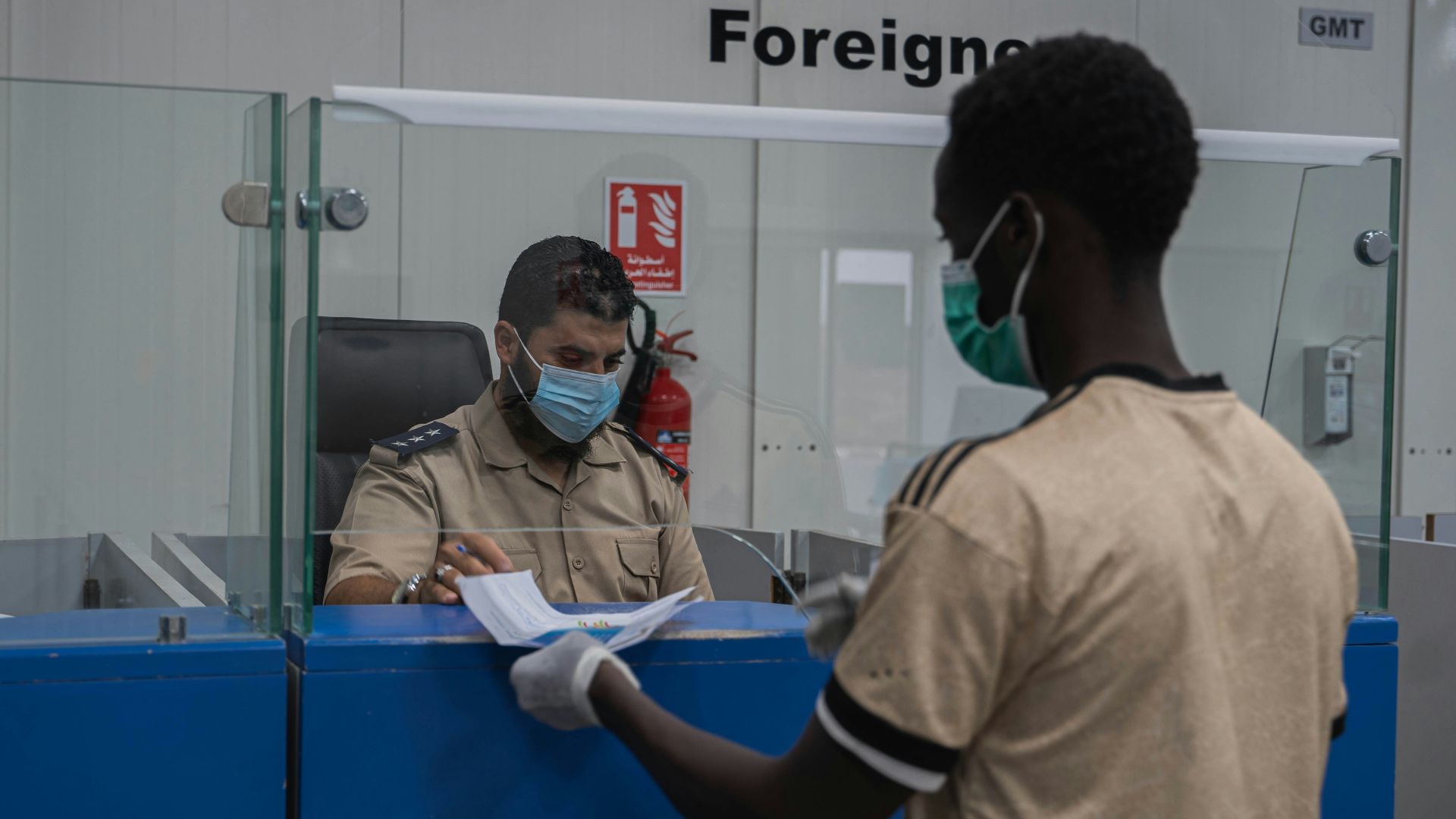
Even if an airline lets you on the plane, entry is never guaranteed until a border officer admits you. U.S. Customs and Border Protection says a passport must be valid for the length of your stay in many cases, and destination countries may have even stricter rules. If an officer believes the document is damaged or altered, your trip can end right there.
The UK Warns About Passport Damage Too
The UK government advises travelers to replace a passport if it is damaged because some countries and airlines will not allow travel with it. Official guidance points to problems like torn, cut, or missing pages and damage that makes details hard to read. This is not just a U.S. issue.

Canada Says The Same Thing
The Government of Canada also warns that a damaged passport may not be accepted for travel. Its guidance says damage can include torn pages, loose covers, or water exposure. When several governments give the same warning, it is worth taking seriously.
What Raises Red Flags At Check-In
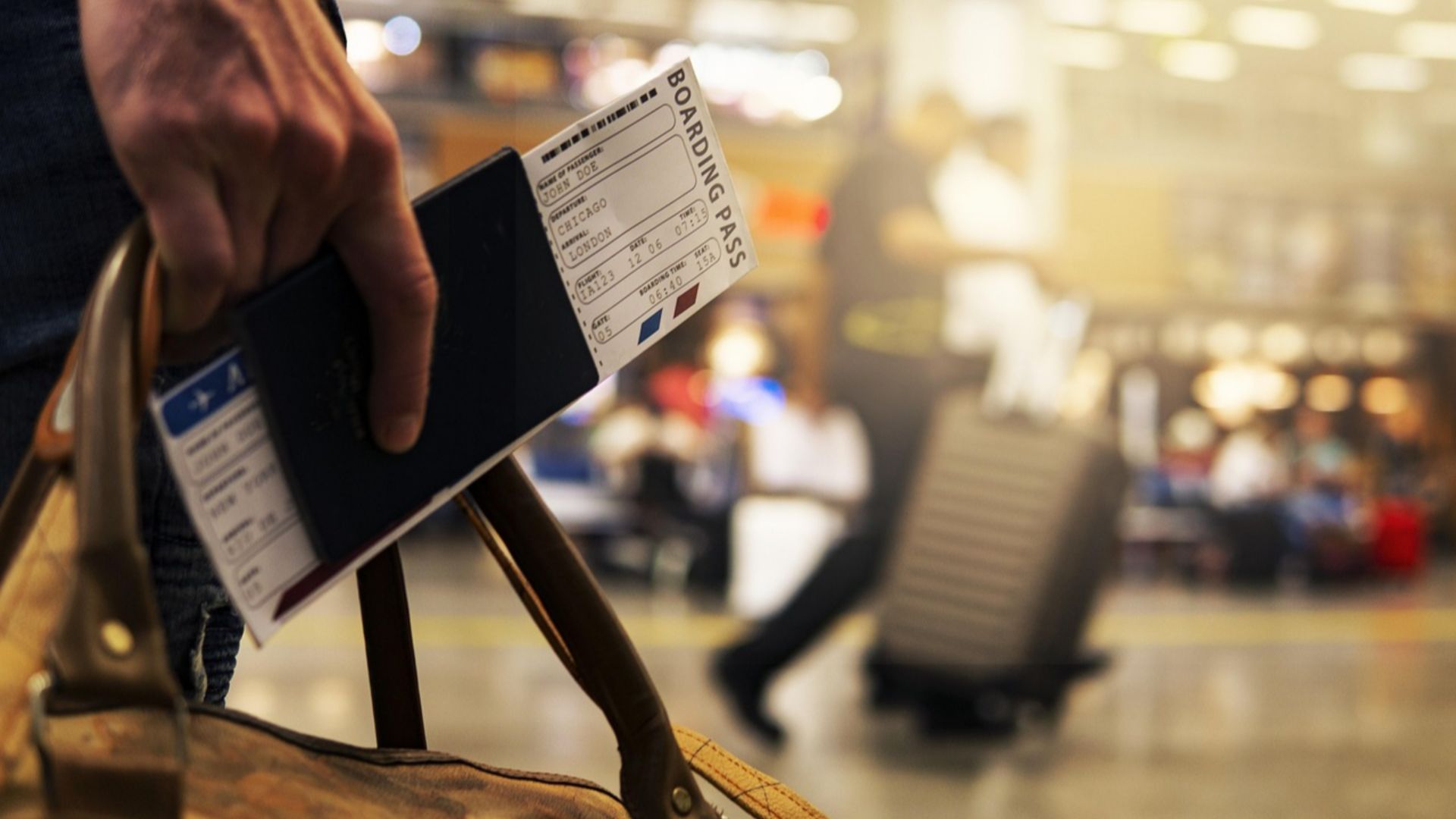
The biggest trouble spots are damage to the photo page, tears on pages with visas or stamps, missing pages, heavy water damage, and anything that looks like tampering. A peeling laminate over your personal information can also cause concern because it may interfere with identity checks. Even if the tear is somewhere else, staff may worry the passport will not hold up under inspection.
The Photo Page Matters Most
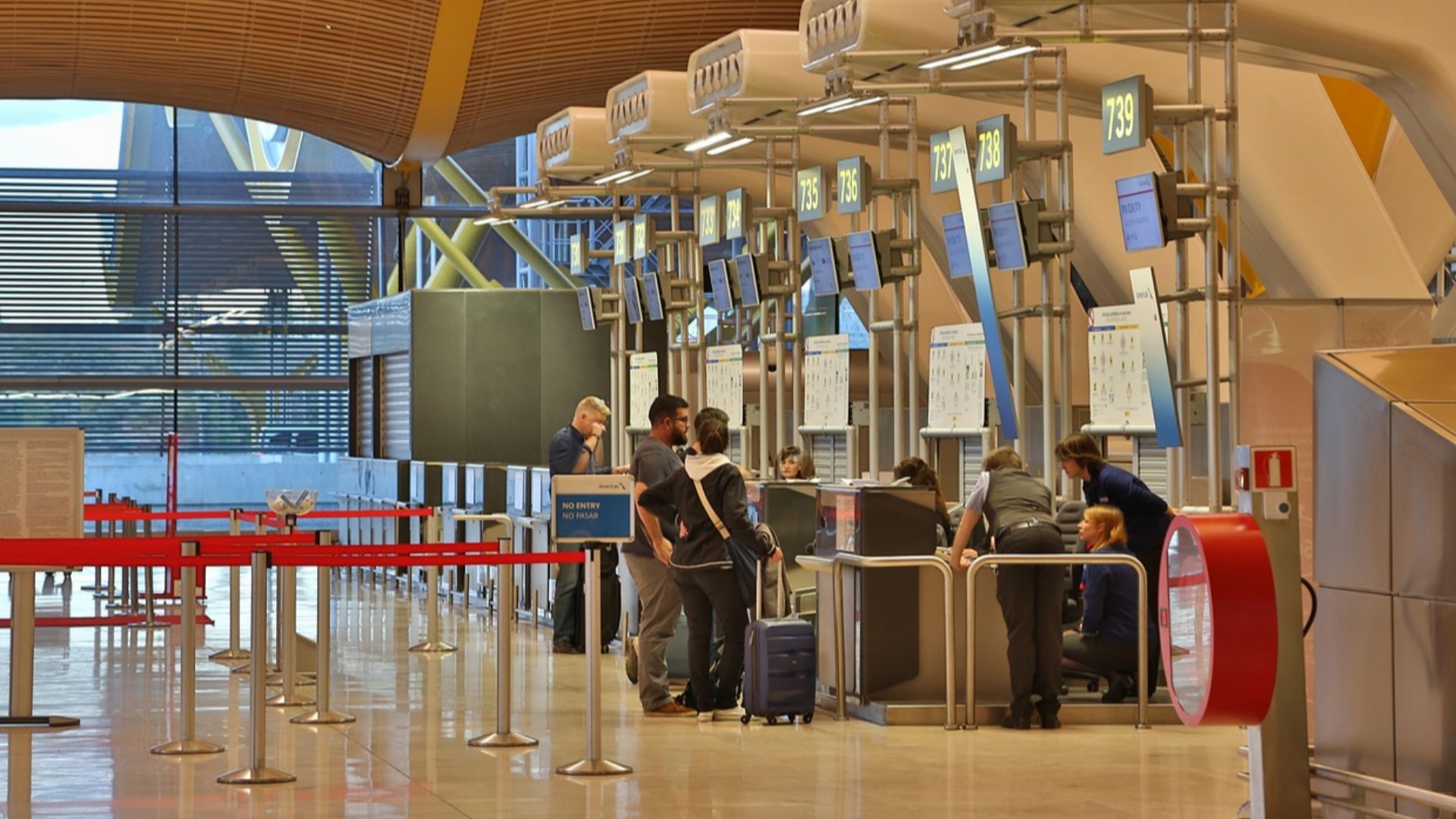
If the tear is on or near the page with your name, date of birth, passport number, or photo, expect much closer scrutiny. That page is the core of the document and holds security features officials need to inspect. Damage there is much more likely to lead to a denial than a scuffed cover.
Visas And Stamps Can Be Just As Important
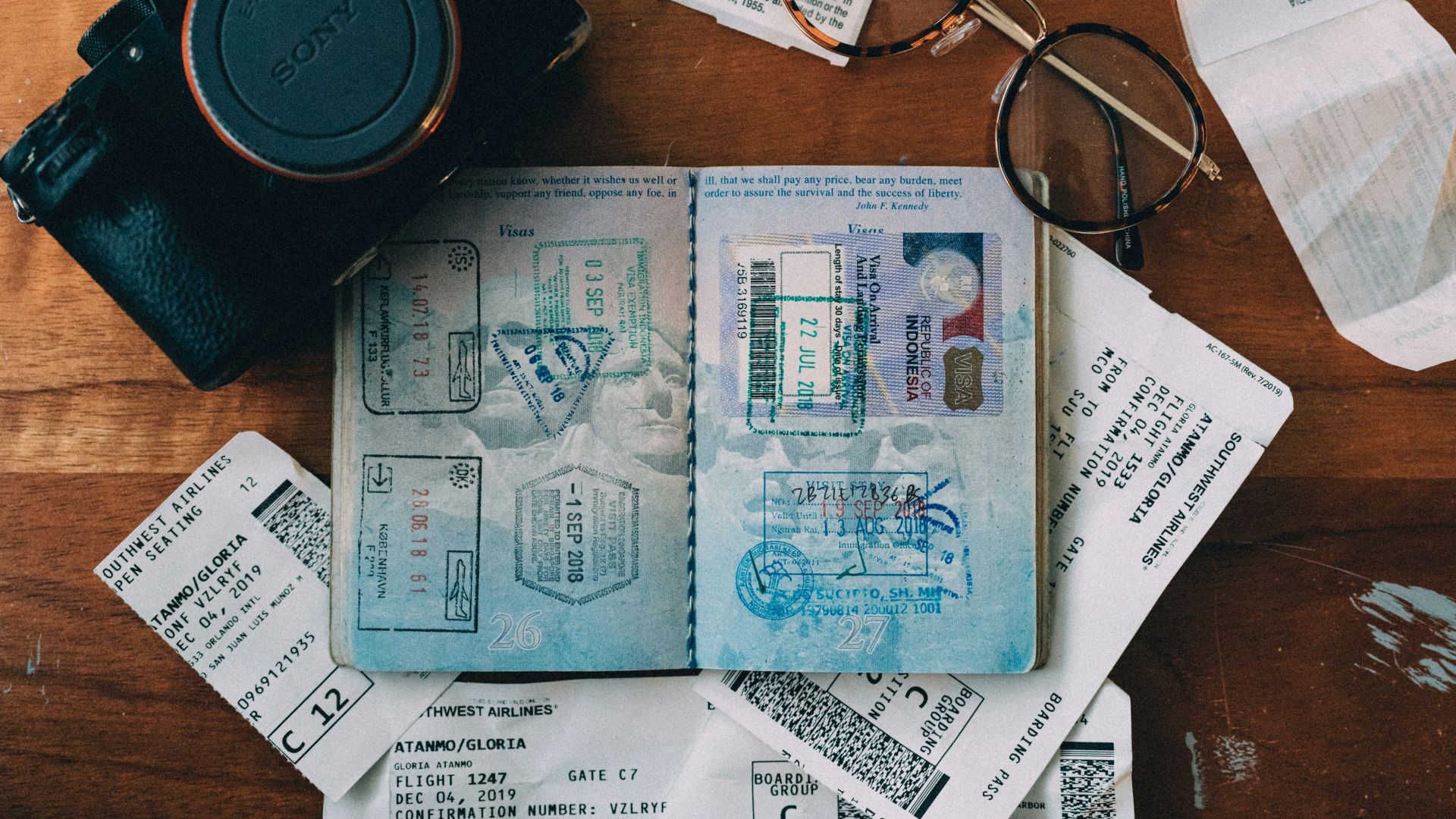
Many international trips depend not only on the passport itself but also on visas, entry records, and blank pages. A tear that affects a visa page or blocks an entry stamp can create instant problems. What looks cosmetic to you may stop an officer from confirming your travel history or permission to enter.
 Kit (formerly ConvertKit), Unsplash
There Is No Simple Size Rule
Travelers often look for a hard rule about how big a tear can be before a passport is rejected. There is no widely published global standard saying a rip under a certain size is fine. These decisions are usually made case by case, based on whether the document still seems intact, readable, and trustworthy.
That Uncertainty Is The Real Risk
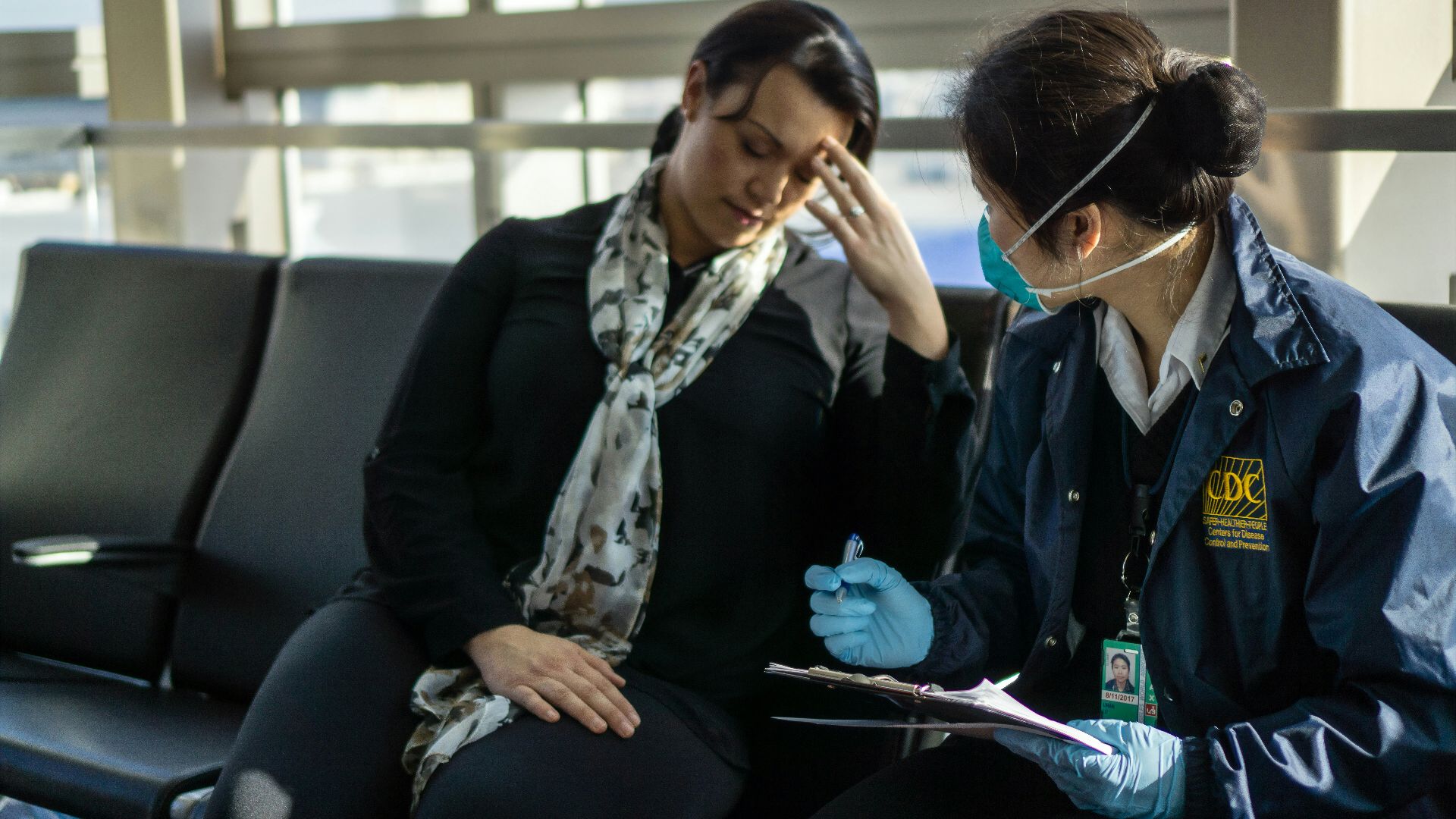
One agent may wave you through while another may stop you cold. The same passport might pass at one airport and fail at another. When the outcome depends on human judgment, the traveler is the one taking the risk.

If Your Trip Is Soon, Do Not Wait To Find Out At The Airport
If you already see a tear, the safest move is to look into replacement before travel day. Hoping the check-in desk will be lenient is a gamble that can cost you a flight, hotel bookings, and prepaid tours. Few travel problems can kill a trip faster than a passport issue.

How The U.S. Handles Damaged Passports
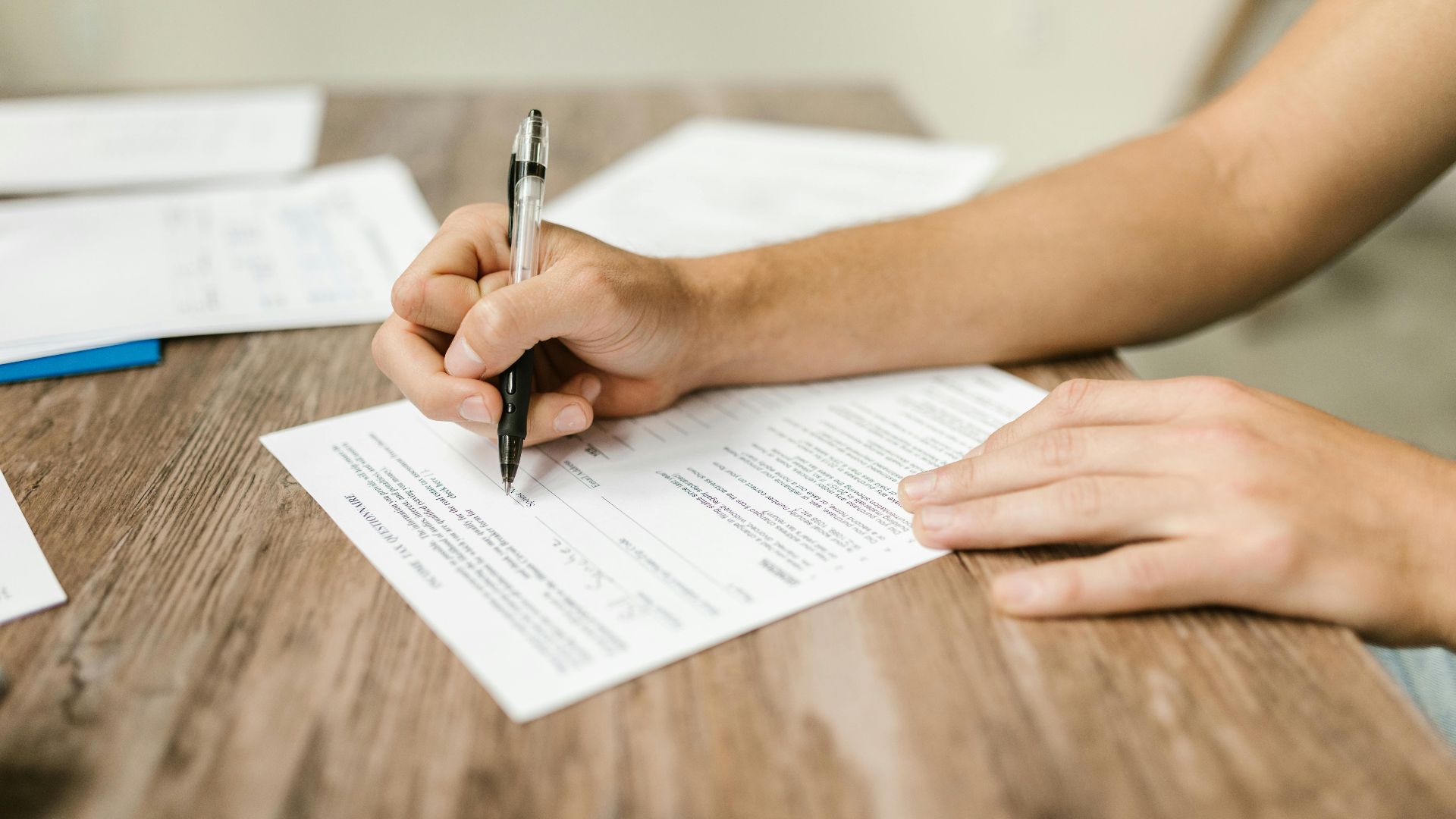
The State Department says a significantly damaged passport should be replaced. Travelers generally need to apply in person if the passport is damaged, using the standard renewal or new passport process as directed by the agency. If the damage is serious, mailing it in as a routine renewal may not be the right move.
Urgent Travel May Change Your Options
For Americans traveling soon, the State Department offers urgent travel appointments in limited situations. These are usually for international travel within a short time frame and require proof of travel. Appointments can be hard to get, so it makes sense to act as soon as you notice the damage.

What To Do Before You Panic
First, look closely at where the tear is and whether it affects any text, numbers, machine-readable lines, or security features. Then check official government guidance instead of relying on social media stories. If you are still unsure, contact your passport agency or consular authority and your airline, but remember the airline can still make the final call at the airport.
Photos Can Help, But They Prove Nothing
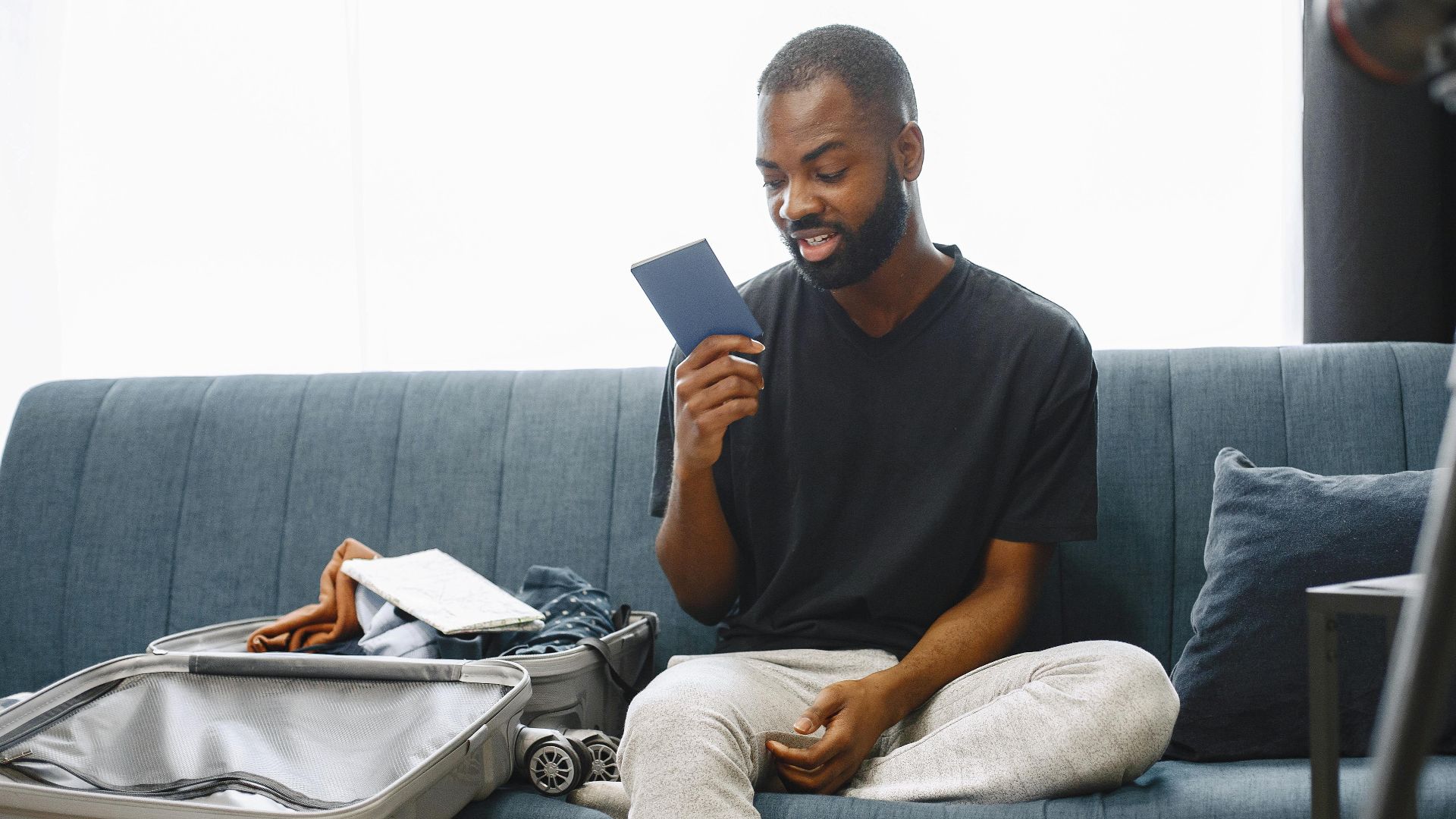
Some travelers send passport photos to airline customer service and get an informal opinion. That can be useful as a rough guide, but it is not a guarantee. The staff member at the check-in desk on departure day may still decide the passport is not acceptable.
Do Not Try To Fix It Yourself
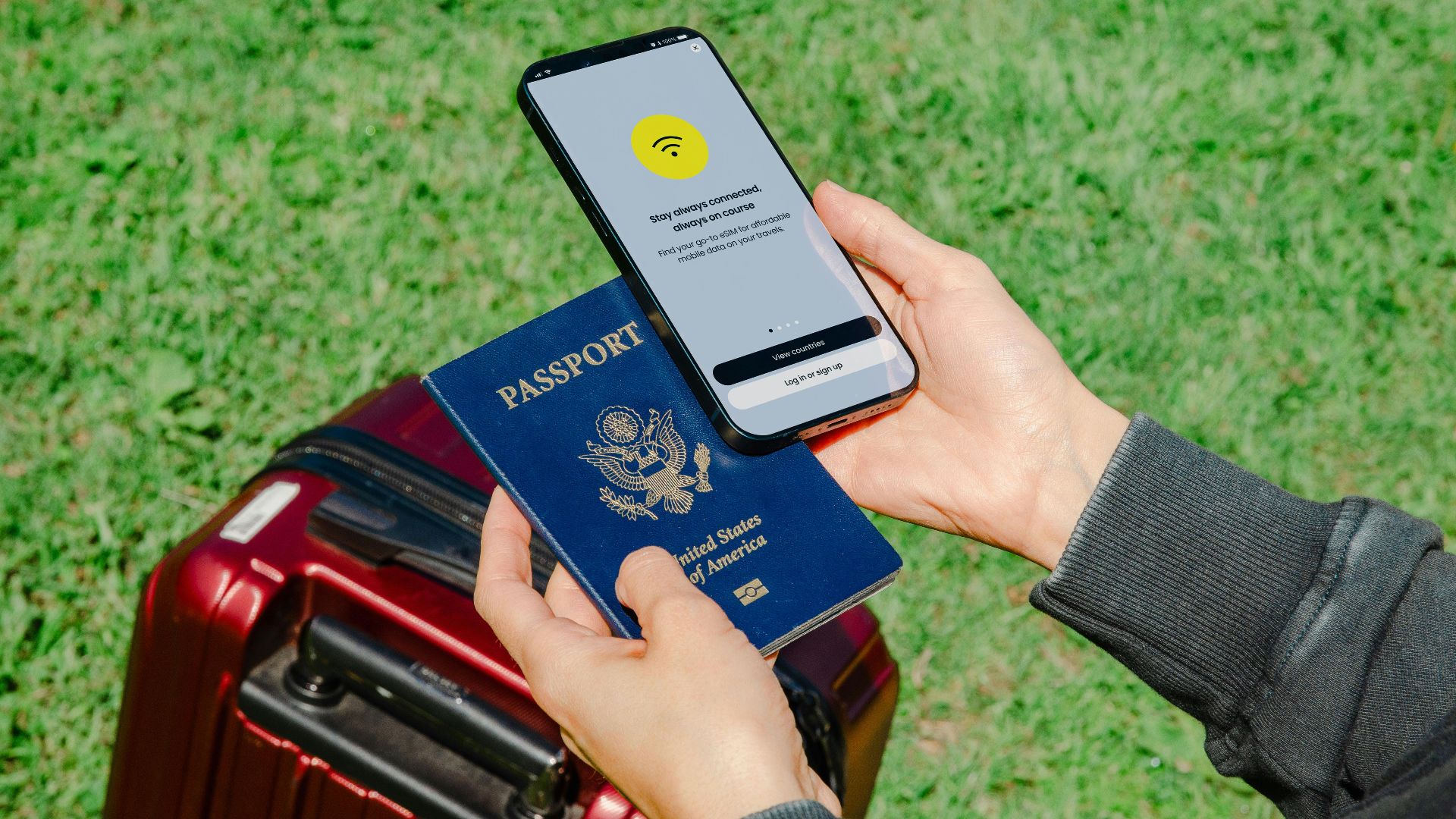
Taping a torn page, gluing part of it back together, or adding laminate yourself can make things worse. Governments warn against altering passports, and homemade repairs can look like tampering. If the document is damaged, replacement is usually the safer option.
 Vodafone x Rankin everyone.connected, Pexels
It Is Easier To Protect A Passport Than Replace One
A passport holder will not prevent every problem, but it can help protect against bent corners, spills, and everyday wear. Keep the booklet dry, do not jam it into an overstuffed bag, and do not hand it to children as a toy. A lot of passport damage starts with something ordinary like a spilled drink, rushed packing, or a pet getting hold of it.
Water Damage Causes More Trouble Than People Realize
A passport does not have to be ripped to become unusable. Water can warp pages, blur stamps, and affect built-in security features. Governments regularly list water damage as a reason a passport may no longer be valid for travel.
Loose Pages Are A Serious Warning Sign
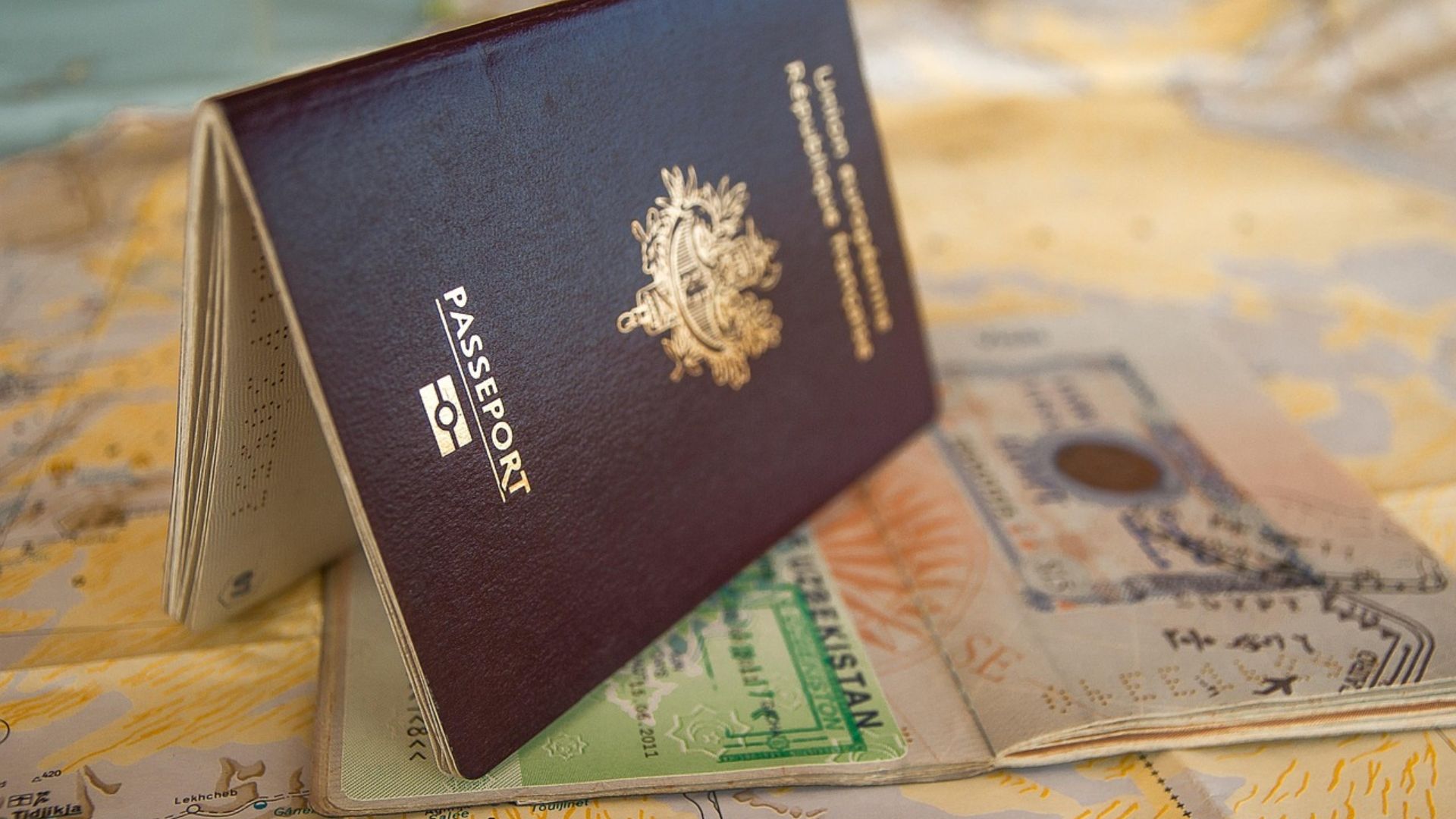
If pages are coming away from the binding, expect major concern from airline staff or border officers. A loose page can suggest tampering or at least raise doubts about the passport’s integrity. That kind of damage is much harder to brush off as normal wear.
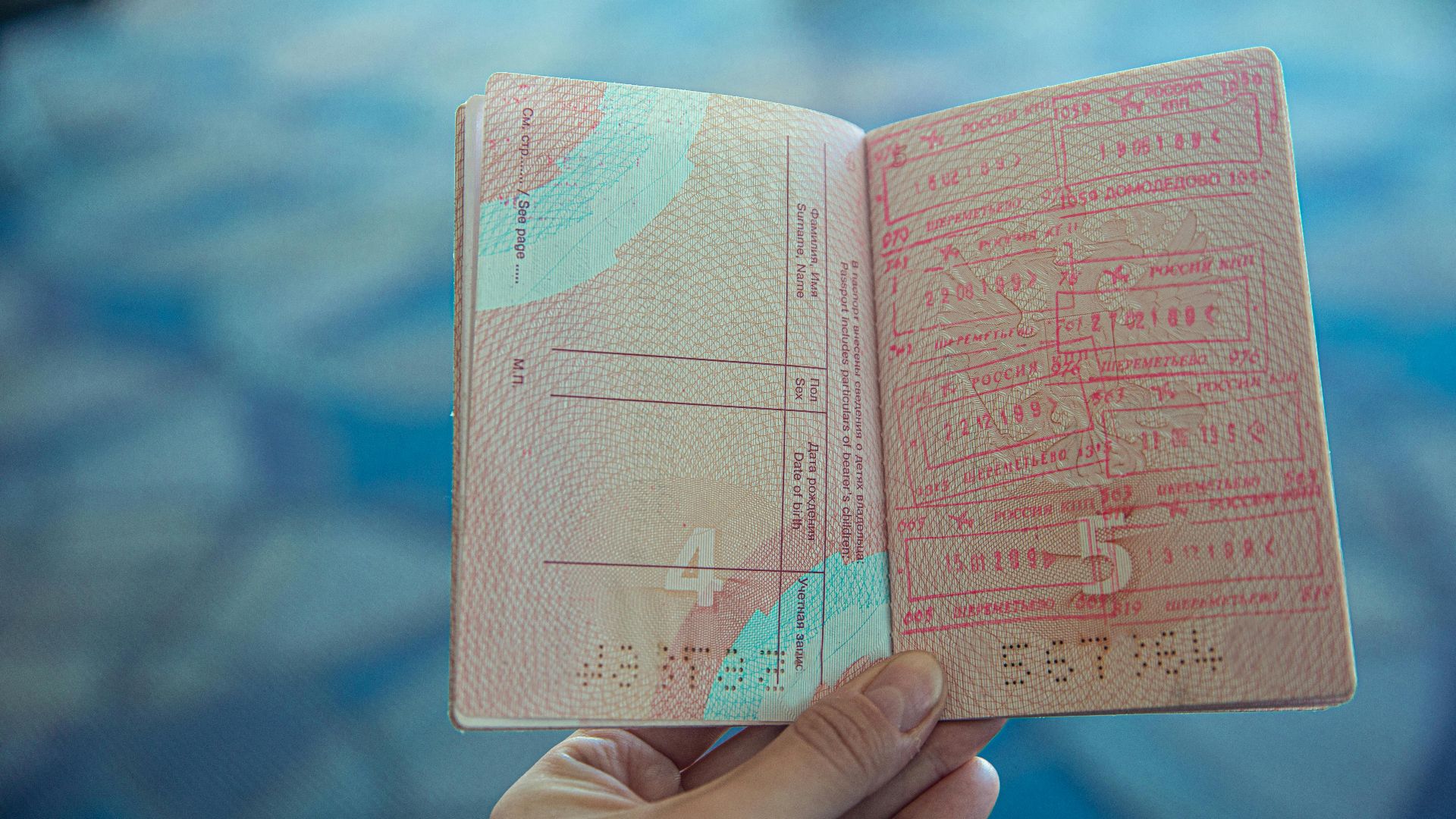
Replacing It Usually Costs Less Than Missing The Trip
Replacing a passport can be annoying, and expedited service can cost more. Missing an international flight because an agent rejects your document is usually far more expensive. Once hotels, tours, and connecting flights are involved, the losses can pile up fast.

So Can A Small Tear Really Get You Denied?
Yes, it can. The real issue is not whether the passport is technically unexpired. It is whether airline staff and border officials believe it is intact and reliable enough for travel. If your passport has a tear and you have time to replace it, the practical answer is simple: do not risk it.