More Than It Seems
Have you ever wondered what’s hiding far beneath your feet? Not roots, fossils, or buried treasure—much deeper than that. As it turns out, the Earth has been building enormous hidden structures underground this whole time.

The Earth’s Continental Cores Are Bowl-Shaped And Extremely Thick
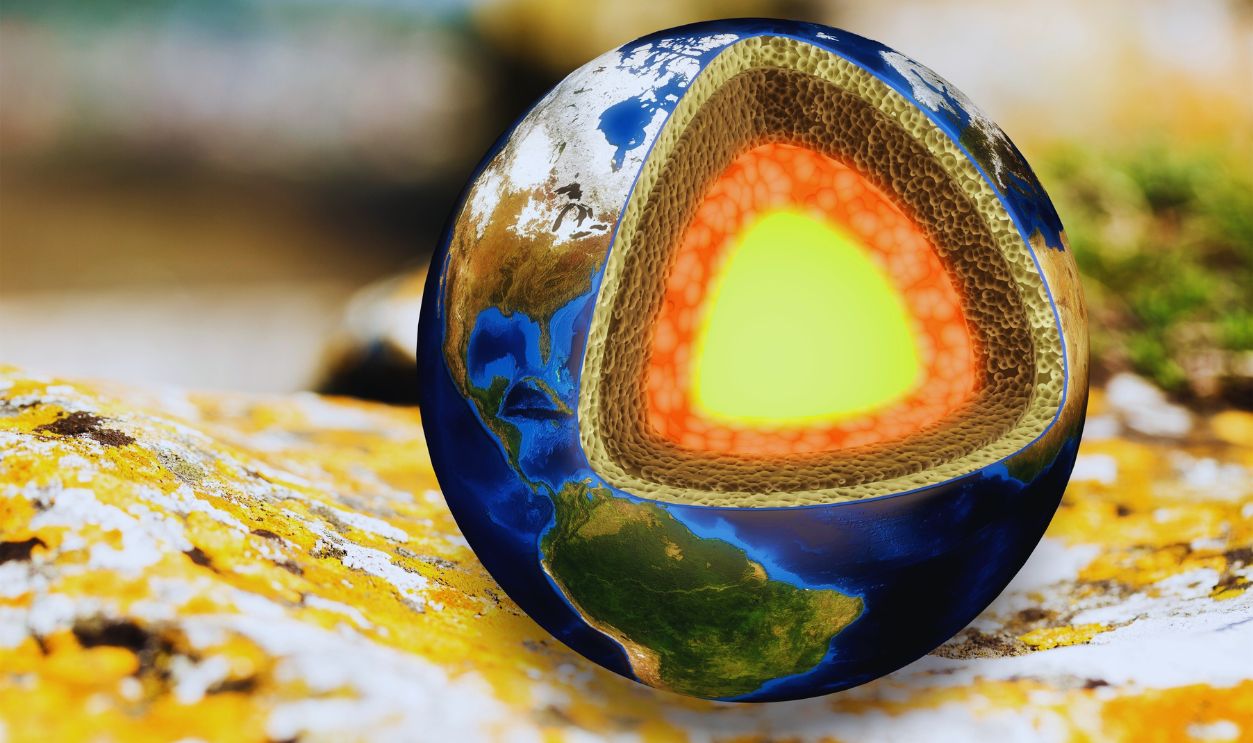
Imagine carving out a bowl big enough to cradle entire continents. That’s what the Earth's ancient cores look like beneath your feet. These deep, sturdy formations provide a stable foundation for the crust, often reaching depths of 200 kilometers. Think of them as the spine of tectonic life.
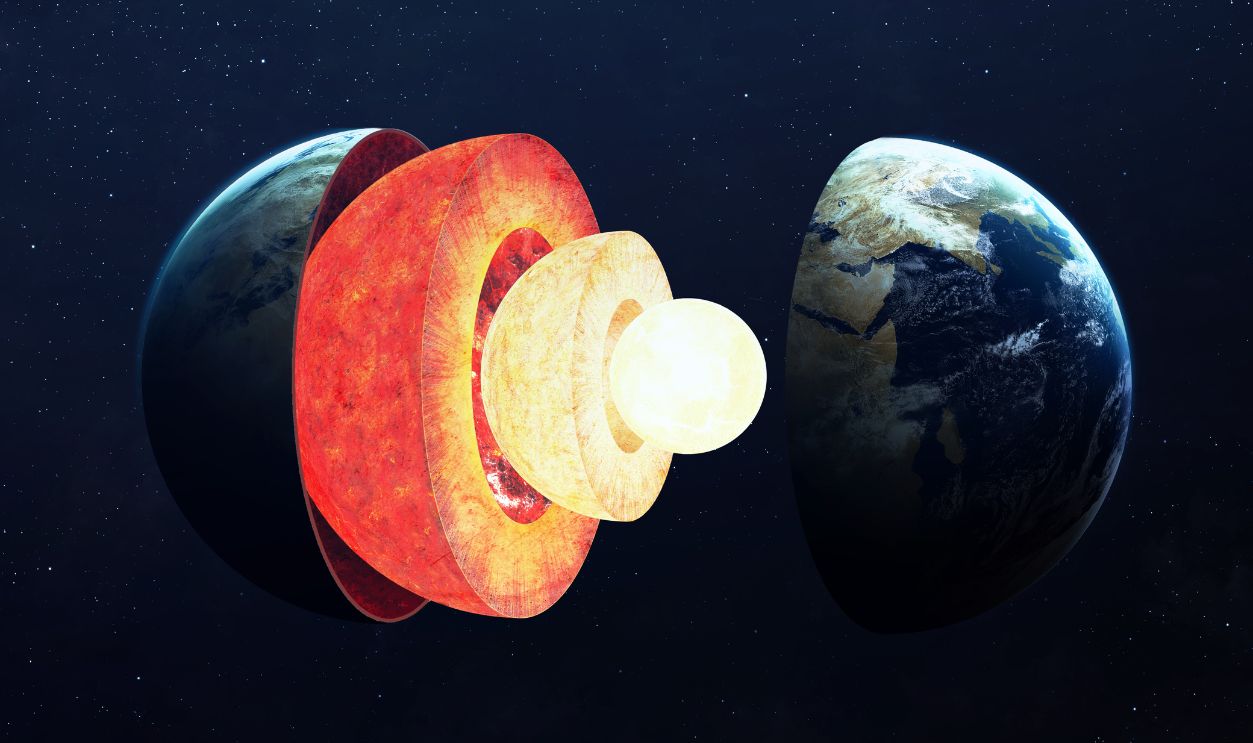
Melts Form Deep Beneath The Centers Of Ancient Continents
Pressure builds. Heat intensifies. Around 200 kilometers below the surface, molten carbonate-rich material brews in silence. This melting pot becomes the hidden source of vital metals. You won't see it, but beneath old continental hearts, it's something extraordinary.
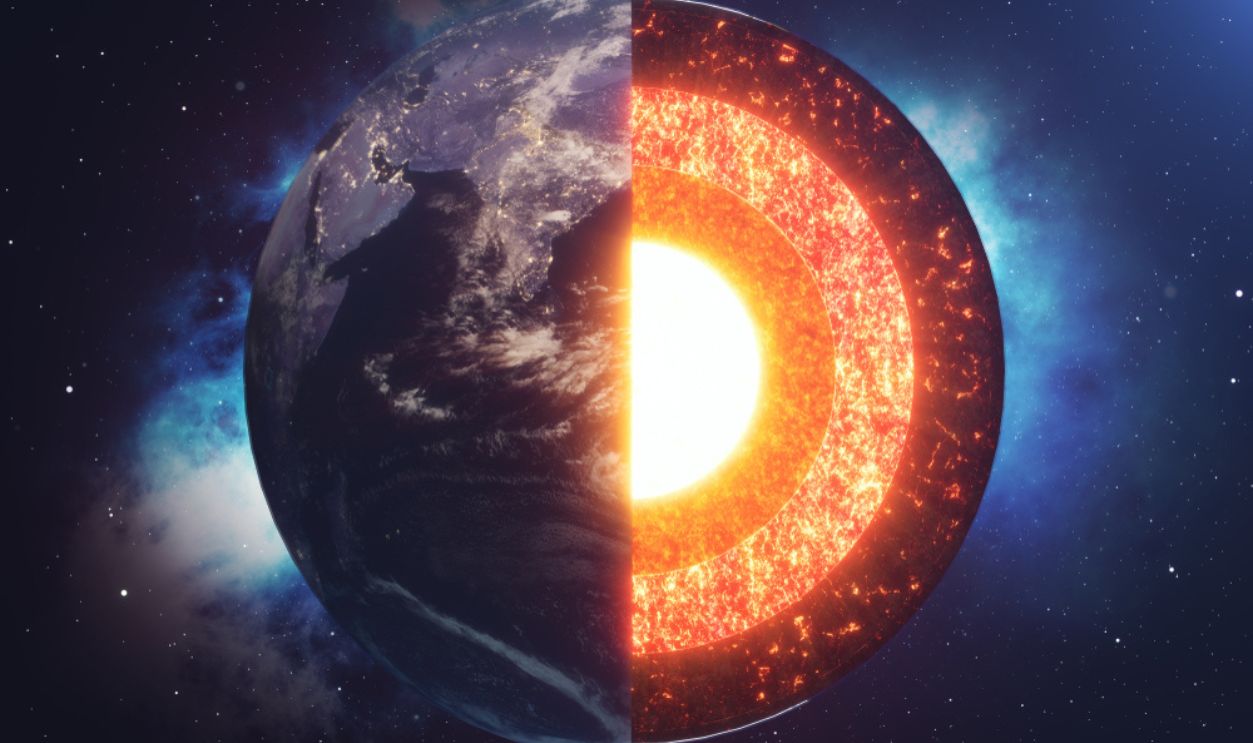
Molten Carbonate-Rich Material Rises And Flows Outward
Molten material doesn’t just bubble up like in volcanoes. It flows with intent. From the center of the core, it surges upward and then veers sideways, tracing the edges like liquid freight. Over millions of years, this slow-motion migration sculpts metallic lifelines.
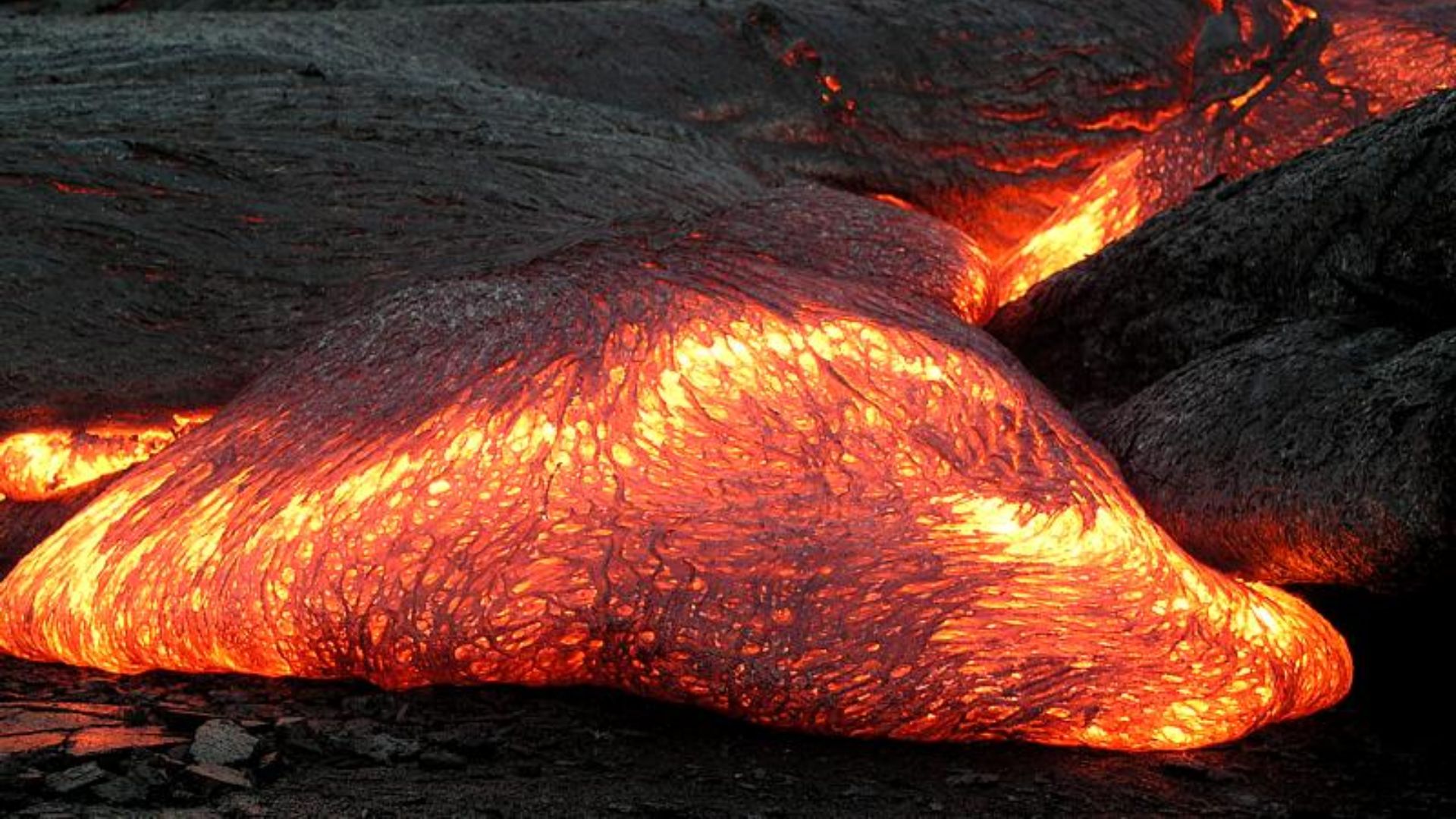 Hawaii Volcano Observatory (DAS), Wikimedia Commons
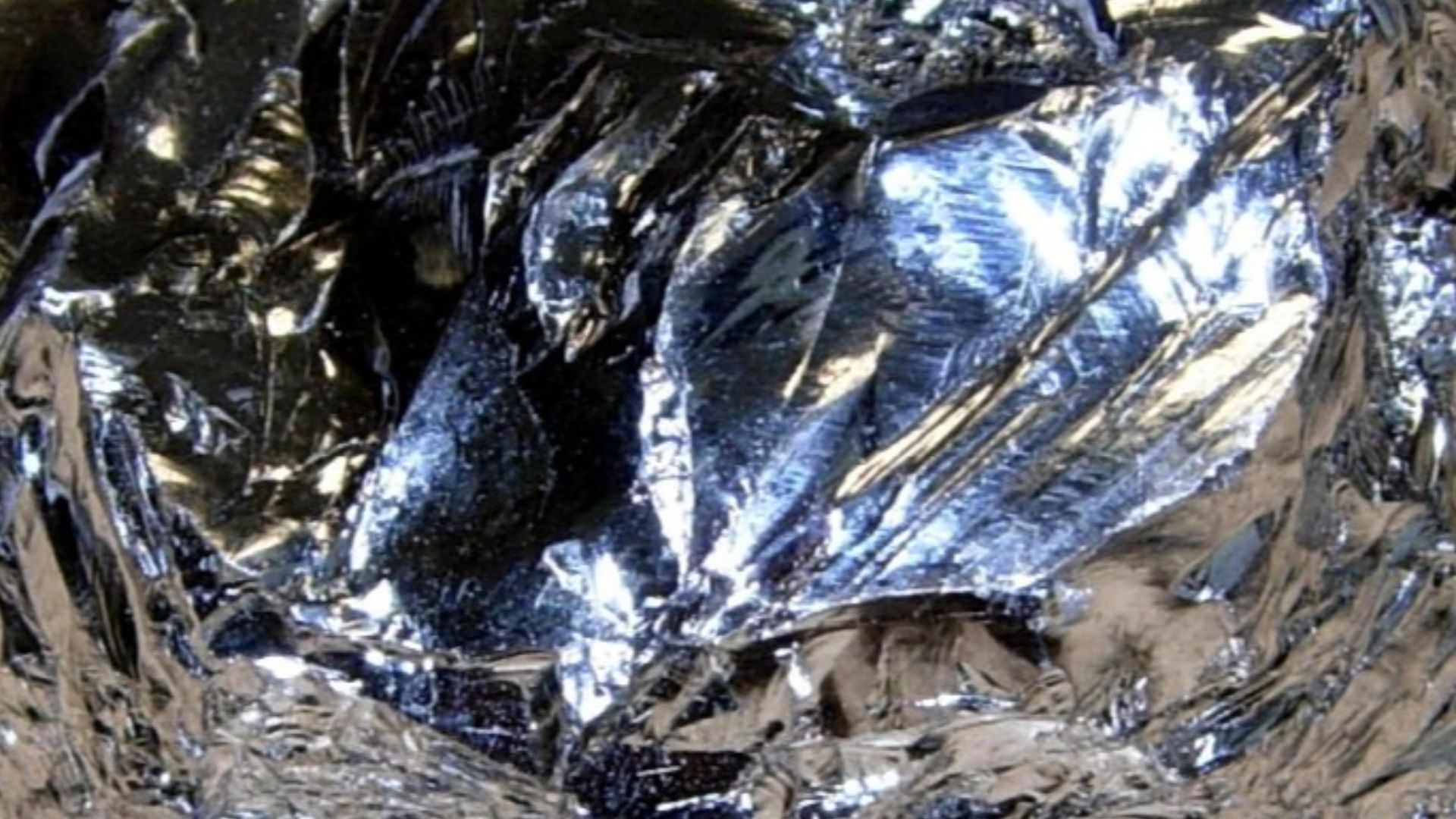
Silica Begins To Drop As The Melt Travels Upward
As the melt rises, silica quietly bows out of the mix. This isn’t random. It’s chemistry doing its thing. Without silica, the remaining melt gets a new identity that’s richer in metals, sharper in purpose, and primed to start its real underground journey.
 Enricoros at English Wikipedia, Wikimedia Commons
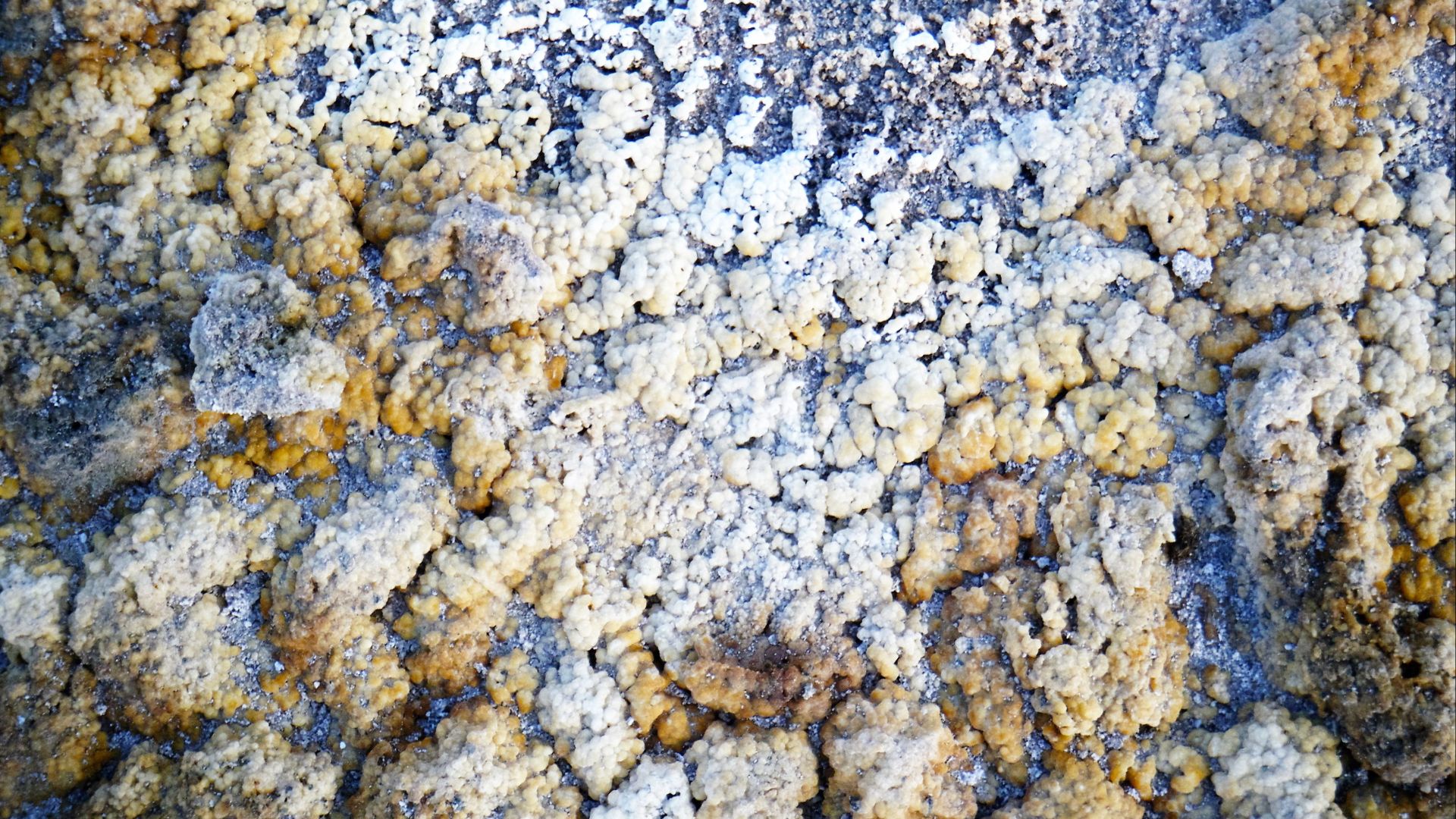
Loss Of Silica Triggers Metal And Sulfur Precipitation
Drop the silica, and suddenly, metals and sulfur jump ship. That shift triggers a reaction that turns invisible elements into solid deposits. It’s a quiet, potent alchemy. Just imagine treasure forming in real time, stitched along the margins of ancient rock.
 Albarubescens, Wikimedia Commons
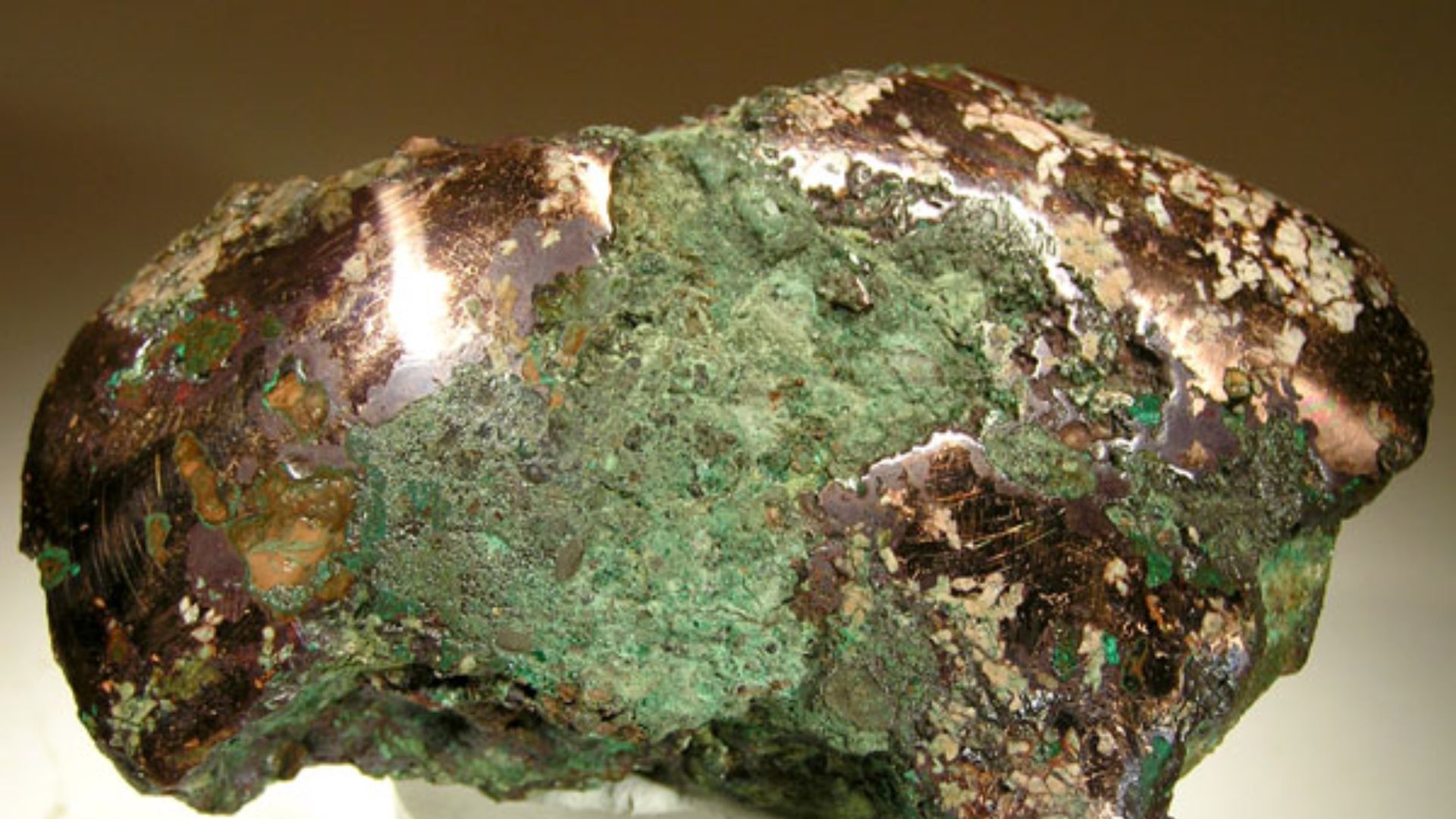
Critical Metals Accumulate Where Melts Slow And Settle
When the molten stream slows down, metals seize the moment. They gather, layer by layer, and bond to the crust in zones packed with copper, cobalt, and rare earths. That sluggish flow is how nature hoards wealth.
 Robert M. Lavinsky, Wikimedia Commons
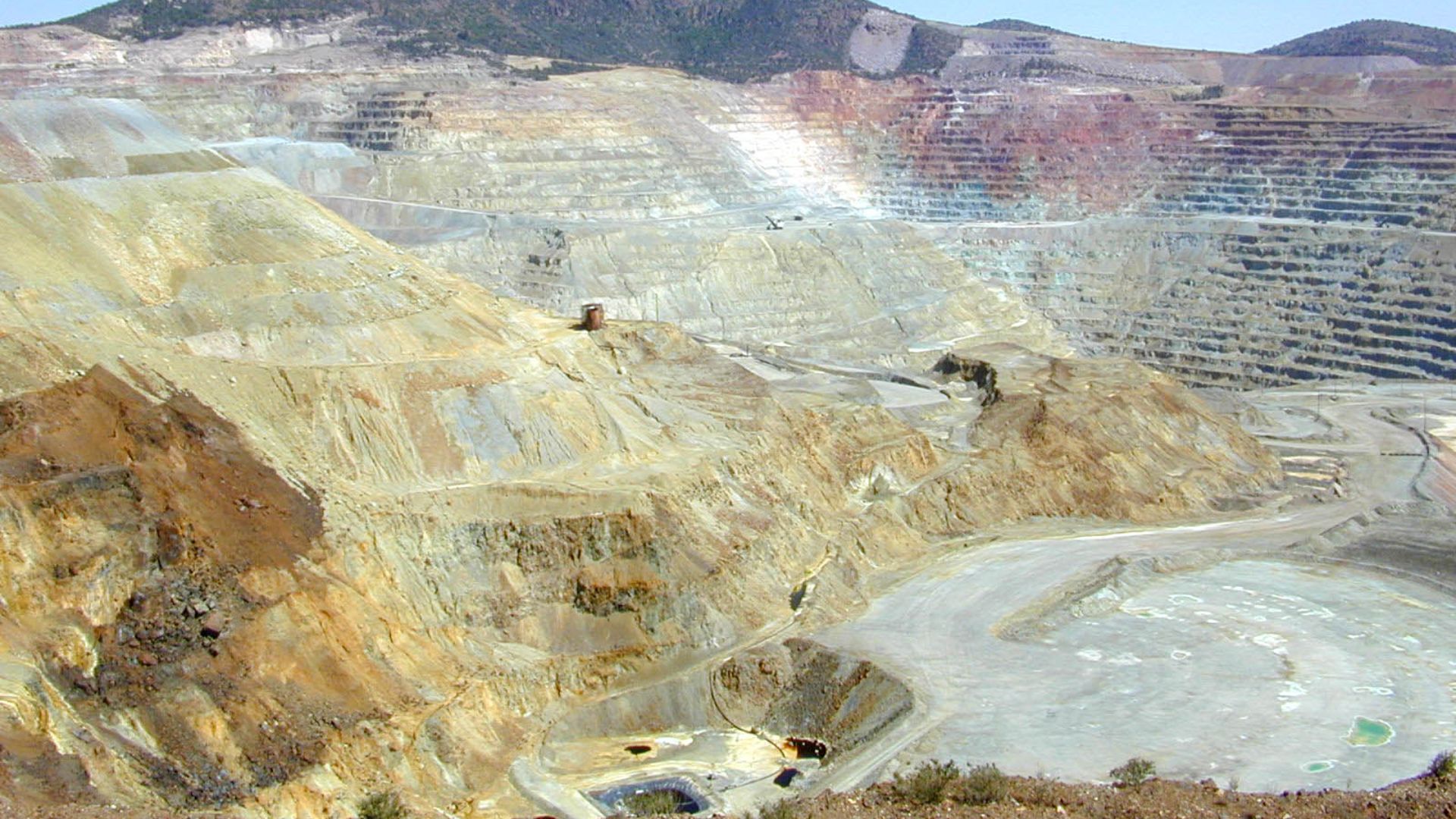
Linear Deposits Form Along The Edges Of Ancient Crust
These deposits stretch in straight, purposeful lines like train tracks of treasure. Every edge of a continental core acts like a metallic stencil. You just need to know where to look because that’s when the crust starts speaking in patterns.
 Eric Guinther (Marshman), Wikimedia Commons
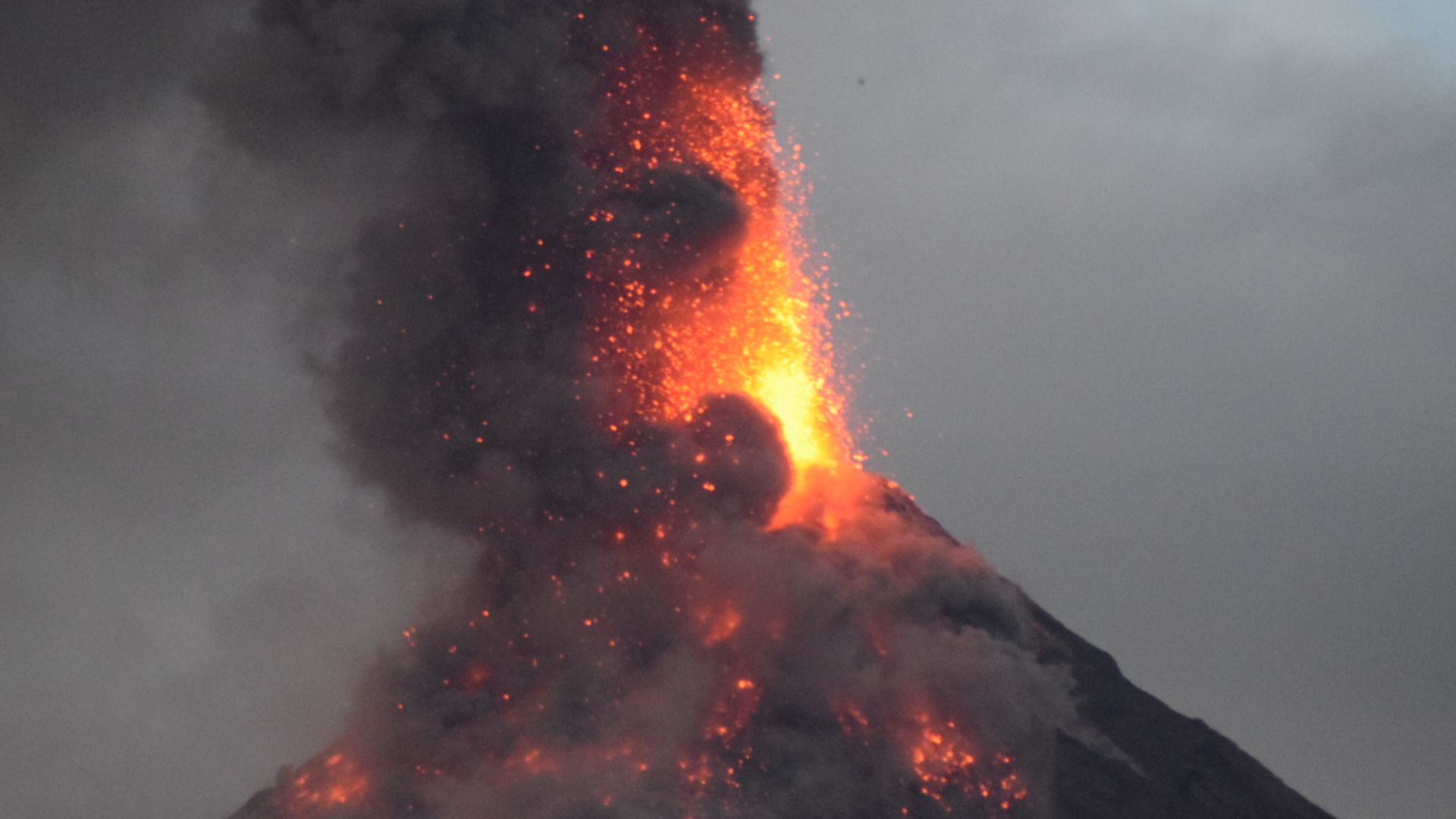
Volcanic Activity Is Most Common Around These Continental Margins
Volcanoes tend to erupt where ancient tectonic plates once collided. Those fiery outbursts aren't random—they're signs that molten material is rising from deep below. If you want to map these hidden pathways, follow the volcanoes. The Earth has a habit of leaving clues in plain sight.
 Darkimages08, Wikimedia Commons
Edges Of Continental Cores Serve As Metal Traps
Think of continental edges like gold pans on a larger scale. As the melt flows outward, metals drop into these natural catch basins. These rims are magnets, and over time, they attract some of the most precious stuff known to tech.
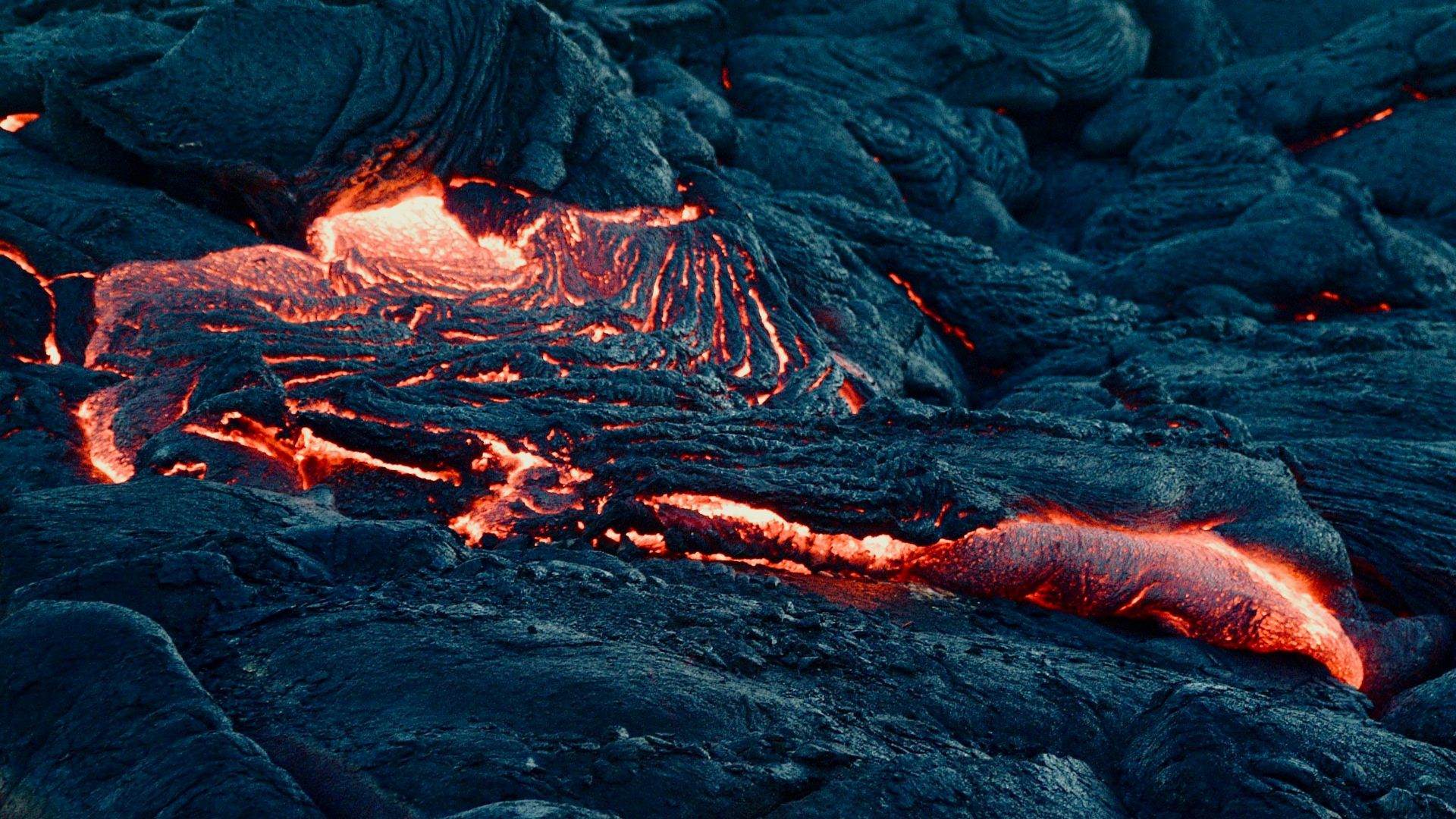
Geological Samples Confirm High Sulfur And Copper Levels
Sulfur and copper don’t lie. Grab a rock sample near a volcanic rim, and odds are, you’ll find those elemental signatures. That’s like the Earth's own treasure maps. You might not see the highway, but you’ll see where it ends.
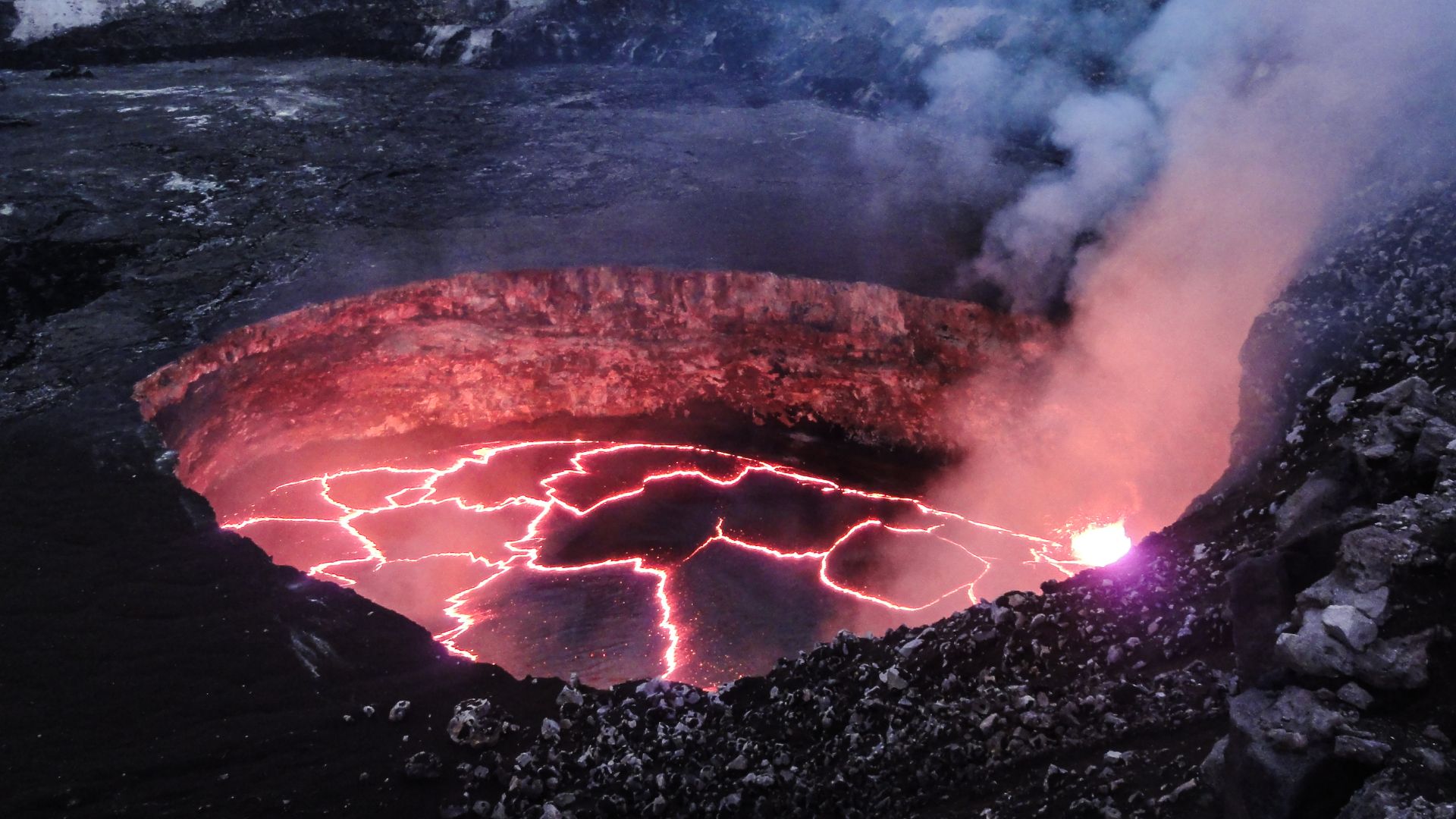 U.S. Geological Survey from Reston, VA, USA, Wikimedia Commons
Rare Earth Elements Are Also Concentrated In These Zones
Ever heard of neodymium or dysprosium? You’ll find these rare earth powerhouses hugging these crustal edges. They fuel smartphones, wind turbines, and more. And it turns out Earth has been secretly tucking them away beneath your toes for eons.
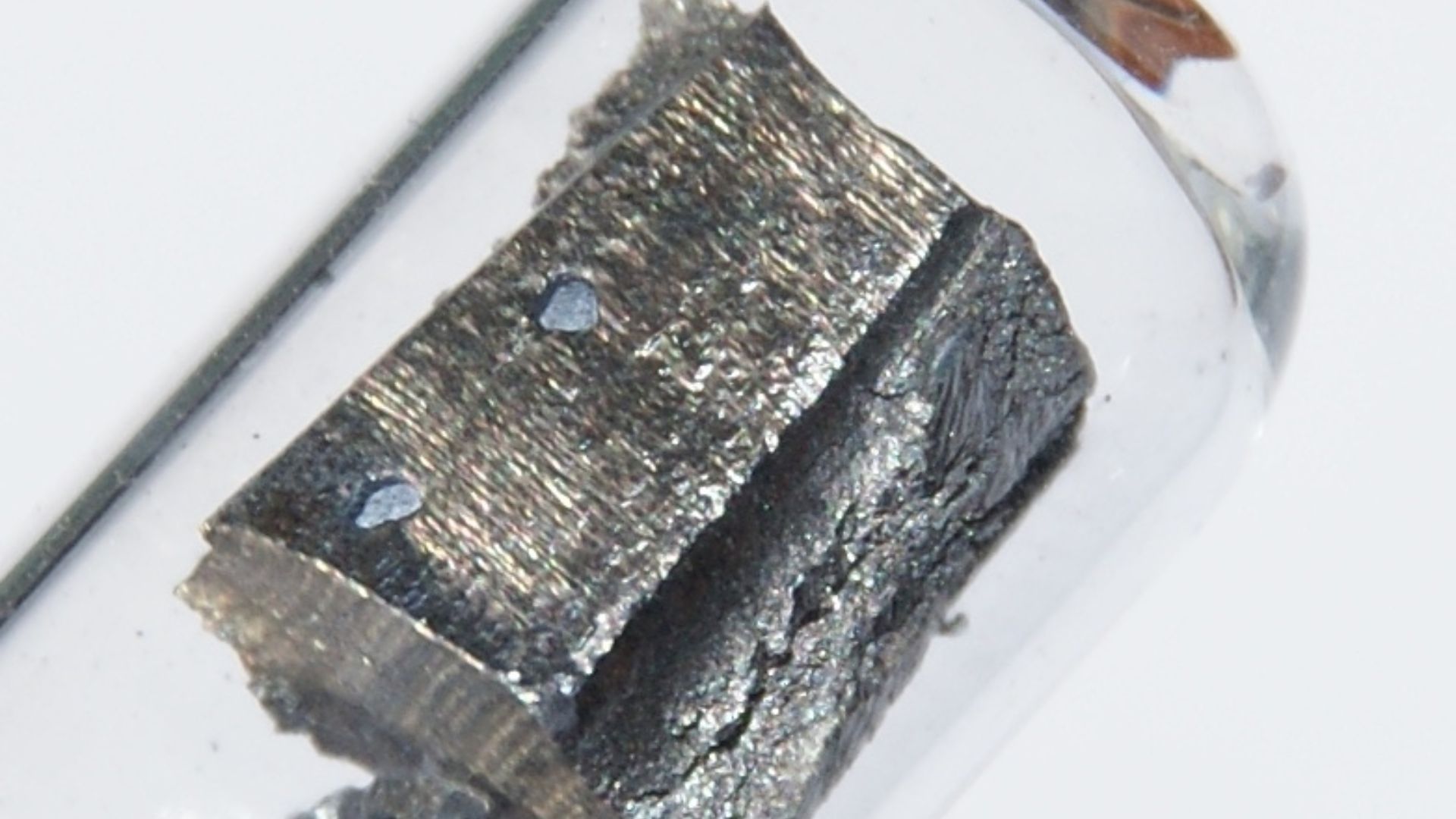 Hi-Res Images of Chemical Elements, Wikimedia Commons
The Blueprint Emerges From The Melt’s Interaction With Ancient Rocks
This isn’t just about lava flows. The molten material meets old rocks for a “geological dance”. The reaction shapes the melt’s chemistry, influencing which metals drop where. That blueprint is nature's recipe, and it reads like a code only geology can crack.

Crustal Patterns Link Back To Early Tectonic Plate Behavior
Go back 2.5 billion years, and tectonic drama was already in motion. These crustal patterns echo that choreography. Where plates once collided or split, they left imprints. Today’s deposits are the musical notes of Earth’s first tectonic song.
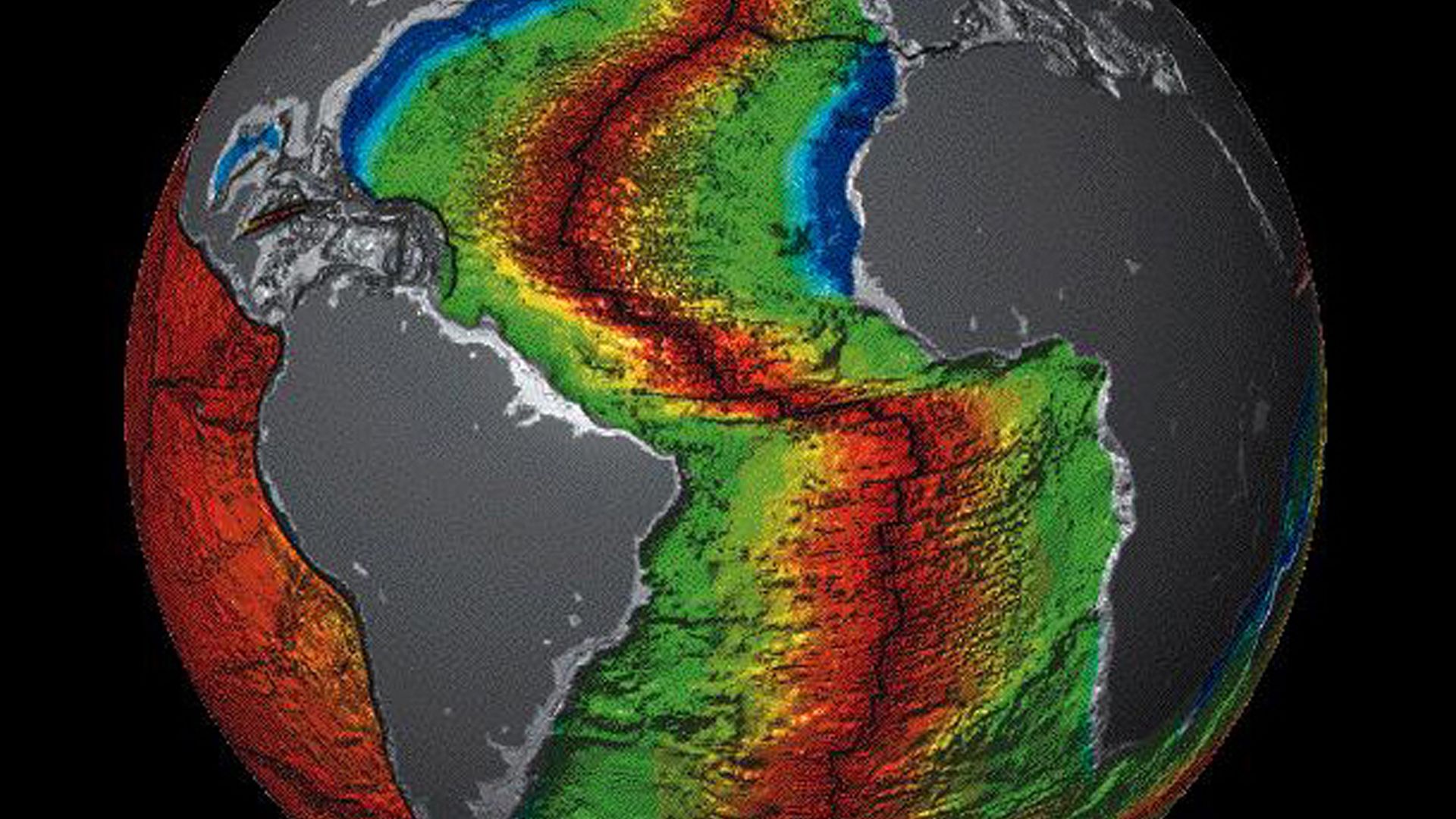
Metals Move Laterally Before Surfacing In Volcanic Belts
Metals don’t just rise—they drift sideways. Before emerging, they follow fault lines and structural weaknesses. That lateral shuffle directs where the metals eventually emerge. You won’t see the journey, but you’ll always spot where it starts: volcanic belts.
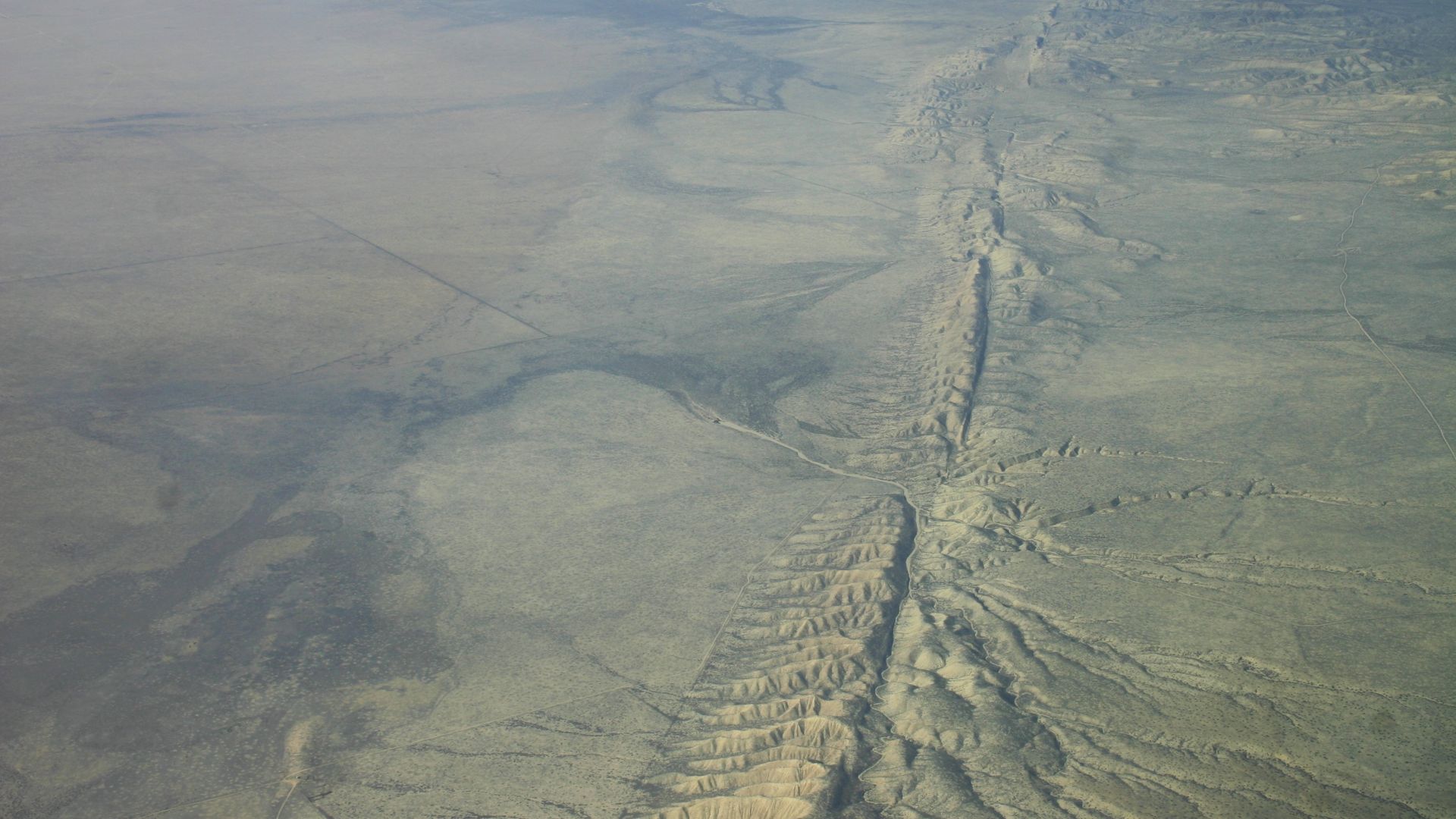
Continental Roots Have Been Shaping Resource Locations For Billions Of Years
Ancient roots run deep. These are literal zones that shape how molten metal moves. Formed over billions of years, these foundations remain geologically active. They sculpt where resources are located, regardless of how much the surface changes.
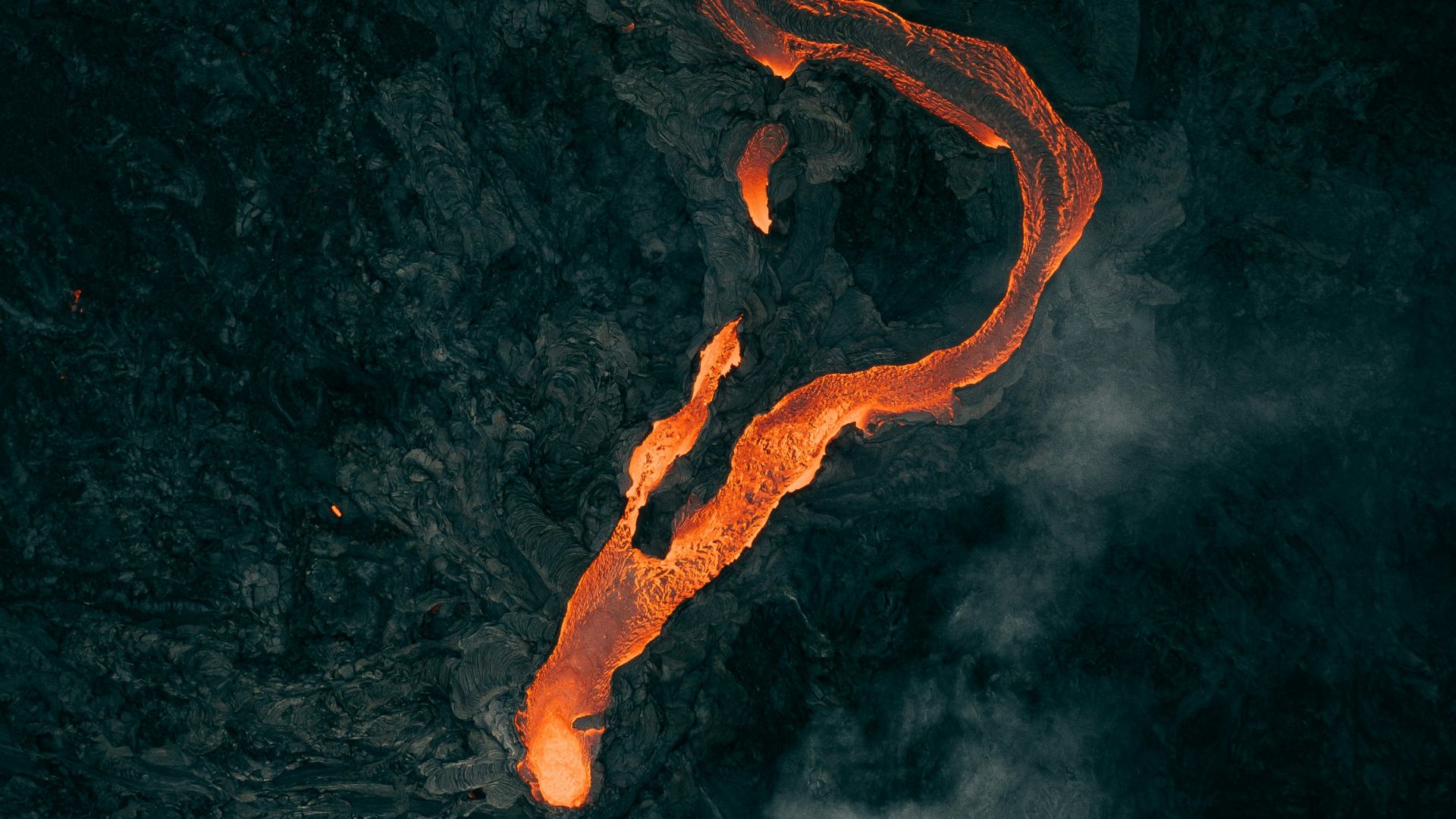
Magma Composition Alters As It Passes Through Varying Layers
Magma changes as it moves through the Earth, much like a stew absorbing new flavors as it cooks. Each layer of rock it passes through alters its chemistry—adding some elements, stripping away others. By the time it reaches the surface, that journey has helped determine which valuable metals are left behind.
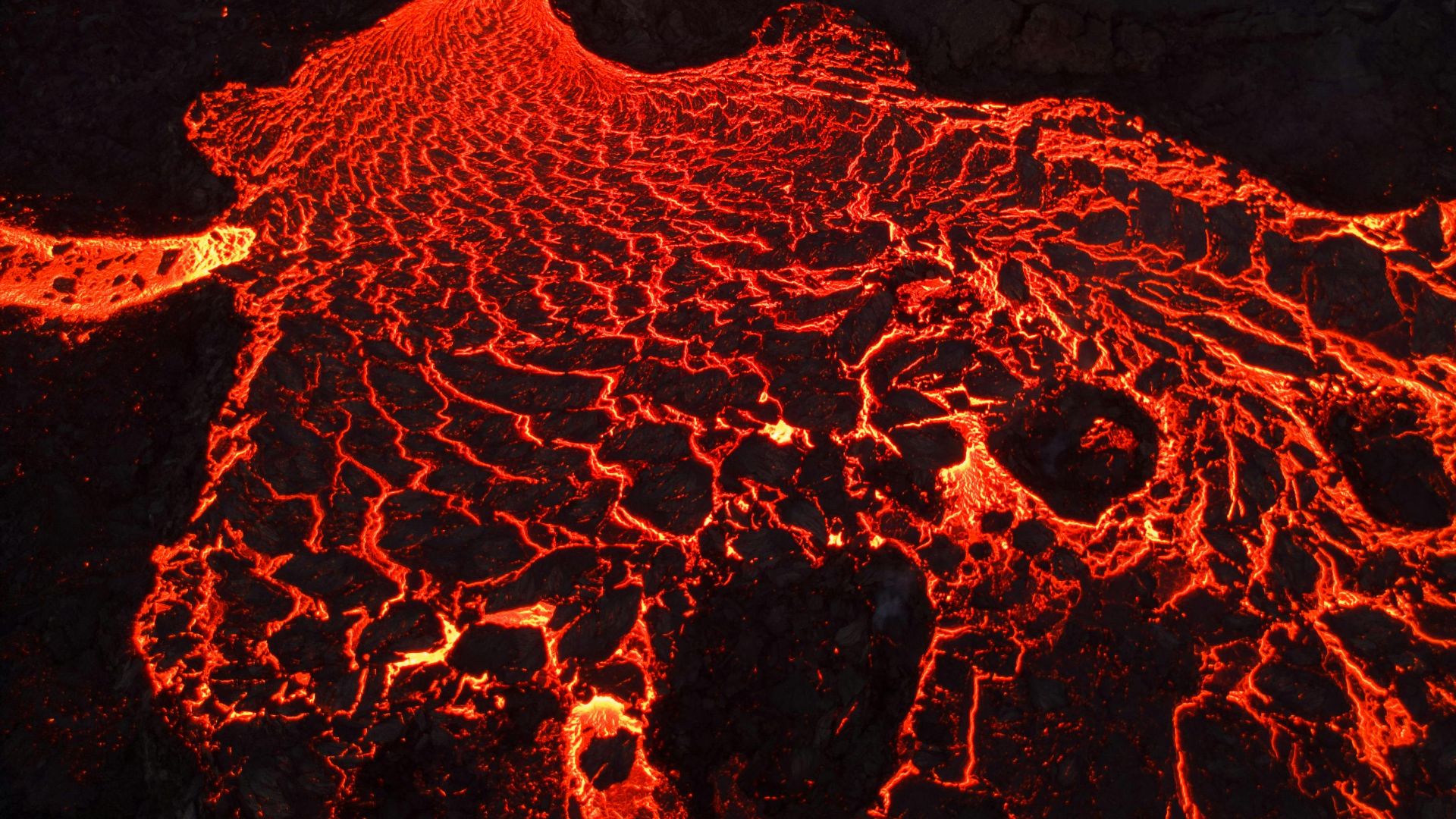
Volcanic Hotspots Often Trace The Edges Of Ancient Landmasses
Hotspots shadow the outlines of ancient continents like glowing halos. Want proof? Map the Ring of Fire (a zone of intense seismic activity around the Pacific), and you’ll trace old tectonic fingerprints. Fire always follows the script of deep, hidden structures.
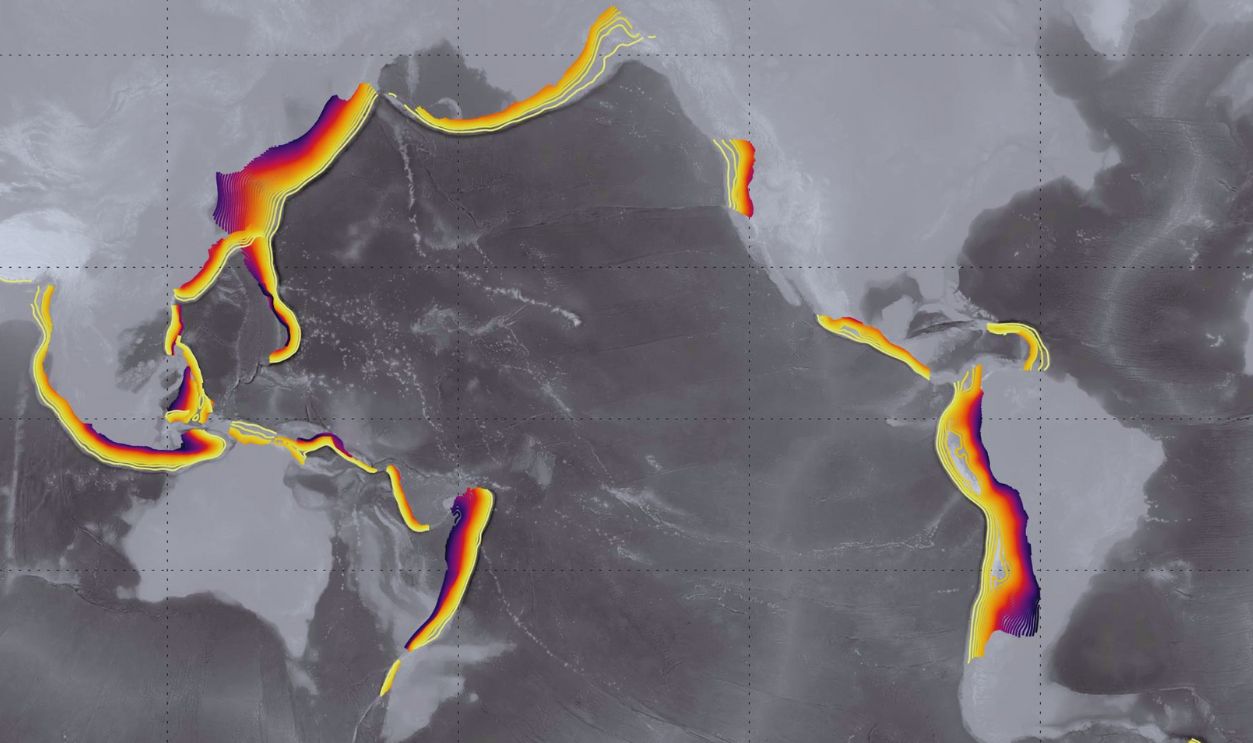 Gavin P. Hayes, Wikimedia Commons
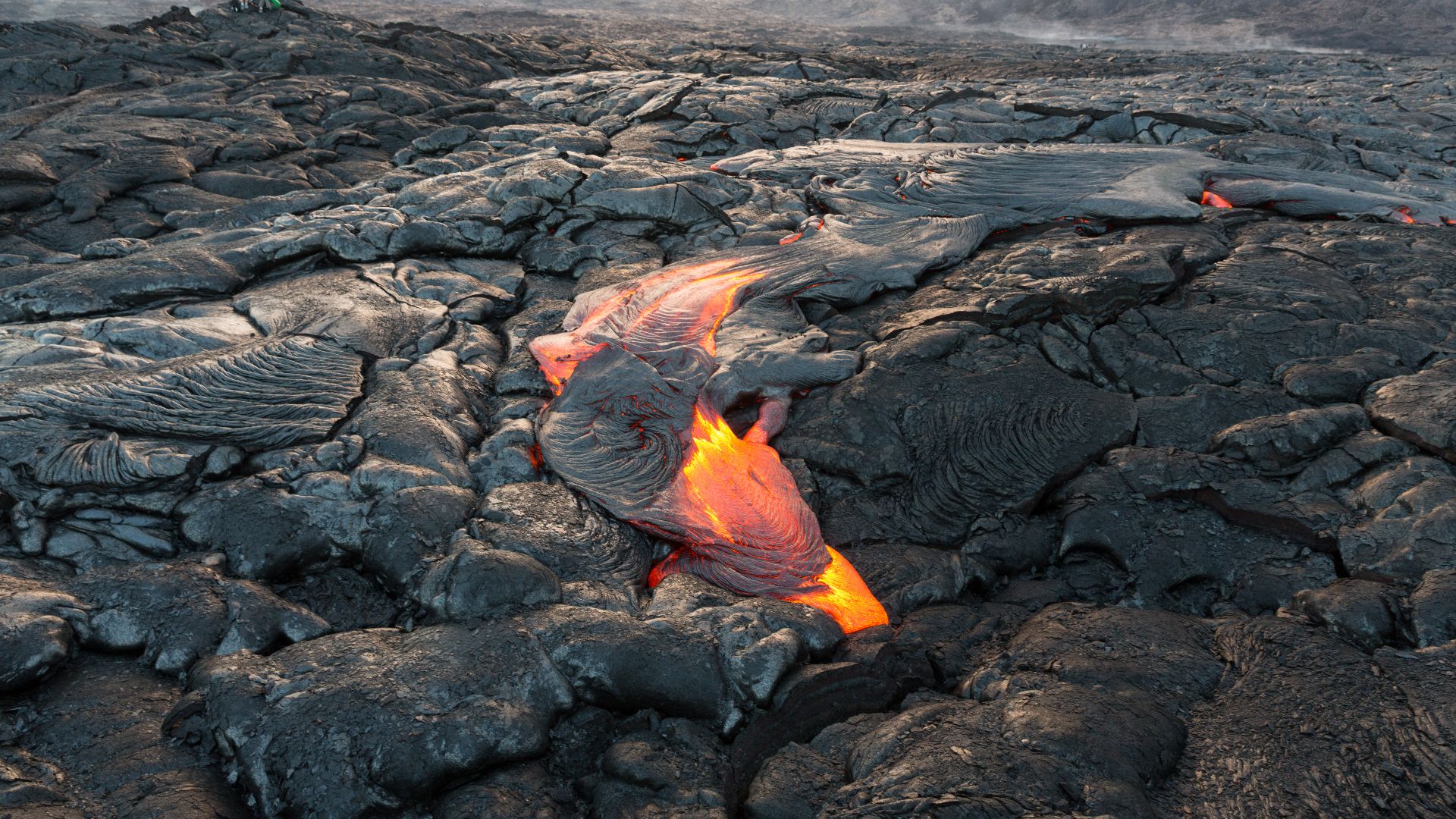
Ancient Cores Reshape The Flow Of Mantle Materials
These cores act like invisible breakwaters. As molten flows rise from the mantle, the cores steer them sideways. That redirection occurs because of the melt's physical properties. And such variations in pressure and temperature influence mantle dynamics.
 Ekrem Canli, Wikimedia Commons
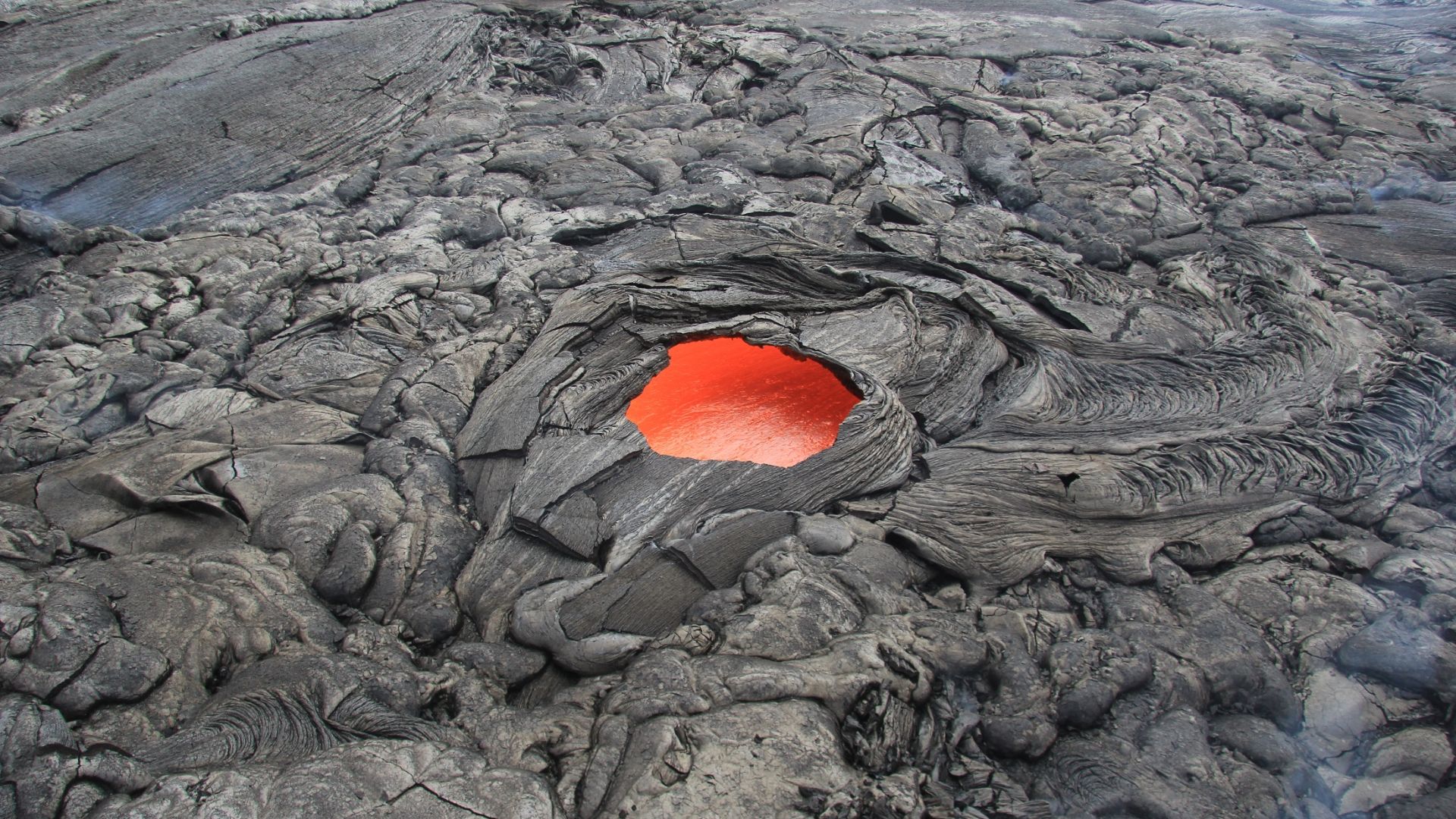
These Flows Create Predictable Mineral Corridors Over Time
Patterns repeat. Flows guided by the crust's structure result in corridors rich with metals. That predictability matters. If you’re scouting for resources, follow the lines. They reveal nature’s long-term memory etched in metal.
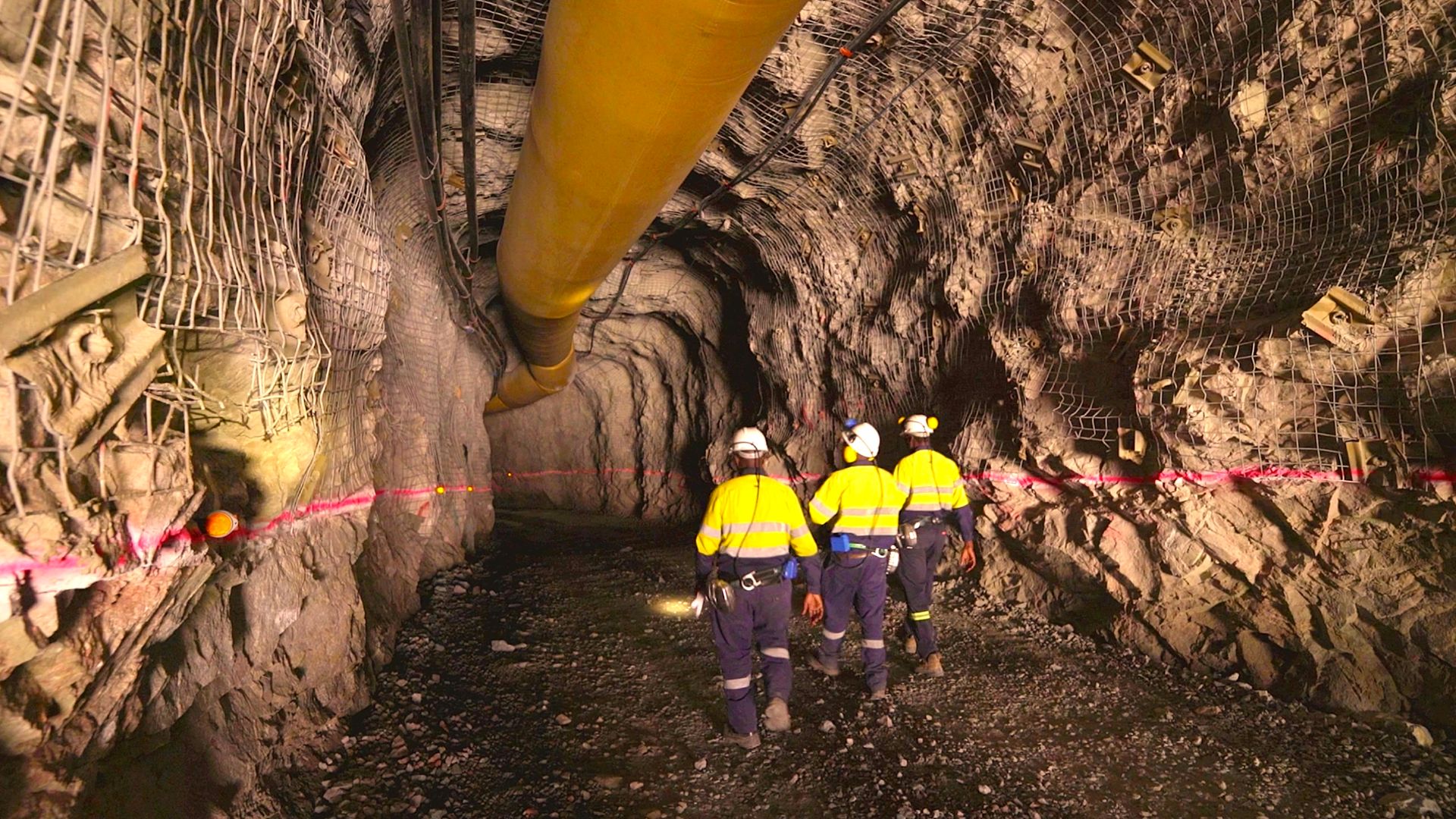
New Zones Of Opportunity Exist Far From Traditional Mining Sites
Forget old gold rush maps. These hidden highways expose fresh ground. Exploration expands into overlooked territories, especially at the edges of continental cores. New zones mean new chances to extract what the old world never imagined.
 Shahir Chundra, Wikimedia Commons
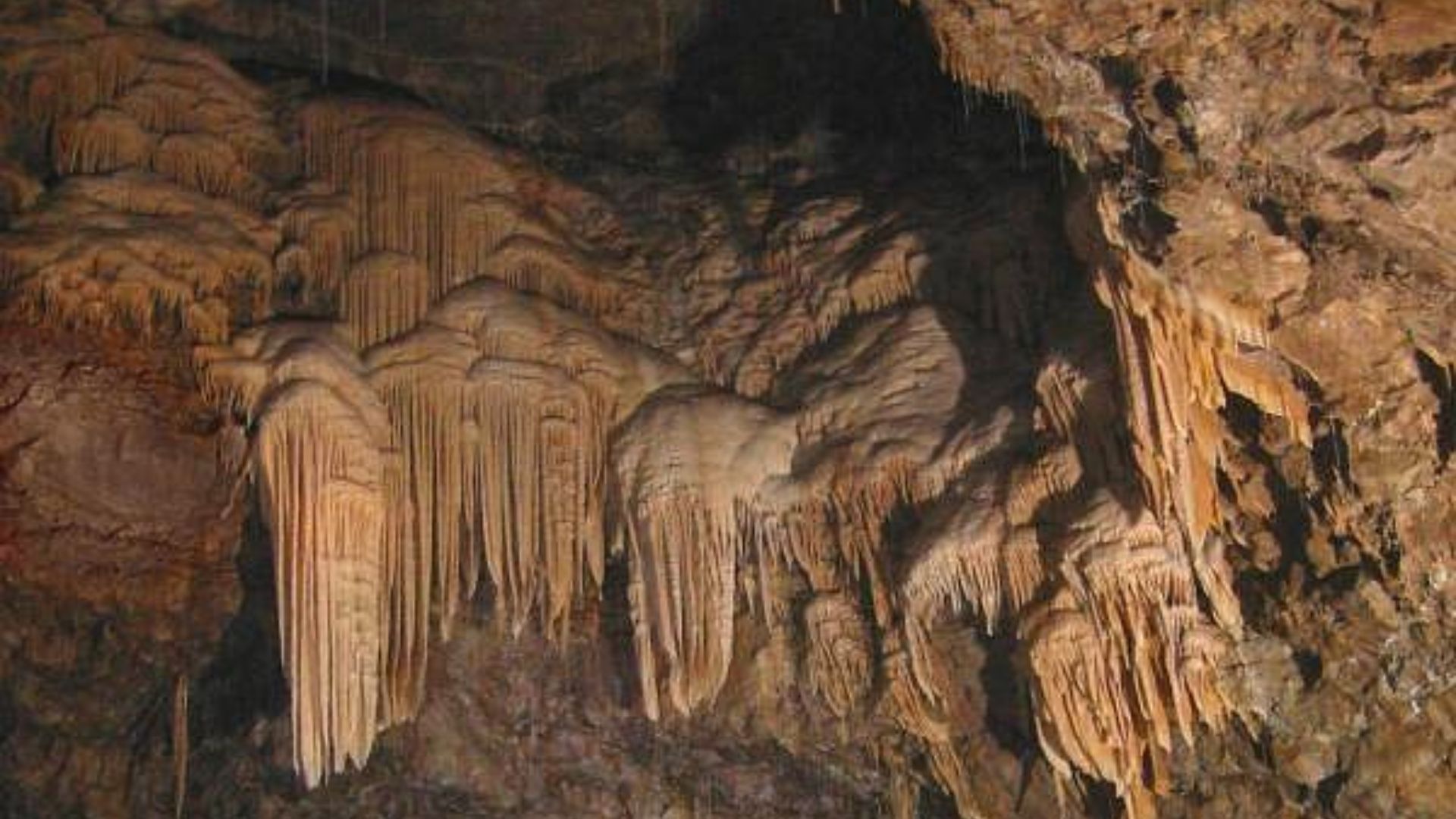
Carbonate-Rich Melts Offer A Key To Greener Mining
Mining gets a makeover when targeting carbonate-rich pathways. Less digging, more precision. That means fewer environmental bruises. The Earth doesn’t need to suffer when you know exactly where the good stuff hides.
 Rls at English Wikipedia, Wikimedia Commons
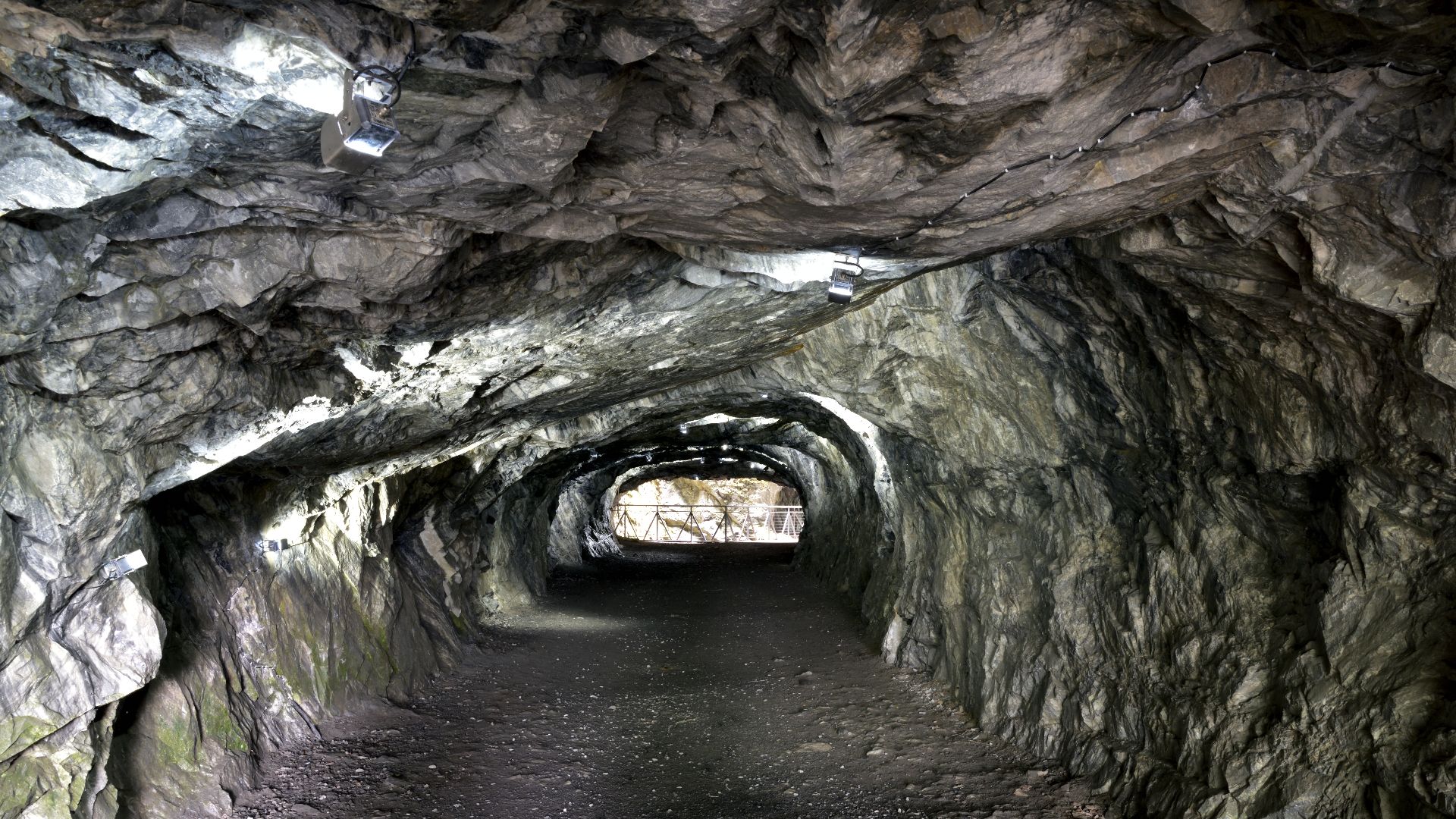
Metal Highways Can Guide Sustainable Resource Planning
Blueprints matter. These metal highways offer clues to plan smarter, cleaner operations. Skip the guesswork. If your goal is sustainability, let Earth's crust point the way since it has already mapped out where the metal waits.
 Александр Байдуков, Wikimedia Commons
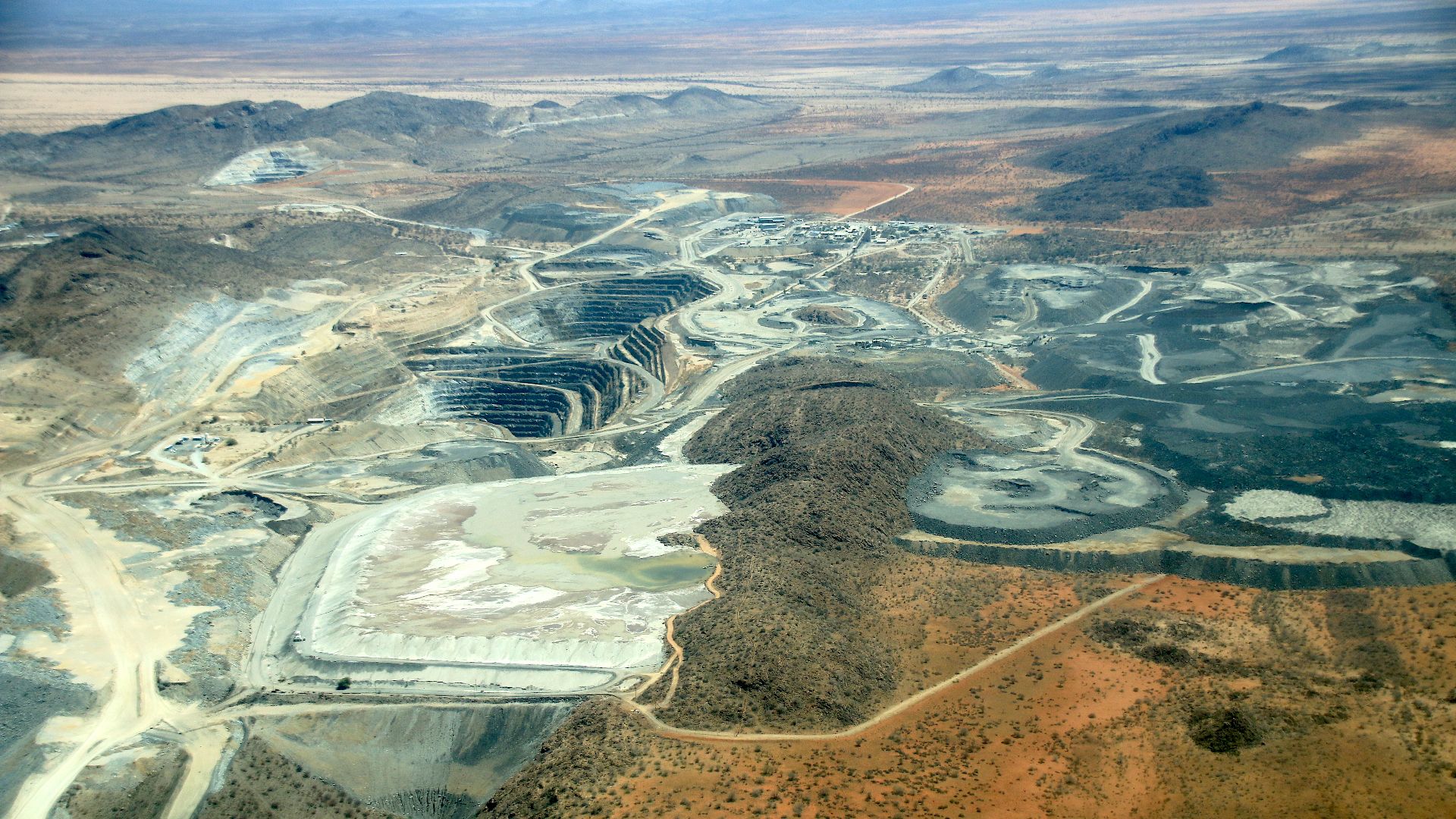
Understanding The Blueprint Reduces Exploration Risk
Drilling blind is expensive. But when you understand how material moves through the Earth's hidden pathways, exploration becomes far less of a gamble. Instead of chasing hunches, you can follow patterns the planet has been refining for millions of years.
 Hp.Baumeler, Wikimedia Commons
A New Era Of Deep Earth Resource Mapping Has Begun
This isn’t just a discovery; it’s a shift. The underground map has just been upgraded. Think of it as version 2.0, where deep-time data merges with modern exploration. This is how you find tomorrow’s tech buried in yesterday’s crust.
 Scientists Discovered a Mystery Layer in Earth's Core by BRIGHT SIDE
Nature’s Ancient Architecture Holds The Future Of Clean Energy
It’s poetic, isn’t it? The oldest layers of the Earth may hold the key to a cleaner future. Metals formed in volcanic shadows now drive electric dreams. If energy is the goal, geology might be our wisest guide yet.