

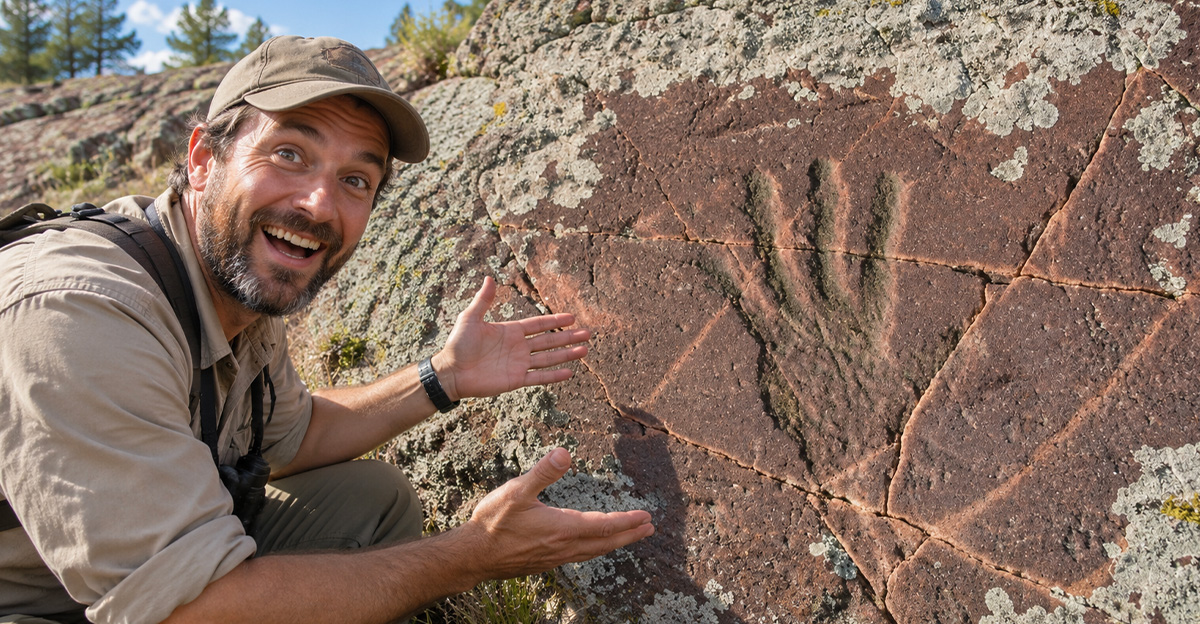
Messages Written In Stone
Across the open prairie of southwestern Minnesota lies a remarkable archive with no paper, ink, or library shelves. At Jeffers Petroglyphs in Cottonwood County, thousands of images carved into reddish quartzite preserve generations of Indigenous thought, spirituality, observation, and memory. Some may be several thousand years old.
An Ancient Archive On The Prairie
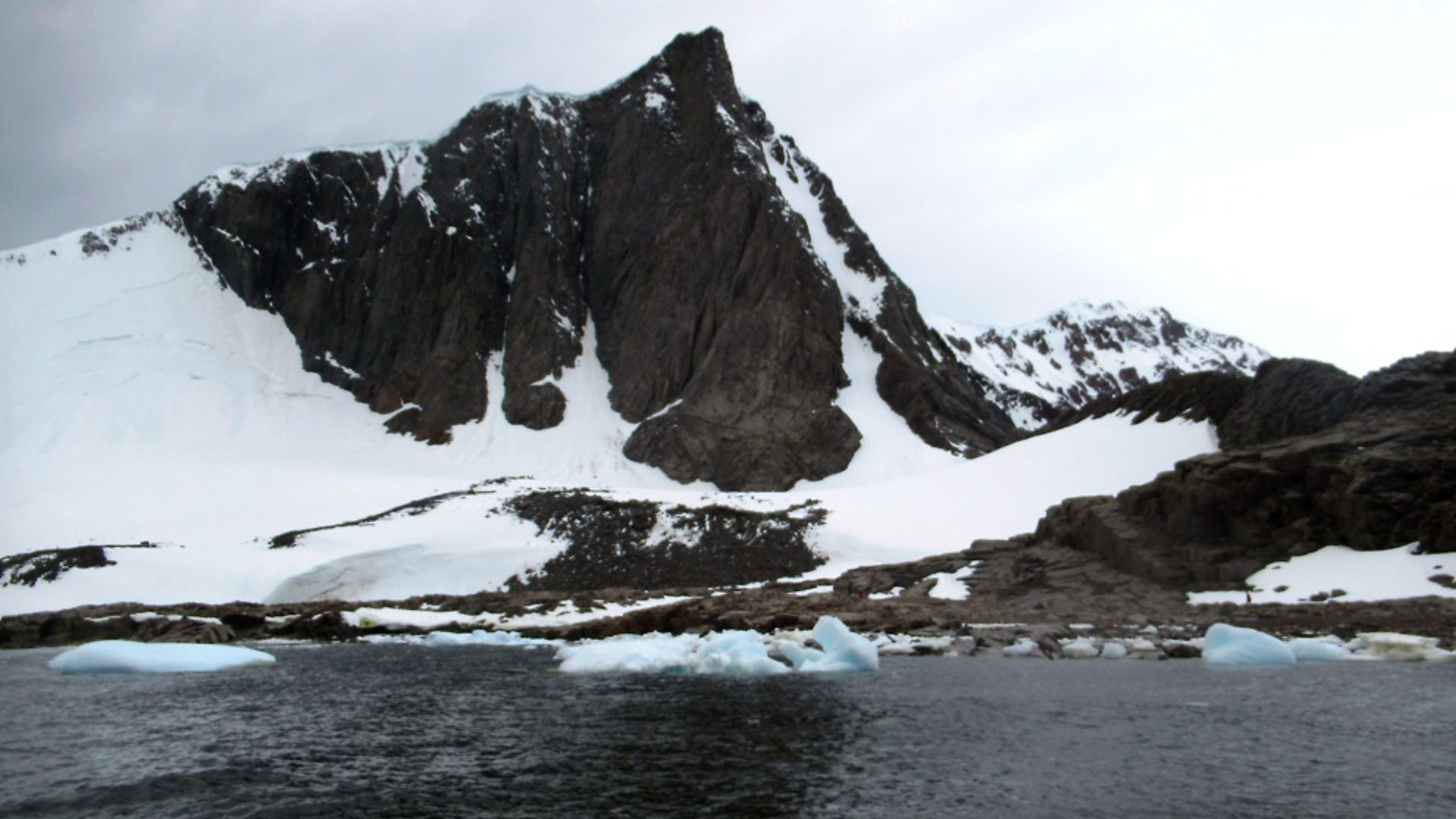
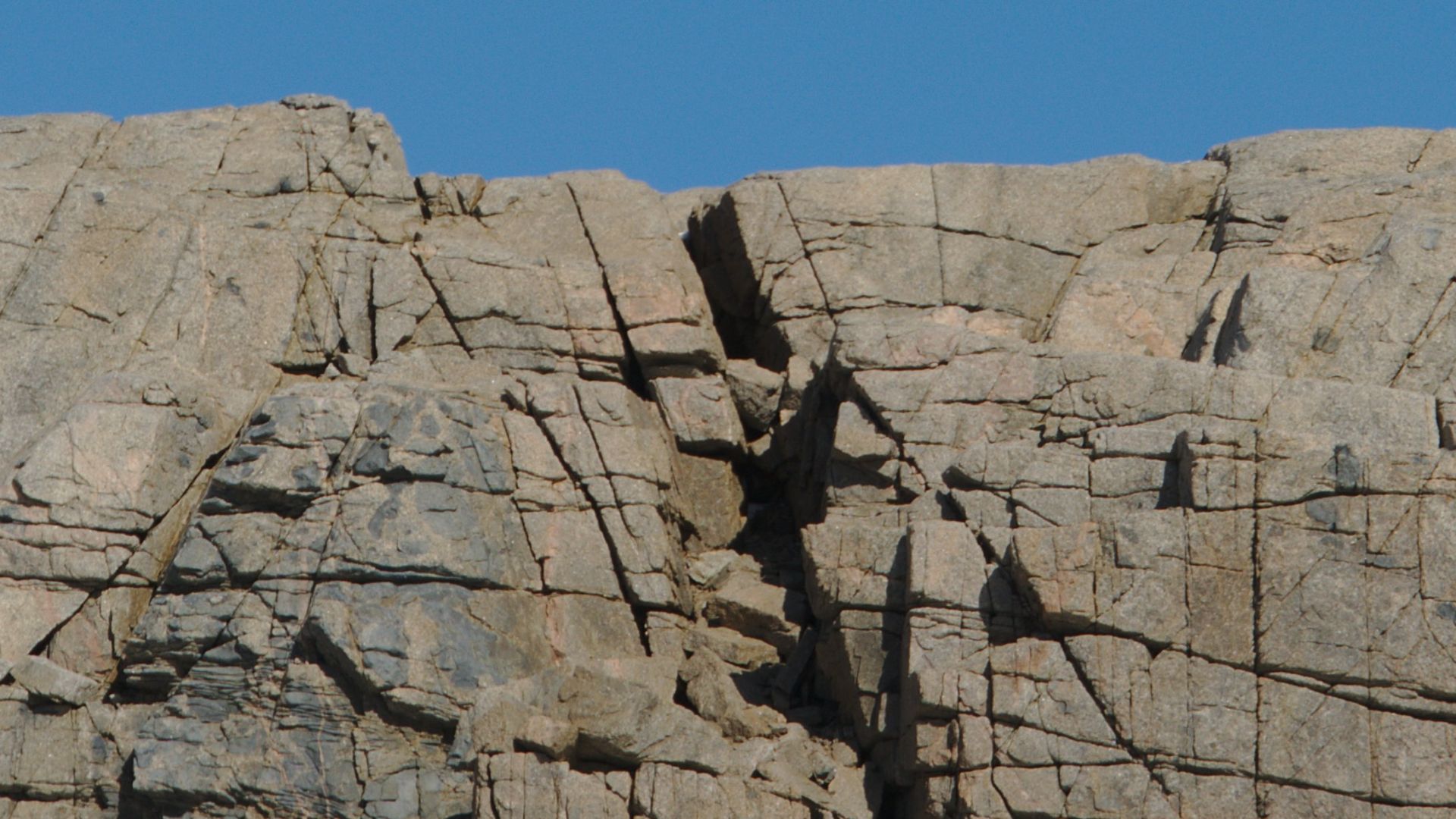
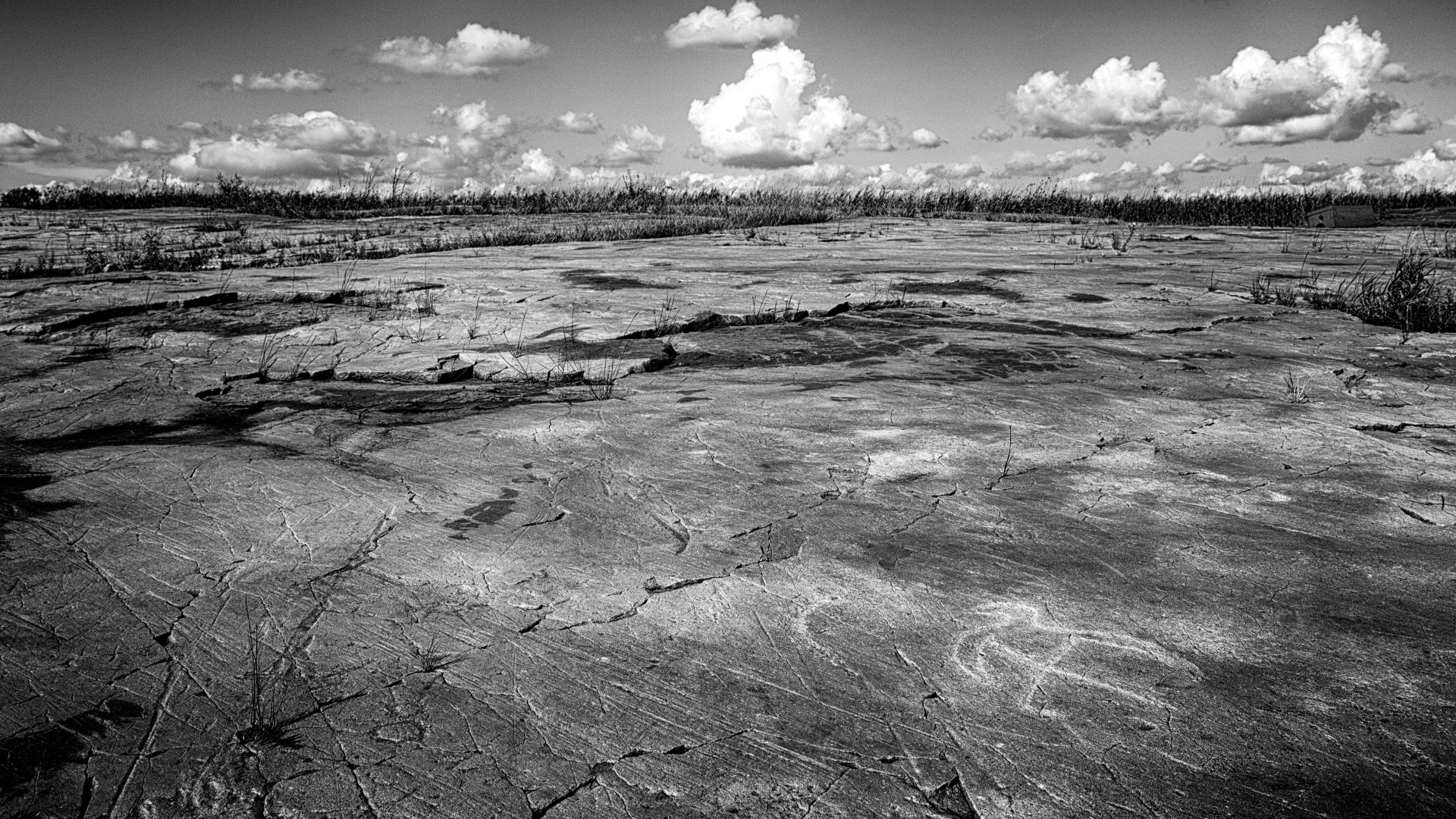
The site sits along Red Rock Ridge, a band of exposed Sioux quartzite running through Cottonwood County. Today the surrounding landscape is farmland and restored tallgrass prairie, but the rock itself provides a surprisingly durable link with people who visited this place long before Minnesota had its present name.
 David Stanley from Nanaimo, Canada, Wikimedia Commons
It Was Never Really “Lost”
Calling Jeffers a modern “discovery” can be misleading. Indigenous peoples knew and valued this landscape for generations, and Native communities continue to regard it as sacred. What changed in the late 1800s was that Euro-American researchers began formally documenting a place whose importance was already deeply established.
Warren Upham Takes Notice
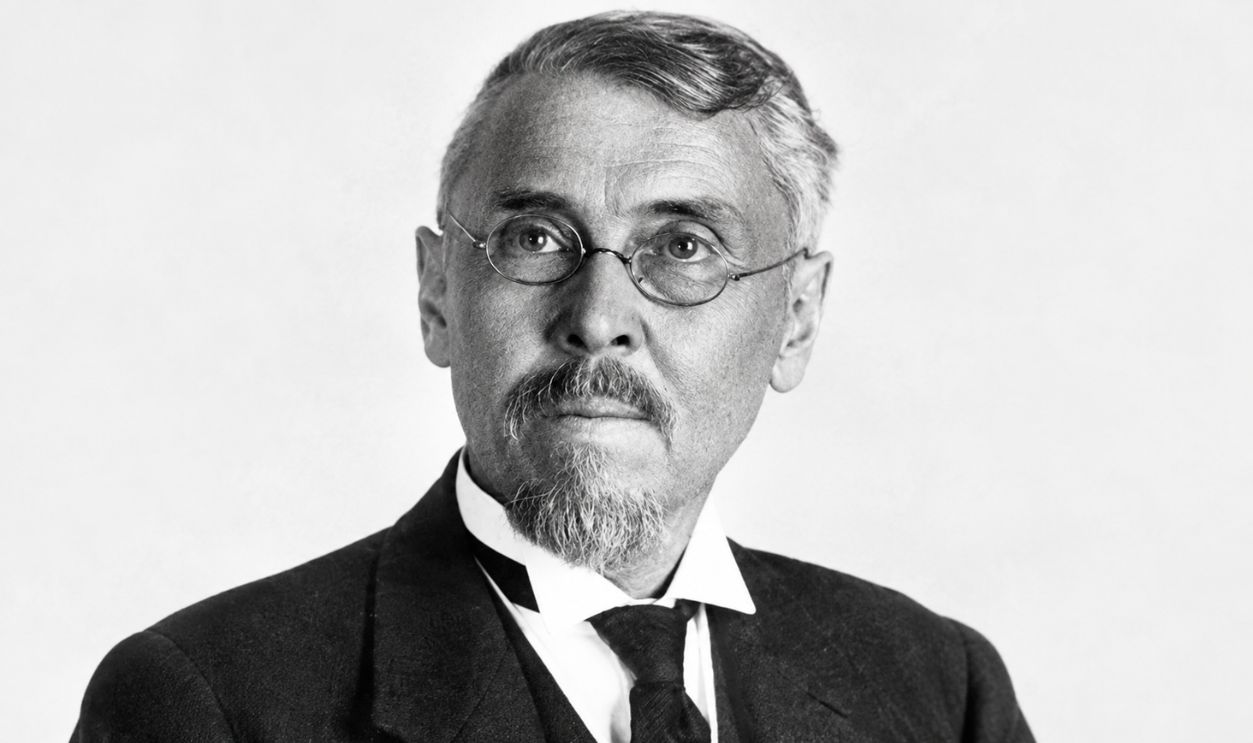
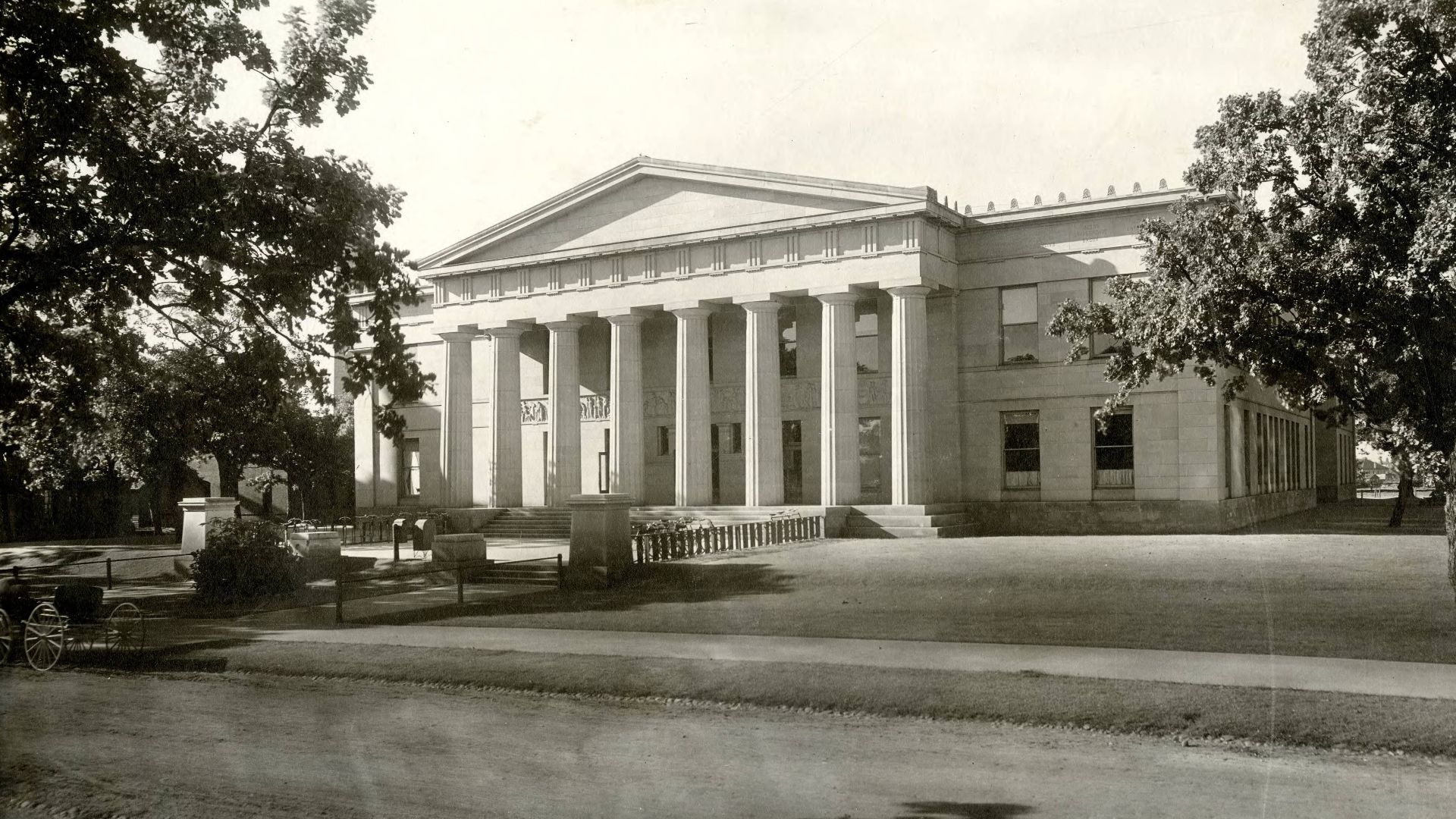
Geologist Warren Upham was the earliest known Euro-American scholar to record the site. He traveled widely through Minnesota during the 1880s, and his observations were summarized in an 1884 geological survey. For archaeologists, that became an important early written reference to the carvings.
 Unknown author, Wikimedia Commons, Modified
Theodore Lewis Looks More Closely
Between 1880 and 1895, archaeologist Theodore Hayes Lewis investigated Indigenous earthworks and other sites throughout Minnesota and Wisconsin. At Jeffers, he produced the earliest known documentation of individual carvings. Even then, however, nobody realized quite how many images were hiding across the exposed stone.
Nature Was Hiding The Evidence
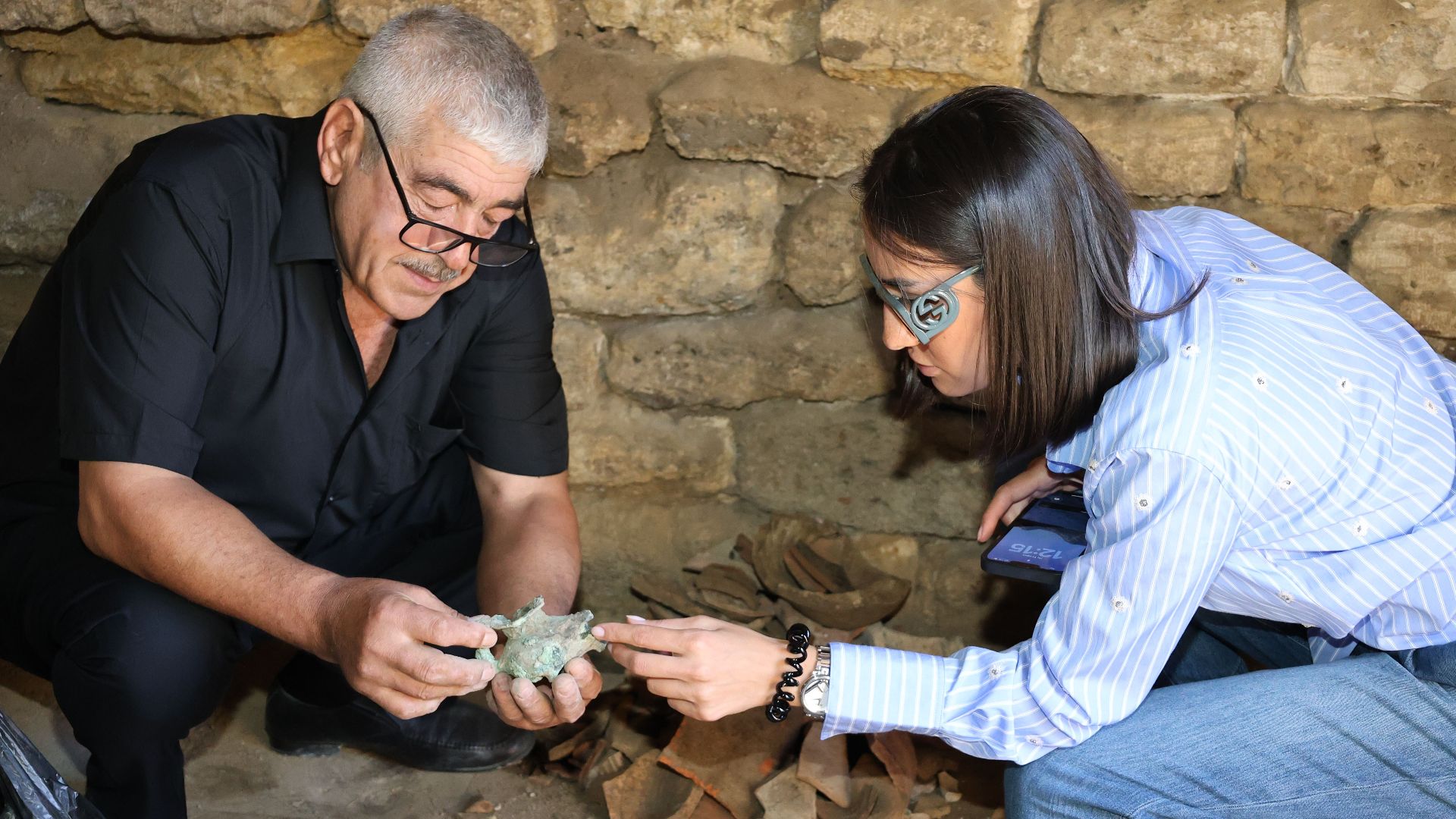
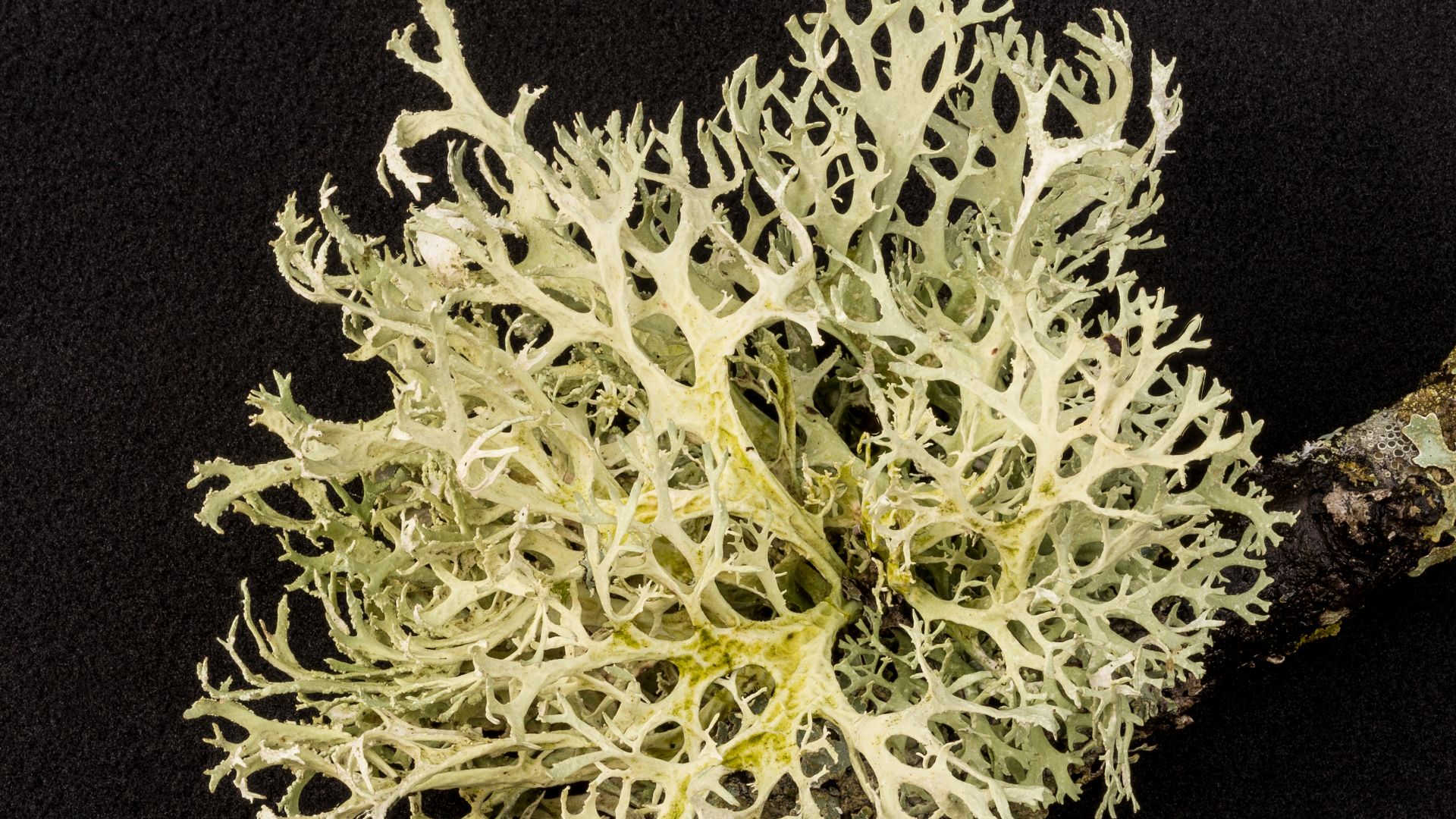
Part of the problem was lichen. The slow-growing organism spread across sections of the rock, making shallow carvings extremely difficult to recognize. When University of Minnesota archaeologist Lloyd Wilford visited in 1941, he recorded only several visible petroglyphs, despite many more waiting beneath the biological covering.
![Lichens (pronounced /ˈlaɪkən/,[1] sometimes /ˈlɪtʃən/[2]) are composite organisms consisting of a symbiotic association of a fungus (the mycobiont) with a photosynthetic partner (the photobiont or phycobiont), usually either a green alga (commonly Treboux](https://www.factinate.com/storage/app/media/splashtravels/2026/9/24/1790237876cbd5e87d63bf2823c09f0621c4b1ceb2eed06f08.jpg) Alex Proimos from Sydney, Australia, Wikimedia Commons
Alex Proimos from Sydney, Australia, Wikimedia Commons
A Canvas 1.6 Billion Years In The Making
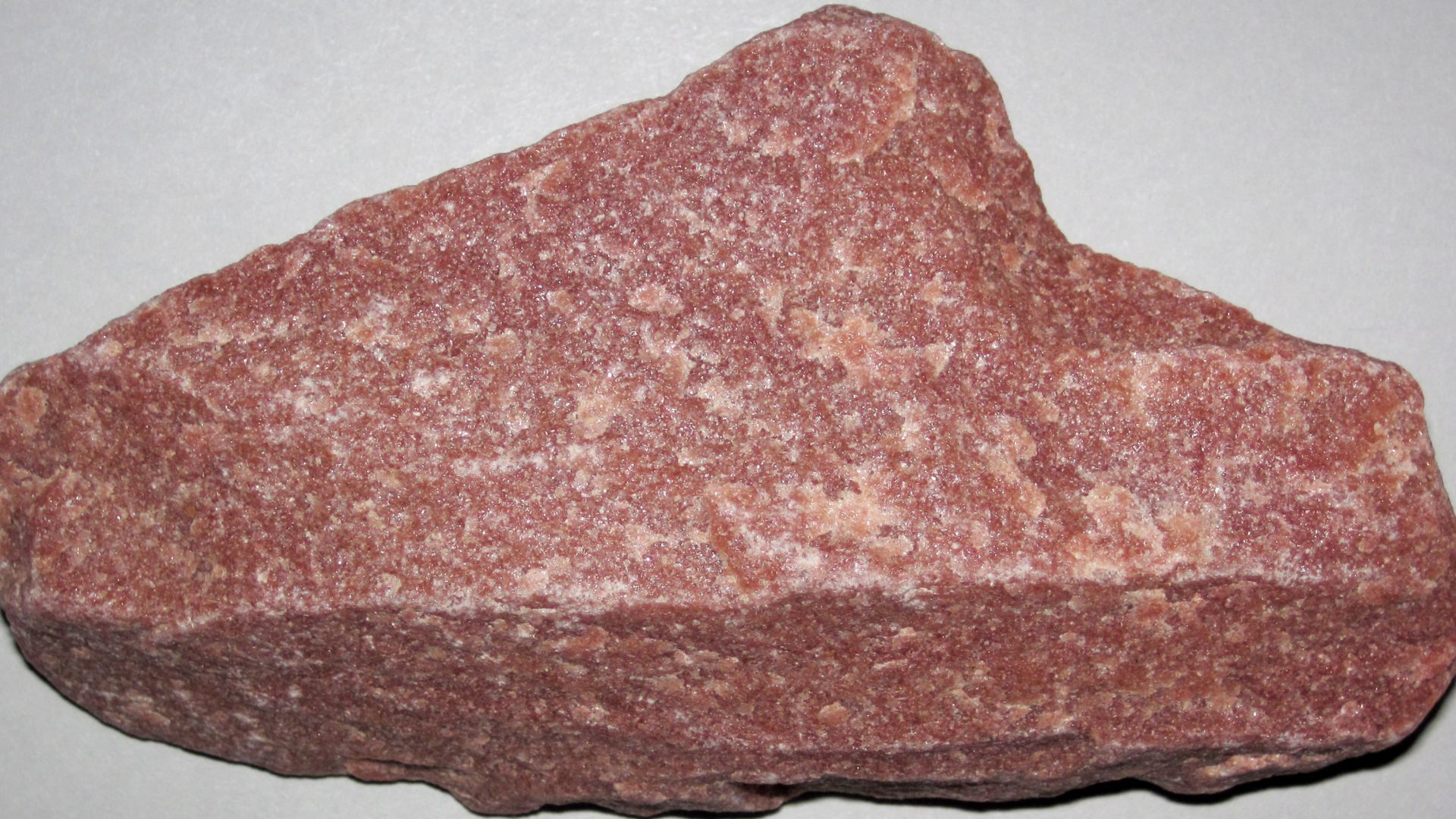
The stone itself is astonishingly old. Sioux quartzite began as sand deposited more than 1.6 billion years ago before geological heat and pressure transformed it. Much later, glacial action helped expose and polish the surface, inadvertently preparing a durable canvas for human expression.
 James St. John, Wikimedia Commons
Welcome To Red Rock Ridge
Jeffers belongs to a roughly 23-mile formation known as Red Rock Ridge. Its quartzite can appear pink, red, lavender-brown, or purplish because of iron oxide around the quartz grains. Against Minnesota's green prairie, the exposed stone must have been a striking landmark for ancient travelers.
 mike from New York, NY, US, Wikimedia Commons
Carving Into Some Seriously Hard Stone
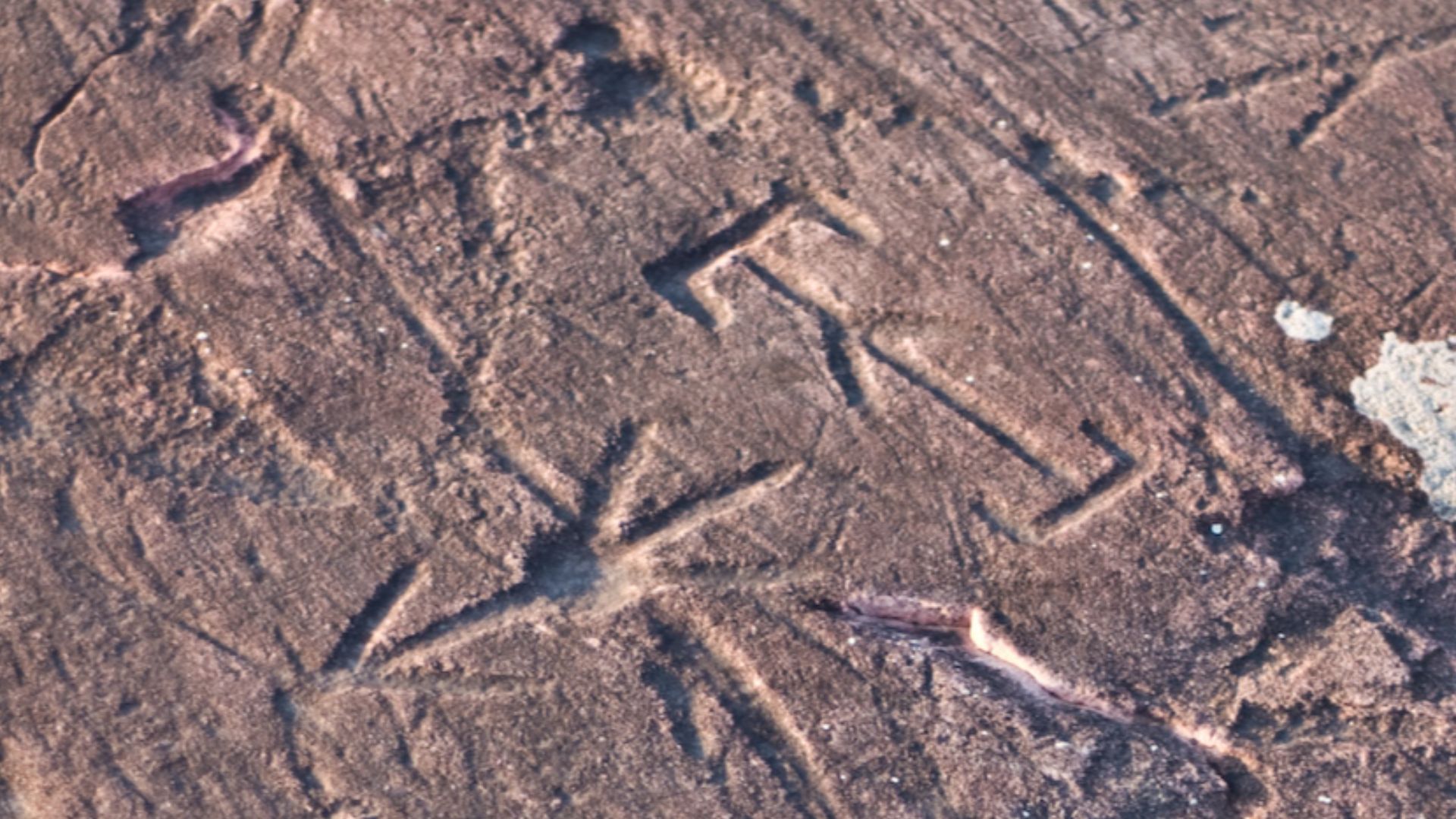
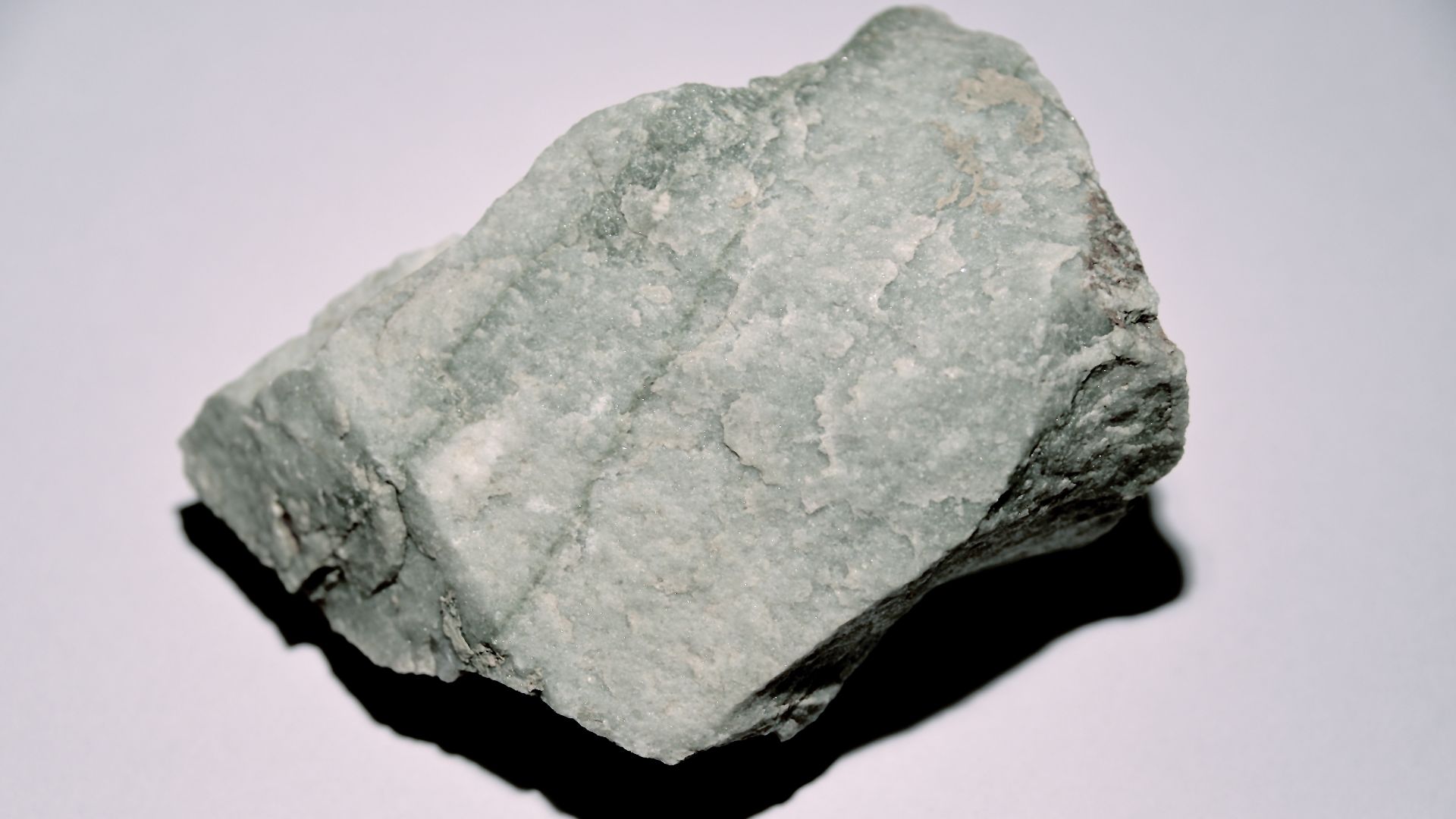
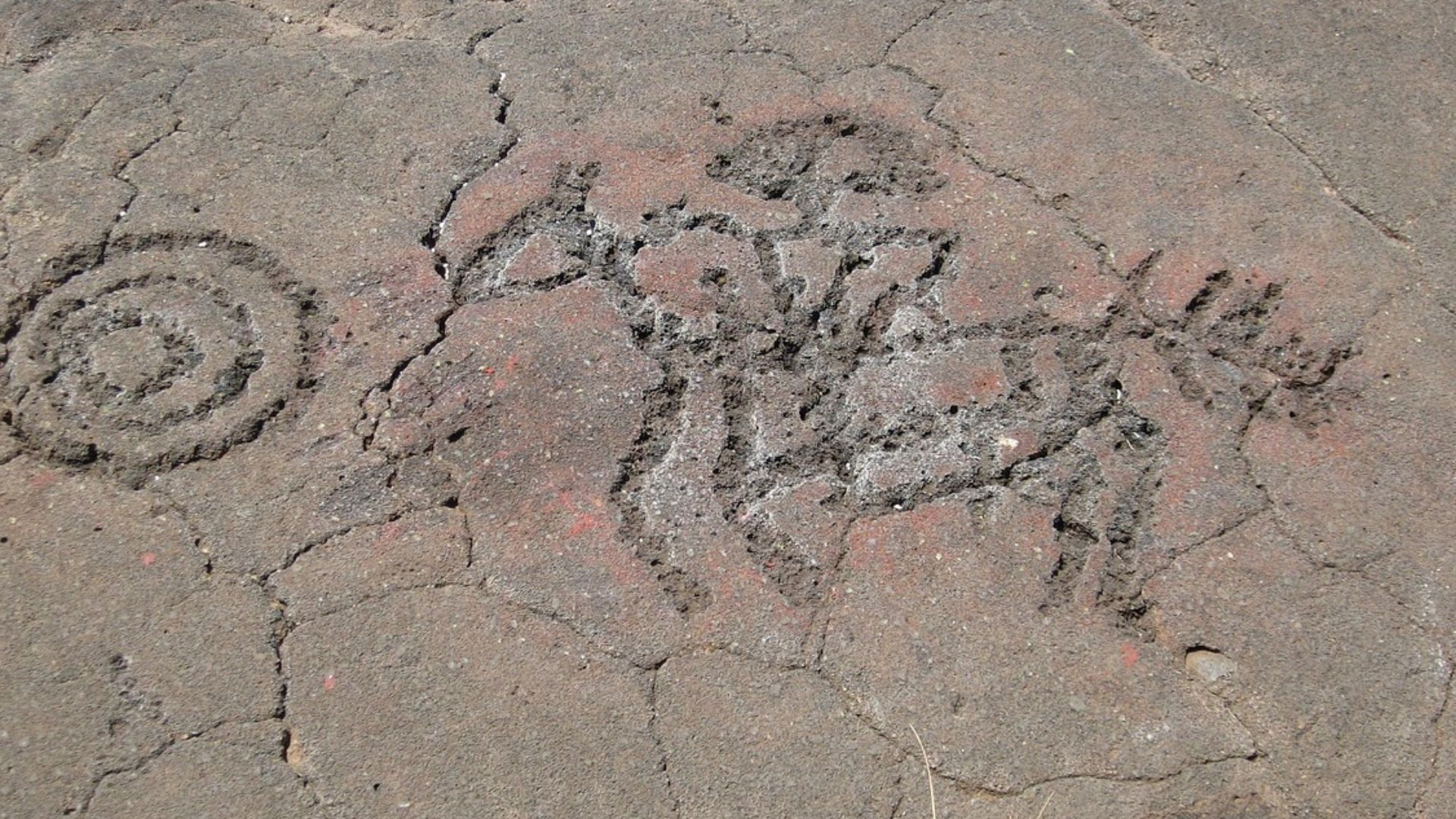
These were not pictures casually scratched into soft material. The images were pecked into tough quartzite, probably using suitably hard hammerstones and other stone tools. Repeated blows gradually created lines and shapes capable of surviving centuries of prairie weather, frost, vegetation, and human activity.
 Gabriel Haute Maurienne, Wikimedia Commons
Bison And Atlatls Appear Early
Among the carvings are bison and atlatls, the spear-throwing devices hunters used before bows became widespread in the region. Such images give archaeologists valuable clues about when particular carvings could have been made while simultaneously revealing just how closely technology, animals, and human life were intertwined.
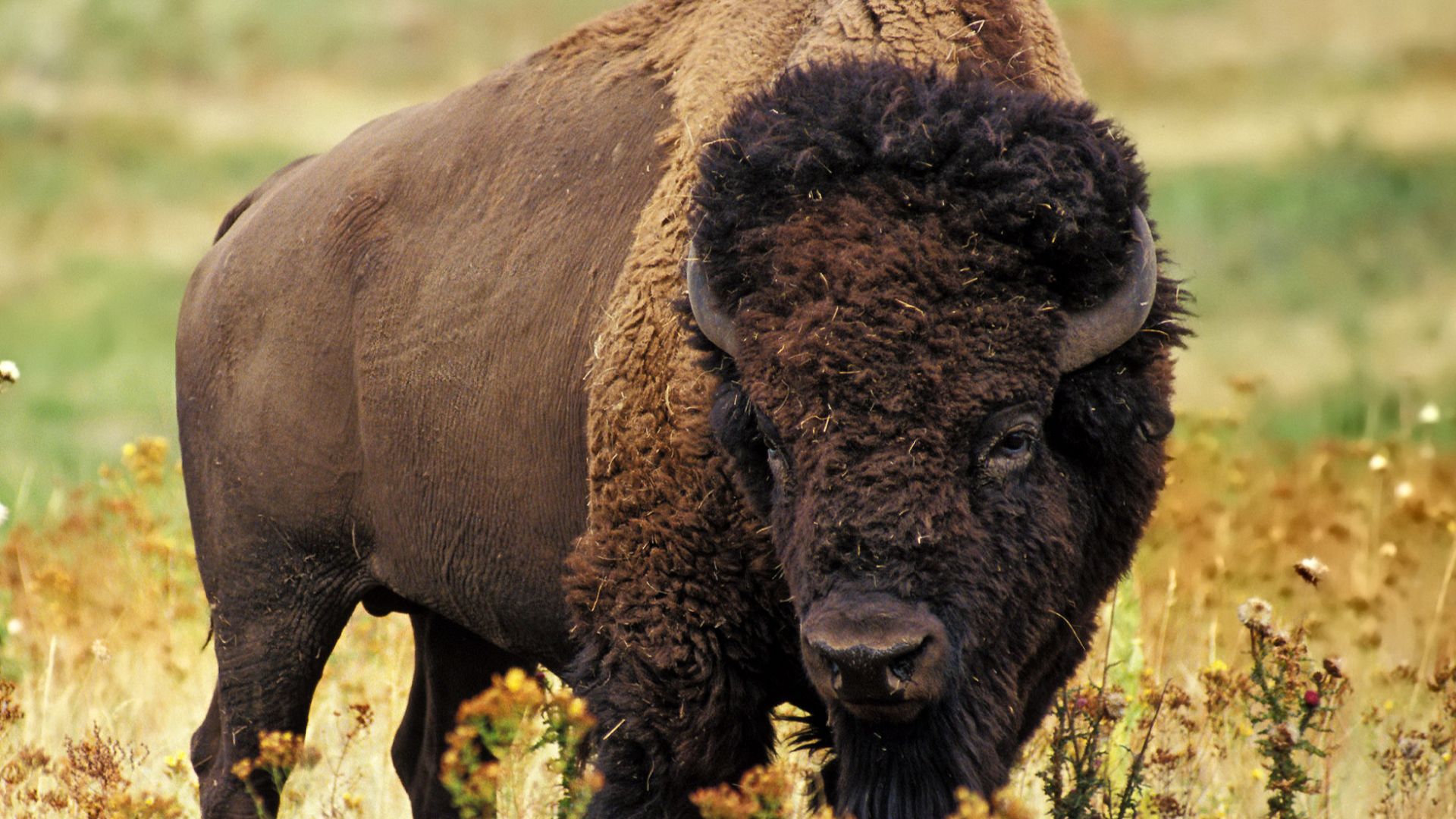 Jack Dykinga, edited by Fir0002, Wikimedia Commons
Animals Were More Than Menu Items
There are images of bison, elk, turtles, birds, salamander-like creatures, and other animals. It would be simplistic to see them merely as a prehistoric shopping list. Indigenous interpretations emphasize that animals could participate in stories, teachings, spiritual relationships, ceremonies, and ways of understanding humanity's place in a much larger world.
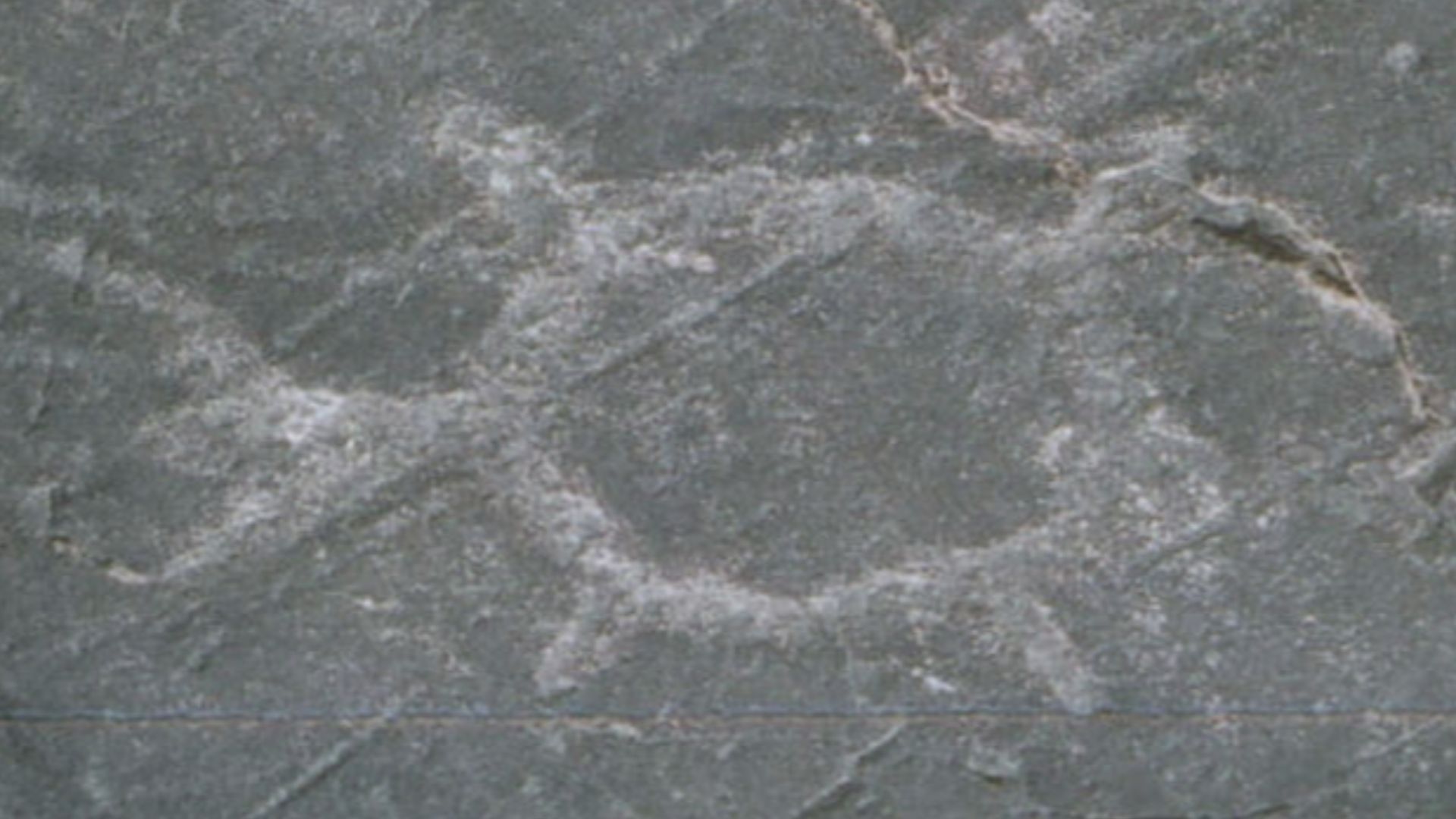 Gutworth at English Wikipedia, Wikimedia Commons
Then People Enter The Pictures
Some chronological interpretations suggest animal imagery dominated the earliest phases, while human ceremonial figures became increasingly prominent later. MNopedia notes that human figures associated with ceremony appear prominently by roughly 3000 BCE, hinting at changing ways people chose to express ideas on the rock.
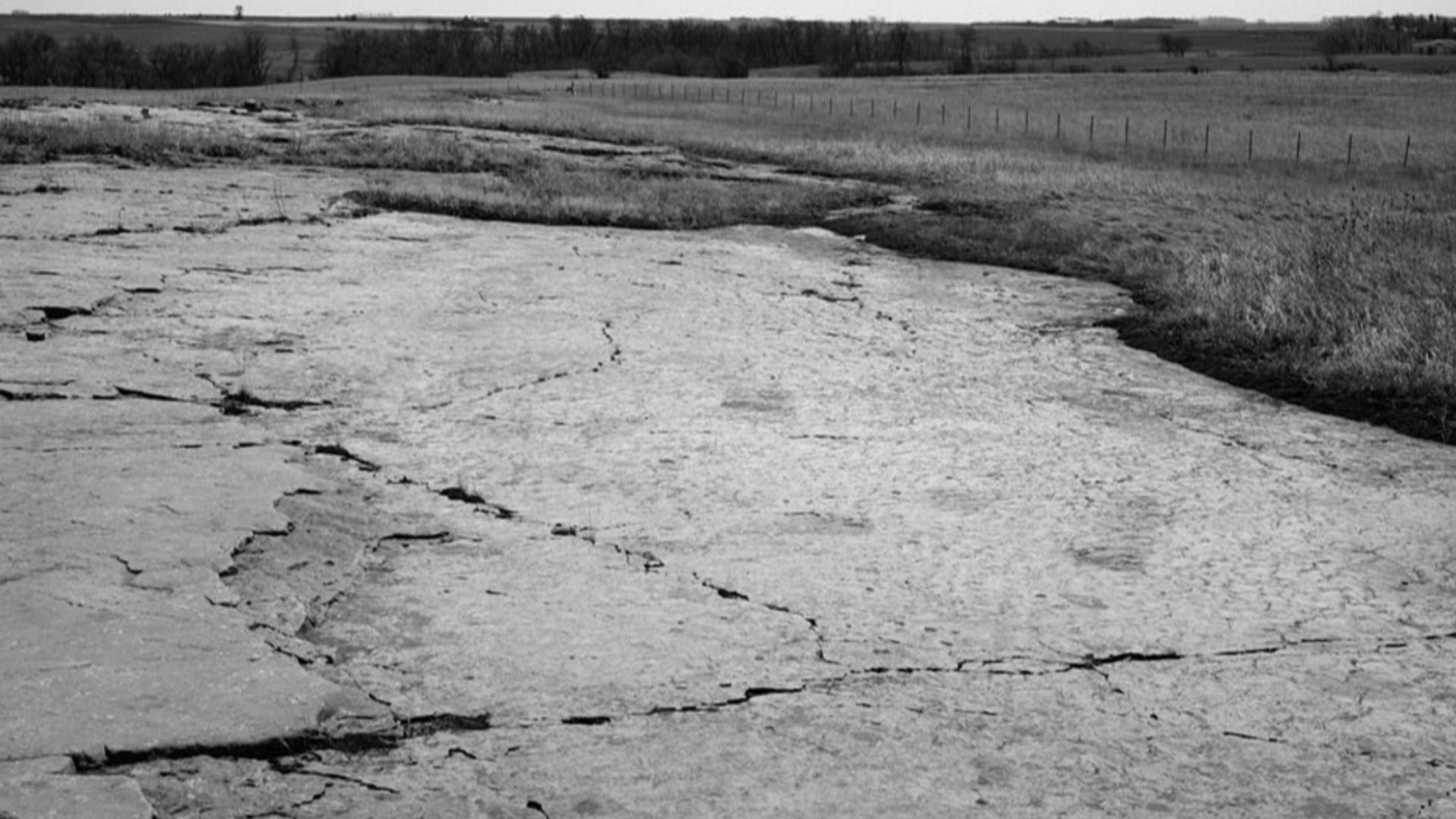
The Mysterious Thunderbird
One particularly fascinating figure resembles the Thunderbird, or Thunder Being. Only a small number of such images occur at Jeffers. Researchers have compared features of the carvings with later Dakota descriptions, although attaching one fixed meaning to an ancient symbol would go well beyond what the evidence allows.
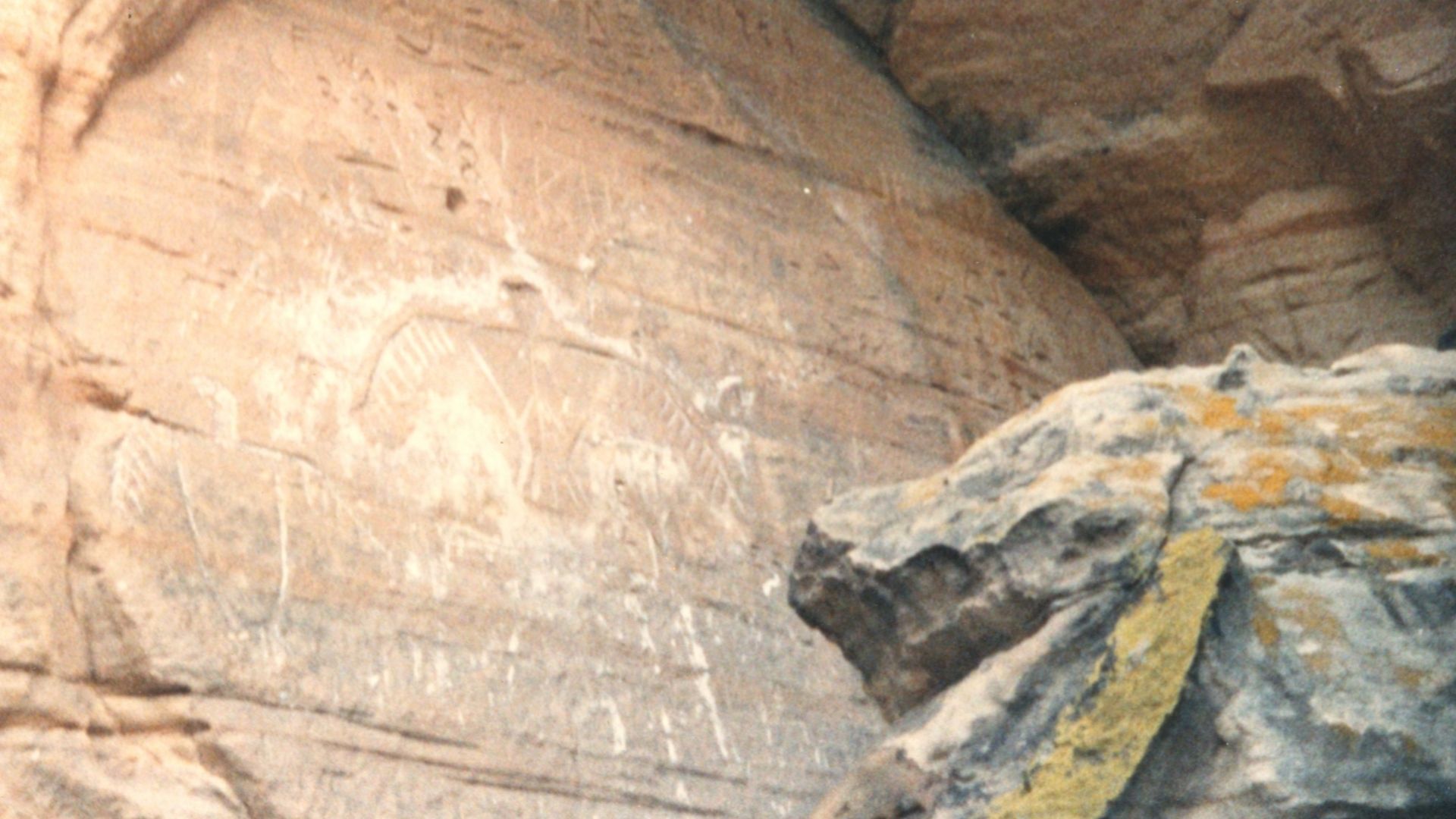
A Turtle And Another World
A turtle-like carving offers another intriguing window into Indigenous cosmology. Turtles carry sacred significance in numerous Native traditions, and interpretations at Jeffers have connected the figure with a world beneath the surface. Here, landscape and spirituality may have been inseparable rather than entirely different categories.
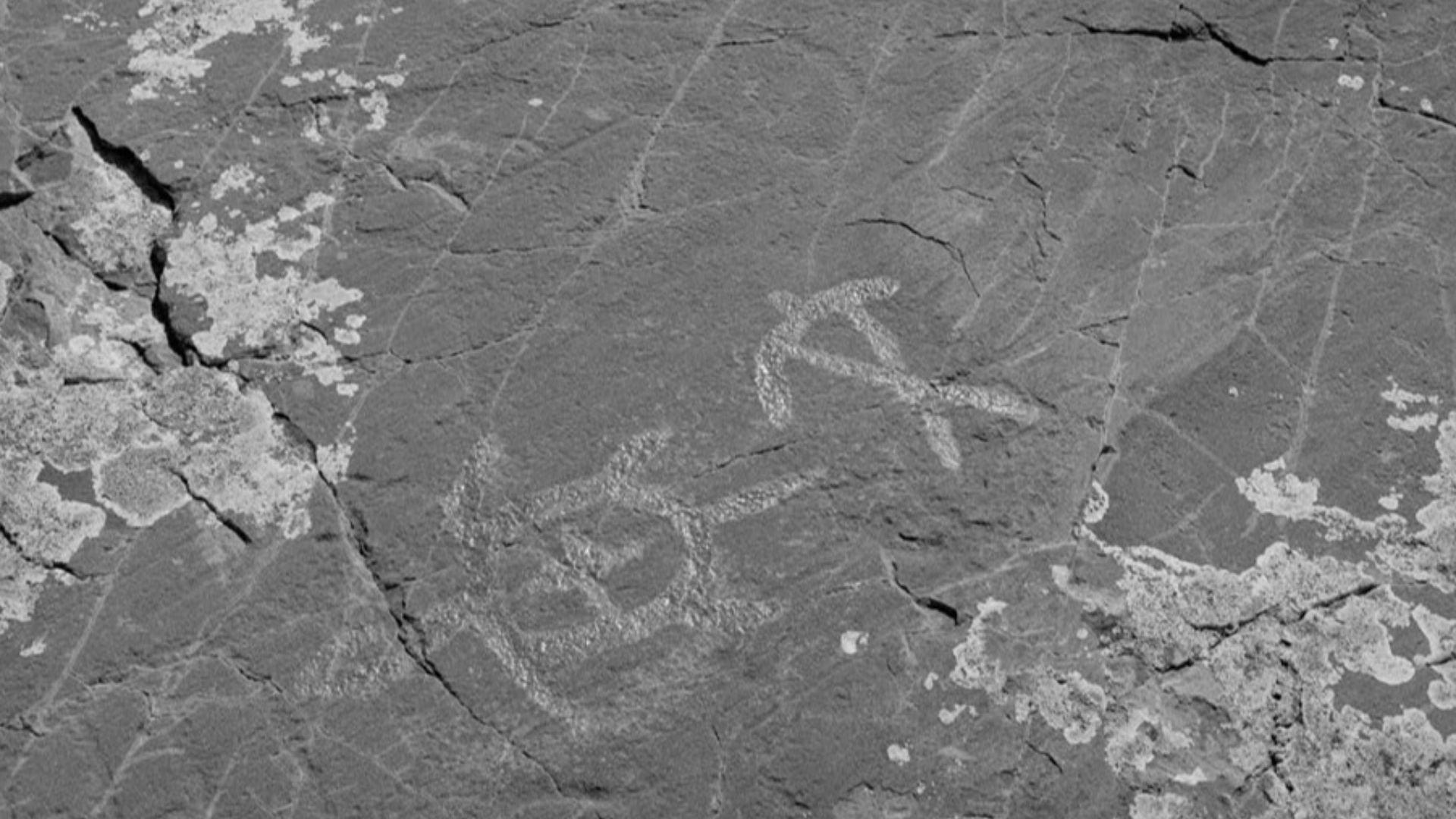
A Hand Reaches Across Time
Among the site's most immediately recognizable images are representations of hands. It is difficult to encounter one without feeling that familiar archaeological thrill: somebody deliberately left this shape behind. Native teachings associated with Jeffers demonstrate why such symbols should be approached as cultural communication, not merely decorative prehistoric “art.”
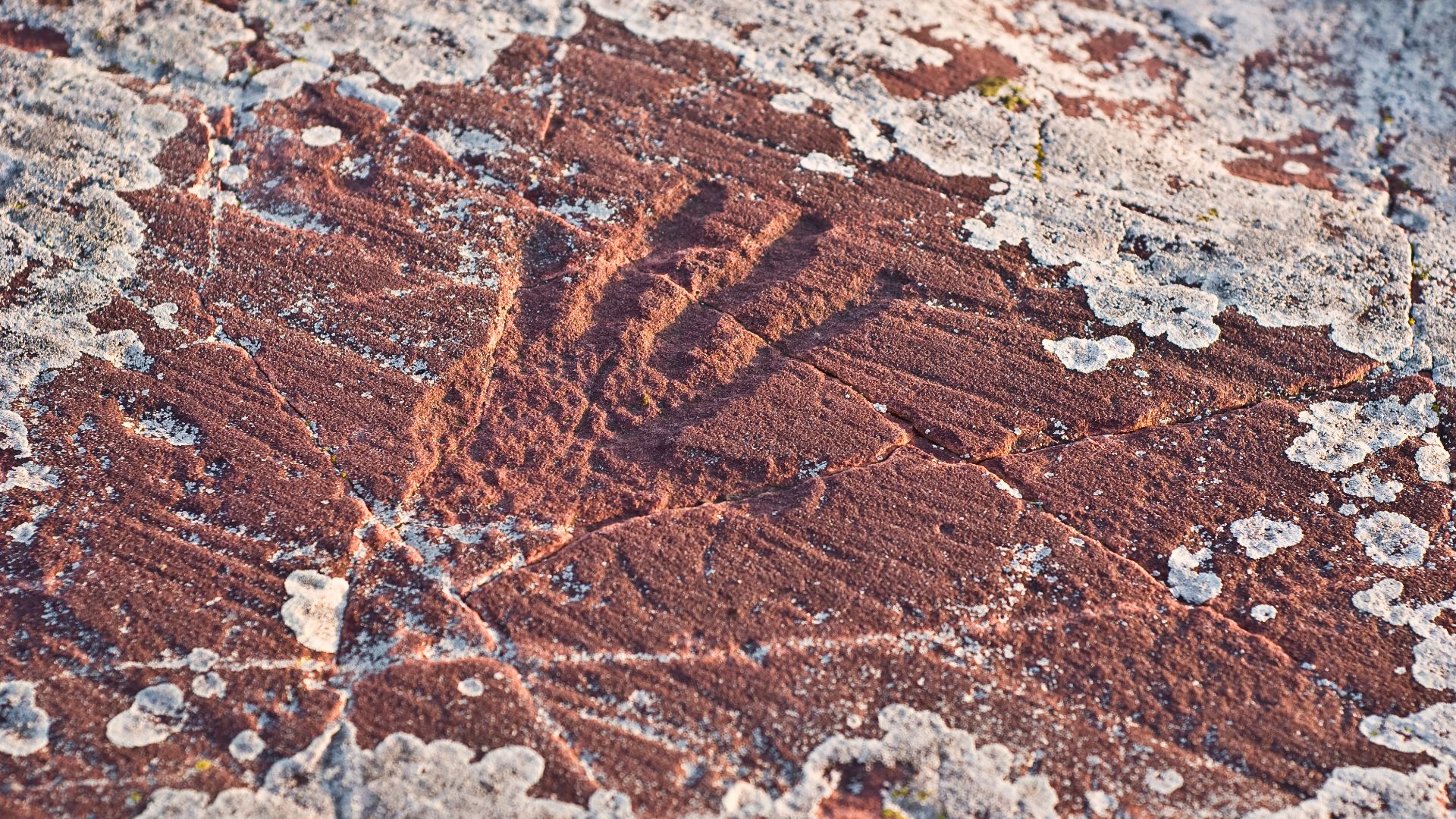
Ancient Weapons Become Archaeological Clocks
Projectile points, spears, atlatls, and other objects depicted on the stone help researchers compare the carvings with archaeological technologies from different periods. When a recognizable tool belongs to a known era, it provides a rough chronological clue, although dating rock art remains far from an exact science.
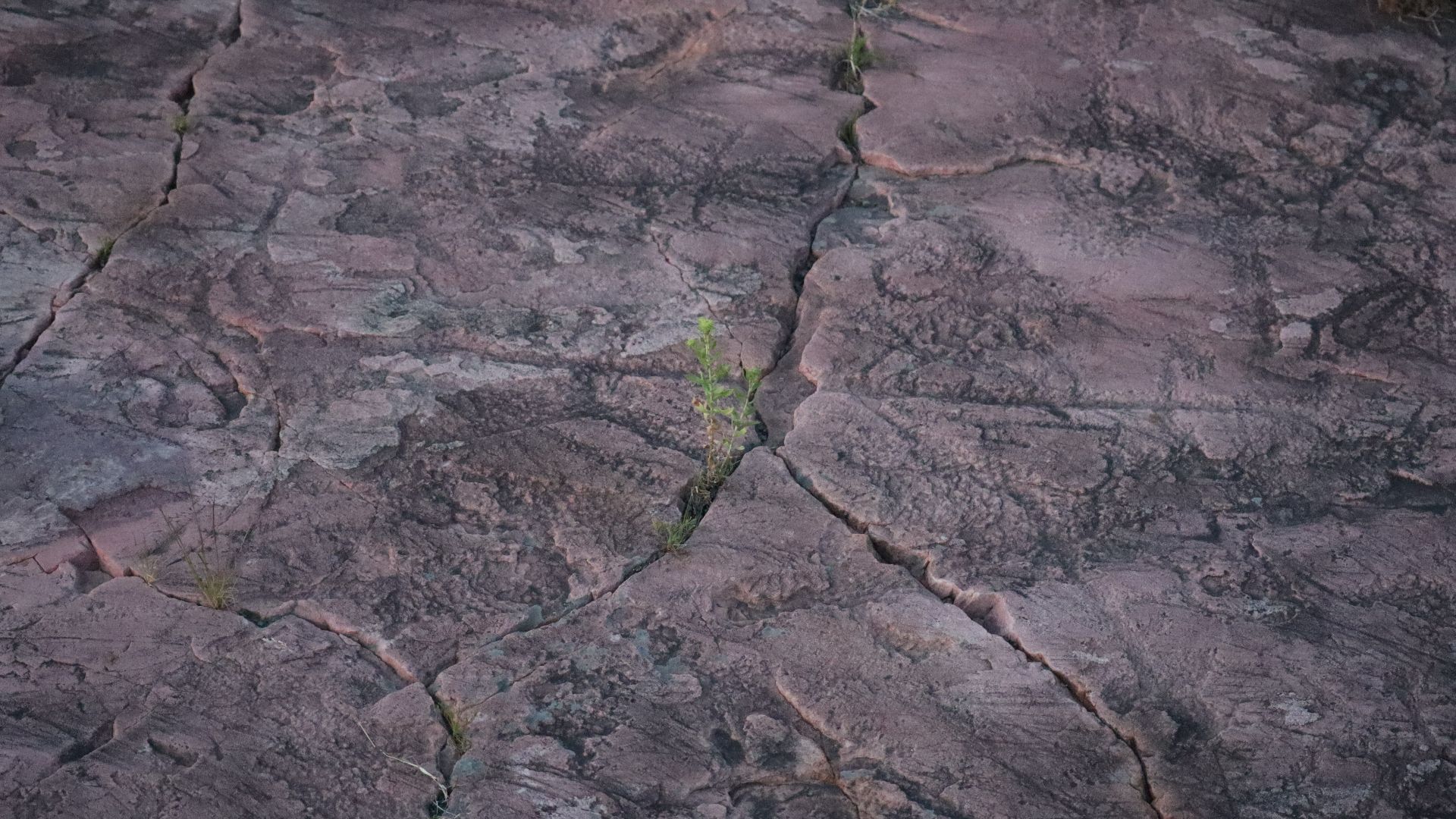 Travellers & Tinkers, Wikimedia Commons
What Is Missing Matters Too
Curiously, researchers have also considered objects that barely appear or seem absent. MNHS notes the lack of obvious bows, arrows, and horses among the carvings when discussing their chronology. Such absences cannot provide a perfect date, but they can add useful pieces to the archaeological puzzle.
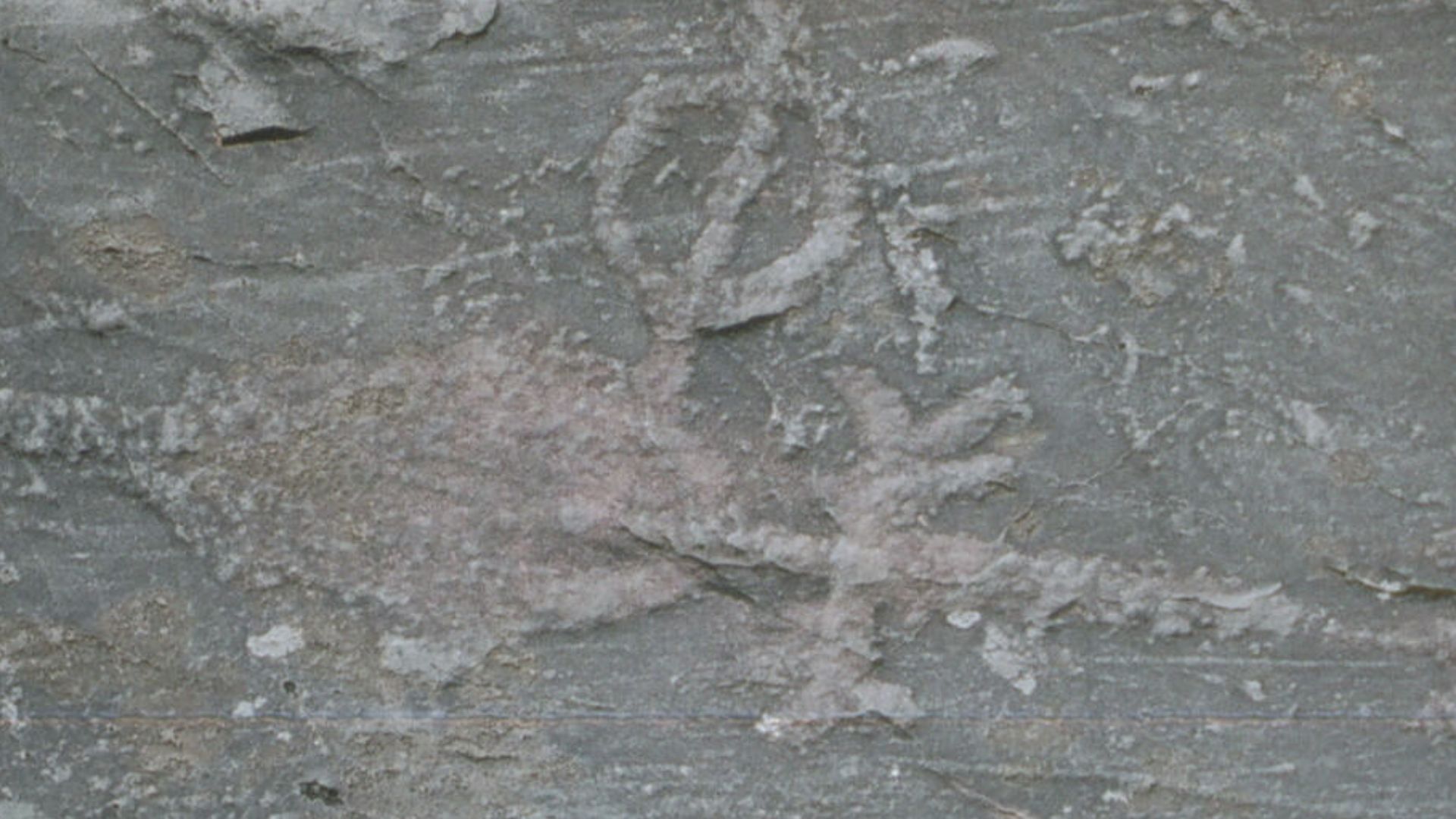 Gutworth at English Wikipedia, Wikimedia Commons
Dating The Carvings Is Complicated
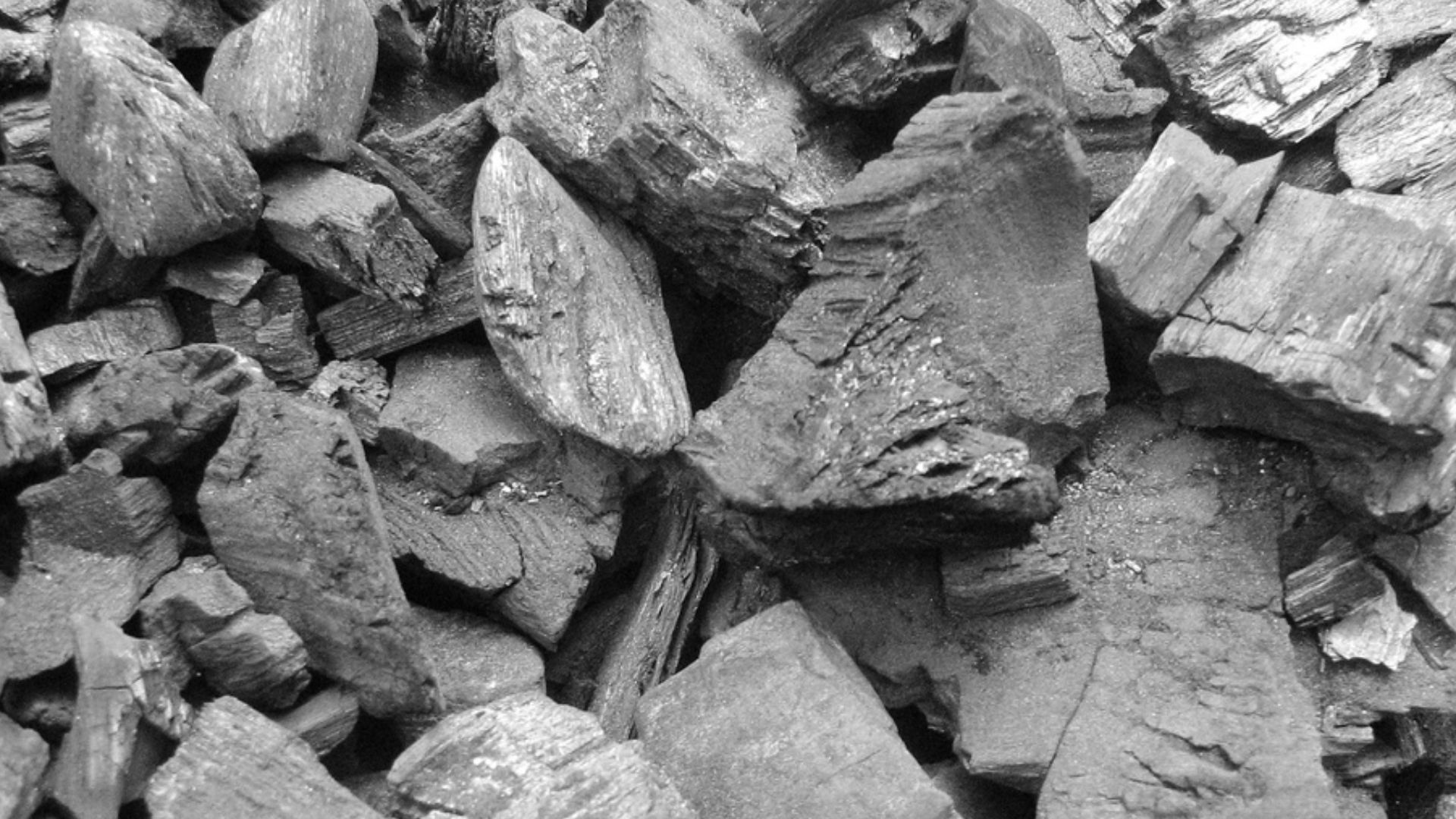
Unlike a campfire containing charcoal, a groove hammered into stone cannot simply be radiocarbon dated. Researchers instead combine archaeology, imagery, tool styles, nearby evidence, comparisons with other sites, and Indigenous knowledge. Estimates therefore vary, and MNHS itself stresses that chronologies associated with Jeffers should be considered approximate.
 The original uploader was Ischaramoochie at English Wikipedia., Wikimedia Commons
A Two-Week Job Becomes Two Months
In 1971, archaeologist Gordon Lothson arrived expecting to spend roughly two weeks documenting the carvings. He soon realized the assignment was considerably bigger. The project stretched to two months, with his team recording approximately 2,000 petroglyphs through photographs, drawings, and rubbings.
 Lorie Shaull, Wikimedia Commons
Archaeology Changes Its Approach
By the late 1990s, researchers had become more cautious about imposing their own interpretations while recording rock art. A University of Minnesota field school led by Robert Clouse documented individual peck marks rather than deciding immediately what every cluster represented, an attempt to reduce observer bias.
Indigenous Elders Changed The Conversation
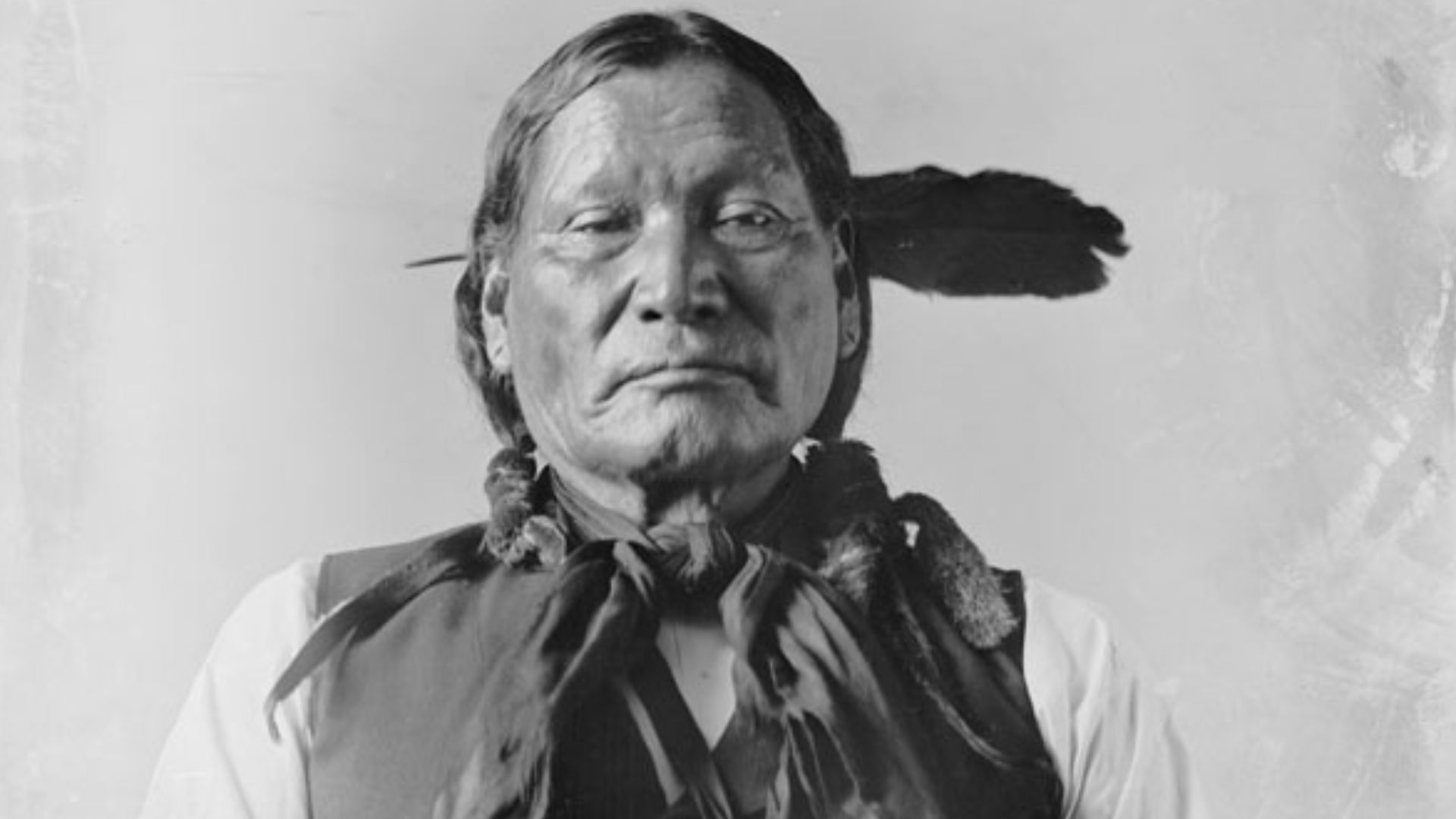
Perhaps the most important development was bringing Indigenous knowledge directly into the research process. Dakota, Cheyenne, Arapaho, and other Native elders have worked alongside archaeologists and conservationists. Their perspectives emphasize visions, prayers, teachings, directions, ceremonies, healing, and spiritual experience rather than reducing the carvings to pictures of ancient objects.
 Gill, De Lancey W (Life time: 1859-1940), Wikimedia Commons
The Lichen Had Another Surprise
Beginning in 2006, a conservation project carefully tackled lichen covering parts of the quartzite. Instead of aggressively scraping the stone, conservators deprived the lichen of sunlight and painstakingly removed dead material. It was slow work, but damaging an ancient carving in the name of revealing it would hardly have been progress.
Thousands More Images Reappear
The patience paid off spectacularly. The conservation work revealed roughly 3,000 additional petroglyphs, raising the documented total from about 2,000 to roughly 5,000. Suddenly, what researchers thought was already an extraordinary archaeological archive had more than doubled in size.
Technology Meets Ancient History
Modern researchers have also turned to three-dimensional recording. In 2011, portions of the carvings were scanned using non-contact white-light technology, eventually producing thousands of digital images and models. The idea is beautifully straightforward: use twenty-first-century technology to preserve information created by people thousands of years earlier.
 National Institute of Allergy and Infectious Diseases, Unsplash
Symbols Reveal A Connected World
Taken together, the carvings suggest cultures in which animals, people, landscapes, ceremonies, celestial observations, and spiritual experience could belong to an interconnected system. That is why “symbolic worldview” may describe Jeffers better than simply “ancient artwork.” The stone recorded relationships as much as recognizable things.
This Is Still A Sacred Place
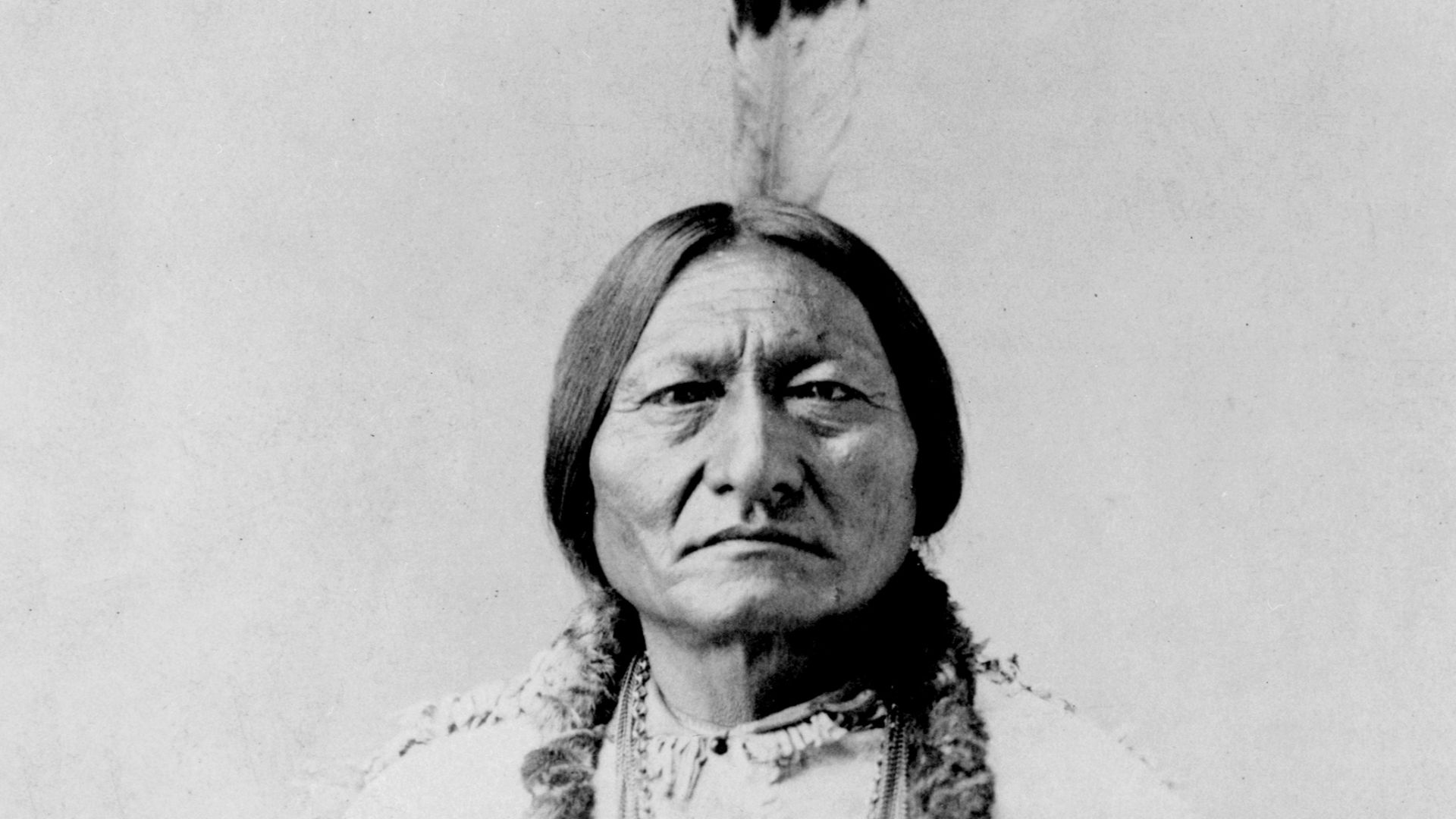
Jeffers is not merely an archaeological attraction frozen in the distant past. Dakota, Lakota, Ioway, Cheyenne, Ojibwe, and other Native people maintain cultural or spiritual connections with the landscape, and ceremonies and prayers continue there. Visitors are therefore entering both a historic site and a living sacred place.
 David Francis Barry, Wikimedia Commons
Where Prairie And History Meet
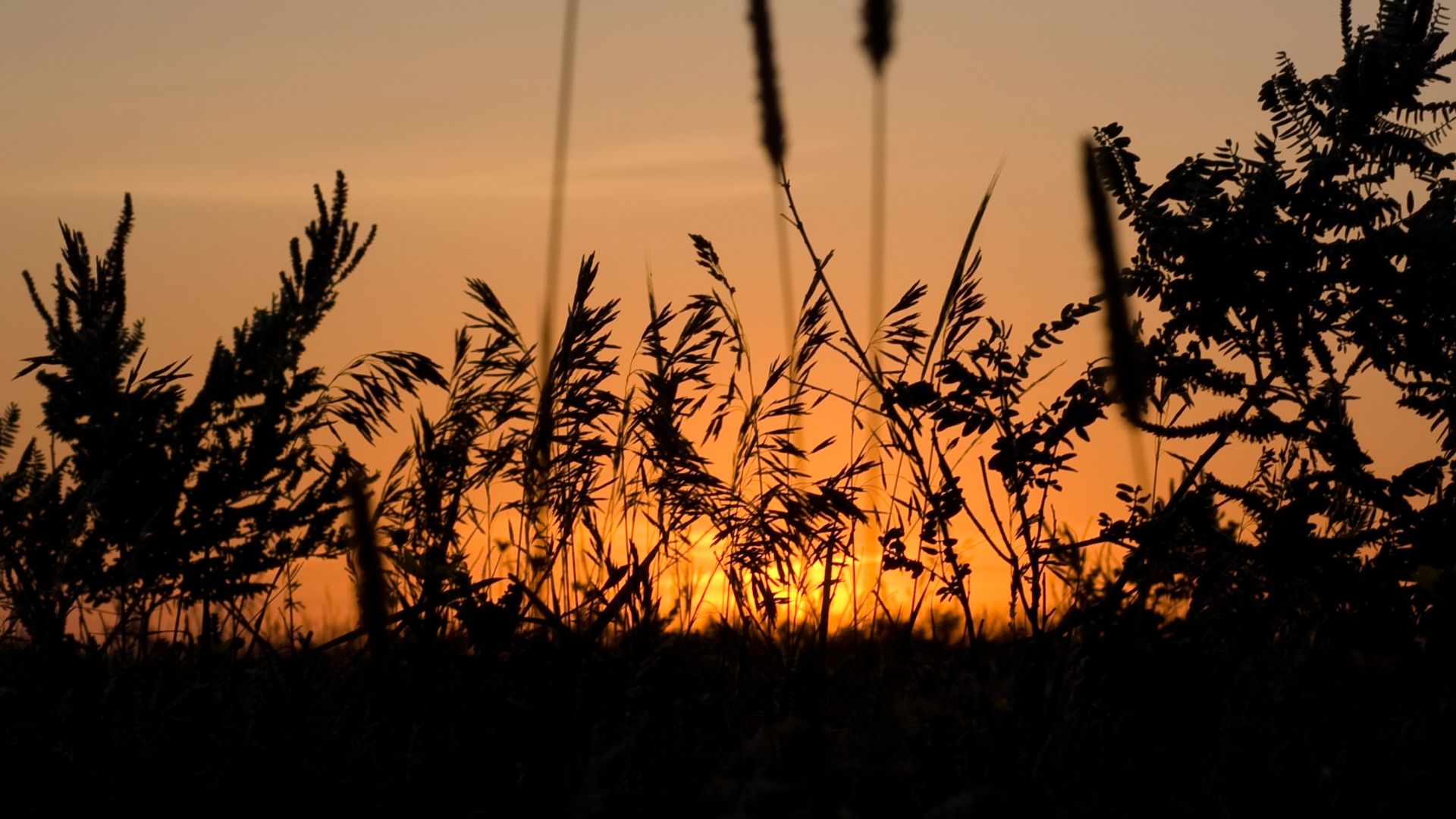
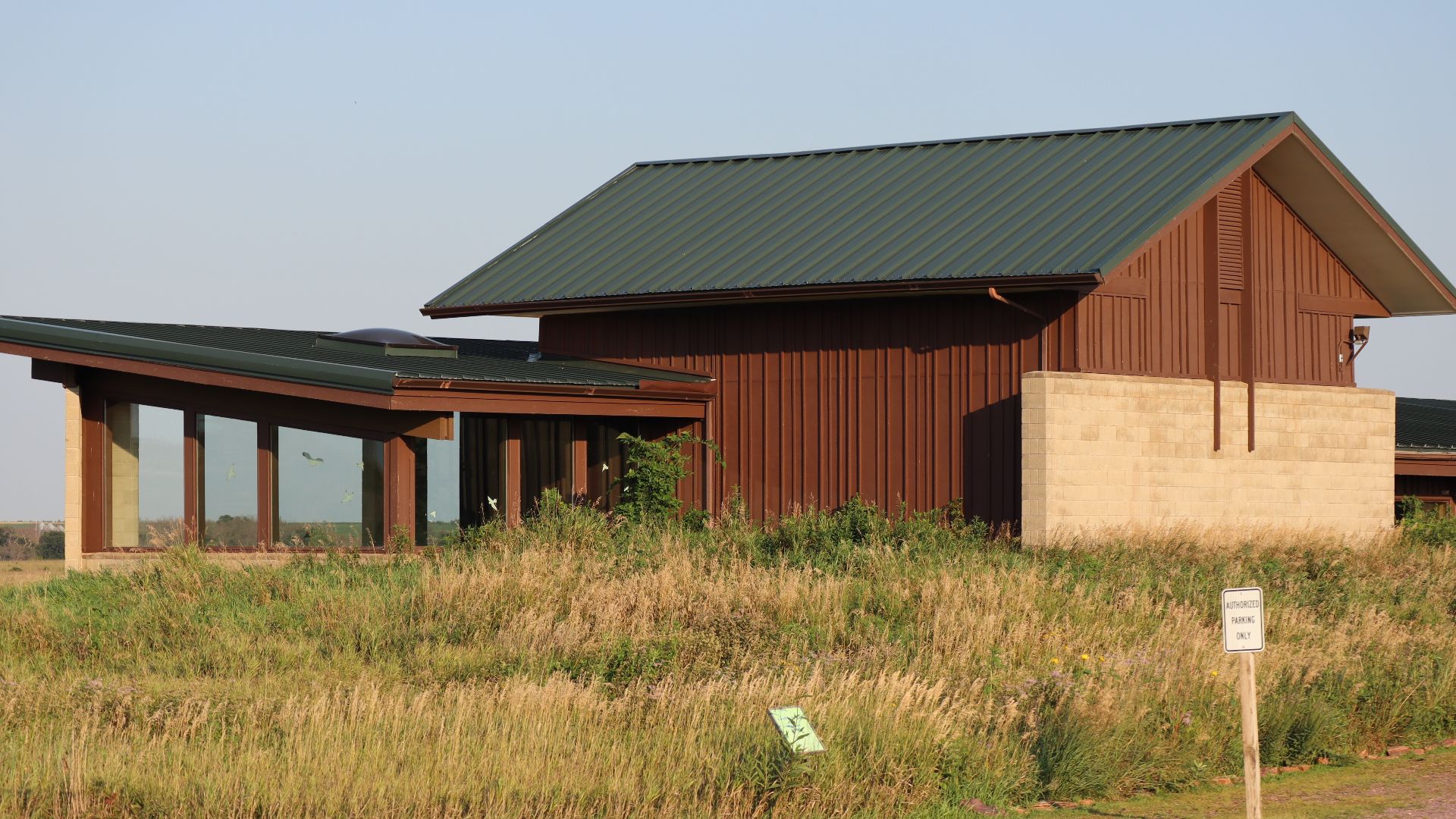
Today, visitors can explore the carvings and the surrounding native prairie through the Minnesota Historical Society's historic site near Comfrey. The broader landscape matters. Standing among grasses, sky, animals, weather, and red stone makes it easier to understand why the petroglyphs cannot really be separated from the place containing them.
The Stones Are Still Speaking
Jeffers Petroglyphs gives us something archaeology rarely offers: thousands of expressions created across an enormous stretch of time in one enduring landscape. We may never decipher every symbol, nor should we pretend to. Yet through archaeology and Indigenous knowledge together, these Minnesota stones continue revealing a remarkably sophisticated world of memory, spirituality, nature, and human connection.
 Travellers & Tinkers, Wikimedia Commons
You May Also Like:
Things Canadians Notice Immediately When They Drive Through The American Southwest
Top Five Restaurants In The World
The U.S. Cities That Canadians Say Are Better Tourist Destinations Than They Expected


_from_One_Thousand_New_Hampshire_Notables.png)