The Mountain Getaway I Thought Would Be Easy
You booked a dream mountain vacation expecting crisp air, scenic hiking trails, and peaceful mornings. What you did not expect was a pounding headache, restless sleep, and the feeling that your body was struggling to keep up with the altitude. Within a day of arriving, you realized the altitude was affecting you far more than you had anticipated.
 Soloviova Liudmyla, Shutterstock
Why Altitude Can Catch Travelers Off Guard
Many travelers assume altitude sickness is only a concern for serious climbers. In reality, symptoms can begin when visiting destinations above roughly 8,000 feet (2,400 meters). Even healthy adults can feel the effects if they ascend too quickly.
The Air Is Different Up There
One common misconception is that there is less oxygen in mountain air. The percentage of oxygen remains the same, but the air pressure is lower. That means each breath delivers fewer oxygen molecules to your body, making it harder to meet your oxygen needs.
The First Warning Sign
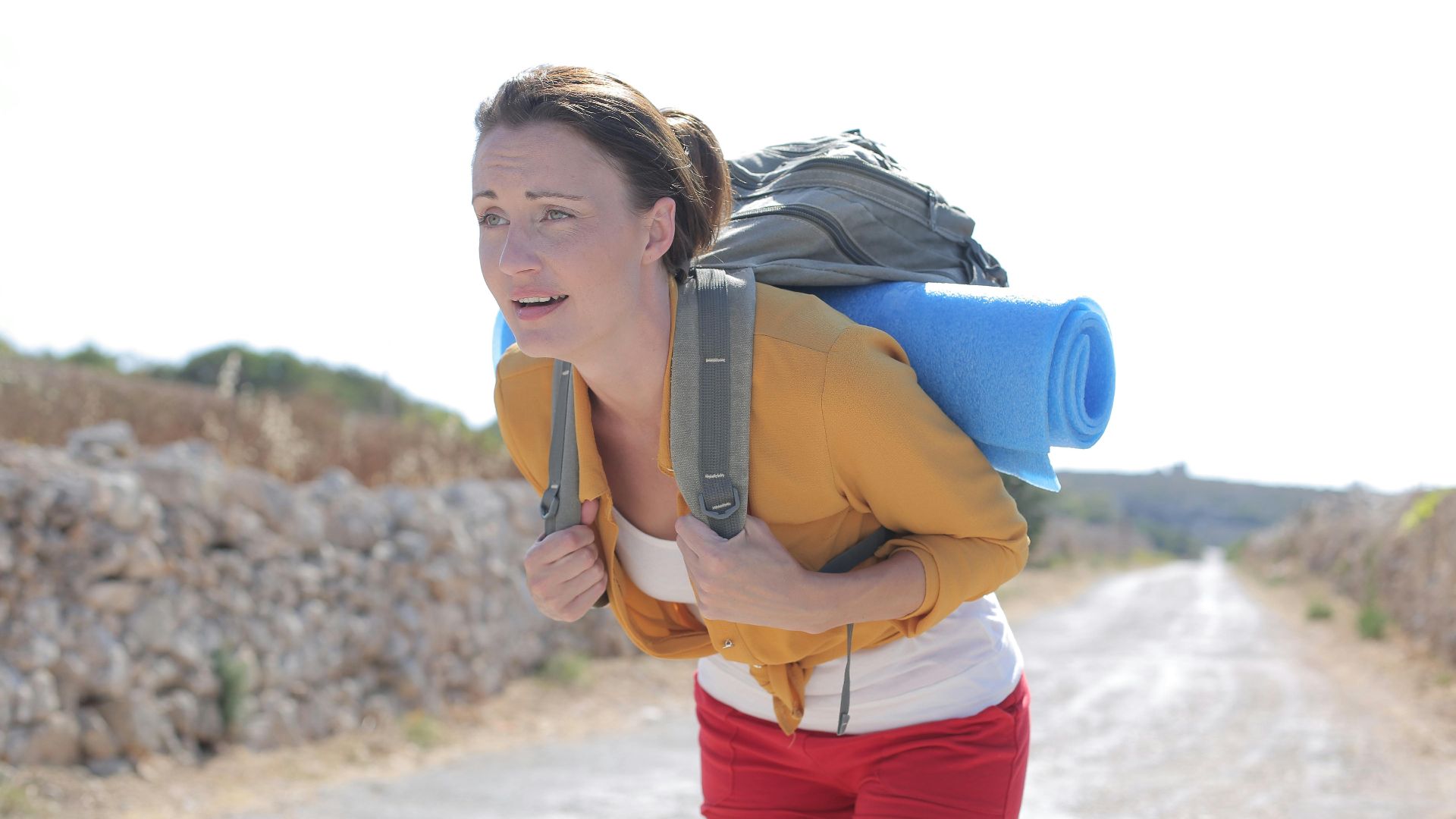
One of the first symptoms you may have noticed is a persistent headache that will not go away. Headaches are among the most common early signs of altitude sickness. They often develop within the first day after arriving at a higher elevation.
Fatigue May Hit Harder Than You Expect
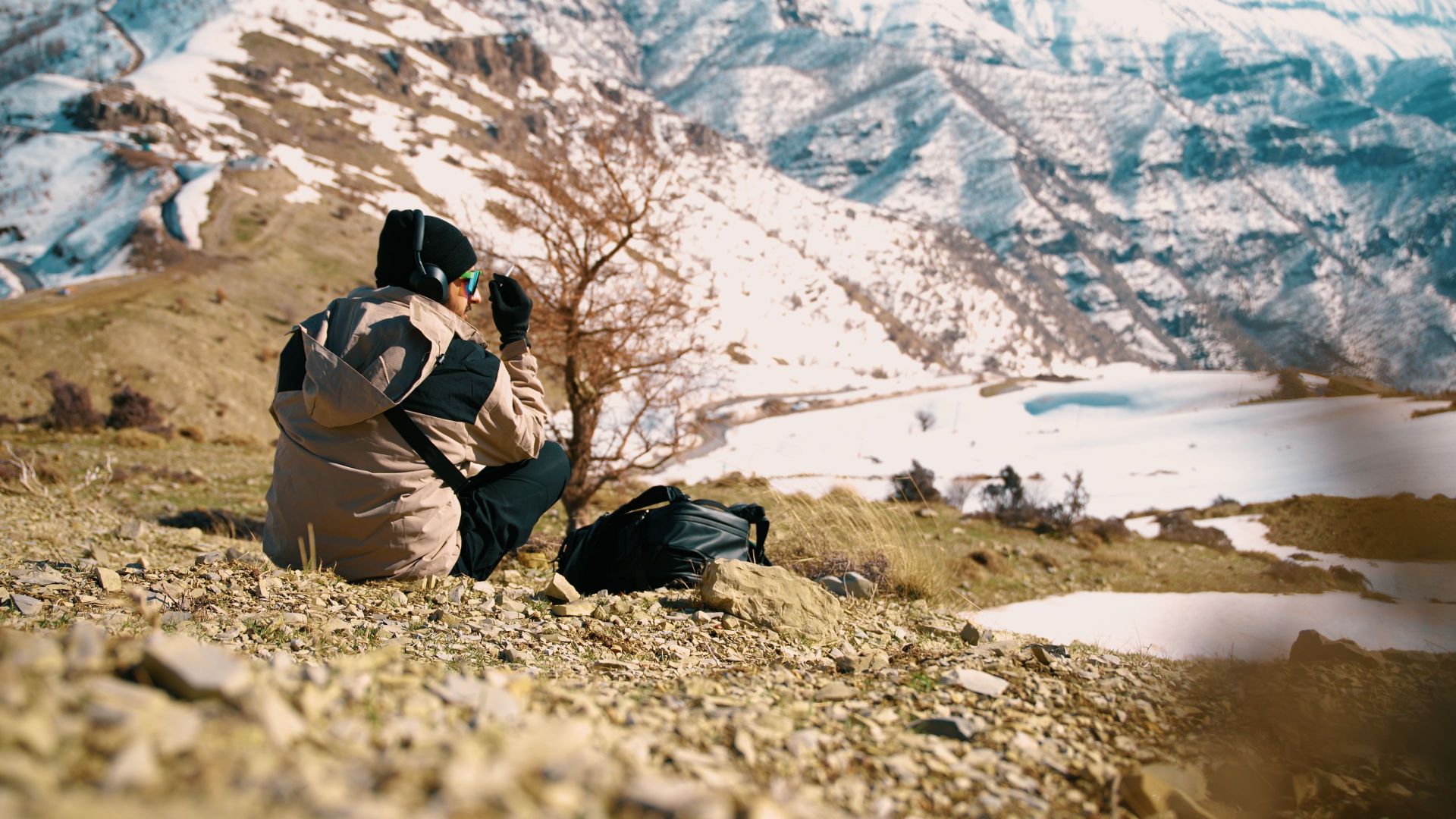
You may have felt unusually tired even if you were well-rested before your trip. Activities that would normally seem easy can suddenly feel exhausting. This happens because your body is working harder to adapt to reduced oxygen availability at higher elevations.
Sleep May Become Surprisingly Difficult
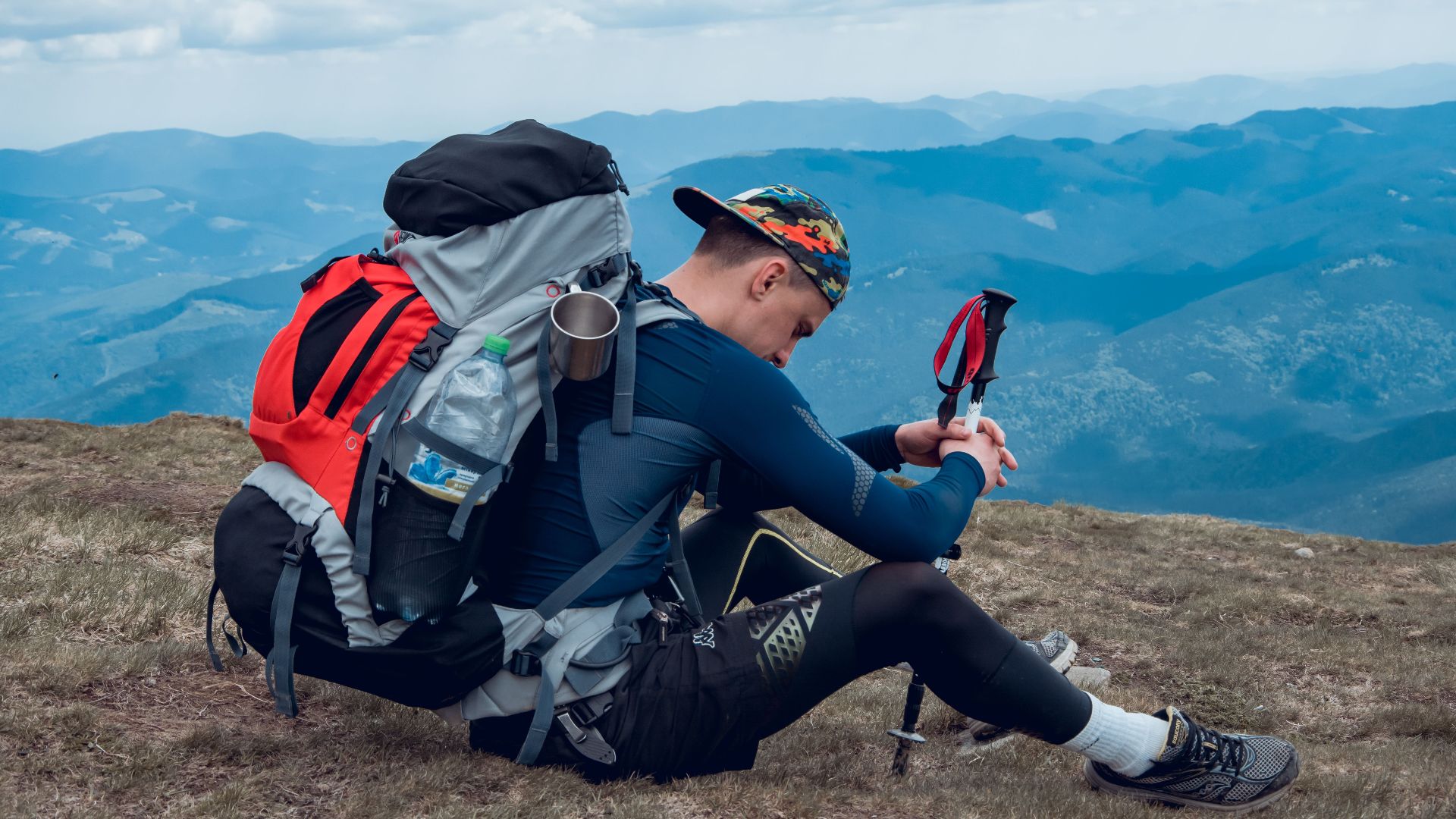
You also may have encountered poor sleep at higher elevations. Many travelers report waking frequently throughout the night and struggling with restless sleep. These sleep disturbances are a common part of the acclimatization process as your body adjusts to the thinner air.

Nausea And Dizziness Can Happen Too
Altitude sickness is not limited to headaches and fatigue. Some travelers experience nausea, dizziness, loss of appetite, or lightheadedness. These symptoms can range from mild to severe depending on the individual and the altitude reached.
Not Everyone Responds The Same Way
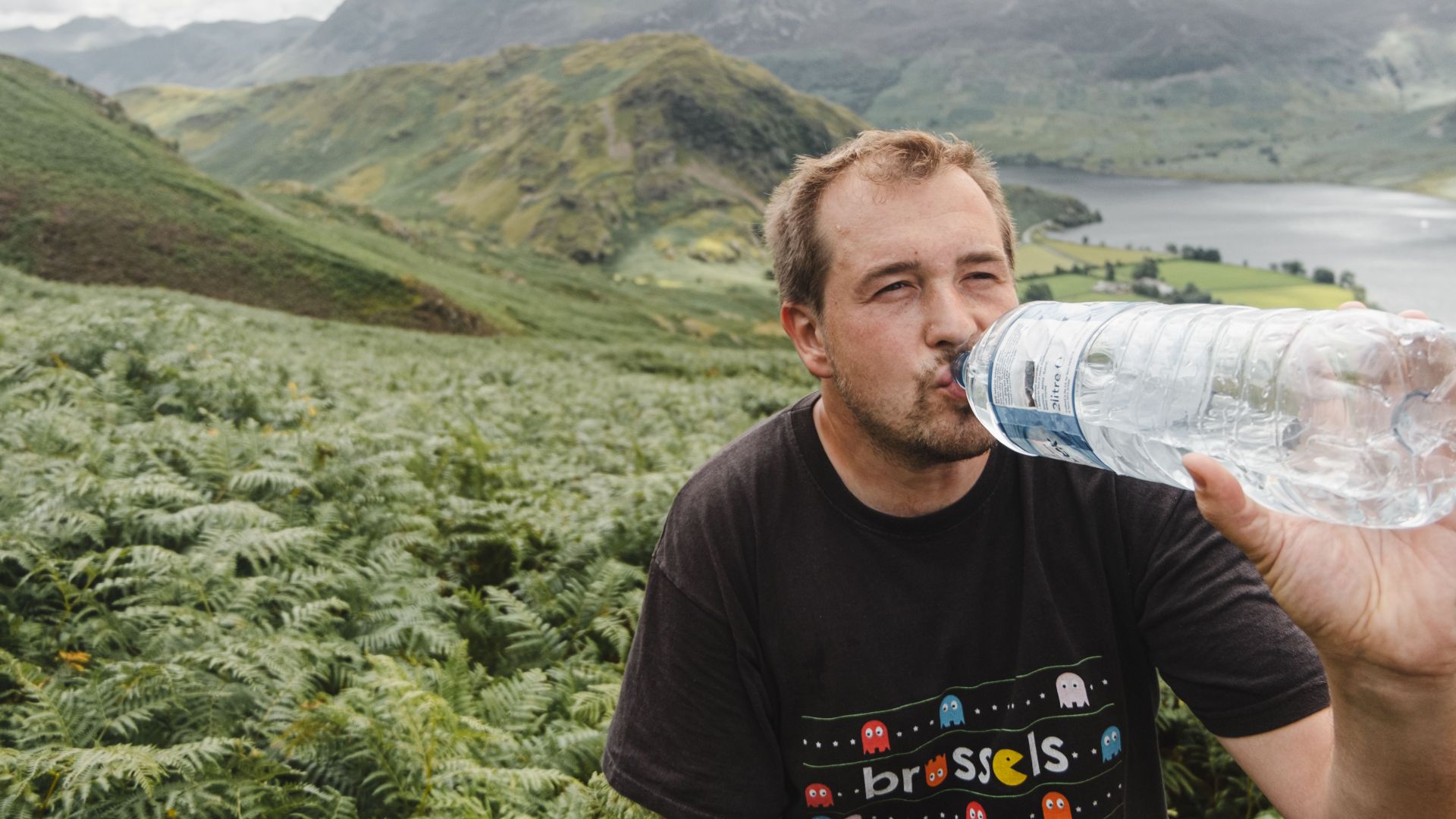
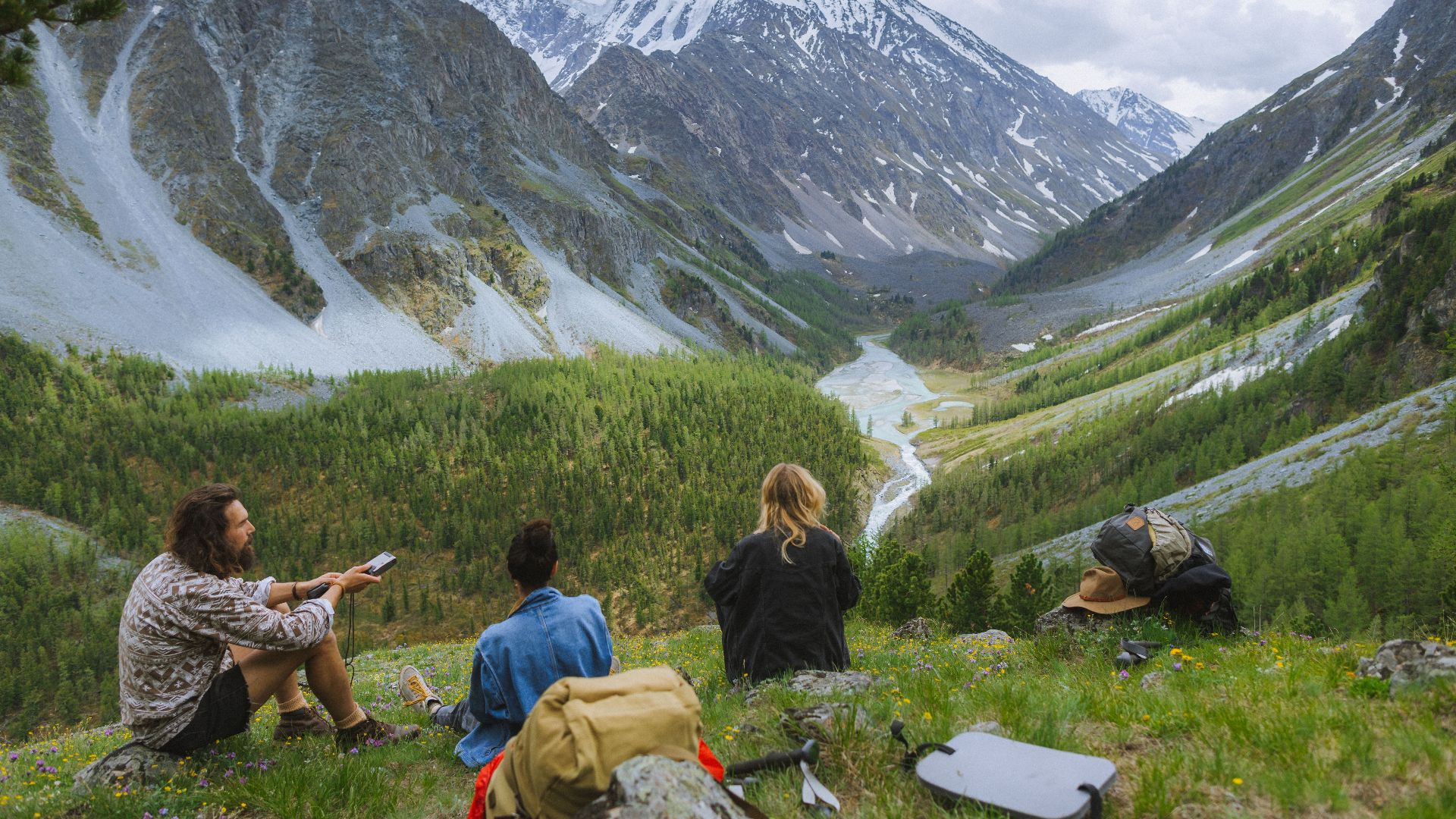
Two people can arrive at the same mountain destination and have completely different experiences. Age, fitness level, and previous travel experience do not guarantee protection. Some highly fit travelers are surprisingly susceptible to altitude illness.
Fitness Does Not Make You Immune
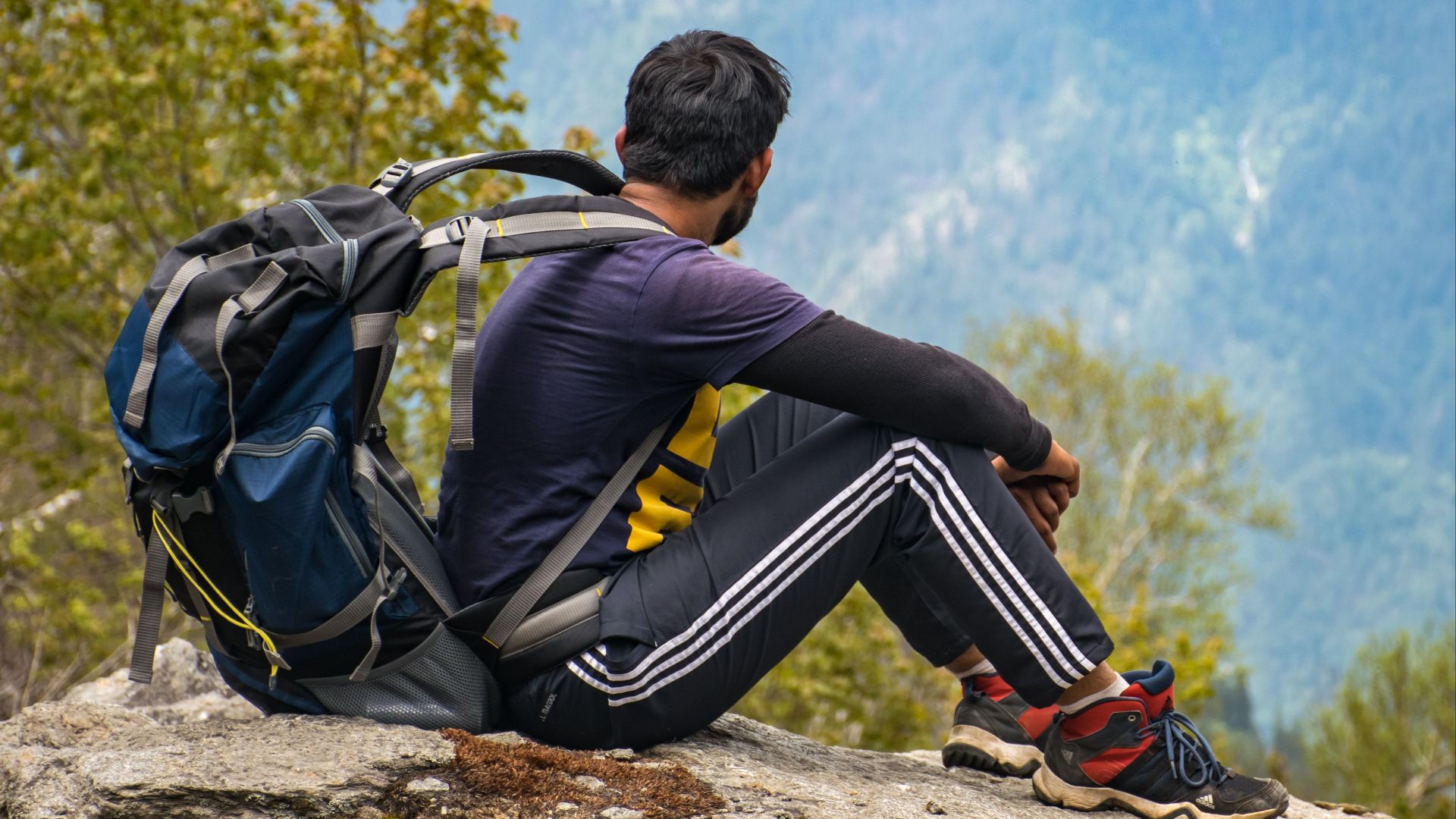
You may assume that being physically active will help you avoid altitude-related problems. Unfortunately, physical fitness does not protect against altitude sickness. In many cases, the speed at which you ascend matters far more than your athletic ability.
Why Going Up Too Fast Is Risky
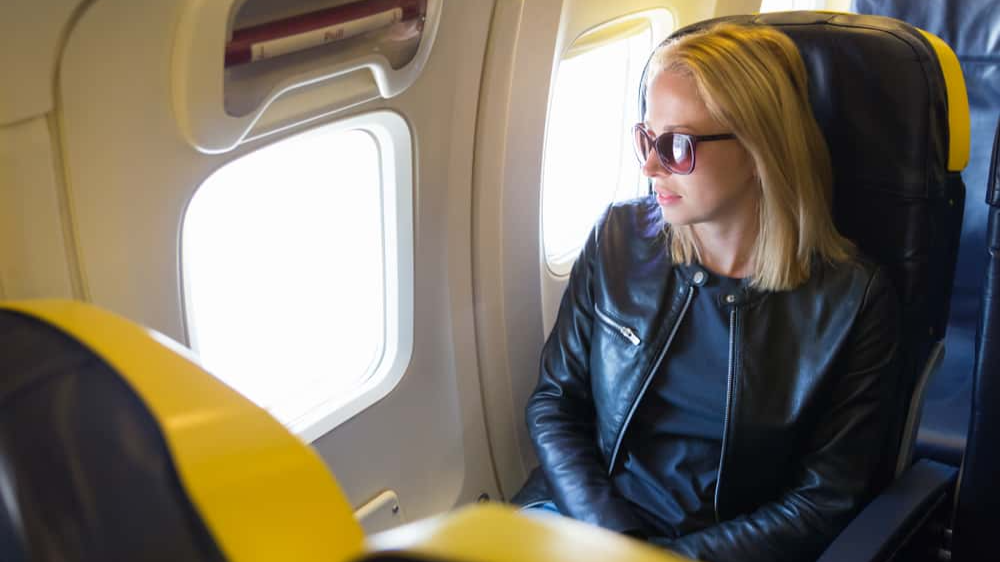
The human body needs time to adapt to lower oxygen levels. Rapid ascents give the body little opportunity to adjust. That is why flying directly from sea level to a high mountain destination can increase the risk of symptoms.
 Soloviova Liudmyla, Shutterstock
The Importance Of Acclimatization
Acclimatization is the process of allowing the body to adapt gradually to higher elevations. This adjustment improves oxygen delivery and reduces the likelihood of illness. Experts consider gradual acclimatization one of the most effective prevention strategies.
Consider Spending A Night Lower Down
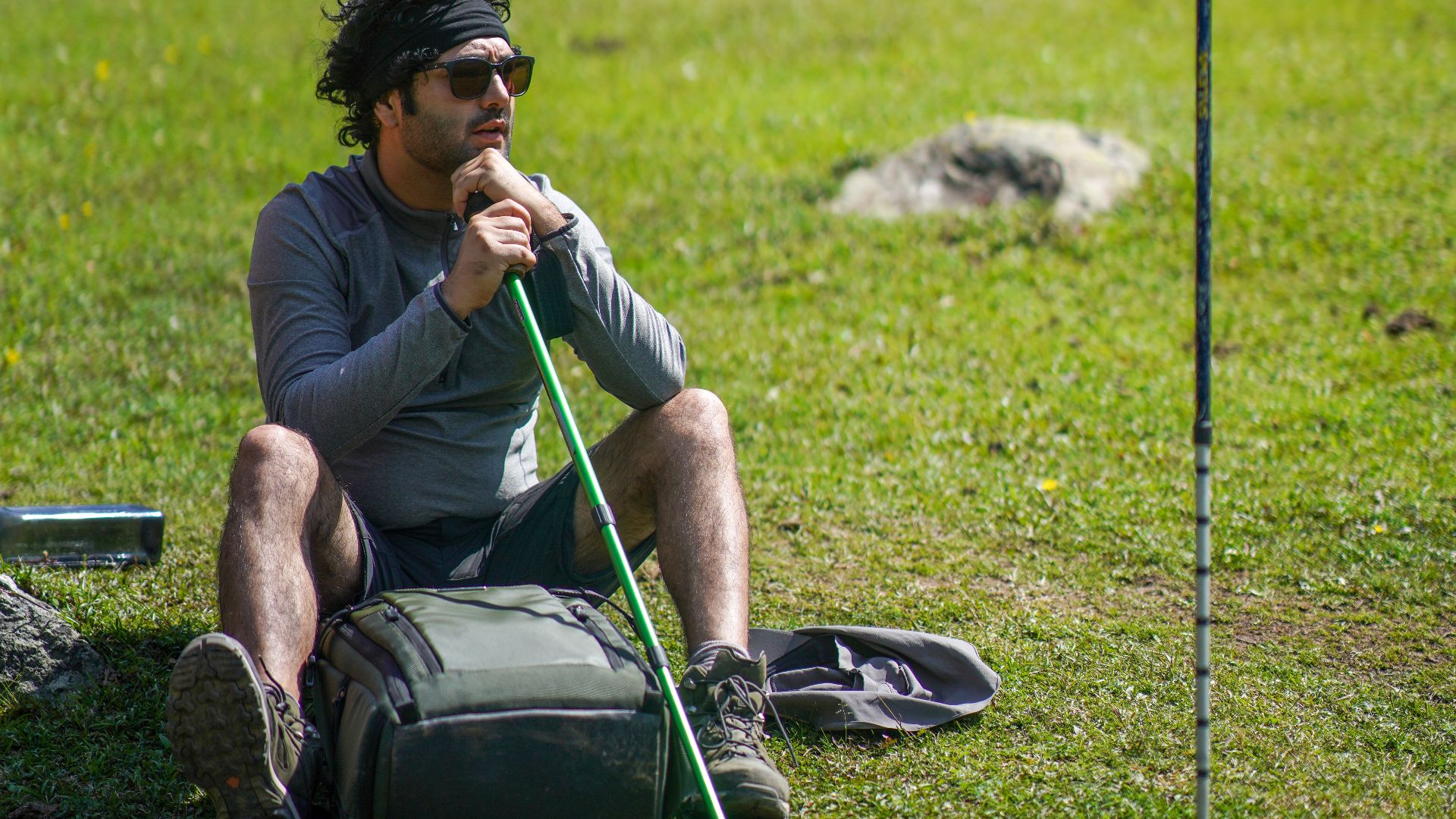
If your itinerary allows, spend a night or two at a moderate elevation before heading higher. This approach gives your body valuable adjustment time. Many experienced mountain travelers build these transition days into their plans.
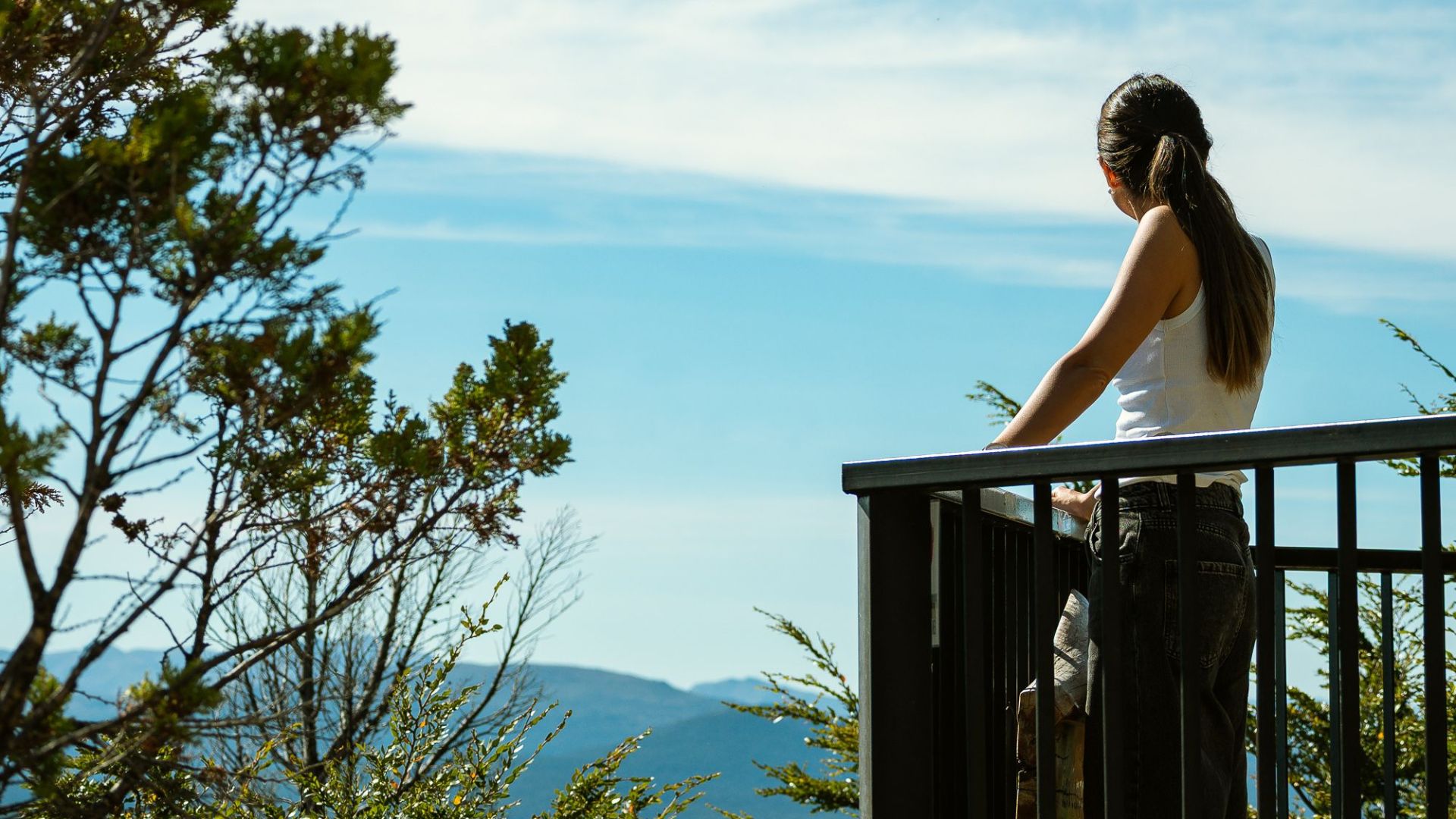
Slow Travel Can Be Smart Travel
Vacation schedules often encourage travelers to maximize every moment. At high elevations, slowing down can be beneficial. Taking it easy during the first day or two may help reduce symptoms.
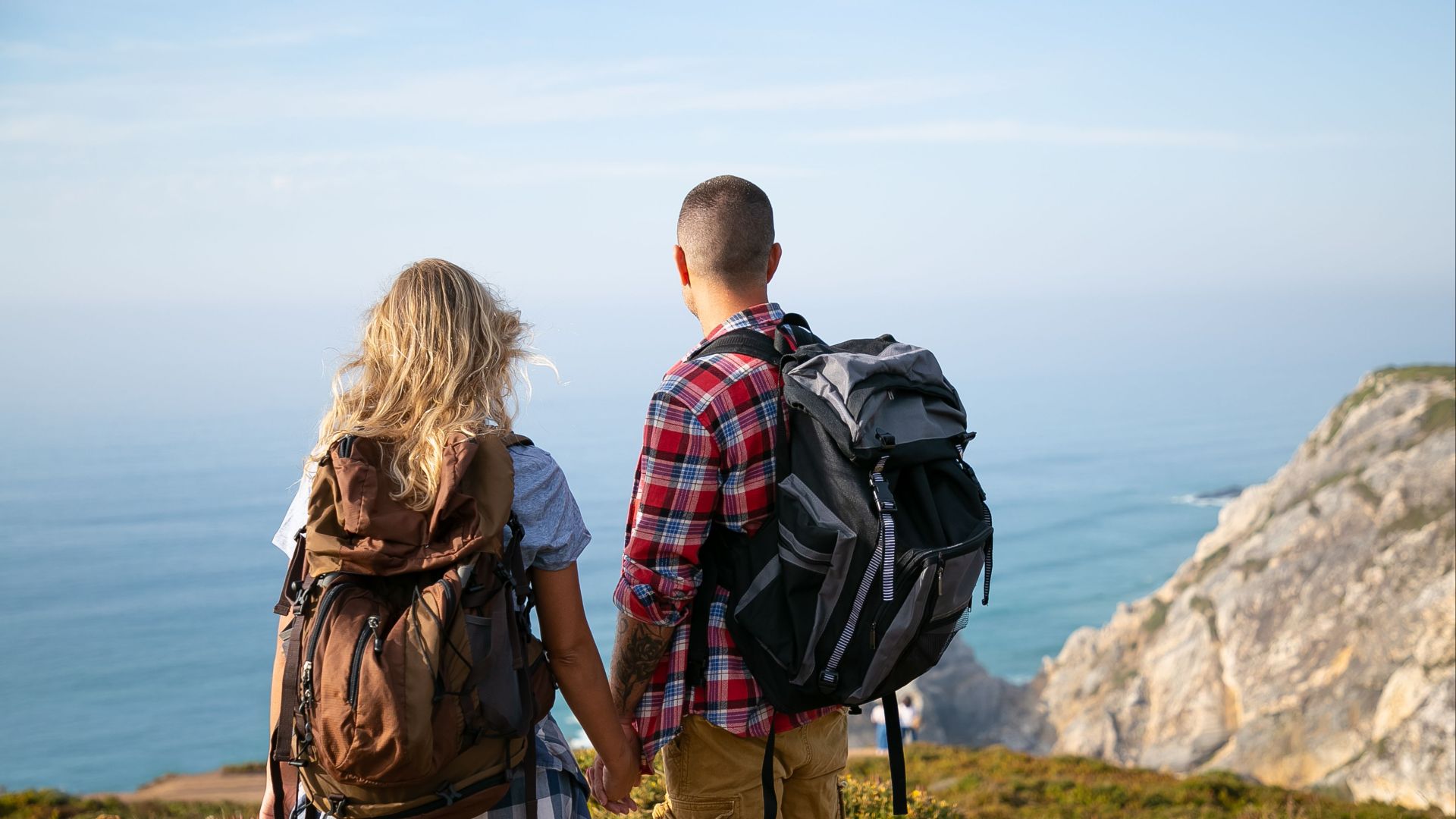
Hydration Matters More Than You Think
Dehydration can mimic or worsen altitude-related symptoms. Drinking enough water helps support your body's adjustment process. While hydration alone will not prevent altitude sickness, it remains an important part of preparation.
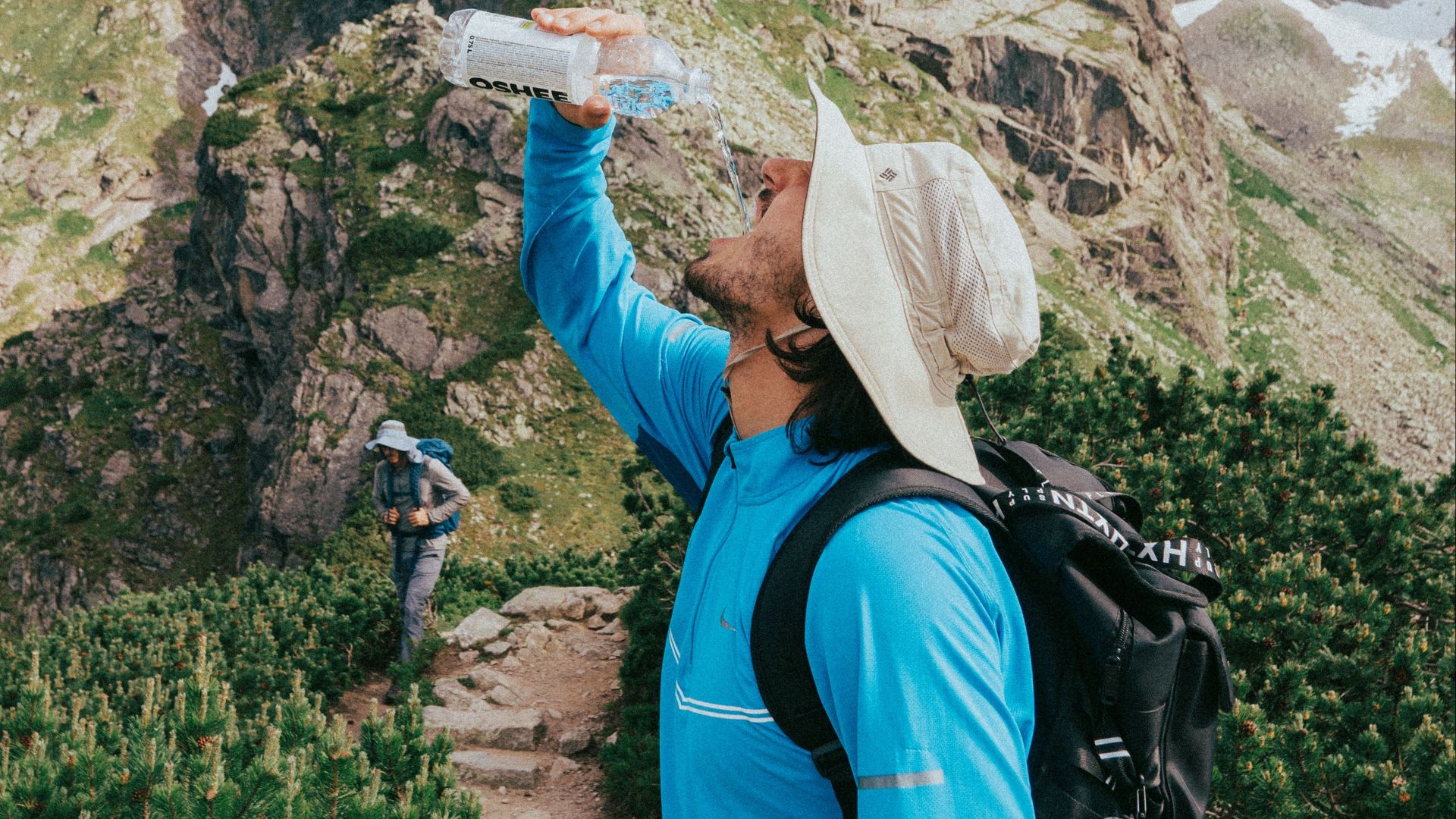
Alcohol Can Make Things Worse
Celebrating arrival with several drinks may not be the best idea. Alcohol can contribute to dehydration and may interfere with acclimatization. Many health authorities recommend avoiding or limiting alcohol during the first days at altitude.
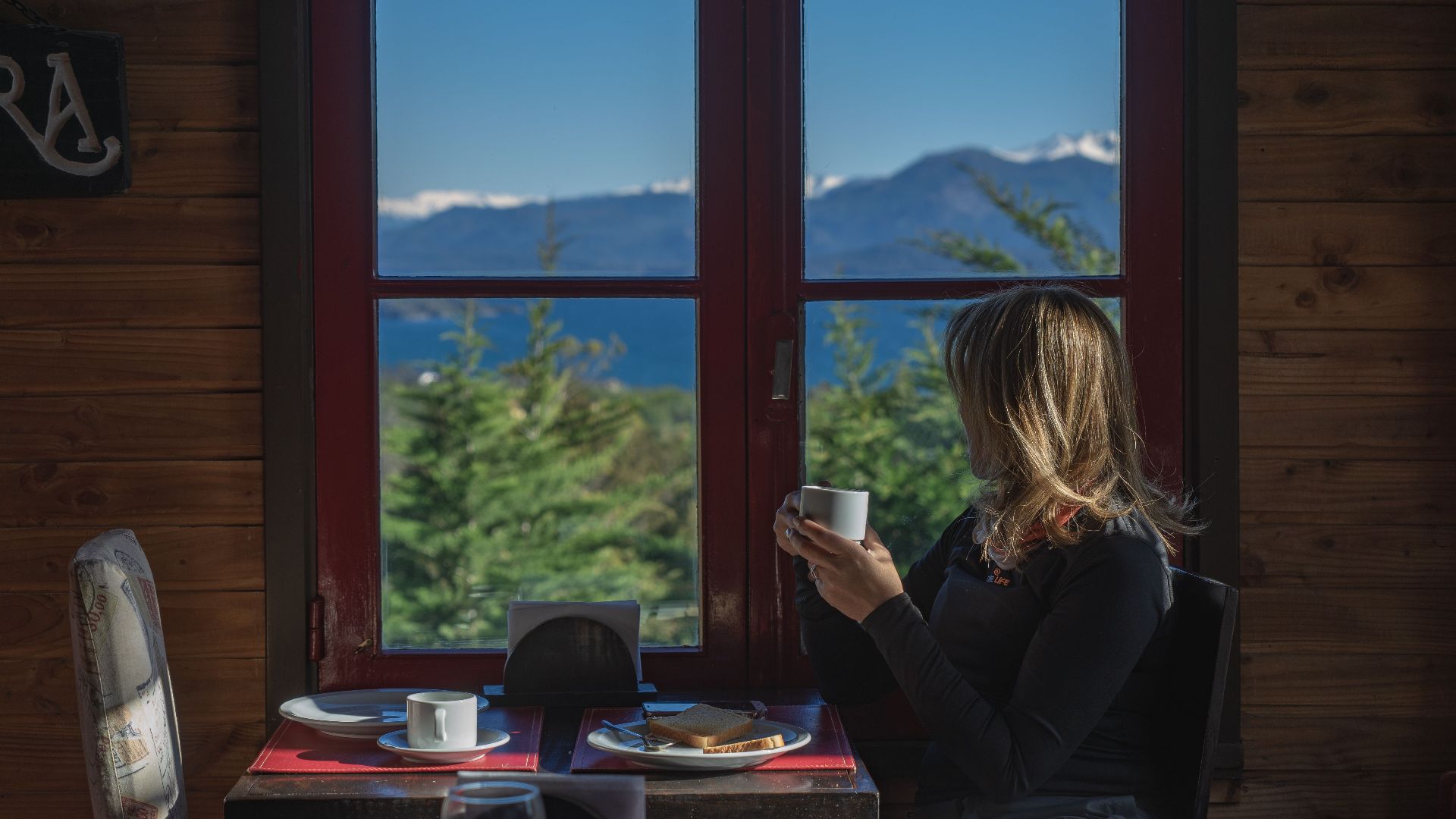
Pay Attention To Your Sleeping Elevation
Where you sleep can be just as important as where you hike. Experts often recommend limiting increases in sleeping altitude once you reach higher elevations. Sleeping lower can reduce strain on the body.

Carbohydrates May Help Fuel The Adjustment
Some travel health experts recommend emphasizing carbohydrate-rich foods while acclimatizing. This is because carbohydrates require less oxygen to metabolize compared to fats, making them an efficient energy source when oxygen is limited. A balanced diet remains important throughout the trip.
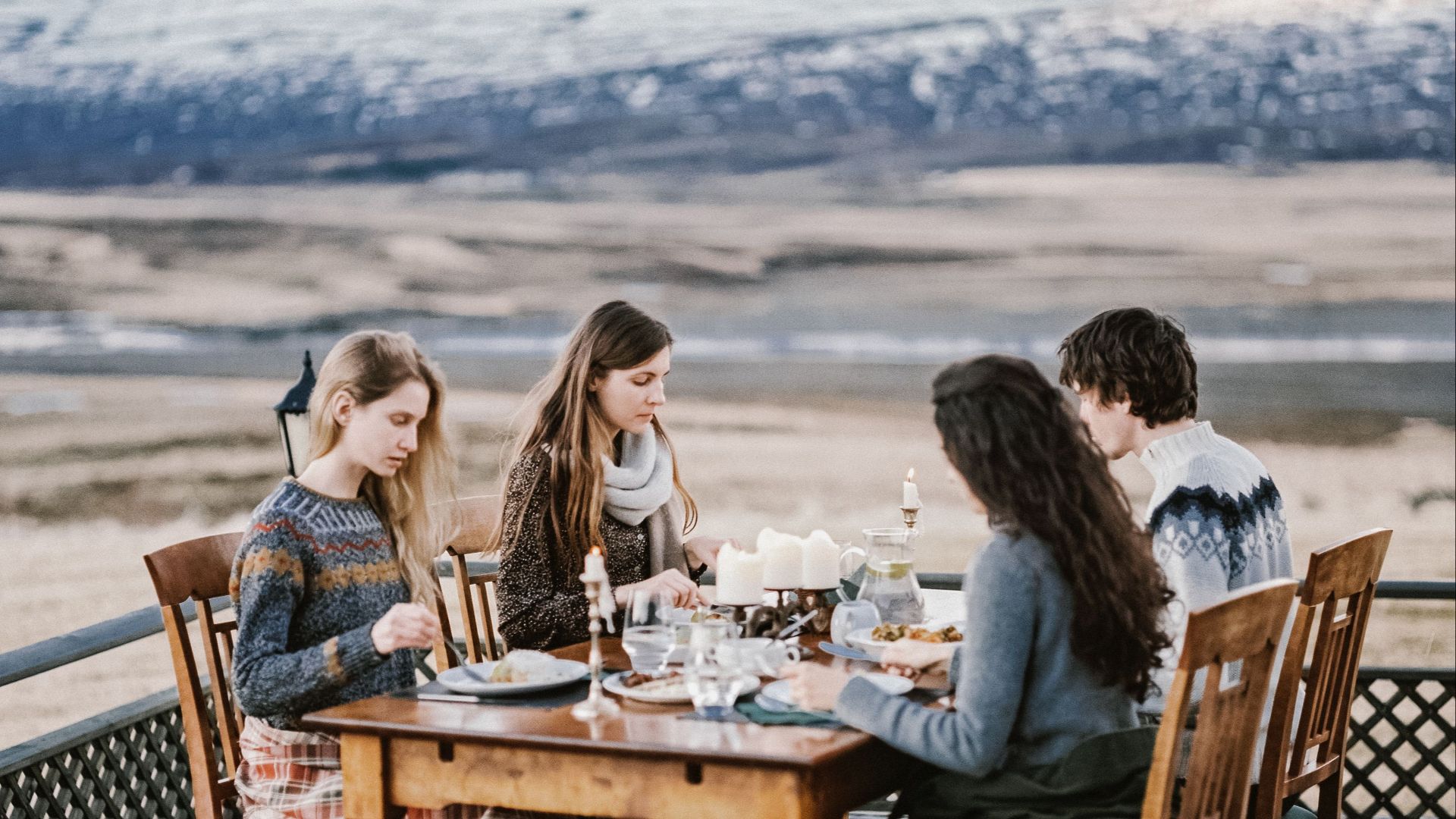
Learn The Early Symptoms Before You Go
One of the best ways to prepare is simply knowing what altitude sickness looks like. Recognizing symptoms early allows you to respond before they become serious. Ignoring warning signs can increase risk.
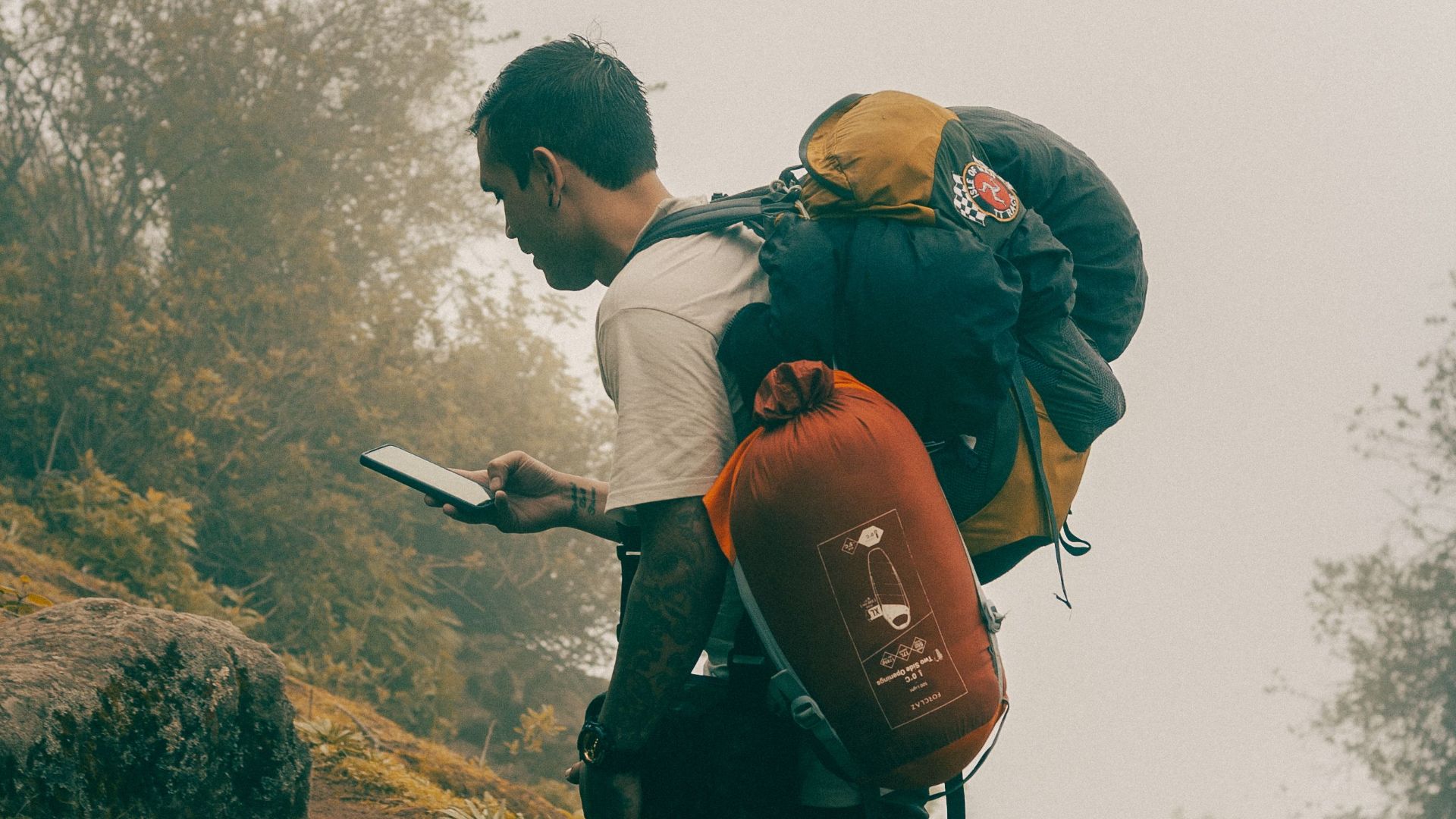
When Rest Is The Best Medicine
Mild altitude symptoms often improve with rest and time. If symptoms appear, avoid pushing yourself harder. Giving your body a chance to adjust is frequently the safest response.
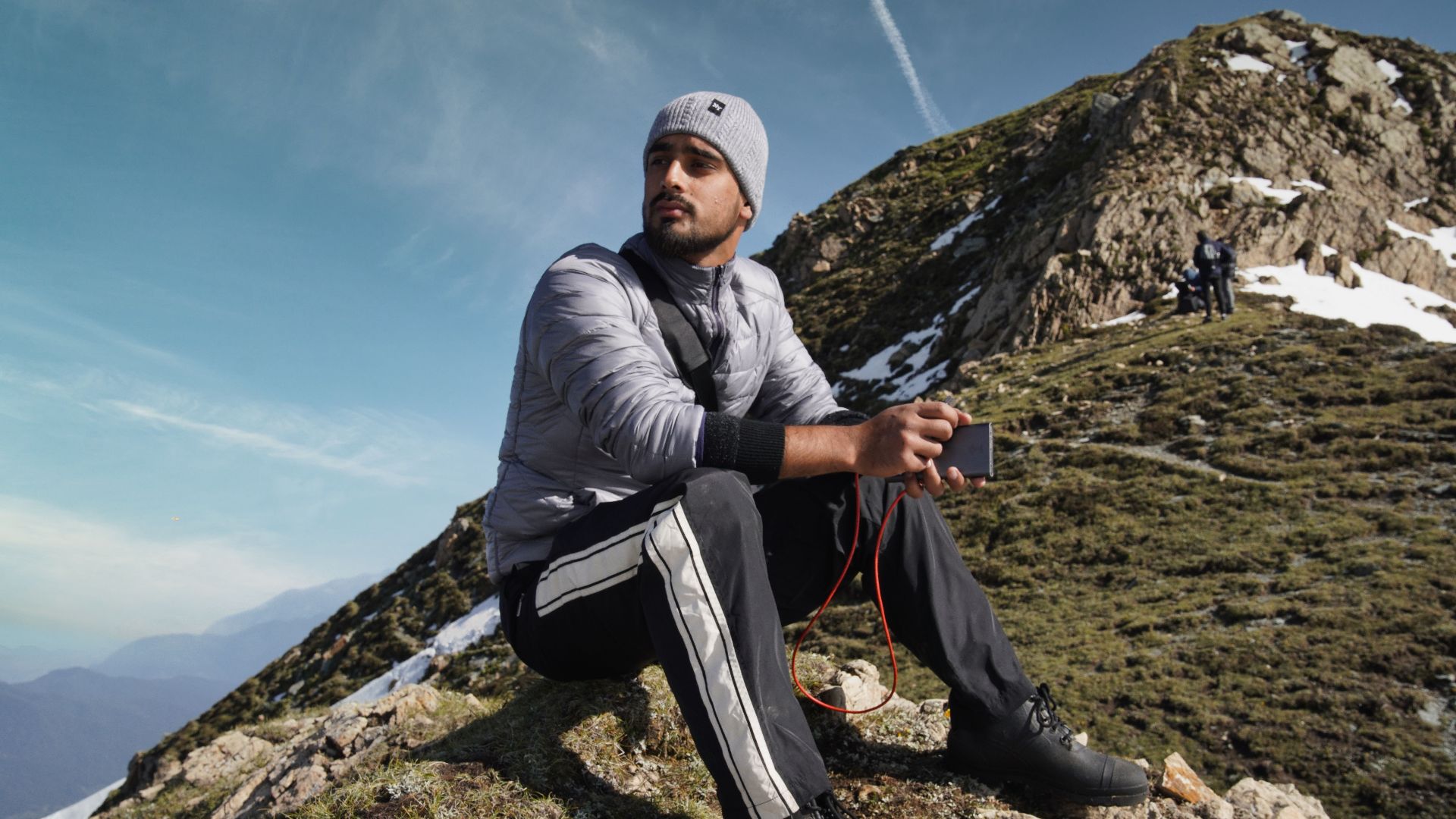
Know When To Stop Ascending
A key rule among mountain travelers is simple. If symptoms develop, stop going higher until they improve. Continuing to ascend while feeling unwell can lead to more serious complications.
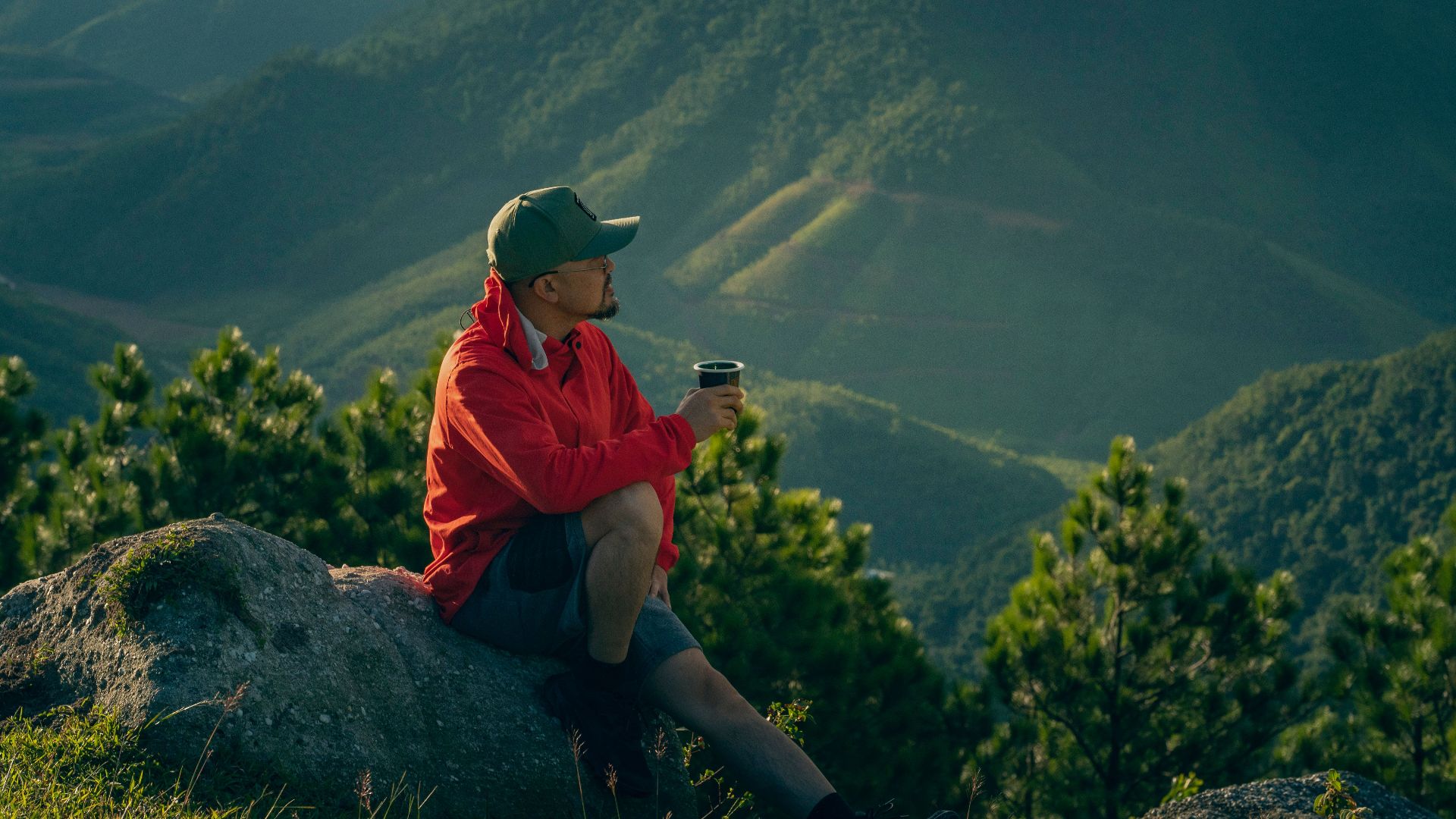
Serious Altitude Illness Is Rare But Real
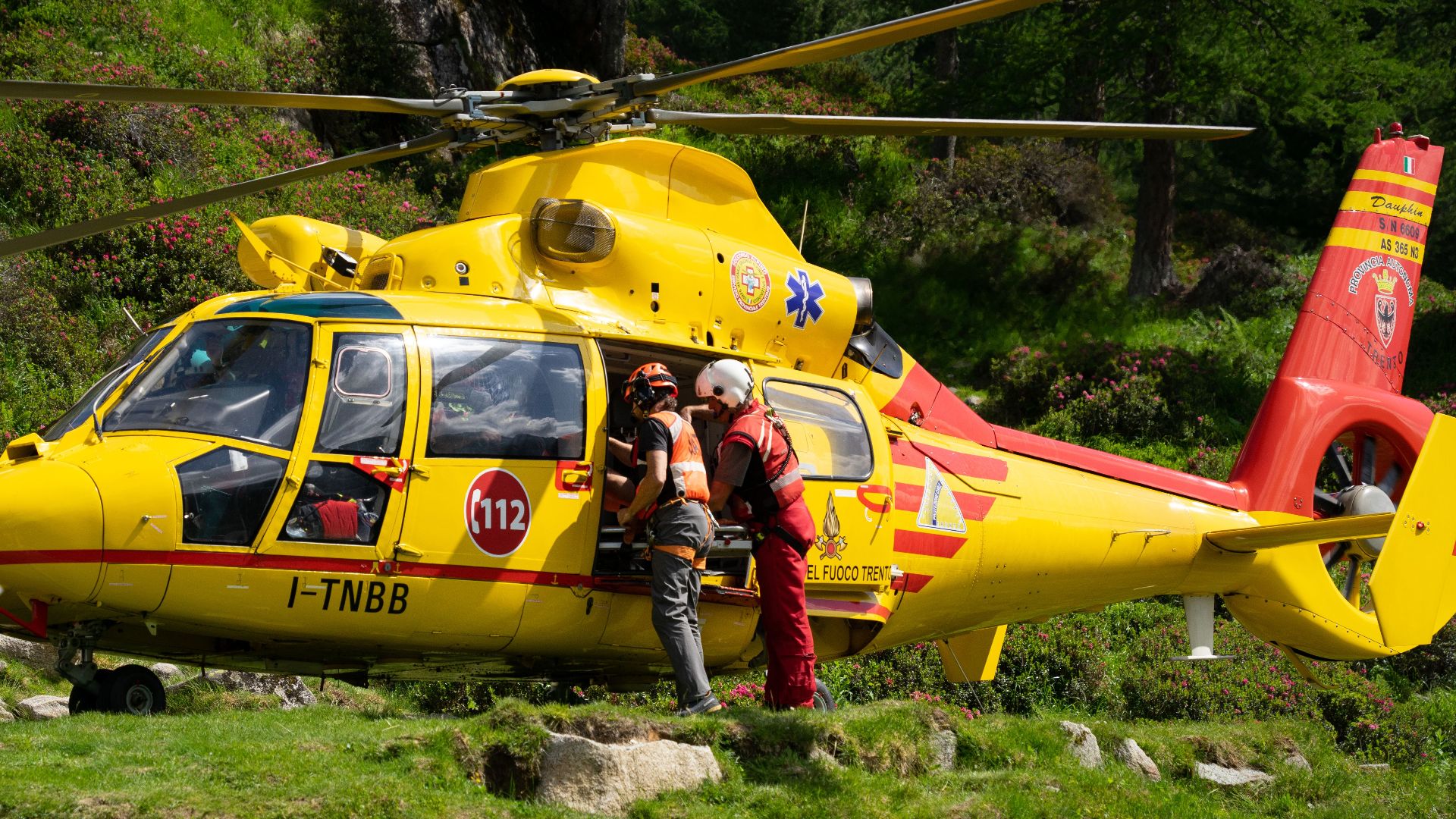
Most cases are mild, but severe forms of altitude illness can occur. High-altitude cerebral edema and high-altitude pulmonary edema are medical emergencies. These conditions require immediate attention and descent.
Watch For Dangerous Warning Signs
Confusion, severe shortness of breath, difficulty walking, loss of coordination, or altered consciousness should never be ignored. These symptoms suggest a potentially life-threatening situation. Immediate medical help is necessary.
Talk To Your Doctor Before The Trip
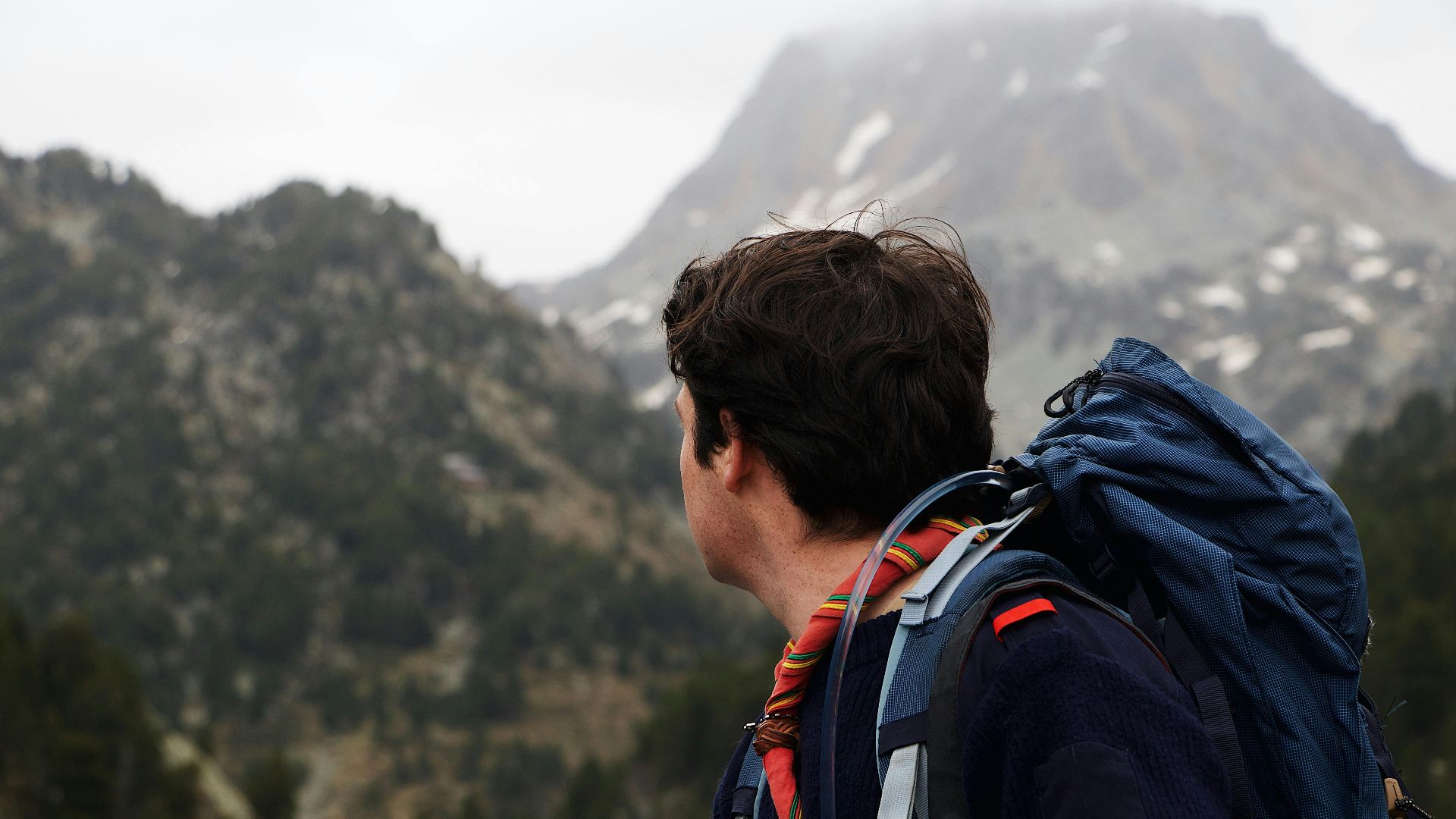
Travelers with previous altitude problems should consider consulting a healthcare professional before departure. Some people may benefit from prescription medications designed to reduce risk. A travel medicine clinic can offer personalized guidance.

Certain Health Conditions Require Extra Planning
People with significant heart or lung conditions should seek medical advice before visiting high elevations. Some chronic illnesses can become more challenging to manage at altitude. Professional guidance helps ensure a safer trip.

Build Recovery Time Into Your Itinerary
One mistake many travelers make is scheduling strenuous activities immediately after arrival. Consider making the first day a sightseeing or relaxation day instead. Saving intense hikes for later can improve comfort and safety.

Travel Insurance Is Worth Considering
Mountain destinations often involve remote locations and specialized medical care. Comprehensive travel insurance can provide peace of mind. It is especially valuable for trips involving high-altitude activities.

The Better Way To Prepare
So, is there a better way to prepare for altitude? Yes. Giving yourself time to acclimatize, staying hydrated, and avoiding a rapid ascent can help reduce your chances of developing symptoms. A little planning before your trip can make a noticeable difference once you arrive.

Enjoy The View, Not The Symptoms
Mountain vacations can be unforgettable for all the right reasons. Understanding how altitude affects the body helps travelers stay comfortable and safe. With the right preparation, the spectacular views are far more likely to be the highlight of the trip.
You May Also Like:
I got sick on vacation, and the local hospital demanded payment before treatment. Is that normal?