
The Ferry Ride That Went Sideways
You booked a ferry ride because it sounded fun. A little breeze, some water views, maybe a cute photo with your hair doing something dramatic. Instead, you spent the whole trip pale, sweaty, and wondering whether the captain learned to drive from an action movie. So, can you sue?

First, Seasickness Happens
Unfortunately, getting seasick by itself usually is not enough for a lawsuit. Boats move. Water has moods. Even a perfectly safe ferry can make your stomach start negotiating its escape. The company is not automatically responsible just because your body decided the ocean was a personal enemy.

But The Captain’s Choices Matter
There is a difference between “the water was choppy” and “the captain drove like they were late for a bank robbery.” If the captain handled the ferry recklessly, ignored rough conditions, took sharp turns, or failed to follow safety rules, the situation may be more serious.

The Big Question Is Negligence
Most cases like this come down to negligence. That means you would need to show the company had a duty to keep passengers reasonably safe, failed to do that, and caused you harm. In other words, “I felt awful” helps less than “they acted carelessly and I was hurt.”

Ferries Do Not Need To Be Perfect
A ferry company does not have to promise a glass-smooth ride. That would be impossible, unless they also control the wind, waves, and everyone’s stomach. But they do need to operate the boat with reasonable care, especially when passengers are depending on them for safety.

What “Bad Driving” Might Look Like
Bad boat handling could mean speeding through rough water, taking turns too sharply, ignoring wake zones, failing to slow down in bad conditions, or making sudden moves that throw passengers off balance. A bumpy ride is normal. A ride that feels unsafe may be something else.

Proving It Is The Hard Part
Seasickness is annoyingly personal. One passenger may be eating chips and laughing while another is staring into the distance like a Victorian ghost. Because people react differently, it can be hard to prove the captain’s driving caused your sickness rather than the normal motion of the ferry.

A Stronger Case Usually Means More Harm
If you were only nauseous for the length of the ride, a lawsuit may be tough. But if the rough operation caused you to fall, get injured, need medical care, miss paid plans, or suffer lasting symptoms, your claim may carry more weight.

Save Everything You Can
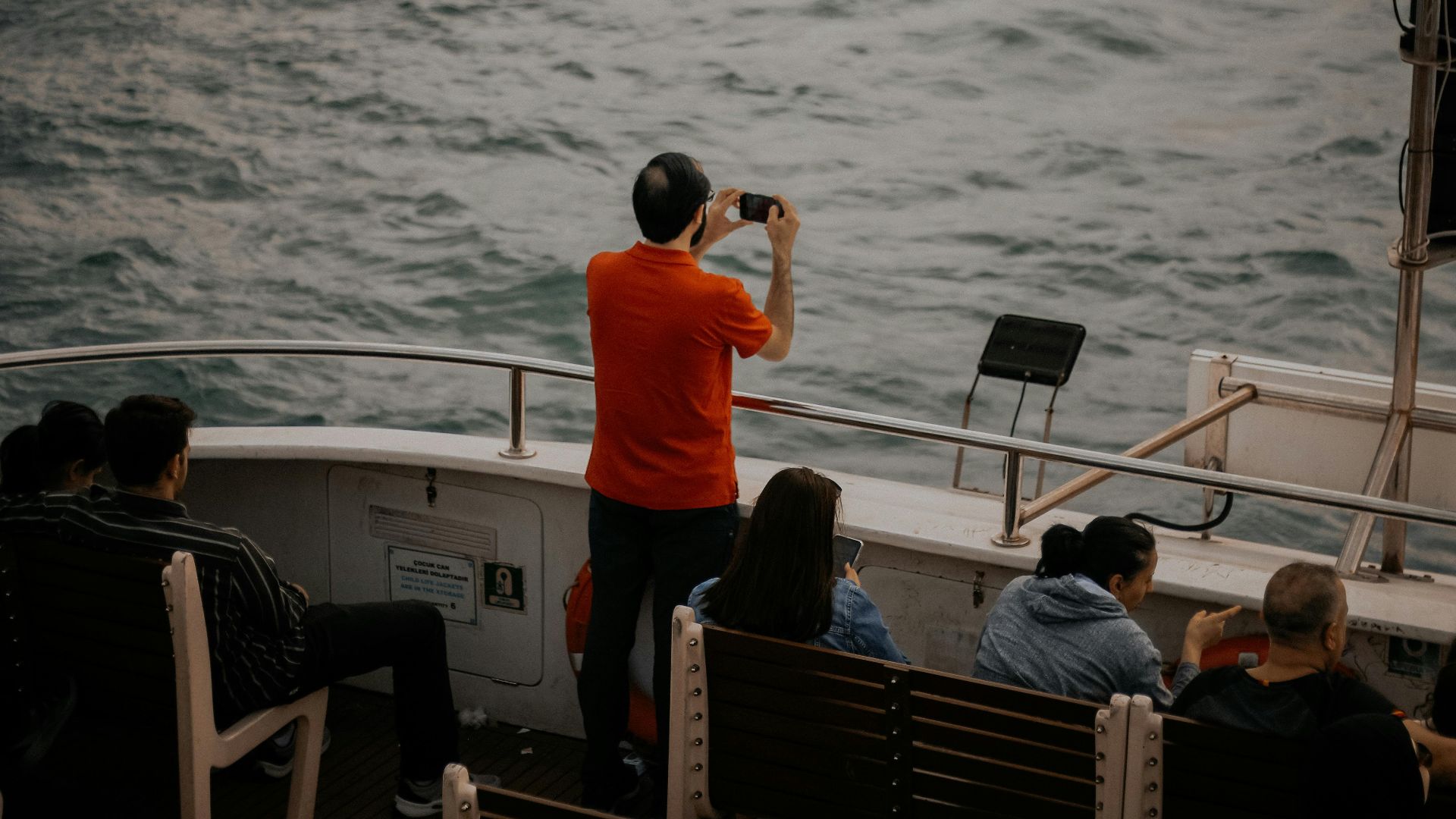
If you think the ride was unsafe, start collecting proof. Keep your ticket, booking emails, receipts, photos, videos, and any messages you sent afterward. Even a shaky phone video can help show what the ferry was doing and how passengers were reacting.
Other Passengers Can Back You Up
Were other people sick, scared, or complaining? Did someone say the ride felt unusually rough? Witnesses can be very helpful. One passenger saying “that was terrifying” is one thing. Ten passengers saying it starts to sound less like a sensitive stomach and more like a problem.

Check The Weather That Day
The ferry company may say the ride was rough because of the weather, not the captain. That is why weather reports, marine forecasts, and local advisories matter. If conditions were bad and the crew failed to adjust, that could support your complaint.

Speak Up Sooner Rather Than Later
If you complained during the ride or right after, that can help. Maybe you told a crew member the speed felt unsafe. Maybe you emailed customer service from the dock while still looking slightly green. Those details can create a useful timeline.

Ask For The Incident Report
Some ferry companies write incident reports when passengers are hurt or when safety complaints come in. Ask if one was made and whether you can get a copy. Even if they do not hand it over, your request shows you took the situation seriously.

Read The Fine Print
Your ferry ticket may have terms and conditions hiding in the background. These can include deadlines, liability limits, refund rules, and where legal claims must be filed. Fine print is not exactly beach reading, but it can matter a lot.

Waivers Do Not Cover Everything
A company may point to a waiver and act like the conversation is over. Not always. Waivers can protect companies from ordinary risks, but they may not protect them from serious carelessness. Whether a waiver applies depends on the wording and the law where the ferry operated.

Medical Records Help Your Story
If your symptoms were severe, it helps to have medical documentation. A doctor’s note can show how badly you were affected and when it happened. Without that, the company may argue you were uncomfortable for a bit and then perfectly fine.

Put A Dollar Amount On The Damage
Courts usually look for actual losses. Medical bills, missed tours, extra hotel costs, lost wages, or ruined prepaid plans are easier to prove than “my afternoon was horrible.” Your feelings are real, but legal claims usually need numbers attached.

Small Claims Court Could Be An Option
If your losses are not huge, small claims court may be more practical than hiring a lawyer for a full lawsuit. It is usually simpler and cheaper. Still, you will need evidence, not just a dramatic retelling of your battle with the ferry bathroom.

A Refund May Be The Better First Move
Before jumping straight to court, try asking for a refund or credit. A clear, polite complaint with specific details can sometimes work surprisingly well. Companies may prefer fixing the problem quietly instead of having the story turn into a one-star travel saga.

Be Careful With Reviews
A review can get attention, but keep it factual. Say what happened, when it happened, and why you felt unsafe. Avoid wild insults, even if you are tempted. “The ferry took sharp turns in rough water” is more useful than “the captain was a sea goblin.”

Do Not Miss The Deadline
Legal deadlines vary depending on where the ferry operated and what kind of claim you might have. Some passenger or maritime claims can have shorter deadlines than people expect. If you were seriously hurt or lost real money, do not wait too long to ask for advice.

Maritime Law Can Get Weird
Once boats are involved, the law can get a little strange. Depending on the trip, your case might involve maritime law, local safety rules, consumer protection laws, or contract terms from your ticket. That is why a local lawyer may be useful.

When Calling A Lawyer Makes Sense
It may be worth speaking to a lawyer if you were injured, needed medical care, lost significant money, or have strong evidence the captain acted recklessly. A lawyer can tell you whether the case is actually worth pursuing or just emotionally satisfying to imagine.

When Suing Probably Is Not Worth It
If you felt seasick, recovered quickly, and had no major expenses, suing may be more trouble than it is worth. You can still complain, request compensation, and warn other travelers. But a courtroom may be a lot of effort for one miserable ride.

Make Your Complaint Clear
Write down the details while they are fresh. Include the date, time, route, weather, what the ferry did, what crew members said, and how you were affected. A calm timeline usually sounds more credible than an angry message written while still tasting salt air.

So, Can You Sue?
Yes, you can usually try. But winning is the real question. You would need to show the ferry company did something wrong and that the captain’s conduct caused real harm. Seasickness alone is a weak case. Seasickness plus reckless operation and proof is much stronger.

The Bottom Line Before You Abandon Ship
A terrible ferry ride can ruin your day, your outfit, and your faith in boats. But the law usually needs more than nausea. Start with evidence, ask for a refund, document your losses, and talk to a lawyer if the captain’s “bad driving” caused serious harm.

You May Also Like: