The Airport Problem Parents Hate
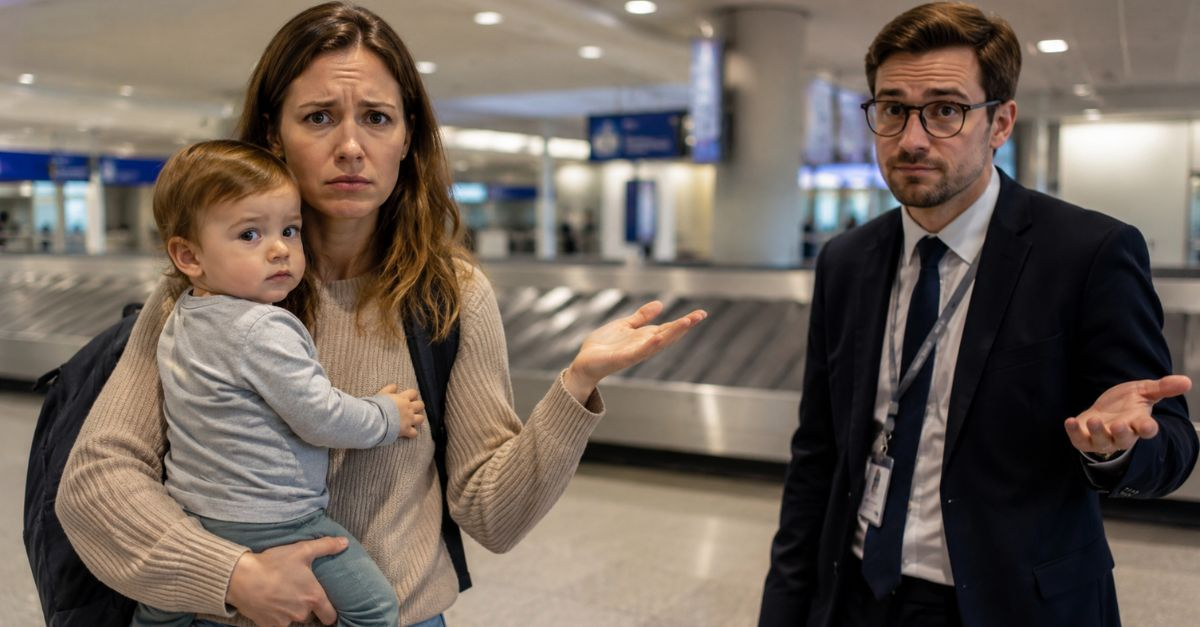
You're already exhausted from travelling with your little one, but it can get even worse. You land, head to baggage claim, and your stroller is missing. Then an airline employee tells you to just buy a cheap replacement for your trip and deal with it later. For parents traveling with babies or toddlers, that can feel absurd, but is there anything you can do about it?
The Short Answer
No, there is no U.S. rule that lets airlines brush off a lost stroller by telling you to buy the cheapest one you can find. In the United States, strollers and car seats have special baggage-fee protection under federal law, and if they are lost, damaged, or delayed, normal airline liability rules still apply. That does not mean the airline has to buy you a brand-new luxury stroller on the spot. It does mean you have rights.

Why This Hits So Hard
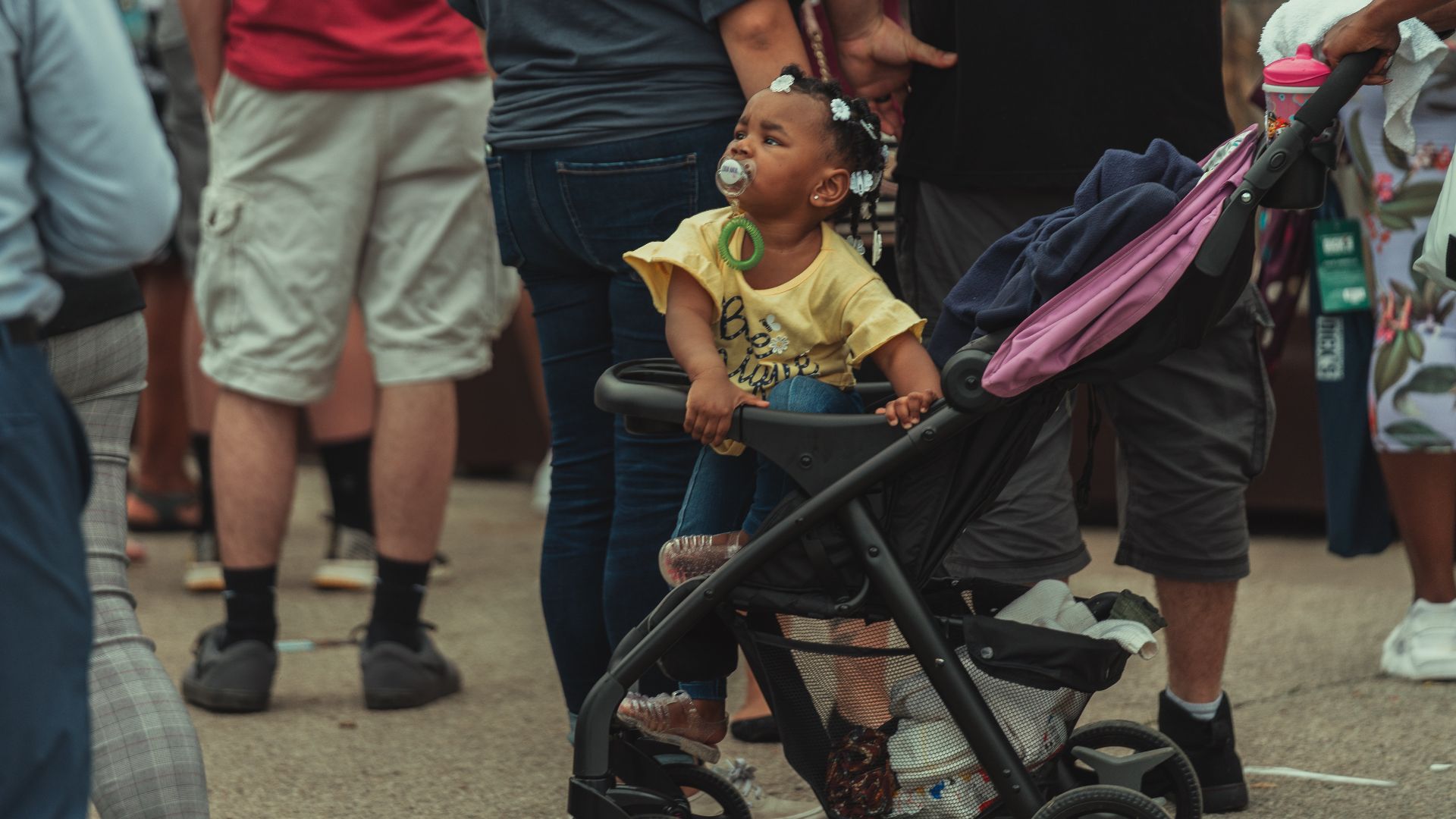
A stroller is not just another bag. For a lot of families, it is how you get through the airport, around a city, or across a vacation. If it disappears after a flight, the trouble starts right away, especially when you are carrying bags and managing a tired child.

What Federal Rules Say About Strollers
The U.S. Department of Transportation says airlines must accept a child’s stroller and a child restraint system, on top of the passenger’s baggage allowance, without charging a fee. That rule appears in 14 CFR 399.87. The rule is about fees, but it matters here too because it shows that strollers are a protected type of item airlines are expected to handle.
Lost Does Not Mean The Airline Is Off The Hook
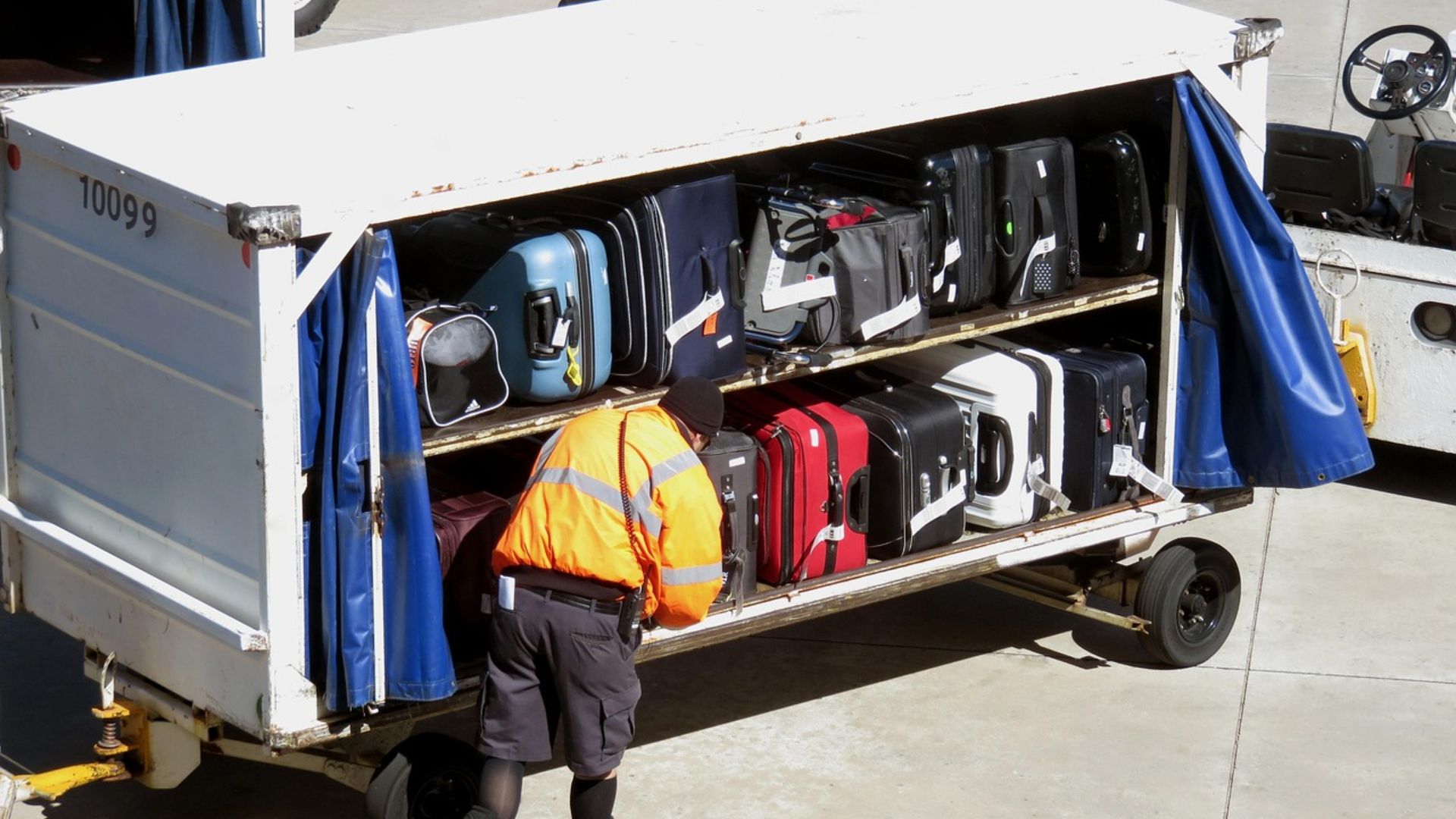
If a stroller is checked and then lost, delayed, or damaged, the airline does not get a free pass because it was gate-checked or because it was baby gear. For domestic U.S. flights, airlines are generally liable up to the maximum amount set by the Department of Transportation for lost, delayed, or damaged baggage. Under current DOT guidance, that limit is $4,700 per passenger on domestic flights.
Where That Liability Limit Comes From
The Department of Transportation updates the maximum baggage liability amount for domestic flights from time to time to keep up with inflation. In a final rule published in the Federal Register in 2024, DOT raised the amount from $3,800 to $4,700. That number is the ceiling, not an automatic payout, but it matters when an airline tries to push a passenger toward a very low-cost replacement.

International Trips Follow Different Rules
If your trip was international, the Montreal Convention usually controls baggage claims instead of the domestic U.S. limit. Under that treaty, airlines are generally liable up to 1,519 Special Drawing Rights for baggage unless a higher declared value was accepted. The dollar amount changes with exchange rates, which is why airlines often refer to the SDR amount instead of giving a fixed U.S. number.
Can The Airline Tell You To Buy A Cheap One
An airline can suggest that you buy a temporary replacement if your stroller is delayed or missing and you need one right away. What it cannot do is make up a rule saying your reimbursement is limited to the cheapest stroller available no matter what you lost. Reimbursement is usually based on the reasonable actual loss, subject to the legal limit and the airline’s claims process.
Temporary Replacement Is Not The Same As Final Payment
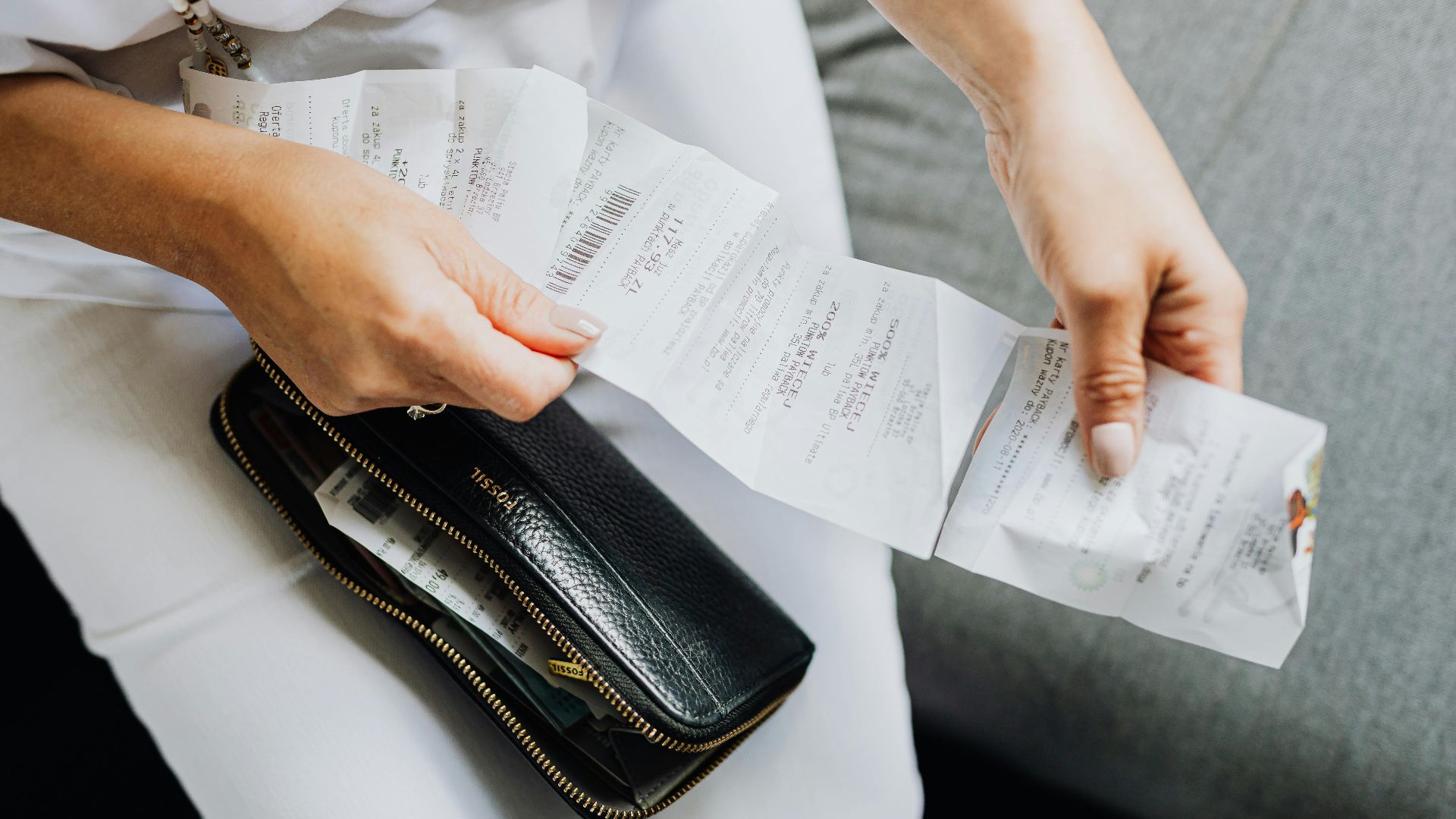
This is the key difference. In many baggage cases, travelers are expected to make reasonable purchases to deal with the immediate problem and then submit receipts. That is very different from saying the airline’s entire duty ends with the cost of a bare-bones replacement, even if the missing stroller was worth much more.
Airlines Lean Hard On The Word Reasonable
Airline contracts of carriage and claims departments often focus on whether your expense was reasonable. If you buy a basic stroller to get through the trip while your usual one is delayed, that may fit the standard. If the original stroller is later declared lost, the longer-term claim may turn on the value of the original item, depreciation, receipts, and other proof.

Southwest’s Contract Shows How This Usually Works
Southwest Airlines’ contract of carriage says it assumes liability for provable direct or consequential damages resulting from delayed delivery of domestic checked baggage, up to the applicable limits, unless the passenger failed to use ordinary care to limit damages. That matters because it points to reasonableness and mitigation, not a one-size-fits-all rule that says buy the cheapest option and move on. Other airlines use different wording, but the same basic baggage-law setup applies.

What Mitigating Damages Really Means
In plain English, mitigation means you should not pile up unnecessary costs when there is a practical fix. If you urgently need a stroller, buying one at a sensible price may actually help your claim because it shows you handled the problem responsibly. But mitigation does not mean giving up your right to seek compensation for the actual loss of the original stroller if it never comes back.
Why Gate-Checked Strollers Cause So Much Confusion
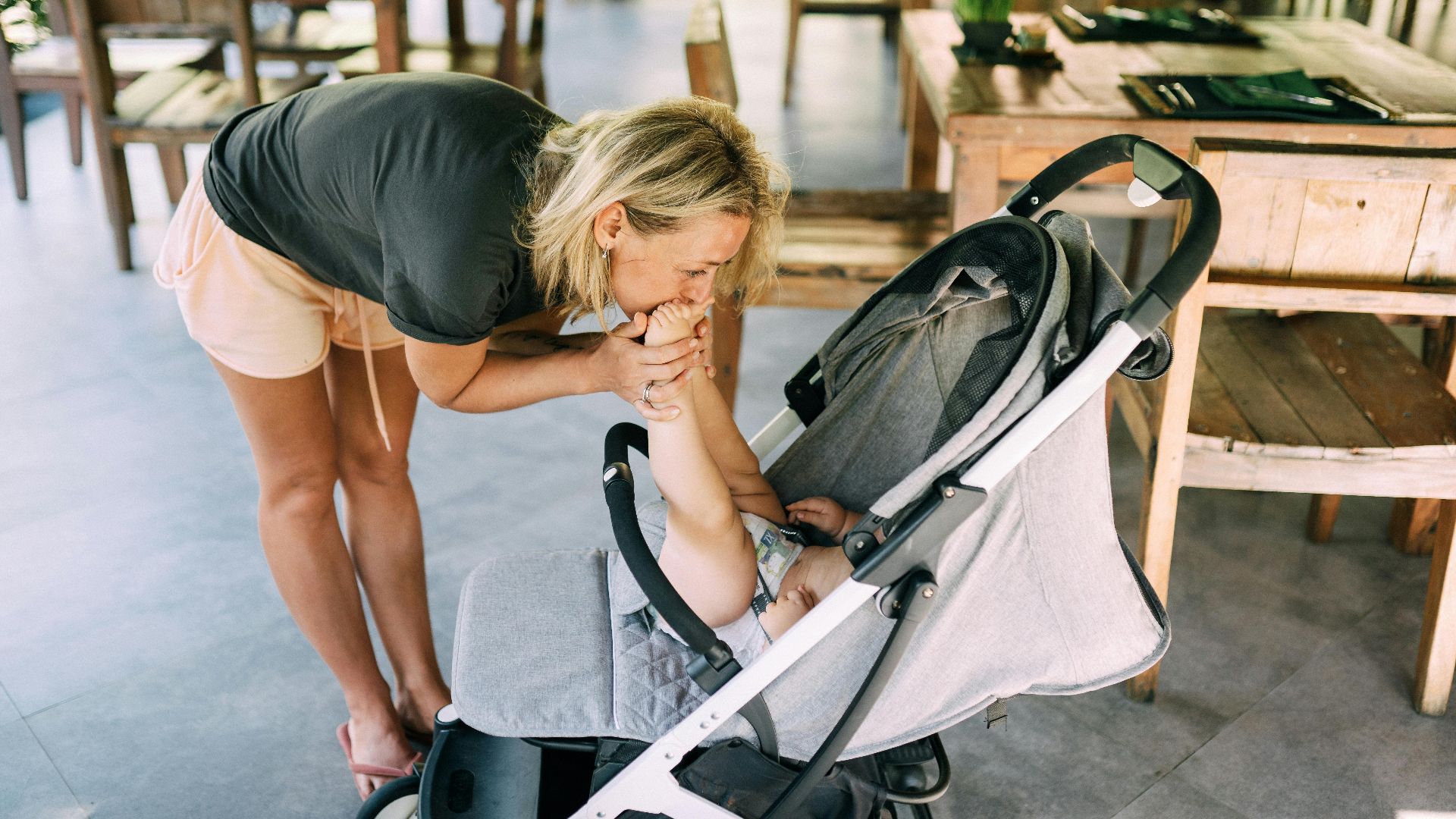
Many parents gate-check strollers and assume that means the item falls outside normal baggage rules. In practice, gate-checked items are still checked baggage for liability purposes, even though you hand them over near boarding instead of at the check-in counter. That is one reason the gate-check tag matters so much.
The Department Of Transportation Has Seen This Before
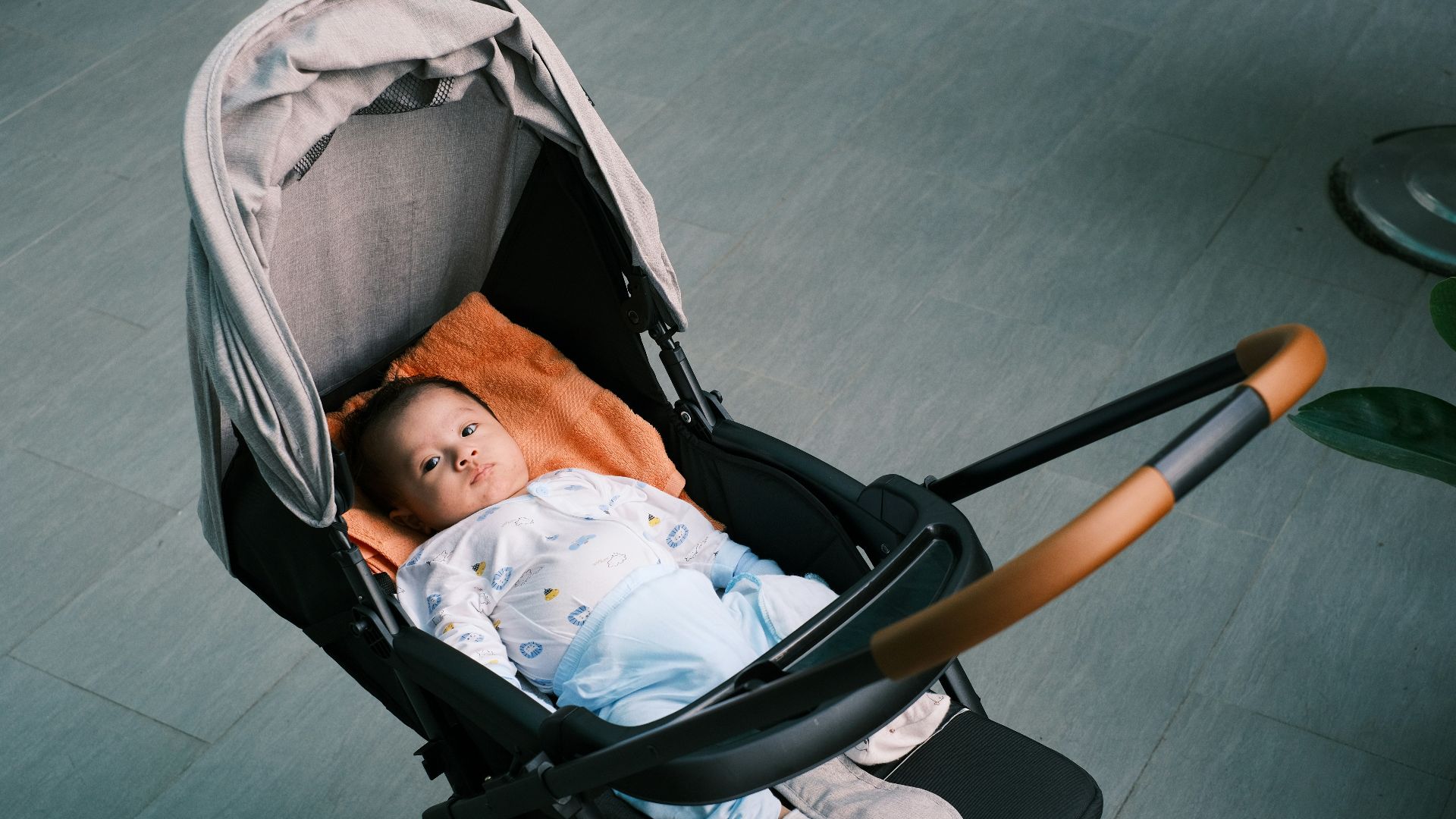
DOT’s Aviation Consumer Protection office takes baggage complaints, including those involving child-related equipment. The agency does not instantly settle every dispute, but its guidance is clear that airlines must compensate passengers for reasonable, actual, and verifiable damages up to the legal limits. That cuts against any blanket claim that a parent is only entitled to the cheapest stroller on the shelf.
Documentation Helps More Than Anything
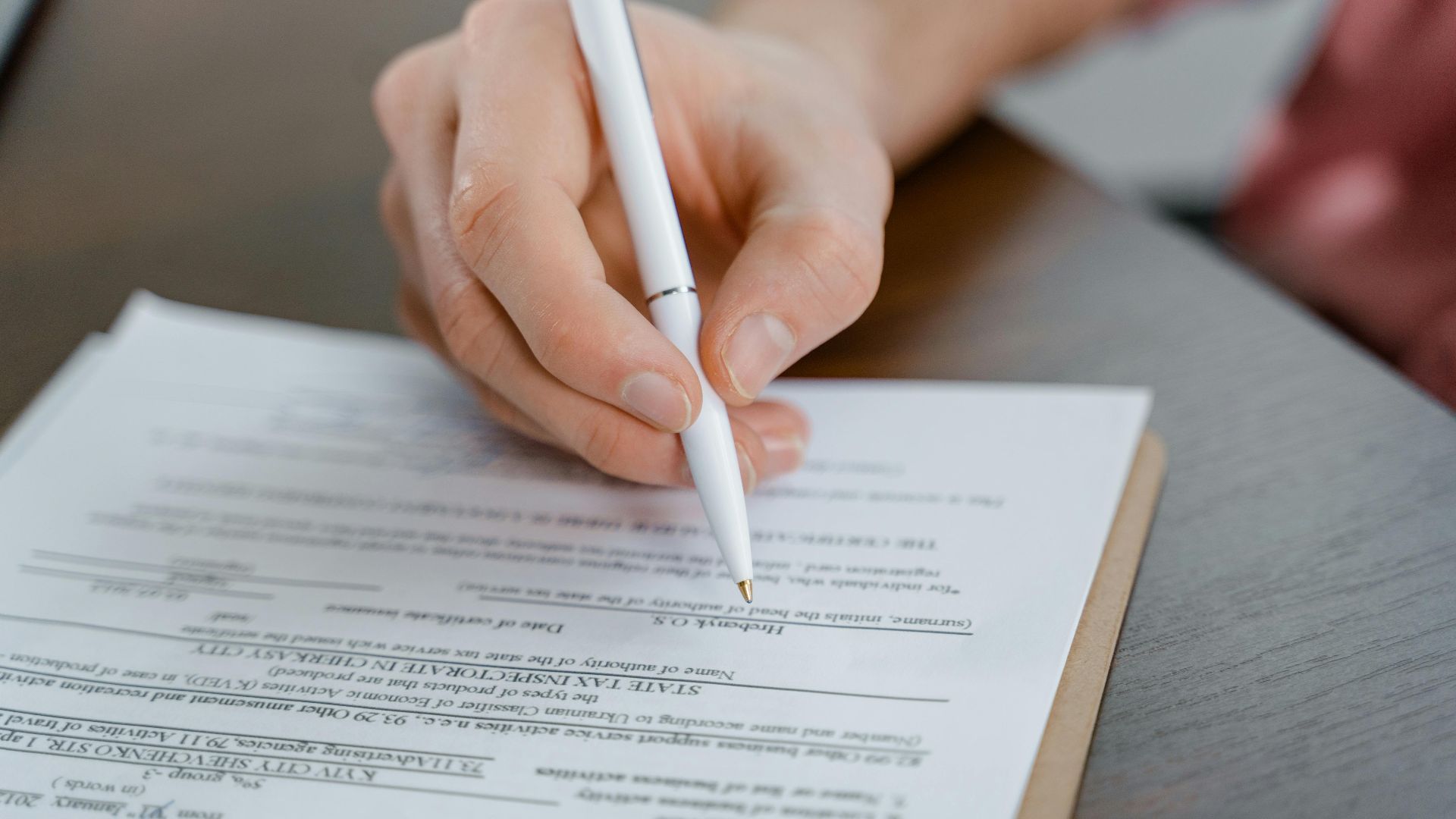
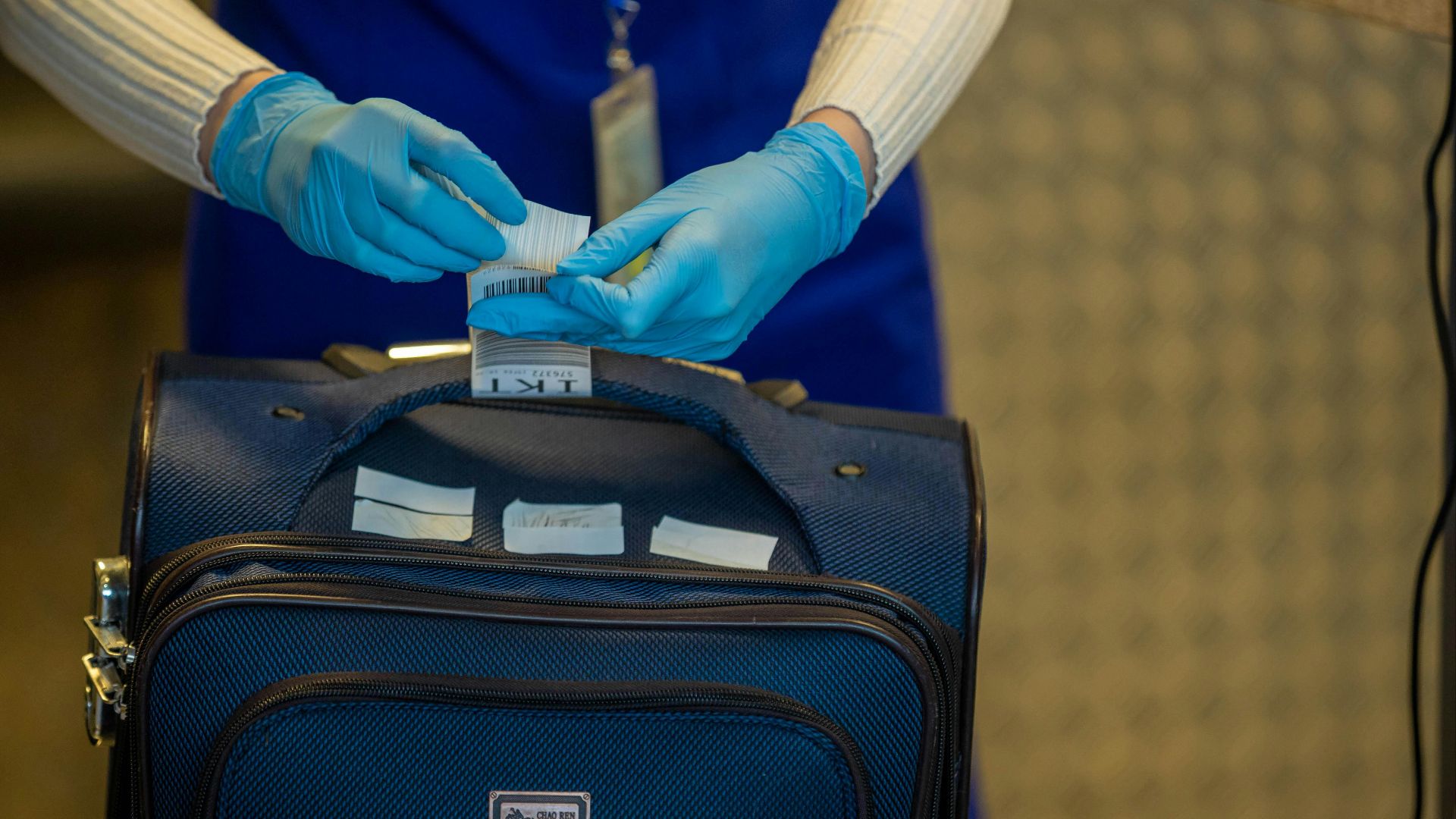
If your stroller goes missing, report it before leaving the airport if you can. Ask for a written baggage irregularity report and keep the report number, your boarding pass, bag tag, and gate-check tag. If you have photos of the stroller you traveled with, save them. Claims are much easier when you can show the exact brand, model, and condition.
Receipts Matter A Lot
Original purchase receipts are extremely helpful in a baggage claim, but they are not your only proof. Credit card statements, online order confirmations, baby registry records, and dated photos can all help show what the item was worth. If you had to buy a temporary stroller, keep that receipt too, along with any related costs that directly flowed from the loss.

Depreciation Is Often The Fight
Many airlines do not pay the full original purchase price for used items that are permanently lost. Instead, they may reduce the value based on age and condition. That can be frustrating, but it is still very different from a hard limit tied to the cheapest replacement on the market.
Claims Usually Unfold In Stages
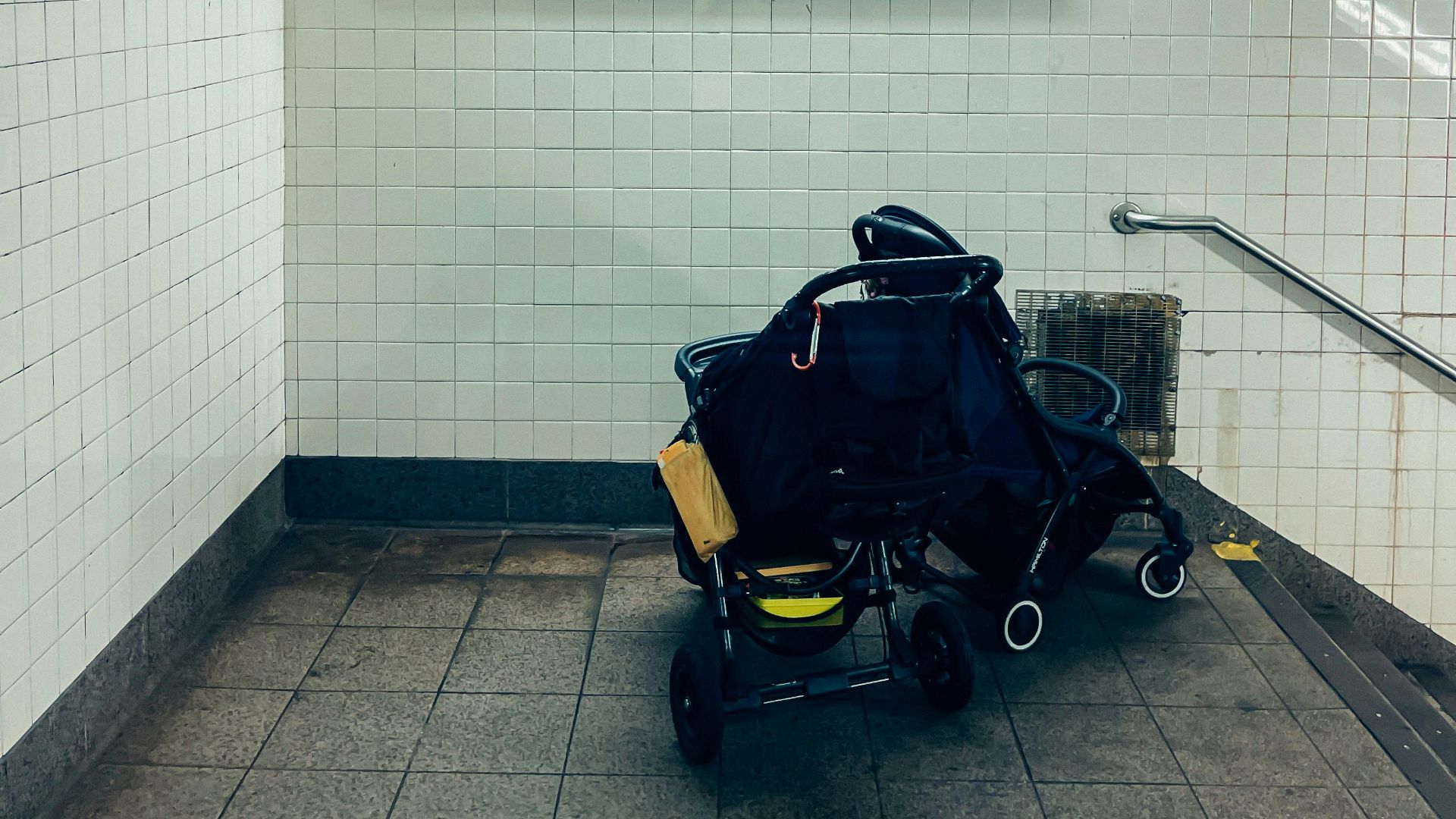
At first, the airline may treat the stroller as delayed baggage and reimburse necessary temporary purchases. Later, if the stroller is not found within the airline’s search period, the claim may shift into a permanent loss case. That is usually when value and depreciation become the main issue.
International Claims Have Tight Deadlines
For international travel under the Montreal Convention, deadlines can be surprisingly strict. Written complaints about damaged baggage generally must be made within seven days from receipt, and delayed baggage claims within 21 days from the date the baggage is placed at your disposal. Missing those deadlines can seriously hurt a claim.
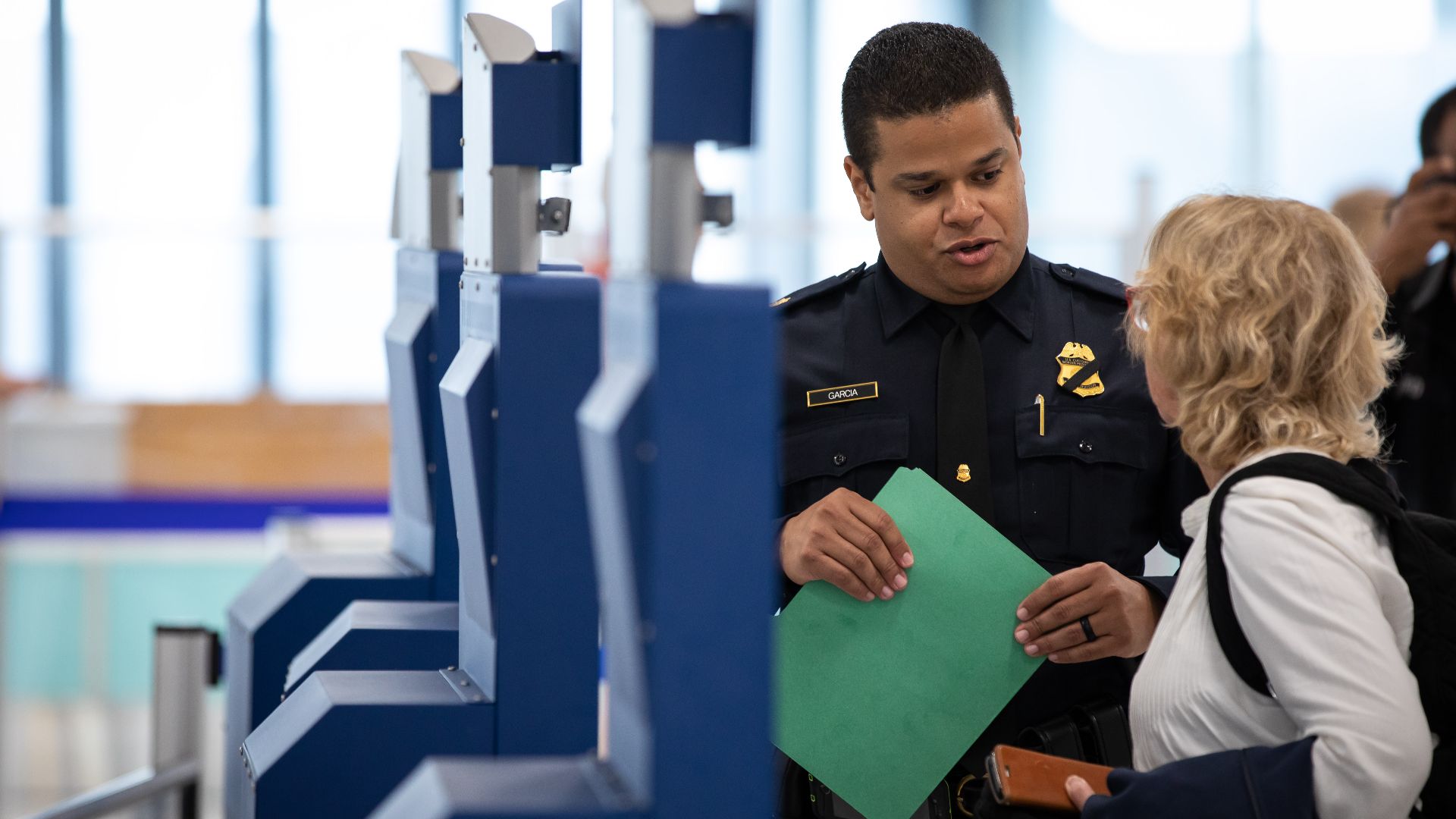
 CBP Photography, Wikimedia Commons
Domestic Claims Move Fast Too
For domestic flights, airlines set claim deadlines in their contracts of carriage. Those deadlines vary by airline, so it is smart to check the contract as soon as there is a problem. Filing at the airport and following up in writing quickly is usually the safest move.
What To Say If An Agent Gives You Bad Advice
Stay calm and ask the employee to put the advice in writing or show you the policy it comes from. Big statements often sound less certain when someone has to back them up on paper. You can also ask for a supervisor and point to the airline’s checked baggage liability rules and the DOT’s domestic baggage liability limit.
 CBP Photography, Wikimedia Commons
When A Cheap Replacement May Still Make Sense
Even if the airline explains it badly, a low-cost temporary stroller can still be the smartest move during a trip. If you go that route, make clear in your claim that it was an interim purchase because your original stroller was unavailable. That helps show you were trying to limit damages, not agreeing to a final settlement.
Credit Cards And Travel Insurance May Help
Some premium credit cards and travel insurance policies cover baggage delay, lost baggage, or damaged personal property. Coverage varies, and exclusions are common, especially for baby gear or heavily used items, so it is worth reading the benefits guide closely. These policies can help if the airline pays slowly or disputes part of the claim.

If The Stroller Was Damaged Instead Of Lost
The same basic rules apply, but the fix may be repair, replacement, or payment for lost value. The main question is whether the damage happened while the stroller was in the airline’s care. DOT has also pushed stronger protections for wheelchairs and other mobility aids, but strollers are not automatically covered by those separate repair rules.
The Fine Print Still Matters
Airlines sometimes try to limit liability for fragile, perishable, or badly packed items in checked baggage. But a stroller is a normal, predictable item that airlines regularly carry and, under federal law, must accept without a fee. That makes it hard to justify a blanket position that the airline owes almost nothing if it disappears.

A Practical Playbook For Parents
Before flying, take photos of your stroller and keep proof of purchase on your phone or in your email. At the airport, keep every tag and report any issue right away. If you need a replacement during the trip, buy something reasonable, save the receipt, and make clear in writing that you are asking for reimbursement for temporary costs and, if needed, the value of the missing original stroller.
The Bottom Line
If an airline loses your stroller, telling you to buy a cheap replacement may be practical short-term advice, but it is not the full story. Your rights depend on whether the stroller is delayed, damaged, or permanently lost, and on whether your trip was domestic or international. The biggest mistake is treating an offhand comment at the airport as the final word on what the airline owes you.