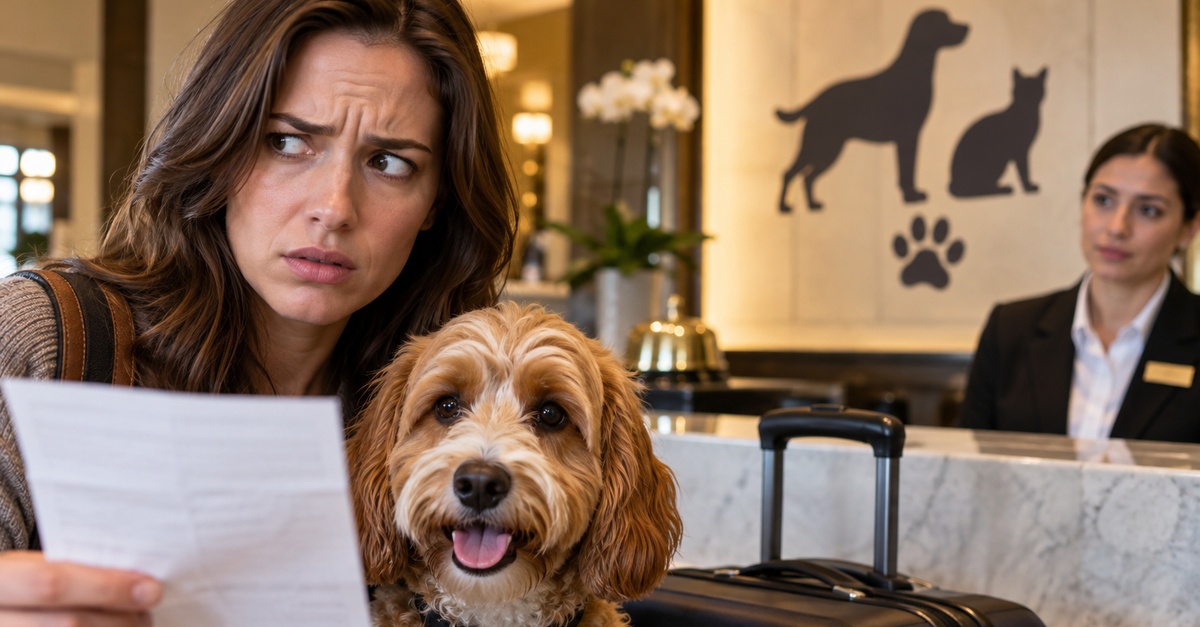
You Didn’t Even Know The Rule Existed
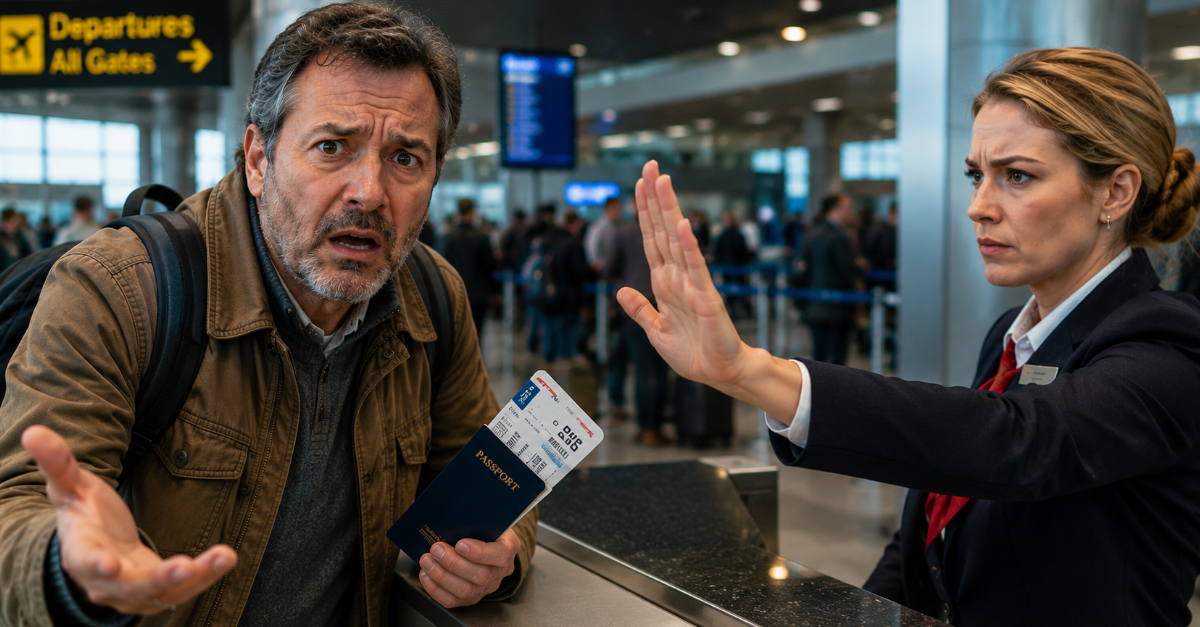
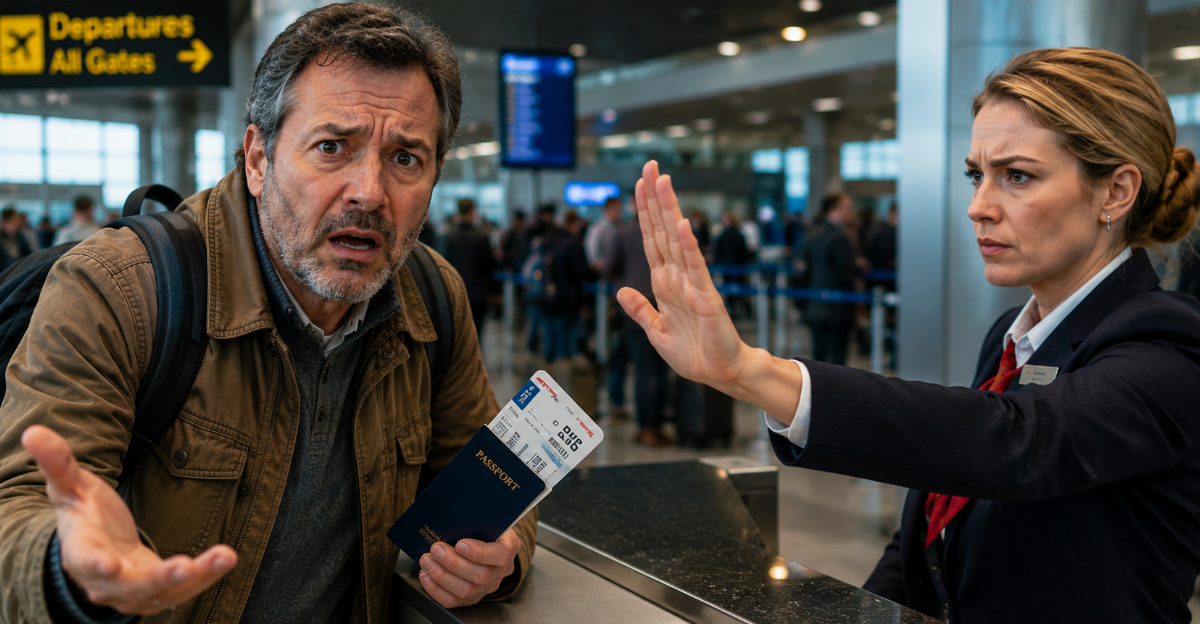
You spend months planning a trip, book the flights, reserve the hotels, pack your bags, and mentally prepare for fish and chips and rainy weather—then the airline employee at check-in casually tells you that you can’t board your flight because you’re missing a UK ETA. Worse? They also say your ticket is nonrefundable.
For a lot of travelers, this situation feels like a scam or some kind of misunderstanding. But thanks to newer travel authorization rules, it’s becoming a very real airport nightmare.
What even is a UK ETA?
The UK ETA stands for Electronic Travel Authorization. It’s basically a digital preapproval system for travelers entering the United Kingdom from certain countries. Think of it as similar to the U.S. ESTA system. You still need your passport, but now some travelers also need advance authorization tied electronically to that passport before boarding a flight.
The important part? Airlines check for it before you even get on the plane.
It’s tied directly to your passport
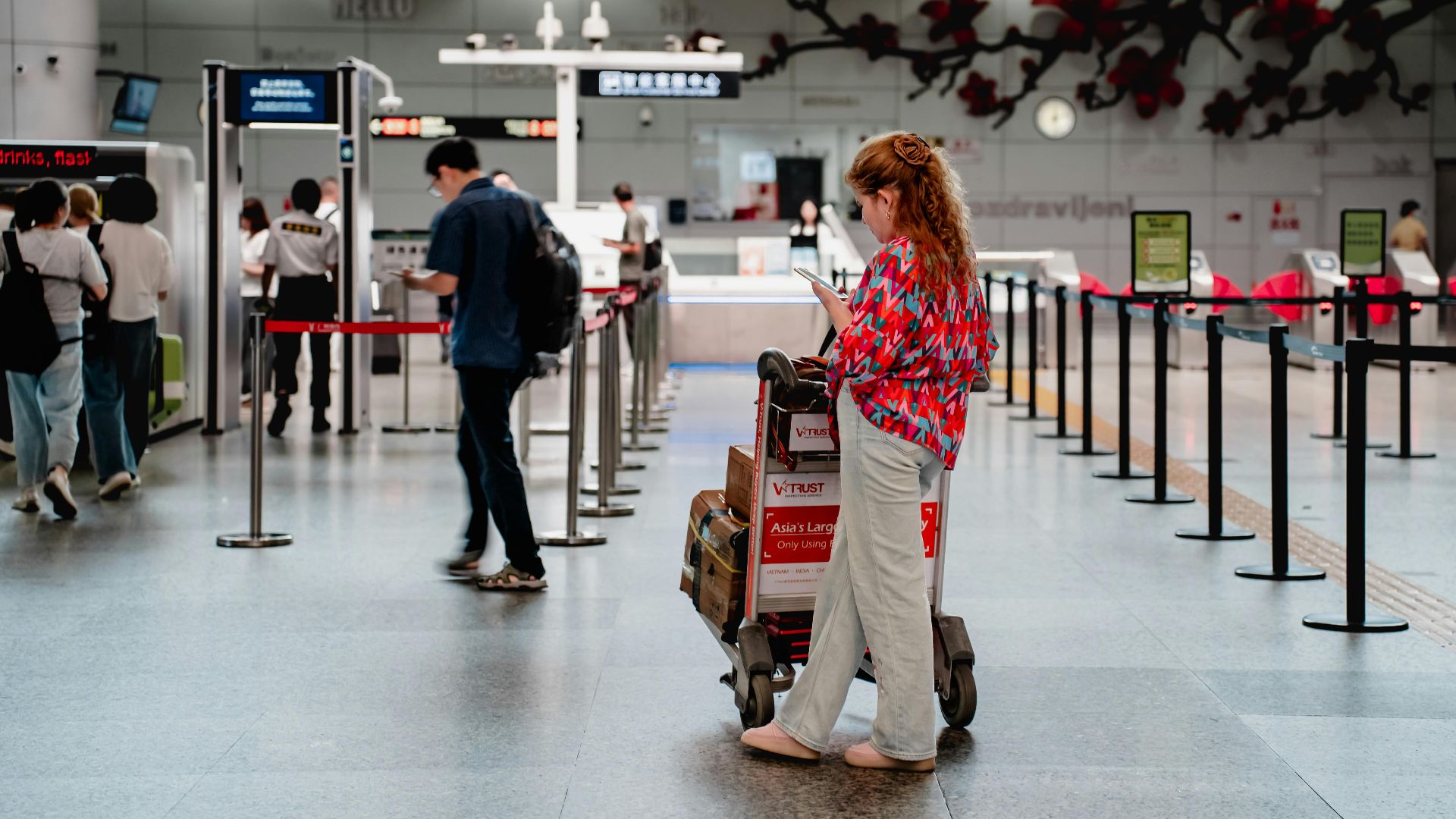
One thing that confuses travelers is that the ETA isn’t usually a paper document you print out and carry around. Once approved, it’s electronically linked to your passport.
That means airline systems can instantly see whether you have valid authorization when they scan your passport at check-in.
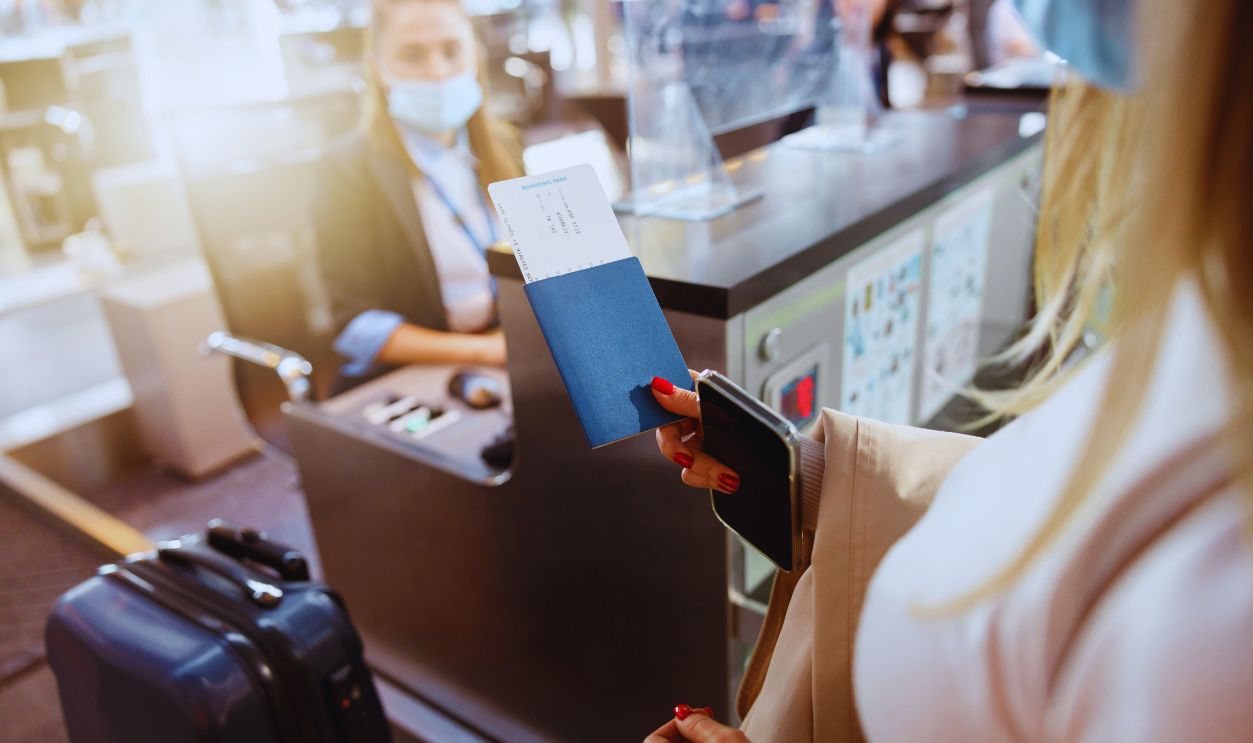
Not everyone traveling to England needs one
The UK ETA requirement depends on your nationality. Travelers from countries like the United States, Canada, and Australia now generally need one before boarding a flight to the UK, while some other travelers may still have different entry rules or need a full visa instead.
That’s part of what makes the situation so confusing. Two passengers flying to London on the exact same plane may have completely different travel requirements depending on the passport they’re carrying.

A lot of travelers don’t know this exists
One of the biggest problems with the UK ETA rollout is that many travelers have genuinely never heard of it. Plenty of people assume that if they’ve traveled to England before without a visa, they can still just show up with a passport and fly normally.
That assumption can become very expensive at the airport.
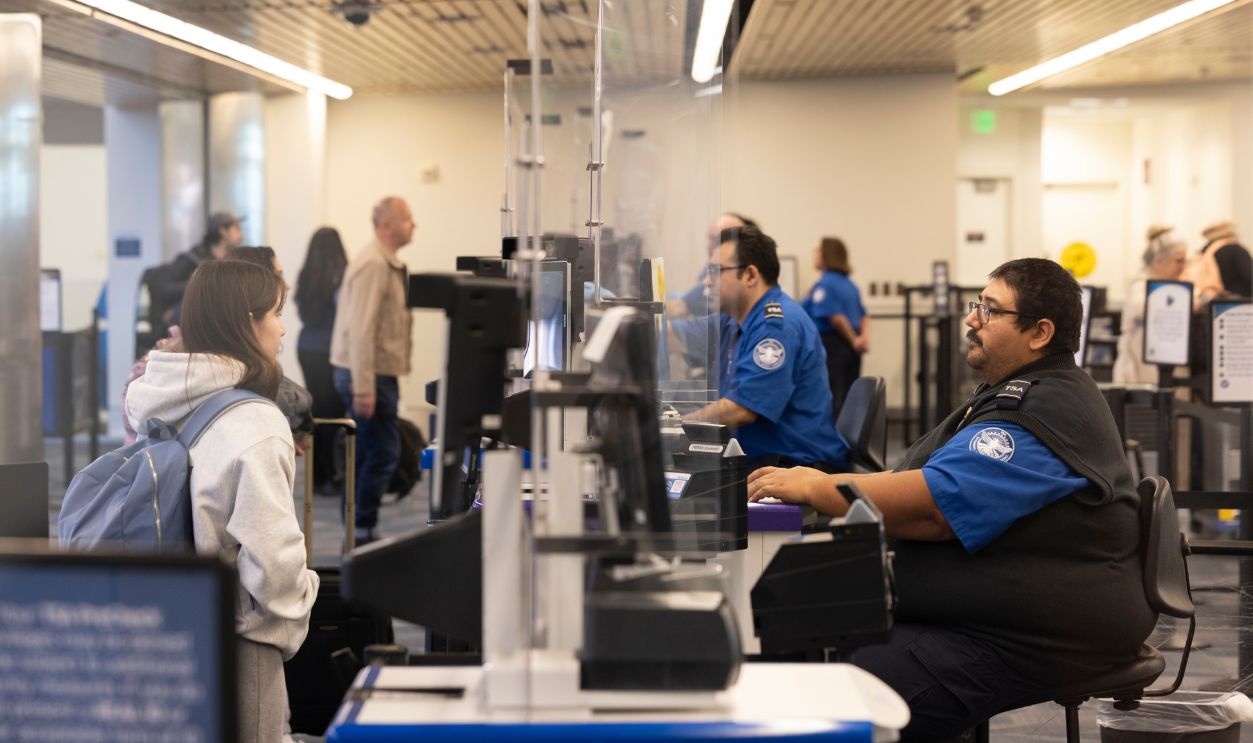
The ETA itself usually isn’t very expensive
Ironically, the authorization itself is far cheaper than the trip it can accidentally destroy. As of 2026, a UK ETA generally costs around £20 and is often valid for multiple trips over two years—or until your passport expires.
The painful part isn’t the ETA fee. It’s finding out too late that you needed one.

The airline usually checks before boarding
Airlines don’t just care about tickets and passports anymore. Before boarding international flights, they often electronically verify whether passengers meet entry requirements for the destination country.
If the system says you’re missing required authorization, agents can stop you before you even reach security. That’s why some travelers only discover the issue at check-in.
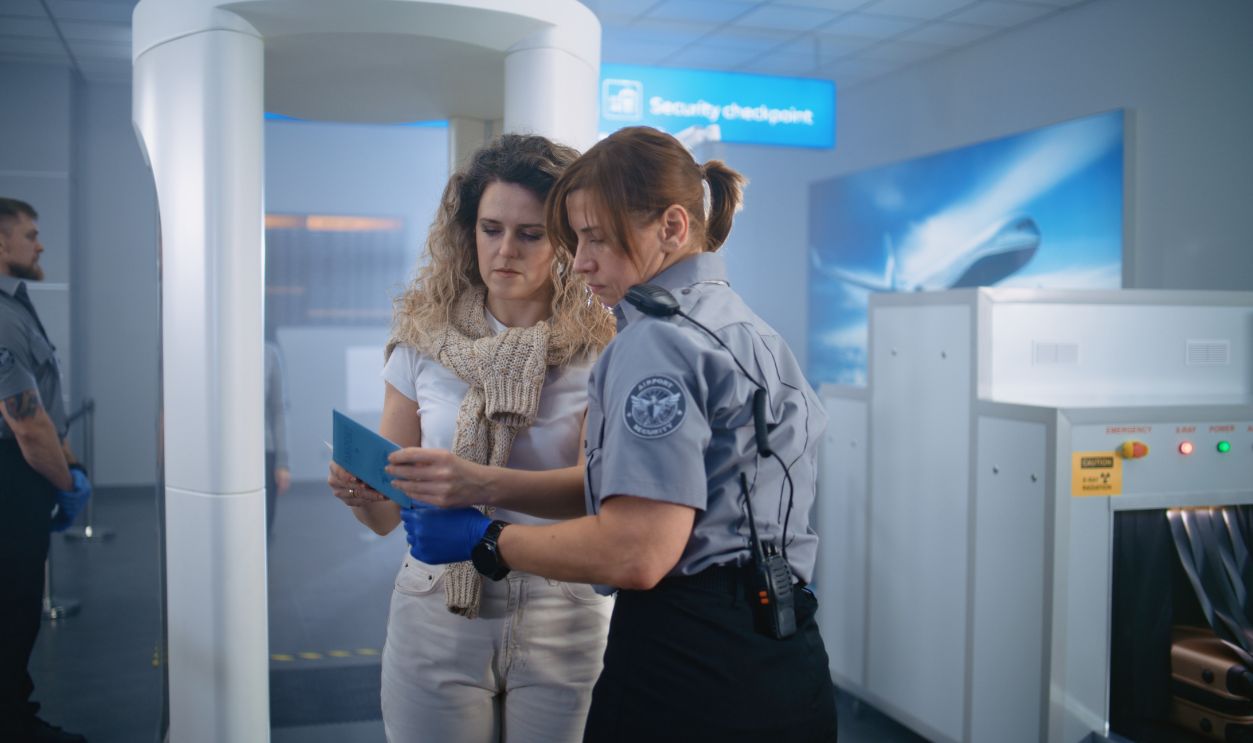 Frame Stock Footage, Shutterstock
Airlines use giant travel databases to verify passengers
Many airlines rely on international systems like Timatic and IATA travel databases to check whether passengers meet entry requirements. Airline employees usually aren’t personally deciding who flies and who doesn’t—the computer system flags missing requirements automatically.
That’s why arguing with the gate agent often goes nowhere.
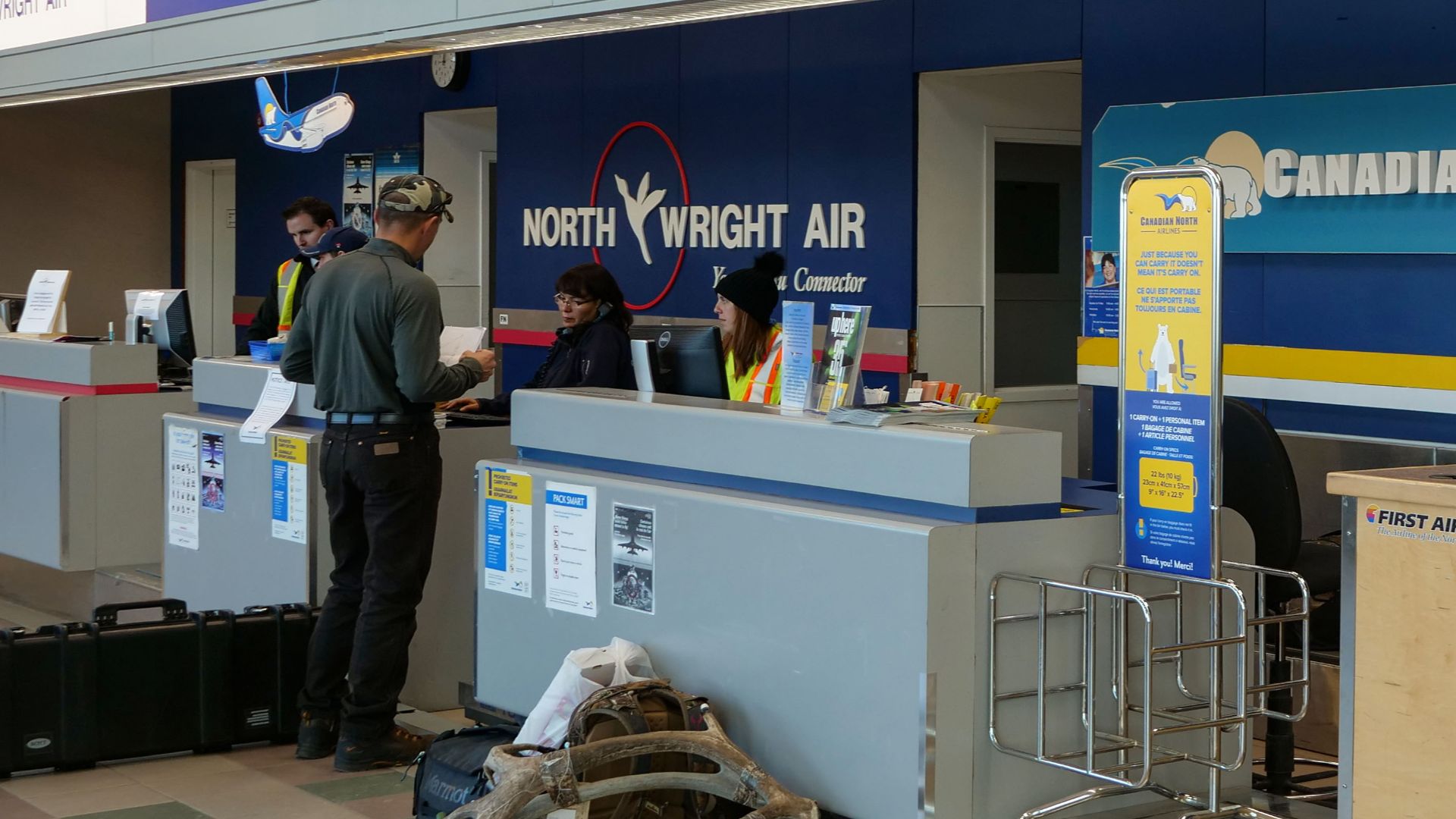 Quintin Soloviev, Wikimedia Commons
Why airlines are so strict about it
It’s not just the airline being difficult. Countries can fine airlines for transporting passengers who don’t meet entry requirements. In many cases, airlines are also responsible for flying denied travelers back home at their own expense.
So from the airline’s perspective, letting someone board without the correct approval is a huge risk.
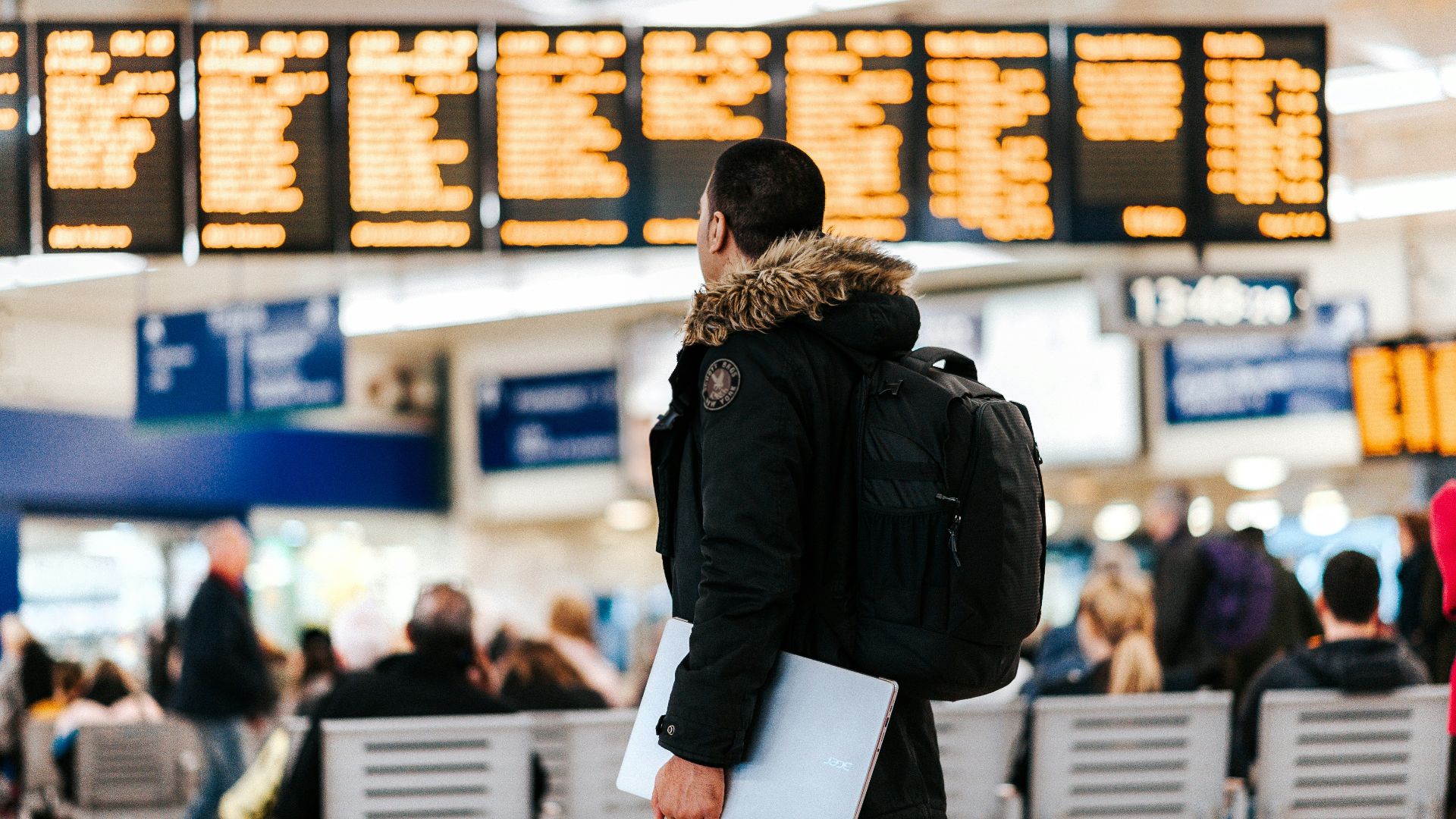
“But nobody warned me!”
This is the part that makes people furious. Travelers often argue that nobody told them about the ETA requirement while booking the ticket. And honestly, many booking sites bury travel warnings deep in fine print that almost nobody reads.
Unfortunately, airlines and governments usually place the responsibility on the passenger to know the rules before traveling.

The timing makes it even worse
Many travelers don’t discover the missing ETA weeks before departure. They find out while standing at the airport with luggage already checked and vacation plans fully booked.
That’s when the panic starts. Suddenly people are trying to apply for authorization on their phones while airport staff are announcing final boarding calls.
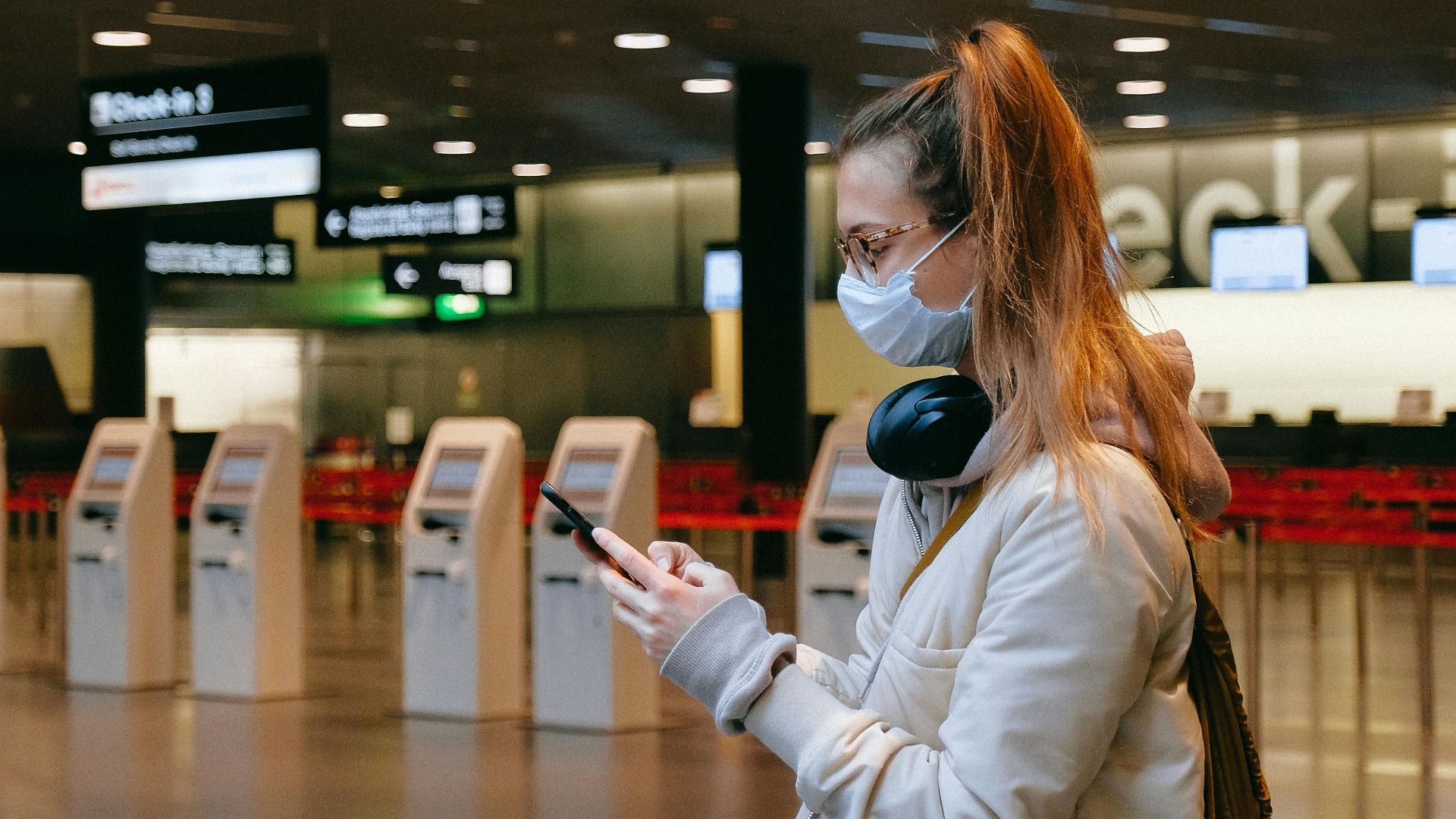
Sometimes the ETA can be approved quickly
In some cases, travelers can apply online and receive approval surprisingly fast. Some approvals arrive within minutes or hours. But there’s no guarantee, and delays absolutely happen.
That uncertainty becomes terrifying when your plane leaves in 45 minutes.
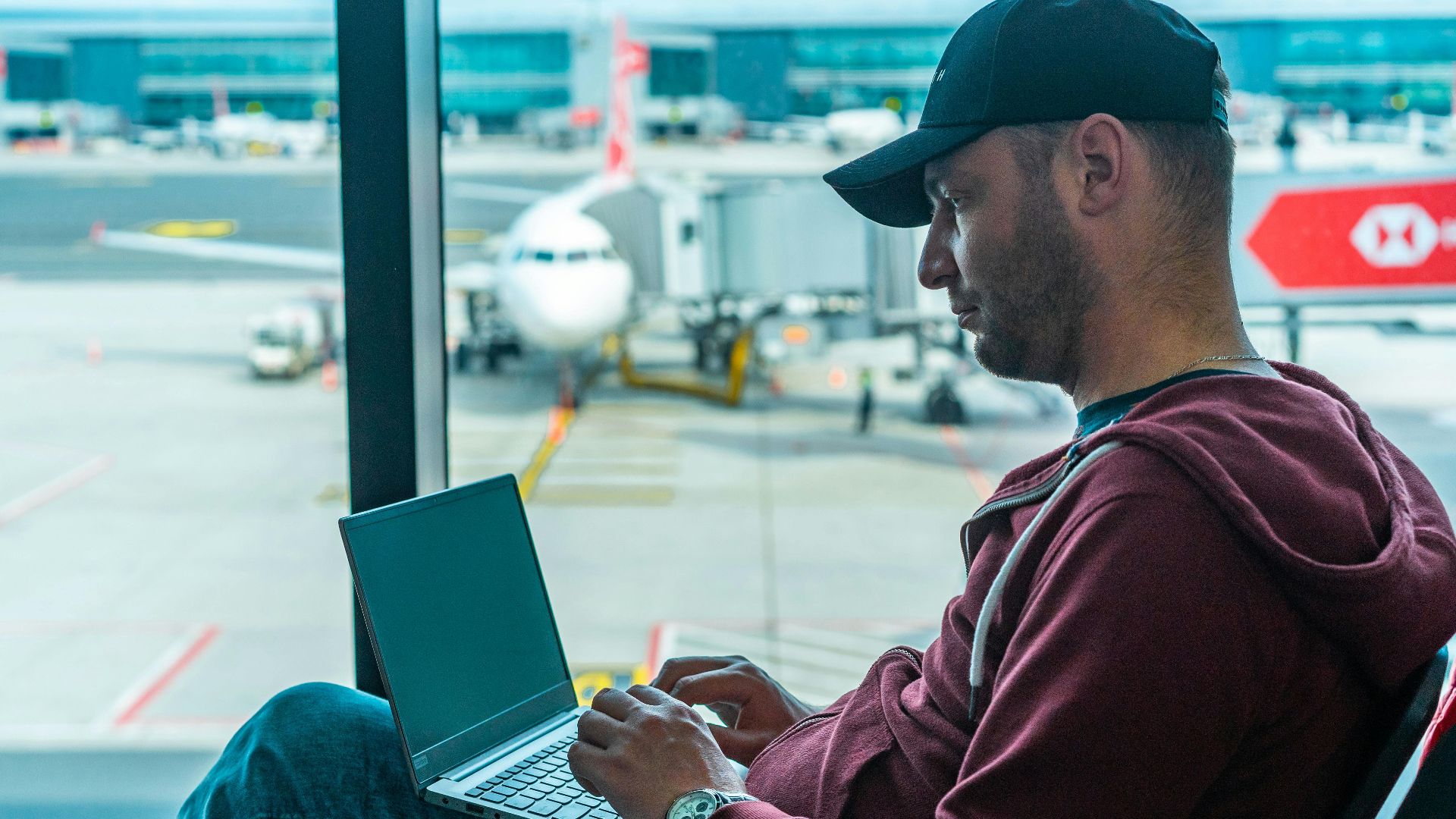
Some travelers actually save the trip at the airport
There are stories online from travelers who applied for the ETA while standing at check-in and somehow received approval before boarding closed. It does happen.
But relying on a last-second approval is basically gambling with your vacation.
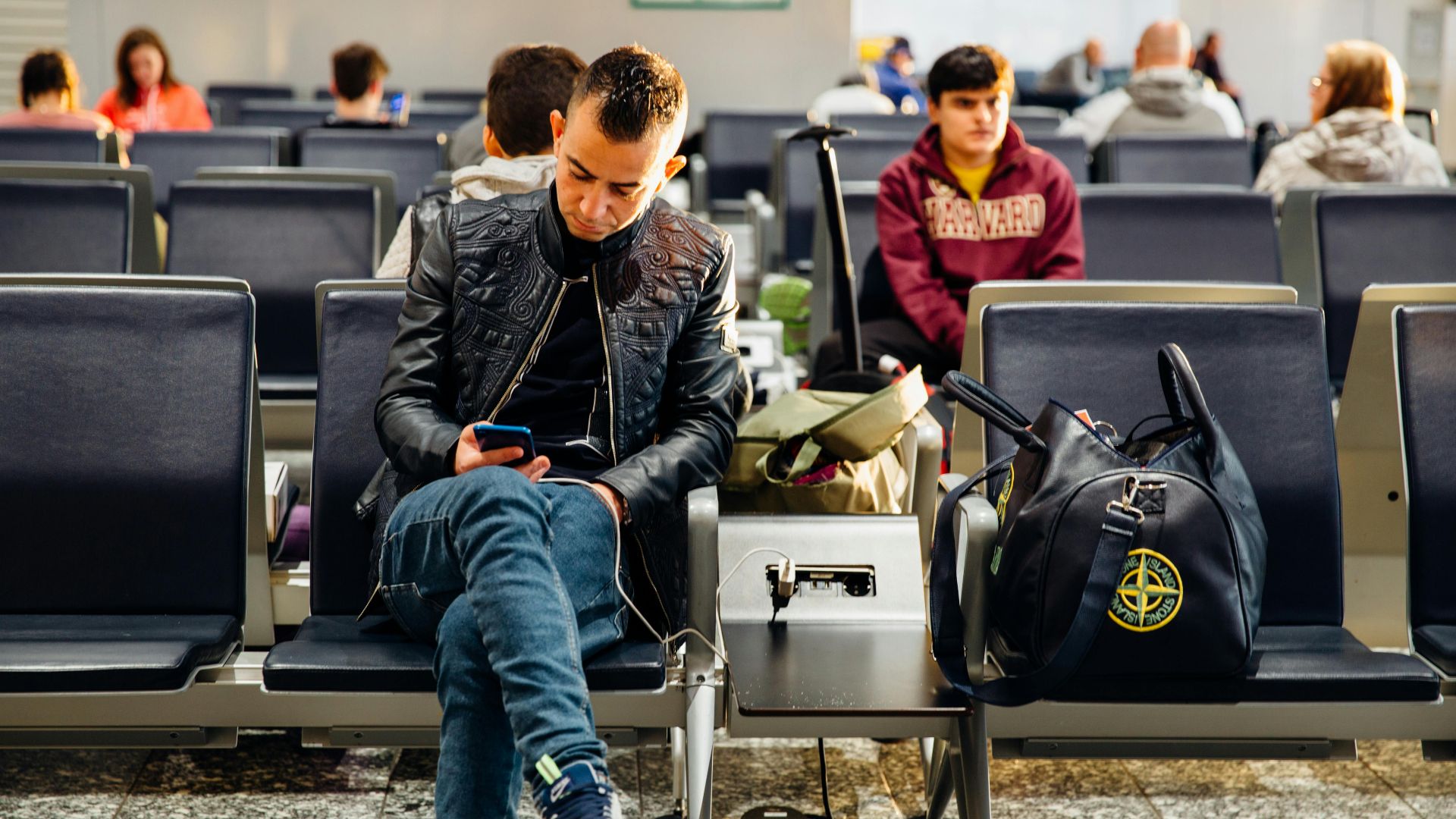
A financial domino effect
The flight itself might only be the beginning of the losses. Travelers can also lose hotel reservations, tours, train tickets, cruises, event passes, and connecting flights.
Some travelers report losing thousands of dollars after missing just one international flight over missing travel authorization.

Nonrefundable tickets make the situation brutal
Budget airlines and basic economy fares are especially unforgiving. Many tickets are clearly labeled nonrefundable, which means the airline may legally keep the money even if you never boarded.
That’s the part that makes travelers feel completely helpless.

Can the airline legally deny boarding?
In most cases, yes. Airlines generally have the legal right to deny boarding if a passenger lacks required travel documentation or authorization for the destination country.
From a legal standpoint, the airline usually argues that the passenger failed to meet entry requirements—not that the airline canceled the trip.
 Frame Stock Footage, Shutterstock
Missing an ETA treated differently from a canceled flight
A lot of travelers assume they’re automatically owed compensation if they can’t board. But airlines usually classify missing travel authorization as a passenger documentation problem rather than an airline-caused cancellation.
That distinction is a huge reason refunds and compensation claims often get denied.
But that doesn’t mean the situation feels fair
A lot of travelers feel blindsided because the ETA system still feels new and unfamiliar. Some people booked trips months before hearing anything about updated requirements.
Being told “you should’ve known” at the airport counter is not exactly comforting when you’re watching your vacation collapse in real time.
 Monkey Business Images, Shuttestock
Travel insurance might help…but not always
Some travel insurance policies may cover interruptions or unexpected travel issues, but many specifically exclude problems caused by missing travel documents or entry requirements.
Translation: don’t assume insurance automatically saves the day.

Airlines usually point travelers toward government rules
When angry passengers demand refunds, airlines often respond by saying they are simply enforcing UK government entry requirements. The carrier may claim its hands are tied.
That explanation rarely makes travelers feel better after losing hundreds or thousands of dollars.
 Frame Stock Footage, Shutterstock
Social media is full of horror stories
Travel forums and TikTok videos are now packed with people sharing stories about discovering ETA requirements at the last second. Some were able to fix the issue in time. Others missed weddings, vacations, and family trips.
Nothing raises your blood pressure faster than hearing “you can’t board” five minutes before your dream trip.

England isn’t the only country using systems like this
Electronic travel authorization systems are becoming more common around the world. The U.S., Canada, Australia, and other countries already use similar systems for certain travelers.
That means airport surprises like this may become more common unless travelers double-check requirements before flying.

Booking through third-party sites can make confusion worse
People who book flights through discount travel websites sometimes miss important travel requirement notifications completely. Important alerts can end up buried inside confirmation emails or tiny links nobody clicks.
Then the airport becomes the world’s worst place to discover international travel rules.

The airline employee usually has no flexibility
Even if the staff member feels bad for you, they often can’t override the system. If the computer flags missing authorization, the employee may have no ability to print a boarding pass.
That’s why these situations can feel so cold and robotic.
Some travelers think it’s a scam at first
Because the ETA process is online and involves fees, some passengers initially assume the warning is fake or a phishing attempt. Unfortunately, waiting too long to verify the requirement can create an even bigger disaster later.
Modern travel now involves way more digital paperwork than people expect.

Check requirements weeks in advance
Experts recommend checking official government travel rules before any international trip, even if you’ve visited the same country before. Entry requirements can change surprisingly fast.
A five-minute search before traveling can prevent a complete airport meltdown later.

A few small checks can save your entire trip
Travel experts usually recommend:
• Checking official government travel websites before booking
• Verifying requirements directly with the airline
• Applying for ETA approval several days before departure
• Double-checking passport expiration dates
• Avoiding last-minute airport surprises
None of that sounds exciting, but it’s a lot better than losing an entire vacation at the check-in counter.
 Rafael Alexandrino de Mattos, Pexels
Feels unbelievably harsh
For travelers caught off guard, the whole experience feels surreal. One missing digital authorization can instantly destroy months of planning and wipe out huge amounts of money.
Legally, airlines often can deny boarding in these situations. Emotionally? Most travelers still walk away thinking the system feels incredibly unforgiving.

You Might Also Like:
New fossil discovery has scientists completely reversing their beliefs about Neanderthals' noses