Scientists Thought This Was Settled
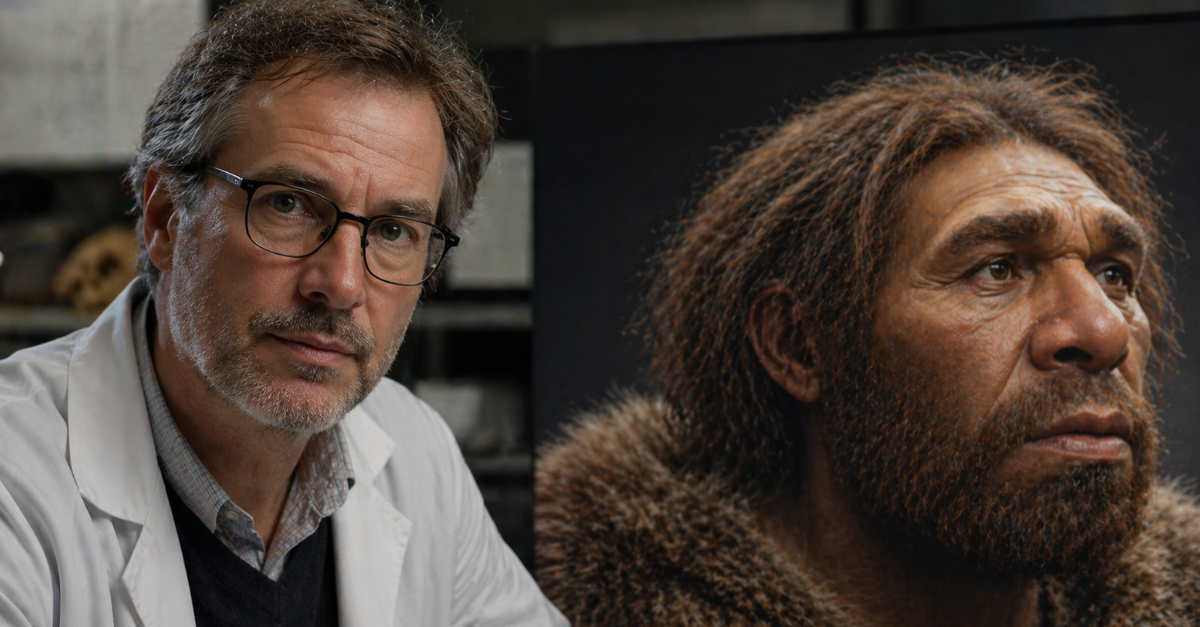
For years, scientists believed they had Neanderthals figured out—especially their most recognizable feature: those large noses. The explanation felt simple, logical, and widely accepted. But a new fossil discovery is now forcing researchers to revisit that assumption in a big way.
The Classic Explanation Everyone Learned
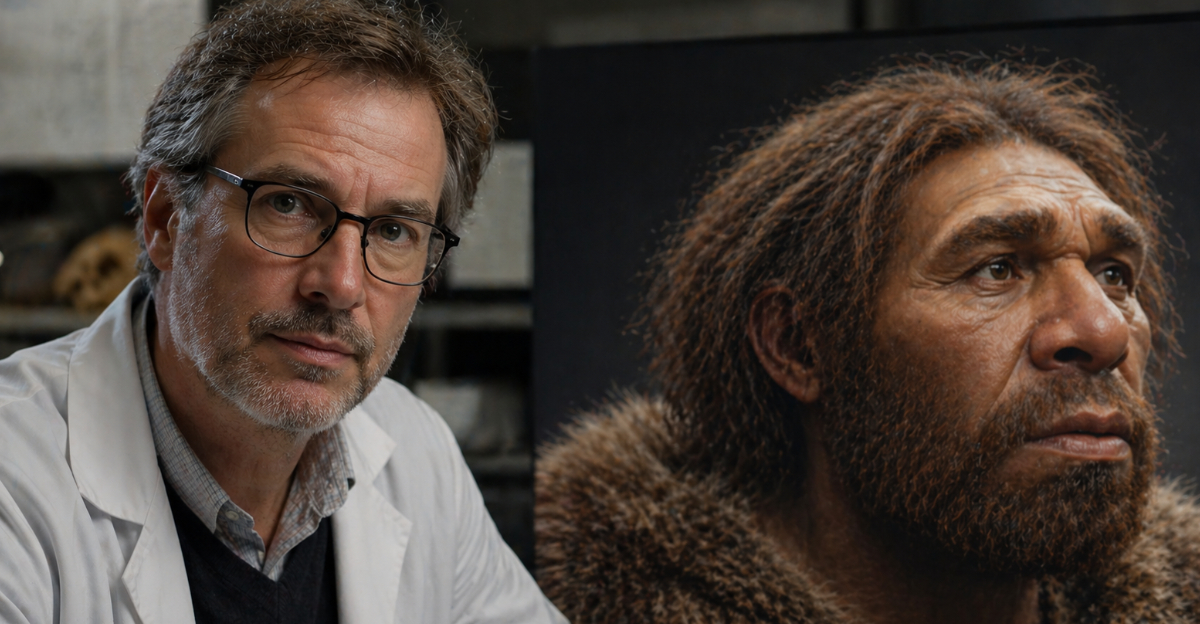
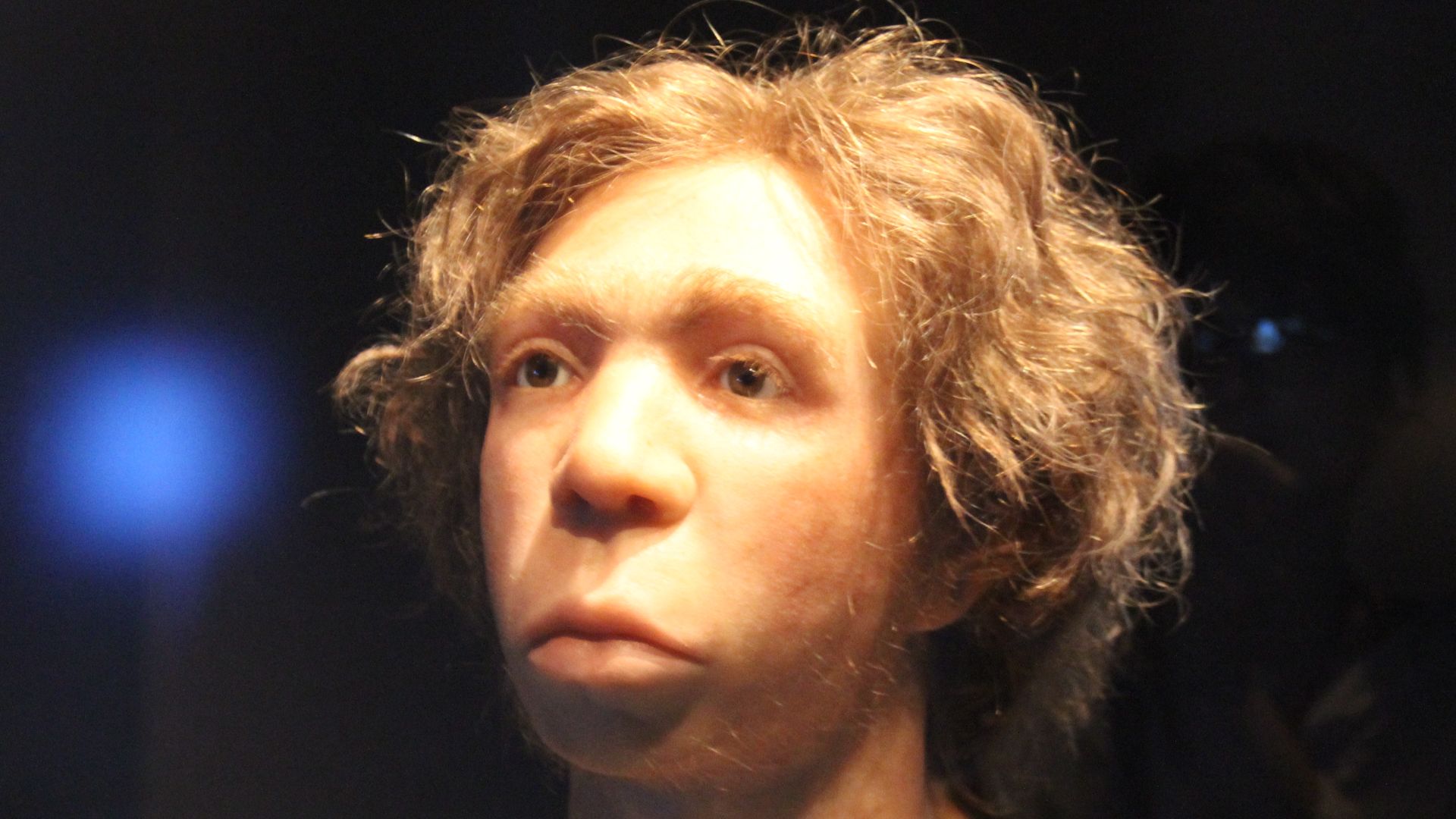
The long-standing theory was that Neanderthals evolved large noses to survive cold, dry climates. Their wide nasal passages were thought to warm and humidify icy air before it reached the lungs, making Ice Age conditions easier to handle.
 Neanderthal-Museum, Mettmann, Wikimedia Commons
It Became The Default Answer
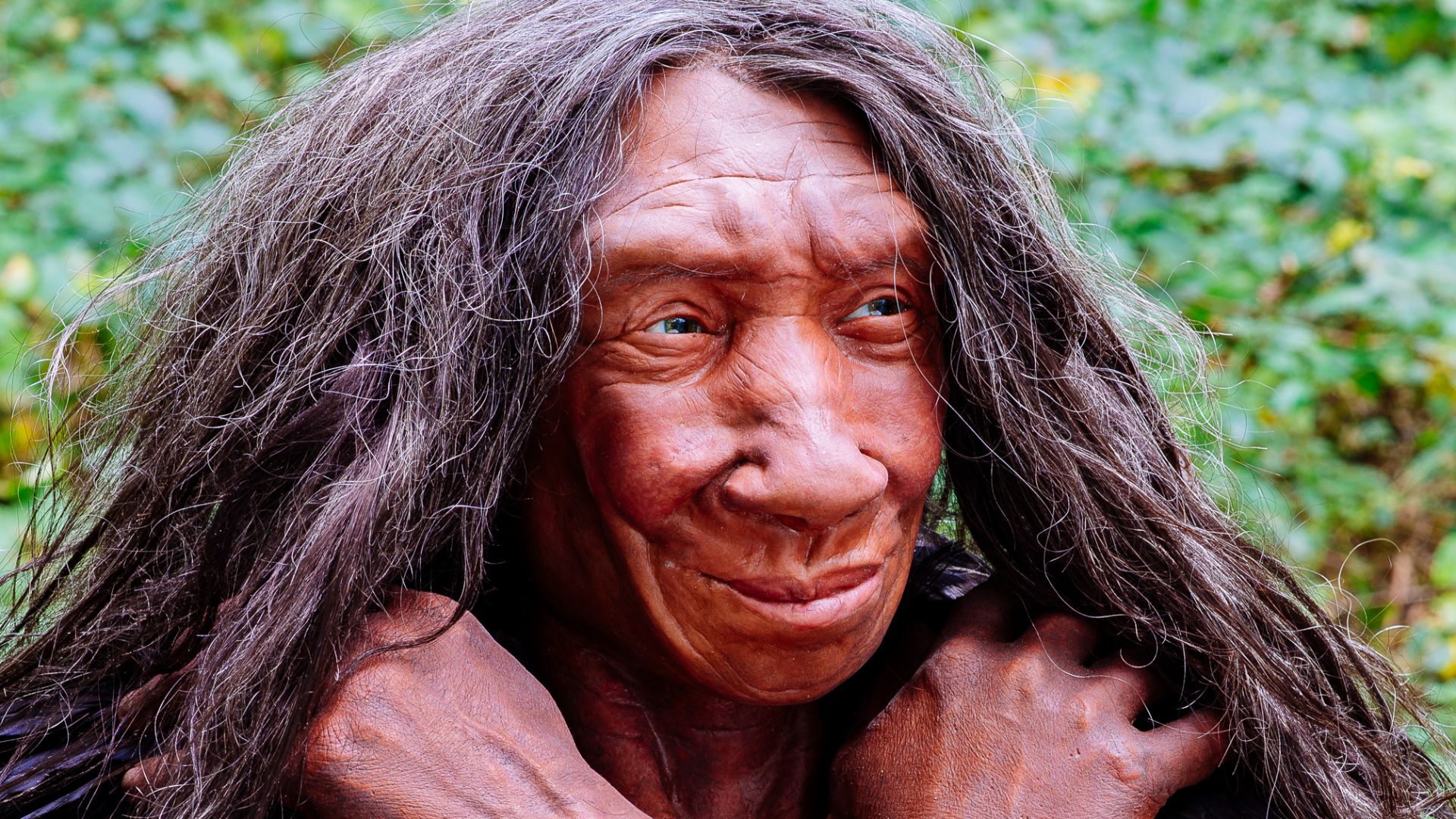
This cold-climate explanation showed up everywhere, from textbooks to documentaries. It became one of those ideas that felt settled. If Neanderthals lived in freezing environments, their noses must have evolved to deal with that. Most scientists didn’t seriously question it for decades.
 Neanderthal-Museum, Mettmann, Wikimedia Commons
A New Fossil Sparks Questions
Recently, researchers took a closer look at a Neanderthal fossil using modern tools. What seemed like a routine analysis quickly turned into something more. The deeper they looked, the more the familiar explanation started to feel incomplete.
The Fossil Behind The Discovery: “Altamura Man”
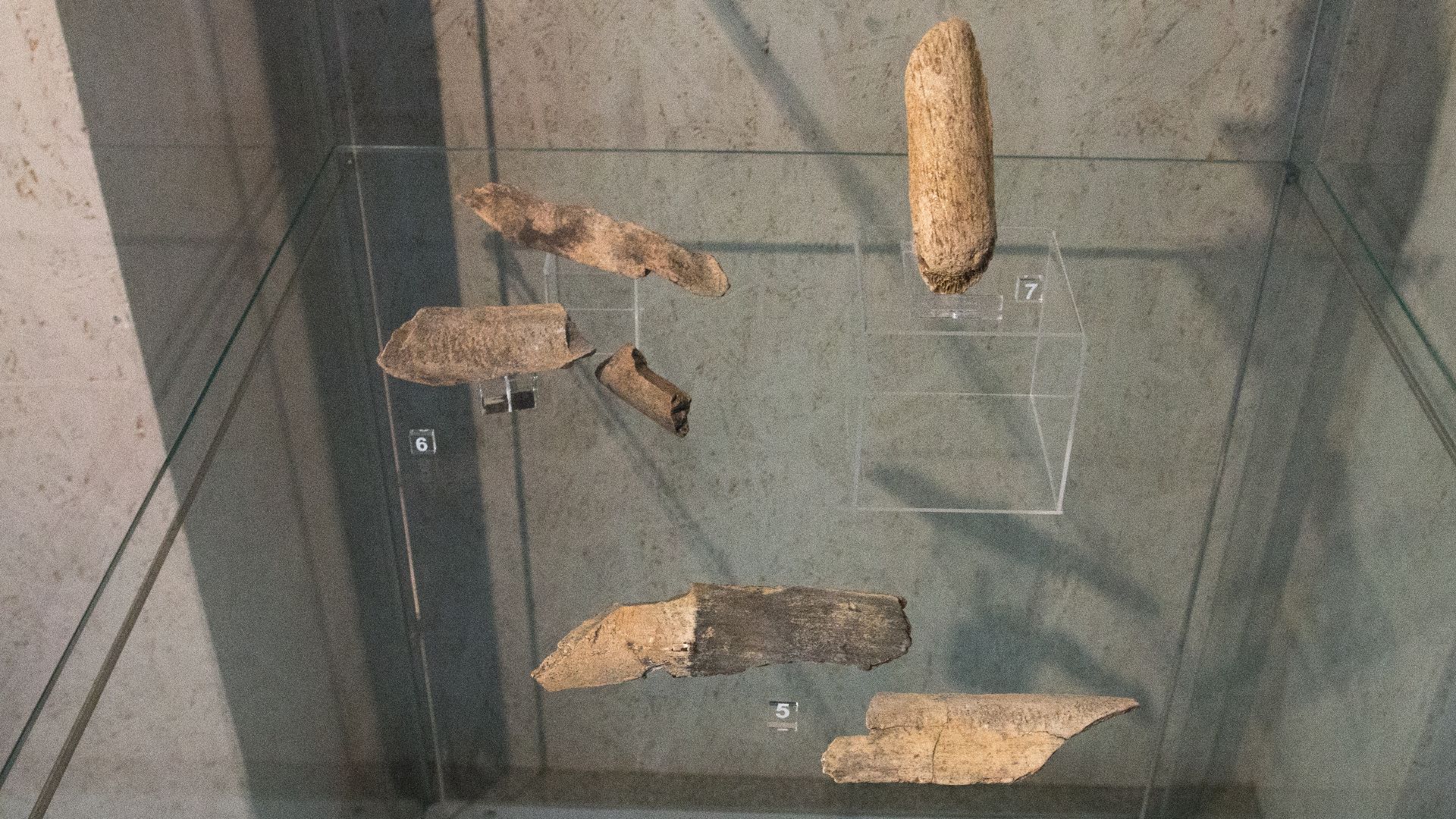
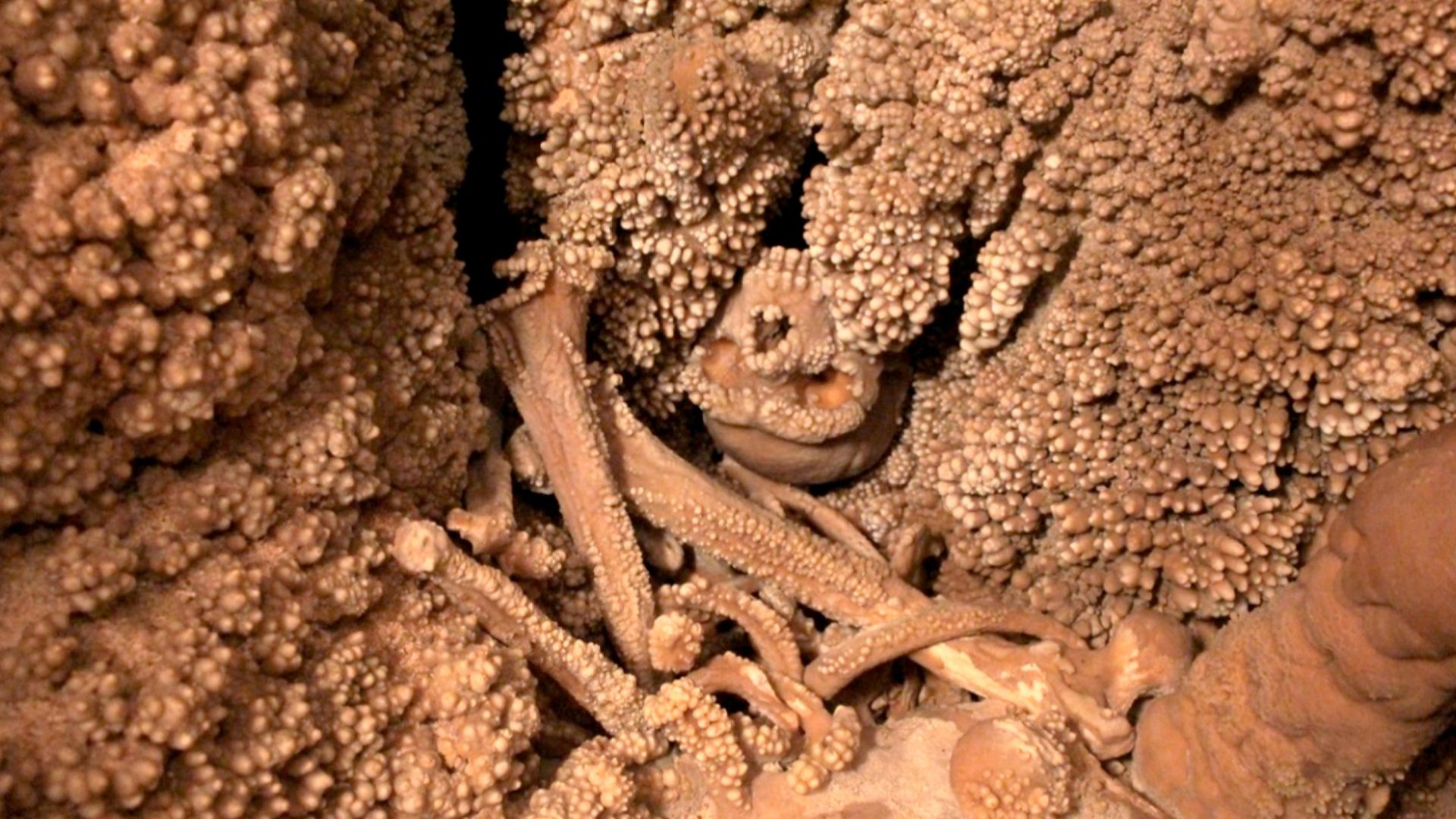
The breakthrough comes from a Neanderthal known as Altamura Man, discovered in 1993 in southern Italy. Estimated to be around 130,000 to 170,000 years old, the skeleton is one of the most complete ever found, with even delicate internal nasal bones preserved.
Why This Fossil Is So Important
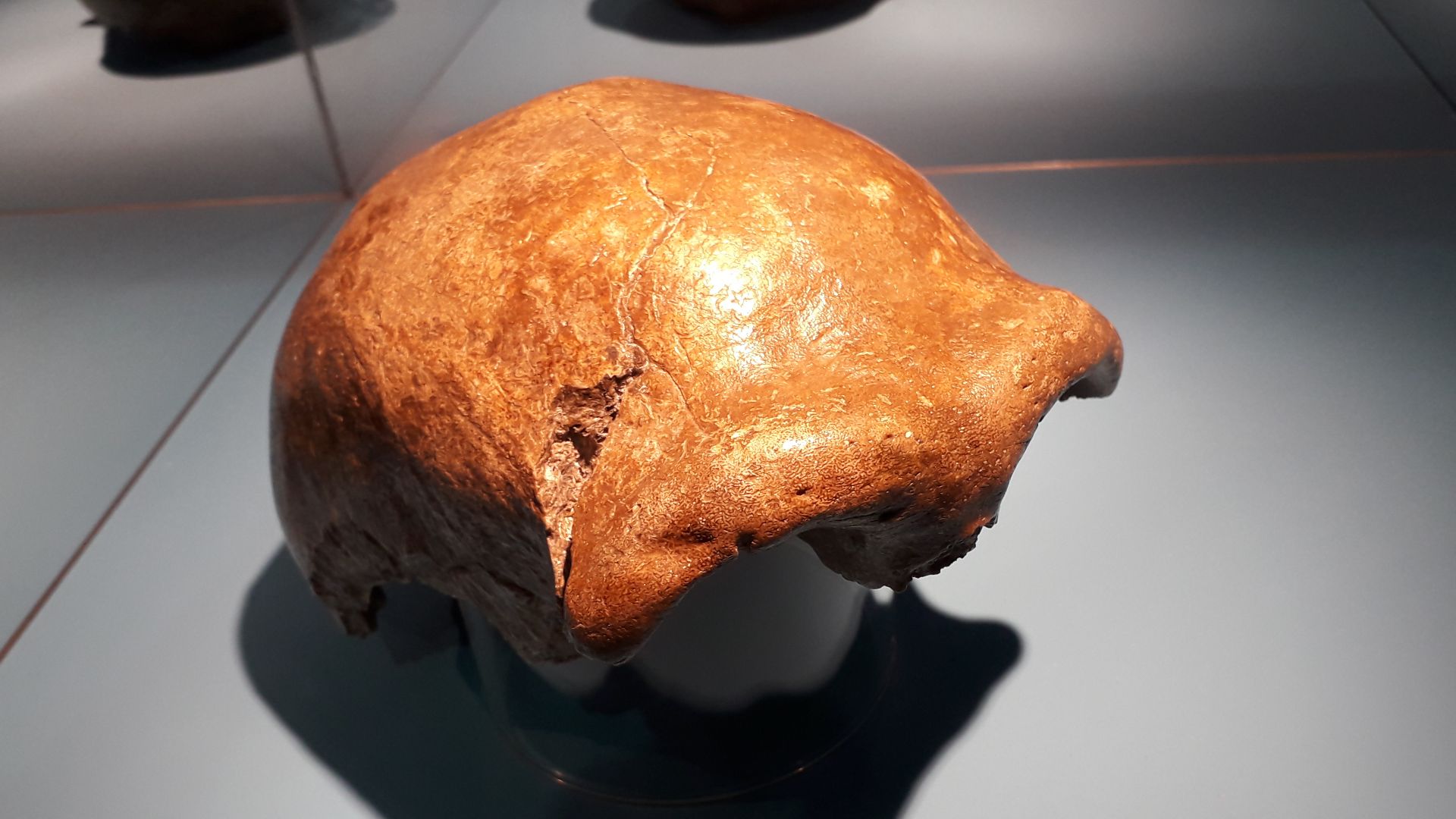
Most Neanderthal skulls are damaged, especially inside the nasal cavity. But Altamura Man is different—his bones are still embedded in rock and incredibly well preserved. That allowed scientists to study internal nasal structures that are almost never intact.
How Scientists Took A Closer Look
Using endoscopic probes and digital 3D modeling, researchers reconstructed the internal nasal passages of Altamura Man. This allowed them to examine delicate internal structures that had never been preserved this clearly in a Neanderthal fossil before.
 National Institute of Allergy and Infectious Diseases, Unsplash
The First Big Surprise
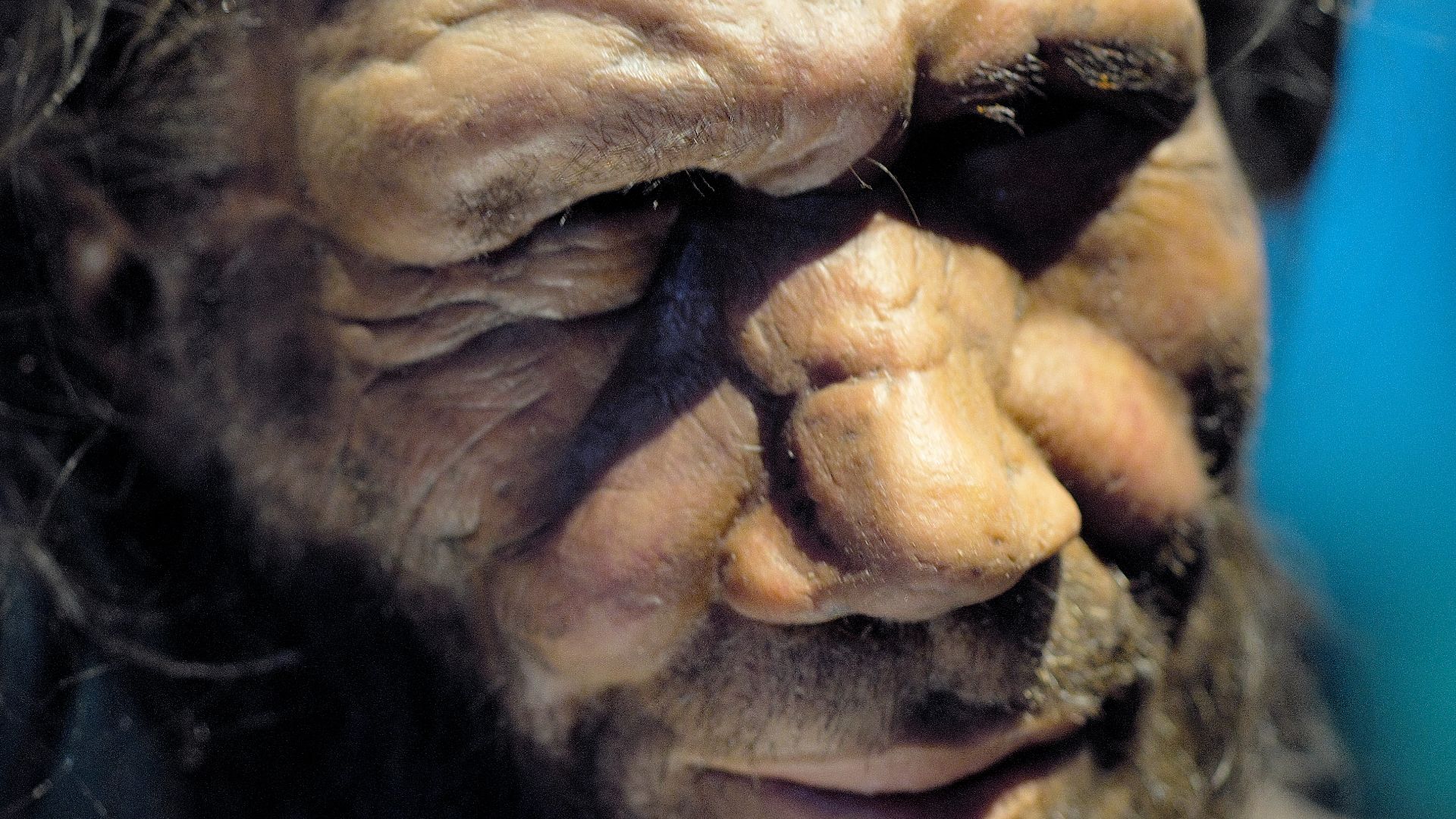
What they found didn’t line up with expectations. The internal nasal structures did not show clear signs of being highly specialized for warming and humidifying cold air. That directly challenges the long-held idea that Neanderthal noses were primarily built for extreme cold climates.
 Werner Ustorf, Wikimedia Commons
How Neanderthals Compare To Modern Humans
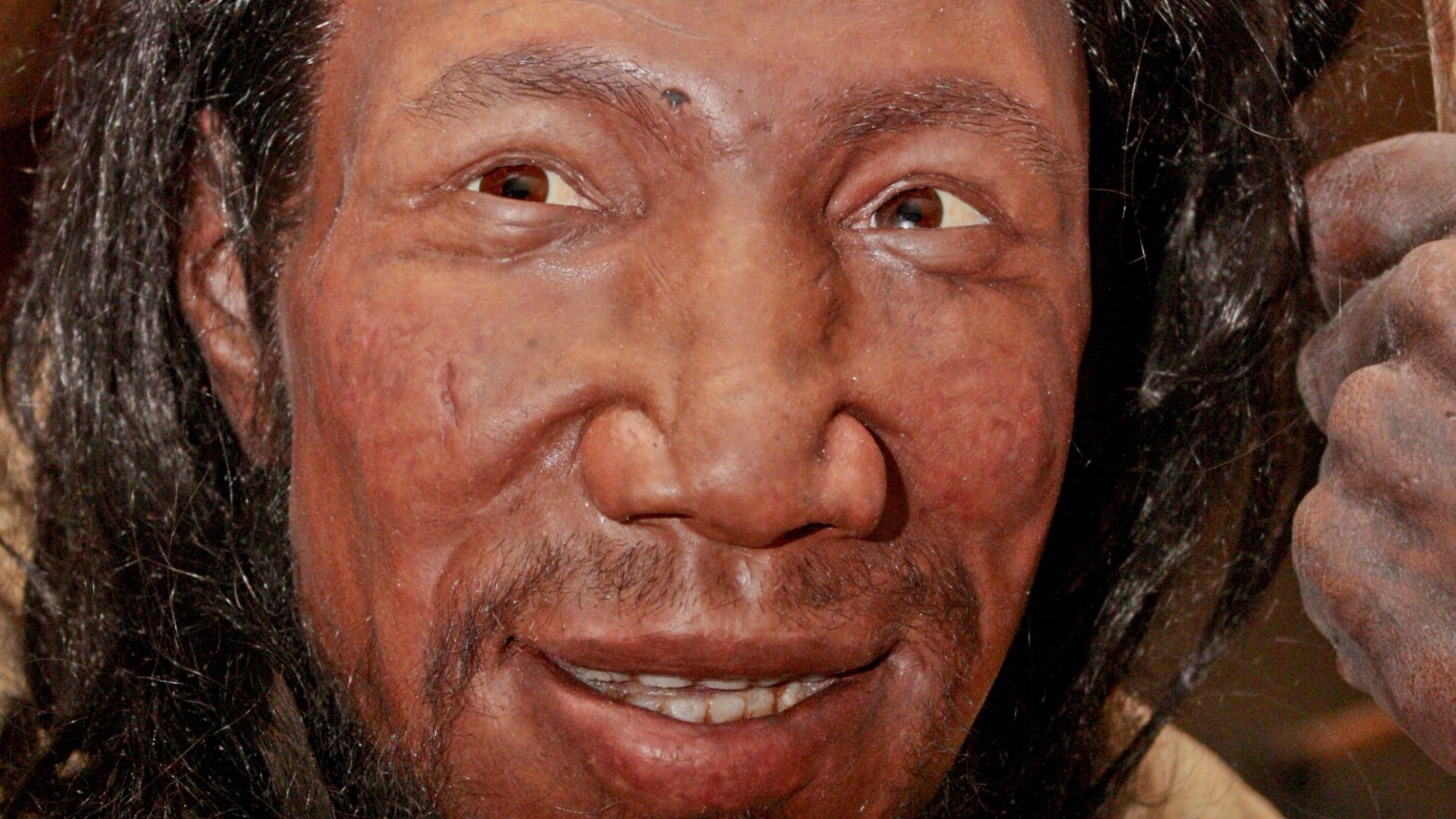
When researchers compared Altamura Man’s inner nasal anatomy with modern humans, the result was unexpected. Despite Neanderthals’ famously large noses, the preserved internal structures were not dramatically different from ours, which challenges the idea that bigger automatically meant better adapted to cold.
 Daniela Hitzemann (photograph), Wikimedia Commons
Maybe It Wasn’t About Cold Air After All
If Neanderthal noses weren’t optimized for warming air, it raises a bigger question. Was the cold-climate theory overstated? And if that wasn’t the main purpose, then what exactly drove the evolution of such a large nasal structure?
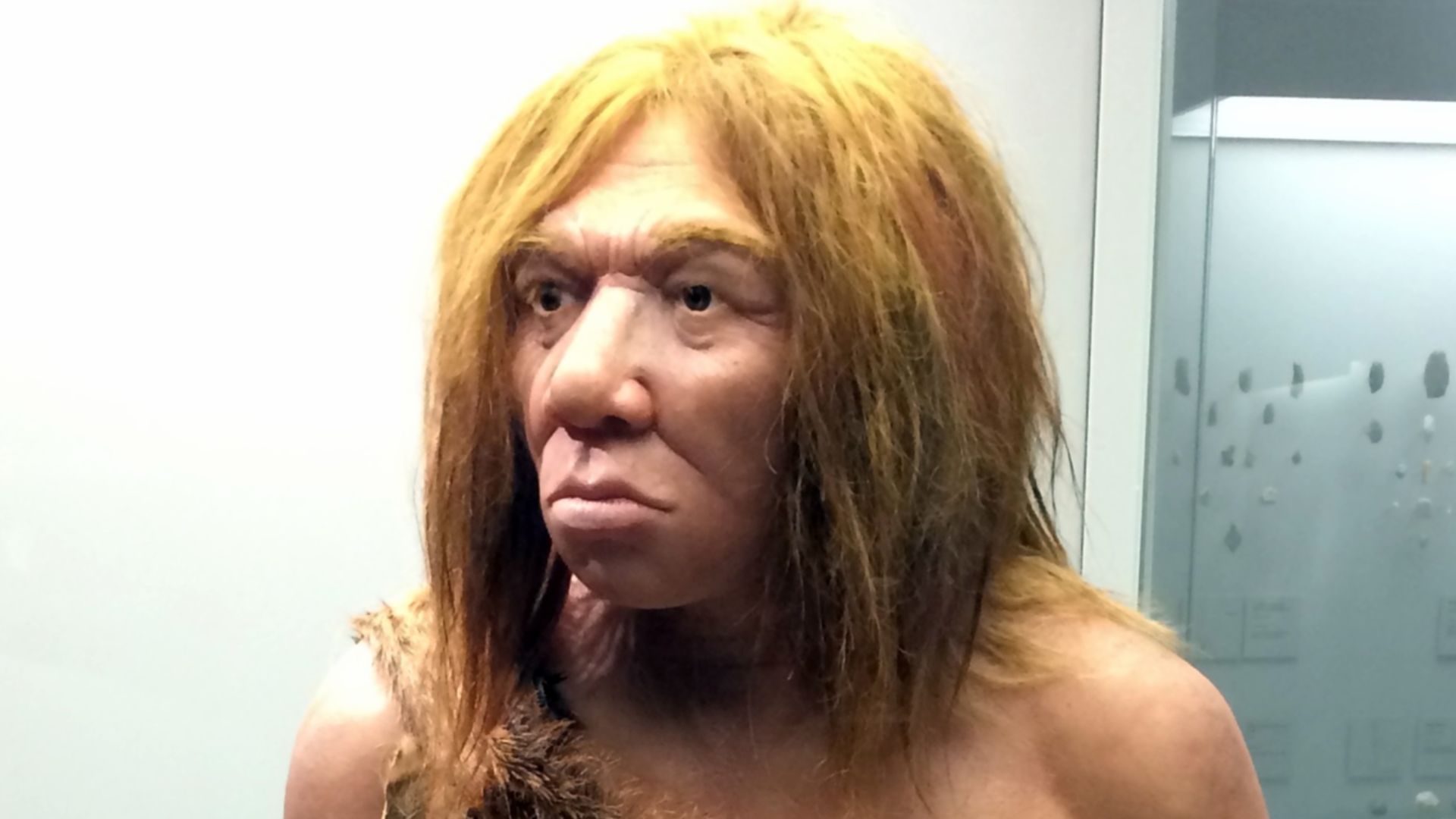
So What Was The Nose Actually For?
Once the old explanation started to weaken, researchers had to consider new possibilities. Instead of focusing only on climate, they began looking at other factors, especially how Neanderthals lived and what their bodies actually needed to function.

A New Idea: Oxygen Intake
One leading idea is that Neanderthal noses supported higher oxygen intake. Their larger nasal cavities may have allowed greater airflow, helping fuel their stocky, muscular bodies, especially during physically demanding activities like hunting large game at close range.
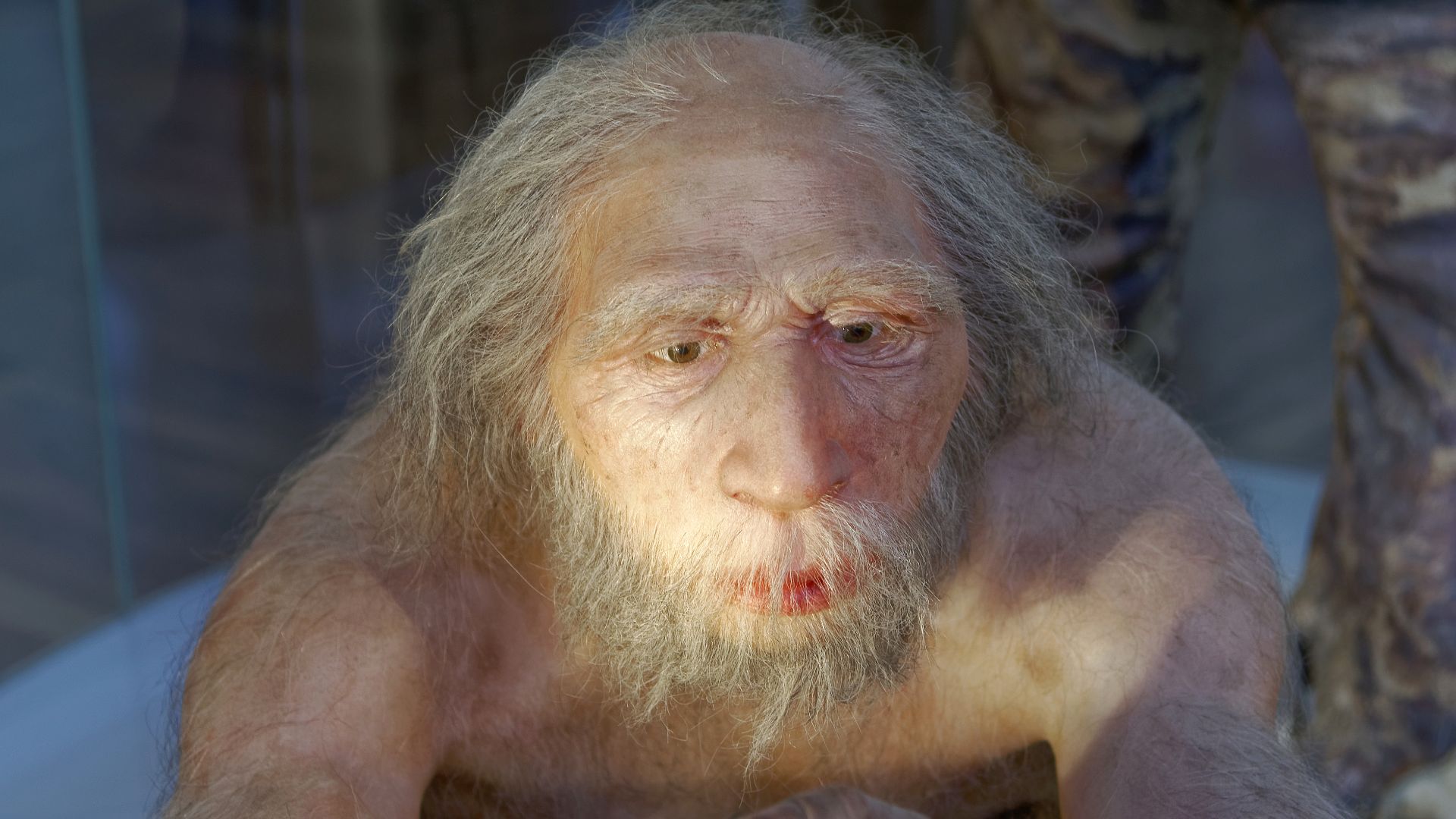 Jakub Halun, Wikimedia Commons
Built For A Demanding Lifestyle
Neanderthals regularly hunted large animals like bison and mammoths, often at close range using thrusting spears. This kind of high-intensity activity would require significant oxygen intake, making a larger nasal airway potentially more useful than previously thought.
![In the Royal BC Museum in Victoria (Canada). The display is from 1979, and the fur is musk ox hair.[1]](https://www.factinate.com/storage/app/media/splashtravels/2026/5/6/17780648277fb30e1e2896ccd80c1df30a1df98b5ca5d35534.jpg) Flying Puffin, Wikimedia Commons
Flying Puffin, Wikimedia Commons
Their Bodies Tell The Same Story
Neanderthals weren’t just strong, they were built differently. Shorter limbs, wider bodies, and dense bones all point to a physically intense lifestyle. These traits required high energy output, which supports the idea that their nasal structure may have evolved to handle greater oxygen demand.
 Neanderthal-Museum, Mettmann, Wikimedia Commons
It Might Be About The Whole Face
Neanderthals had a forward-projecting midface, known as midfacial prognathism. This structural feature may have naturally expanded the nasal cavity, meaning their large noses could be a byproduct of overall skull shape, not a single-purpose adaptation.
 Jakub Halun, Wikimedia Commons
Not Just One Simple Explanation
Instead of one clear answer, scientists are now looking at multiple factors working together. Climate, oxygen needs, and facial structure may all play a role. That’s a big shift from the earlier idea that focused almost entirely on cold weather.
 Charles Robert Knight, Wikimedia Commons
Why Scientists Got It Wrong For So Long
Earlier studies relied on external skull shape and limited fossil evidence. Without access to well-preserved internal structures like Altamura Man, scientists had to make educated guesses. New technology is now revealing details that simply weren’t visible before.
 Isaiah Maghanga, Wikimedia Commons
One Fossil Cannot Answer Everything
Altamura Man gives researchers rare evidence, but he is still one individual. Scientists say more well-preserved Neanderthal skulls would be needed to know how much nasal anatomy varied across the species. For now, this fossil challenges the old theory more than it completely closes the debate.
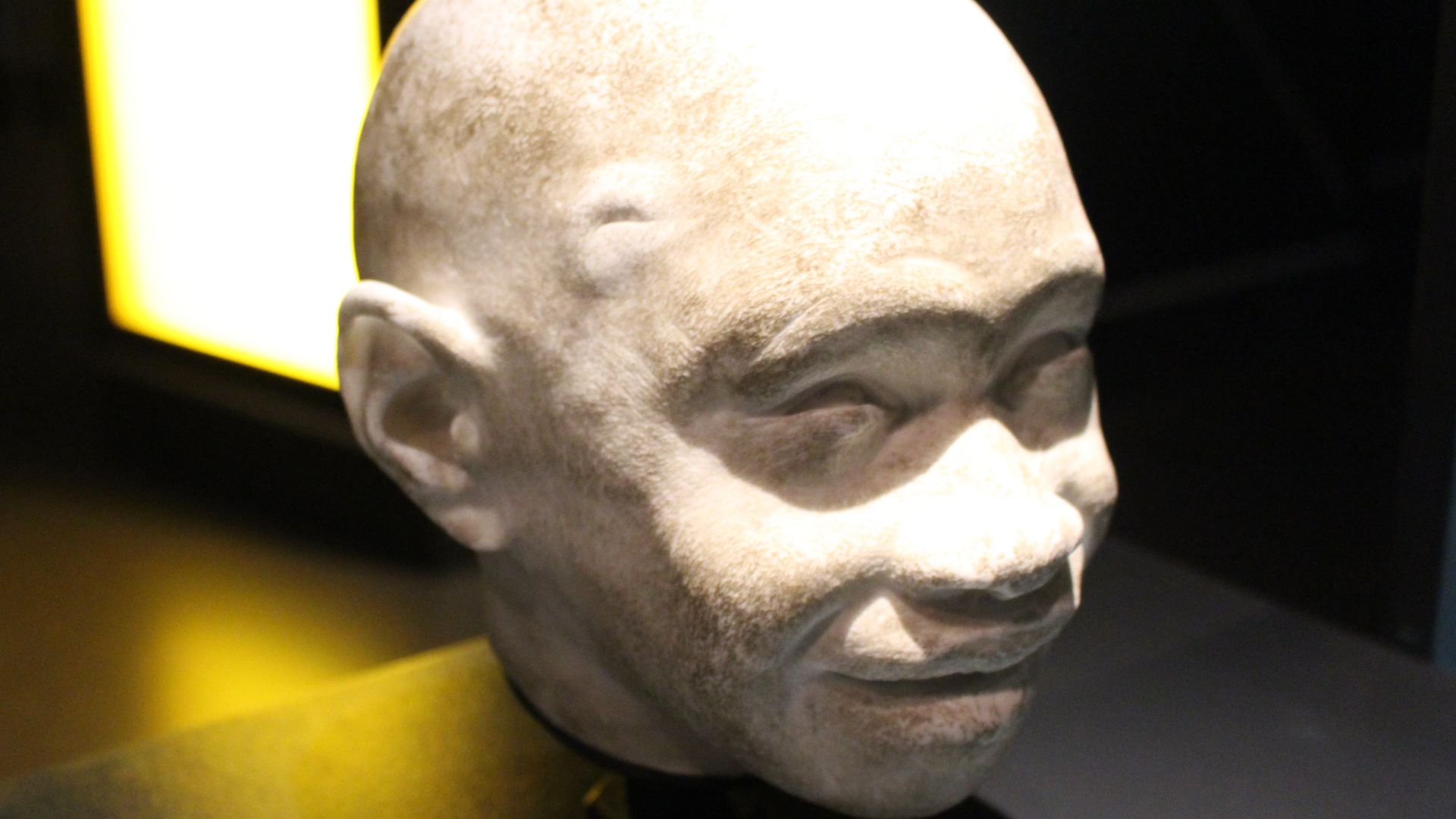 Emoke Denes, Wikimedia Commons
So…Were Scientists Wrong?
Not completely. The cold-climate theory still might explain part of the picture. But it’s no longer seen as the main or only reason. What’s changing is how much weight that explanation carries compared to other possibilities.
 National Institute of Allergy and Infectious Diseases, Unsplash
Why This Discovery Matters More Than It Seems
This isn’t just about noses. It shows how even widely accepted ideas, repeated for decades—can shift when better evidence appears. A feature once explained by climate alone now appears tied to multiple factors, forcing scientists to rethink how Neanderthals actually lived.
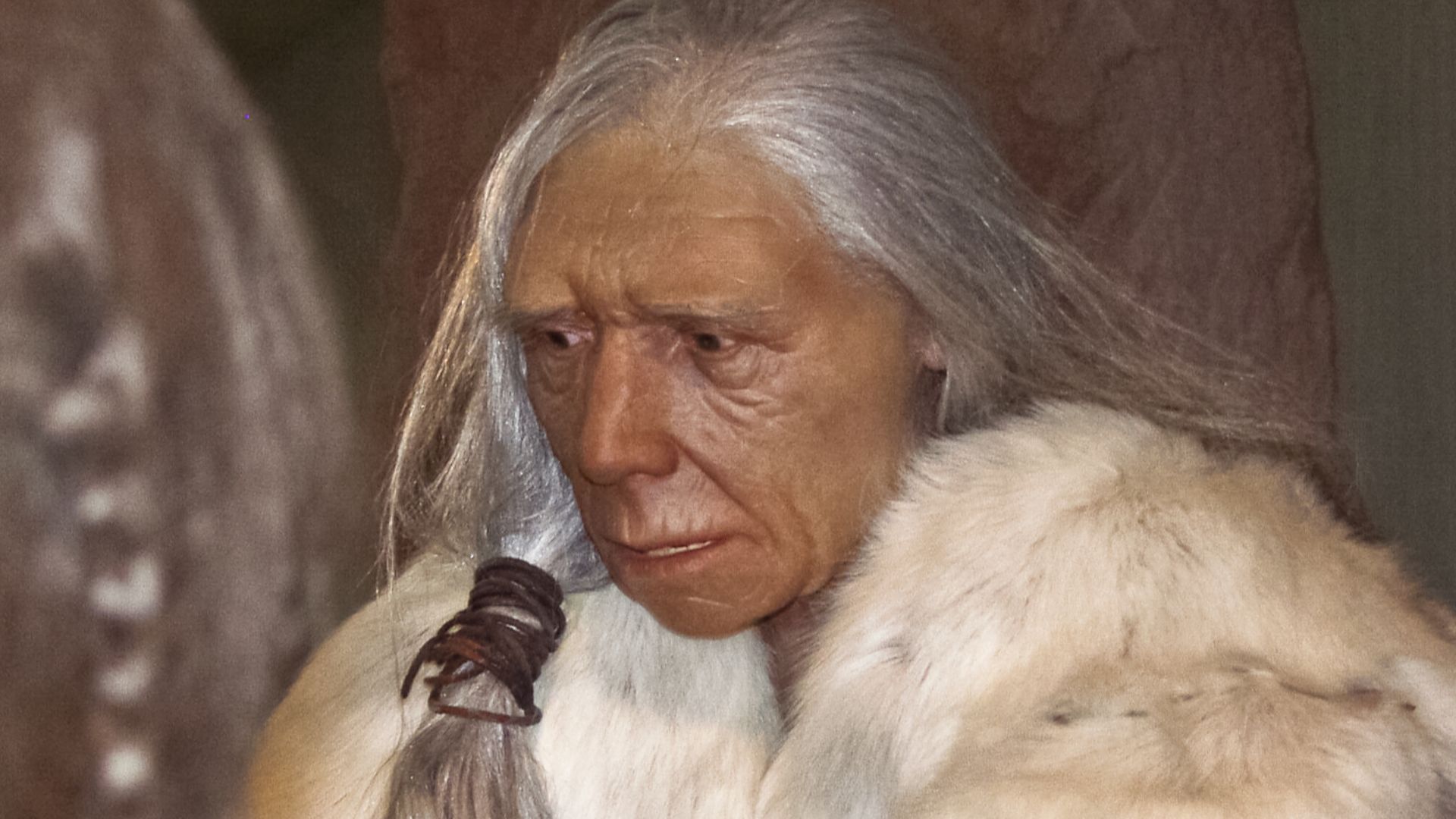 Fahrtenleser, Wikimedia Commons
Neanderthals Were More Complex Than We Thought
Discoveries like this continue to reshape how we see Neanderthals. Rather than simple adaptations to harsh environments, they appear to have had complex traits shaped by multiple pressures, making them more similar to us than we once assumed.
 Trougnouf (Benoit Brummer), Wikimedia Commons
What Happens Next
Researchers will keep testing these ideas using more fossils and improved technology. This single discovery won’t settle the debate, but it has reopened it in a meaningful way, and future findings could shift the understanding even further.
 National Cancer Institute, Unsplash
Science Is Always Evolving
If there’s one takeaway, it’s that scientific understanding isn’t fixed. As new evidence emerges, even long-held beliefs can shift. And sometimes, something as specific as a nose can lead to a much bigger rethink of human history.
You Might Also Like: