History Without Fingerprints
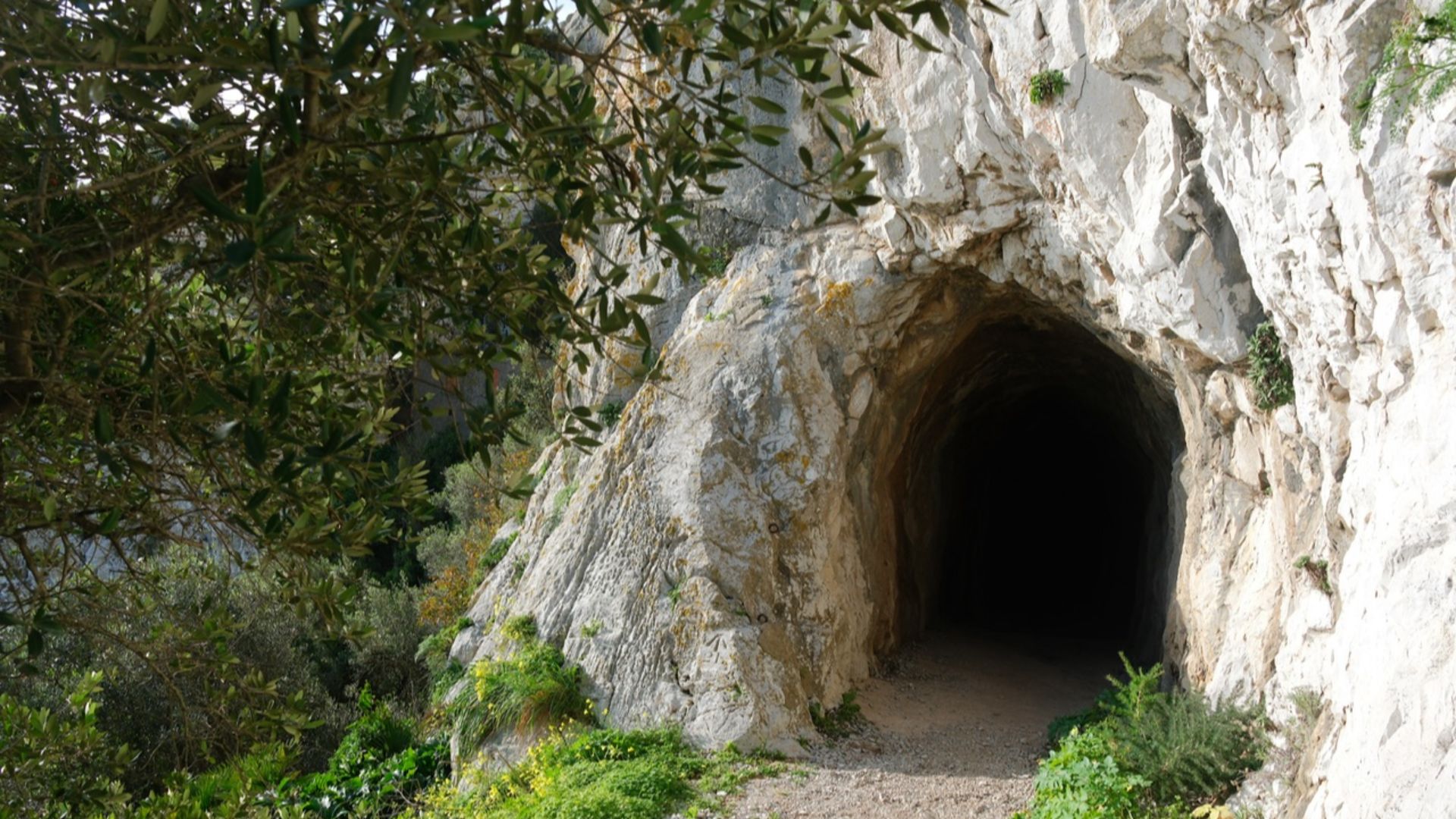
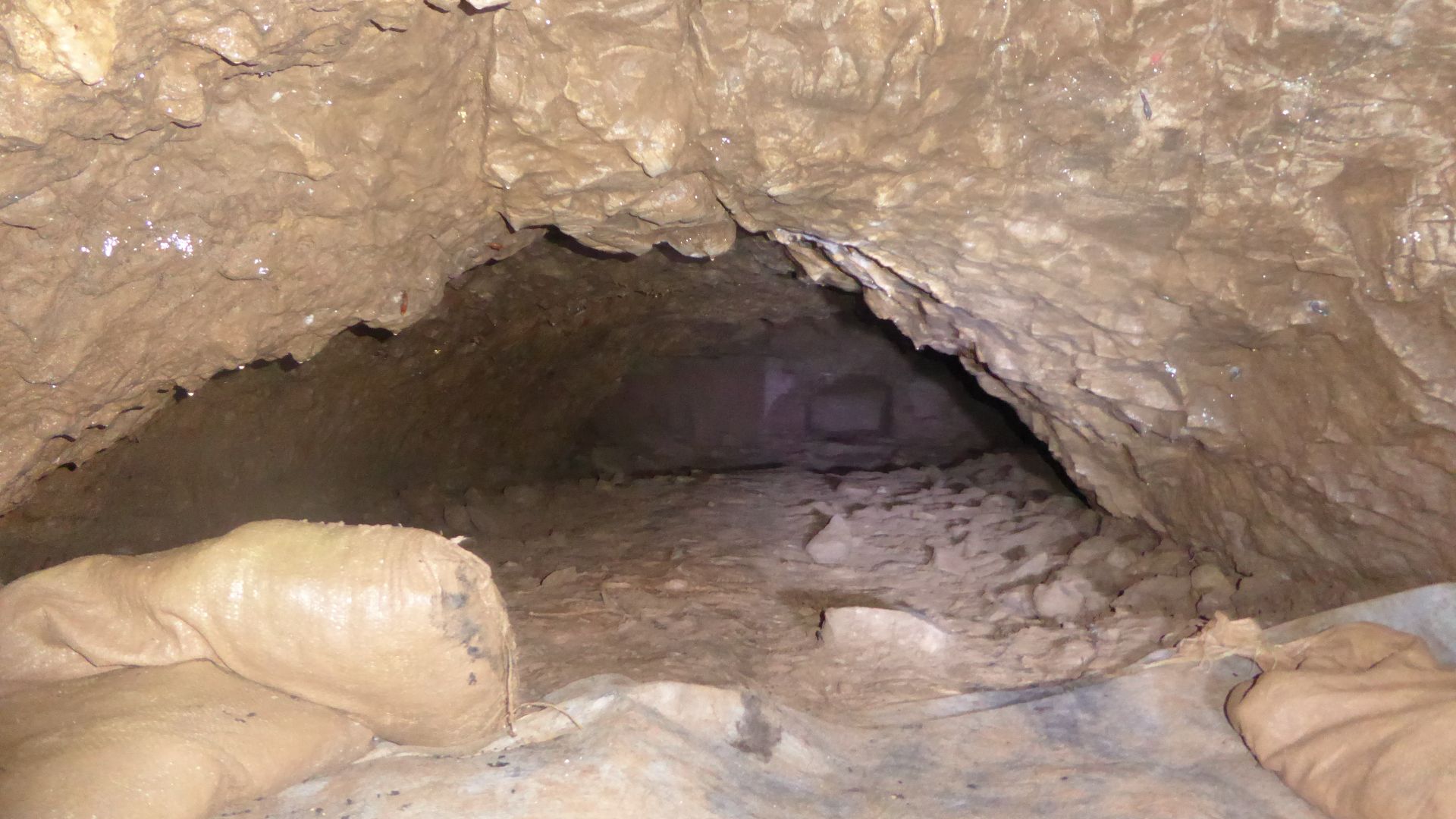
Most archaeological sites are scrambled by time, animals, or people. But a cave uncovered in Gibraltar in 2021 did not. This cave chamber had remained sealed from the world for 40,000 years, keeping Neanderthal life exactly where it ended, offering an archaeologists from the Gibraltar National Museum never-before-seen insight into the lives of our closest human relatives.

A Cave That Stayed Quiet
Caves usually tell messy stories, rewritten by animals, weather, and curious humans. This one did not. Sealed naturally and left alone, it kept its Neanderthal traces untouched. For archaeologists, that kind of silence speaks louder than scattered clues.
 AquilaGib (Stewart Finlayson, Gibraltar Museum), Wikimedia Commons
Proof of a Perfect Seal
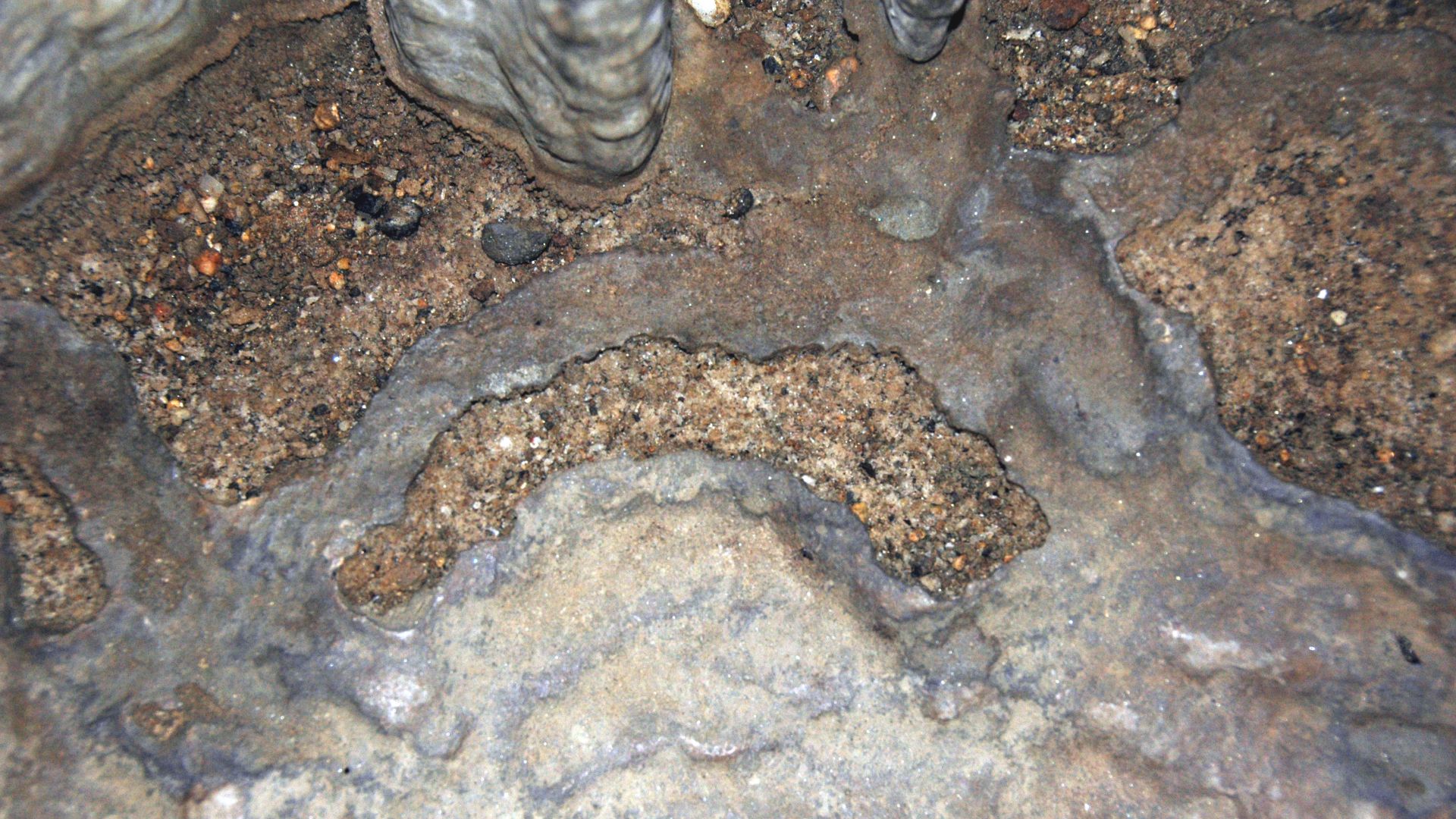
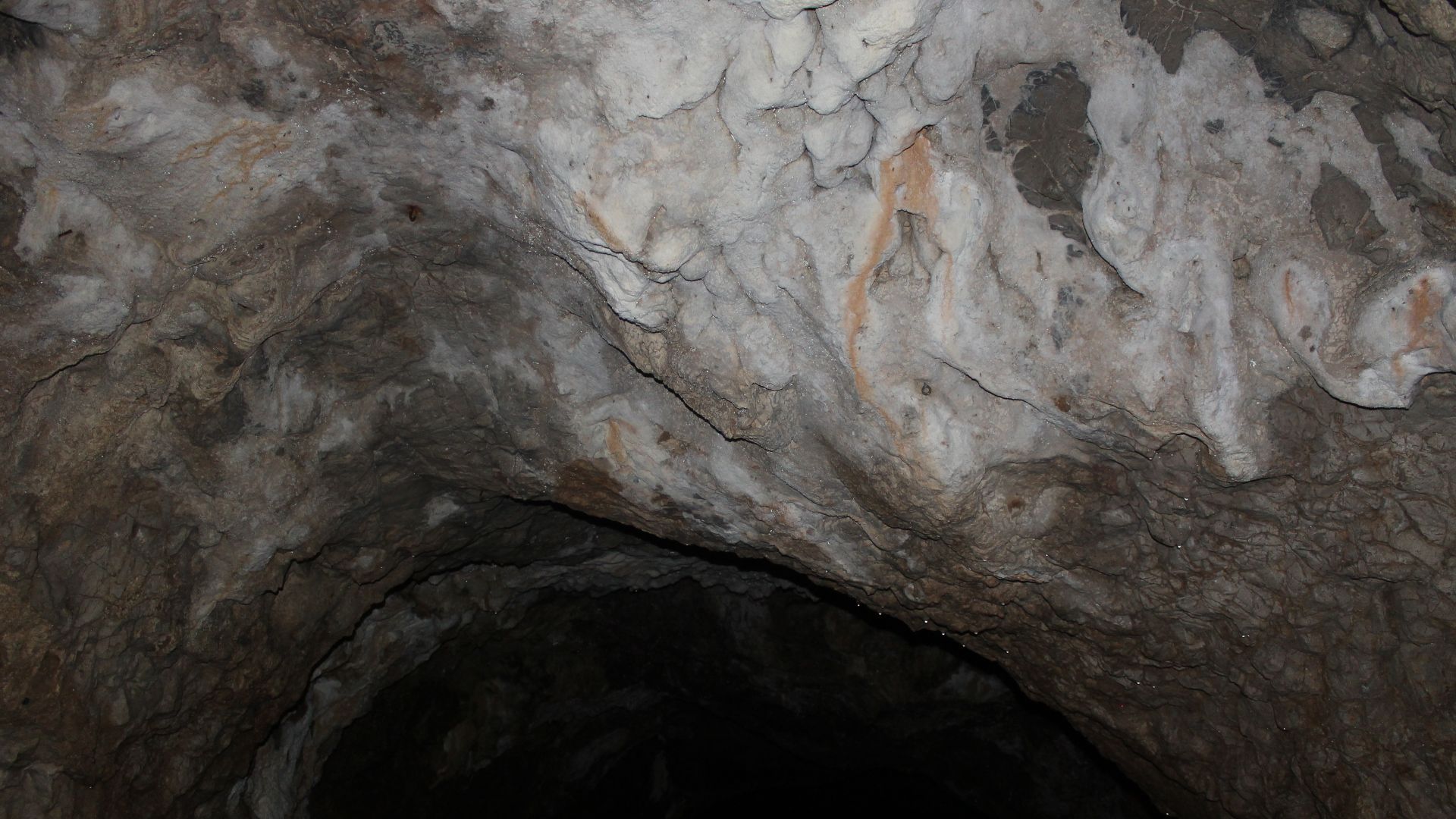
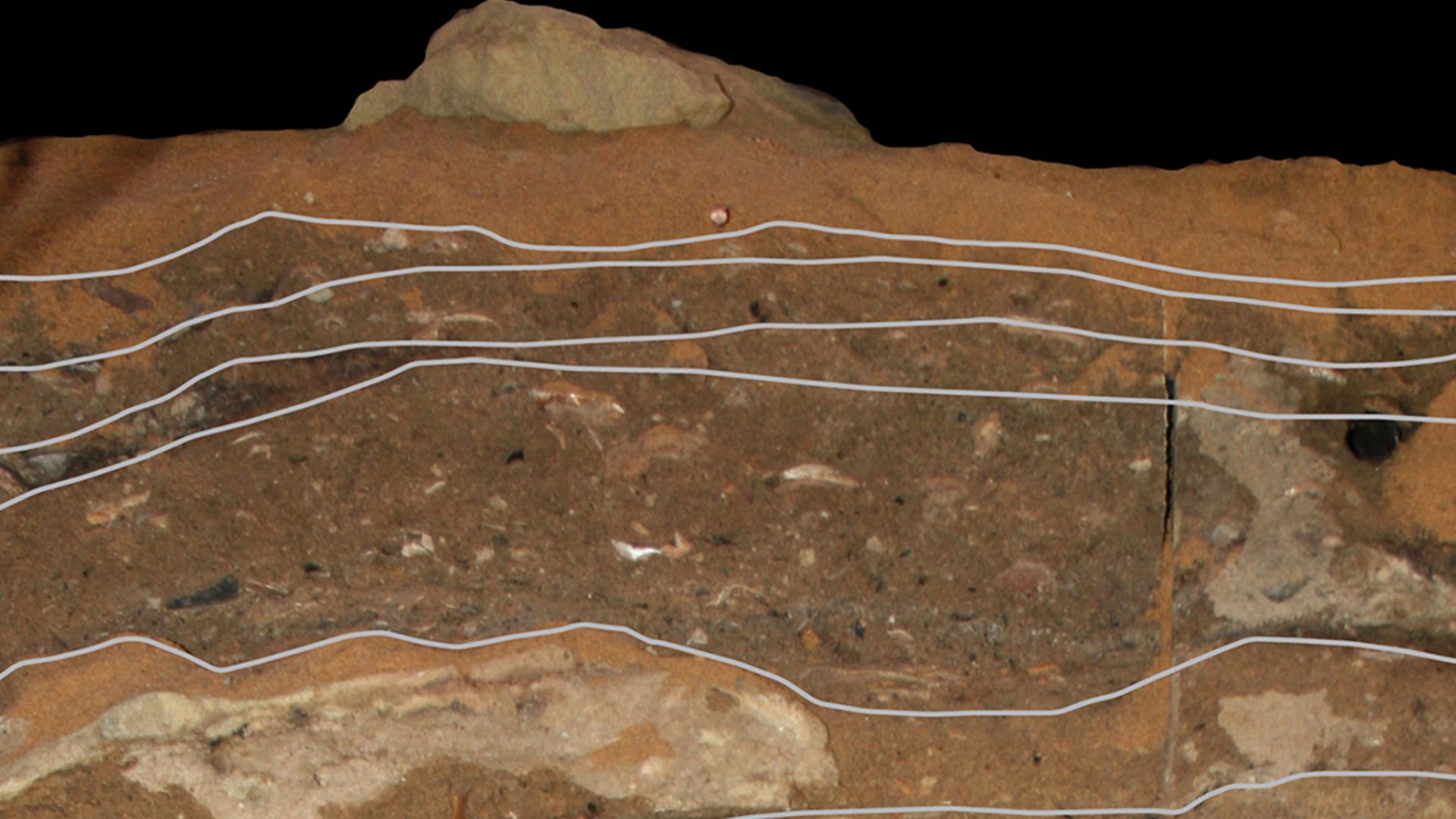
Geological analysis revealed an uninterrupted buildup of sediment spanning thousands of years. Mineral crusts formed without breaks, while collapsed rock blocked access entirely. Because later disturbance never appeared within the layers, scientists confirmed the cave stayed closed after the Neanderthal occupation ended.
 James St. John, Wikimedia Commons
Archaeology’s Dream Scenario
Just imagine finding a room nobody rearranged or reused. Tools remained where they fell, ash stayed layered, and debris never shifted. Too often, archaeology works backward from damage. However, here, researchers finally examined behavior without guessing what vanished.
 Scott Wylie, Wikimedia Commons
When the Entrance Disappeared
Rockfall sealed the cave during a period of natural instability. Over time, sediment hardened and further sealed the blockage. Eventually, the opening vanished completely. That closure mattered because it froze a moment of Neanderthal life without later interference.
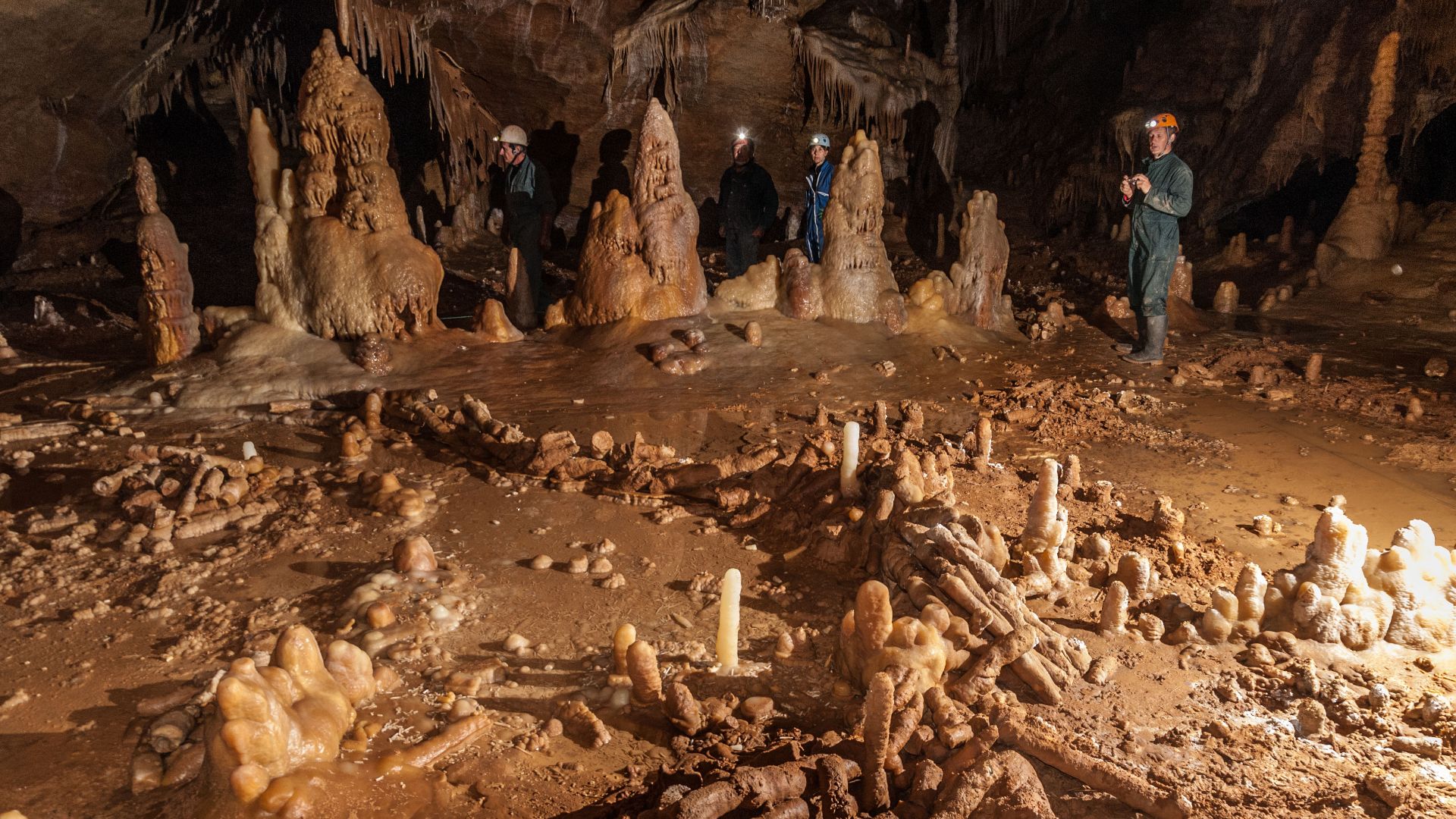 Luc-Henri Fage/SSAC, Wikimedia Commons
Dating the Moment Everything Stopped
Scientists relied on radiometric dating and sediment sequencing to establish when access ended. Results placed the sealing event long after Neanderthals last occupied the cave. In fact, every layer aligned neatly, confirming a clean timeline rather than a mixed archaeological record.

Preservation Without Mercy or Mercy Needed
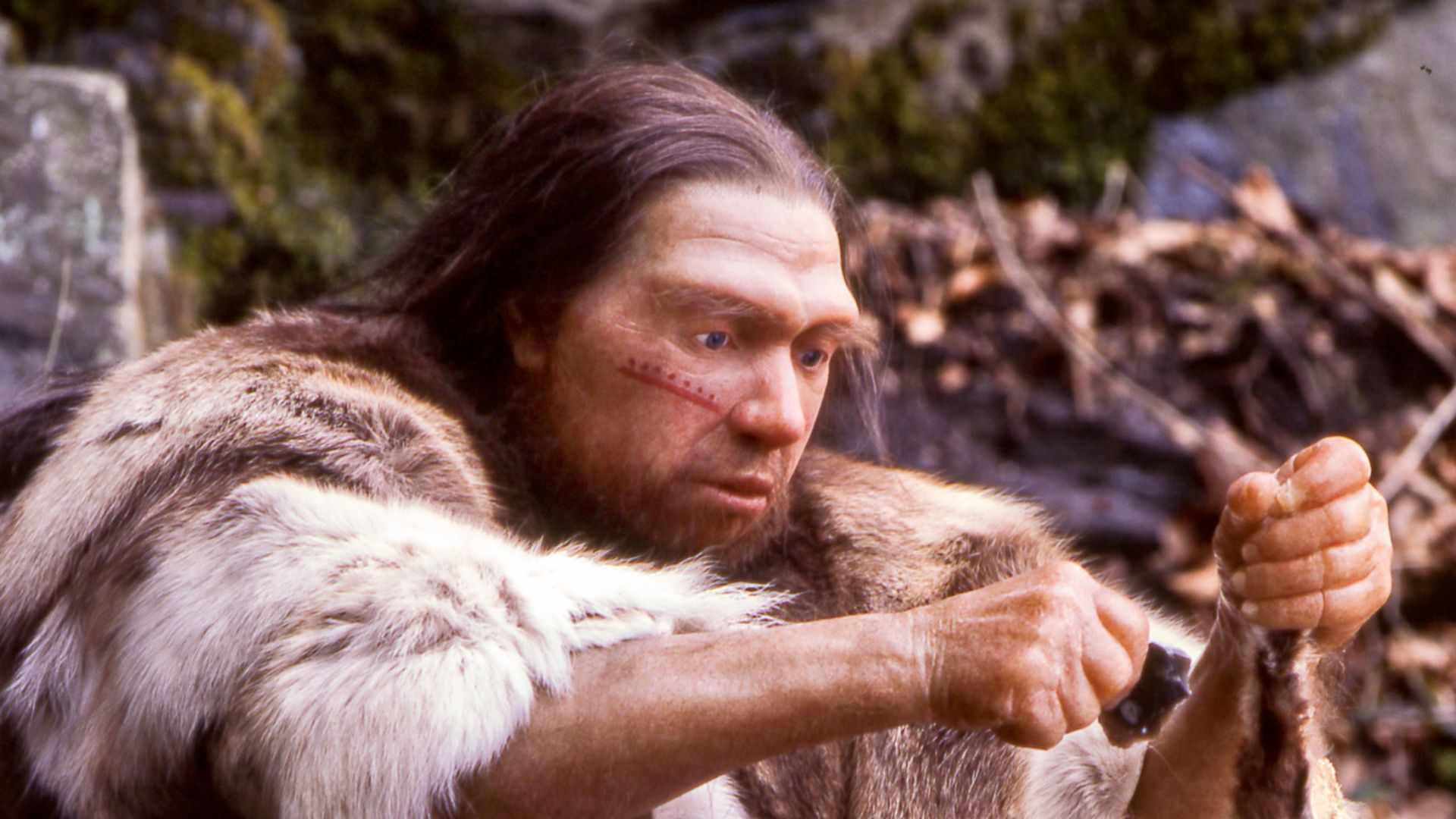
Stable temperature and moisture inside the cave slowed decay dramatically. Organic remains also survived where they normally would not. Bones, charcoal, and fragile residues persisted intact. Few sites offer conditions this forgiving, which explains why the findings feel unusually complete.
 Neanderthal-Museum, Mettmann, Wikimedia Commons
Signs of Repeated Neanderthal Use
Occupation layers appeared stacked rather than scattered. Stone tools clustered in consistent zones, while hearth remains repeated in familiar spots. That pattern suggests return visits rather than brief stops. Over time, the cave functioned as a dependable shelter, not a one-time refuge.
 Charles Robert Knight, Wikimedia Commons
Tools That Tell on Their Makers
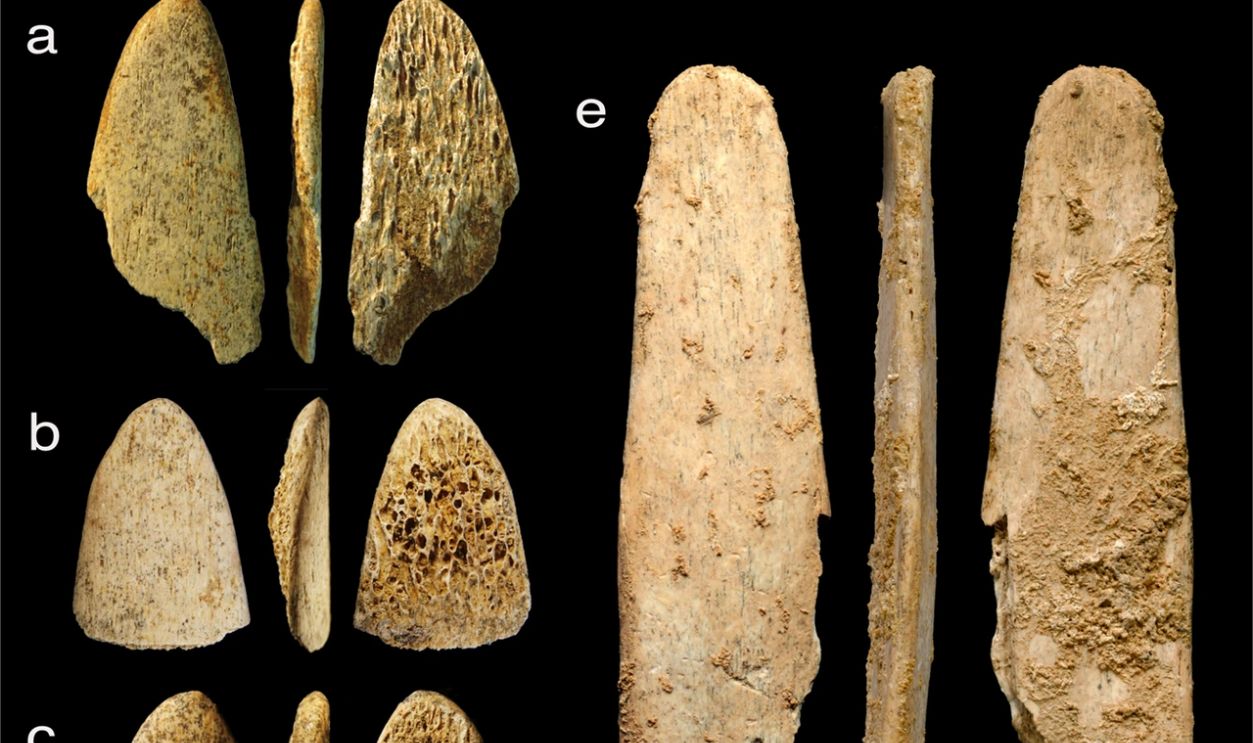
These tools were not hacked together during a panic. Careful shaping, followed by repeated touch-ups, tells another story. Broken fragments littered work areas like receipts. Someone expected tomorrow to arrive and prepared accordingly, which says plenty about Neanderthal priorities.
Fire as More Than Warmth
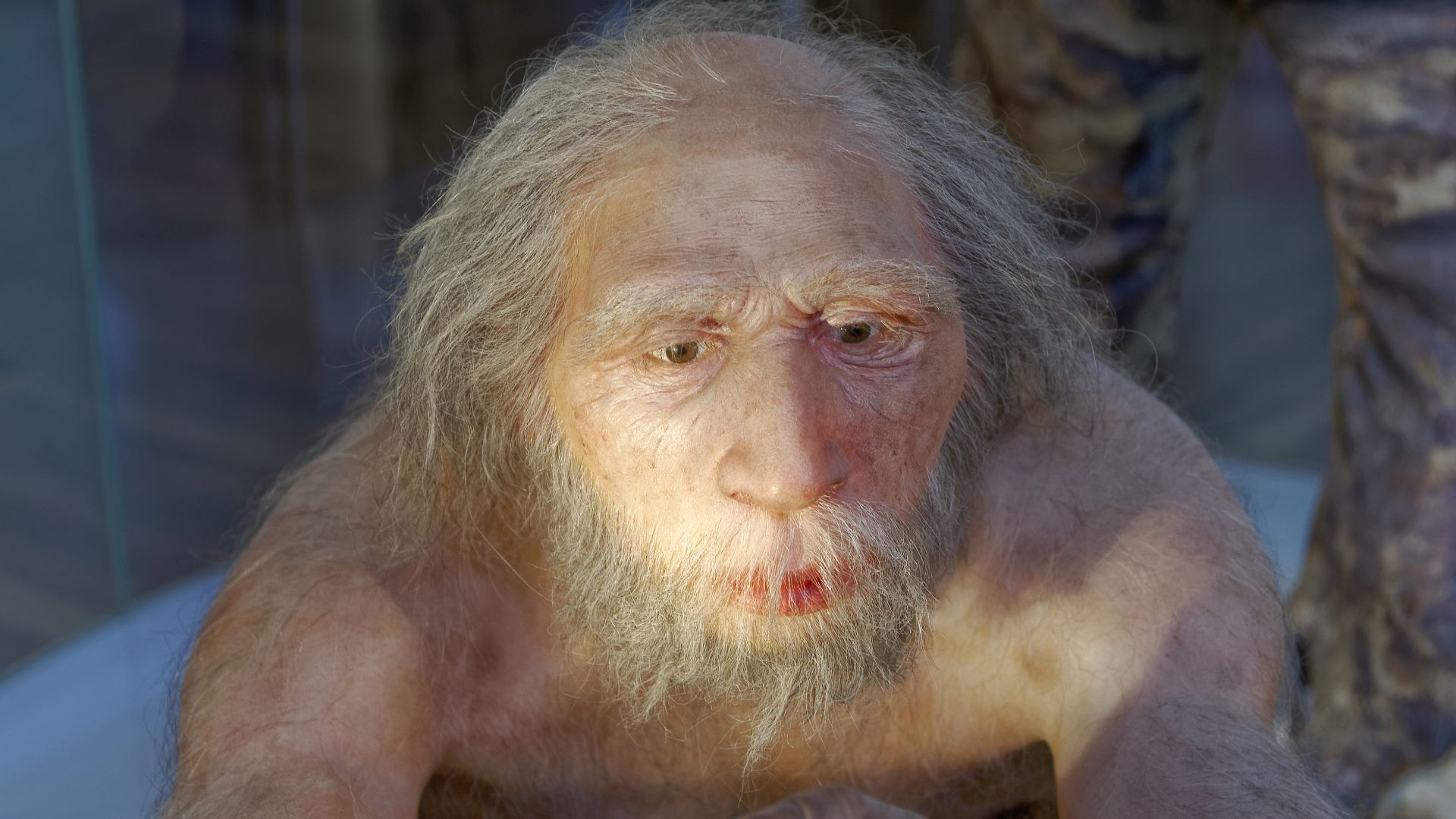
Charcoal layers revealed controlled, repeated fire use. Ash placement stayed consistent, indicating knowledge of airflow and safety. Because fires burned cleanly, smoke management likely mattered. Therefore, fire here functioned as a daily tool, not an occasional accident or experiment.
 Jakub Halun, Wikimedia Commons
A Cave Used with Purpose
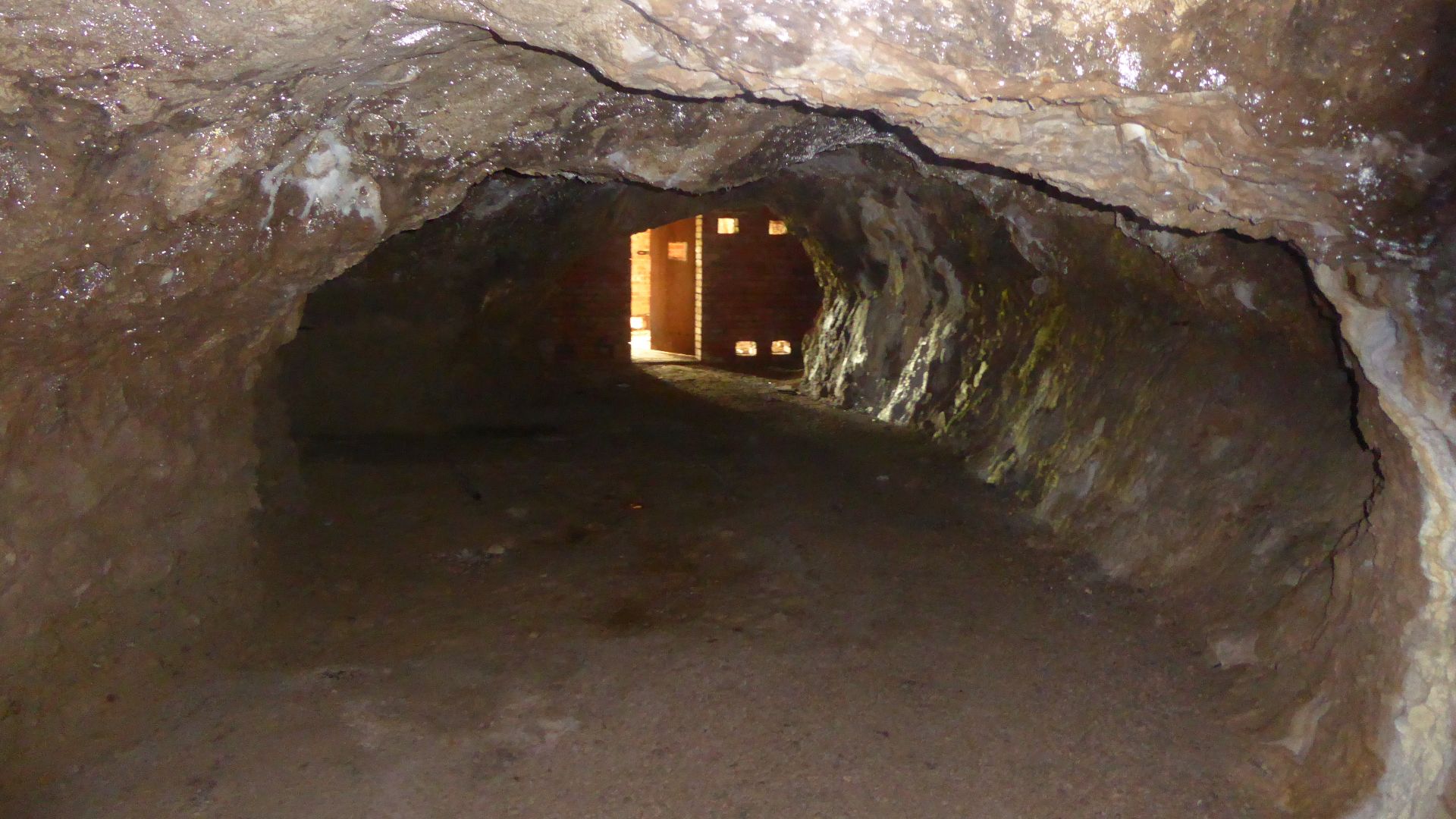
Spatial layout inside the cave followed logic. Tool making occurred away from sleeping areas, while food processing stayed near hearths. Such separation required awareness and shared rules. Living space was also organized deliberately, which reflects social coordination rather than random occupation.
 Llywelyn2000, Wikimedia Commons
What the Bones Reveal
Animal remains carried clear-cut marks and fracture patterns linked to controlled butchery. Moreover, marrow extraction appeared systematic rather than rushed. Because hunting yields varied across layers, evidence points to informed prey selection, reflecting knowledge of animal behavior rather than random opportunity.
 Jakub Halun, Wikimedia Commons
Plants Were Part of the Plan
Meat-dominated meals, yet plants still mattered. Residues on tools and microscopic plant remains suggest deliberate gathering. Besides adding nutrition, these foods likely filled seasonal gaps. Eating flexibly made sense, especially when hunting success shifted with weather and animal movement.
 Yong Ge, Houyuan Lu, Can Wang & Xing Gao, Wikimedia Commons
Timing Was Not Random
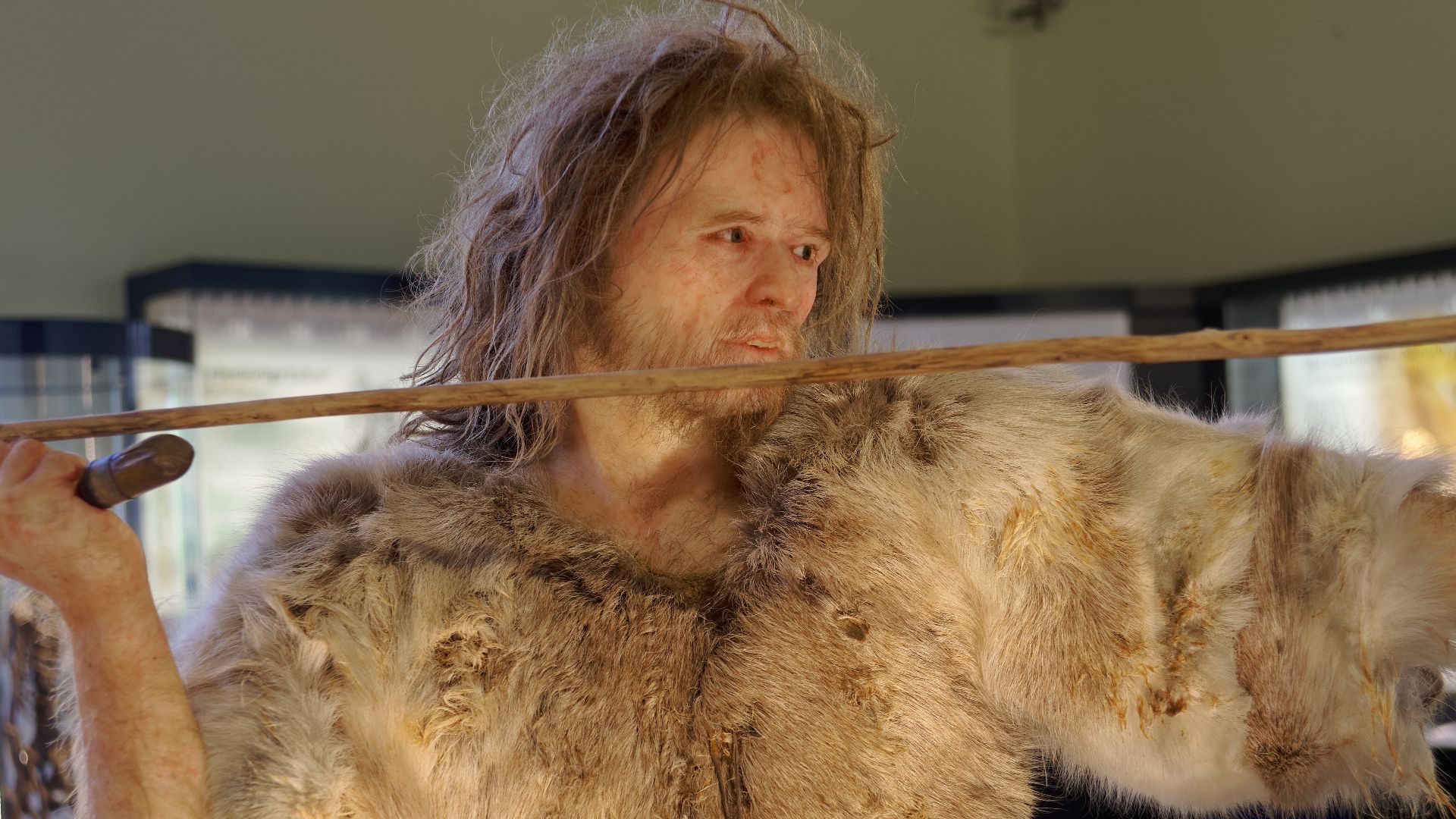
Why do younger animals appear only in certain layers? Those layers match known breeding seasons. Such consistency suggests intention. Neanderthals arrived when prey was more vulnerable, then left again, treating the cave as a strategic stop rather than a permanent home.
 Jakub Halun, Wikimedia Commons
Group Effort Over Luck
Large prey did not politely wander into caves. Coordinated hunting explains repeated success. Injuries to bones further show controlled takedowns, not chaos. Someone planned roles, timing, and movement. Luck helps, sure, but skill keeps dinner coming back again.
Living Together Required Rules
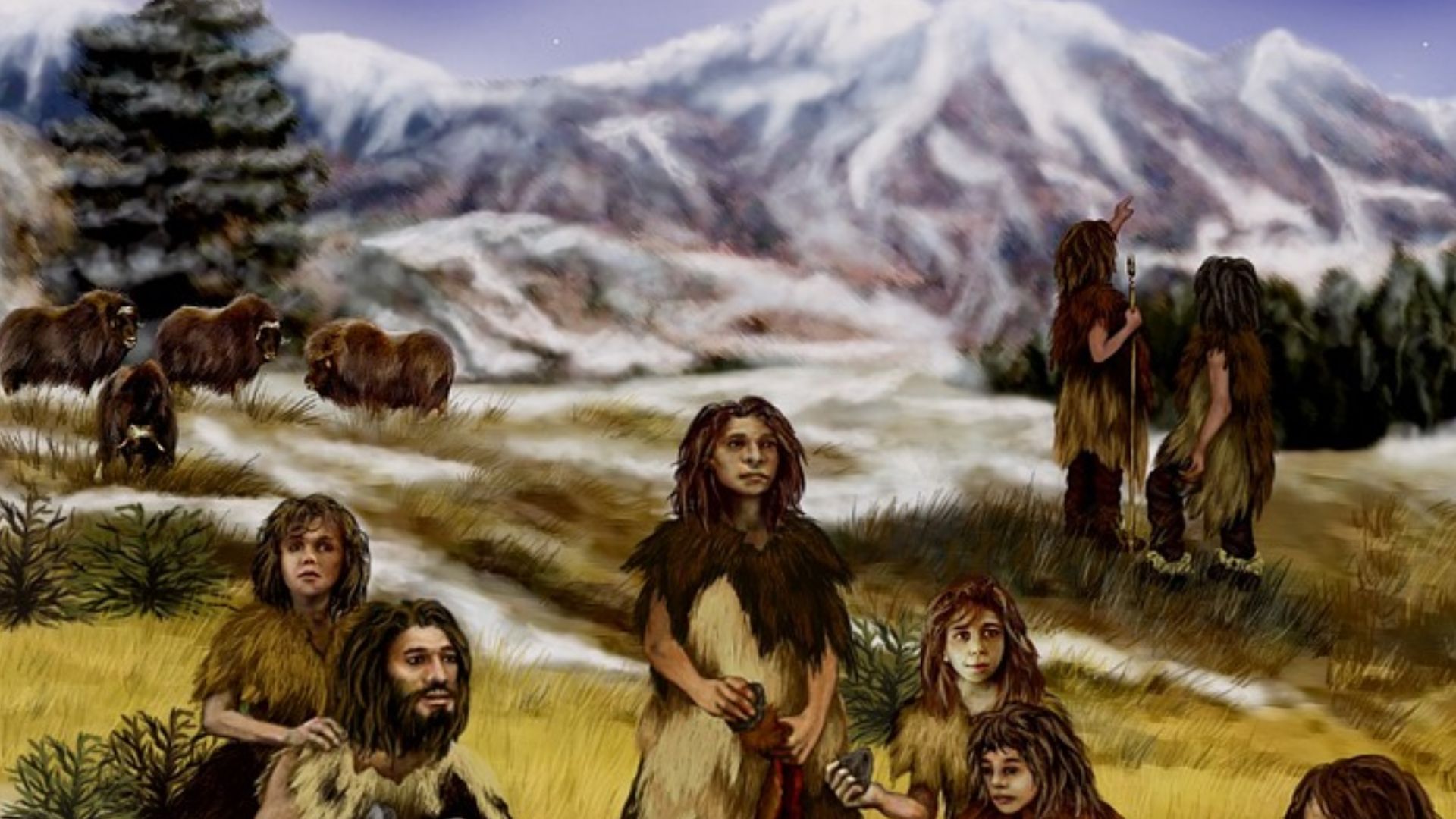
Shared spaces demand cooperation. Artifact clusters hinted at task division, while repeated patterns showed agreed behavior. Moreover, order reduces conflict. Social expectations kept daily life predictable. Predictability matters too, especially when survival depends on trust and coordinated effort.
Care Did Not Stop at Injury
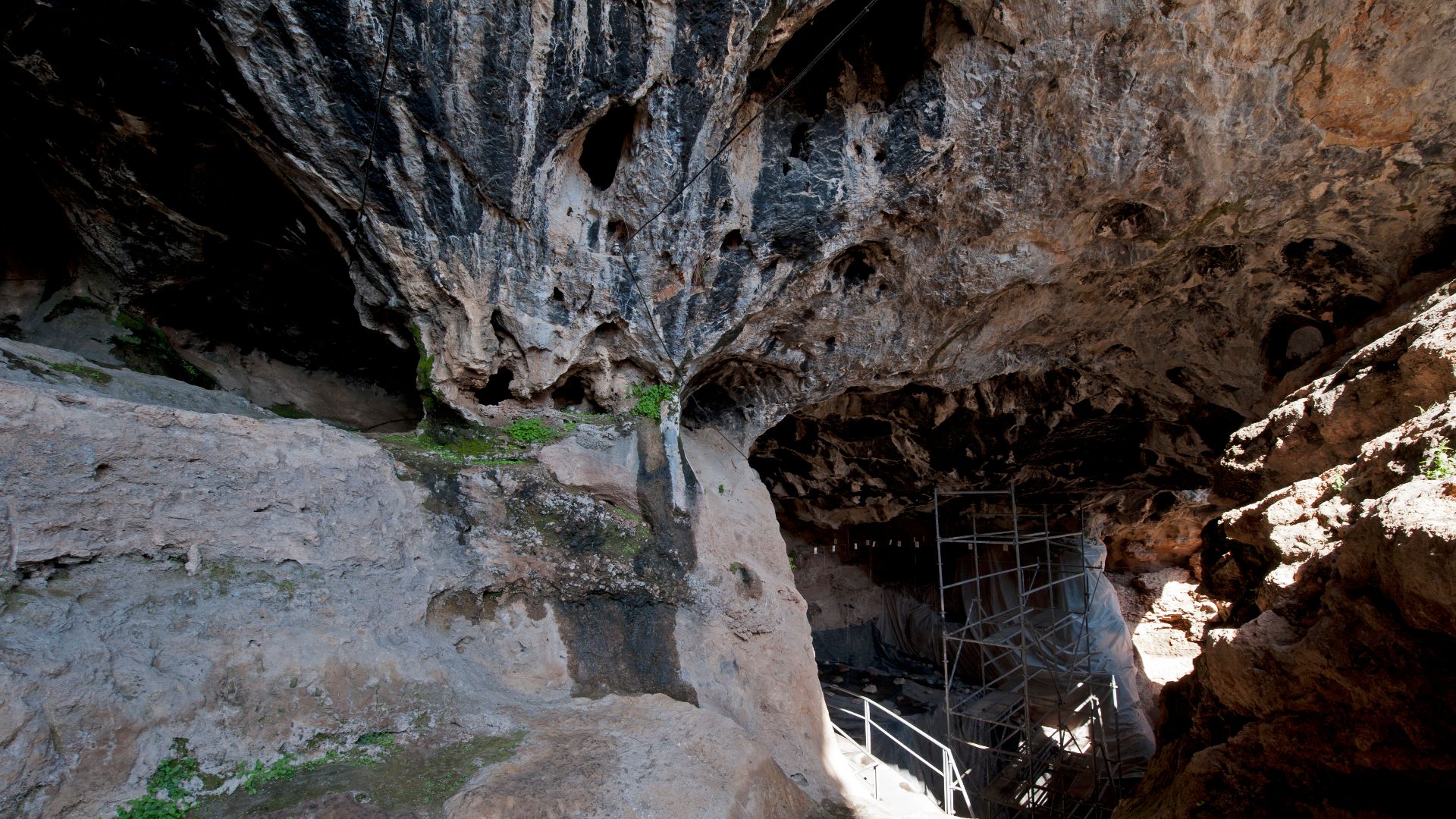
Skeletal fragments showed healed trauma that would have limited movement. Recovery also took time. Therefore, someone helped. During vulnerability, group support made survival possible. That quiet care speaks loudly. Strength here came from community, not individual endurance.
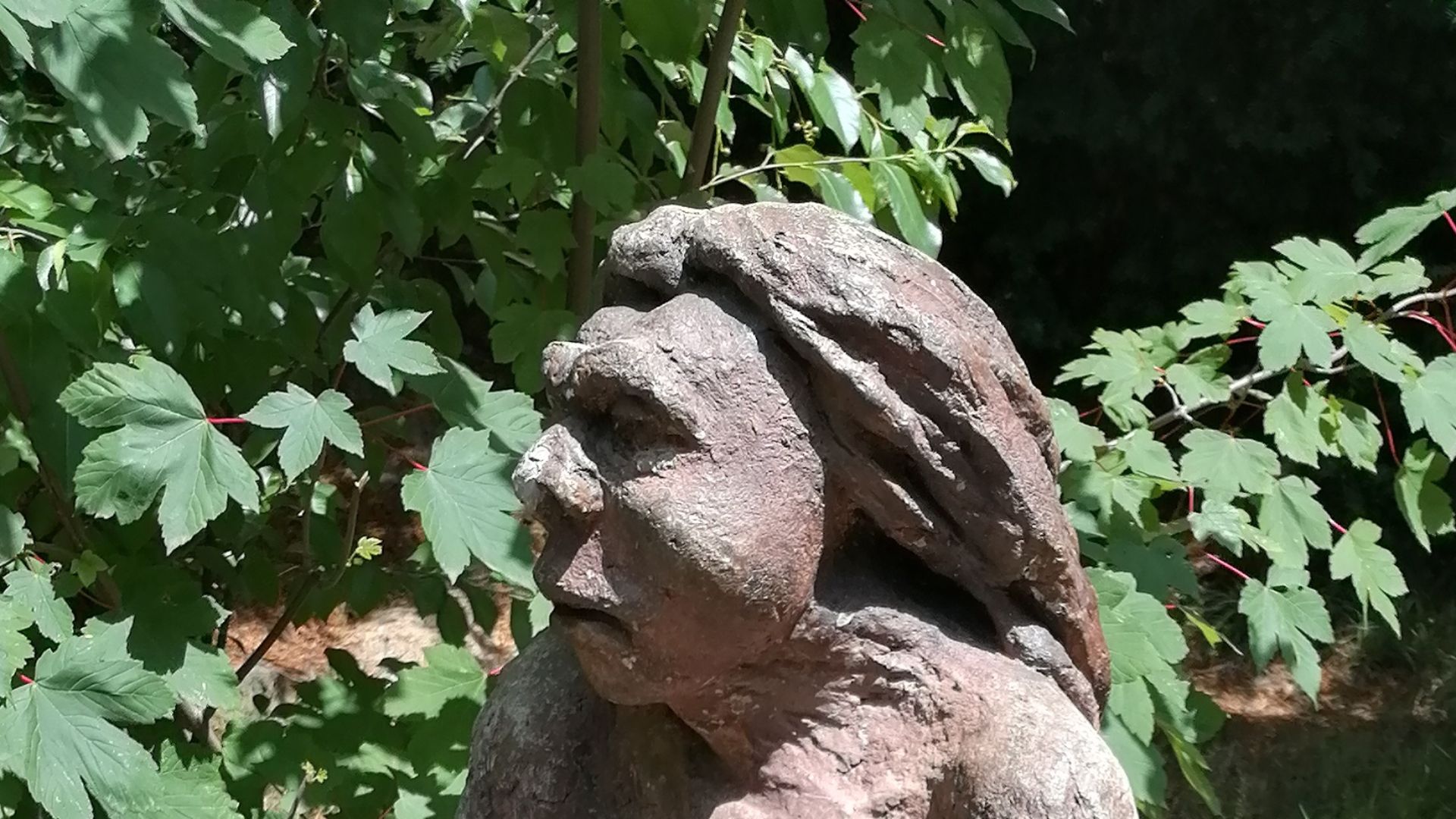
Absence Can Be Evidence
No modern human artifacts appeared anywhere in the cave. What does that silence suggest? Pure Neanderthal occupation, undisturbed by later visitors. Such isolation removes doubt, and interpretations rest on behavior alone, free from questions about cultural mixing.
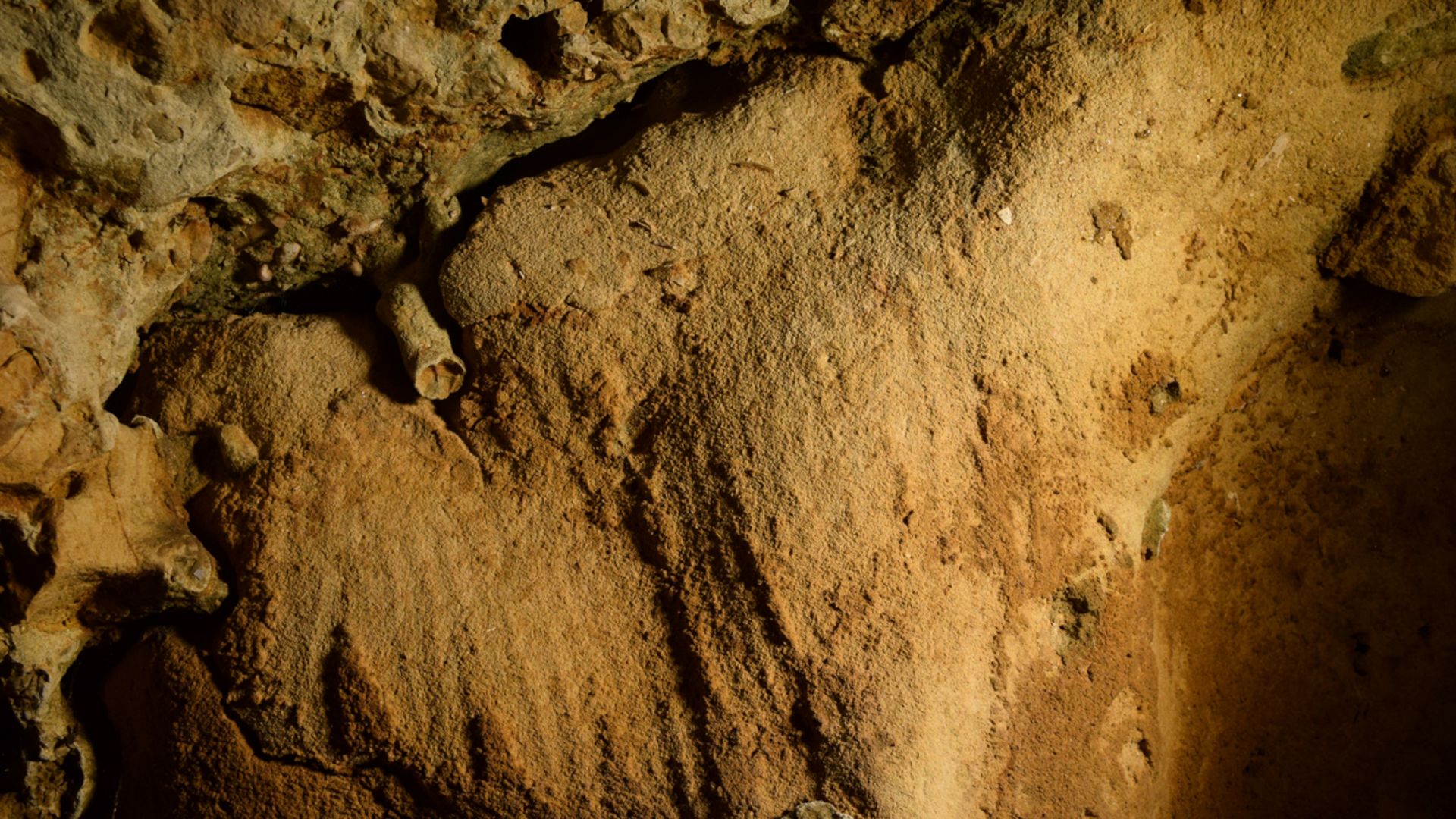
Reading the Ancient Environment
Pollen grains worked like punctuation marks in sediment. Each layer recorded shifts in vegetation and climate. Meanwhile, soil chemistry tracked moisture changes. Together, these signals reconstructed surroundings that shaped daily choices, guiding movement, diet, and shelter use.
 Toktau, CC BY 4.0, Wikimedia Commons
Adjusting to Change Without Panic
How does a group respond when conditions worsen? Evidence shows no sudden break in habits. Instead, subtle shifts unfolded across time. That restraint suggests confidence. Trust in experience shaped decisions more than fear of immediate loss.
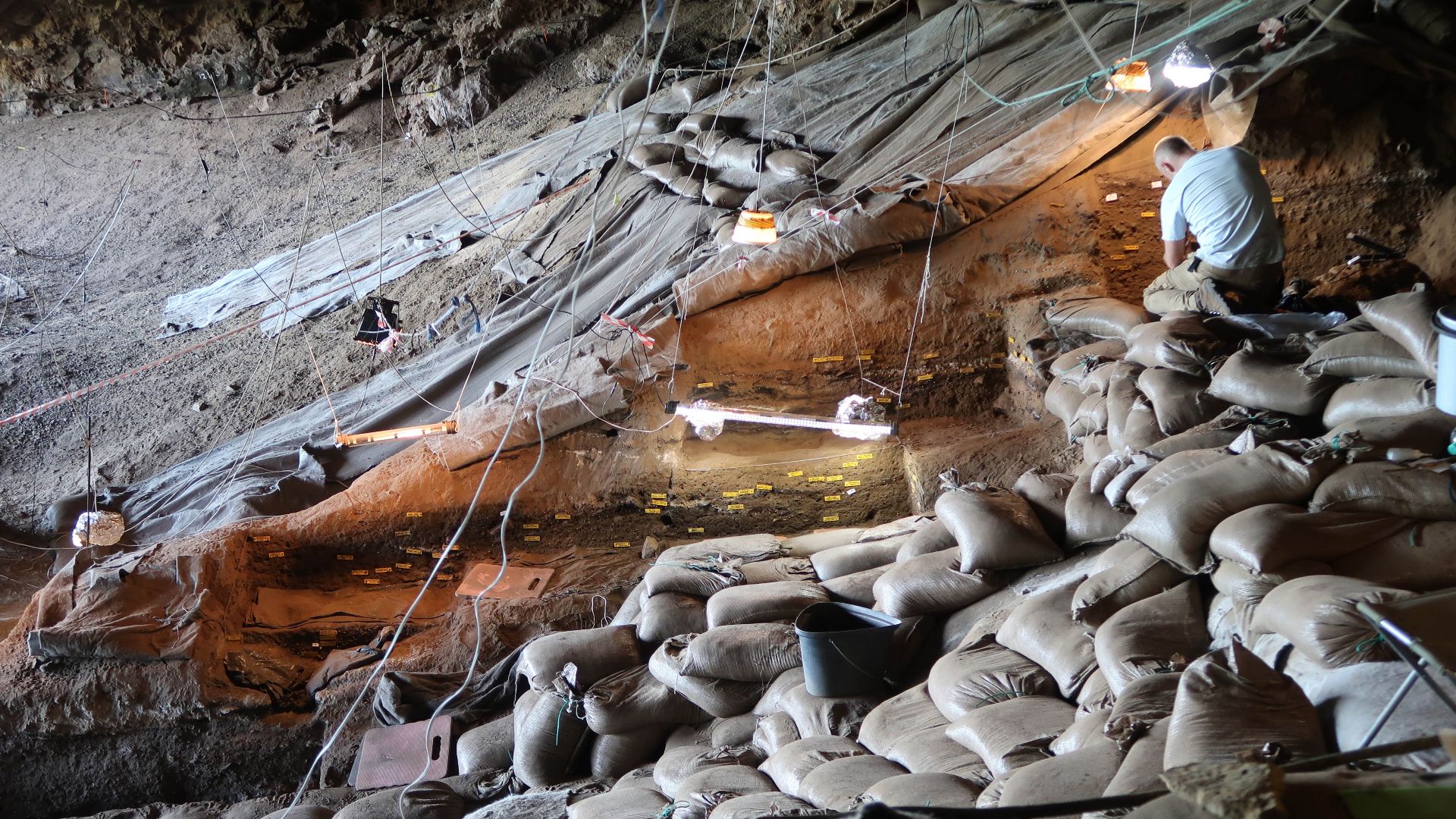 Lucinda Backwell, Wikimedia Commons
What Is Missing Matters Too
No art objects surfaced. No symbolic carvings either. Oddly, that absence helps. Not every group expressed identity in the same way. Expecting uniform behavior oversimplifies humans. Even ancient ones had different priorities, habits, and daily concerns.
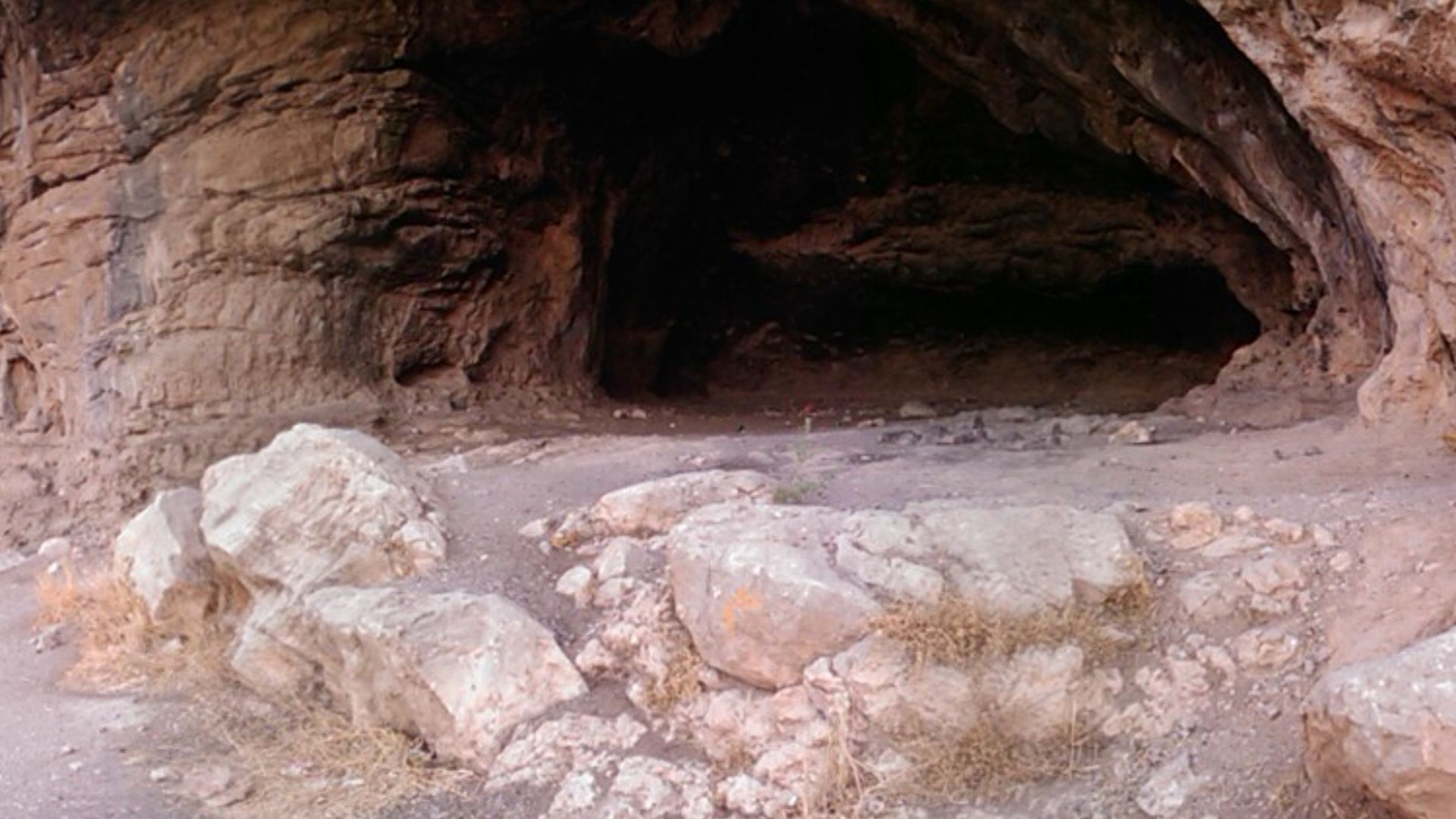 User:Coffeetalkh, Wikimedia Commons
Limits of What One Cave Can Show
Even pristine archaeological sites have limits. Actions that leave no material trace remain unknown. Speech and fleeting interactions disappear entirely. As a result, conclusions rely strictly on preserved evidence, reminding researchers to separate observable behavior from speculation.
 Llywelyn2000, Wikimedia Commons
Rethinking Neanderthal Intelligence
What defines intelligence in deep history? Evidence from this cave points toward planning, cooperation, and restraint. However, intelligence rarely looks dramatic. Often, it appears quietly in repeated choices that work, sustained over time through observation rather than experimentation.
 Neanderthal-Museum, Mettmann, Wikimedia Commons
A Rare Archaeological Time Capsule
The sealed cave preserved moments usually erased. Footsteps stayed implied, not overwritten. Daily habits lingered without interruption. In fact, such sites feel intimate. They allow modern observers to sense routine life rather than grand events frozen for study.
 Llywelyn2000, Wikimedia Commons
How One Cave Shifts the Bigger Picture
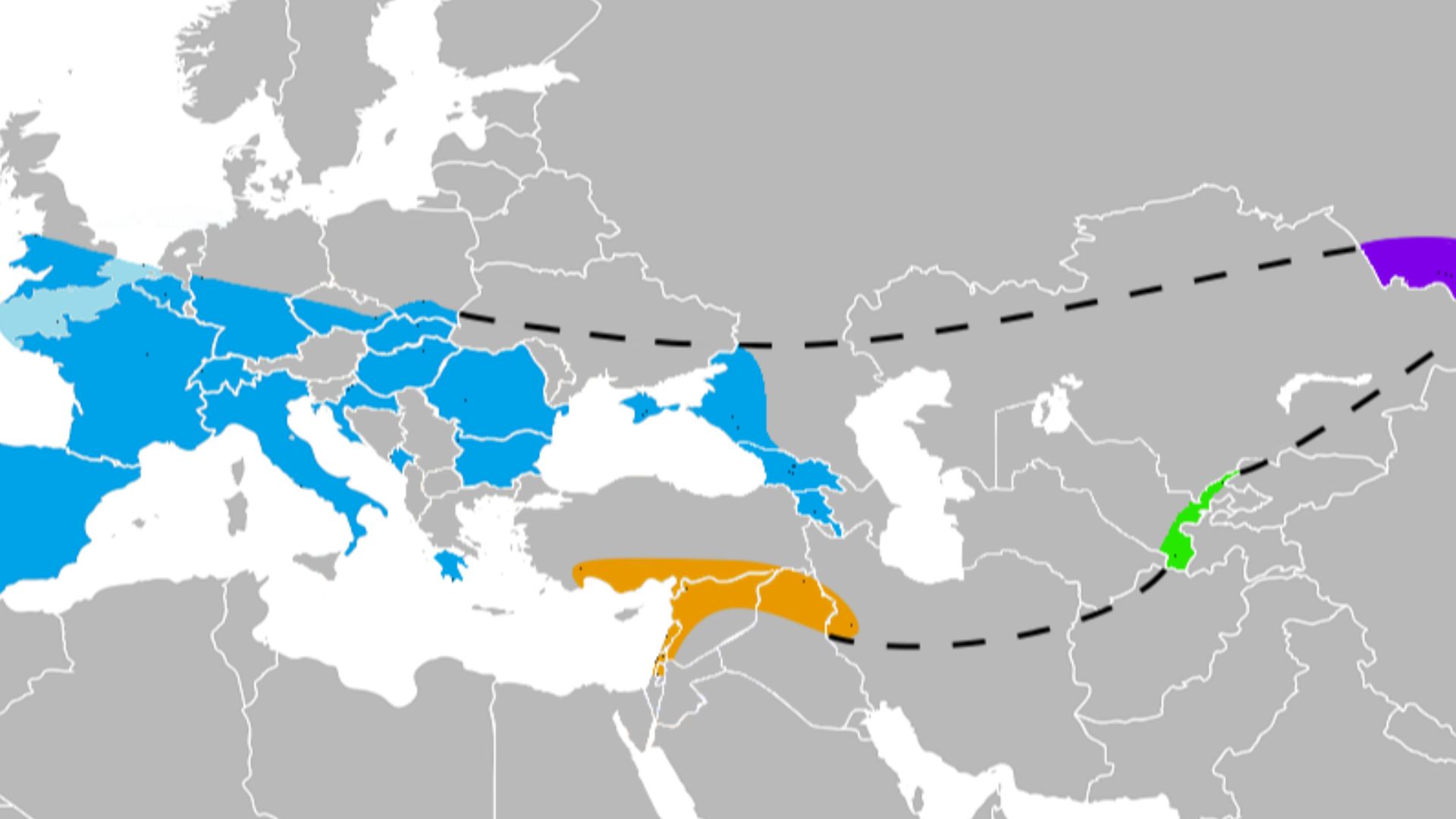
Findings here recalibrate regional occupation timelines and behavioral models. Because evidence remains uncontaminated, conclusions carry unusual weight. Comparisons with disturbed sites now require adjustment. In addition, this cave strengthens arguments for behavioral diversity among Neanderthal groups.
 Nilenbert, N. Perrault, auteur du guide complet du canotageI, Wikimedia Commons
What We Learn from Stillness
Silence preserved truth better than noise ever could. Layer by layer, behavior remained readable. Over time, restraint shaped survival. The cave teaches patience. Sometimes history speaks most clearly when nothing interrupts the record.
 Turid Hillestad Nel , Christopher Stuart Henshilwood, Wikimedia Commons