

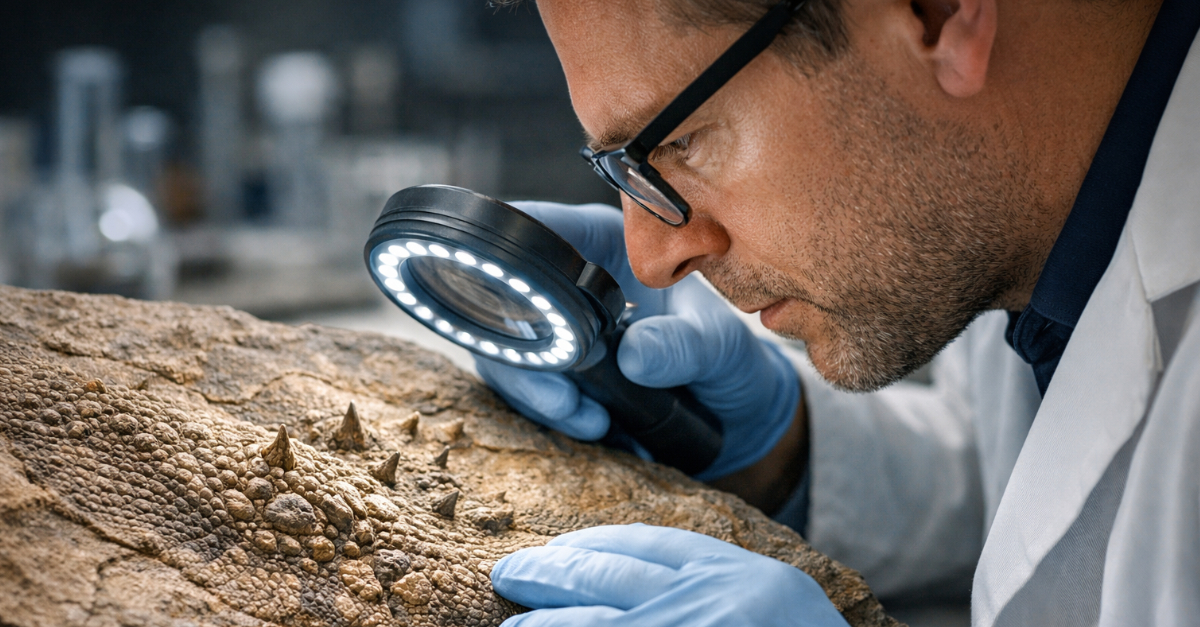
A Discovery That Almost Shouldn’t Exist
Most dinosaur discoveries are just bones. No texture. No skin. No real sense of what they truly looked like. But in early 2026, scientists unveiled something almost unheard of—a newly identified dinosaur with preserved surface details dating back more than 120 million years.
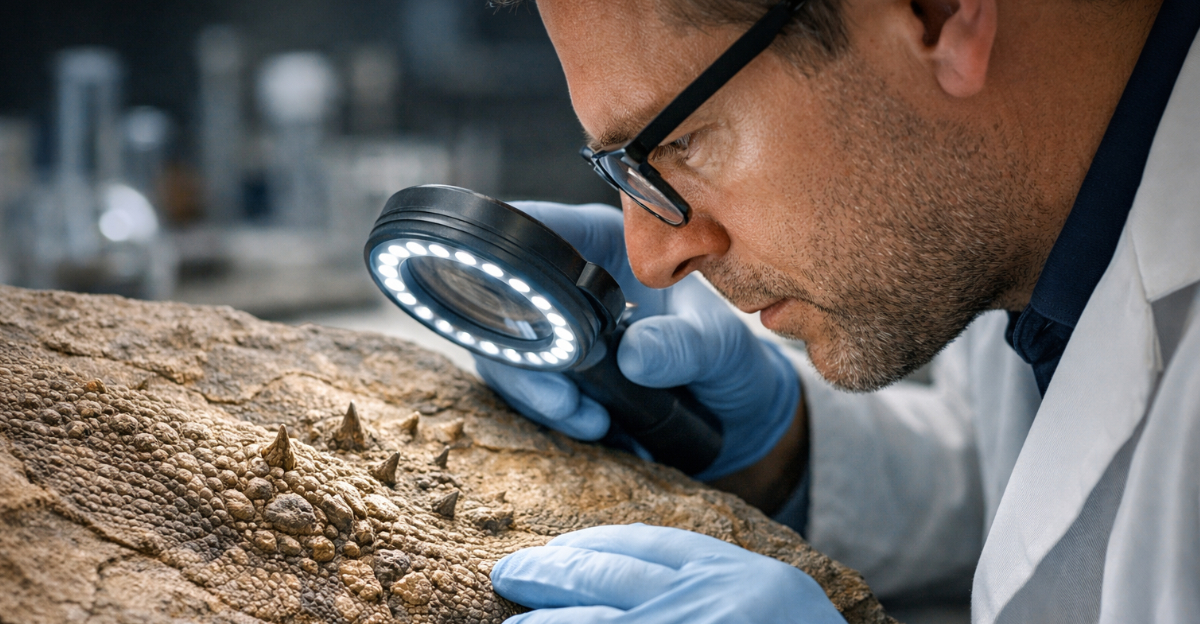
The Announcement That Turned Heads
On February 6, 2026, researchers formally described a new dinosaur species in the peer-reviewed journal Nature Ecology & Evolution. Its name: Haolong dongi. But the skeleton wasn’t the most surprising part of the discovery.

Meet Haolong dongi
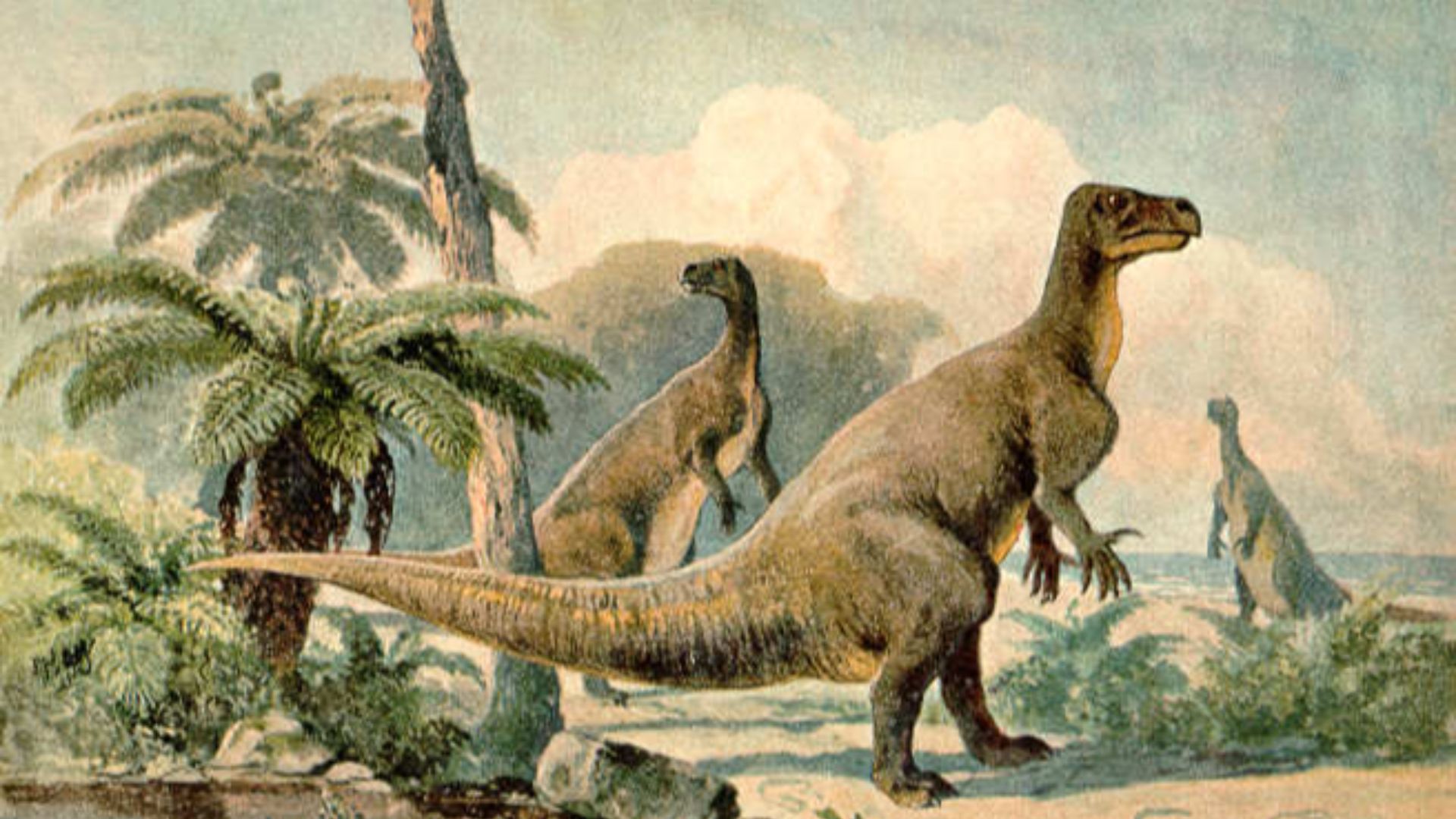
Haolong dongi is an iguanodontian dinosaur that lived during the Early Cretaceous, approximately 125–120 million years ago. These plant-eaters could move on two legs or all fours and represent a key evolutionary stage between early ornithopods and later duck-billed dinosaurs.
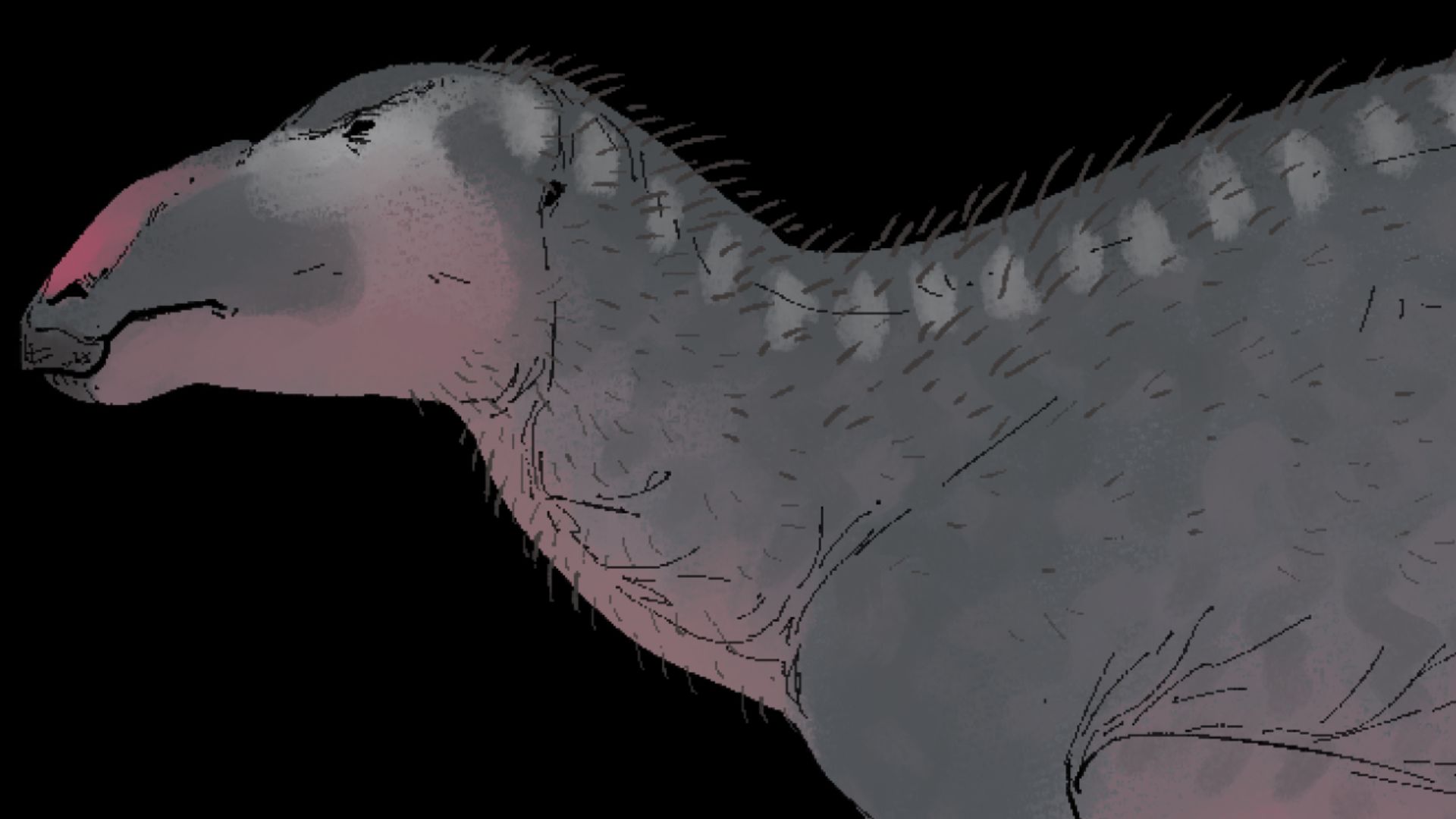 Connor Ashbridge, Wikimedia Commons
From One of the Most Important Fossil Beds on Earth
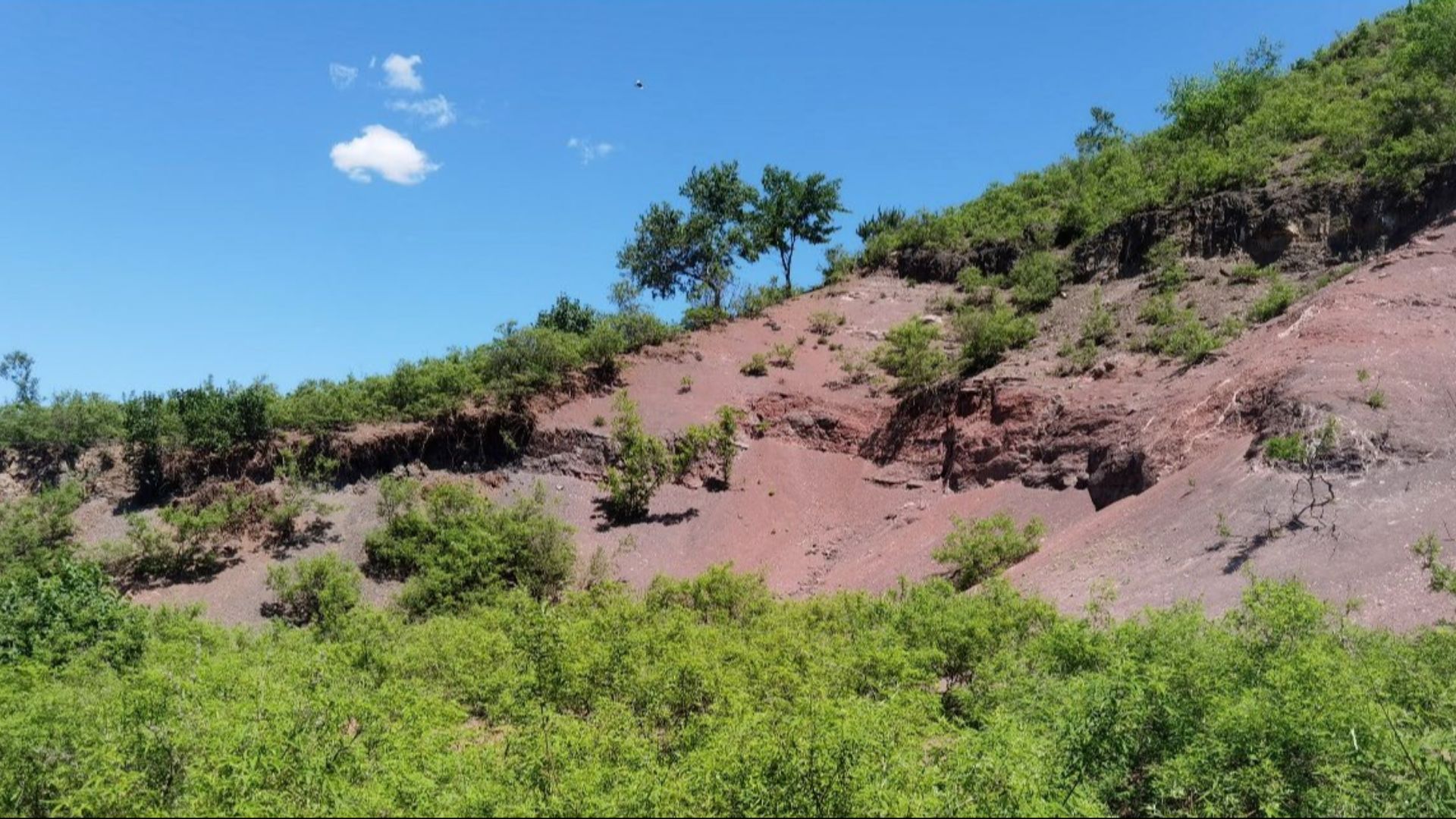
The fossil comes from the Yixian Formation in northeastern China, part of the broader Jehol fossil region. Dating to about 125 million years ago, this formation has produced feathered dinosaurs, early birds, mammals, and exquisitely preserved soft tissues.
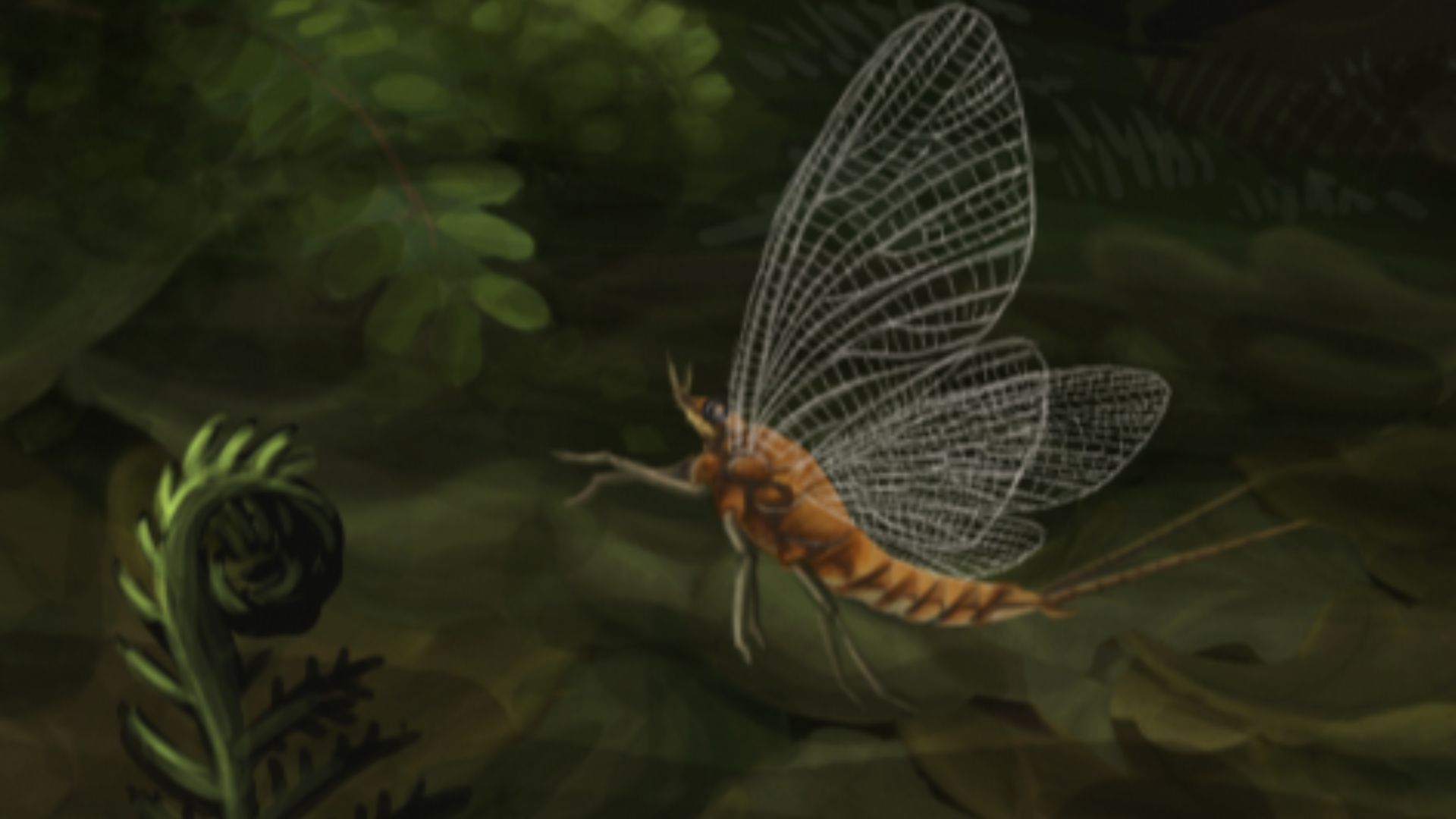
Why Paleontologists Got So Excited
New dinosaur species are described regularly. But preserved skin? That’s rare. The overwhelming majority of dinosaur species are known almost entirely from skeletal remains, making soft-tissue fossils exceptionally uncommon.
Not Just Skin—Detailed Skin
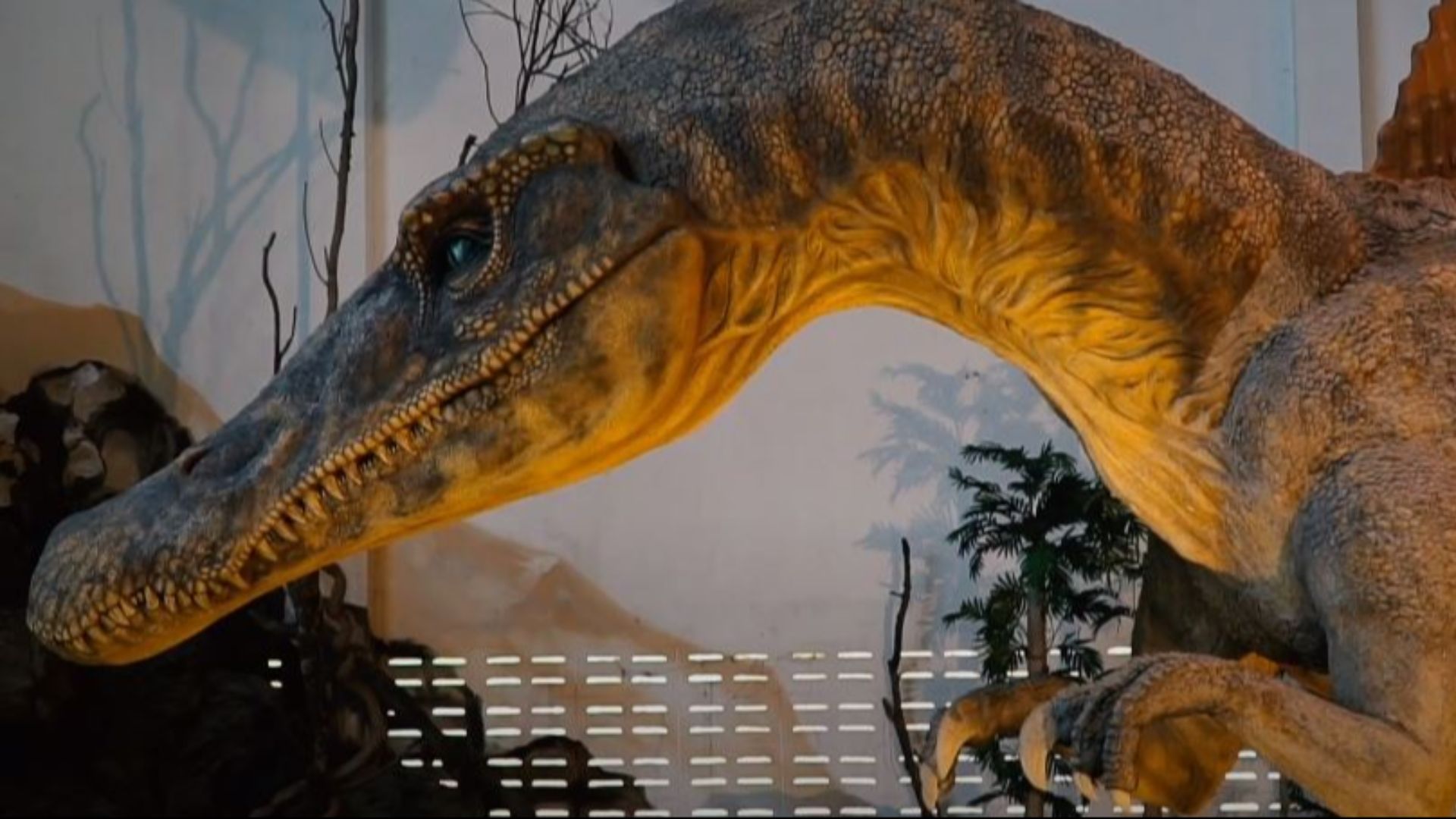
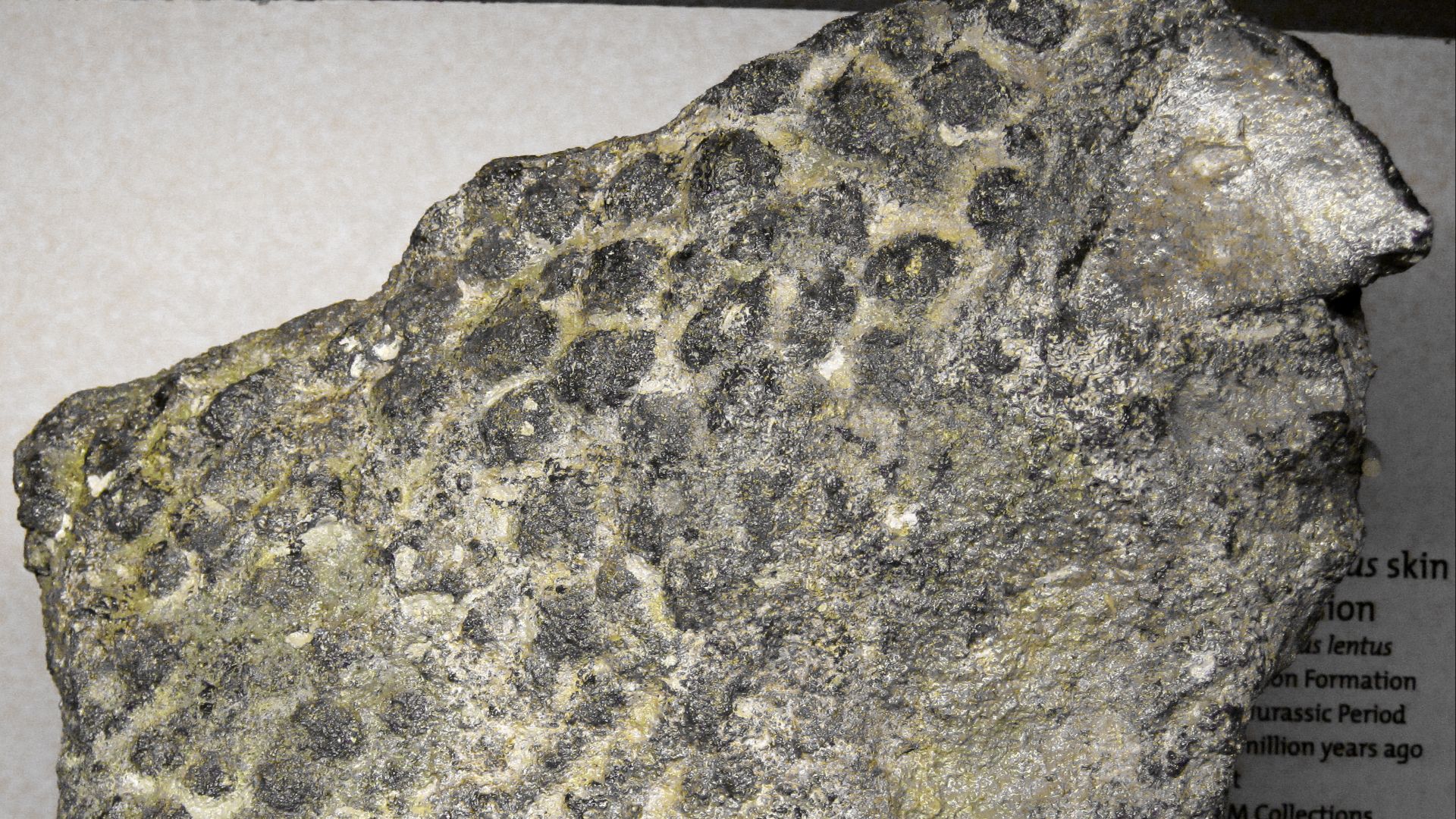
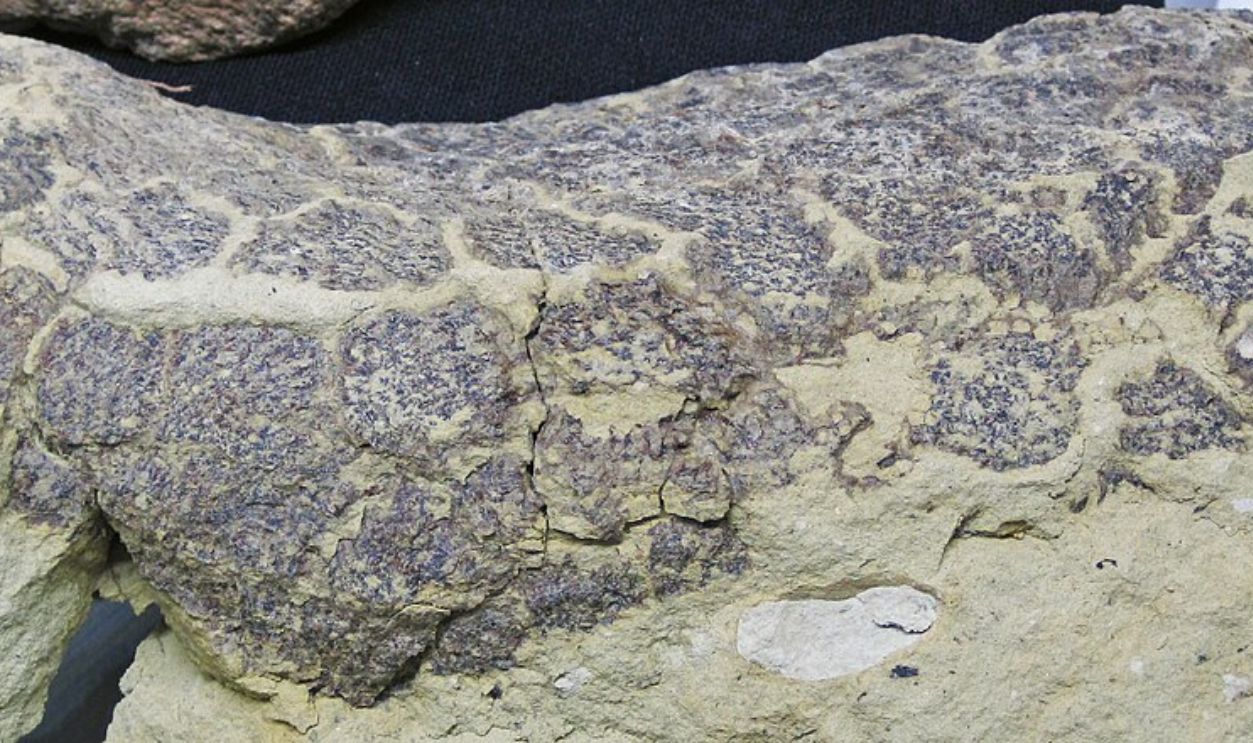
This specimen preserves integumentary impressions—actual surface details of the animal’s outer covering. Instead of guessing texture from modern reptiles, scientists can now examine direct fossil evidence.
 DmytroLeontyev, Wikimedia Commons
A Closer Look at the Skin
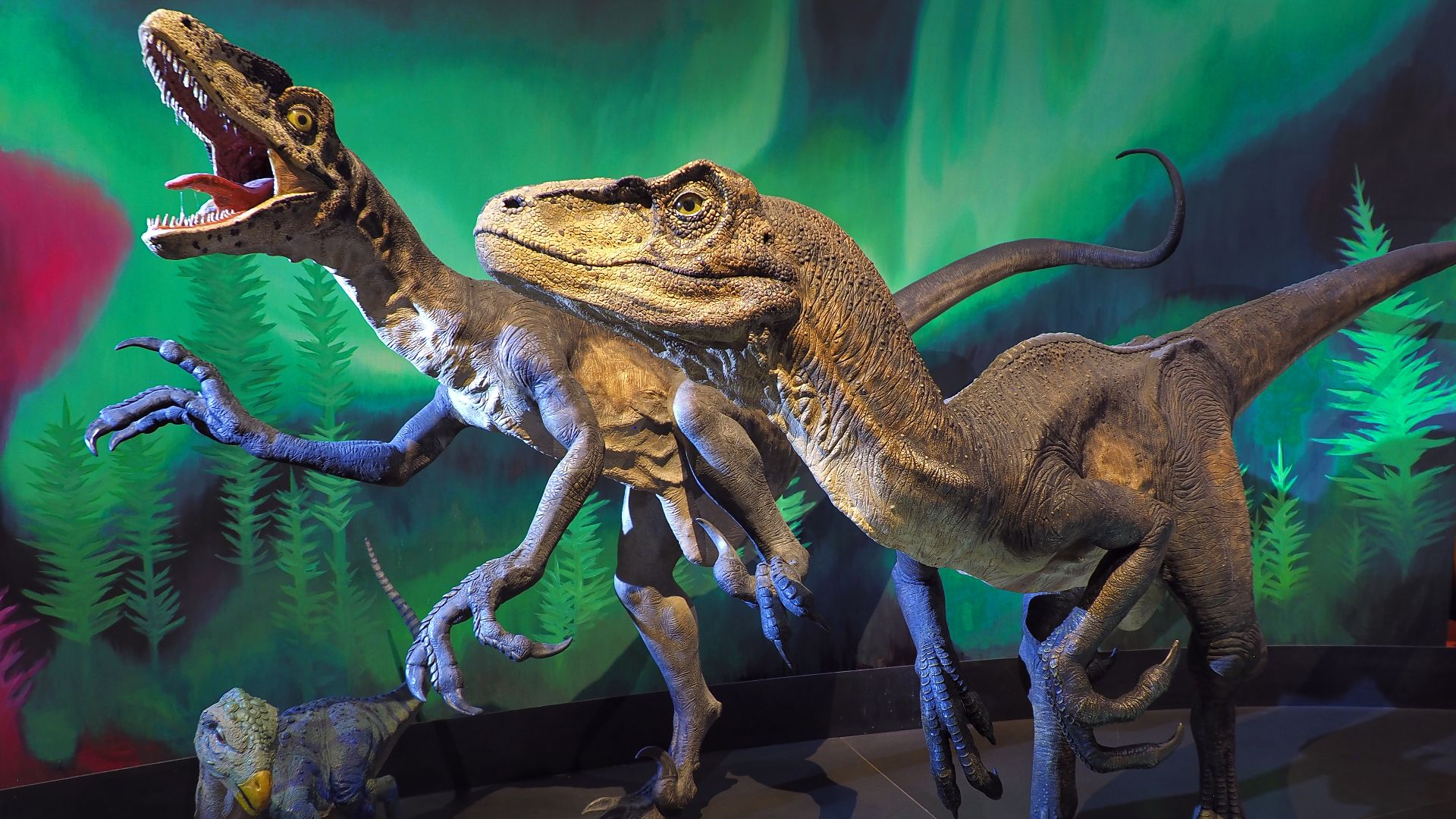
The preserved integument includes large overlapping scutate scales along the tail and tuberculate scales around the neck and thorax. Researchers noted these patterns differ from what’s been described in other iguanodontians.
 James St. John, Wikimedia Commons
And Then It Gets Even Stranger
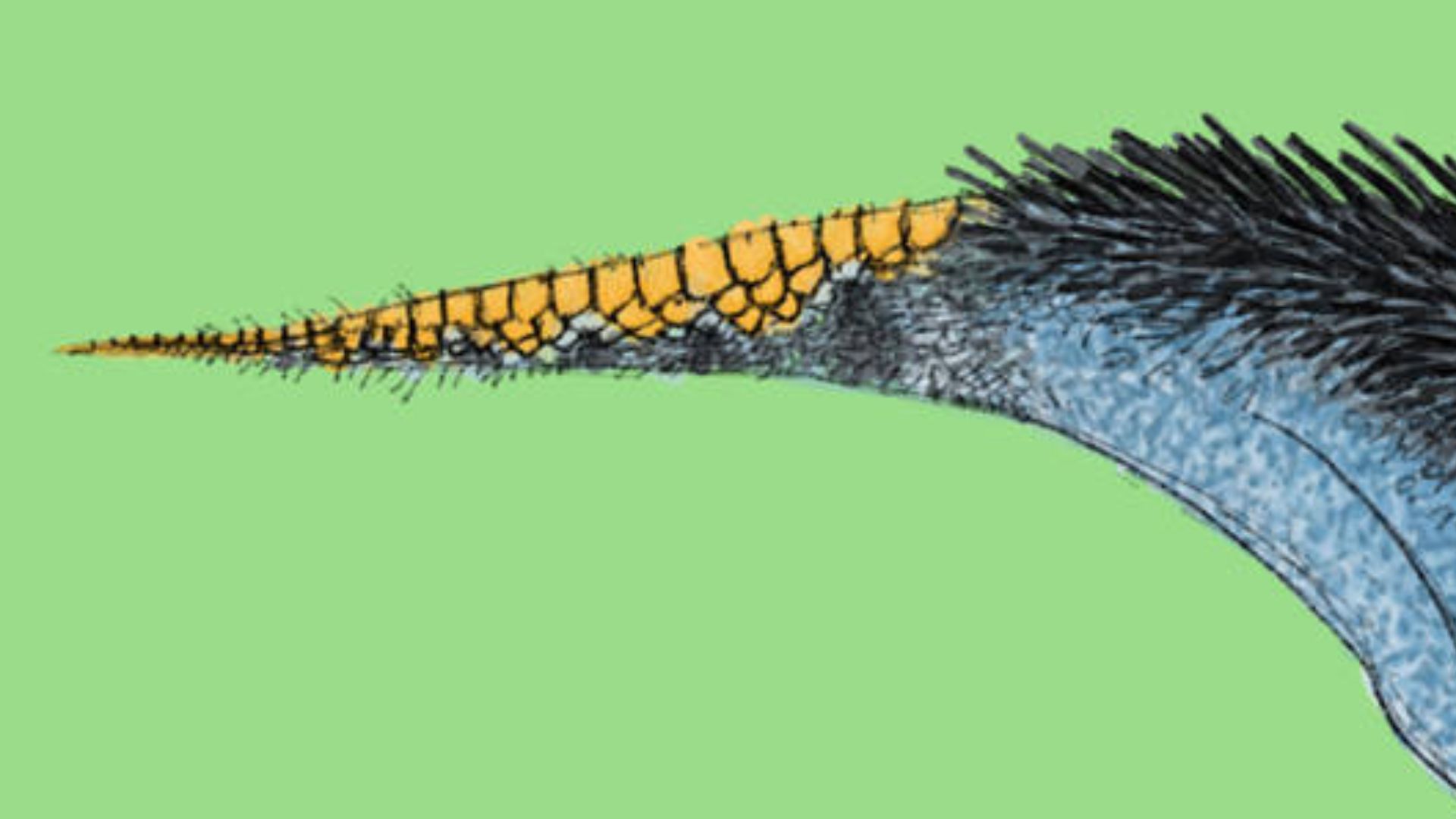
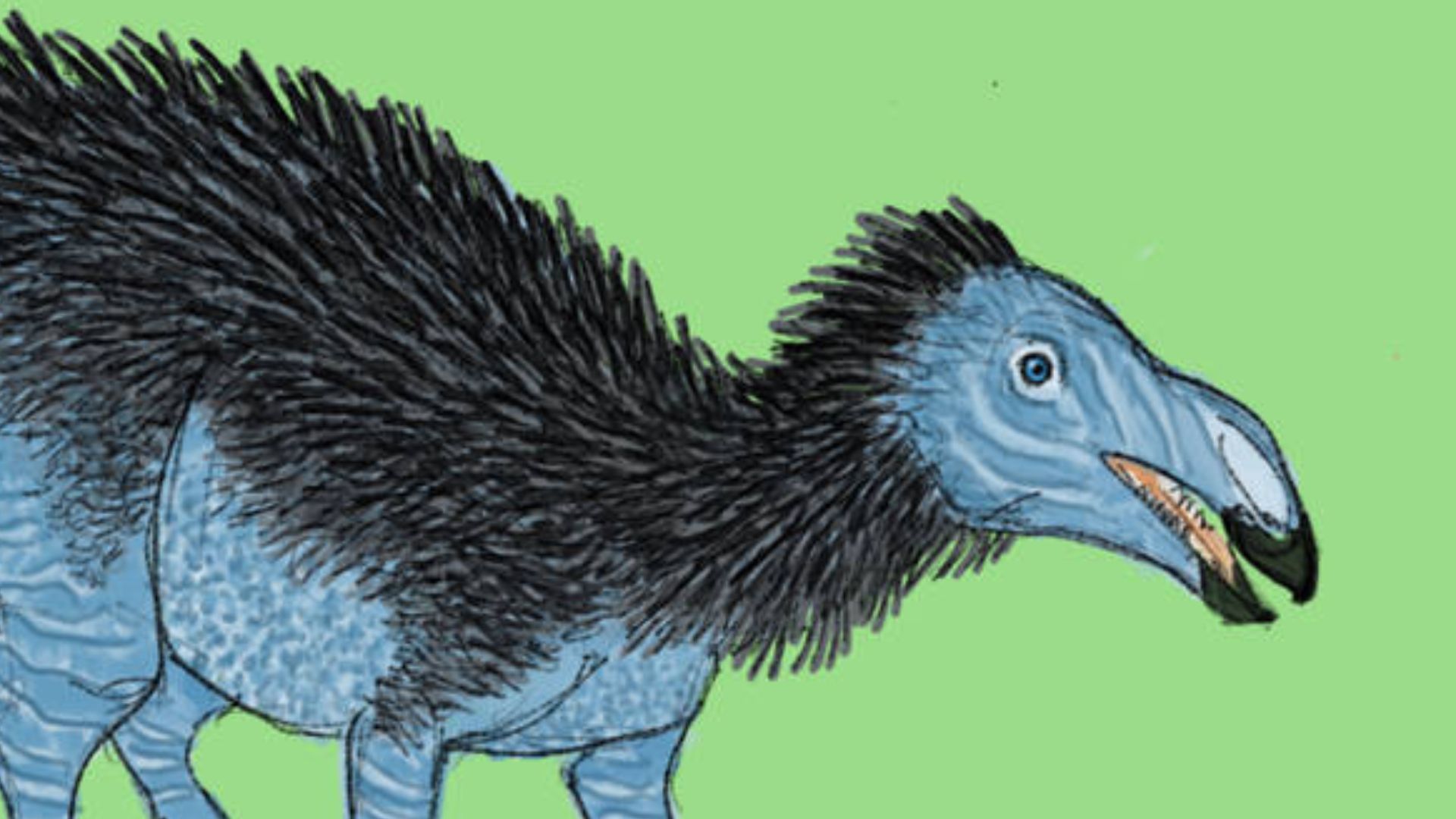
Those scales are interspersed with cutaneous spikes—something rarely documented in this group. These projections add an entirely new layer to what we thought iguanodontian skin looked like.
 MakairodonX, Wikimedia Commons
Preserved Down to the Cellular Level
Even more remarkable, some of the skin structures—including the spikes—are preserved with microscopic detail at the cellular level. That kind of soft-tissue fidelity is exceptionally rare in the dinosaur fossil record.
 James St. John, CC BY 2.0, Wikimedia Commons
A Juvenile Specimen
The fossil represents a juvenile individual approximately 2.45 meters (about 8 feet) long. That’s important because skin texture and ornamentation can change as animals mature—meaning adults may have looked different.
 MakairodonX, Wikimedia Commons
What Were the Spikes For?
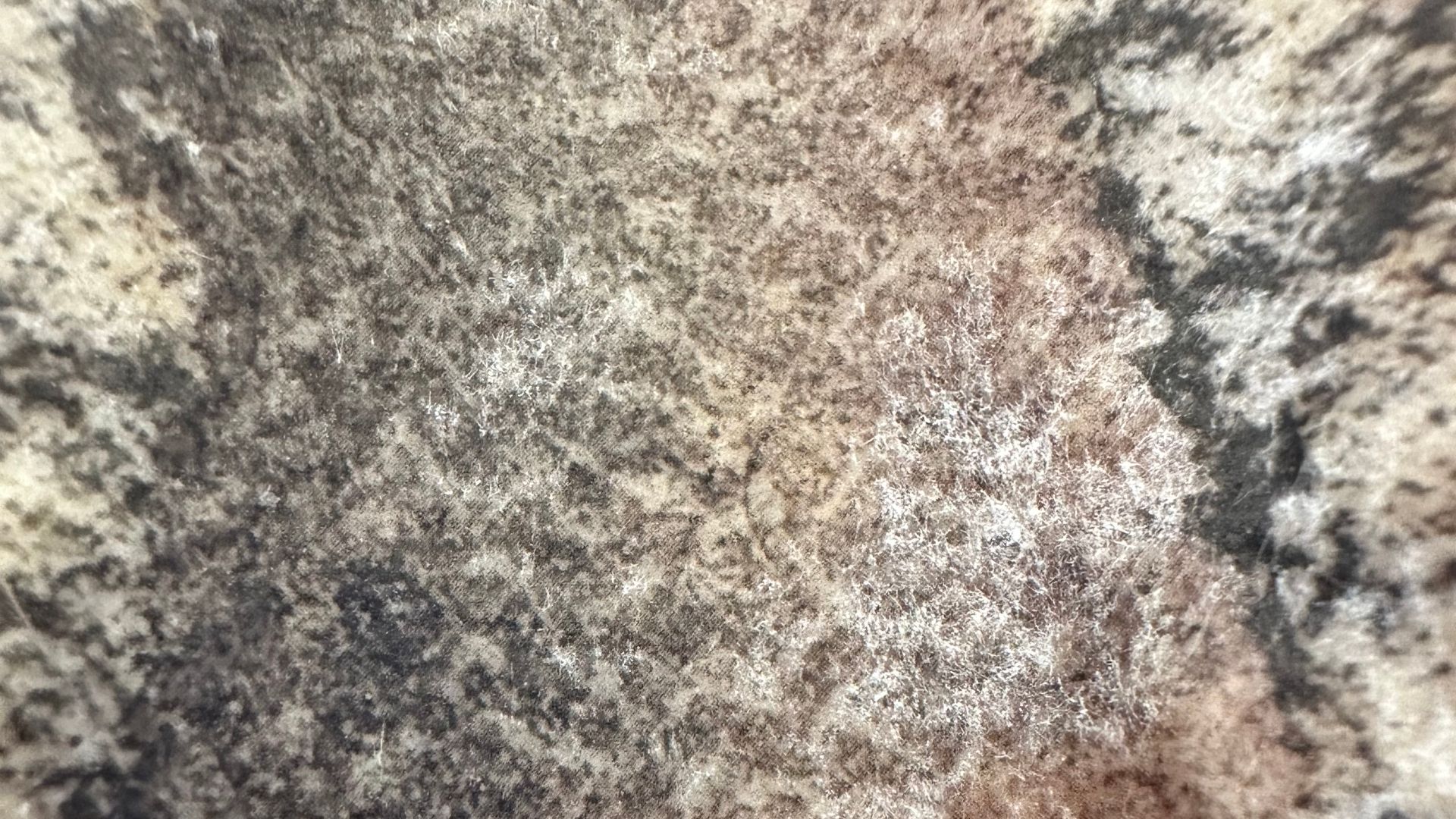
At this stage, scientists cannot say for certain. The spikes may have served defensive, display, or species-recognition functions. Their exact purpose remains unknown, but their presence expands the known diversity of ornithopod integument.
A Key Evolutionary Middle Ground
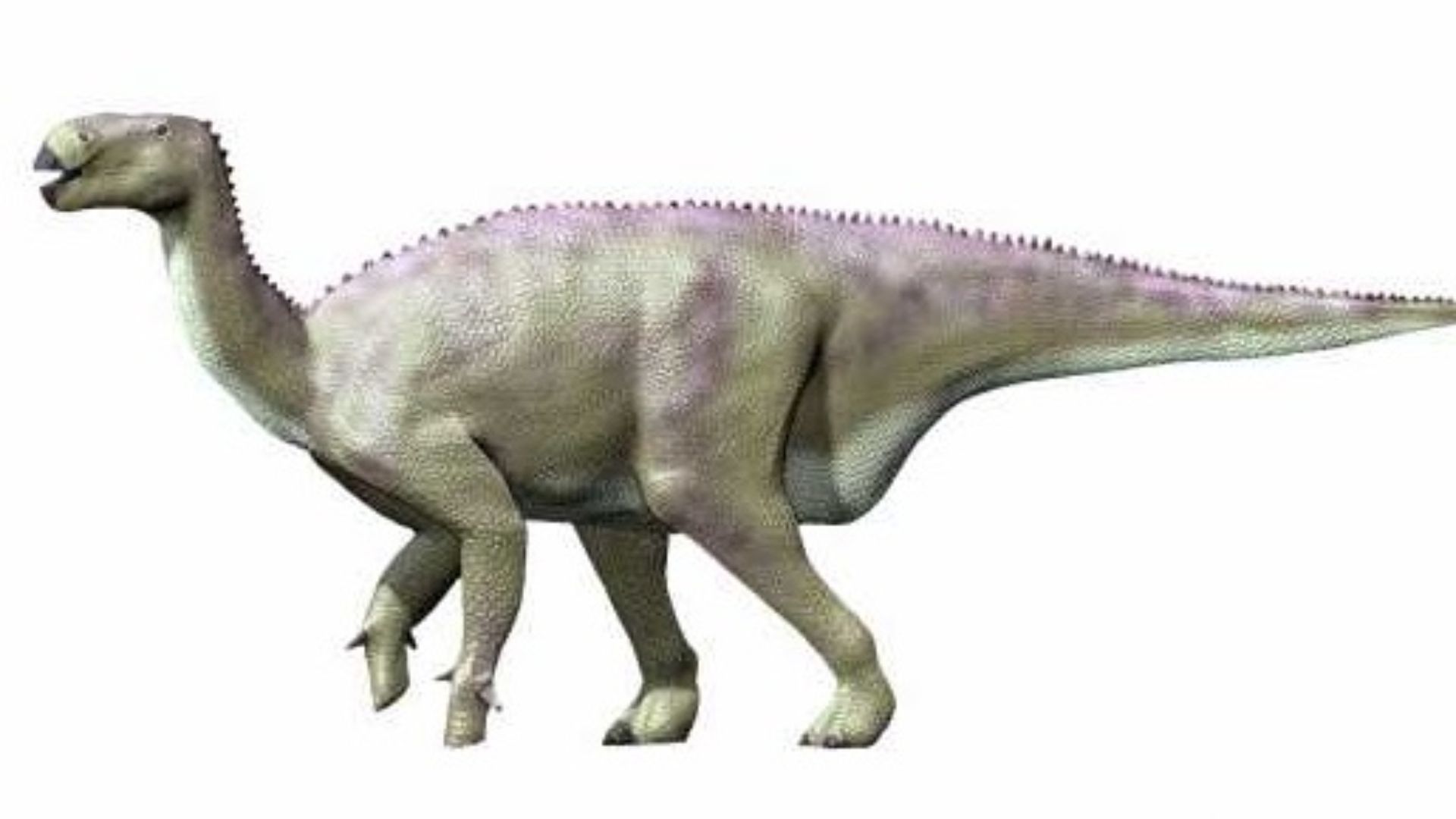
Iguanodontians lived from the Late Jurassic through the Late Cretaceous. Some later members exceeded 30 feet in length. This group represents a crucial evolutionary bridge within Ornithischia—one of the two main dinosaur lineages.
 Nobu Tamura email:[email protected] http://spinops.blogspot.com/, Wikimedia Commons
Placed Through Formal Analysis
Researchers used detailed skeletal comparisons and phylogenetic analysis to place Haolong dongi within Iguanodontia. Its classification isn’t speculative—it’s grounded in formal evolutionary study.
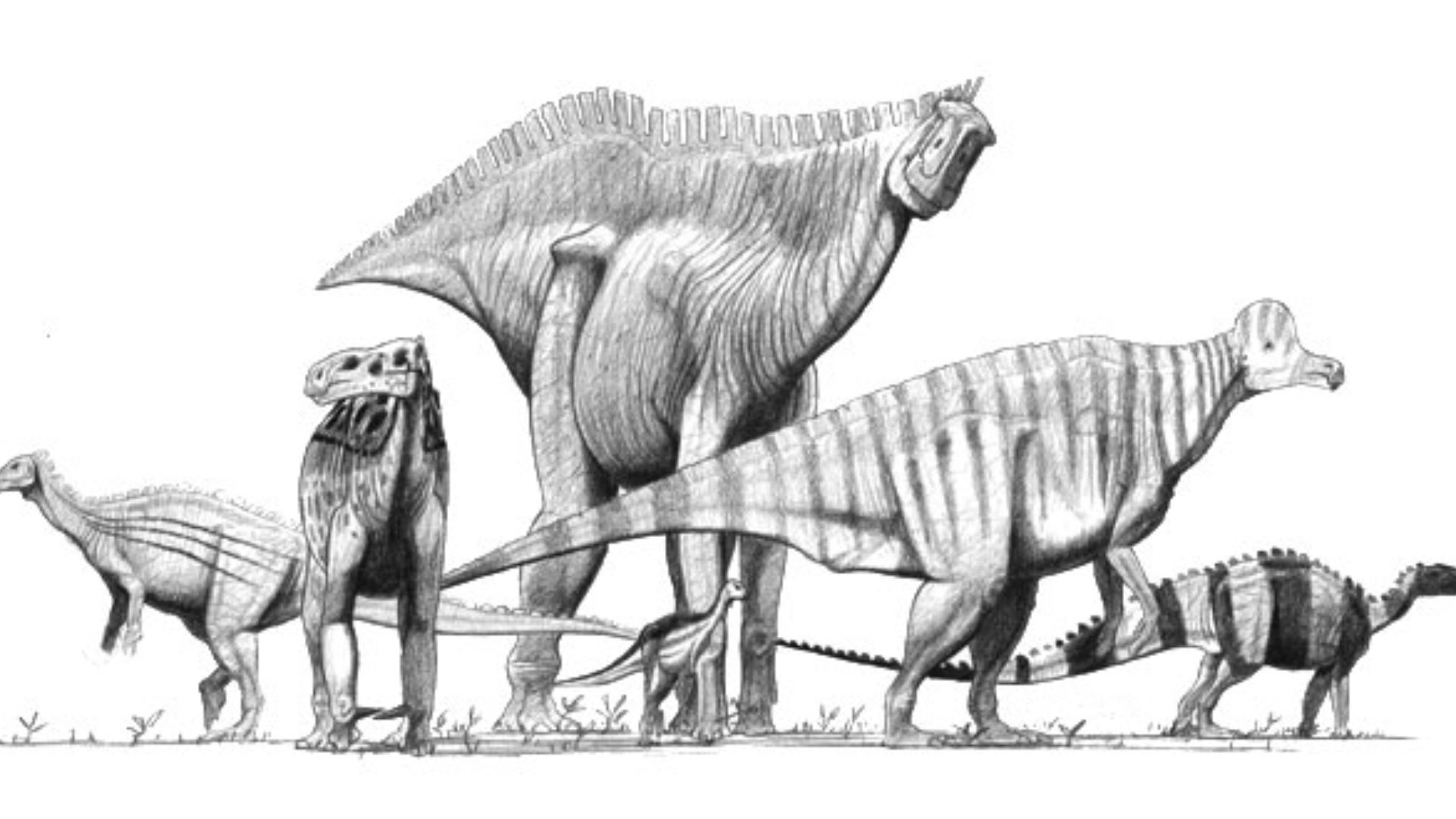 Drawing by John Conway [1], Wikimedia Commons
Not All Dinosaurs Had Feathers
While feathered theropods often dominate headlines, many ornithischians—including iguanodontians—retained scaly skin. This discovery reinforces how diverse dinosaur body coverings truly were.
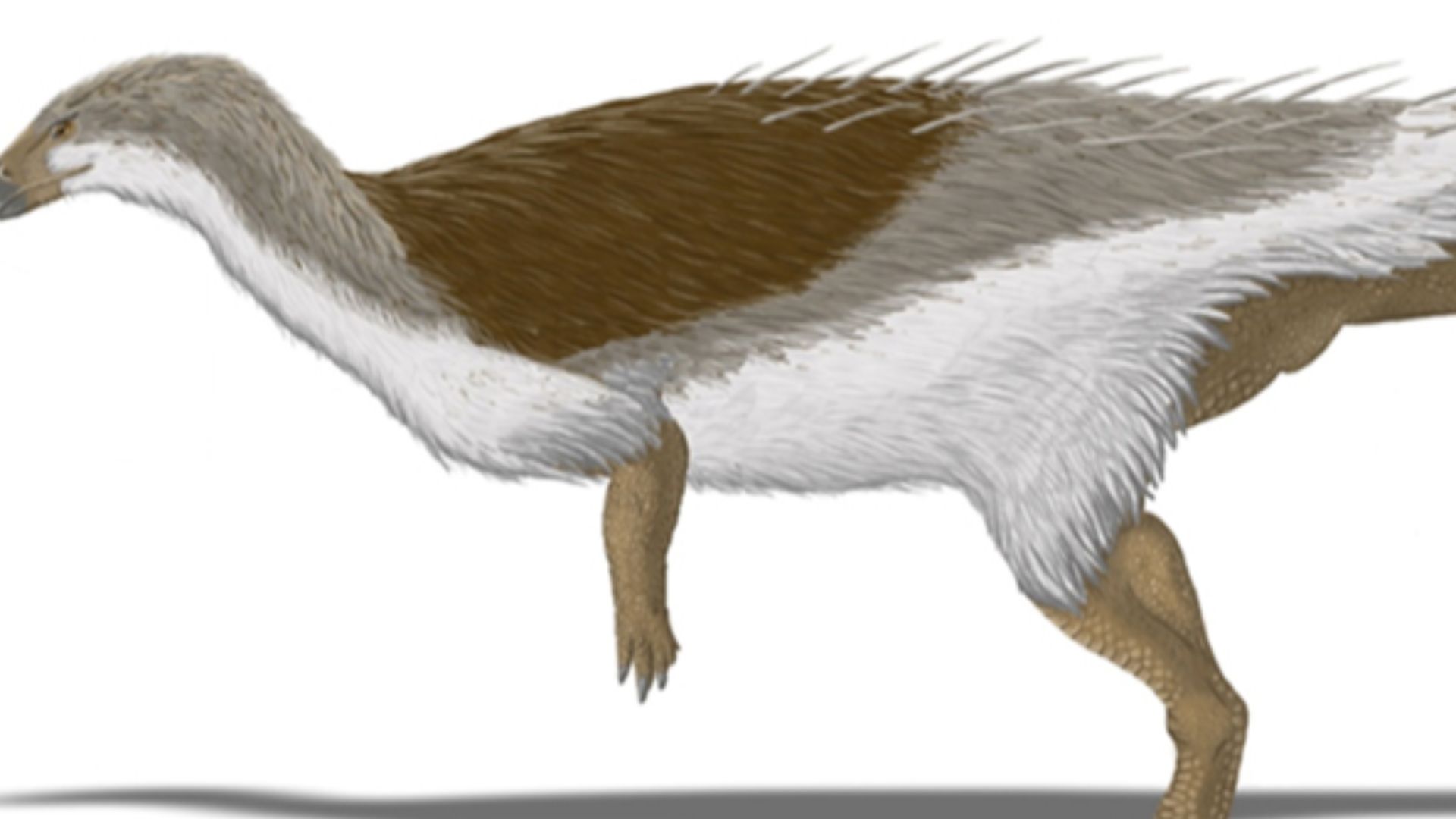 Leandra Walters, Phil Senter, James H. Robins, Wikimedia Commons
How Skin Survives 125 Million Years
For skin to fossilize, burial must happen rapidly in fine sediment, often in low-oxygen conditions. The Yixian Formation is famous for exactly these preservation environments.
More Than Surface Deep
Skin impressions don’t just show texture—they can hint at body contour. Even partial preservation refines our understanding of musculature and mass distribution beyond what bones alone can reveal.
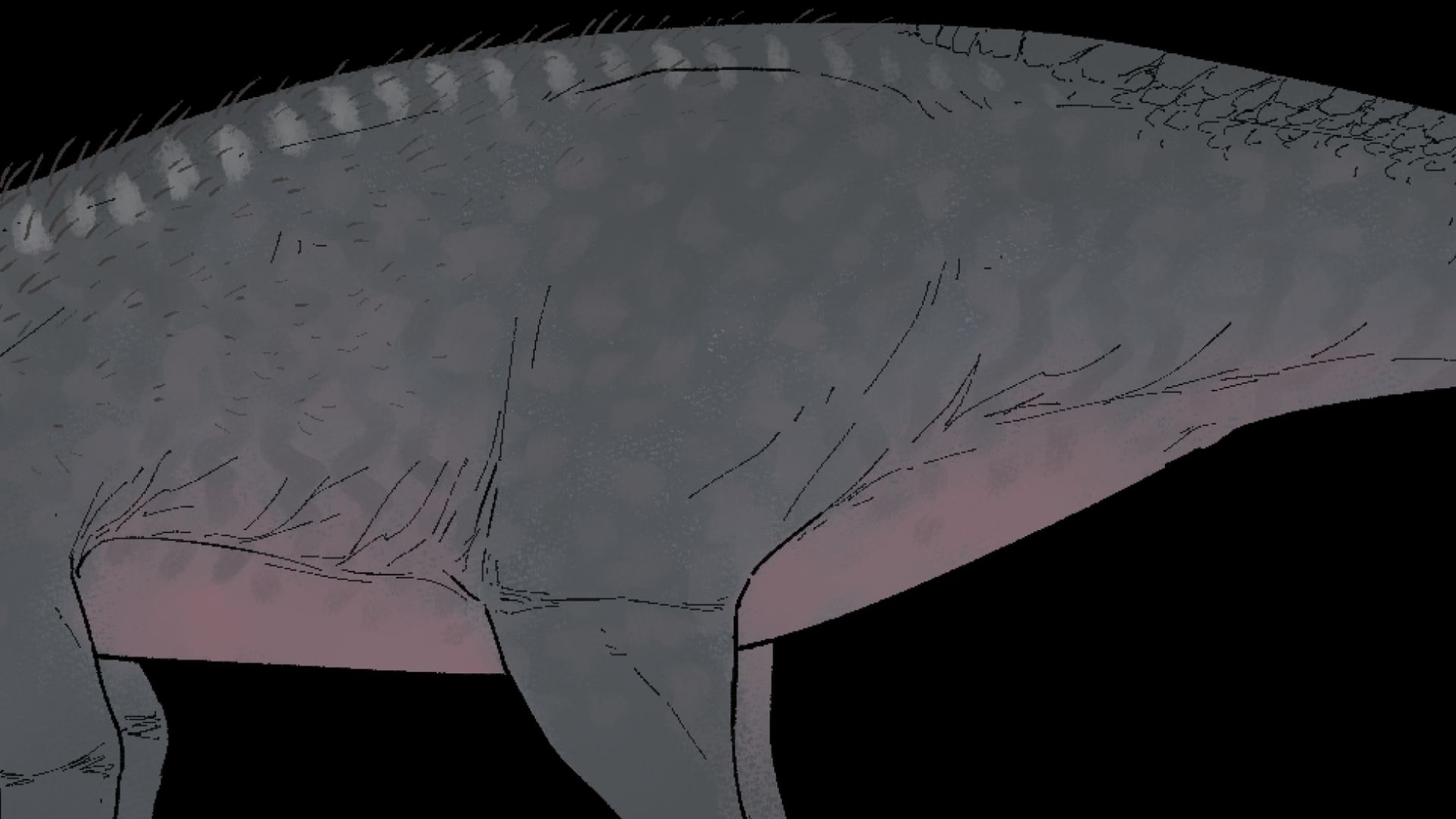 Connor Ashbridge, Wikimedia Commons
Rewriting the Visual Record
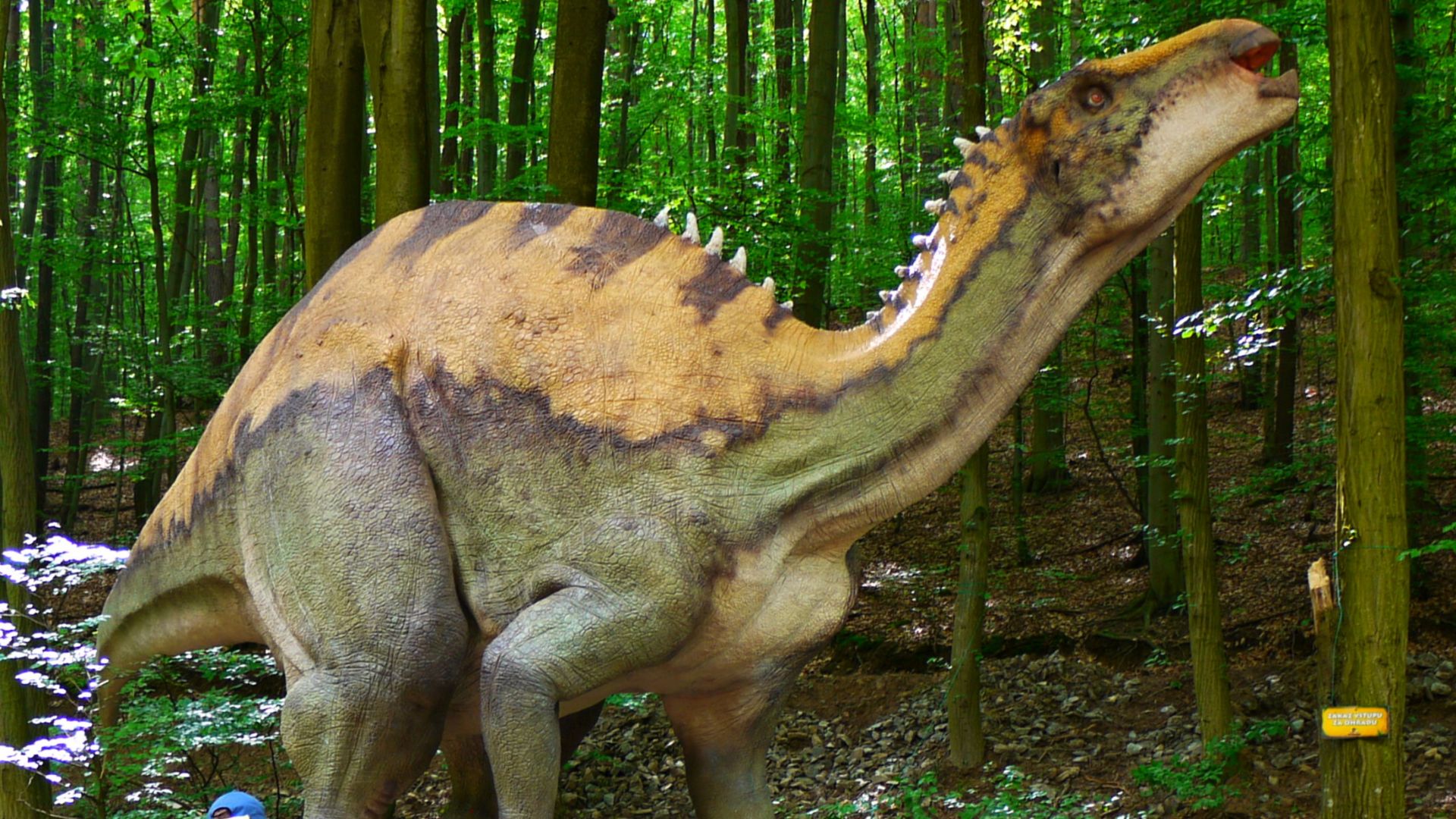
For decades, iguanodontians were reconstructed with generalized reptile-like textures. Now, physical evidence confirms specific scale types and surface structures.
Evolution Written in Texture
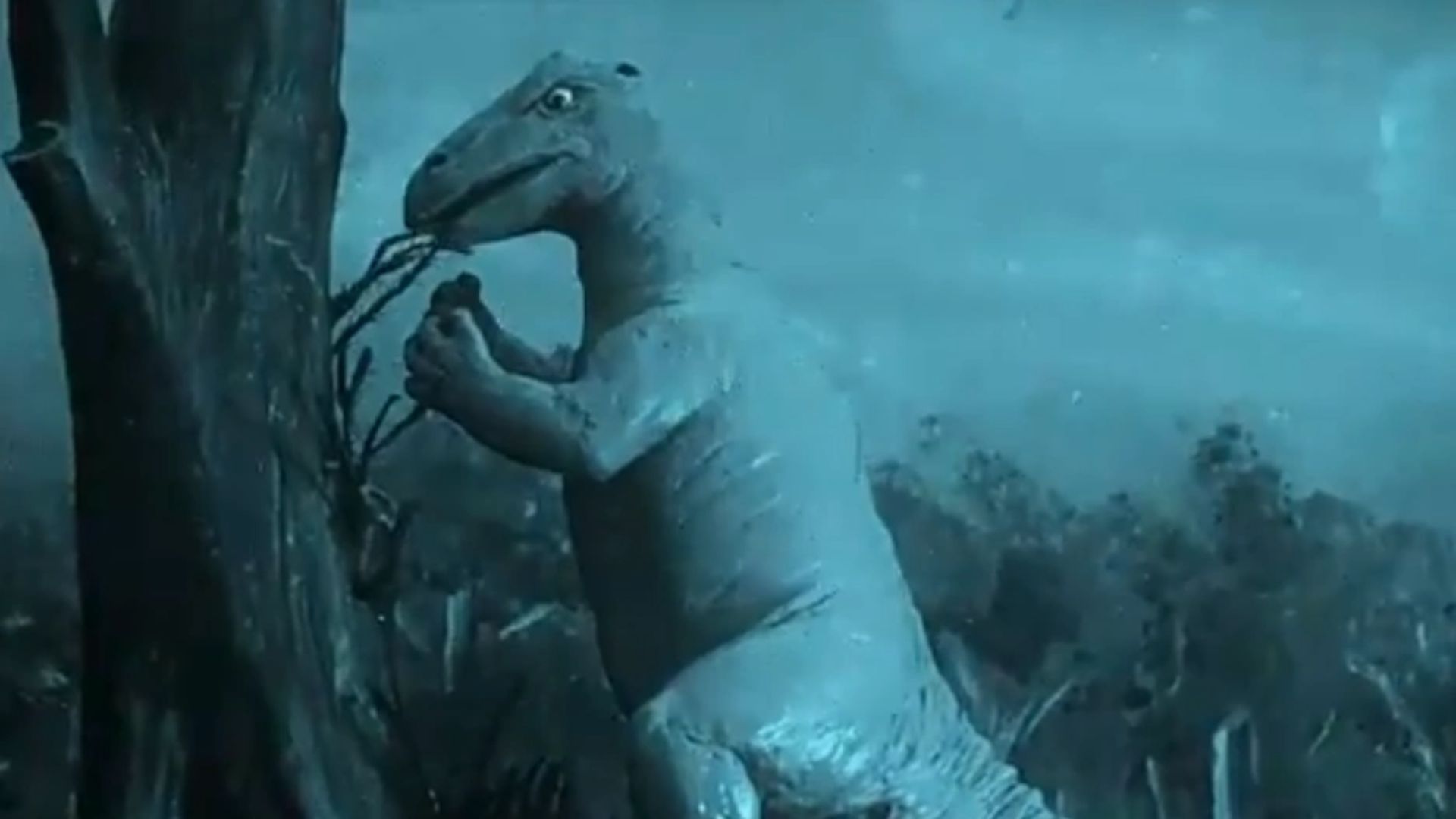
By comparing these skin traits to related species, researchers can track which integument features are primitive and which represent later evolutionary developments.
 Service Film Corporation, Wikimedia Commons
A Rare Club of Soft-Tissue Fossils
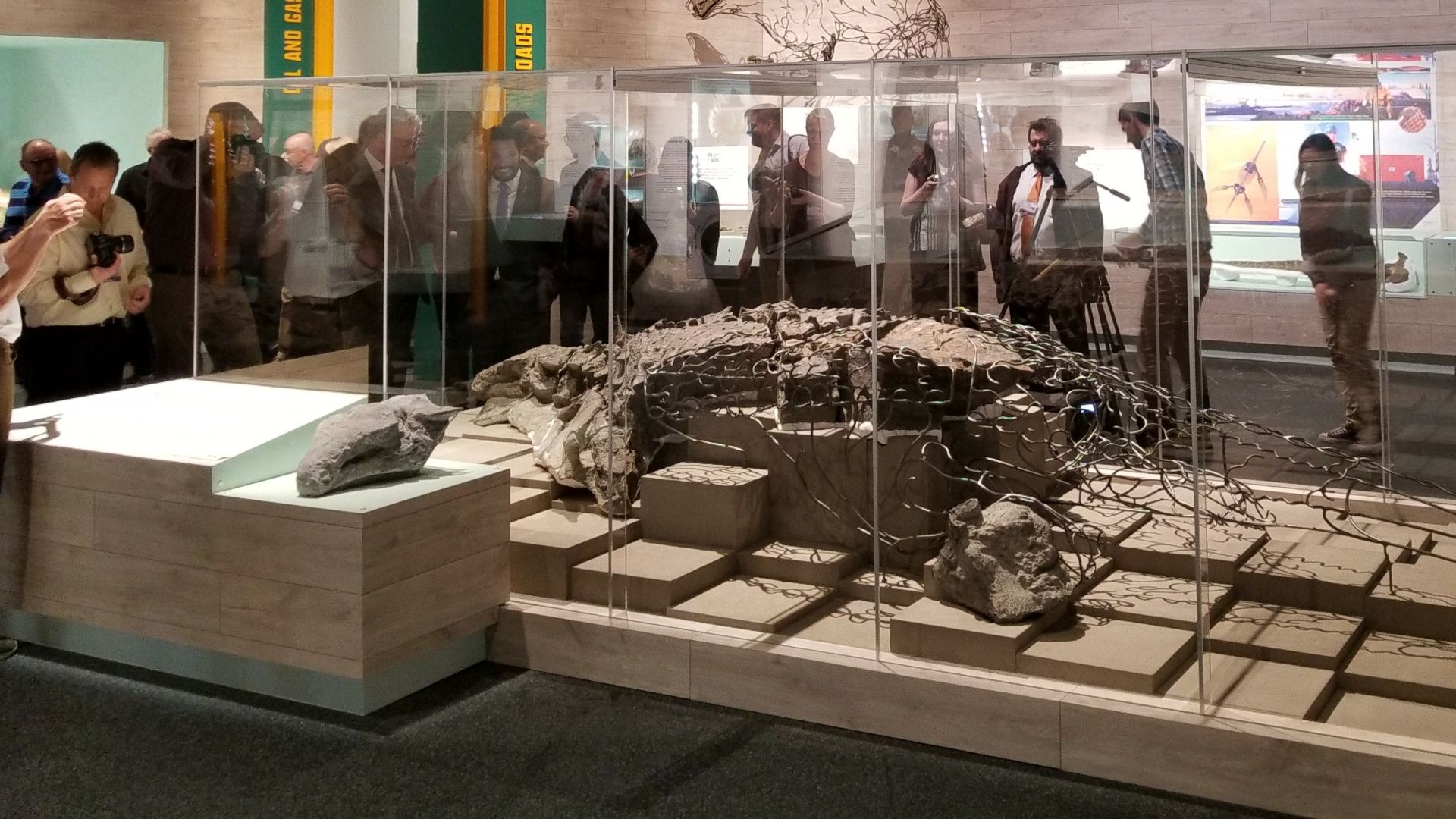
This discovery joins a very small group of dinosaurs known for exceptional preservation. Borealopelta markmitchelli preserved armor and pigment traces. The “Dakota” Edmontosaurus preserved extensive skin impressions.
Why That Comparison Matters
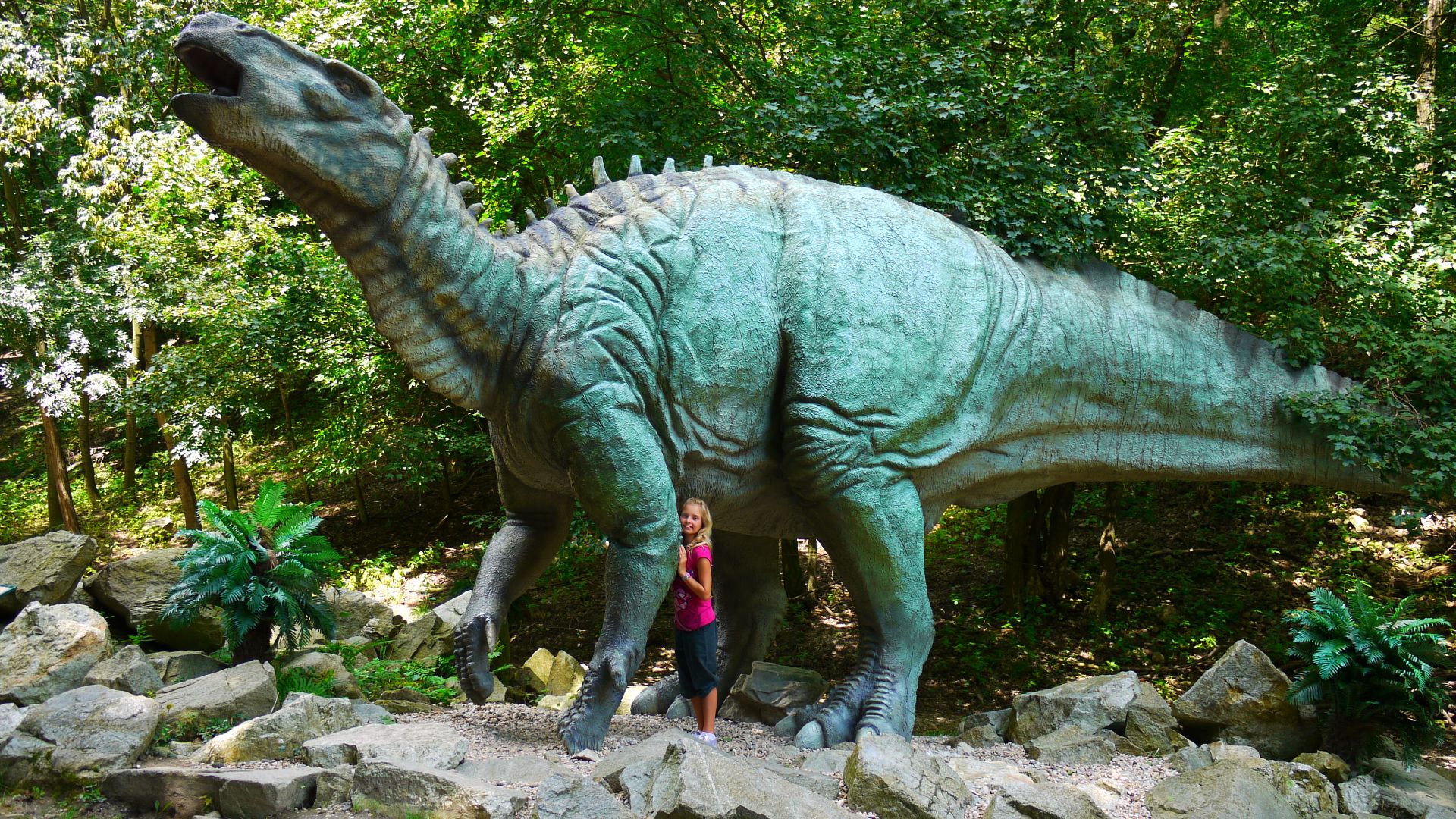
Those fossils reshaped how we visualize dinosaurs. Haolong dongi now adds critical data specifically for iguanodontians—a group that previously lacked this level of skin detail.
A Name With Scientific Weight
Because the species was formally described in a peer-reviewed journal, Haolong dongi is officially part of the scientific record.
 Heinrich Harder (1858-1935), Wikimedia Commons
Why This Changes What We See
For over a century, dinosaurs were imagined as oversized lizards. Each soft-tissue fossil narrows the gap between skeleton and living organism.
 Lance Vanlewen, Wikimedia Commons
What We Still Don’t Know
Coloration remains unknown. Adult appearance remains uncertain. Behavior is still under study. But the visual uncertainty is now significantly smaller than before.
The Bigger Takeaway
Soft tissue almost never survives deep time. When it does—especially at the cellular level—it can reshape reconstructions overnight. And thanks to a February 2026 publication, Haolong dongi has done exactly that.

You Might Also Like:






_1_(27890030236).jpg)