A Famous Skull Re-Examined
For decades, a skull discovered near the ancient Greek city of Ephesus fueled rampant speculation that it was that of Cleopatra’s sister and, by extension, would carry clues about Cleopatra herself. New research now puts to rest those assumptions, showing how modern forensic methods continues to overturn long-standing archaeological narratives. In this case the narrative is tied to one of history’s most famous figures.
Discovery At Ephesus
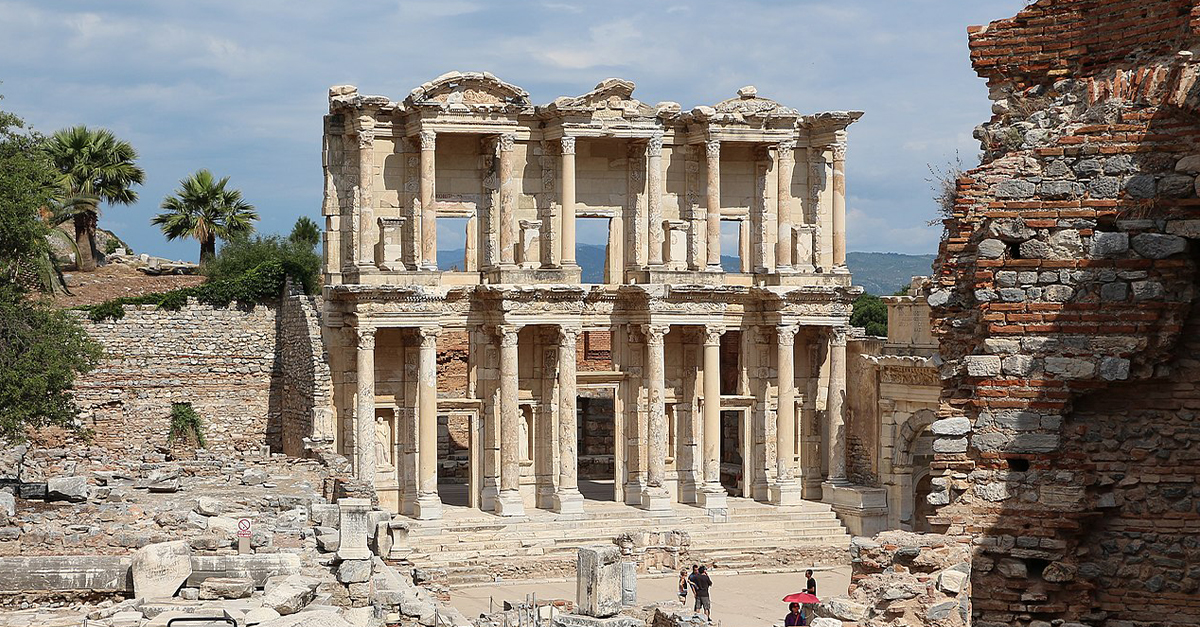
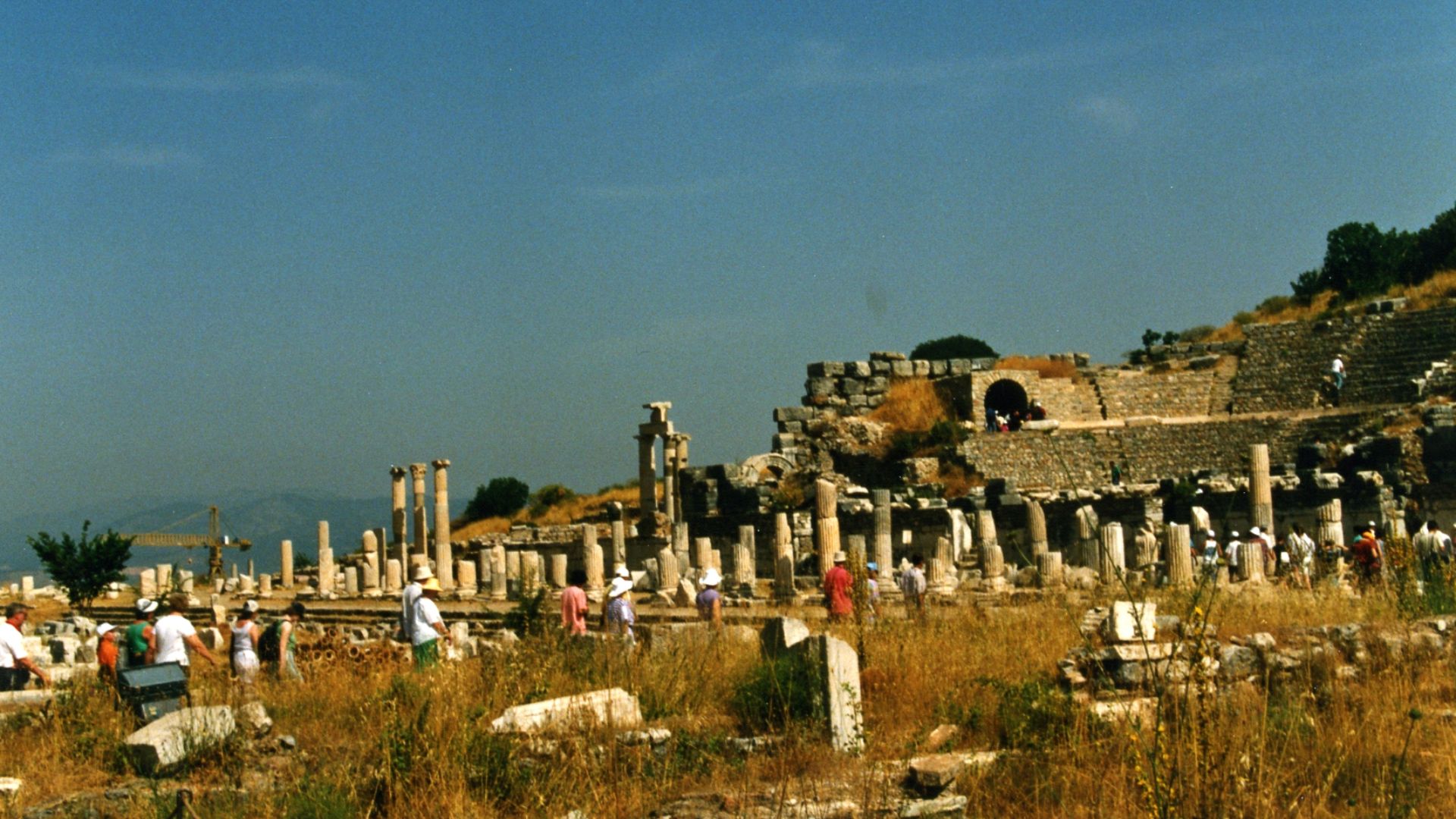
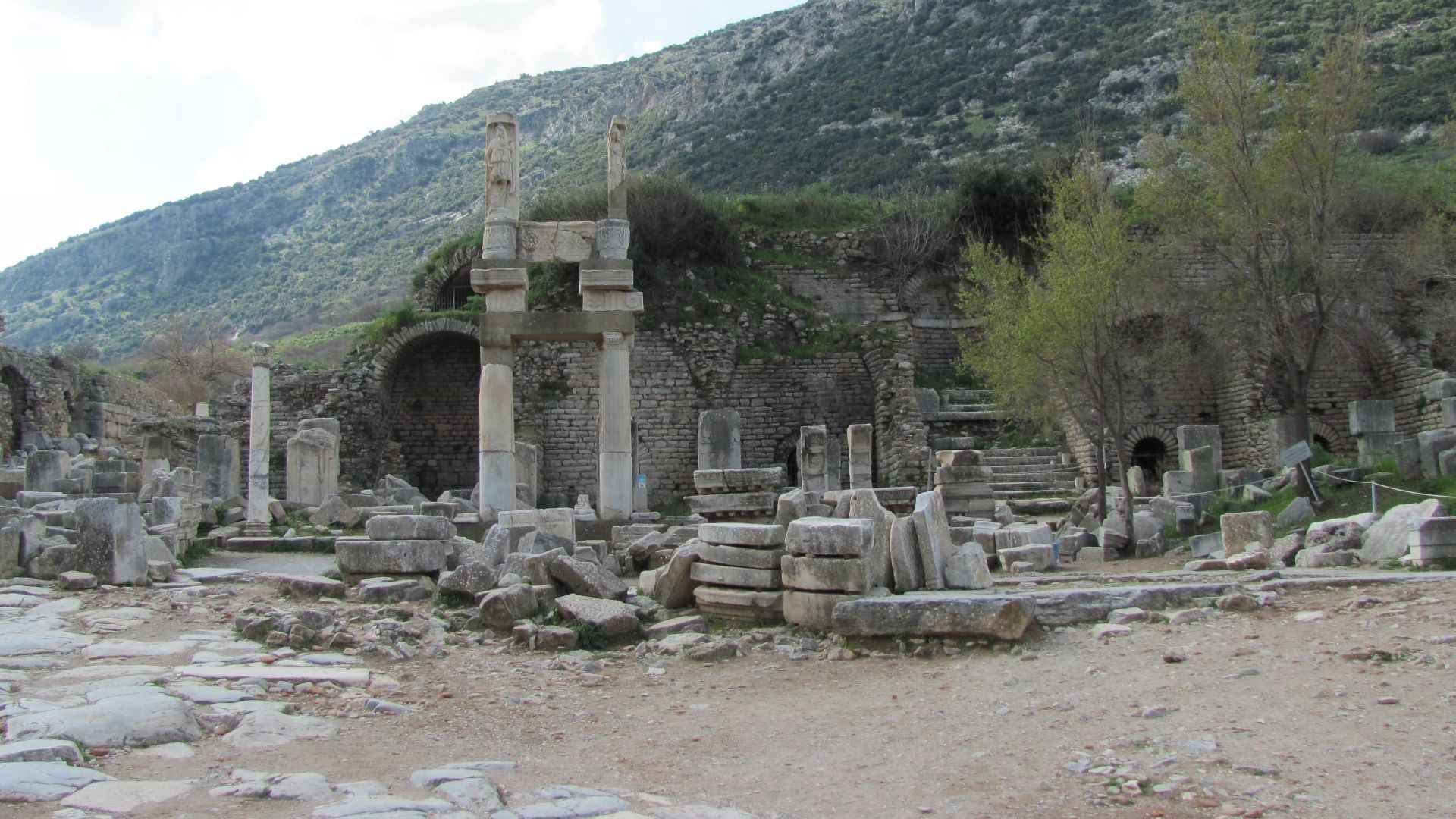
The skull was dug up back in 1929 at Ephesus in what is now Turkey, one of the best-preserved classical Greek cities in the ancient Mediterranean world. Ephesus became a major Roman administrative center during Cleopatra’s time, which makes it a plausible location for high-status burials connected to the Ptolemaic royal family during the first century BC.
Why Cleopatra Entered The Story
After the skull was dug up from an elaborate tomb, speculation quickly started to swirl. The skull became linked to Cleopatra, largely because of the historical accounts that placed her half-sister Arsinoe IV in exile at Ephesus. Because Arsinoe was executed there by the Romans, researchers long believed the remains including the skull might belong to her, offering indirect insight into Cleopatra’s family tree.
 John William Waterhouse, Wikimedia Commons
Arsinoe IV And Her Fate
Arsinoe IV was Cleopatra’s younger half-sister and was a rival claimant to the Egyptian throne. After siding against Cleopatra and Julius Caesar, she was shipped off into exile and later executed in Ephesus. This historical context made the city a promising archaeological setting for being able to make a positive identification of elite Ptolemaic remains.
 Pietro da Cortona, Wikimedia Commons
A Tomb That Sparked Interest
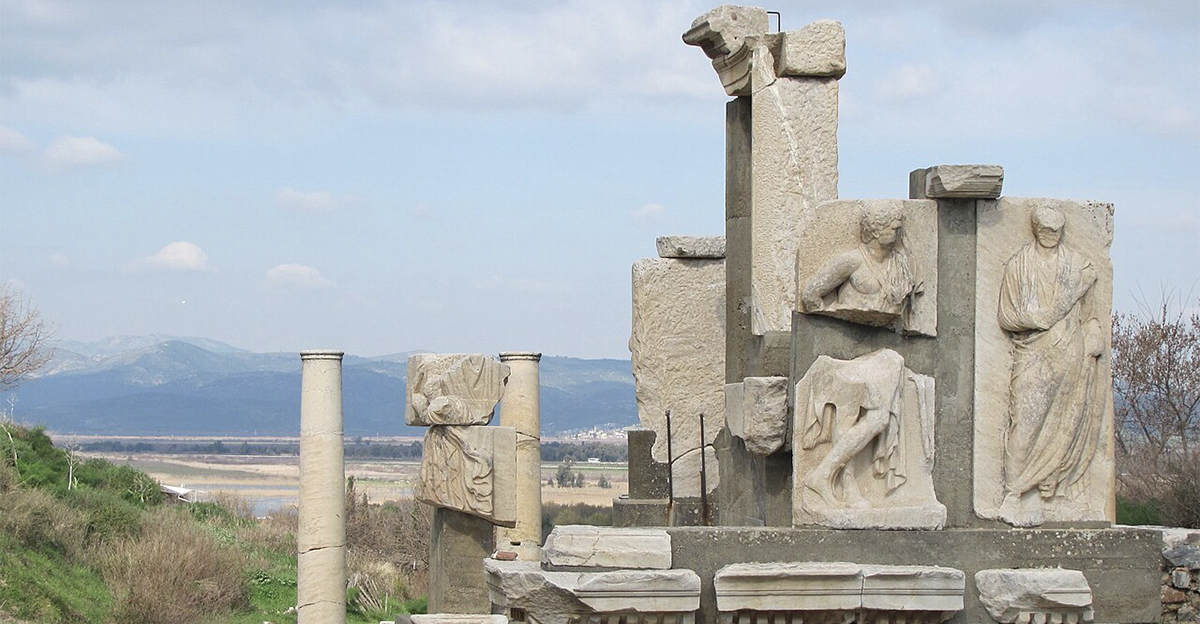
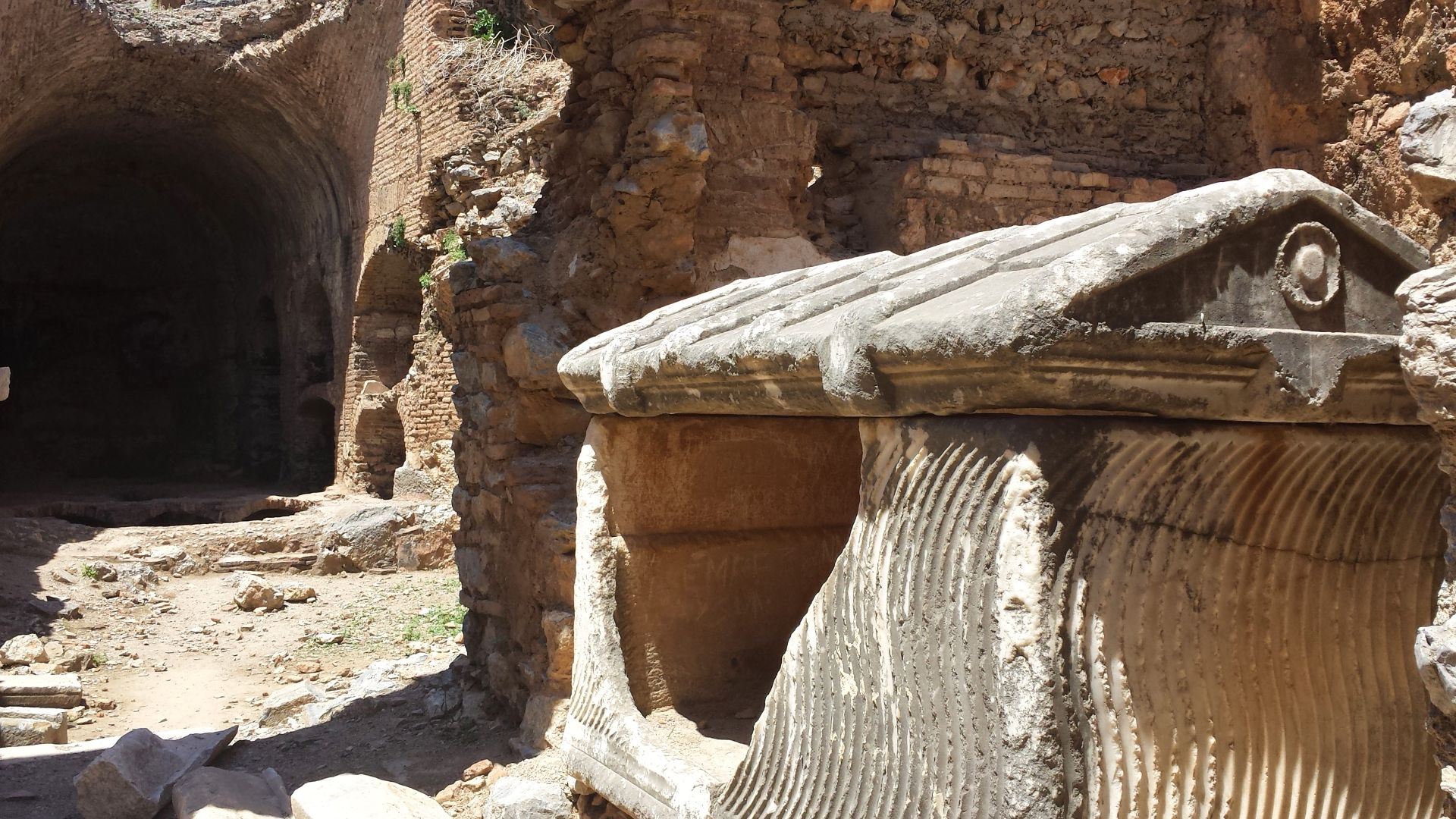
The skull was associated with a monumental octagonal tomb structure, believed to commemorate an unidentified woman of high status. Early interpretations suggested the tomb’s architecture matched royal or aristocratic burials, adding further momentum to the idea that the skull could belong to Arsinoe.
 User:Saltinbas, Wikimedia Commons
Early Forensic Assumptions
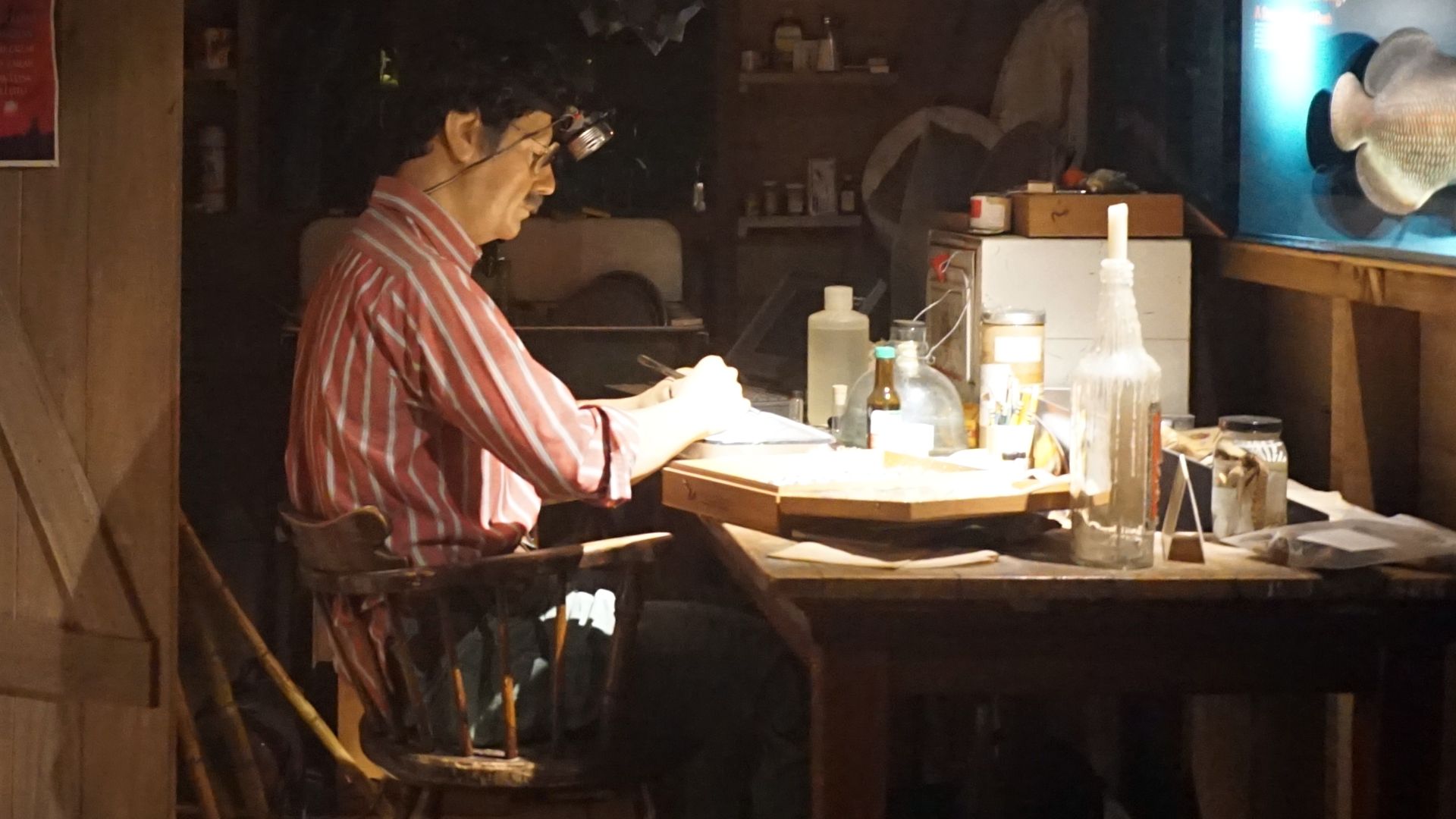
Initial examinations focused on cranial shape and size, standard methods in early 20th-century anthropology. Researchers thought the skull’s features aligned quite persuasively with a young female of Mediterranean origin, even though the techniques of that time lacked the precision of today’s forensic science.
 Michael Barera, Wikimedia Commons
Modern Research Reopens The Case
Recent studies applied updated osteological (bone) analysis and digital modeling to carry out a complete reassessment of the old remains. These methods gave the scientists the chance to estimate age and sex much more accurately than before, revealing inconsistencies between the skull and earlier assumptions left unchallenged for decades.

Surprising Result
The most startling conclusion from the new research work is that the skull likely didn’t belong to an adult woman at all. Evidence now suggests that it may have come from a much younger individual, possibly even male, which undermines the more historically attractive theory linking it to Arsinoe or Cleopatra’s family.
Why Sex Determination Matters
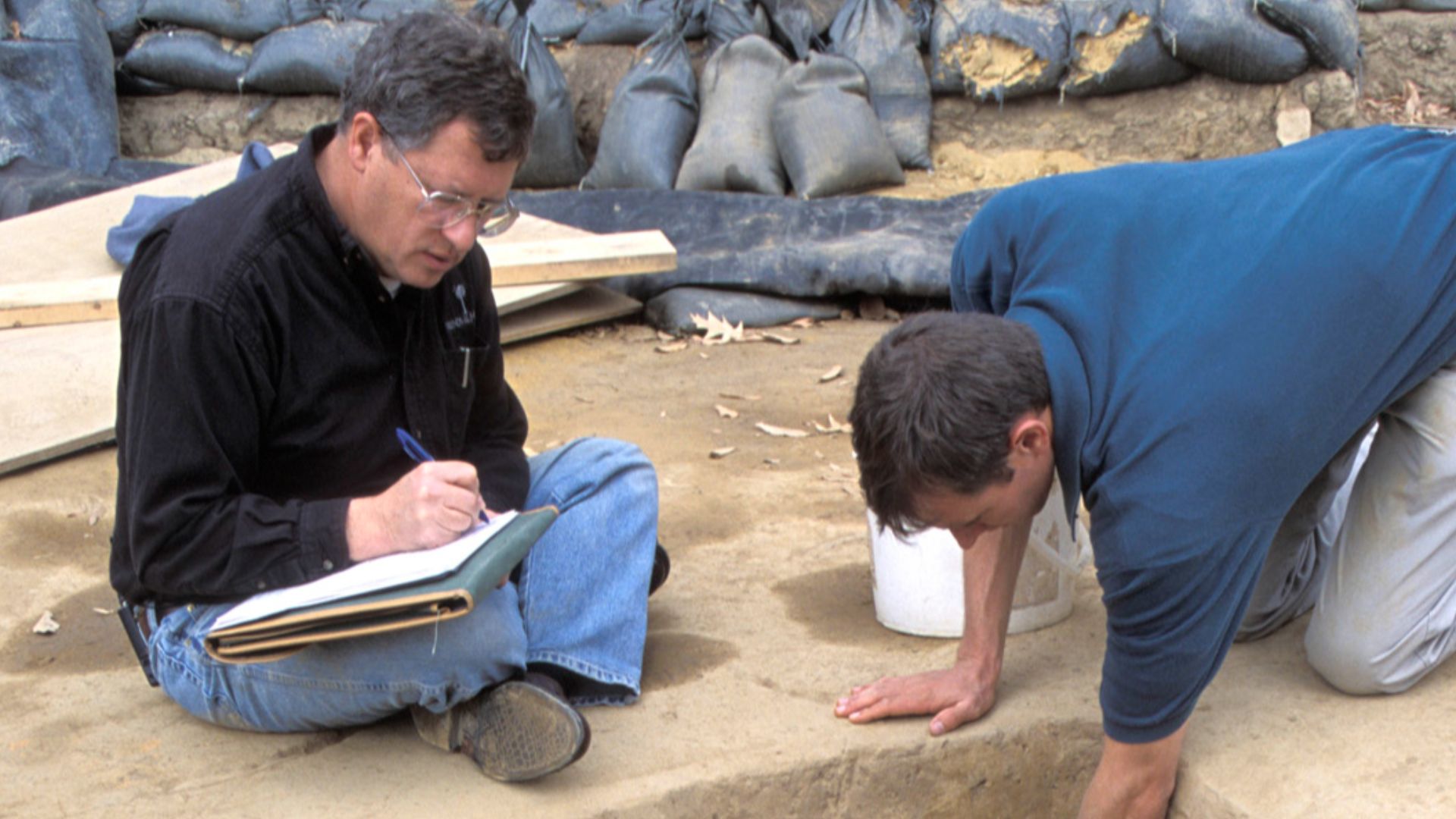
Correctly identifying the biological sex of skeletal remains is absolutely essential for historical identification. The newer analysis showed developmental markers that don’t fit with that of a mature female skeleton, casting serious doubt on the long-standing narrative that linked the skull to Cleopatra’s bloodline.
 Smithsonian Institution, Wikimedia Commons
Limitations Of DNA Testing
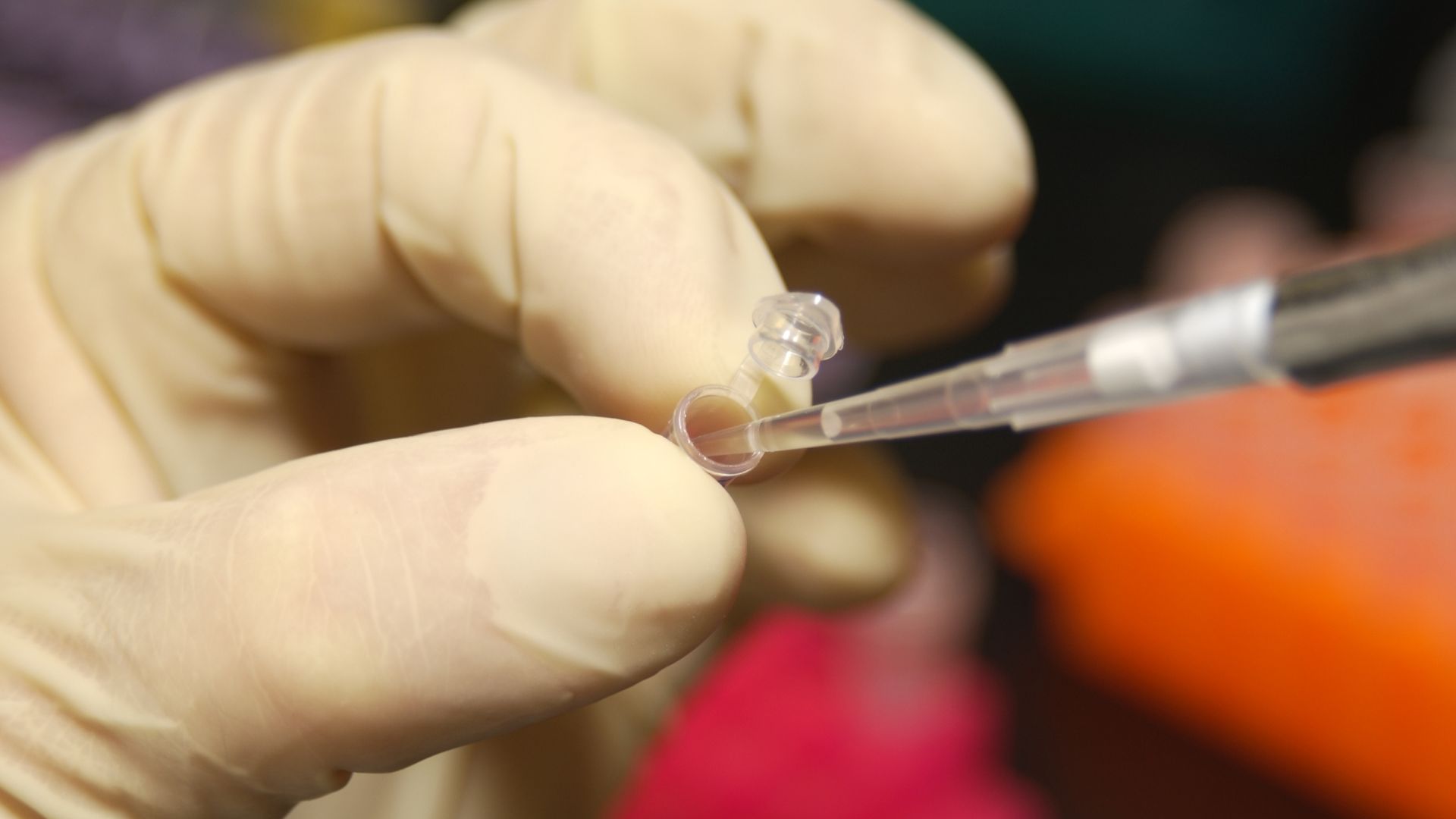
Researchers were keeping their fingers crossed that DNA analysis might finally settle the debate, but poor preservation and contamination made this kind of genetic testing unreliable. As a result, their conclusions were forced to rely heavily on skeletal morphology and contextual archaeological evidence rather than cut-and-dried genetic confirmation.
 Maggie Bartlett, NHGRI, Wikimedia Commons
Reassessing The Tomb
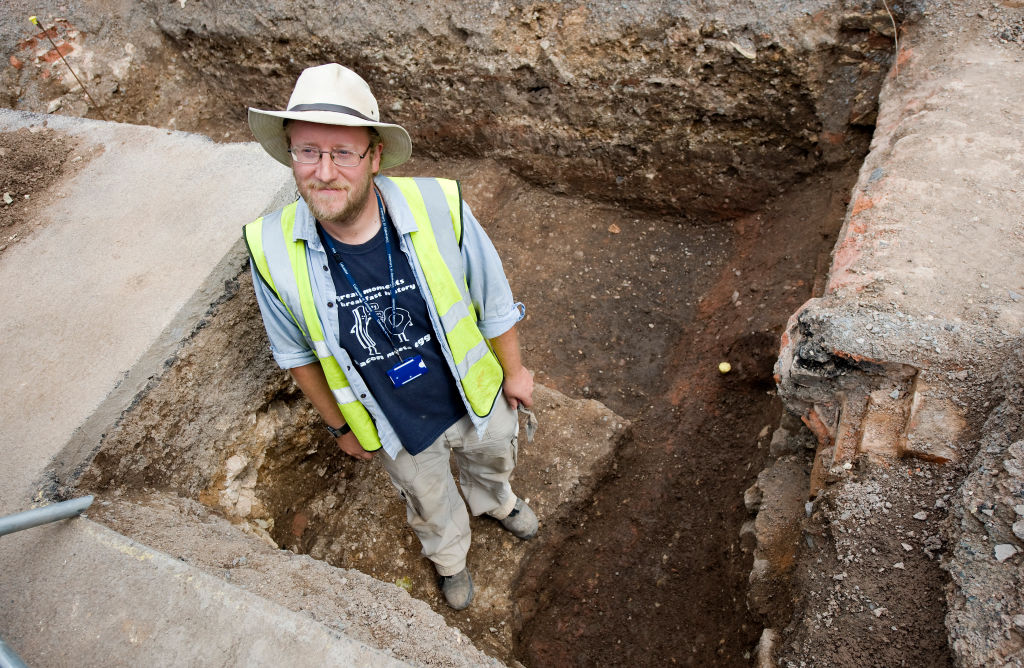
Researchers also subjected the tomb and its association with the skull to a new round of close scrutiny. Archaeologists now lean toward the idea that the remains may not have been originally interred in the monument, suggesting later disturbance, reuse, or symbolic placement rather than one single extravagant elite burial.
Myths Can Take Hold In Archaeology
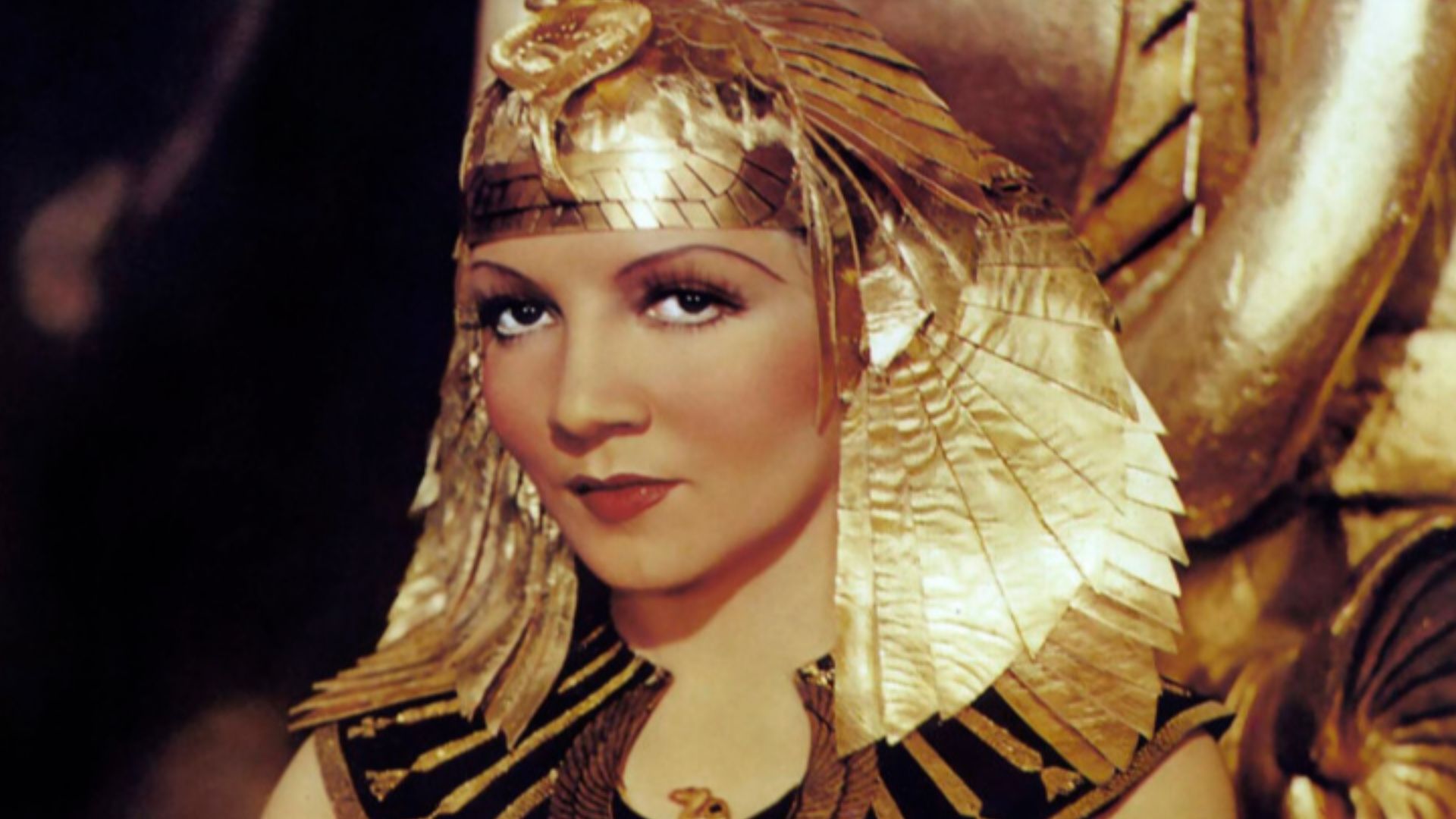
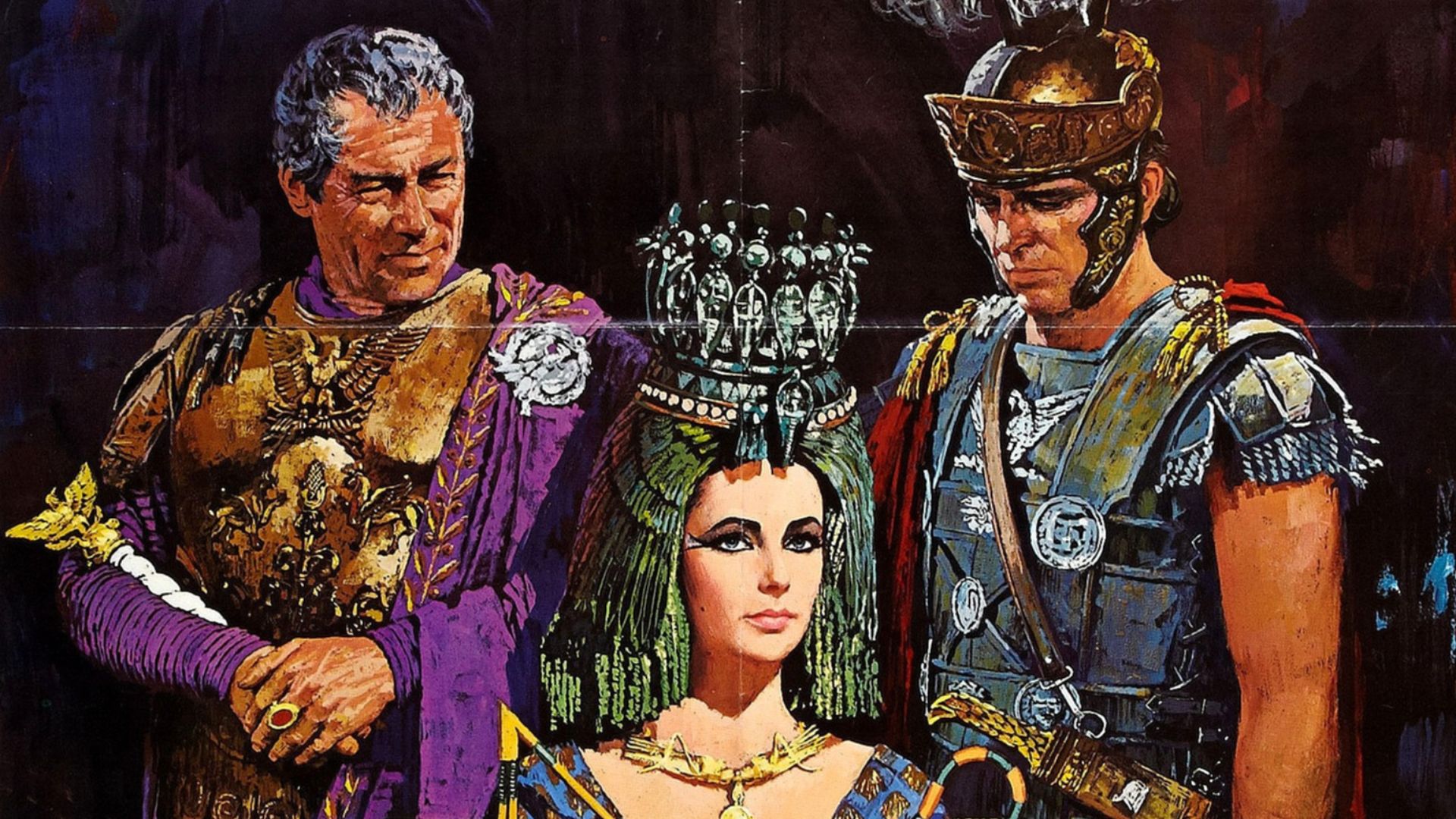
Once a compelling story is formulated, it can run through all future work, thereby shaping people’s interpretation for decades to come. The Cleopatra skull theory gained traction because it linked physical remains to a captivating historical narrative, illustrating how popular fascination can influence scientific assumptions.
 Paramount studio, Wikimedia Commons
Cleopatra And Public Fascination
Cleopatra’s enduring fame has long encouraged speculative links between archaeology and legend. While it’s entirely understandable, this fascination can sometimes overshadow more careful analysis, leading to wild unsubstantiated claims and jumping to conclusions before all the facts are in.
 Howard Terpning, Wikimedia Commons
Revisiting Cleopatra’s Ancestry
The skull was once cited in bitterly contested debates about Cleopatra’s ethnic background. With that theory now discredited, scholars are now at pains to reiterate to the public that no confirmed physical remains of Cleopatra or her immediate family have ever been identified.
 GabrielDorneles, Wikimedia Commons
Scientific Re-evaluation Is Necessary
This case highlights why archaeological interpretations have to stay open to revision. Advances in forensic science allow all these older discoveries to be reassessed, correcting persistent errors while also giving us more confidence in modern historical conclusions.
 West Midlands Police from West Midlands, United Kingdom, Wikimedia Commons
Public Reaction To The Findings
News of these revised conclusions caught many historians and members of the public completely off guard. It just goes to show how scientific updates can challenge widely accepted beliefs that were never all that firmly grounded in solid evidence in the first place.

What The Skull Says
Even without royal attribution, the dusty old skull is still historically valuable. It adds a lot to our comprehension of burial practices, population diversity, and tomb reuse in Roman-period Ephesus beyond all the celebrity-driven narratives we’ve been hearing about all our lives.
Implications For Other Famous Finds
This reassessment should also bring about renewed scrutiny of other remains linked to historic figures. Other long-accepted identifications may not withstand modern forensic analysis, particularly when they were based on such limited early methods.
 IAEA Imagebank, Wikimedia Commons
Separating History From The Legend
Cleopatra’s life has been richly detailed in ancient texts, and the stories abound. There’s absolutely nothing wrong with that, of course. But we always have to keep in mind that physical evidence is scarce. This case reinforces the need for us to distinguish documented history from legend when we try to make sweeping interpretations of archaeological finds.
One Case Closed, And Another Opened
While the skull is no longer believed to relate to Cleopatra’s family, the discovery raises new questions about its genuine origin. In archaeology, settling one mystery is the step that often opens the door to a whole lot of others. There’s a lot out there still left for us to explore.
 Son of Groucho from Scotland, Wikimedia Commons
You May Also Like: