A Remarkable Timekeeping Device
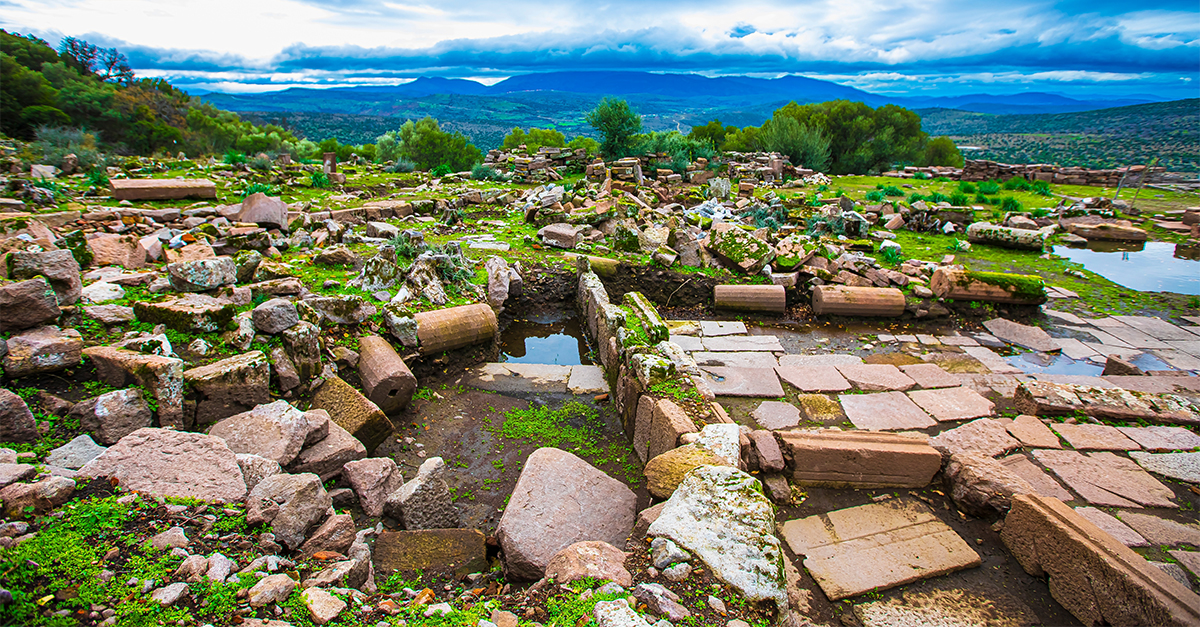
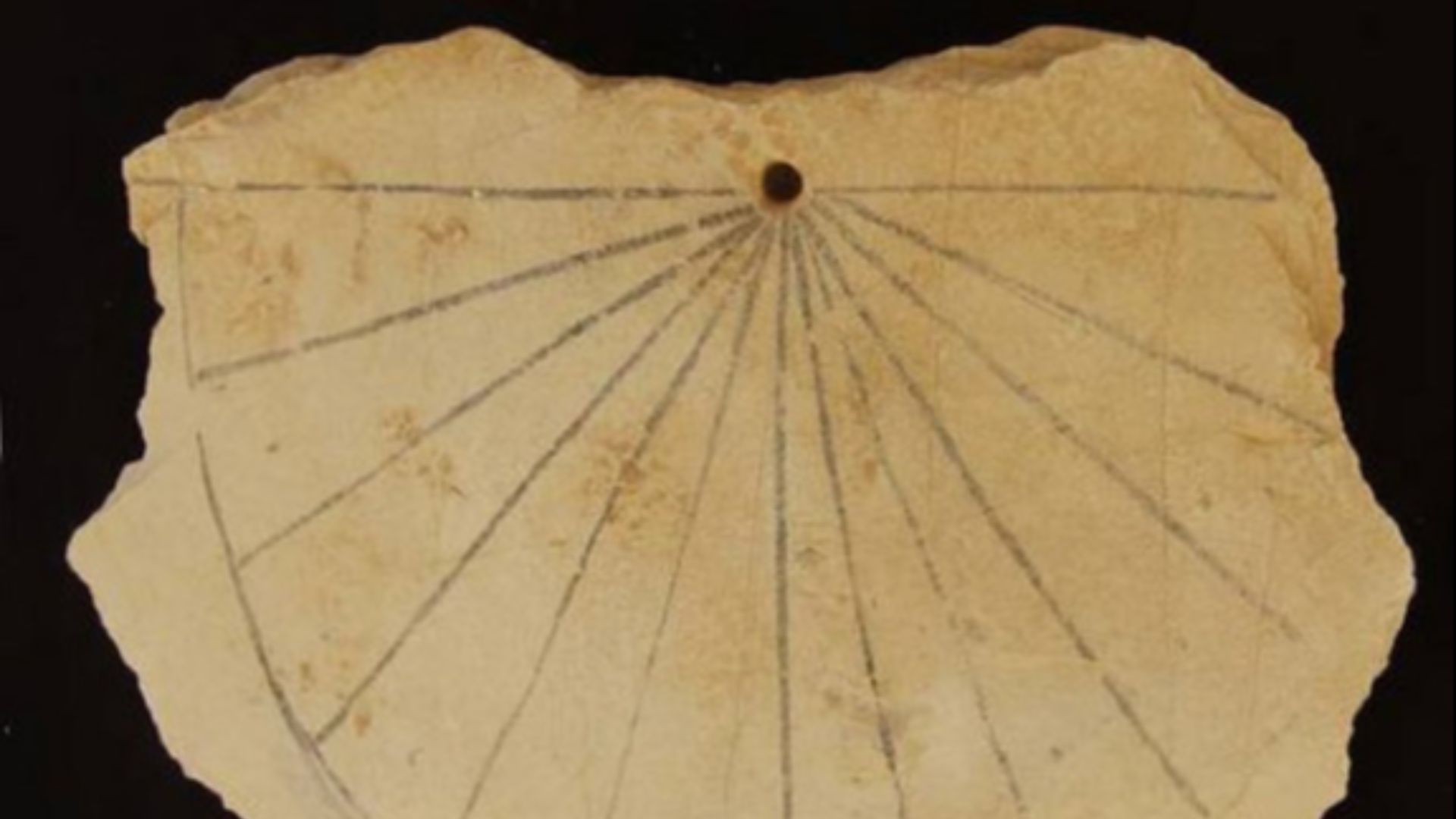
Archaeologists toiling away in the dusty hills of western Turkey recently dug up a rare and remarkably well-preserved ancient sundial at the site of Aigai, an ancient Greek city in Aeolis. Dating back to around 2,200 years ago, the find gives us a rare insight into how time was measured in everyday civic and agrarian life during the Hellenistic (classical Greek) period.
Where Aigai Is Located
Aigai is in modern-day Manisa Province, nestled in the foothills of the Yunt Mountains in western Turkey. Though it is less famous than nearby ancient cities like Pergamon or Ephesus, Aigai occupied a strategic inland position that connected coastal Aeolis with the interior of Anatolia (Asia Minor).
 Ozge Kesgin, Wikimedia Commons
Aigai In The Ancient World
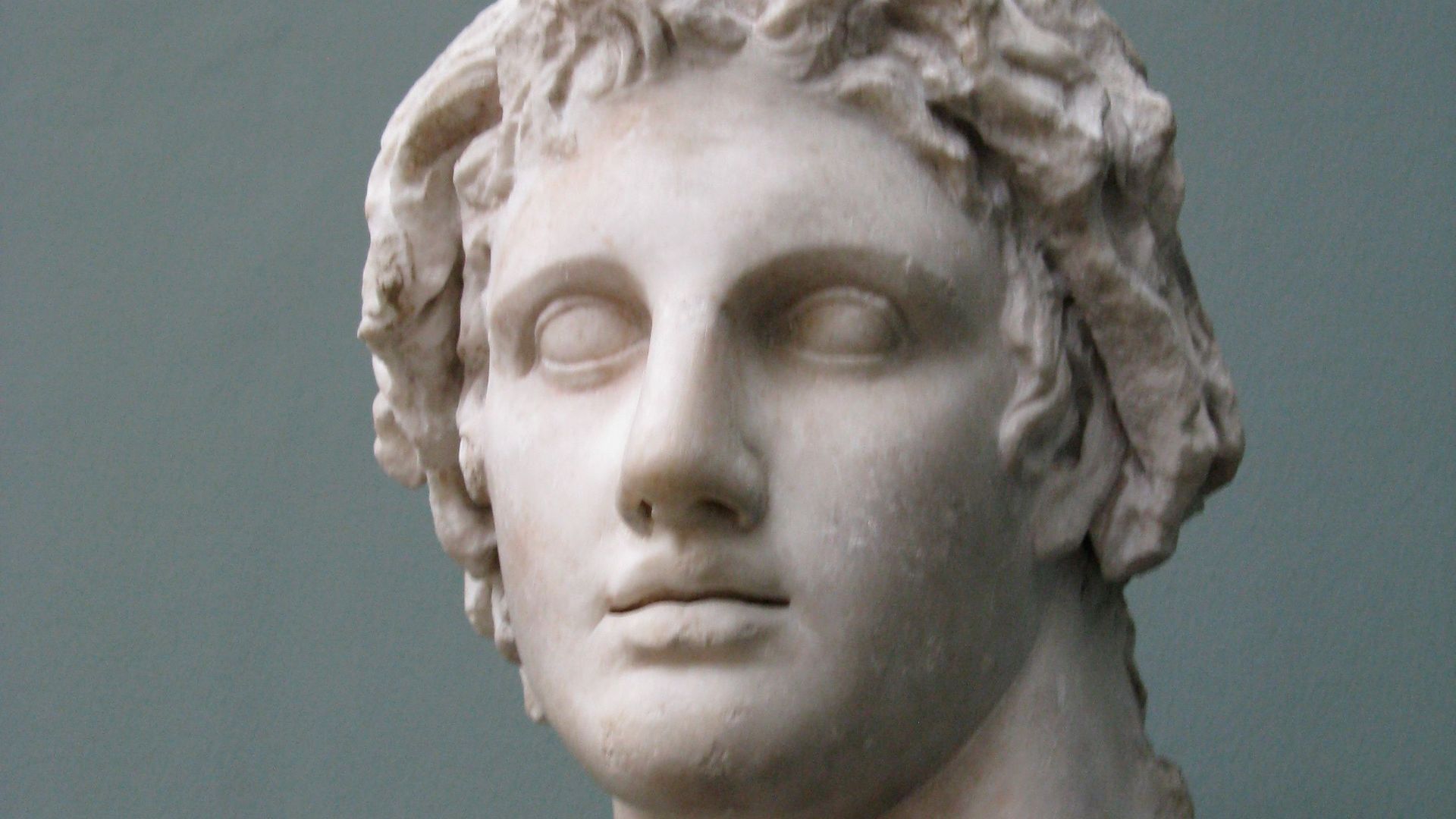
Founded in the early first millennium BC, Aigai grew to become a prosperous Greek city during the Hellenistic era. After Alexander the Great swept to his legendary conquests, the city thrived under Macedonian influence, developing its own respected civic institutions, temples, marketplaces, and public infrastructure.
 Yair Haklai, Wikimedia Commons
Archaeological Excavations
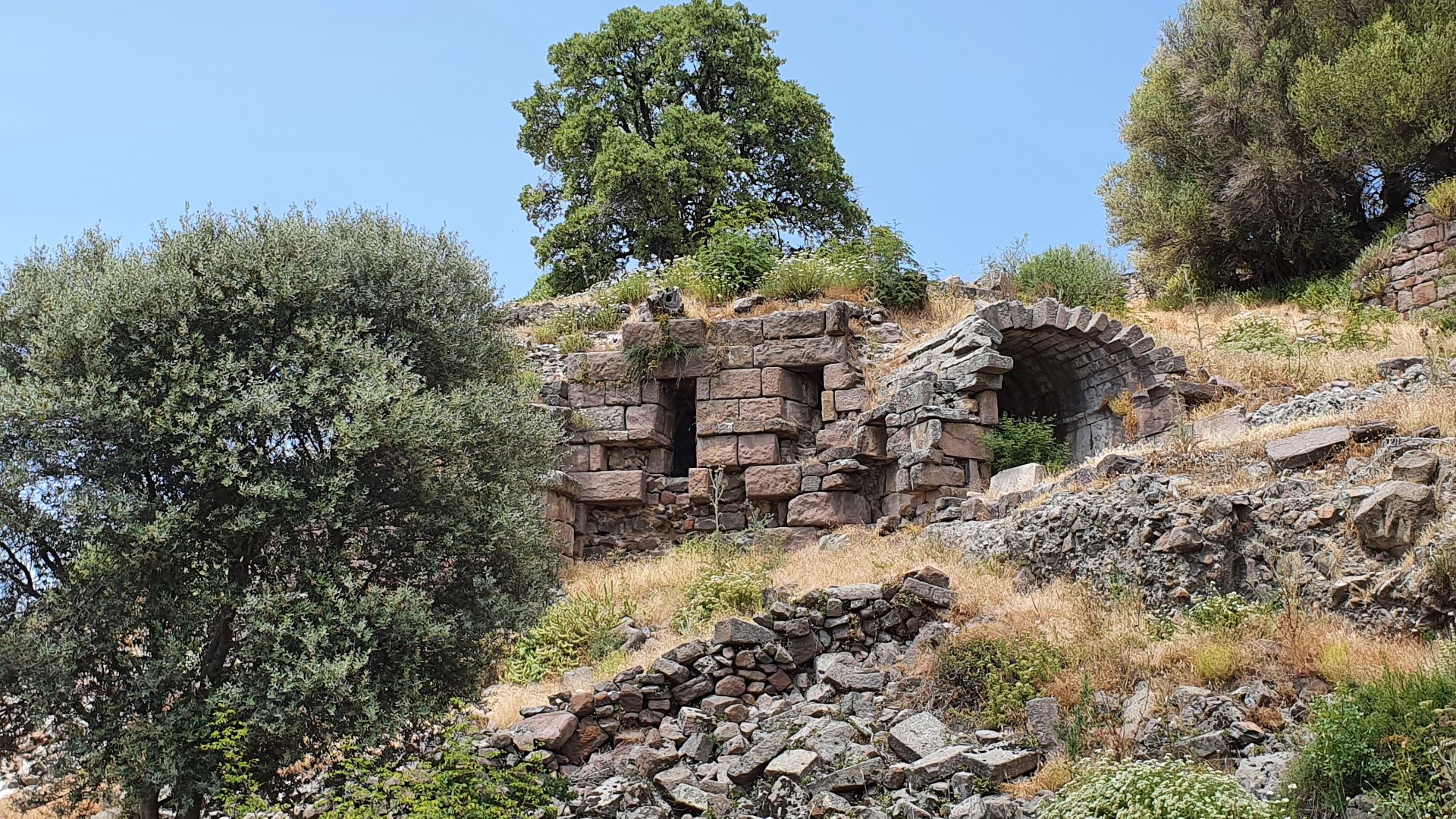
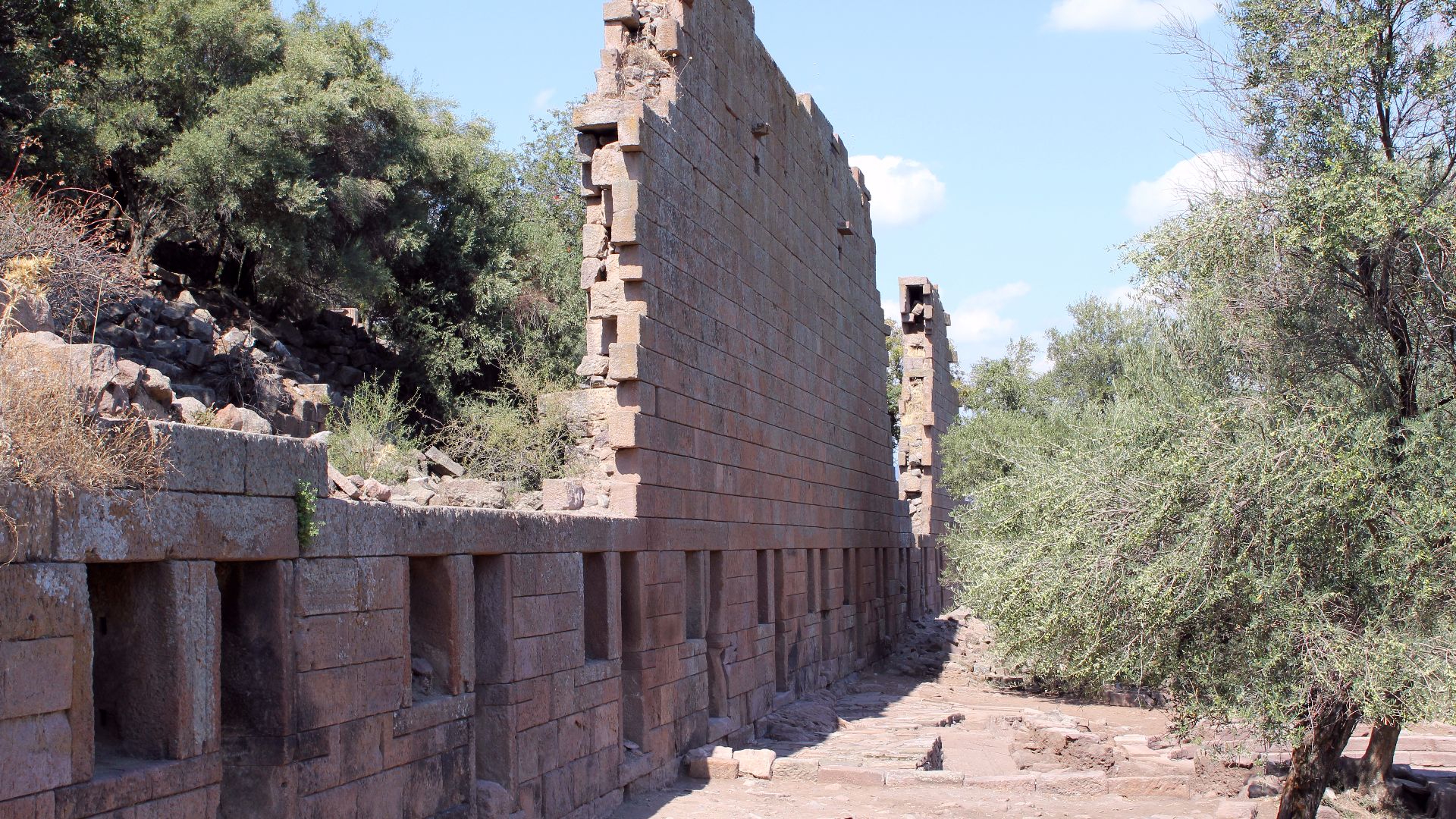
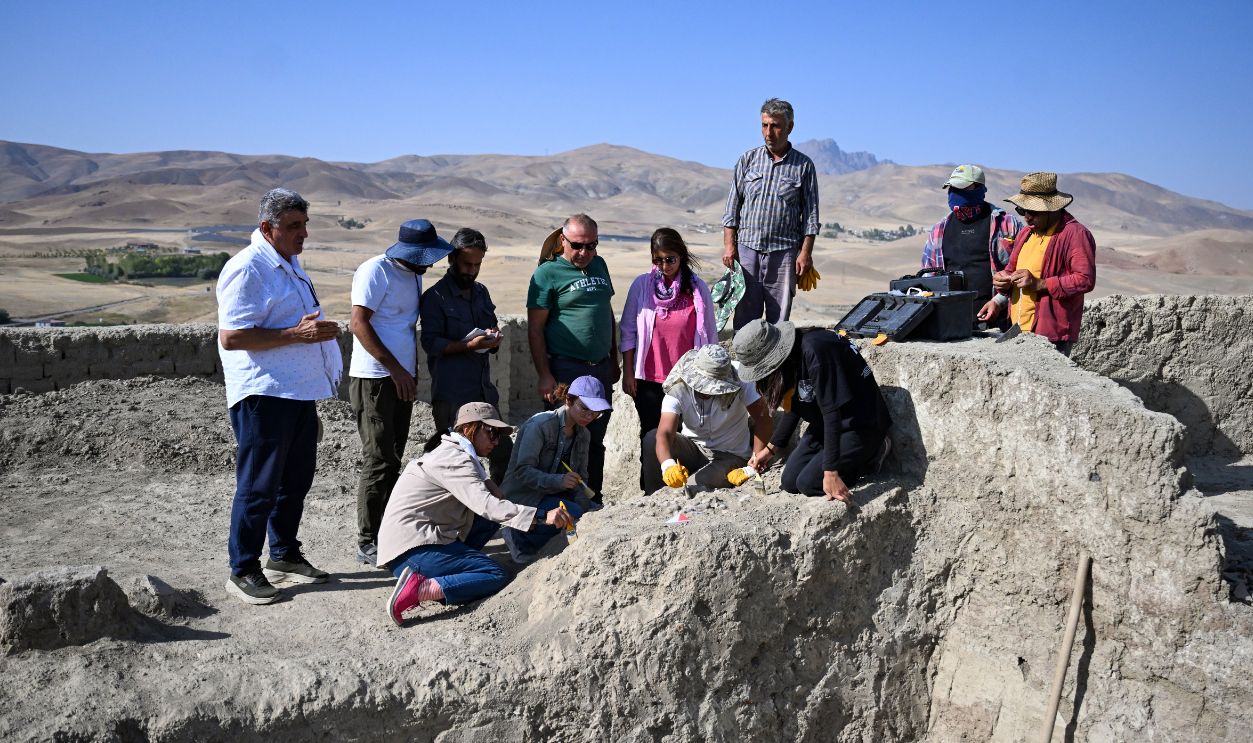
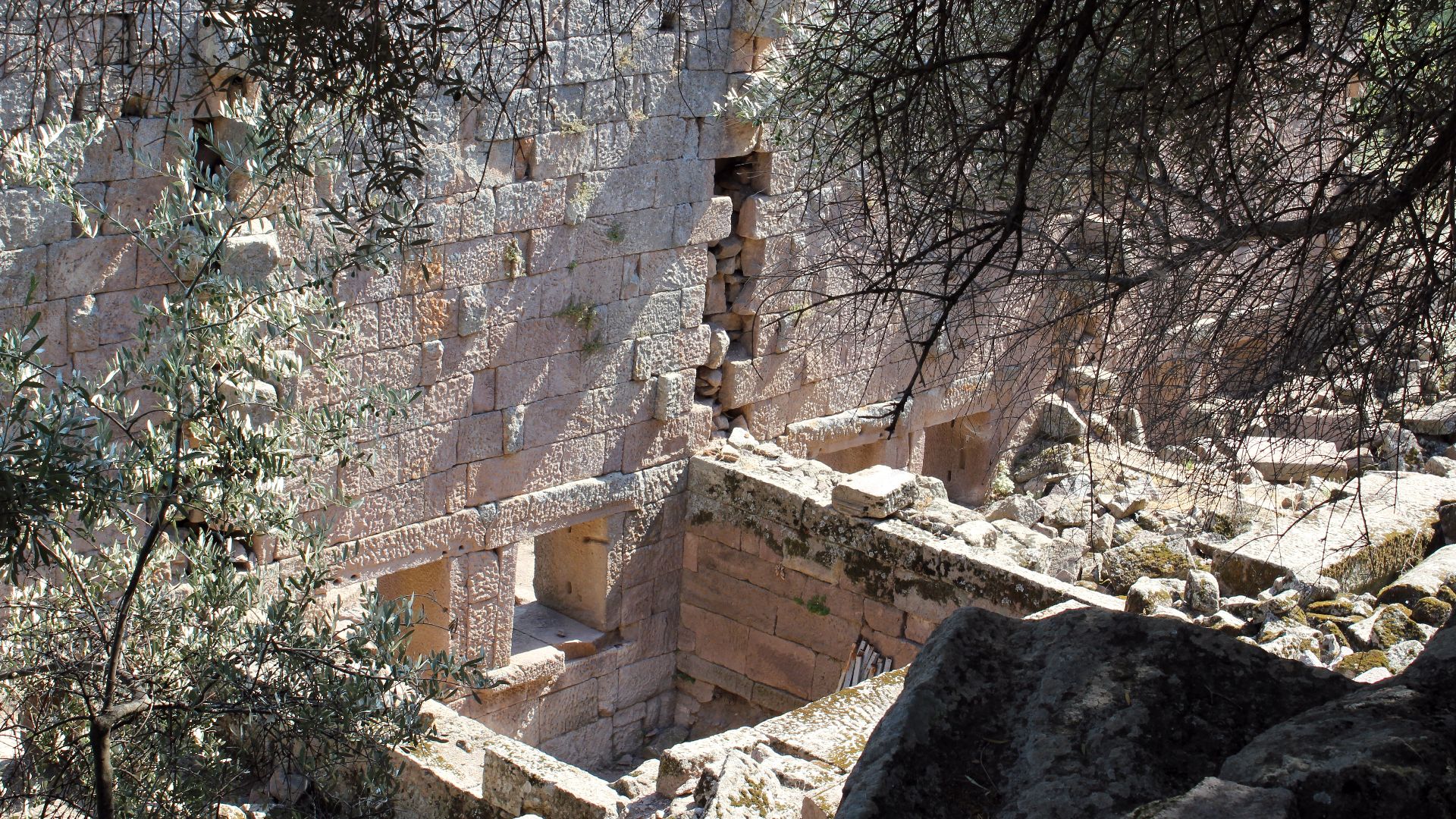
Modern excavations at Aigai have been carried out by Turkish archaeologists under the direction of the Manisa Museum and academic institutions. The ongoing digs have revealed many ancient features, including fortifications, bath complexes, temples, and agora structures.
An Incredible Moment
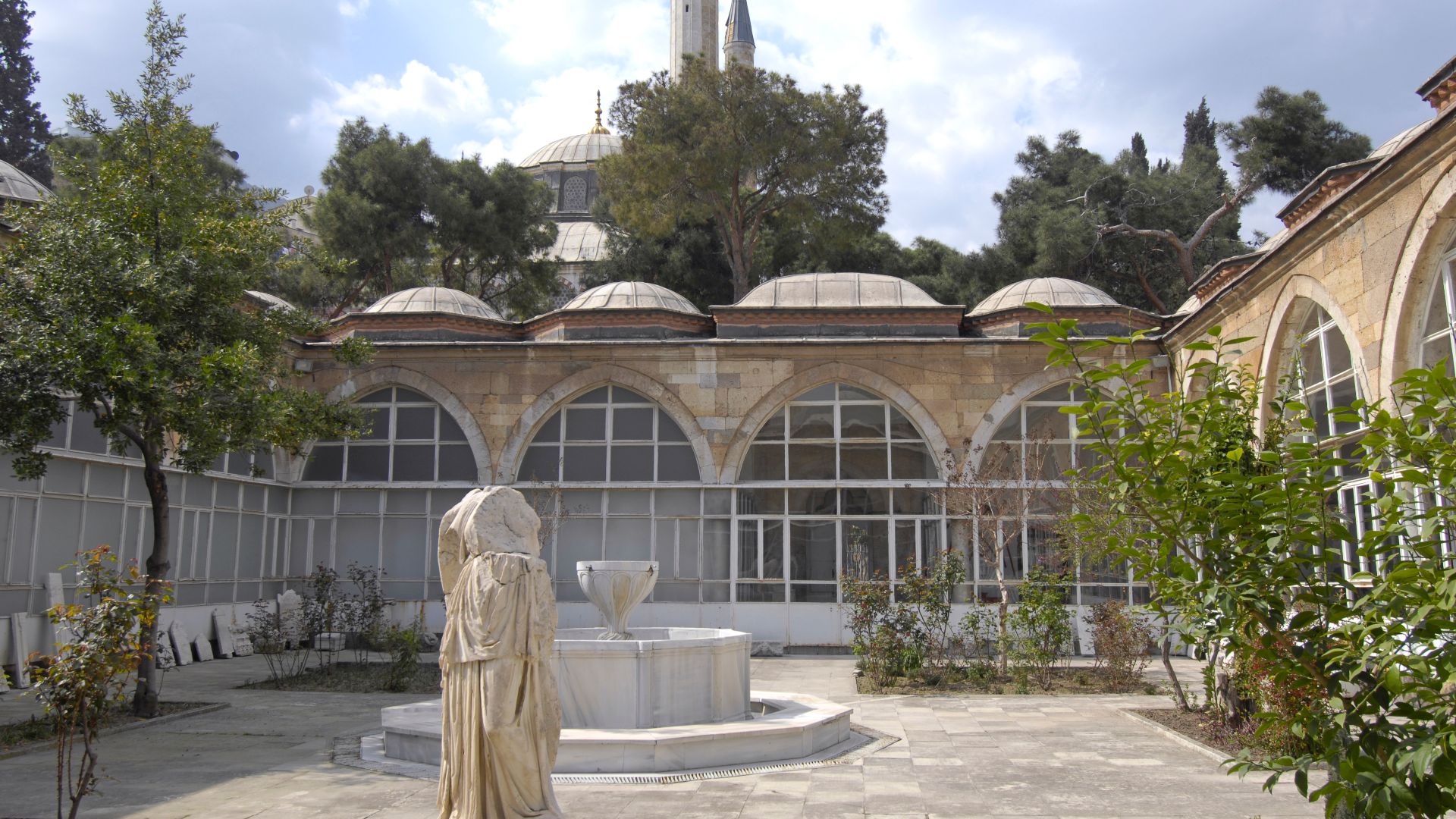
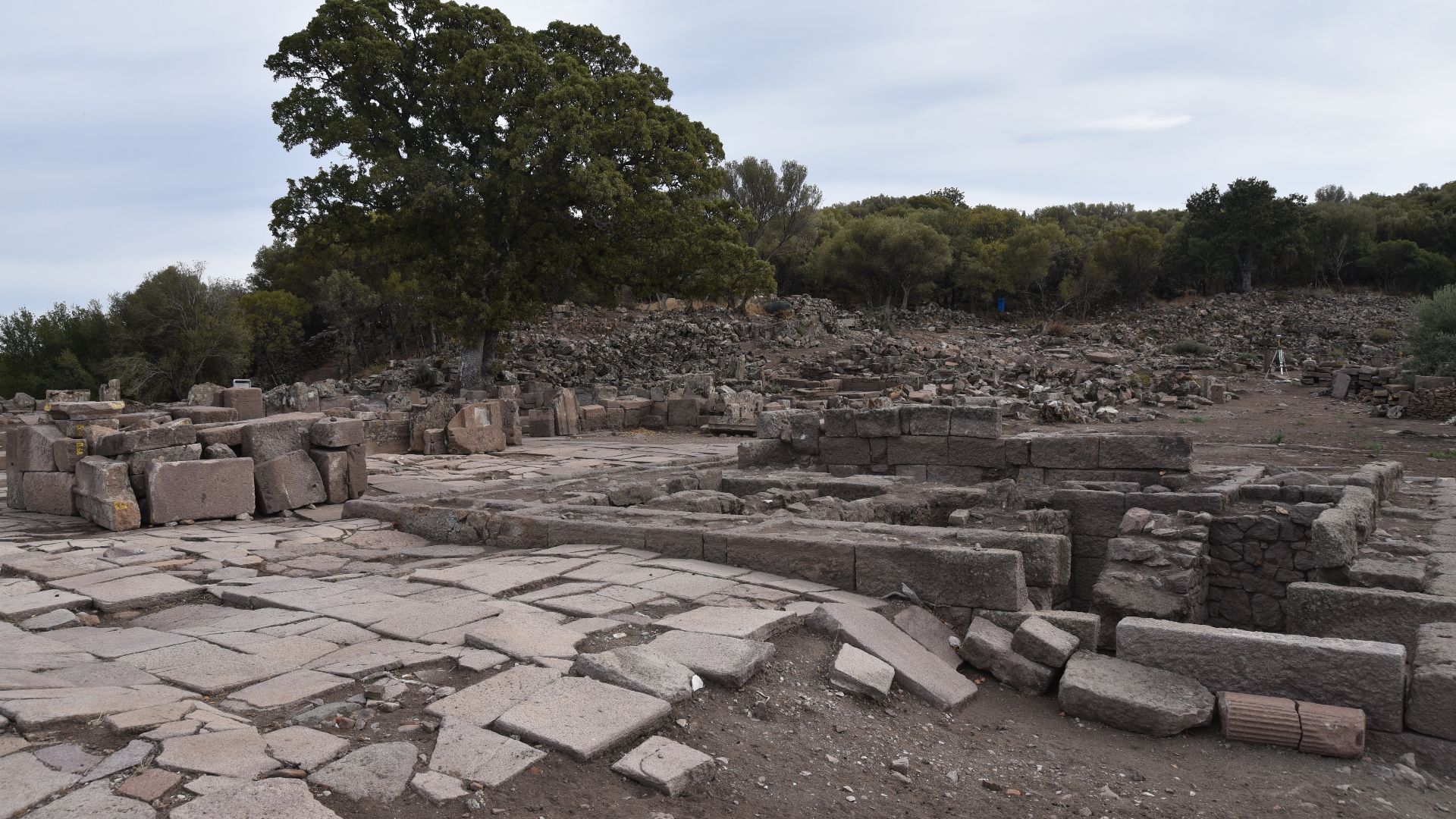
The sundial was discovered during systematic excavations in the city’s agora area. This was the central public space used for commerce, gatherings, and civic affairs. The sundial's location would seem to indicate that it once stood in a highly visible public place.
 University of Basel, Wikimedia Commons
Who Discovered The Sundial
The find was made by a Turkish archaeological team working under the supervision of Turkey’s Ministry of Culture and Tourism, whose meticulous and patient excavation techniques preserved the sundial’s markings and form.
 Diego Delso, Wikimedia Commons
The Physical Form Of The Sundial
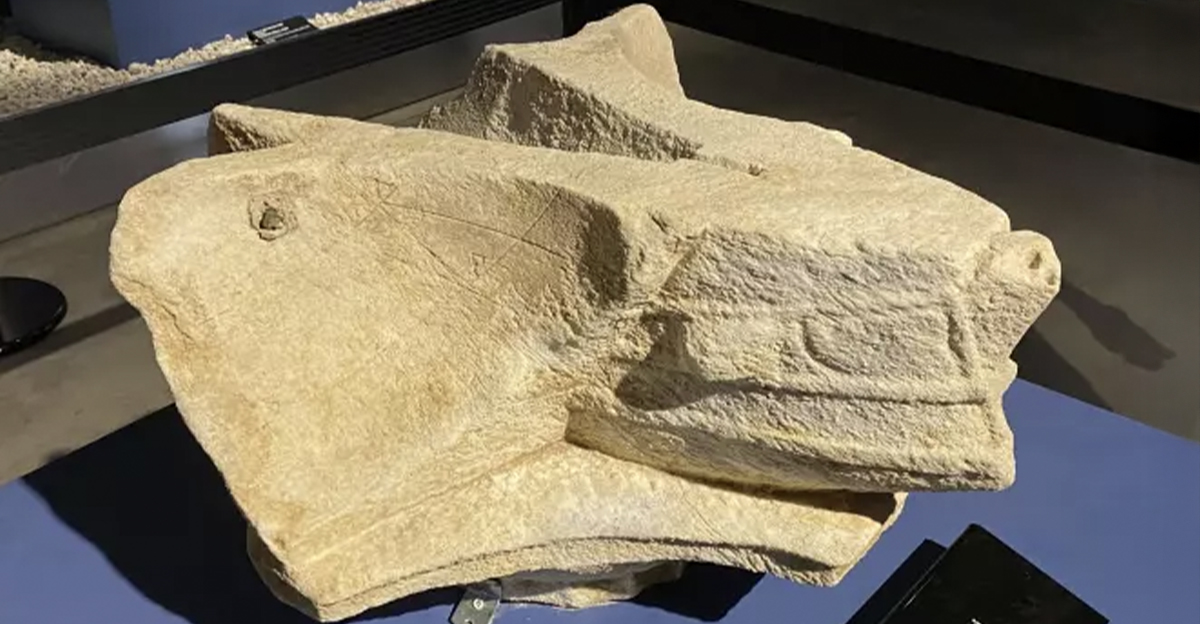
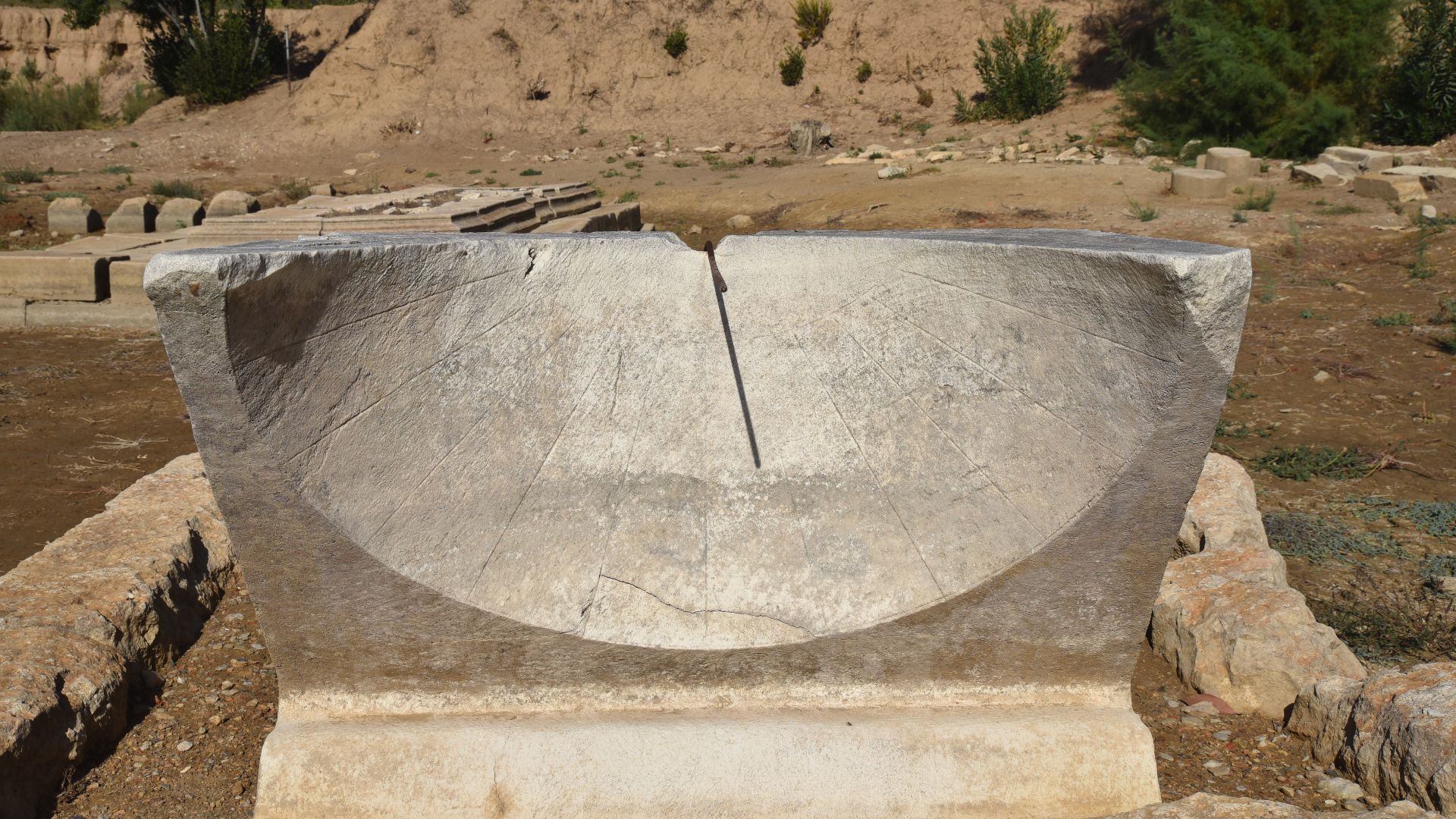
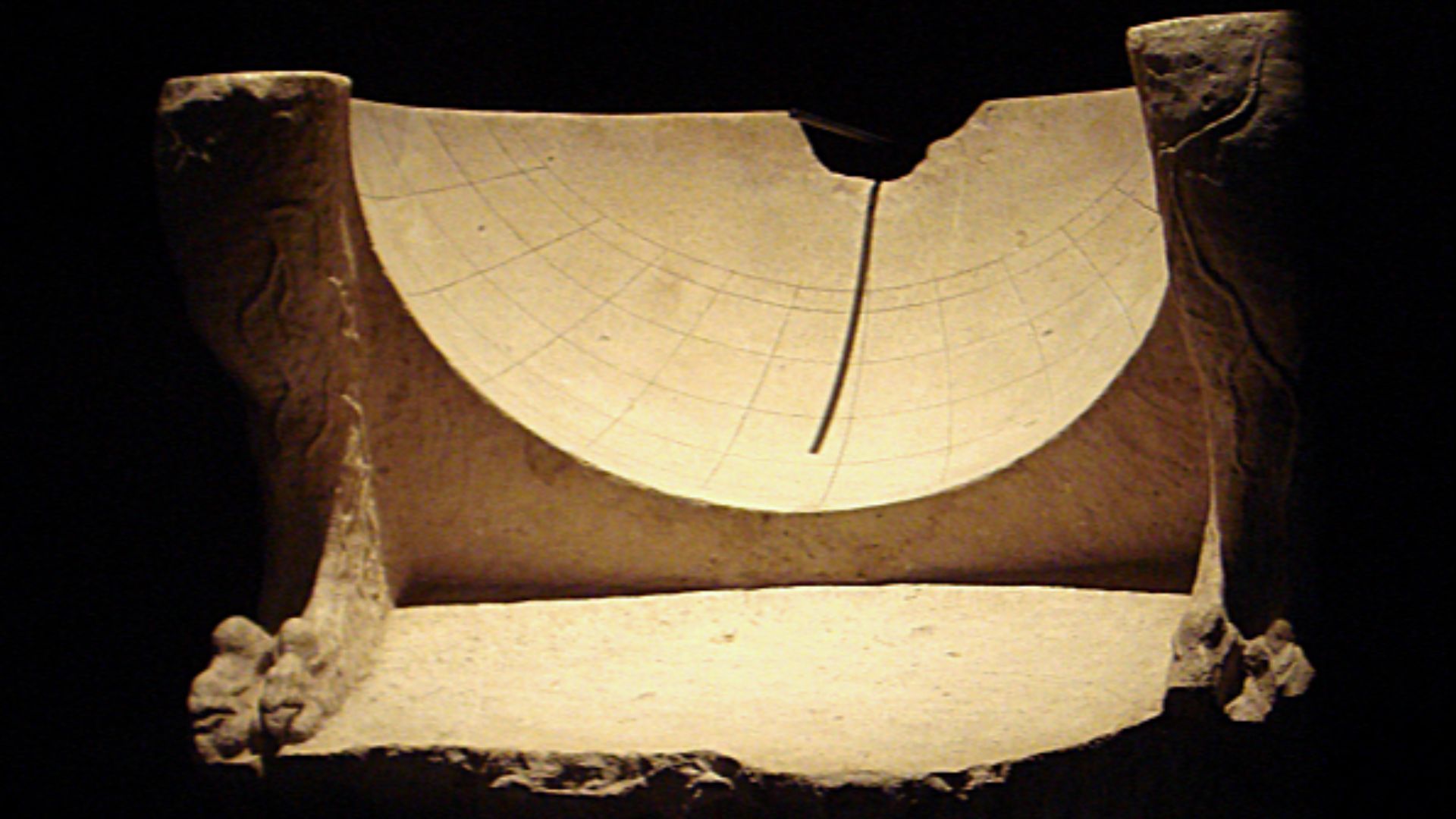
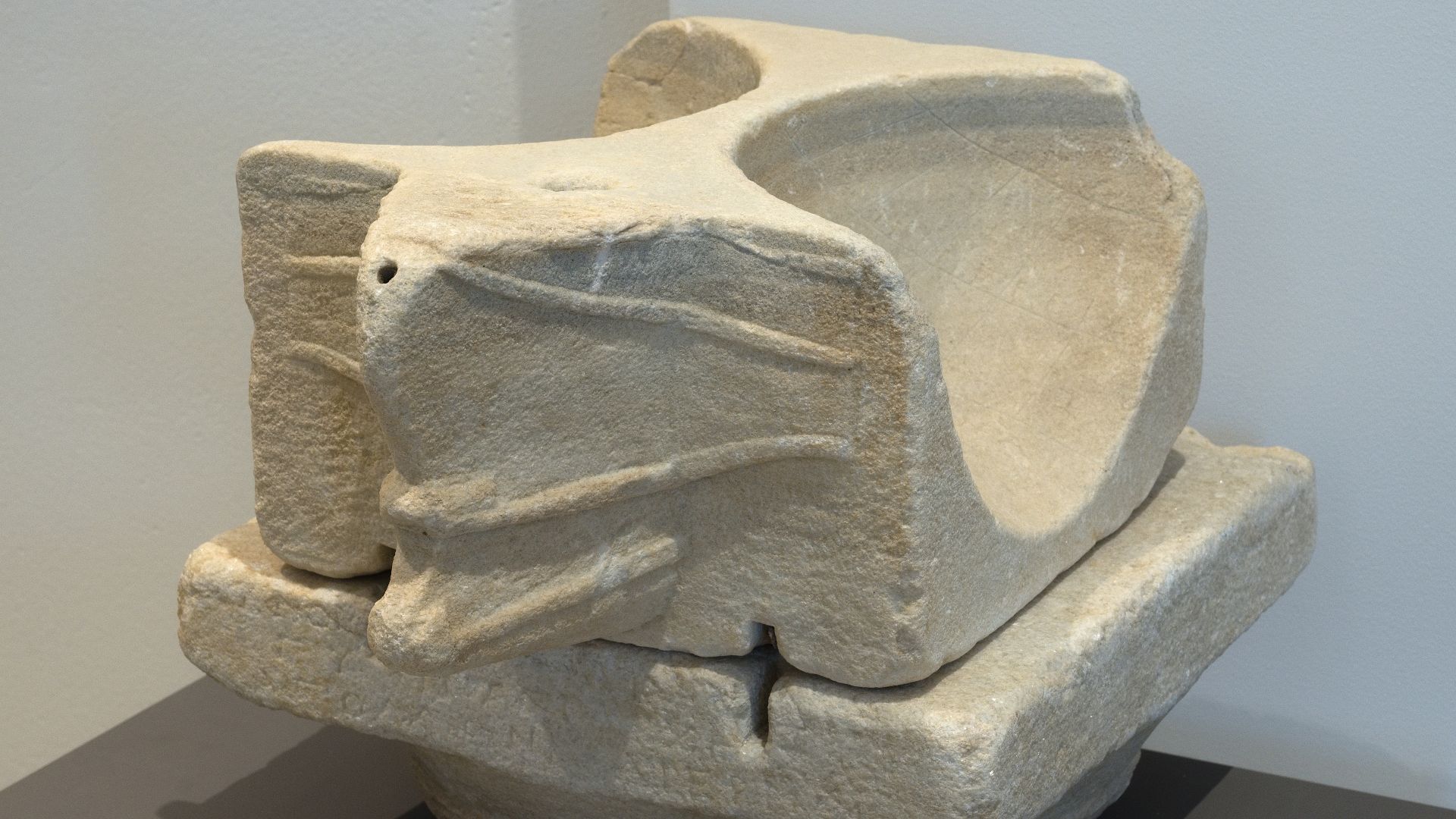
The object doesn’t look much like our own modern image of a sundial, that’s for sure. It actually resembles a ship’s prow. Carved from marble, the sundial is hemispherical in shape, featuring carefully incised hour lines across its concave surface. A central hole would have once held a gnomon, or projecting rod that cast a shadow on the stone surface, allowing the device to mark time accurately provided that it was a sunny day outside.
 Carole Raddato, Wikimedia Commons
Dating The Object
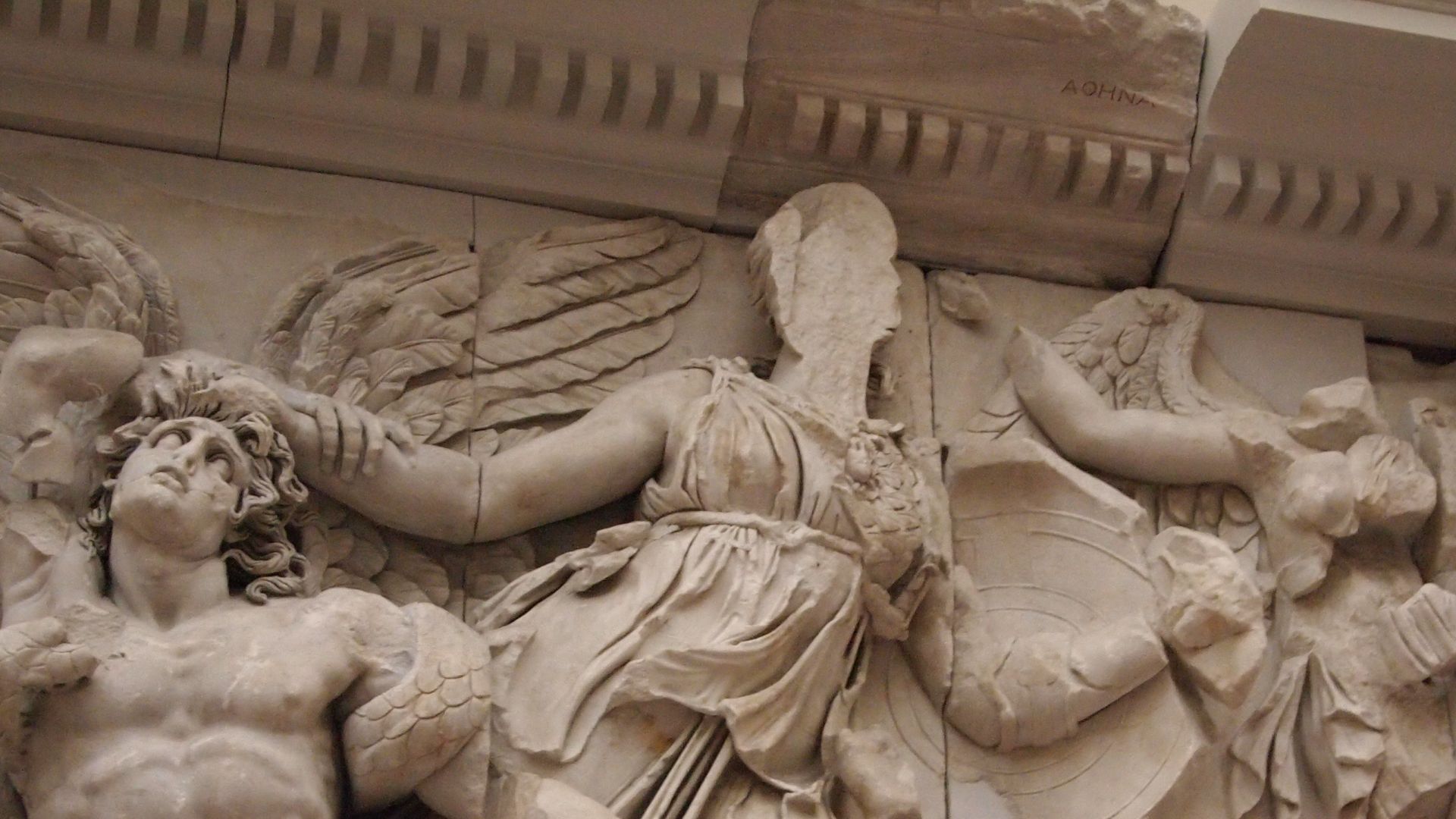
Based on its style, carving technique, age and location, researchers date the sundial to the late third or early second century BC. This puts it firmly within the time-frame of the Hellenistic period, when scientific knowledge and urban planning were quickly showing greater sophistication across the Greek world.
 Miia Ranta from Finland, Wikimedia Commons
A Rare And Sophisticated Instrument
Ancient sundials are relatively hard to come by as archaeological finds, especially ones like this one that are preserved so clearly. This example is exceptional for its precision and craftsmanship, showing a strong understanding of geometry and astronomy. It shows how much value ancient people placed on accurate timekeeping even far from the major metropolitan centers.
Comparison With The Sundial At Delos
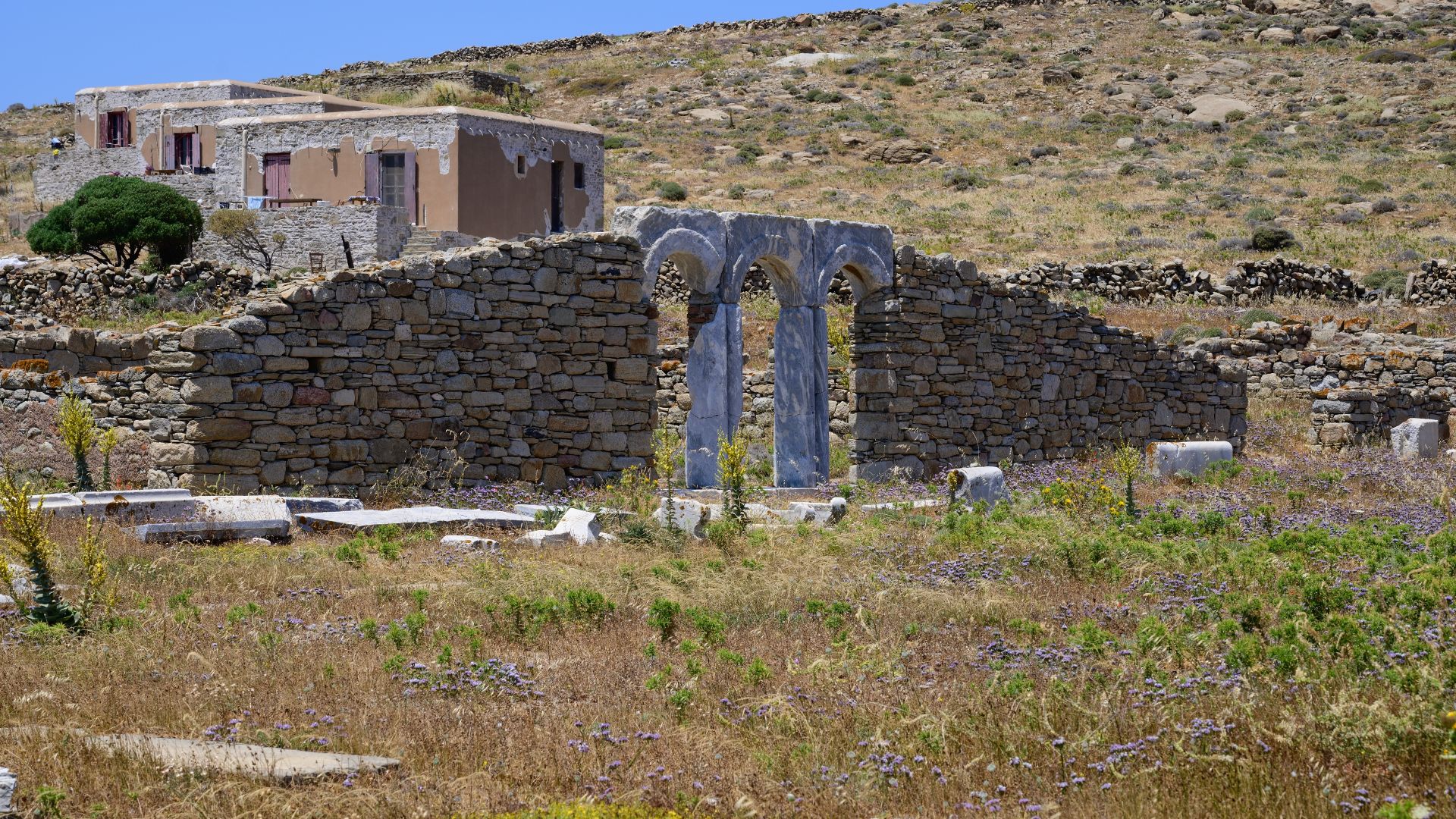
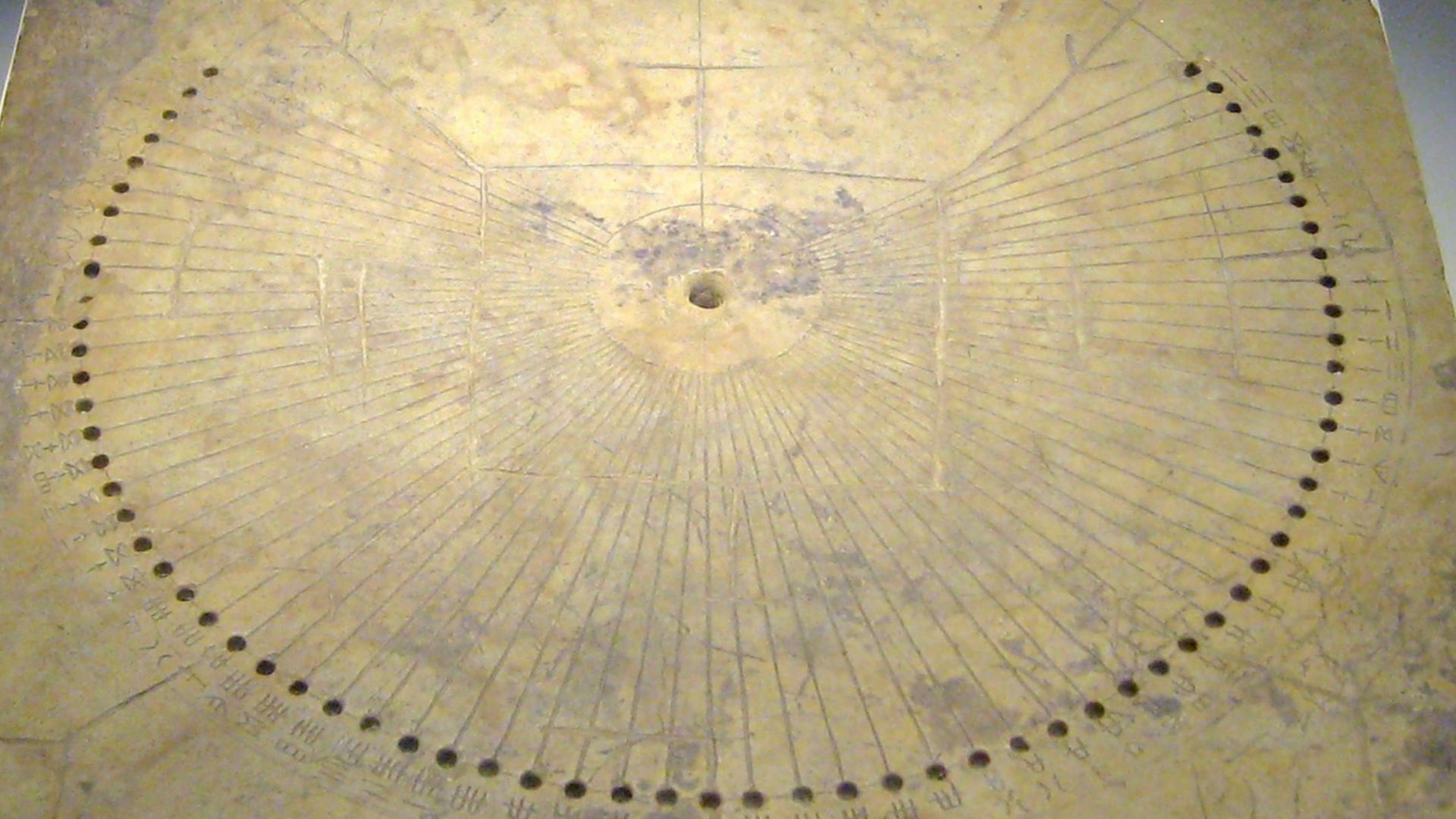
Scholars of Ancient Greece note the striking similarities between the Aigai sundial and the known existing example from the sacred island of Delos. The near-identical dimensions and hour divisions suggest shared design principles, indicating the spread of standardized scientific knowledge far and wide across Hellenistic Greek cities.
What Sundials Meant In Daily Life
Sundials weren’t merely scientific instruments; they exercised great sway over the structured social life of the community. They regulated market hours, religious rituals, public meetings, and legal proceedings. The presence of a device like this in Aigai’s agora is evidence of the city’s highly organized civic life and administrative sophistication.
 Klaus-Peter Simon, Wikimedia Commons
Scientific Knowledge In Hellenistic Aeolis
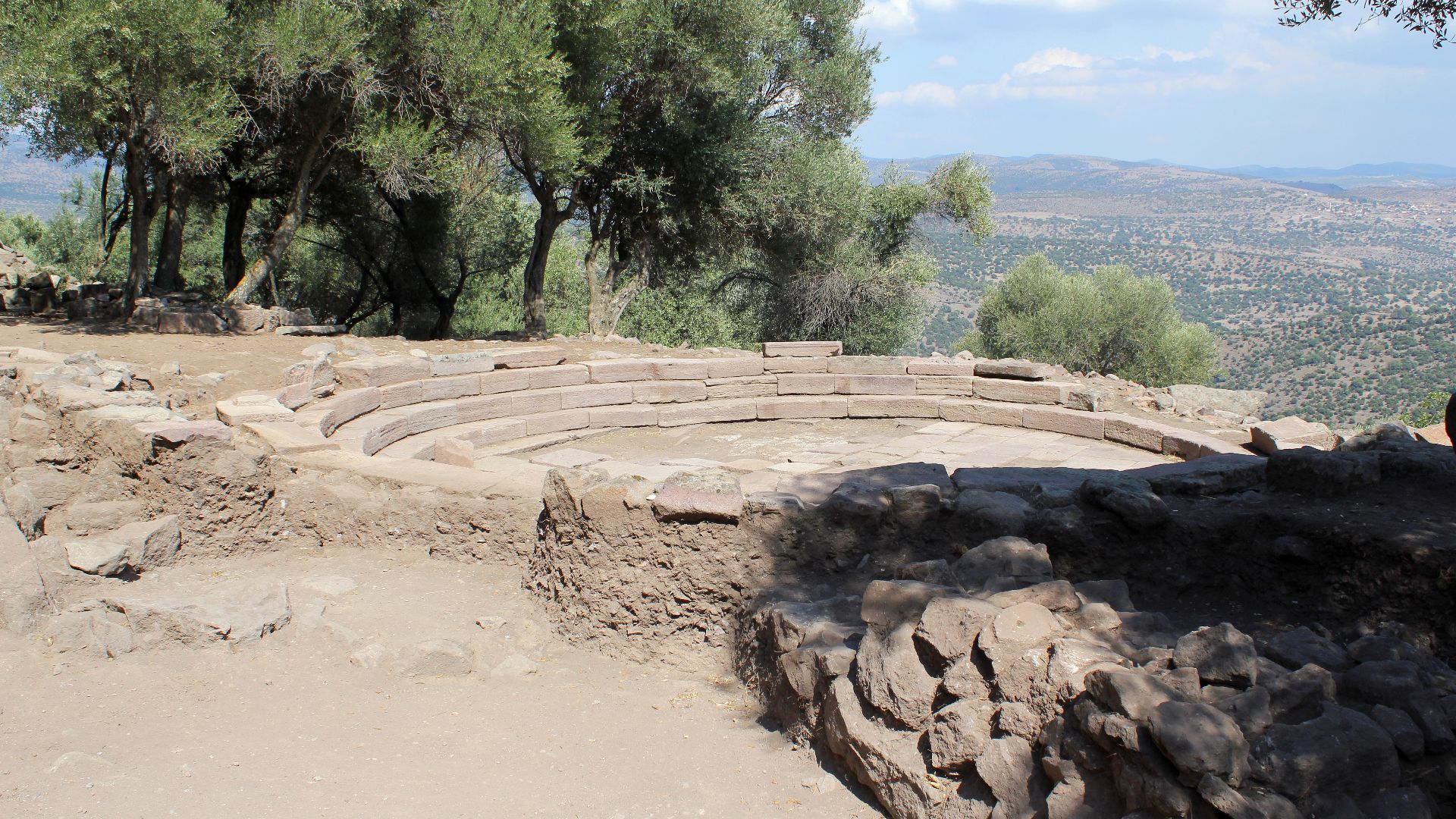
The sundial is a reflection of the transmission of astronomical and mathematical knowledge throughout the ancient Greek world. Even cities in the interior like Aigai took part in the broader intellectual currents of the time, applying theoretical science to practical urban needs like timekeeping, scheduling, and public coordination.
 Klaus-Peter Simon, Wikimedia Commons
Implications For Local History
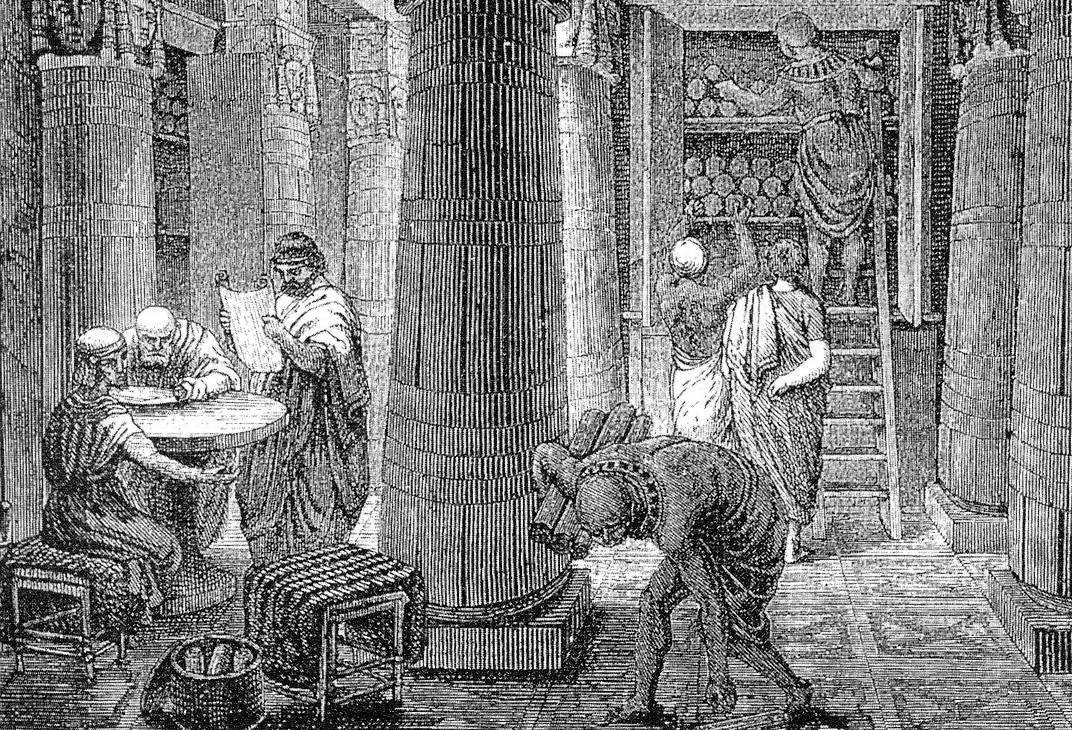
This discovery is a contradiction to the assumptions that advanced instruments were confined to major centers like Alexandria or Athens. Aigai’s sundial proves that smaller regional cities were actively adopting more complex technologies, reinforcing the idea that Hellenistic innovation was widespread through its civilization.
 O. Von Corven, Wikimedia Commons
Civic Identity And Public Space
Positioning a sundial in a public square symbolized order, predictability, and civic unity. It reinforced shared daily civilizational norms among citizens. The object therefore reflects not only advanced technological capability, but also the shared social values that shaped Aigai’s everyday life.
Preservation And Study
After the team dug up the old sundial, specialists carried out meticulous conservation and documentation of it. Detailed measurements, photographs, and comparisons are even at this very moment helping scholars fine-tune the chronologies of ancient timekeeping devices to better comprehend how the local community fit within the larger Greek system.
The Broader Archaeological Context
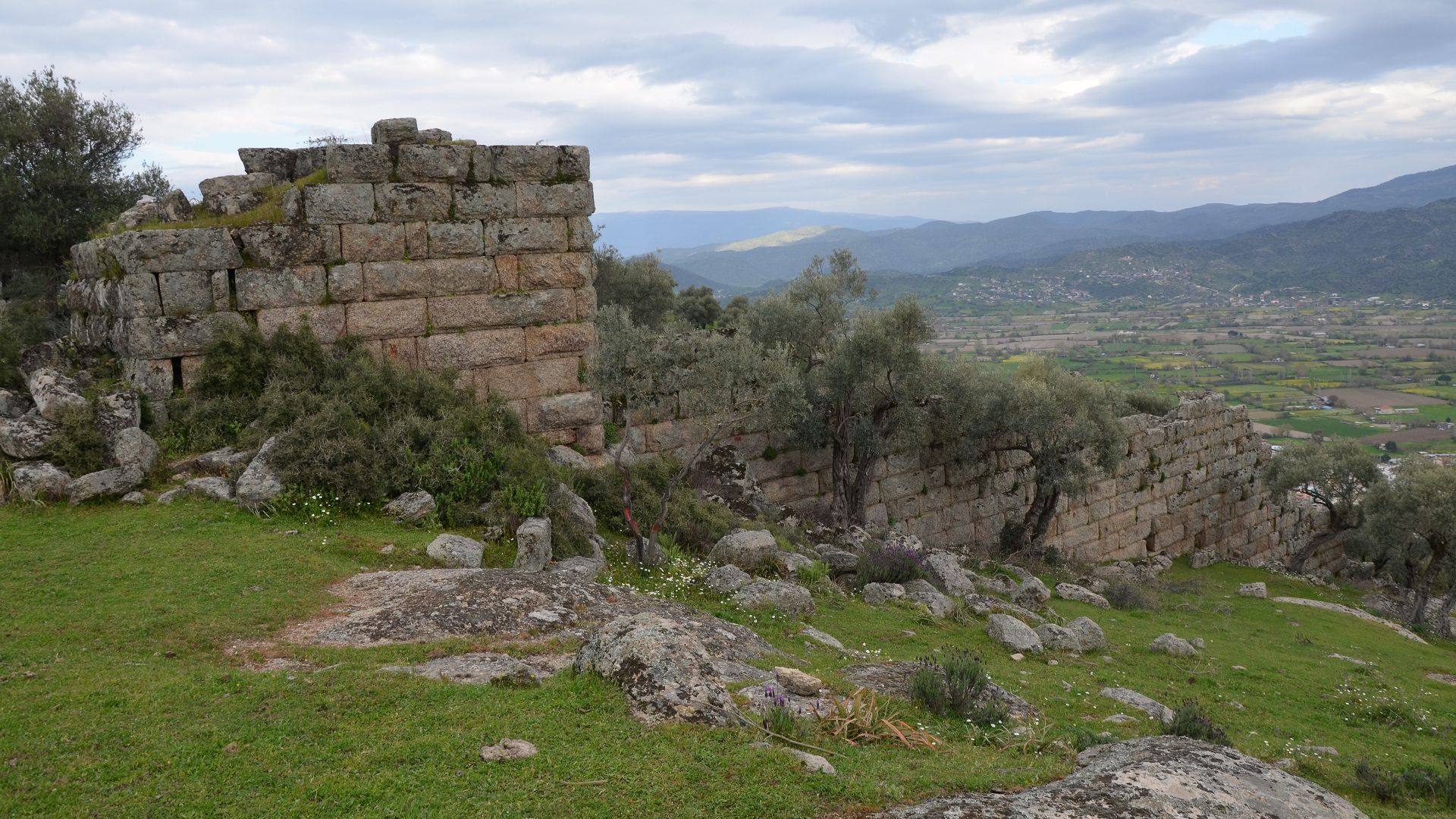
This sundial takes its place as part of a growing body of finds from Aigai that illustrate a thriving Hellenistic city. Together with the bath complexes, temples, and inscriptions, it paints a picture of an organized, educated community fully integrated with the broader Greek cultural traditions of the time.
 Carole Raddato from FRANKFURT, Germany, Wikimedia Commons
Why The Discovery Matters
Rare and ancient physical artifacts such as the sundial are the bridge between abstract history and lived experience. They reveal to us how ancient people structured their days, coordinated activities, and understood the world around them. Discoveries like these deepen our understanding of how science and society influenced each other in antiquity.
Aigai’s Place In History
As one of the twelve cities of Aeolis, Aigai played a pivotal role in regional politics and culture. Discoveries like the sundial help to elevate its historical profile, showing that it wasn’t a peripheral settlement but an dynamic participant in Greek civilization.
 Klaus-Peter Simon, Wikimedia Commons
Ongoing Research
Excavations at Aigai go on, but archaeologists expect further discoveries that could contextualize the sundial with more precision. Each season adds new data, gradually transforming Aigai from a lesser-known name into one of the most important sites for helping us to put together the puzzle of ancient western Anatolia.
 Following Hadrian, Wikimedia Commons
Measuring Time Across Millennia
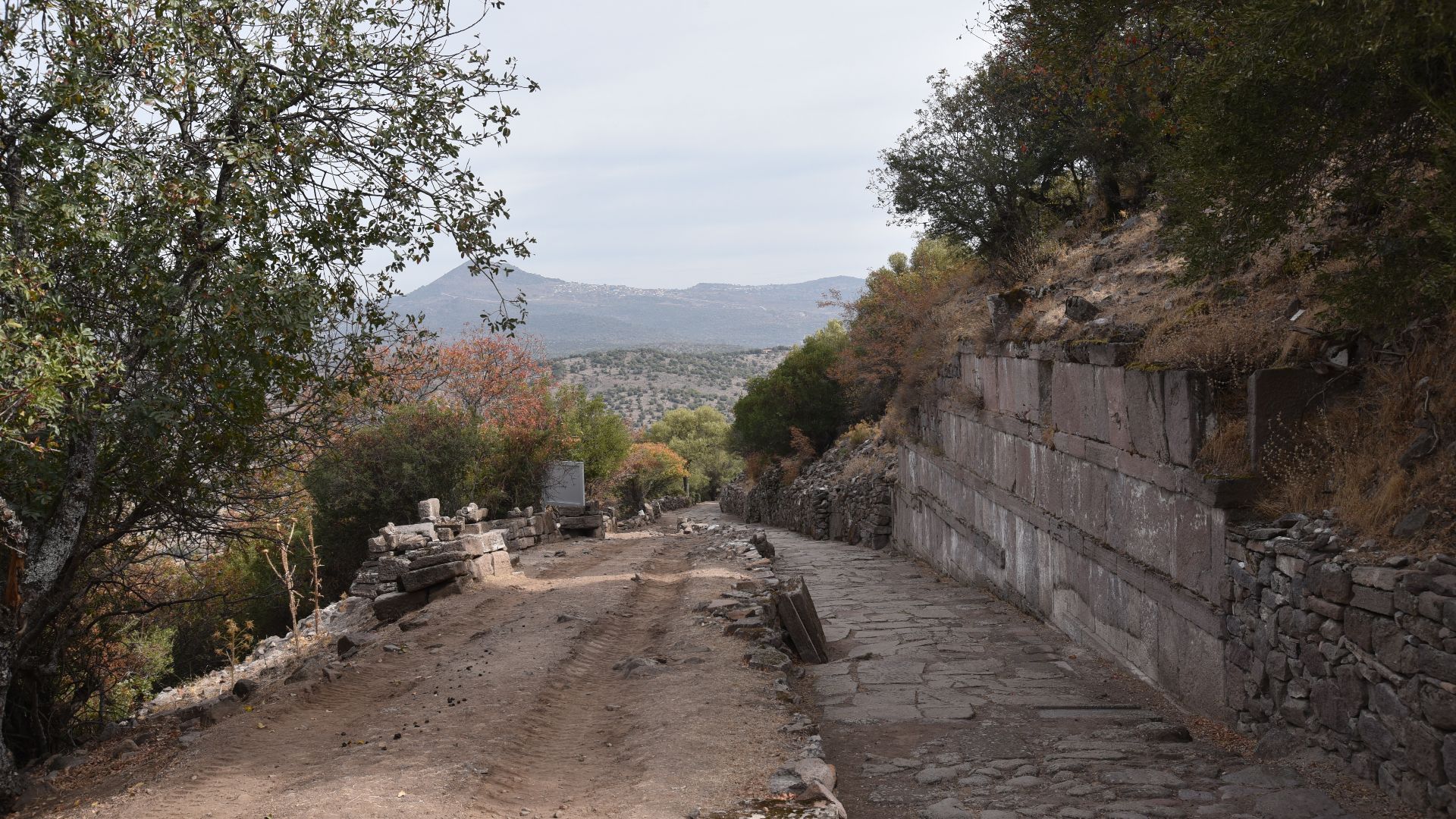
The Aigai sundial is an incredible treasure that connects us to the peoples of the past through their obsession with keeping time for organization, productivity, and civic order. More than 2,000 years further on, this simple stone instrument still fills us with a sense of awe of the rhythms of ancient daily life, and the unstoppable forward progress of time.
 Following Hadrian, Wikimedia Commons
You May Also Like: