Origins That Changed Everything
Dinosaurs did not arrive as giants or instant rulers. Their story begins quietly in a volatile world, impacted by climate extremes, competition, and chance. For decades, dinosaur origins remained blurred by missing fossils and shifting continents, but new research now brings those early chapters into focus.
A Mystery That Has Fascinated Scientists For Centuries
Paleontologists have always debated about where dinosaurs began, how they spread, and why they succeeded. Early discoveries offered dramatic skeletons but few clues about beginnings. They left scientists with fragmented evidence and unanswered questions that lingered well into modern research.
 Lucas Attwell, Wikimedia Commons
Why Tracing Dinosaur Origins Took So Long
Pinpointing dinosaur origins proved difficult because fossils rarely preserve the earliest members of any group, as ancient rocks were altered or buried and continents drifted apart. Moreover, many early dinosaurs lived alongside similar reptiles, making it challenging to distinguish true ancestors from evolutionary lookalikes in deep time.
 Kermanshahi1398, Wikimedia Commons
Moving Beyond The Myth Of A Sudden Takeover
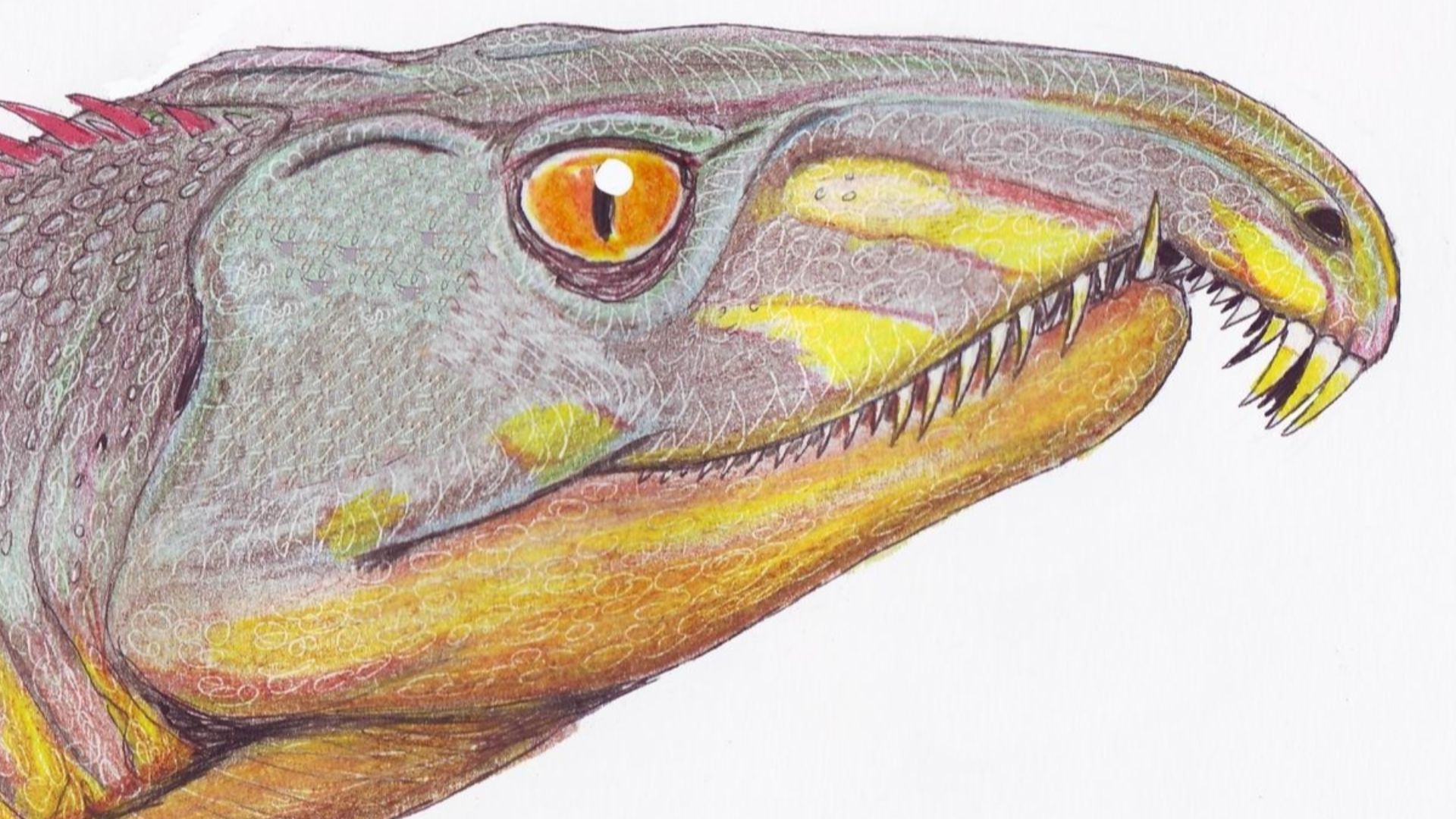
Popular culture long suggested dinosaurs appeared suddenly as dominant giants, but science tells a subtler story. Evidence now shows their rise evolved gradually, beginning with small, lightly built animals that slowly diversified. These creatures survived extinctions and expanded as environments changed across millions of years of history.
 Dmitry Bogdanov, Wikimedia Commons
What Early Fossils Failed To Reveal
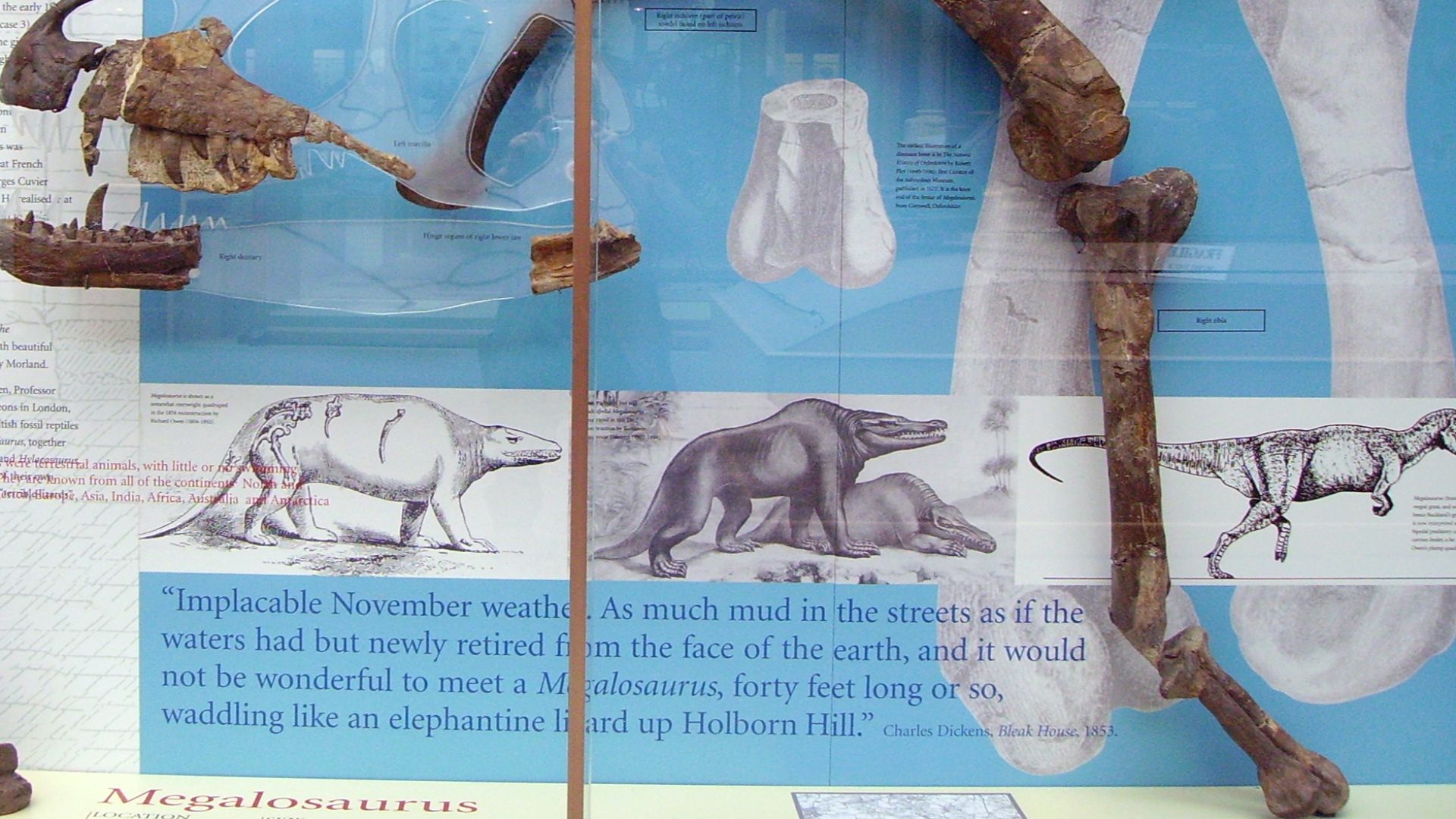
Early fossil discoveries painted an incomplete picture because they captured dinosaurs after key traits had already evolved. The transitional forms were missing, and they would show how reptile ancestors developed upright posture, faster growth, and efficient movement. Such gaps long obscured the earliest chapters of dinosaur evolution history.
 Ballista at English Wikipedia, Wikimedia Commons
Until New Evidence Began To Shift The Story
Advances in dating techniques and evolutionary modeling finally allowed researchers to reassess old assumptions. By combining discoveries from multiple continents with refined timelines, scientists began seeing consistent patterns. It could show when and where dinosaurs likely first emerged during the Triassic period of Earth’s history.

Defining Dinosaurs As One Unified Group
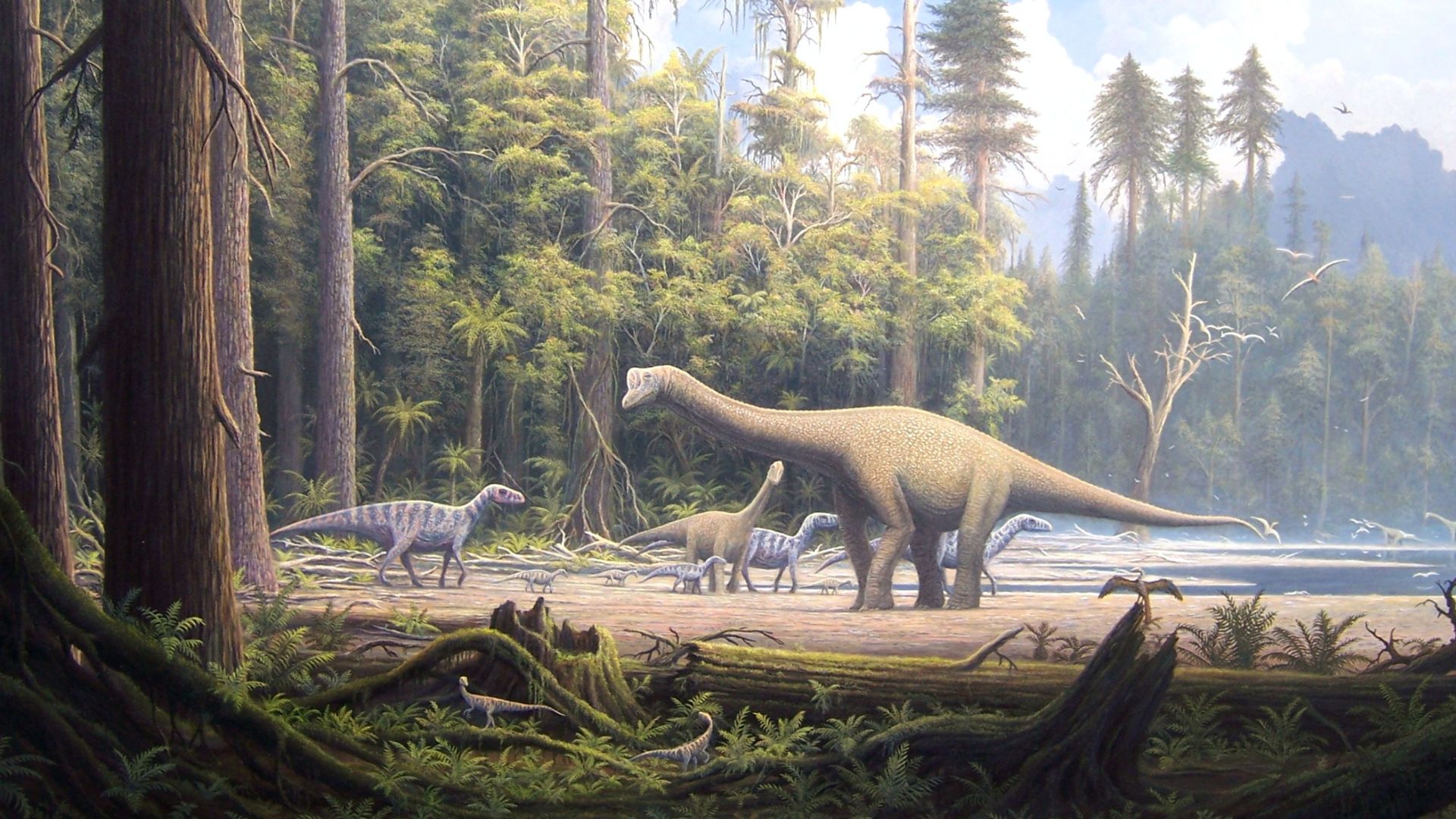
Scientists emphasize that dinosaurs are not a loose collection of prehistoric reptiles but a clearly defined evolutionary group. Known as Dinosauria, this clade is marked by shared anatomical traits such as upright limb posture and specialized hip structures that distinguish dinosaurs from other Triassic reptiles.
 Gerhard Boeggemann, Wikimedia Commons
The Unstable World Of The Triassic Period
Dinosaurs emerged during the Triassic, a time marked by extreme climate swings, volcanic activity, and shifting ecosystems. With all continents joined as Pangaea, life faced frequent disruptions, which created dangers and opportunities for adaptable species trying to survive.
The Moment Dinosaurs First Entered The Scene
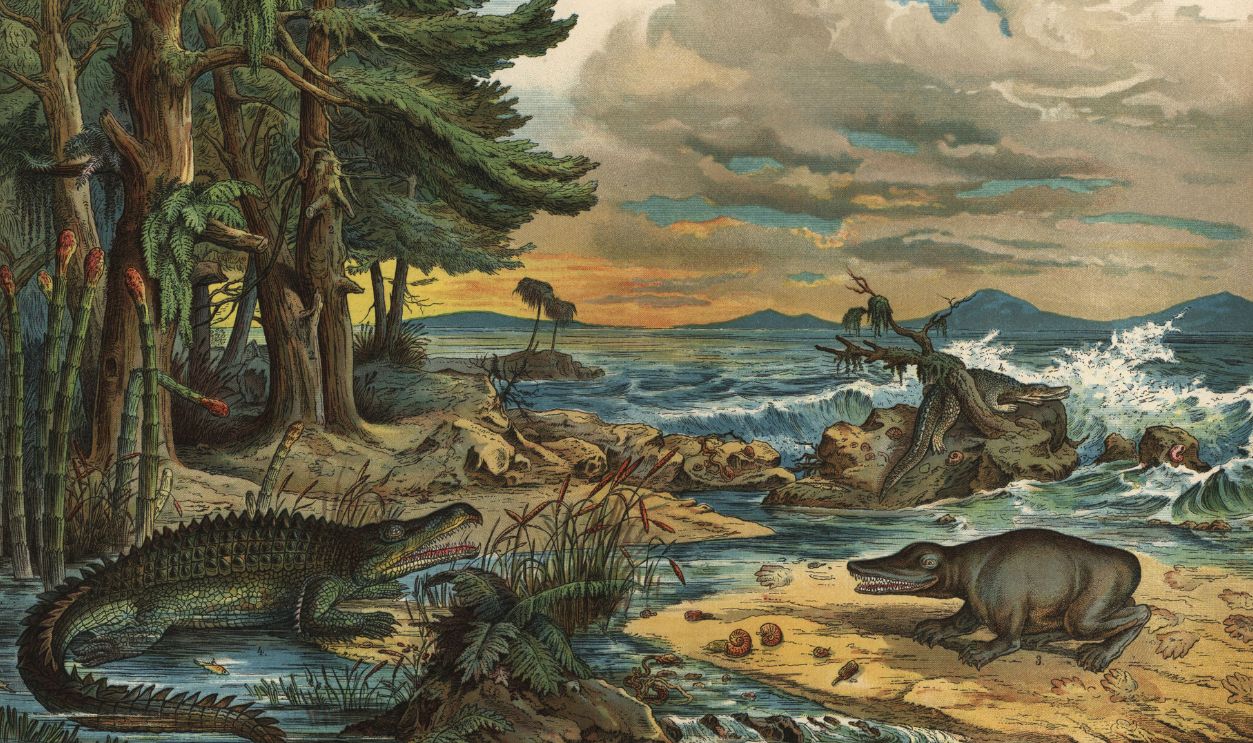
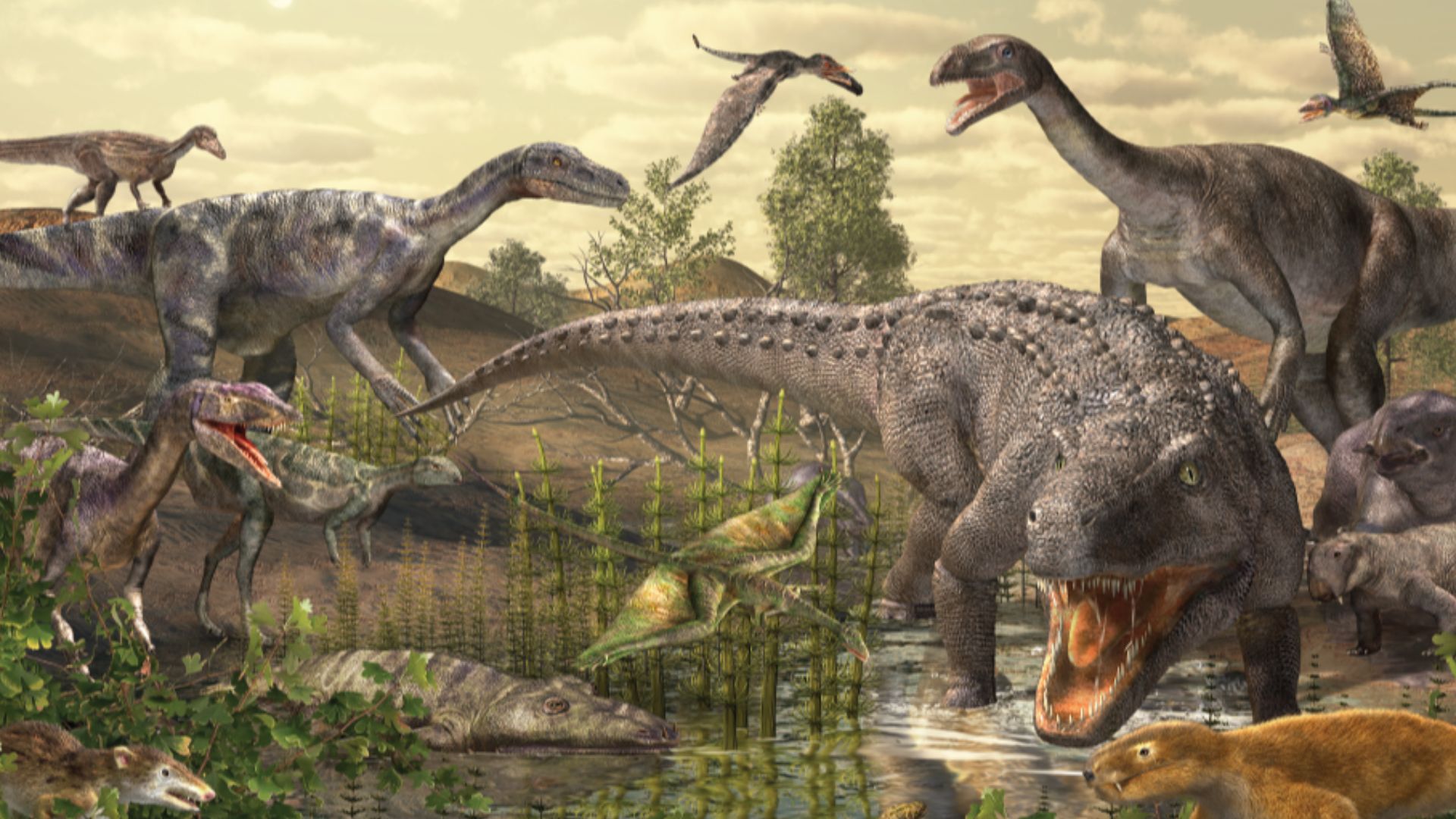
The earliest dinosaurs appeared about 230 million years ago according to the fossils discovered. These early species were rare and unremarkable at first, as they entered ecosystems already crowded with diverse reptiles and amphibians.
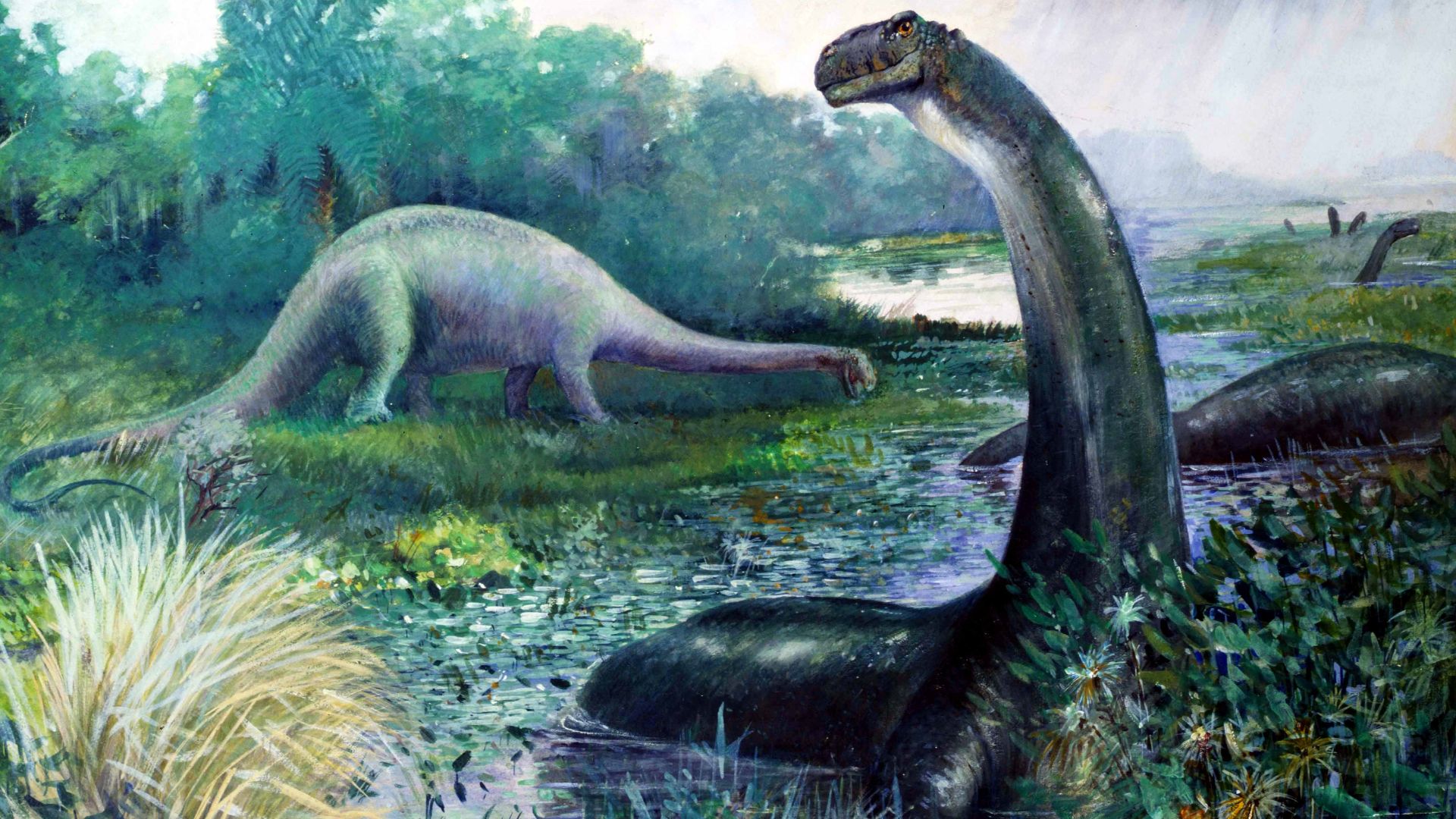 Charles Robert Knight, Wikimedia Commons
Survival Mattered More Than Size
These animals did not dominate through strength or scale. Instead, traits like agility and efficient movement helped them endure harsh conditions. Such advantages allowed populations to recover quickly from environmental stress, gradually tipping the balance in their favor.
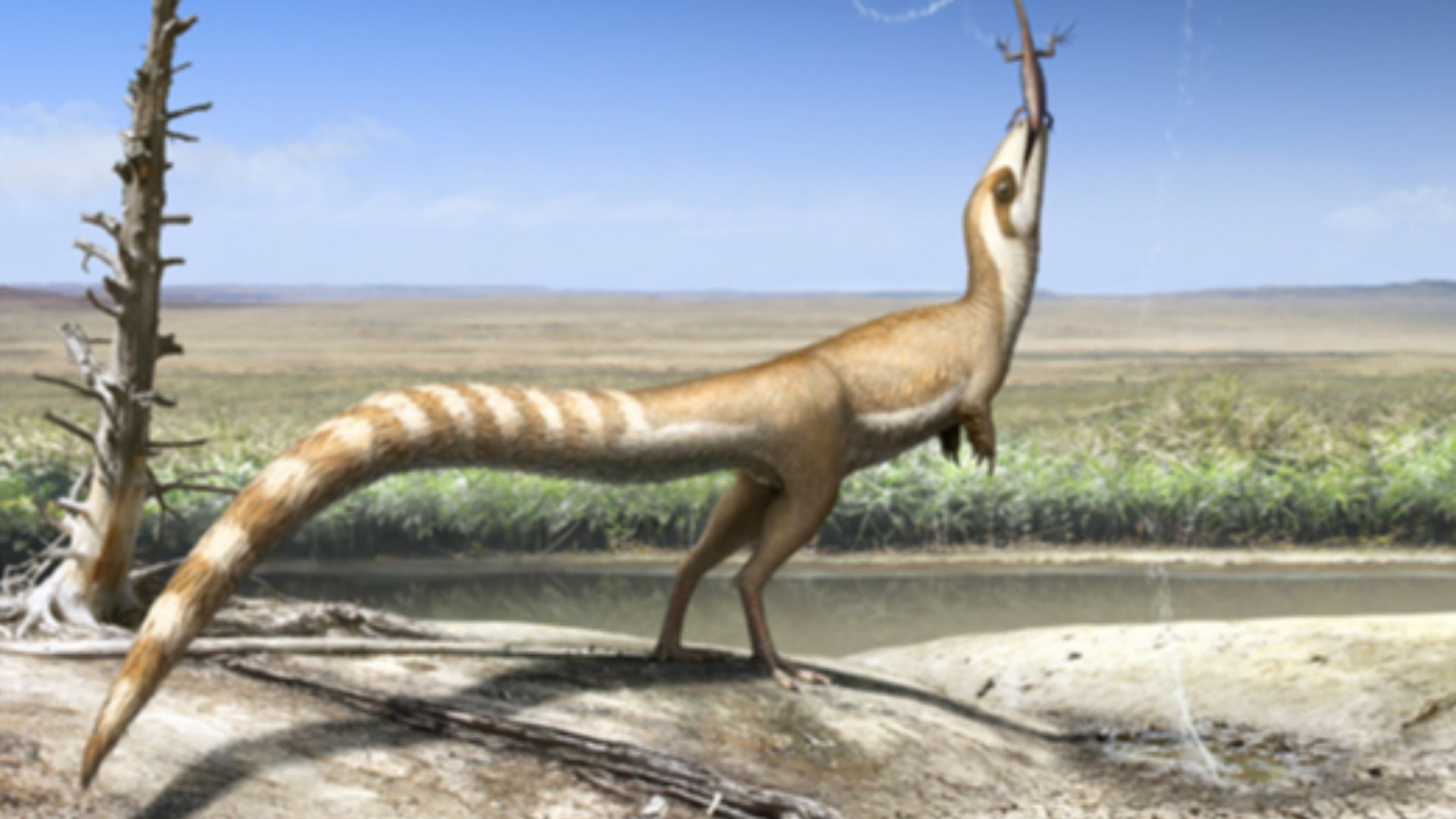 Robert Nicholls, Wikimedia Commons
Turning Attention To The Southern Half Of Pangaea
For decades, dinosaur origins were vaguely attributed to Pangaea as a whole. New research narrows that focus, pointing toward its southern regions, mainly at low-latitude Gondwana. This is where fossil evidence clusters in rocks of the right age, suggesting a more precise geographic birthplace for Dinosauria.
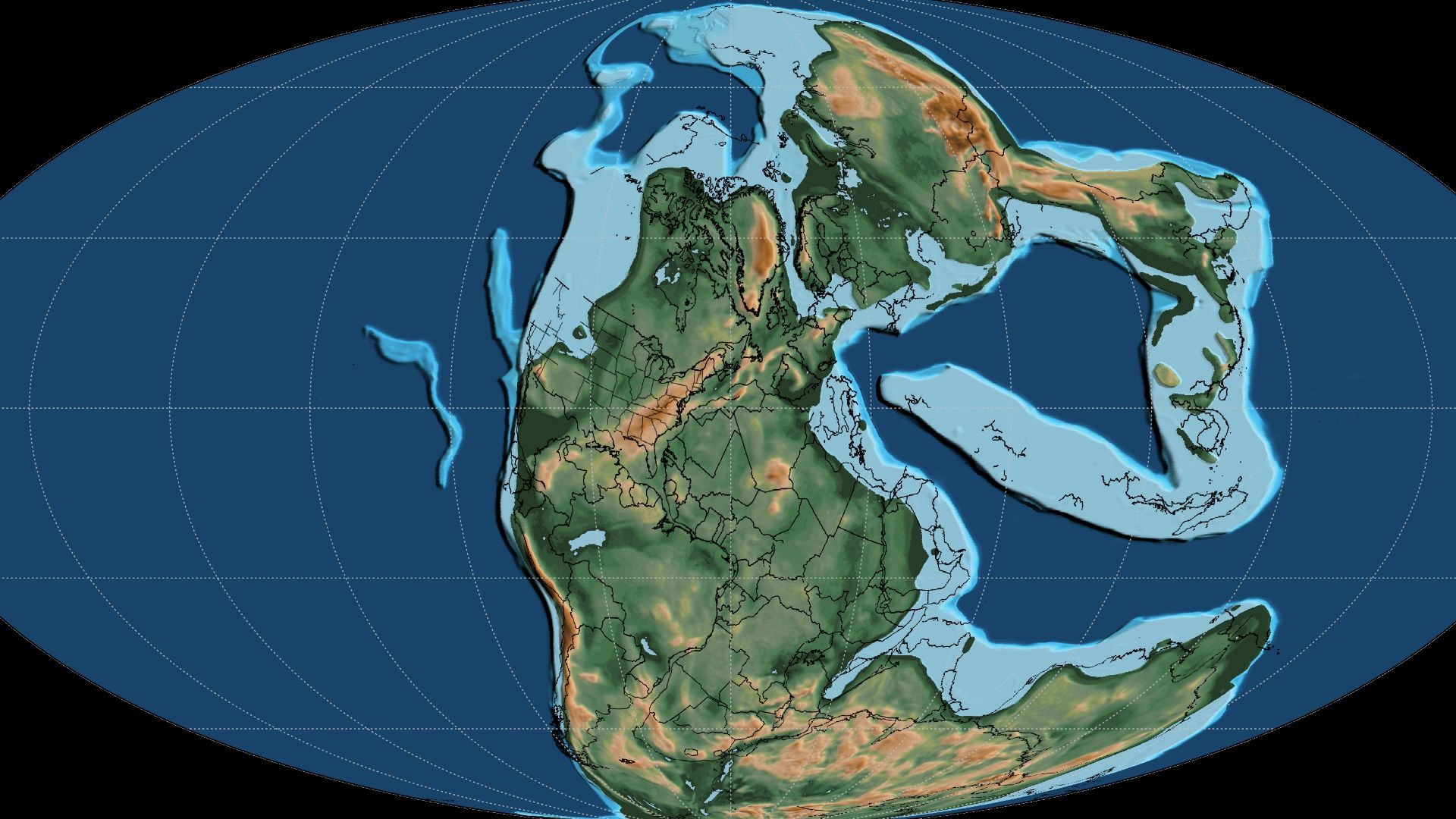
A Birthplace Hidden In The Ancient Deep South
Evidence increasingly indicates that dinosaurs originated in what is now South America and parts of Africa. During the Triassic, these lands formed a connected southern zone, providing environments where early dinosaurs could evolve before spreading across the supercontinent.
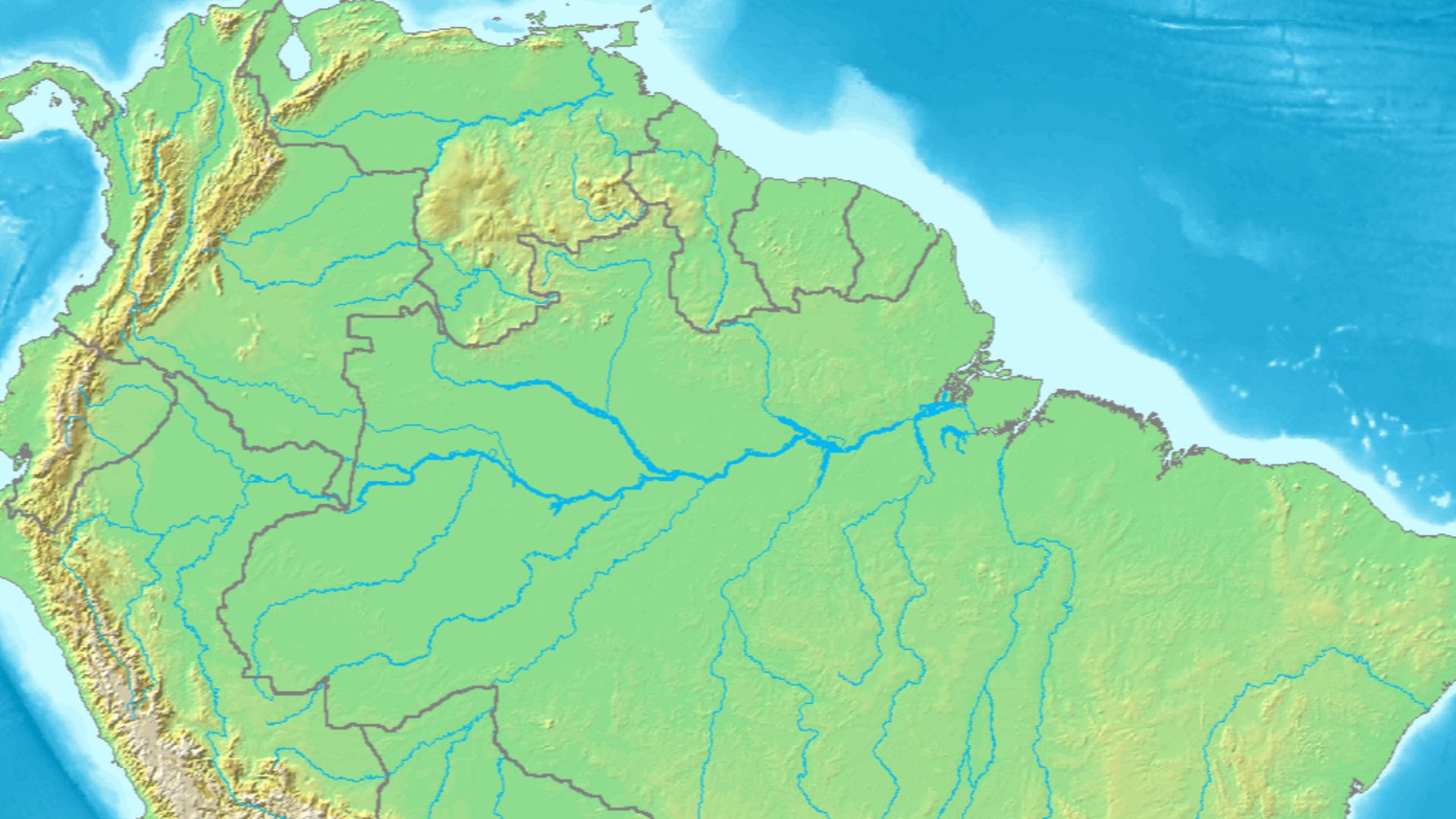 Radoslaw Botev, Wikimedia Commons
Shifting Continents Clarified The Map
As Pangaea slowly broke apart, ancient land connections became easier to reconstruct. Understanding continental drift helped researchers align fossil sites once separated by oceans. It shows how early dinosaur remains from different continents actually trace back to neighboring regions long ago.

Ischigualasto And A Snapshot Of Early Dinosaur Life
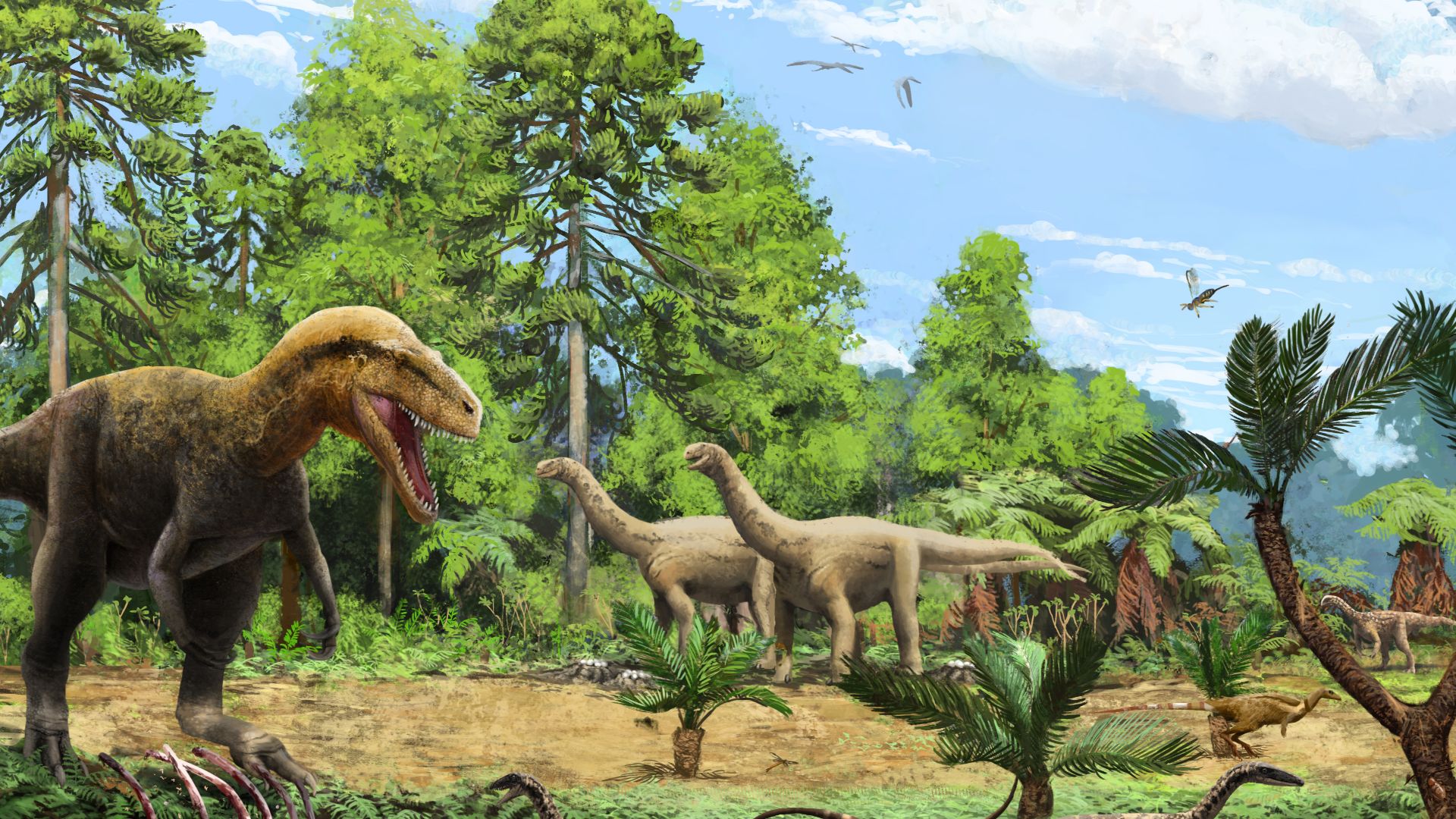
Ischigualasto Provincial Park in Argentina preserves some of the oldest known dinosaur fossils. Its layered rocks capture a moment when dinosaurs were still minor players, living among many other reptiles. These remains offer scientists a rare, detailed look at ecosystems during the late Triassic.
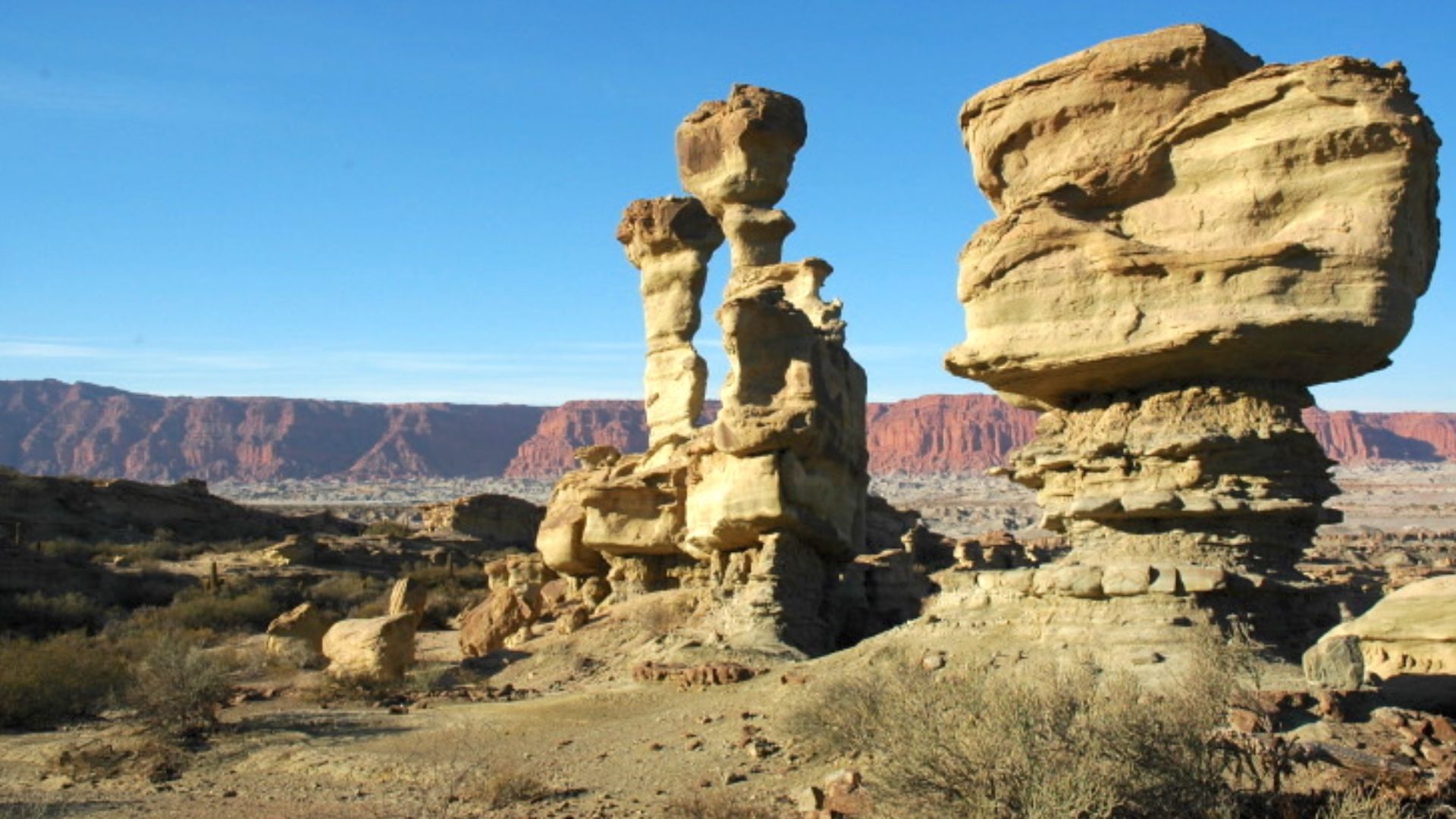 The original uploader was As578 at English Wikipedia., Wikimedia Commons
Small Agile Animals With Big Potential
The earliest dinosaurs were modest in size, lightly built, and bipedal. Long legs and balanced bodies suggest speed and agility rather than brute strength. These traits allowed them to move efficiently through complex environments. They also helped them forage and escape predators.
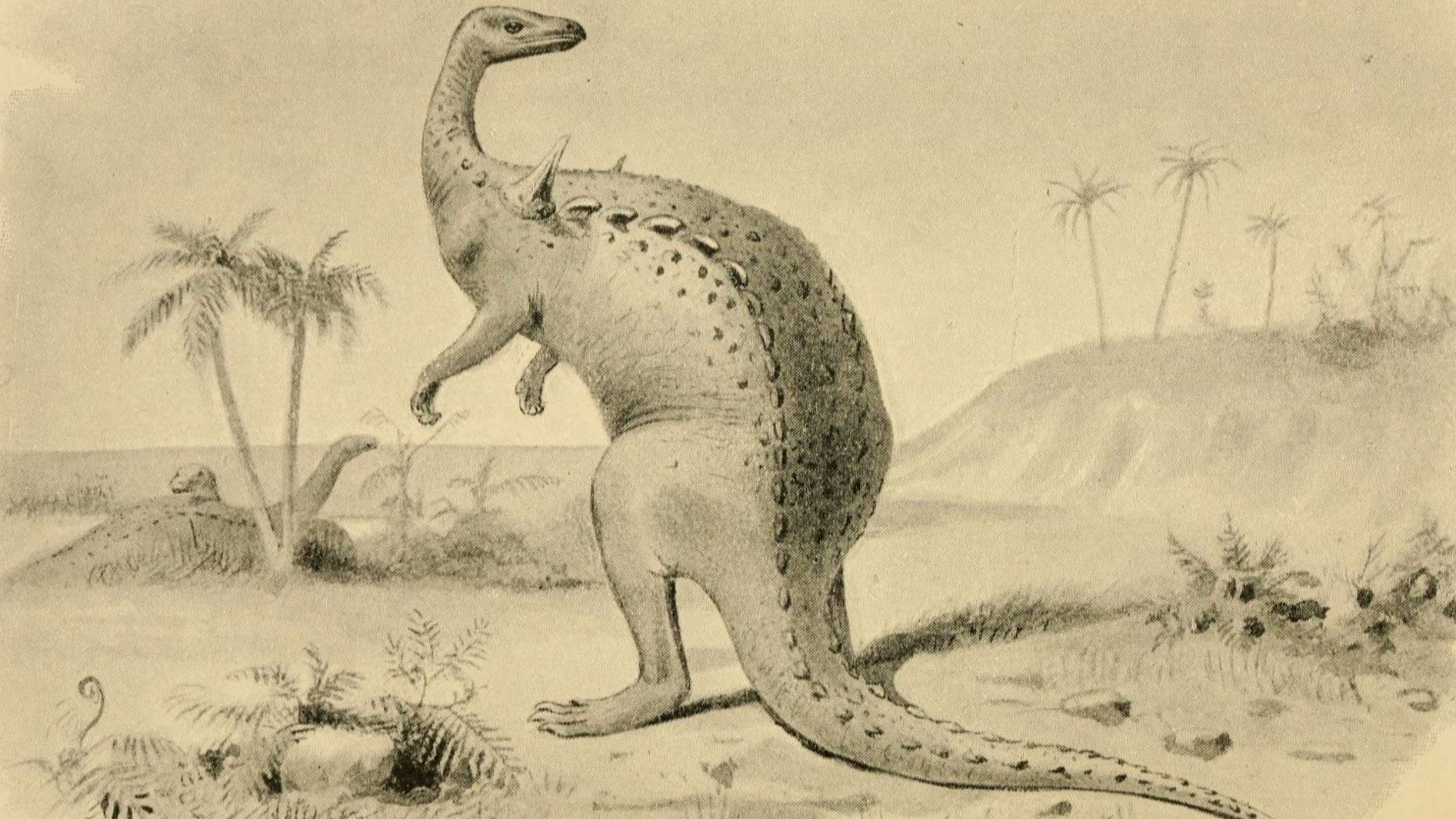 Biodiversity Heritage Library, Wikimedia Commons
Competing In Ecosystems They Did Not Yet Rule
Dinosaurs shared their habitats with dominant reptile groups that often outnumbered them. Fossil layers show dinosaurs made up a small fraction of animals present, highlighting how unlikely their future success appeared while larger, well-established competitors controlled most ecological niches.
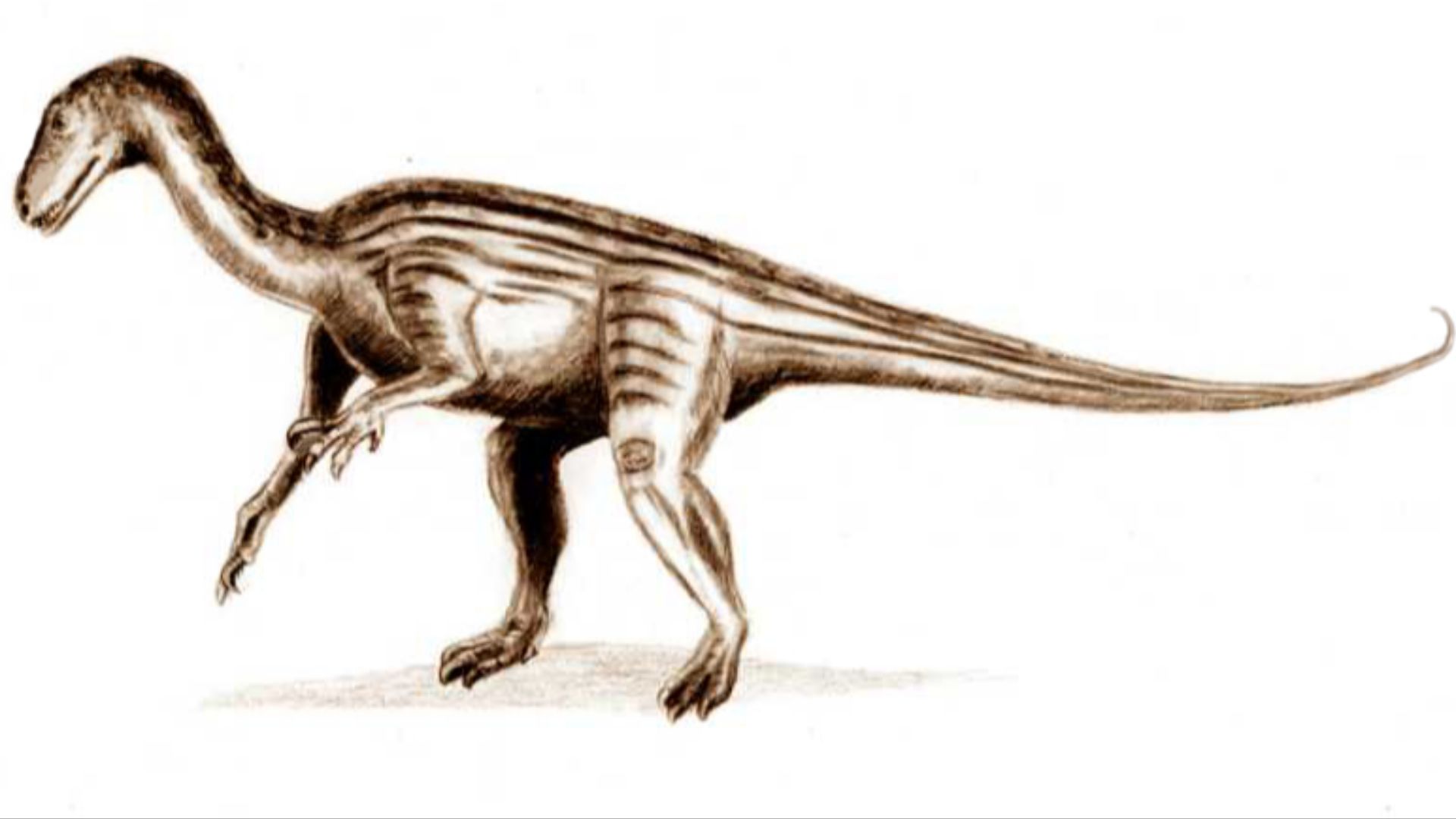
Buriolestes And The Earliest Dinosaur Design
Buriolestes, discovered in Brazil, represents one of the earliest known dinosaurs. Its skeleton shows a transitional body plan, combining primitive reptile features with traits later seen in giant sauropods. This skeleton is essential for understanding how classic dinosaur anatomy first developed.
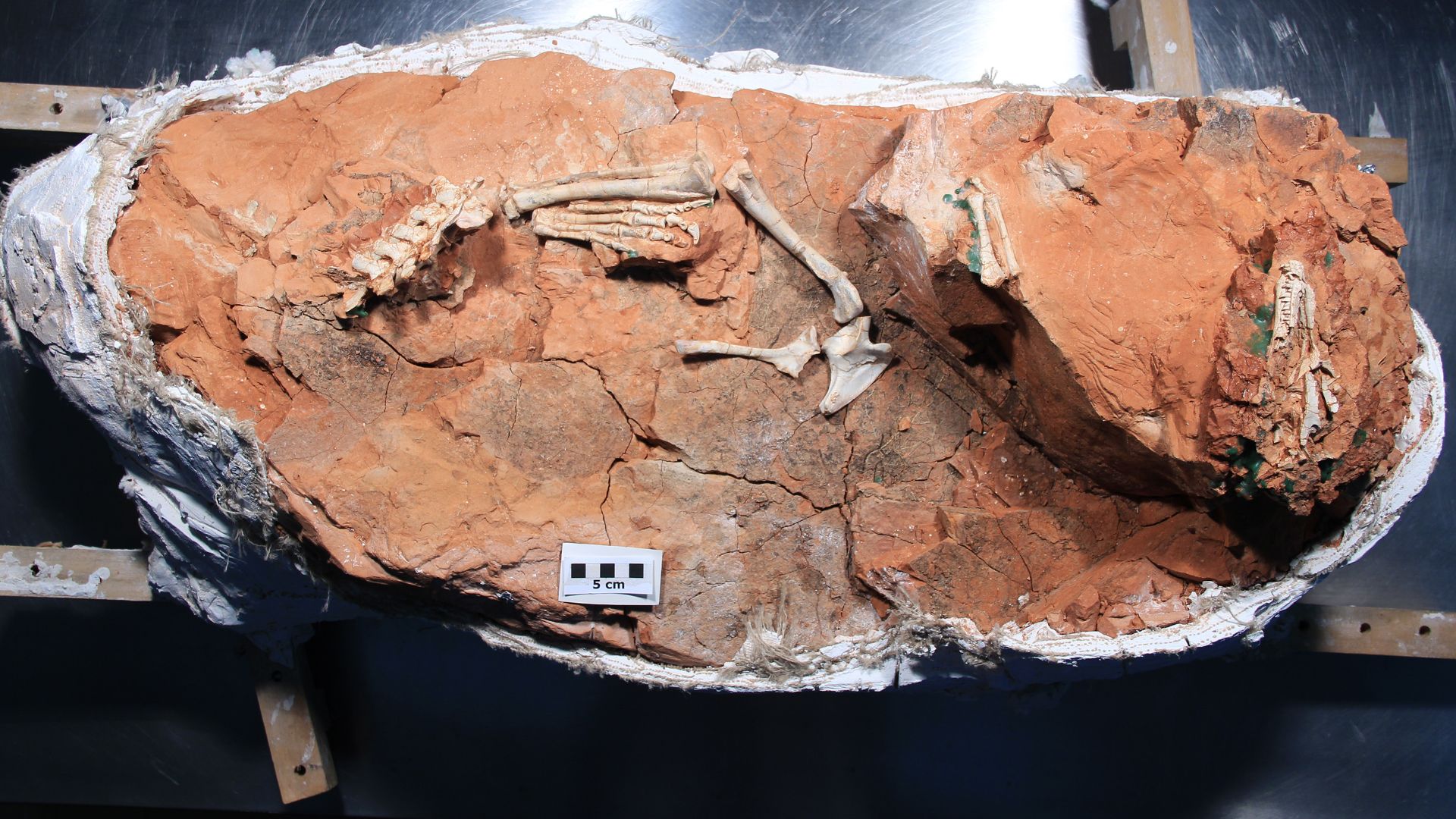 ULBRA Canoas, Wikimedia Commons
The Body Plan That Set Dinosaurs Apart
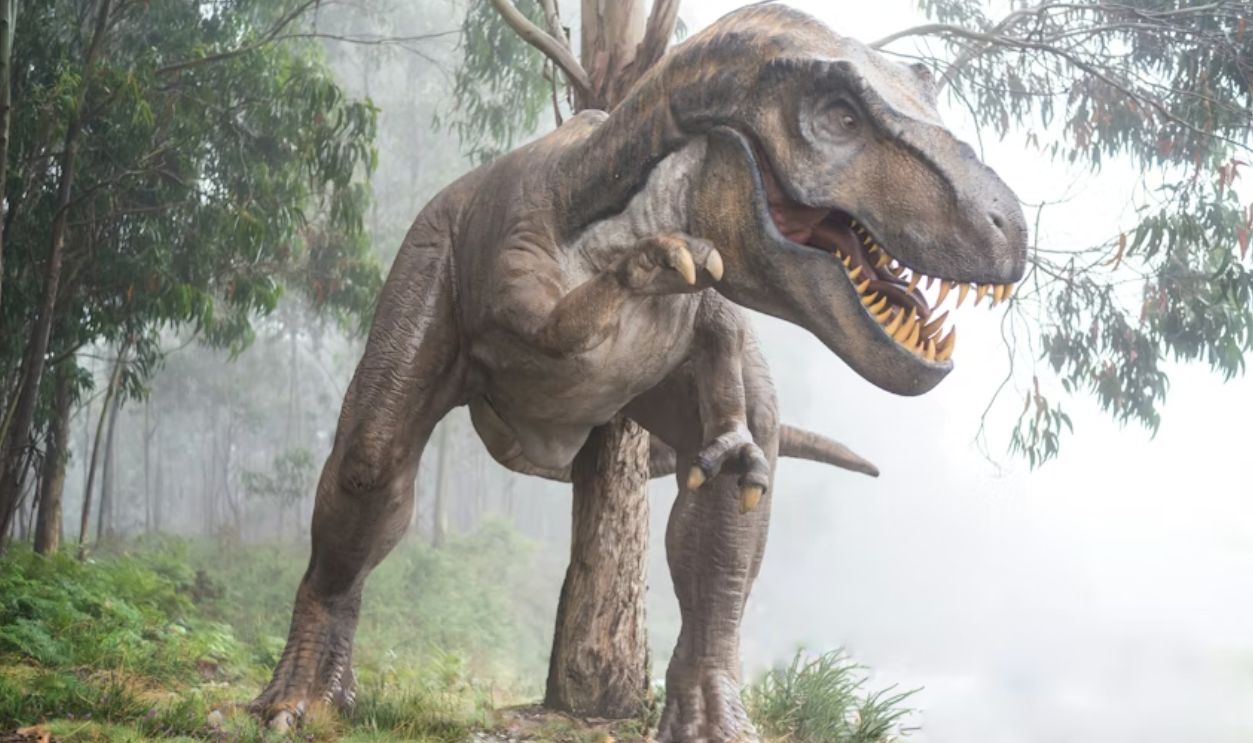
Even the earliest dinosaurs show defining features such as upright posture and limbs positioned beneath the body. This efficient design improved balance and movement, laying the groundwork for both rapid runners and, eventually, massive long-necked plant eaters.
 Fausto Garcia-Menendez, Unsplash
Growing Fast In A World Of Constant Stress
Bone studies reveal that early dinosaurs grew faster than many neighboring reptiles. Rapid growth shortened vulnerable juvenile stages and allowed quicker population recovery after droughts or disruptions, which became a key advantage in the unstable climates of the Triassic world.

Outlasting Rivals In A Harsh And Changing Climate
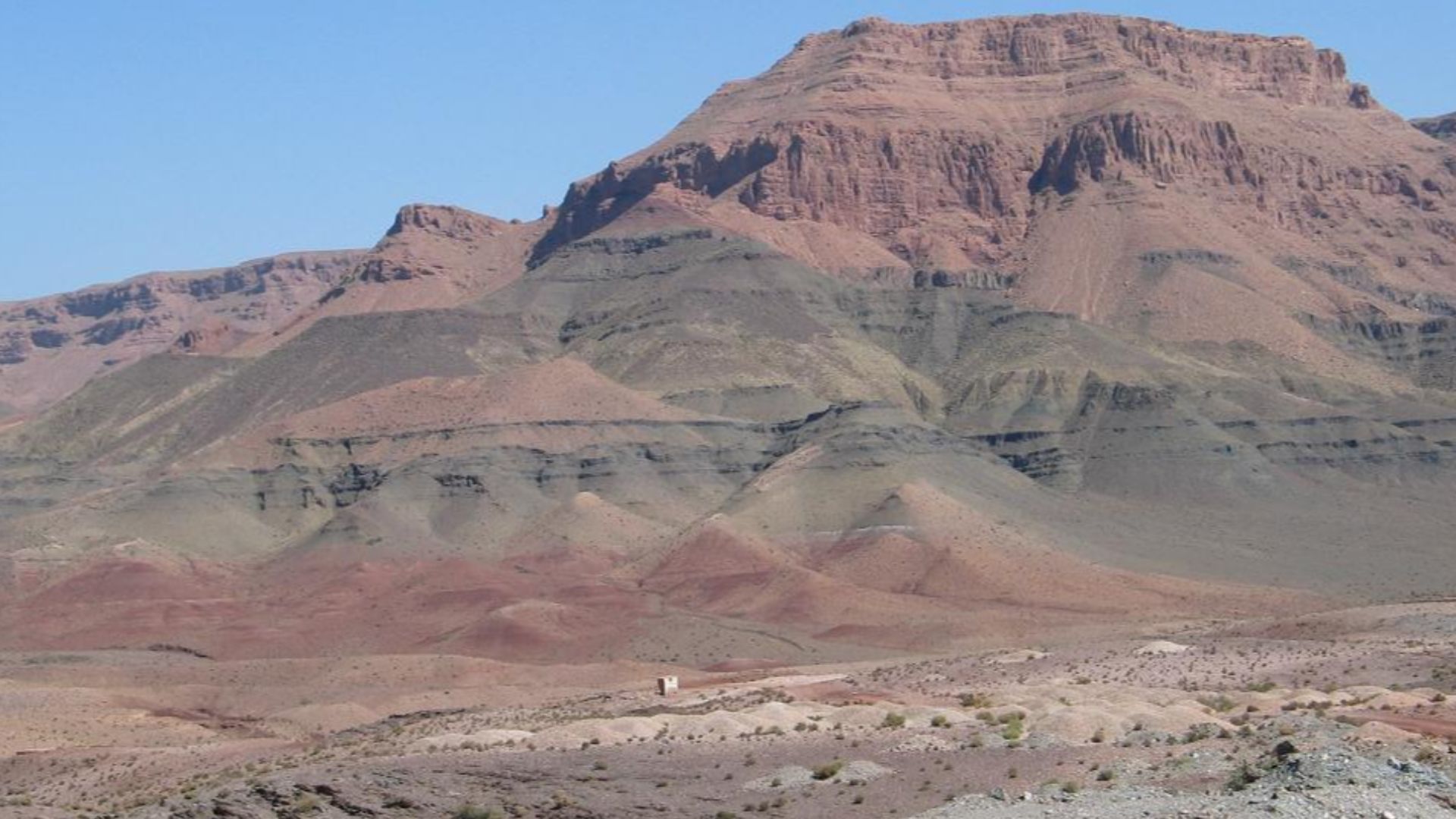
Frequent climate shifts and environmental stress tested all Triassic animals. Dinosaurs, with their efficient movement and growth strategies, proved better equipped to endure repeated challenges, gradually outlasting slower-growing rivals.
 Mente_et_malleo (talk) (Uploads), Wikimedia Commons
Extinction Events That Created New Opportunities
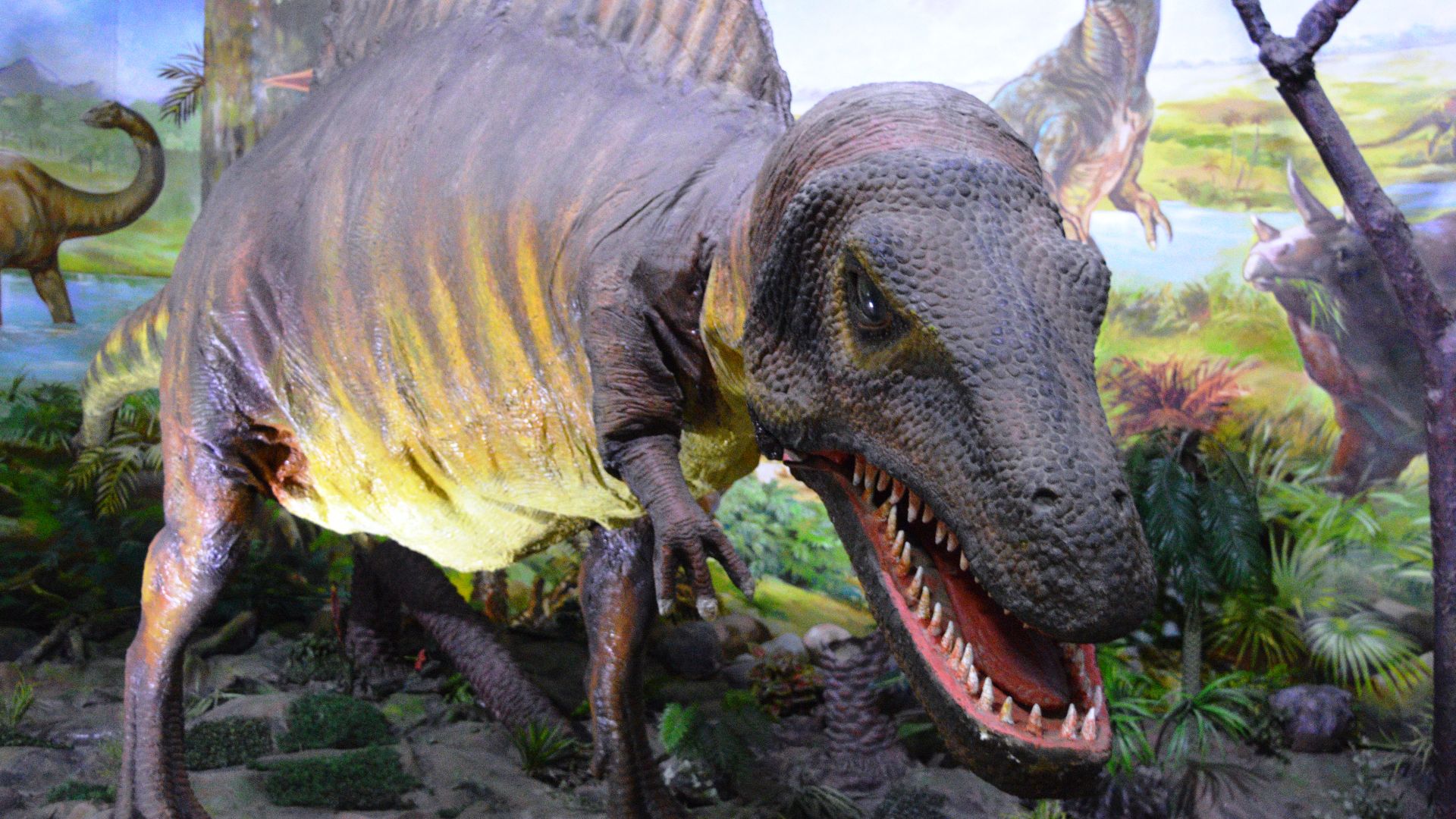
The end of the Triassic brought a major extinction that eliminated many dominant reptile groups. Dinosaurs survived this upheaval, and the loss of competitors opened ecological space. With fewer competitors, they expanded into new roles across terrestrial ecosystems.
From Regional Survivors To Global Dominance
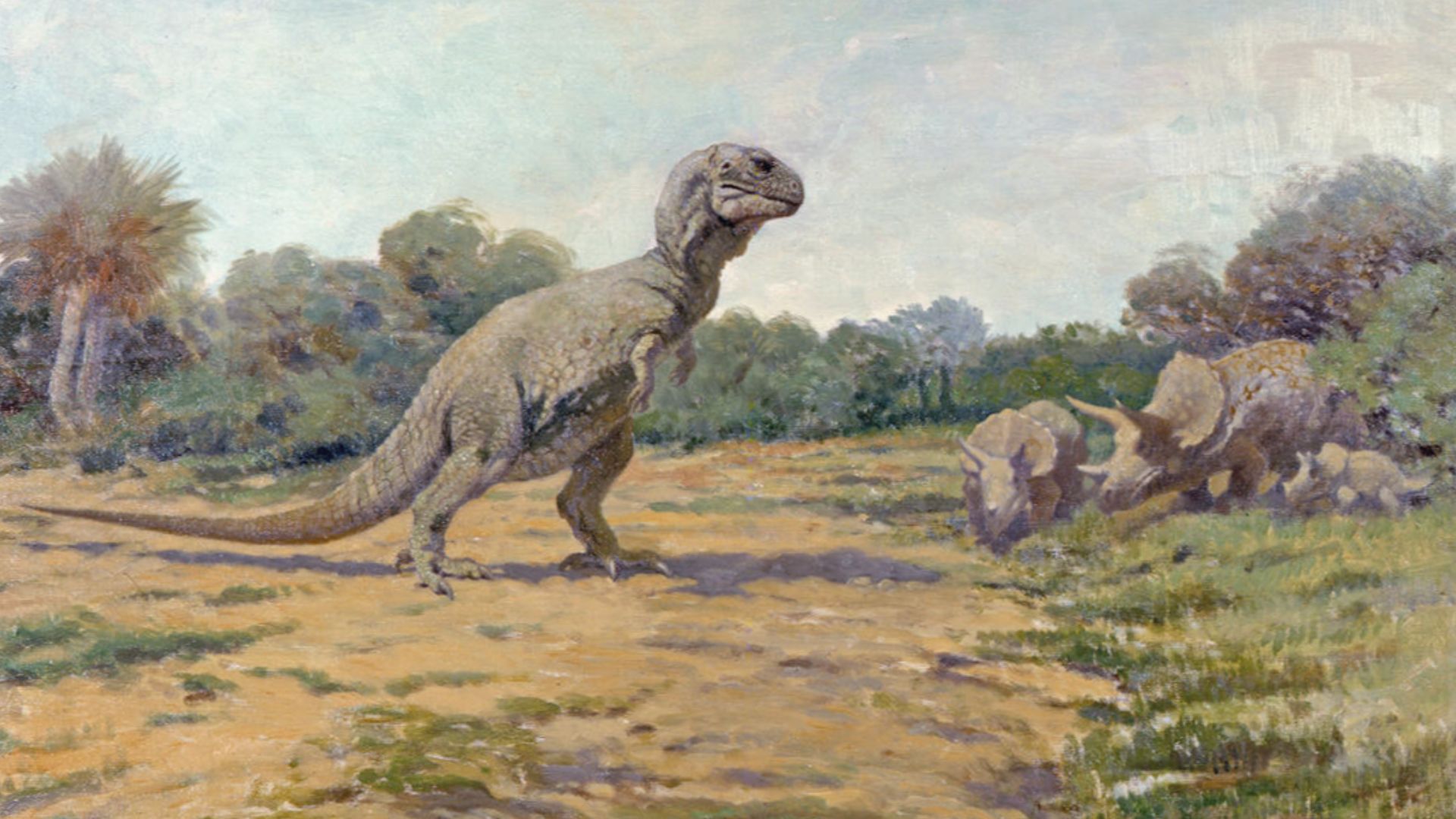
What began as a small southern lineage soon transformed into a global presence. Over tens of millions of years, dinosaurs diversified into numerous forms, gradually becoming the most widespread and influential land animals throughout the Mesozoic era.
 Charles Robert Knight, Wikimedia Commons
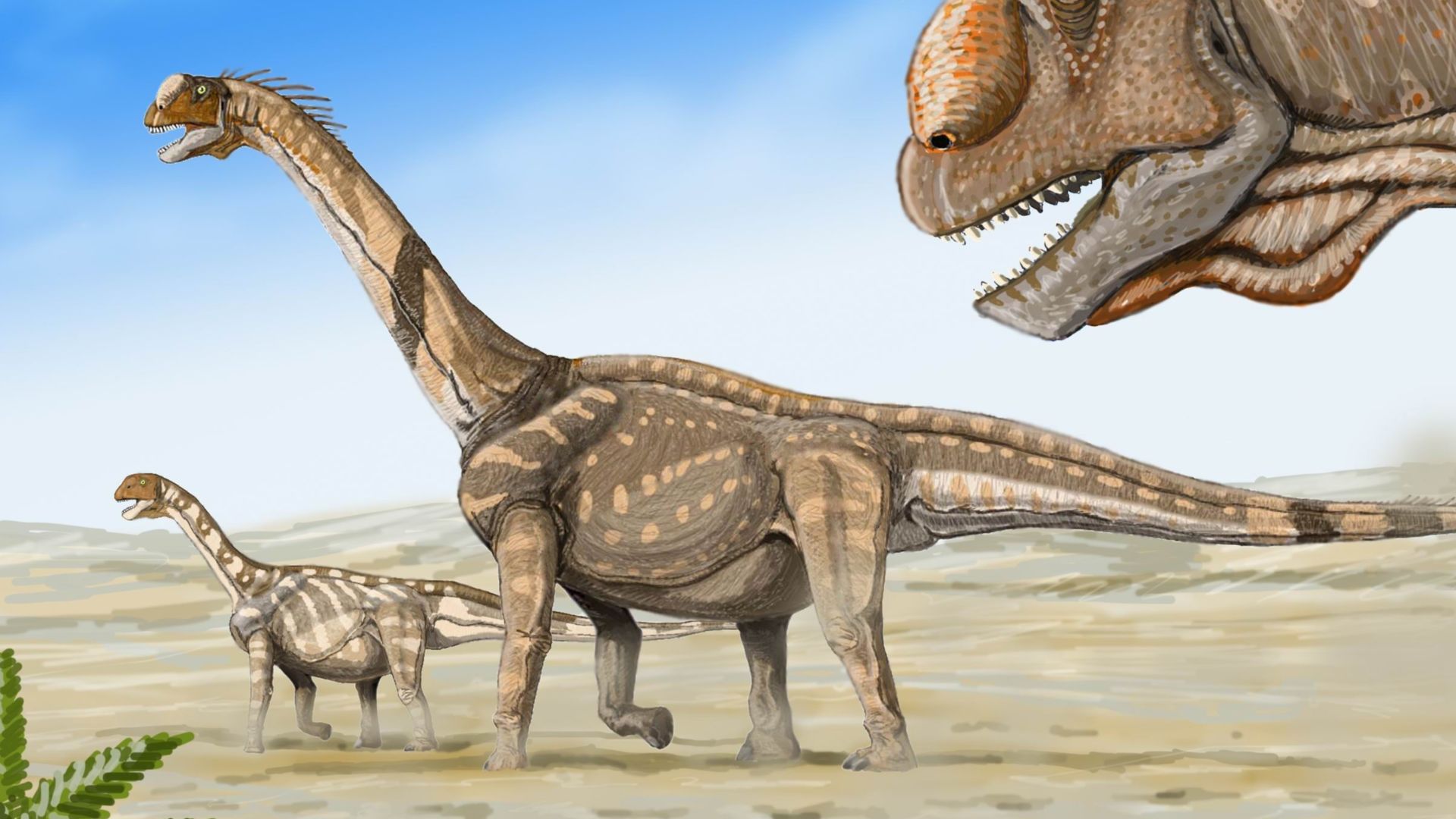
Spreading Across A Slowly Breaking Supercontinent
As Pangaea fractured, land bridges and shifting climates guided dinosaur dispersal. Fossil evidence shows their movement into North America, Europe, and Asia, following connected habitats before oceans fully separated continents and reshaped global geography.
 Creator:Dmitry Bogdanov, Wikimedia Commons
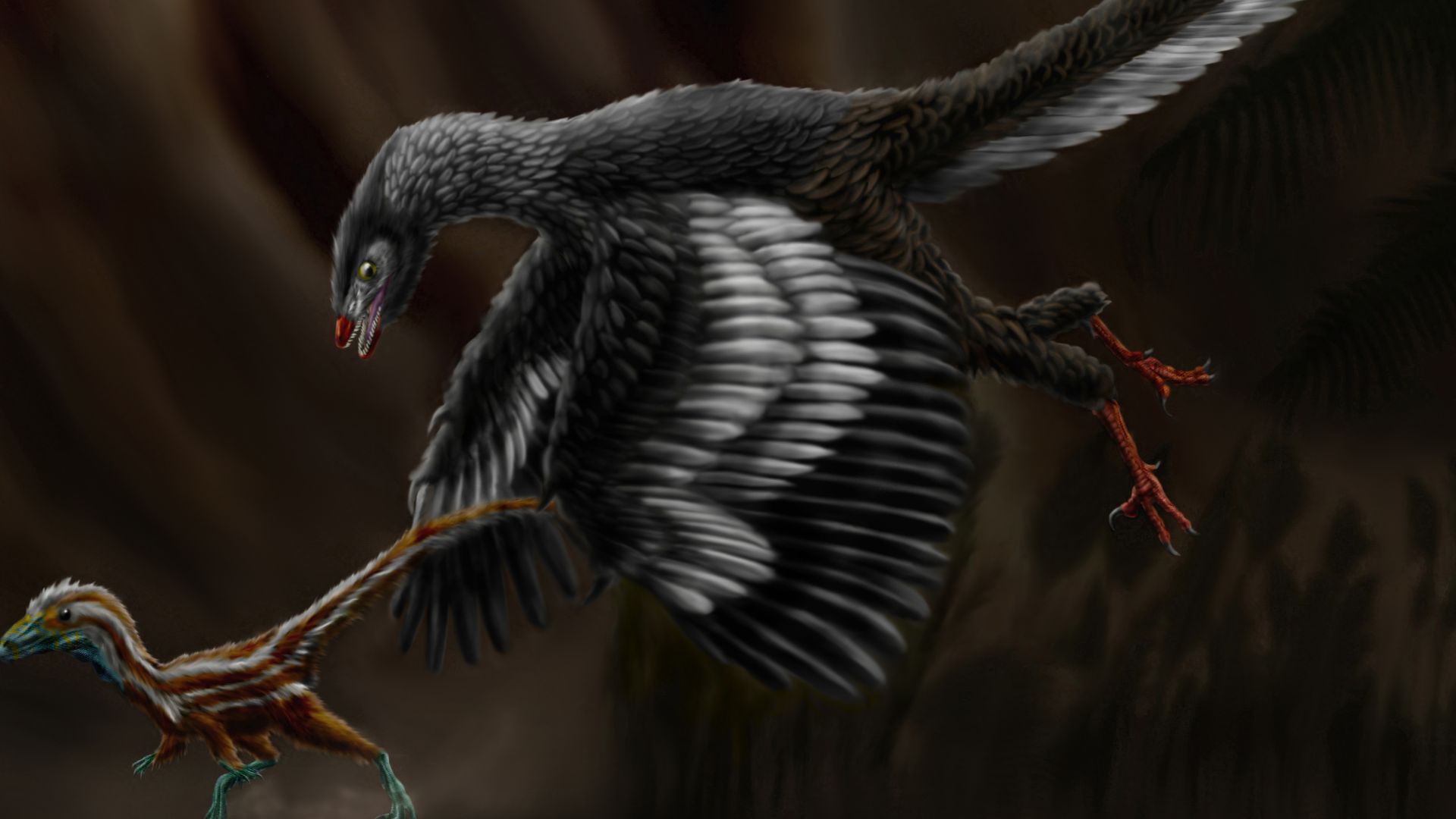
The Evolution From Ground Runners To Feathered Flyers
Some theropod dinosaurs gradually evolved lighter bodies, feathers, and new respiratory adaptations. These changes supported insulation and eventually flight, linking swift ground-running predators to the earliest birds in a continuous evolutionary sequence.
Birds As Living Evidence Of Dinosaur Survival
Modern birds are now widely accepted as living dinosaurs, sharing skeletal traits, nesting behaviors, and physiology with their ancestors. Every sparrow and hawk represents an unbroken lineage, carrying dinosaur evolution into the present day.
 Mathias Appel, Wikimedia Commons
Why Understanding Dinosaur Origins Still Matters Today
Studying dinosaur origins helps scientists understand resilience in times of environmental stress. The Triassic world mirrors modern instability, which makes dinosaurs a powerful case study for how life adapts and sometimes thrives during periods of rapid planetary change.
 USGS; Diarama by Masato Hattori. Map courtesy of Colorado Plateau Geosystems Inc., Wikimedia Commons