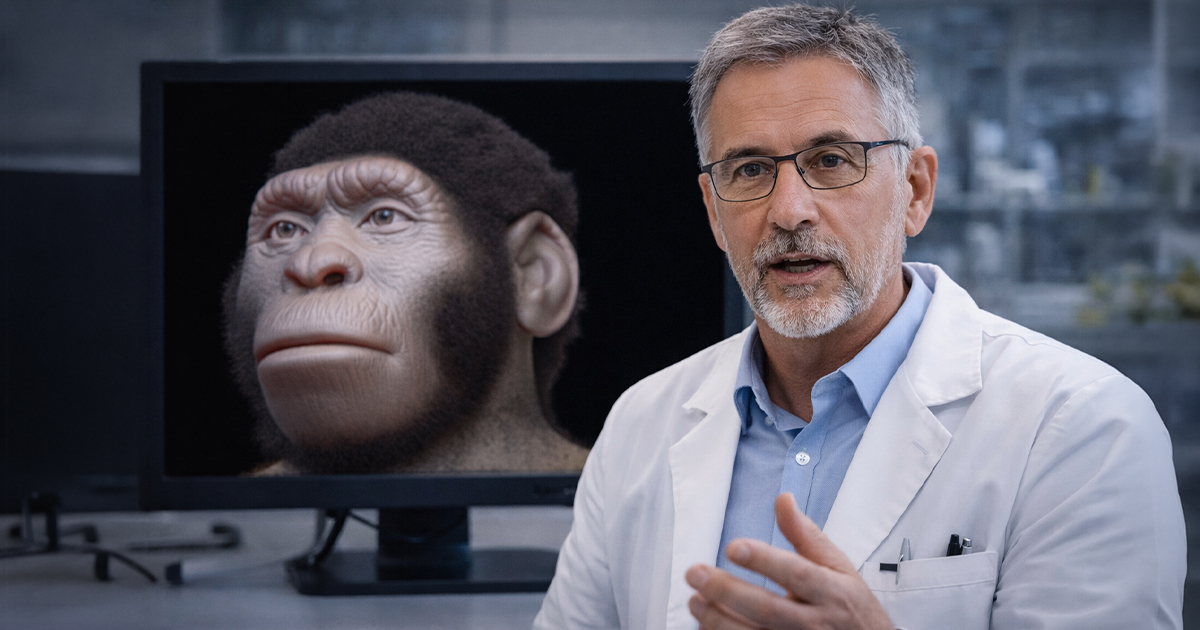
A Much Bigger Human Family Than We Thought
For a long time, we thought human history was simple—just us, slowly evolving into who we are today. Nice, clean, and a little boring. But scientists now know that’s completely wrong. There weren’t just a few human species, there were over 20—and homo sapiens lived alongside more than a few of them.
 Cicero Moraes (Arc-Team) et alii, CC BY 4.0 , via Wikimedia Commons
Meet the Extended Family
Today, researchers recognize more than two dozen different human species in the genus Homo. That includes famous ones like Neanderthals, but also lesser-known groups like Homo floresiensis, Homo luzonensis, and Homo naledi.
And we didn't just exist—we crossed paths.
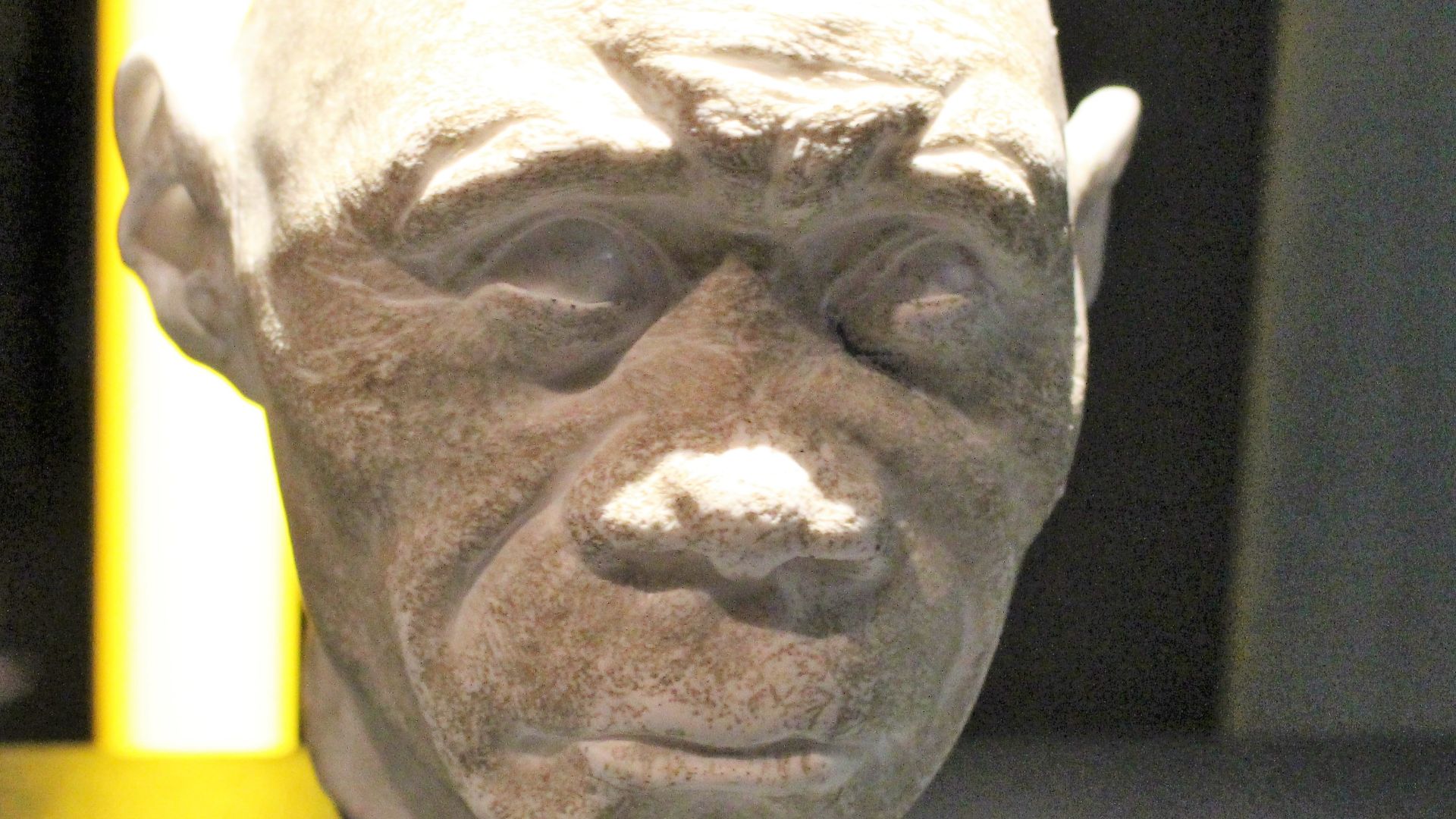 Emoke Denes, Wikimedia Commons
We Existed At the Same Time
What makes this even more interesting is that many of these species lived at the same time. That means they didn’t just exist separately—they likely saw each other, competed, and sometimes even interacted.
We didn’t evolve in isolation.
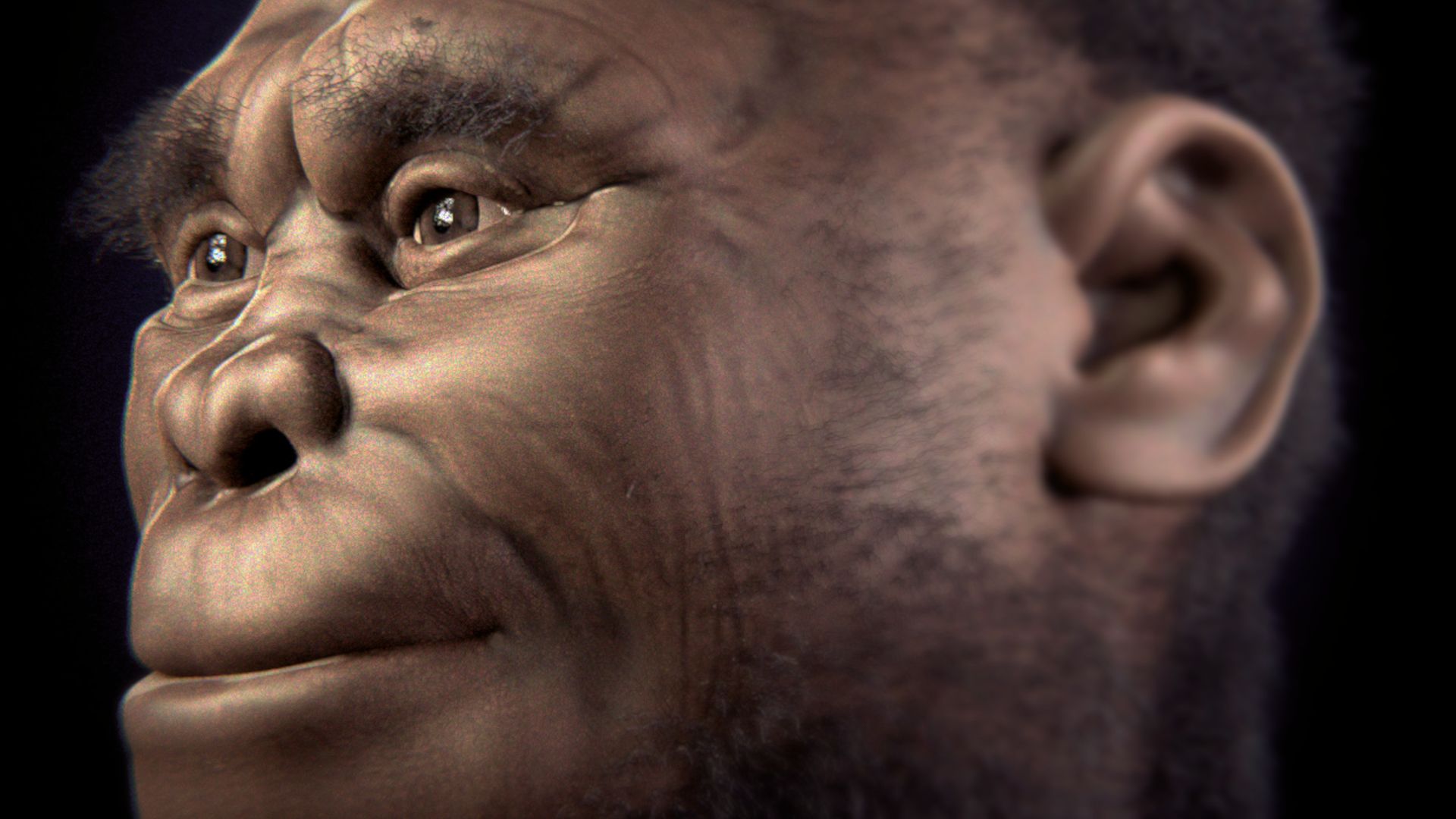 Cicero Moraes et alii, Wikimedia Commons
Homo sapiens Were Late to the Party
Modern humans (Homo sapiens) only appeared around 300,000 years ago in Africa. By the time we showed up, other human species had already been around for hundreds of thousands of years.
It was a crowded planet.

A Crowded Ancient World
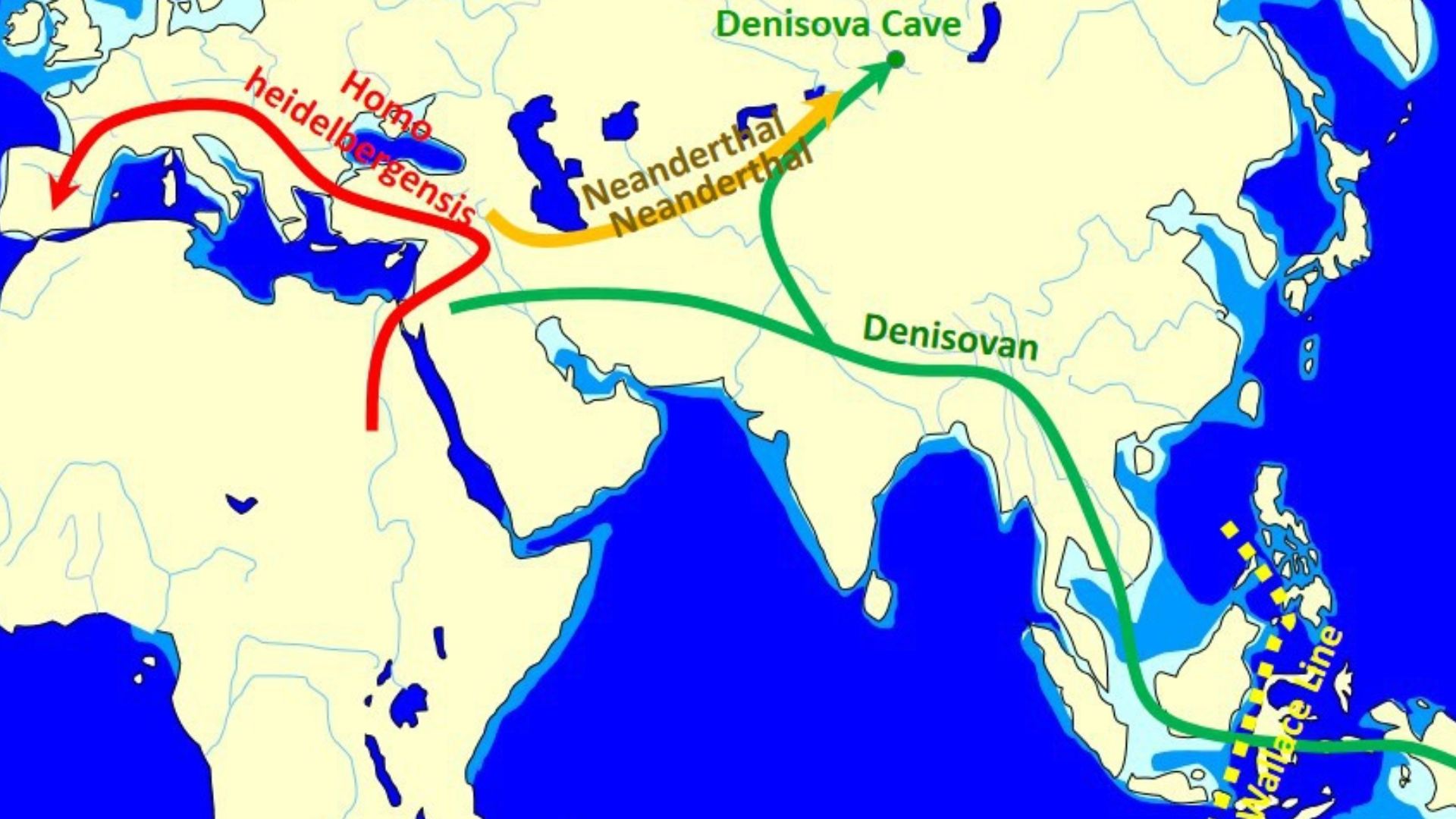
At one point, the Earth was home to multiple human species at the same time. Neanderthals were in Europe, Denisovans in Asia, and other species scattered across Africa and Southeast Asia.
We met at least eight different human types.
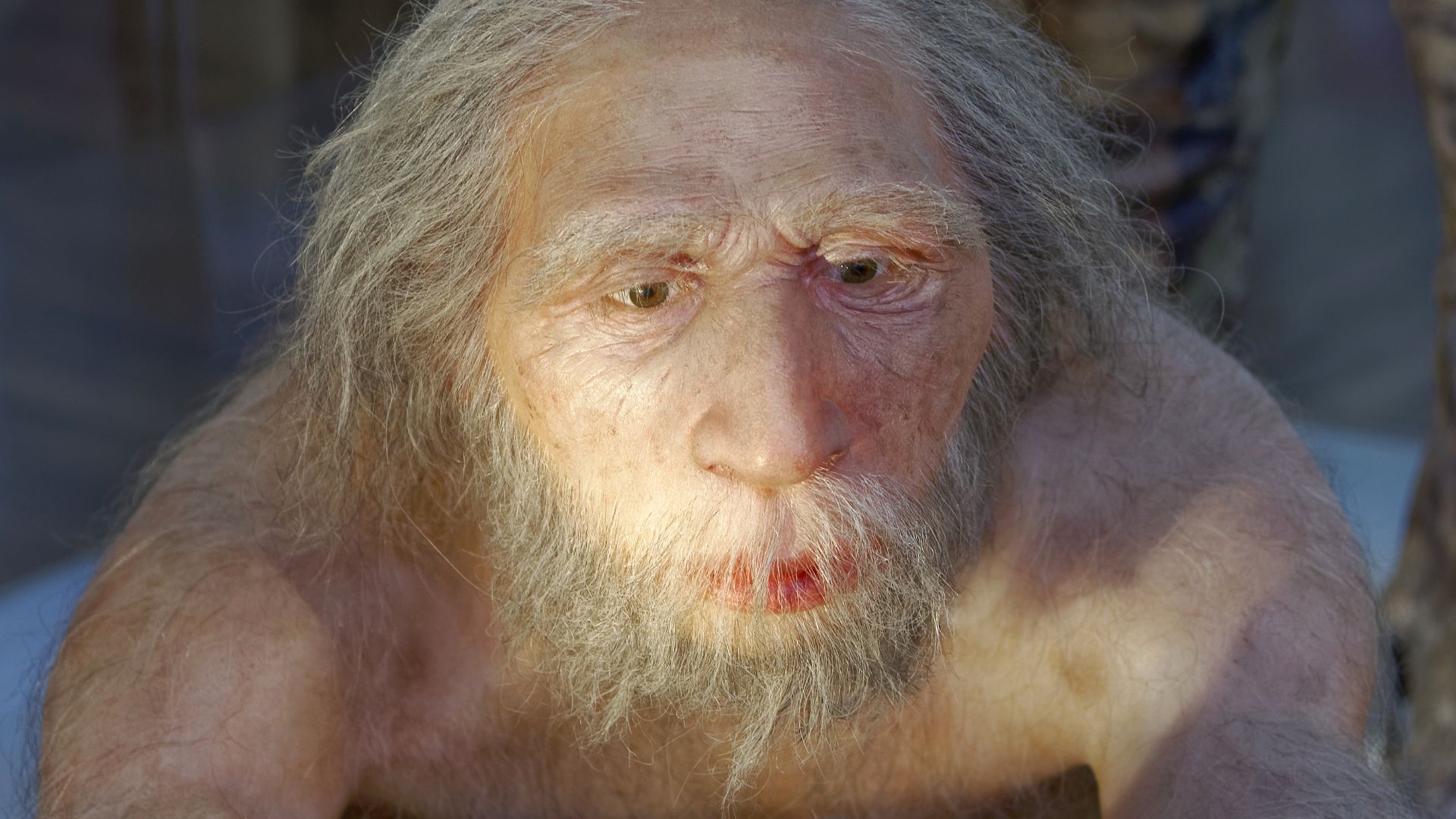 Jakub Halun, Wikimedia Commons
We Met More of Them Than You Think
Scientists now believe that Homo sapiens encountered at least eight other human species as they spread across the globe. That’s not just a quick meeting—that’s repeated contact over thousands of years.
Neanderthals weren’t the only ones.
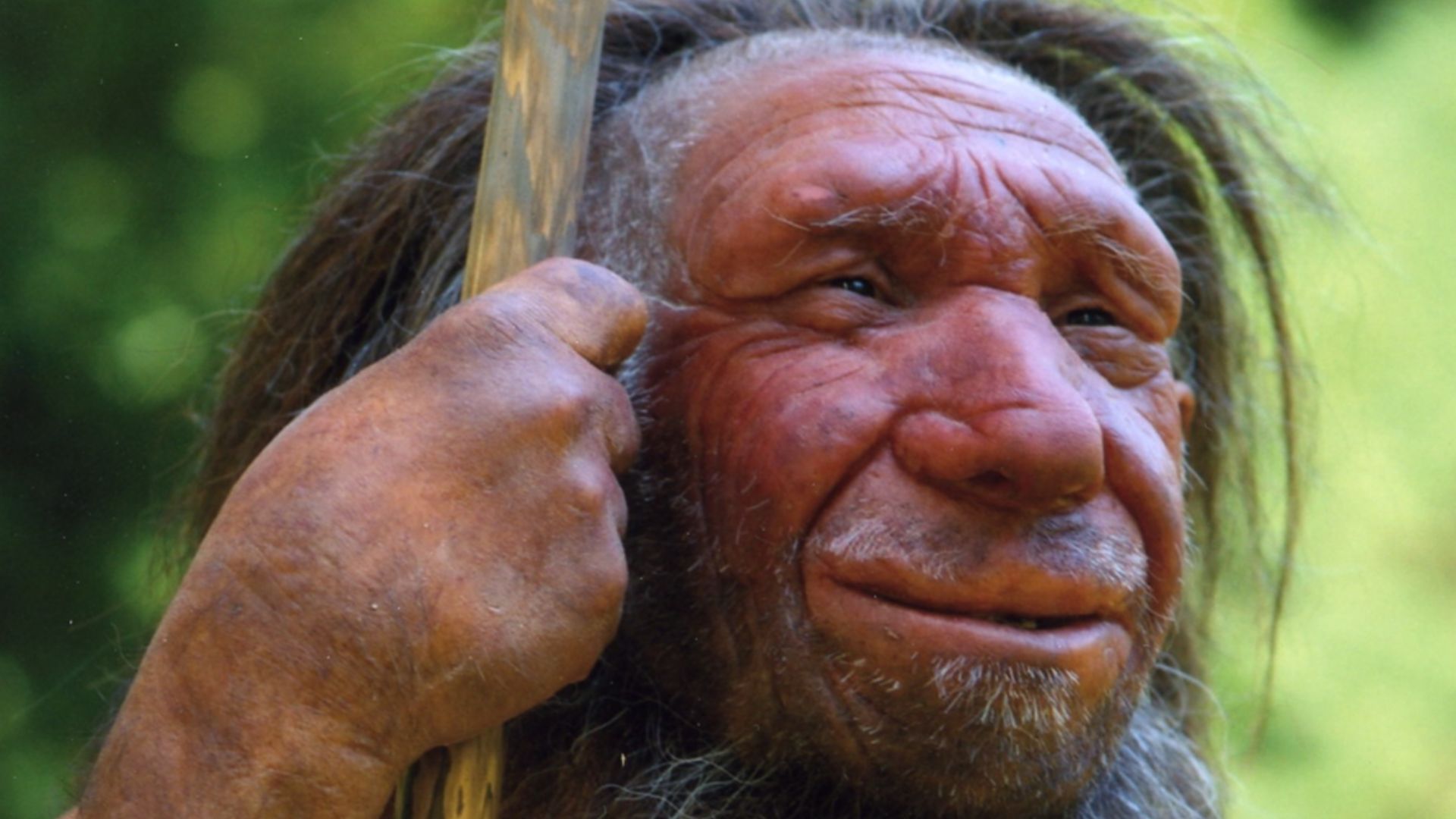 Neanderthal-Museum, Mettmann, Wikimedia Commons
Neanderthals Were Just the Beginning
The most well-known group we met were the Neanderthals, who lived across Europe and western Asia until about 40,000 years ago. We didn’t just meet them—we interbred with them.
Until another group entered the story.
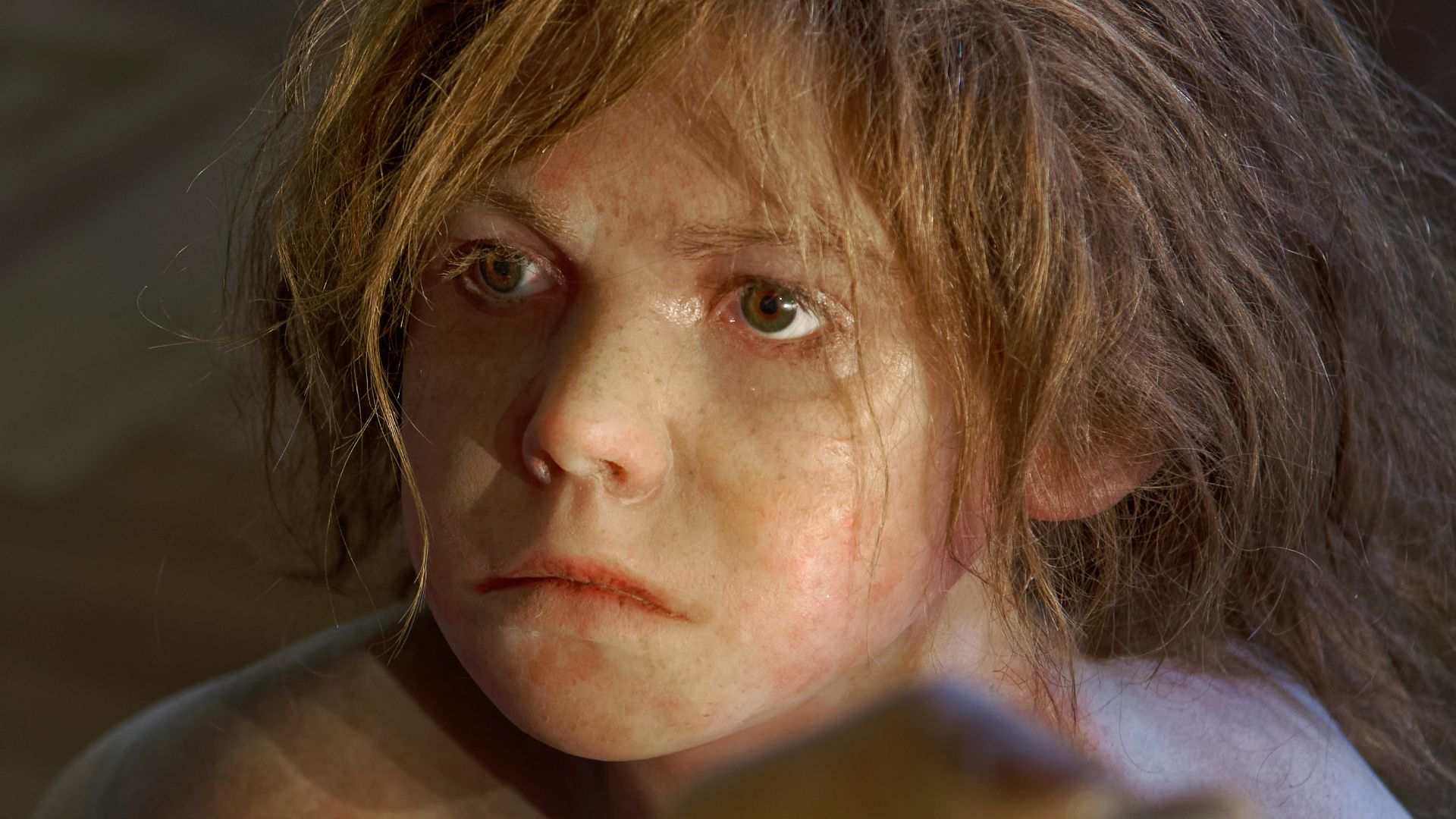 Jakub Halun, Wikimedia Commons
Then There Were the Denisovans
Discovered in 2010 in Denisova Cave, Siberia, the Denisovans are one of the most mysterious human groups. We know them mostly from DNA, but they clearly interacted with modern humans.
Humans came in all shapes and sizes.
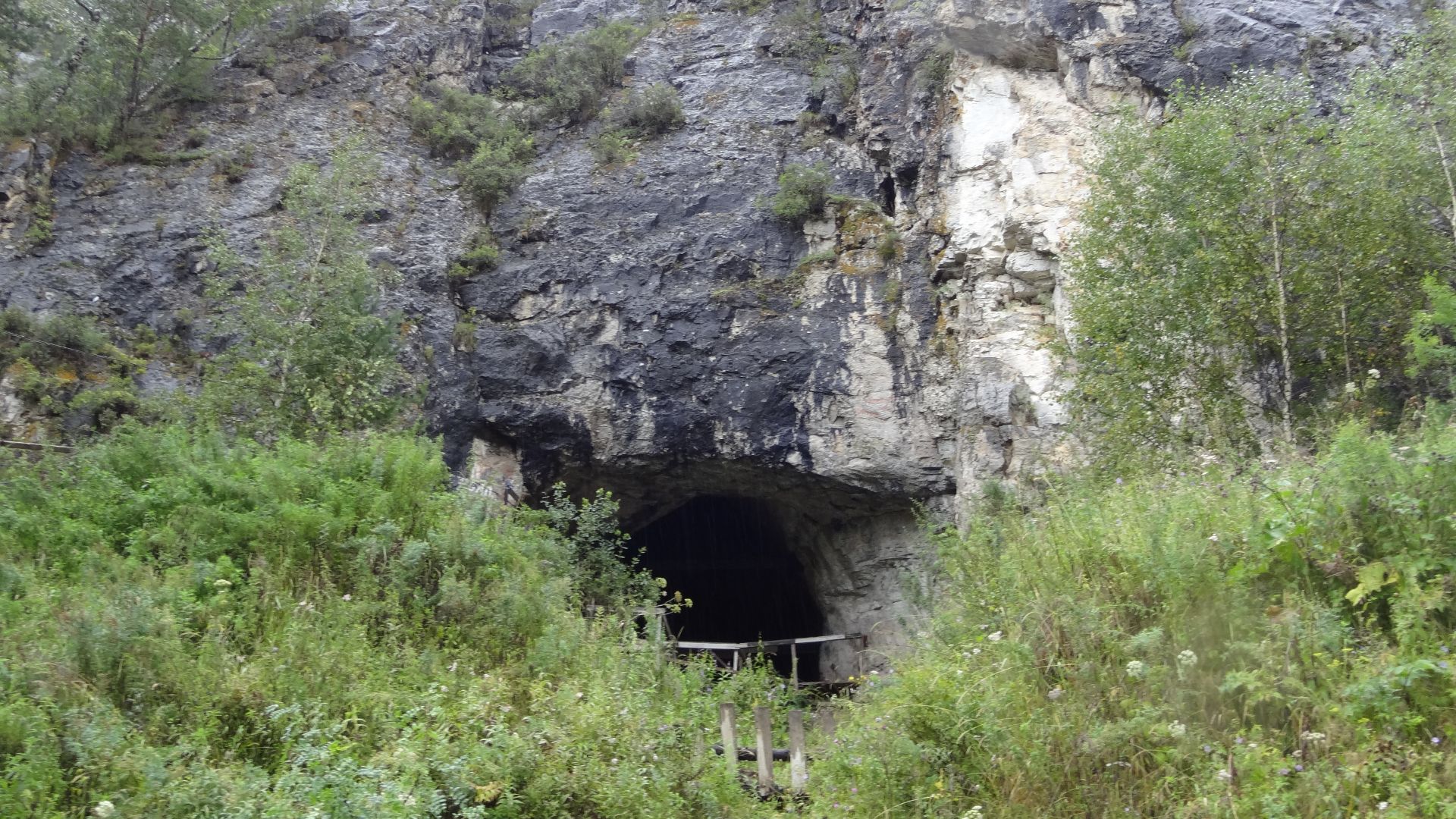
A Tiny Human With Big Questions
In Indonesia, scientists discovered Homo floresiensis, nicknamed the “Hobbit,” in 2003. These small-bodied humans lived until about 50,000 years ago, meaning they may have overlapped with modern humans.
The list kept growing.
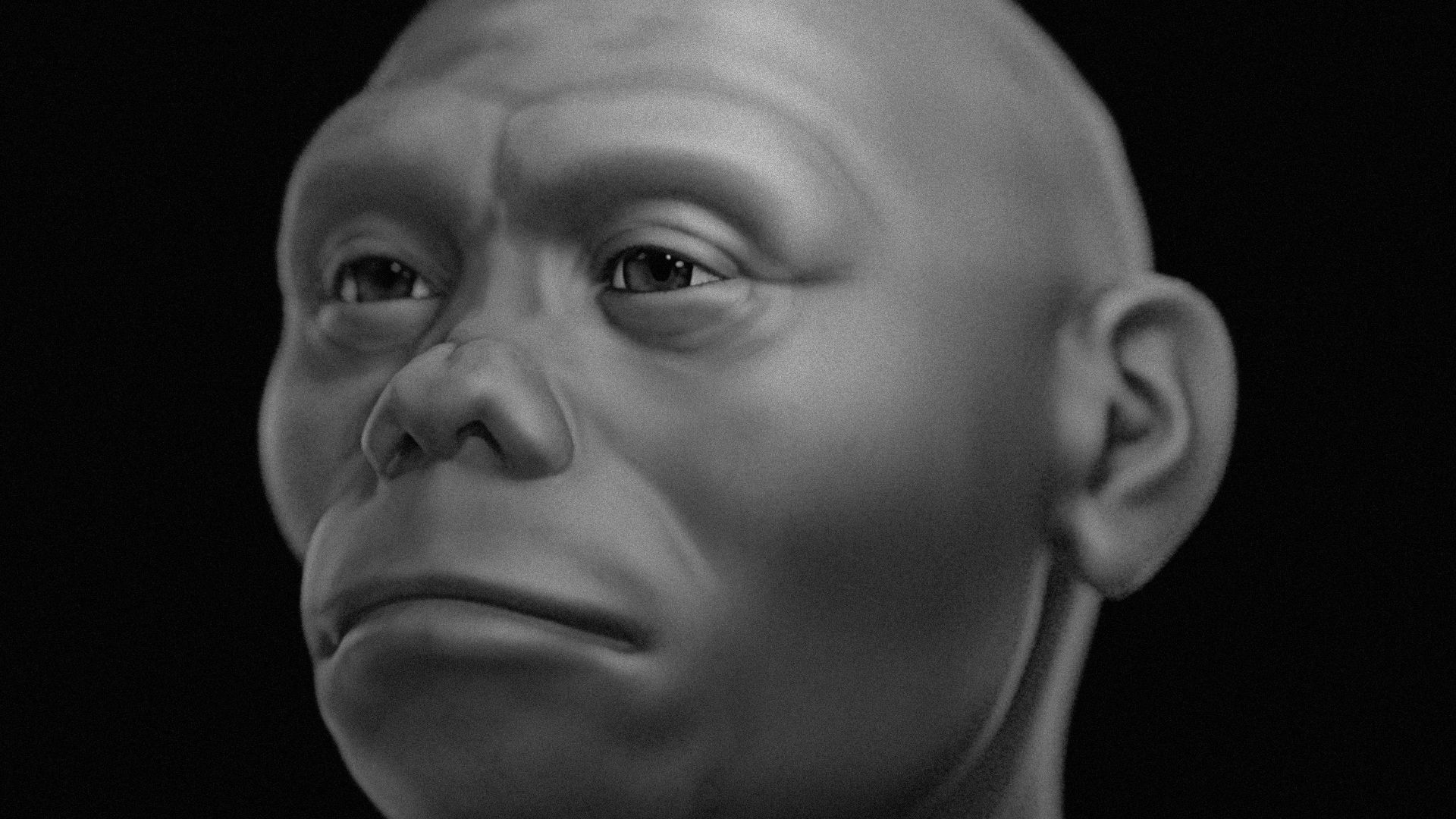 Cicero Moraes, Wikimedia Commons
Even More Species in Southeast Asia
More recently, Homo luzonensis was discovered in the Philippines in 2019. Like H. floresiensis, they had a mix of ancient and modern traits, showing just how diverse human evolution really was.
Africa was just as complex.
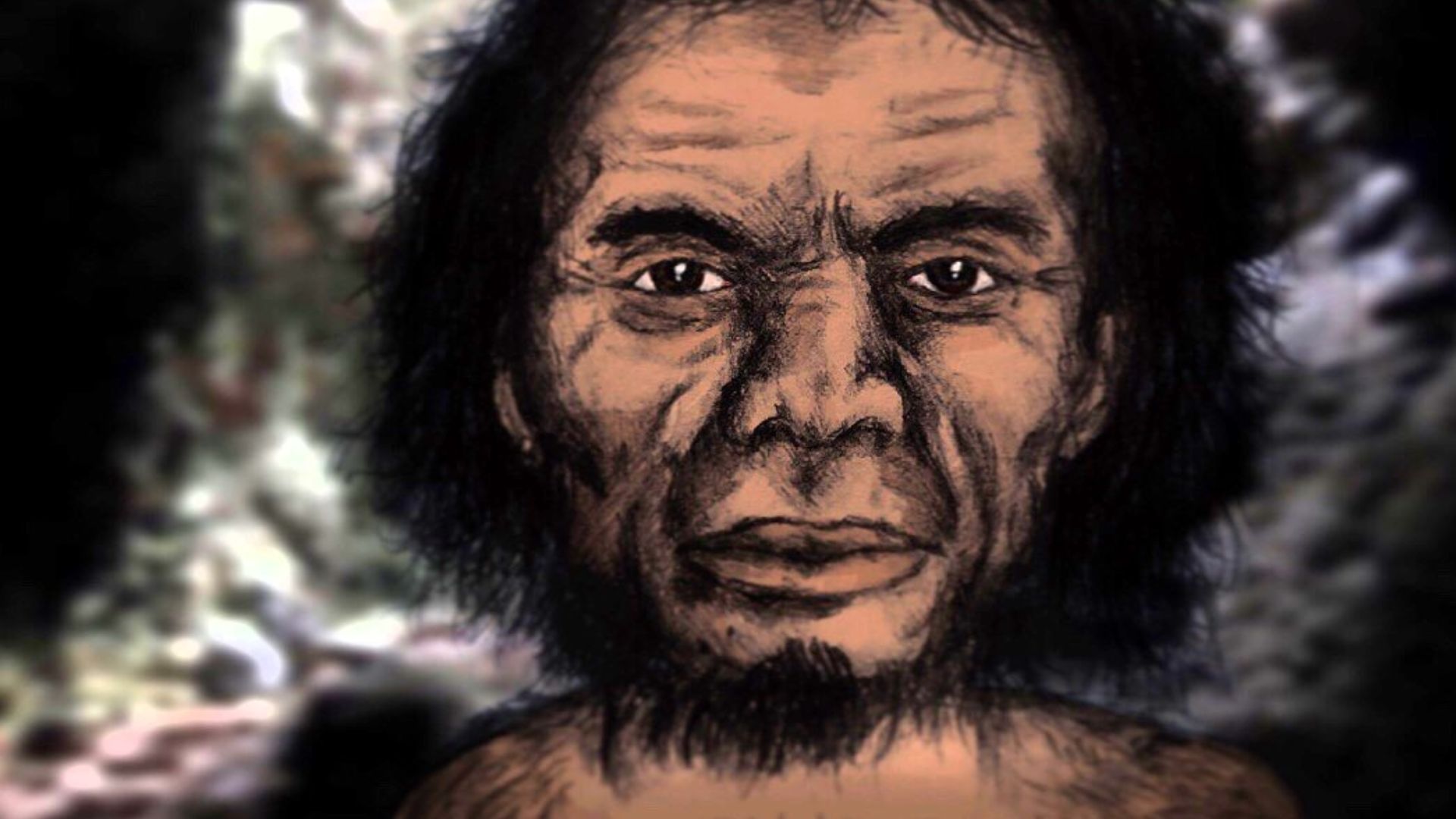
Africa Had Its Own Surprises
For a long time, Africa was thought to have fewer known species. But new discoveries are changing that. Fossils across the continent show that multiple human groups lived there alongside early Homo sapiens... One of which really puzzled scientists.
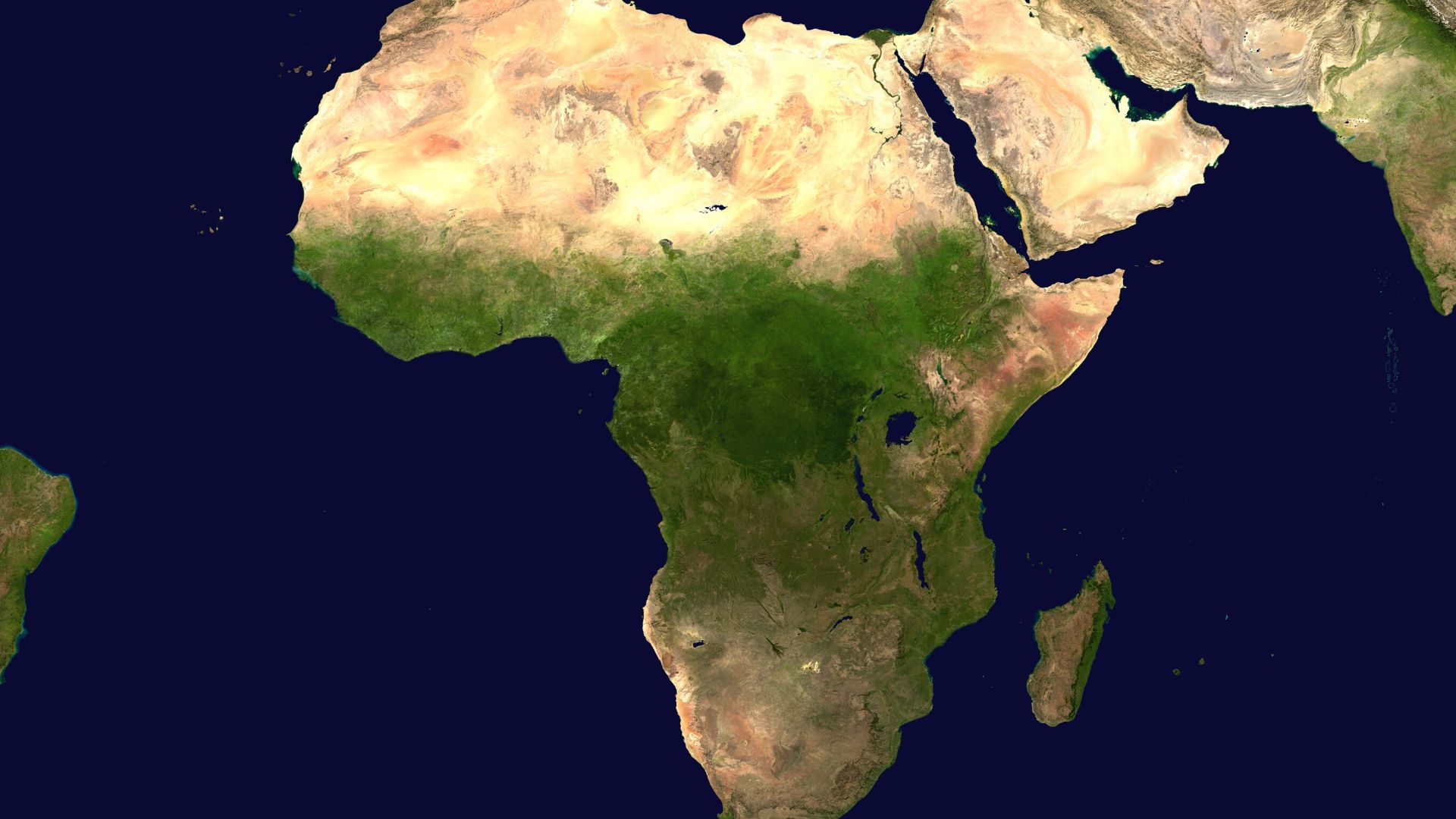 NASA Earth Observatory (NASA Goddard Space Flight Center), Wikimedia Commons
Enter Homo naledi
One of the most surprising discoveries came in 2013, when fossils of Homo naledi were found in the Rising Star Cave system in South Africa by a team led by paleoanthropologist Lee Berger.
It didn’t look like it belonged.
 Profberger at English Wikipedia, Wikimedia Commons
A Strange Mix of Old and New
Homo naledi had a small brain—closer in size to earlier humans—but also showed more modern features in its hands, feet, and teeth. It didn’t fit neatly into any category.
That changed everything.
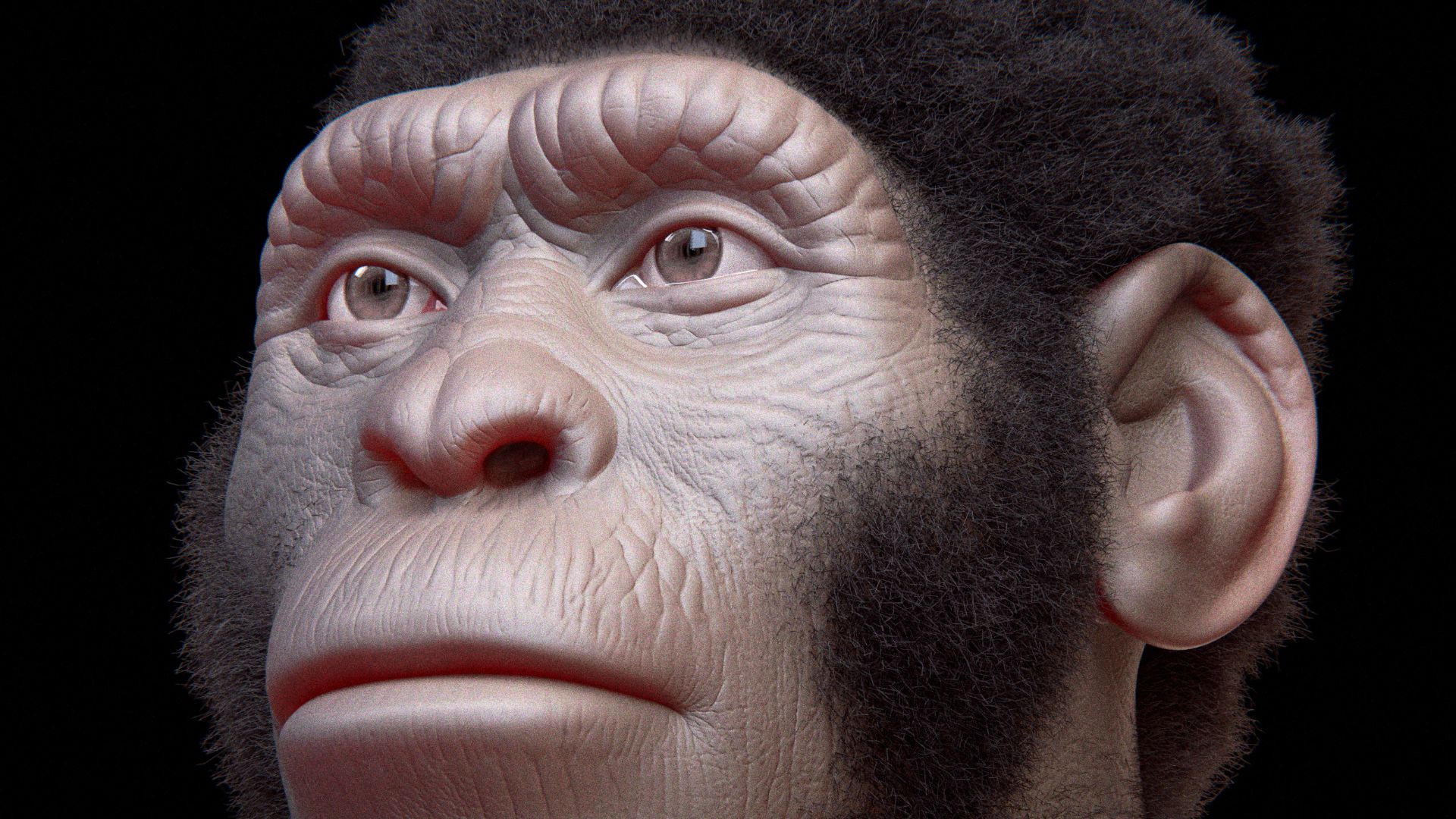 Cicero Moraes (Arc-Team) et alii, Wikimedia Commons
And It Wasn’t That Old
At first, scientists thought Homo naledi must be very ancient. But dating later showed it lived between 236,000 and 335,000 years ago—at the same time as early Homo sapiens.
Evolution wasn’t linear.
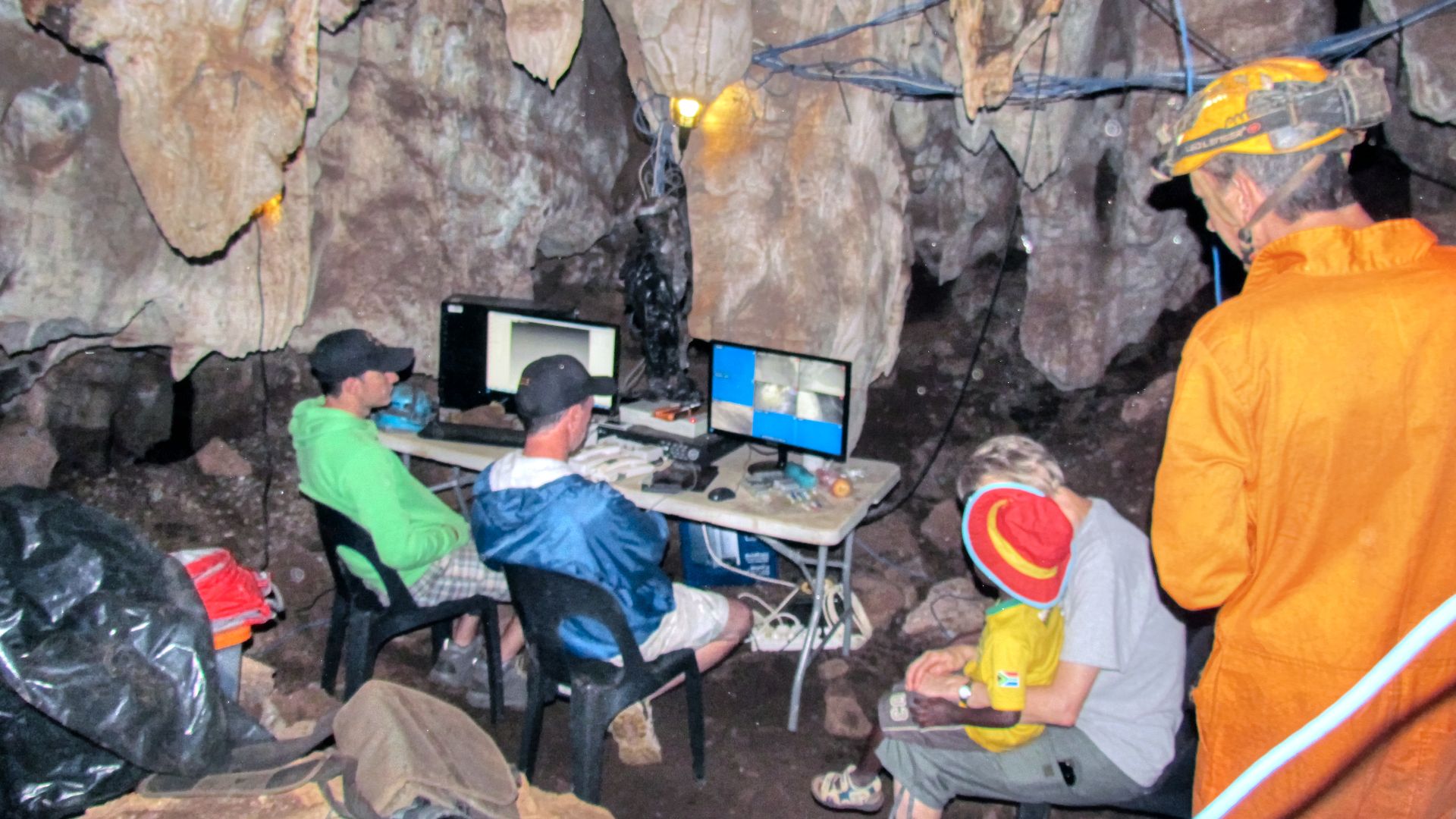 Simon Fraser University - University Communications, Wikimedia Commons
Two Very Different Humans, Same Time
This means that small-brained Homo naledi and early modern humans were living at the same time in Africa. That’s a huge shift from the old idea that evolution always moves forward in a straight line.
And they may have crossed paths.
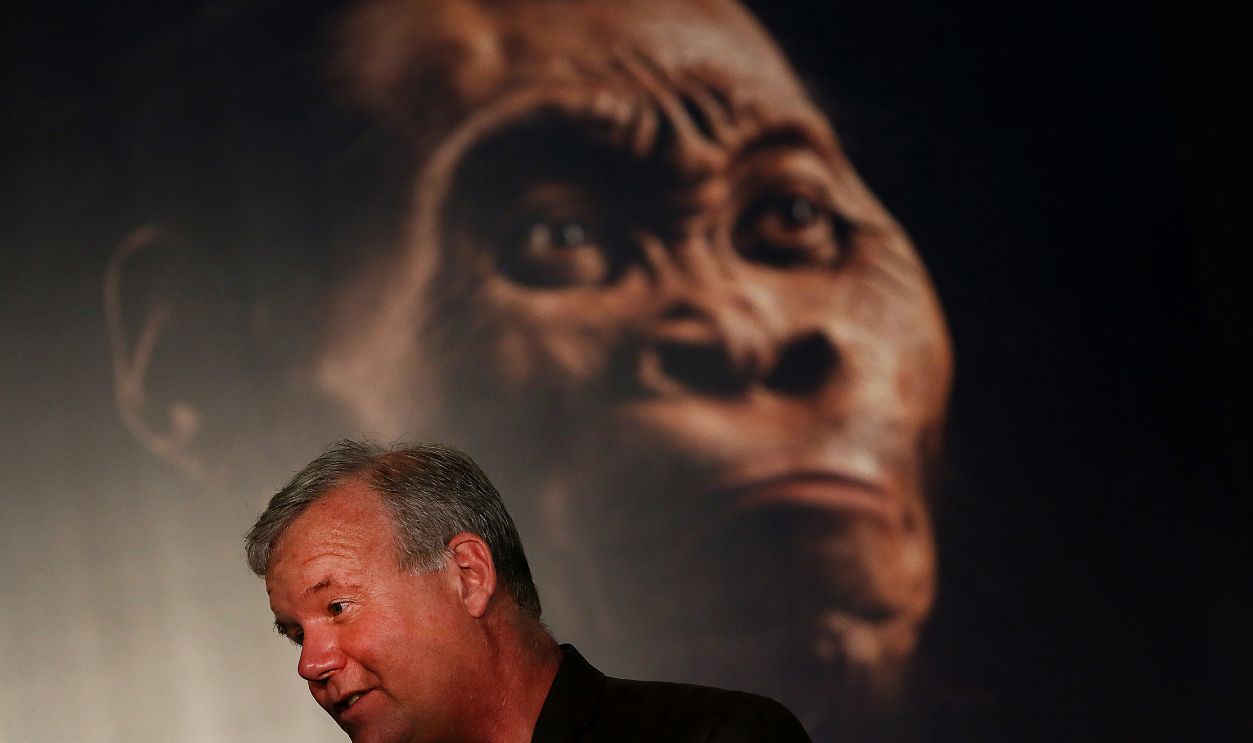
Did They Ever Meet?
There’s no direct proof yet that Homo sapiens and Homo naledi interacted. But given that they lived in the same region at the same time, it’s definitely possible.
But this wasn’t a simple timeline.

A Pattern Starts to Form
When you look at all these species together, a pattern emerges. Humans weren’t replacing each other one by one—they were overlapping, interacting, and sharing the planet. Even still, some questions are still open.

Not All of Them Interbred
Unlike Neanderthals and Denisovans, we don’t have DNA evidence that Homo naledi interbred with modern humans. But that may be because we haven’t recovered usable DNA yet. This story isn’t finished.
 John D. Croft, Wikimedia Commons
Discoveries Are Still Happening
Scientists are still finding new species and rethinking old ones. Advances in DNA analysis and dating techniques are constantly changing the picture.
In fact, the "family tree" doesn’t really work anymore.
 Cicero Moraes, Wikimedia Commons
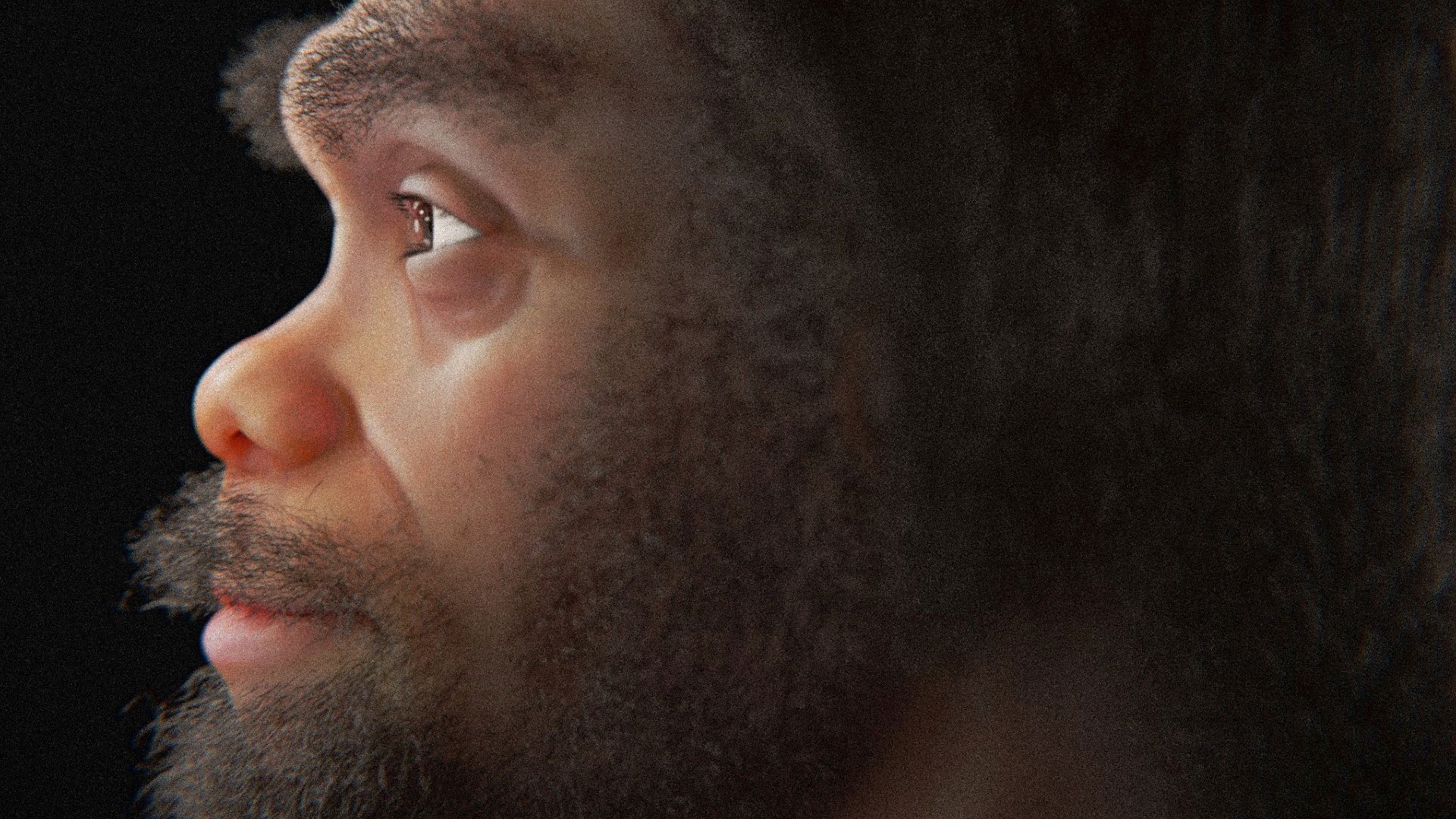
A Much Messier Family Tree
Instead of a straight line, human evolution now looks more like a tangled web. Different species branched off, overlapped, and sometimes disappeared without a clear reason.
We were just one of many.

A World Full of Humans
It’s strange to think about, but there was a time when “human” didn’t mean just us. There were many kinds of humans, each adapted to their own environment.
But not all humans made it.

Why Did We Survive?
That’s still one of the biggest questions. Why did Homo sapiens survive while all the others disappeared? Climate, adaptability, and even luck may have played a role.
We are the only remaining human species from a once crowded world full of them.

You May Also Like: