A New Fee Travelers Did Not See Coming
You ask for a higher floor, hoping for a quieter room and a better view, and suddenly there is an extra charge. For many travelers, that surprise is starting to feel pretty familiar. The short answer is yes, room location and view-based pricing are real, but they are not exactly new.

The Short Version
Hotels have long priced rooms by category, and floor level, balcony access, and view are often part of that category. What feels different now is how visible and itemized those charges can be, especially when a guest makes a request after booking. In other words, your hotel may not have invented a new “view fee,” but it may now be spelling out a premium that used to be folded into the room rate.

Why A Higher Floor Costs More
At many hotels, a room on the 20th floor with a skyline or ocean view is simply worth more than a lower room facing a parking lot. Hotels sell that difference the same way airlines sell extra legroom or a preferred seat. The premium might show up during booking, at check-in, or after a special request if the hotel treats it as an upgrade rather than a simple preference.

Room Type Pricing Has Been Around For Years
This did not suddenly appear in 2025. Major hotel booking sites have listed separate rates for “city view,” “ocean view,” “high floor,” “club level,” and similar room types for years. On Marriott booking pages, for example, room names and rates often vary by view and floor depending on the property.

Hotels Usually Sell The View, Not Just The Bed
Look closely at hotel listings and you will often see that the view is built right into the room name. Hilton, Hyatt, and Marriott properties regularly advertise rooms as “Ocean View,” “High Floor,” or “Park View,” each with different prices. If you book a base room and later ask for one of those features, the hotel may treat that as a paid upsell.

What Feels Different Now
Guests are noticing more detailed pricing and more add-on offers throughout the travel experience. That shift goes beyond hotels. The Federal Trade Commission’s rule on unfair or deceptive fees, finalized in December 2024, reflects broader concern that mandatory or surprise charges can hide the true price consumers pay.

The FTC Is Not Banning Legitimate Room Upgrades
The FTC rule targets misleading pricing and hidden mandatory fees, not optional upgrades that are clearly disclosed. If a hotel plainly tells you that a higher floor or better view costs extra, that is generally different from slipping in a required fee late in the process. The key question is whether the charge is optional and whether you see it before you commit.

Resort Fees Are A Different Animal
Travelers often lump every hotel surcharge together, but a “view fee” and a resort fee are not the same thing. Resort fees are usually mandatory charges tied to amenities, whether you use them or not. A higher-floor or better-view charge is usually an optional upgrade fee, as long as the hotel lets you keep your original room category instead.

Why Guests Get Annoyed Anyway
Even when the charge is technically fair, it can still be irritating. A lot of travelers think of a higher floor as a simple preference, not a premium extra. If the hotel does not explain that clearly, the guest can feel like they are being nickel-and-dimed at the front desk.
Requests Are Not The Same As Guarantees
One detail often gets lost here. A request for a high floor, a room away from the elevator, or a room near the pool is usually just that, a request. Unless the booking confirms a specific room type or feature, the hotel is not necessarily promising it for free.

That Distinction Shows Up In Industry Advice
Consumer travel advice has long warned travelers to check whether a preference is complimentary or tied to a room category. Booking sites like Booking.com and Expedia regularly separate rooms by view and other features, showing that some preferences are products, not perks. Once a feature becomes part of a room category, charging more for it is standard practice.
 AI25.Studio AI GENERATIVE, Pexels
Higher Floors Can Be Marketed As Premium Inventory
Hotels often hold back the best-located rooms for guests paying more, elite members, or travelers targeted with upsell offers. Revenue teams are not just selling occupancy. They are selling location, scenery, and a sense of exclusivity, and those things can be priced right down to the floor number.

The Industry Has A Name For This
Hotels increasingly use “attribute-based selling” and similar strategies to charge for specific room features. Hotel tech companies and hospitality analysts have talked about this approach for years as a way to let guests pay for the exact features they want. That can include a view, floor height, balcony, larger room, or location near an amenity.

What Attribute-Based Selling Means In Plain English
Instead of offering only a few broad room categories, hotels can price individual features more precisely. That gives guests more choice, but it also creates more chances for extra charges. For travelers, it means the line between a harmless request and a billable upgrade is getting thinner.

Airlines Paved The Way For This Mindset
Travelers have already gotten used to unbundled pricing from airlines. A preferred seat, early boarding, checked bags, and even seat location can all come with separate fees. Hotels are not the same as airlines, but the logic is similar, and many guests recognize that shift right away.

How It Usually Plays Out At Check-In
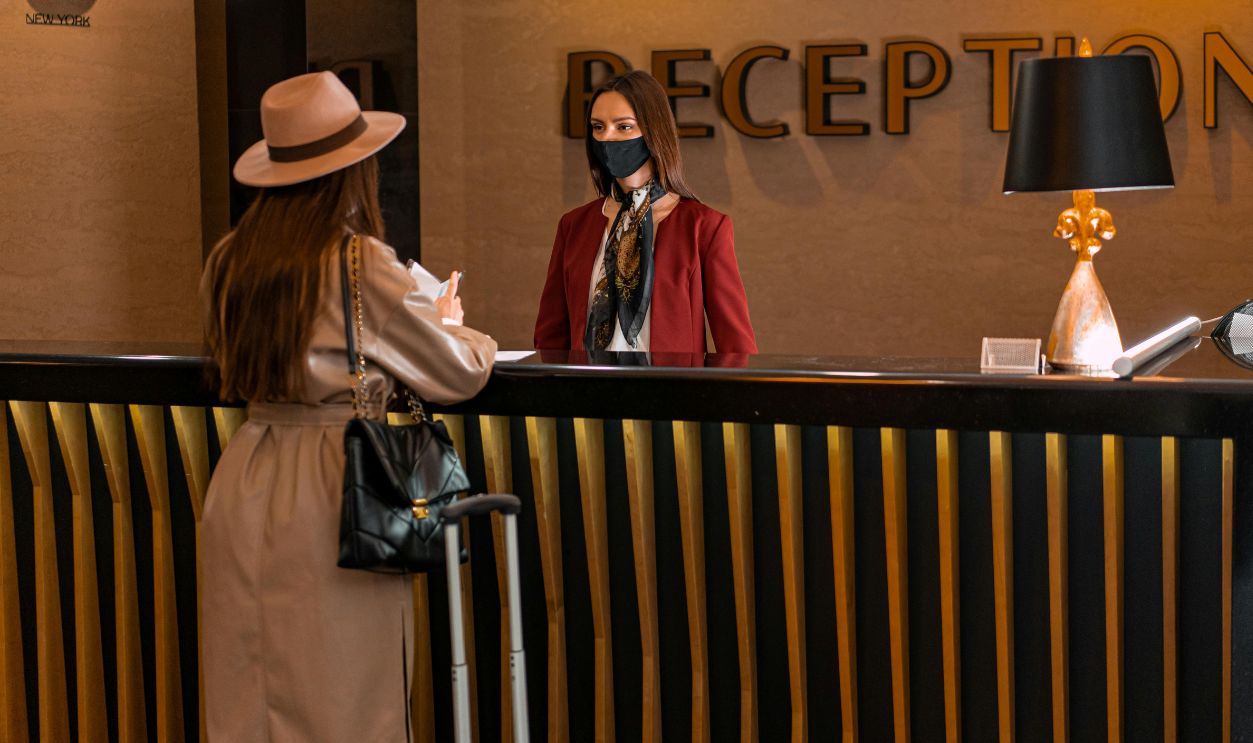
A front desk agent sees your reservation for a standard room and notices your note asking for a higher floor. If premium rooms are available, the hotel may offer one for an added nightly amount or a one-time charge. If your request can be met within your booked category, the hotel may do it for free, but that depends on availability and hotel policy.

When A Charge Should Raise Your Eyebrows
If the hotel advertises your room as already including that view or floor level and then adds a separate fee on arrival, that is a red flag. The same goes for a charge that seems mandatory but was not disclosed before booking. In those cases, ask for a written explanation and compare it with your confirmation.

When The Hotel Is Probably On Solid Ground
If you booked a standard room and then voluntarily accepted a move to a premium-view or high-floor room, the hotel is usually on firmer ground. That is especially true if the price difference was clearly shown before you agreed. The transparency matters just as much as the amount.

How To Check Before You Book
Read the room name, not just the headline price. Hotels and online travel agencies often reveal a lot in the details, including whether the room is garden view, city view, partial ocean view, or high floor. If one of those features matters to you, it is safer to book it directly than assume a request note will get the job done.

How To Word A Smart Pre-Arrival Message
If you want a better room without an awkward surprise, send a polite message before arrival. Ask whether a higher floor is a complimentary request based on availability or a paid upgrade. That one question can save a tense moment at check-in.

Status Can Still Help
Hotel elite status can improve your odds of getting a better floor or nicer view without a separate charge. Major loyalty programs often promise space-available upgrades for qualifying members, though the exact benefit varies by brand and property. Even so, elite perks usually stop short of guaranteeing a specific view unless the terms say so.

Package Bookings Can Add Confusion
If you booked through a third-party site or as part of a package, your room category may be less clear than you think. Some confirmations focus on bedding and occupancy while barely mentioning the view or floor. That can create a frustrating gap between what the traveler expected and what the hotel thinks was purchased.

Vacation Destinations Are Prime Territory For View Pricing
Beach, mountain, and city-center hotels have the strongest reason to charge for scenic rooms. At those properties, the view is often part of the main draw, not just a bonus. An oceanfront room in Hawaii or a high-floor Strip view in Las Vegas can carry a very different rate from a base-category room in the same building.

Business Hotels Do It Too
This is not just a resort issue. Urban hotels often separate interior rooms, lower-floor standard rooms, and premium skyline-facing rooms. In a busy city, quieter higher floors can also be sold as a comfort upgrade, not just a visual one.

What To Do If You Feel Pressured
You do not have to accept the upsell. Ask whether any complimentary rooms on a higher floor are available within your booked category, and be ready to decline if the answer is no. If the hotel explains the charge vaguely, ask them to show you the room categories and rates in writing.

What To Do If You Already Paid
If the fee was disclosed and you agreed to it, getting it reversed may be tough. But if you think the charge contradicted your booking confirmation, save screenshots and contact both the hotel and the booking platform right away. If the charge was presented in a misleading way, you may also have grounds to dispute it with your card issuer.

The Bigger Travel Trend Behind The Fee
The bigger story is not just about one request for a higher floor. It is about travel companies breaking their products into smaller pieces and charging more precisely for each one. For travelers, that means a little more customization, but also a lot more need to pay attention.

So Is A View Fee Becoming A Real Thing
Yes, in the sense that hotels are increasingly willing to charge explicitly for room features like view and floor level. No, in the sense that the basic practice has existed for years through room-category pricing. The real change is visibility, itemized pricing, and the growing chance that a simple request will be treated like a premium upgrade.

The Best Way To Avoid Getting Burned
Assume that anything special about a room may cost extra unless your confirmation says otherwise. Book the exact room type you want when it really matters, ask direct questions before arrival, and keep screenshots of what was promised. That way, the only thing waiting for you on the higher floor is the view, not a surprise charge.