
You Skipped Travel Health Insurance. Here's What To Expect.
You booked the flight. Reserved the hotel. Packed the adapters. But you skipped travel health insurance because, honestly, it felt optional. Now your dad says it’s mandatory overseas, but your sister says it’s not required at all. So… who’s actually right?

First: It Depends On The Country
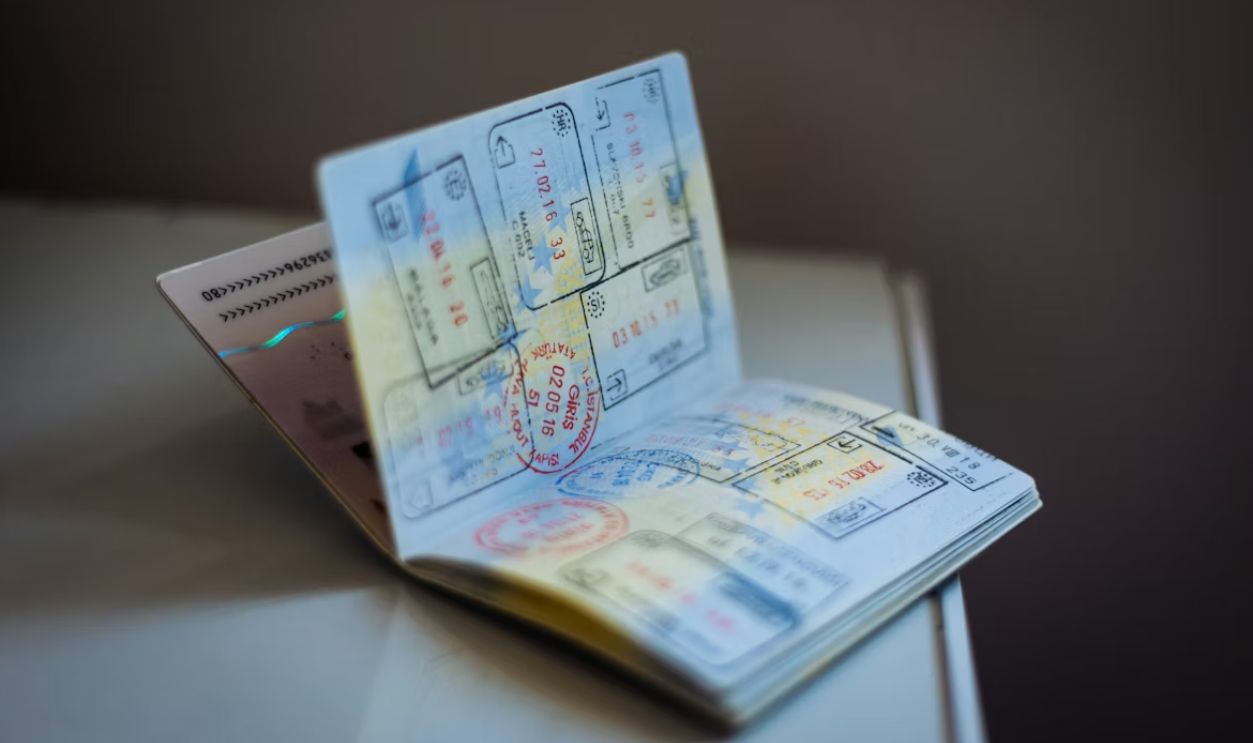
There is no single global rule. Some countries require proof of travel medical insurance for entry. Others don’t require it at all.
 Global Residence Index, Unsplash
Schengen Countries Often Require It
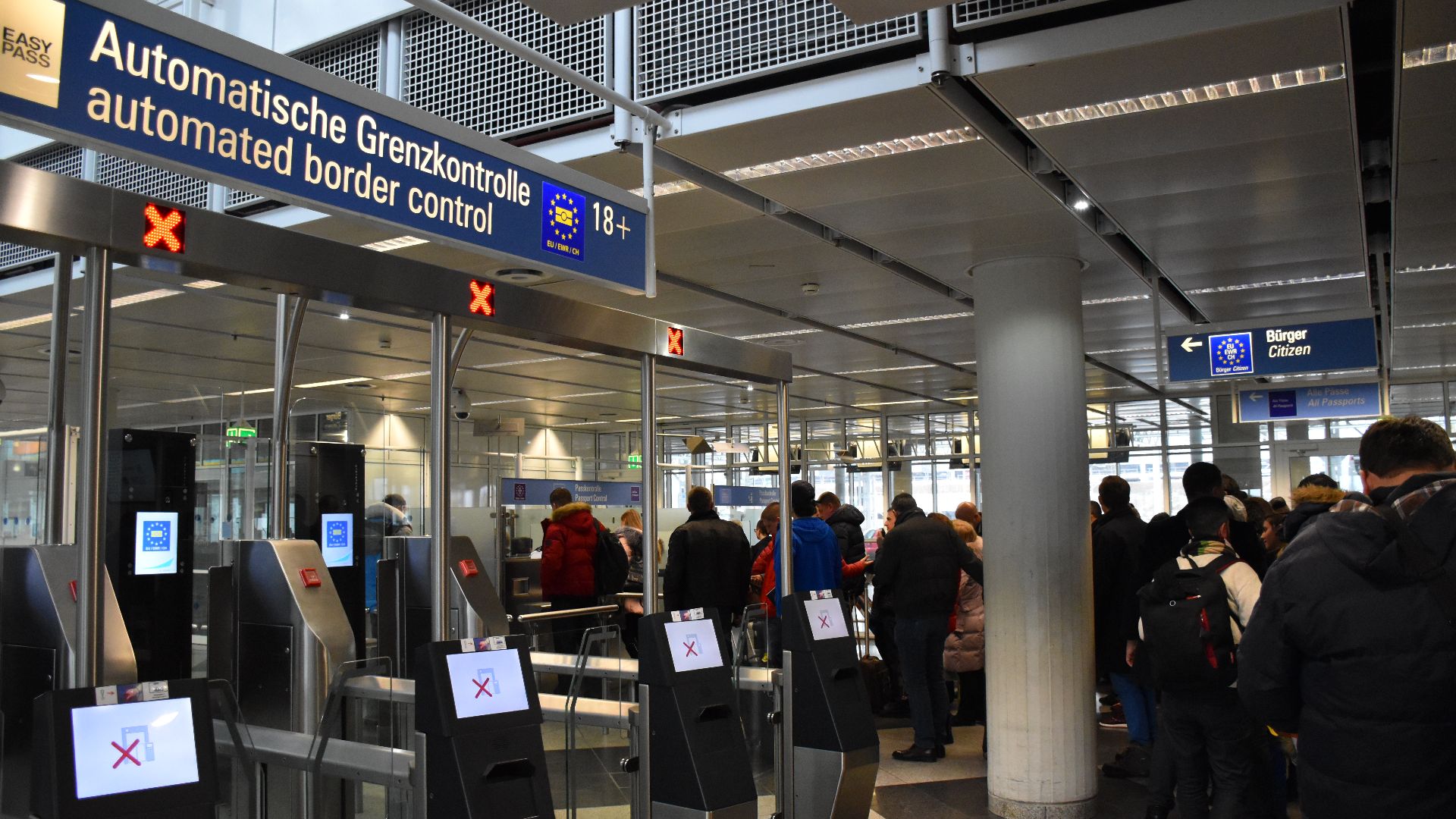
If you need a Schengen visa to enter Europe, travel medical insurance is mandatory. It must typically cover at least €30,000 in medical expenses, including emergency care and repatriation.
 Smiley.toerist, Wikimedia Commons
But Visa-Free Travelers Are Different
If you’re from a country that can enter Schengen visa-free for short stays, insurance is usually not mandatory — though still strongly recommended.

What About The UK?
The United Kingdom does not require proof of travel insurance for tourists. However, visitors are responsible for many medical costs, and care can be expensive without coverage.

How About Canada?
Canada does not require travel health insurance for tourists. But medical treatment for non-residents can be extremely costly.
Australia And New Zealand?
Tourists are not required to carry insurance to enter. However, healthcare access depends on your country of citizenship and whether a reciprocal agreement exists.
 Adam.J.W.C., Wikimedia Commons
Some Countries Absolutely Require It
Certain destinations — including places like Cuba or the United Arab Emirates (in specific visa categories) — require proof of medical insurance for entry.
What About Southeast Asia?
Most Southeast Asian countries do not require proof of travel health insurance for short-term tourists, though policies can change during public health emergencies.

COVID Changed Some Rules
During the pandemic, many countries temporarily required proof of travel insurance covering COVID-related care. Most of those mandates have now been lifted.

Why Your Dad Thinks It’s Mandatory
He’s likely heard about visa-required countries where insurance is legally part of the entry requirements. In those cases, he’s absolutely right.

Why Your Sister Says It’s Not
In many popular tourist destinations, insurance isn’t technically mandatory for entry. You can legally board the plane without it.
But Here’s The Bigger Question
Mandatory and smart are two very different things.

What Happens If You Get Sick Abroad?
Without insurance, you may have to pay upfront for treatment. In some countries, hospitals require payment before non-emergency care is provided.

Medical Evacuation Is Expensive
If you need to be flown home for serious treatment, medical evacuation can cost tens of thousands of dollars — sometimes more than the trip itself.

Does Your Domestic Insurance Cover You?
Many domestic health insurance plans provide limited or no international coverage. Some cover emergencies only — and reimbursement can be complicated.

Credit Card Coverage Isn’t Always Enough
Some premium credit cards offer travel insurance benefits, but coverage limits and exclusions vary. It’s important to read the fine print.

Border Control Can Ask For Proof
Even in countries where insurance isn’t universally required, border officers sometimes ask for proof of sufficient funds and medical coverage — especially for longer stays.

So… Are You In Trouble?
If the country you visited did not legally require insurance and you entered without issue, you likely did not break any rules.

The Bottom Line
Travel health insurance is mandatory in some countries, particularly where visas are required. In many others, it’s not legally required — but skipping it can be financially risky. Your dad is right in certain destinations. Your sister is right in others. The real answer? Always check the specific country’s entry rules before you go.

You May Also Like:
I booked “hidden city” flights to save money, but my dad says airlines can ban me for that—is that actually true?
My friend says TSA can’t make you unlock your phone. My cousin says they absolutely can at some airports. Who’s telling the truth?