A Tiny Feather With A Huge Secret
Scientists found something extraordinary inside 66-million-year-old dinosaur poop: a remarkably preserved feather from an ancient bird. The fossil also contains bones and fish scales, offering a rare glimpse into prehistoric life. But its unusual structure could help explain one of history's greatest extinction mysteries.
Could something as simple as feathers have determined which birds survived the asteroid?

An Unexpected Discovery In Montana
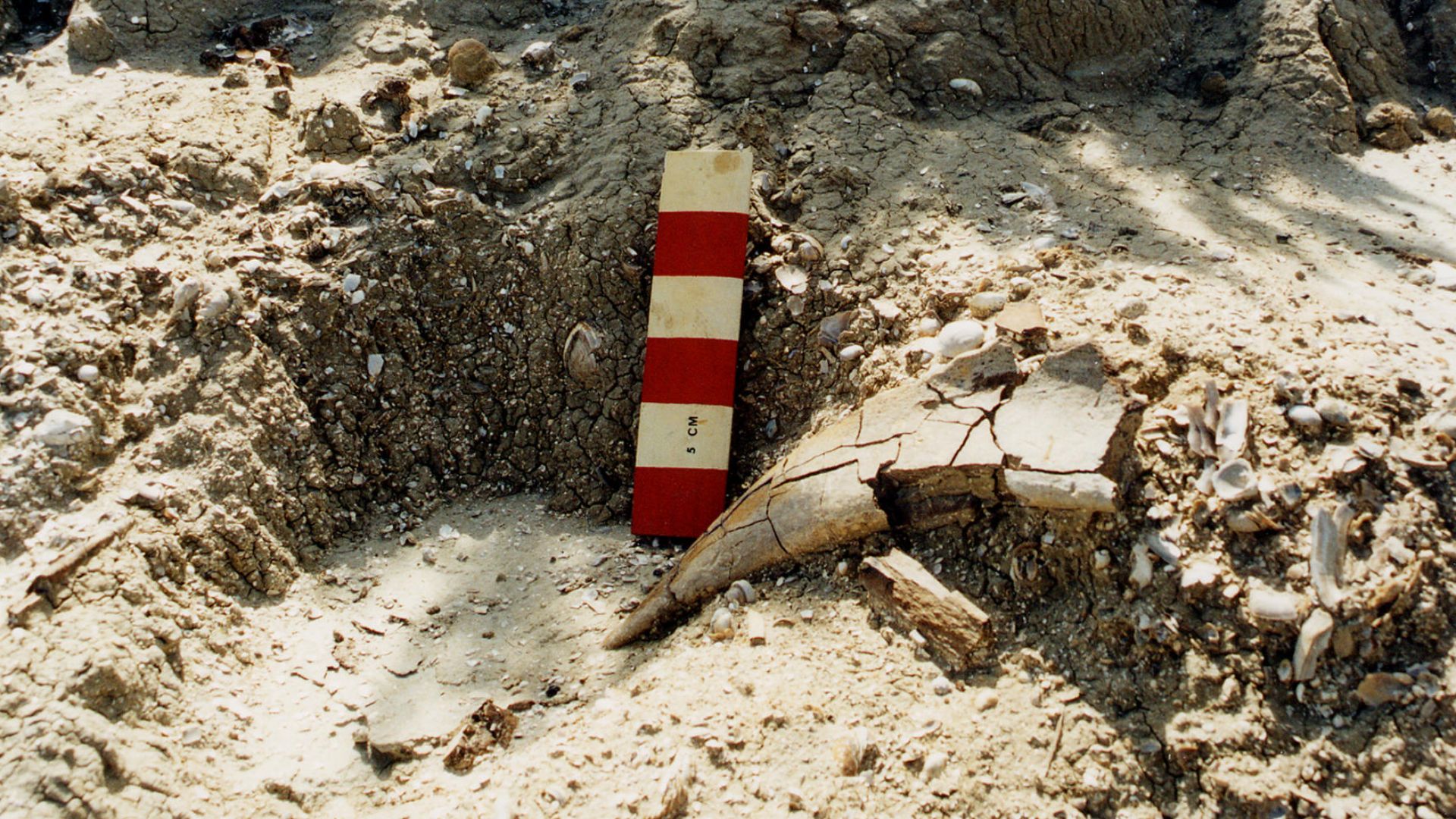
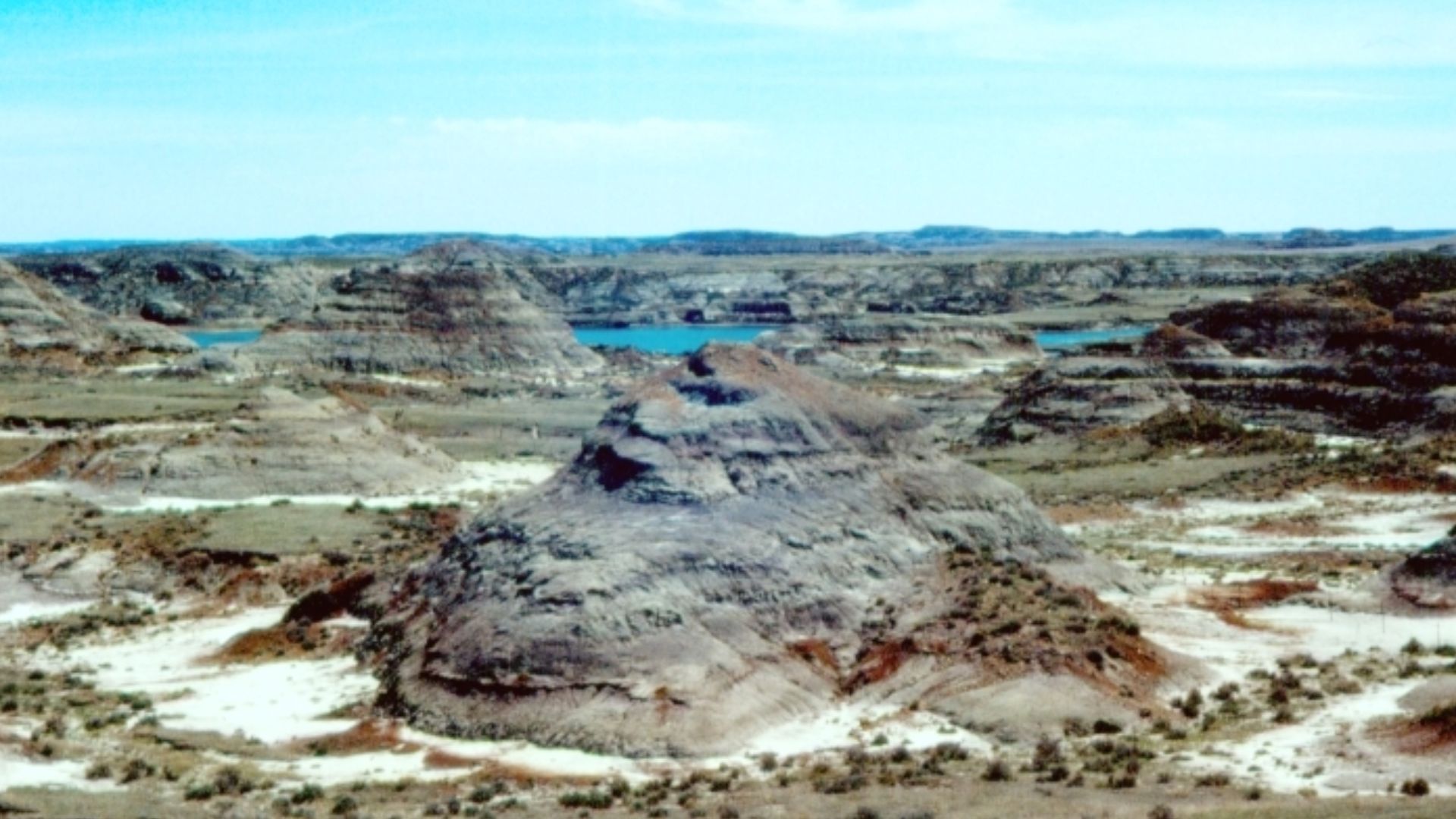
In 2016, paleontologist David DeMar Jr. was searching for fish fossils in Montana's famous Hell Creek Formation. While exploring a rocky outcrop, he noticed a reddish-brown lump about half the size of a golf ball. He picked it up and examined its surface through a hand lens. What he spotted was something he never expected to find.
 Joseph H. Hartman, Wikimedia Commons
Something Was Sticking Out
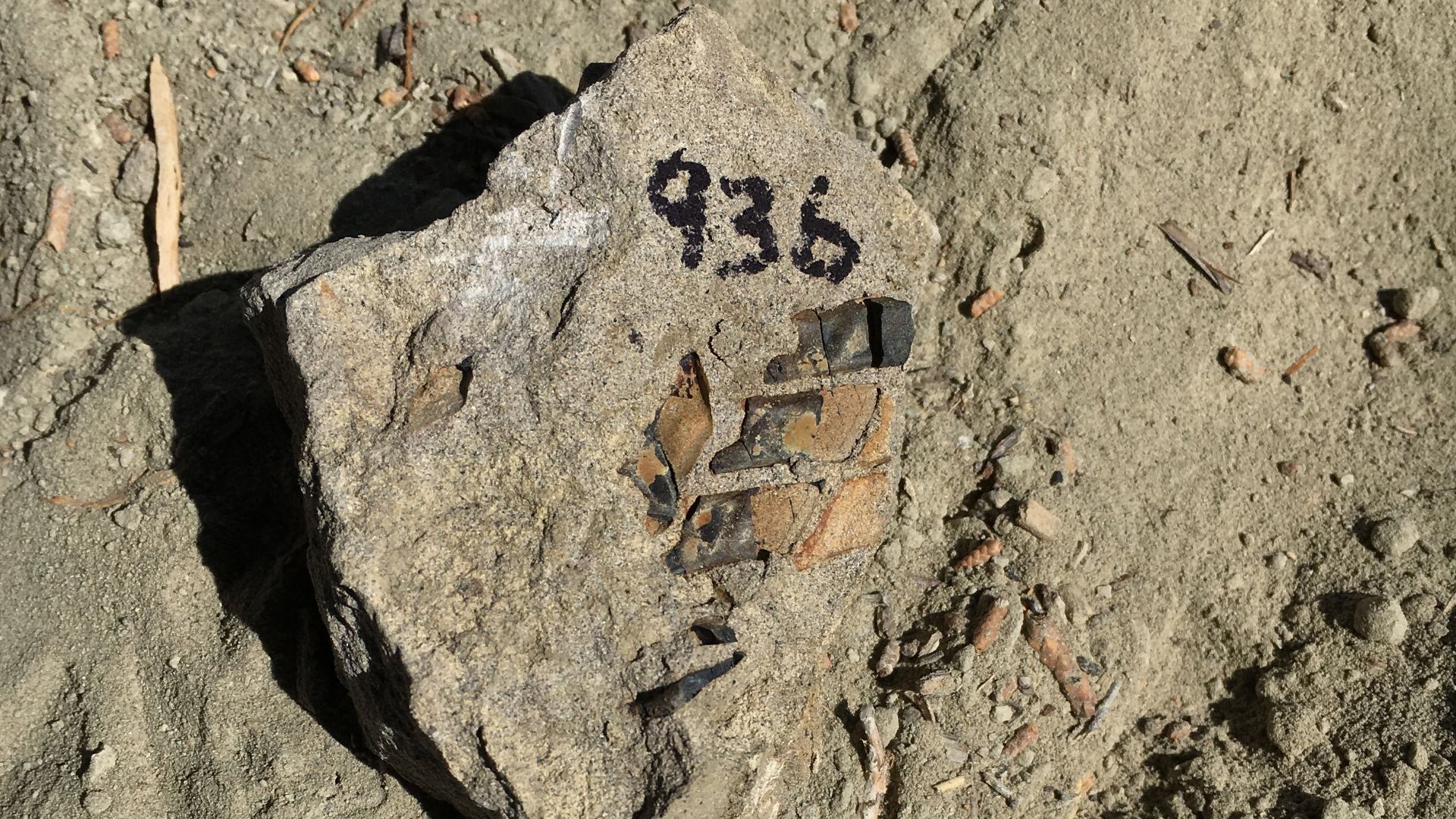
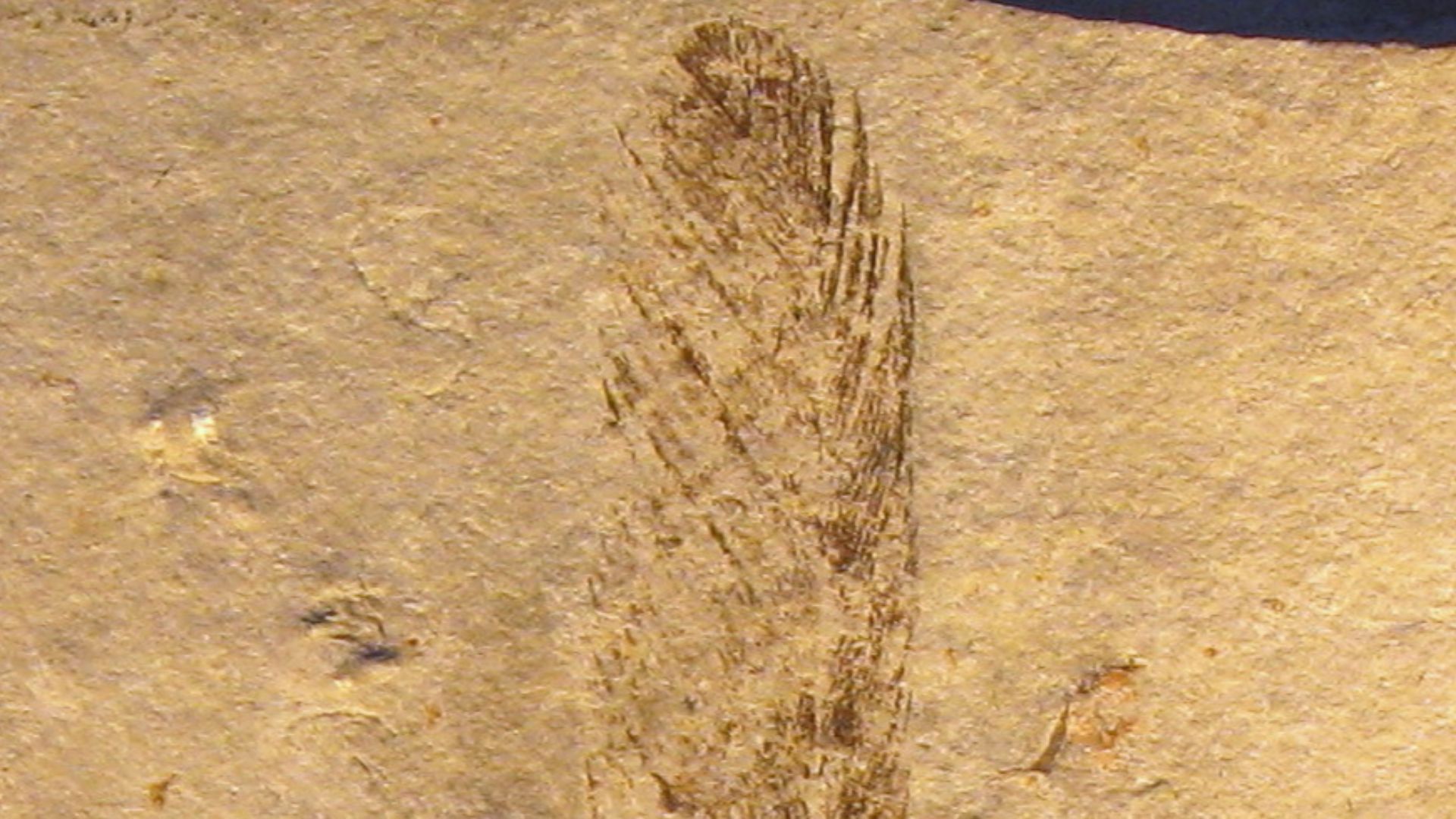
Embedded in the fossil's broken surface was a tiny feather, its delicate structures still recognizable after millions of years. DeMar could hardly believe what he was seeing. Despite more than a century of fossil hunting in the Hell Creek Formation, no feathers had previously been identified there. This ordinary-looking rock was suddenly an extraordinary scientific discovery.
 Anky-man 16:28, 16 April 2007 (UTC), Wikimedia Commons
It Wasn't Just An Ordinary Rock
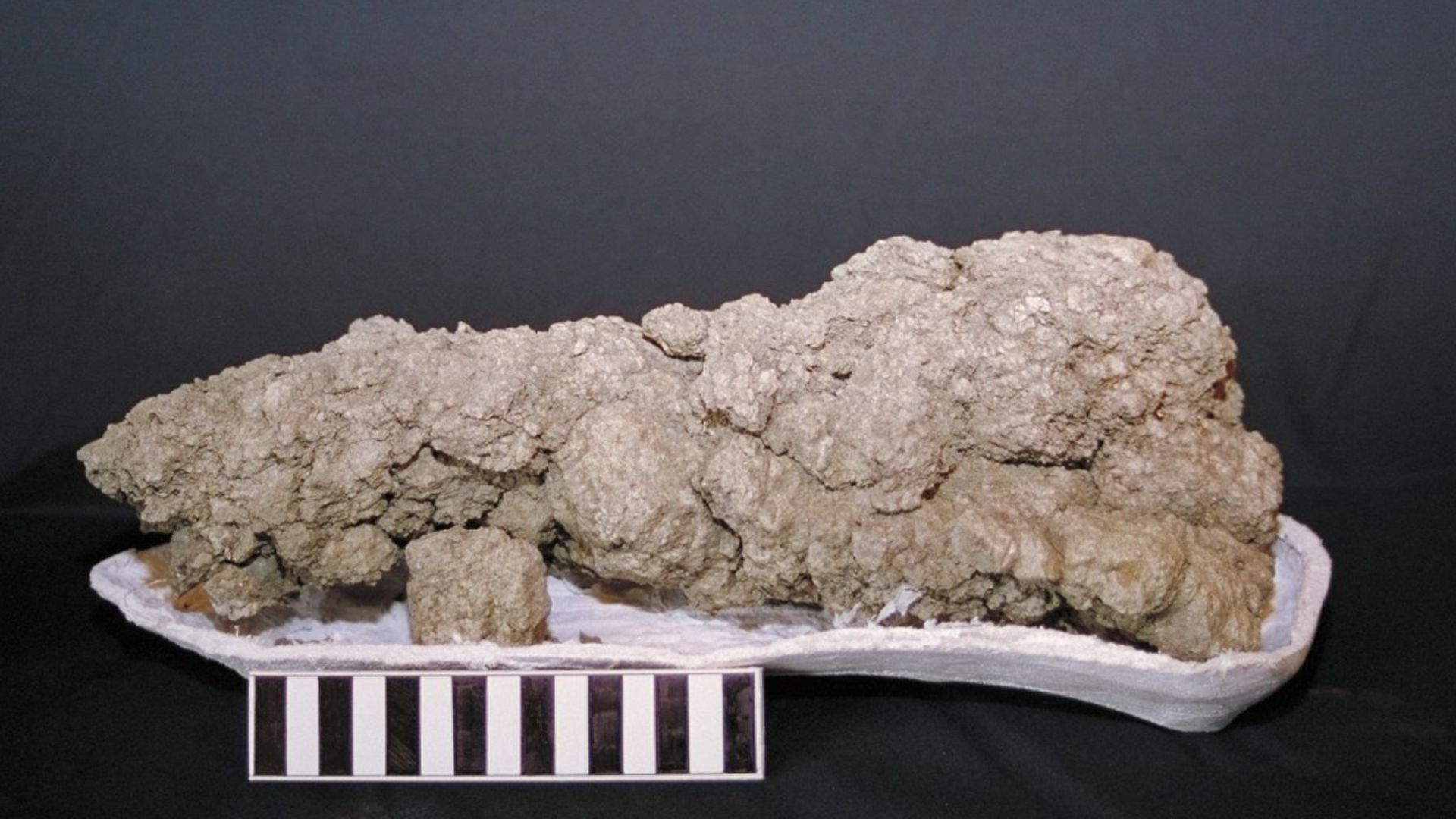
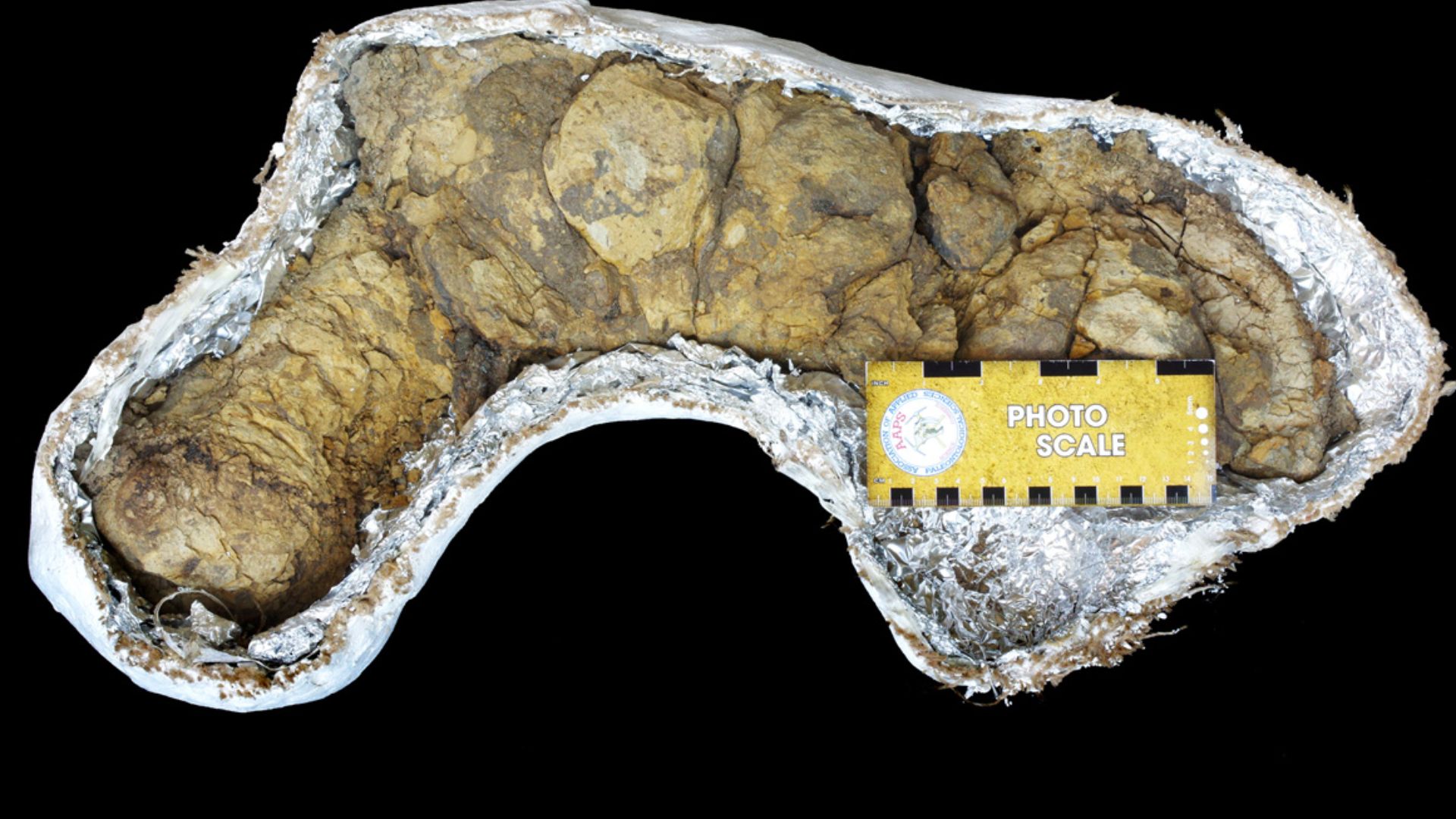
The mysterious lump was a coprolite, the scientific term for fossilized feces. Coprolites sometimes preserve fragments of ancient meals, including bones, scales, and other material. This specimen appeared to have come from a medium-sized meat-eating dinosaur. Somehow, delicate bird feathers had survived digestion and millions of years underground.
 United States Geological Survey, Wikimedia Commons
Scientists Finally Revealed Their Findings
After years of investigation, an international team published its findings in Current Biology on September 10, 2026. The study was led by paleontologist Jingmai O'Connor of Chicago's Field Museum, with DeMar among the coauthors. Their analysis revealed some of the best-preserved feathers ever recovered from the Mesozoic Era. But the fossil contained more than its exposed feather.
 Jingmai O'Connor, Wikimedia Commons
A Dinosaur Had Eaten A Bird
Inside the coprolite, researchers discovered feathers and bone fragments from an ancient meal. The bones belonged to an extinct bird, and scientists believe the feathers came from that same animal. Together, the remains offered an unusually intimate glimpse into prehistoric feeding behavior. They also raised an intriguing question about which dinosaur had eaten the bird.
Was A Young T. Rex Responsible?
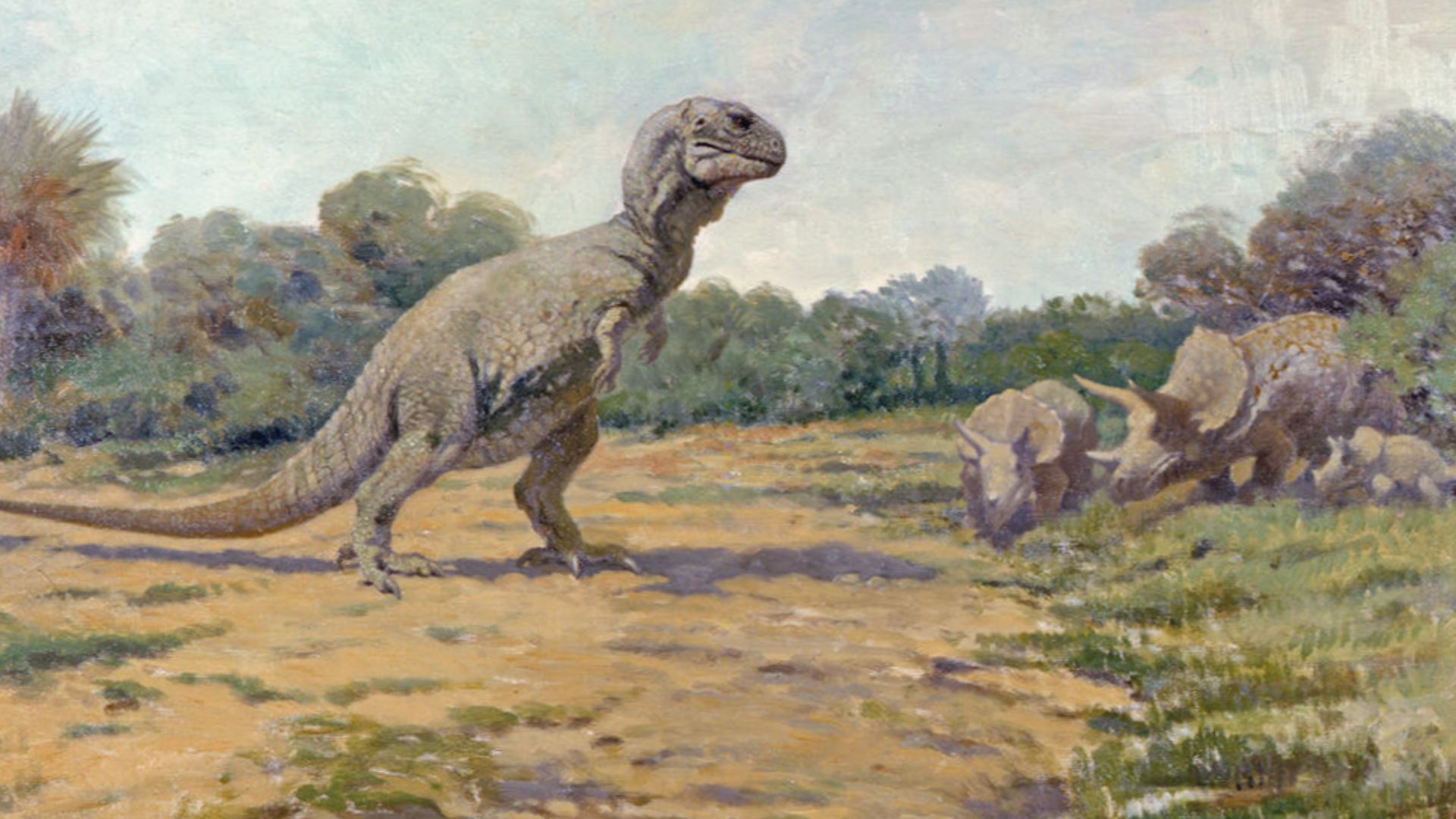
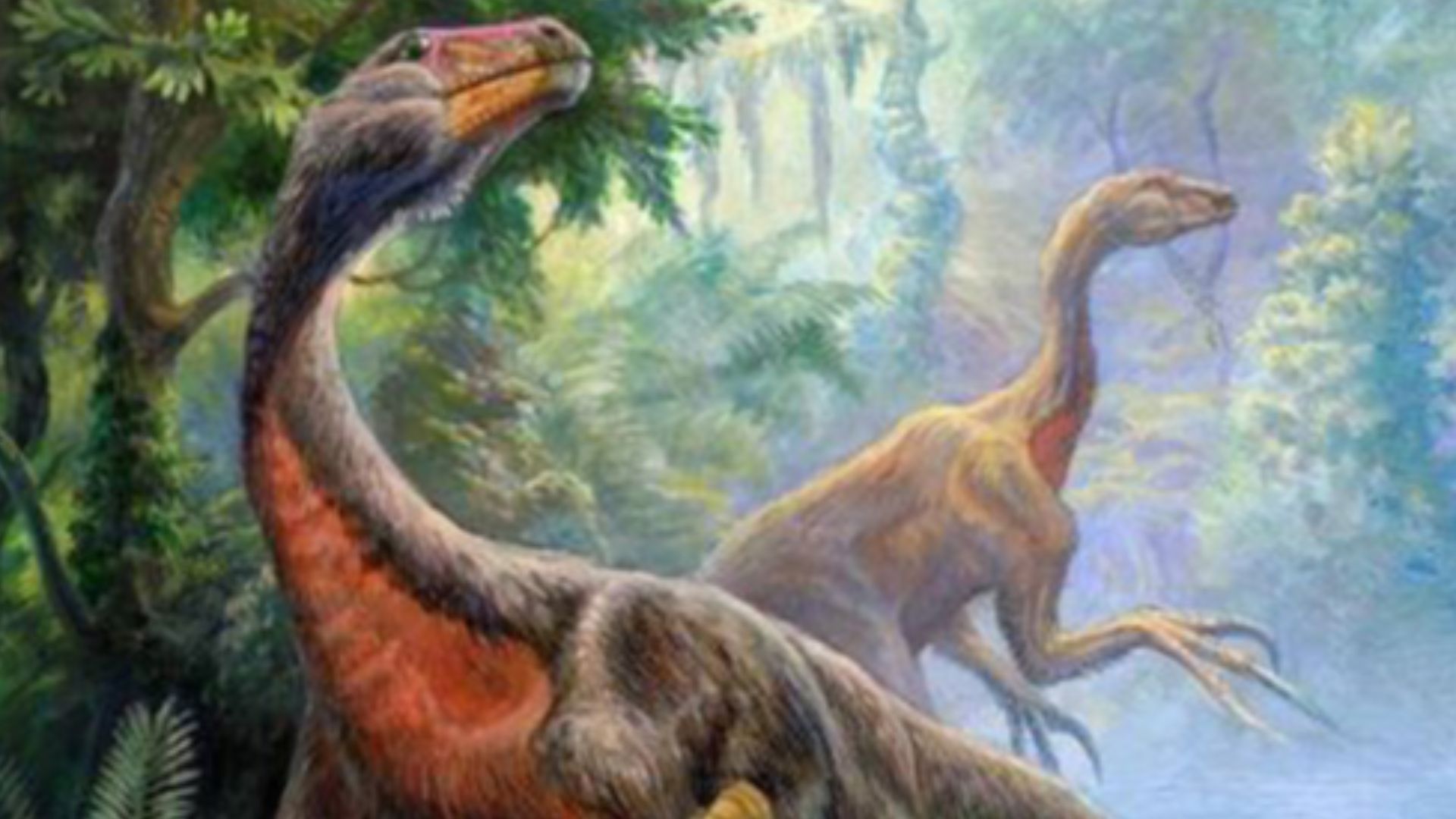
Researchers believe the coprolite came from a medium-sized meat-eating dinosaur, although its identity remains unknown. The scientific paper mentions Nanotyrannus and Anzu as possible candidates, while some reporting has suggested a juvenile Tyrannosaurus rex. All belonged to the broader theropod dinosaur group. Without more evidence, the identity of the predator remains a mystery.
 Charles Robert Knight, Wikimedia Commons
The Bird Wasn't Like Today's Sparrows
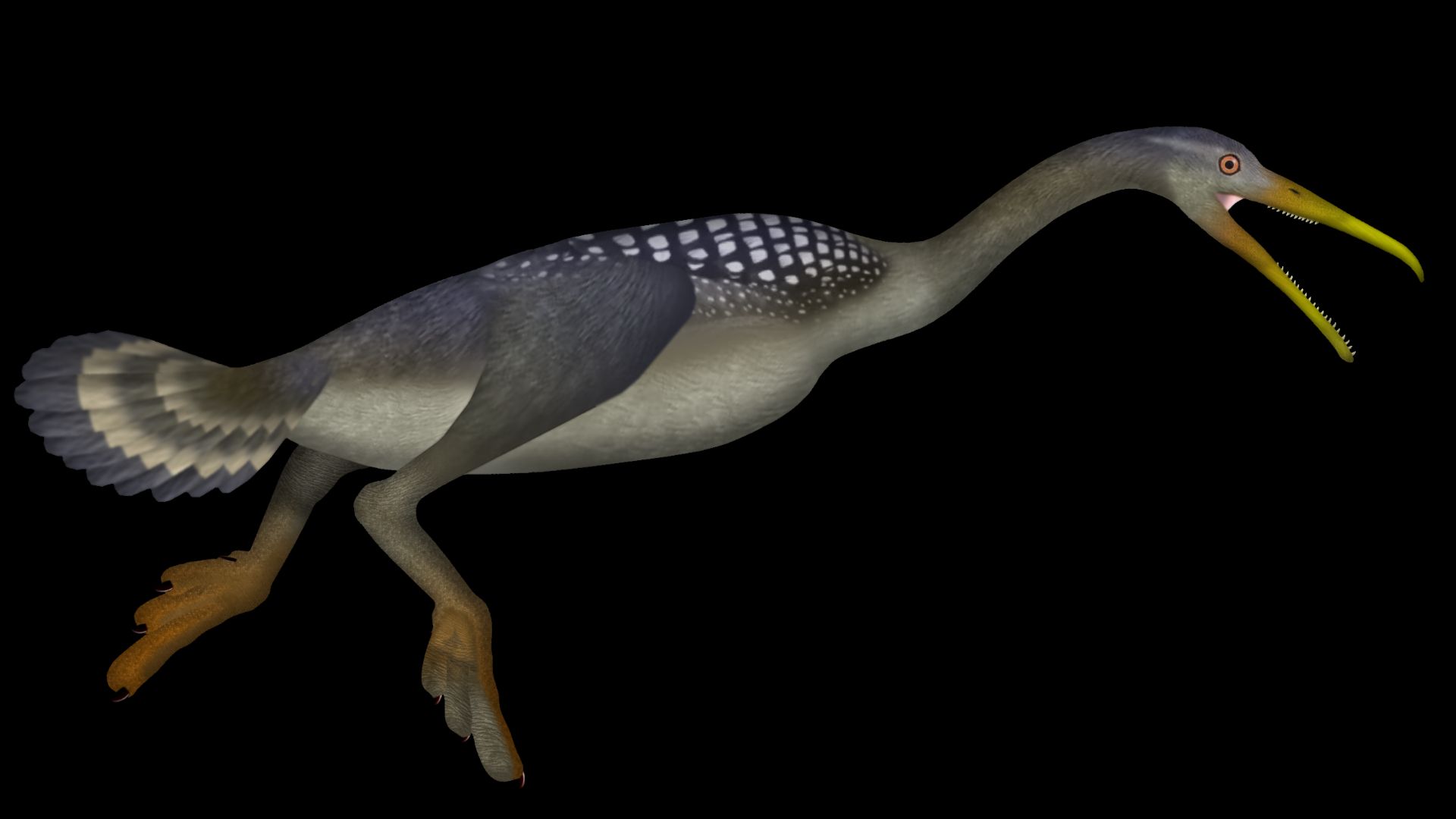
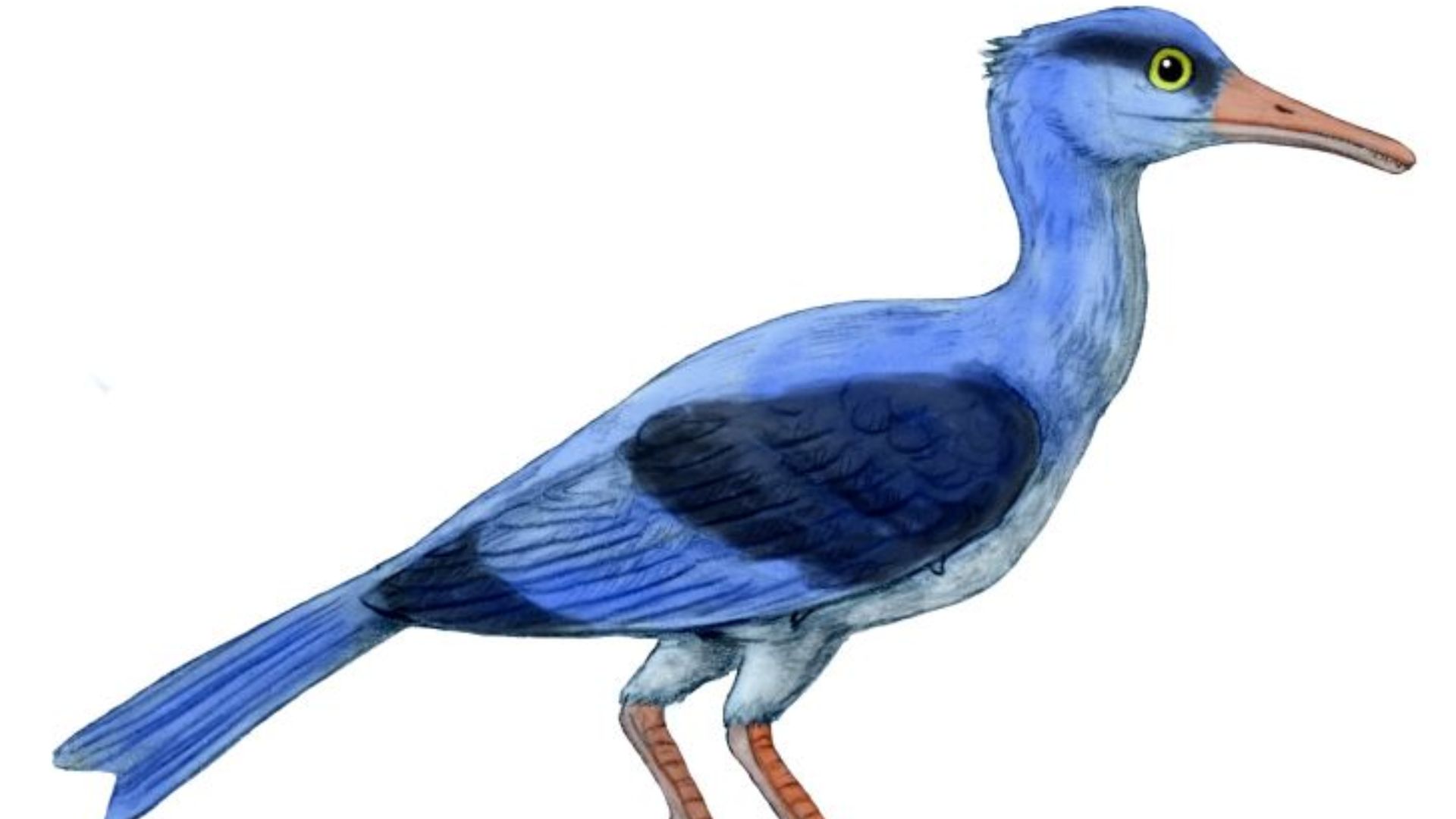
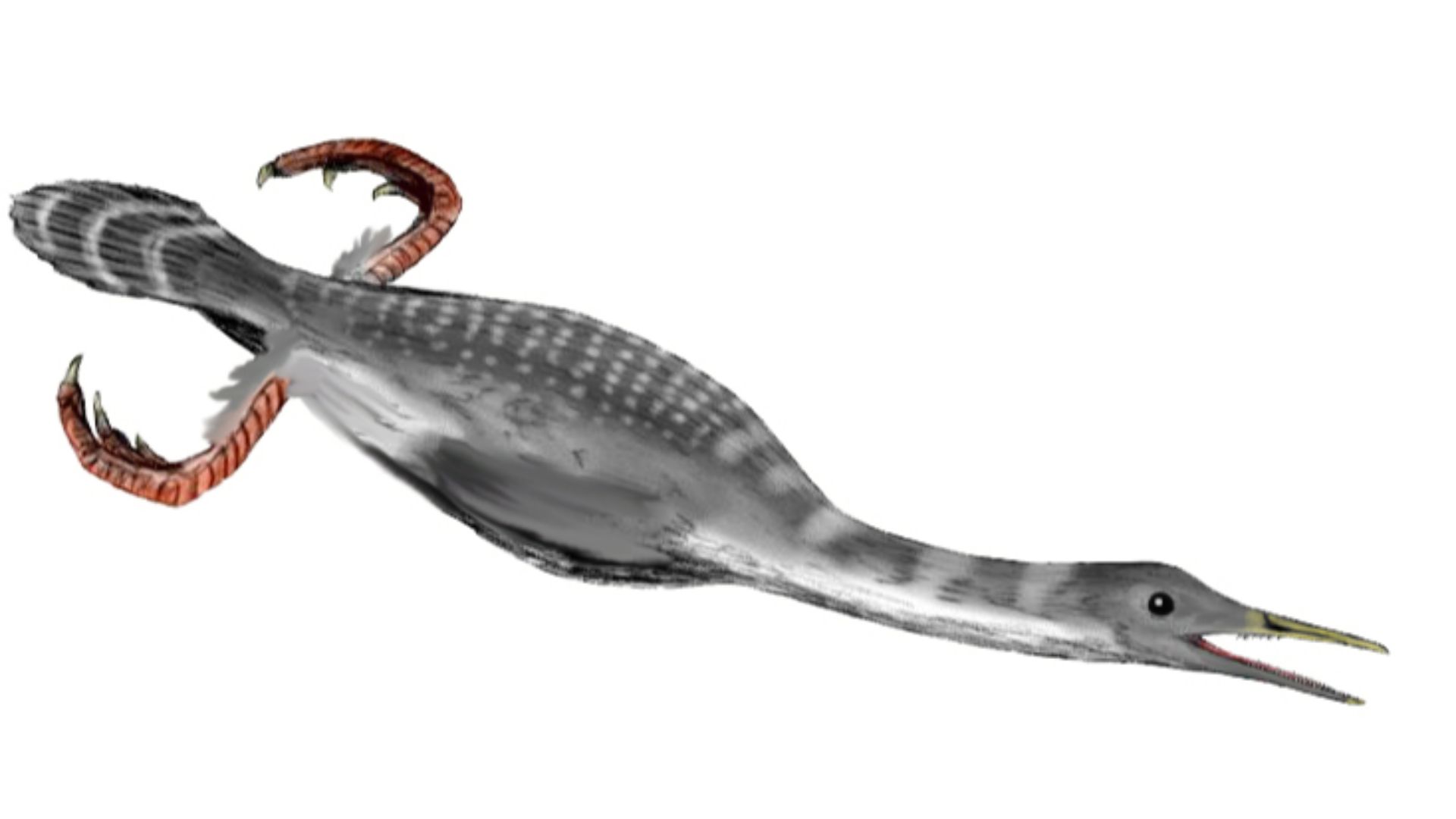
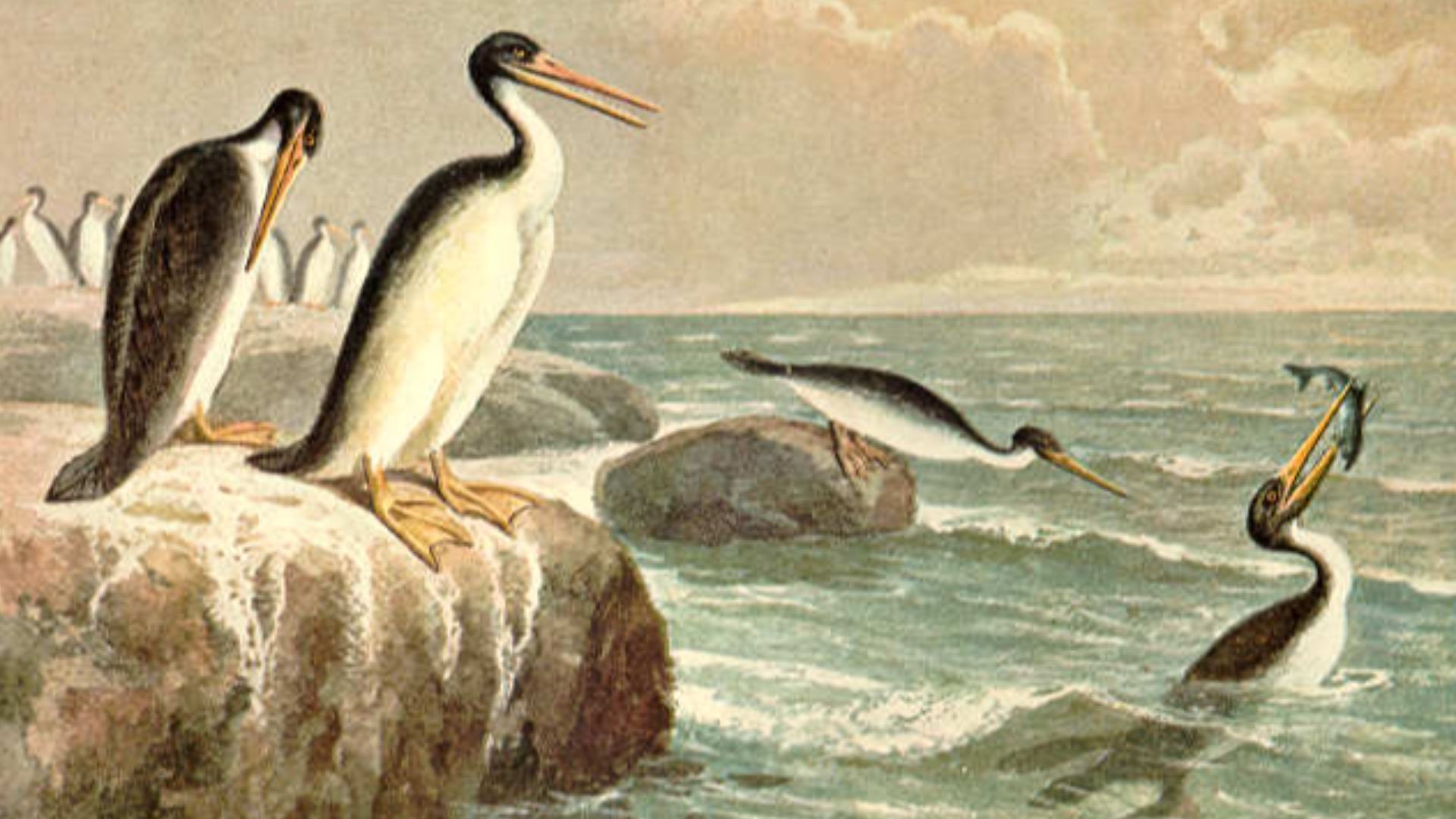
Leg bones inside the coprolite pointed to an extinct group called hesperornithiforms. These ancient birds had short wings and powerful hind limbs suited to swimming and diving. Their anatomy made them very different from most familiar birds today. The discovery also provided the first known fossil feathers associated with this long-extinct group.
These Birds Were Built For Water
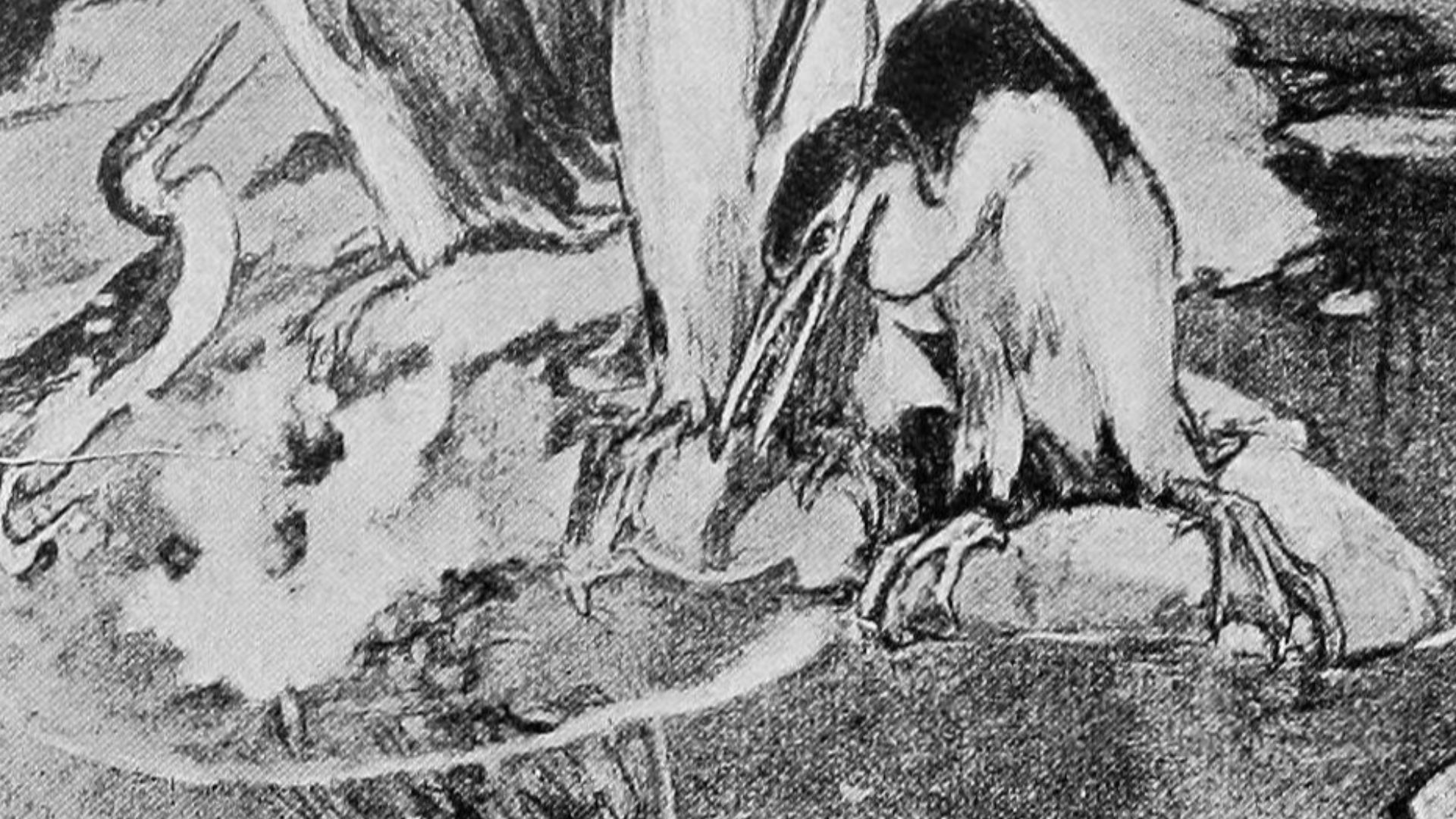
Hesperornithiforms lived during the Late Cretaceous, when dinosaurs still dominated terrestrial ecosystems. Many were flightless, with bodies specialized for pursuing prey underwater. Their aquatic lifestyle set them apart from many other prehistoric birds. That background made another discovery inside the fossil particularly revealing.
 H. G. Wells, Wikimedia Commons
Its Last Meal Was Still Inside
Scientists also found two tiny fish scales inside the fossilized droppings, likely belonging to a gar. Researchers suspect the aquatic bird ate the fish before becoming a dinosaur's next meal. If correct, this small fossil preserves evidence of two separate predator-prey encounters. It's an extraordinarily rare glimpse into a 66-million-year-old food chain.
The Feather Was Remarkably Preserved
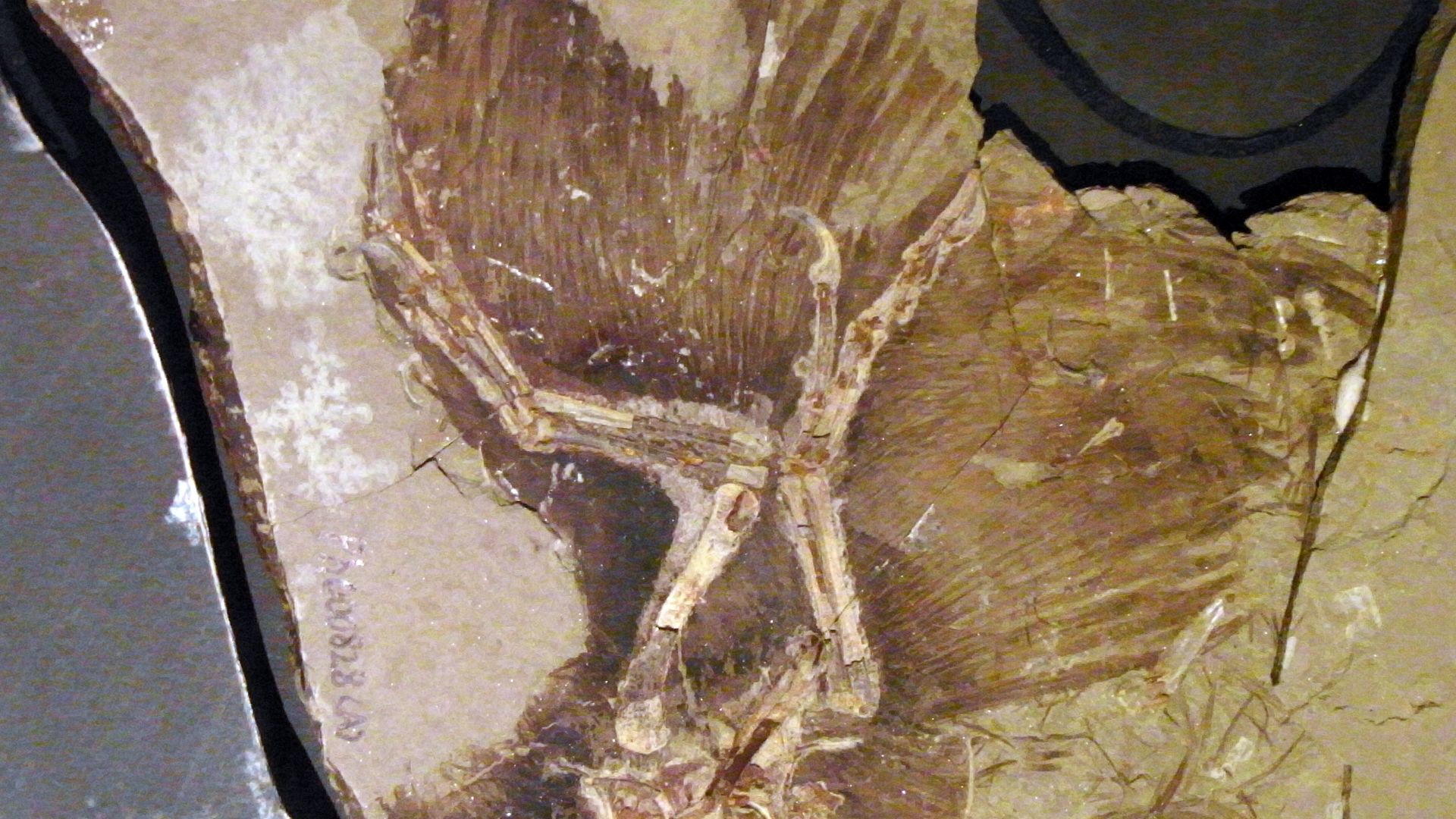
The most impressive feather retained approximately 9.3 millimeters of its central shaft, along with detailed branching structures. Unlike many feather fossils, which survive as flattened impressions, this specimen preserved three-dimensional features. Its delicate anatomy remained recognizable despite its extraordinary age. Researchers could examine structures rarely seen in fossils this old.
 ★Kumiko★ from Tokyo, Japan, Wikimedia Commons
Scientists Looked Inside Without Breaking It
To investigate the fossil, researchers used micro-computed tomography, a scanning technique that reveals an object's interior. They also used three-dimensional surface scanning and examined its mineral composition. These methods allowed them to study the fragile specimen without destroying it. What appeared in the scans made the discovery even more significant.
 Klaus Schönitzer, Wikimedia Commons
There Were More Feathers Hidden Inside
Scans revealed additional feathers and fragments invisible from the outside. Two feathers had structures resembling those of living birds, while two smaller body feathers appeared considerably more primitive. The combination suggested this ancient bird carried different kinds of plumage. Those differences eventually led researchers toward a much bigger extinction mystery.
One Feather Looked Surprisingly Modern
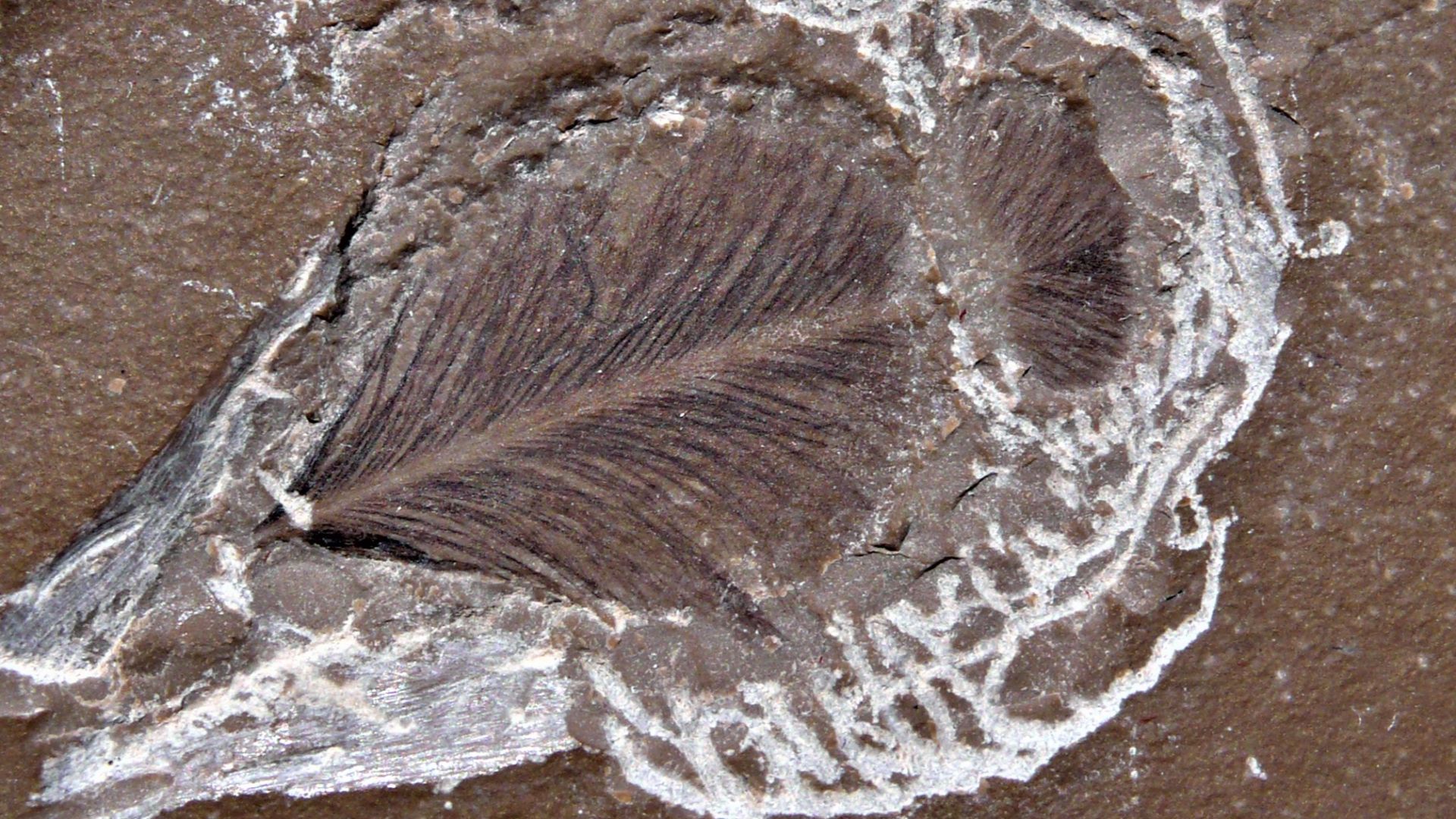
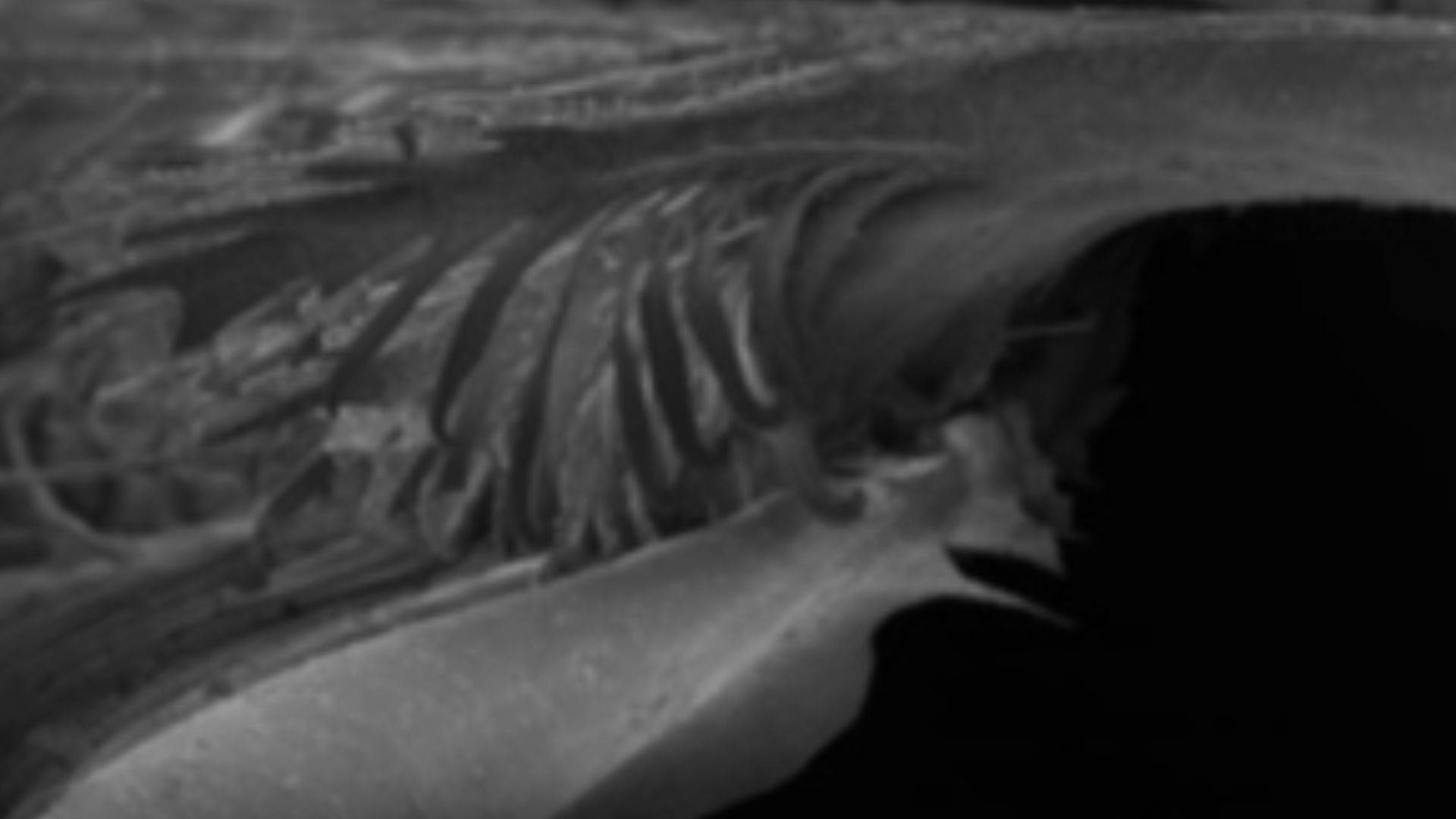
The larger feathers had stiff central shafts with distinctive square-shaped cross-sections. Inside each was a lightweight, sponge-like core surrounded by a harder outer layer. This construction helps modern feathers combine strength with relatively little weight. Scientists were surprised to find such advanced structures in feathers this ancient.
 Jing-Shan Zhao, Jiayue Zhang, Yuping Zhao, Zhaodong Zhang, Pascal Godefroit, Wikimedia Commons
It Also Had A Waterproofing Advantage
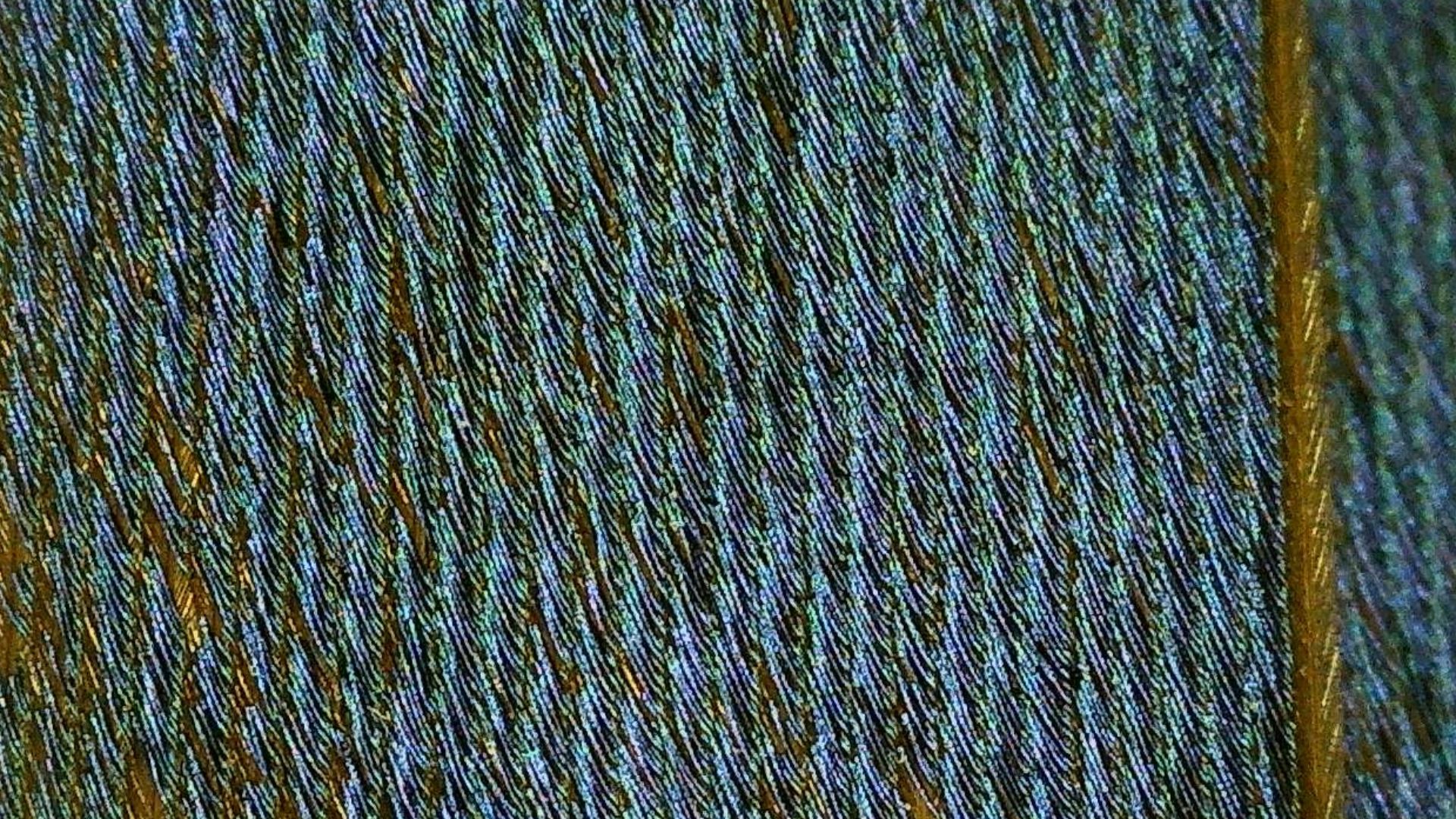
The feather's densely packed barbs resembled adaptations found in modern aquatic birds. Such structures can help resist water penetration, particularly useful for swimming or diving animals. Researchers believe the ancient bird possessed similarly water-resistant plumage. Yet its other feathers told a surprisingly different story.
 Давид Андронов, Wikimedia Commons
The Smaller Feathers Were More Primitive
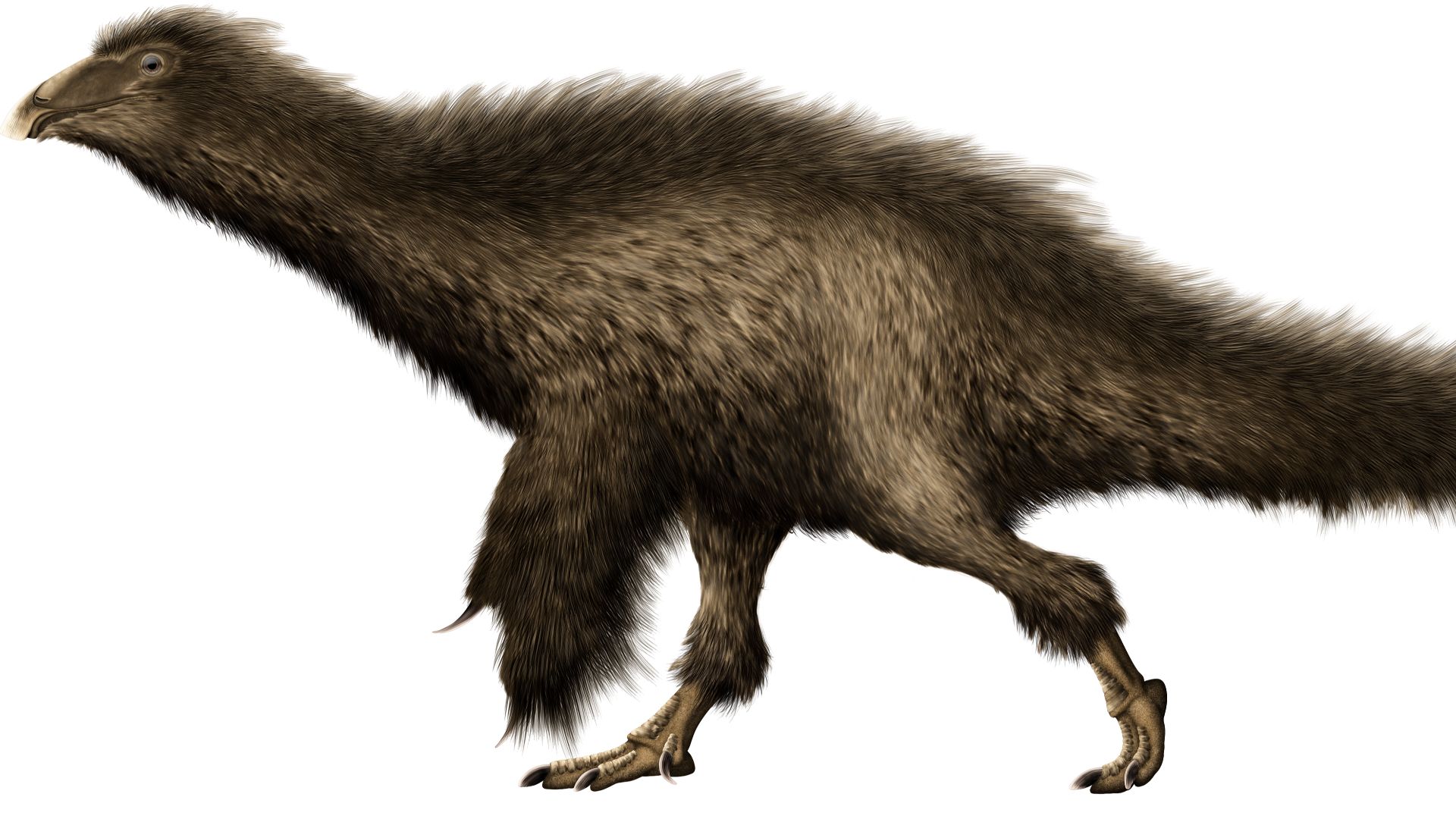
Alongside the modern-looking plumage were smaller, fuzzy body feathers with more ancient characteristics. These differed from the specialized feathers found in many living birds. Body feathers are important because they trap warm air close to an animal's skin. The discovery raised questions about how effectively these ancient feathers provided insulation.
 PaleoNeolitic, Wikimedia Commons
The Asteroid Changed Everything
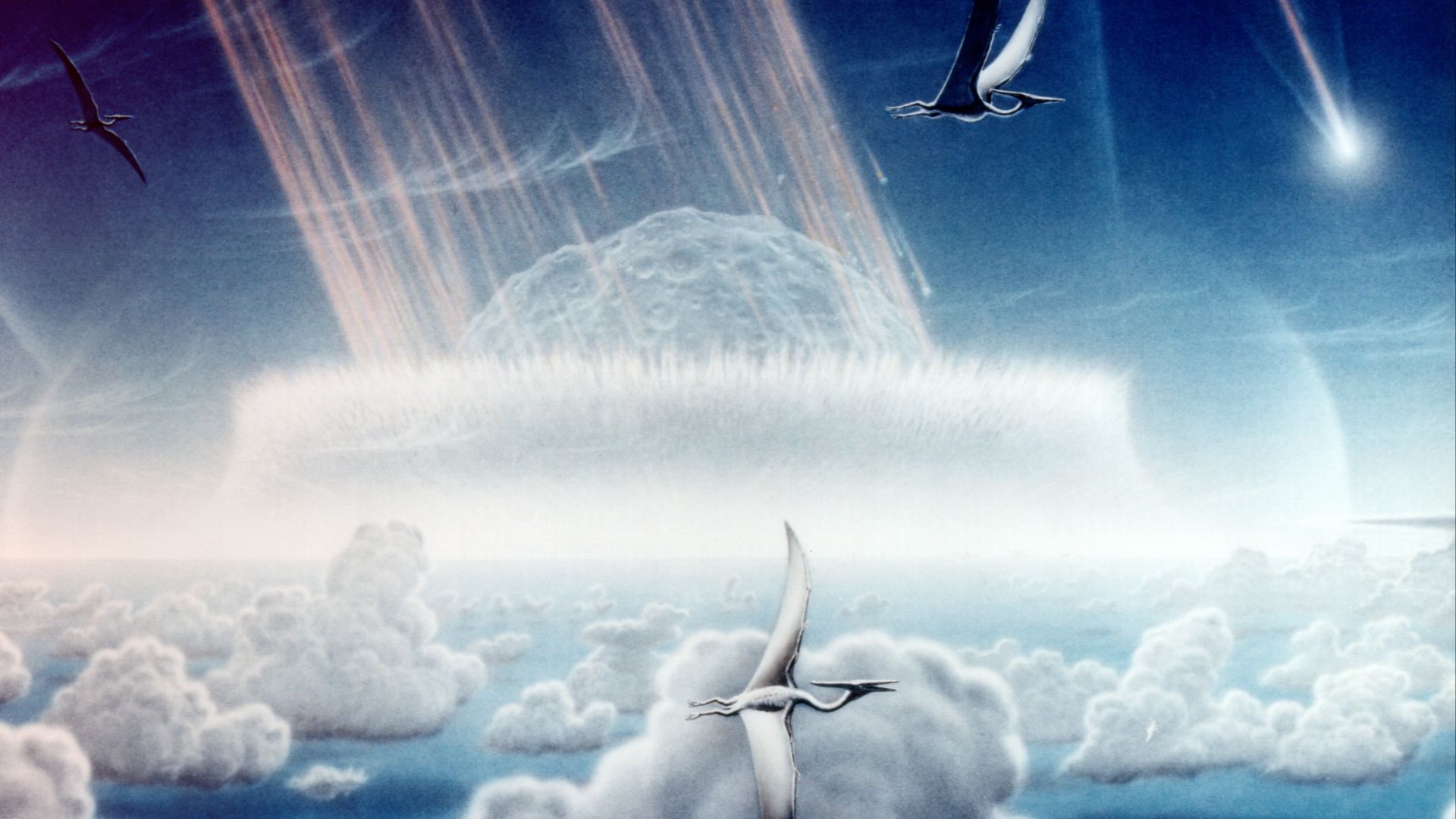
Around 66 million years ago, an enormous asteroid struck Earth near Mexico's Yucatán Peninsula. The collision triggered an environmental catastrophe that contributed to the disappearance of roughly three-quarters of Earth's species. All non-avian dinosaurs vanished, along with numerous other animals and plants. But one branch of the dinosaur family tree survived, and its descendants are everywhere today.
 Donald E. Davis, Wikimedia Commons
The Disaster Wasn't Just About Cold
The asteroid's impact disrupted far more than global temperatures. Dust and other atmospheric material reduced sunlight, threatening photosynthesis and entire food chains. As plants and plankton struggled, animals higher up the food chain faced dwindling supplies. Birds surviving the initial catastrophe still had to endure a drastically altered world.

Could Better Feathers Have Saved Some Birds?
O'Connor and her colleagues suggest feather insulation may have influenced which birds survived. The ancient aquatic bird possessed primitive body feathers that might have trapped heat less efficiently than modern plumage. These may have offered less protection during the extreme cooling that followed the asteroid impact. If correct, feather evolution could help explain a longstanding extinction mystery.
 Pavel Riha = user Pavel.Riha.CB (e-mail), Wikimedia Commons
The Discovery Pushes Feather Evolution Back
The preserved feathers revealed something scientists had never seen in plumage this ancient. Their square-shaped shafts contained lightweight, sponge-like centers, a combination previously unknown from Mesozoic feather fossils. The next-oldest known example comes from roughly ten million years later. The Montana specimen therefore provides important new evidence about feather evolution.
 H. Raab (User:Vesta), Wikimedia Commons
Molting Might Have Made A Difference
Researchers also suggest that molting, the process of replacing old feathers, could have influenced survival. Molting requires energy and can temporarily affect insulation or mobility. During an environmental catastrophe, those differences might have carried serious consequences. More evidence is needed to determine whether feather replacement contributed to the extinction.
 Nobu Tamura (http://spinops.blogspot.com), Wikimedia Commons
Scientists Previously Suspected Water Was The Answer
One hypothesis proposes that aquatic birds enjoyed an advantage during the extinction. Some freshwater ecosystems may have remained relatively resilient after the asteroid impact. But hesperornithiforms complicate that explanation because they lived in water yet still disappeared. An aquatic lifestyle clearly wasn't enough to guarantee survival.
 Pedro José Salas Fontelles, Wikimedia Commons
Another Group Of Birds Also Disappeared
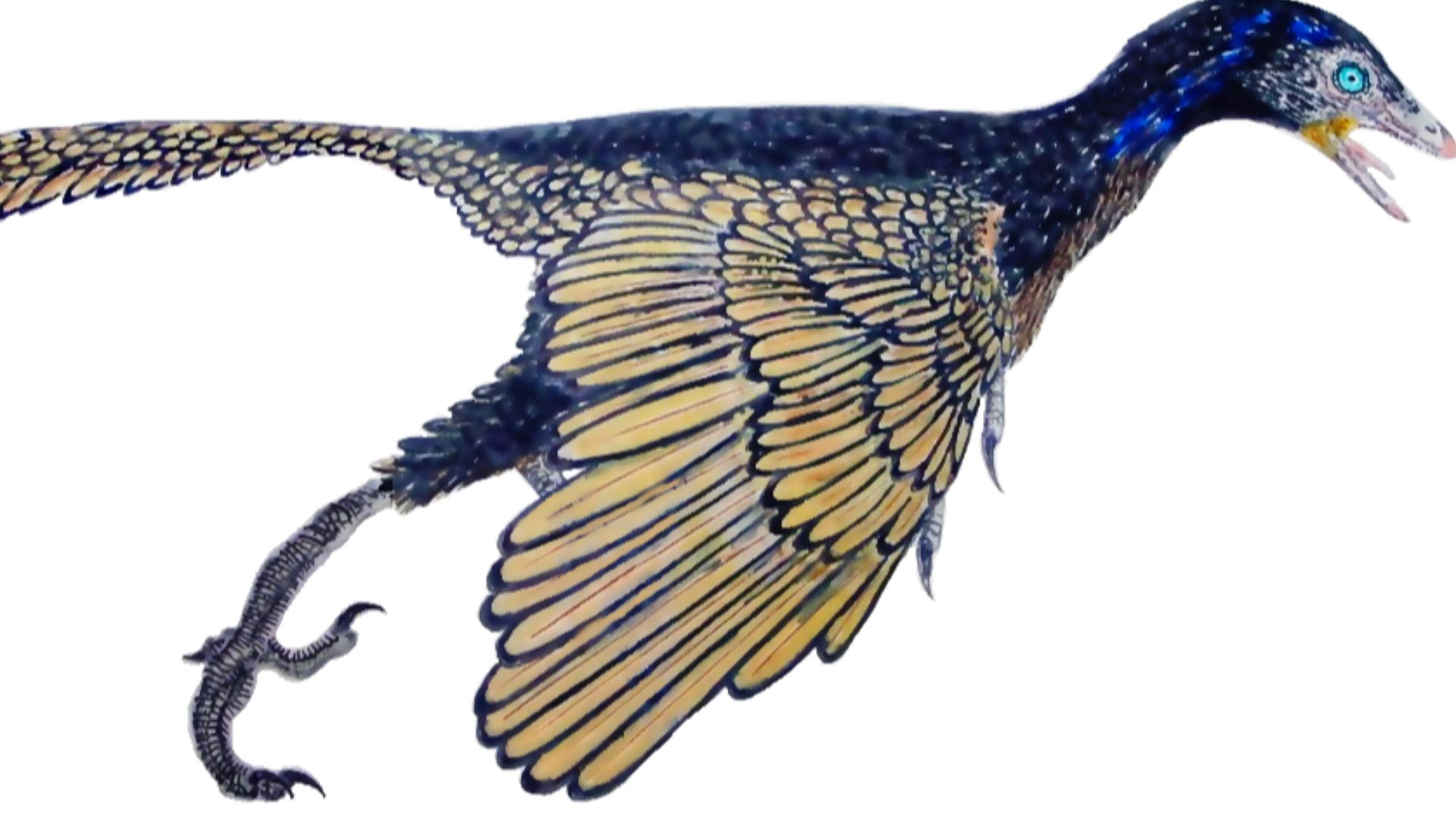
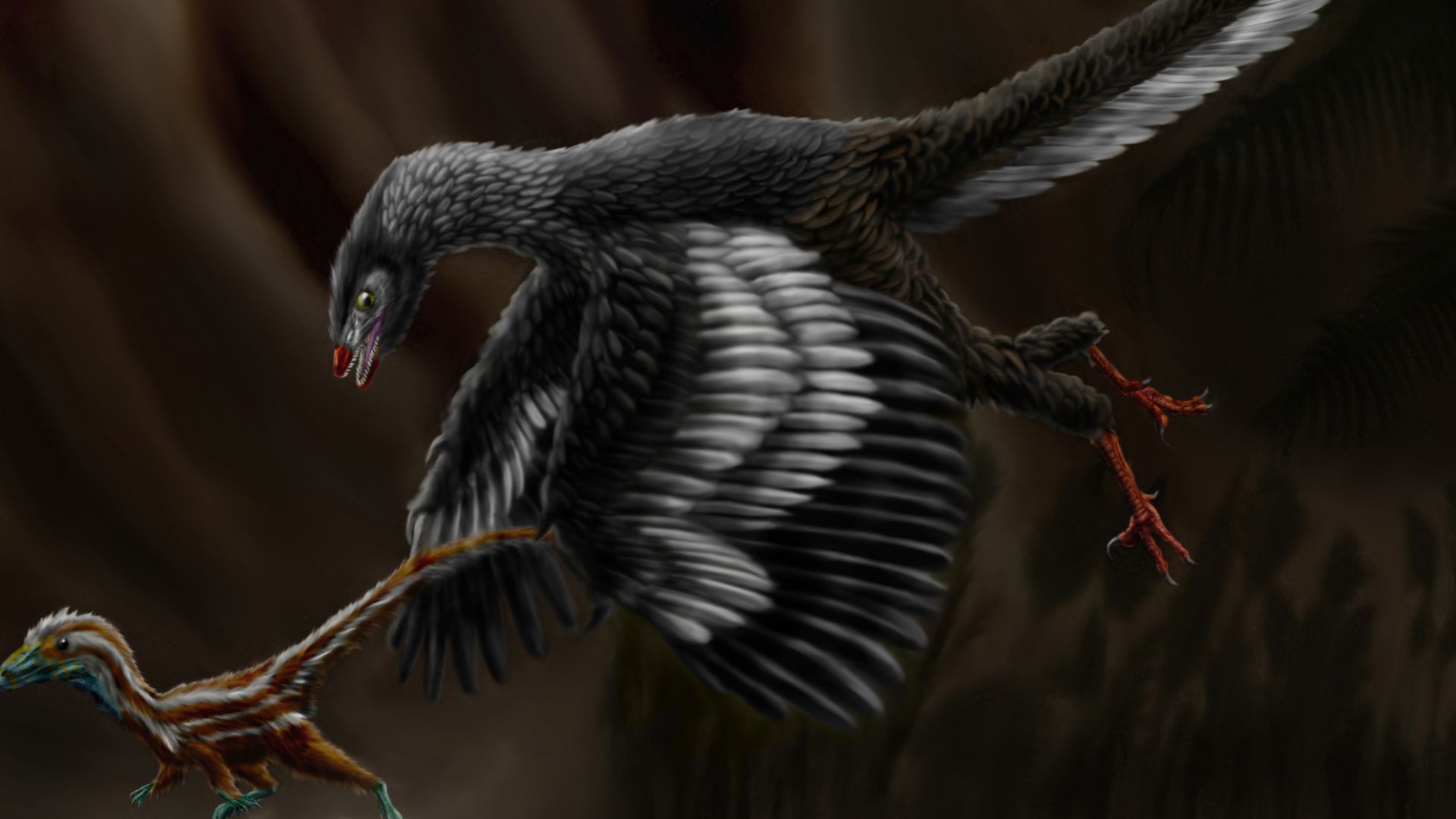
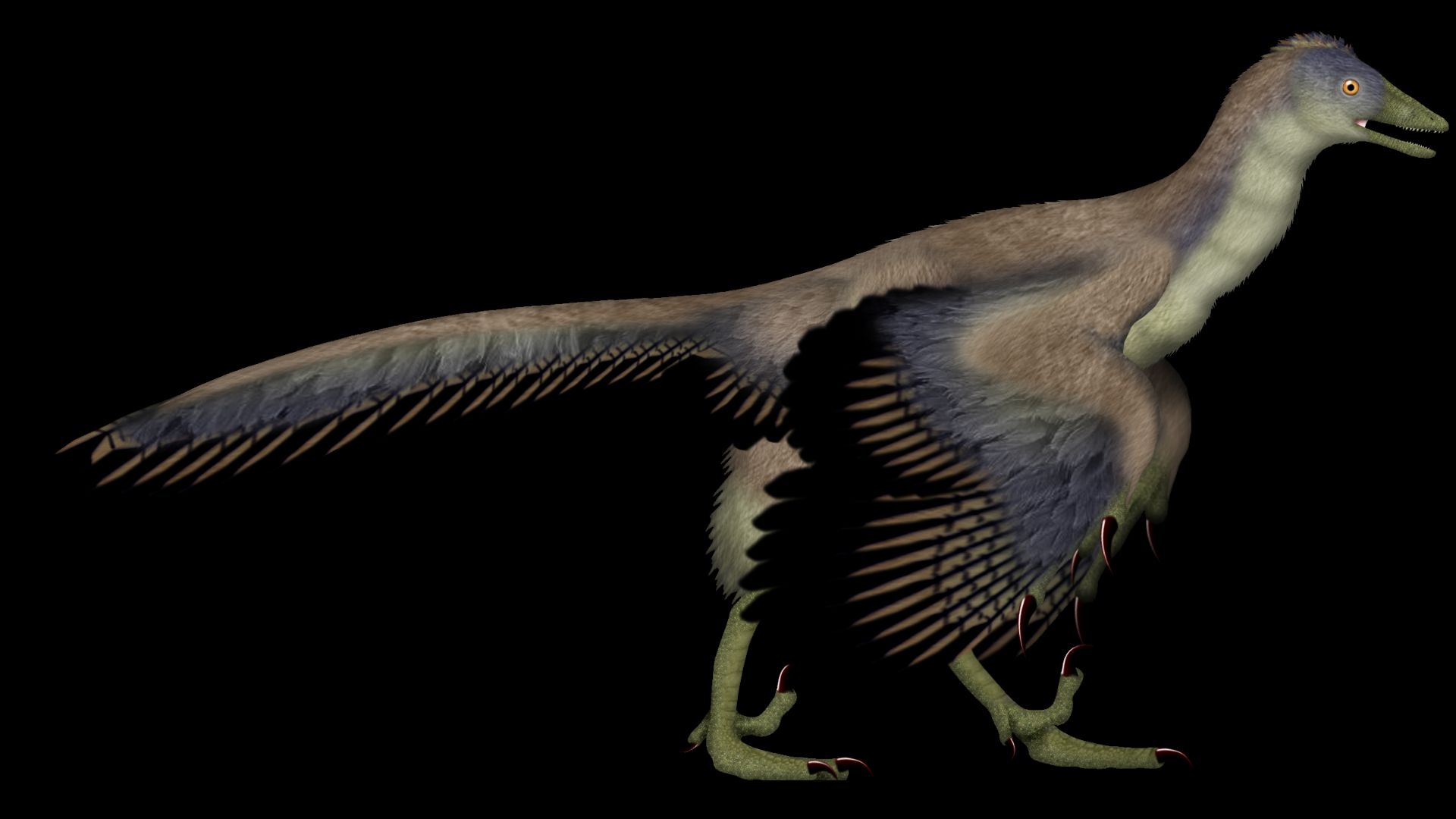
Hesperornithiforms weren't the only ancient birds that vanished. Enantiornithines, a diverse group widespread during the Cretaceous, also disappeared during the extinction. Their plumage had features that differed from those of modern birds. Comparing these extinct groups could help scientists investigate whether feather differences influenced survival.
 Nobu Tamura (http://spinops.blogspot.com), Wikimedia Commons
Only One Major Bird Lineage Survived
Modern birds belong to Neornithes, the only major bird lineage to survive the end-Cretaceous extinction. Hesperornithiforms and enantiornithines belonged to separate branches that left no living descendants. Scientists have long wondered why modern birds' ancestors survived while their relatives vanished. The Montana discovery introduces another possible piece of that puzzle.
 Heinrich Harder (1858-1935), Wikimedia Commons
Not Every Scientist Is Convinced
The insulation hypothesis is intriguing, but not every paleontologist is persuaded. Julia Clarke of the University of Texas at Austin has questioned whether this limited evidence can explain such a widespread extinction. The fossil cannot establish how effectively its feathers retained heat. More specimens will be needed to test whether insulation genuinely influenced survival.
Dinosaur Poop Could Hold More Discoveries
The fossil's unusual preservation has opened an unexpected opportunity for paleontologists. Coprolites are normally studied for evidence of ancient diets, but this specimen also preserves delicate feathers. Other fossilized droppings may contain similar evidence that researchers have overlooked. Scanning existing museum collections could reveal discoveries without new excavations.
 Ed Schipul from Houston, TX, US, Wikimedia Commons
The Feather Survived Against The Odds
Feathers are made largely of keratin, a structural protein that relatively few animals can fully digest. This may help explain how recognizable feather material survived inside the dinosaur's digestive system. Favorable conditions also helped preserve its delicate structures over millions of years. Its survival gives scientists a rare opportunity to study features usually lost from the fossil record.
You Can Actually See The Fossil
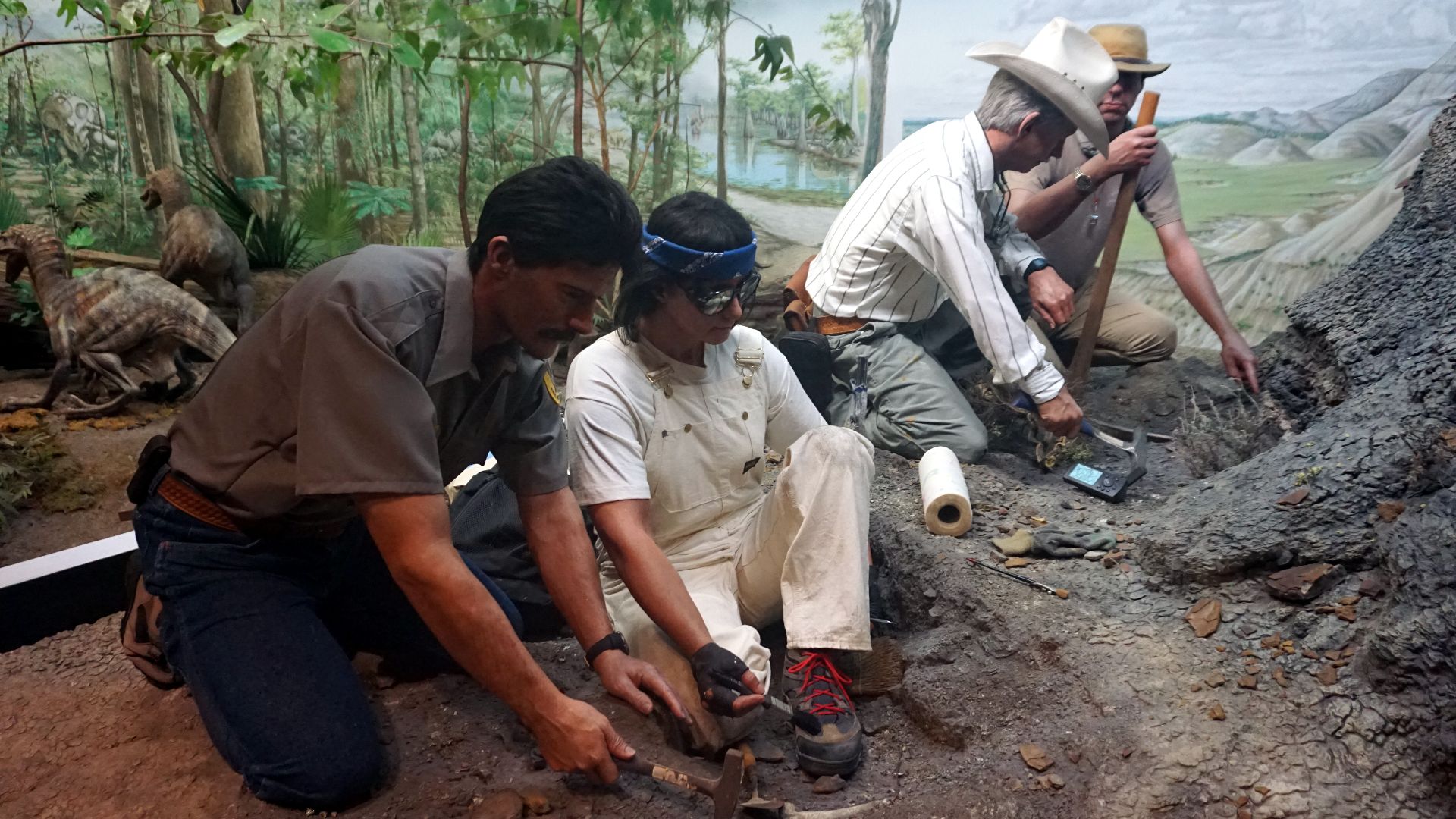
The original coprolite, including the exposed feather, is on permanent display at Seattle's Burke Museum. Visitors can see the small fossil that launched a much larger investigation into prehistoric birds. The specimen is part of an exhibition exploring the end-Cretaceous extinction. It's a reminder that remarkable discoveries can come from surprisingly ordinary-looking objects.
 Richard N Horne, Wikimedia Commons
A Tiny Fossil With Enormous Implications
What began as a chance discovery in Montana has revealed ancient diets, predator-prey relationships, and surprising details about feather evolution. More importantly, it offers a new hypothesis about why some birds survived the asteroid while others vanished. The theory remains unproven, but scientists now have another clue to investigate. And after 66 million years, dinosaur poop may still have more secrets to reveal.
 Michael Barera, Wikimedia Commons
You May Also Like:
Four Giant Footprints Were Found In North Dakota—And Scientists Think An Adult T. Rex Made Them
A Fossil Hunter Discovered A 201-Million-Year-Old Jurassic “Sea Dragon” On A Welsh Beach