Something Strange Was Sticking Out Of The Creek
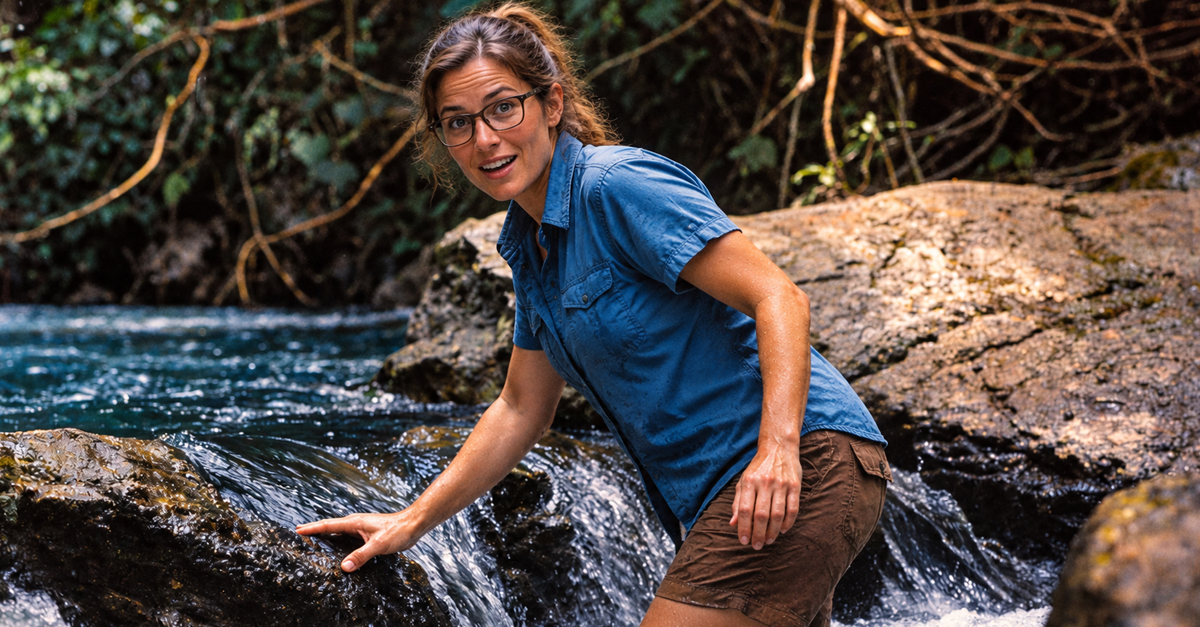
Brigid Lynch was surveying an ordinary California creek when something among the rocks stopped her cold. It looked strange enough to photograph, but she had no idea she had just stumbled across a relic from the Ice Age. The bizarre object would turn out to be an exceptionally preserved mastodon tooth estimated to be at least 10,000 years old.
She Wasn't Looking For Fossils
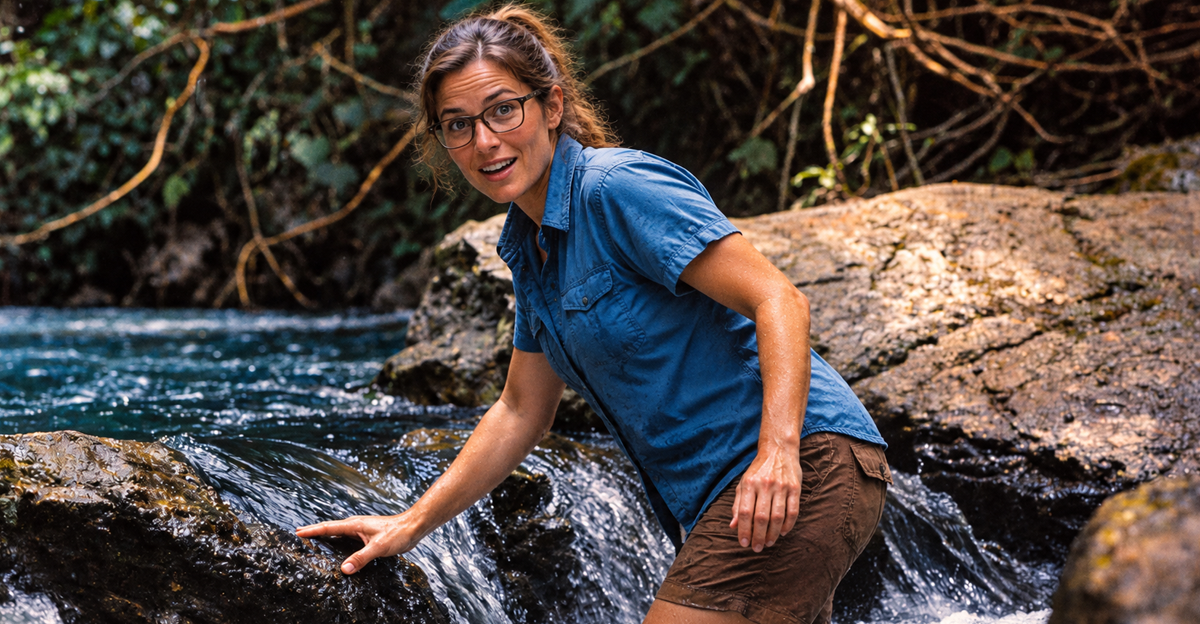
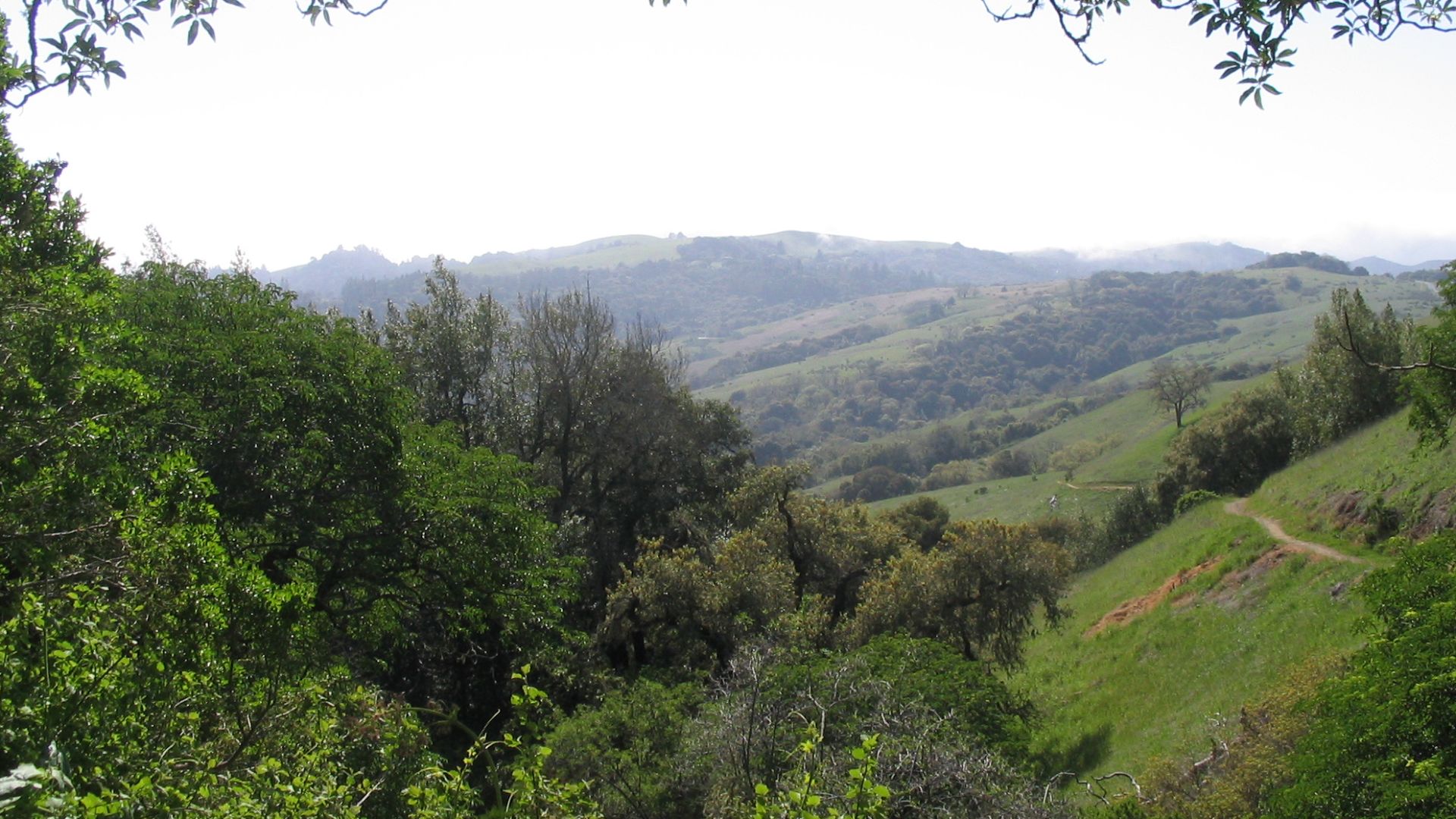
Lynch is a geomorphologist with Balance Hydrologics, and fossil hunting was not part of her assignment. She was working inside a Midpeninsula Regional Open Space District preserve in San Mateo County. Her job that day was connected to restoring habitat for a threatened California frog.
 David Baron, Wikimedia Commons
The Real Mission Was About Frogs
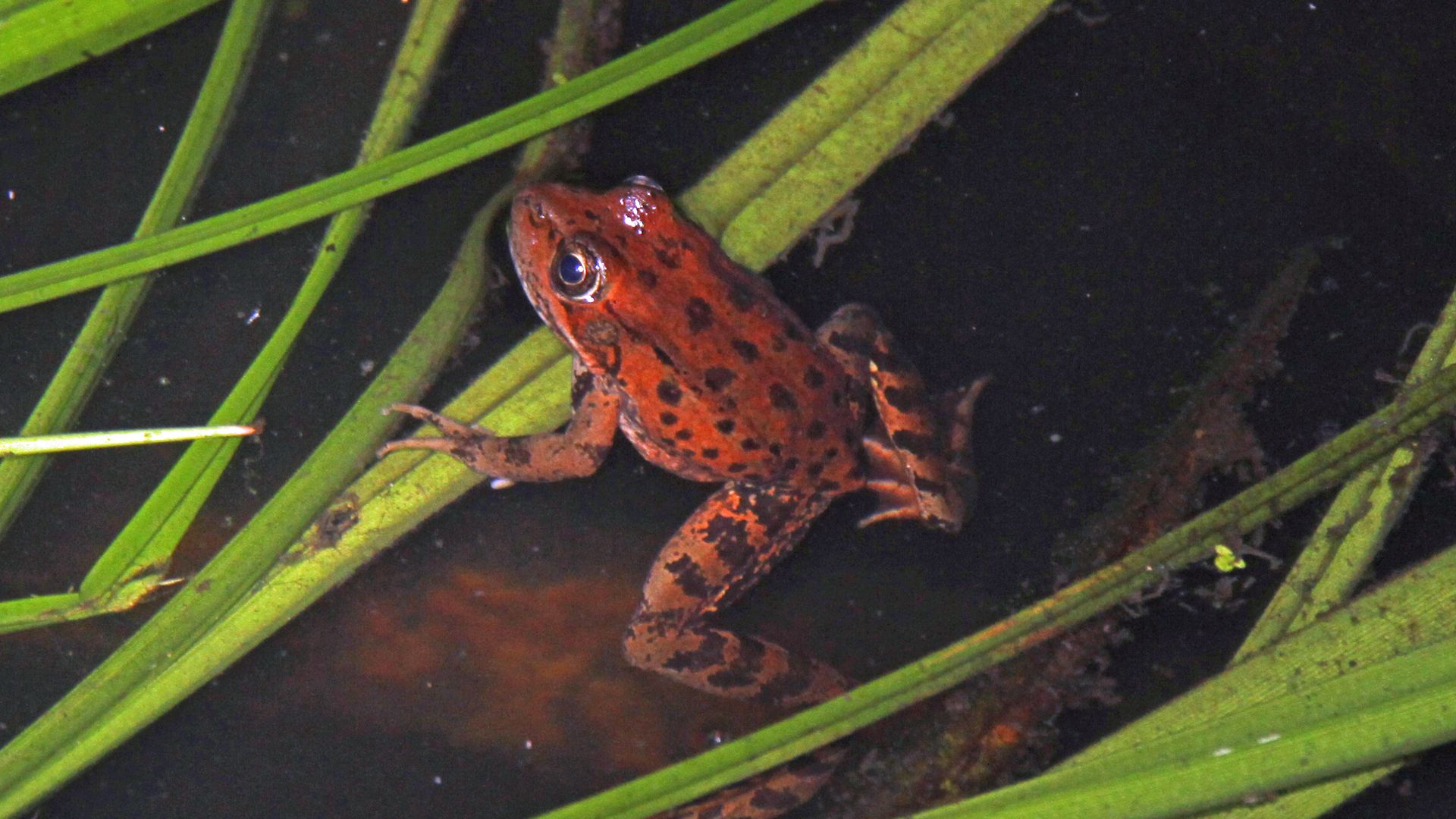
The project was designed to improve habitat for the California red-legged frog. The species is federally listed as threatened and has lost much of its historic habitat. Instead of finding something connected to the frog, Lynch unexpectedly encountered evidence of an animal that disappeared thousands of years ago.
 Greg Schechter from San Francisco, USA, Wikimedia Commons
One Rock Looked Completely Wrong
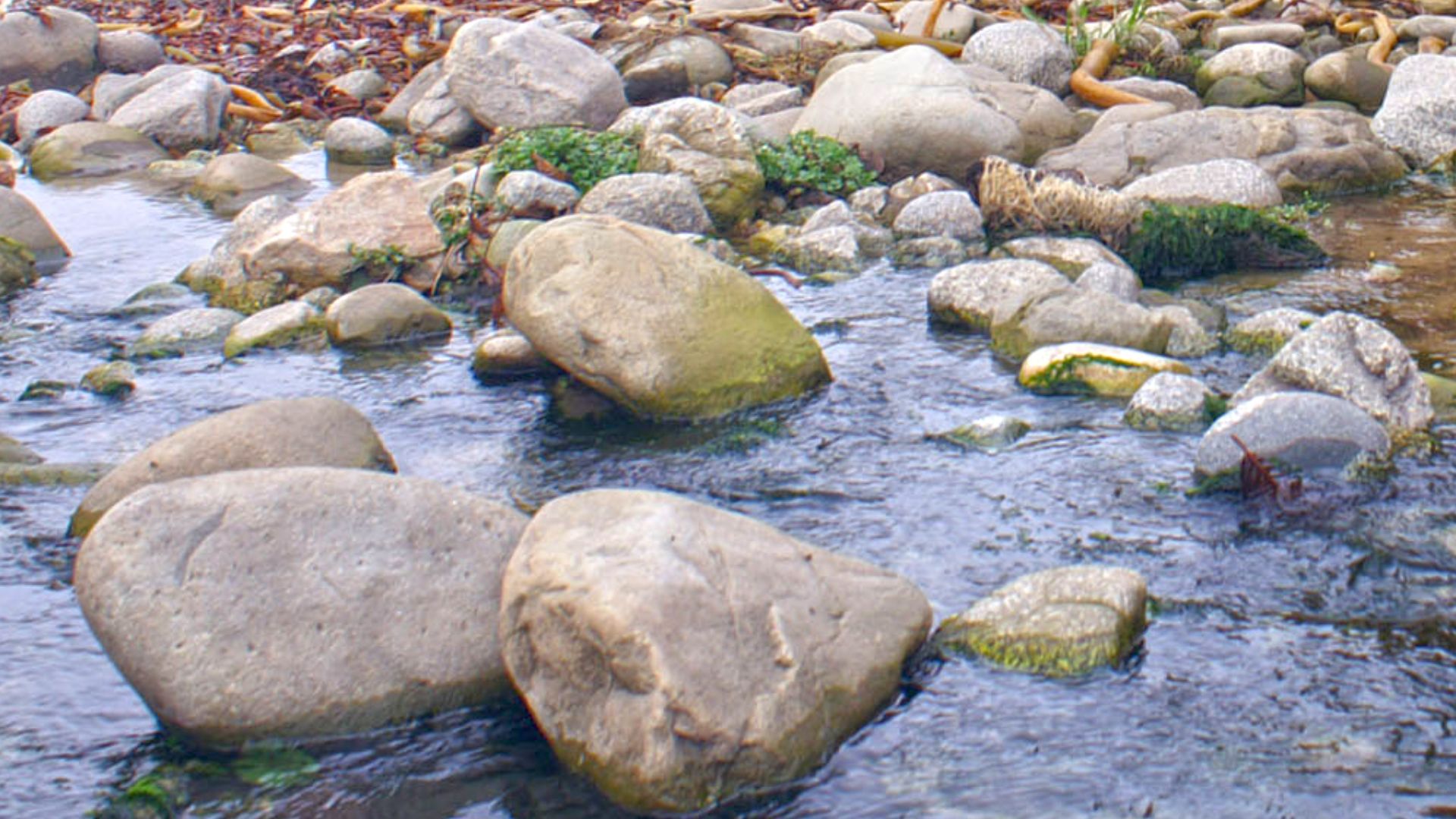
Lynch was down in the creek bed surveying rocks when one object caught her attention. Its shape looked distinctly different from the surrounding stones, so she photographed it before continuing her work. At that point, she still did not realize she had found a fossil.
 Daniel Di Palma, Wikimedia Commons
The Answer Came The Next Day
Lynch reviewed her photographs the following day and began investigating the strange object. A reverse-image search pointed toward an extraordinary possibility: the object resembled a mastodon tooth. Suddenly, an odd-looking rock from a routine survey had become a potential Ice Age discovery.

Experts Confirmed The Surprise
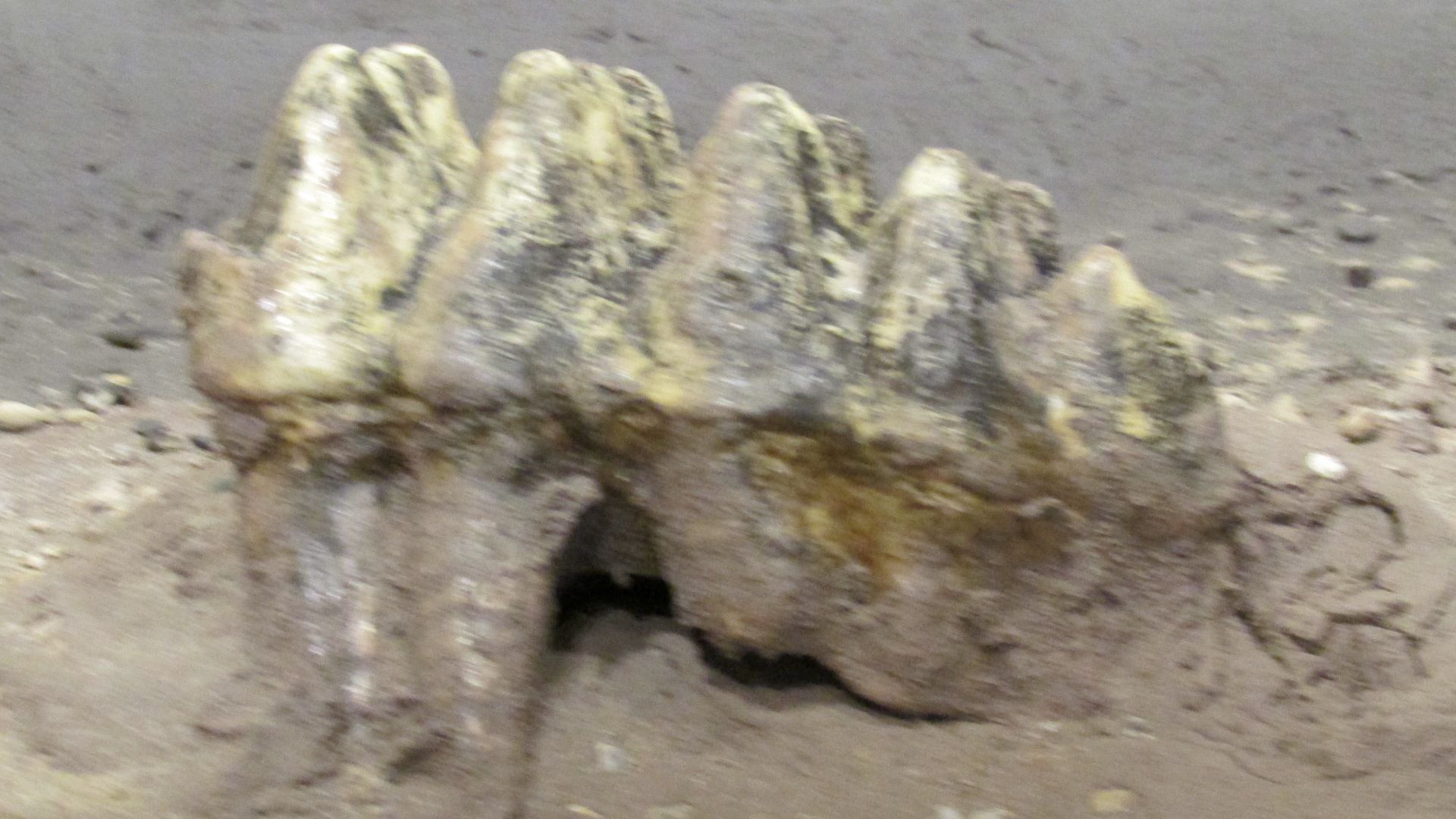
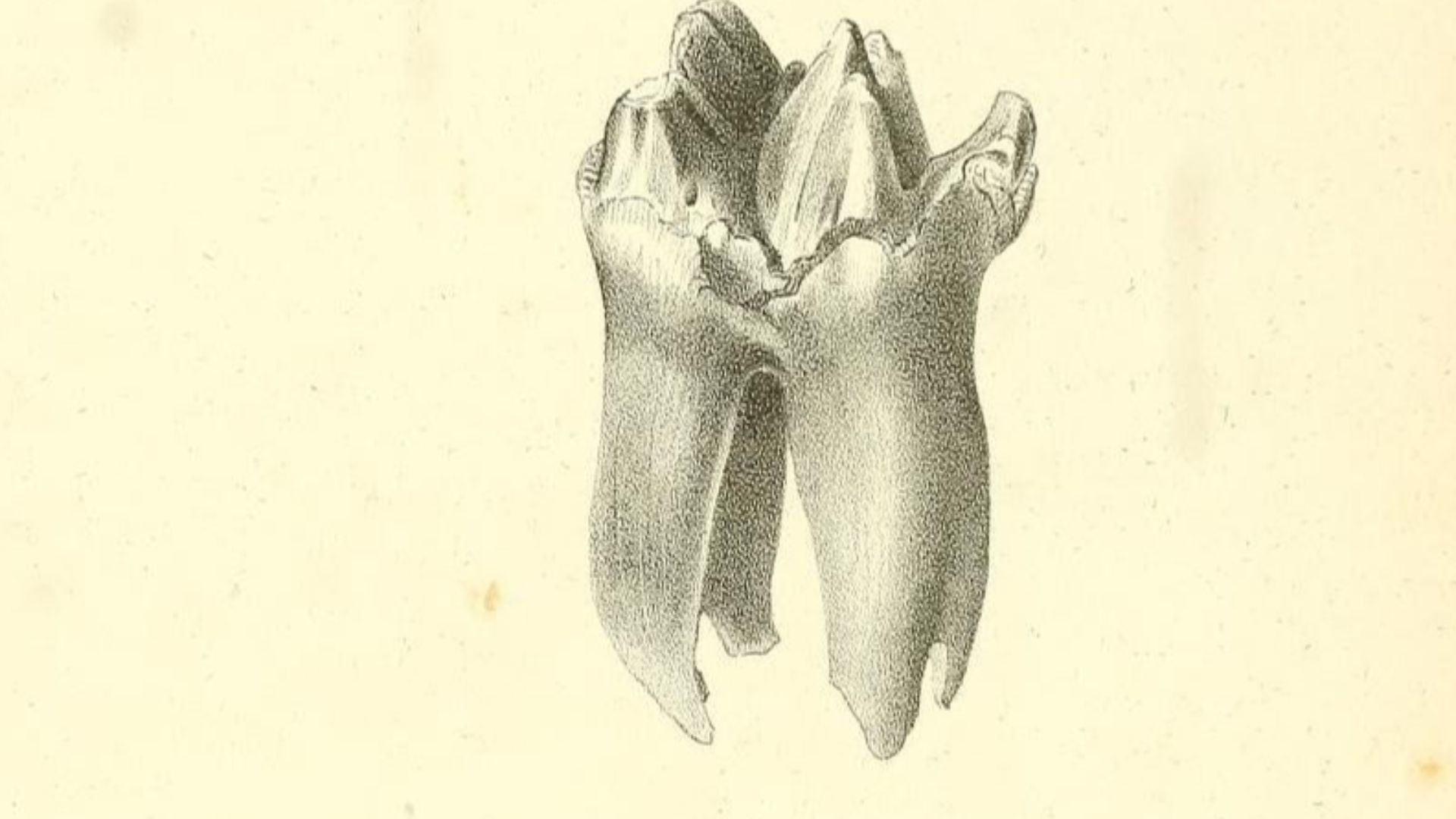
Paleontologists later examined the find and confirmed that it was not a rock at all. It was an intact molar from an adult Pacific mastodon. The identification transformed a curious creek-bed object into one of the region's most striking recent fossil finds.
 Heinrich Harder (1858-1935), Wikimedia Commons
The Tooth Was About Nine Inches Long
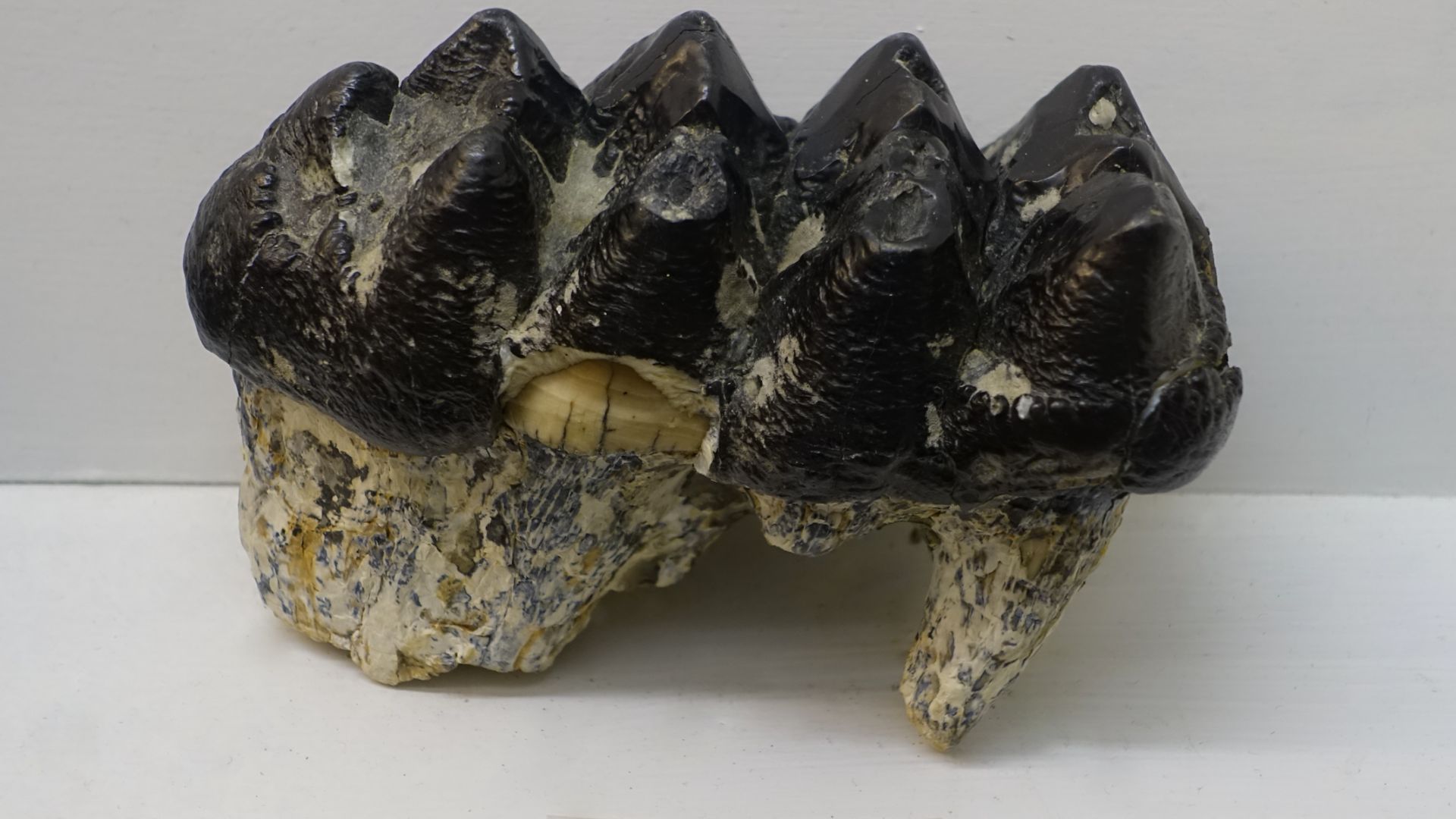
The molar measures roughly nine inches from end to end. Both its crown and root survived, giving scientists an unusually complete specimen to study. Its enormous size makes sense when you consider the animal it once belonged to.
Its Condition Was Remarkable
Paleontologist Wayne Thompson described the tooth as being in immaculate condition. He called it the most complete mastodon molar he had seen from the area. For a fossil that spent thousands of years in the landscape, that level of preservation immediately made it scientifically valuable.

Its Exact Age Is Still A Mystery
News reports have described the tooth as at least 10,000 years old, but that age is still an estimate. Stanford is preserving the fossil for carbon dating that could establish a more precise age. Until those results are available, scientists cannot say exactly when this particular mastodon lived.
 King of Hearts, Wikimedia Commons
Meet The Pacific Mastodon
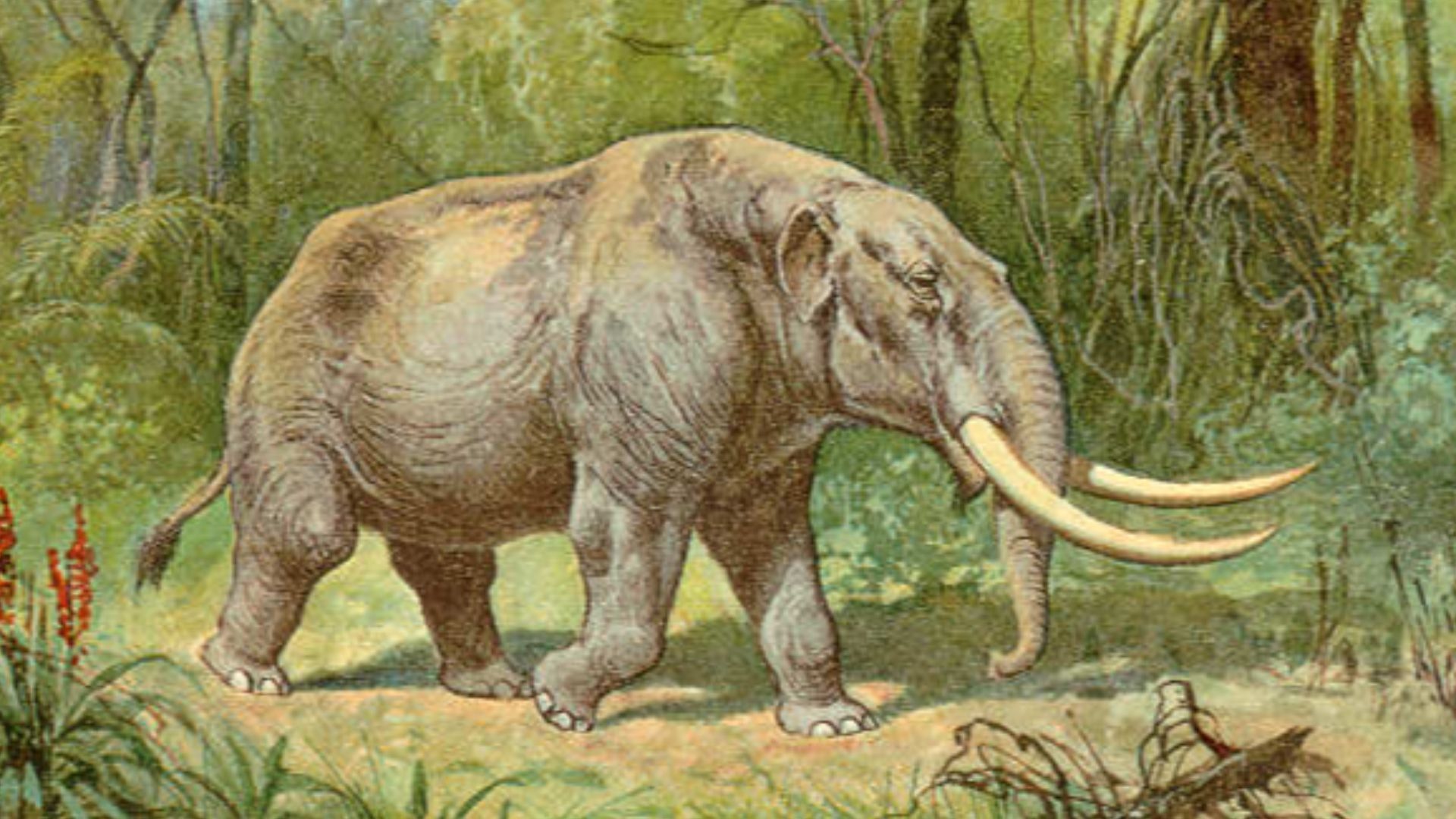
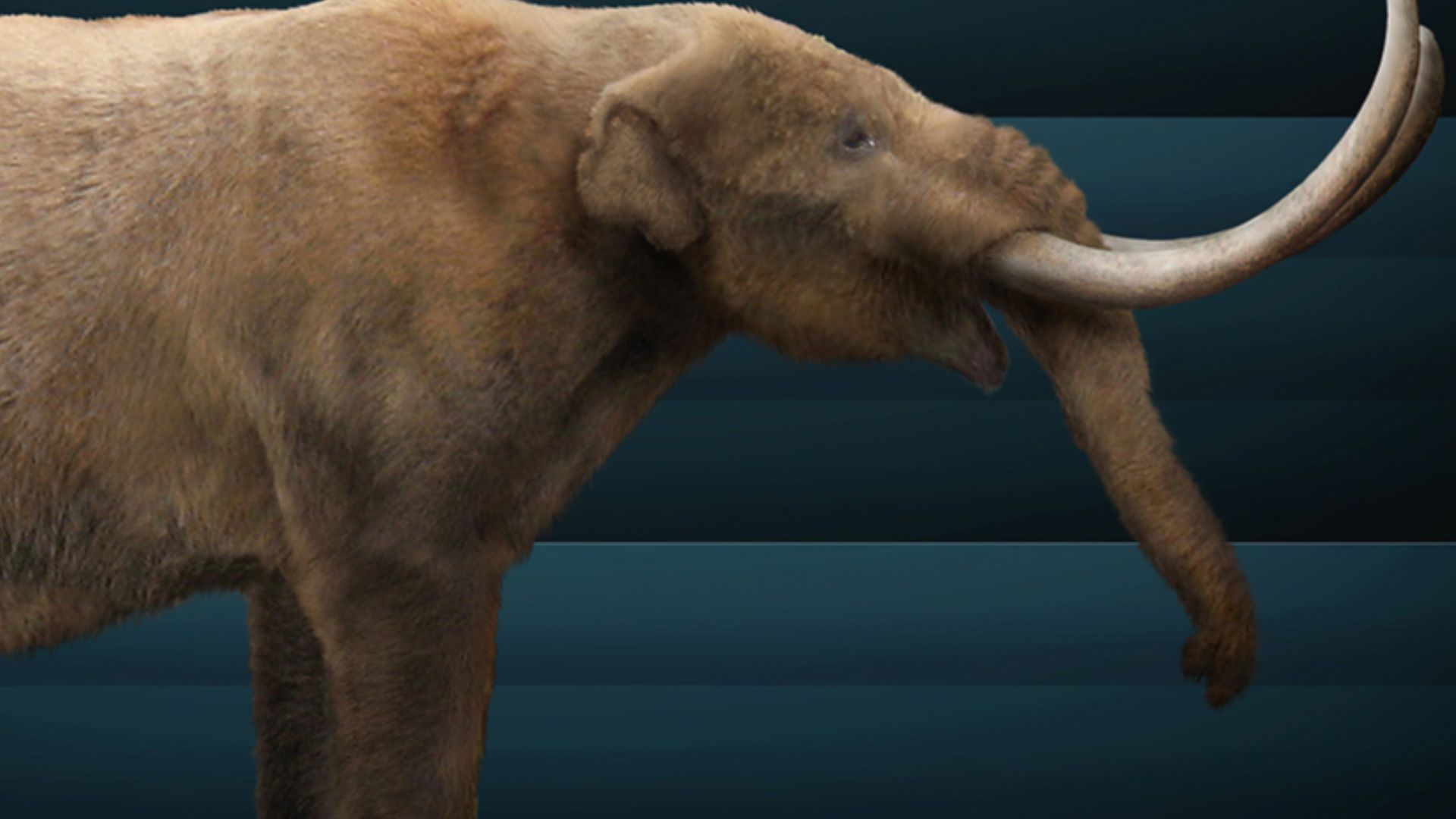
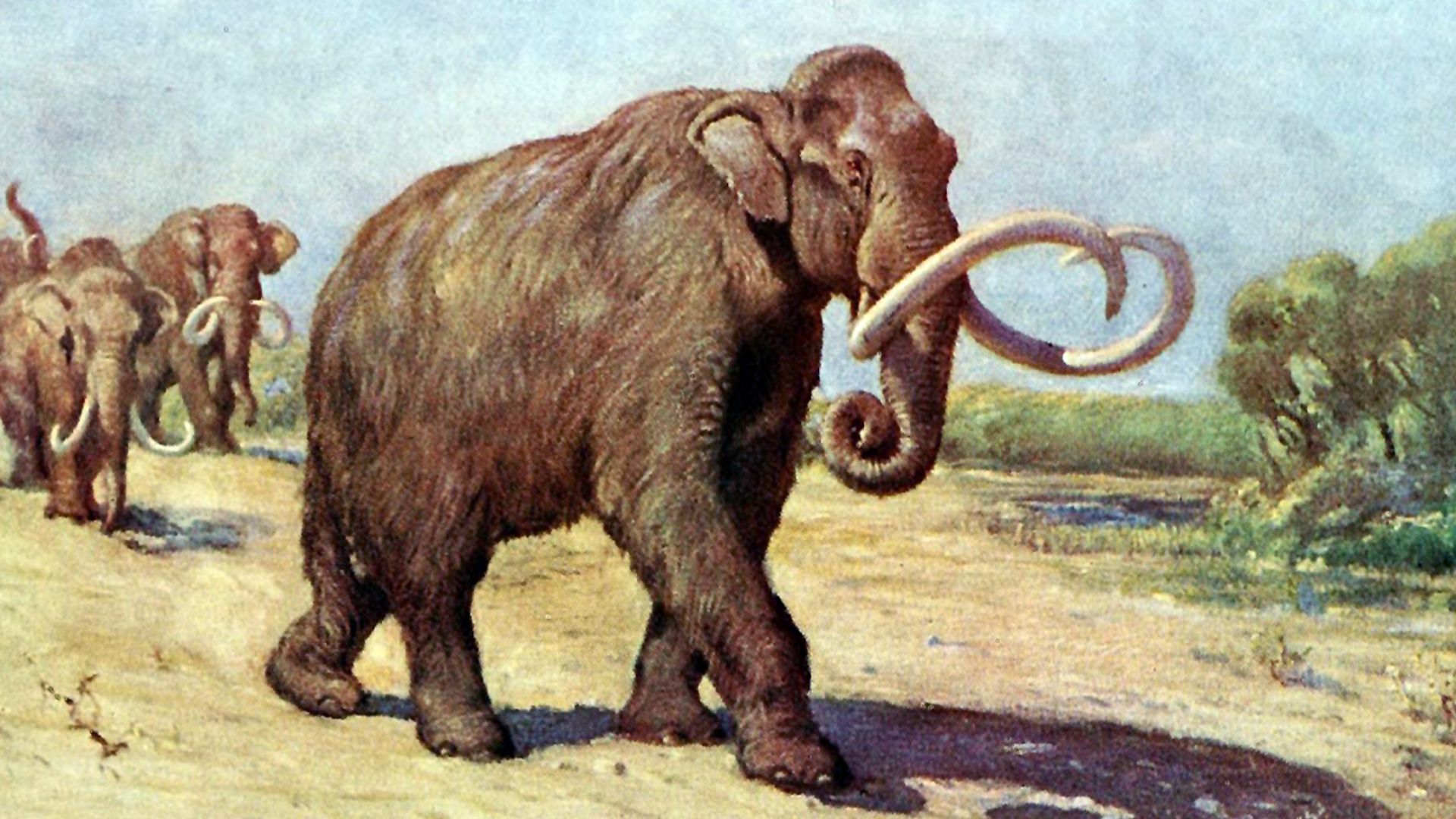
The tooth belonged to Mammut pacificus, better known as the Pacific mastodon. These huge herbivores lived across parts of western North America during the Pleistocene. Remarkably, scientists only formally recognized them as a separate mastodon species in 2019.
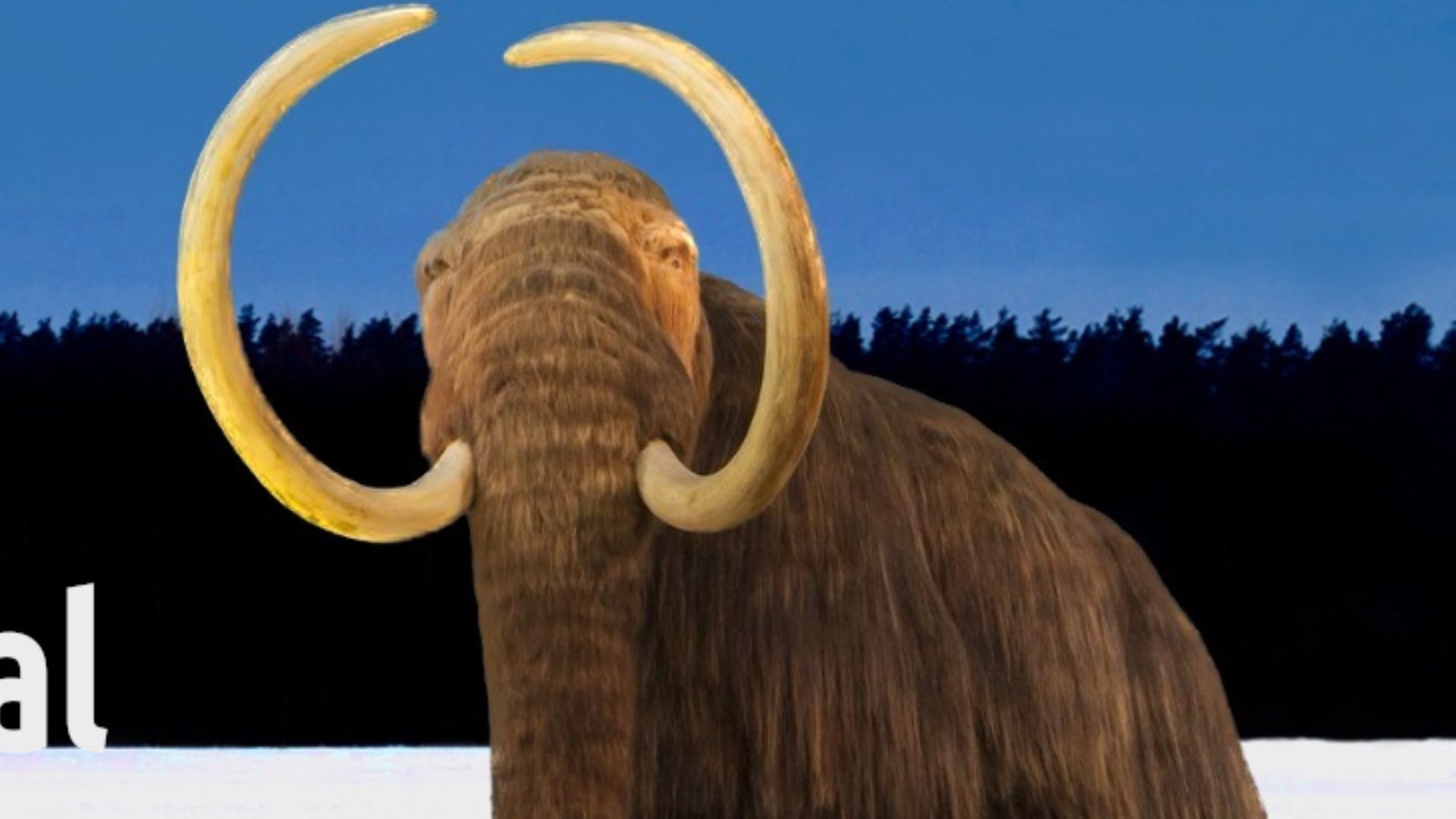
Scientists Used To Call It Something Else
For generations, mastodon fossils from California were generally assigned to the American mastodon, Mammut americanum. A major 2019 study showed that the western animals were different enough to deserve their own species. Researchers named that newly recognized animal Mammut pacificus.
 Sergiodlarosa, Wikimedia Commons
Its Teeth Helped Reveal The Difference
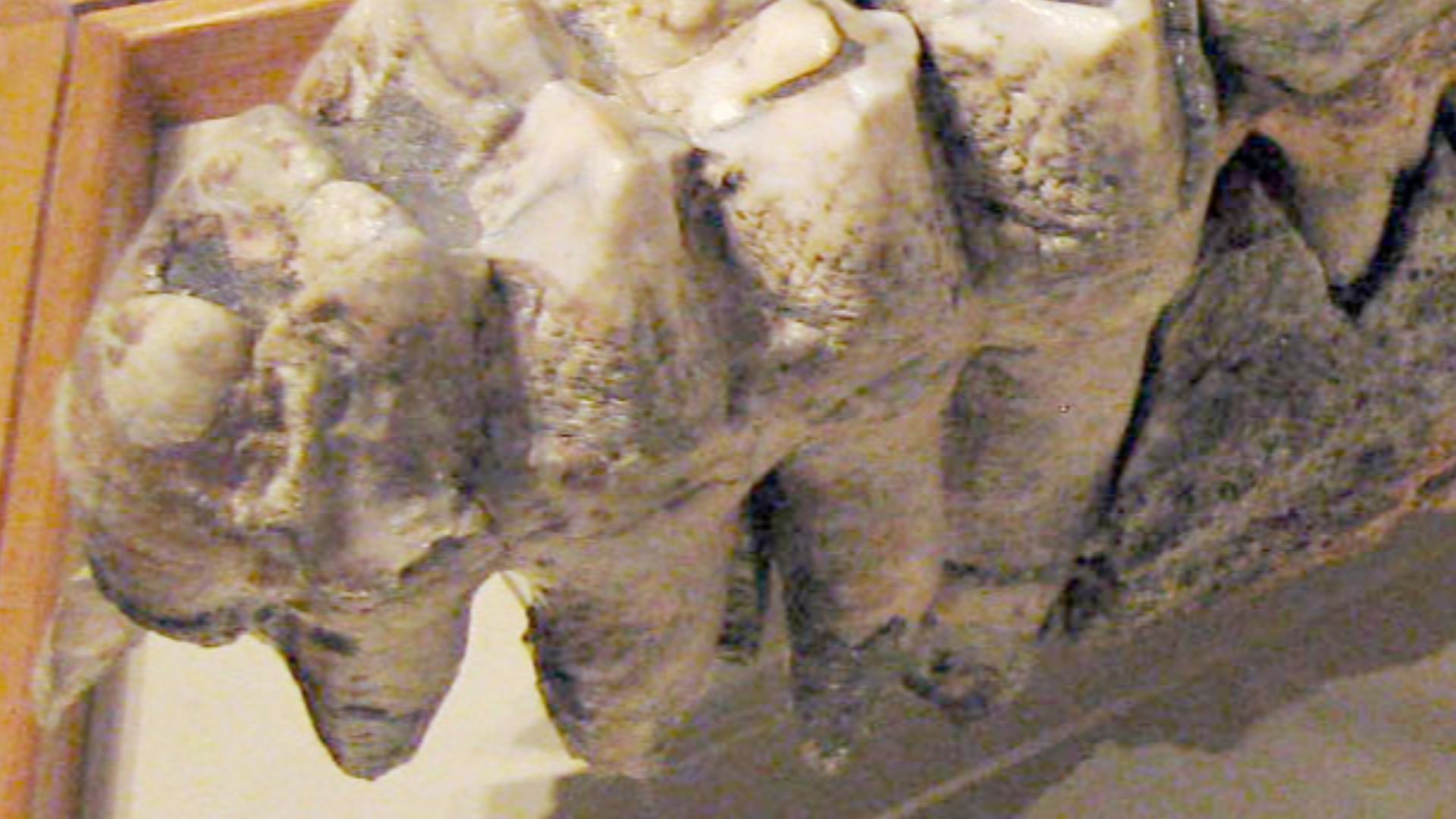
One clue came directly from the animals' mouths. Pacific mastodons generally had narrower molars than American mastodons, particularly their third molars. Researchers also found differences in their leg bones, vertebrae, and tusks.

California Had Its Own Mastodon
The 2019 study reached another striking conclusion. All known Pleistocene mastodon remains from California examined by the researchers matched the Pacific mastodon rather than the American species. In other words, California's familiar Ice Age mastodons appear to have been Mammut pacificus.
 Michelle Maria, Wikimedia Commons
Mastodons Weren't Mammoths
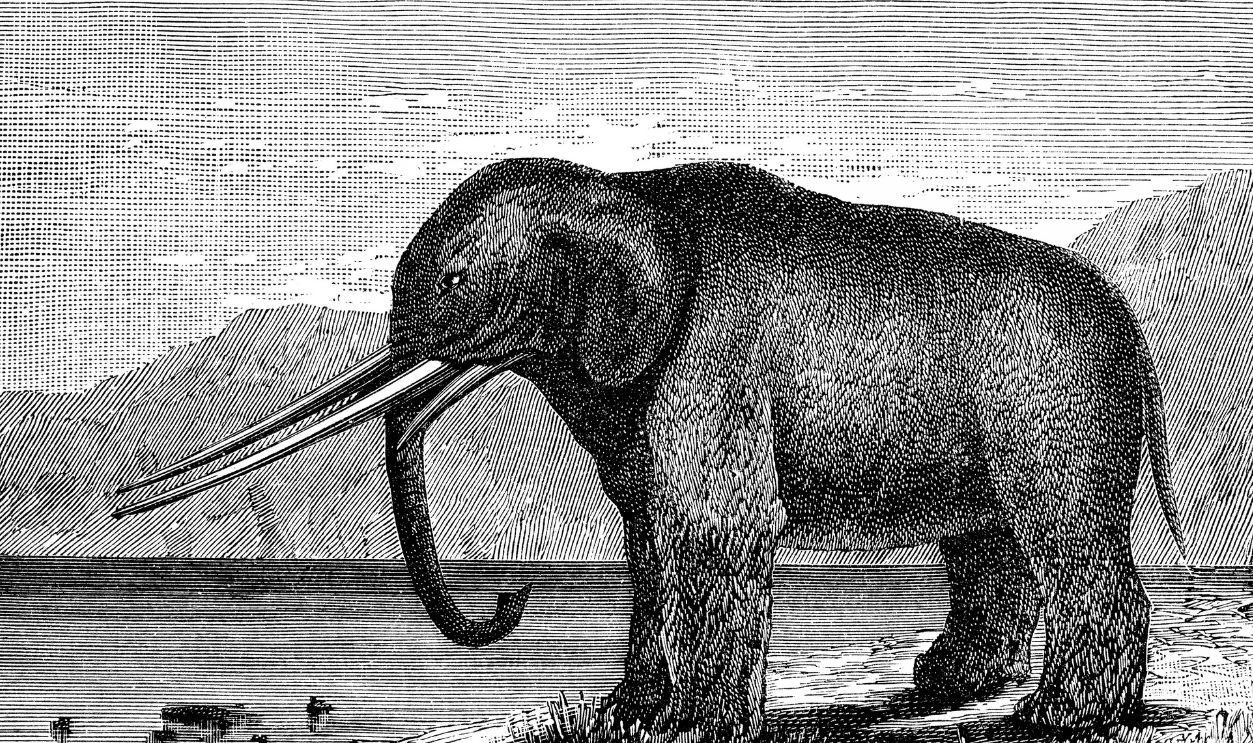
Mastodons and mammoths are often treated as interchangeable Ice Age giants, but they were different animals. Mammoths are more closely related to modern elephants than mastodons are. One of the easiest ways to see the difference is to look at their teeth.
 Morphart Creation, Shutterstock
Their Molars Were Built Differently
Mammoths had broad teeth with ridged surfaces that worked well for grinding grasses. Mastodon molars had large rounded cusps suited to crushing softer and woodier vegetation. Those dental differences reveal two animals using the landscape in very different ways.
 Jstuby at English Wikipedia, Wikimedia Commons
Mastodons Preferred Leaves And Twigs
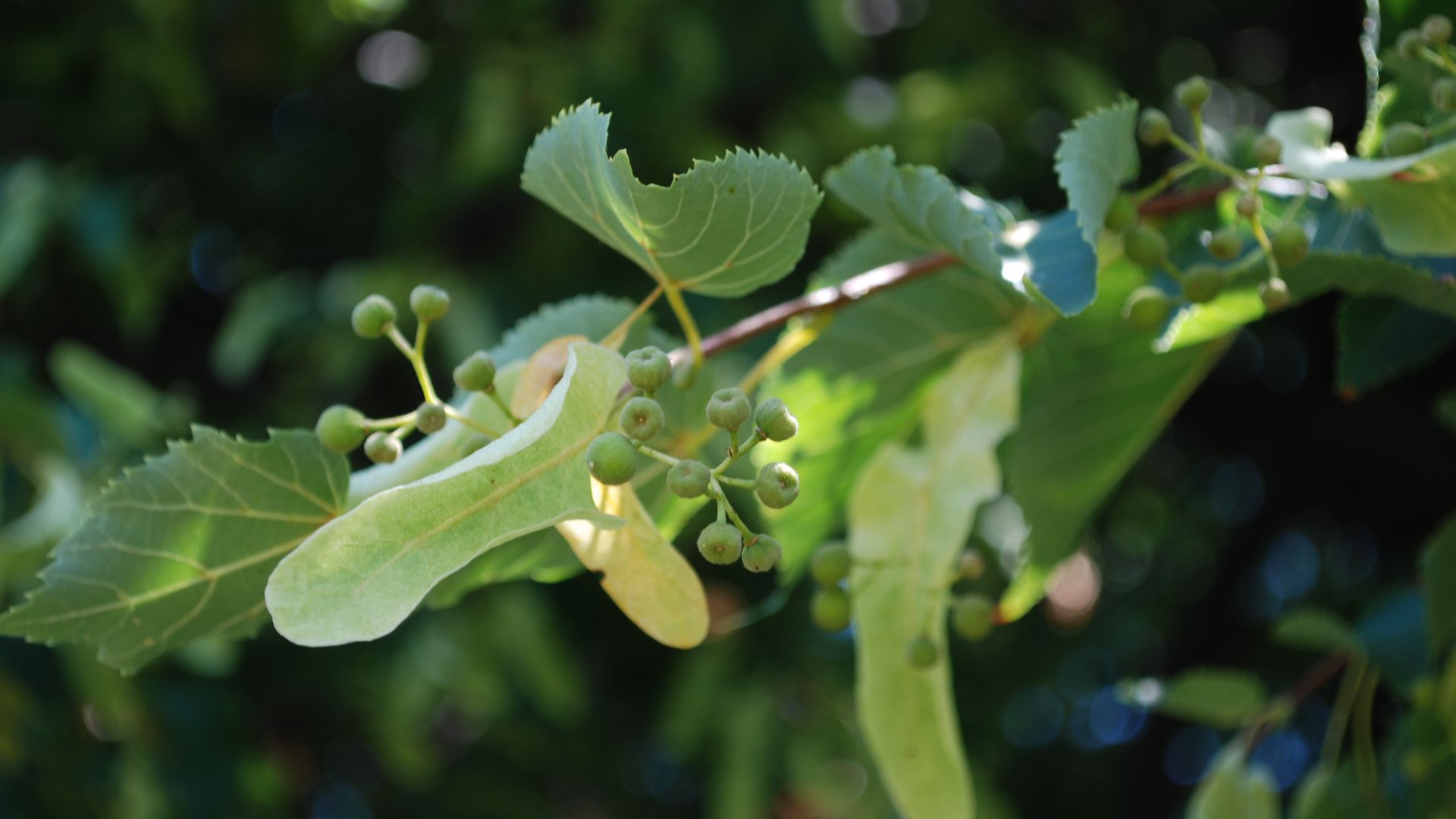
Pacific mastodons were browsers rather than dedicated grass grazers. They fed on vegetation such as leaves, shoots, and other material from trees and shrubs. Stanford researchers describe them as animals associated with leafy, shaded environments around waterways.
 Radu Ana Maria, Wikimedia Commons
That Makes The Creek Setting Interesting
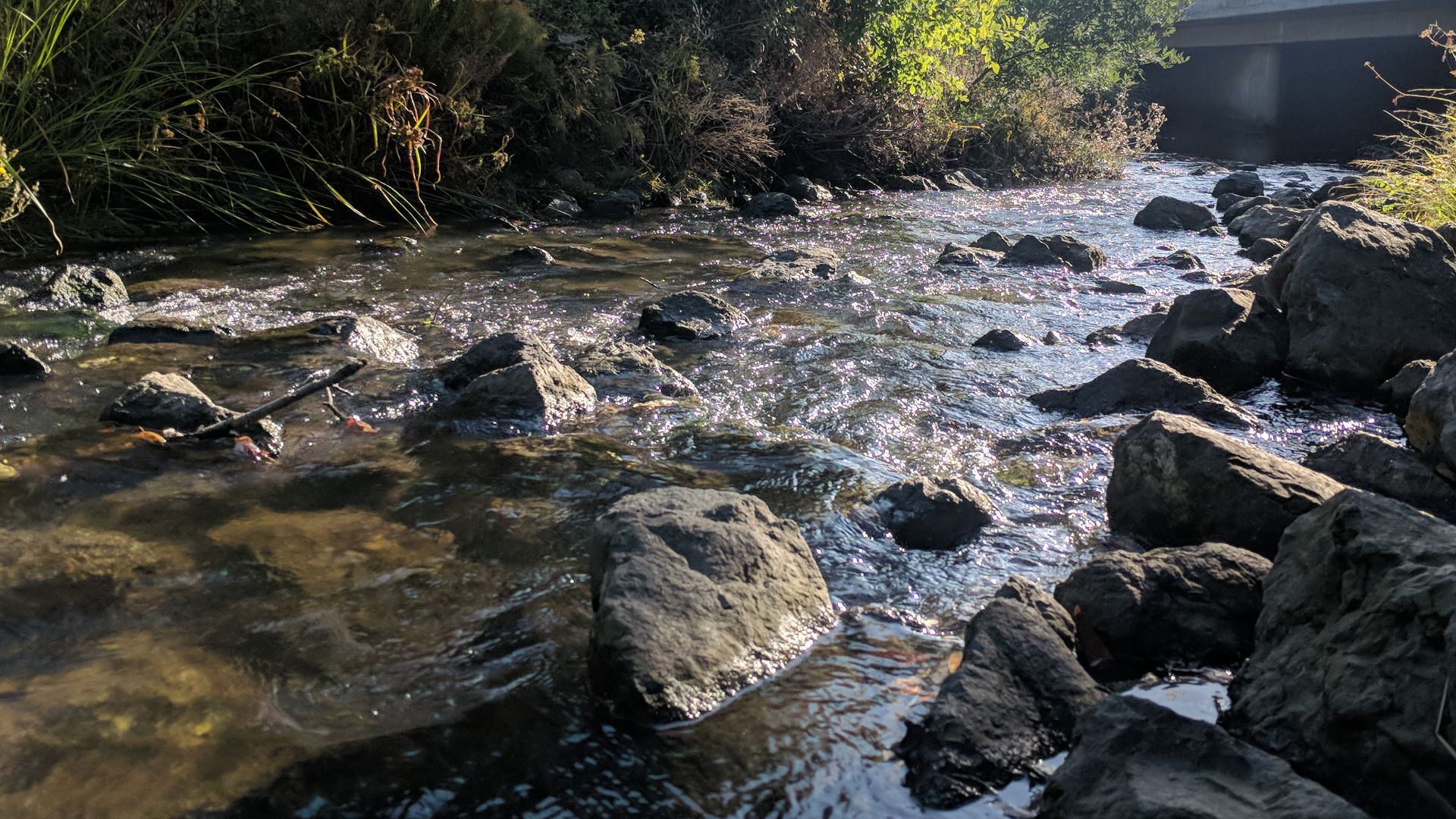
The newly discovered tooth was found in a modern creek running through the forests of San Mateo County. Scientists cannot assume the animal died at that exact spot, since fossils can move through landscapes over time. Still, the watery, wooded setting makes the discovery feel remarkably appropriate for an animal associated with riparian vegetation.
 mliu92 from San Mateo, Wikimedia Commons
California Looked Very Different Then
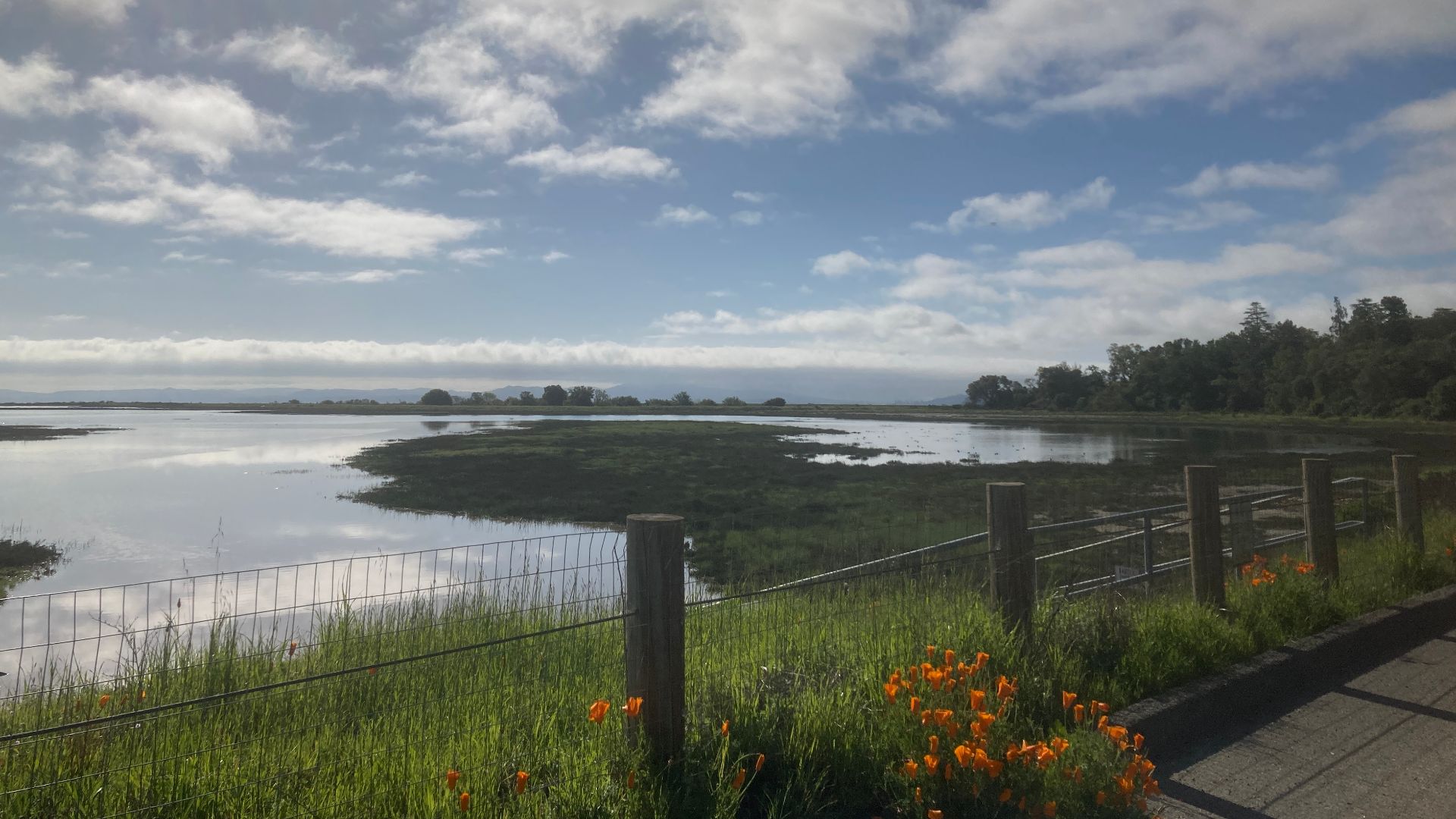
The Bay Area near the end of the Pleistocene was not the landscape travelers recognize today. Sea levels were lower during glacial periods, and large areas now underwater were exposed. The region supported an extraordinary collection of giant mammals that later disappeared.
 Terrygraham415, Wikimedia Commons
Mastodons Had Some Enormous Neighbors
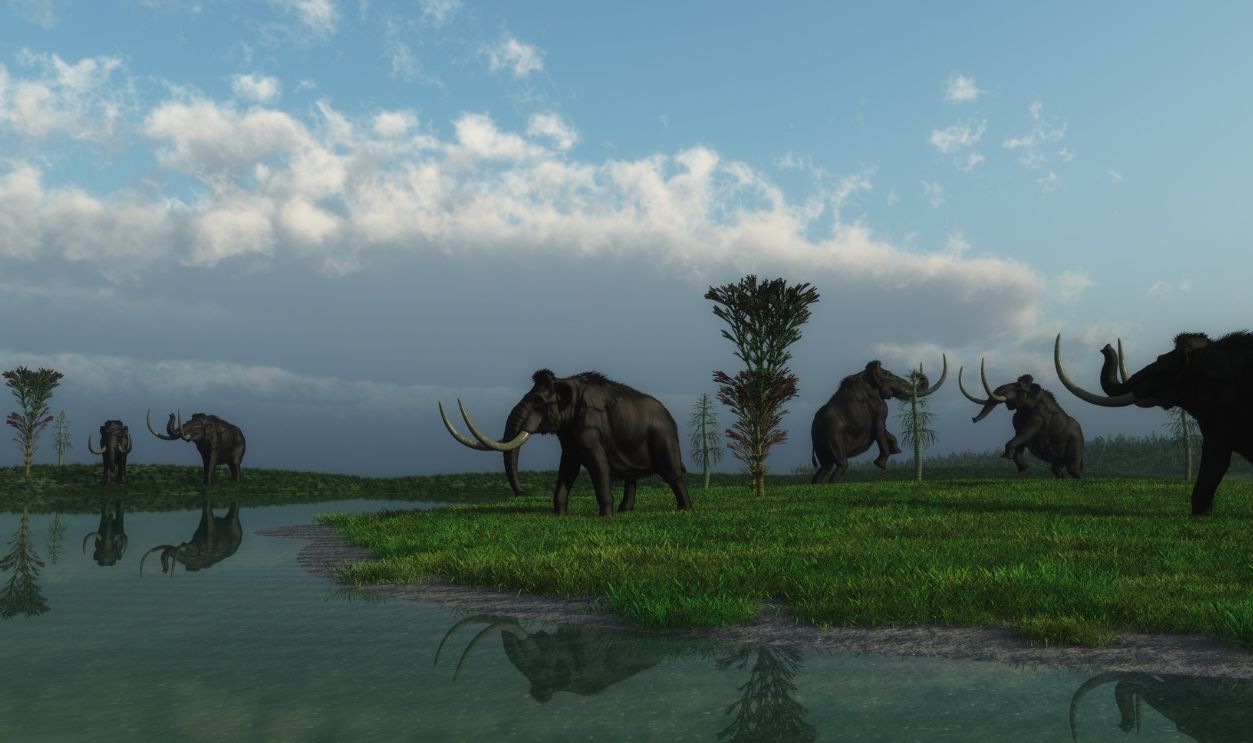
Pacific mastodons shared prehistoric California with other megafauna. Columbian mammoths, giant ground sloths, ancient camels, and other large mammals inhabited the state during the Pleistocene. California's fossil record preserves glimpses of a wildlife community almost impossible to imagine today.
 Charles Robert Knight, Wikimedia Commons
The Species Survived For A Very Long Time
Mastodons occupied North America for an immense stretch of prehistoric time. Pacific mastodons were part of the continent's Pleistocene ecosystems before disappearing near the end of the epoch. Their extinction formed part of the broader loss of many large North American mammals around the close of the Ice Age.
California Has Found Them Before
This San Mateo County molar is exceptional, but it is not California's first Pacific mastodon fossil. Scientists have identified specimens from numerous locations around the state. Some California fossils originally labeled as American mastodons were later reassigned after Mammut pacificus was recognized.
 Chris Light, Wikimedia Commons
Another Tooth Appeared On A Beach
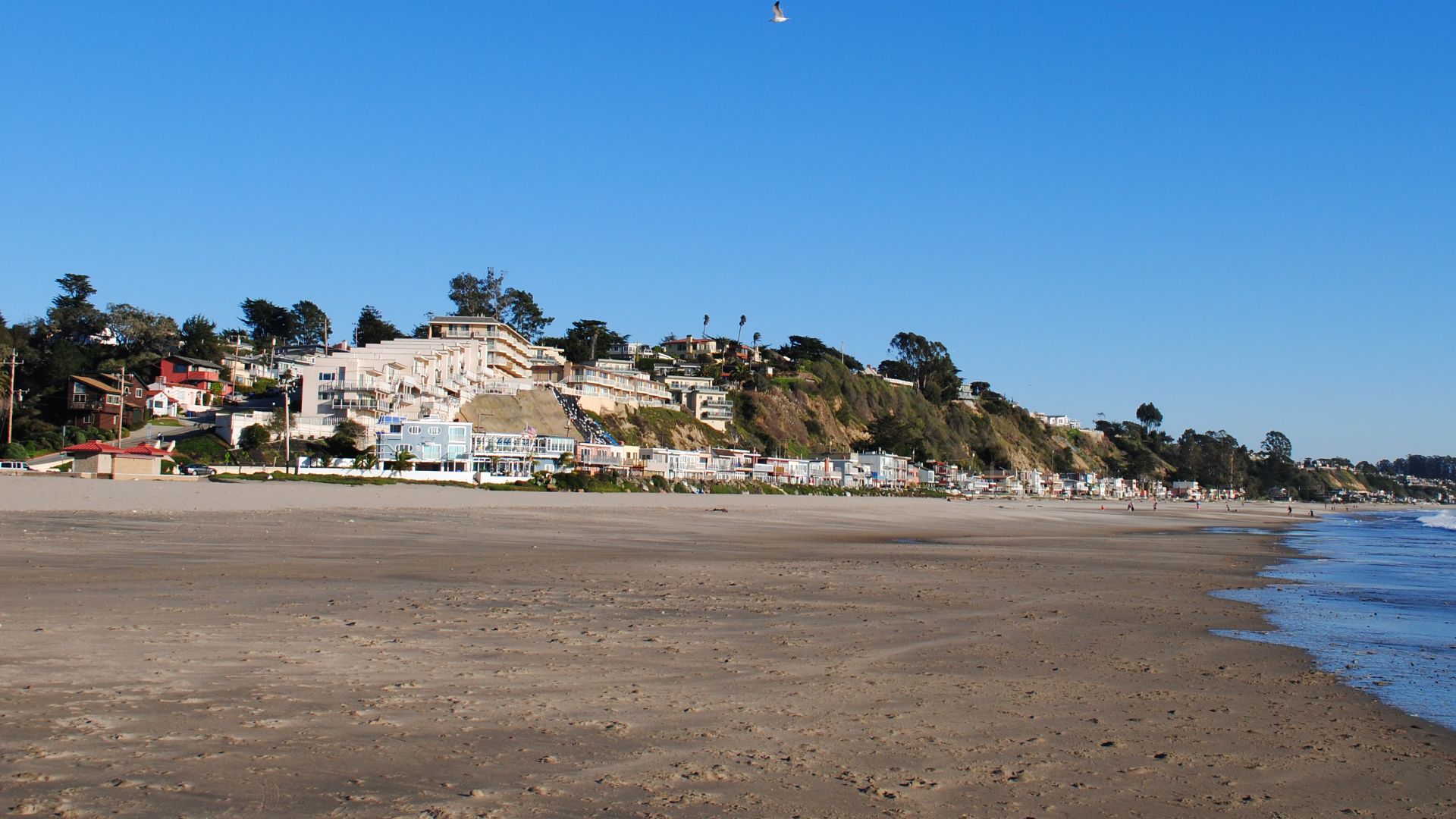
A particularly memorable discovery happened near Santa Cruz in 2023. A woman spotted a large object protruding from the sand at Rio Del Mar State Beach and posted a photograph online seeking help identifying it. Paleontologist Wayne Thompson recognized that object as another Pacific mastodon molar.
This Tooth Was Different
The Santa Cruz specimen attracted attention partly because of its enormous size, but the newer San Mateo County find stands out for its completeness and preservation. Thompson described the creek tooth as the most complete mastodon molar he had encountered from the region. That makes it useful for more than simply confirming that mastodons once lived there.
 Warren, John Collins, Wikimedia Commons
The Exact Location Is Being Kept Secret
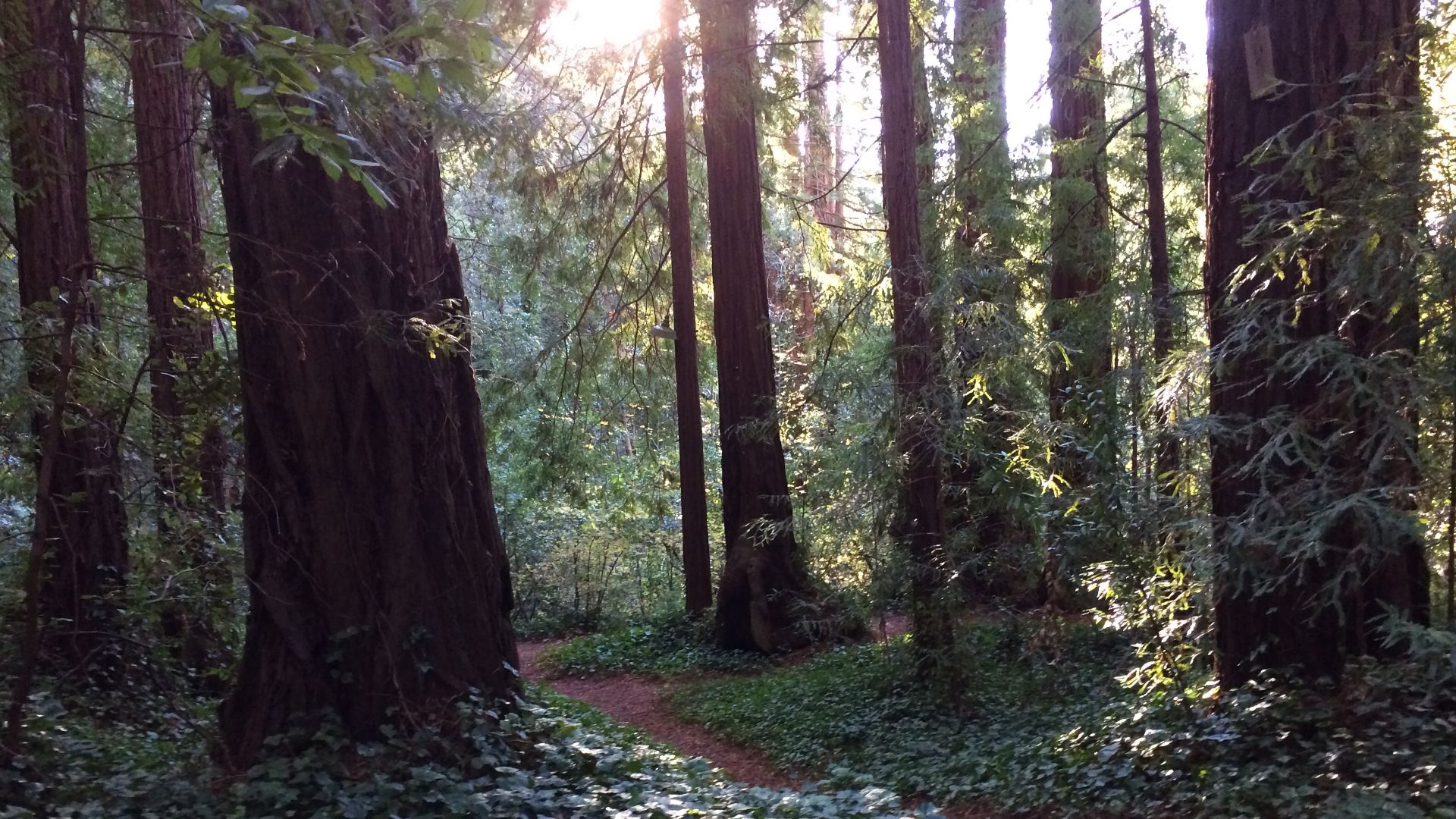
Midpen has not revealed precisely which creek produced the fossil. Officials do not allow visitors to search waterways for fossils and want to avoid encouraging people to disturb the preserve. So curious fossil hunters will have to settle for knowing it came from the redwood forests of San Mateo County.
 BrennodAloisi, Wikimedia Commons
The Tooth Went To Stanford
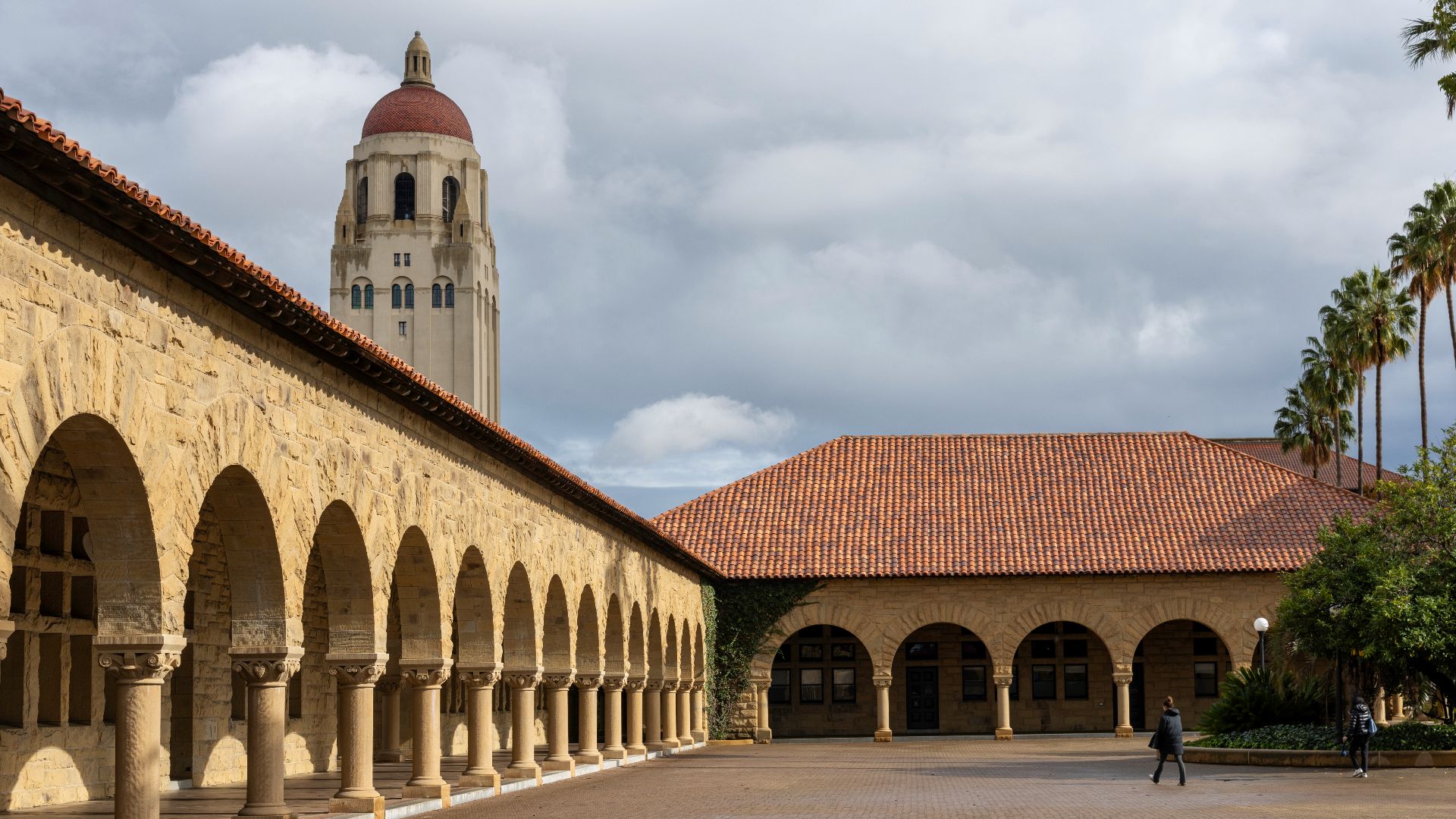
Midpen donated the fossil to Stanford University for preservation and research. It became part of Stanford's Geoscience Specimen Collection, where researchers can study it alongside other geological and paleontological material. Its arrival at the university opened the door to much more detailed analysis.
Stanford Created A Digital Copy
Researchers have already used 3D imaging to capture the tooth's shape in extraordinary detail. Stanford's Digitization Services Lab created a digital scan and produced a physical print for teaching and outreach. That allows people to examine the specimen without repeatedly handling the fragile original.

One Tooth Can Reveal A Surprising Amount
Researchers hope further study can help place this individual mastodon within the Bay Area's ecological history. Fossils can provide evidence about where extinct species lived, what environments they occupied, and when they disappeared. Even one unusually complete tooth can add another piece to that much larger picture.

The Discovery Connects Past And Present
There is a striking coincidence behind the entire story. Lynch found the remains of an extinct giant while working on a project intended to protect a threatened animal living today. Midpen and Stanford researchers have pointed to the fossil as a reminder of how dramatically ecosystems can change over time.
 National Institute of Allergy and Infectious Diseases, Unsplash
The Creek Had Been Hiding An Ice Age Secret
Nothing about Lynch's assignment suggested she was about to make a major fossil discovery. She simply noticed one object that looked wrong among thousands of ordinary rocks and decided to take a closer look. More than 10,000 years after a Pacific mastodon roamed California, one of its enormous teeth suddenly brought that vanished world back into view.
You May Also Like:
Four Giant Footprints Were Found In North Dakota—And Scientists Think An Adult T. Rex Made Them
A Fossil Hunter Discovered A 201-Million-Year-Old Jurassic “Sea Dragon” On A Welsh Beach
Tasmanian Devils Lived Alongside Humans 45,000 Years Ago—And May Have Cleaned Up Their Camps