Tasmanian Devils Were Hanging Around Human Camps
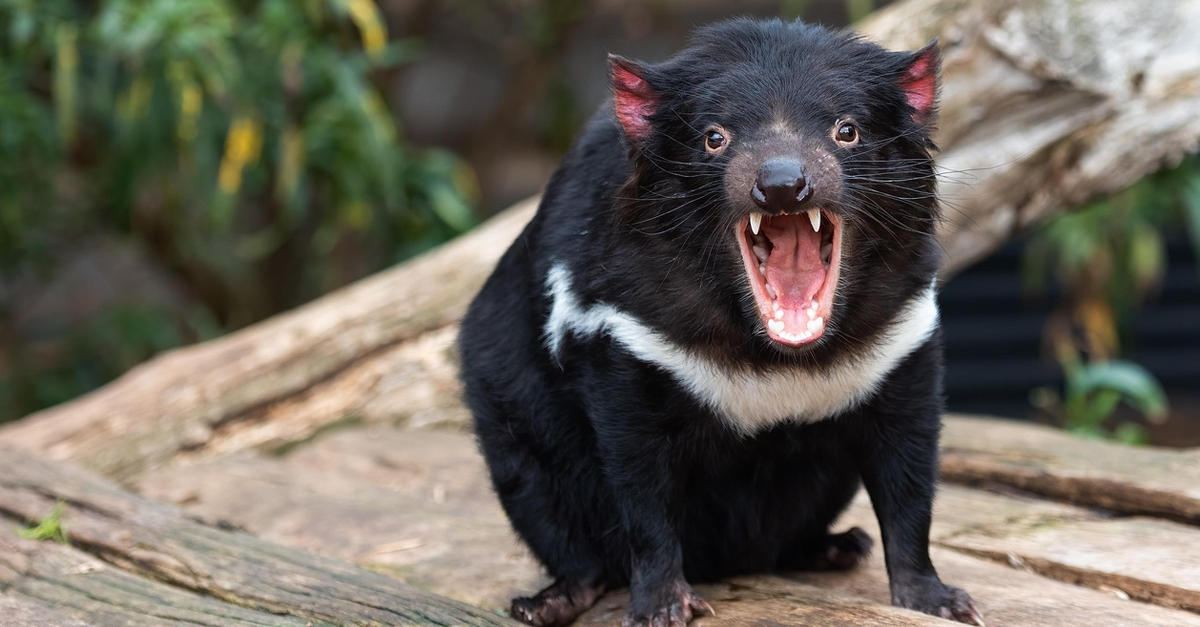
Tasmanian devils seem like one of Australia’s most distinctly Tasmanian animals. But 45,000 years ago, they were roaming northwestern Australia and living close to some of the continent’s earliest known human communities. New evidence suggests they may even have been scavenging scraps from people’s camps, effectively cleaning up whatever humans left behind.
The Evidence Came From Juukan Gorge
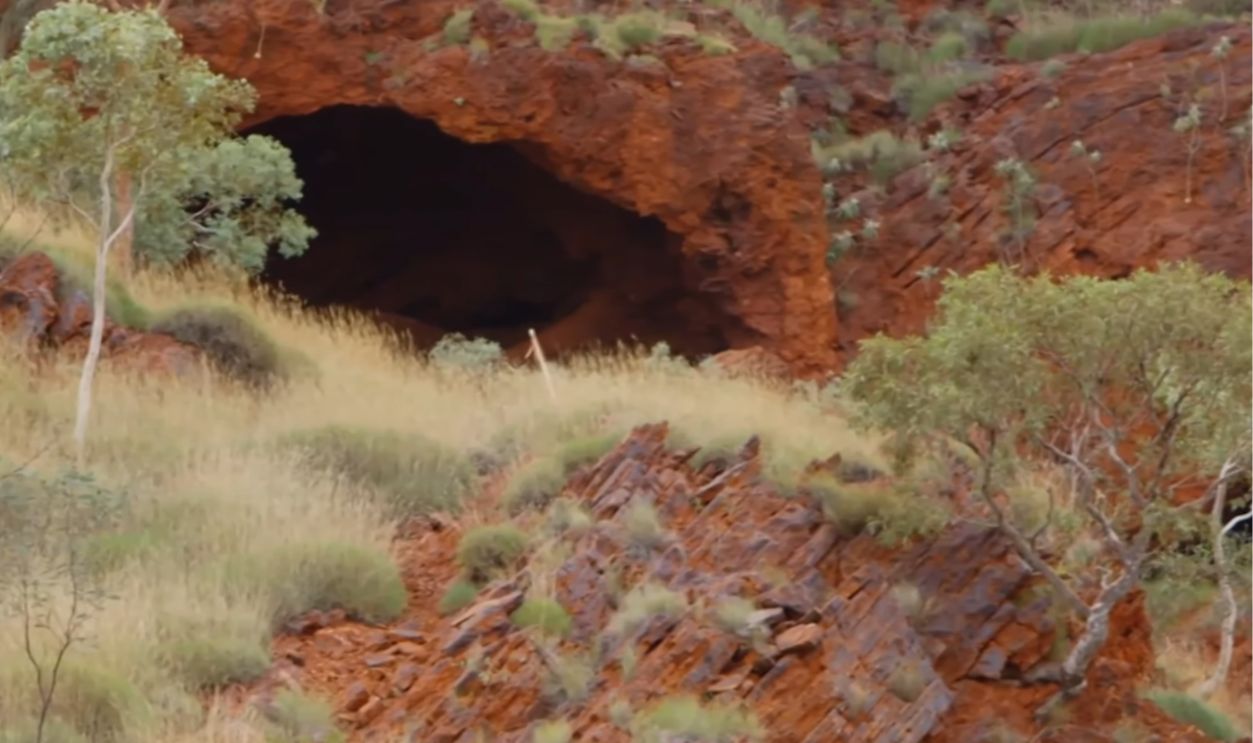
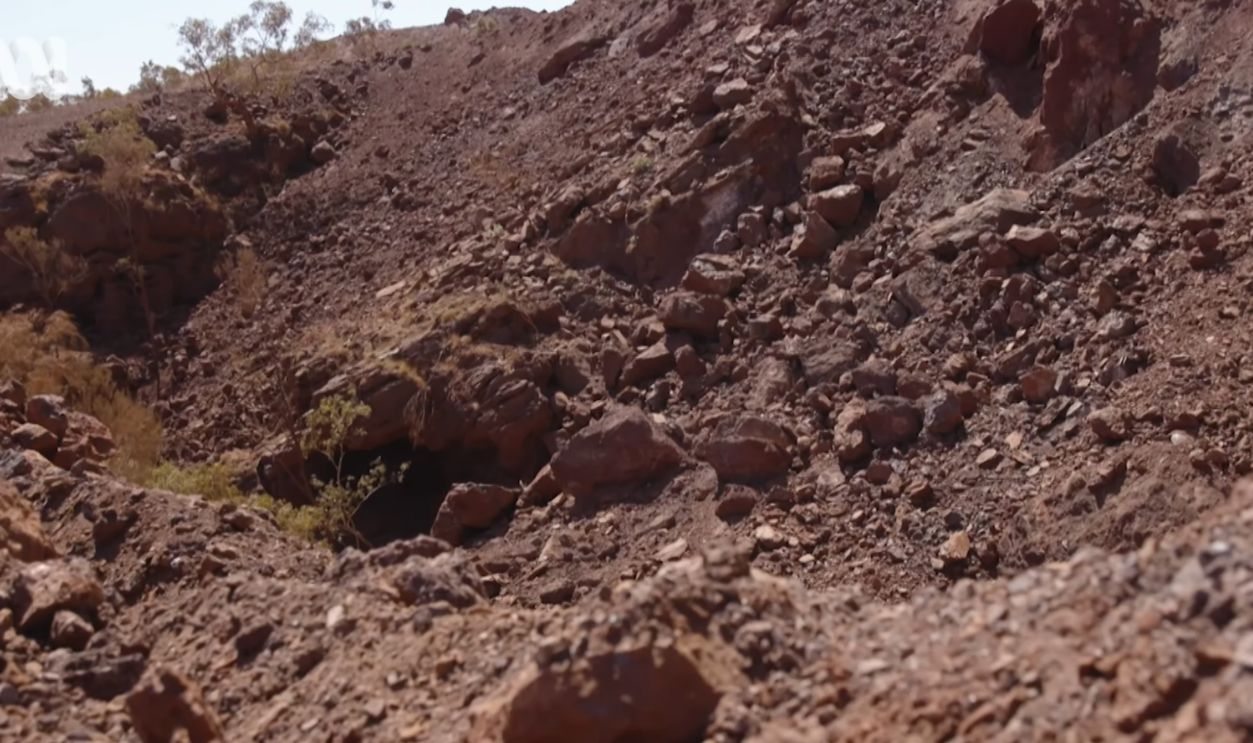
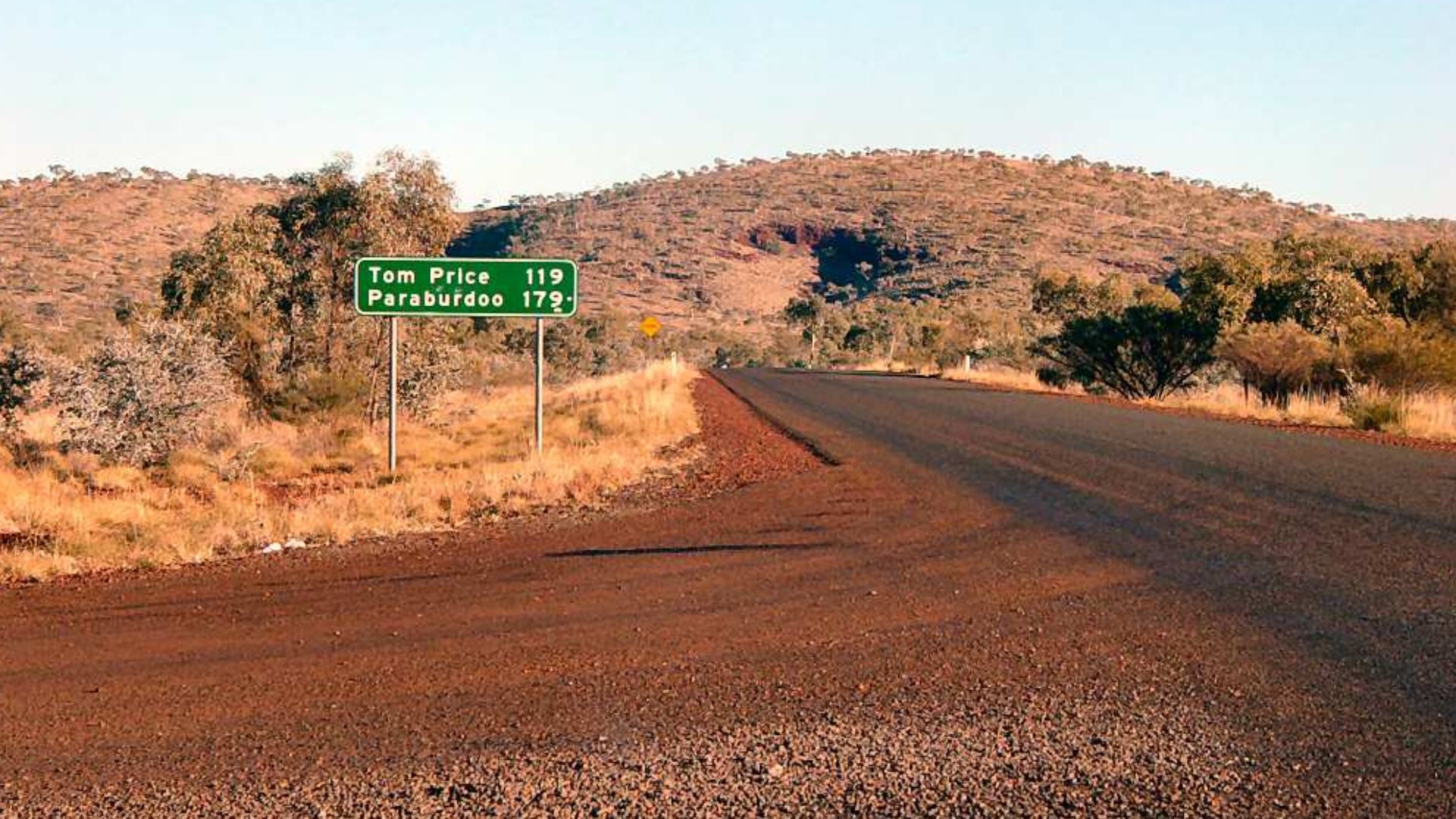
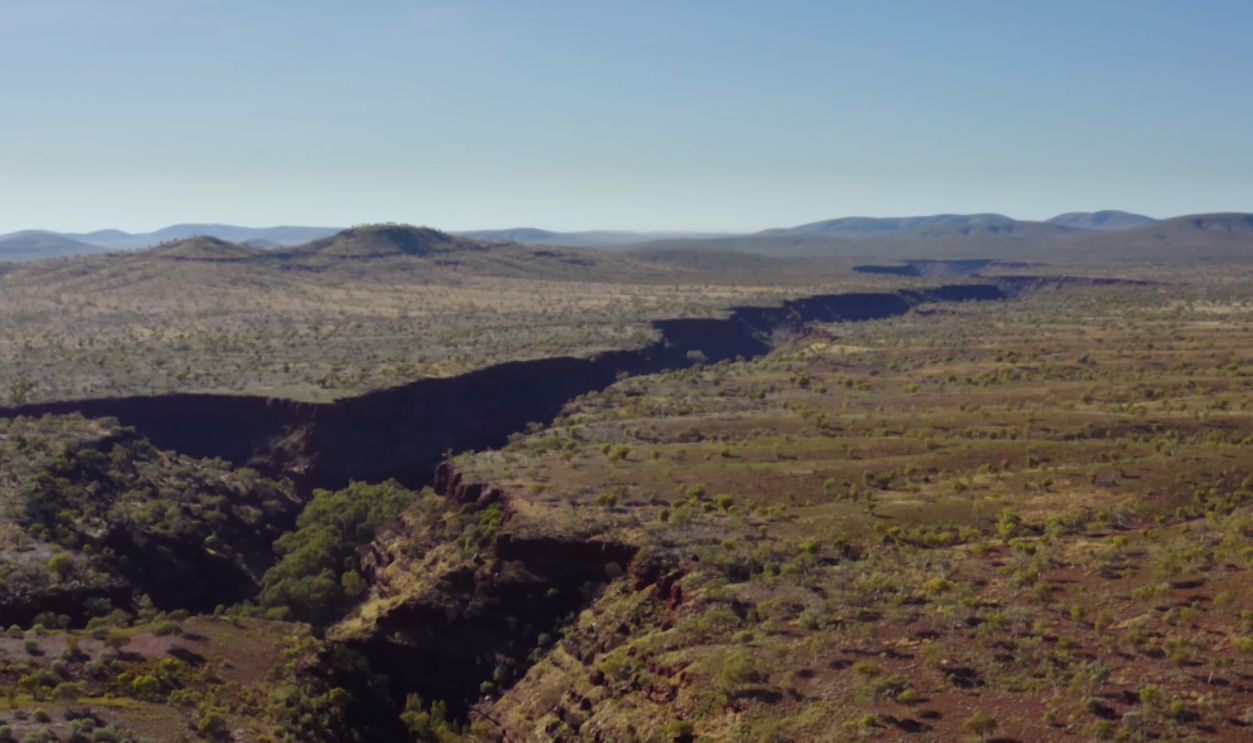
The discovery comes from Juukan 2, a rockshelter in Western Australia’s Pilbara region on Puutu Kunti Kurrama and Pinikura Country. Archaeological evidence shows people were using the shelter as early as 47,000 years ago. Its deposits preserve an unusually long record of human activity, animals, technology, and environmental change.
 Screenshot from ABC News (Australia), Australian Broadcasting Corporation (1932–)
One Tiny Tooth Changed The Story
Among the finds was part of a Tasmanian devil premolar recovered deep within the shelter. The sediment containing it was dated to between roughly 42,500 and 47,100 years ago. That makes it the first unequivocal evidence that Tasmanian devils once inhabited the Pilbara.
 Screenshot from ABC News (Australia), Australian Broadcasting Corporation (1932–)
People Were Already There
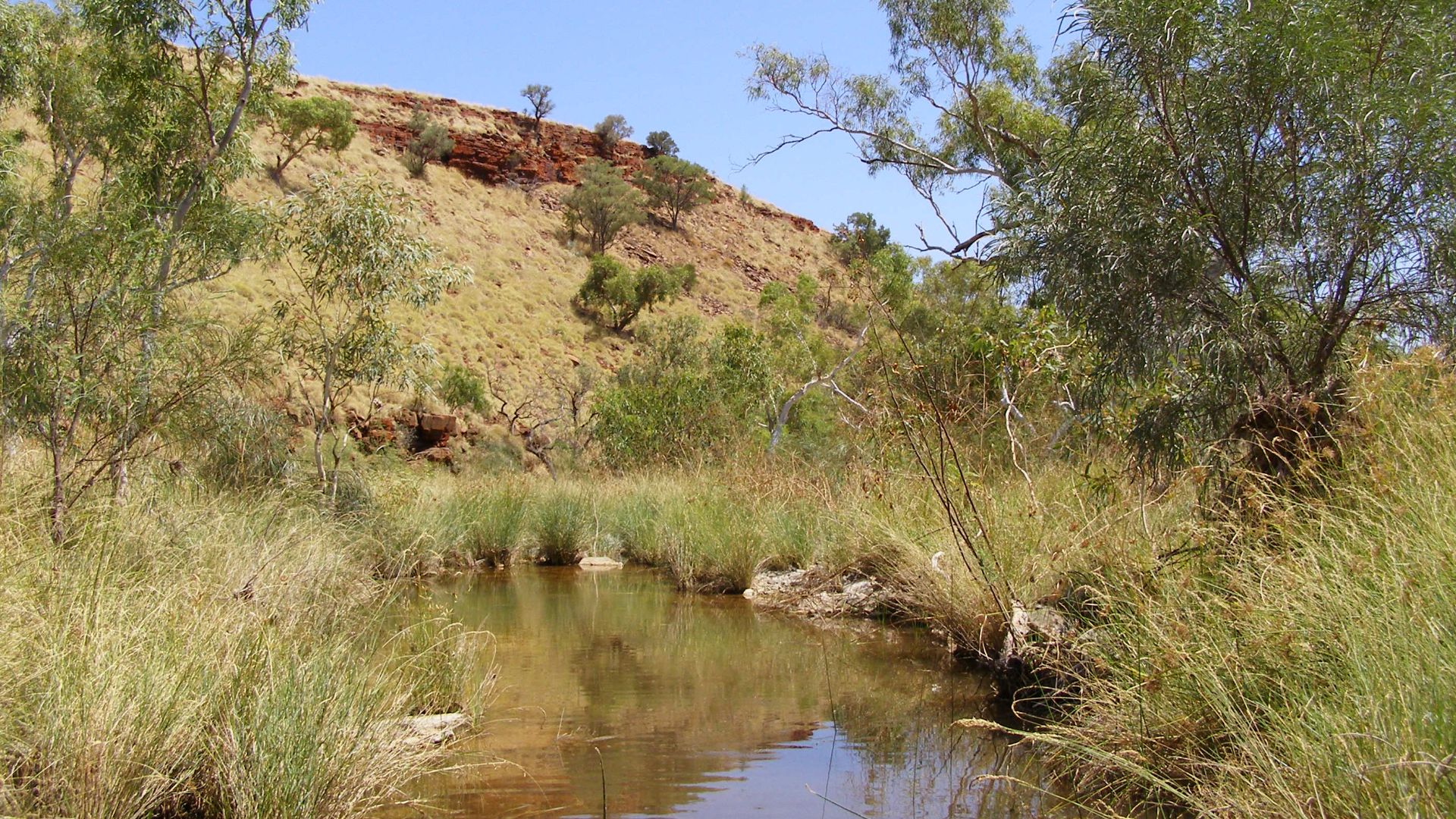
The age of the tooth overlaps closely with the earliest evidence for people at Juukan 2. Research published in 2024 placed human occupation of the western Hamersley Plateau as early as 47,000 years ago. Humans and devils were therefore using the same landscape at roughly the same time.
 Barry T Coles at English Wikipedia, Wikimedia Commons
Another Devil Appeared Thousands Of Years Later
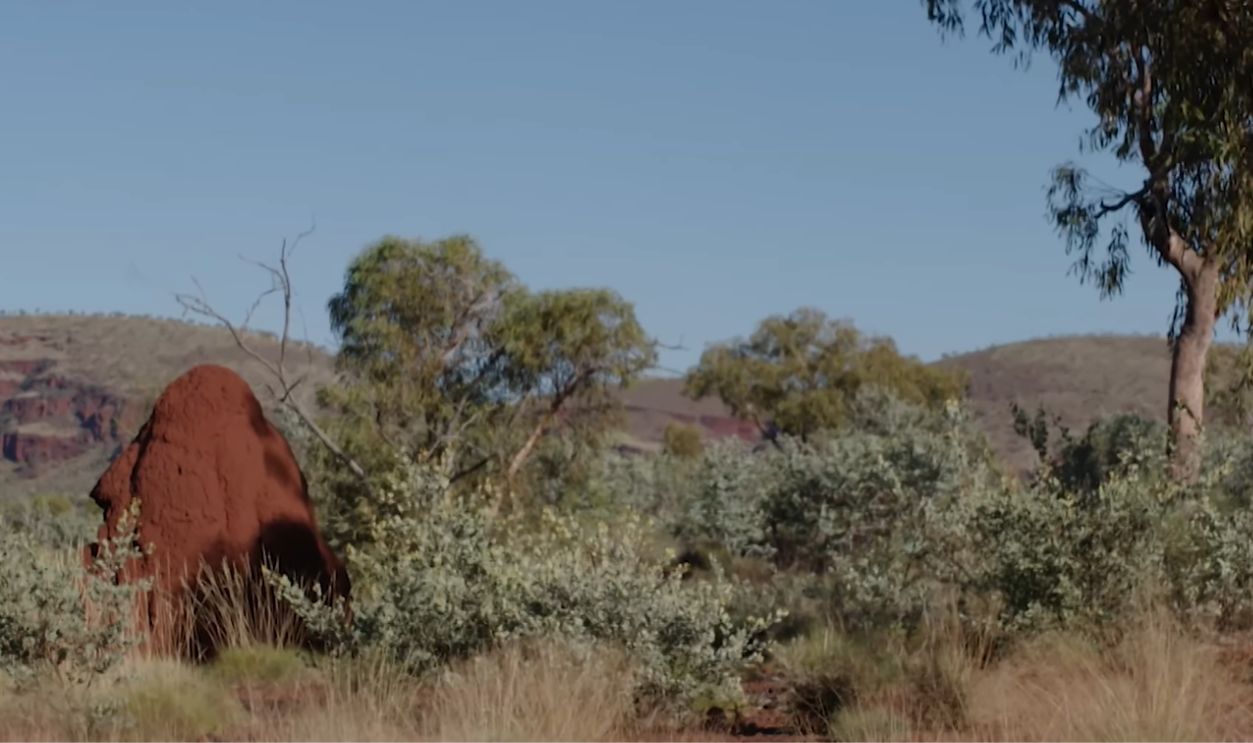
The ancient tooth was not the only direct devil fossil recovered from the shelter. Researchers also identified part of a lower jaw containing two molars in much younger deposits. Sediment surrounding that specimen dates to between approximately 6,900 and 7,300 years ago.
 Screenshot from ABC News (Australia), Australian Broadcasting Corporation (1932–)
That Is A Huge Span Of Time
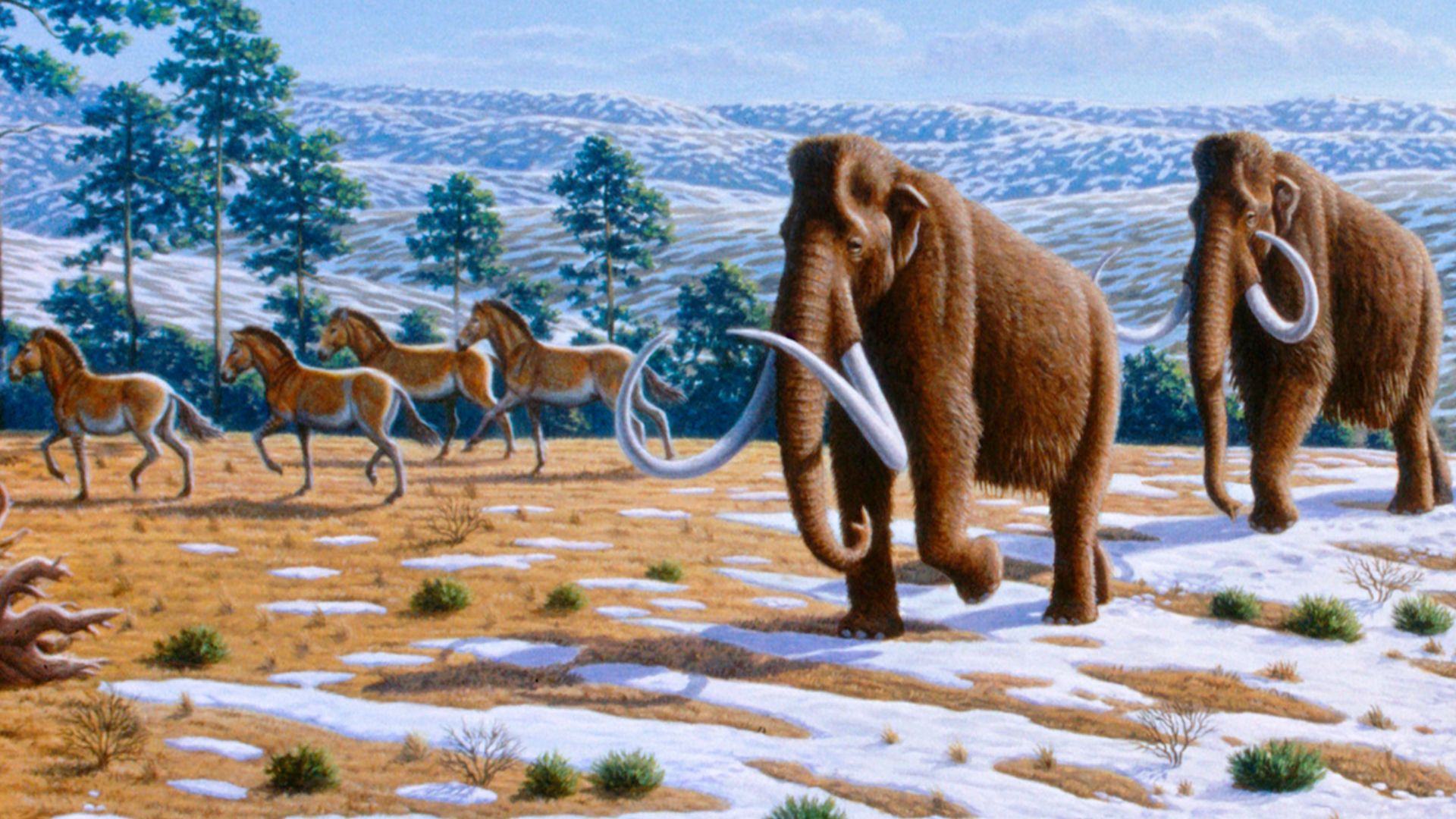
Together, the two fossils place Tasmanian devils in the Pilbara at widely separated points in prehistory. The evidence stretches from the late Pleistocene well into the Holocene. Other traces at the site suggest devils repeatedly returned across much of that enormous period.
 Mauricio Anton, Wikimedia Commons
The Bones Told An Even Bigger Story
Researchers have catalogued more than 8,000 animal bones from Juukan so far. More than 1,000 carry evidence of chewing or gnawing by animals including rodents, quolls, devils, and possibly monitor lizards. That gave the team another way to investigate which animals had been visiting the shelter.
 https://kaboompics.com/, Pexels
Some Bite Marks Looked Suspiciously Familiar
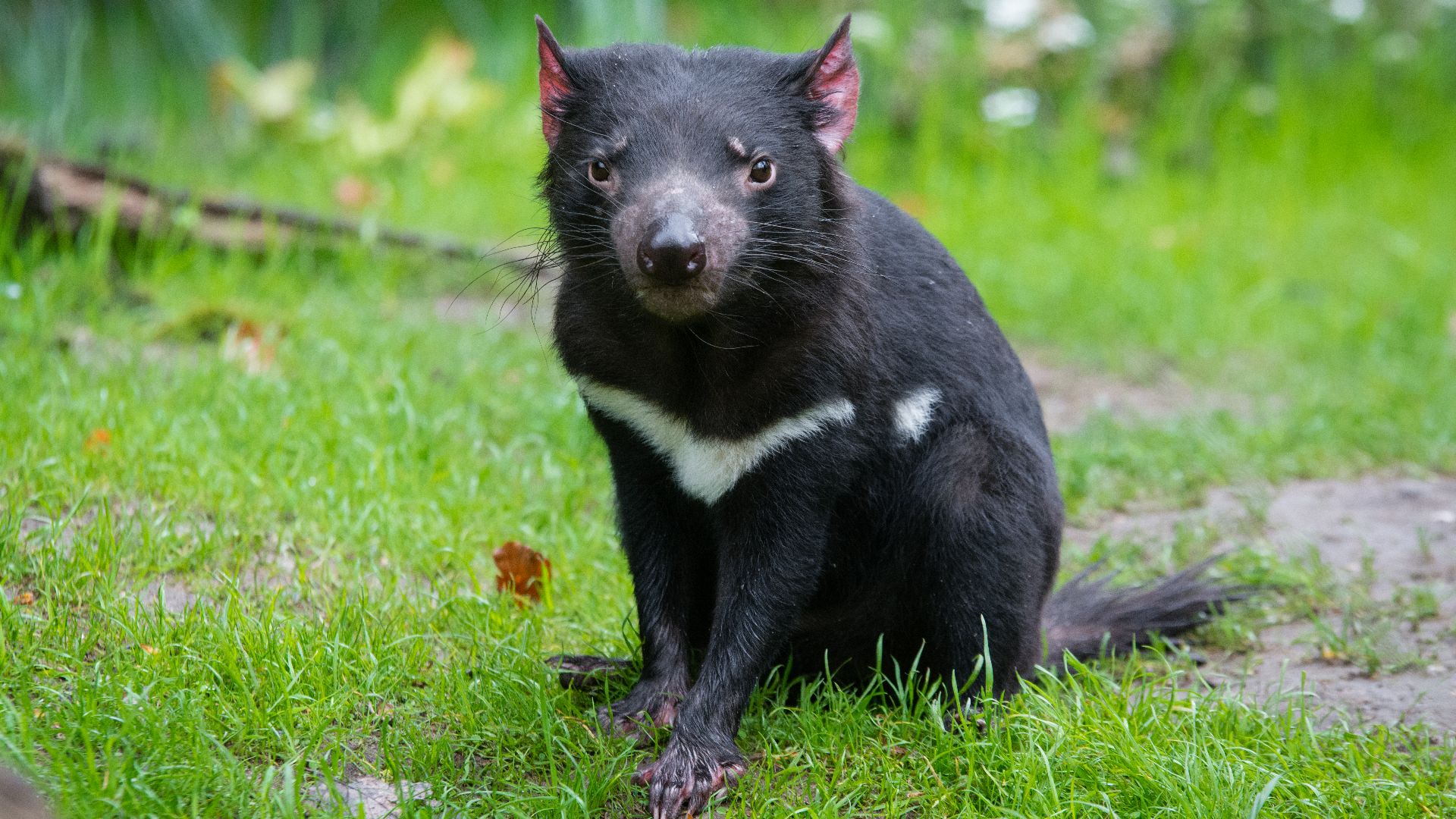
The researchers closely analyzed 55 bones carrying marks left by animal teeth. At least ten had tooth-pit dimensions most similar to those made by Tasmanian devils. Those marks added another line of evidence that devils were visiting the shelter over long stretches of time.
 Mathias Appel, Wikimedia Commons
Then There Were The Digested Bones
Juukan 2 also contained 263 fragments of bone showing evidence of digestion. Their median size was about 10 millimeters, with the largest reaching just over 30 millimeters. Researchers concluded that many were too large to fit what would normally be expected from the Pilbara’s smaller carnivorous marsupials.

A Bone-Eater Fits The Evidence
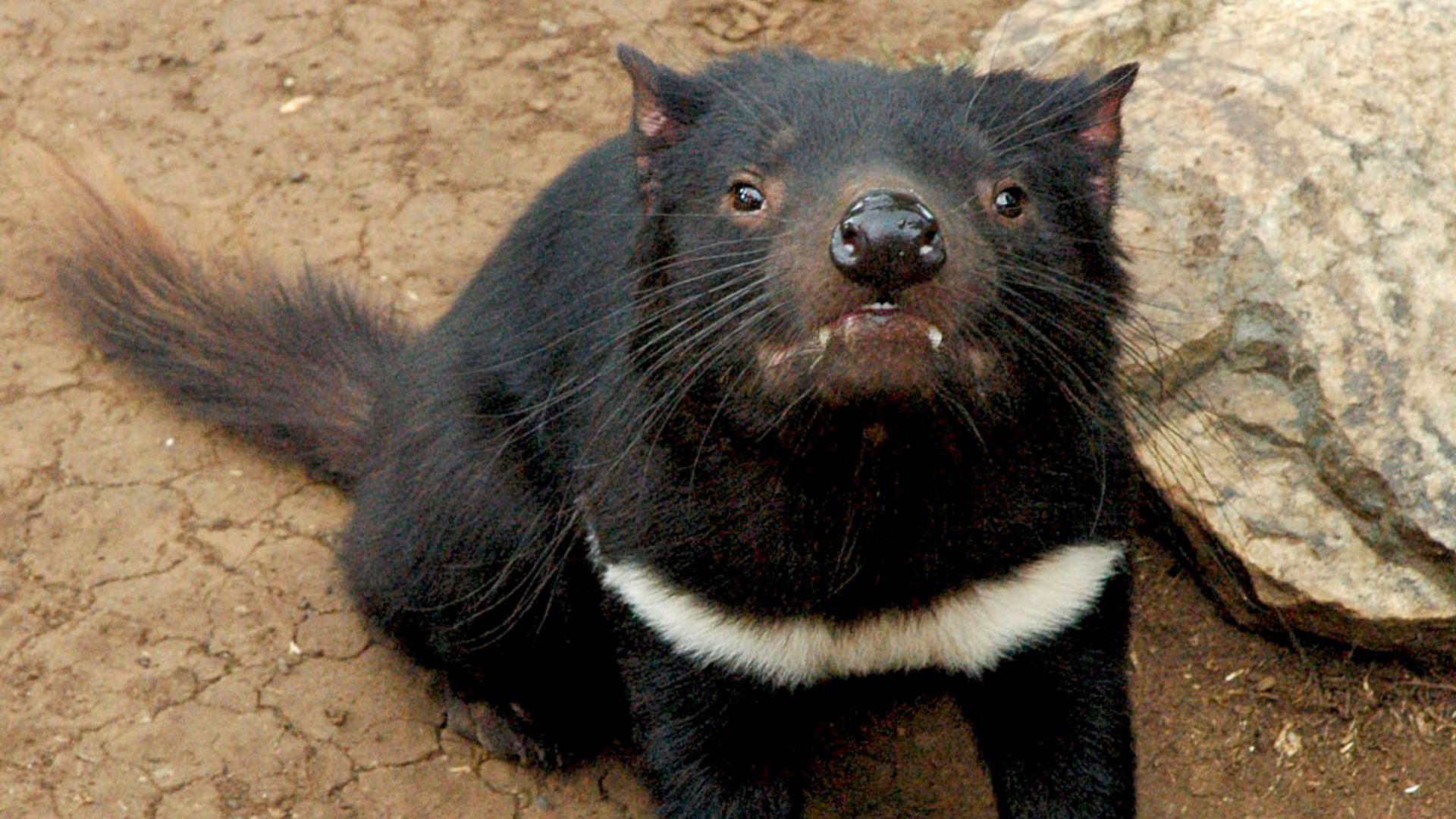
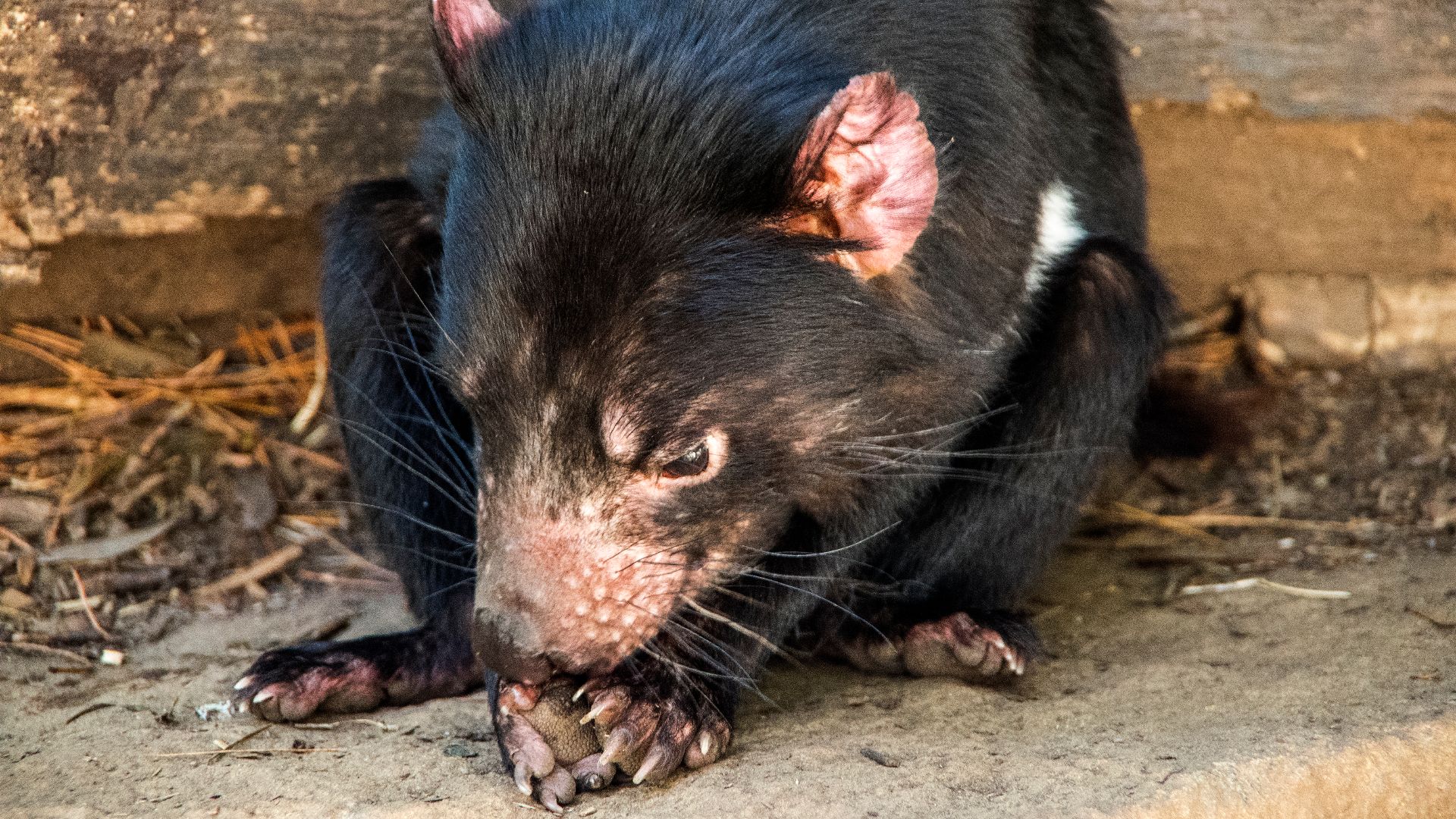
Tasmanian devils are well equipped to consume parts of a carcass that many animals leave behind. Modern devils are powerful scavengers and can eat bone along with meat and other tissue. The Juukan fragments are consistent with digestion by a larger bone-eating marsupial such as a devil.
The Human Connection Is The Fascinating Part
Many medium and large animal remains at Juukan were brought into the shelter and butchered by people. Devil-like chewing appears on some of this larger material associated with human activity. That raises the possibility that the animals were regularly taking advantage of leftovers from human camps.
 Mathias Appel, Wikimedia Commons
Imagine An Ice Age Cleanup Crew
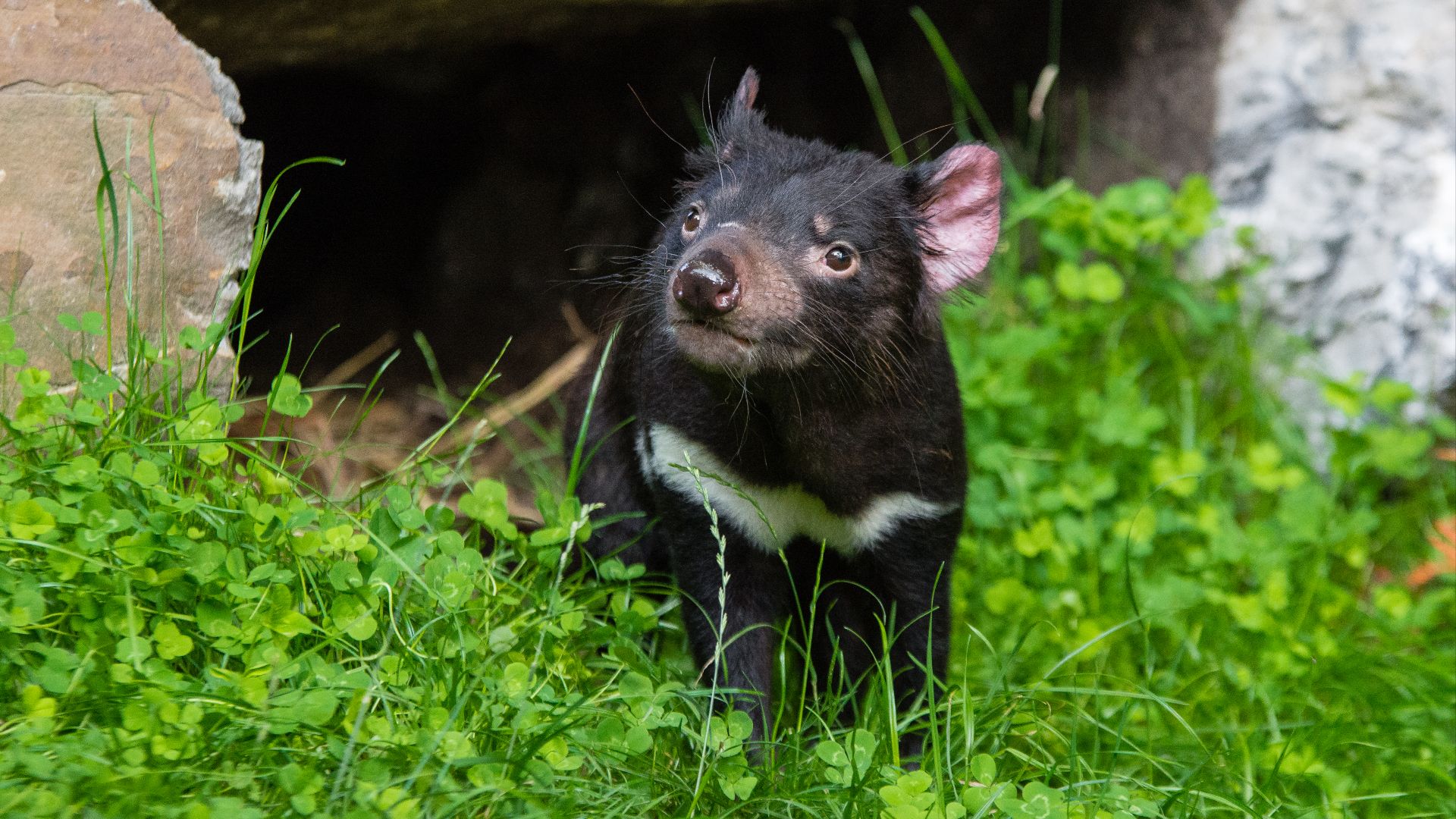
People processed animals and discarded bones, while scavengers arrived later to pick through what remained. The evidence suggests Tasmanian devils repeatedly took advantage of those leftovers. In effect, they may have served as a natural cleanup crew around ancient human camps.
This Was Not Domestication
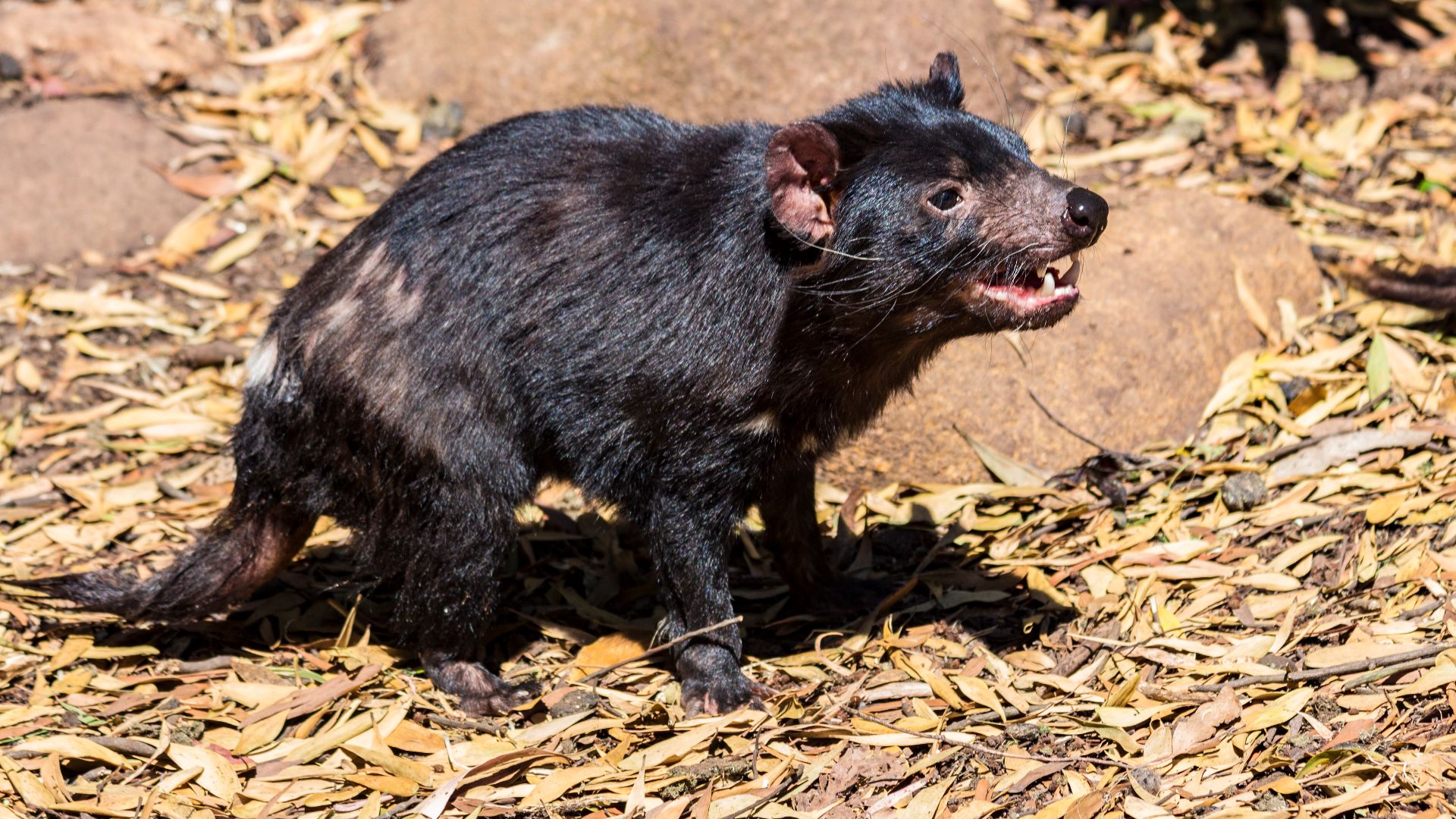
Nothing found at Juukan demonstrates that people tamed, kept, or intentionally fed Tasmanian devils. There is also no evidence that the two identified devil fossils were butchered, cooked, or eaten by people. The safest interpretation is that wild devils recognized human camps as opportunities to find food.
 Steven Penton from Bakers Beach, Tasmania Australia, Wikimedia Commons
Devils Are Built For Scavenging
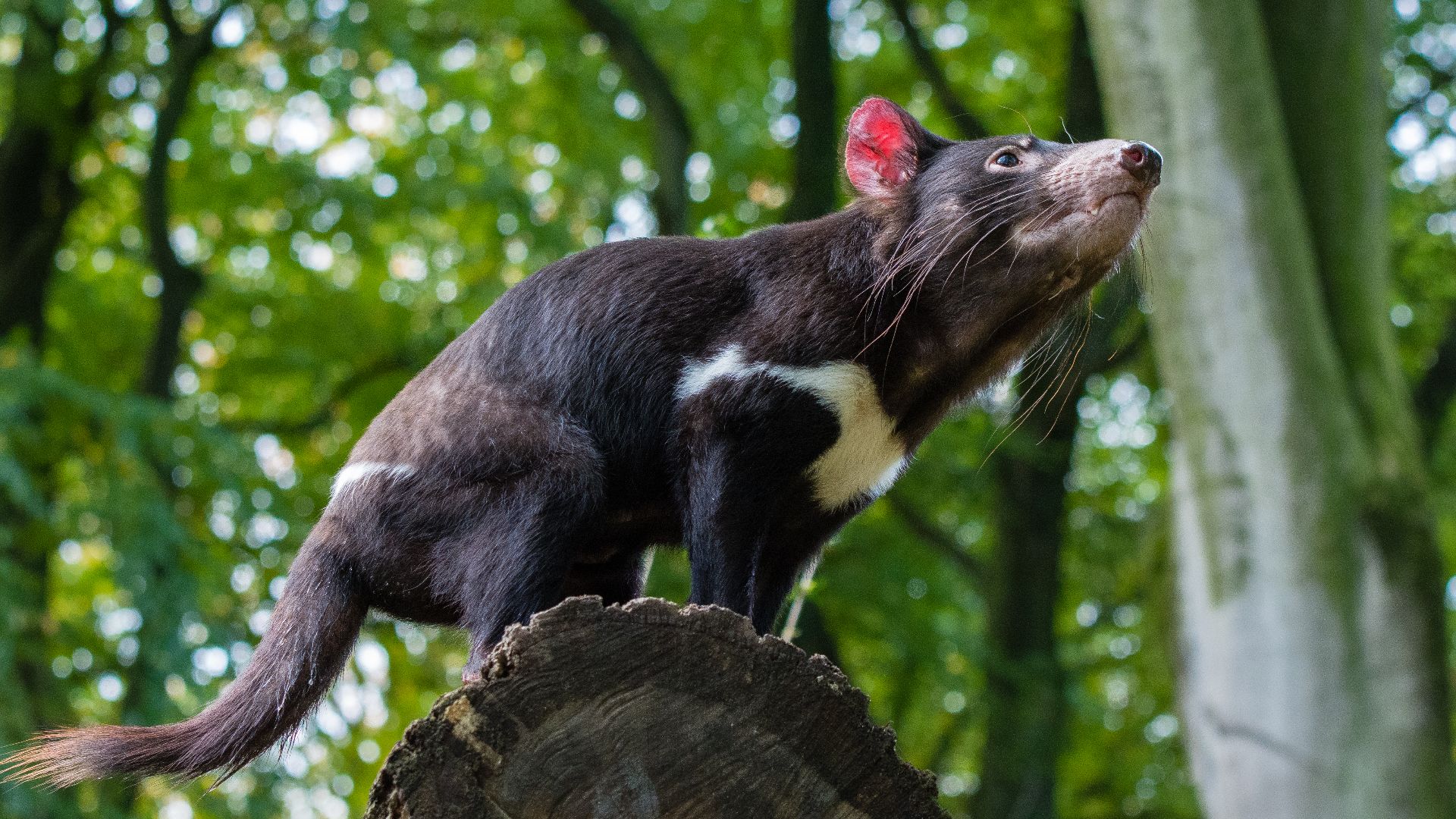
Modern Tasmanian devils are nocturnal animals that can travel considerable distances while searching for food. They readily feed on carrion and are famous for consuming large portions of carcasses. Those habits make repeated visits to a reliable source of discarded bones and meat entirely plausible.
 Mathias Appel, Wikimedia Commons
The Pilbara Was A Surprising Home
Modern wild devils survive only in Tasmania, but ancient populations were living in an arid inland region far removed from those cooler environments. Their presence in the Pilbara shows how widely the species once ranged. It also suggests they could cope with very different Australian landscapes.
 Brian Voon Yee Yap, aka Yewenyi at en.wikipedia, Wikimedia Commons
They Even Survived An Ice Age
Juukan 2 remained in use through the Last Glacial Maximum, when conditions in the region became extremely dry. The archaeological record covers the peak hyper-arid phase around 21,000 years ago, give or take roughly 2,000 years. Both humans and devils persisted through major climatic change.
 Screenshot from ABC News (Australia), Australian Broadcasting Corporation (1932–)
People Were Equally Adaptable
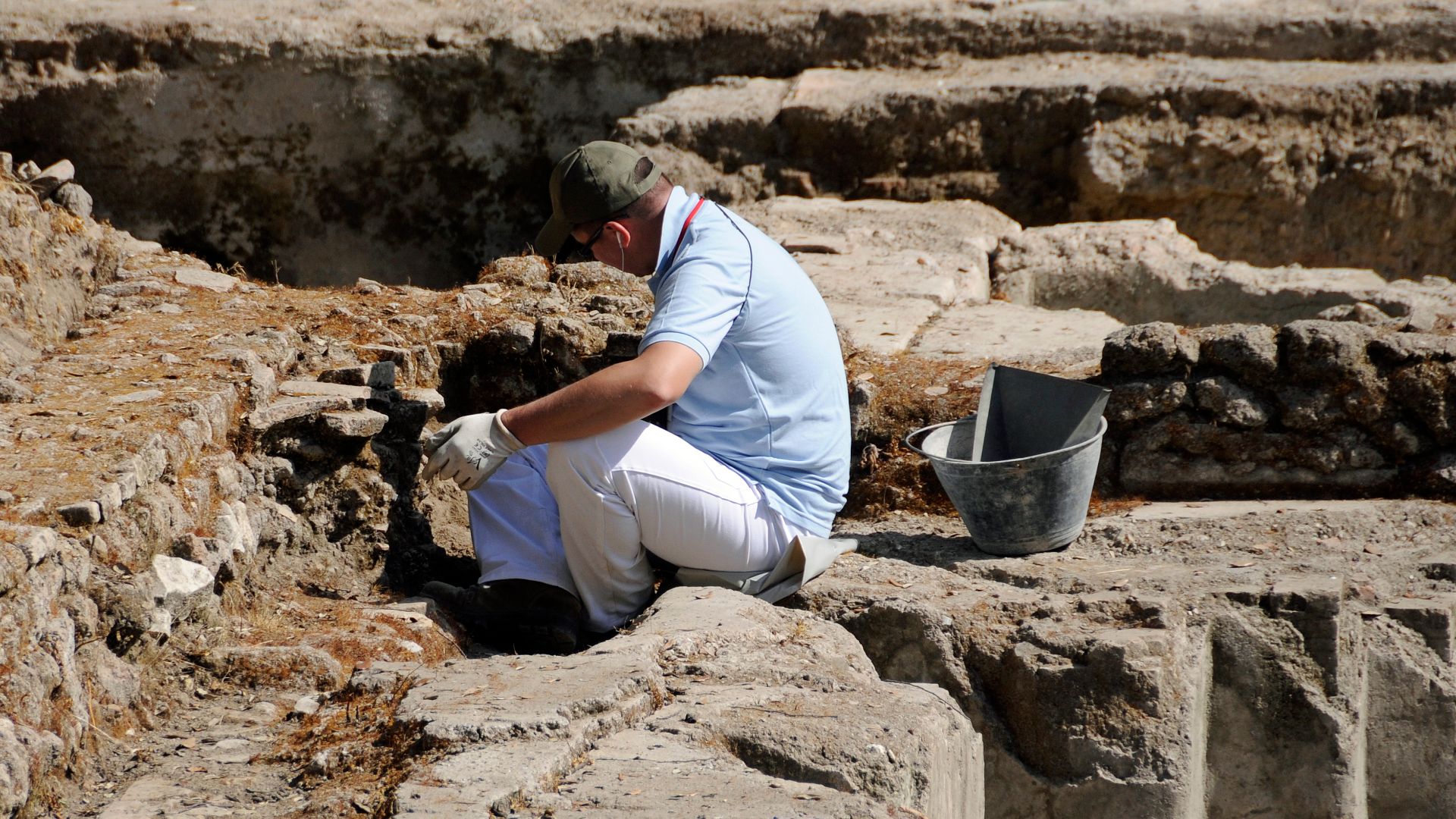
The human record at Juukan is far richer than a collection of animal bones. Archaeologists have recovered flaked stone tools, bone points, and grinding stones from its deposits. Starch preserved on grinding tools indicates people were processing bush potato there from around 42,000 years ago.
 Son of Groucho from Scotland, Wikimedia Commons
One Find Was Remarkably Personal
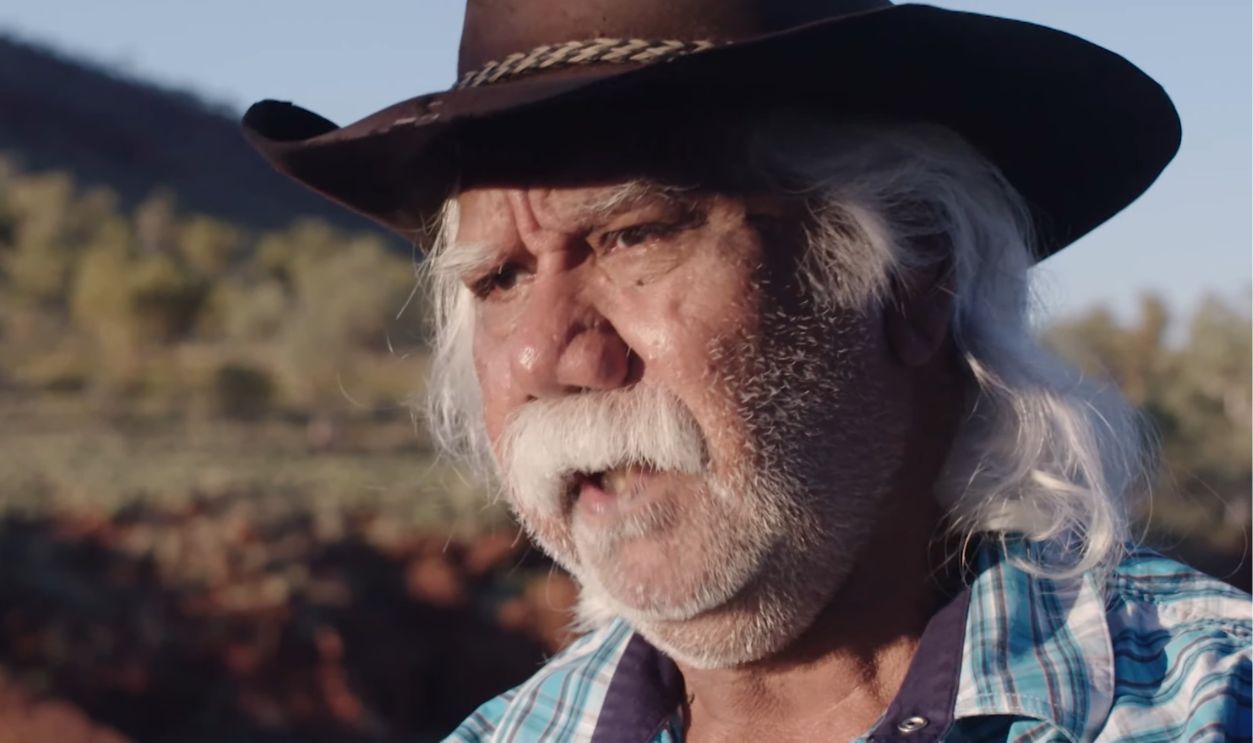
A small plaited bundle of human hair was also recovered from the shelter and dates to around 3,500 years ago. Puutu Kunti Kurrama and Pinikura Traditional Owners interpreted it as part of a hair belt, and ancient DNA analysis linked it to Aboriginal Australian ancestry. The discovery adds a deeply human dimension to Juukan’s long archaeological record.
 Screenshot from ABC News (Australia), Australian Broadcasting Corporation (1932–)
Devils Once Roamed Across Australia
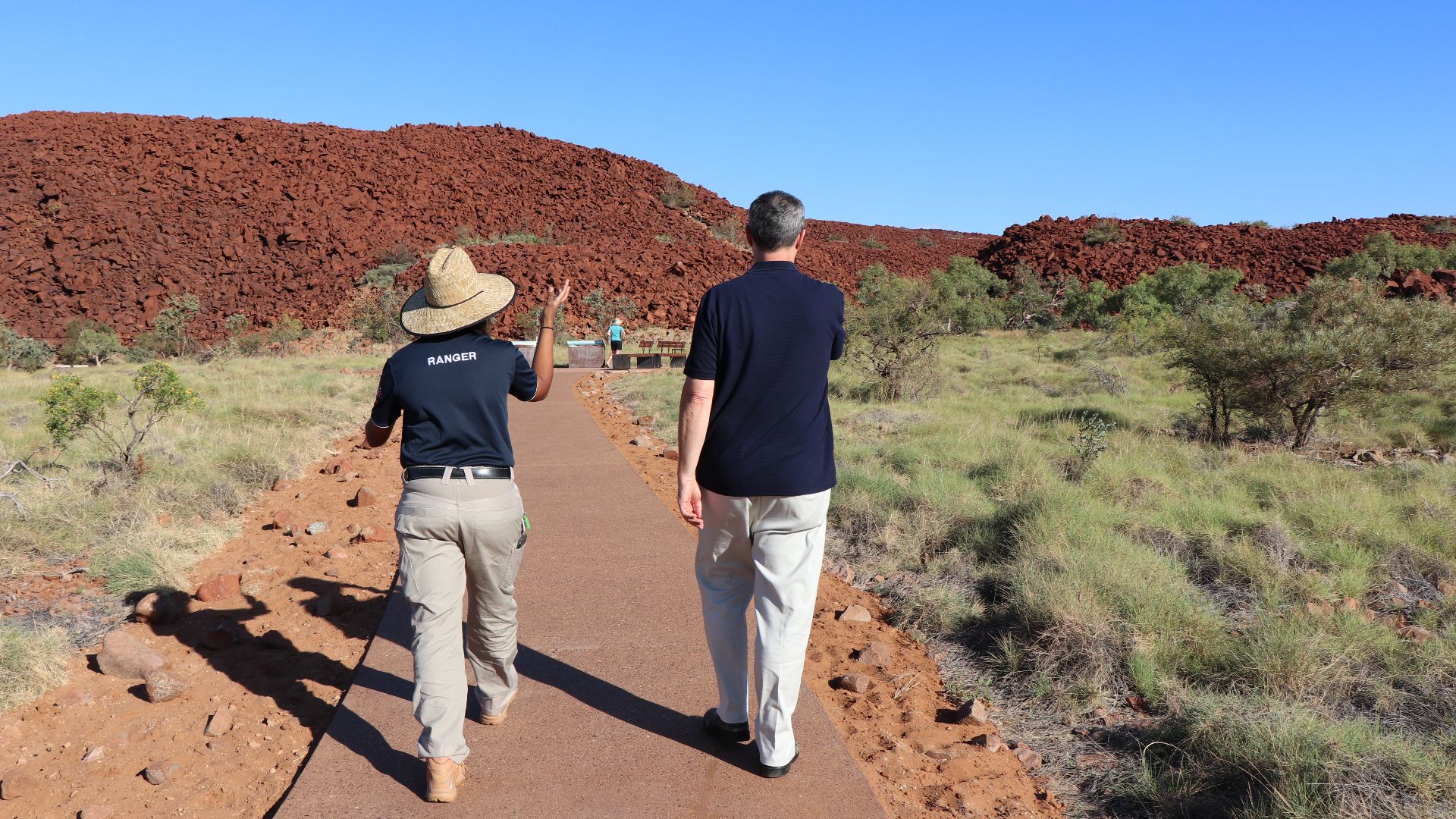
The Pilbara discovery fills an important geographic gap rather than overturning everything scientists knew about the species. Devil fossils were already known from southern Australia, central Australia, Queensland, the Northern Territory, and other parts of Western Australia. The new finds show their former range extended deep into the Pilbara as well.
 U.S. Consulate General Perth, Wikimedia Commons
Their Name Is A Modern Accident Of Geography
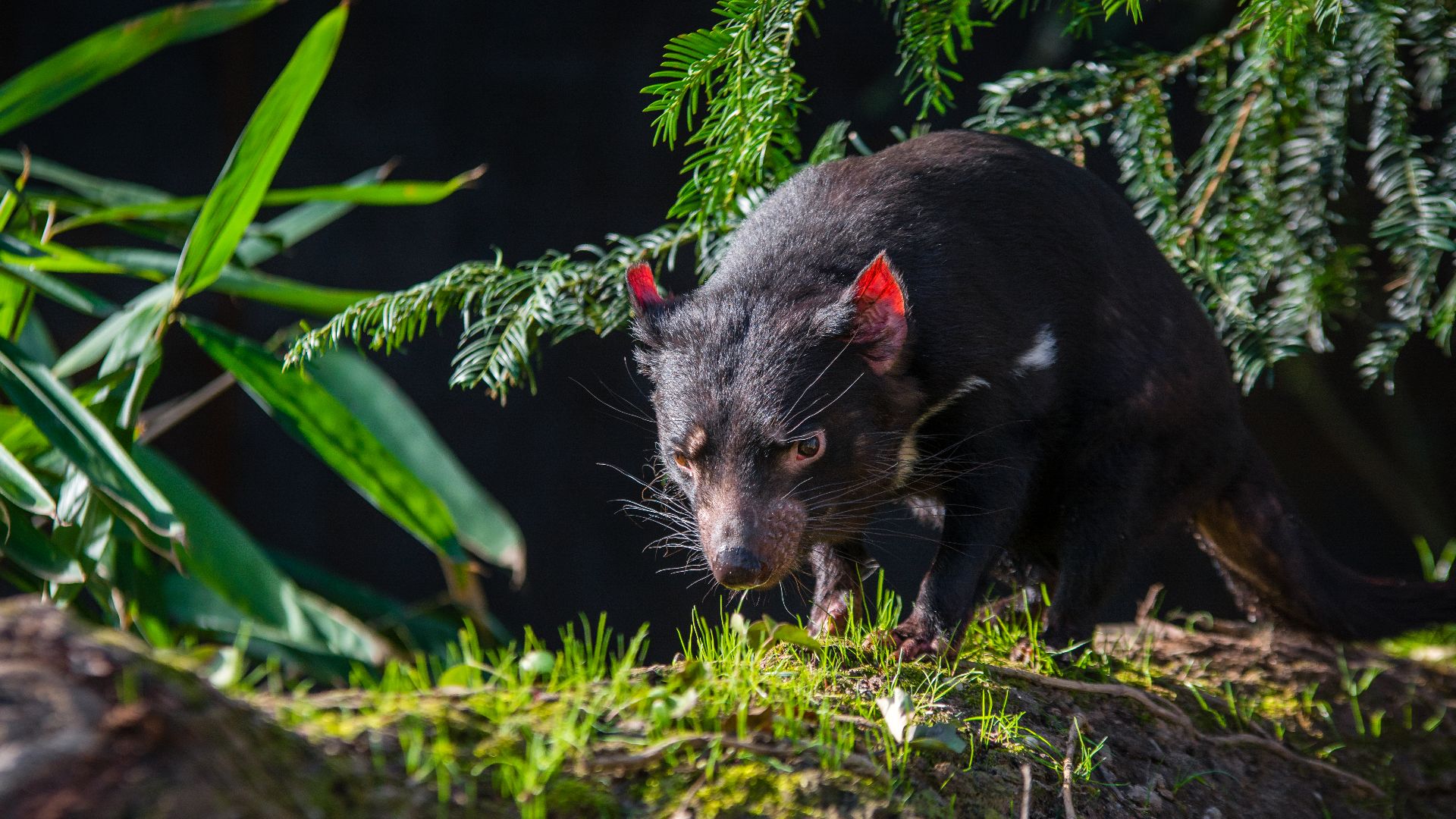
Tasmanian devils only seem exclusively Tasmanian because mainland populations disappeared thousands of years ago. Fossil evidence shows that the species once occupied a huge portion of Australia. Tasmania ultimately became the refuge where wild populations survived into modern times.
 Mathias Appel, Wikimedia Commons
Then The Mainland Devils Disappeared
Research using high-quality fossil dates places the mainland extinction of Tasmanian devils at roughly 3,200 years ago. Thylacines disappeared from mainland Australia at approximately the same time. Exactly what caused those losses remains debated.
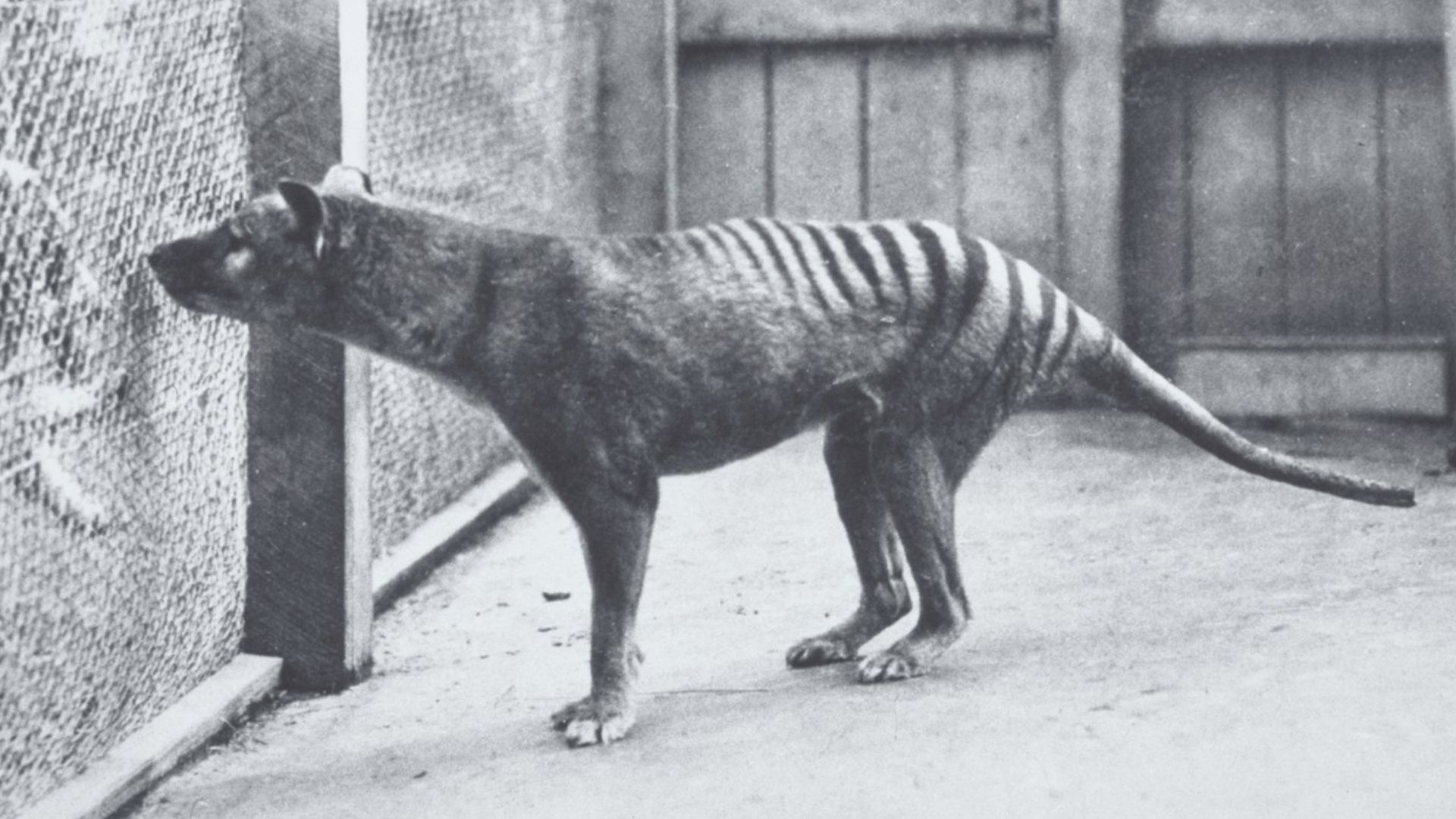 Harry Burrell, Wikimedia Commons
Dingoes Arrived Before The Disappearance
One prominent explanation involves the spread of dingoes across mainland Australia. Dingoes could have competed with devils for carrion and other food, while direct aggression or predation may also have affected them. Tasmania was separated from the mainland by Bass Strait and never acquired a wild dingo population.
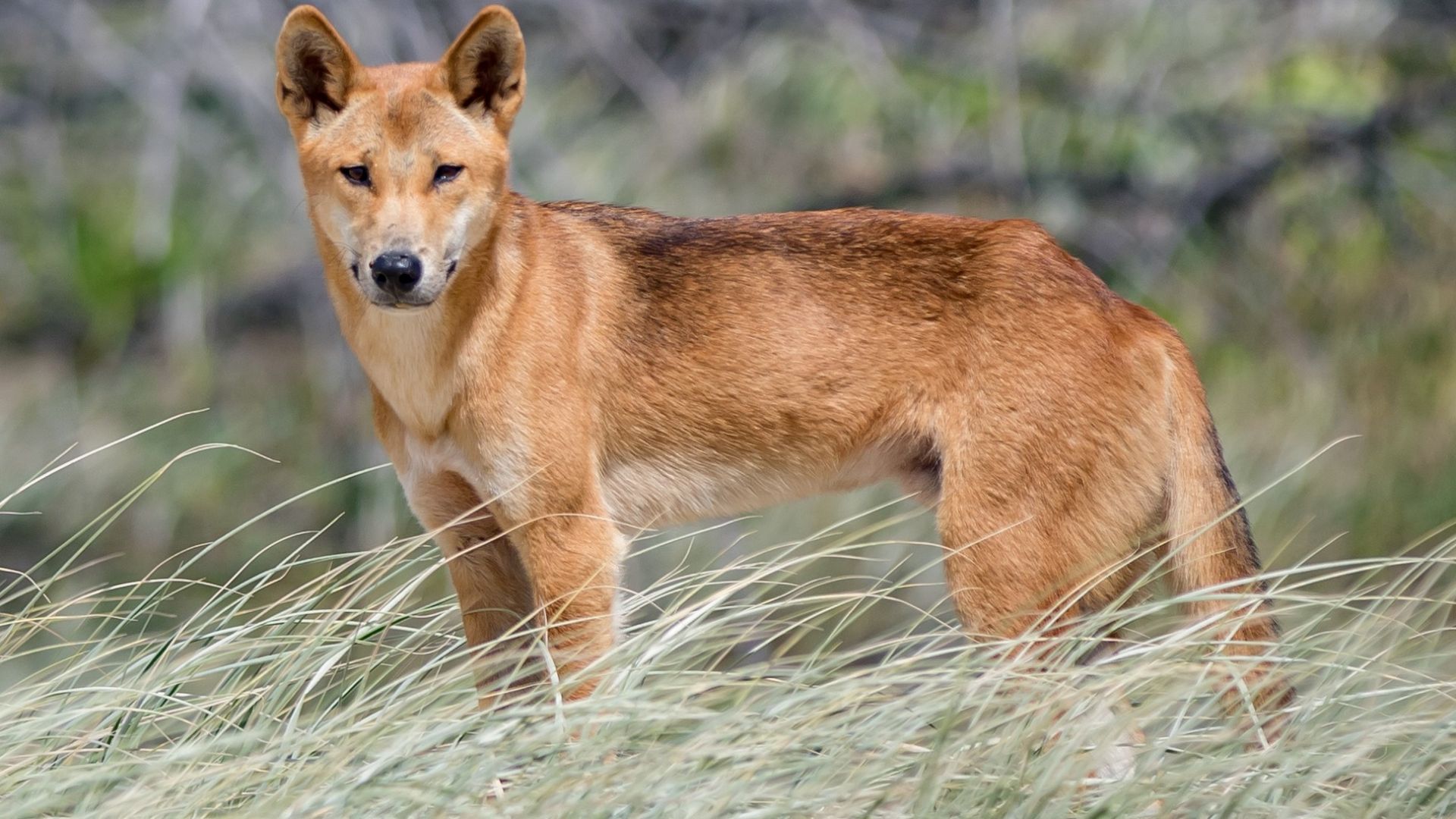 Newretreads, Wikimedia Commons
Climate May Have Added More Pressure
Researchers caution against treating the dingo as the only possible explanation. Increasing aridity, climatic instability, and changes in human hunting or resource use have also been proposed as possible contributors. Mainland devil extinction may therefore have resulted from several pressures acting together.
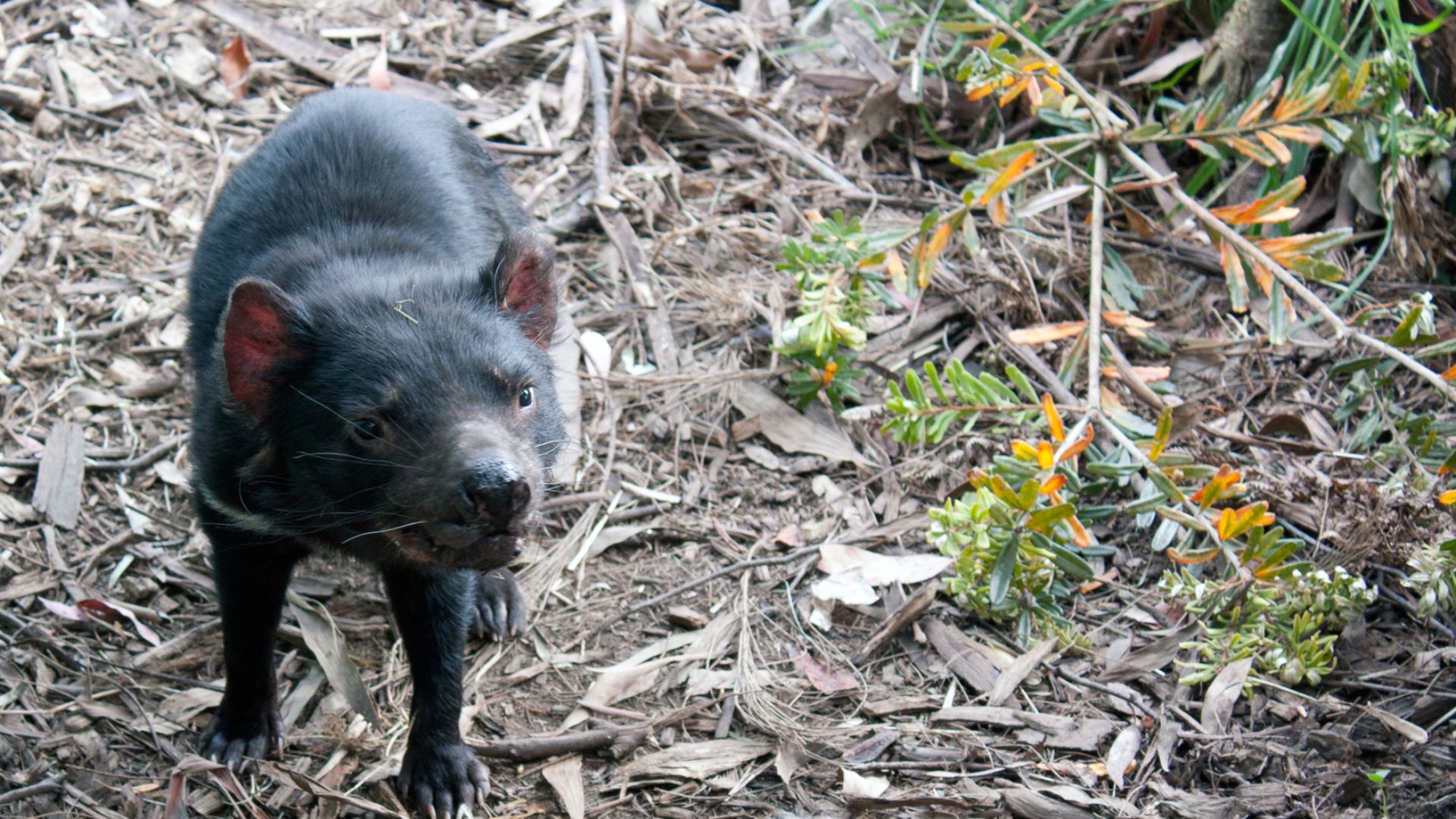 Rexness from Melbourne, Australia, Wikimedia Commons
Did Dingoes Take Their Place?
The Juukan findings introduce another intriguing possibility. If devils regularly scavenged human waste, dingoes may eventually have competed for the same dependable food source. Researchers have raised the possibility that dingoes gradually replaced devils within the scavenger community around people.
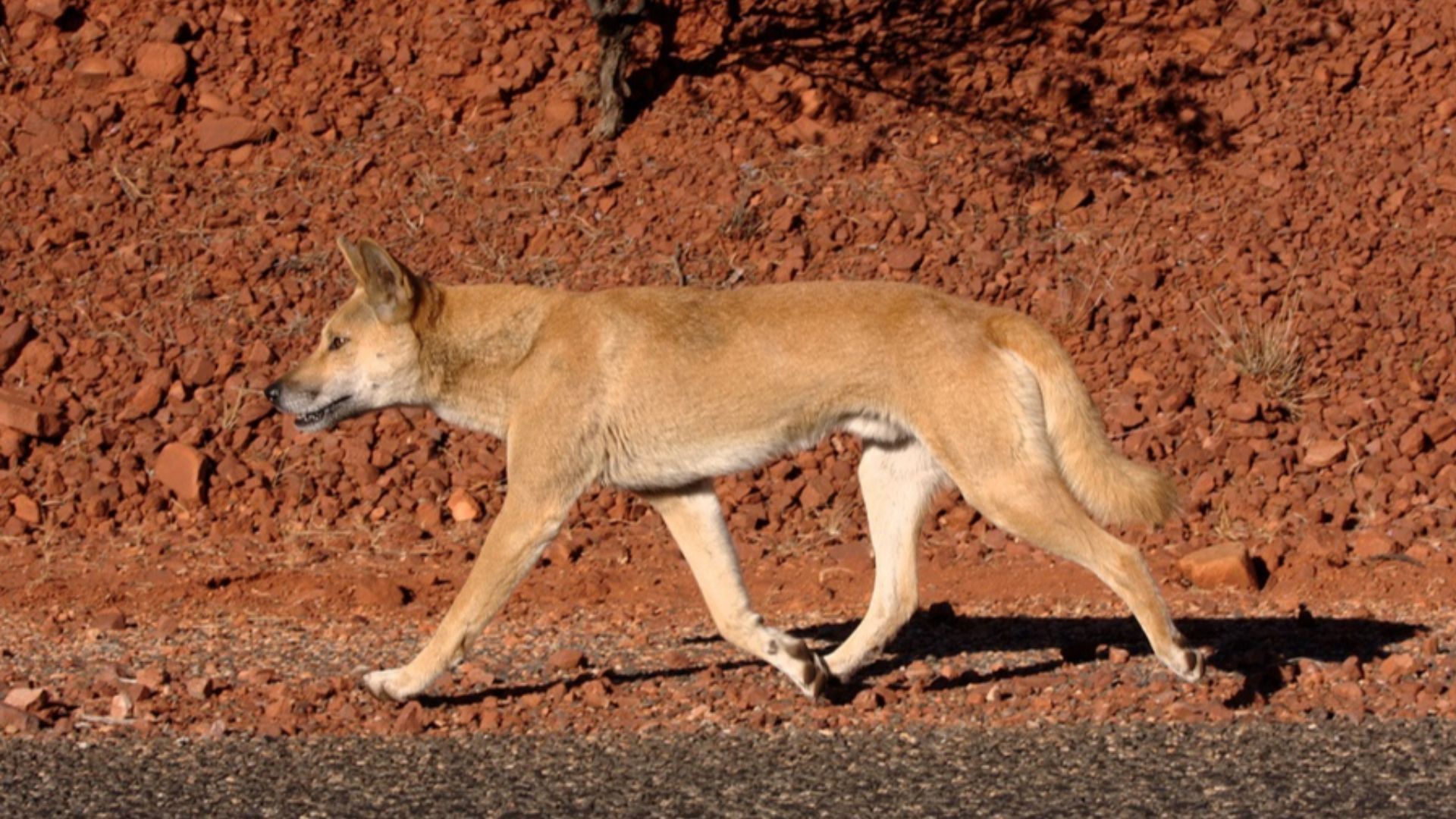 Jarrod Amoore from Sydney, Australia, Wikimedia Commons
Juukan Gorge Has A Painful Recent History
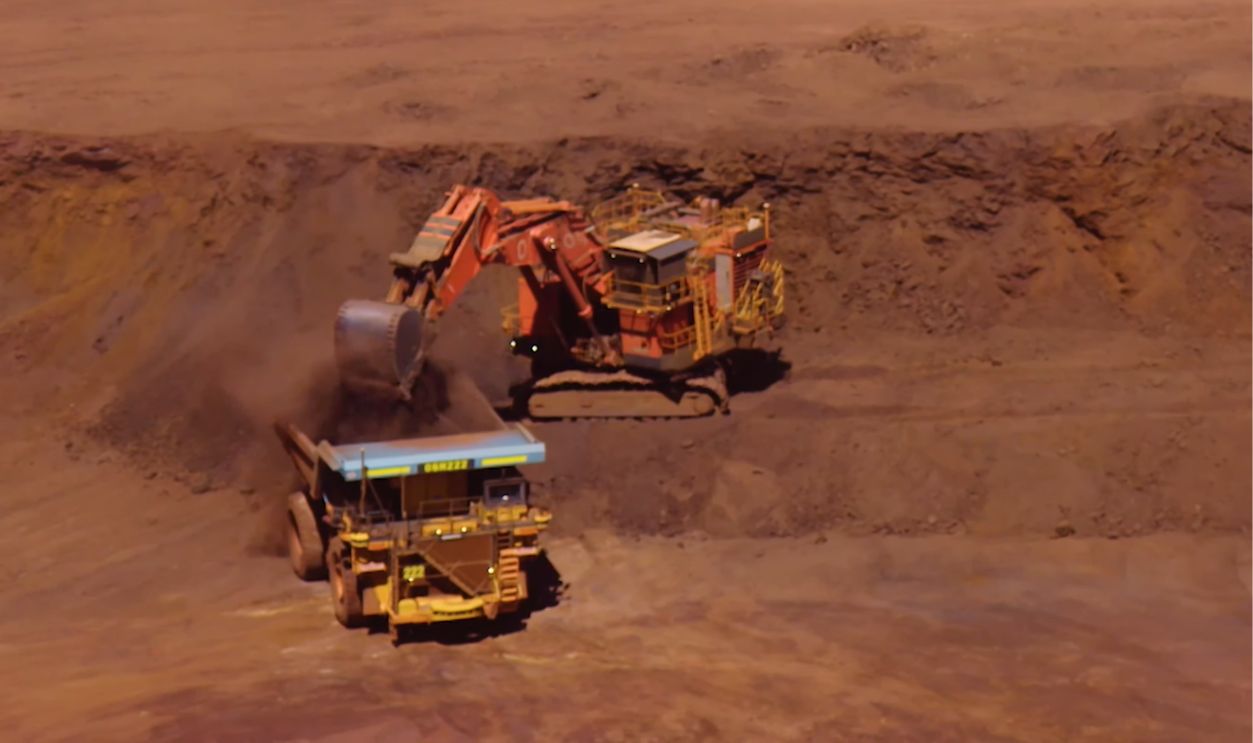
The scientific importance of the discovery is inseparable from what happened at Juukan Gorge in 2020. Mining blasts by Rio Tinto destroyed the Juukan 1 and Juukan 2 rockshelters despite their exceptional cultural and archaeological significance. The destruction led to a parliamentary inquiry and widespread scrutiny of cultural heritage protections in Australia.
 Screenshot from ABC News (Australia), Australian Broadcasting Corporation (1932–)
Research At The Site Has Continued
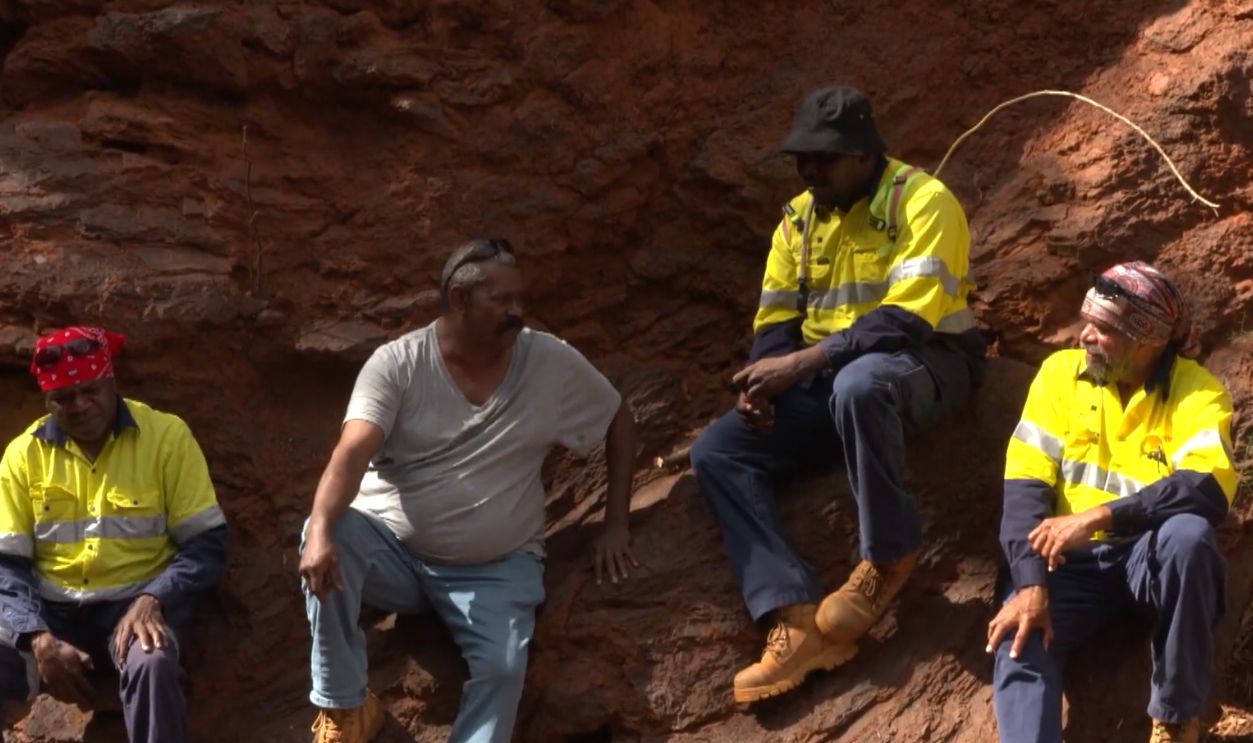
The damage did not end efforts to understand what remained. Archaeological research and remediation have continued under the direction of the Puutu Kunti Kurrama and Pinikura Traditional Owners. The devil fossils now add another chapter to a site already documenting tens of thousands of years of human history.
 Screenshot from ABC News (Australia), Australian Broadcasting Corporation (1932–)
An Ancient Relationship Is Coming Into Focus
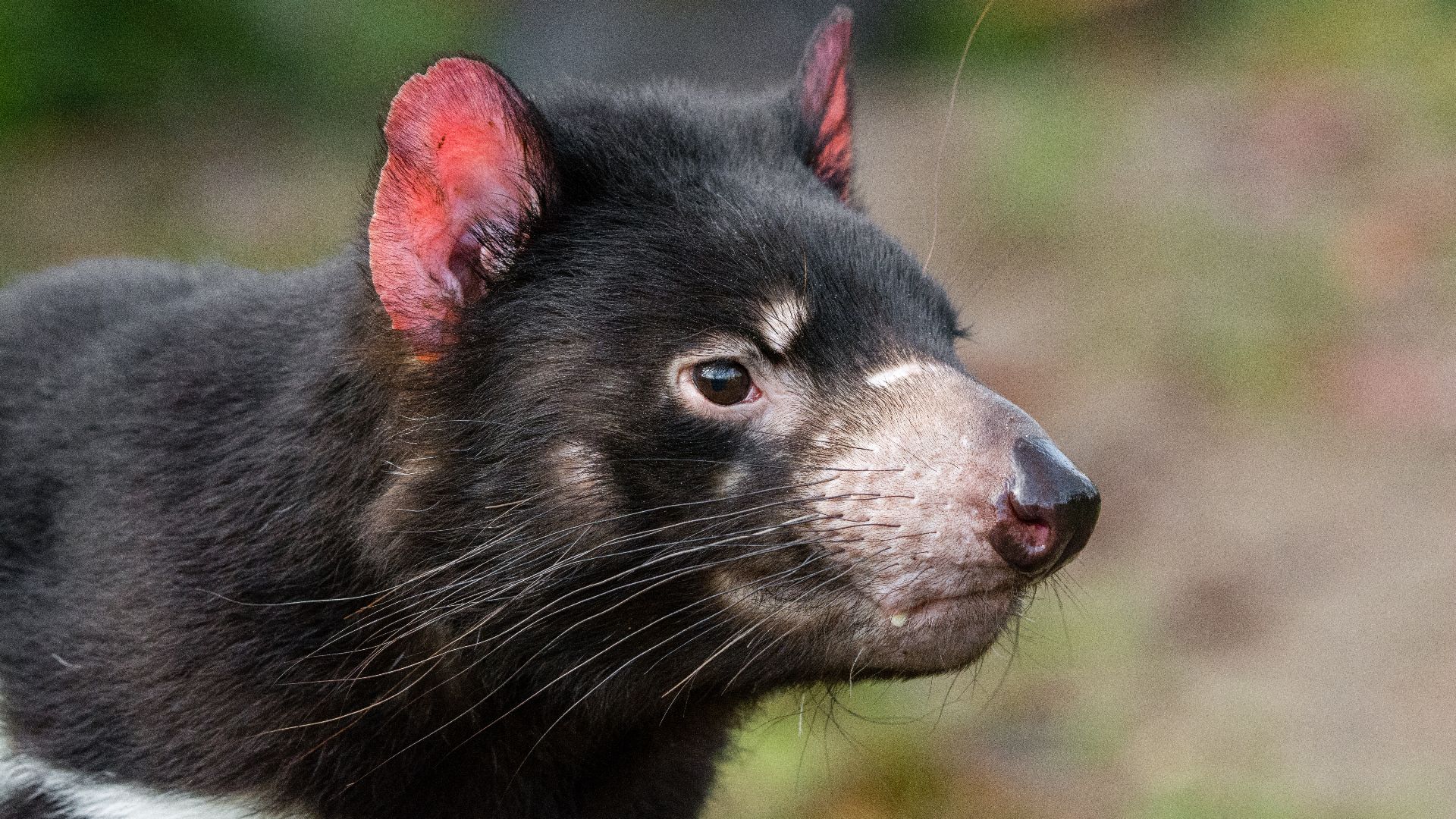
The new research does not prove that humans and Tasmanian devils had a deliberate partnership. Instead, it reveals something subtler: wild scavengers appear to have repeatedly exploited resources created by people over tens of thousands of years. A few teeth, bite marks, and digested bones have opened an unexpected window onto life around some of Australia’s oldest known human camps.
 Mathias Appel, Wikimedia Commons
You May Also Like:
Scientists Discovered The World’s Deepest Whale Graveyard At The Bottom Of The Indian Ocean
Researchers In Malta Found Evidence That Ancient People Reached Remote Islands Earlier Than Expected