A Graveyard Hidden In The Abyss
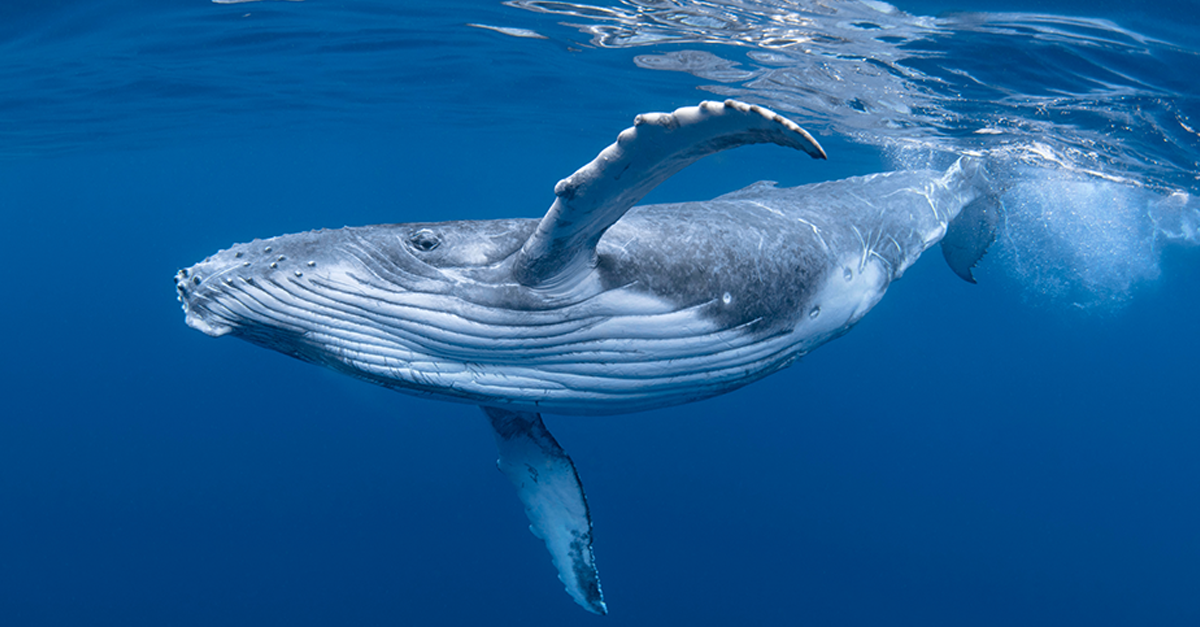
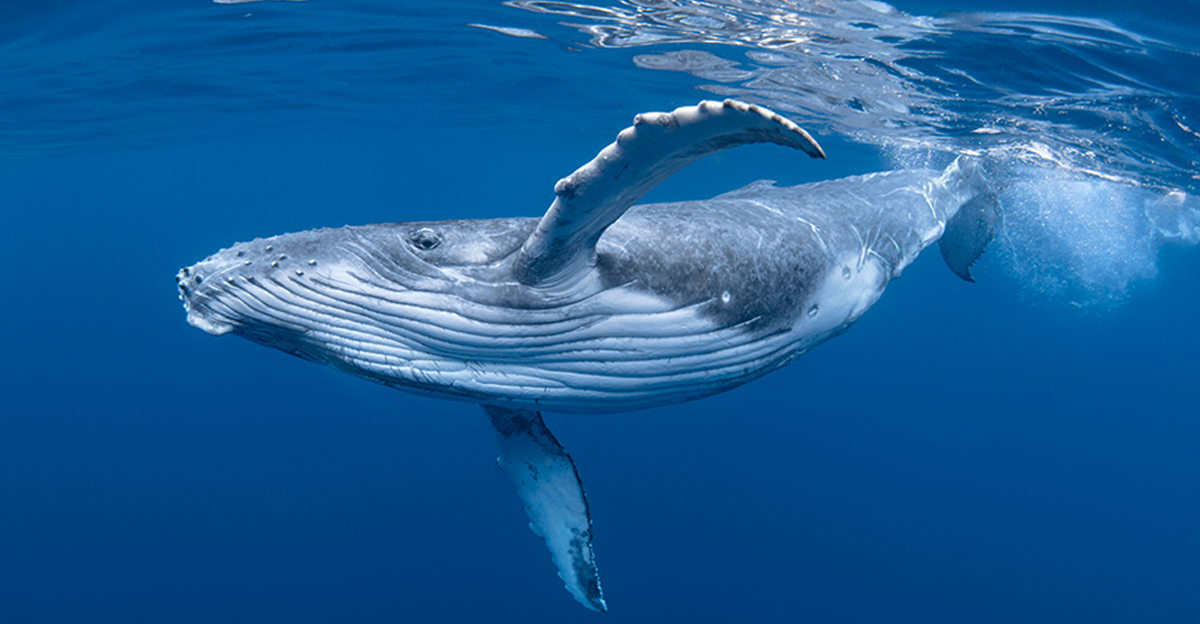
Scientists descended more than six kilometers beneath the Indian Ocean and found something astonishing: a vast graveyard of whale bones. Some were recent, while others had rested on the seabed for up to 5.3 million years. Together, they form the deepest, oldest, and most extensive whale graveyard yet documented.
 Craig Lambert Photography, Shutterstock
The Discovery Sits West Of Australia
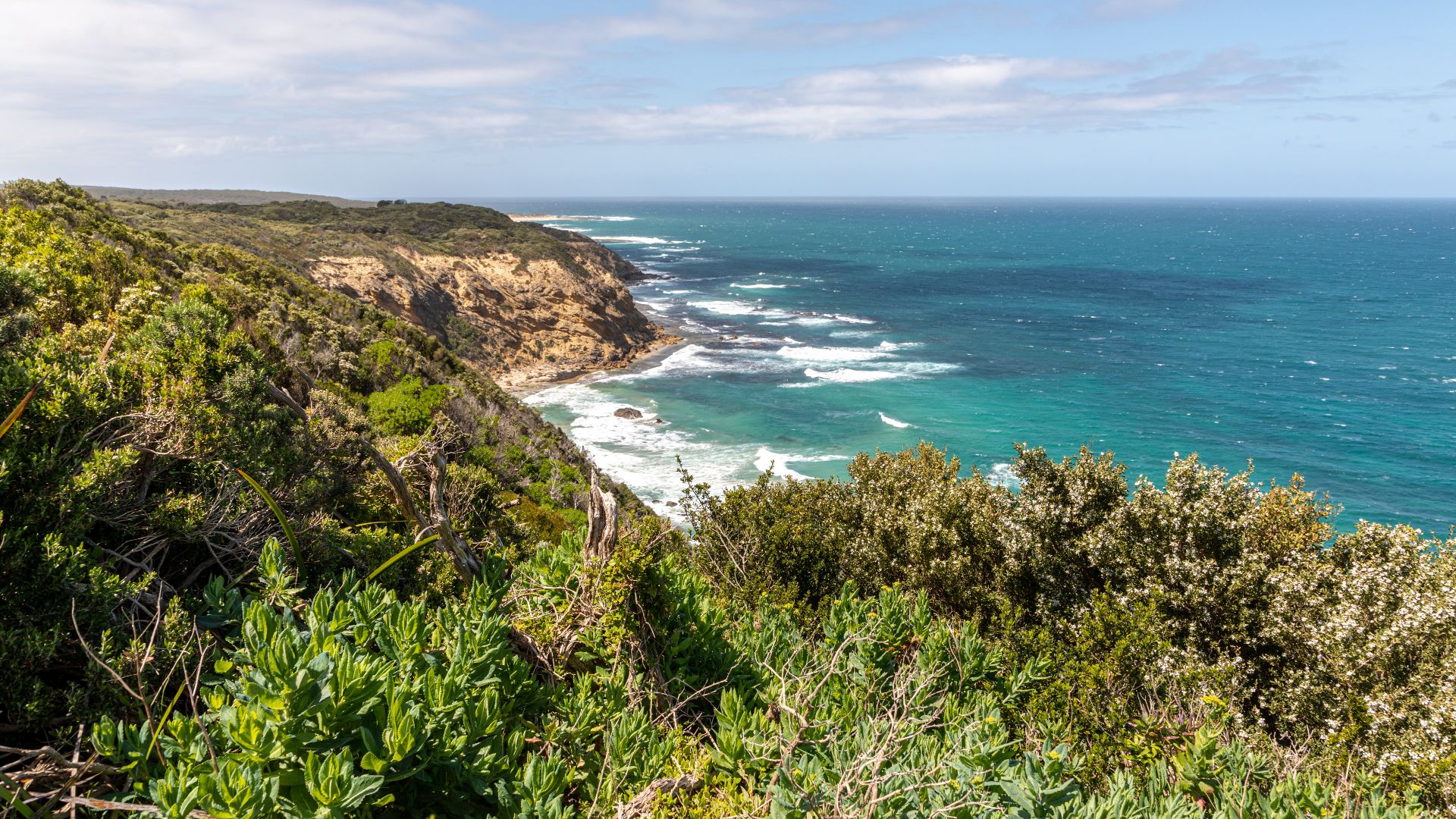
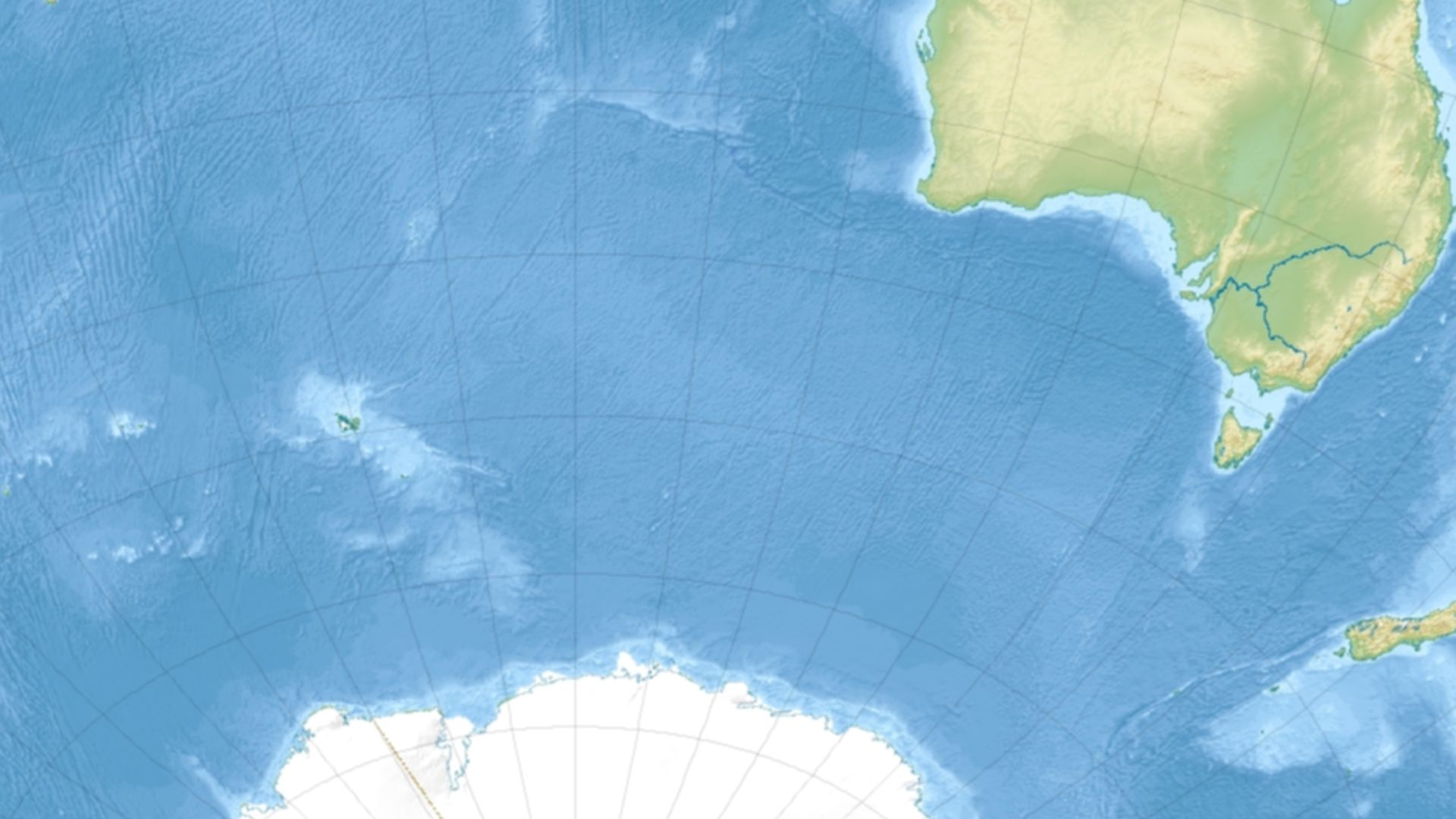
The graveyard lies in the Diamantina Zone of the southeastern Indian Ocean, far west of Australia. This remote region stretches roughly 1,200 kilometers across the seabed. Trenches, steep ridges, and fractured terrain make it one of the ocean’s most dramatic hidden landscapes.
 Dietmar Rabich, Wikimedia Commons
Continents Created This Underwater World
The Diamantina Zone formed as Australia and Antarctica separated between roughly 60 million and 50 million years ago. Movement along faults left the seabed broken into deep basins and raised blocks. Some sections now plunge more than seven kilometers below the ocean’s surface.
 Uwe Dedering, Wikimedia Commons
This Is The Ocean’s Hadal Realm
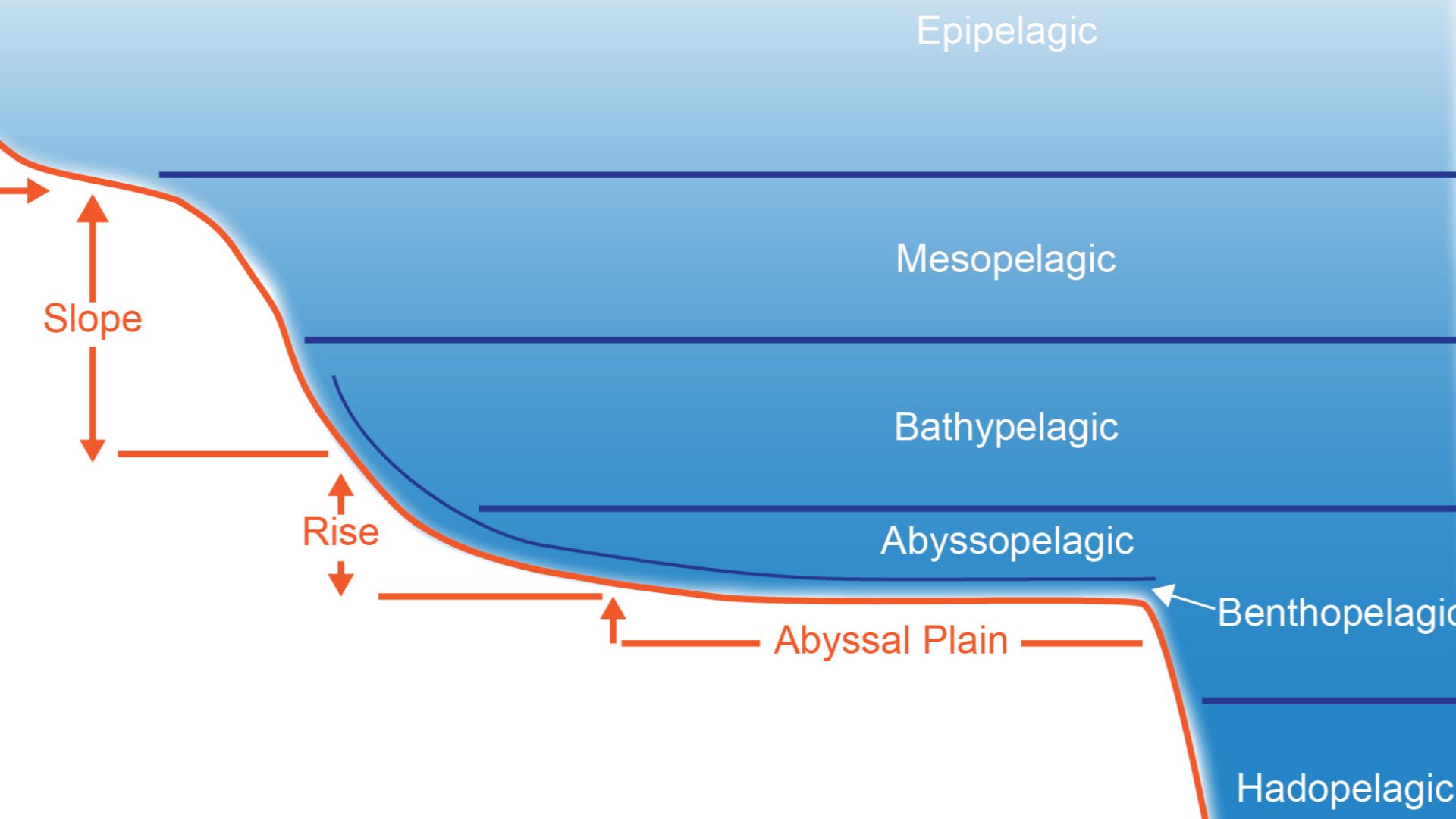
Parts of the graveyard lie within the hadal zone, the name given to ocean depths below 6,000 meters. Sunlight never reaches this world, and the pressure is hundreds of times greater than at sea level. These conditions make direct exploration extremely difficult.
A Submersible Made The Journey
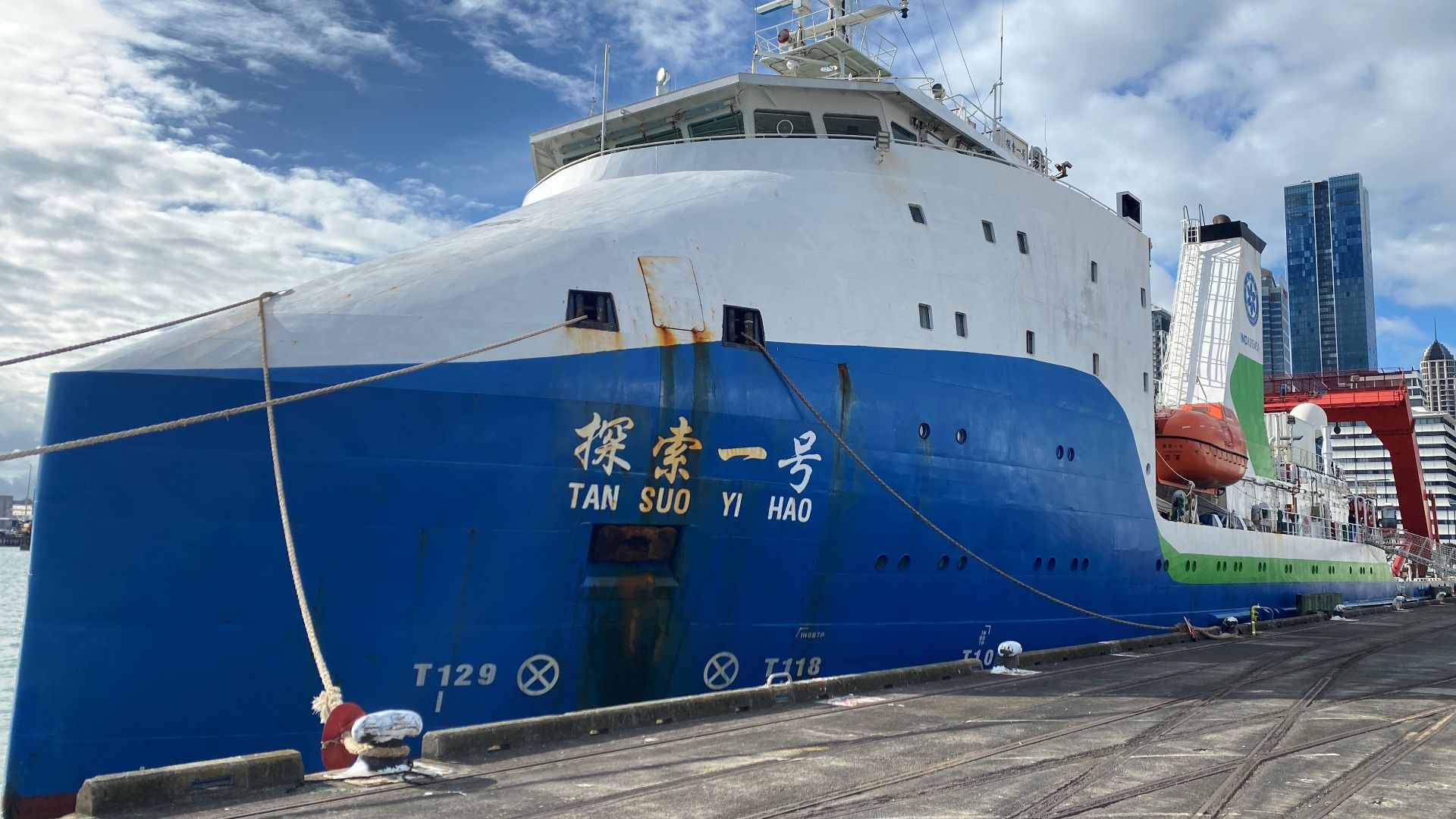
Researchers explored the region aboard the research vessel Tansuoyihao in 2023. They descended in Fendouzhe, a human-occupied submersible designed to reach depths of up to 11,000 meters. Its cameras, sampling equipment, and mechanical arms allowed the team to investigate the seabed directly.
 Kareen Schnabel, Wikimedia Commons
The First Bones Appeared By Surprise
The expedition was not originally expecting to uncover such an enormous collection. During one dive, the team encountered whale fossils at a depth of approximately 7,002 meters near the Dordrecht Deep. Some bones were partly buried in sediment and lightly covered with dark mineral deposits.
One Discovery Led To 32 Dives
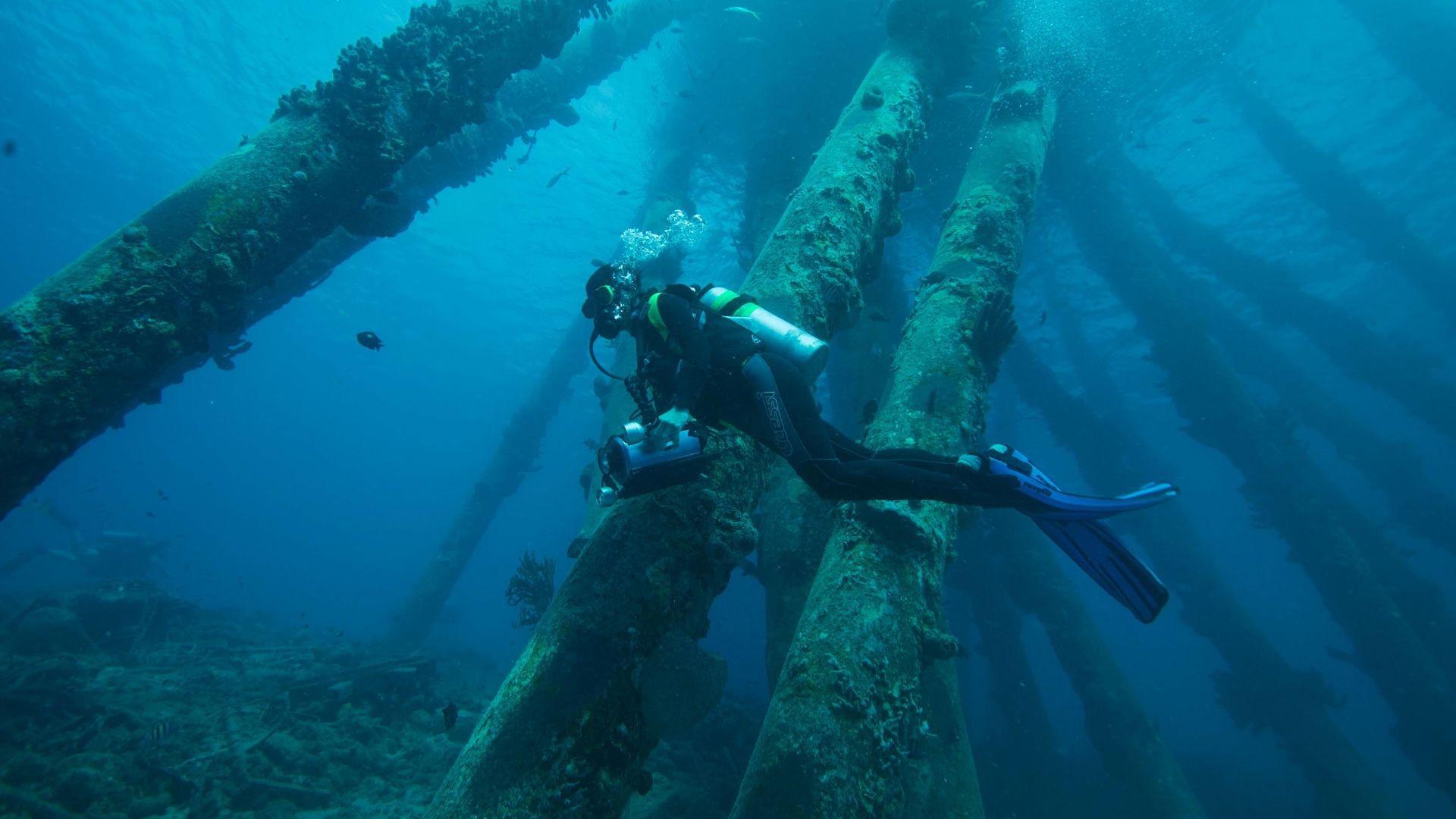
Once the first fossils appeared, the scientists expanded their survey. They completed 32 dives to map the bones, collect specimens, and document the creatures living around newer carcasses. Their route eventually traced whale remains across the entire 1,200-kilometre zone.
Hundreds Of Sites Covered The Seabed
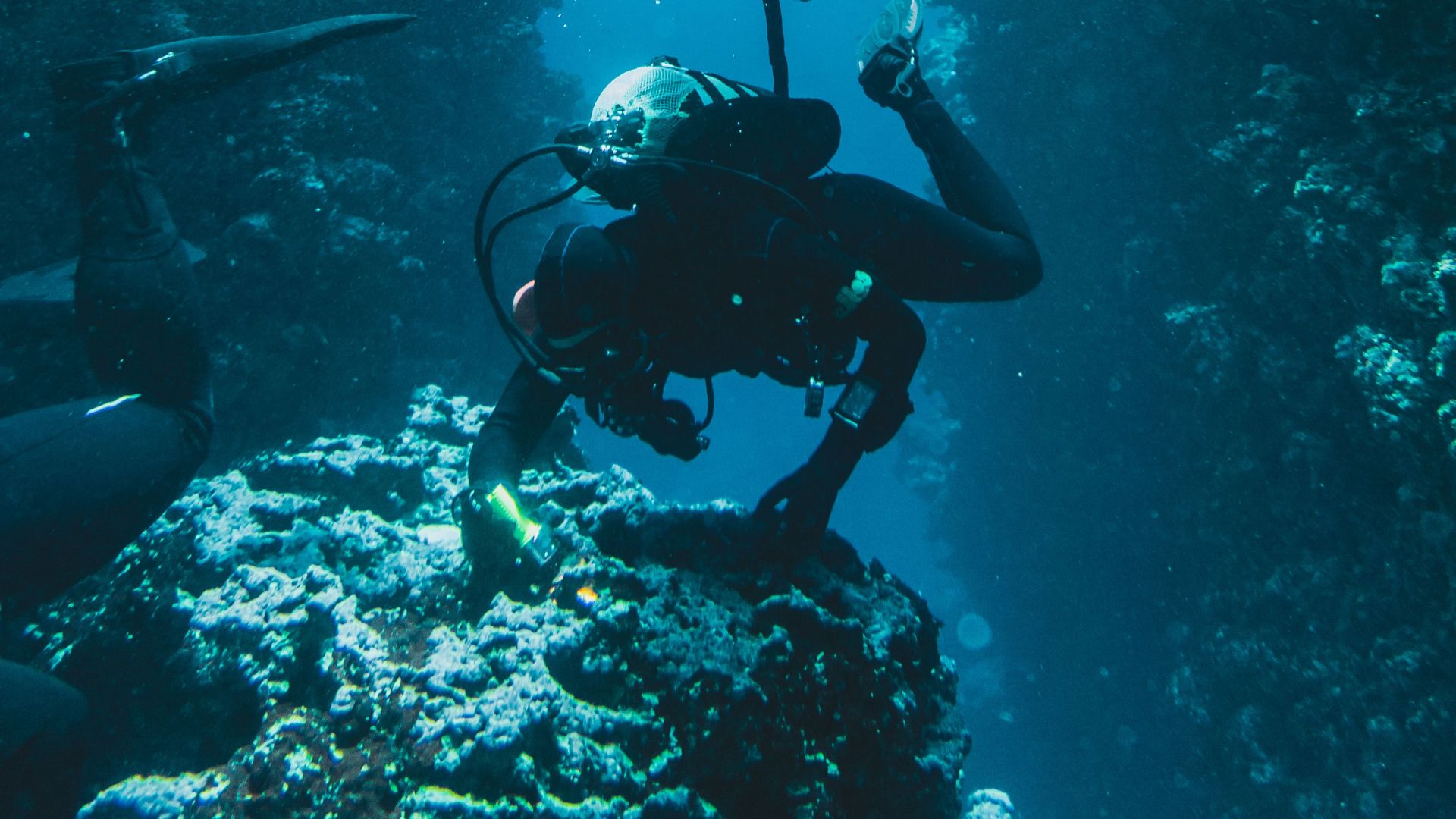
The team recorded 476 fossil cetaceans and five modern natural whale falls. In some surveyed areas, the estimated density reached nearly 760 remains per square kilometer. That concentration was unlike anything previously documented in the deep ocean.
 National Marine Sanctuaries, Wikimedia Commons
This Was Not One Mass-Death Event
The word “graveyard” might suggest that hundreds of whales perished together, but the evidence points to a much longer story. The remains accumulated gradually over at least 5.3 million years. Whales are apparently still being added to the site today.
 NOAA's Undersea Research Program, Wikimedia Commons
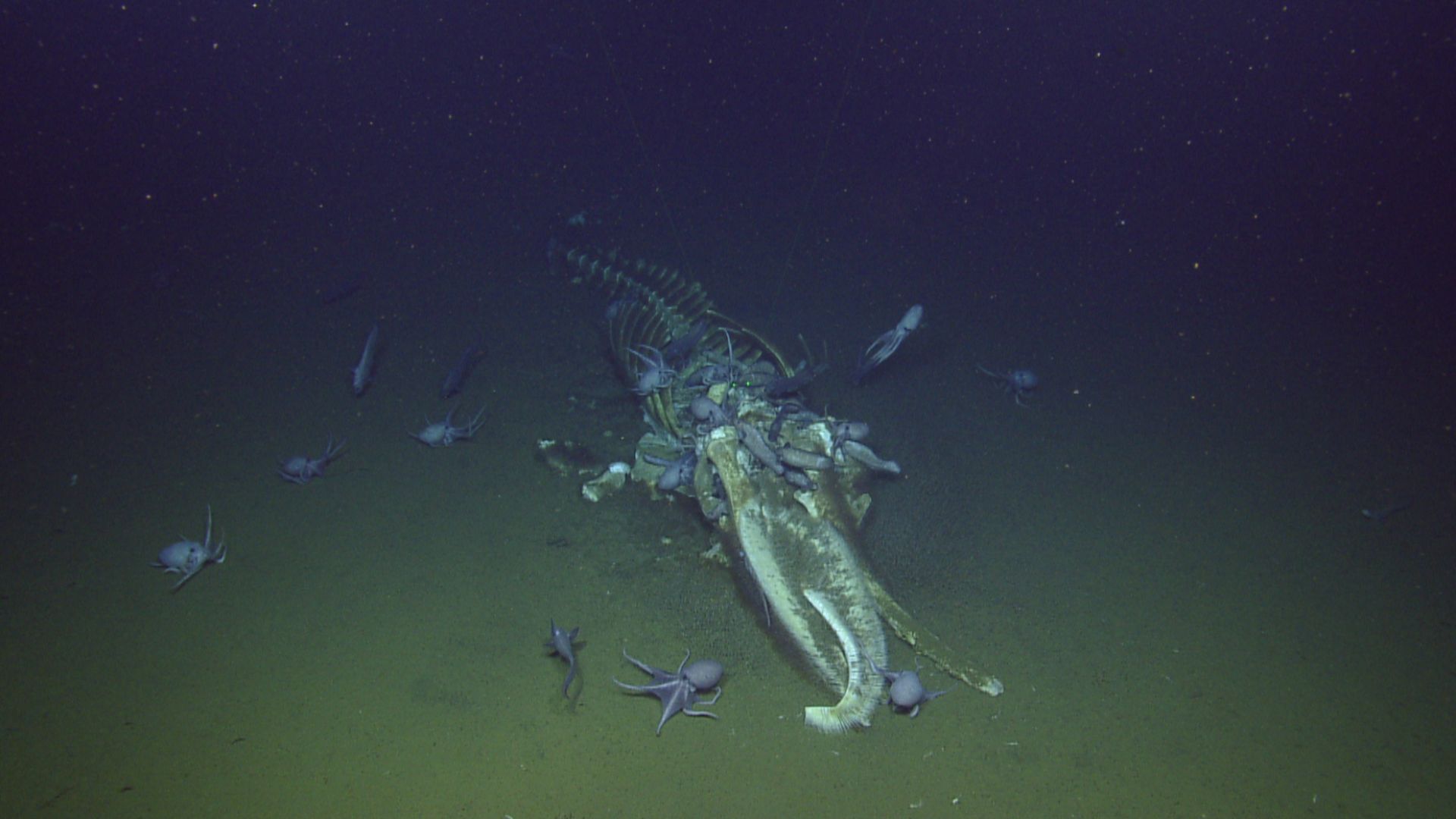
A Whale Fall Creates New Life
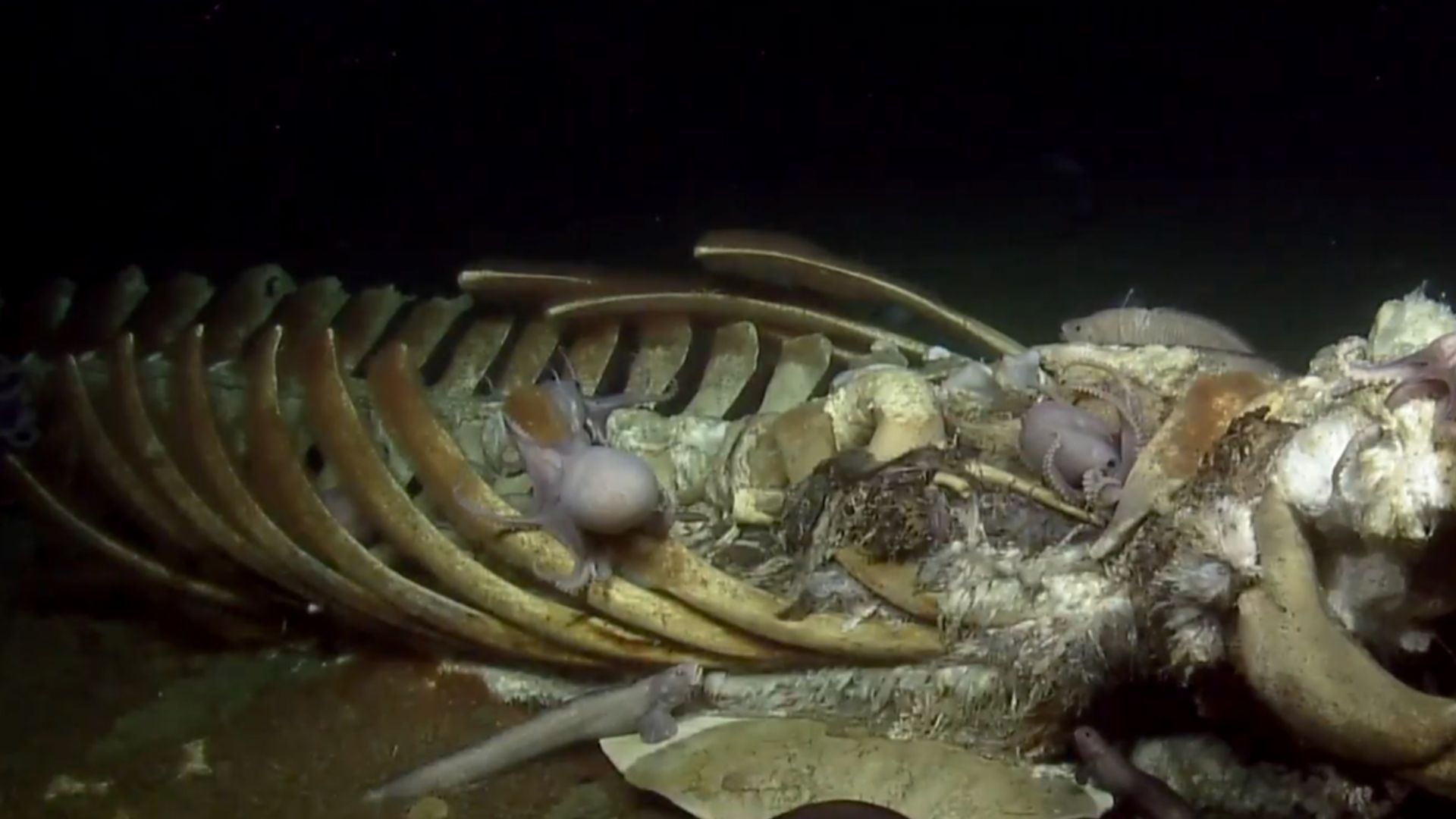
A whale fall forms when a whale carcass sinks to the seabed. In the food-poor deep ocean, that sudden arrival delivers an enormous supply of nutrients. One carcass can support a succession of scavengers, microbes, worms, and other organisms for years or even decades.
 National Marine Sanctuaries, Wikimedia Commons
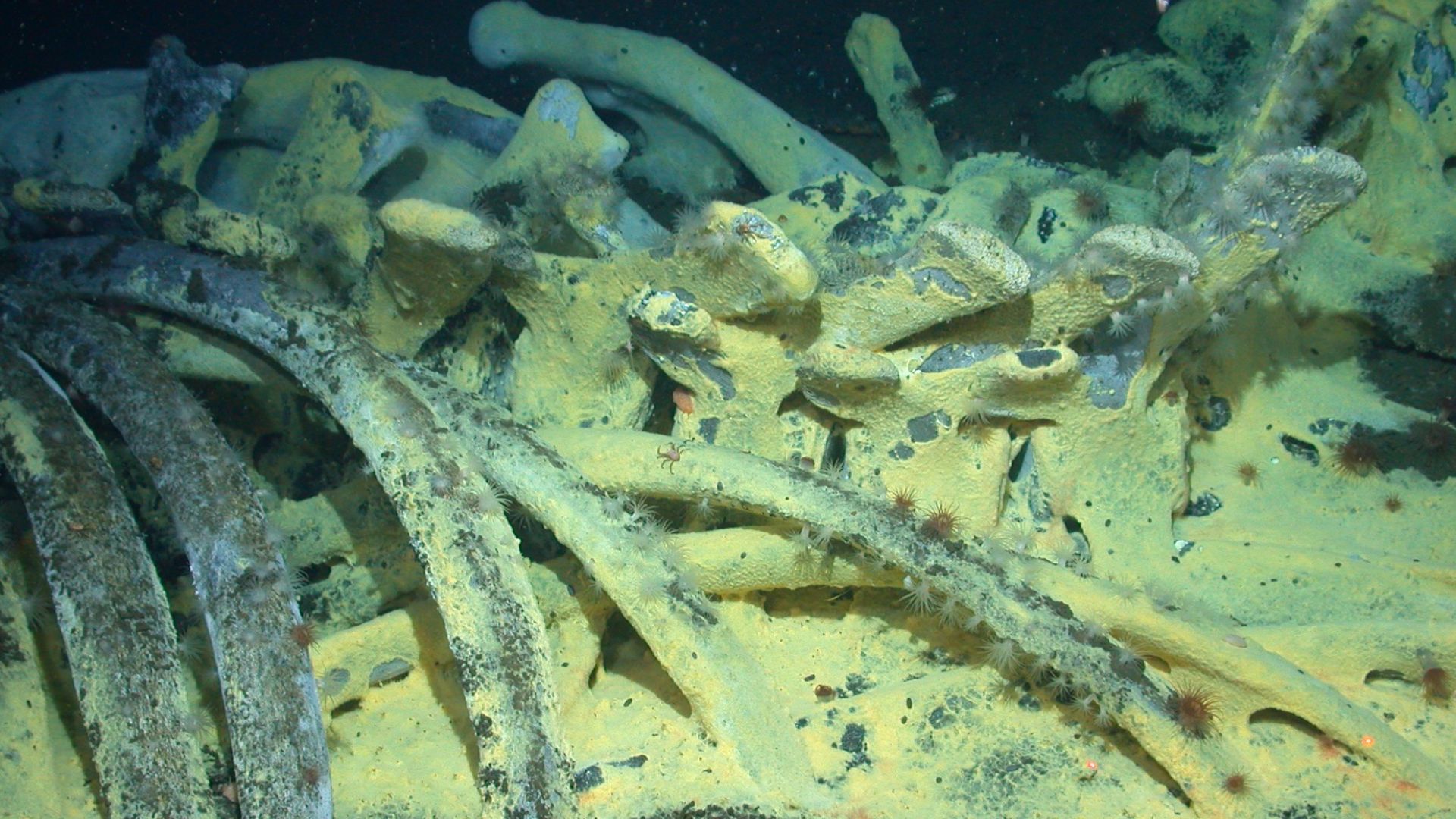
Five Carcasses Still Supported Ecosystems
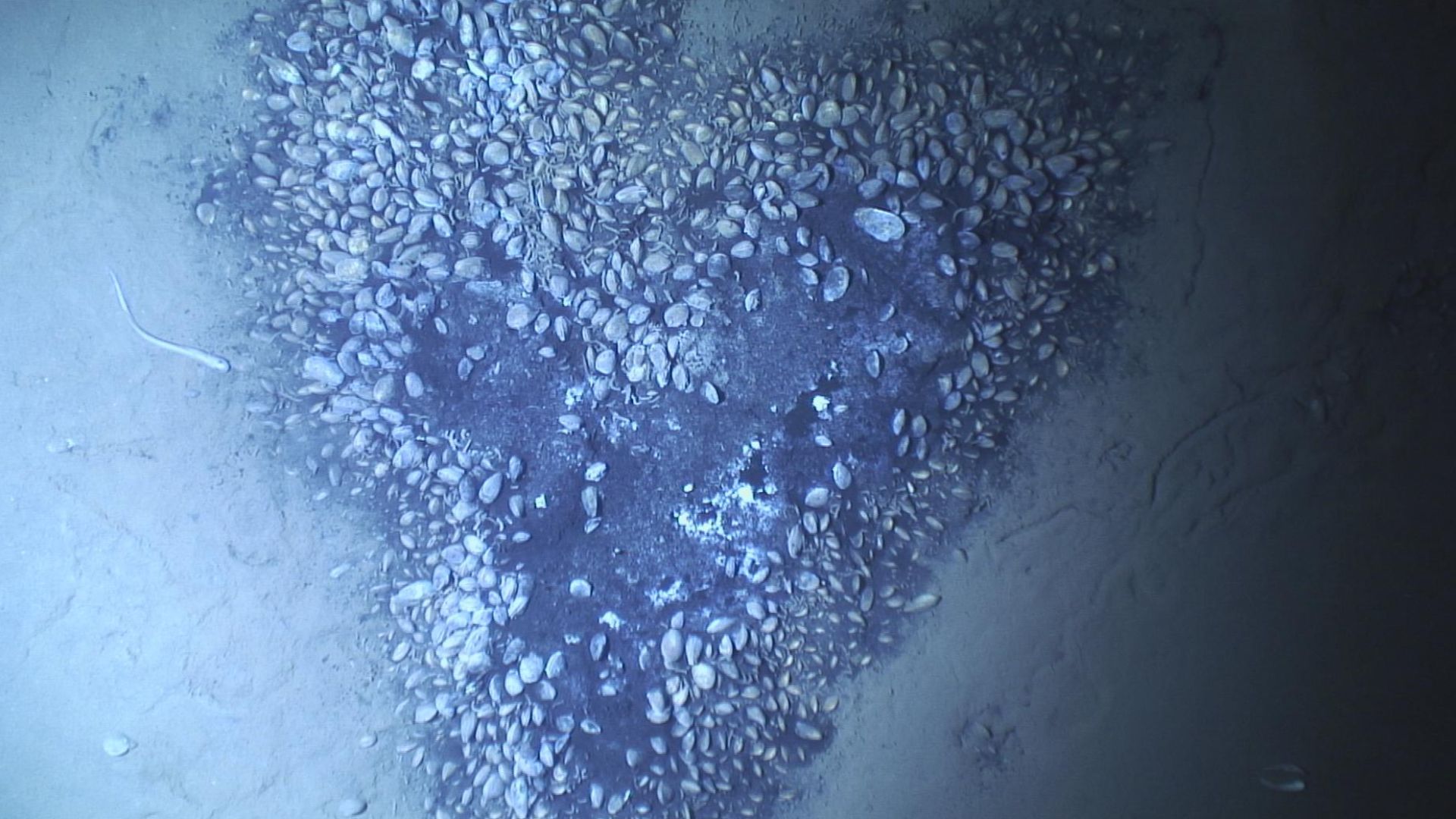
The five modern whale falls were in an advanced stage of decomposition known as the sulfophilic stage. Their bones were coated with whitish microbial mats and inhabited by animals adapted to exploiting the remaining fats and proteins. These were functioning ecosystems rather than lifeless skeletons.
 Craig Smith NOAA, Wikimedia Commons
One Fall Set A Depth Record
The deepest active whale-fall community was found at 6,789 meters. It consisted of three elongated vertebrae from a beaked whale. Before this discovery, the deepest documented active whale fall was at 4,204 meters in the southwest Atlantic.
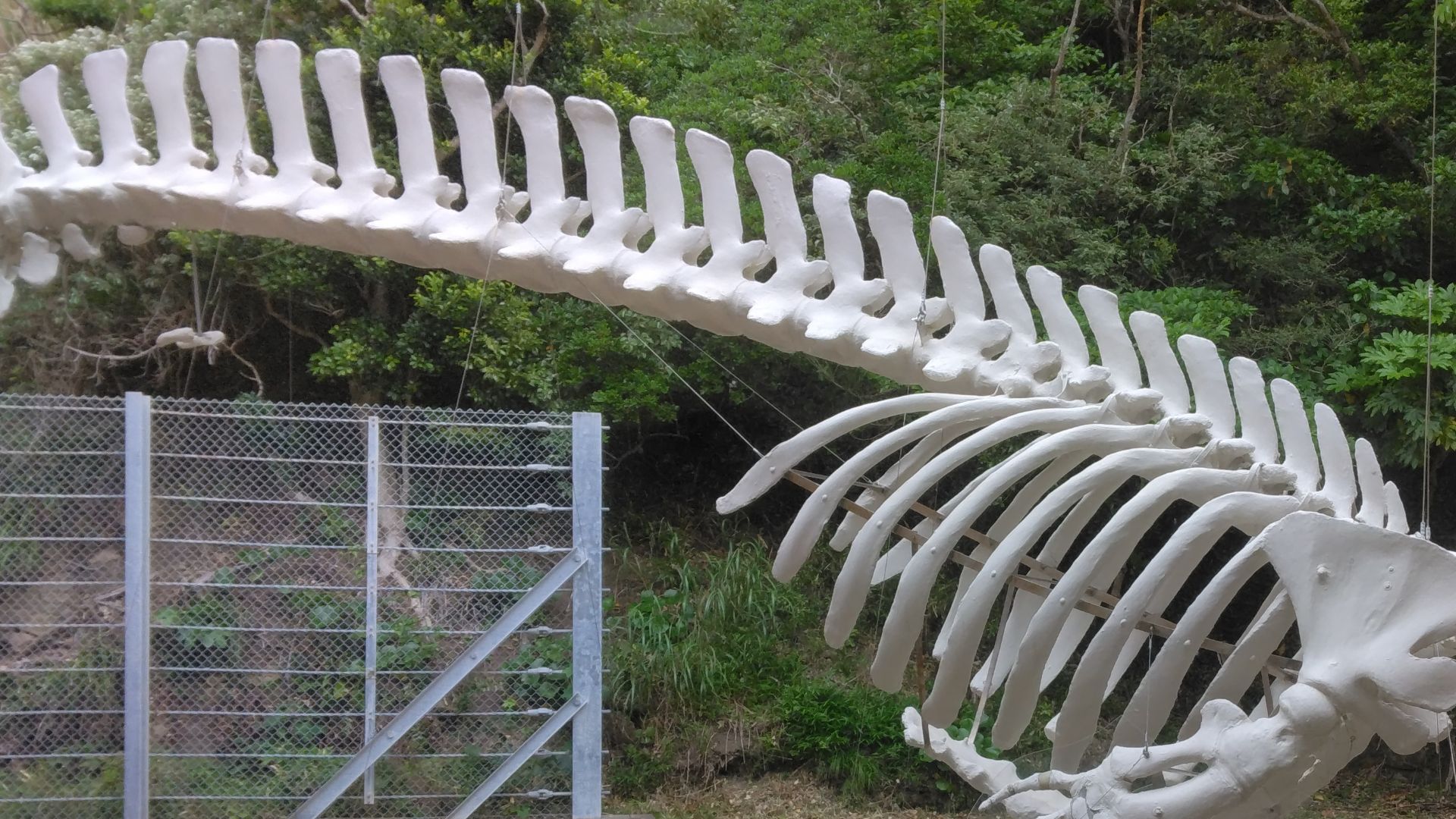
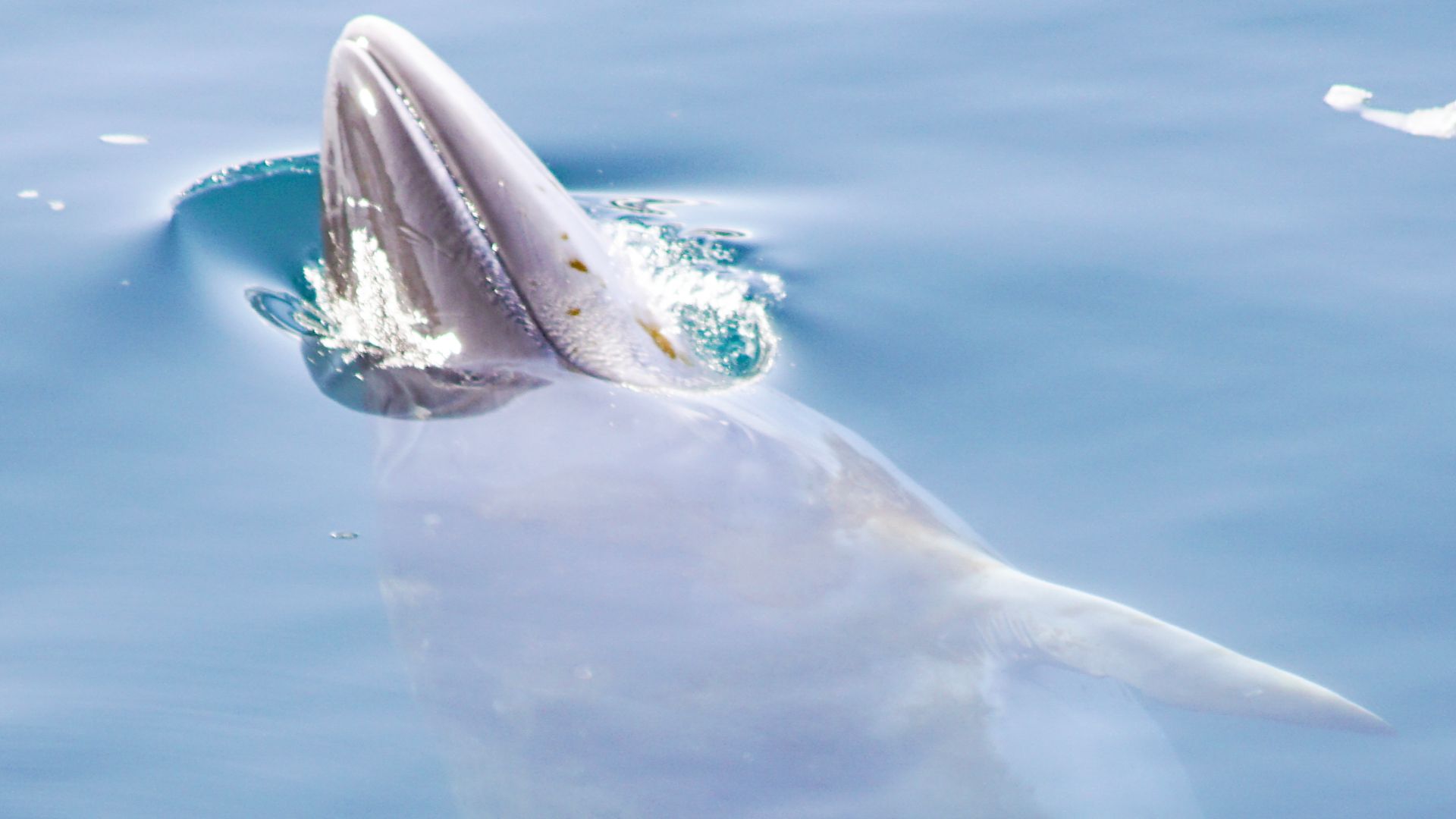
A Minke Whale Became The Largest Find
The largest modern skeleton measured approximately five meters long and rested at a depth of about 5,610 meters. Researchers identified it as an Antarctic minke whale using its ear bone and mitochondrial DNA. This species normally feeds much closer to the surface, so its carcass likely sank into the trench after death.
 Carina Gsottbauer, Wikimedia Commons
Thousands Of Animals Crowded The Bones
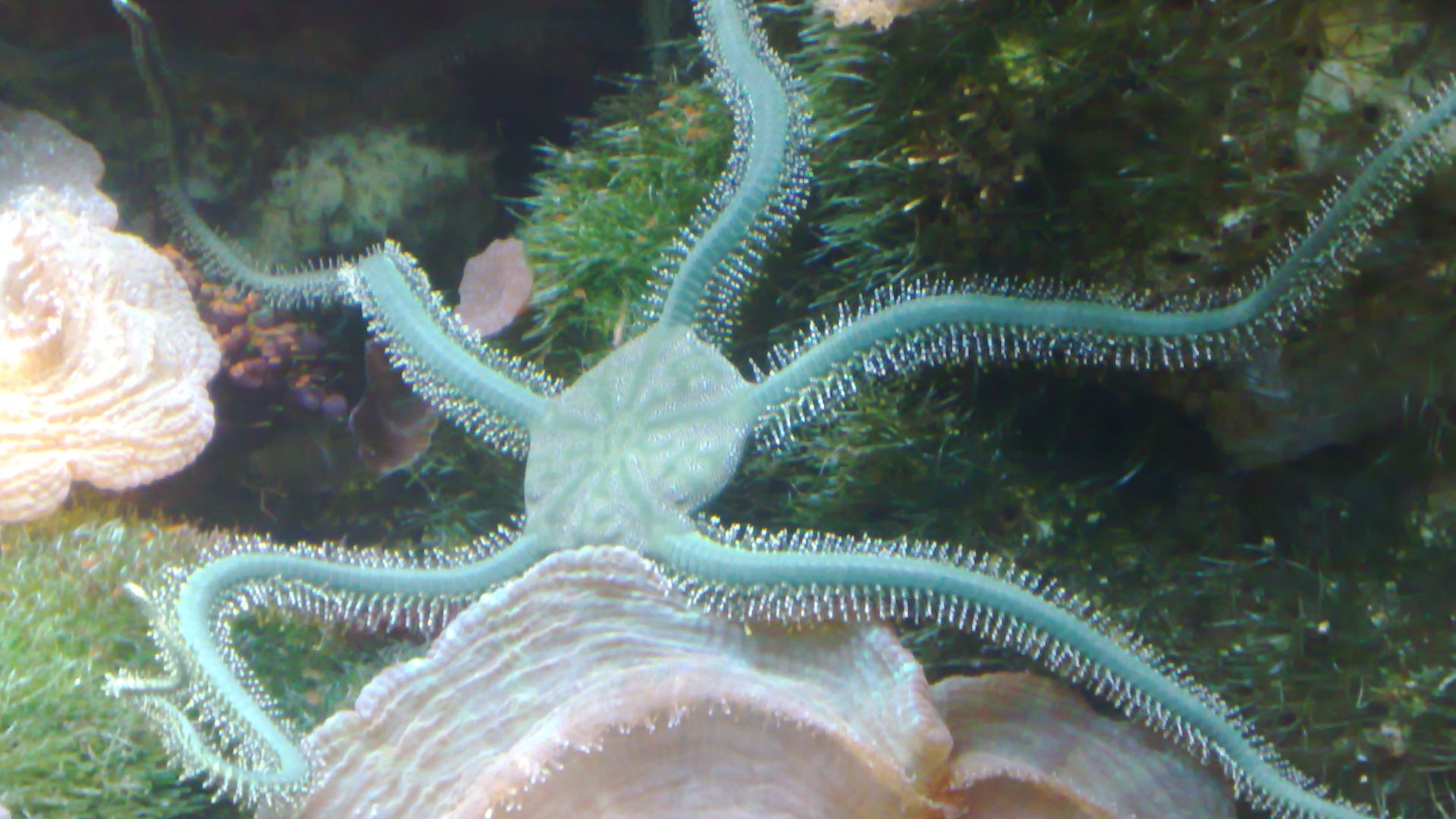
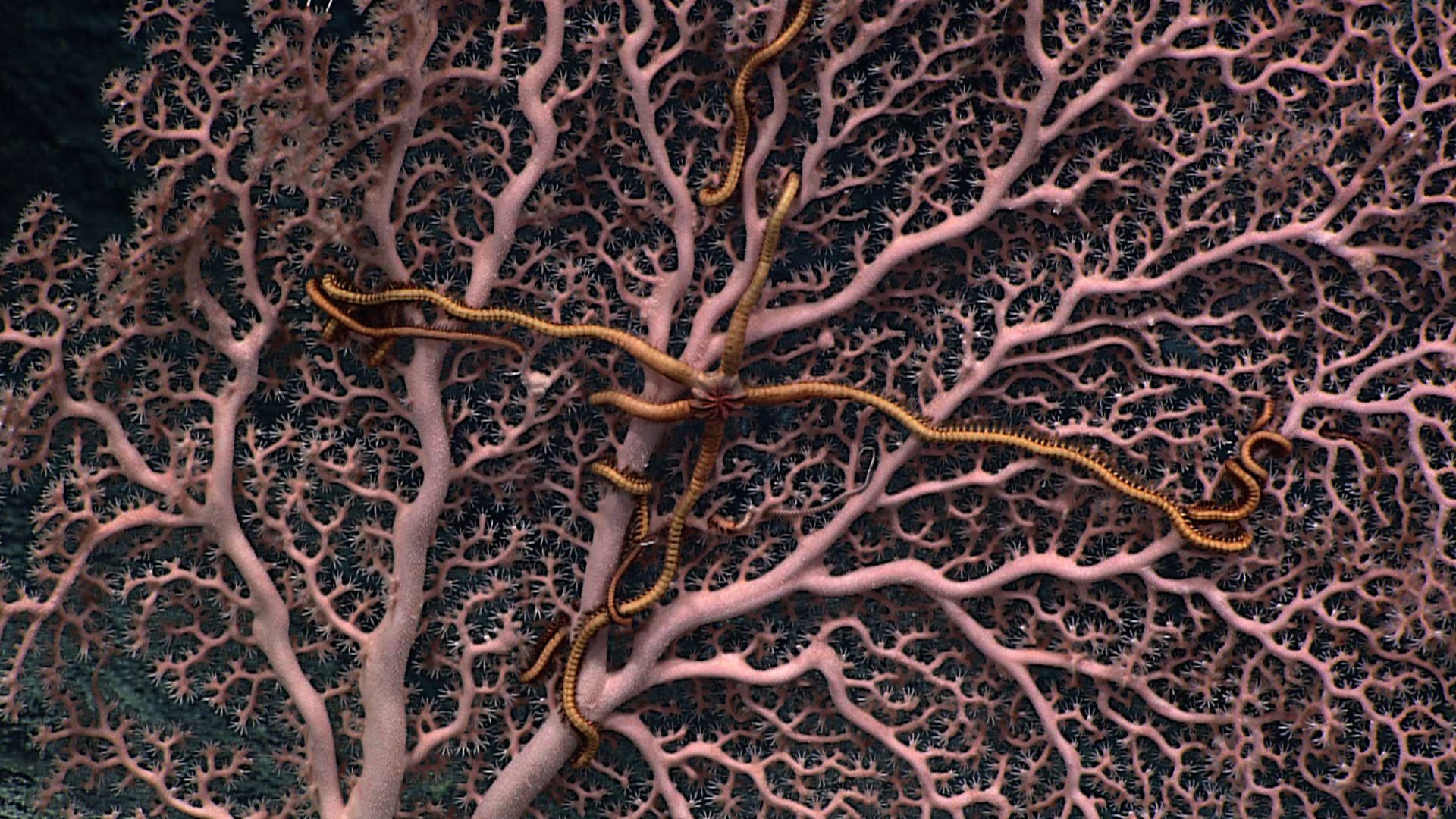
Scientists recognized 35 types of larger animals across the five active whale falls. One small carcass supported as many as 2,840 individual animals per square meter. Brittle stars, mollusks, crustaceans, worms, sea stars, sponges, and anemones all appeared around the remains.
Bone-Eating Worms Joined The Feast
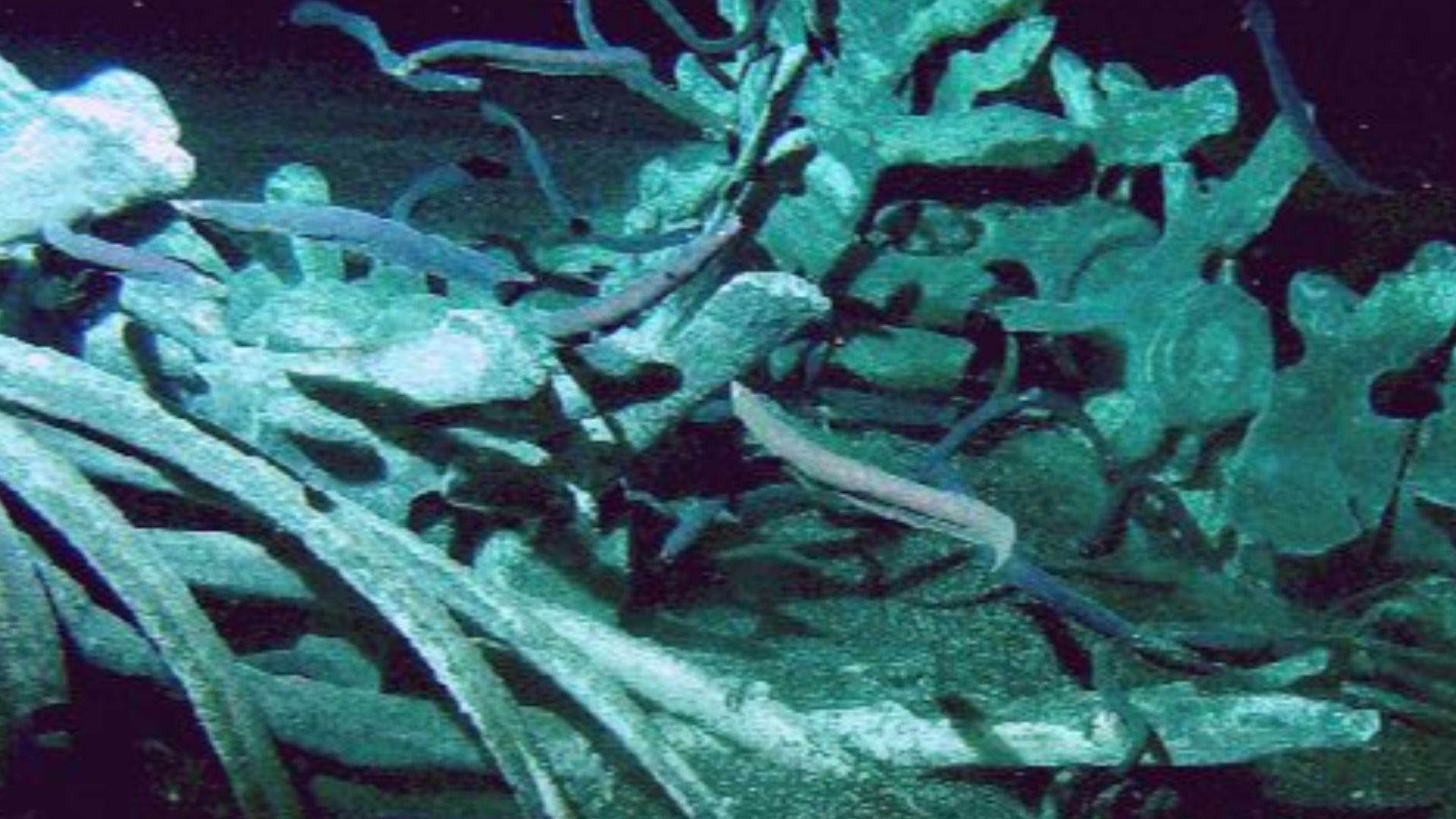
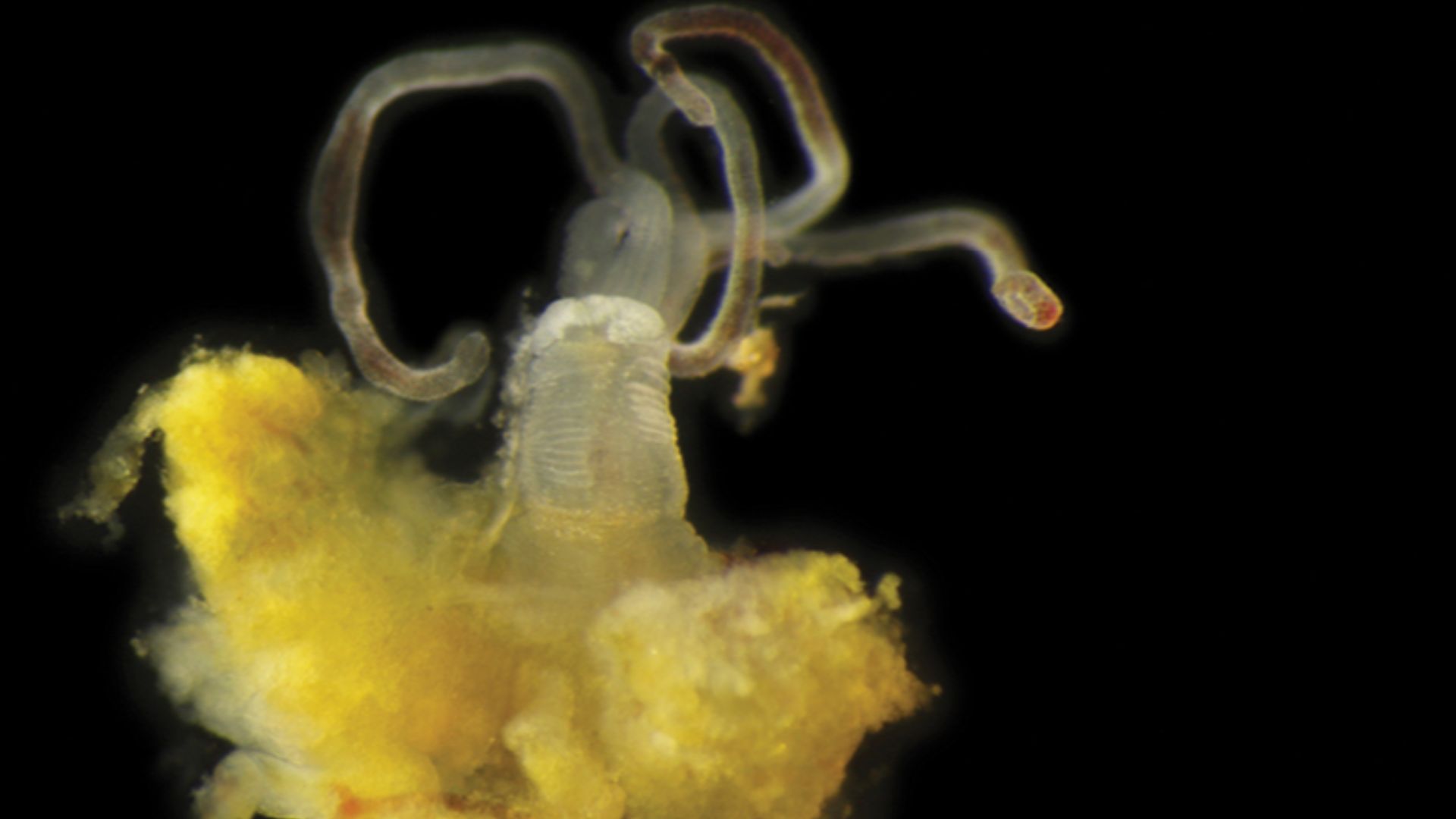
Among the strangest residents were Osedax, commonly called bone-eating worms. These worms lack conventional mouths and digestive systems, instead extending root-like tissue into bones. Symbiotic bacteria help them obtain nutrients from the collagen and fats locked inside.
 Seid et al. (2025)., Wikimedia Commons
Bacteria Powered A Hidden Food Web
As oils inside the bones decomposed, they produced sulfide-rich conditions. Microbes used chemical reactions involving those compounds to generate energy without sunlight. Clams carrying sulfur-oxidizing bacterial partners then became part of the growing community.
Sea Daisies Broke Another Record
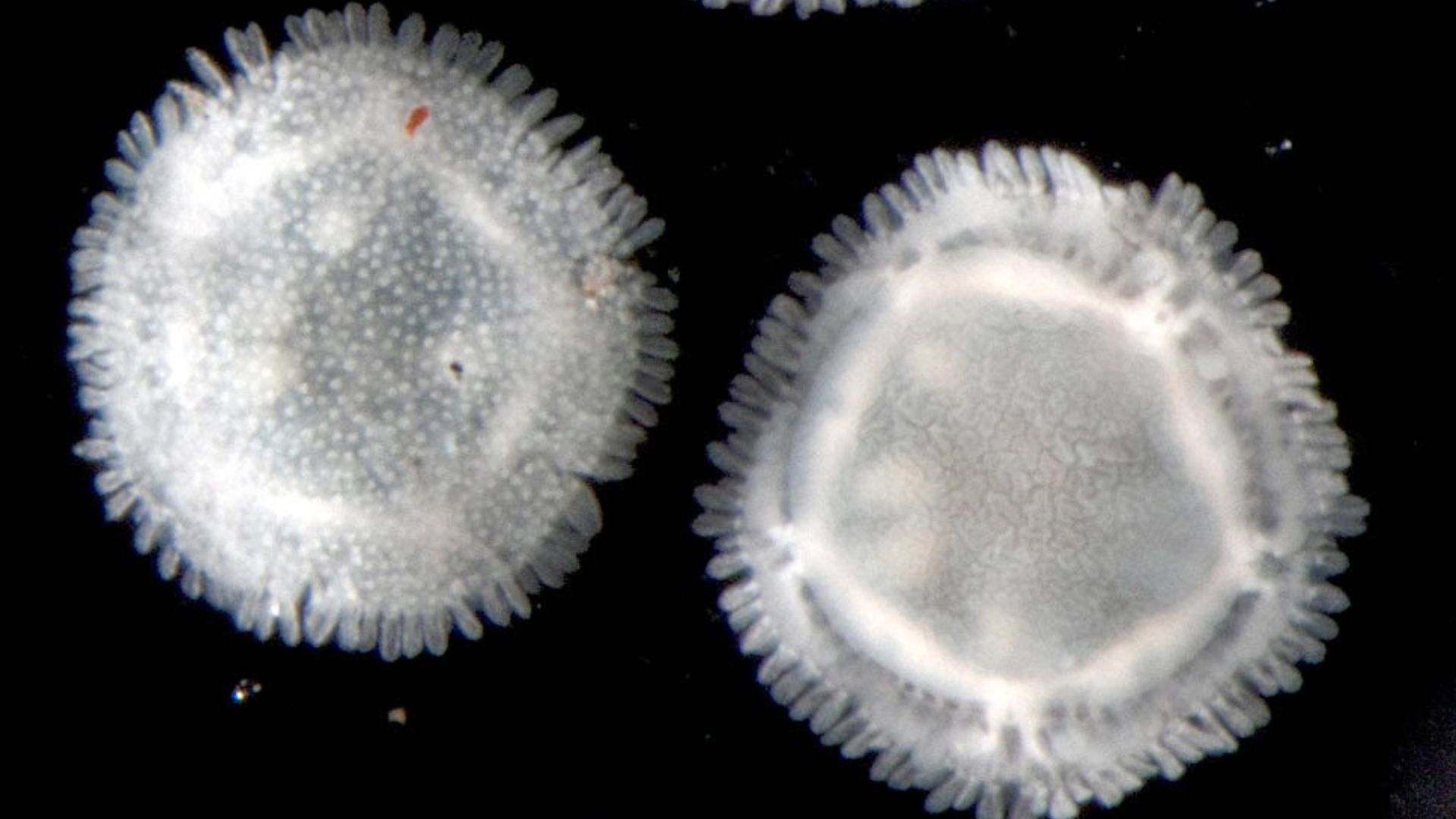
Researchers found tiny sea daisies from the genus Xyloplax at depths exceeding 5,600 meters. This was the deepest known record of the genus and its first documented appearance on a whale fall. Sea daisies had previously been associated with sunken wood and hydrothermal vents.
 Dr. Christopher L. Mah, Wikimedia Commons
Many Creatures May Be New To Science
The team obtained molecular information from 21 animals found around the whale falls. Only one could be confidently matched to a previously described species at the species level. Most of the others could be identified only by their genus or family, suggesting that many may be unknown to science.
 National Marine Sanctuaries, Wikimedia Commons
Ancient Skulls Survived Remarkably Well
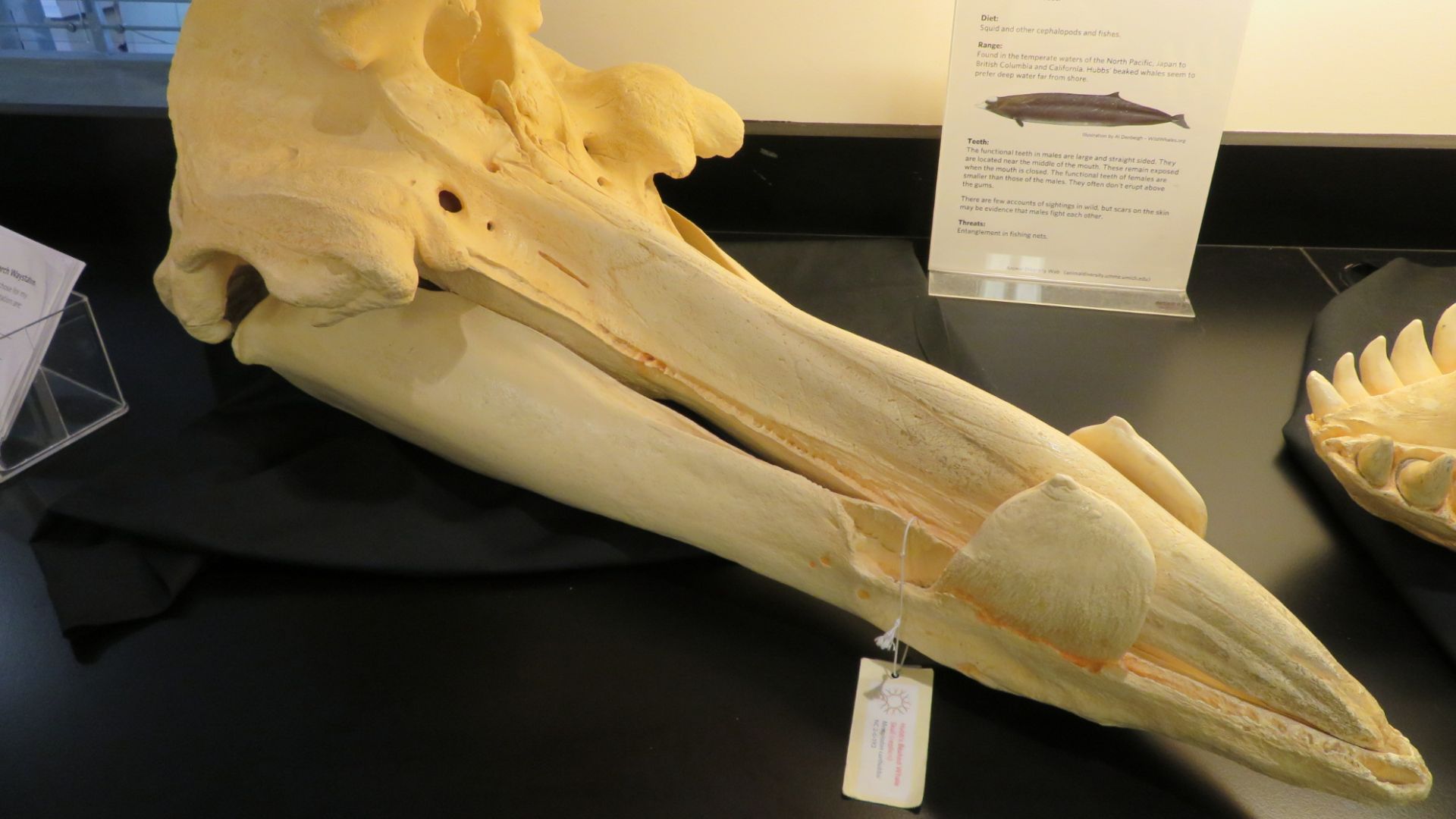
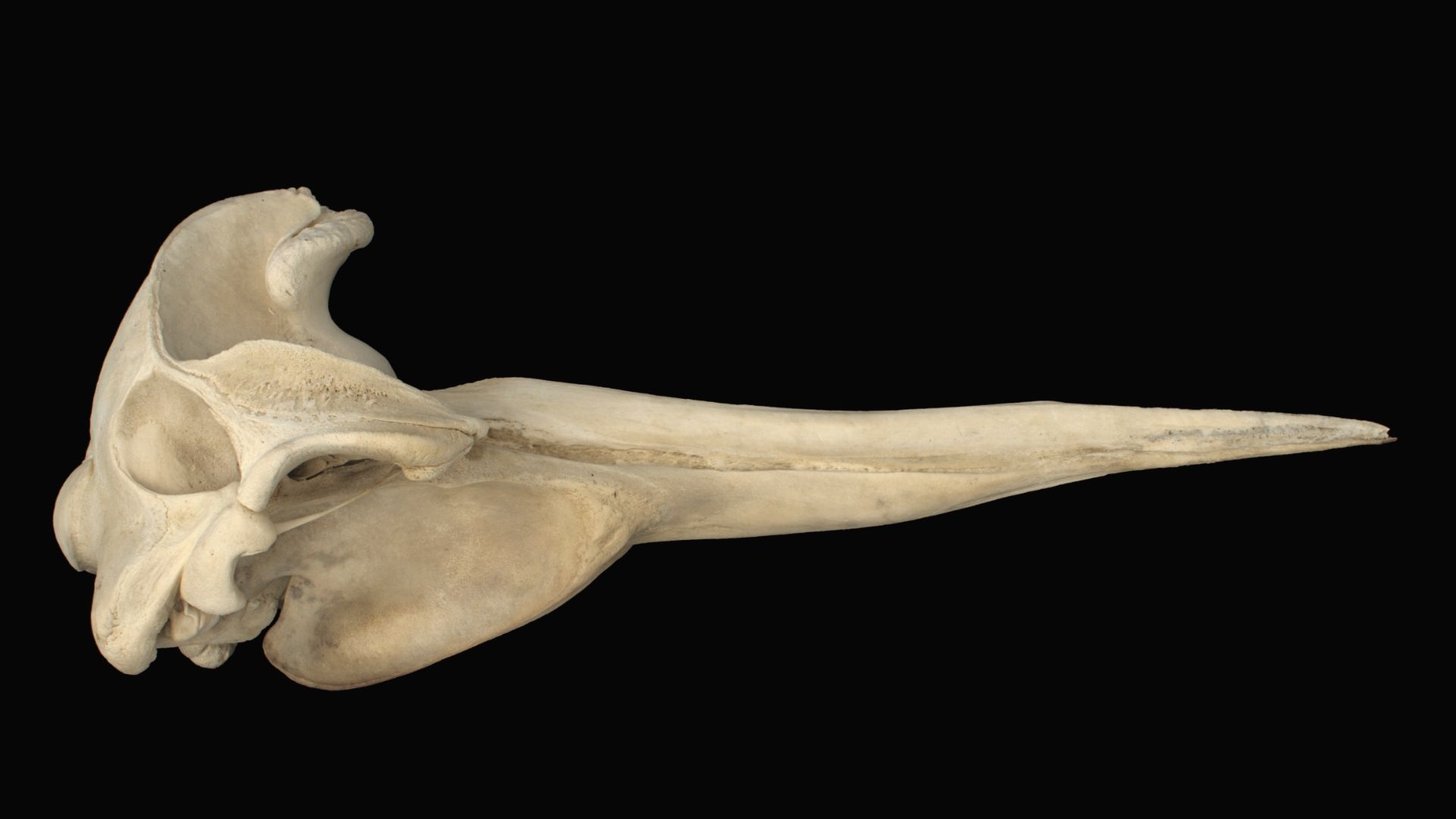
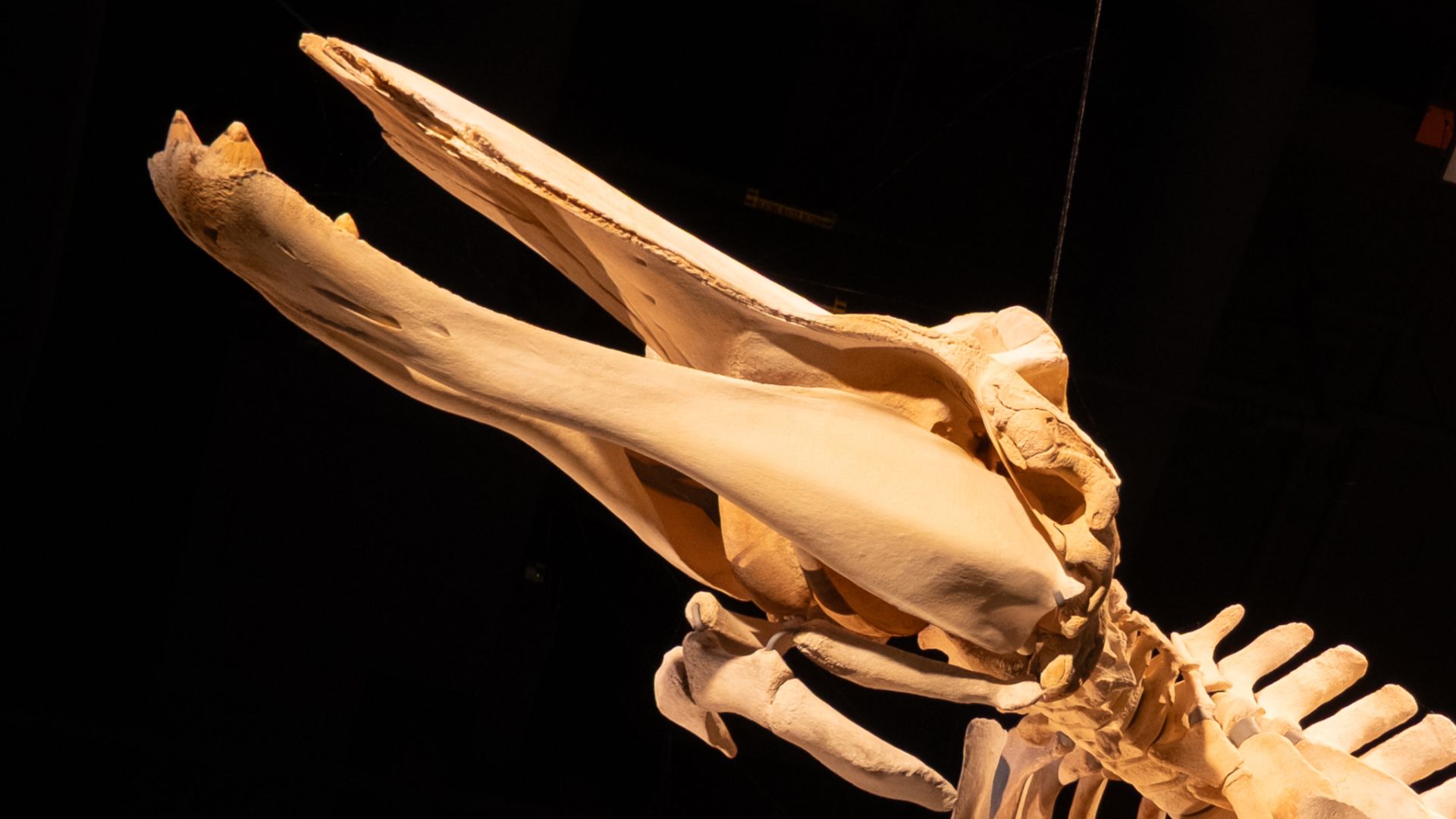
Researchers recovered 43 fossils for closer examination. Their analysis identified five beaked-whale species and one baleen-whale species among the more complete specimens. Many fossils consisted of dense snouts, known as rostra, which resisted destruction far better than lighter bones.
 Dawn Pedersen, Wikimedia Commons
Beaked Whales Dominated The Site
Most identifiable remains belonged to beaked whales, an elusive family of deep-diving cetaceans. These whales hunt squid and fish along slopes, canyons, plains, and ocean trenches. Because living beaked whales are difficult to observe, their bones provide unusually valuable scientific evidence.
Familiar Species Appeared In The Fossils
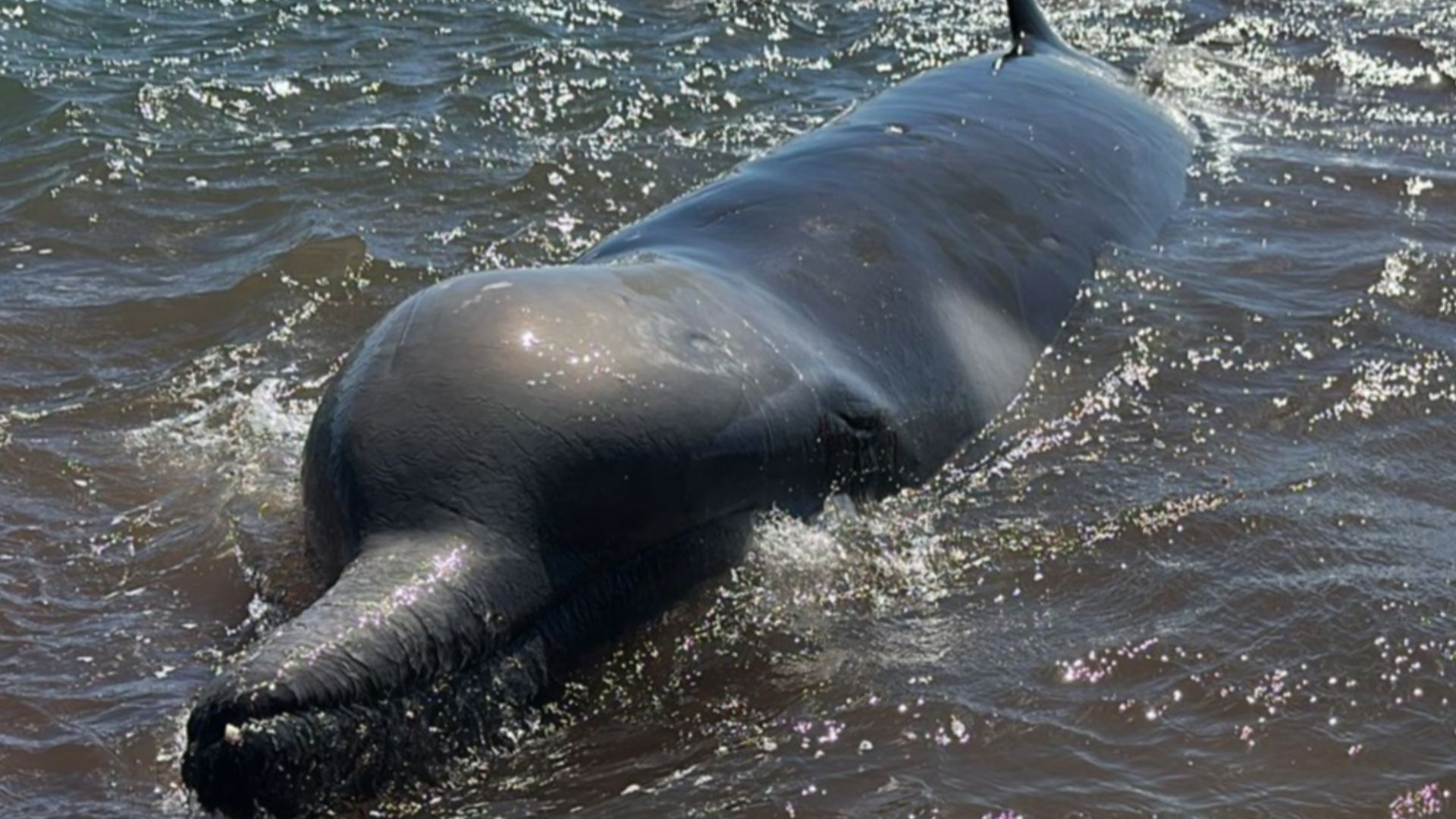
Researchers identified remains from Andrews’ beaked whales and strap-toothed whales. Both species still inhabit the southeastern Indian Ocean today. Their presence shows that this area has supported beaked-whale populations across a considerable span of time.
 leeandron, PixabayAn Unknown Whale Emerged From The Deep
Three especially well-preserved skulls belonged to extinct types of beaked whales. One specimen represented a previously unknown species that researchers named Pterocetus diamantinae after the region. Another was assigned to Pterocetus benguelae, an extinct species previously known from fossils recovered near South Africa.
 Andrew Glaser, Wikimedia Commons
Chemistry Revealed Their Ages
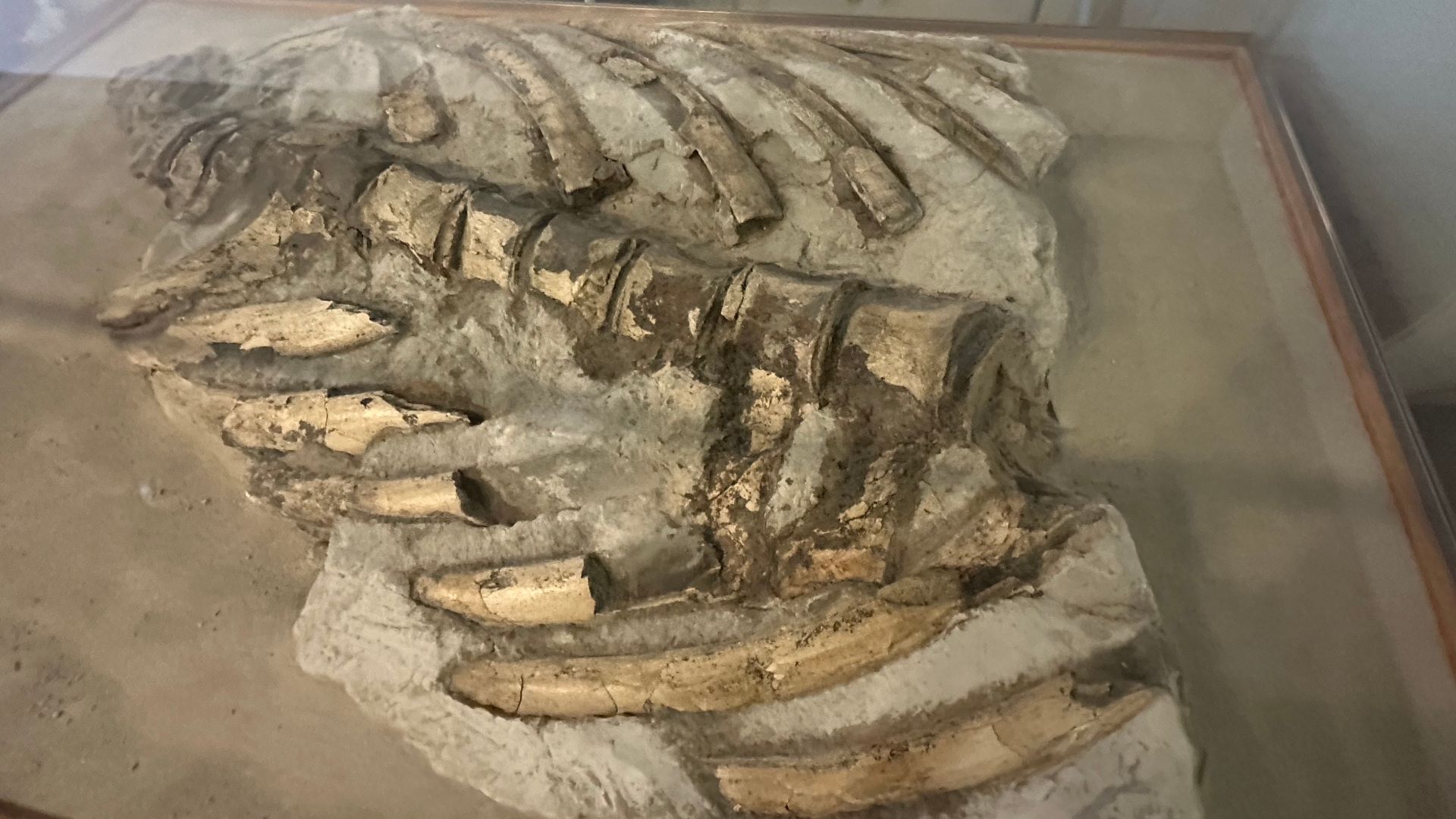
The scientists analyzed strontium isotopes preserved in 33 fossil bones. They compared those chemical signatures with known changes in seawater through geological time. The oldest reliable result dated to approximately 5.26 million years ago, during the Early Pliocene.

Dense Bones Became Natural Time Capsules
Beaked-whale rostra are among the densest bones produced by living vertebrates. Their compact structure helped them withstand scavengers, microbes, and physical breakdown on the seabed. Layers of ferromanganese oxides gradually coated some specimens, making them even more resistant.
 Guywelch2000, Wikimedia Commons
Slow Sediment Helped Preserve The Scene
Sediment accumulates extremely slowly around the Diamantina Zone. Instead of being quickly buried or swept away, some bones remained exposed for hundreds of thousands or even millions of years. That unusual stability turned the seabed into a long-running record of whale life.
Several Forces Built The Graveyard
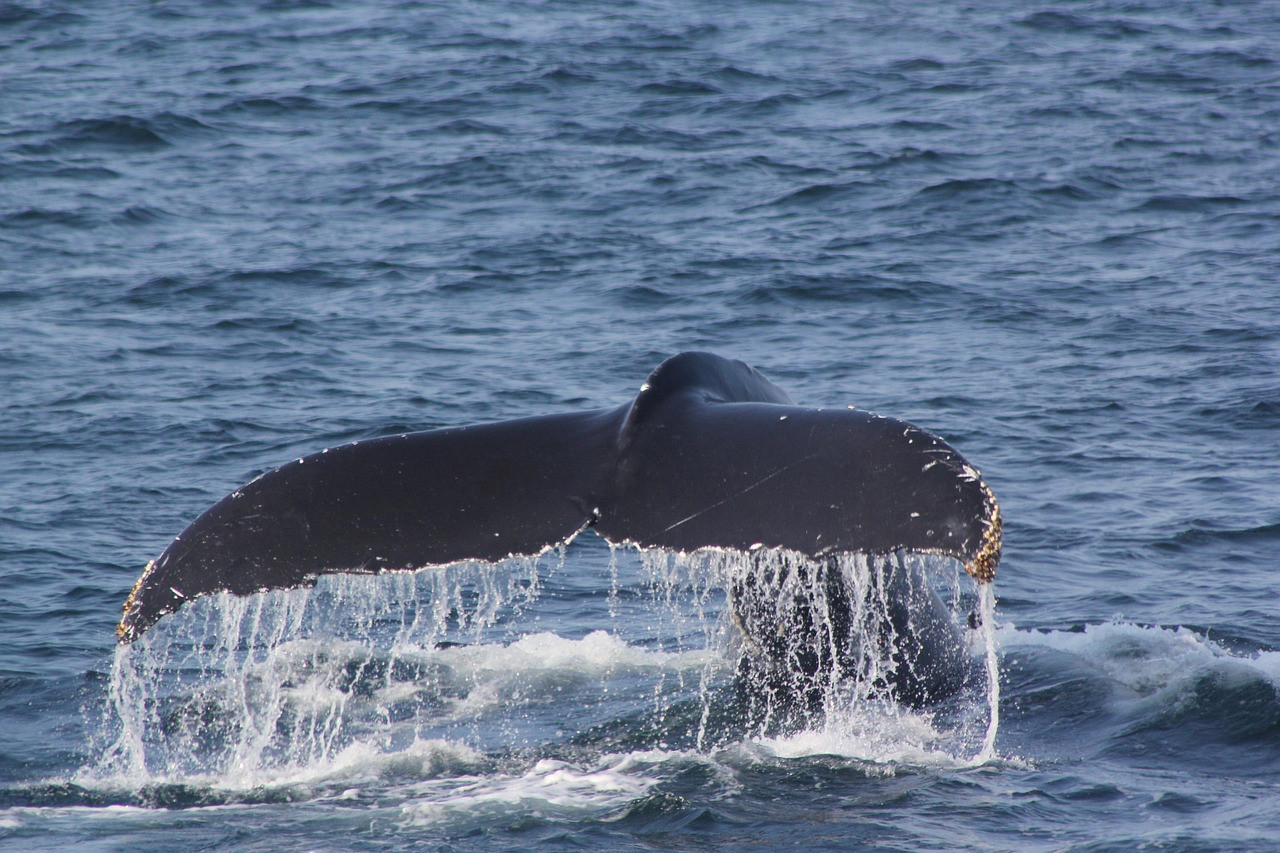
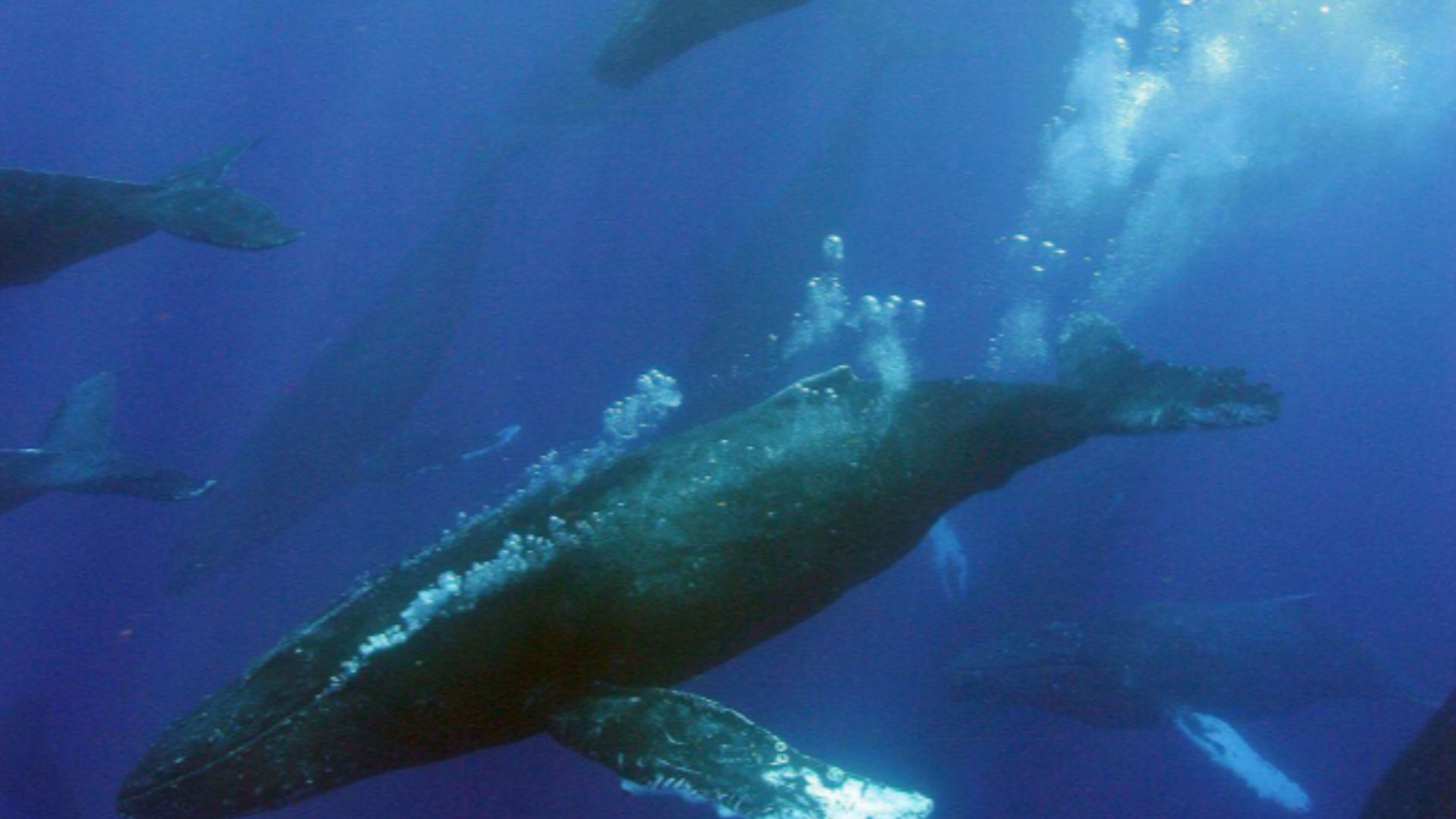
The region lies along routes used by migrating baleen whales, including Antarctic minke and sei whales. Its deep waters also contain squid and fish that attract hunting beaked whales. The overlap between migration and feeding grounds probably supplied a steady stream of carcasses over time.
 Ed Lyman/National Oceanic and Atmospheric Administration, Wikimedia Commons
The Trenches May Have Funneled The Remains
Beaked whales routinely dive beyond 1,000 meters, but scientists believe extremely deep pursuits may sometimes push them toward their physiological limits. Natural deaths and diving accidents could therefore have occurred near the zone’s trenches. The V-shaped terrain may then have channeled sinking carcasses into concentrated areas on the seabed.
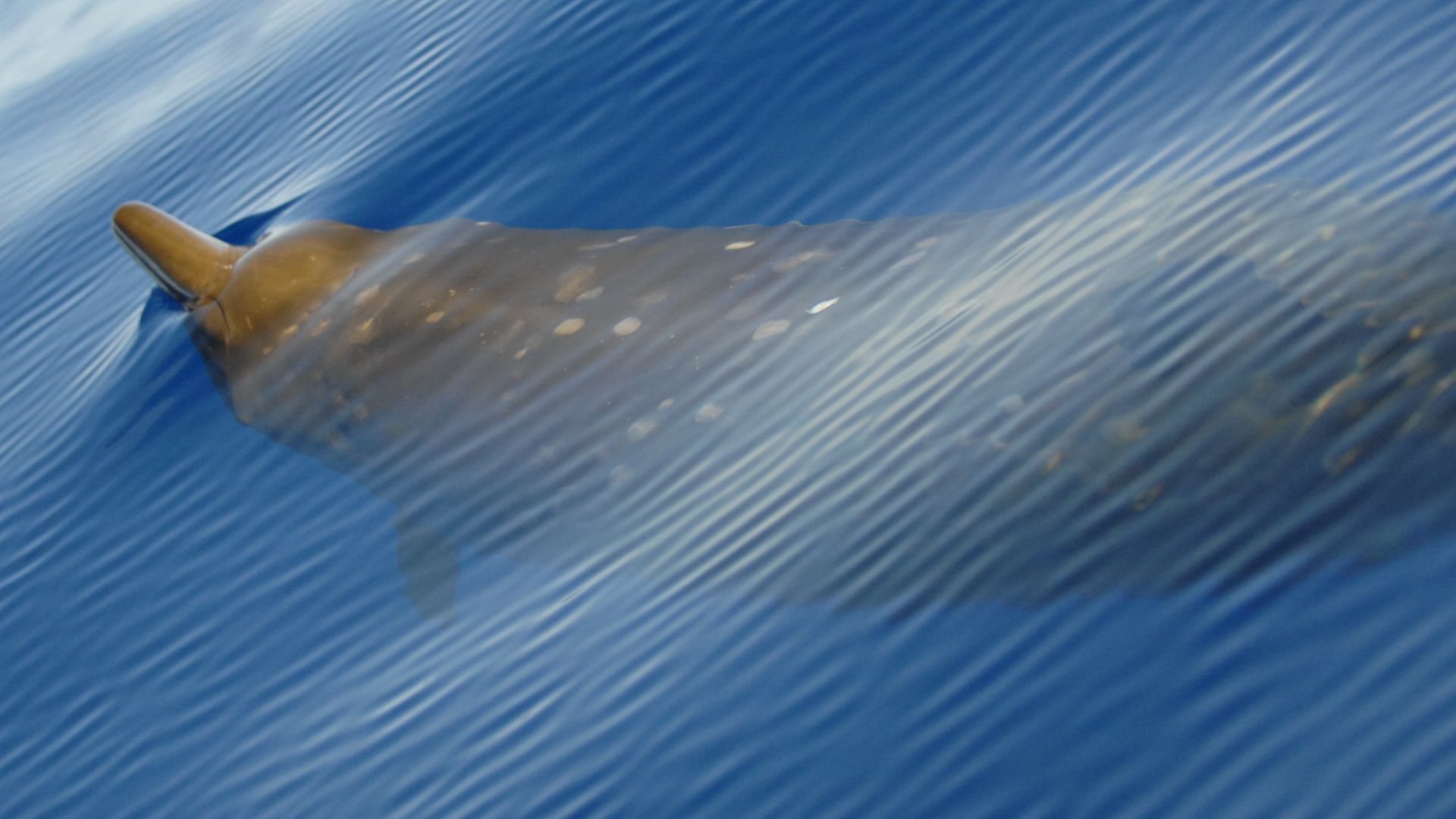 NOAA Photo Library, Wikimedia Commons
More Graveyards May Be Waiting
The whale falls are aligned across the Diamantina Zone, potentially creating a 1,200-kilometre corridor for specialized deep-sea organisms. Similar fossil accumulations may exist near other beaked-whale habitats, including waters off South Africa and the Iberian Peninsula. This extraordinary Indian Ocean discovery may be the first clear look at a much larger hidden world.
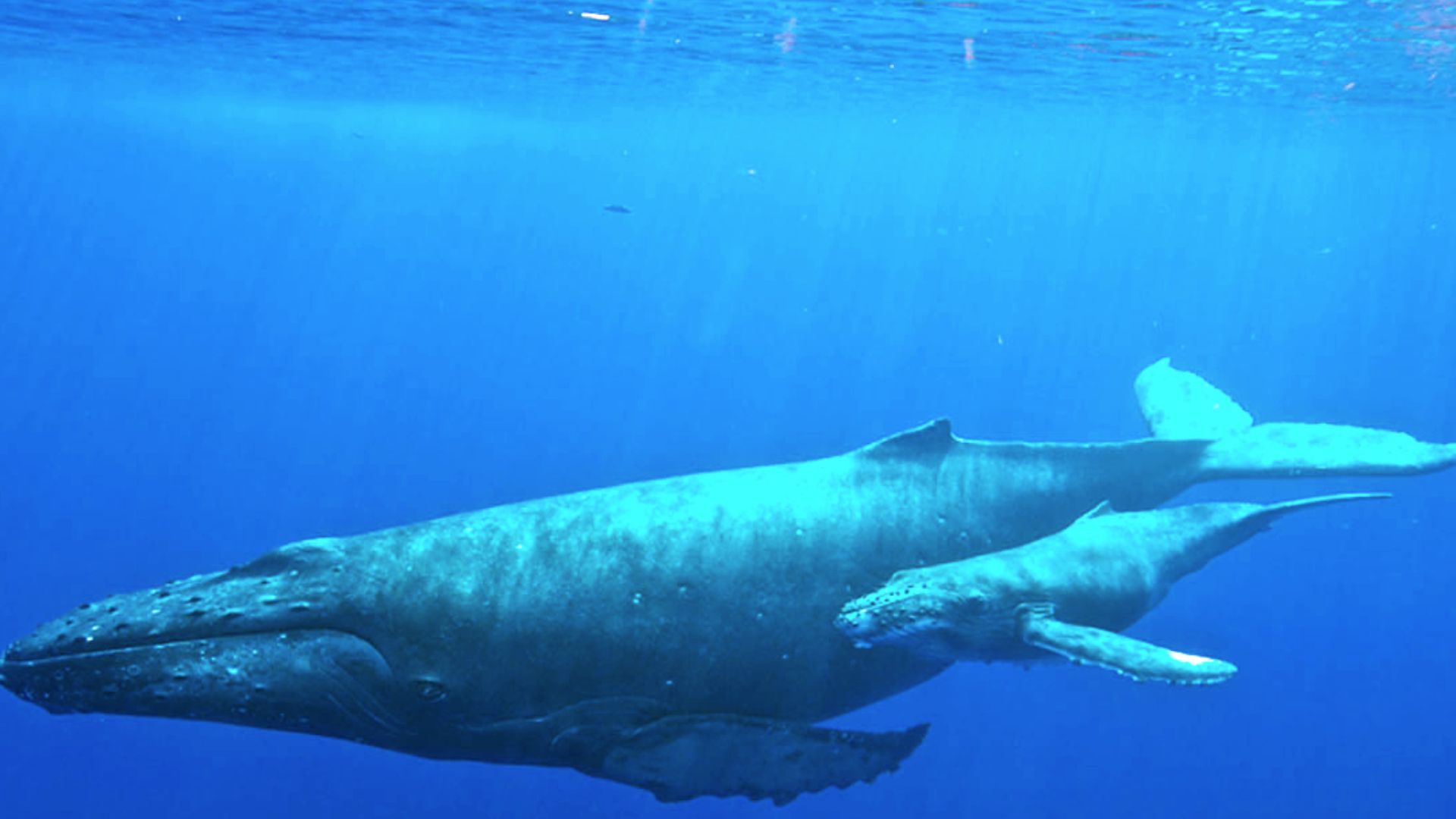 National Marine Sanctuaries, Wikimedia Commons
You May Also Like:
Scientists Are Looking For Alien Civilizations In A Way That Sounds Like Science Fiction