
The Search Has Changed
For decades, the hunt for aliens was usually pictured as scientists wearing headphones, waiting for a mysterious radio message. Today, the search is getting much stranger. Researchers are looking for pollution, artificial lights, giant machines, and other possible traces of technology scattered across the cosmos.
Welcome To Cosmic Archaeology
In some ways, scientists are becoming interstellar archaeologists. Archaeologists on Earth reconstruct vanished societies from pottery, buildings, mines, and garbage. Astronomers hope to do something similar from light-years away, searching for technological leftovers known as “technosignatures.”

What Exactly Is A Technosignature?
A technosignature is basically evidence that technology exists—or once existed—somewhere beyond Earth. It could be a deliberate radio message, but it could also be something aliens never intended us to notice, such as industrial pollution, excess heat, or artificial illumination.
Radio Signals Are Still On The Menu
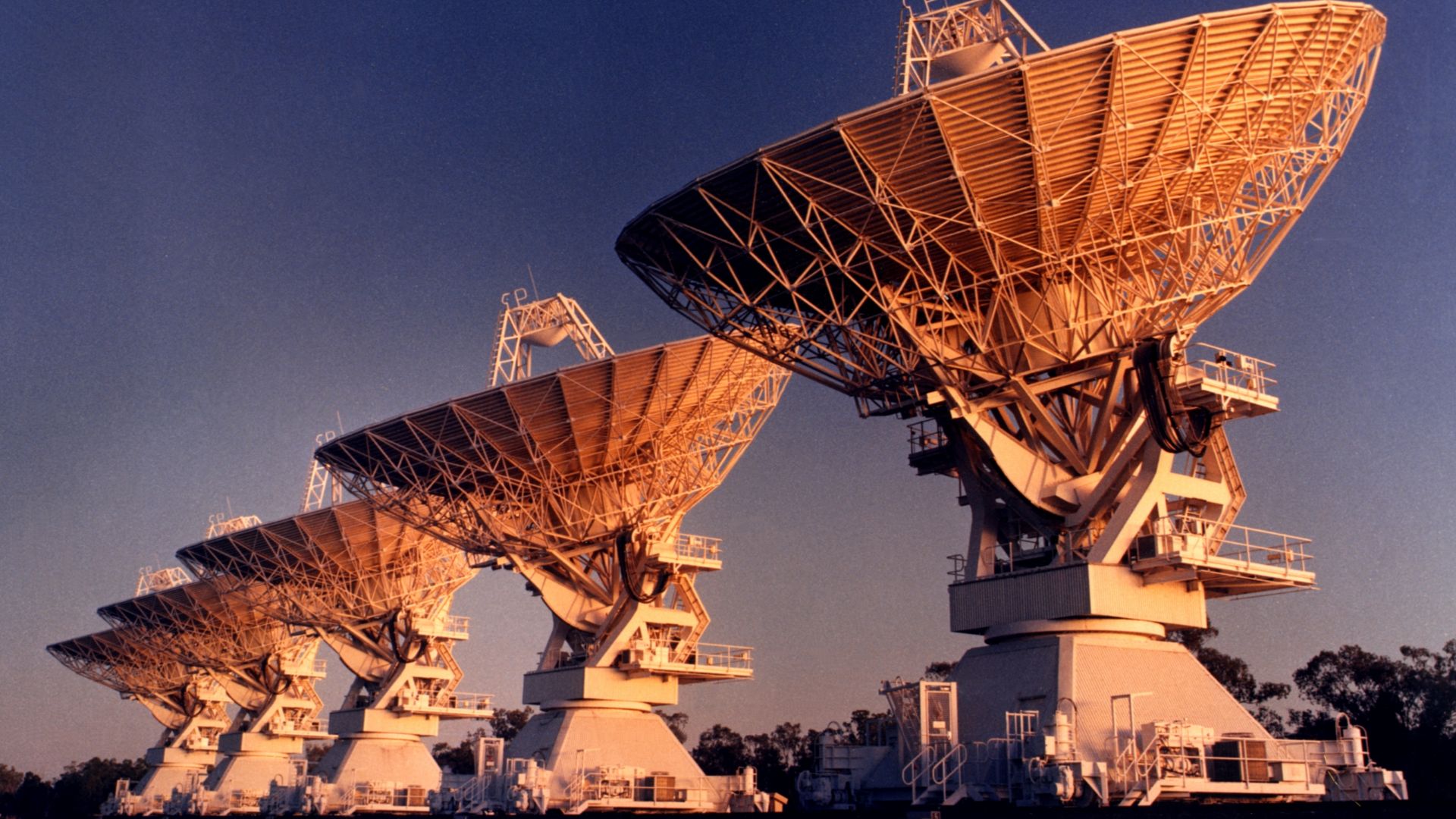
The classic SETI approach has not disappeared. Radio telescopes still search for transmissions that look different from naturally produced cosmic radio waves. A sufficiently unusual, narrow, or patterned signal could suggest that somebody—or something technological—is broadcasting from another star system.
 John Masterson, CSIRO, Wikimedia Commons
Aliens Might Be Using Lasers
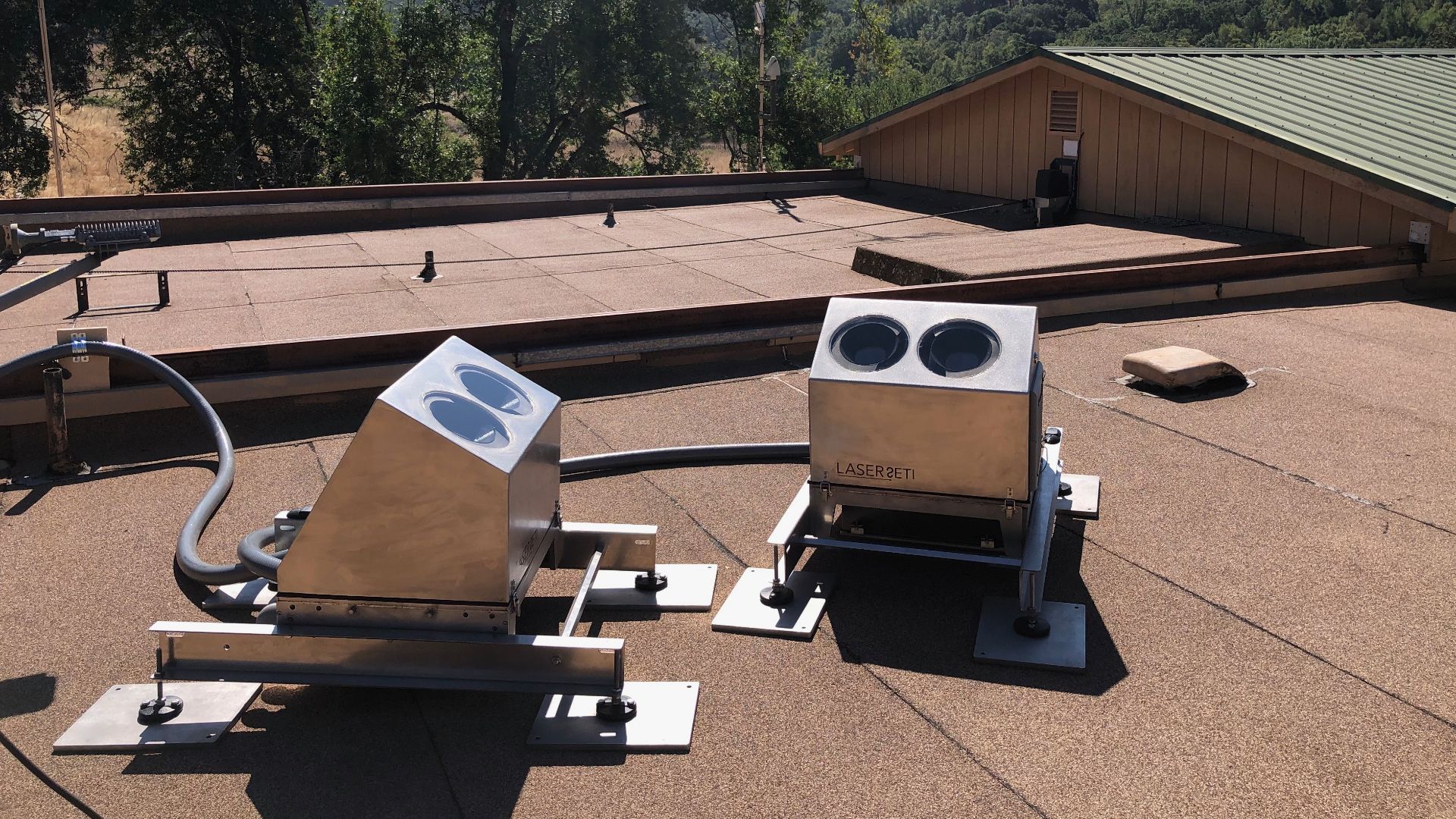
Radio is not the only way an advanced society could communicate. Scientists have also searched for powerful laser pulses. Projects such as LaserSETI watch for extremely brief flashes of monochromatic light that could potentially reveal technology operating across enormous interstellar distances.
We Might Eavesdrop By Accident
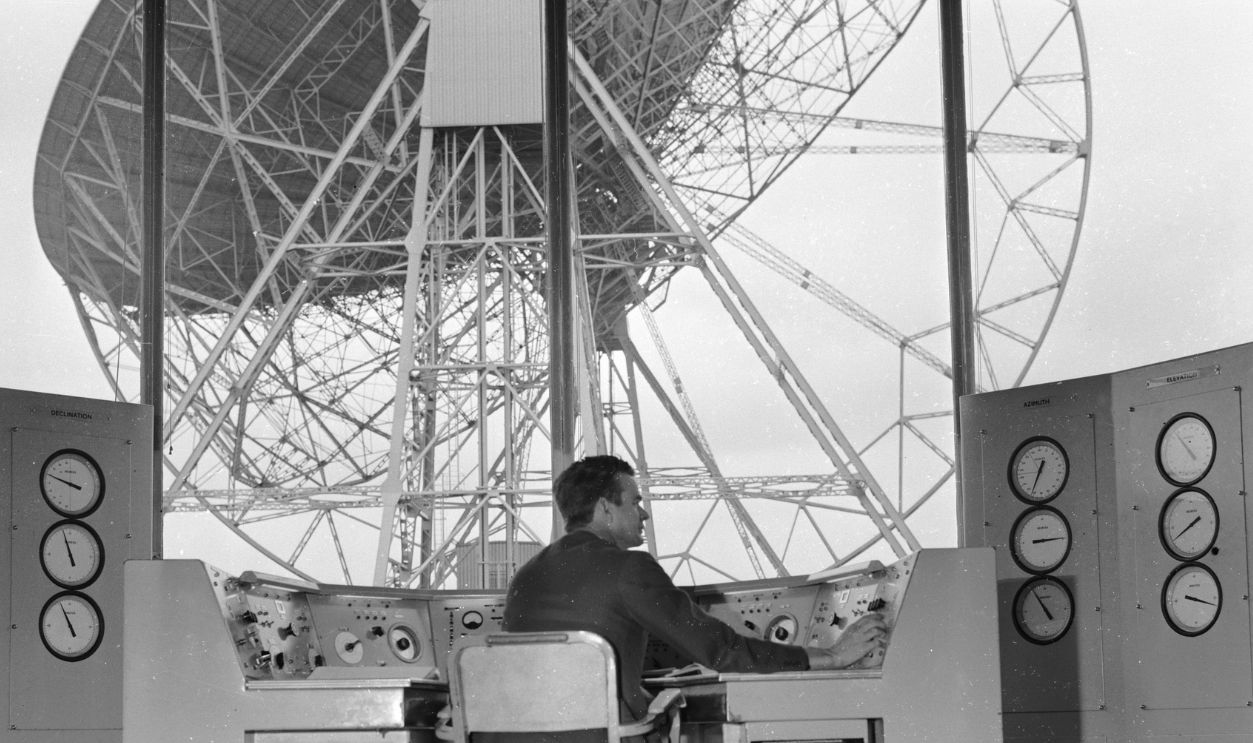
Perhaps extraterrestrials are not trying to call us at all. Humanity regularly sends powerful signals toward spacecraft and planets. Researchers have suggested that civilizations elsewhere might produce similar radio leakage, allowing us to overhear their technology rather than receive an intentional greeting.
Scientists Are Learning From Earth
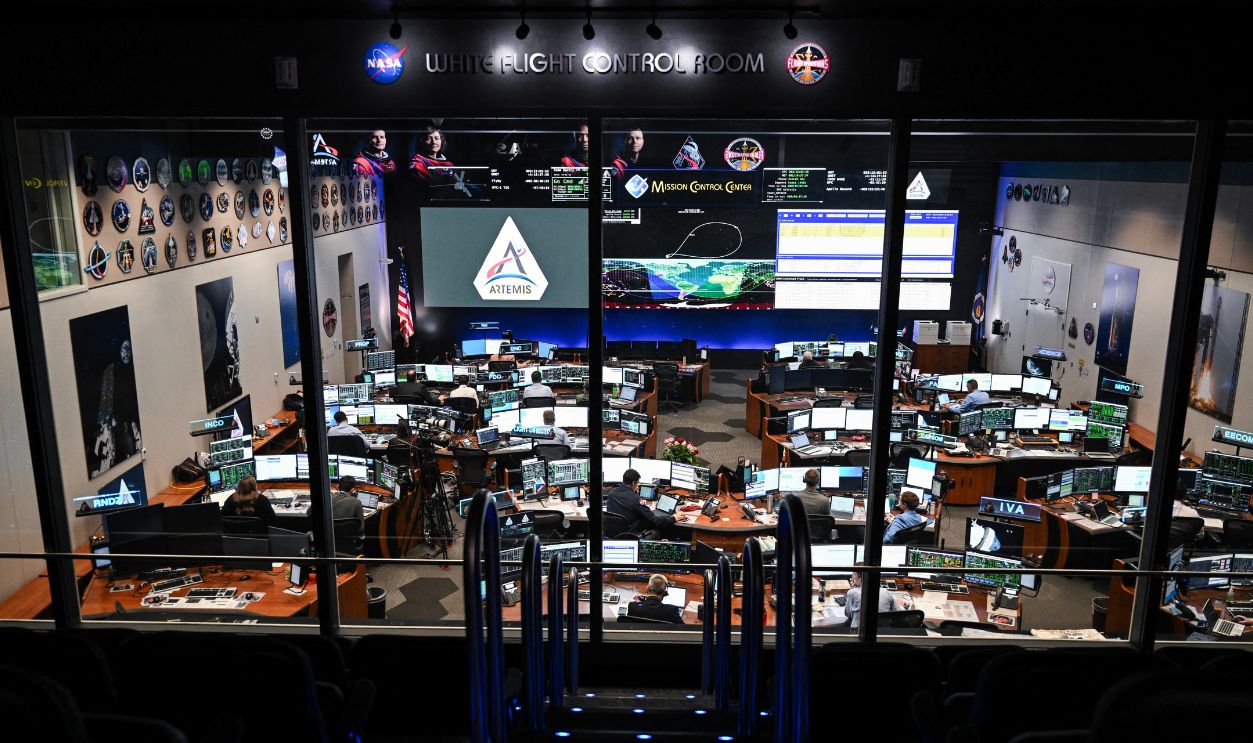
A 2025 study examined decades of NASA Deep Space Network transmissions to see when another civilization might most easily detect Earth. The researchers then turned the idea around, suggesting astronomers could watch other planetary systems during moments when similar transmissions may be more likely.
 RONALDO SCHEMIDT, Getty Images
Alien Pollution Could Give Them Away
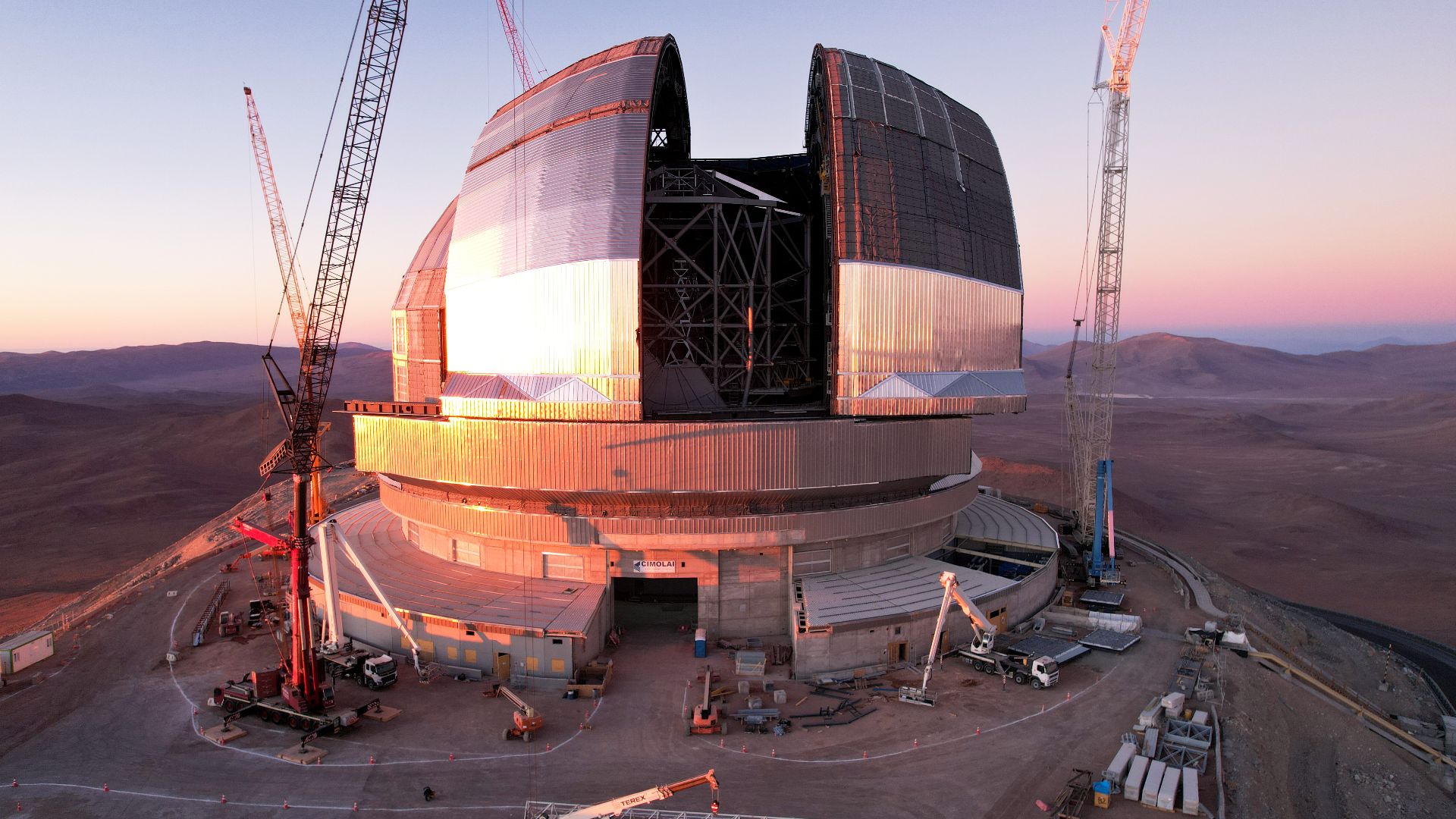
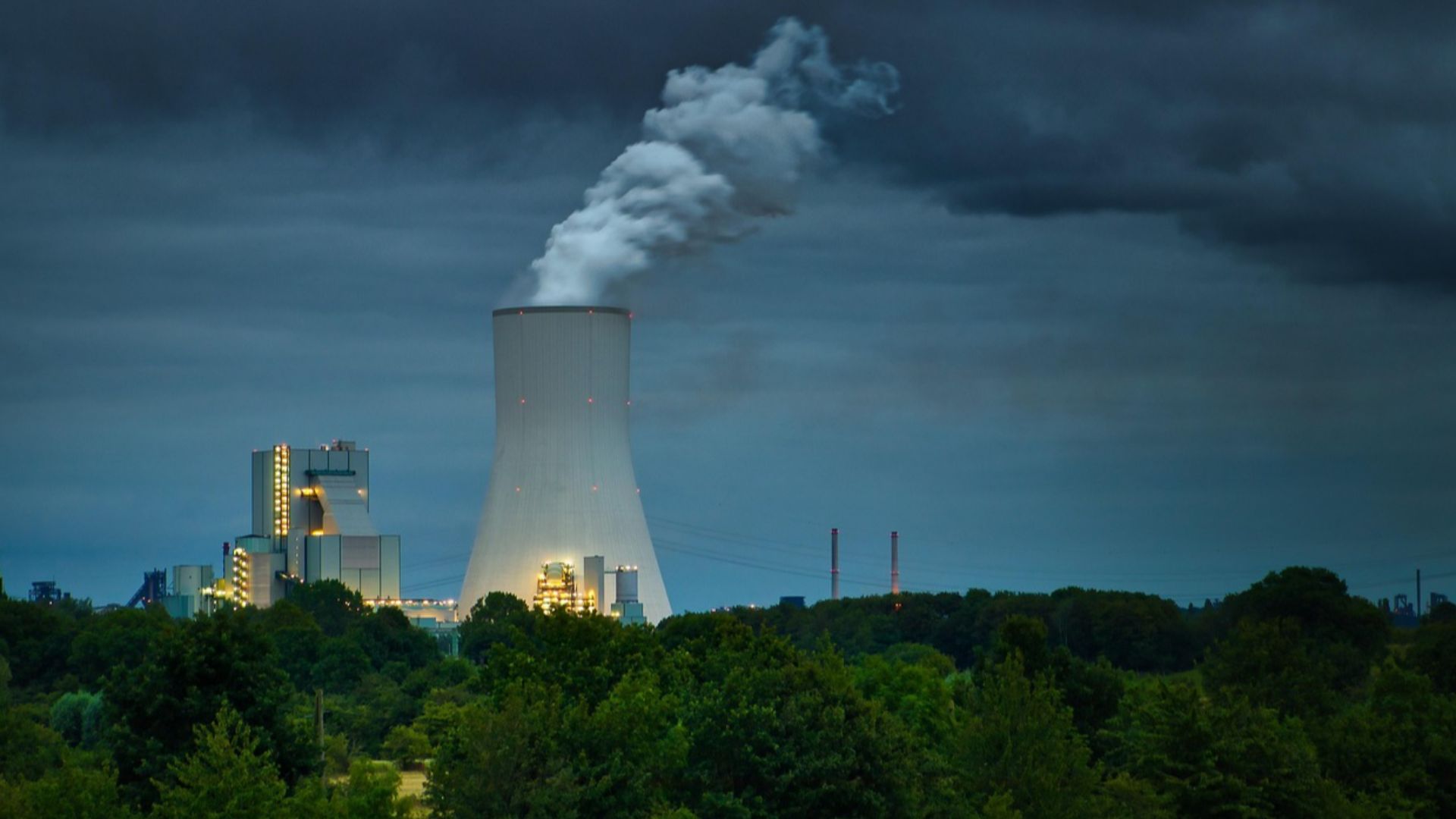
One of the strangest possibilities involves dirty air. An industrial civilization could alter the chemistry of its planet's atmosphere just as humans have altered Earth's. Powerful future telescopes might therefore discover aliens by studying the gases surrounding distant worlds.
 ESO/G. Vecchia, Wikimedia Commons
CFCs Would Be Particularly Suspicious
Scientists have discussed chlorofluorocarbons, or CFCs, as especially interesting technosignatures. These chemicals were widely used on Earth before their environmental dangers became clear. Finding similar compounds in an exoplanet atmosphere could be difficult to explain through ordinary biology alone.
Imagine Seeing Alien City Lights
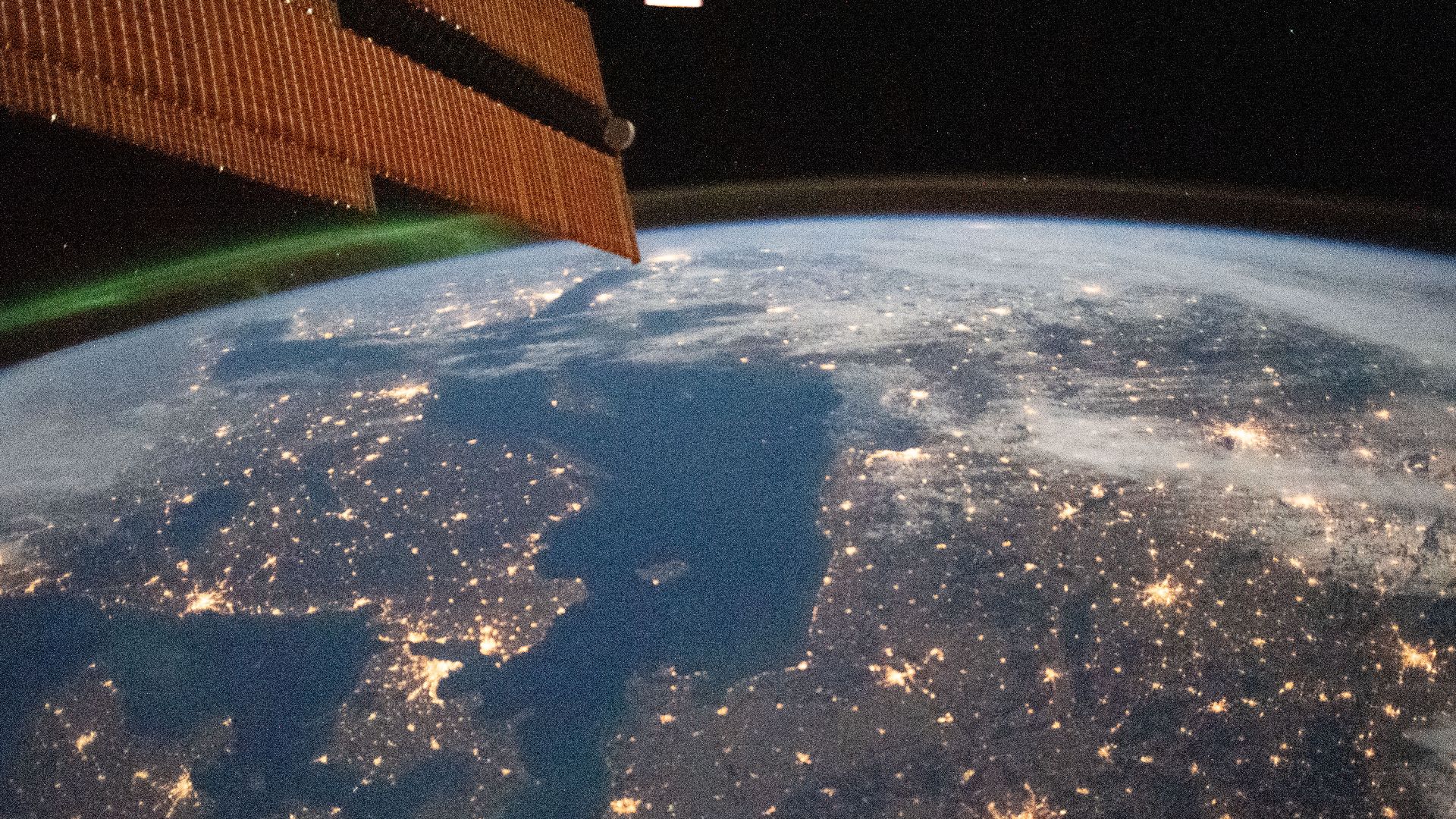
Then there is the idea that sounds straight out of a movie: seeing another world's cities glowing at night. Artificial illumination on the dark side of a rocky planet would be challenging to detect, but it could provide an extraordinary clue that technology exists there.
Waste Heat May Be Easier To Spot
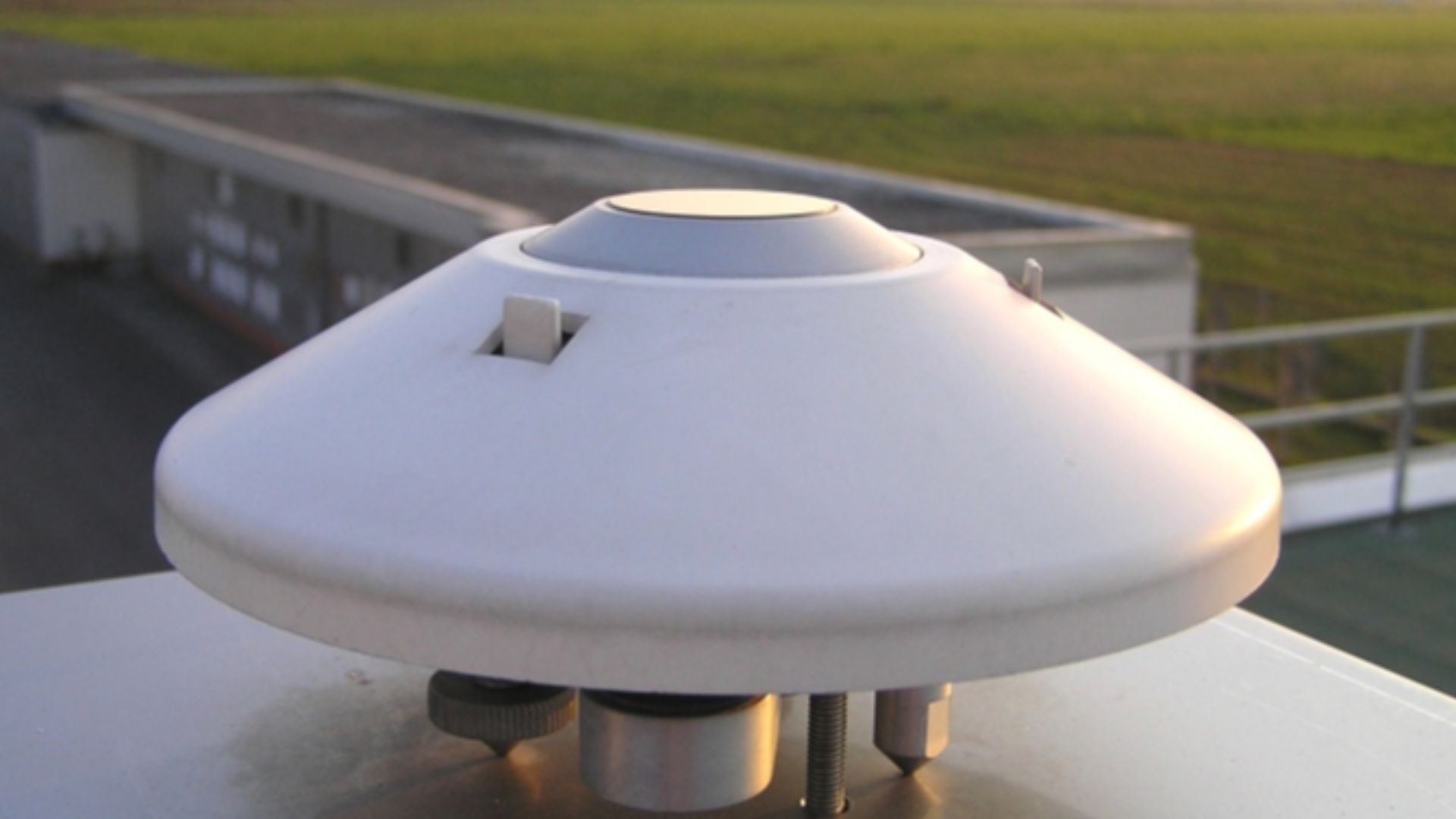
Technology produces heat. Lots of technology produces lots of heat. Researchers therefore look for objects giving off more infrared radiation than expected. The source might be completely natural—but an enormous civilization using huge quantities of energy could theoretically leave a detectable thermal footprint.
 No machine-readable author provided. Sch assumed (based on copyright claims)., Wikimedia Commons
Enter The Dyson Sphere
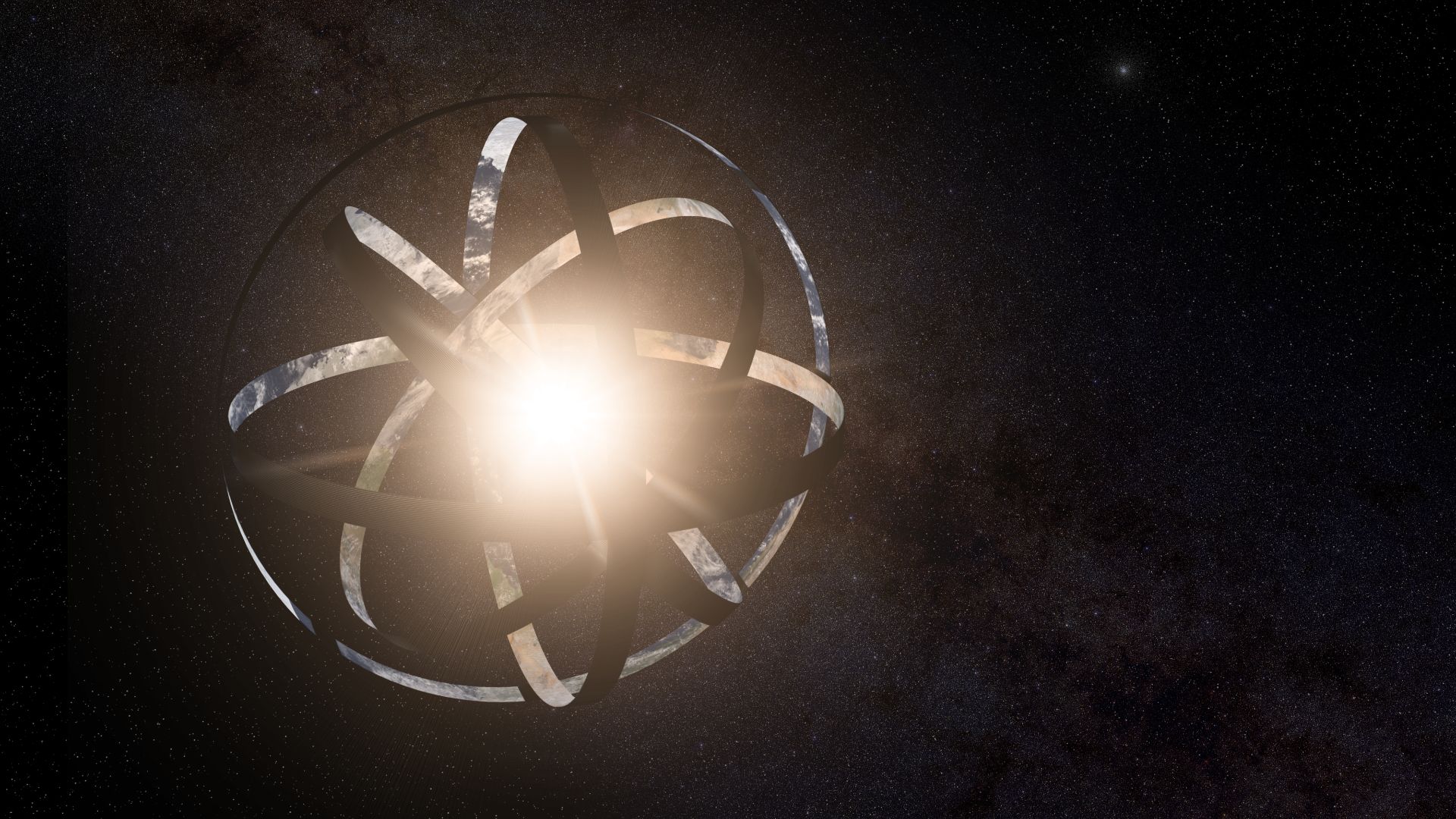
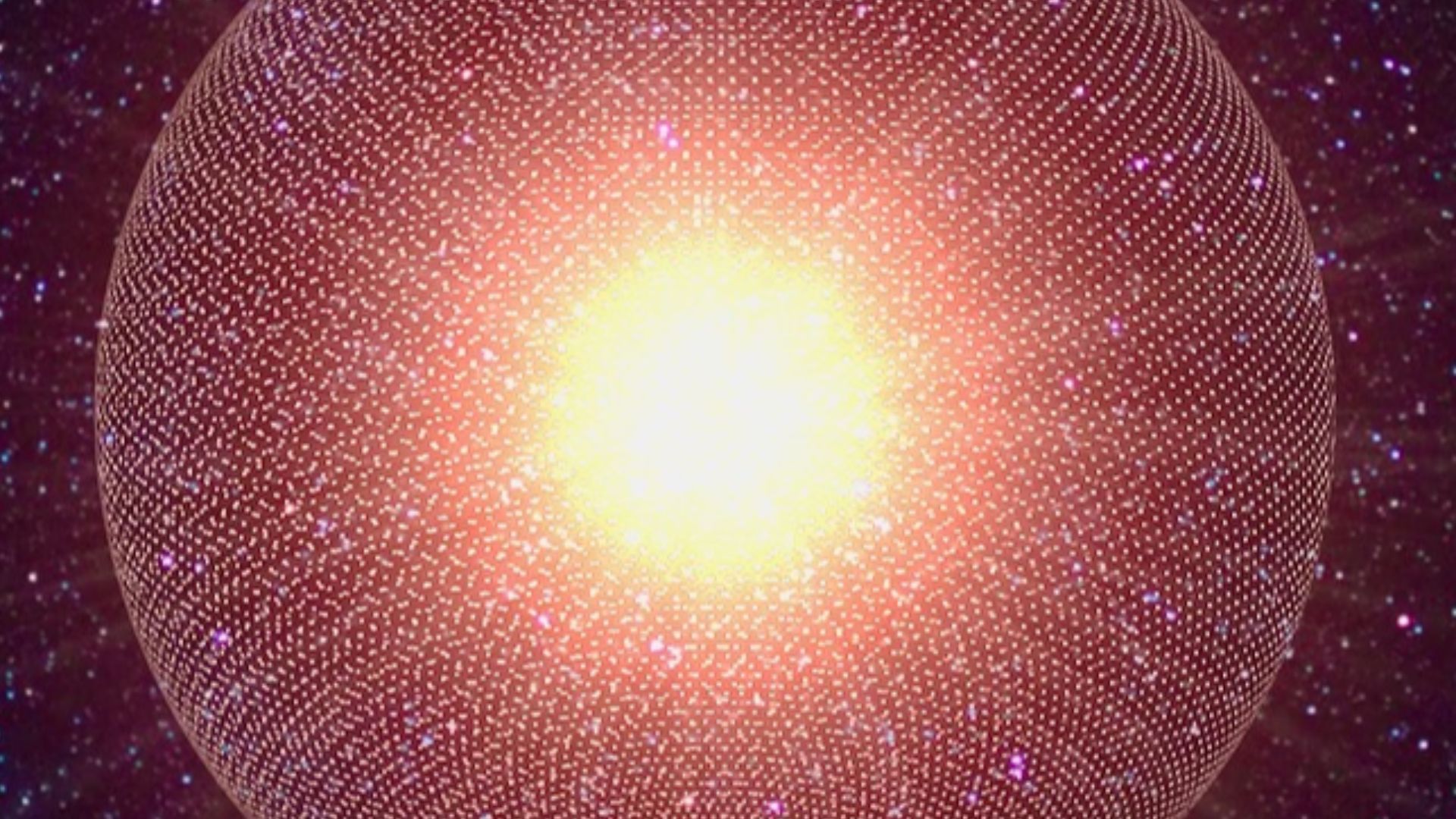
Few technosignature ideas sound more science-fictional than the Dyson sphere. Physicist Freeman Dyson proposed that an advanced civilization might capture tremendous amounts of stellar energy using structures surrounding its star. Astronomers could potentially recognize such engineering through unusual patterns of blocked light and infrared heat.
 Lumidek at English Wikipedia, Wikimedia Commons
Astronomers Have Actually Looked For Them
This is no longer purely a thought experiment. Project Hephaistos searched astronomical survey data for stars displaying infrared characteristics compatible with partially completed Dyson-sphere-like structures. Researchers identified several unusual candidates worthy of additional investigation rather than simply filing the concept under science fiction.
 Archibald Tuttle, Wikimedia Commons
Seven Stars Got Very Interesting
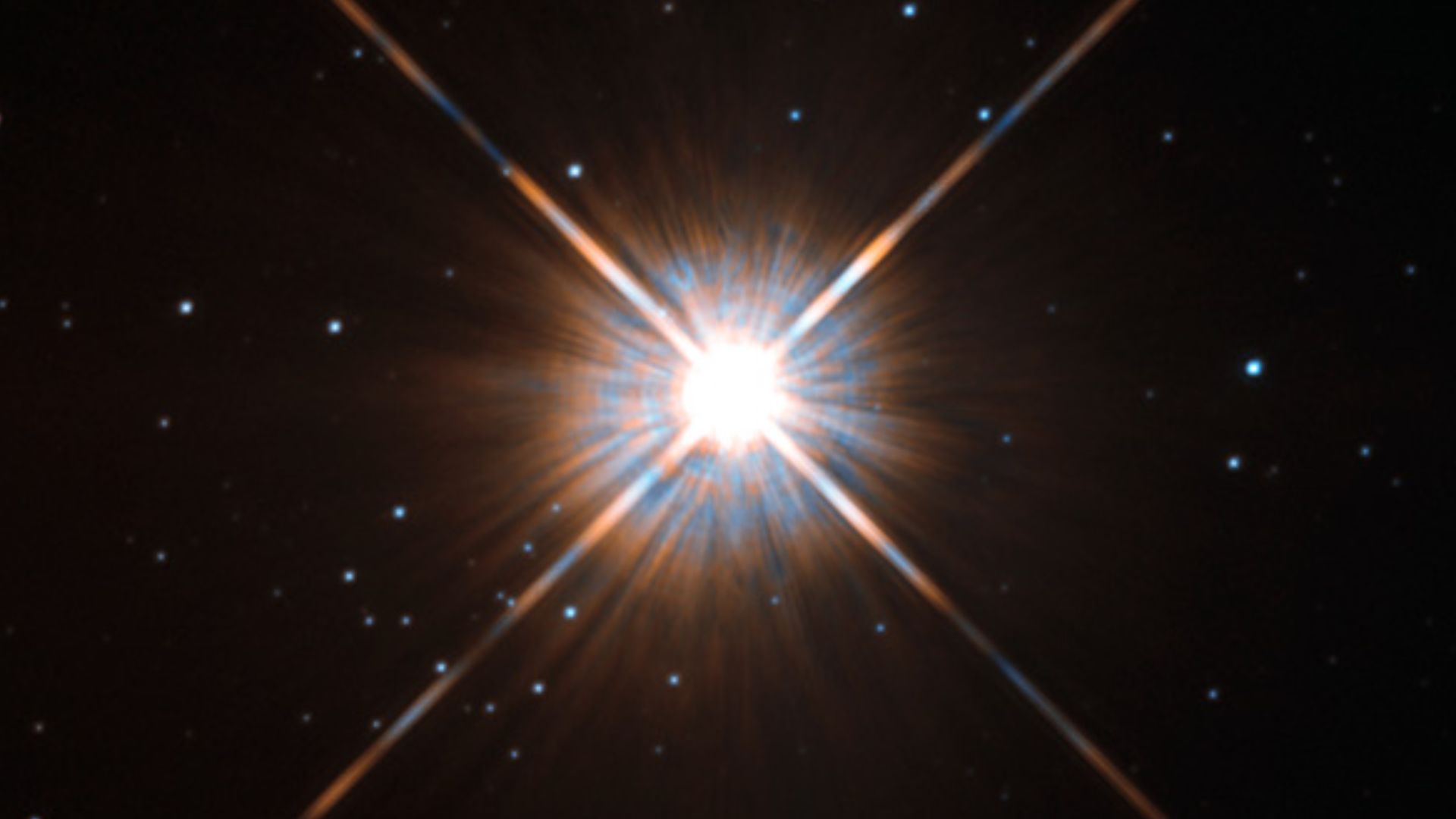
One Hephaistos study highlighted seven nearby red dwarf stars whose infrared emissions fit some models involving Dyson spheres. That sounds spectacular, but there is an enormous catch: unusual infrared radiation can also come from perfectly natural sources, including dusty material and background galaxies.
 ESA/Hubble & NASA, Wikimedia Commons
Strange Does Not Mean Alien
This may be the most important rule in the entire search. Astronomers do not see something weird and immediately shout “aliens!” Every candidate must survive attempts to explain it naturally. Dust, stellar activity, instrument errors, and unrelated objects can all impersonate something exotic.

Even Shadows Could Reveal Technology
Scientists can measure the tiny dip in a star's brightness when a planet passes in front of it. But what if the object making the shadow had an unnatural shape? Researchers have considered whether enormous artificial structures might create transit patterns that ordinary spherical planets cannot.

Alien Satellites Could Leave Clues
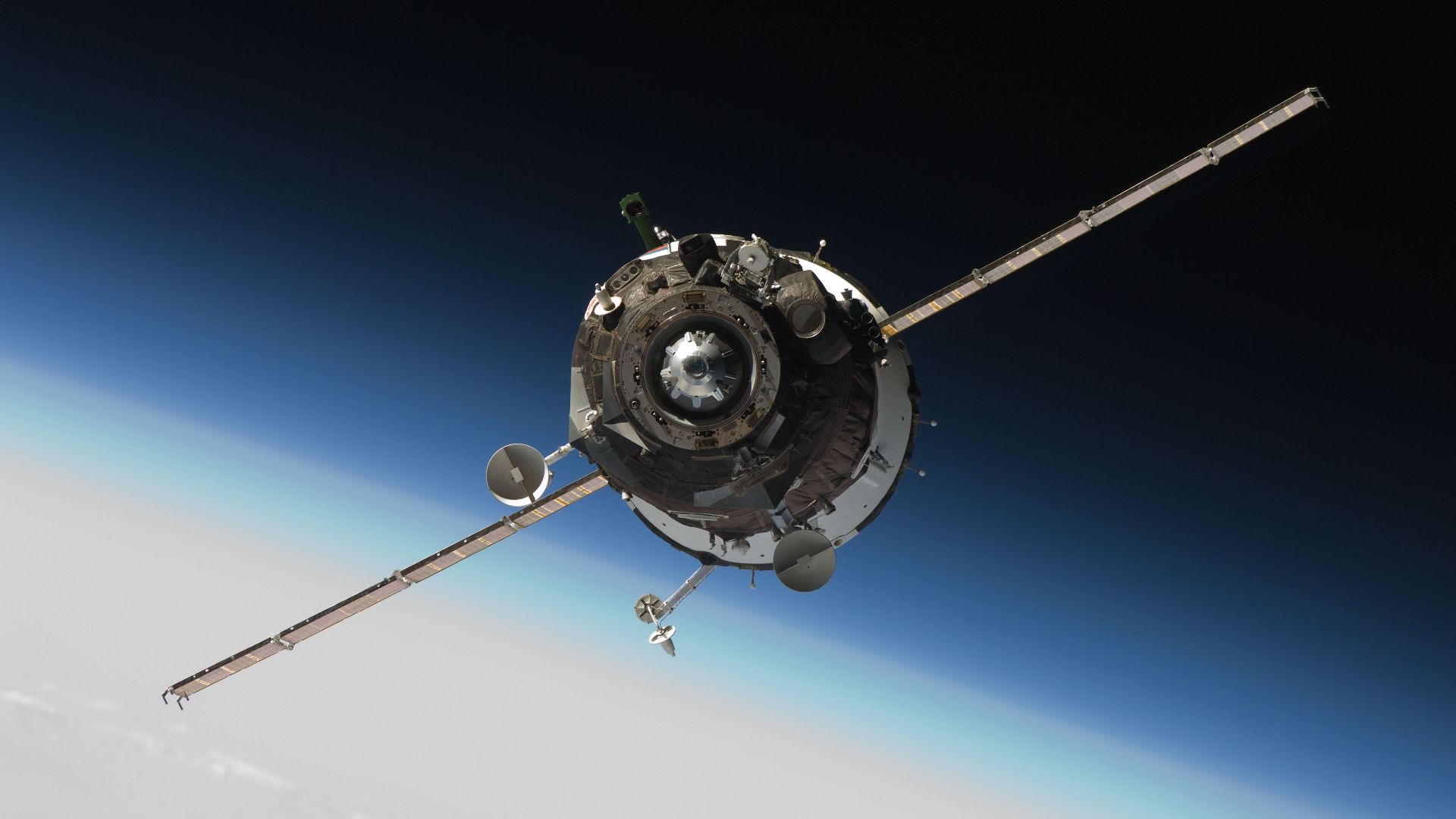
Technology does not have to cover an entire star. Civilizations might surround their planets with satellites, habitats, solar collectors, or other orbital machinery. In principle, sufficiently large collections of artificial objects could affect how distant worlds appear when astronomers carefully study their light.
 Expedition 20 Crew, NASA, Wikimedia Commons
The Search Could Get Much Closer
Some technosignature researchers have even considered searching our own Solar System for artificial objects. This approach is sometimes called the Search for Extraterrestrial Artifacts. Instead of waiting for a signal from another star, scientists would hunt for physical evidence that something technological once came here.
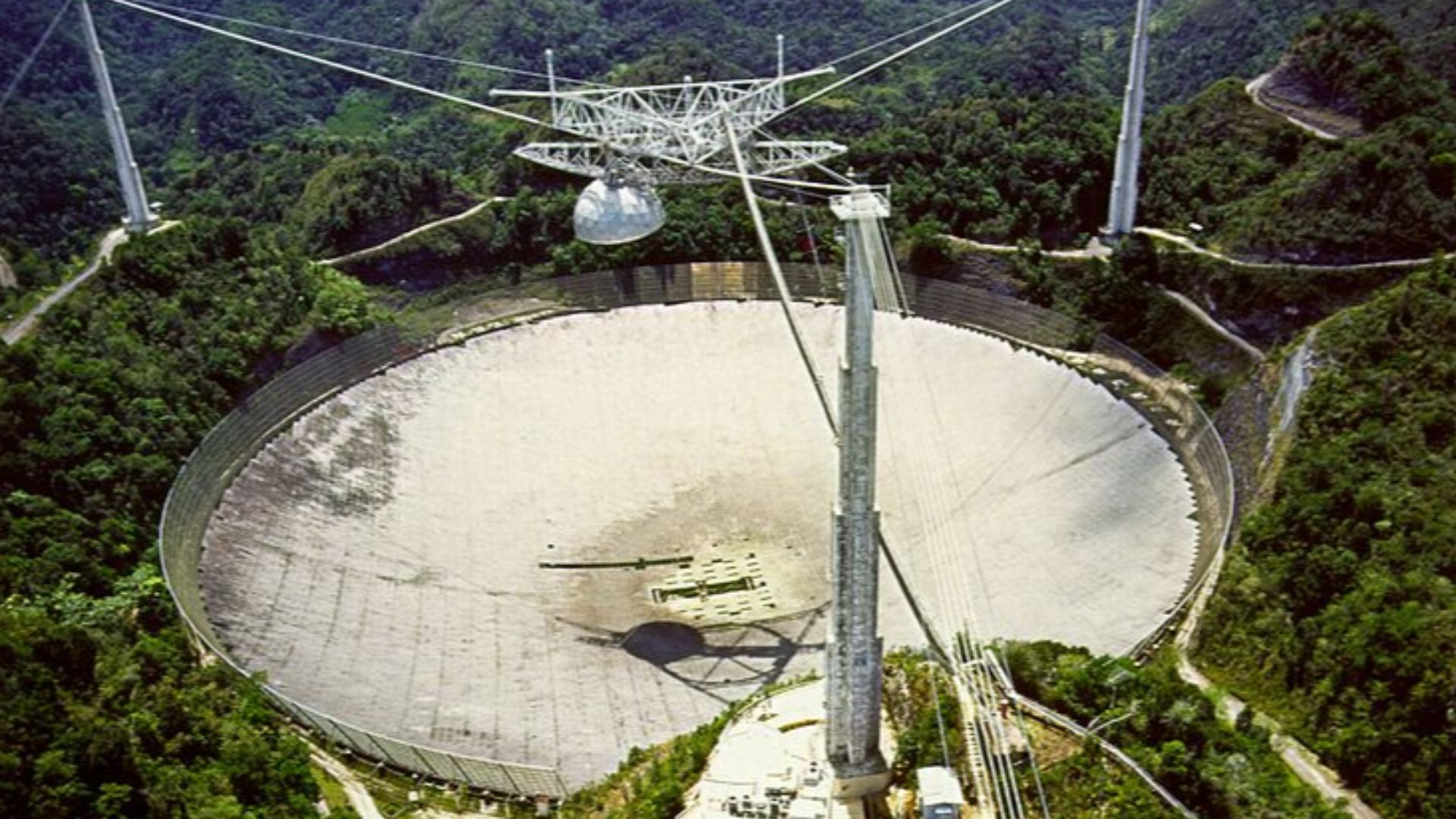 H. Schweiker/WIYN and NOAO/AURA/NSF, Wikimedia Commons
The Moon Makes An Intriguing Archive
Air, water, plate tectonics, and life constantly reshape Earth's surface. The Moon is far quieter. That has encouraged discussion about whether its ancient surface could preserve unusual materials or artifacts for very long periods—assuming, of course, anything artificial ever reached it.
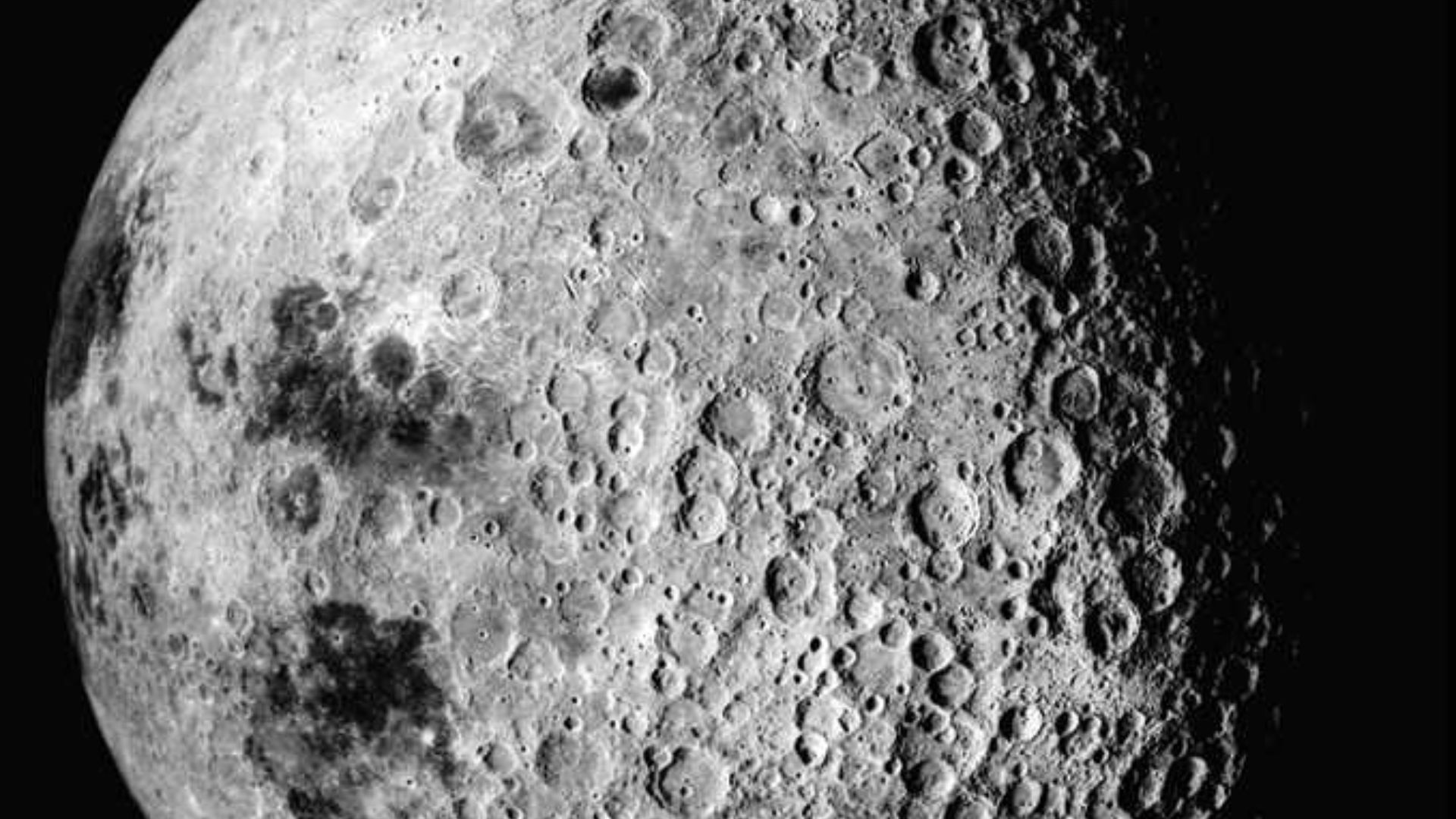 NASA, Apollo 16, Wikimedia Commons
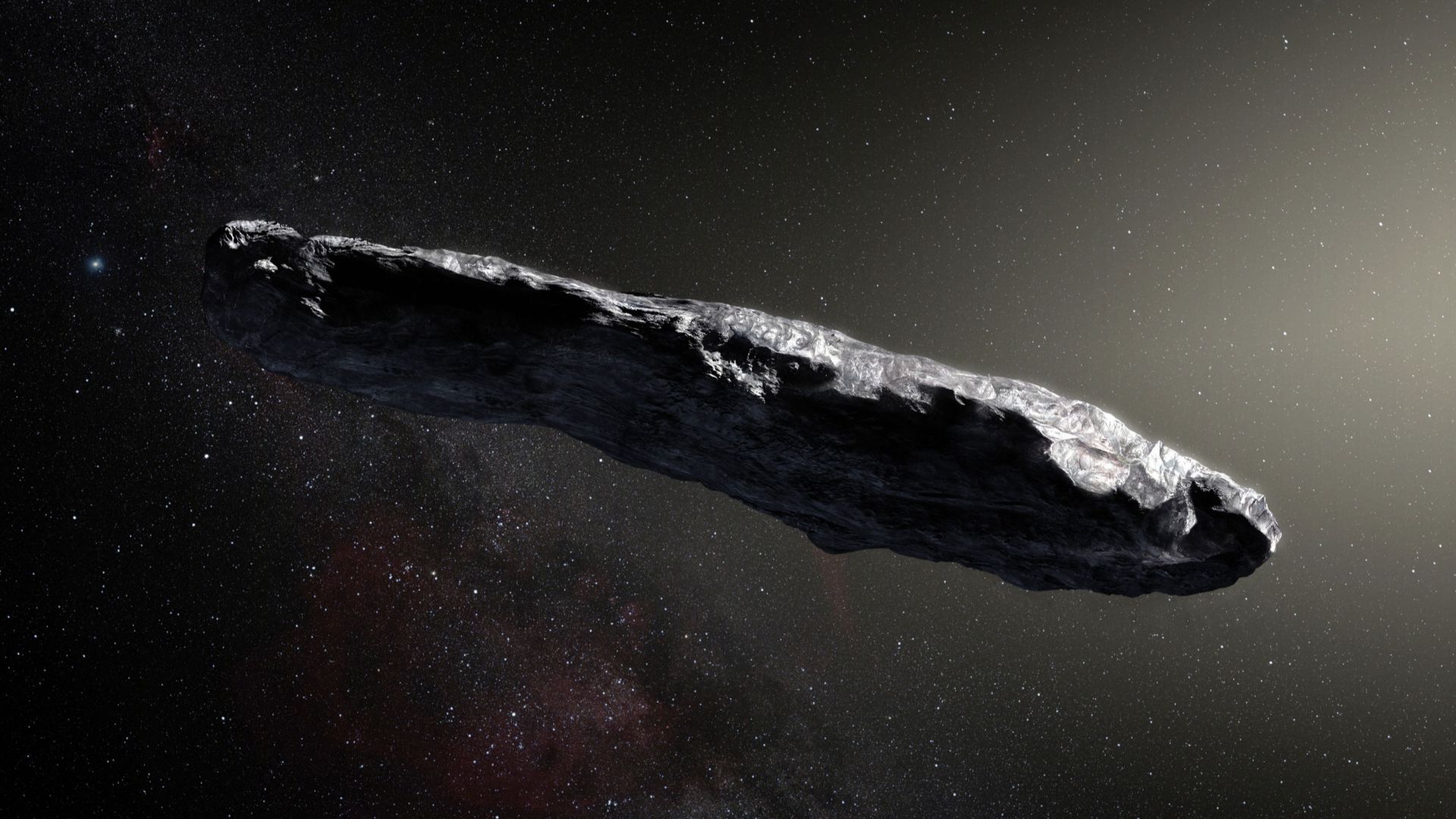
Interstellar Objects Deserve Attention Too
Objects arriving from outside our Solar System provide another intriguing hunting ground. Most will almost certainly be natural rocks or comets. Still, technosignature researchers have included interstellar objects among the places where unusual behavior or properties might deserve careful investigation rather than automatic dismissal.
Computers Are Joining The Hunt
Modern astronomy produces enormous quantities of data, far more than scientists can manually inspect. Researchers are developing data-driven searches capable of identifying astronomical oddities hiding inside giant surveys. The goal is not simply to find aliens, but to find things that do not fit expectations.

Anomalies Are The Starting Point
This changes the question from “Where should aliens be?” to “What looks genuinely unusual?” A computer can sift through millions of observations looking for strange signals, unexpected heat, or peculiar stars. Most anomalies will have natural explanations, but each one teaches scientists something.

The Search Should Never Be Wasted
Researchers have embraced an idea associated with Freeman Dyson: searches for extraterrestrial civilizations should ideally produce worthwhile science even when no aliens appear. Looking for technosignatures can reveal unusual stars, strange planetary systems, rare astronomical events, and shortcomings in our existing models.

Technology Might Outlive Its Creators
Here is where things become especially archaeological. Researchers have argued that technosignatures might survive long after the beings responsible for them vanish. Machines, altered environments, probes, or gigantic structures could potentially remain detectable after the civilization itself has disappeared.
 Siemens Pressebild, Wikimedia Commons
We Could Find A Dead Civilization
That means humanity's first evidence of intelligent extraterrestrial life might not be a conversation. It could be a ruin. A distant civilization may have ended thousands—or millions—of years before its technological traces finally reach our telescopes, turning astronomy into archaeology on a staggering scale.

The Archaeological Comparison Fits Surprisingly Well
Archaeologists rarely meet the people they study. They reconstruct lives from consequences: buildings, tools, chemical traces, landscapes, and trash. Technosignature researchers are doing something remarkably similar, except their excavation site might be an atmosphere, a star, or an entire planetary system.
 Mario Modesto Mata, Wikimedia Commons
Proof Will Require Patience
No confirmed extraterrestrial technosignature has been found. Any serious candidate would need repeated observations and aggressive attempts to rule out natural explanations. A strange star or atmospheric chemical would be exciting, but extraordinary claims become discoveries only after much less exciting explanations fail.
 IAU/Robert Hurt (SSC), Wikimedia Commons
The Universe May Be Full Of Artifacts
We may never receive a friendly “hello” from another civilization. But somewhere in the Milky Way, there could be lights, chemicals, machines, heat, or abandoned engineering waiting to be noticed. If so, the first alien discovery may resemble archaeology more than science fiction—and somehow be stranger than both.
 User Halfblue on en.wikipedia, Wikimedia Commons
You May Also Like:
What Americans Find Surprisingly Expensive When They Visit Canada
Sources: 1, 2, 3