Canada Can Be Pricier Than Expected
Canada feels familiar to American visitors. The language, highways, stores, and restaurants can all seem comfortably recognizable. Then the receipts start arriving. Even after accounting for the exchange rate, plenty of everyday purchases can cost more than Americans expect. Some of the biggest surprises are hiding in very ordinary places.
Restaurant Meals
Eating out in Canada can quickly become one of the biggest vacation expenses. Menu prices in cities like Toronto, Vancouver, and Montreal may look reasonable at first, but taxes and tips add up fast. A casual dinner that seemed affordable when you ordered can look considerably less friendly when the final bill arrives.

Alcohol At Restaurants
Ordering a beer, cocktail, or glass of wine with dinner can produce some serious sticker shock. Alcohol is heavily regulated and taxed in much of Canada, and restaurant markups can be significant. Americans accustomed to inexpensive happy hours may find that a couple of drinks suddenly add a surprising amount to dinner.

A Case Of Beer
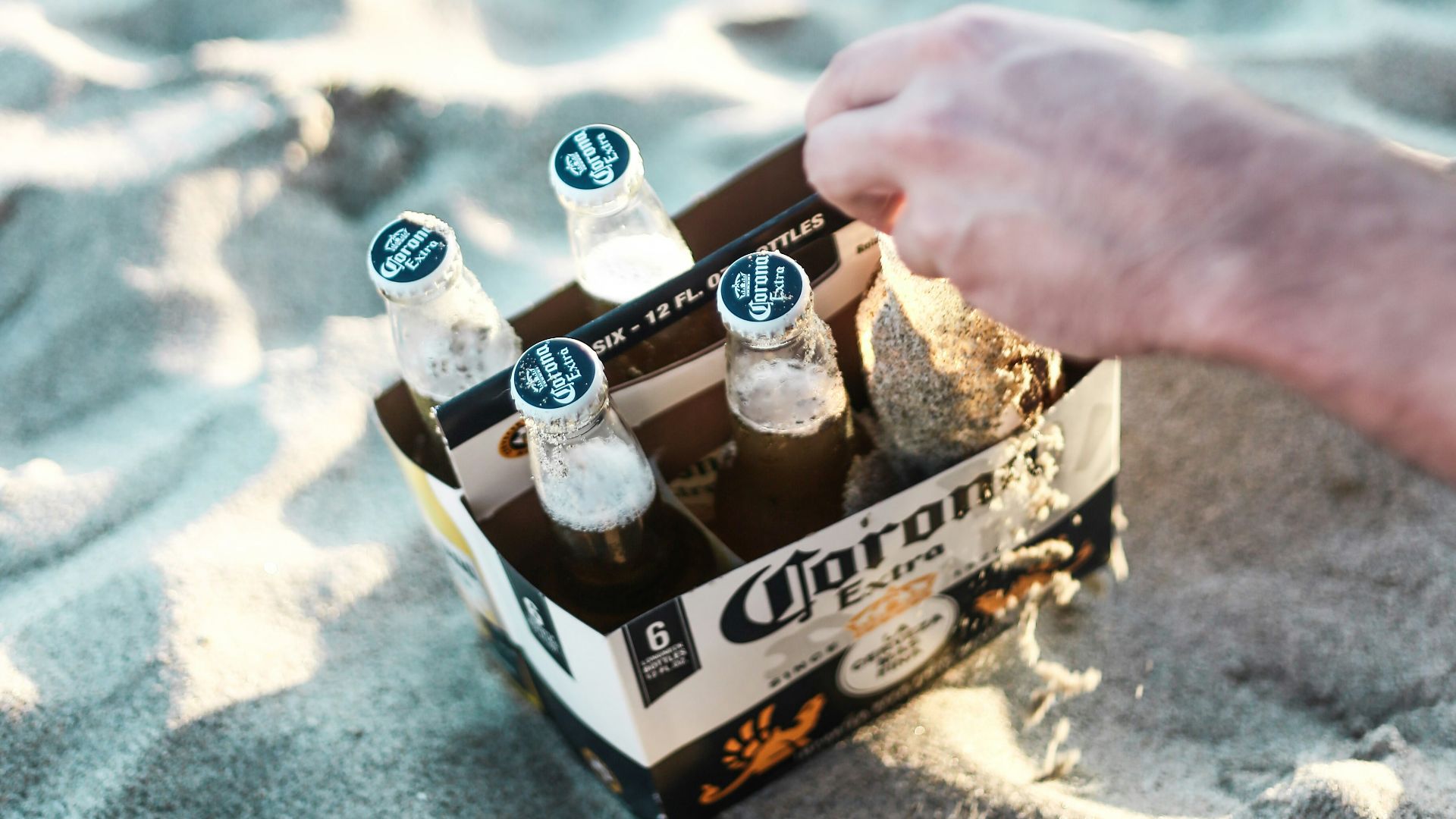
The surprise continues when Americans visit a liquor or beer store. Depending on the province, beer can cost noticeably more than it does in many parts of the United States. Travelers planning to stock the hotel fridge for the weekend sometimes discover that their inexpensive beer run isn't nearly as inexpensive as planned.
Wine And Spirits
Wine and liquor aren't necessarily bargain purchases either. Provincial taxes, distribution systems, and minimum pricing rules can all influence what shoppers pay. Imported bottles can be especially expensive. That familiar bottle of wine you regularly grab at home might suddenly seem like it received a luxury upgrade after crossing the border.
 Rodrigo Rodrigues | WOLF A R T, Unsplash
Cigarettes
American smokers are often among the travelers most shocked by Canadian prices. Tobacco taxes are intentionally high, and a pack of cigarettes can cost dramatically more than visitors expect. Prices vary by province, but the overall message is consistent: smoking is an especially expensive habit north of the border.

Gasoline
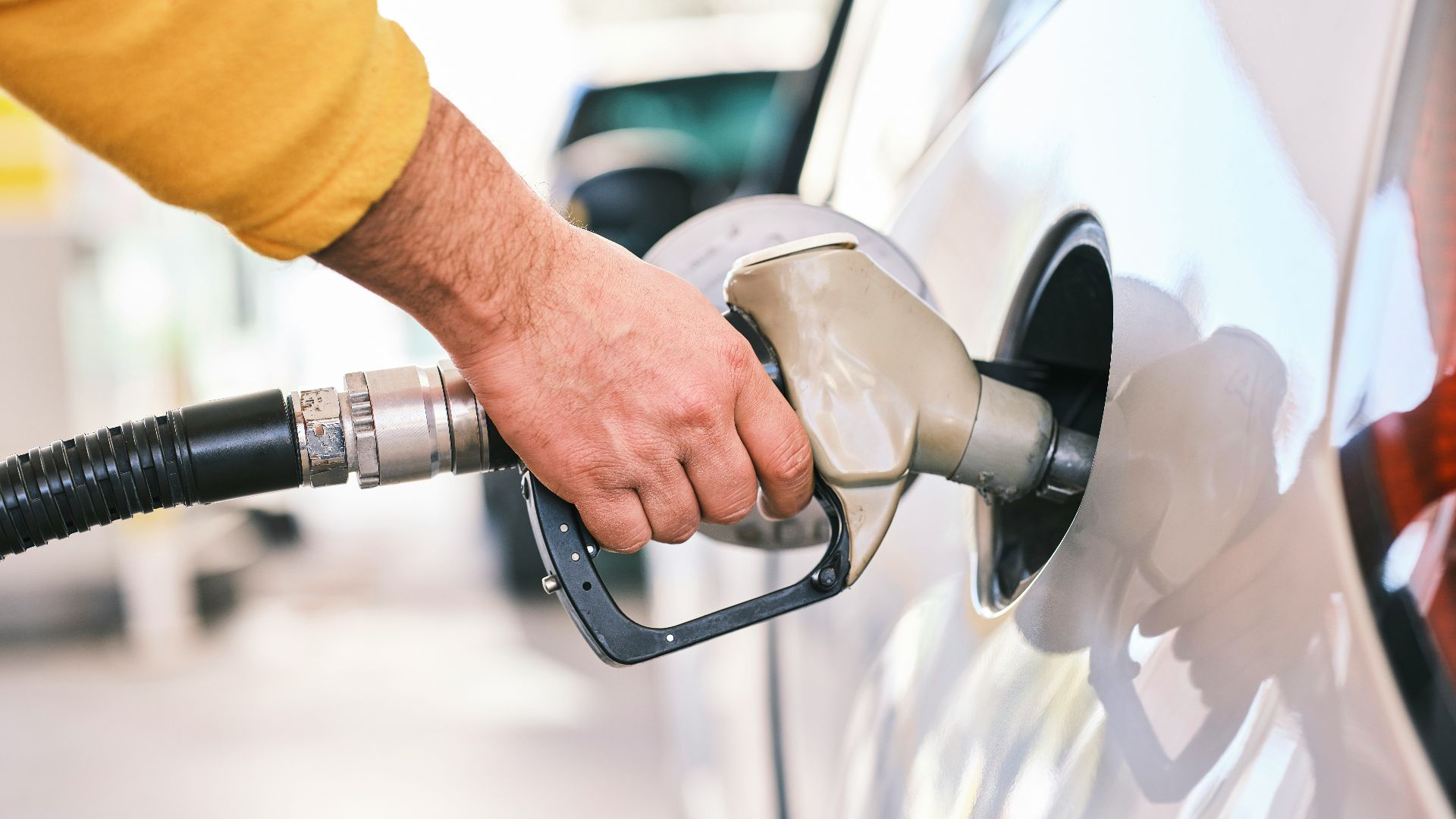
The first confusing thing about buying gas in Canada isn't even the price. It's the unit. Fuel is sold by the litre rather than the gallon, which makes quick comparisons tricky. Once Americans do the math, they may discover that filling a large SUV or pickup can cost considerably more than expected.
Dairy Products
Milk, butter, cheese, and other dairy products can seem surprisingly pricey to Americans wandering through Canadian supermarkets. Canada's dairy industry operates under a supply-management system that differs considerably from the American model. Visitors may not know the economics behind it, but they definitely notice when they're standing in the cheese aisle.
Cheese
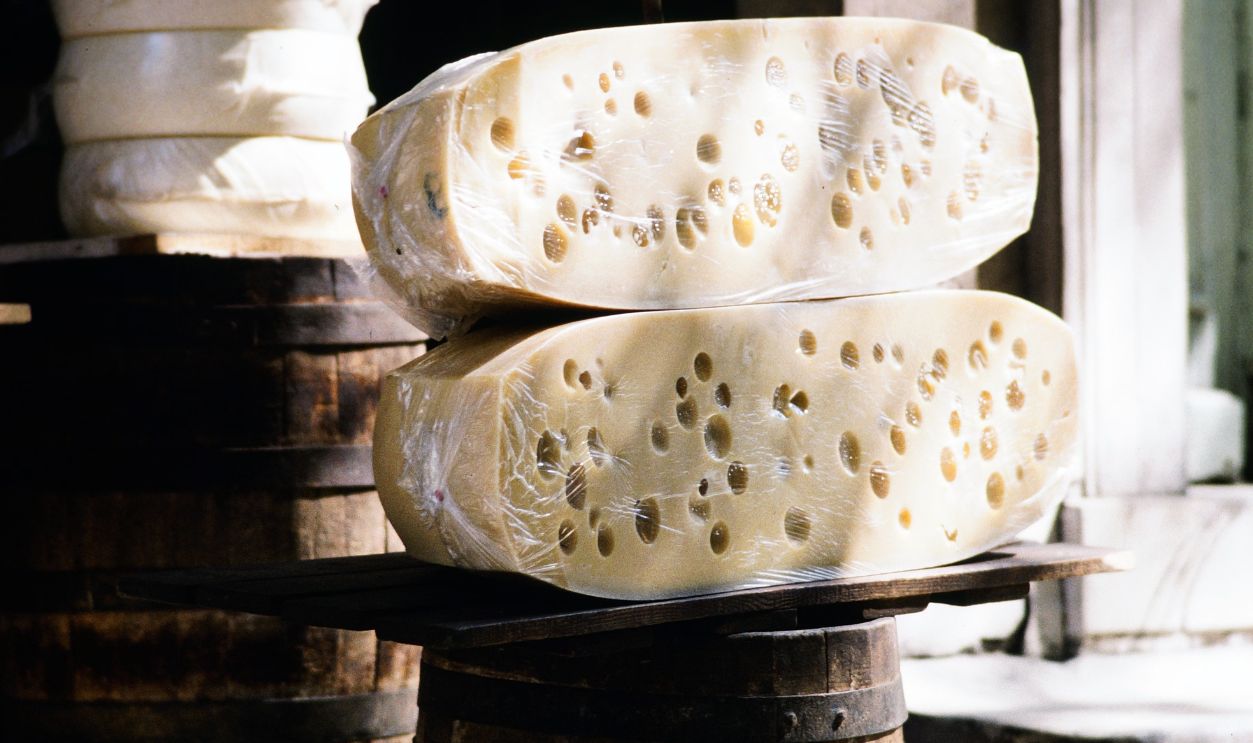
Cheese deserves its own category because it can be one of the biggest grocery-store surprises. Imported varieties can be particularly expensive, while even ordinary blocks of cheddar may cost more than Americans anticipate. Anyone planning a picnic featuring crackers, wine, and fancy cheese might want to check the prices before getting ambitious.
Chicken
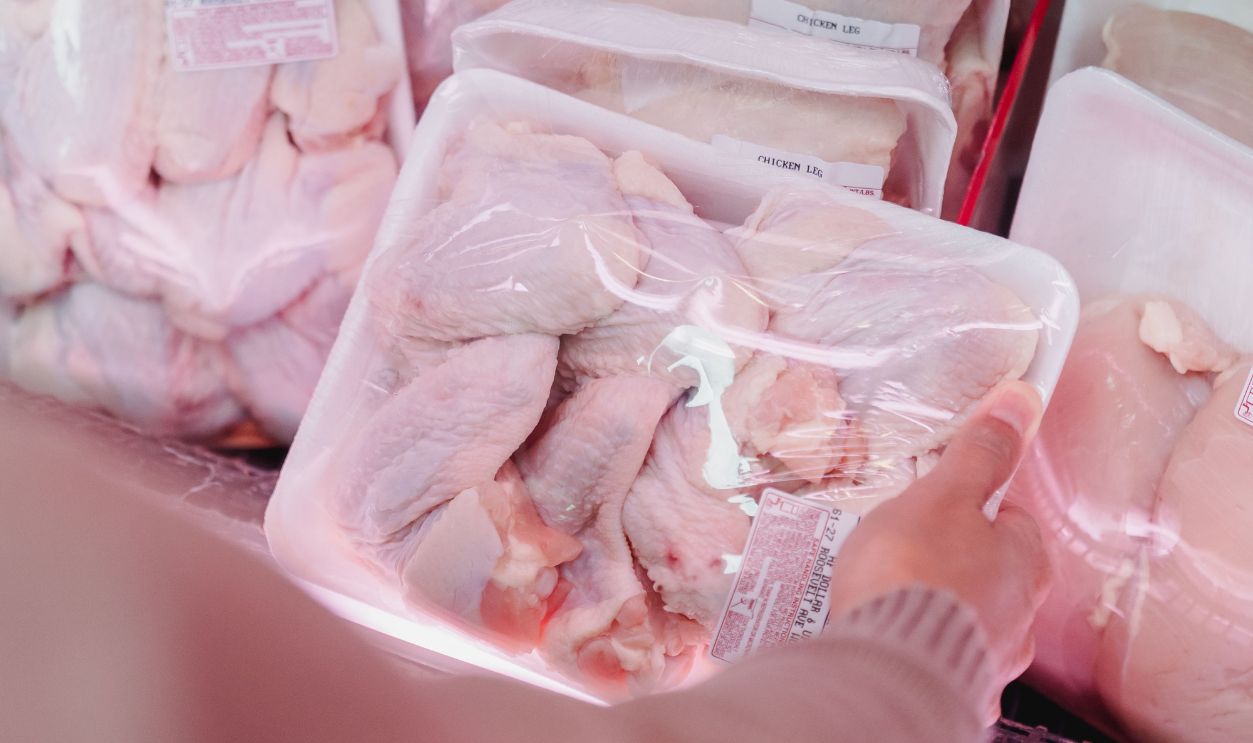
Chicken is another supermarket staple that can seem unexpectedly expensive. Americans used to large packages of relatively inexpensive chicken breasts may experience a little sticker shock in Canadian grocery stores. For travelers staying in vacation rentals and planning to save money by cooking, the grocery bill can be higher than anticipated.
Groceries In General
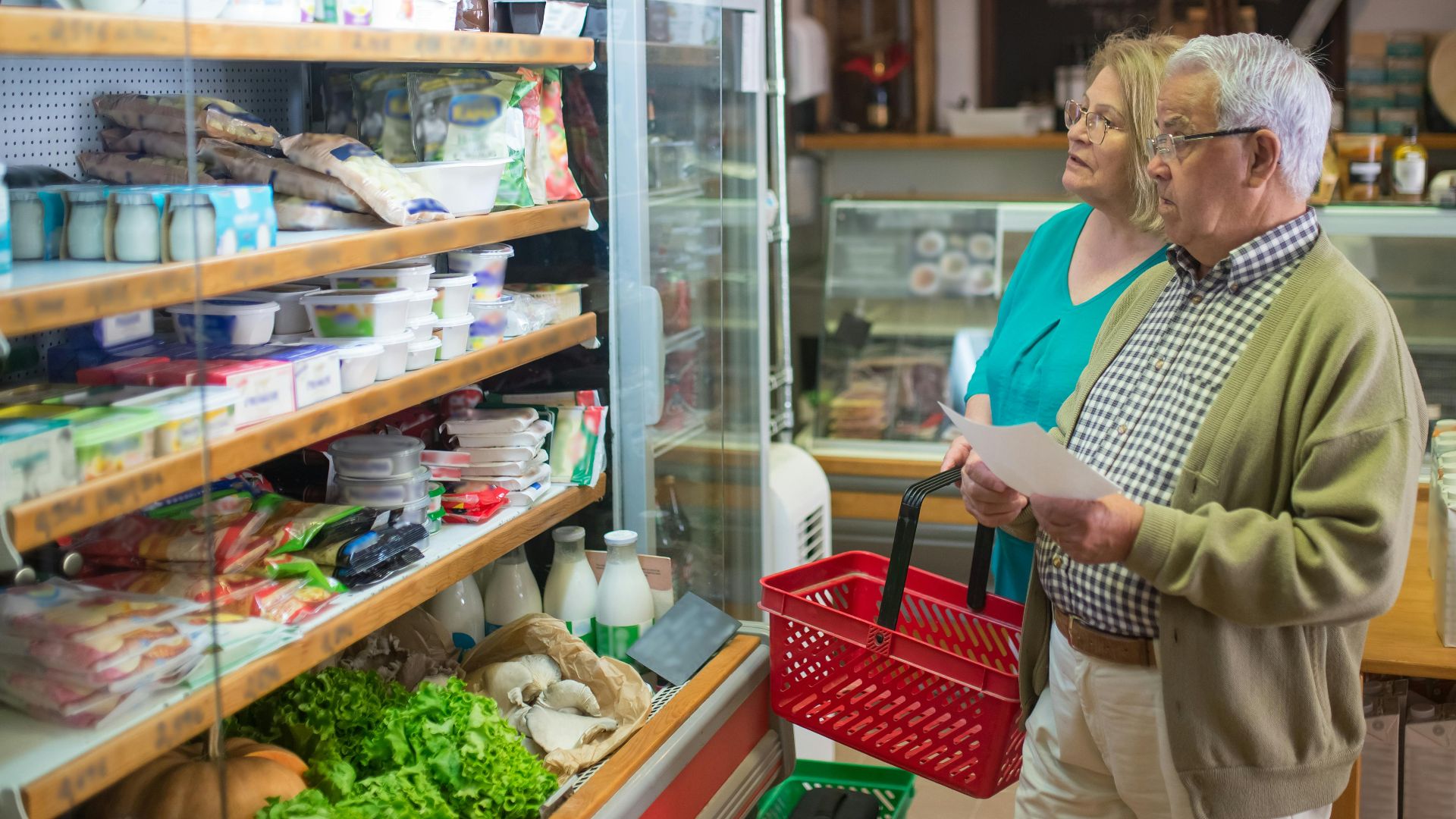
Visitors hoping to avoid restaurant prices by buying groceries aren't always rewarded as much as expected. Fresh produce, packaged snacks, meat, dairy, and household basics can all add up quickly. Grocery prices vary greatly across the country, but shopping in downtown areas or remote destinations can be especially painful.

Imported Snacks
Craving your favorite American snack while traveling? You may find it in Canada, but sometimes at a premium. Imported candy, cereal, sauces, and specialty foods can carry higher prices because of transportation and distribution costs. Suddenly, that box of cereal from home starts looking strangely sophisticated.

Cellphone Roaming
Nothing ruins a vacation glow quite like coming home to an enormous phone bill. Americans who don't have Canadian roaming included in their plans can face surprisingly steep charges for calls, texts, and data. It's one of those expenses travelers rarely think about until their phone happily starts using data across the border.

Canadian Phone Plans
Americans who spend longer periods in Canada may be equally surprised by domestic cellphone prices. Canadian wireless service has long had a reputation for being expensive compared with options available in some other countries. Travelers purchasing temporary plans or additional data may quickly discover that staying connected isn't always cheap.

Domestic Airfare
Canada is enormous, and flying between its major cities can be expensive. Americans accustomed to aggressive competition among low-cost airlines may be surprised by fares between Canadian destinations. A trip from Toronto to Vancouver sounds like a straightforward domestic flight, but the ticket price can occasionally feel more like international travel.
Airport Food
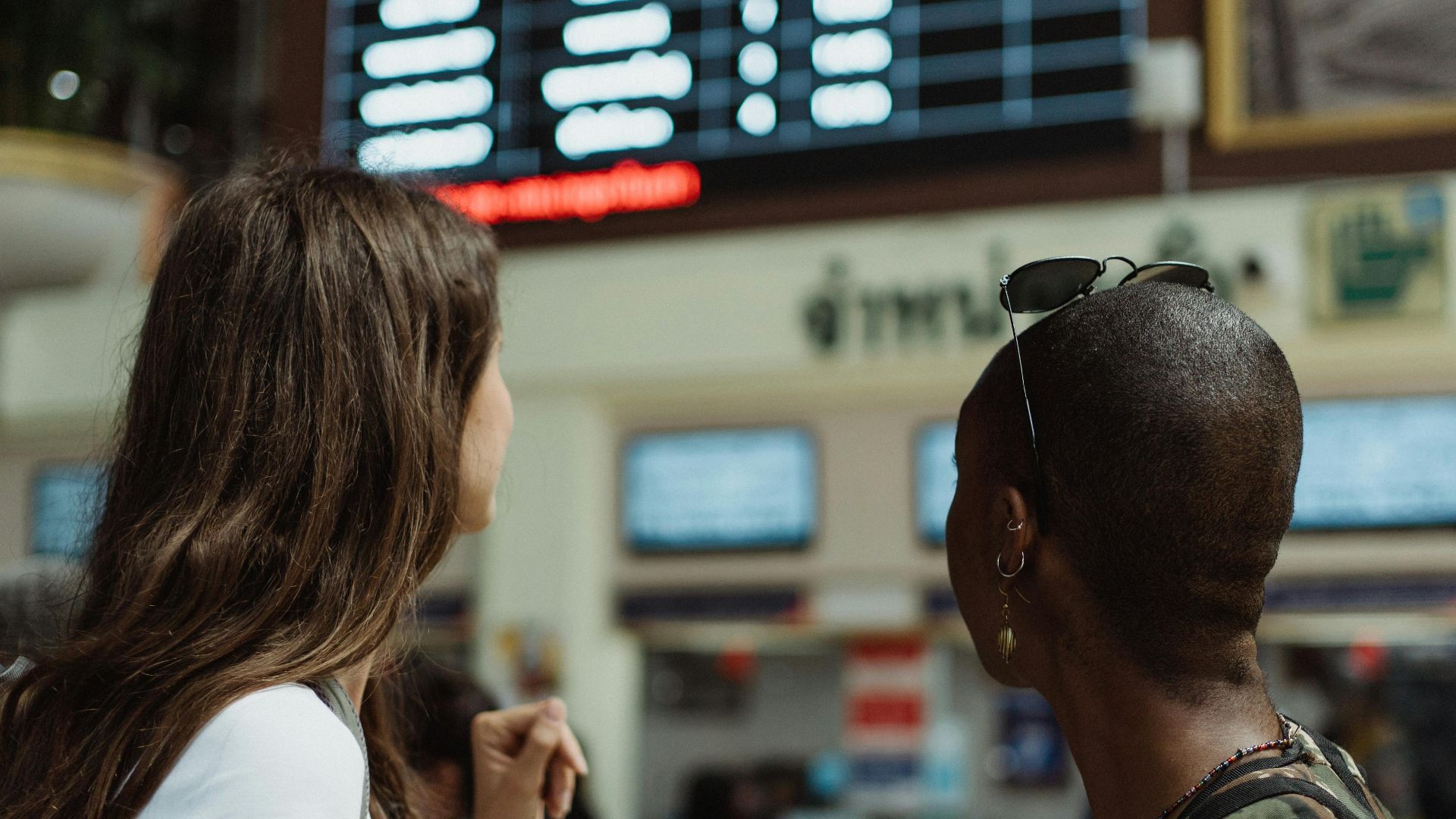
Airport food is expensive almost everywhere, but Canadian airports can still deliver an unpleasant surprise. Add taxes to already elevated terminal prices and that quick sandwich, coffee, and snack becomes a serious purchase. Travelers trying to save money may suddenly become very interested in whatever snacks they packed earlier.

Hotels In Major Cities
Toronto, Vancouver, Montreal, and other popular Canadian destinations can become expensive quickly during busy periods. Hotel prices can climb sharply during summer, festivals, concerts, and major sporting events. Americans expecting a bargain because their dollar is stronger may discover that the exchange rate doesn't magically turn downtown hotels into budget accommodation.

Parking
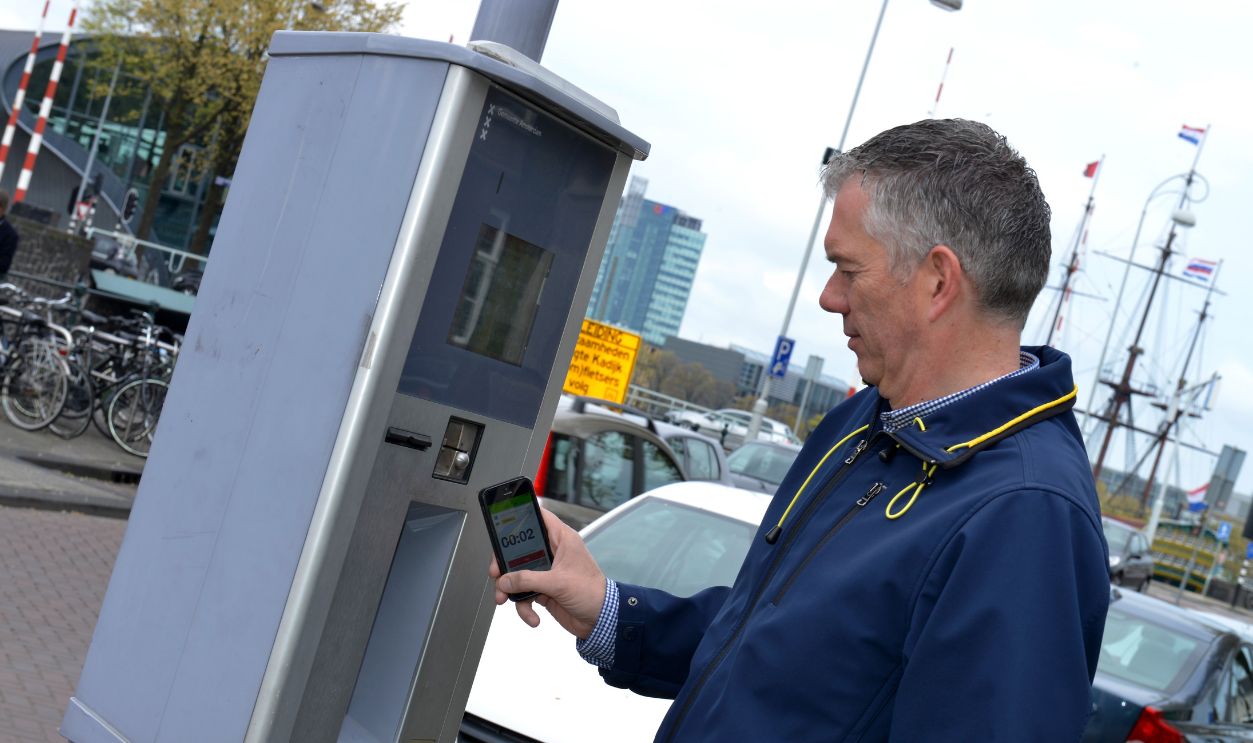
Driving into the heart of a major Canadian city can be convenient right up until you try to park. Downtown garages and hotel parking can be surprisingly expensive, particularly in Toronto and Vancouver. That rental car sitting unused beneath your hotel may quietly become one of the priciest parts of the trip.
Tourist Attractions
Canada has plenty of spectacular attractions, but visiting several paid sights can put a dent in the vacation budget. Observation decks, museums, boat tours, aquariums, and guided experiences can add up rapidly for families. The good news is that Canada's parks, waterfronts, neighborhoods, and hiking trails often provide excellent free entertainment.

Ski Resort Everything
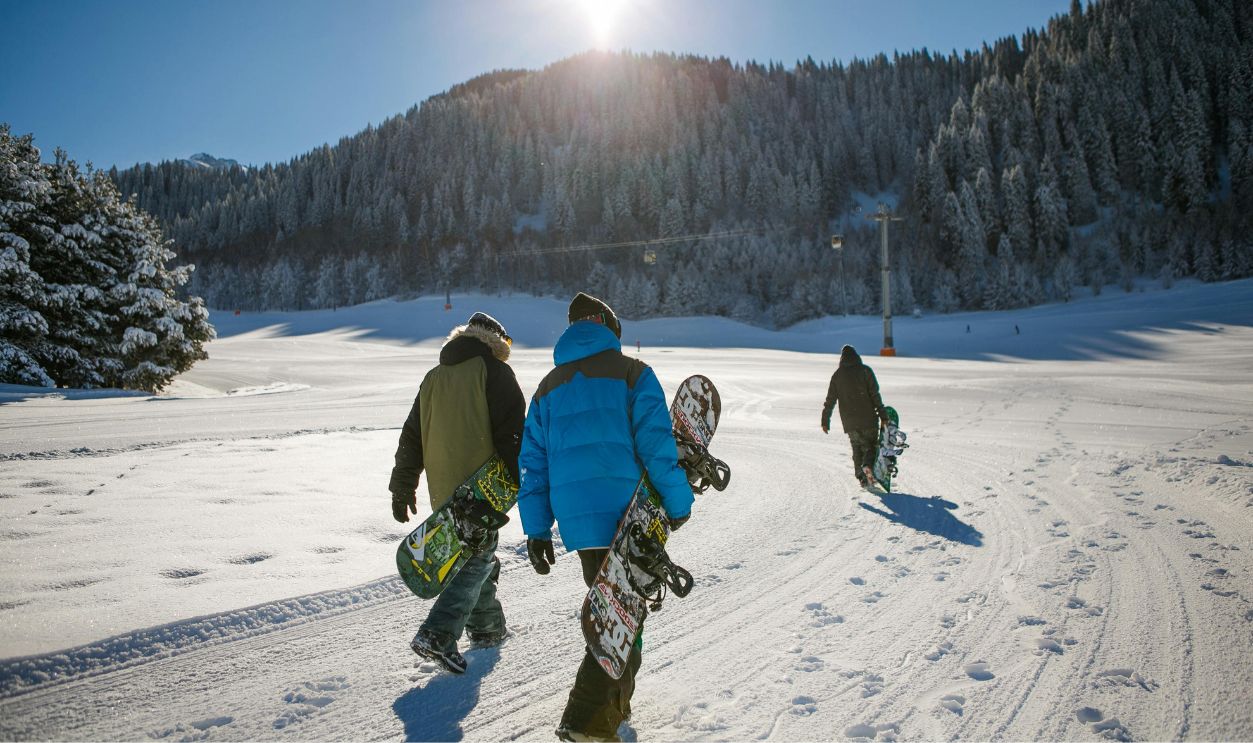
American skiers visiting famous Canadian resorts may arrive expecting favorable exchange rates to soften the cost. Then come lift tickets, rentals, lodging, parking, food, and après-ski drinks. Places like Whistler can be spectacular, but nobody has ever confused a major mountain resort vacation with a cheap weekend getaway.
Convenience Stores
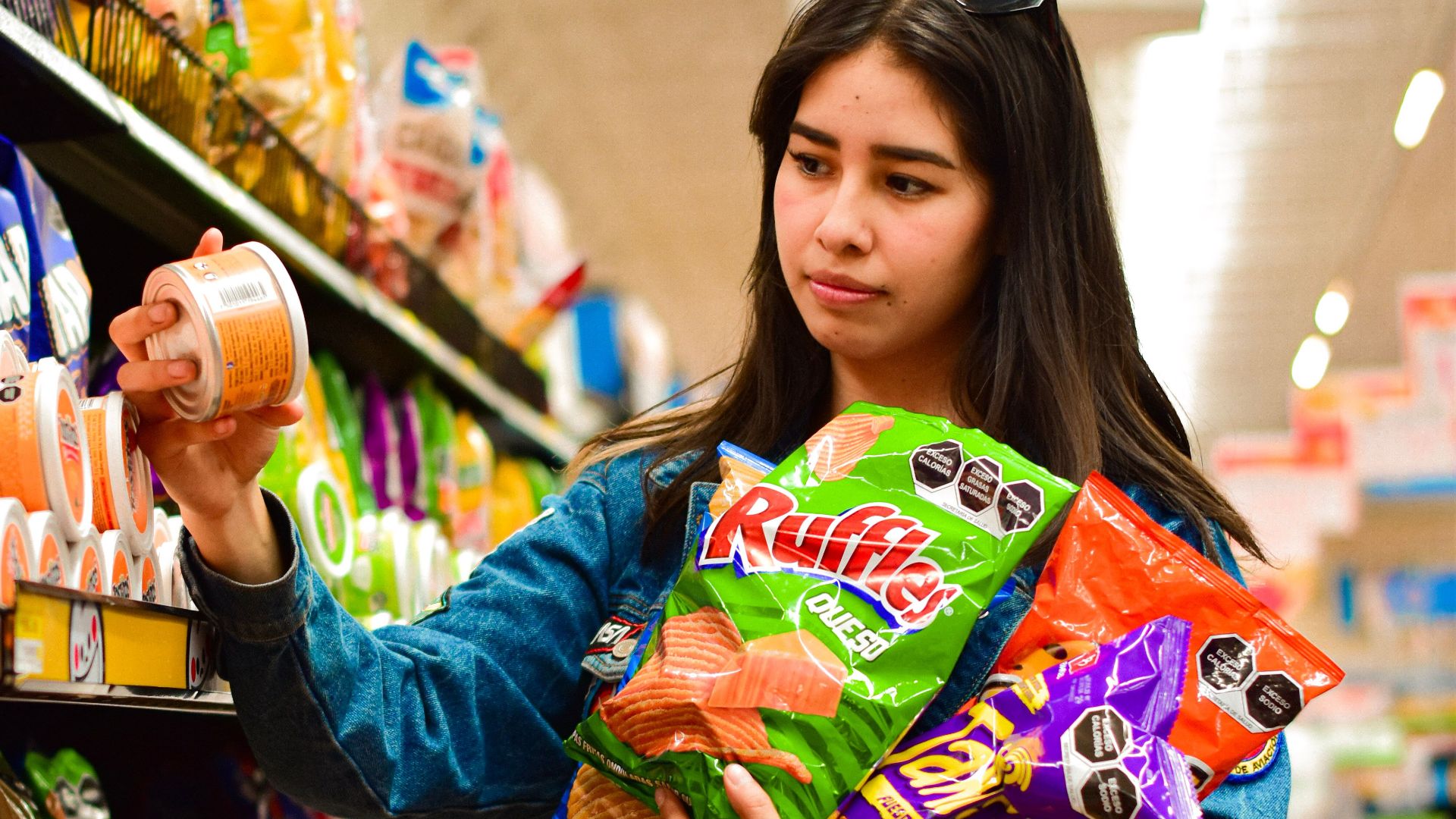
Need bottled water, chips, sunscreen, or toothpaste at 10 p.m.? Convenience can cost you. Small stores in tourist districts, downtown areas, airports, and remote communities often charge noticeably more than supermarkets. Americans who grab a handful of basic items without checking prices may be surprised at how quickly the total grows.
Prescription And Over-The-Counter Products
Canada is often associated with cheaper prescription medicine, but that doesn't mean every pharmacy purchase feels inexpensive. Over-the-counter medications, toiletries, cosmetics, and personal-care products can sometimes cost more than Americans expect. Travelers replacing something they forgot at home may discover that convenience has a price here, too.

Sales Tax At The Register
One reason Canadian prices can catch Americans off guard is that the displayed price usually isn't the final price. Sales taxes are typically added at checkout, and rates differ depending on the province and product. Visitors occasionally forget about the extra percentage until the cash register provides an immediate reminder.
Tipping
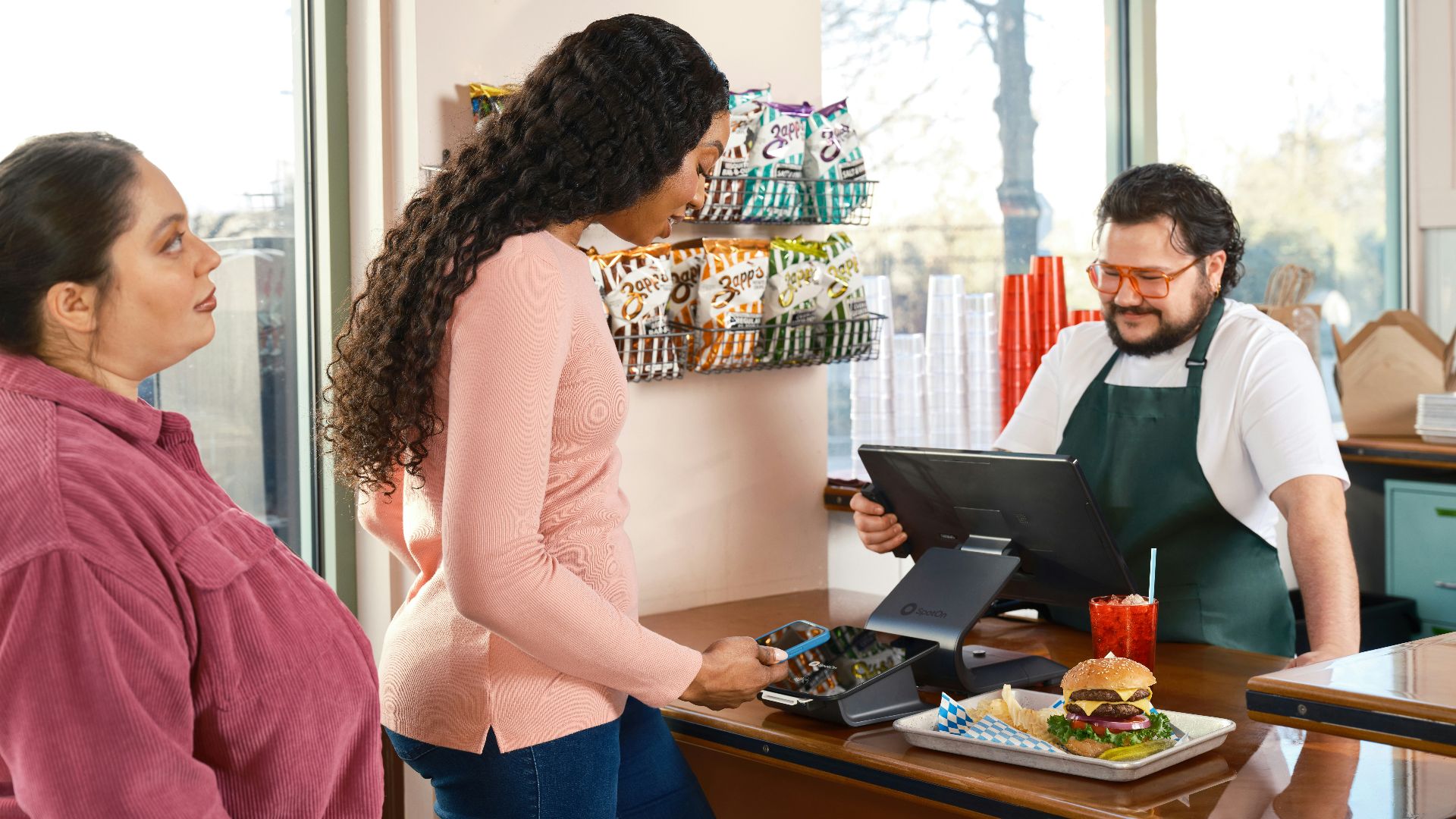
American travelers won't find tipping culture especially unfamiliar, but the total restaurant bill can still surprise them. Suggested tip options are common, and percentages have gradually crept upward in many places. Add the tip to taxes and higher menu prices, and a seemingly casual meal can turn into a fairly expensive outing.

Remote Travel
Canada's most beautiful destinations aren't always close to major cities. Traveling through northern regions, islands, mountain towns, and remote communities can mean higher prices for fuel, groceries, accommodation, and transportation. Moving goods across enormous distances costs money, and travelers often see those logistics reflected directly on store shelves.

Souvenirs
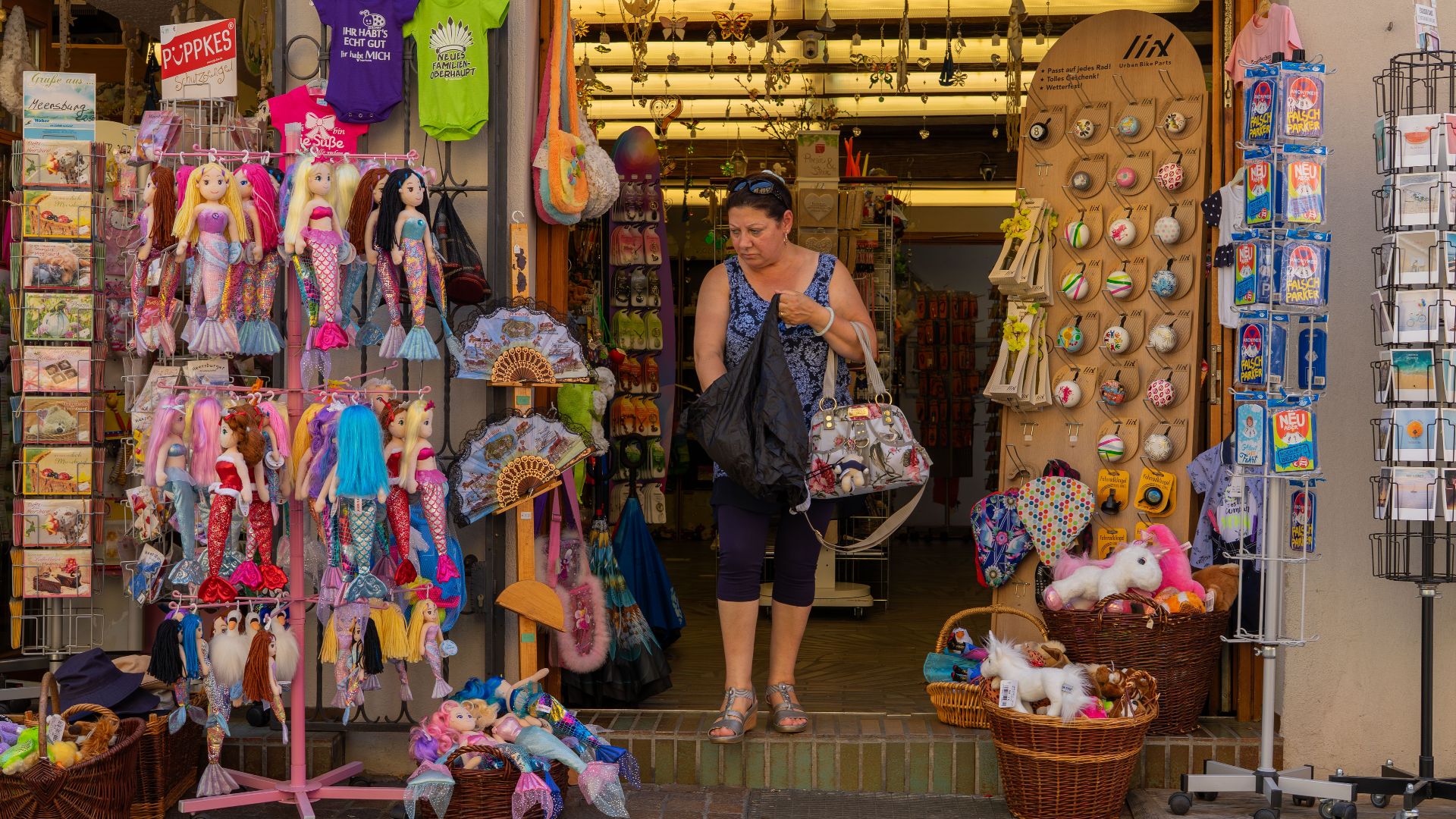
That maple-leaf hoodie or bottle of maple syrup might make a great souvenir, but shops surrounding famous attractions know exactly where they're located. Tourist-area prices can be noticeably higher than what you'll find elsewhere. Buying gifts at supermarkets, local markets, or neighborhood shops can sometimes leave more money for the rest of your trip.
The Exchange Rate Doesn't Fix Everything
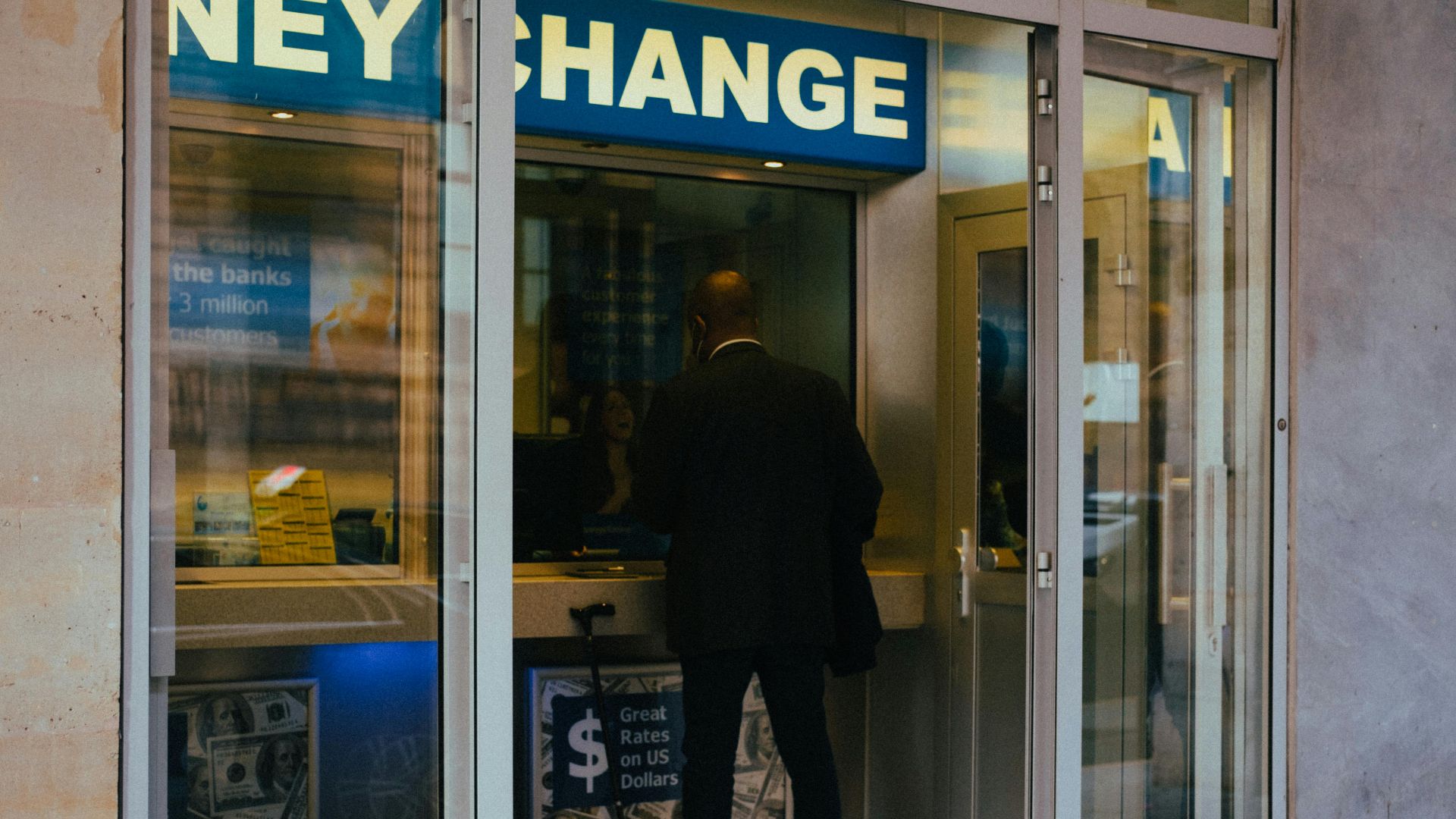
Americans often arrive in Canada feeling wealthy because one U.S. dollar usually converts into more than one Canadian dollar. That's certainly helpful, but it doesn't automatically make Canada cheap. Higher base prices, taxes, fees, and tourist-area markups can quickly eat into the advantage, leaving travelers wondering where their expected bargain disappeared.
Canada Is Still Worth The Splurge
Canada may deliver a few uncomfortable receipts, but the country also offers enormous value in ways that don't appear on a credit-card statement. Mountain drives, public parks, waterfront walks, historic neighborhoods, and extraordinary scenery can cost little or nothing. Budget wisely for the expensive surprises, then enjoy everything else Canada does brilliantly.
You May Also Like:
Things American Miss Most When They Travel In Canada
Monkeys and apes use either hand—so why are 90% of humans right-handed?