
The Kids Ran The Clock.
Every meal, excursion, and evening plan had to fit another family’s naps, bedtimes, and carefully protected routines. Their schedule may have been reasonable for their children, but we should have discussed how much control it would have over everyone else before booking the trip.
The Kids Were Not The Problem
It is easy to blame children when a group vacation becomes frustrating. However, the children did not choose the destination, create the shared itinerary, or promise that both families would spend every day together. The real problem was that the adults never agreed on how the trip would work.

Strict Schedules Can Be Legitimate
Some children cope well when vacation routines become flexible, while others struggle with major changes. Age, temperament, health, developmental needs, and previous travel experience can all affect how much structure a child requires. Parents may have good reasons for protecting naps, meals, medication times, or bedtime.

Routines Help Children Feel Secure
The American Academy of Pediatrics says regular and predictable routines help organize family life and reduce chaos. Familiar patterns can be particularly helpful when children are sleeping in a new room and spending their days in unfamiliar places. Preserving some structure may prevent the entire family from becoming overtired and overwhelmed.

Sleep Needs Are Not Optional
Children require different amounts of sleep depending on their age. The CDC notes that children ages 6 through 12 generally need 9 to 12 hours each day, while teenagers usually need 8 to 10 hours. A late dinner or early excursion that seems harmless to adults can create a genuine sleep deficit for a child.

But One Family Cannot Rule Everyone
Respecting a child’s needs does not mean that every traveler must follow the same timetable. The other family can return for a nap without requiring everyone else to leave the beach. A reasonable routine should guide that family’s decisions rather than automatically control the entire group.

The Mistake Happened Before Booking
The most important conversation should have taken place before anyone paid for flights or accommodation. Both families needed to compare wake-up times, bedtimes, meal habits, activity levels, and expectations about togetherness. The word “family vacation” was too vague to function as a plan.

Define What Vacation Means
One family may picture slow mornings, early dinners, and quiet evenings in the rental. The other may imagine full sightseeing days, spontaneous restaurant choices, and staying out after sunset. Neither vision is wrong, but combining them requires more than assuming that friendship will solve every difference.

Compare The Children’s Actual Needs
Ask which parts of the schedule are medically, developmentally, or emotionally important. A toddler’s nap, an allergy-safe meal, or medication timing may deserve firm protection. A preference for eating at one exact restaurant time may have more room for compromise.

Separate Needs From Preferences
Calling every routine essential can make negotiation impossible. Parents should identify the arrangements their children truly cannot manage without and the habits they would merely prefer to maintain. The other family should perform the same exercise with its own priorities.

Pick The Shared Nonnegotiables
Agree on a small number of activities that everyone genuinely wants to do together. These might include one major attraction, a boat trip, or a special dinner. Protecting a few shared highlights is more realistic than requiring the entire vacation to operate as one continuous group event.

Agree On Quiet Hours
Shared accommodation makes bedtime especially sensitive. Adults talking, children playing, televisions running, and early-morning activity can disturb people in nearby rooms. Discuss quiet hours and room arrangements before selecting a rental that forces everyone into the same sleeping area.

Stop Planning Every Minute Together
Two families do not need to eat every meal, visit every attraction, or leave the hotel at the same time. Constant coordination creates additional decisions and gives every delay the power to frustrate the whole group. Independent time can make the shared activities feel more enjoyable.

Build Parallel Itineraries
Create a trip with overlapping plans rather than one fixed schedule. One family can return to the hotel for a nap while the other visits a museum, walks through town, or remains at the pool. Everyone can reconnect later without treating the separation as a conflict.

Use One Daily Anchor
A single shared activity can provide structure without controlling the entire day. Families might meet for breakfast, an afternoon excursion, or dinner and manage the remaining hours independently. This approach offers connection while leaving room for different energy levels and routines.

Take Turns Choosing
Alternating choices can prevent one family’s priorities from dominating the trip. One day might feature a child-friendly attraction selected by them, while the next includes an outing chosen by your family. Each choice should still be discussed for safety, cost, and practical suitability.
Give Every Family An Exit
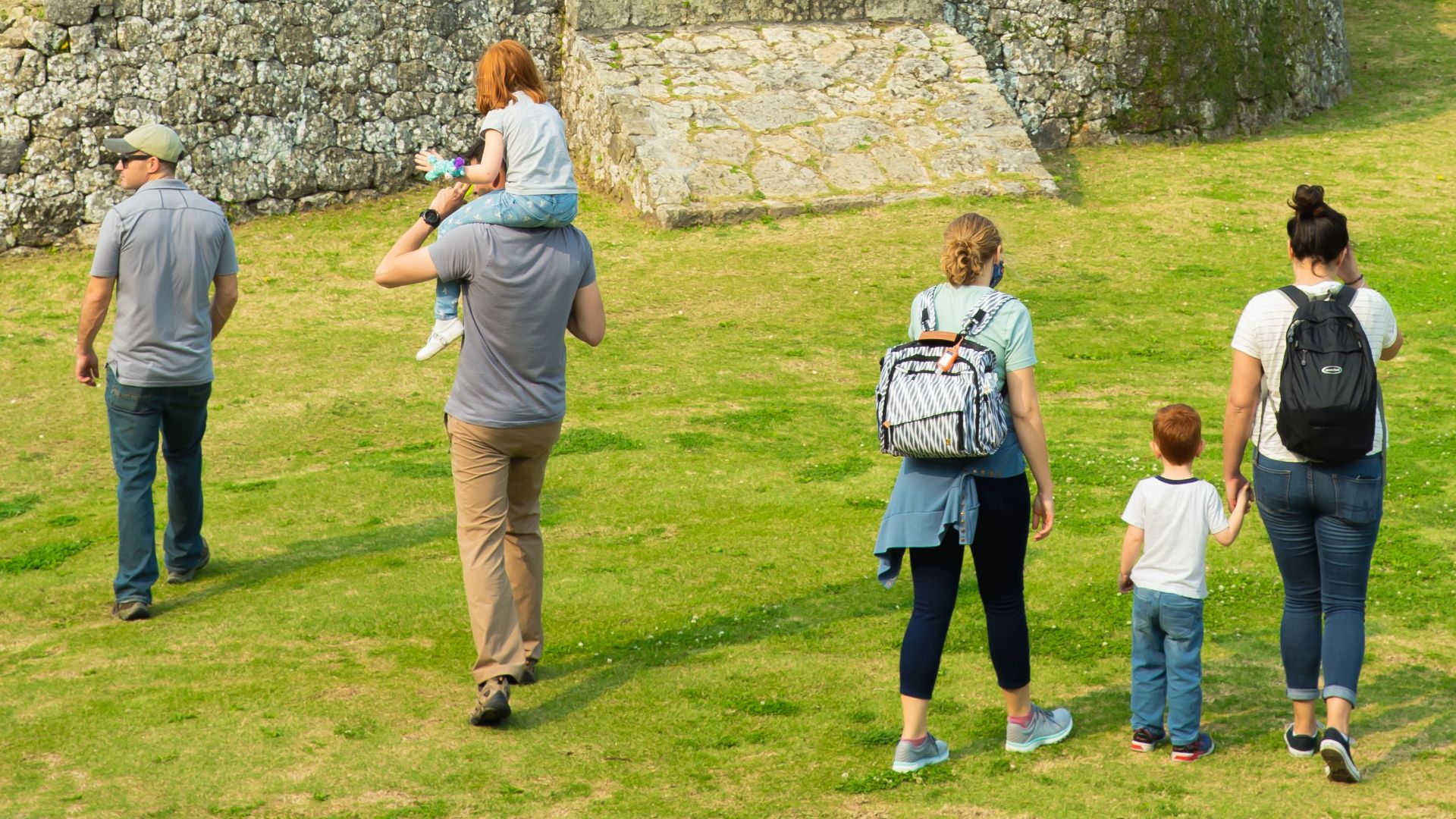
Any family should be able to leave an activity early without forcing everyone else to follow. Establish this expectation before the first outing. A tired child, unexpected illness, or simple change of mood should not automatically end the experience for the entire group.

Separate Transportation Creates Freedom
Sharing one rental vehicle can turn different schedules into a serious logistical problem. Separate cars, transit passes, taxis, or rideshare access allow one family to return to the accommodation while the other continues exploring. Transportation independence may be worth the additional cost.

Choose The Right Accommodation
A shared rental can save money, but it also magnifies differences involving noise, food, bathrooms, and sleep. Separate rooms, adjoining suites, or nearby accommodations may create a healthier balance. Paying slightly more for privacy can prevent days of resentment.

Discuss Meals Before Arrival
Children may need regular meals and familiar food, while adults may want to try restaurants without studying every menu in advance. Agree on how often everyone will dine together and which meals can be handled independently. Families should also carry suitable snacks rather than expecting every activity to stop immediately when someone becomes hungry.

Put The Money Rules In Writing
Shared expenses become confusing when plans change around one family’s schedule. Decide how to divide accommodation, groceries, rental vehicles, parking, childcare, and canceled activities. A written message summarizing the agreement can prevent different memories of the same conversation.

Parents Handle Their Own Children
Each set of parents should remain responsible for supervising, feeding, entertaining, and transporting its children unless another arrangement is explicitly offered. Friends traveling together should not quietly become unpaid babysitters. Help can be generous, but it should not be assumed.

Do Not Correct Their Parenting
You can object to how the group schedule affects your vacation without judging the other family’s parenting. Telling parents that their children do not need naps or should tolerate later nights will probably make them defensive. Focus on the shared logistics and the freedom your own family needs.

Address The Problem Early
Do not spend five days silently resenting the schedule and then explode at dinner. Raise the concern after the first pattern becomes clear. Early conversations provide time to divide activities, change transportation arrangements, and rescue the remainder of the trip.

Use Neutral Language
Try saying, “We would like to stay out this afternoon, so we will meet you back at the hotel later.” That statement describes your plan without criticizing their routine. Clear, calm language is more productive than accusing them of ruining the vacation.

Protect Your Own Family Time
Your family also deserves private memories and activities chosen around its interests. Set aside at least one day or several blocks of time that do not depend on the other family’s schedule. Independent time is not rude when it was discussed respectfully.

Write Rules Before Next Trip
Before traveling together again, agree on sleep schedules, shared meals, transportation, costs, childcare, quiet hours, and how often the families expect to separate. Put the basic agreement in a group message so everyone can review it before booking. The goal is not to regulate every minute, but to ensure that one family’s routine does not become everyone’s obligation.

You May Also Like: