
The Dream Started With One Simple Idea
I imagined everyone laughing around the same dinner table after years of talking about taking a big family vacation. Then reality arrived with school calendars, work commitments, nap times, and grandparents who preferred slower mornings. Suddenly, planning one trip felt like organizing several vacations at once.

Accept That Perfect Synchronization Is Impossible
One of the biggest mistakes is assuming every family member has to follow the same schedule. Adults have different energy levels, children have routines, and older relatives may need more breaks. Accepting this early removes unnecessary stress and creates more realistic expectations.

Decide What Really Matters
Ask everyone what would make the trip feel successful. Some people may care most about shared meals, while others want sightseeing or relaxing together. Once everyone's priorities are clear, you can build the schedule around those moments instead of trying to fill every hour.

Pick One Daily Anchor Activity
Rather than staying together from breakfast until bedtime, choose one event everyone can reasonably attend. It could be dinner, a beach afternoon, or an evening walk. That shared activity becomes the heart of the vacation while leaving room for flexibility.

Let Mornings Belong To Different People
Grandparents may enjoy quiet coffee before sunrise. Teenagers often sleep late. Parents with young children may already be awake before everyone else. Different morning routines can actually reduce tension because nobody feels rushed.

Build Around Children's Natural Rhythms
Young children often enjoy trips more when naps and regular meals stay reasonably consistent. Skipping every routine usually leads to overtired kids and frustrated adults. A flexible schedule that respects their needs benefits the entire group.

Give Grandparents Comfortable Options
Older travelers may appreciate shorter walking distances, frequent seating, or indoor breaks during hot weather. That does not mean they cannot participate. It simply means activities should include opportunities to rest without feeling left behind.

Stop Trying To Please Everyone Every Hour
Large family vacations work best when people are free to split up occasionally. Some can visit museums while others head to the pool or playground. Meeting back together later keeps everyone happier than forcing universal participation.
 PeopleImages.com - Yuri A,ShutterStock
Create Small Activity Teams
Instead of moving fifteen people everywhere together, divide into smaller groups based on interests. Grandparents might enjoy a scenic drive while younger adults hike. Kids may prefer playgrounds or swimming before everyone reunites for dinner.

Use Shared Calendars Before You Leave
Digital calendars and family group chats help everyone understand the plan before arriving. Posting meeting times, restaurant reservations, and activity options reduces confusion. It also prevents constant last-minute decision making.

Make Meals The Main Gathering Point
Eating together often creates the strongest family memories. Even if everyone spends the day differently, breakfast or dinner gives relatives time to reconnect. Conversations usually become the highlight rather than any specific attraction.

Rotate Who Chooses Activities
One day might feature the grandparents' favorite attraction. The next day could belong to the children or another branch of the family. Rotating choices helps everyone feel included instead of catering to the same preferences every day.

Leave Empty Space In The Itinerary
Packing every hour with activities sounds exciting until people become exhausted. Downtime allows spontaneous conversations, games, swimming, or simply relaxing together. Those unscheduled moments often become favorite memories.

Choose Lodging With Shared And Private Spaces
Large vacation homes, connected hotel rooms, and resorts with common gathering areas let everyone enjoy togetherness without sacrificing privacy. Families can socialize when they want while still having quiet places to recharge.

Talk About Budgets Early
Money differences can quietly create tension during group travel. Discuss accommodations, meals, excursions, and optional activities before booking anything. Clear expectations help everyone make comfortable financial decisions.

Transportation Can Change Everything
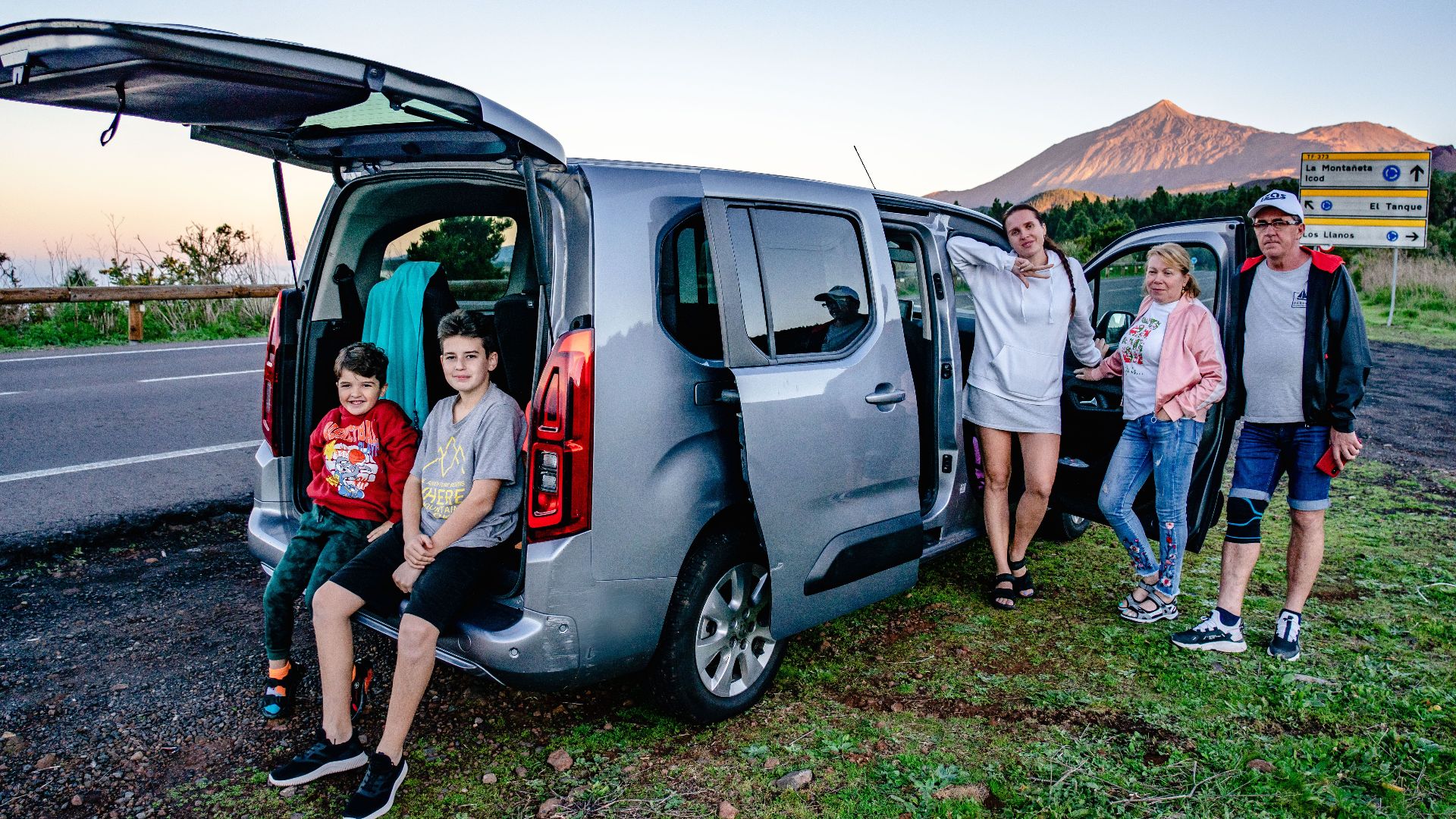
One oversized van may seem efficient, but separate vehicles often provide greater flexibility. Families with young children can return early for naps. Grandparents can head back whenever they feel tired without disrupting everyone else's plans.
Respect Different Energy Levels
Some relatives want sunrise hikes while others prefer leisurely afternoons. Neither approach is wrong. Building the itinerary around different energy levels allows everyone to enjoy the destination without unnecessary pressure.

Give Teenagers Some Independence
Older children often appreciate limited freedom within safe boundaries. They may enjoy exploring shops, visiting the hotel game room, or relaxing with cousins. Independence helps them stay engaged throughout the vacation.

Make Communication Simple
Choose one messaging app before traveling so everyone receives updates quickly. Share changes, restaurant locations, and meeting times in one place. Good communication prevents unnecessary frustration.

Expect Plans To Change
Weather, illness, traffic, and unexpected opportunities can reshape even the best itinerary. Flexibility keeps small disappointments from becoming family conflicts. A positive attitude usually matters more than sticking to the original schedule.

Share Responsibilities
One person should not manage every reservation, meal, and activity. Assign different relatives to organize specific outings or dinners. Delegating responsibilities reduces stress and gives everyone ownership of the trip.

Celebrate Small Moments
The best memories often come from card games, ice cream walks, or watching a sunset together. Those simple experiences usually matter more than checking famous attractions off a list. Families often remember laughter long after specific itineraries fade.

Remember That Not Everyone Needs The Same Vacation
Some relatives recharge through adventure while others prefer quiet relaxation. Allowing different experiences respects individual personalities. Coming together later makes shared time feel more meaningful.

Focus On Connection Instead Of Perfection
Minor scheduling conflicts are almost guaranteed on multigenerational trips. They do not mean the vacation failed. If people laugh together, share stories, and create new memories, the trip has already succeeded.

The Best Family Trips Leave Room For Everyone
A successful family vacation is not about keeping every person together every minute. It is about creating enough shared experiences that everyone feels connected while still respecting different needs. That balance gives grandparents, siblings, parents, and children the chance to enjoy the trip in their own way while returning home with memories they all share.

You May Also Like: