
I Thought The Beach Would Be The Activity
When I booked a week by the ocean, I pictured slow mornings, long walks, and afternoons with a book. My family had a very different vision. Before we even packed our bags, someone had already suggested snorkeling, paddleboarding, shopping, boat tours, and nightly entertainment.

My Calendar Started Looking Like A Work Schedule
The group chat quickly filled with color-coded plans. Every meal had a reservation, and every afternoon had a destination. I realized I had accidentally signed up for an itinerary that looked more demanding than my regular workweek.

Why Does Everyone Feel Pressure To Maximize Vacation?
Many travelers feel they need to make every minute count because vacations cost time and money. Social media also encourages people to document exciting experiences instead of quiet moments. That combination can make relaxing feel strangely unproductive, even when rest was the original goal.
Rest Is A Legitimate Reason To Travel
Research consistently shows that vacations improve well-being by helping people recover from work-related stress. Studies also suggest that mentally disconnecting from work plays an important role in those benefits. Relaxation is not wasted time if recovery is your primary goal.

Doing Nothing Is Actually Doing Something
Rest gives the brain an opportunity to recover from constant demands. Researchers studying vacations have found that passive activities, including simply relaxing, are associated with positive health and well-being after a trip. Sometimes the least exciting activity delivers the greatest long-term benefit.

My Family Thought I Was Missing Out
Every time I stayed behind to read by the water, someone asked whether I was bored. They genuinely believed I would regret skipping another excursion. I appreciated their enthusiasm, but their version of fun was not automatically mine.

The Fear Of Missing Everything
Many travelers worry they will never return to the same destination. That fear often encourages people to squeeze every attraction into a single visit. While understandable, it can leave people feeling rushed instead of refreshed.

Beach Chairs Can Be Just As Memorable
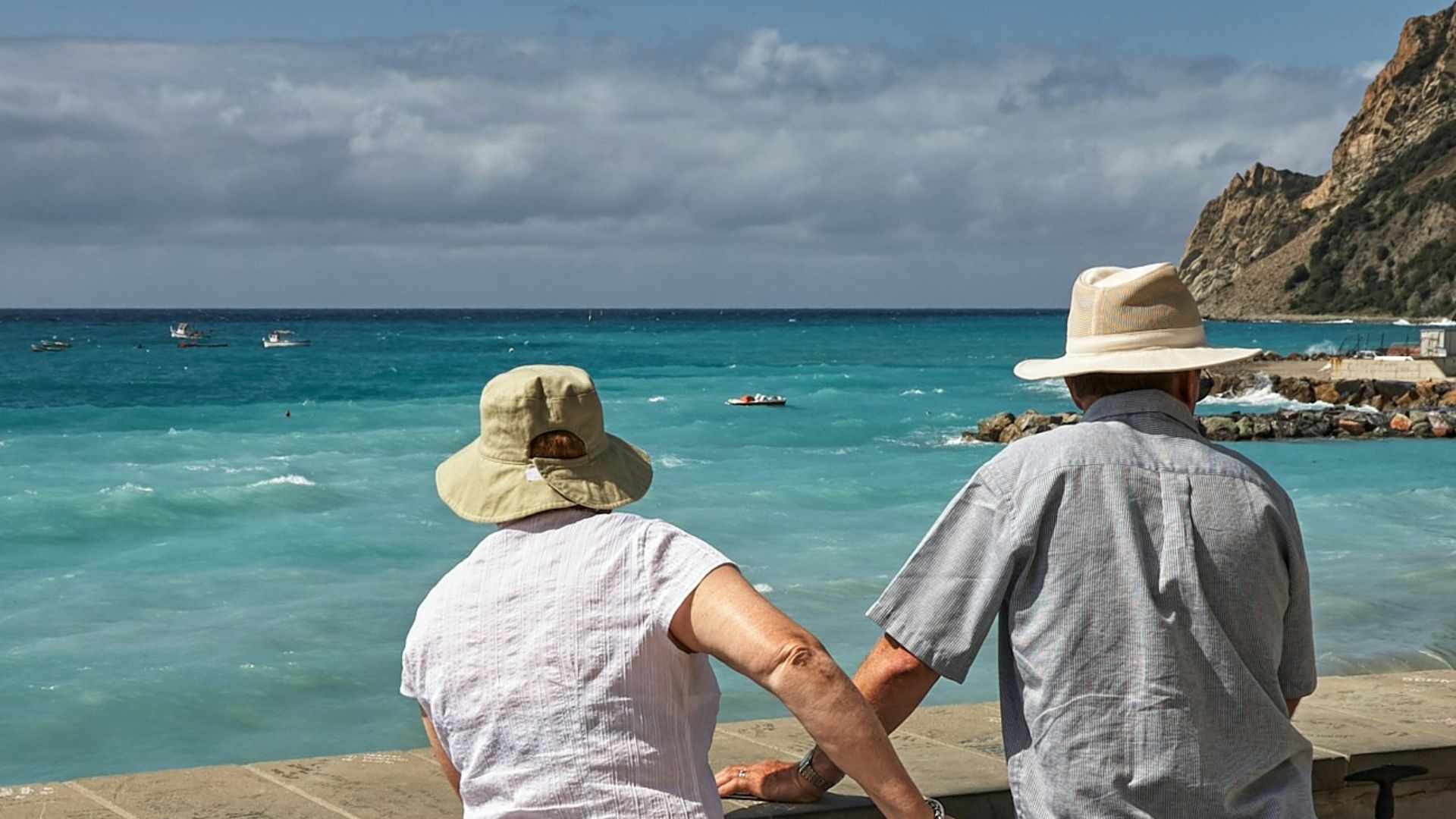
Some of my favorite vacation memories involve very little action. Watching waves roll in, listening to conversations, and enjoying an unhurried afternoon created moments I still remember years later. Not every meaningful experience comes with a ticket or reservation.

Scientists Have Studied Restorative Vacations
Research applying Attention Restoration Theory found that taking breaks away from everyday responsibilities improves cognitive performance and feelings of restoration. The study even suggested that shorter, relaxing breaks can sometimes outperform longer vacations on certain recovery measures.

A Packed Schedule Is Not Always Better
Many people assume more activities automatically create a better vacation. In reality, constantly moving between attractions can create its own stress. Some experts recommend balancing planned events with unscheduled time instead of filling every hour.
 Vidar Nordli-Mathisen, Unsplash
Everyone Defines Fun Differently
One family member may love museums and guided tours. Another may dream about spending six uninterrupted hours beside the ocean. Neither preference is wrong because vacations are deeply personal experiences.

The Best Compromise Started With One Conversation
Eventually, we stopped arguing about individual activities. Instead, we agreed that nobody needed to attend everything. That simple change immediately lowered everyone's stress level.

Splitting Up Was Not A Disaster
One morning they went kayaking while I stayed on the beach. We reunited for lunch with plenty of stories to share. Giving everyone freedom actually made the vacation feel more enjoyable.

Together Time Does Not Require Constant Motion
Families often assume bonding requires shared activities every hour. In reality, simply spending relaxed, unstructured time together can strengthen relationships. Experts say downtime with loved ones supports meaningful connection and reduces stress.

I Stopped Feeling Guilty
For the first couple of days, I worried I was wasting the trip. Then I realized I had finally started relaxing. That was the entire reason I wanted a beach vacation in the first place.

The Beach Changed My Sense Of Time
Without constant appointments, the days felt longer. I noticed details I normally rushed past. The slower pace became one of the most satisfying parts of the trip.

Constant Entertainment Can Become Exhausting
Adventure is exciting, but nonstop stimulation requires energy. Even enjoyable activities can become tiring without opportunities to recharge. Many travelers return home needing another vacation after trying to fit everything into one week.

Recovery Is More Than Physical Rest
Vacations help people mentally detach from daily responsibilities. Researchers have found that psychological separation from work is one of the strongest contributors to improved well-being after time away. Simply slowing down can support that process.

My Favorite Day Had No Plans At All
One afternoon disappeared into swimming, reading, and watching the sunset. Nothing dramatic happened. Somehow it became the day I remember most clearly.

We Started Building Free Time Into The Schedule
After a few busy days, even the activity lovers admitted they appreciated slower mornings. We began leaving entire afternoons open. Nobody complained about having fewer commitments.

Vacations Do Not Need To Impress Anyone
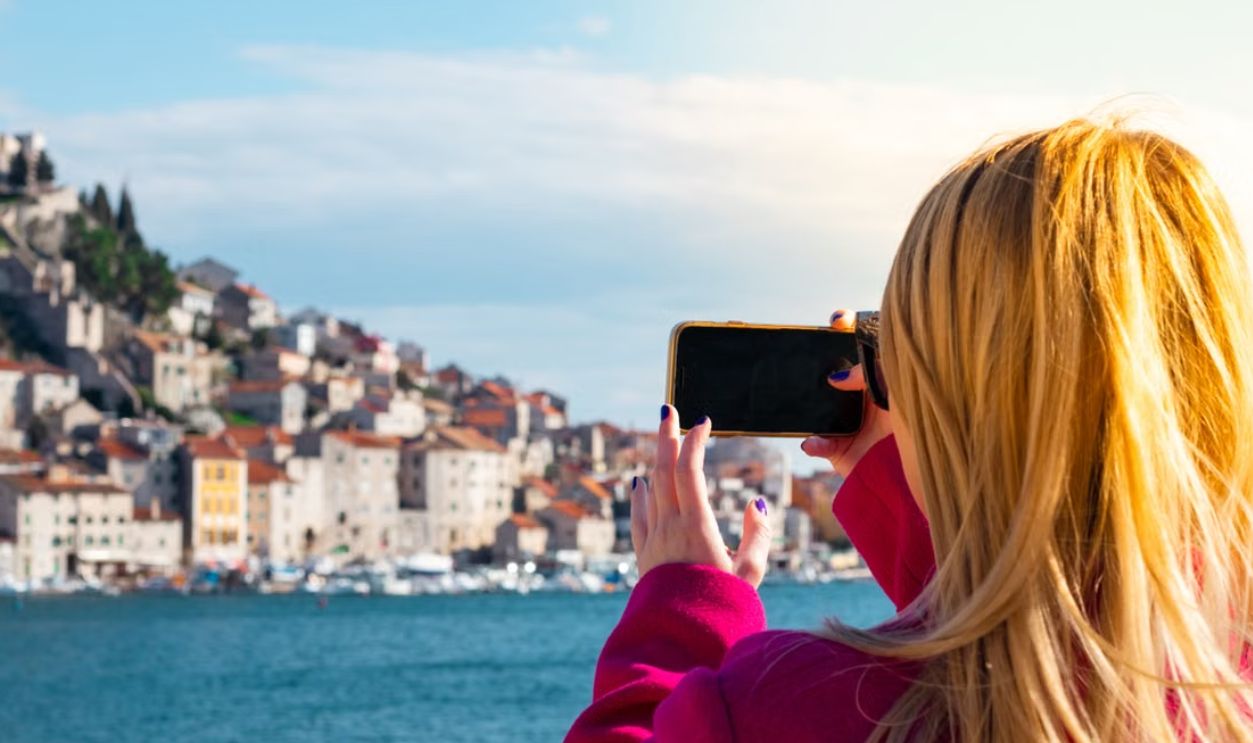
It is easy to compare your trip with carefully edited vacation photos online. Those snapshots rarely show naps, quiet breakfasts, or peaceful afternoons. Your vacation does not have to look exciting to someone scrolling through a phone.
There Is No Universal Vacation Formula
Some people recharge by exploring every neighborhood. Others recover by staying in one comfortable spot for hours. The best vacation depends on what leaves you feeling happier when you return home.

Rest Is Becoming A Bigger Travel Priority
Travel experts increasingly note that many people now prioritize rest and recovery alongside sightseeing. Health experts also emphasize that vacations provide meaningful physical and psychological benefits when they reduce stress. That shift suggests relaxation is becoming a destination rather than an afterthought.

My Family Finally Understood My Goal
By the end of the trip, nobody questioned why I skipped a few outings. They realized I came home feeling genuinely refreshed instead of worn out. My version of success simply looked quieter than theirs.
 PeopleImages.com - Yuri A,ShutterStock
Doing Nothing Is Not Unreasonable
A vacation is supposed to serve the traveler, not the itinerary. If reading on the beach, taking naps, and watching the tide help you recharge, then those hours are well spent. Sometimes the most productive thing you can do on vacation is absolutely nothing.

You May Also Like: