The View Suddenly Comes With A Warning
A family trip through America’s national parks once seemed fairly easy to budget. Gas, hotels, food and a modest entrance fee when the minivan finally reached the gate.
But in 2026, one missing detail could turn that entrance sign into the most expensive part of the day.
The Rumour Started For A Reason
Your friend is not completely wrong—but the warning has spread much faster than the details. A new rule really can make an American national park visit dramatically more expensive for Canadians. However, it does not work quite the way most people are repeating it.
“All The Parks” Is The First Big Mistake
The new charge does not apply at every U.S. national park. It is limited to a relatively small group of destinations. Unfortunately, that group includes many of the enormous names Canadian families are most likely to cross the border specifically to visit.

These Are The 11 Parks On The List
The affected destinations are Acadia, Bryce Canyon, Everglades, Glacier, Grand Canyon, Grand Teton, Rocky Mountain, Sequoia and Kings Canyon, Yellowstone, Yosemite and Zion. Plenty of National Park Service properties remain outside the new rule—but many bucket-list parks do not.
 Marek Ślusarczyk (Tupungato) Photo portfolio, Wikimedia Commons
Now For The Painful Part
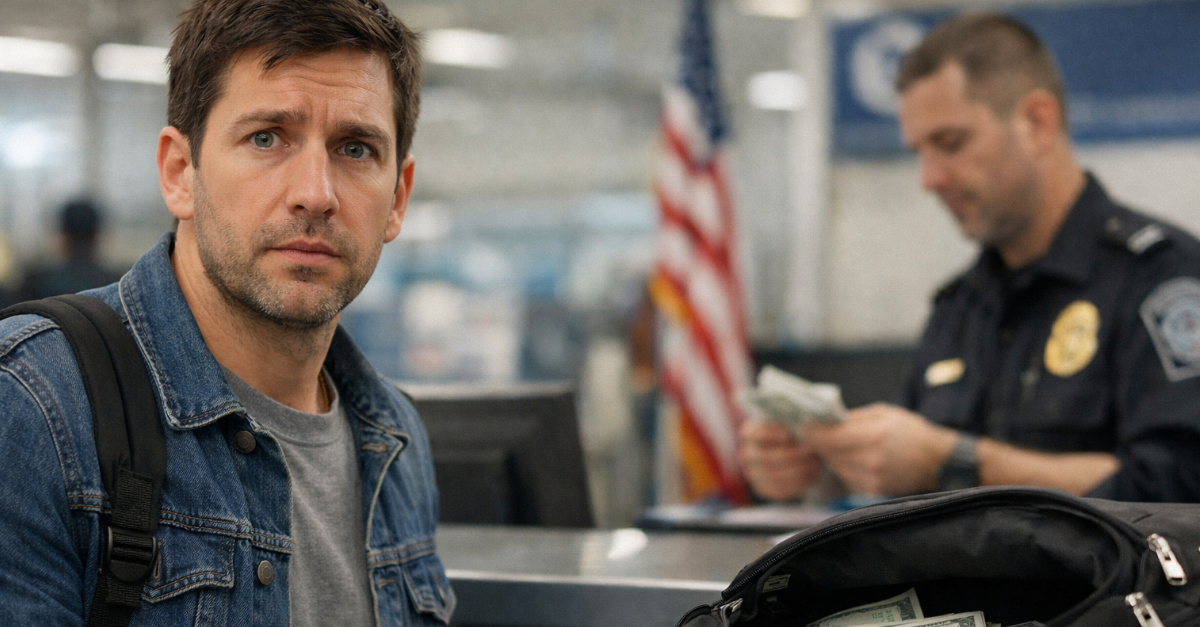
At those 11 parks, each visitor who is not a U.S. resident and is at least 16 years old must pay an additional $100 U.S., unless that person is covered by a qualifying pass. The rule took effect on January 1, 2026.
It Is $100 Per Person—Not Per Car
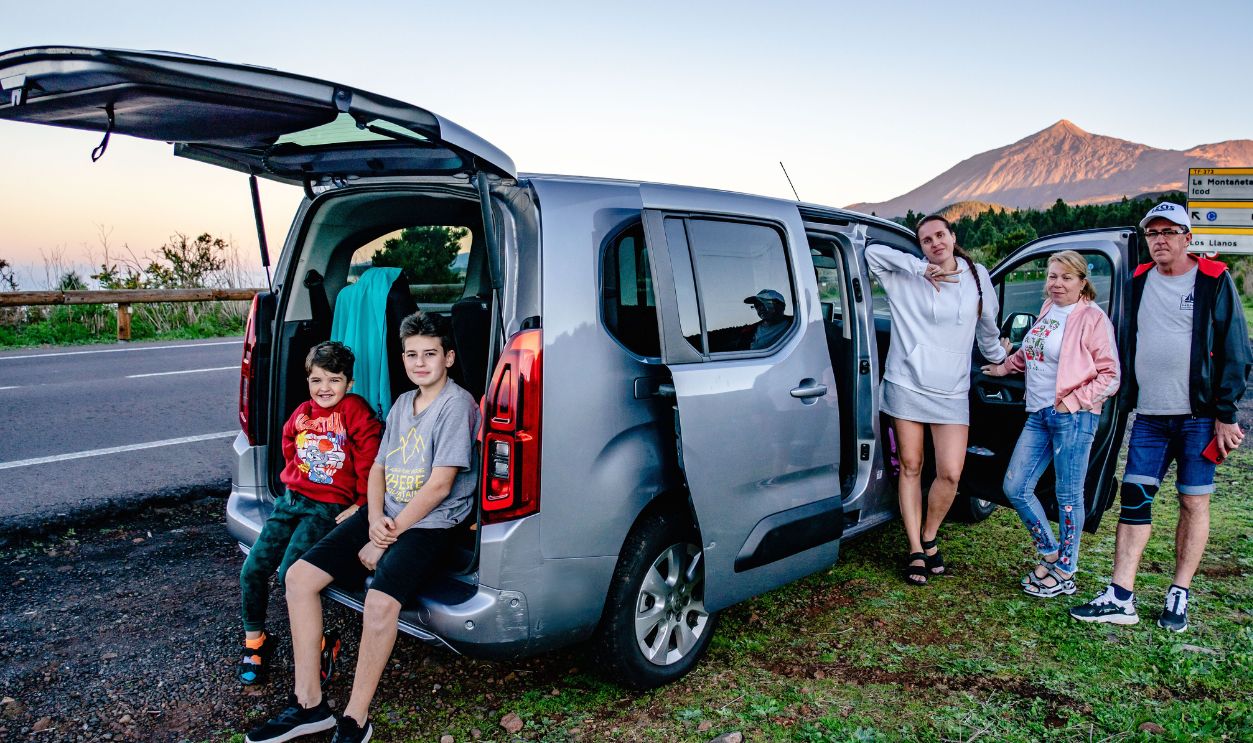
This is where the rule becomes especially painful for families. A normal private-vehicle entrance pass generally covers everyone riding inside the vehicle. The new nonresident charge does not. It is calculated separately for each non-U.S. resident in the vehicle who is 16 or older.

The Regular Entrance Fee Is Still Added
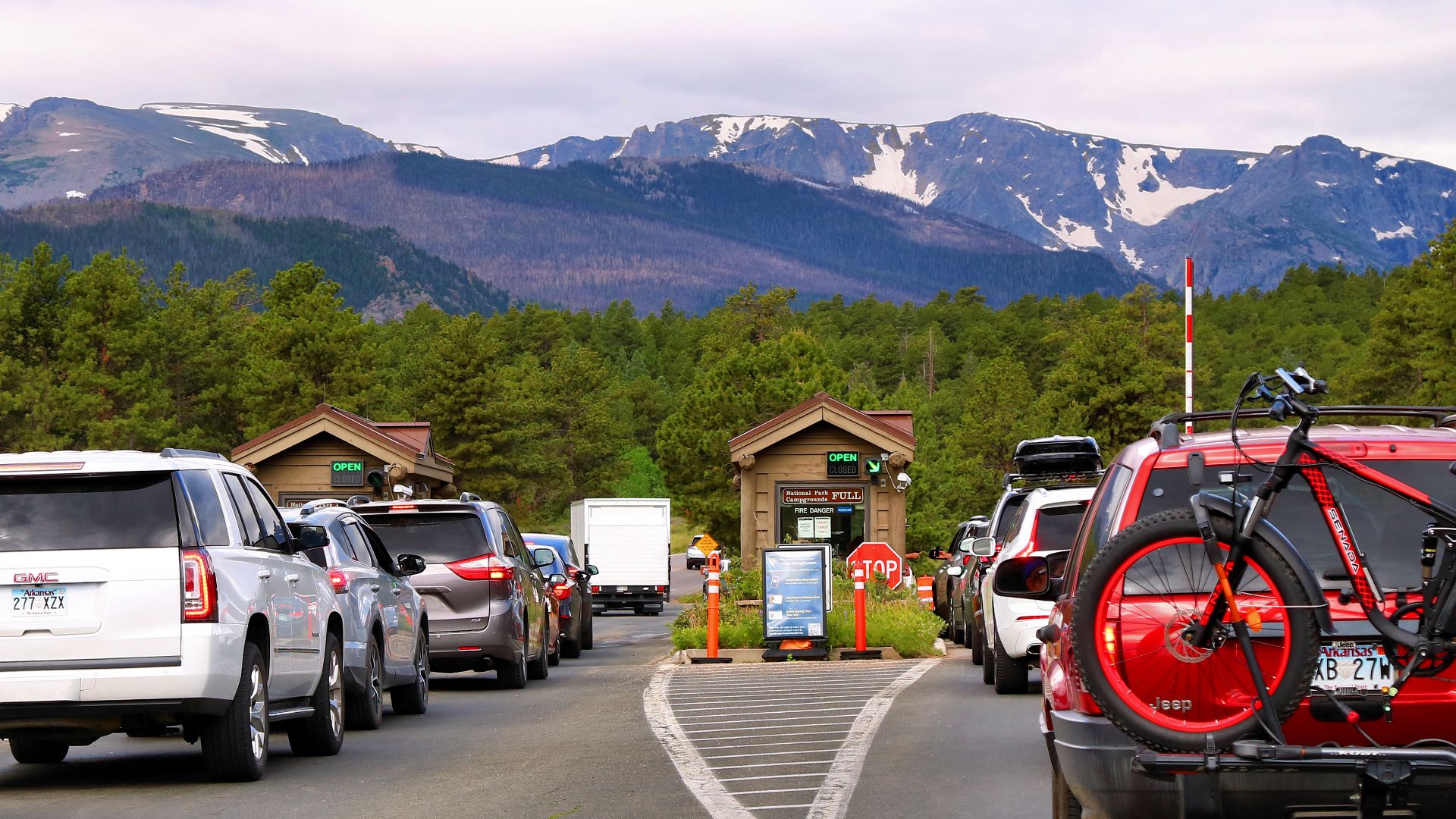
Paying the new charge does not replace the park’s ordinary entrance pass. Visitors pay both. At a park charging $35 for one private vehicle, two Canadian adults could therefore owe $235: the $35 vehicle fee plus two separate $100 nonresident charges.
 Larry D. Moore, Wikimedia Commons
A Family Could Face A $435 Welcome
Imagine two parents travelling with two children who are both at least 16 years old. At a park charging $35 per vehicle, that family could owe $435 for one visit—$35 for the vehicle and another $400 for the four nonresident visitors.

Younger Children Change The Calculation
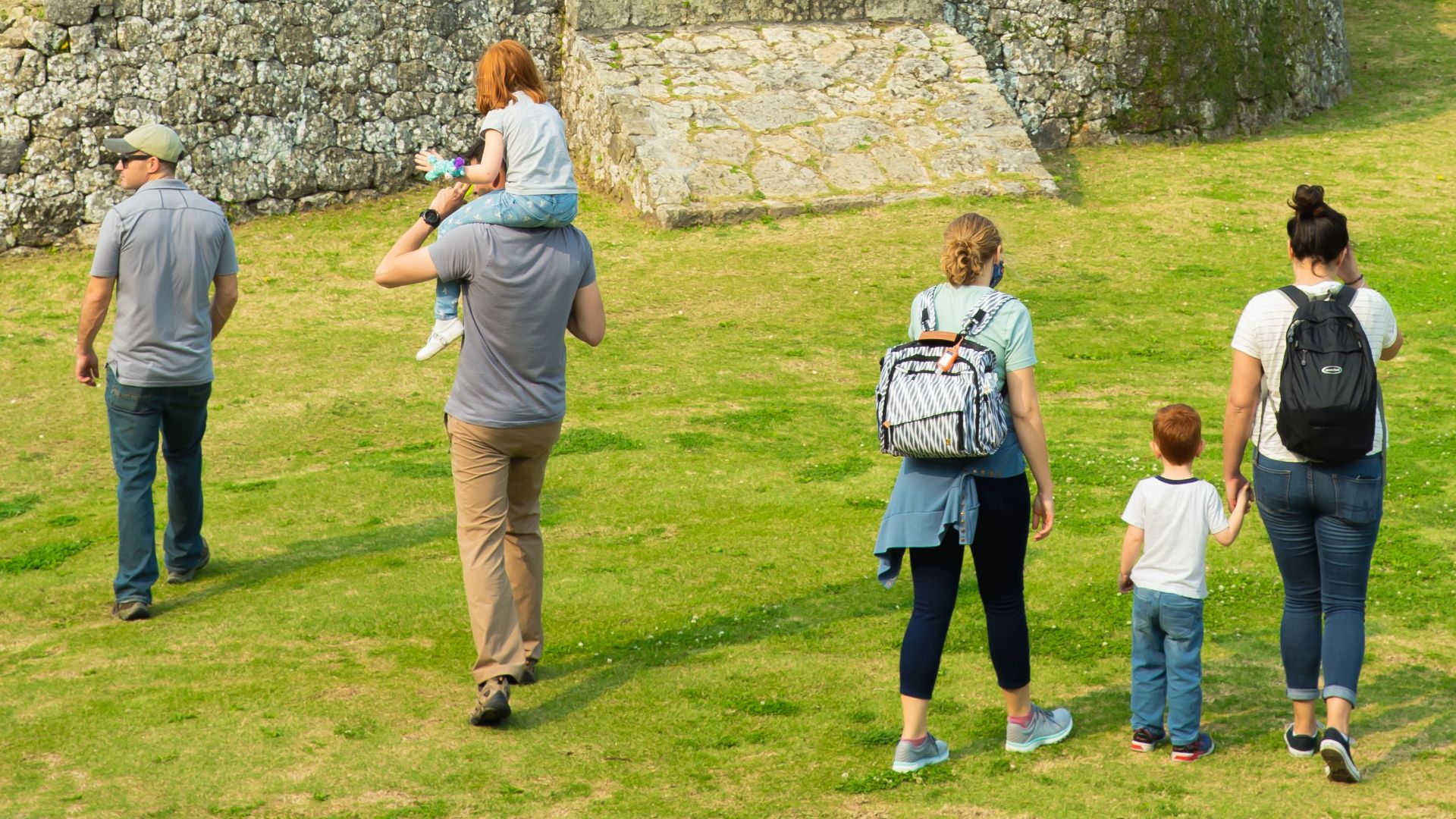
Children aged 15 and younger are not charged the regular entrance fee or the new nonresident fee. A family travelling with two adults and two younger children would therefore face two $100 surcharges rather than four, bringing a $35 entrance to $235.
There Is A $250 Escape Route
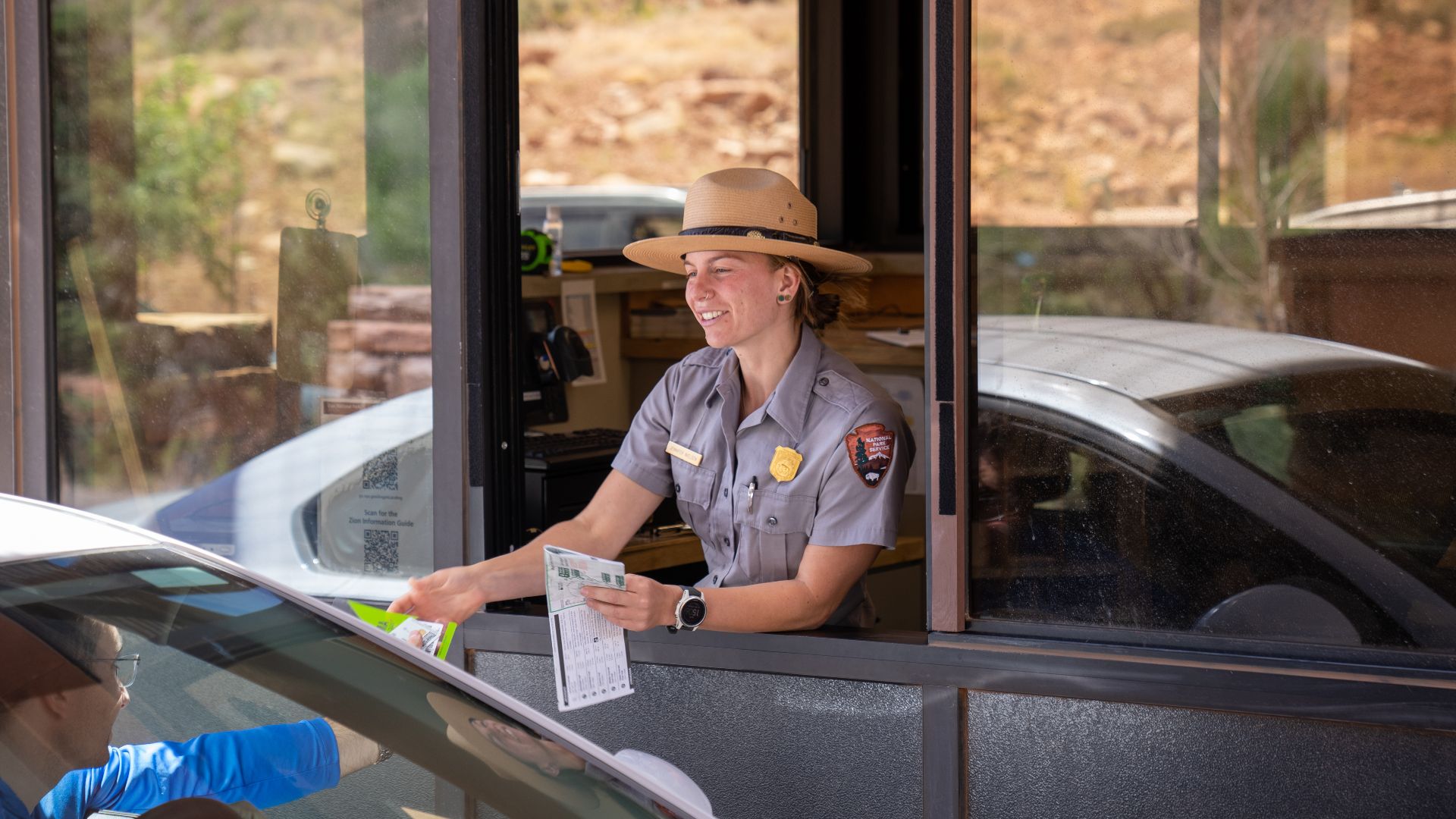
Canadian visitors can instead purchase an America the Beautiful Non-Resident Annual Pass for $250 U.S. The pass covers normal entrance fees and prevents the separate $100 nonresident charge from being added when the passholder and covered group enter one of the affected parks.
 NPS / Jonathan Shafer, Wikimedia Commons
One Pass Can Cover The Whole Car
When a family arrives in one private, non-commercial vehicle, the $250 pass covers the passholder and everyone travelling inside that vehicle. It can also cover two motorcycles or the passholder and three additional adults at locations where entrance fees are charged per person.

One Park And Two Adults Is Surprisingly Close
For two Canadian adults visiting one affected park with a $35 vehicle fee, paying at the gate would cost $235. The annual pass costs $250, so the single visit is technically $15 cheaper without it—but almost any additional qualifying entrance fee could change the calculation.

Three Adults Should Already Do The Math
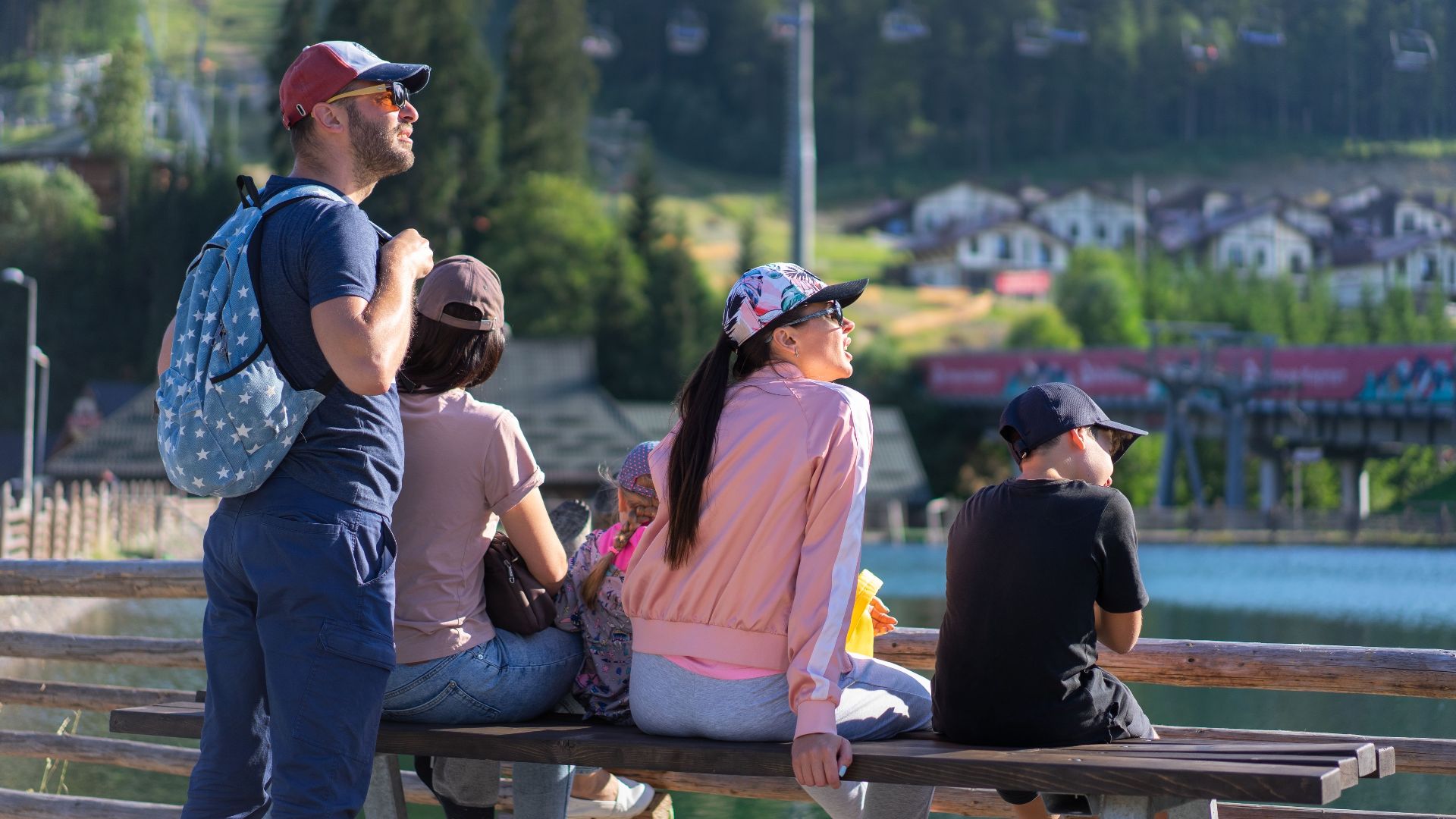
Three Canadian visitors aged 16 or older could pay $335 at a park charging $35 per vehicle. The $250 annual pass would save them $85 on that one entrance alone. For four adults or older teenagers, the difference grows to $185.
Two Major Parks Make The Decision Easy
Two Canadian adults visiting two affected parks that each charge $35 per vehicle could pay $470 without the pass. The $250 nonresident pass would cover both entrances, saving approximately $220 before the family visited any other qualifying federal recreation site during the pass year.

The Pass Works Beyond Those 11 Parks
The America the Beautiful pass provides access to more than 2,000 federal recreation sites, including national parks, wildlife refuges, forests and other participating lands. Families planning several stops may find value in it even when some destinations do not charge the new surcharge.
But It Does Not Cover The Entire Vacation
The pass generally covers entrance and standard day-use fees. It does not automatically pay for campsites, hotels, special tours, ferries, special permits, timed-entry reservations or other ticketed experiences. Solving the entrance problem does not mean the rest of the vacation is suddenly free.
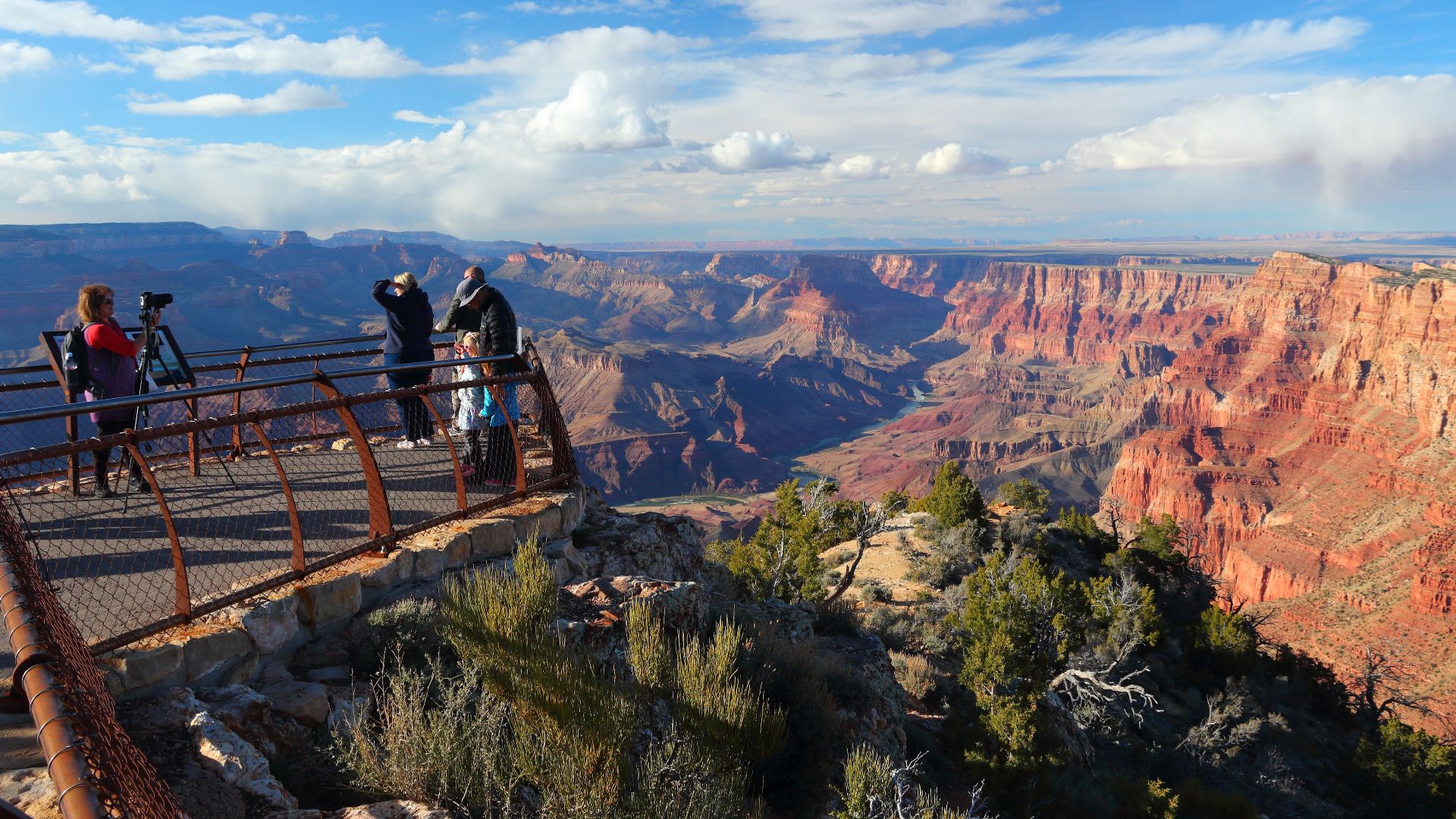
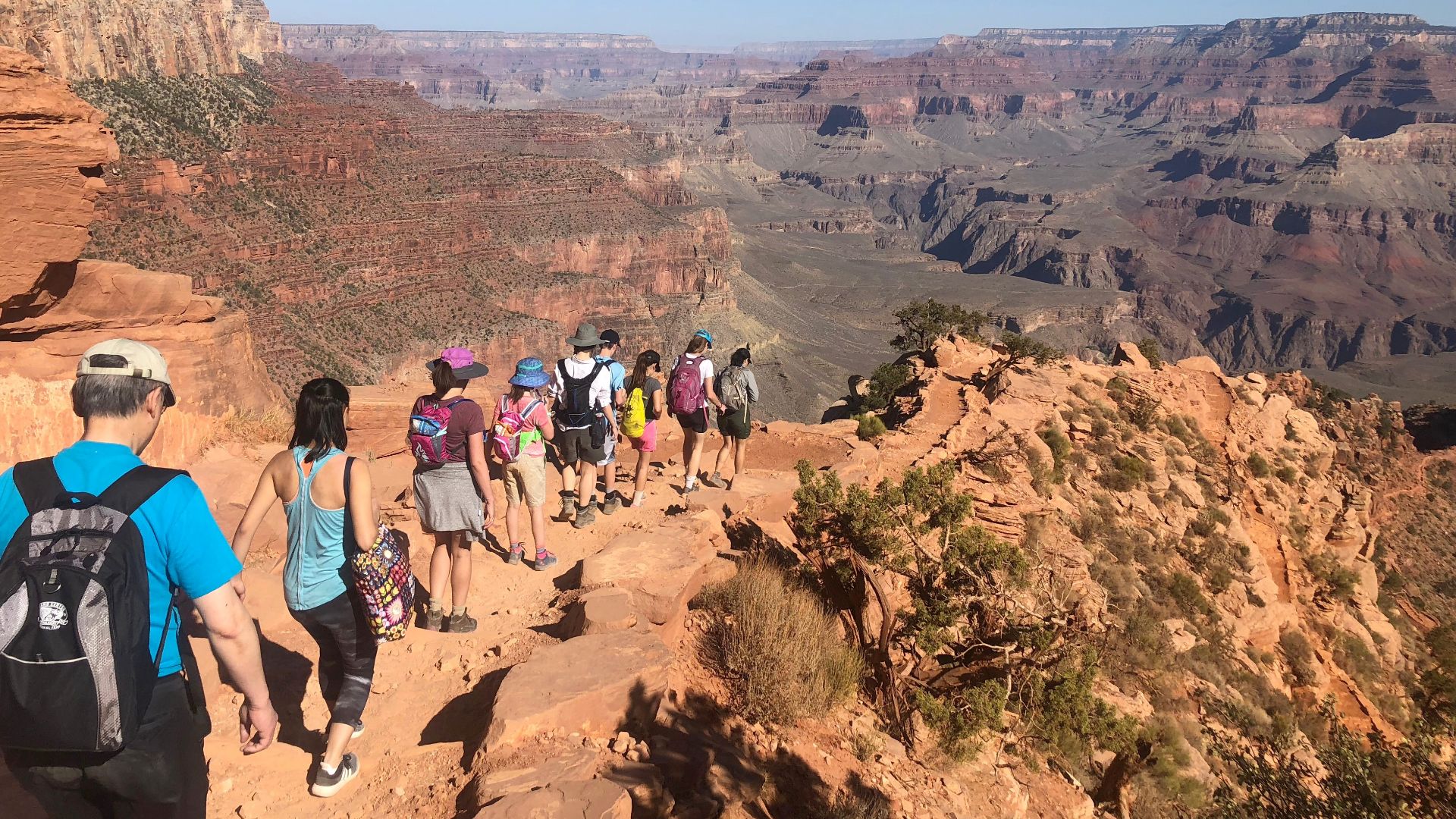 Grand Canyon NPS, Wikimedia Commons
Check The Wallet For An Older Pass
A valid America the Beautiful Annual Pass purchased before January 1, 2026, continues to be honoured under its original terms until it expires. It covers both ordinary entrance fees and the new nonresident charge for the passholder and the permitted number of accompanying visitors.

Any Valid Park-Specific Pass Could Also Work
The National Park Service says all valid park-specific annual passes cover the normal entrance fee and the nonresident surcharge within their usual group limits. That could help a Canadian family that already holds an unexpired pass, provided the named passholder is present.
 William Campbell, Getty Images
Canadians Cannot Simply Buy The $80 Pass
The standard America the Beautiful Annual Pass still costs $80, but it is reserved for U.S. citizens and residents. Canadian tourists who do not qualify must purchase the $250 nonresident version rather than choosing the cheaper pass at checkout.
 TMMSUMERA LVINGO, Wikimedia Commons
The Rule Is Really About Residency
Canadian nationality alone does not determine who pays. A dual citizen with a U.S. passport, a permanent resident with a green card or someone carrying an accepted U.S. state- or territory-issued driver’s licence or identification card may qualify under the resident rules.

Bring Identification With The Pass
Passholders must show valid photo identification when using an annual pass, including a digital one. The name on the pass must match the person using it, and the passholder must be present. Passes are non-transferable, so families cannot simply borrow one from friends.

Free Entrance Days Will Not Save The Trip
Beginning in 2026, the National Park Service’s designated fee-free days apply only to U.S. citizens and residents. Canadian tourists must still pay the normal entrance charge and any applicable $100 nonresident fee unless they are covered by a valid pass.
A Tour Bus Does Not Avoid It Either
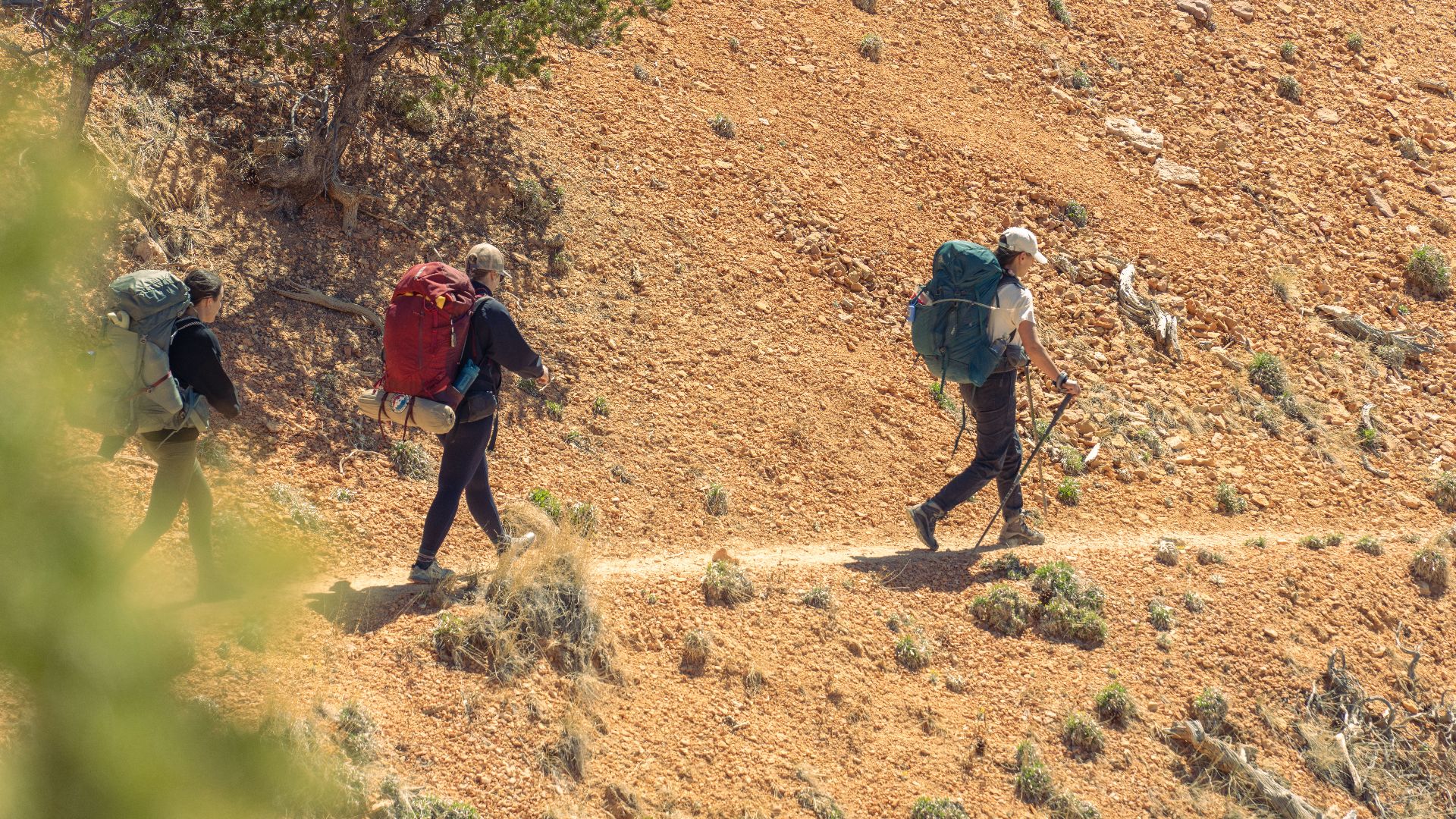
The surcharge applies to non-U.S. residents entering with commercial tours, concessioner groups and other organized trips. A nonresident annual pass can still help, covering the passholder and up to three additional adults when the group is being charged on a per-person basis.
Plenty Of Famous Parks Are Not Included
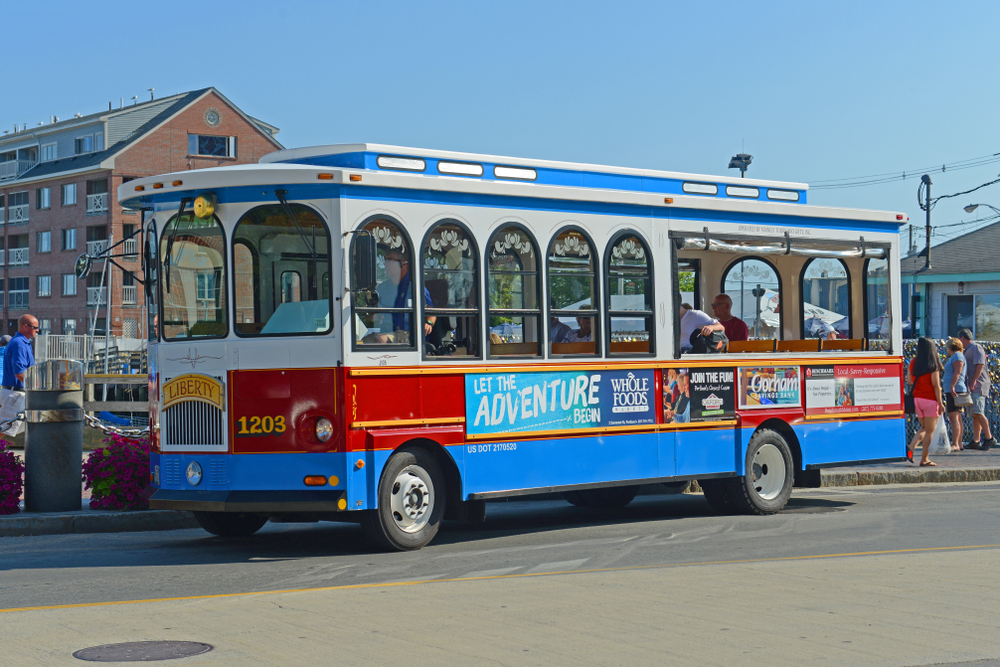
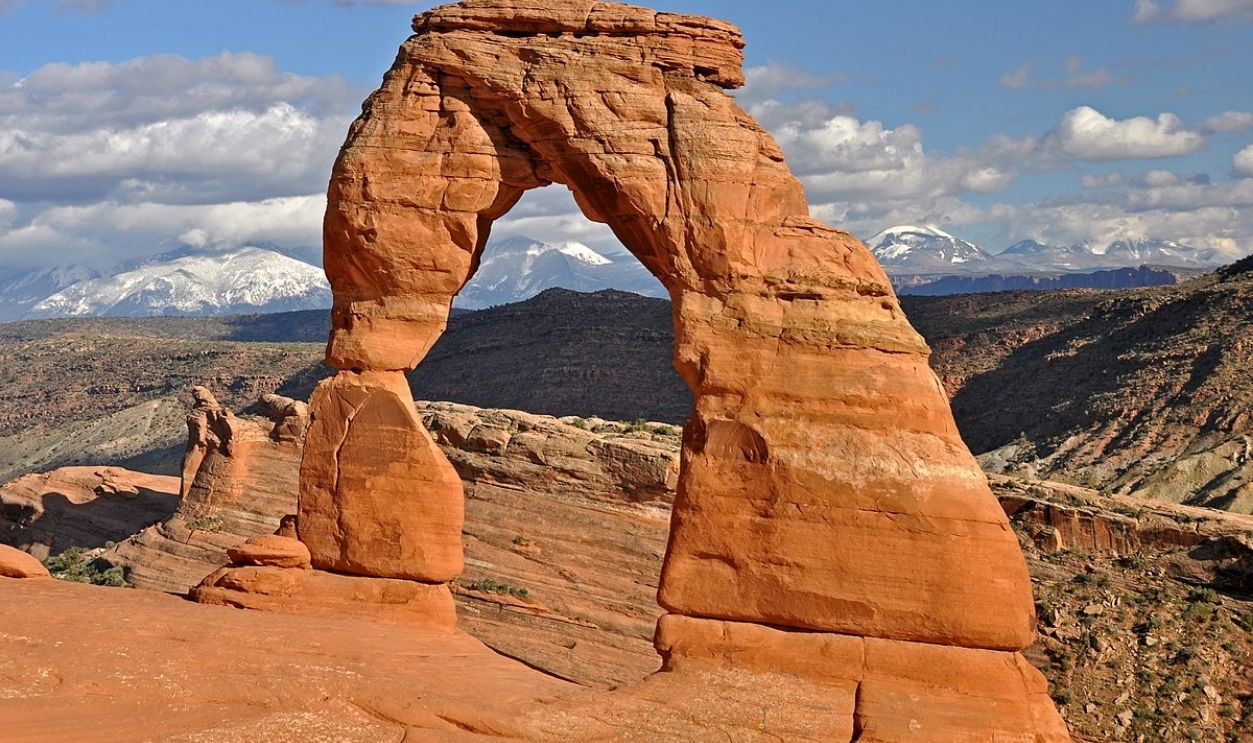
Canadian visitors can still explore places such as Arches, Joshua Tree, Death Valley, Badlands and Mount Rainier without paying the special $100 surcharge. Those parks may still have ordinary entrance fees, reservations or permit requirements, but they are not among the 11 surcharge destinations.
 Christopher Michel, Wikimedia Commons
Geography Could Save The Vacation Budget
A family planning a long American road trip may be able to substitute an unaffected park without completely abandoning the vacation. Bryce Canyon and Zion carry the charge, for example, while Arches and Canyonlands do not. The scenery remains spectacular—even if the itinerary suddenly requires some creative editing.
 James St. John, CC BY 2.0, Wikimedia Commons
Why The United States Made The Change
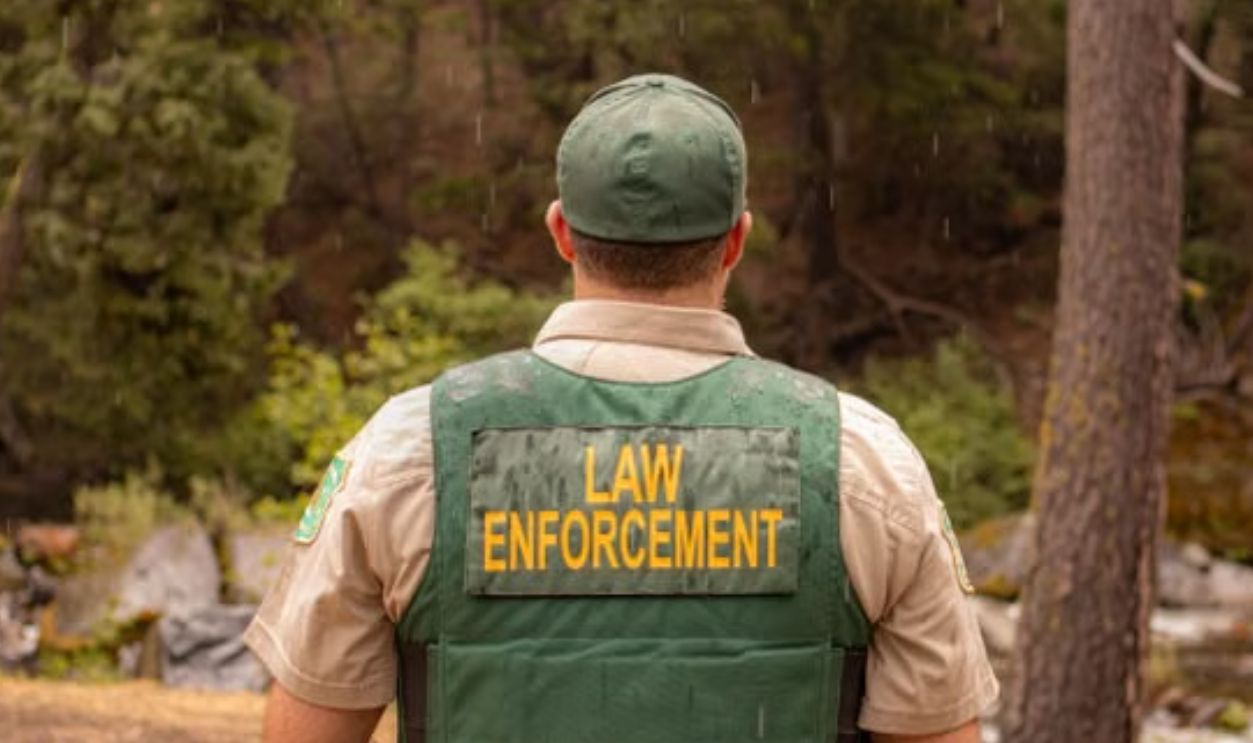
The new pricing followed a July 2025 executive order directing the Interior Department to increase fees for nonresidents. The administration says the added revenue will support park infrastructure, visitor facilities, maintenance and improved services while keeping entrance costs lower for U.S. taxpayers.
The Policy Has Not Been Quietly Received
The announcement raised immediate questions from conservation advocates about how the policy would be implemented. Supporters argue that international visitors should contribute more toward maintaining heavily used parks, while critics worry that the much higher family cost could discourage foreign travellers.
Check The Ages Before Checking The Price
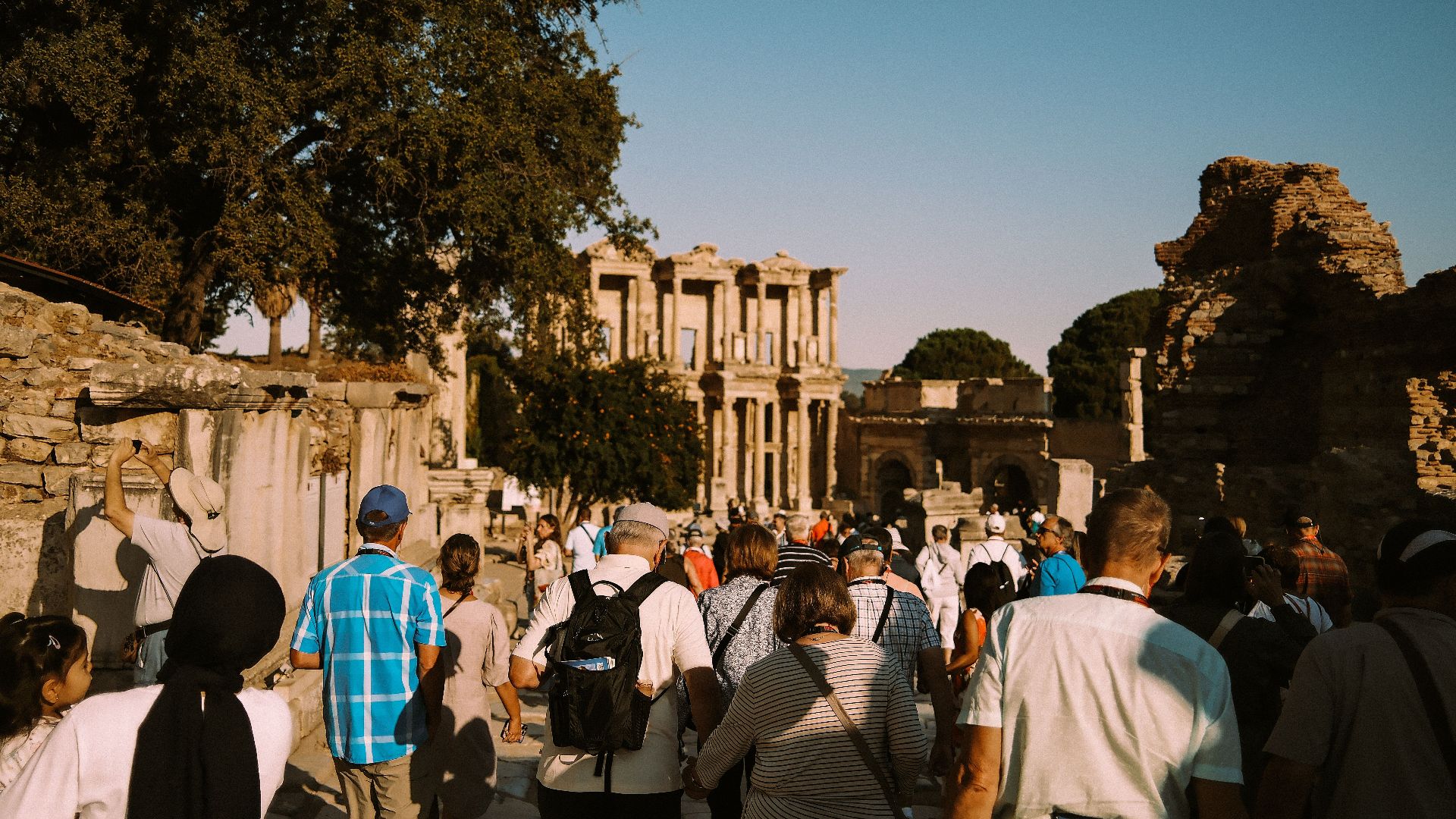
The biggest planning mistake would be looking only at the ordinary vehicle fee. Families should count how many travellers will be at least 16, determine how many of the 11 affected parks are on the itinerary and compare the final amount with the $250 annual pass.

So, Is The Friend Right?
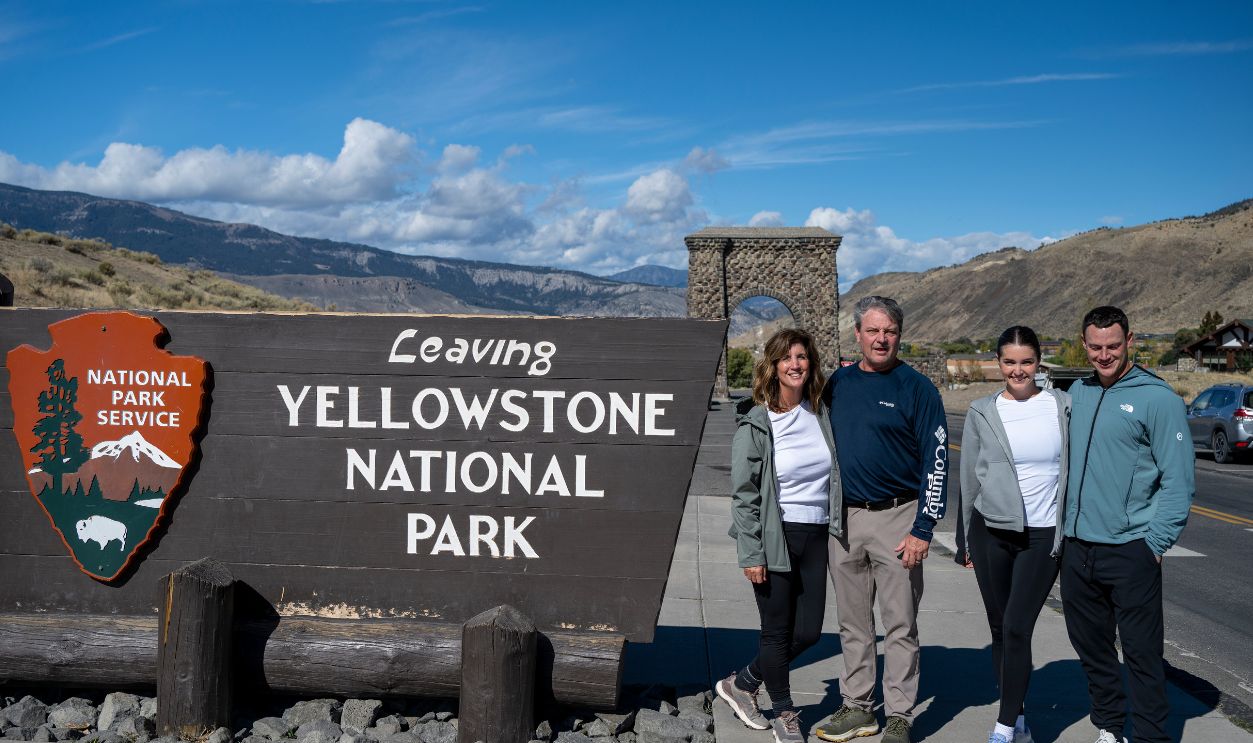
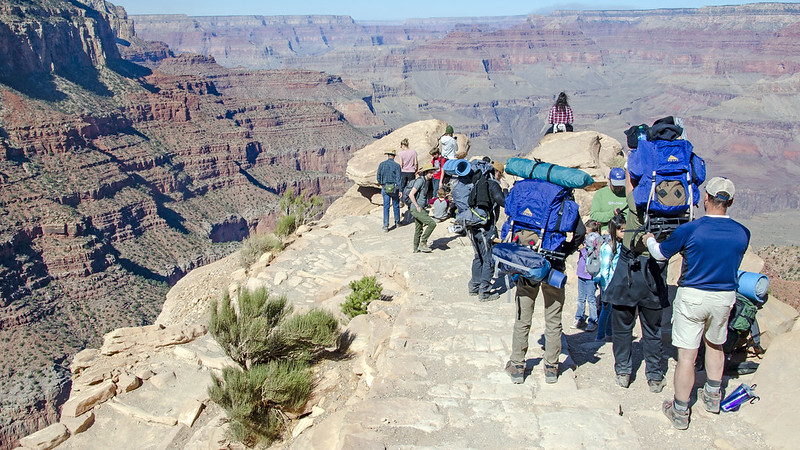
Canadians really can be charged an extra $100 per person—but not at every U.S. national park. The fee applies at 11 named parks, affects non-U.S. residents aged 16 and older and can be avoided when the group is properly covered by a valid annual pass.
 Grand Canyon National Park's Photostream, Flickr
You Might Also Like:
Things Europeans Notice Immediately When They Take An American Road Trip
Things Canadians Notice Immediately When They Visit Texas
Everyday Travel Norms That Confuse Americans When They Visit Canada