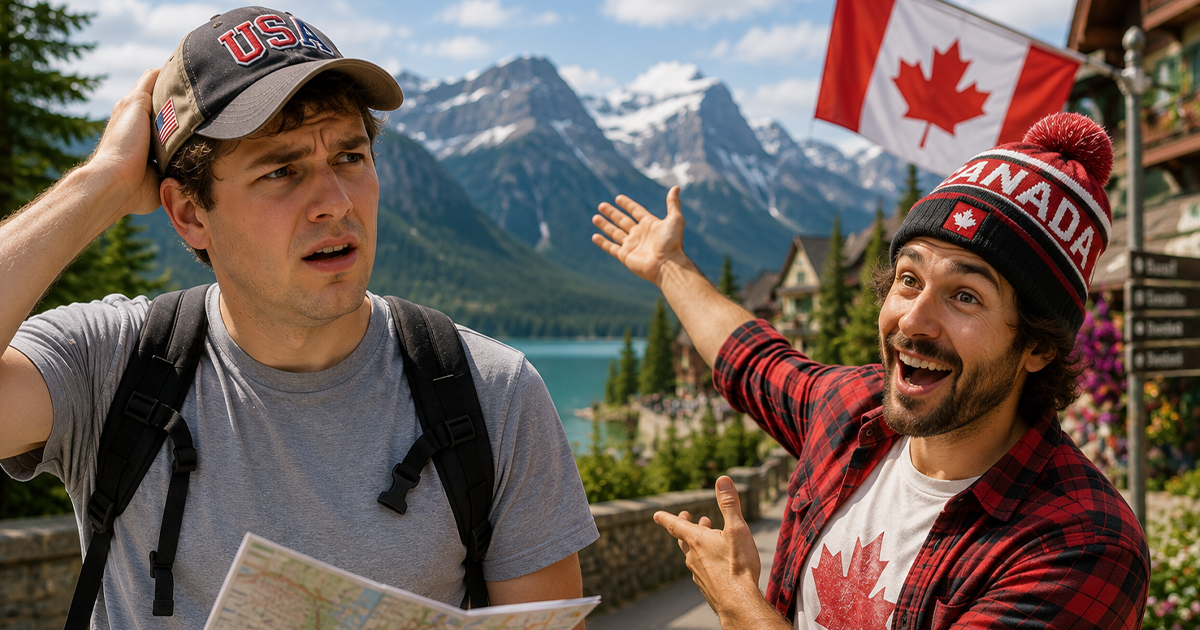
What's Going On In Canada?
At first, traveling in Canada feels almost identical to the US—until it doesn’t. The differences aren’t loud, but they’re constant. From roads to restaurants to everyday routines, these are the travel habits that make Americans stop and go, “Wait… why is it like this?”
#20. Driving Long Distances Like It’s No Big Deal
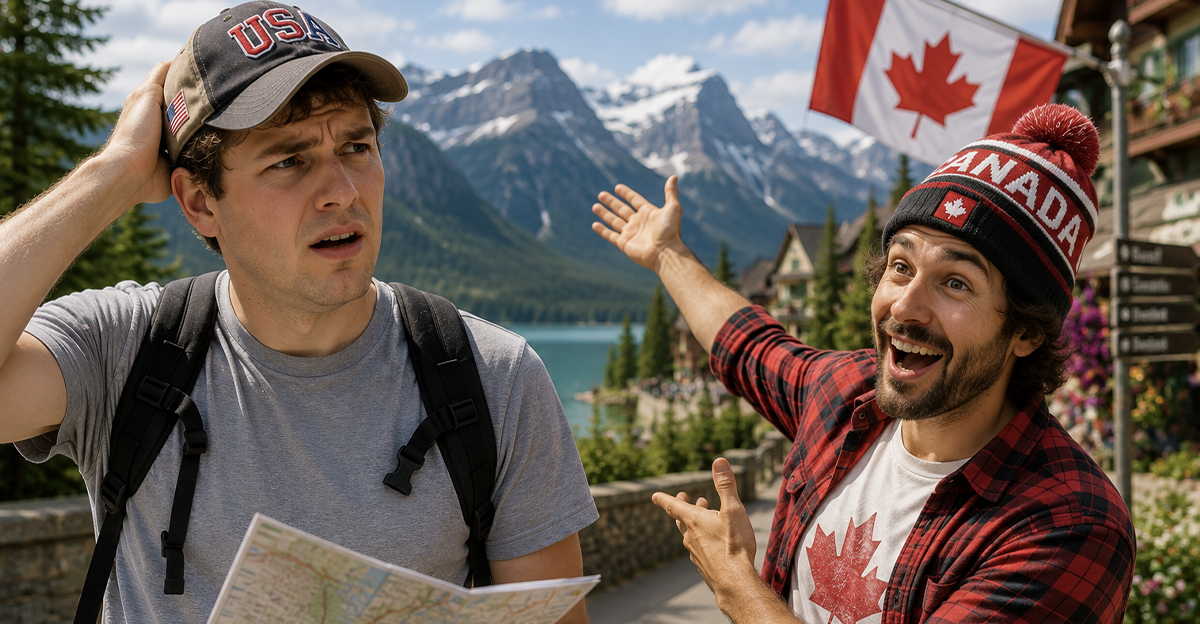
Canadians will casually suggest a 5–6 hour drive like it’s a quick trip. Americans can handle it too—but Canadians treat it like a normal part of getting anywhere.
#19. Actually Preparing for Cold—Even When It’s Not That Cold
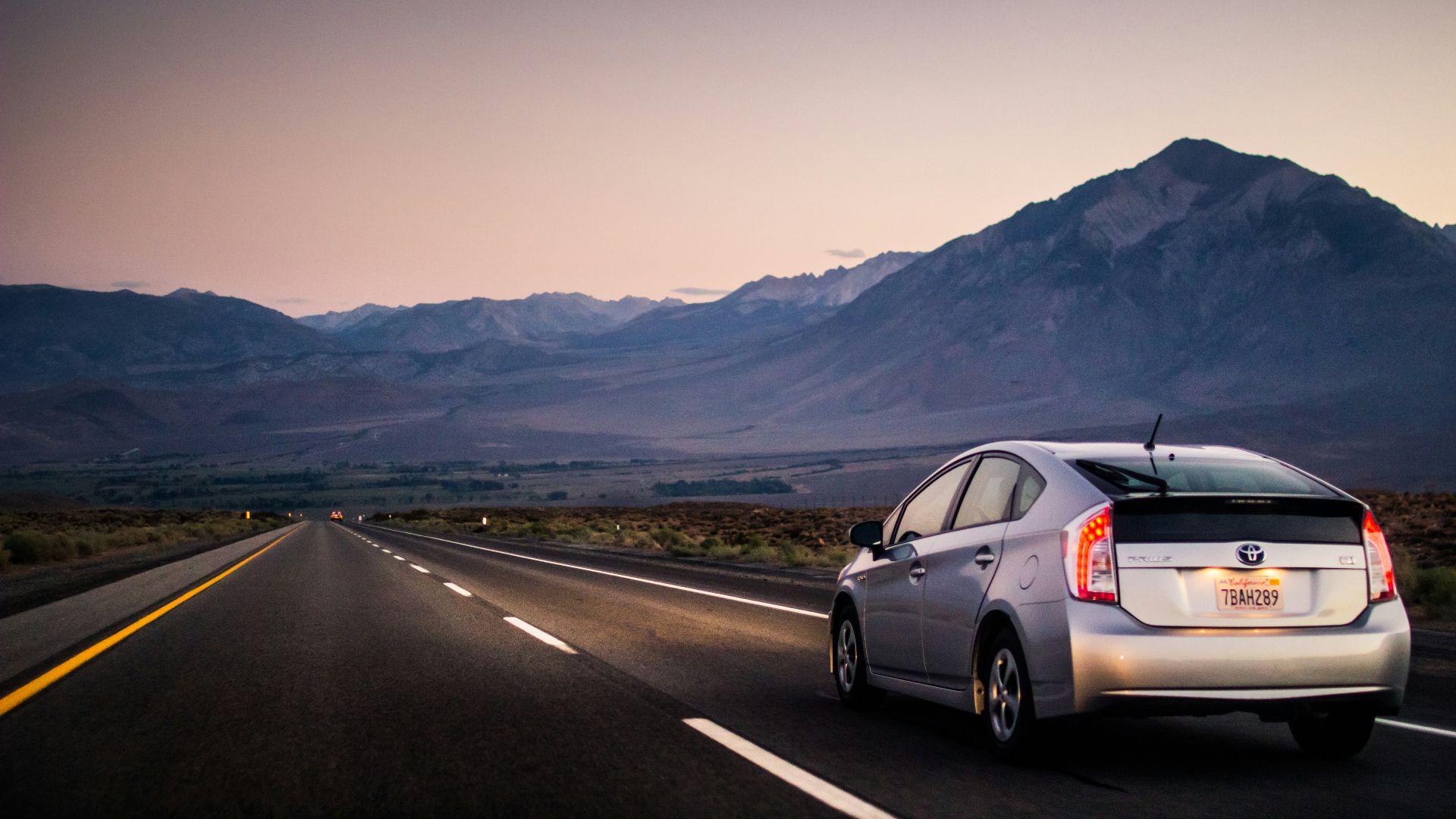
Americans might grab a hoodie. Canadians show up with proper jackets, layers, and gear—because “not that cold” still means something very different up north.

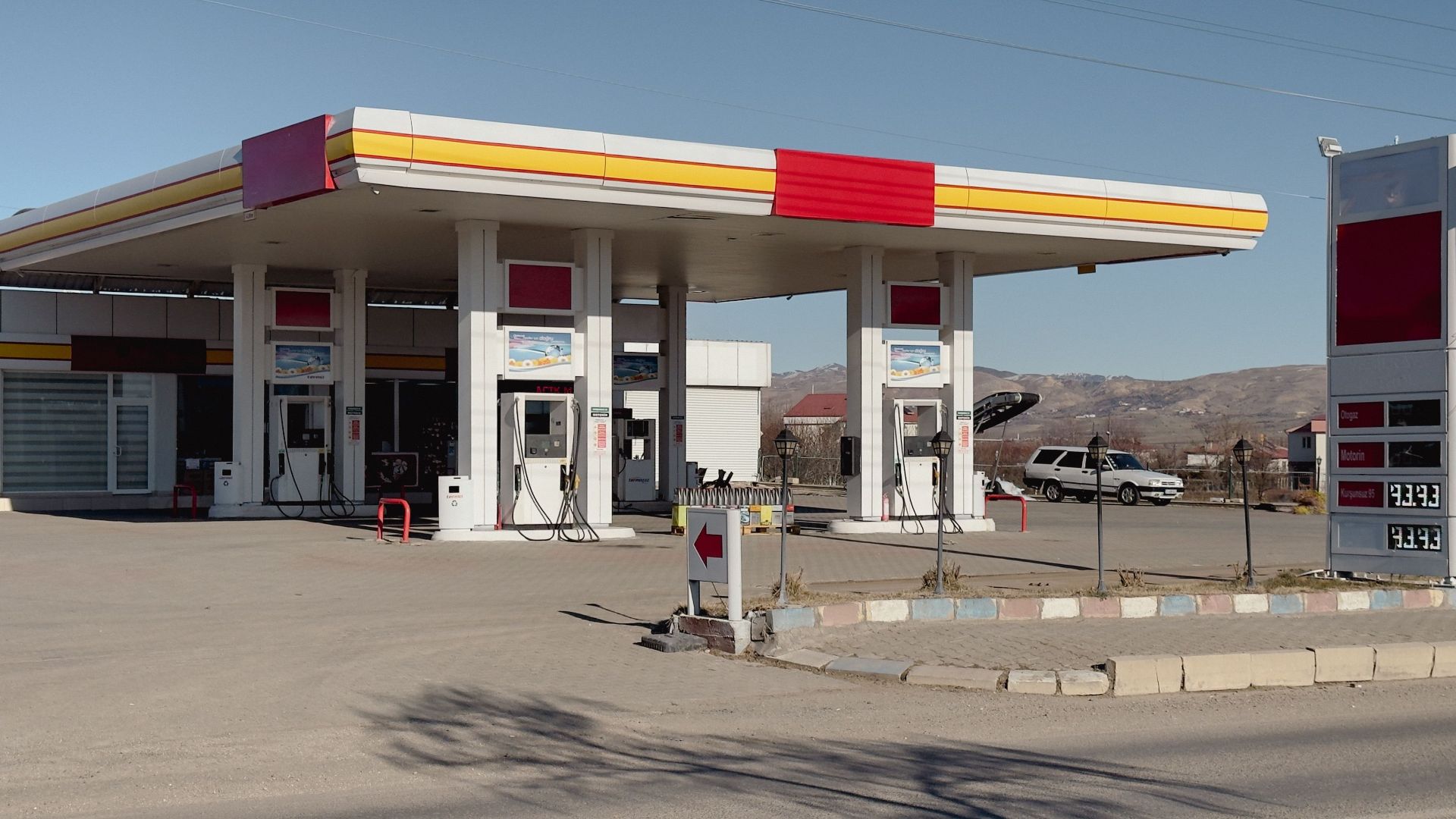
#18. Gas Stations Being Surprisingly Far Apart
In parts of Canada, especially outside cities, you don’t just assume another gas station is around the corner. Americans quickly learn that planning fuel stops is not optional.
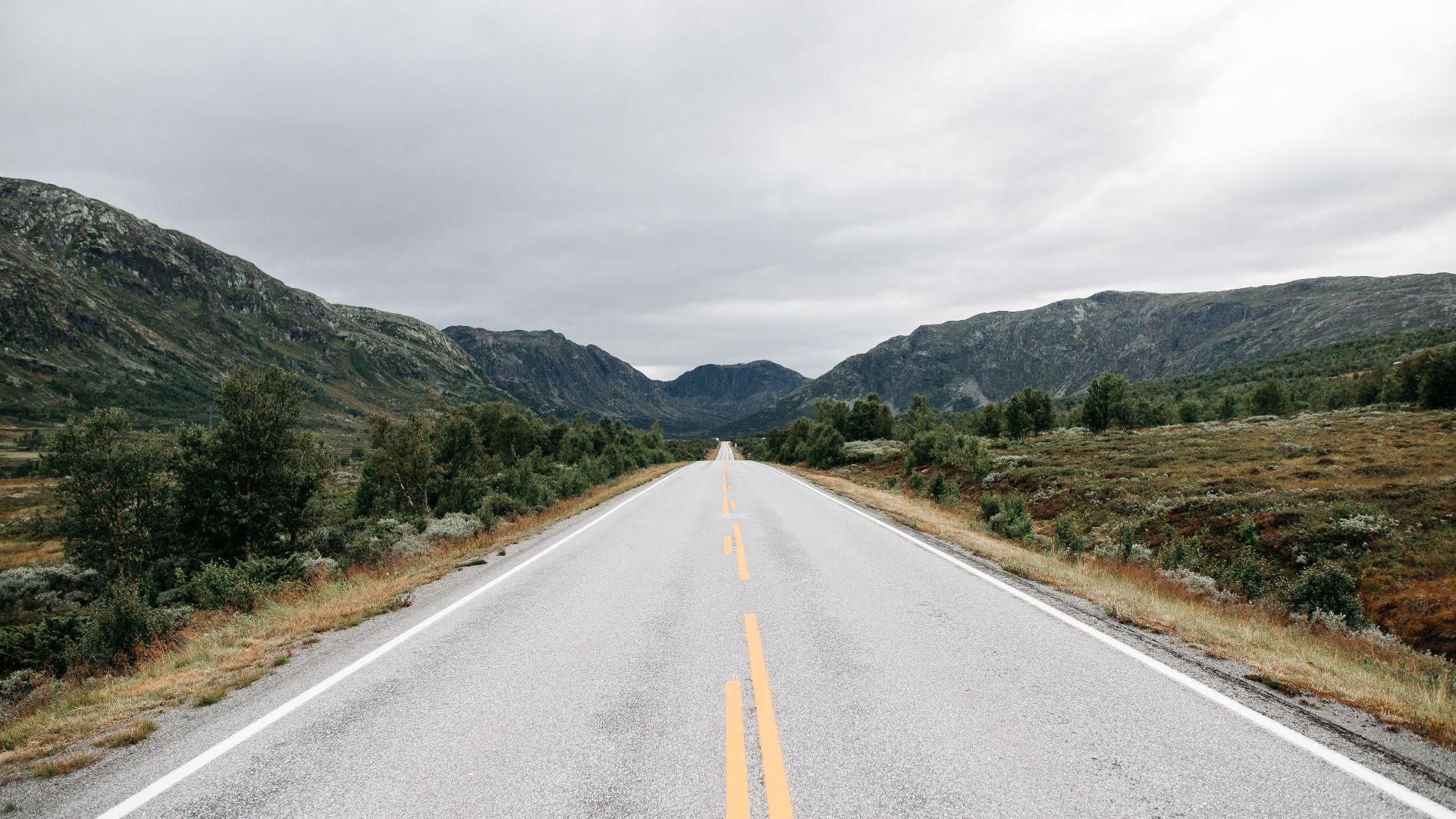
#17. Roads That Suddenly Feel Very Empty
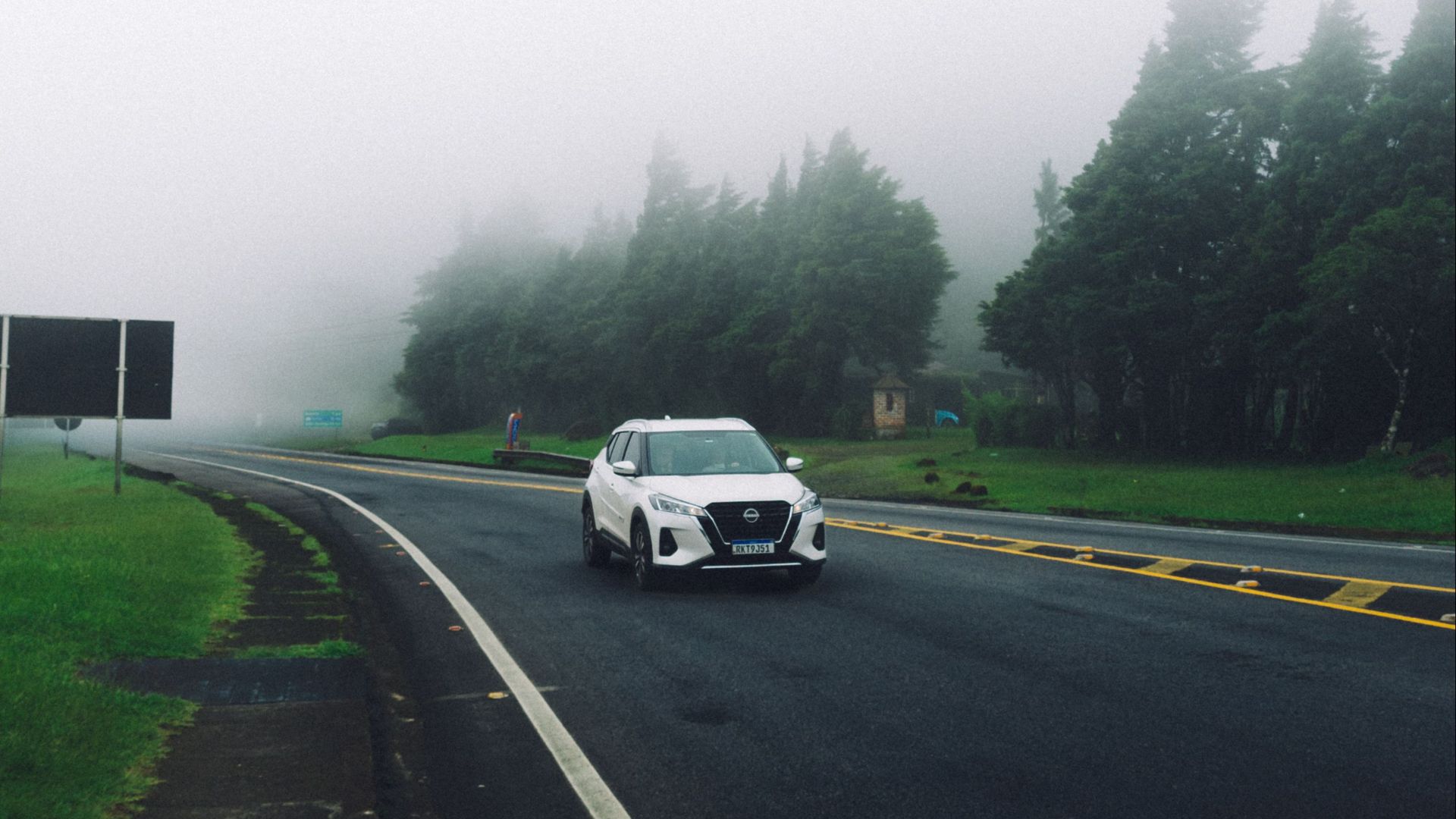
Outside major cities, traffic drops off fast. Americans used to constant activity are often surprised by how quiet and open highways can get.
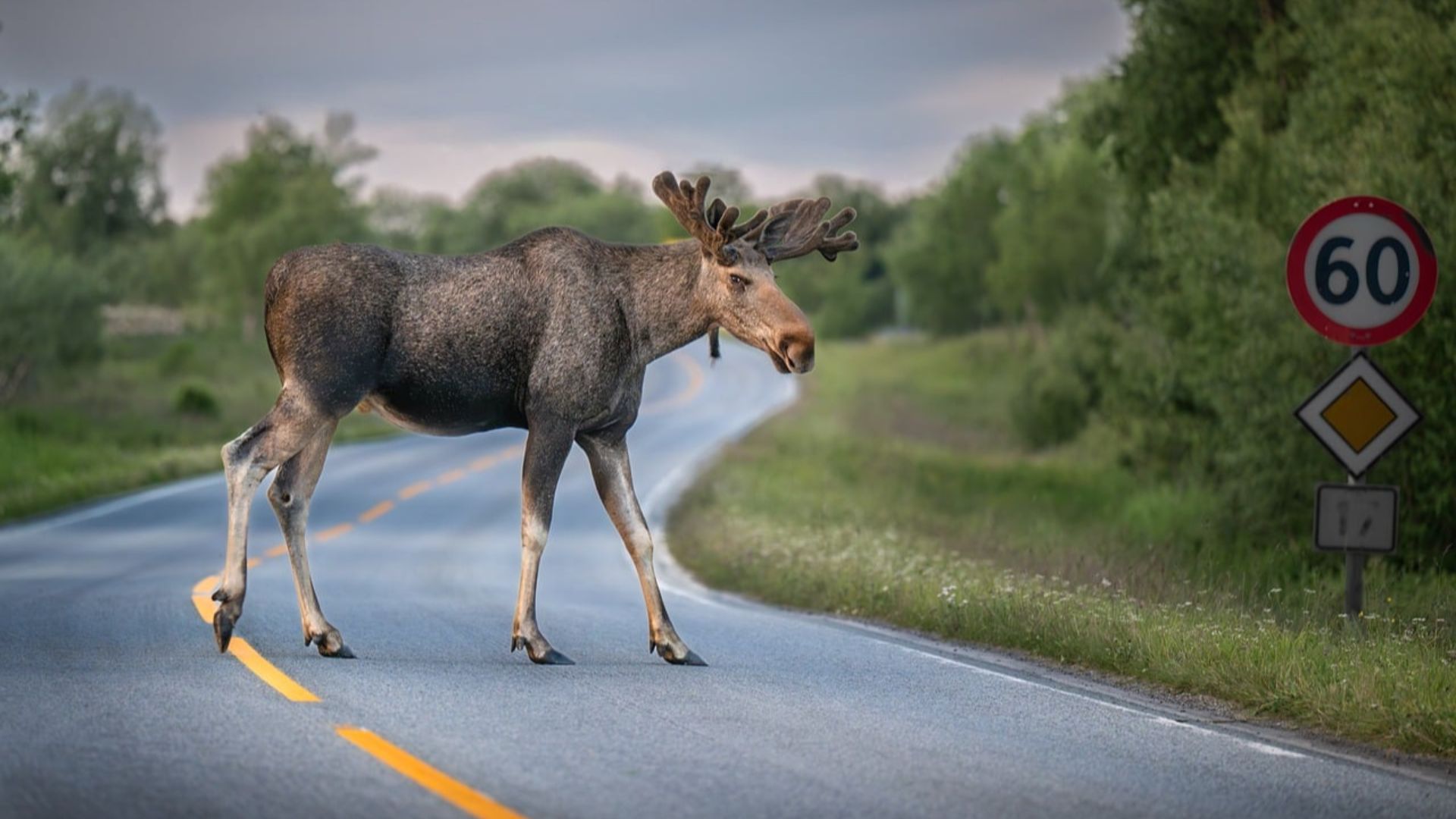
#16. Paying Attention to Wildlife Warning Signs
“Moose crossing” isn’t decorative. Canadians actually take those signs seriously, while Americans sometimes assume they’re more of a suggestion than a real warning.
#15. Ordering Milk in Bags (and Seeing It Everywhere)
In some provinces, bagged milk is completely normal. Americans encountering it for the first time usually pause like they’ve just discovered a completely new category of food packaging.

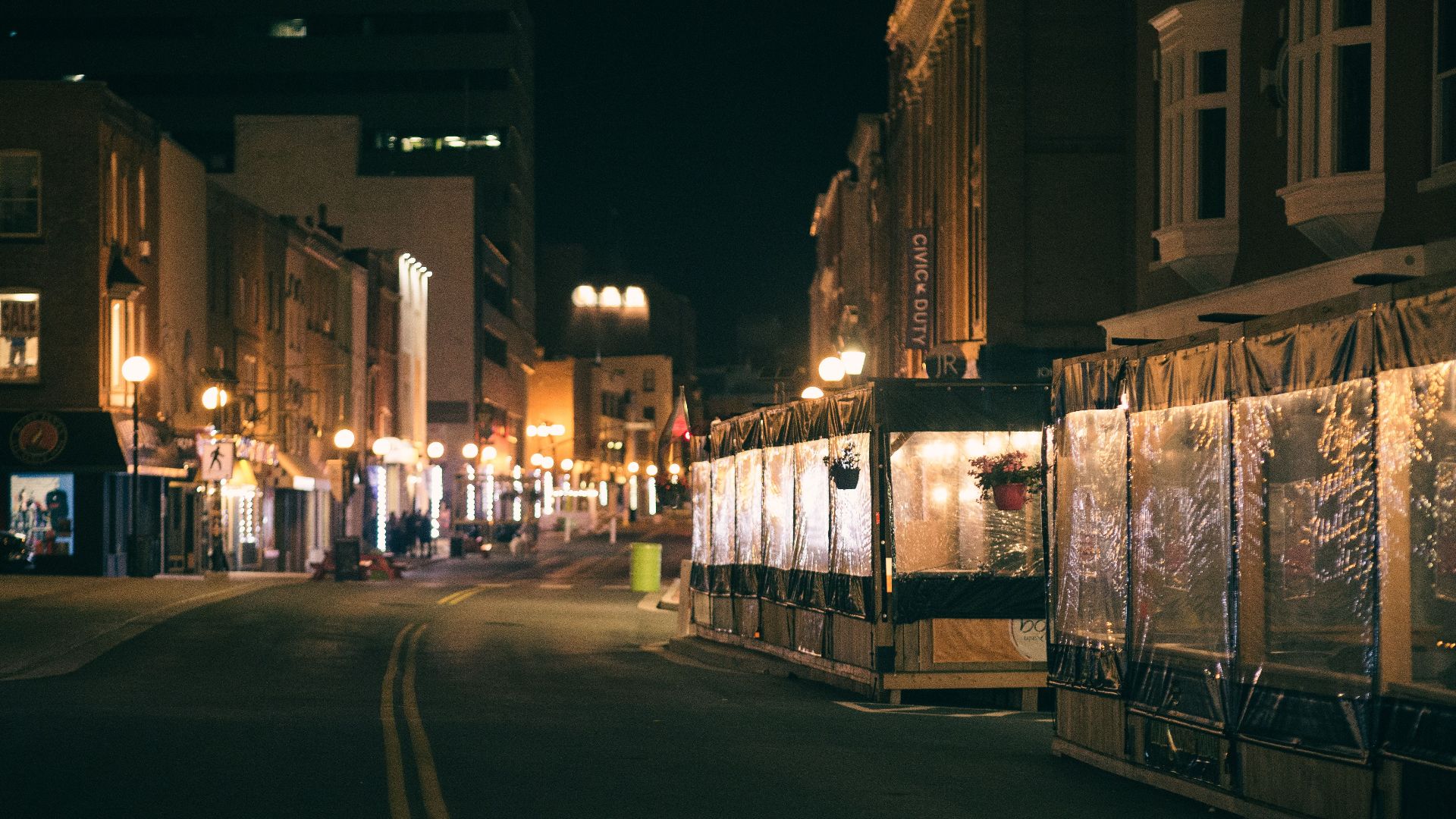
#14. Expecting Fewer 24/7 Options
Late-night food and stores aren’t guaranteed. Americans used to constant availability quickly notice that things close earlier—and that’s just how it is.
#13. Using Interac Instead of Credit for Everything
Debit is king in Canada. Americans, who lean heavily on credit cards, often notice how frequently Canadians just tap and move on.

#12. Seeing Prices Without Tax Included—But Still Different
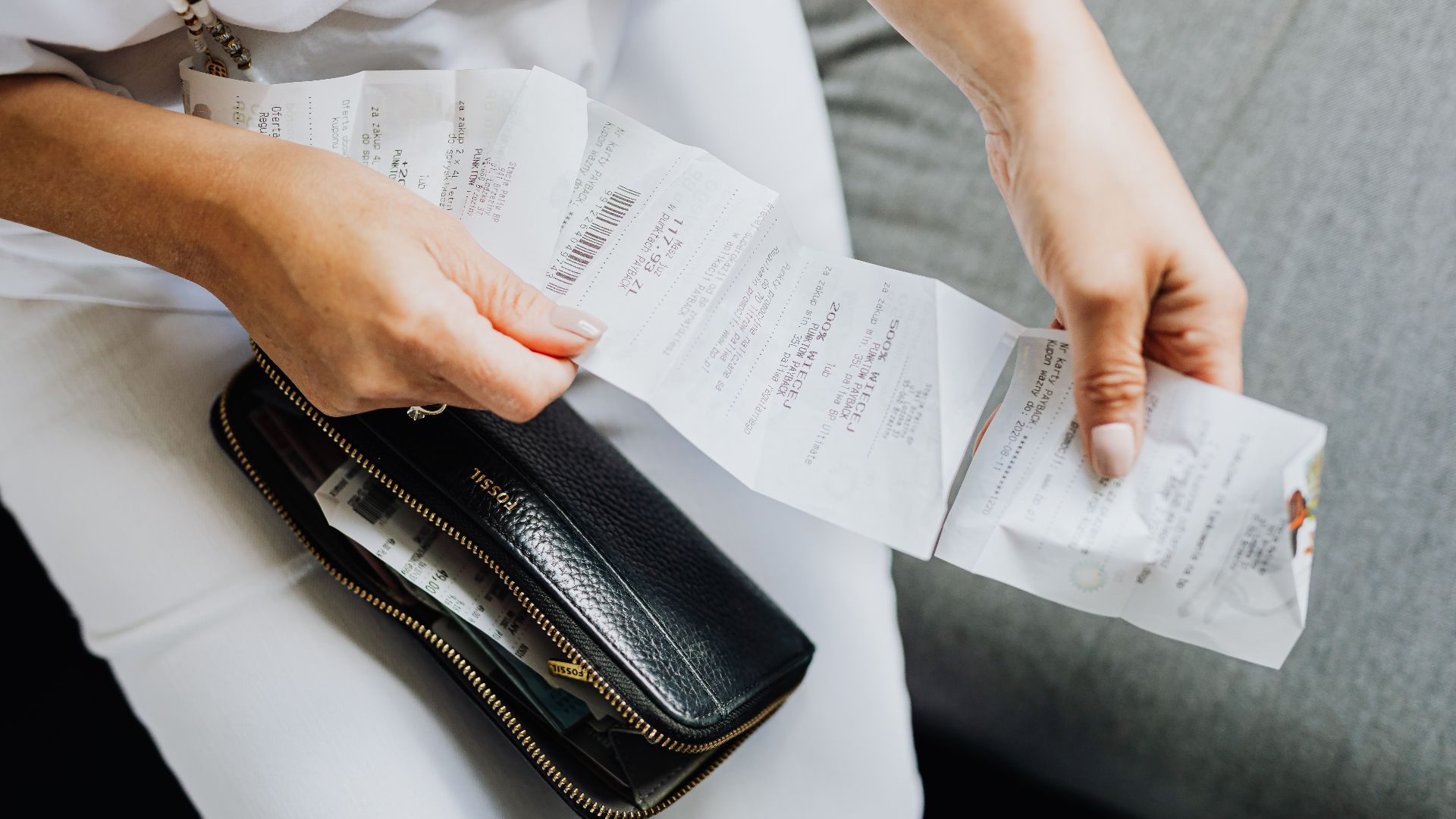
Like the U.S., tax isn’t included in displayed prices—but the final total still feels different. Americans often double-check receipts because the percentages vary more by province.
#11. Coffee Orders That Sound Like Code
Ordering a “double-double” is completely normal in Canada. Americans hearing it for the first time usually need a translation before they can even order.

#10. Expecting Nature to Be Close… Always
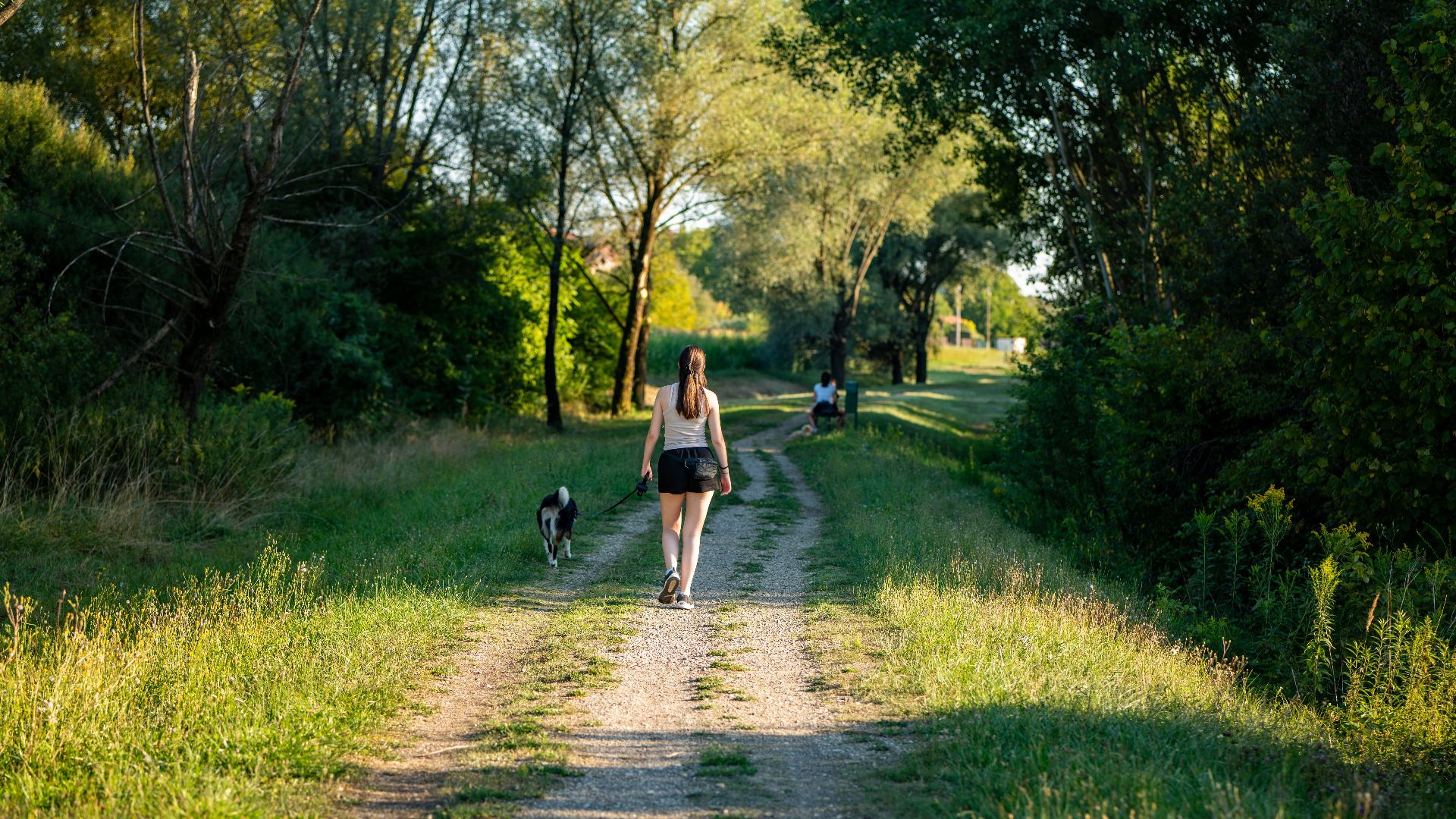
Even near cities, Canadians are used to having forests, lakes, or trails nearby. Americans notice quickly that “going outdoors” isn’t a trip—it’s just part of being there.
#9. Hotels Feeling a Bit More… Practical
Canadian accommodations often lean toward function over flash. Americans expecting big, over-the-top hotel experiences sometimes find things a little more straightforward.

#8. Road Trips Built Around Scenery, Not Stops
Canadian road trips are often about the drive itself—mountains, lakes, open space. Americans are more used to frequent stops, attractions, and roadside everything.
#7. Distances Measured in Time, Not Miles
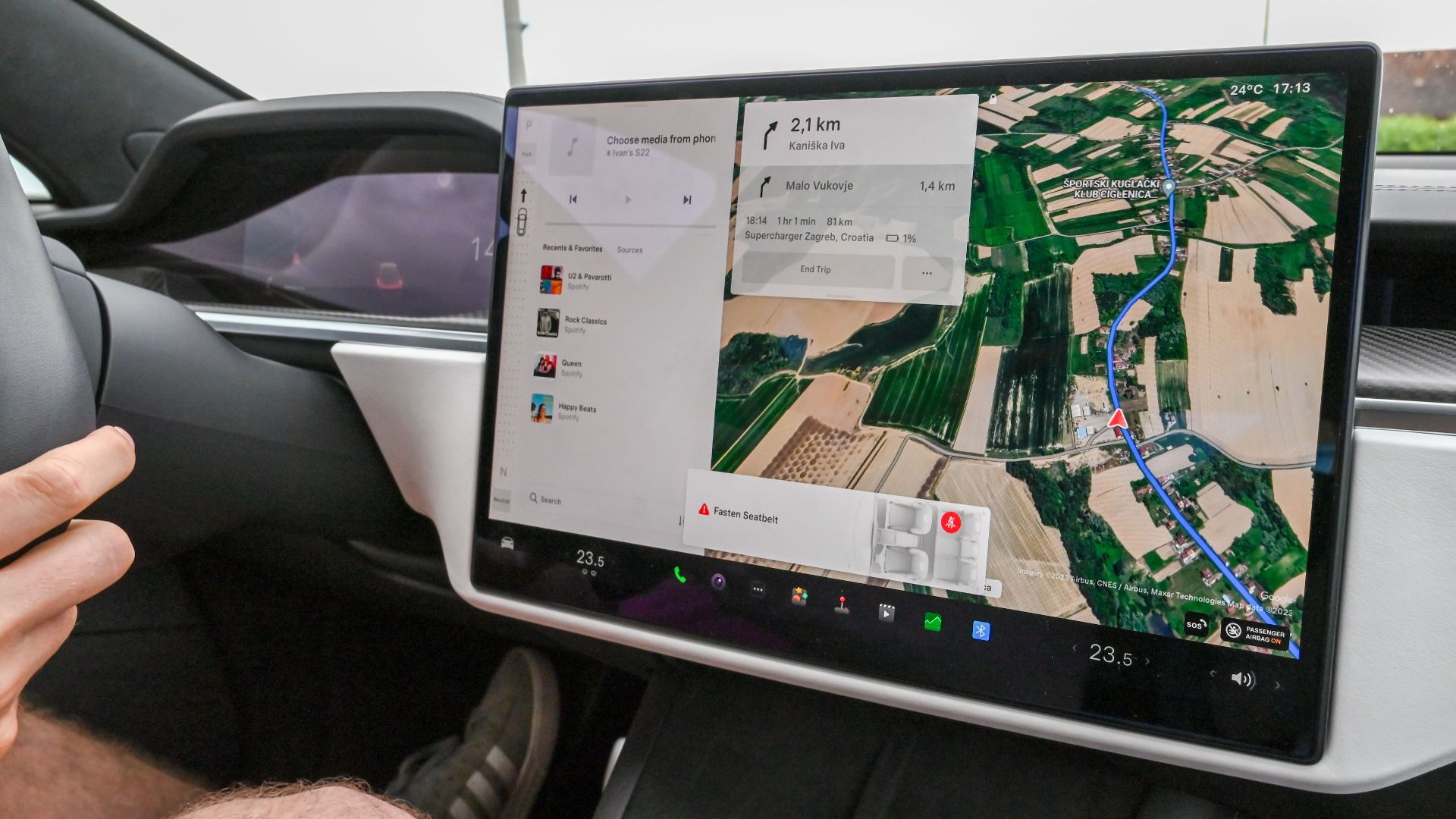
Ask how far something is, and you’ll often get an answer in hours. Americans do this too—but Canadians rely on it much more because distances can be massive.
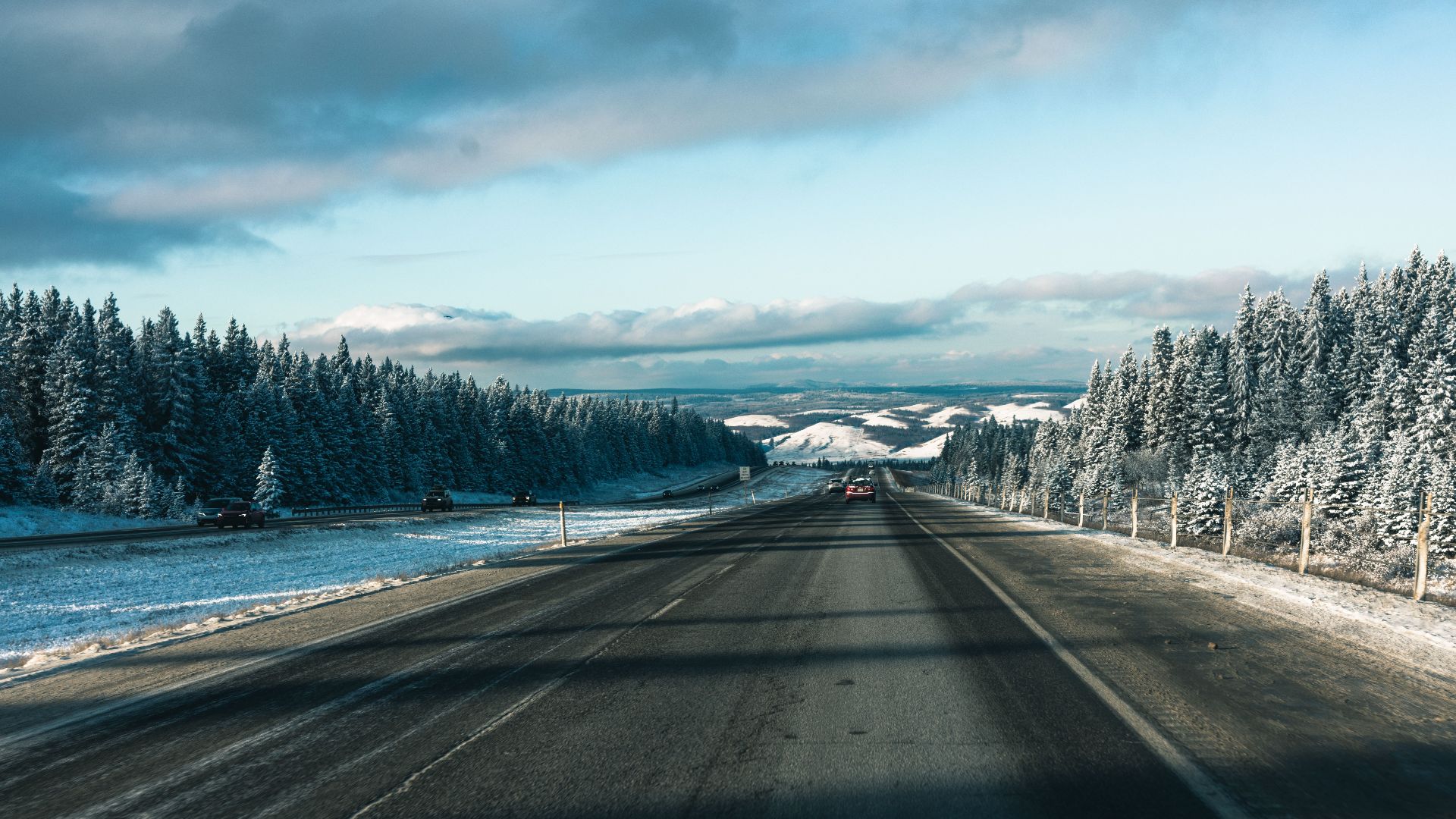
#6. Fewer Billboards and Roadside Distractions
Highways in Canada can feel noticeably less cluttered. Americans used to constant signage, ads, and exits might find the quieter roads almost too quiet.
#5. Portion Sizes That Feel Slightly Smaller
Food portions in Canada are still generous—but often not quite as oversized as in the U.S. Americans sometimes notice the difference immediately.

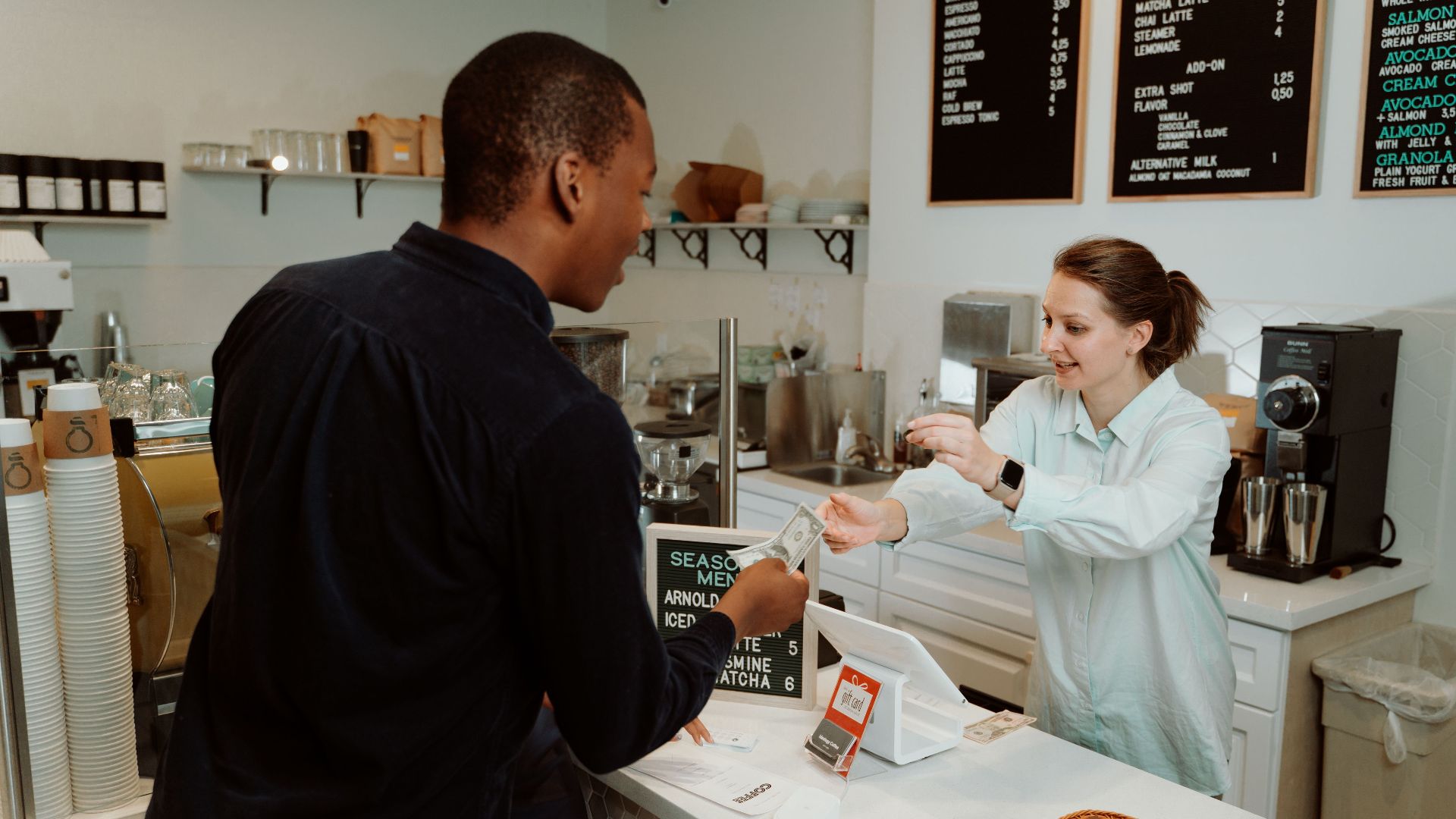
#4. Expecting to Carry Cash “Just in Case” in Smaller Areas
While cities are very card-friendly, smaller towns sometimes still lean on cash. Americans used to going fully cashless might get caught off guard.
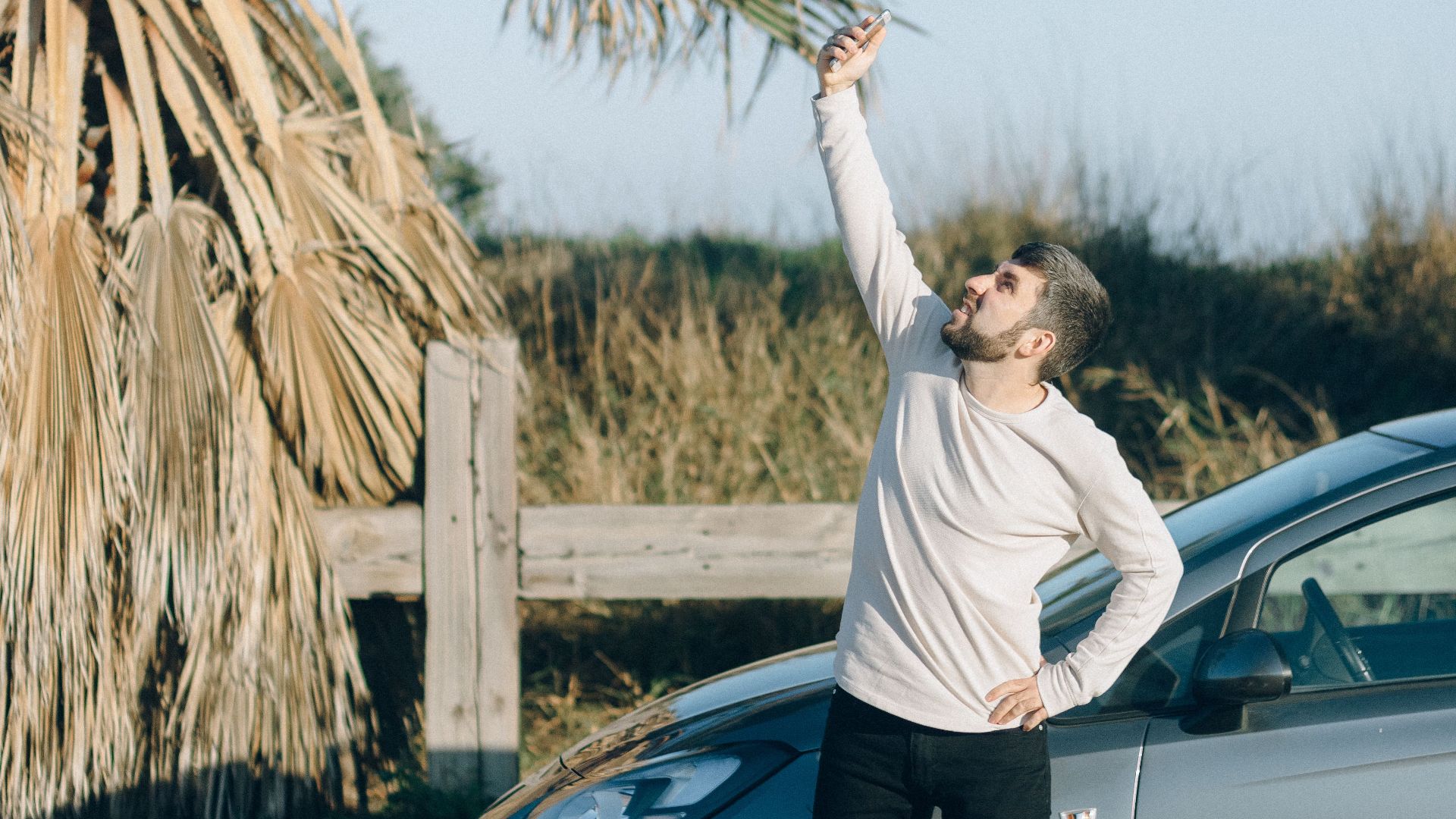
#3. Not Assuming Cell Service Everywhere
Canadians are more prepared for dead zones, especially on road trips. Americans often expect signal almost everywhere—until suddenly, there isn’t any.
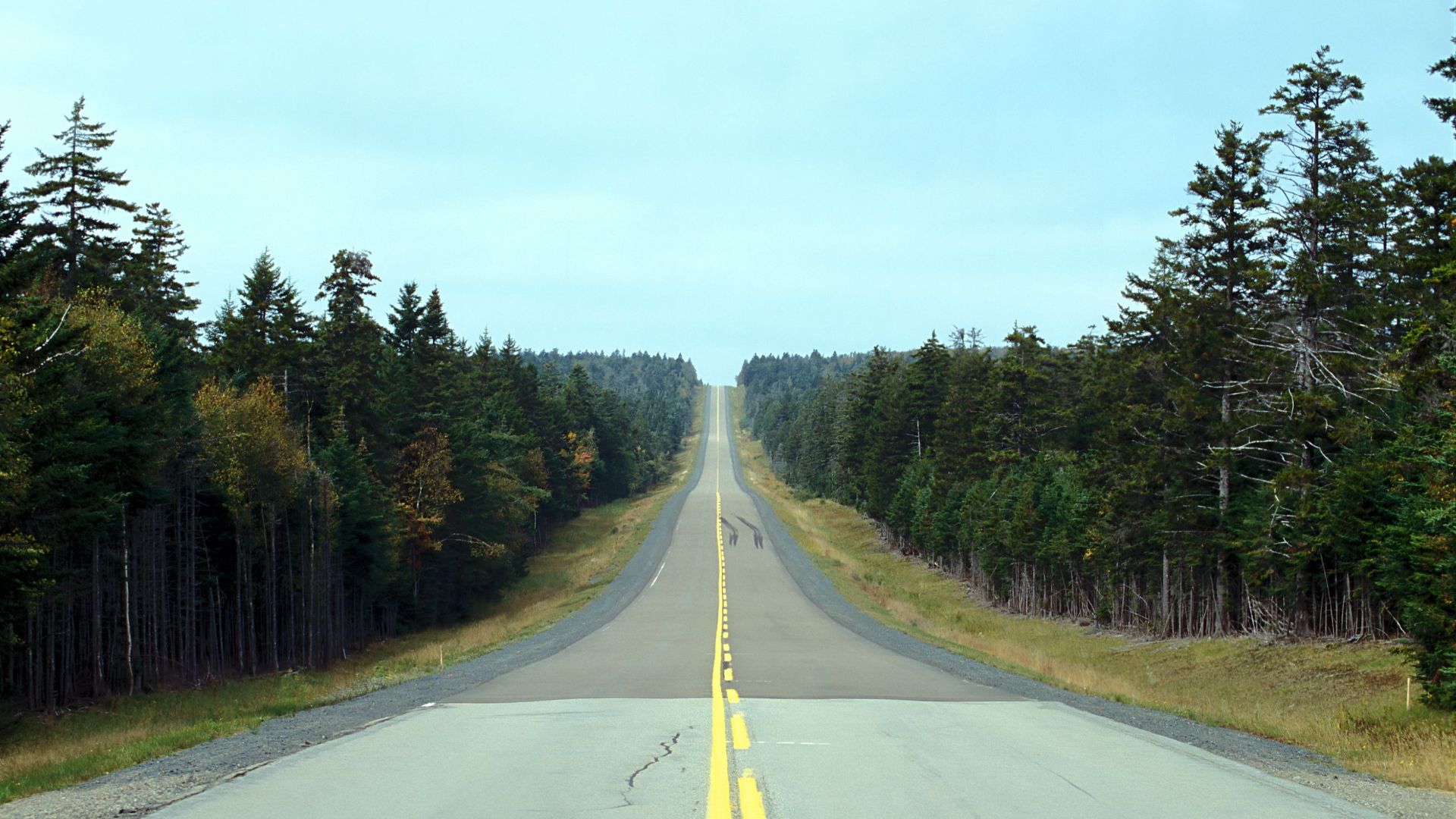
#2. Crossing Huge Areas With… Almost Nothing In Between
Long stretches of road with minimal stops, towns, or services are common. Americans used to frequent exits quickly realize this is a different kind of travel experience.
#1. Realizing Just How Big Canada Actually Is
Americans know Canada is large—but traveling through it makes it real. Distances, landscapes, and scale hit differently when you’re actually in it.
Why This Feels So Different
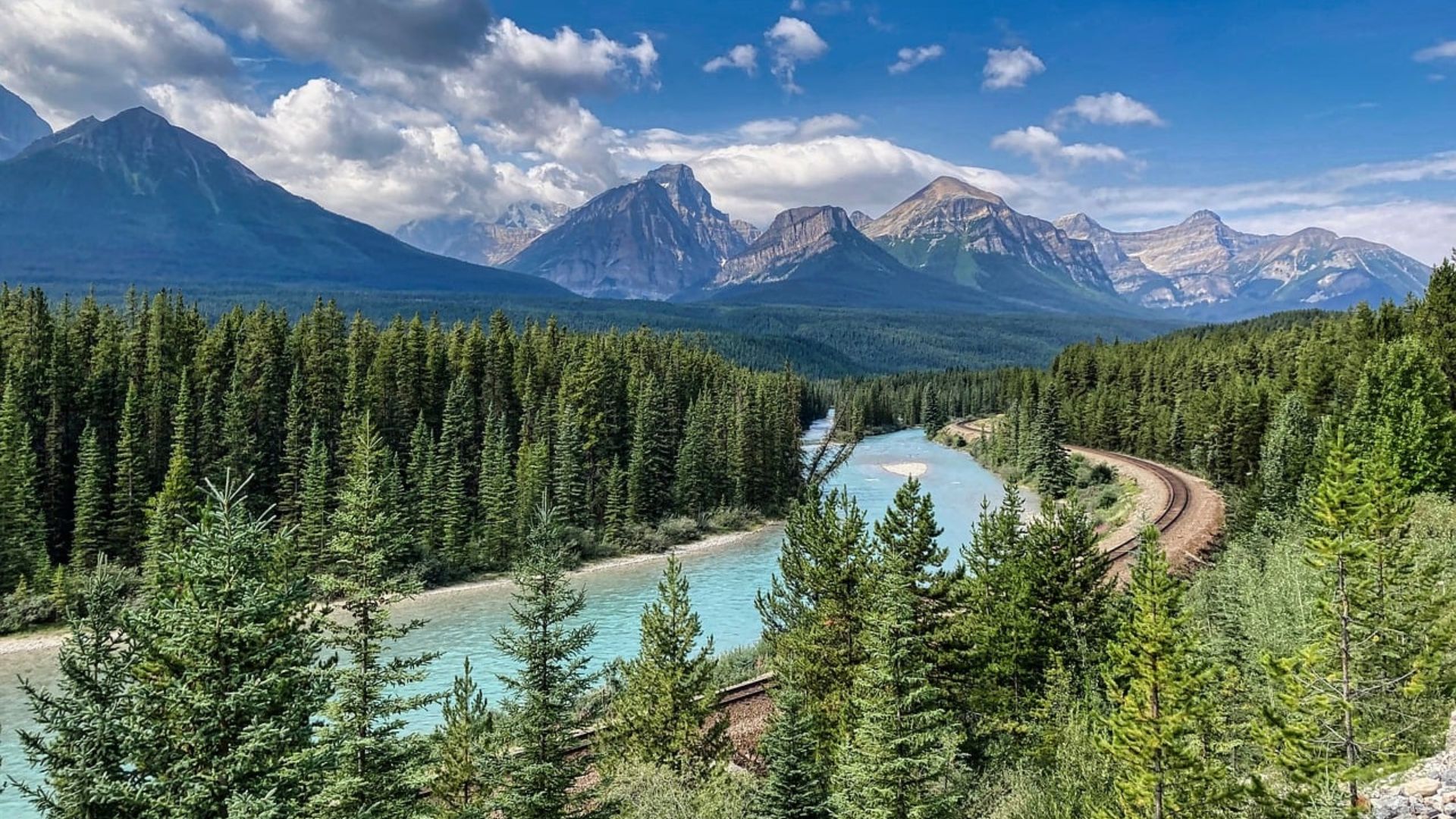
The biggest difference isn’t culture—it’s scale and environment. Canada is built around space, weather, and distance in a way that subtly shapes how people travel. Americans notice it almost immediately.
 Patrick Robert Doyle, Unsplash
You May Also Like: