
Our family tree has an awkward record holder
Humans love to tell ourselves the same story: bigger brains made us smarter, smarter made us dominant, and dominance made us the ultimate human species. There is just one problem...

Homo sapiens is still the new kid
Our species appears in the fossil record around 300,000 years ago. Homo erectus, by comparison, lived from roughly 1.9 million years ago until about 110,000 years ago. If Homo sapiens wants to match that kind of run, we still have well over a million years to go.
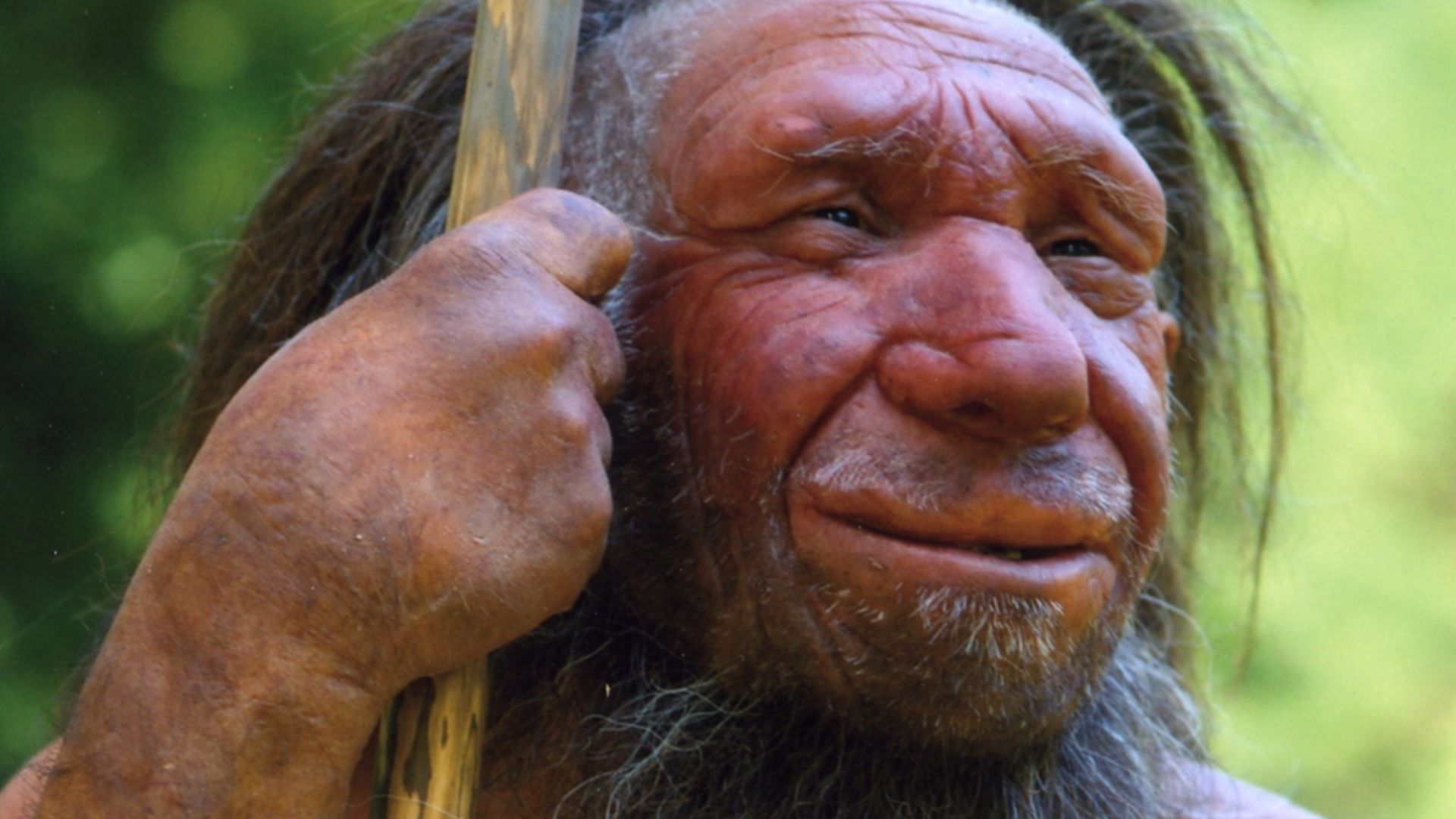 Neanderthal-Museum, Mettmann, Wikimedia Commons
Meet the human who wouldn't disappear
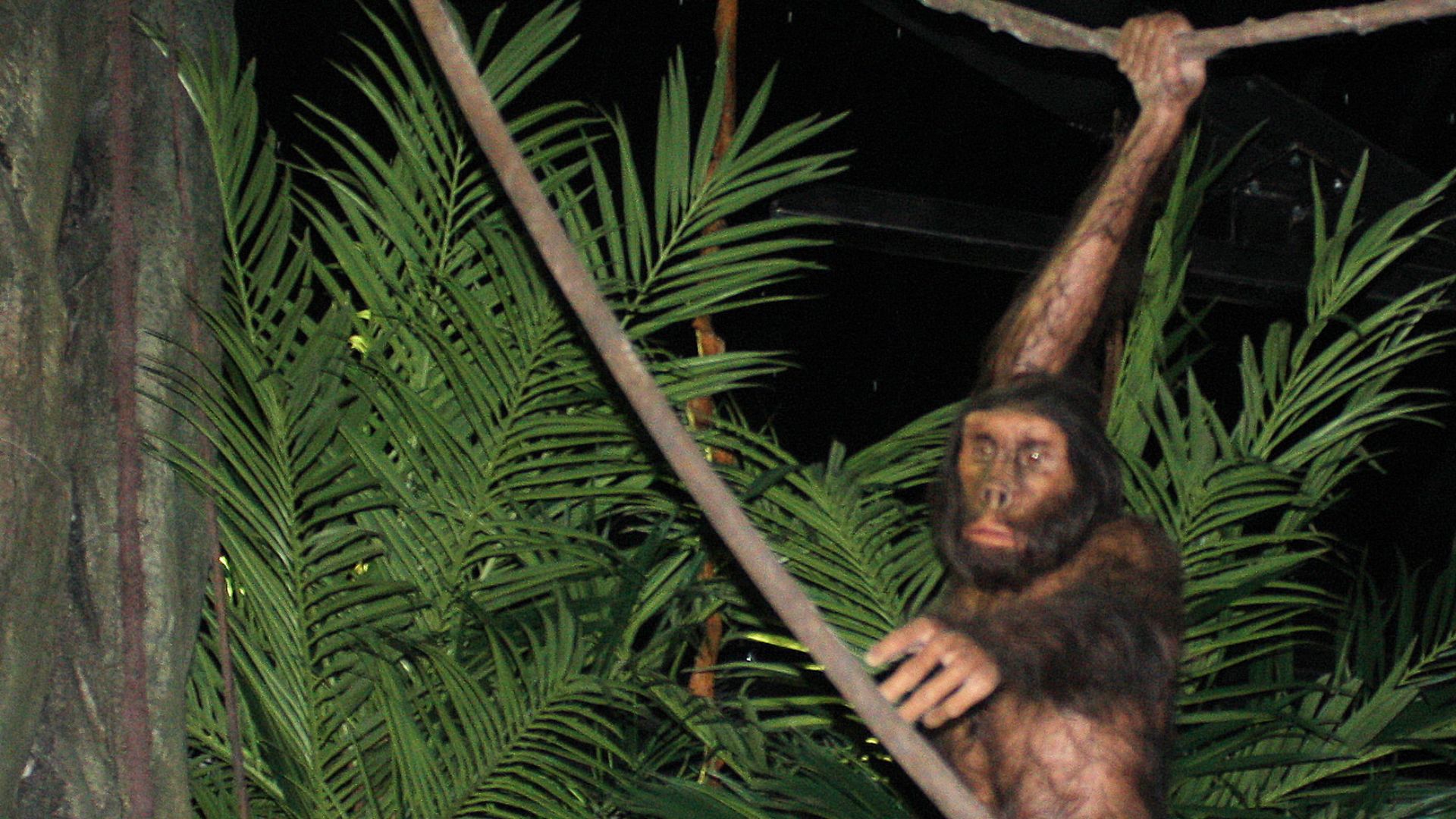
Homo erectus looked far more like us than the earlier hominins that came before it. It had relatively long legs, shorter arms and a body well suited to life on the ground. The name literally means “upright human,” but standing tall was only the beginning.
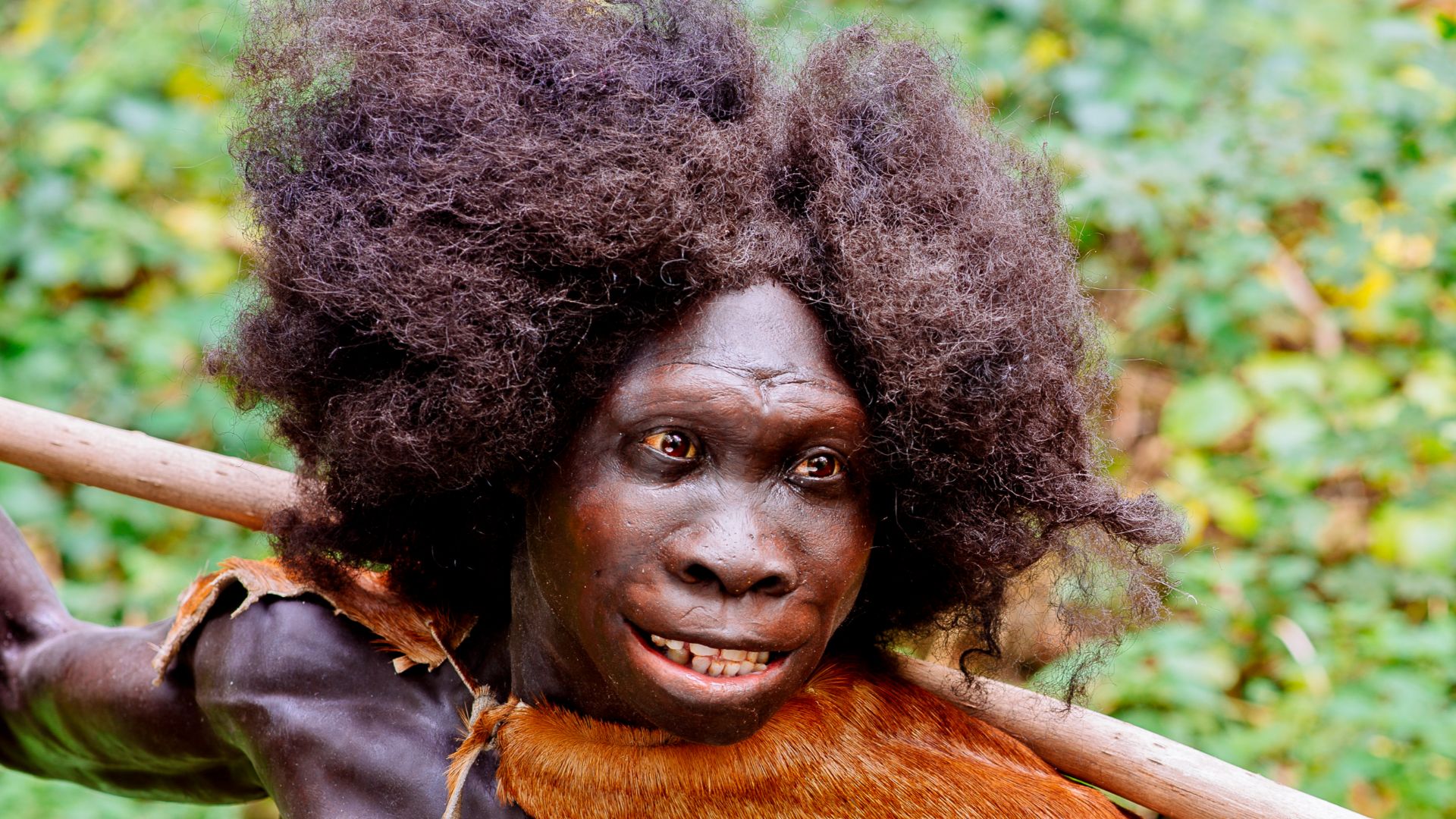 Neanderthal Museum, Wikimedia Commons
It didn't merely hang on
A species can survive a long time by staying tucked away in one comfortable ecological corner. Homo erectus did almost the opposite. Its remains have been found across Africa and Asia, and it is generally considered the first human species to spread widely beyond Africa.
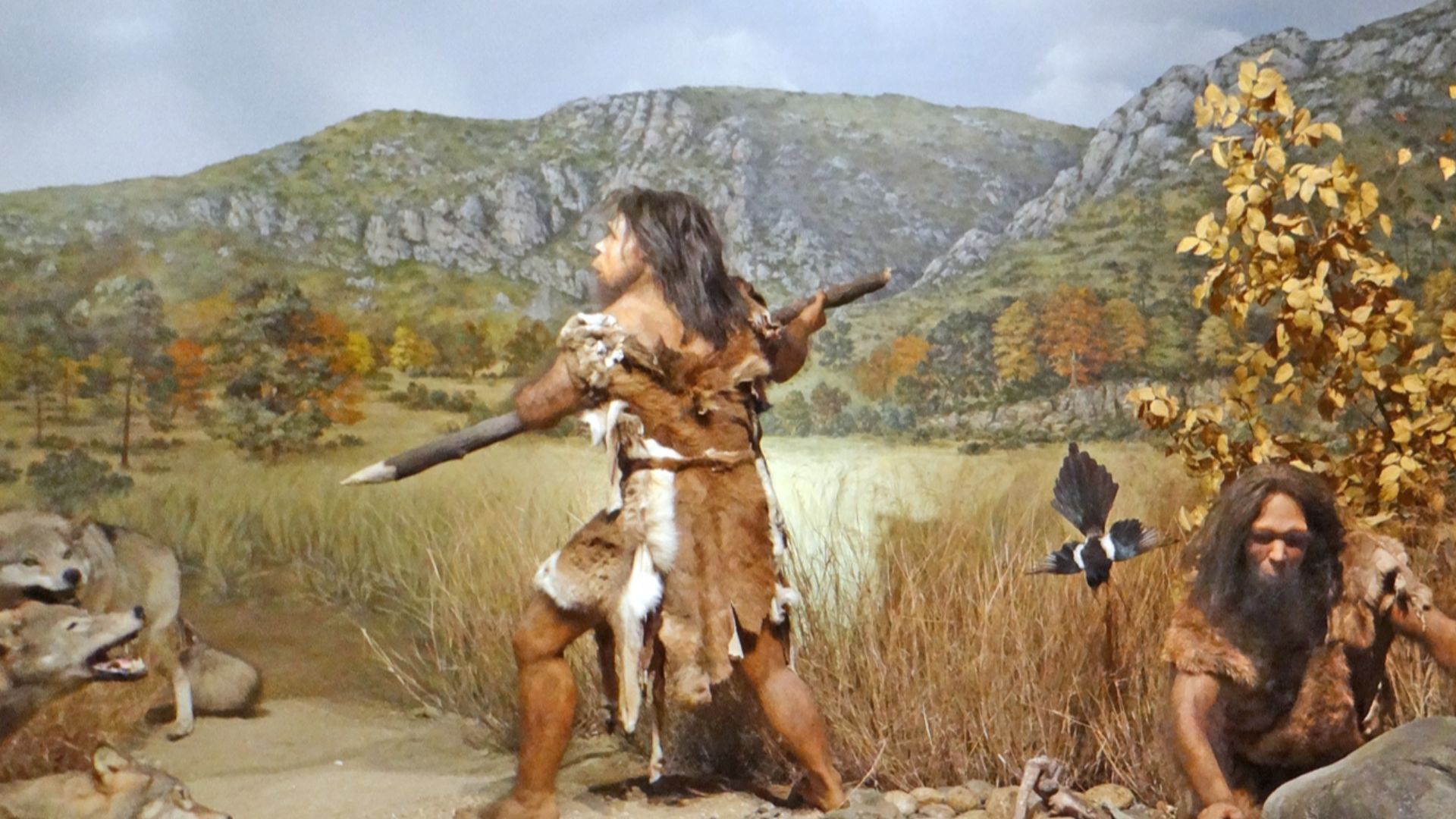 Jean-Pierre Dalbéra from Paris, France, Wikimedia Commons
They went astonishingly far
By roughly 1.8 million years ago, early Homo had reached Dmanisi in what is now Georgia. Homo erectus later established populations across vast parts of Asia, including Java, where members of the lineage survived for more than a million years. This was no small evolutionary road trip.
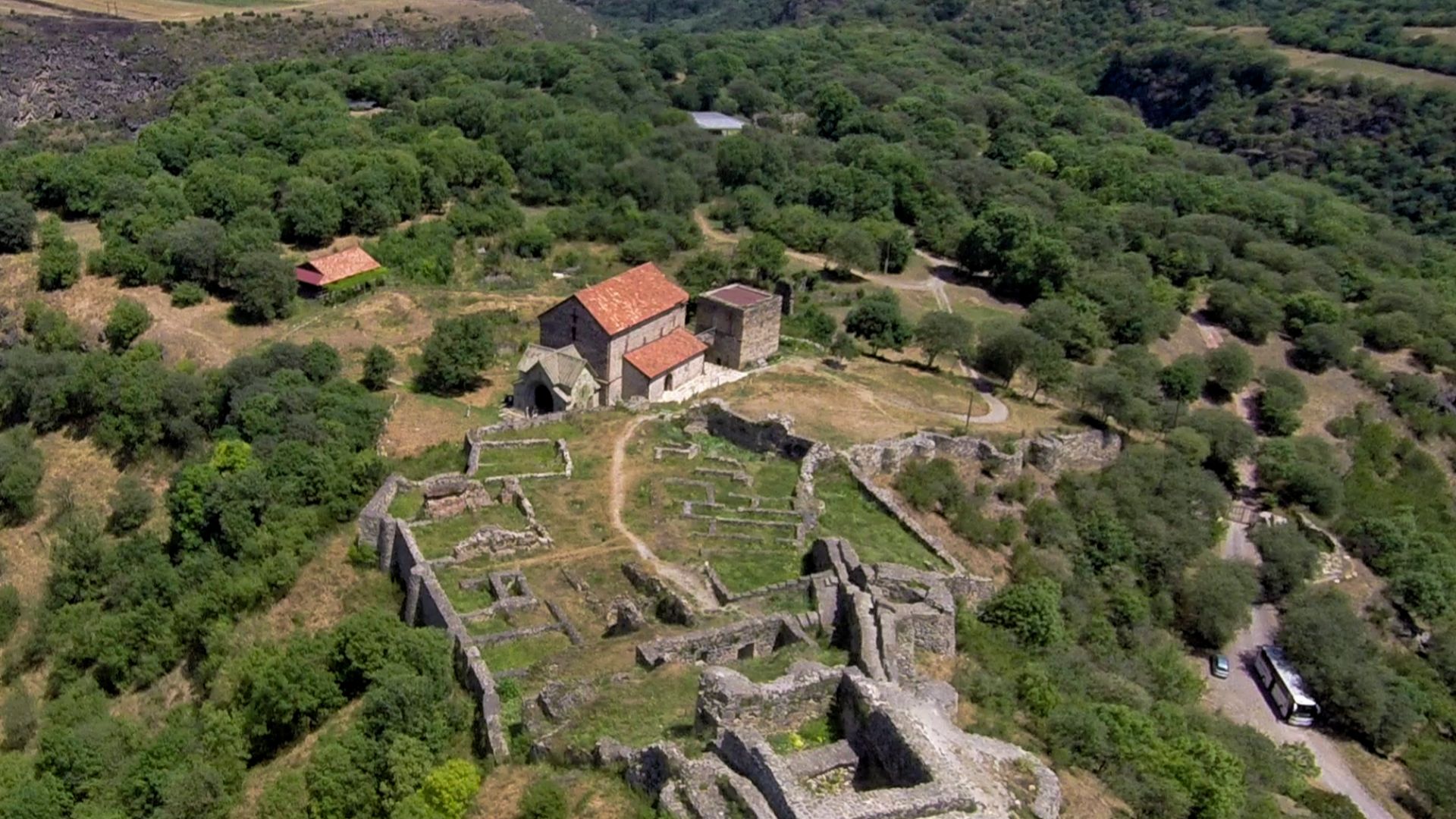 Larry V. Dumlao, Wikimedia Commons
And they did it with smaller brains
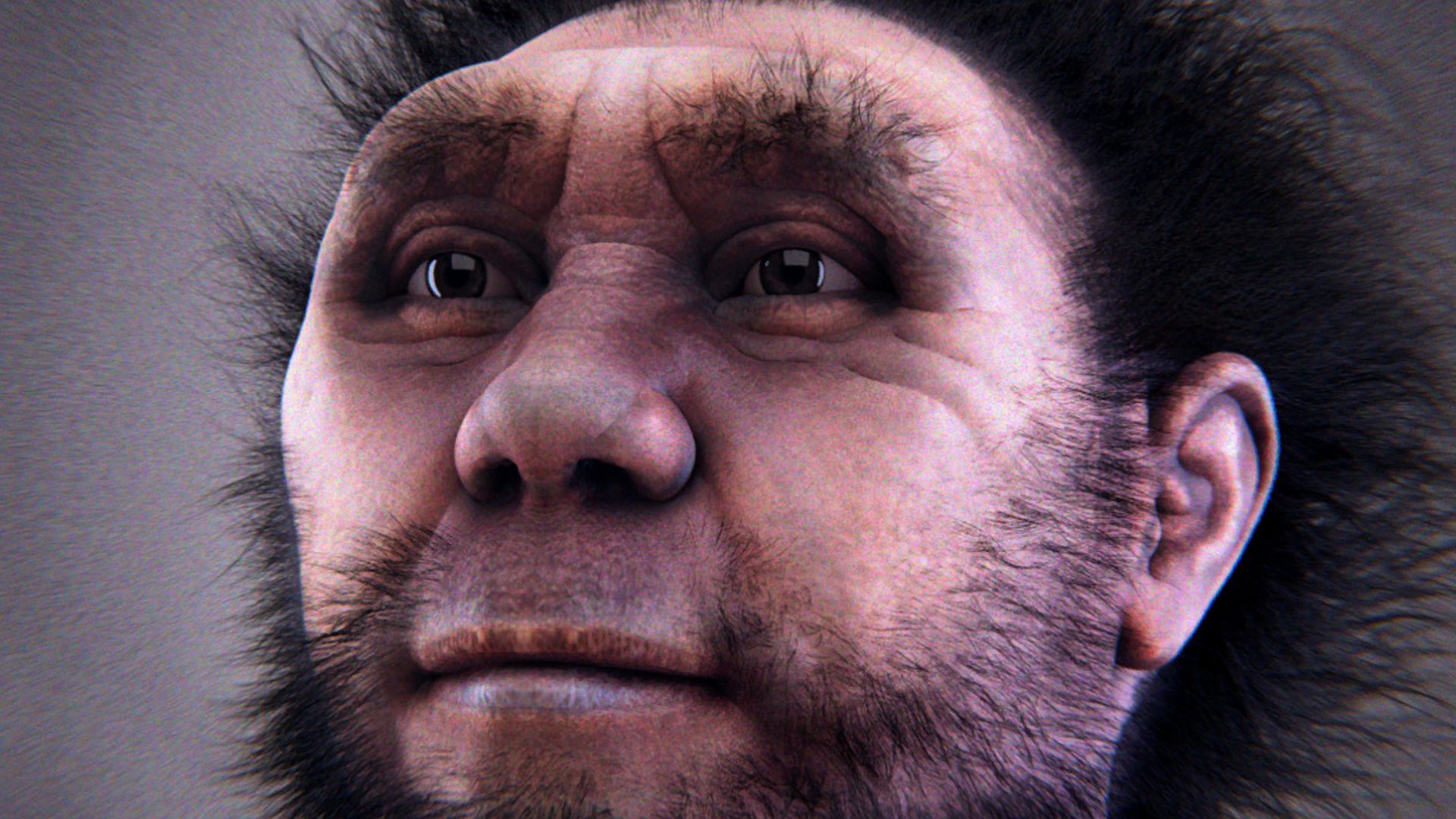
Homo erectus brain size varied enormously, from roughly 550 to 1,250 cubic centimeters, with estimates averaging somewhere around 950 cubic centimeters. Modern humans average roughly 1,300. Homo erectus was working with considerably less brainpower than us—and still managed an extraordinary evolutionary run.
 Cicero Moraes, Wikimedia Commons
These weren't helpless cavemen
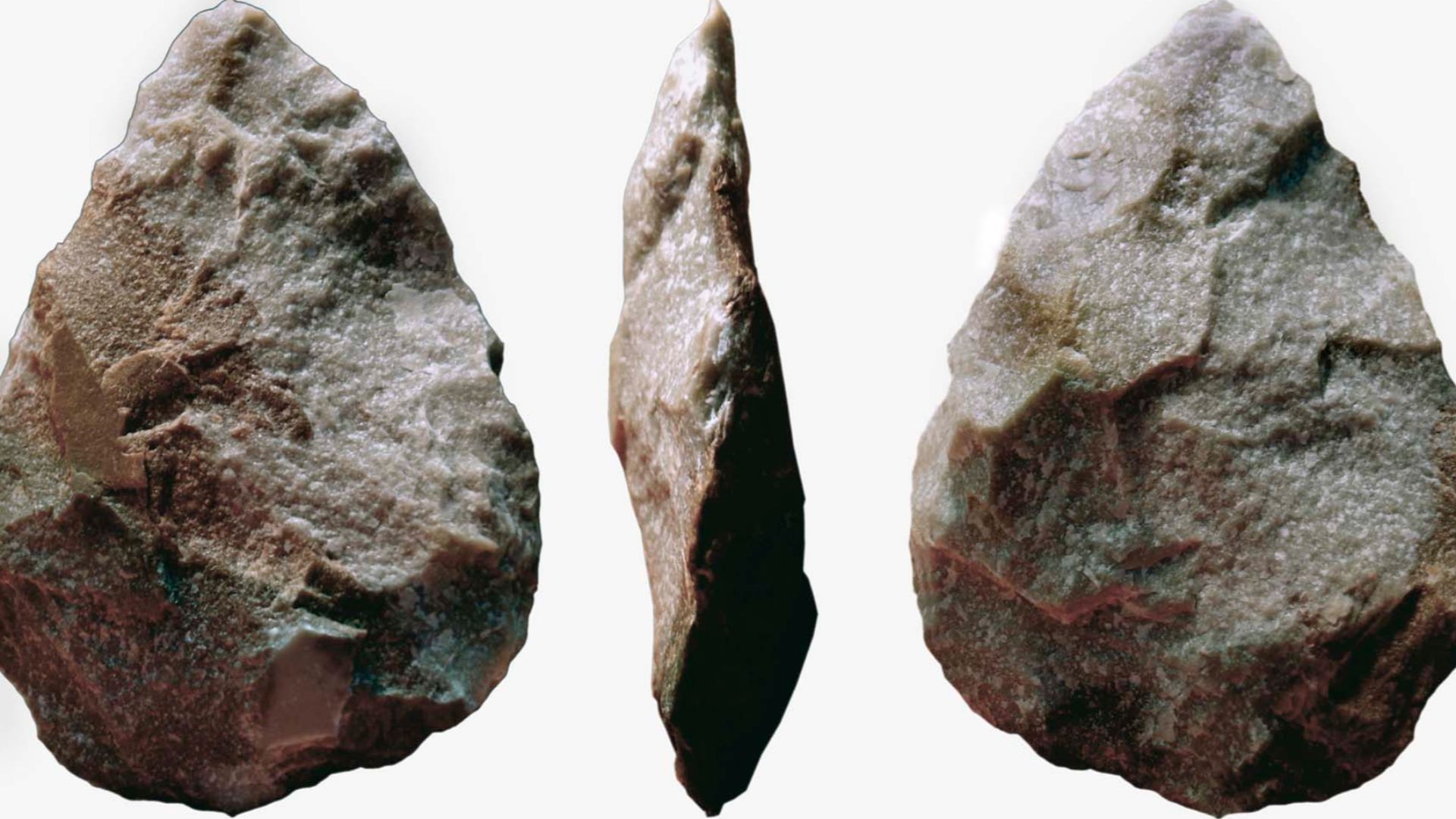
The stereotype of a lumbering, barely capable primitive human falls apart pretty quickly. Homo erectus is closely associated with Acheulean technology, including carefully shaped hand axes. These were planned, reusable tools that required considerably more skill than simply picking up a sharp rock.
 Jose-Manuel Benito Alvarez (Espana) —> Locutus Borg, Wikimedia Commons
The hand axe was a huge deal
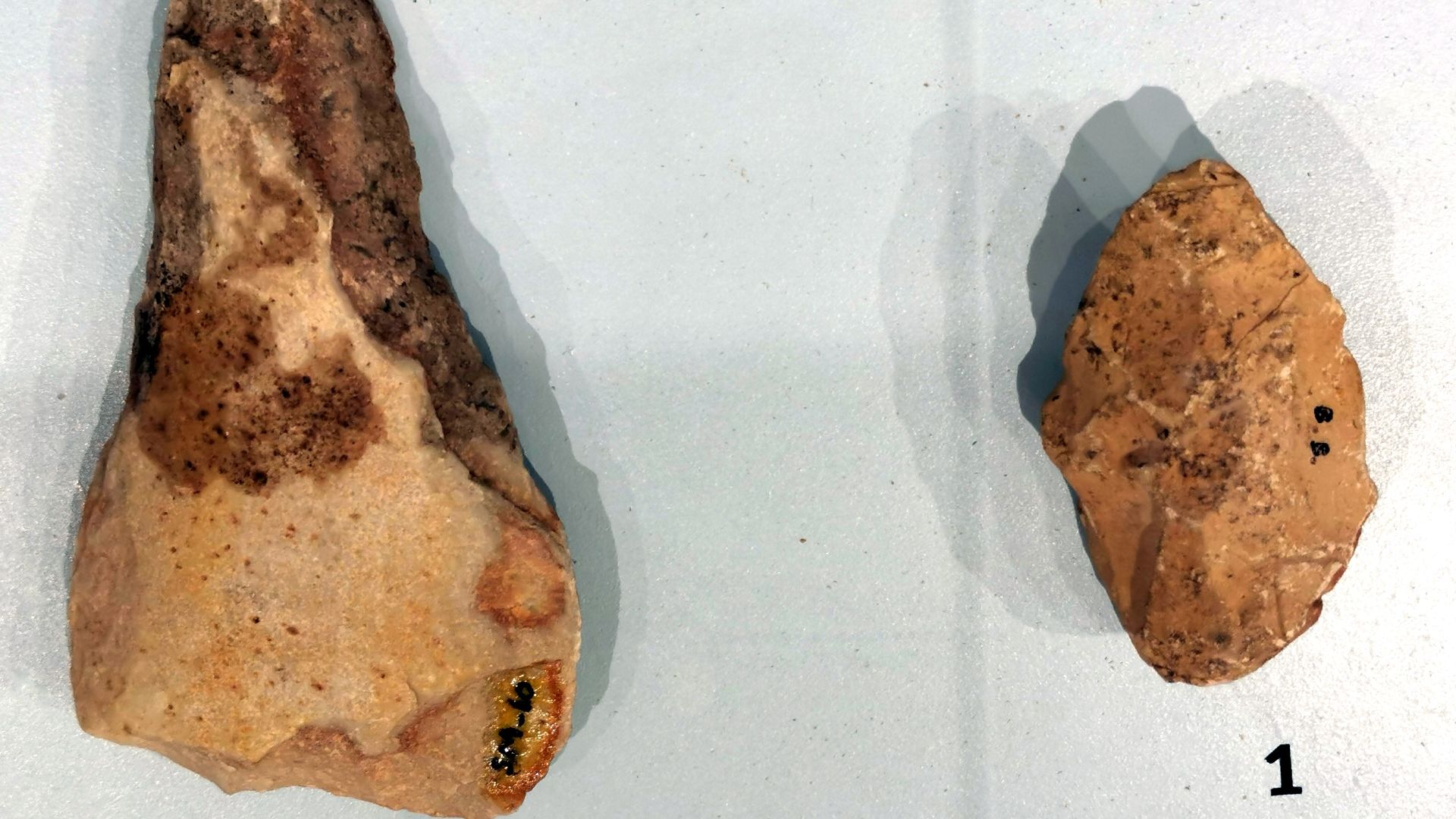
Acheulean hand axes appeared around 1.7 million years ago and became one of the longest-lasting technologies in human prehistory. The basic idea survived across enormous stretches of time and geography. Homo erectus had found something that worked—and apparently saw little reason to keep reinventing it.
 Osama Shukir Muhammed Amin FRCP(Glasg), Wikimedia Commons
Then the story gets a little weird
To modern eyes, that technological stability can look like a lack of imagination. Tool traditions changed surprisingly slowly compared with the explosion of innovation associated with later humans. But there is another way to read it: constant reinvention may not be necessary when what you already have keeps working.
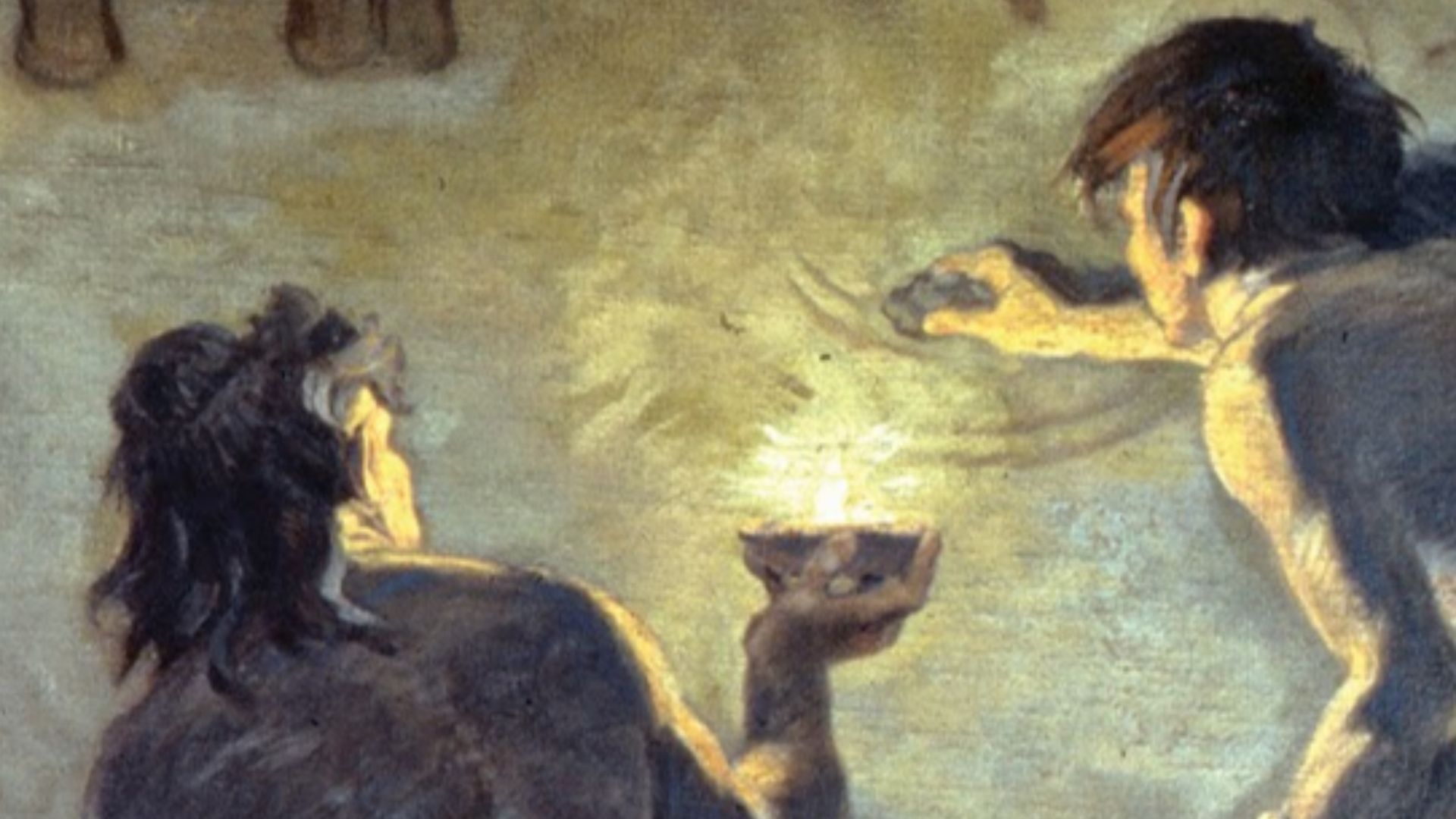
Fire may have joined the toolkit
At Wonderwerk Cave in South Africa, archaeologists found burned bone and plant material associated with hominin occupation about one million years ago. The remains were found deep enough inside the cave that ordinary wildfires are an unlikely explanation. Exactly who controlled the fire remains difficult to prove.
 Charles Robert Knight, Wikimedia Commons
But no single invention explains 2 million years
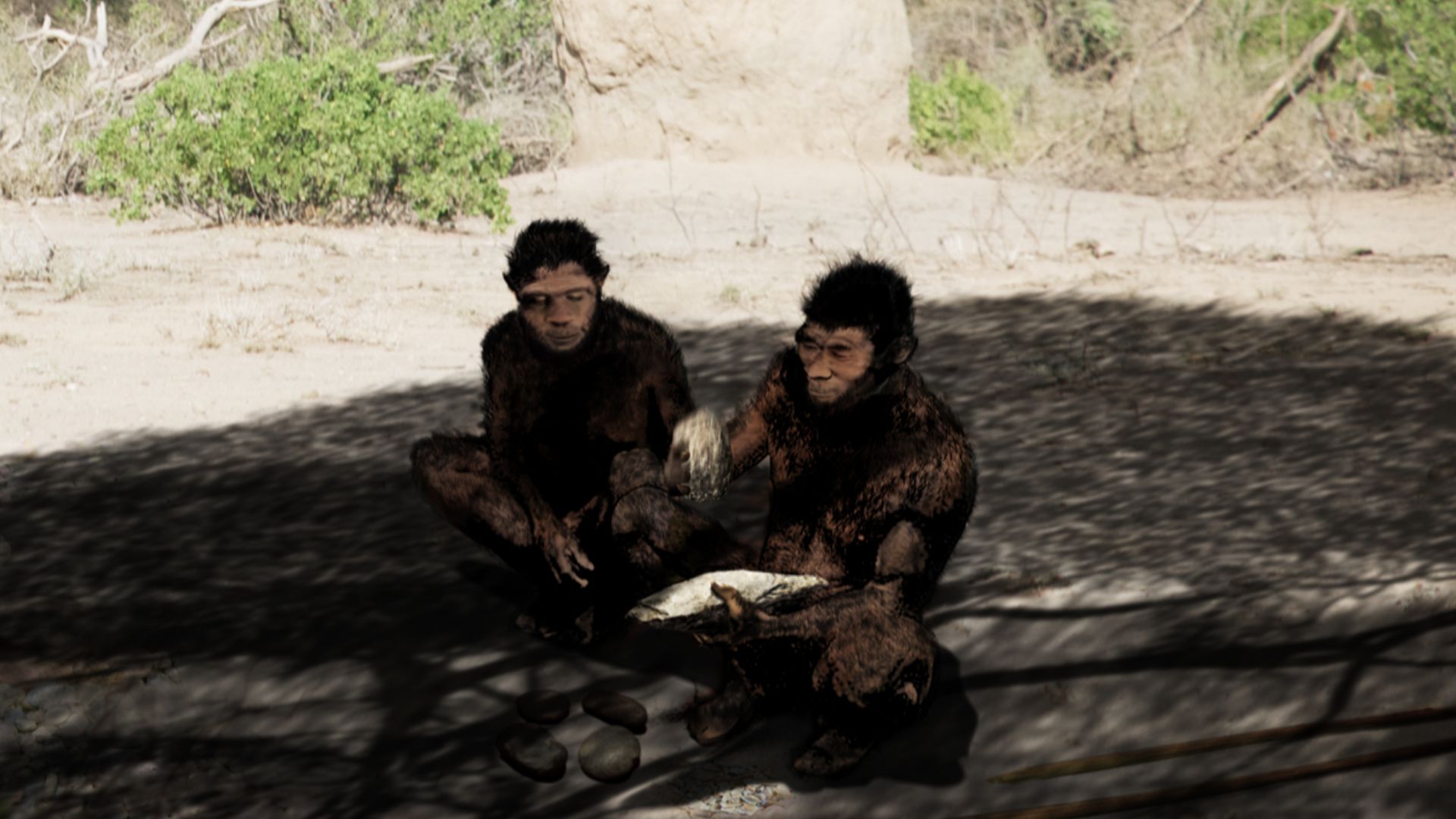
Tools helped. Fire may have helped. A human-like body certainly helped. But none of those things alone explains how one human lineage could persist through enormous climatic swings while occupying such a huge geographic range. The more interesting answer seems to be something much less flashy.
 Henry Gilbert and Kathey Schick, Wikimedia Commons
Scientists found a clue in a brutal landscape
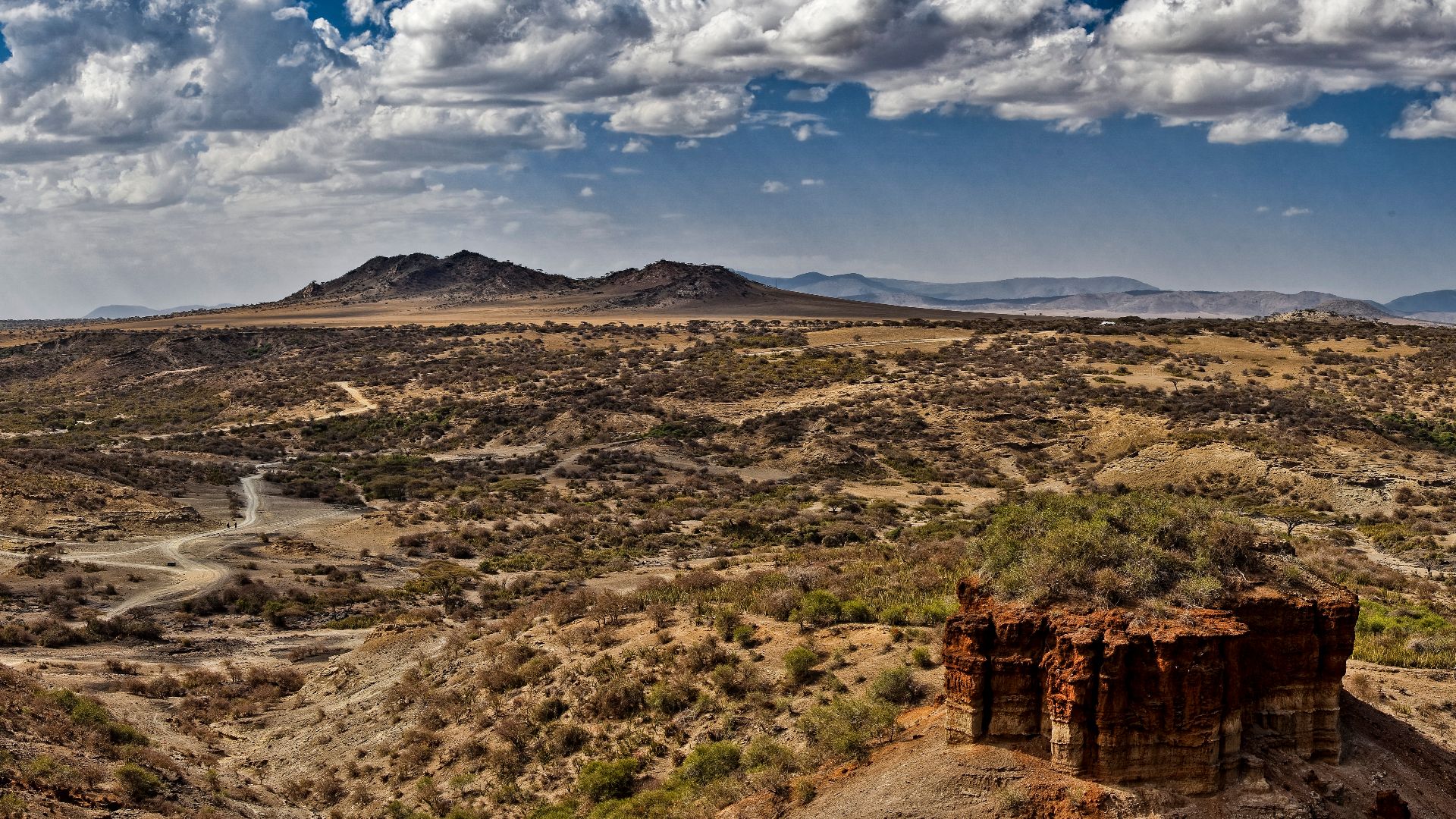
At Engaji Nanyori in Tanzania's Oldupai Gorge, researchers reconstructed an environment from about one million years ago that was brutally dry. Instead of abandoning it, Homo erectus repeatedly returned, using river corridors, dependable water sources and local resources to survive semidesert conditions.
That changed how scientists saw them
A 2025 study argued that Homo erectus was far more ecologically flexible than researchers once assumed. The species was not simply clinging to familiar grasslands. At least some populations could cope with extreme aridity, adjust their behavior and exploit difficult environments when conditions changed.
 Ginger 1315, Wikimedia Commons
One word may explain an awful lot
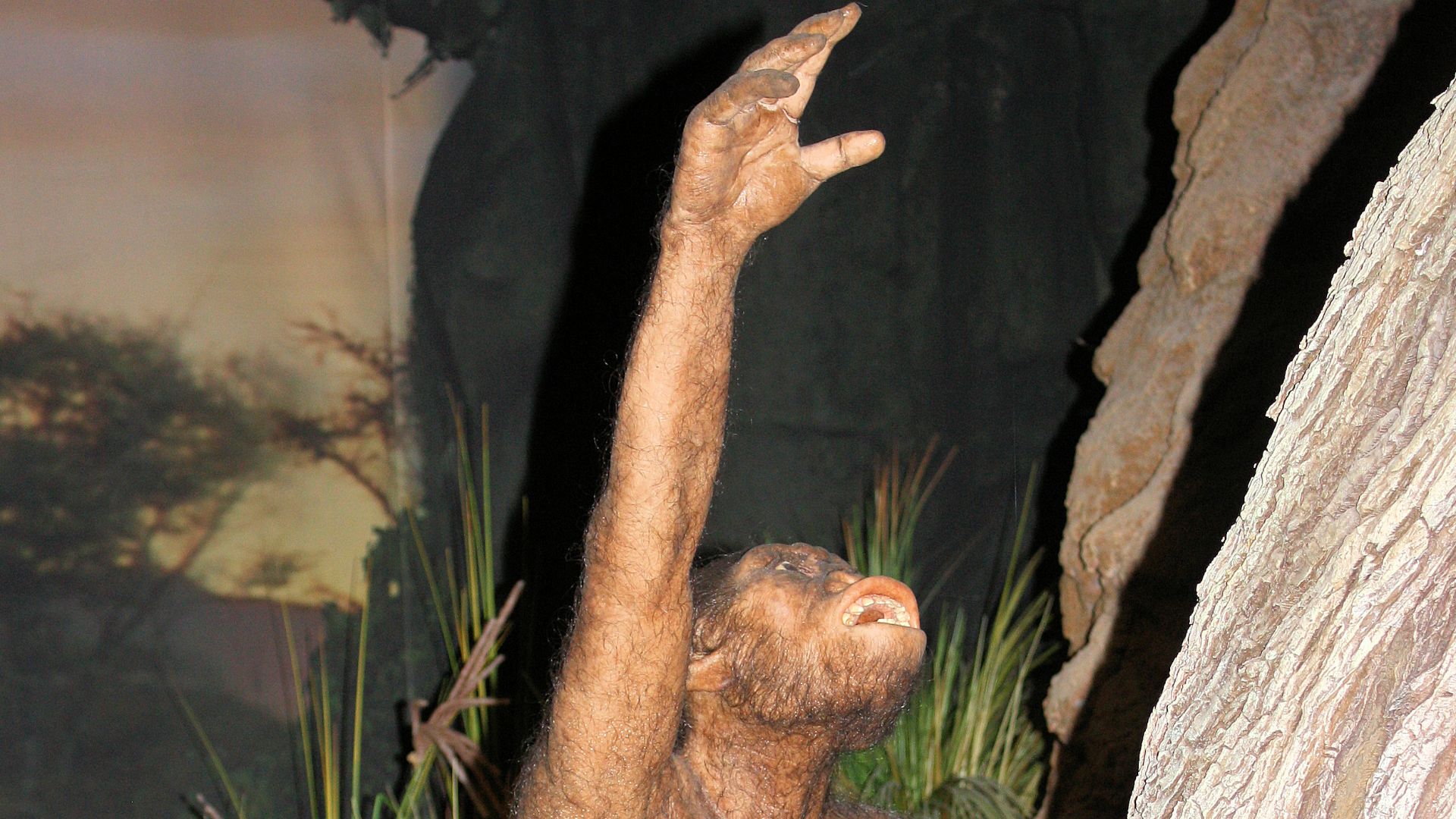
Generalist. That is the term researchers increasingly use when discussing this side of Homo erectus. Instead of requiring one narrow habitat or one narrow way of finding food, these humans could function across very different landscapes. Over evolutionary time, that kind of flexibility can be an enormous advantage.
But there may have been another survival weapon
One remarkable fossil from Dmanisi belonged to an older individual who had lost almost all his teeth years before his life ended. Somehow, he survived anyway. Researchers have suggested that other members of his group may have helped provide food or care for him.
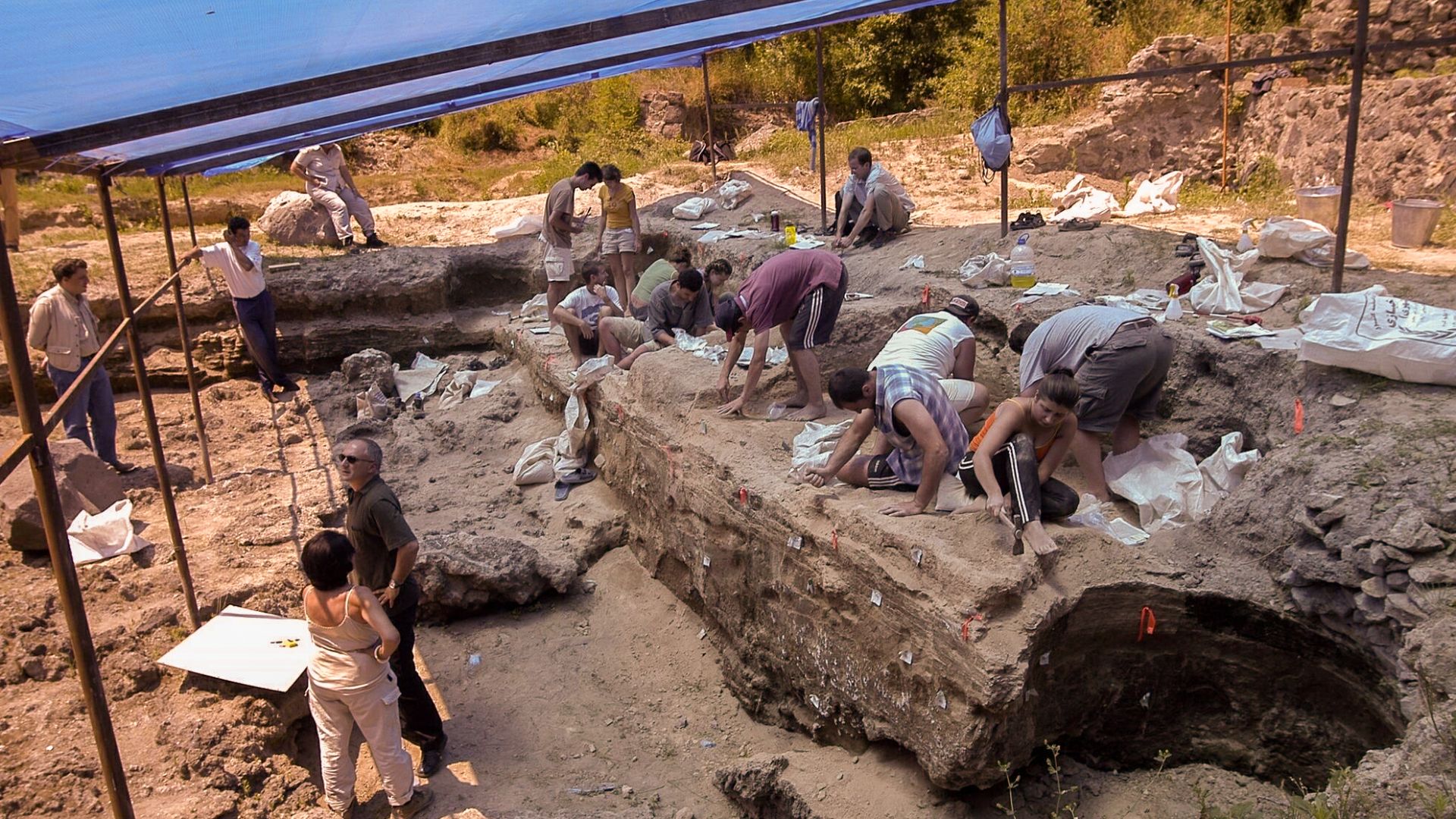 Georgian National Museum, Wikimedia Commons
That would change the picture again
If that interpretation is right, Homo erectus and its close relatives were not surviving through individual toughness alone. Cooperation may already have been helping vulnerable members of the group stay alive. Survival, in other words, may have depended just as much on other humans as it did on tools.
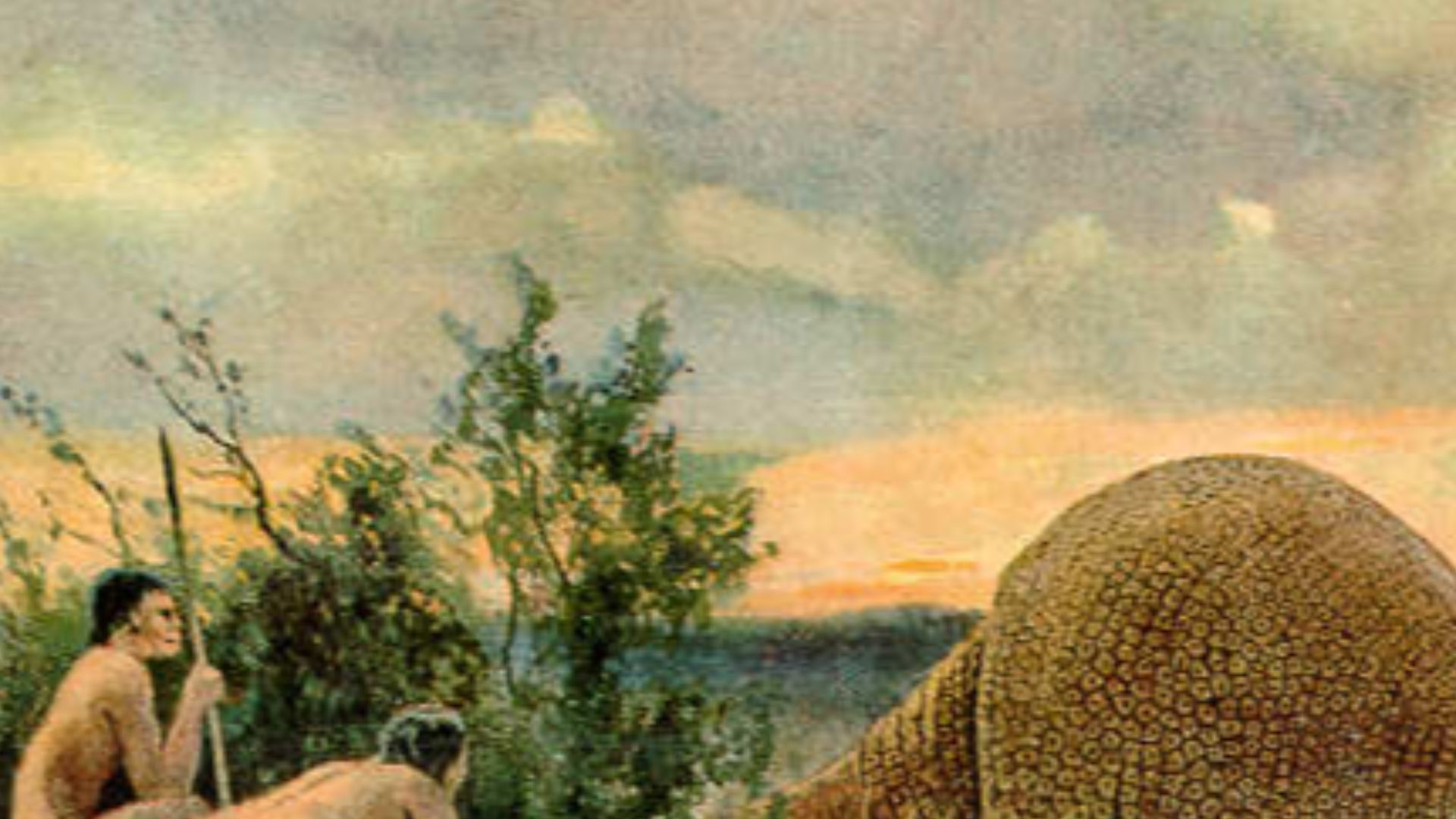 Heinrich Harder (1858-1935), Wikimedia Commons
Something else may have come before the giant brain
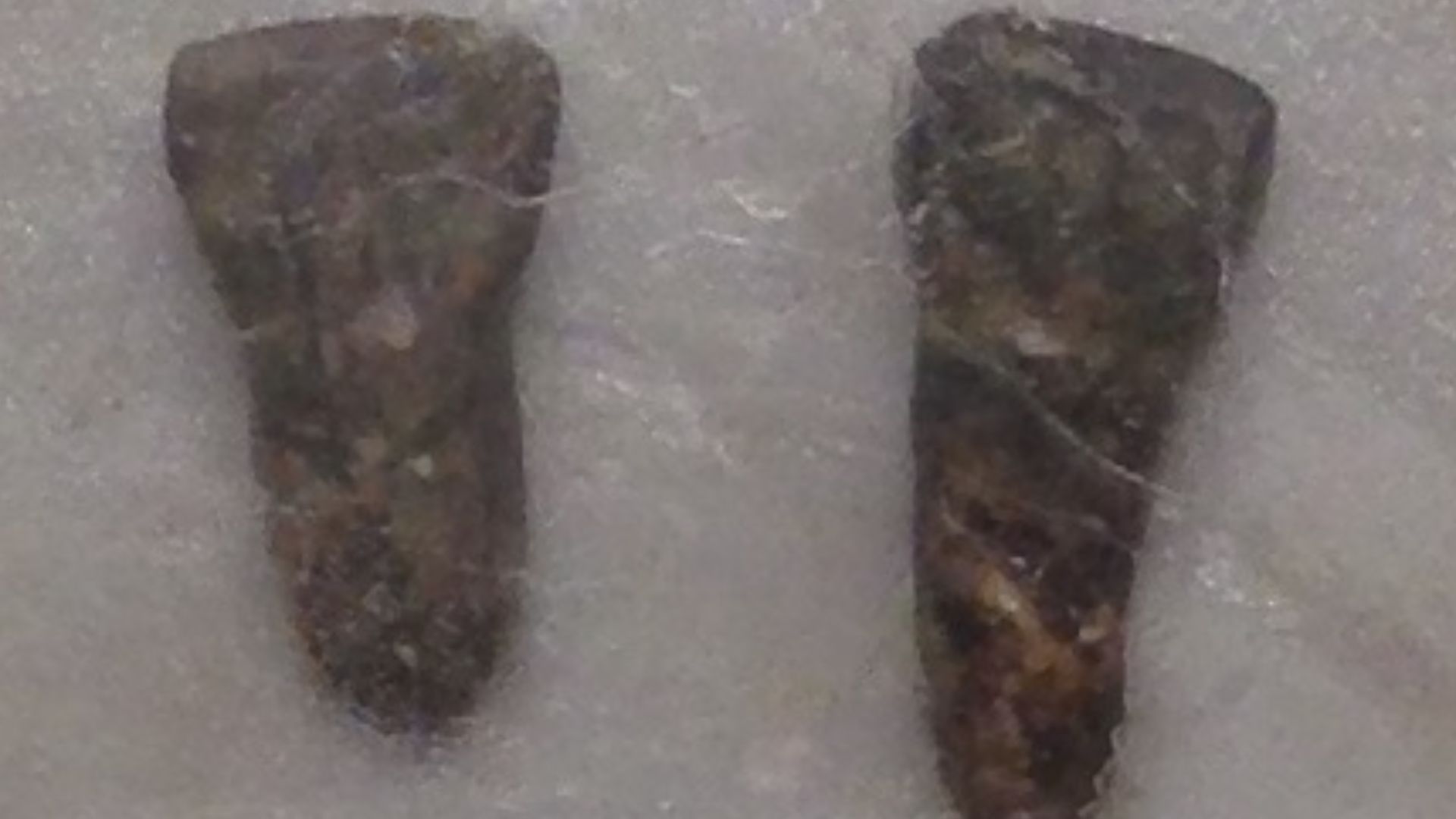
A 2024 study of teeth from a roughly 1.77-million-year-old Dmanisi individual found signs that parts of our unusually long developmental period may already have been emerging. Longer-dependent youngsters require more support, raising the possibility that deeper social cooperation began developing before our enormous modern brains did.
And now we get to the uncomfortable part
Evolution does not award a trophy to the species with the biggest brain. It rewards organisms that survive long enough to reproduce under whatever conditions actually exist. Intelligence can help enormously. But in the brutally simple arithmetic of evolution, adaptability is what keeps the clock running.
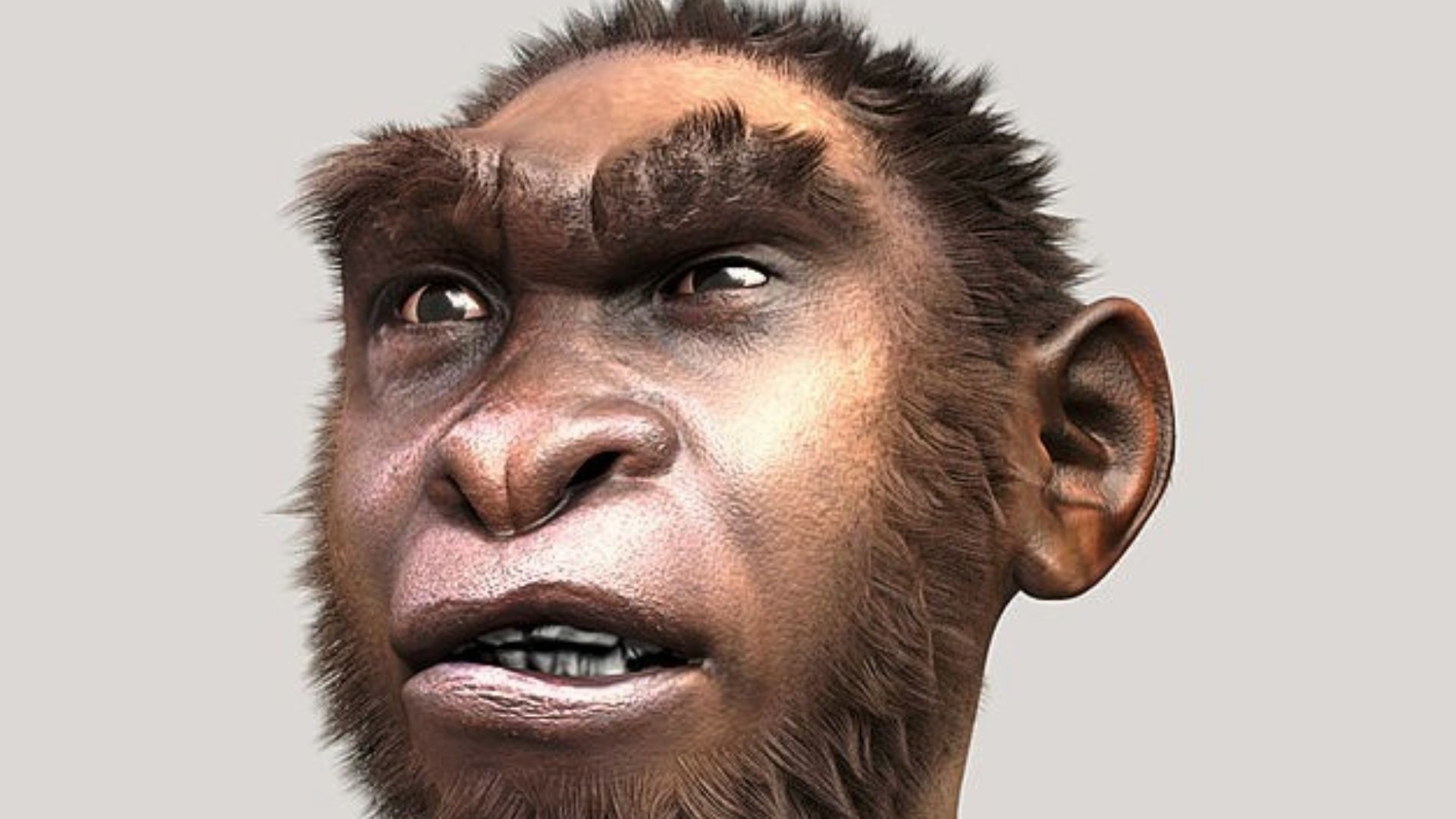 Cicero Moraes, Wikimedia Commons
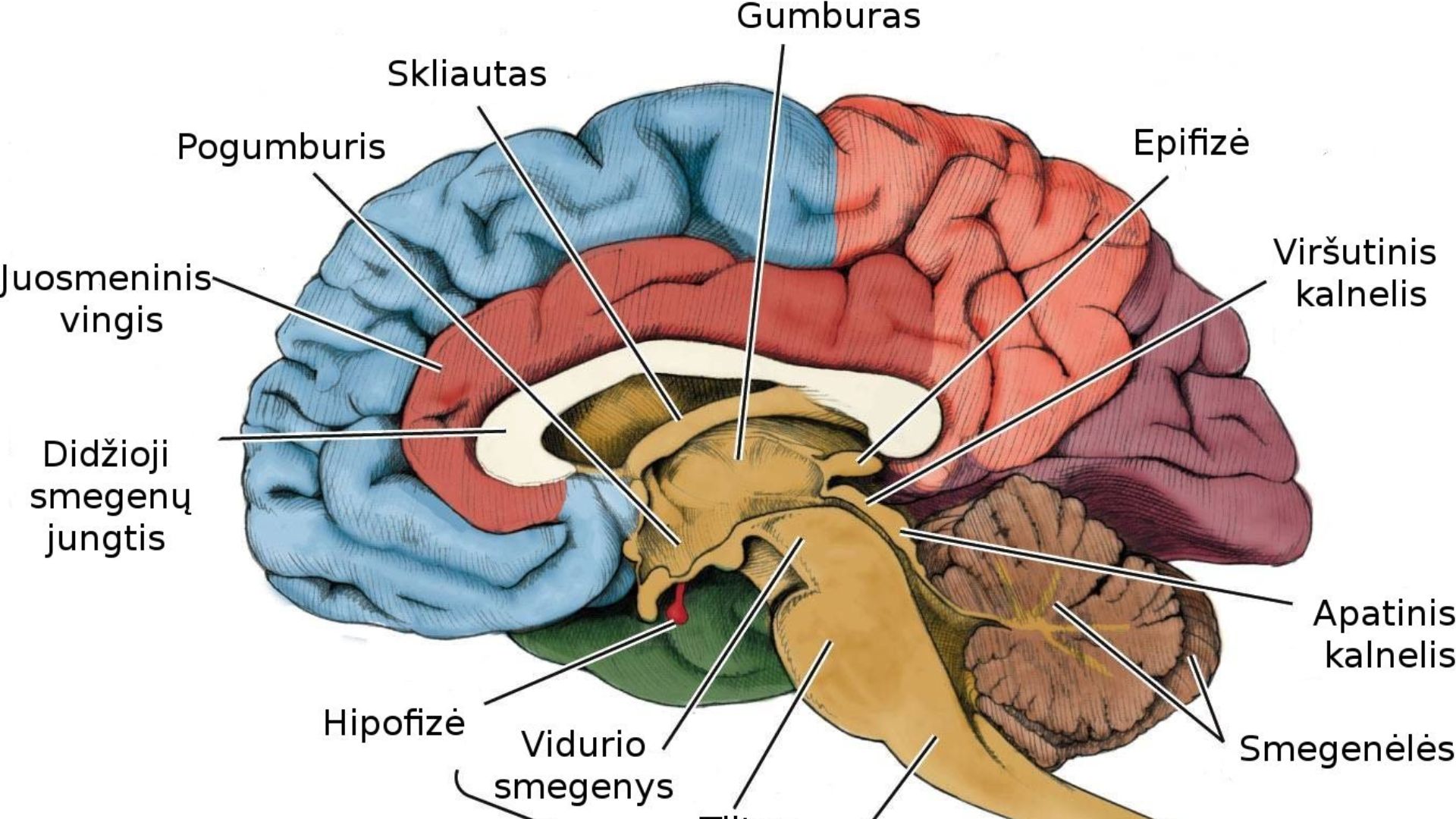
Because a bigger brain isn't free
The modern human brain accounts for only about two percent of our body mass, yet it consumes roughly 20 percent of the body's resting energy. Our extraordinary cognitive machinery is incredibly useful, but it is also metabolically expensive. Bigger, more complex brains come with a very real bill.
 Ilona Biaigo, Wikimedia Commons
Our greatest advantage came with strings attached
Homo sapiens eventually pushed intelligence, social learning and cumulative culture to extraordinary levels. We preserve knowledge, improve inventions across generations and solve problems no individual could solve alone. That became our superpower. It also made our way of life increasingly dependent on one another and our technology.

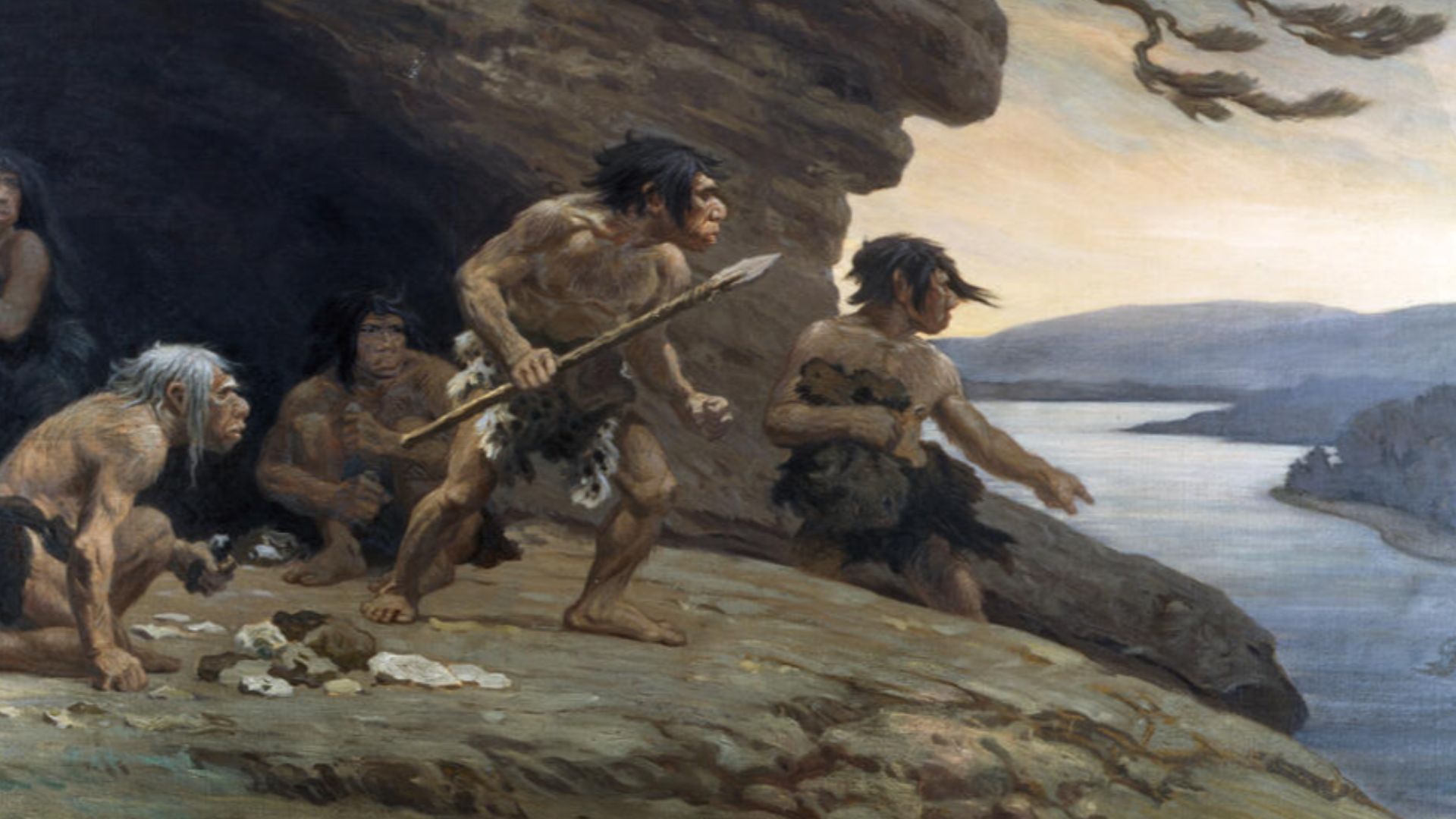
Homo erectus played a different game
That does not mean Homo erectus was somehow better than us. It means its extraordinary success did not require skyscrapers, agriculture or endlessly accelerating technology. For immense stretches of time, mobility, useful tools, cooperation and the ability to adjust to changing environments were apparently enough.
 Charles Robert Knight, Wikimedia Commons
There is one big asterisk
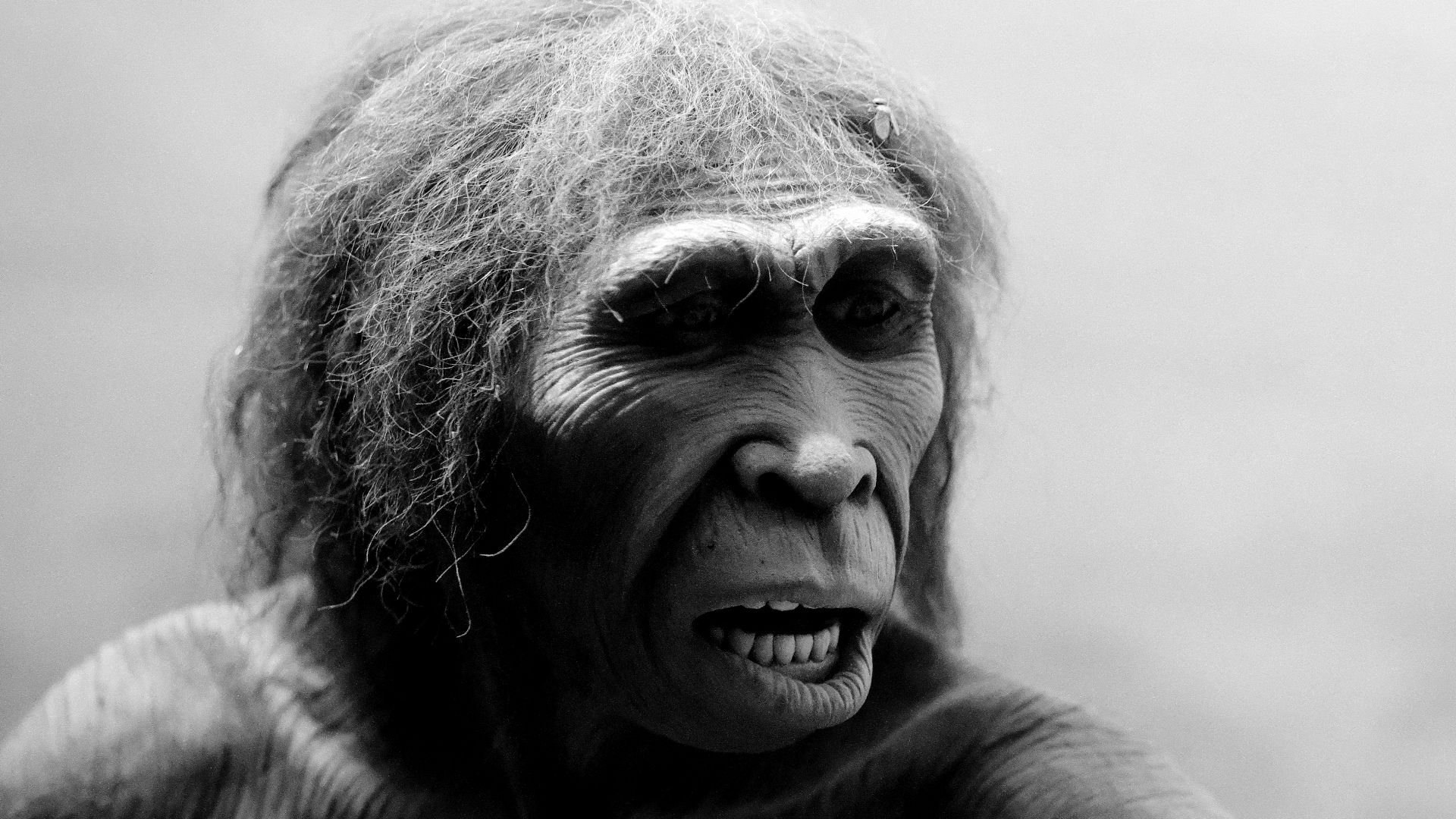
Scientists still argue over exactly which fossils should be called Homo erectus. Some separate early African specimens into Homo ergaster, while others group African and Asian populations together. Either way, the broader Homo erectus lineage was extraordinarily widespread and persistent, even if its exact boundaries remain disputed.
 Werner Ustorf, Wikimedia Commons
Eventually, even that adaptability reached a limit
One of the longest-lived human species we know of did finally disappear. Some of the last known Homo erectus populations lived on Java, where changing climate helped transform large areas of open woodland and savanna into wetter, denser rainforest.

Their greatest strength may finally have failed them
Researchers suspect that environmental shift may have helped push an extraordinarily durable species beyond its ecological limits. Homo erectus had survived huge changes before, but adaptability does not mean being able to survive absolutely anything. Eventually, the environment may have changed faster than they could adjust.
The final holdouts lasted until surprisingly recently
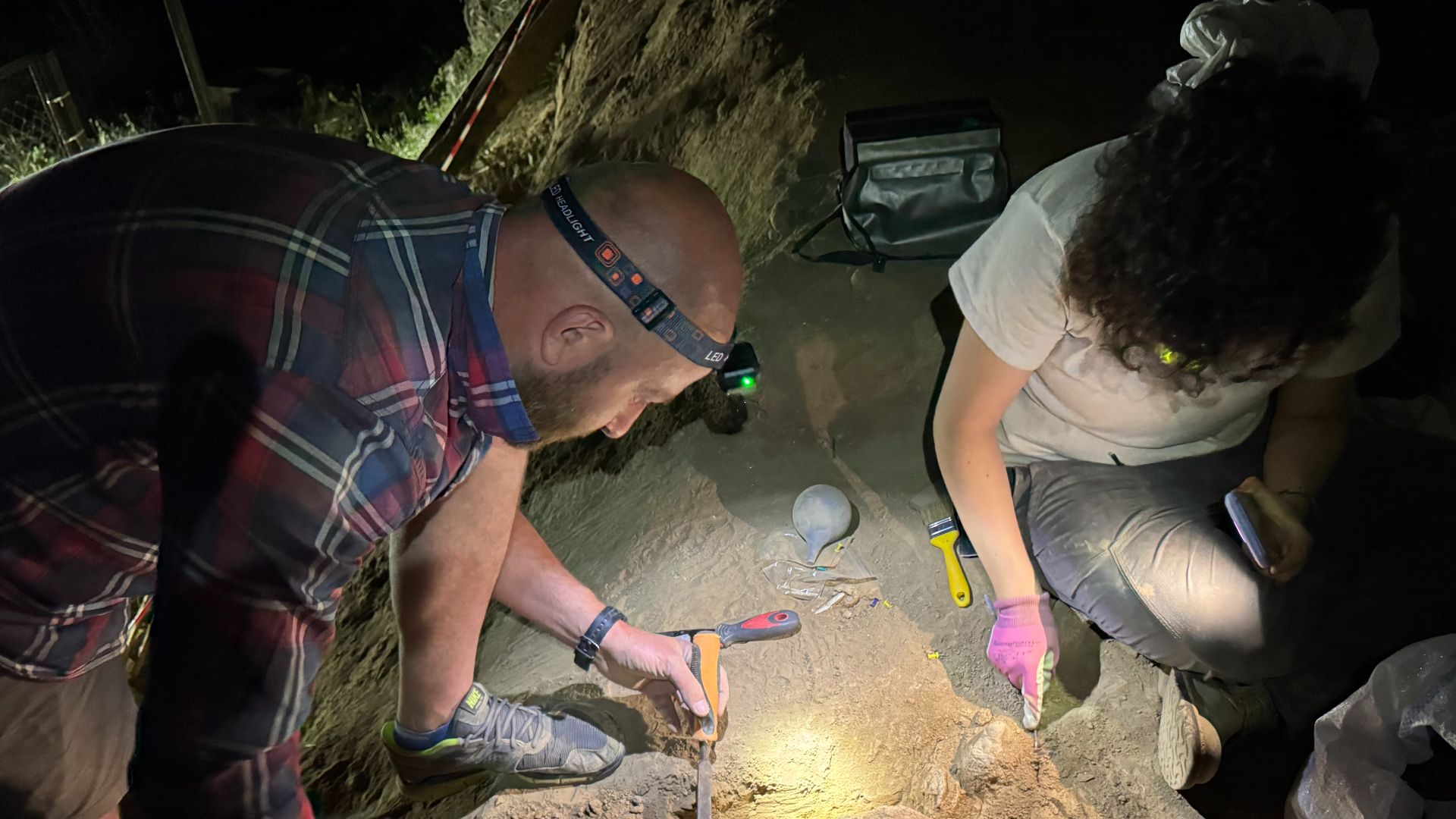
Fossils from Ngandong in central Java have been dated to roughly 117,000 to 108,000 years ago. They are currently the youngest securely dated Homo erectus fossils known. By then, the species had already survived through an astonishing sweep of Pleistocene climate and environmental change.
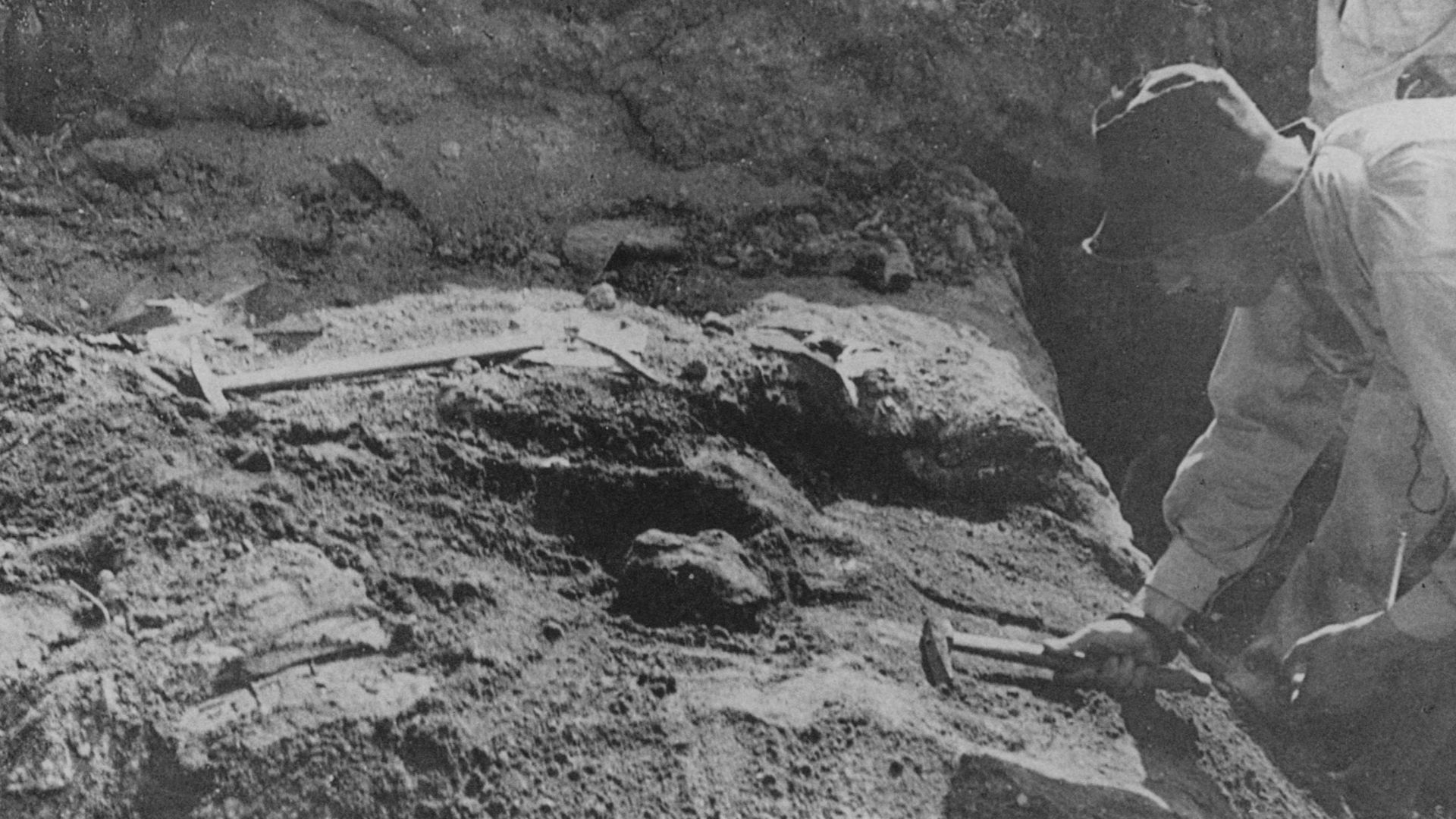 Franz Weidenreich, Wikimedia Commons
And we probably never met those last survivors
Current evidence does not show Homo sapiens and the last known Javan Homo erectus populations meeting. The Ngandong population appears to have disappeared long before modern humans are securely documented on Java. Whatever happened there, the simple story of us arriving and replacing them does not fit.
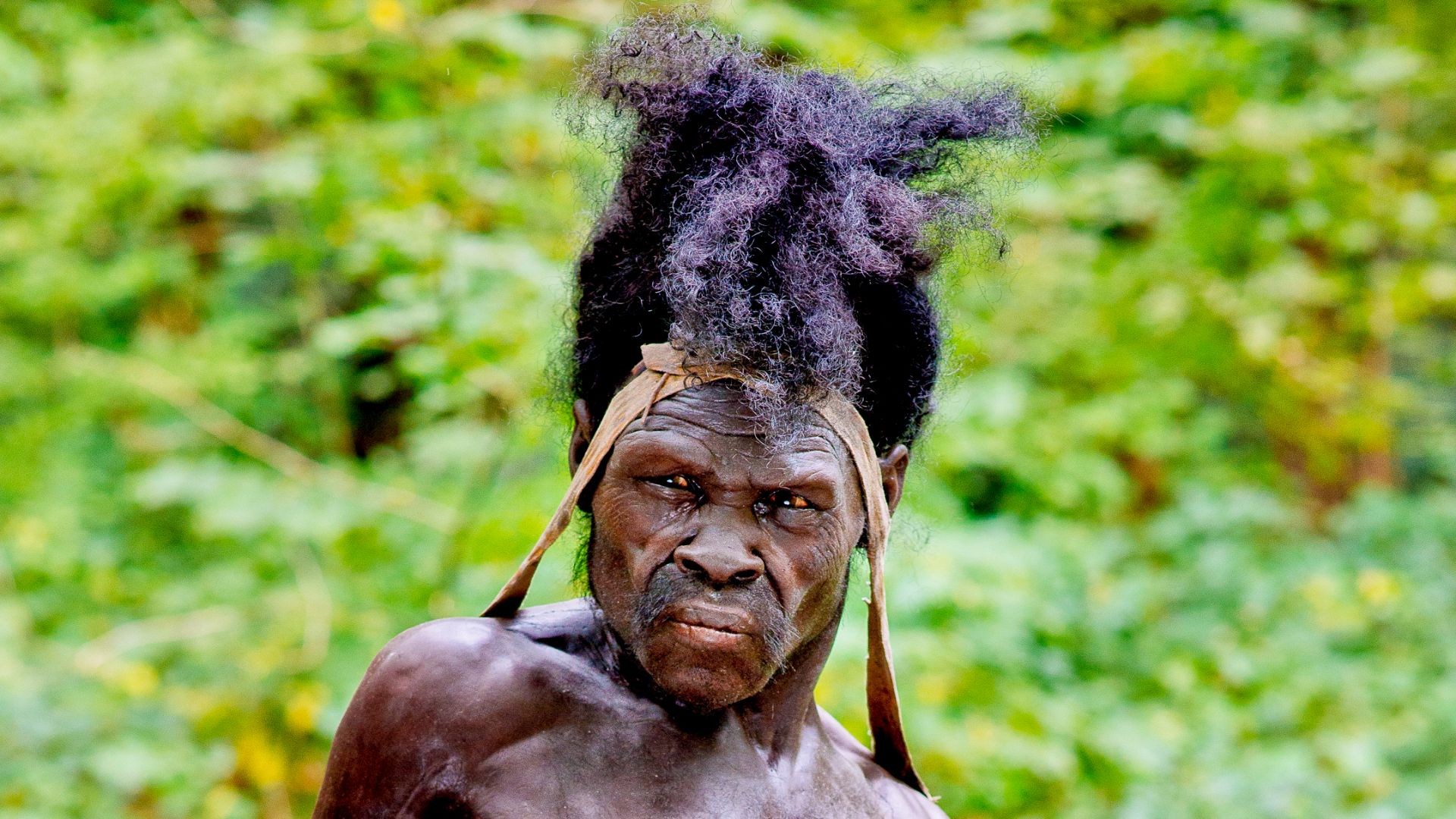 Neanderthal-Museum, Mettmann, Wikimedia Commons
So what was their secret?
There probably was no single secret. Their extraordinary longevity appears to have come from a package of useful traits: mobility, ecological flexibility, effective technology and probably strong social cooperation. They were not successful despite being different from us. Some of those differences may have helped them survive.
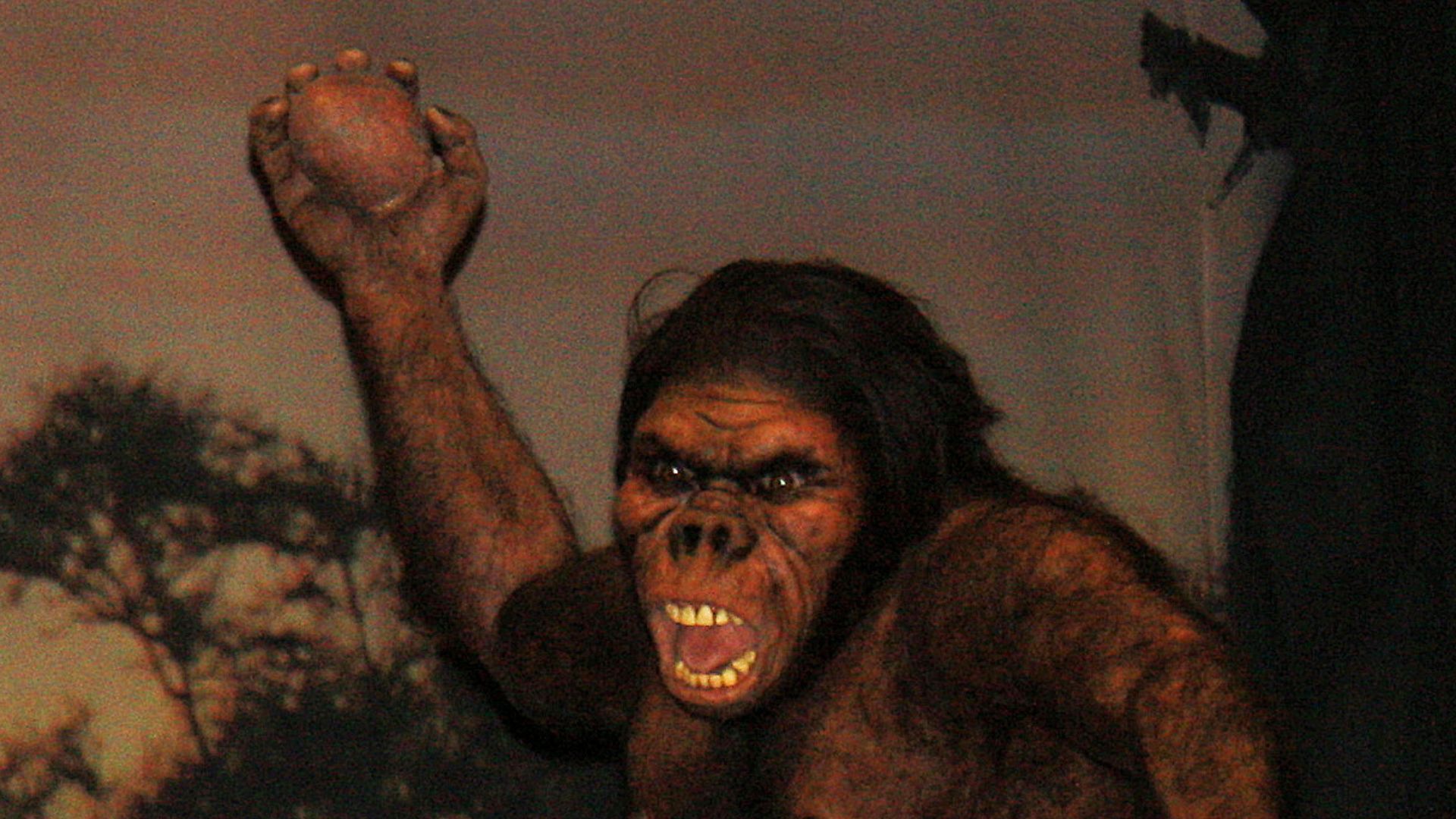
Now look at our own 300,000 years
There is an important catch in the headline: Homo sapiens has not failed after 300,000 years. We are still here. Nobody can know whether our species will disappear relatively soon or survive another two million years. Evolution does not hand out expiration dates in advance.
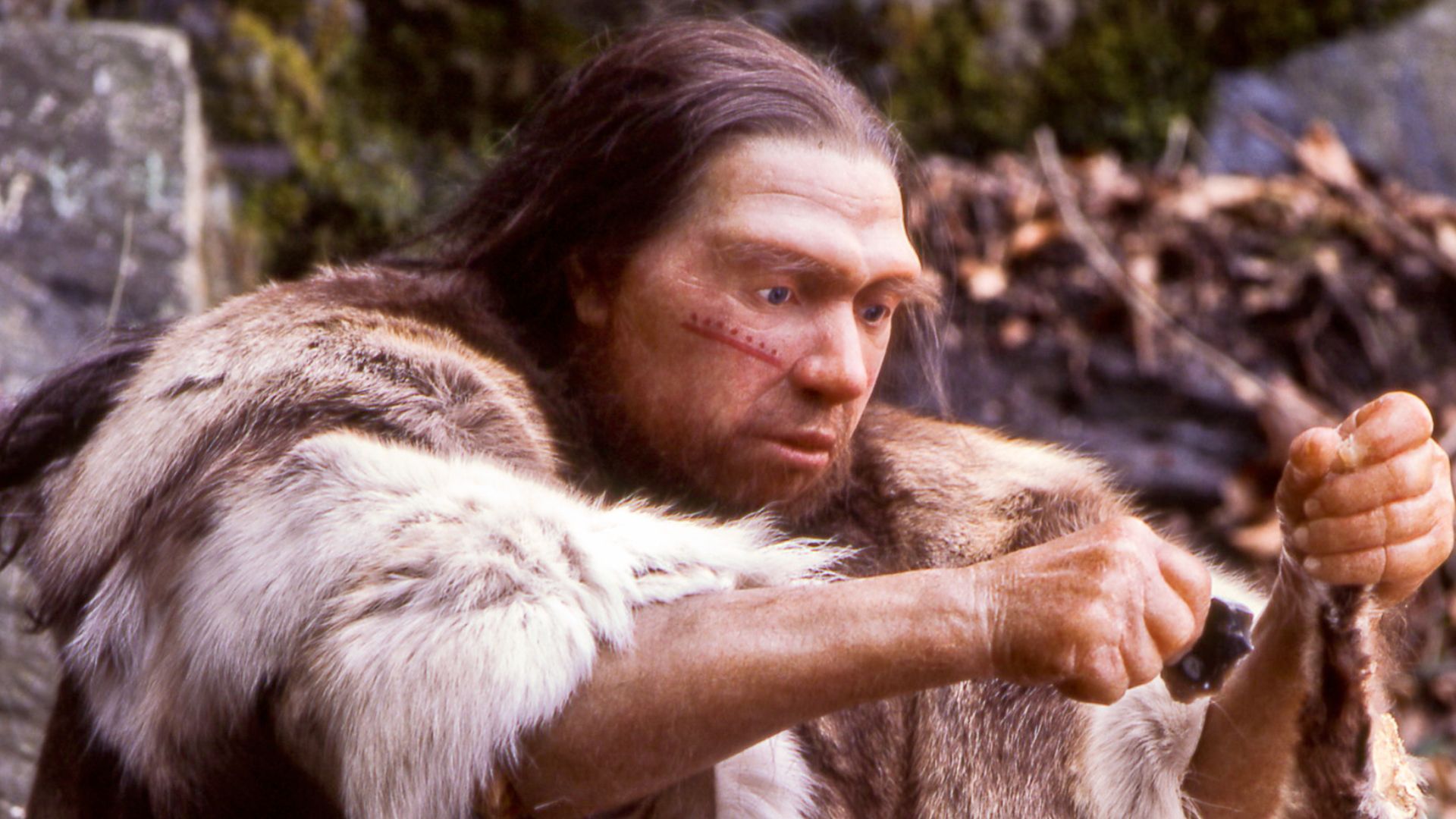 Neanderthal-Museum, Mettmann, Wikimedia Commons
But Homo erectus still wrecks our favorite story
We can confidently call ourselves the most technologically powerful human species that has ever existed. We certainly cannot claim the longevity record yet. Homo erectus has already lasted roughly six times longer than we have, and its story suggests intelligence and evolutionary success are not necessarily the same thing.
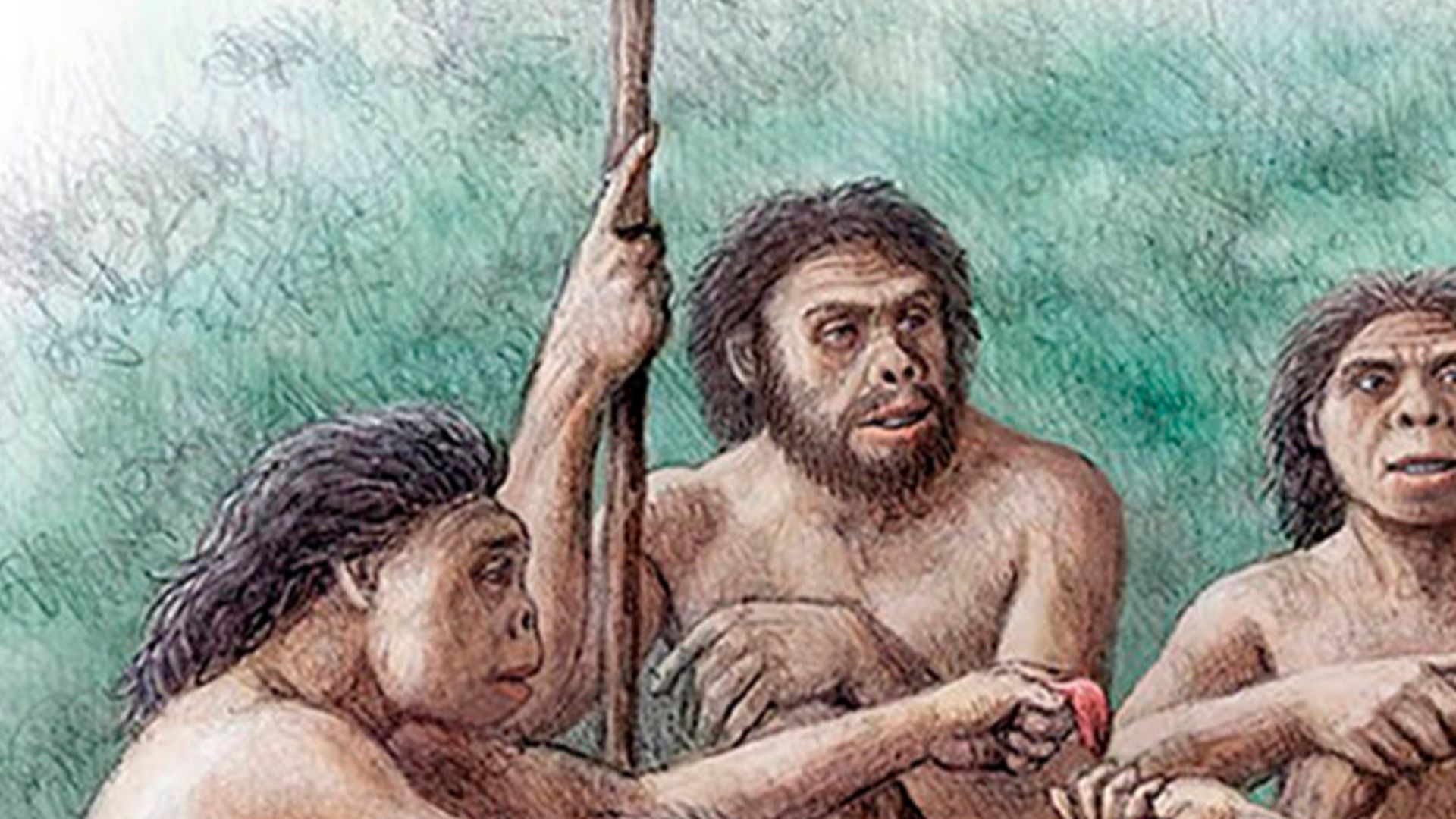 Mauricio Antón. Published by Bartolini-Lucenti, S et al., Wikimedia Commons
Maybe survival was the real genius
That is the disturbing possibility hiding inside the fossils. The species that transformed the planet is still a newcomer. Homo erectus endured for nearly two million years by adapting again and again. Maybe the smartest species isn't simply the one that knows the most. Maybe it's the one that keeps adapting.
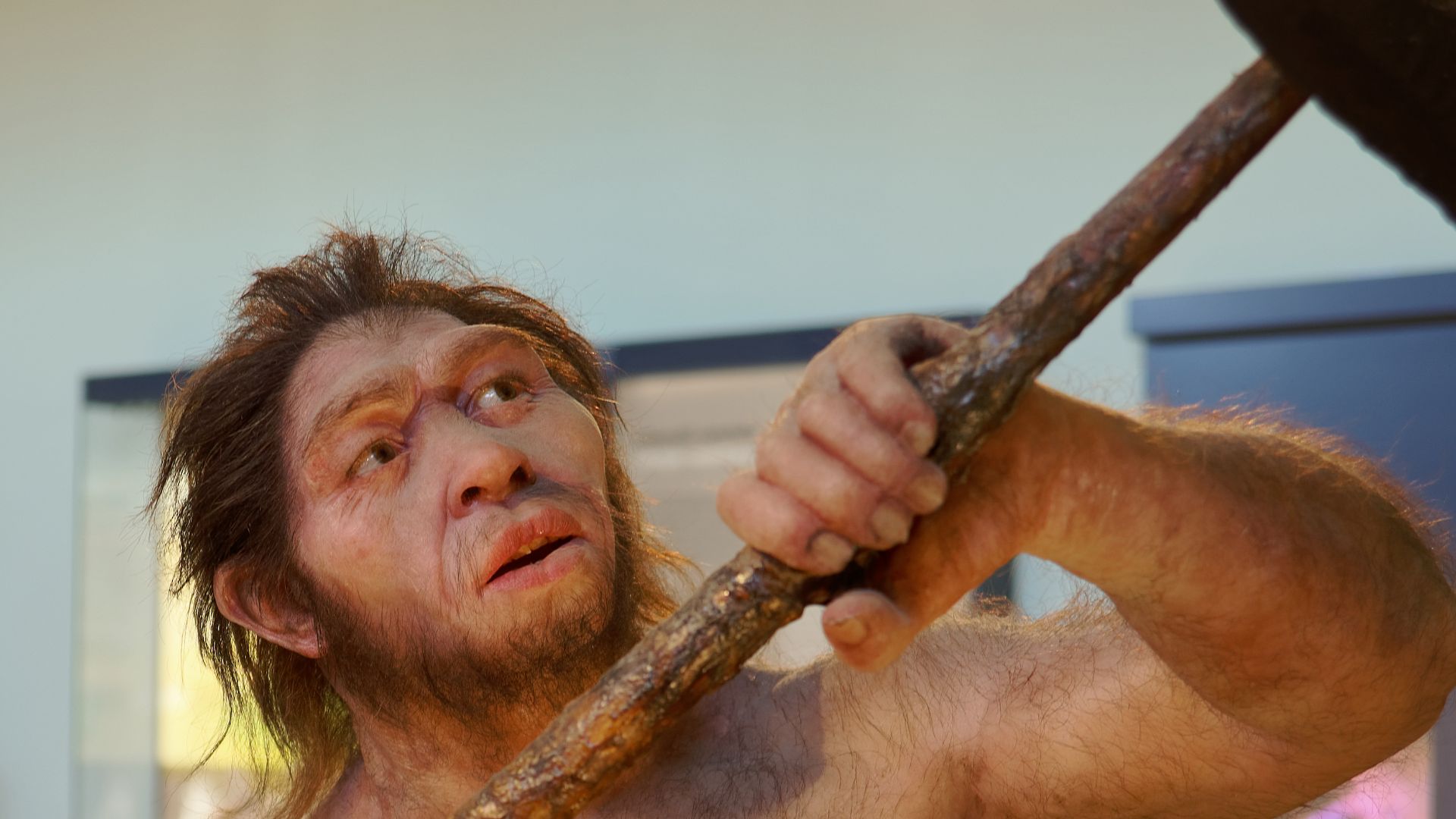 Jakub Hałun, Wikimedia Commons
You Might Also Like:
DNA from 45,000-year-old Europeans revealed what happened when modern humans first met Neanderthals.