
Two Tiny Birds Are Telling A Huge Story
Deep inside a cave in southern Germany, archaeologists uncovered something tiny but extraordinary: two birds carved from mammoth ivory around 40,000 years ago. Barely larger than a thumbnail, the figures capture surprisingly lifelike details and even different behaviors. Now researchers think these miniature carvings could help explain how early humans built the culture and social bonds that helped them thrive across Ice Age Europe.

They Were Found During A Recent Excavation
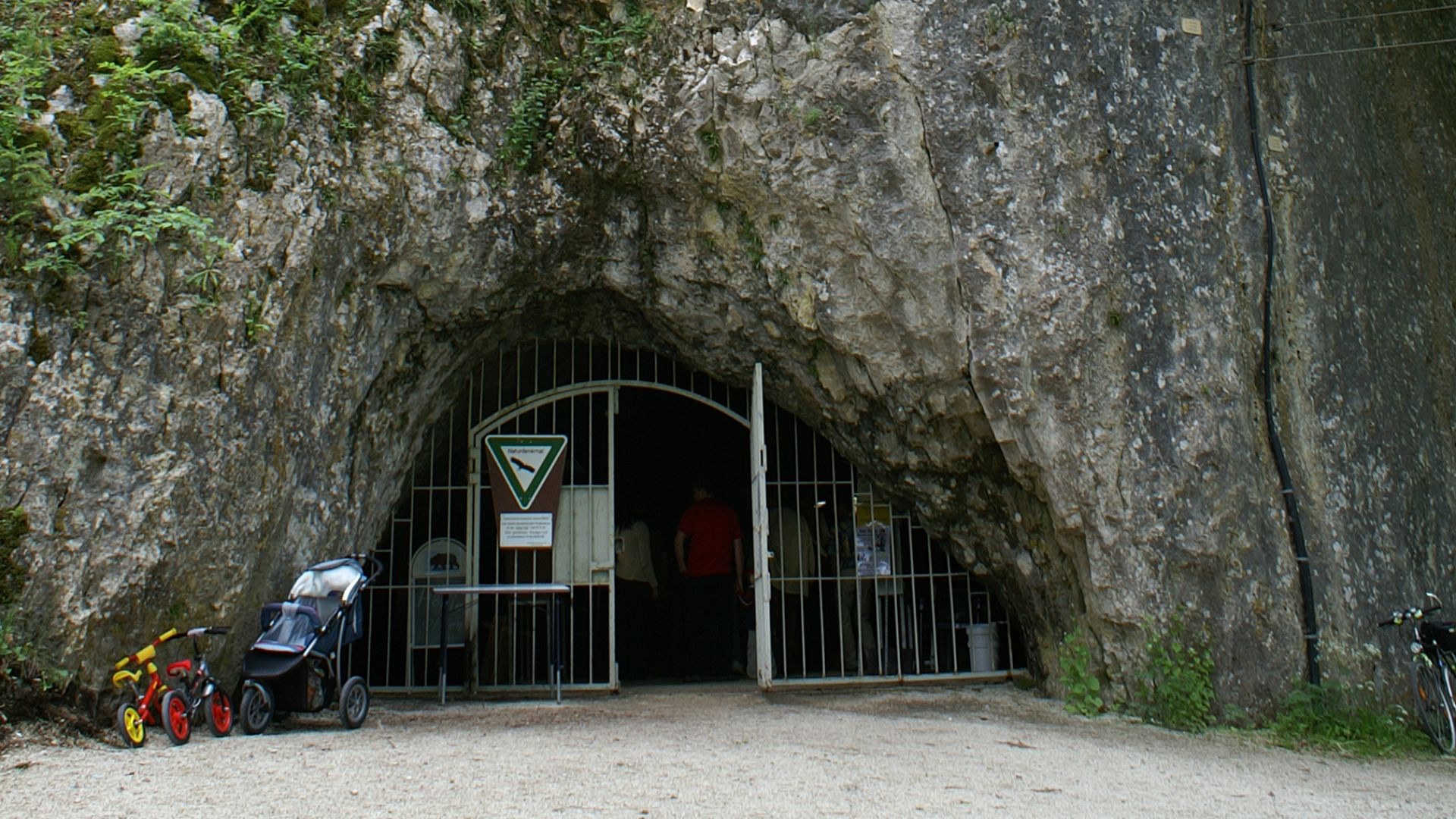
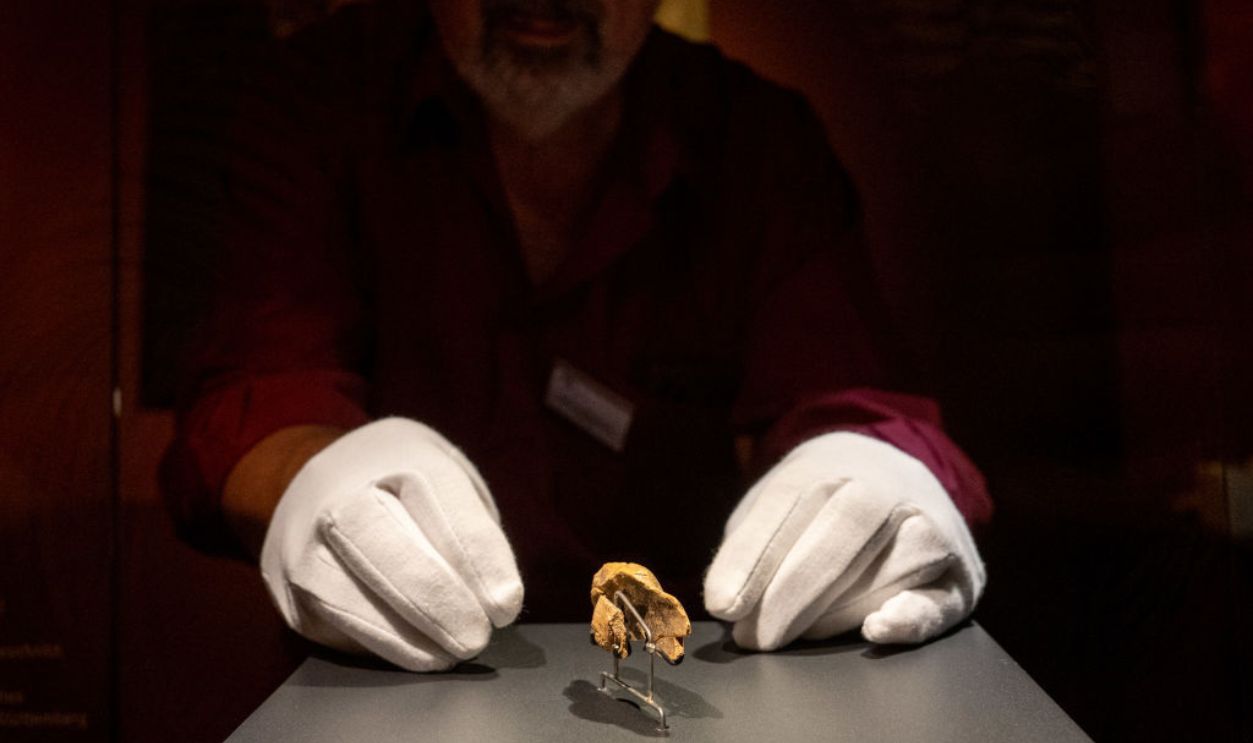
The two figurines emerged during the 2025 excavation season at Hohle Fels Cave in southwestern Germany. Researchers from the University of Tübingen publicly presented them in July 2026 as the site's "Find of the Year." Both came from lower Aurignacian layers dating to roughly 40,000 years ago.
 Dr. Eugen Lehle, Wikimedia Commons
Hohle Fels Is No Ordinary Cave
Hohle Fels sits in the Swabian Jura, a limestone highland region in the German state of Baden-Württemberg. It belongs to a group of six caves recognized by UNESCO for preserving extraordinary evidence of some of Europe's earliest modern humans. Together, the caves contain one of the world's most important collections of early figurative art and musical instruments.
 Henning Schlottmann (User:H-stt), Wikimedia Commons
The Carvings Come From A Pivotal Moment
The birds belong to the Aurignacian, a cultural tradition associated with early Homo sapiens in Europe. Aurignacian sites appear across much of the continent beginning roughly 43,000 years ago. This was a period when modern humans were establishing populations in environments already occupied by Neanderthals.
 Daniela Hitzemann (photograph), Wikimedia Commons
One Bird Appears To Be Resting
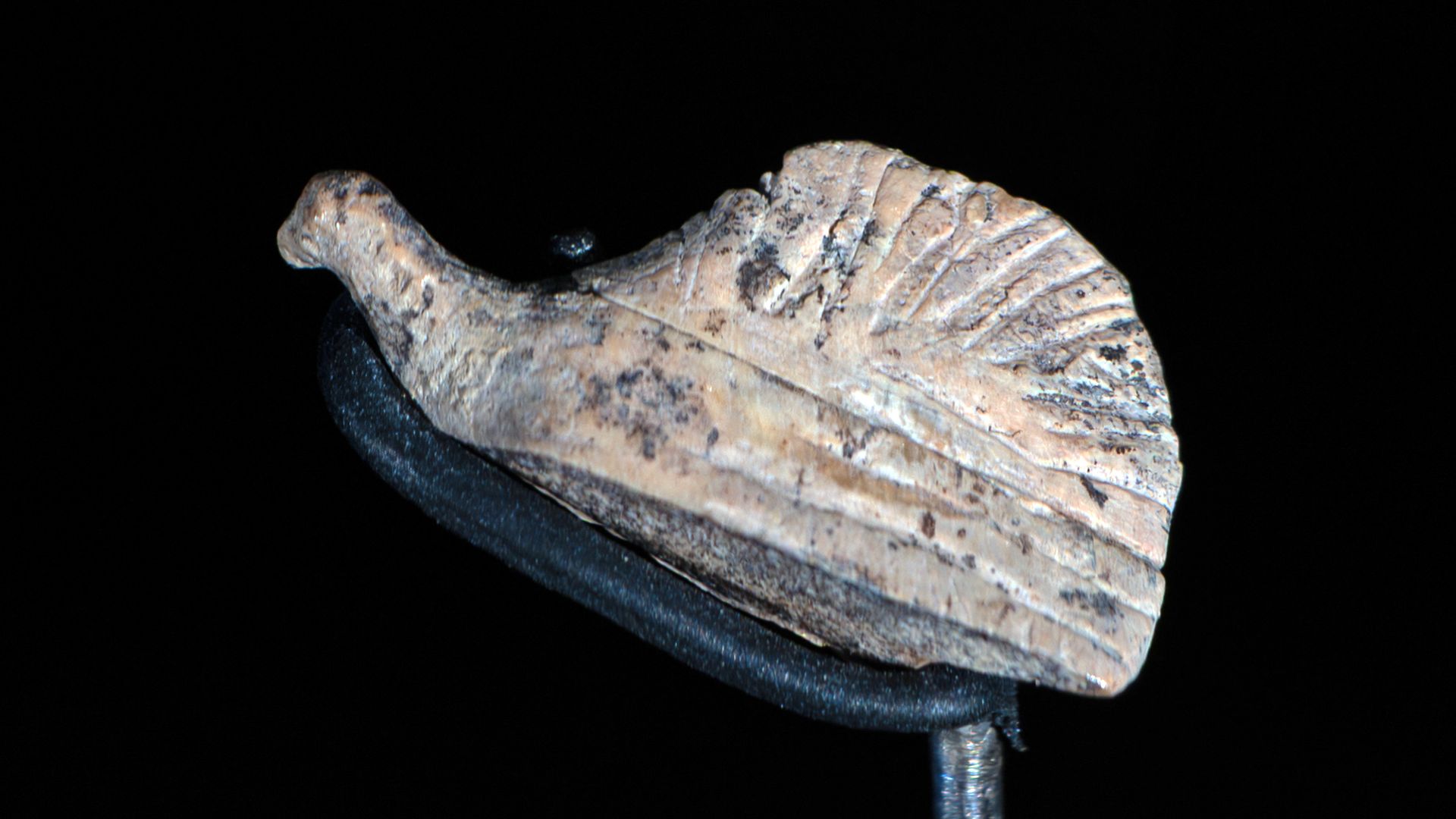
One of the new carvings shows a compact bird with its head tucked close to its body and its legs drawn in. Researchers think its low, rounded posture could represent a bird resting or perhaps brooding on a nest. That is remarkably specific behavior for an artwork made tens of thousands of years ago.
The Other Bird Looks Completely Different
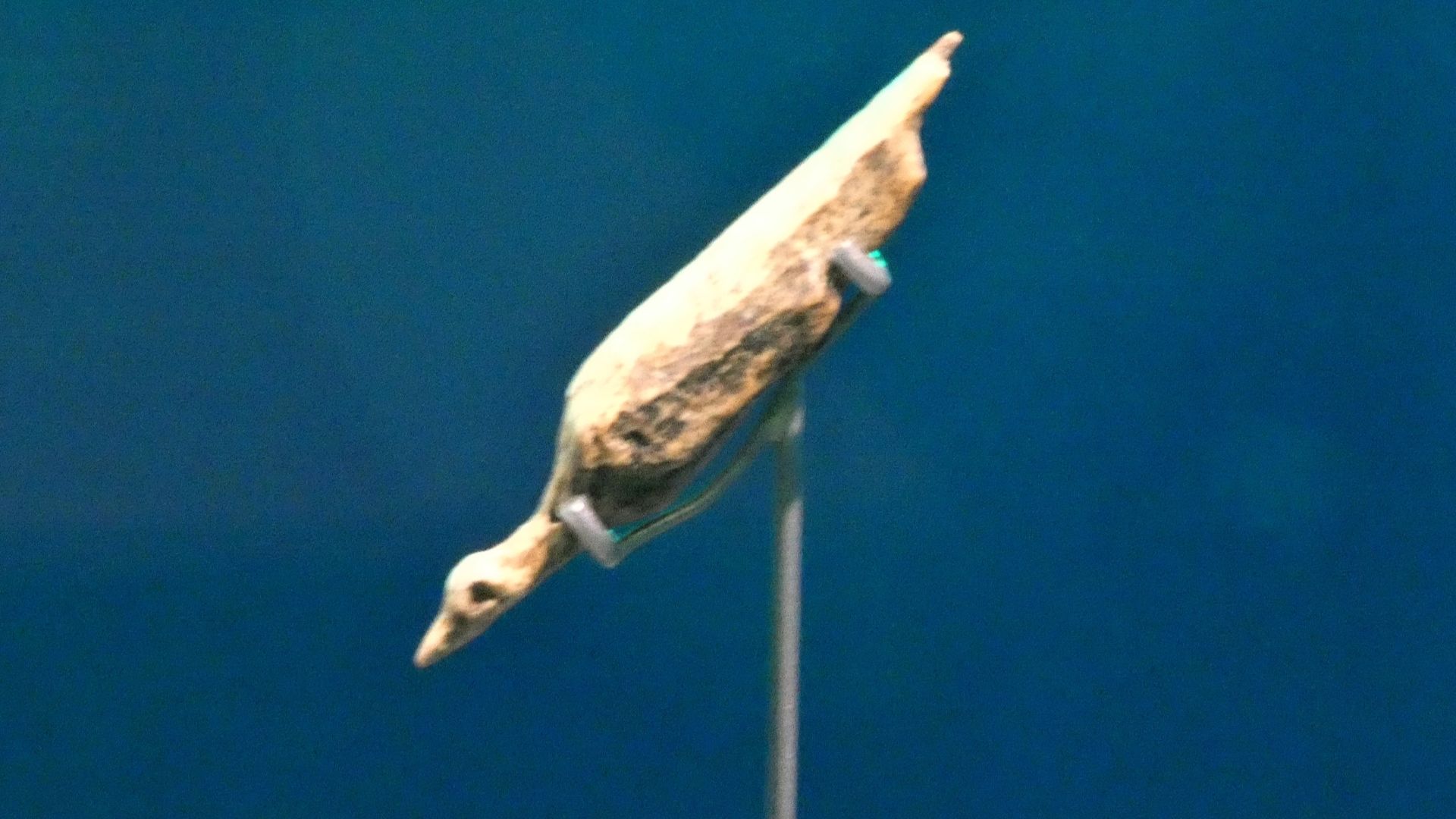
The second bird was carved with its wings spread wide and its neck extended. Its left wing is broken and the missing piece has not been recovered, but much of the figure survives. Researchers have suggested it could depict a bird flying, landing on water, displaying or even threatening another animal.
It Is Almost Comically Small
The spread-wing bird measures only about two centimeters long, one centimeter wide and half a centimeter high. The University of Tübingen says it is the smallest known Ice Age artwork yet discovered within the Swabian Jura World Heritage region. The two new birds weigh only about 1.3 grams and 0.7 grams.
 West Berkshire, Paula Levick, 2006-09-23 13:58:05, Wikimedia Commons
Yet The Details Are Remarkable
Small did not mean simple. The resting bird has conspicuous round eyes, while its companion has a clearly shaped beak and parallel lines cut into its wings to suggest feathers. Researchers argue that such features reflect careful observation rather than a generic attempt to make something vaguely bird-shaped.
Scientists Cannot Name The Species
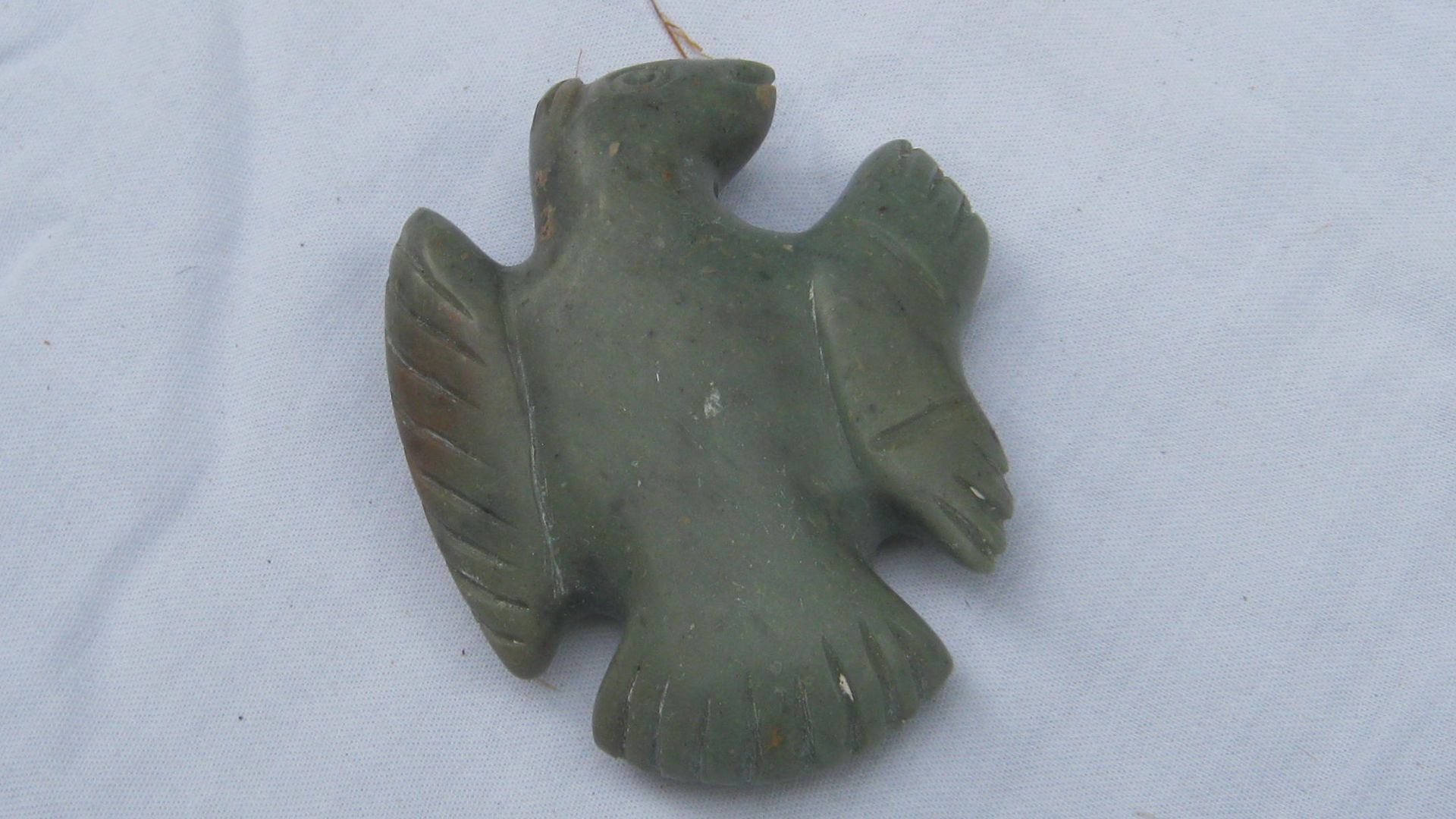
The craftsmanship is detailed, but identifying the exact birds remains difficult. Ptarmigans are one possibility because their bones are common in the archaeological record of the region, while capercaillie and some birds of prey have also been considered. For now, researchers are leaving the identification open.
 Jan Frode Haugseth, Wikimedia Commons
The Poses May Matter More Than The Species
Many animal figurines from the Ice Age depict creatures in relatively static poses. These birds stand out because they appear to capture specific actions or moments. That suggests their makers were interested not only in what animals looked like, but also in how they behaved.
 Mauricio Anton, Wikimedia Commons
Were They Made By The Same Person?
The two birds came from the same archaeological layer, but they were found roughly 1.5 meters apart. Researchers therefore cannot say whether one artist carved both, or whether they were created by different people separated by years or even generations. That uncertainty makes the similarities between them even more intriguing.
Their Material Was Mammoth Ivory
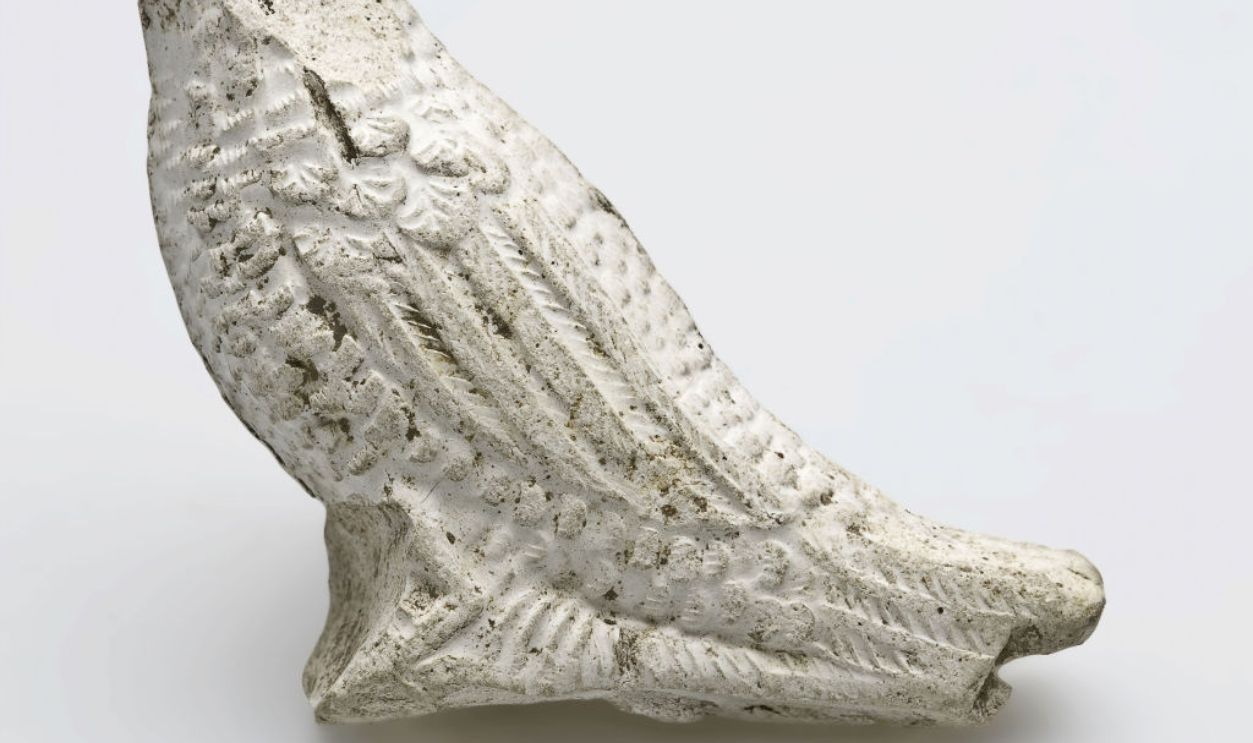
Both figures were fashioned from mammoth tusk, a material repeatedly used for art and ornaments in the Swabian Jura. Hohle Fels has preserved an especially rich collection of worked ivory from the Upper Paleolithic. Turning that dense material into tiny, recognizable forms required deliberate shaping and fine control.
Making Ice Age Art Took Real Work
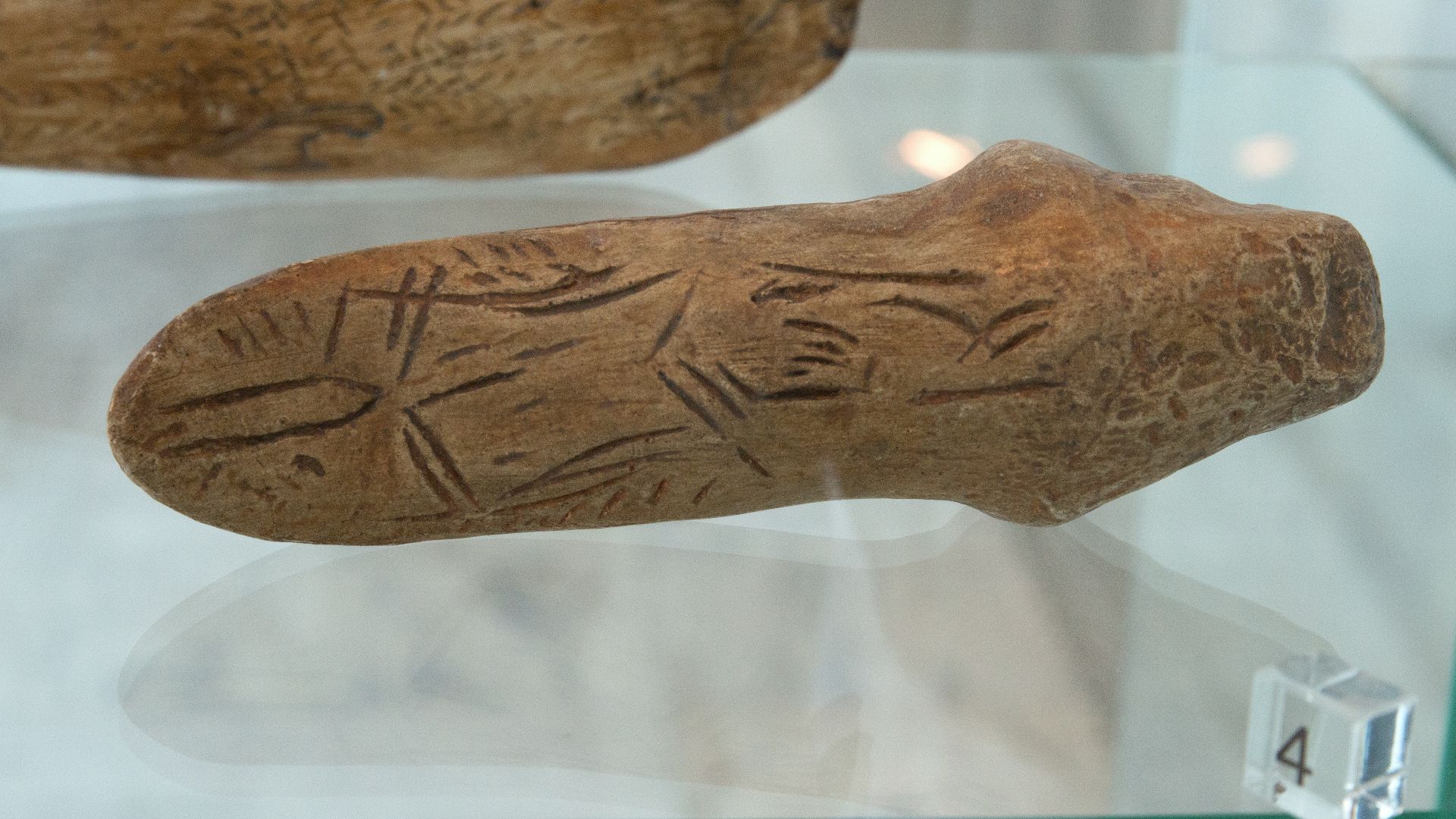
Experimental archaeology offers some idea of the commitment involved in ivory carving. Nature reported that an experimental reconstruction of the much larger Lion Man figurine from another Swabian Jura cave required around 360 hours to produce using appropriate techniques. The new birds are far smaller, so their production time is unknown, but their fine detail still points to specialized skill.
 Dagmar Hollmann, Wikimedia Commons
Hohle Fels Already Had A Famous Bird
The latest pair are not the first birds found here. Excavations around the beginning of this century produced another mammoth-ivory bird, generally interpreted as a waterfowl. That earlier discovery helped establish the Swabian Jura as one of the key places for studying the origins of figurative art.
Now A Pattern Is Emerging
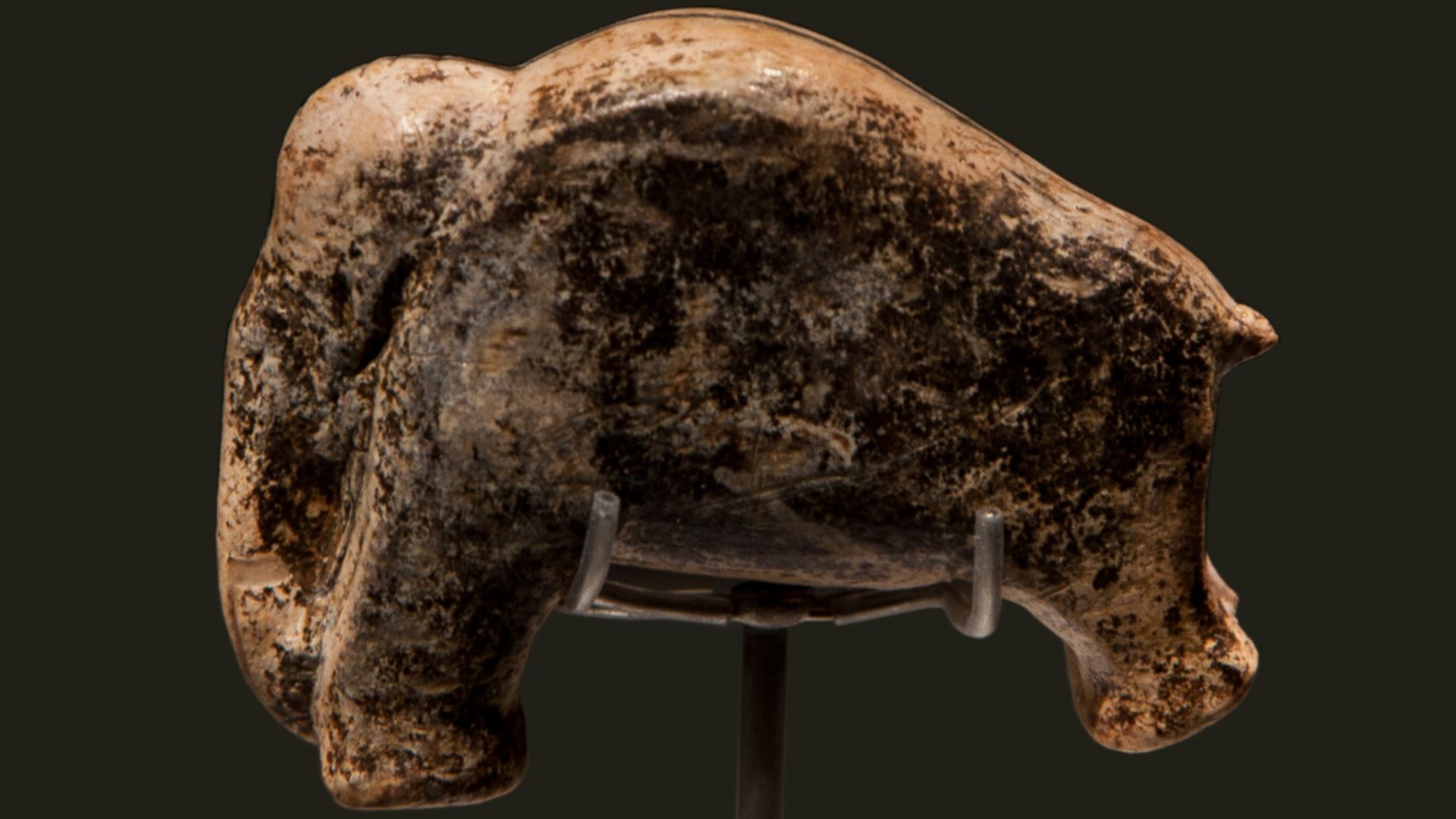
Hohle Fels has produced three bird representations, while other nearby Ice Age art sites are better known for mammoths, horses, lions and other animals. Excavation leader Nicholas Conard has suggested that different sites may have developed their own artistic preferences or signatures. The new birds make Hohle Fels's apparent fascination with avian subjects harder to dismiss as coincidence.
 Henning Schlottmann (User:H-stt), Wikimedia Commons
The Cave Is Packed With Other Art
Birds are only part of the story. Hohle Fels has also yielded mammoth-ivory representations of animals including a horse and other creatures, along with fragments of additional figurines. Discoveries across the Swabian Jura demonstrate that figurative art was already well established among some groups in this region around 40,000 years ago.
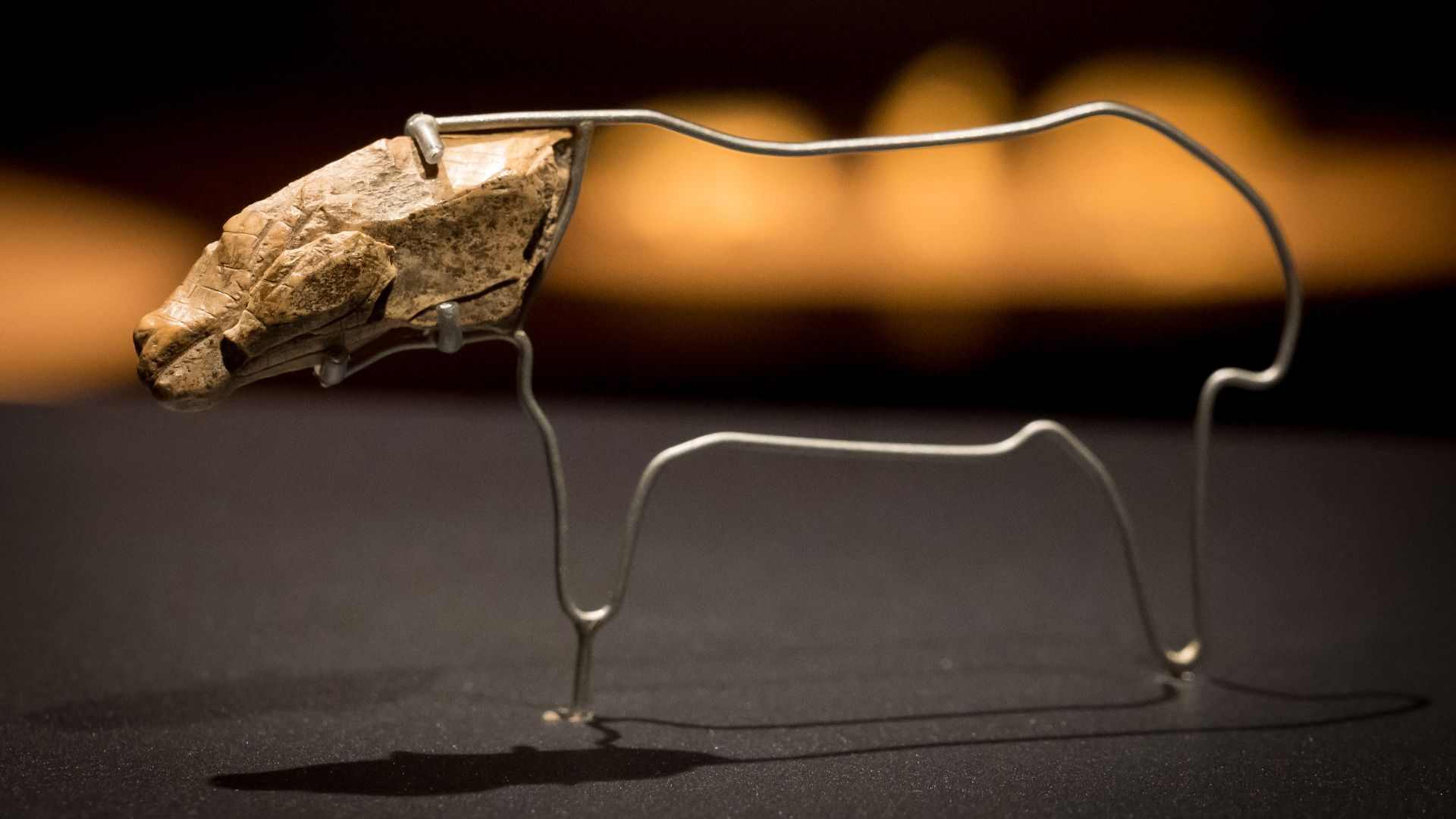
Then There Is The Famous Venus
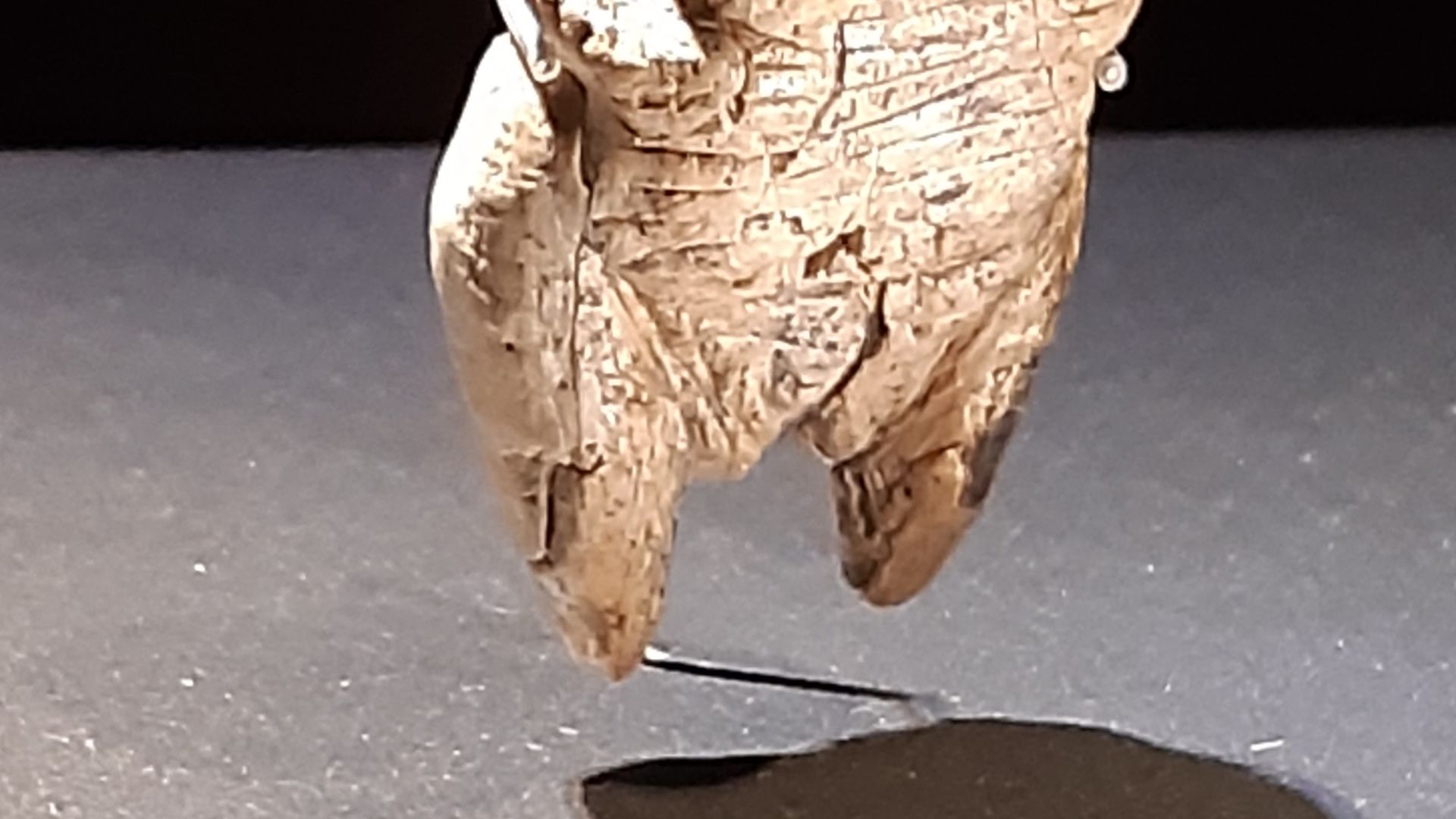
One of Hohle Fels's most celebrated discoveries is a small female figurine carved from mammoth ivory. Found in 2008, it came from the cave's Aurignacian deposits and dates back at least around 35,000 years. Its extreme age made it a landmark discovery in the study of early figurative art.
People Here Were Also Making Music
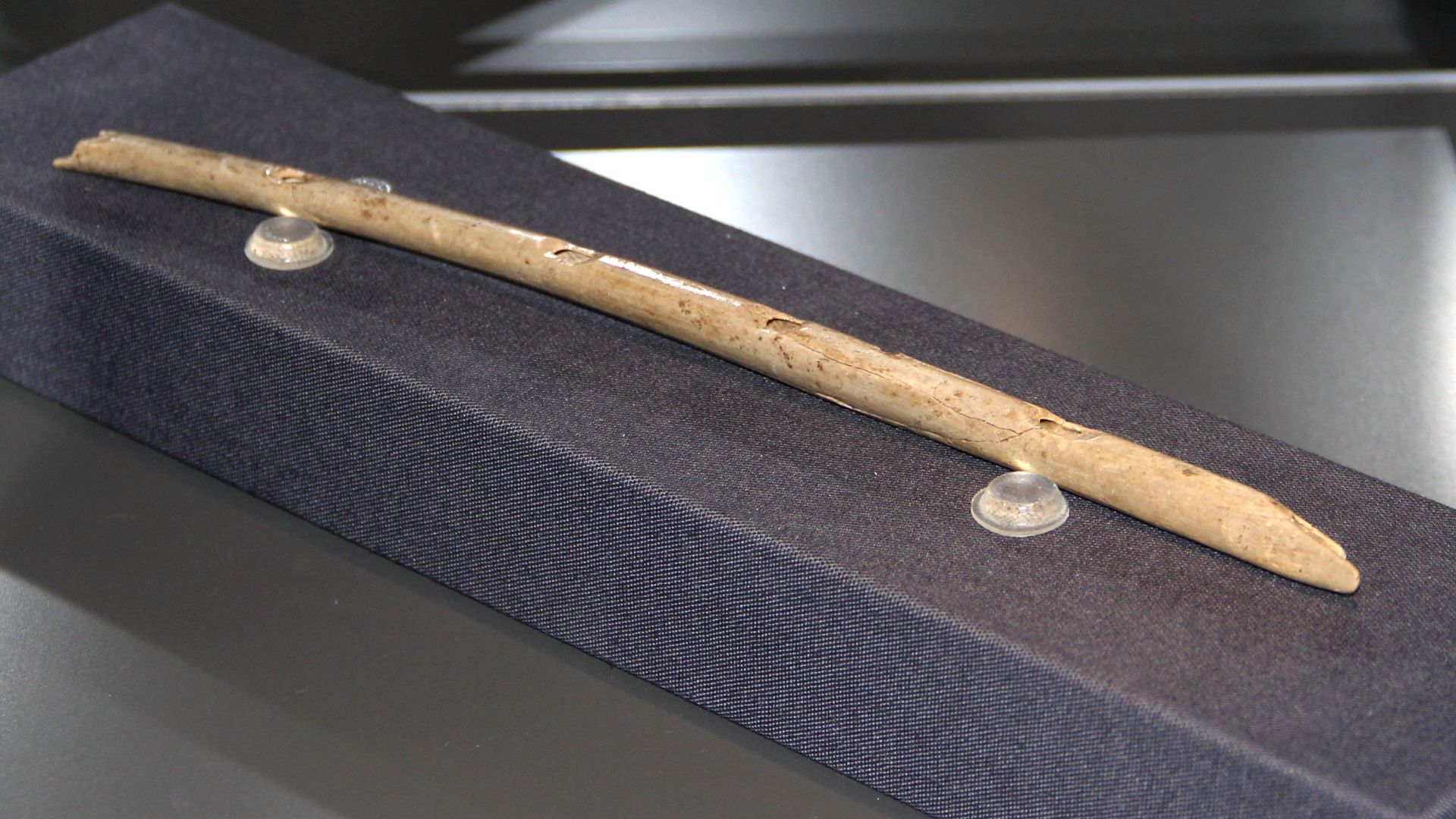
Archaeologists have recovered ancient flutes from Hohle Fels and other Swabian Jura caves. One nearly complete example was made from the wing bone of a griffon vulture, while others were constructed from mammoth ivory. Their discovery showed that a developed musical tradition existed in the region more than 35,000 years ago.
 Tomatenpflanze, Wikimedia Commons
Symbols Were Everywhere
Other finds from Hohle Fels and nearby Vogelherd include carved personal ornaments. Scientific analysis has even detected intentionally applied red ocher on some Aurignacian ivory beads. Together with figurines and musical instruments, these objects show that symbolic expression took many different forms in the region.
They Were Even Developing Conventional Signs
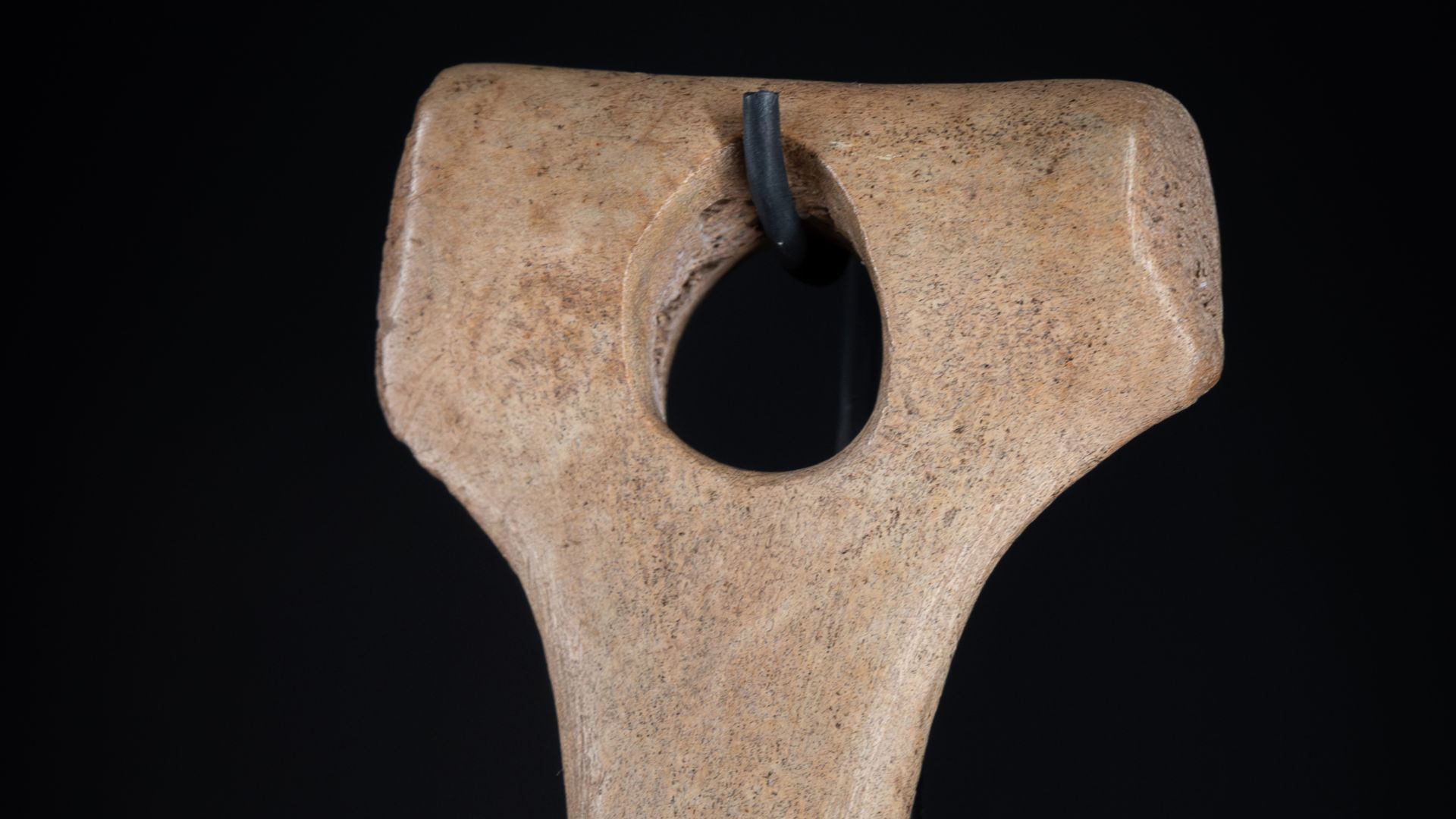
A 2026 study examined more than 200 Aurignacian portable objects bearing thousands of geometric markings from Central Europe. Researchers found that the marks were deliberately and systematically organized, although they were not writing in the modern sense. The findings suggest early Europeans were already using conventional visual signs to carry or communicate information.
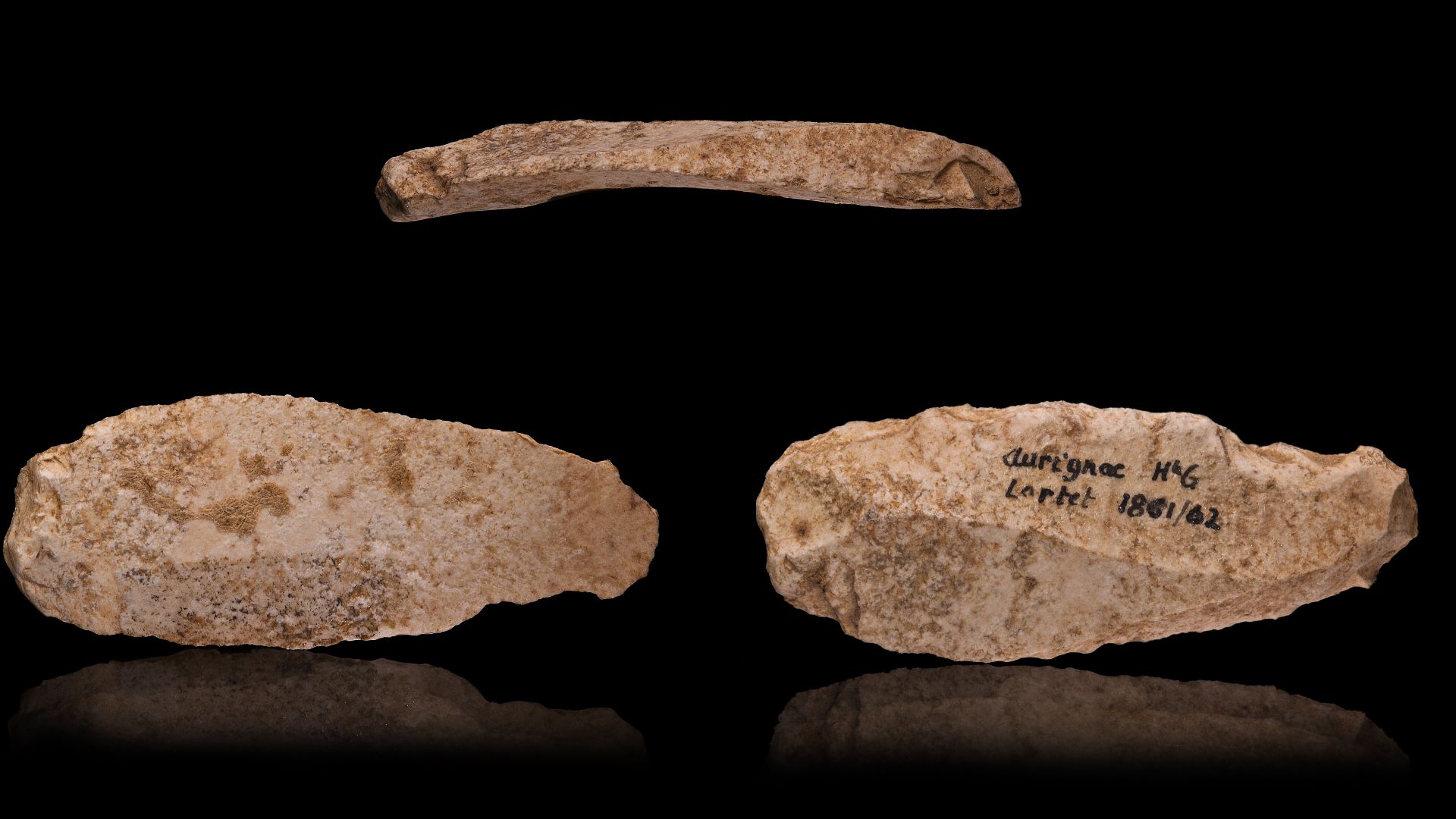 Archaeodontosaurus, Wikimedia Commons
Life In Europe Was Not Easy
These cultural changes unfolded as modern humans expanded into Europe during the last Ice Age. Research shows early modern humans were capable of occupying cold steppe environments north of the Alps more than 40,000 years ago. Survival demanded flexibility in everything from finding resources to staying connected with other people.
 Great Sand Dunes National Park and Preserve, Wikimedia Commons
The Population Was Thinly Spread
Aurignacian communities were scattered across an enormous area at very low population densities. Researchers studying settlement patterns, ornaments and the movement of stone have argued that maintaining connections between separated groups was therefore particularly important. Those relationships could move people, materials and information across landscapes far larger than a single group's daily territory.
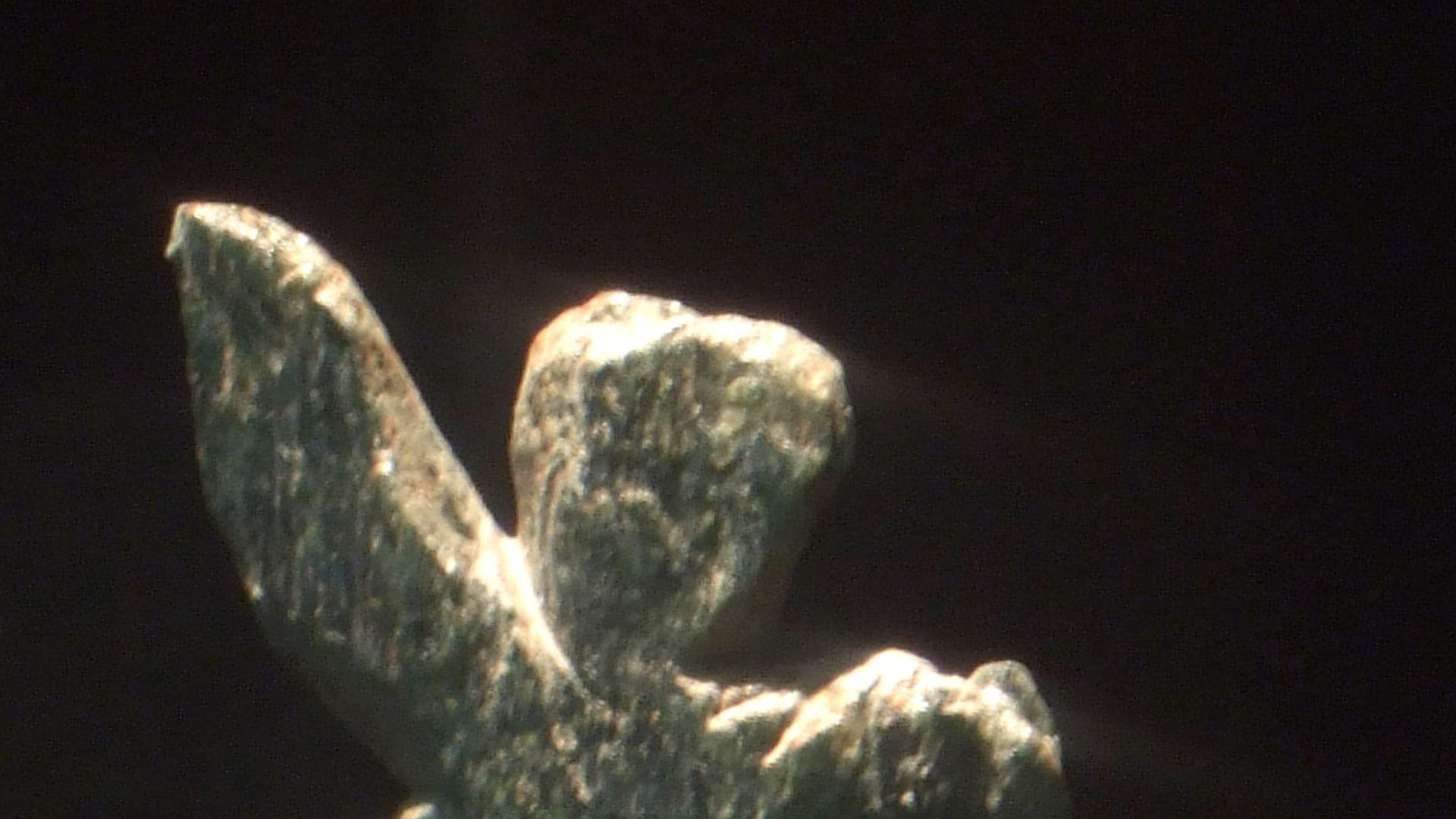
Social Networks Could Be A Survival Tool
Studies of hunter-gatherer societies show that social networks can spread information, maintain kin relationships and provide access to resources beyond one local group. Archaeologists have increasingly examined ornaments, artistic styles and transported materials as evidence for those connections in the Paleolithic. In difficult and unpredictable environments, a wider network could offer an important buffer against local problems.
 Rowyn flowerdew, Wikimedia Commons
That Is Where The Birds Get Interesting
Nobody knows exactly what the Hohle Fels birds meant to their makers. Conard has raised possibilities ranging from personal talismans to symbols connected with group identity. If objects carried shared meanings, creating and recognizing them could have helped people reinforce connections within communities.
 picture alliance, Getty Images
Art Could Carry Stories And Memories
Other archaeologists interviewed by Nature have proposed that Ice Age artworks could have helped preserve memories, signal belonging or support storytelling and ritual. Those interpretations remain hypotheses rather than established explanations for any individual figurine. Still, they offer a way to understand why hunter-gatherers invested time in objects that had no obvious cutting, scraping or hunting function.
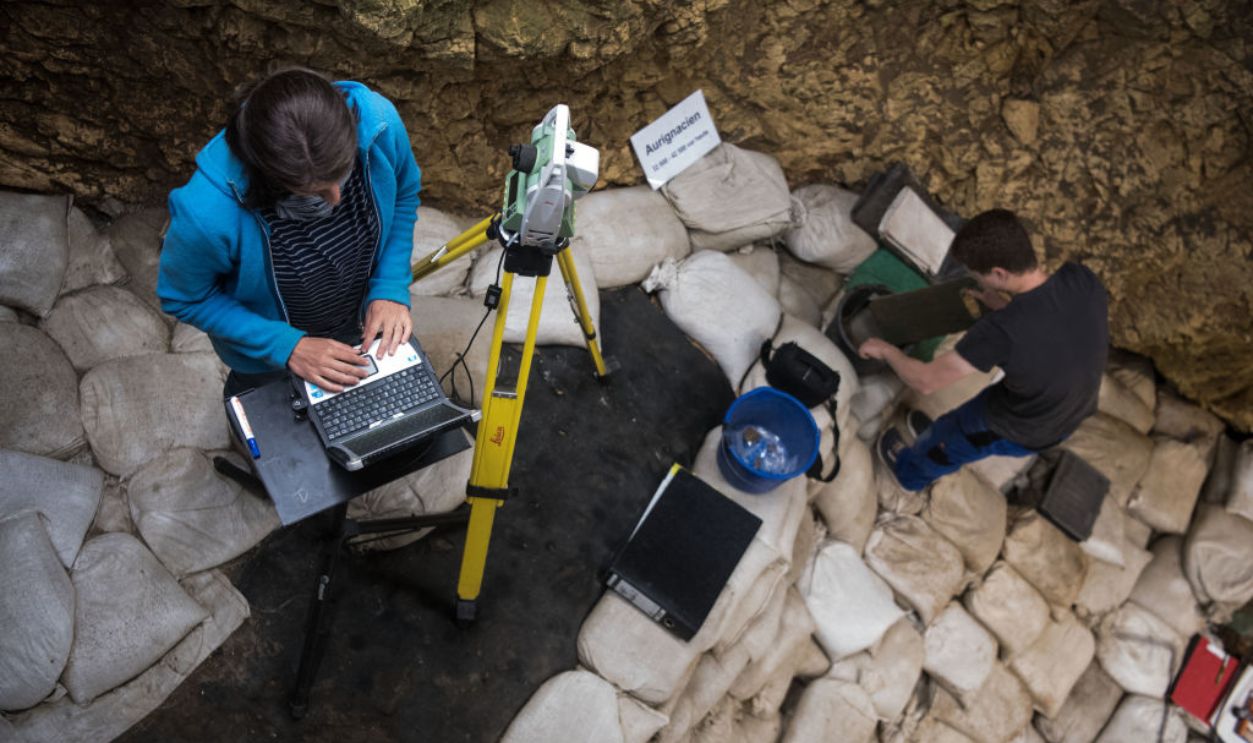 picture alliance, Getty Images
The Birds Also Show Close Observation
The figurines reveal that their makers paid attention to birds closely enough to reproduce eyes, plumage and different postures. Birds would have been familiar parts of the Ice Age landscape, and their migrations, calls and reactions to danger could provide useful environmental cues. Whether the carvings recorded that practical knowledge is unknown, but the artists were clearly studying the animals around them.
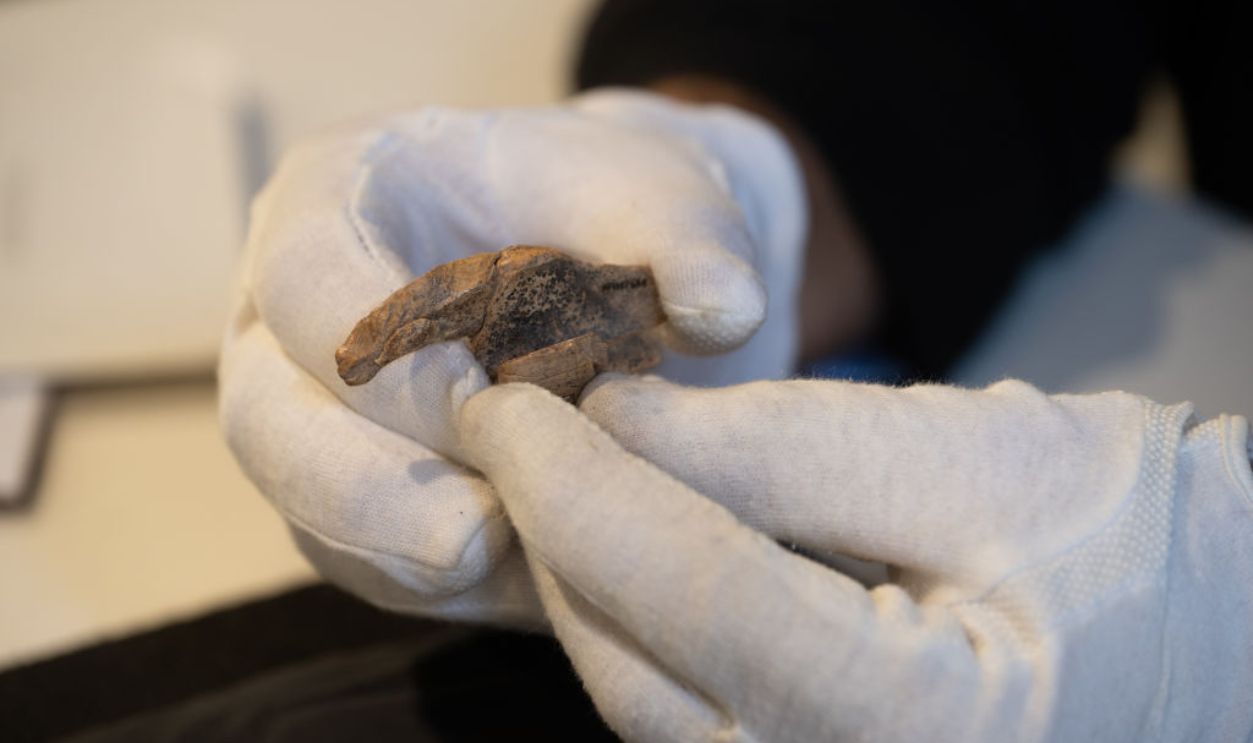 picture alliance, Getty Images
Art Was Probably Only Part Of The Advantage
It would be far too simple to argue that Homo sapiens prospered in Europe because they made better art. Their expansion involved technology, mobility, demography, environmental adaptation and social organization, and researchers continue to debate the relative importance of each. The bird figurines matter because they add another piece to that much larger behavioral puzzle.

Neanderthals Were Symbolic Too
Modern humans did not have a monopoly on complex behavior. Archaeological discoveries have shown that Neanderthals also made symbolic objects, and disputed but influential research has attributed very early cave art in Spain to them. That makes the question less about whether one human group could think symbolically and more about how often, how widely and in what social settings different forms of symbolic culture were used.
 Jakub Halun, Wikimedia Commons
Two Tiny Carvings Open A Much Bigger Window
The new birds cannot tell researchers exactly why Homo sapiens successfully established lasting populations in Europe, but they show just how rich their cultural lives had already become. Art, music, ornaments, conventional signs and far-reaching relationships all appear in the archaeological record of these early communities. The tiny Hohle Fels carvings are another reminder that thriving in the Ice Age may have depended as much on sharing ideas and identities as on making tools.
 Neanderthal-Museum, Mettmann, Wikimedia Commons
Visitors Can See The Birds For Themselves
The original figurines are now on display close to where they were discovered, at the Museum of Prehistory and Ice Age Art in Blaubeuren. The museum's special exhibition featuring the birds is scheduled to run through April 4, 2027. For travelers, it offers a rare chance to stand within the same Swabian Jura landscape where some of the world's earliest known figurative artists lived and worked.
 picture alliance, Getty Images
You May Also Like:
Archaeologists Discovered A 1,600-Year-Old Roman Guardian Spirit Buried Beneath Hadrian's Wall
Researchers In Malta Found Evidence That Ancient People Reached Remote Islands Earlier Than Expected
Ancient Humans In Ethiopia Survived A Climate Disaster By Turning A Drying River Into A Lifeline