A Clue That Could Change The Story
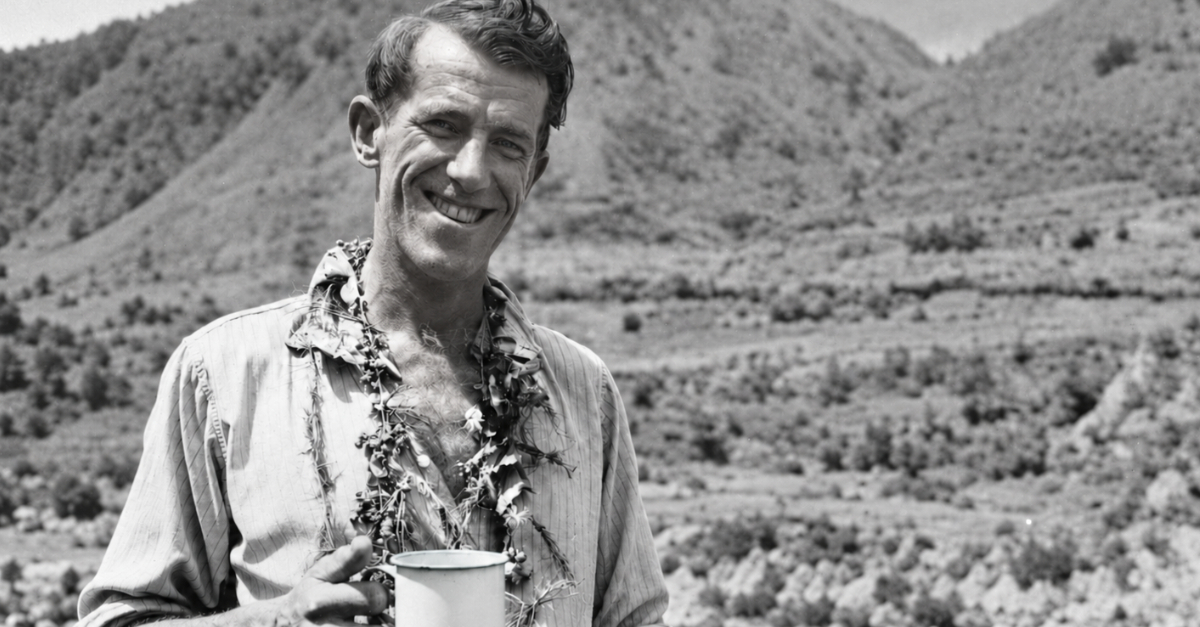
Most of us learned that Sir Edmund Hillary was the first person to reach Mount Everest’s summit. But what most of us never knew was that, long before that famous ascent, another expedition made a run for the top. Decades later, searchers found one of the men who made that attempt.
What they recovered was remarkable. But one missing photograph raised an amazing question that could change history.
The Names Everyone Knows
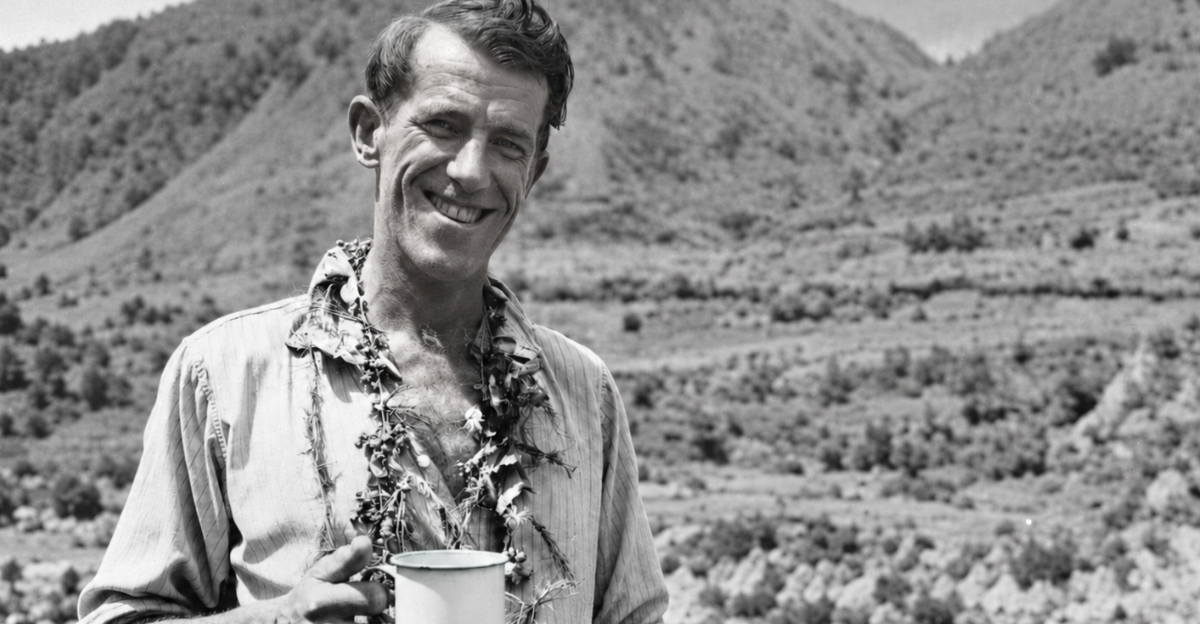
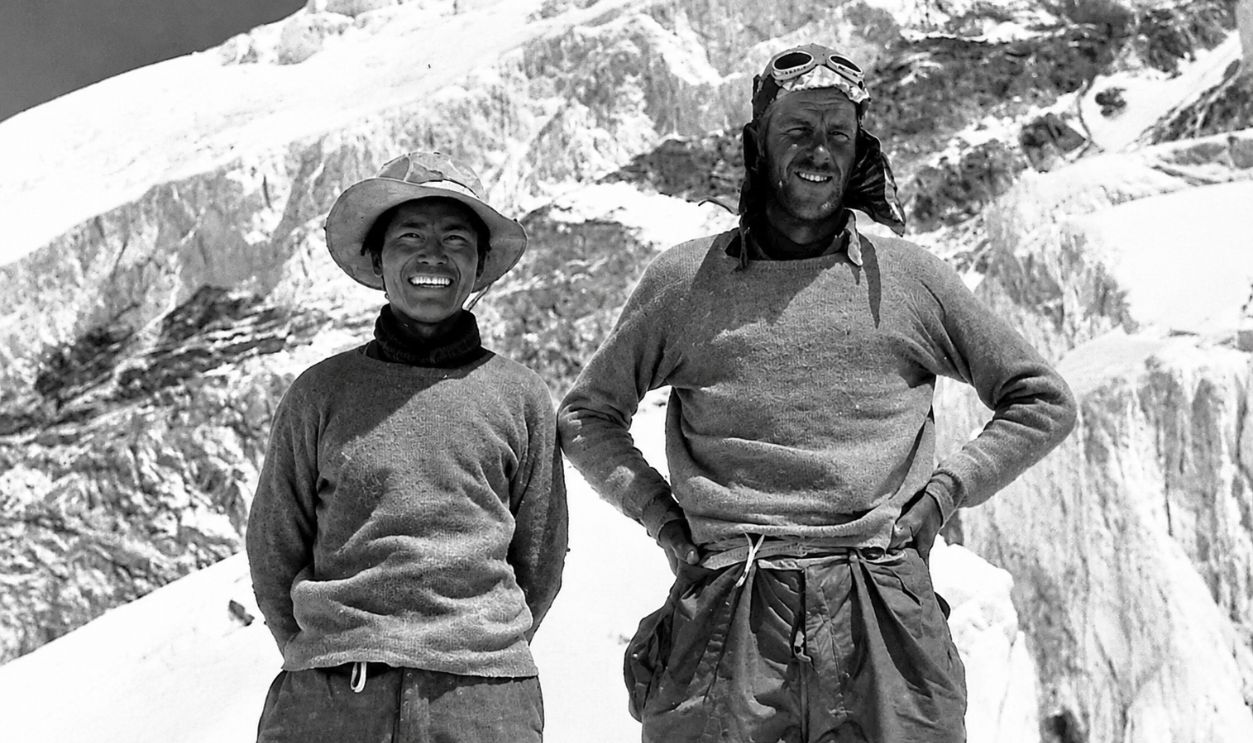
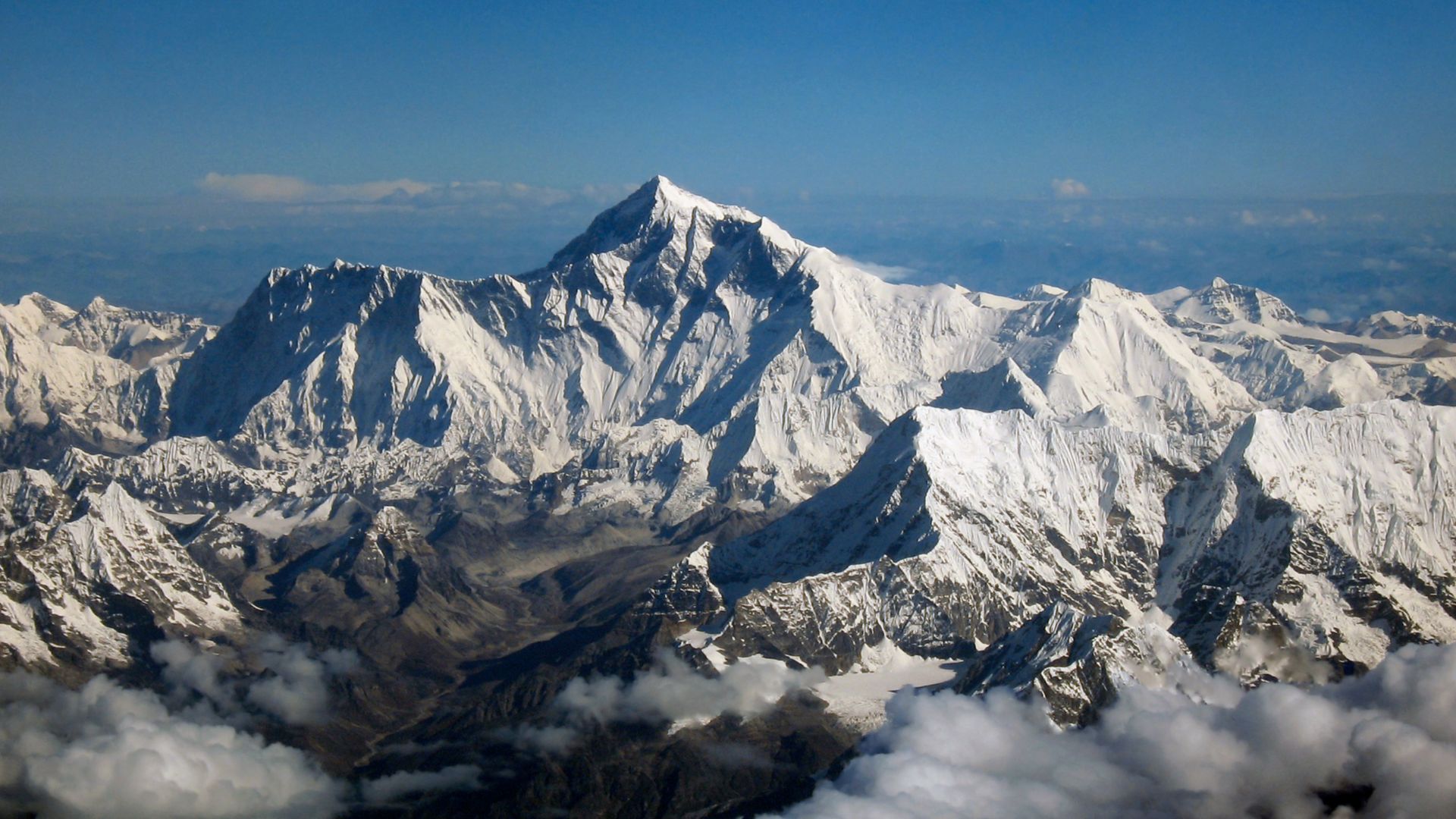
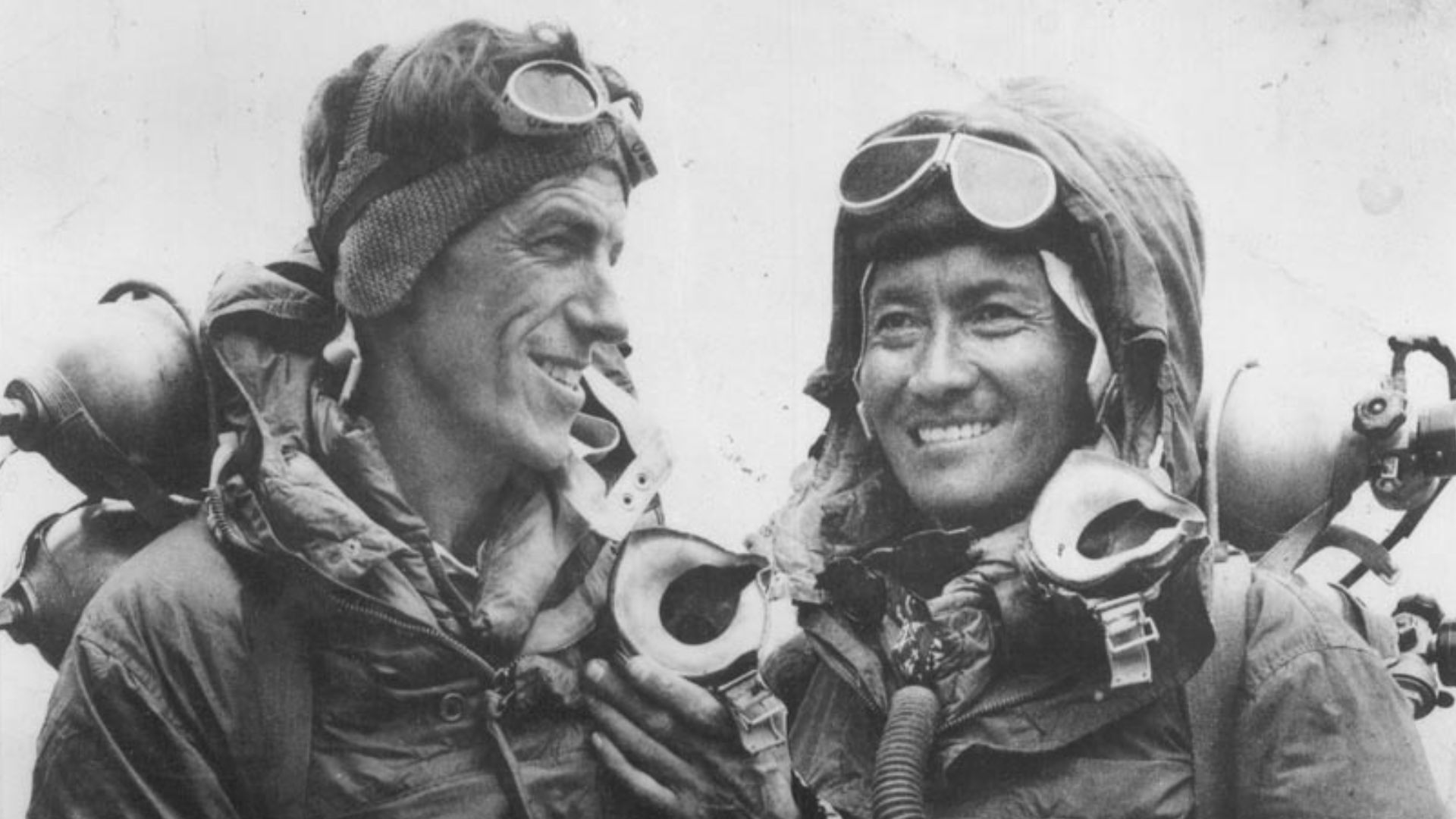
On May 29, 1953, Edmund Hillary and Tenzing Norgay reached Everest’s summit together. Their achievement became one of the most famous moments in exploration. They remain the first people confirmed to have reached the top. That word, “confirmed,” is where this story gets interesting.
 Dirk Pons, Wikimedia Commons, Enhanced
Someone Had Tried Long Before Them
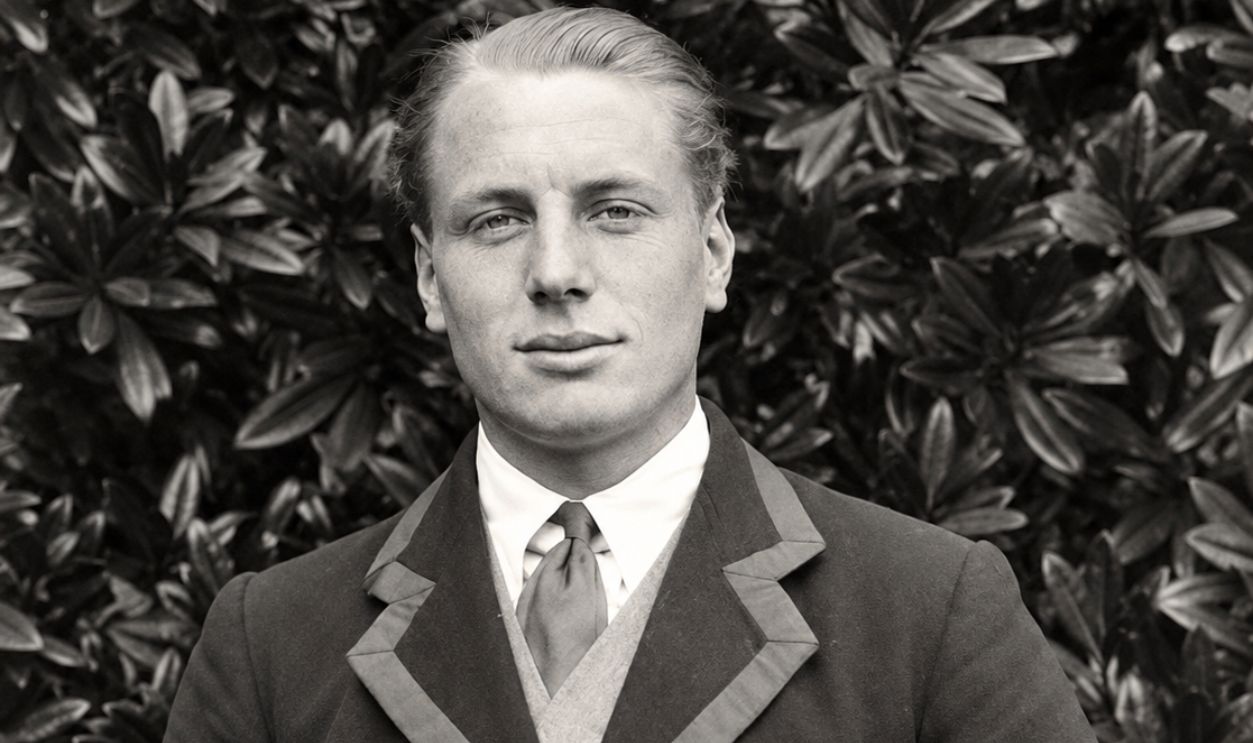
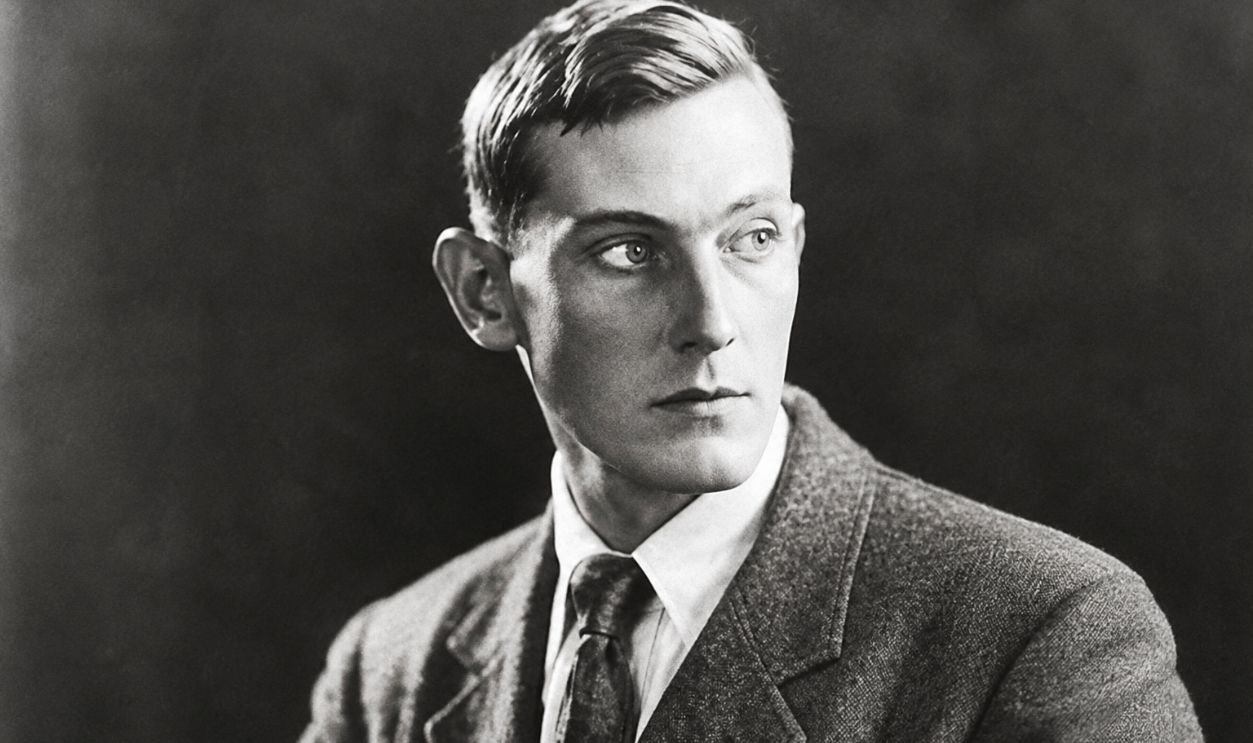
On June 8, 1924, George Mallory and Andrew “Sandy” Irvine were climbing toward the same summit from the Tibetan side. Another expedition member saw them high on the mountain before clouds blocked his view. Neither returned, leaving one enormous question: How far had they actually gotten?
 Christina Broom, Wikimedia Commons, Enhanced
Then Mallory Turned Up
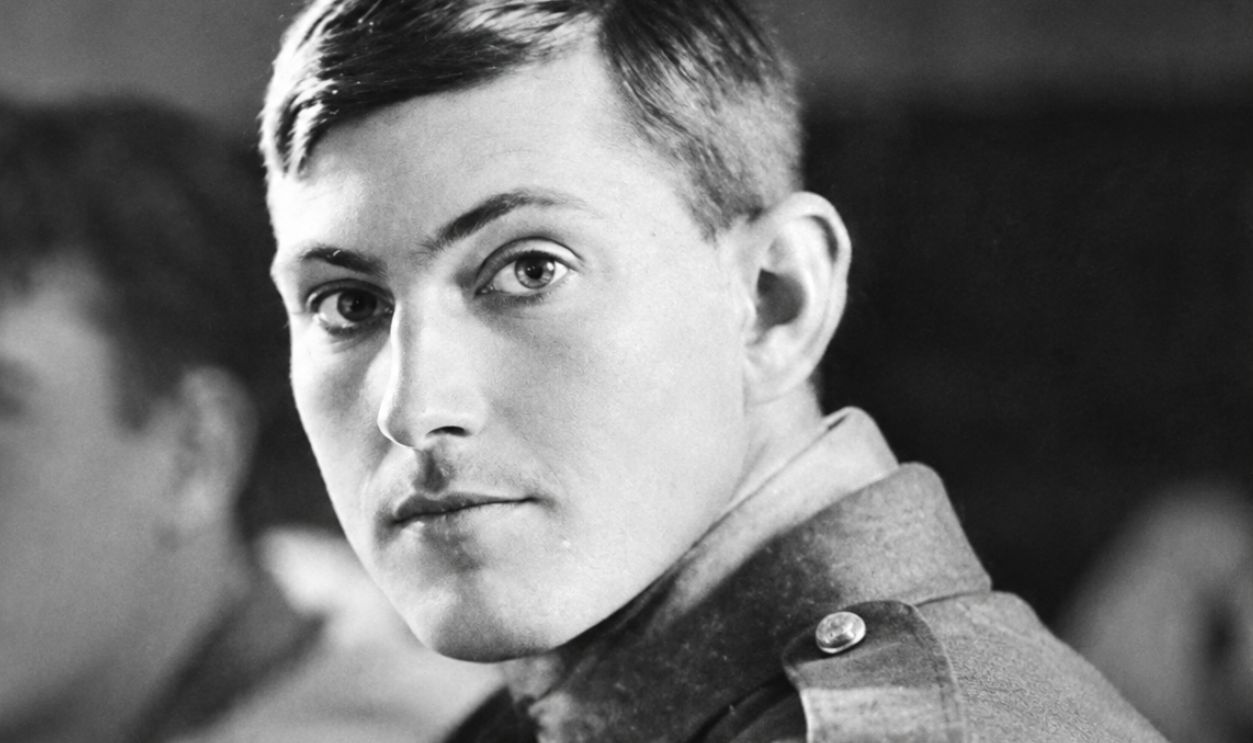
For 75 years, that question came without Mallory himself to provide any clues. Then, on May 1, 1999, American climber Conrad Anker found his remains on Everest’s north face. The discovery offered a chance to examine what Mallory had carried on that final climb.
Even His Papers Had Survived
The search team recovered personal letters, expedition notes, goggles, and other belongings. Some fragile paper items had survived decades on the mountain. That mattered because researchers were looking for anything that could reveal what happened after the last sighting. One expected possession, however, was missing.
 Zp at cs.wikipedia, Wikimedia Commons, Enhanced
A Promise About His Wife
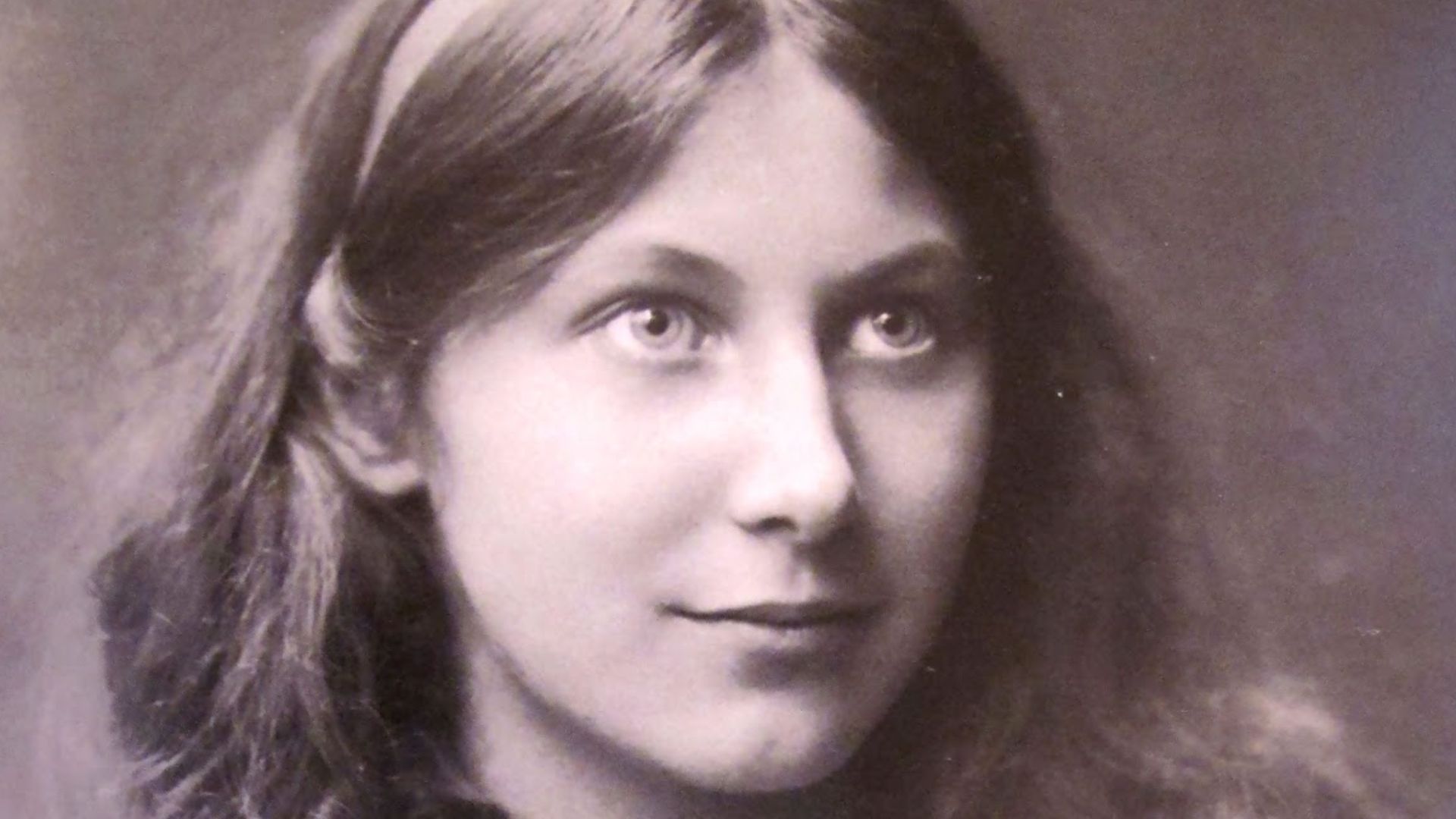
According to a family account passed down by Mallory’s daughter Clare, he intended to leave a photograph of his wife, Ruth, on Everest’s summit. It would have been a personal gesture at the highest point on Earth. Suddenly, that family story had much bigger implications.
 Unknown authorUnknown author, Wikimedia Commons
The Photograph Wasn’t There
No photograph of Ruth was found with Mallory. To people who believed he might have reached the summit, the explanation seemed almost irresistible: Perhaps it was missing because he had done exactly what he intended. Perhaps he had left it at the top before starting down.
Why That Detail Matters
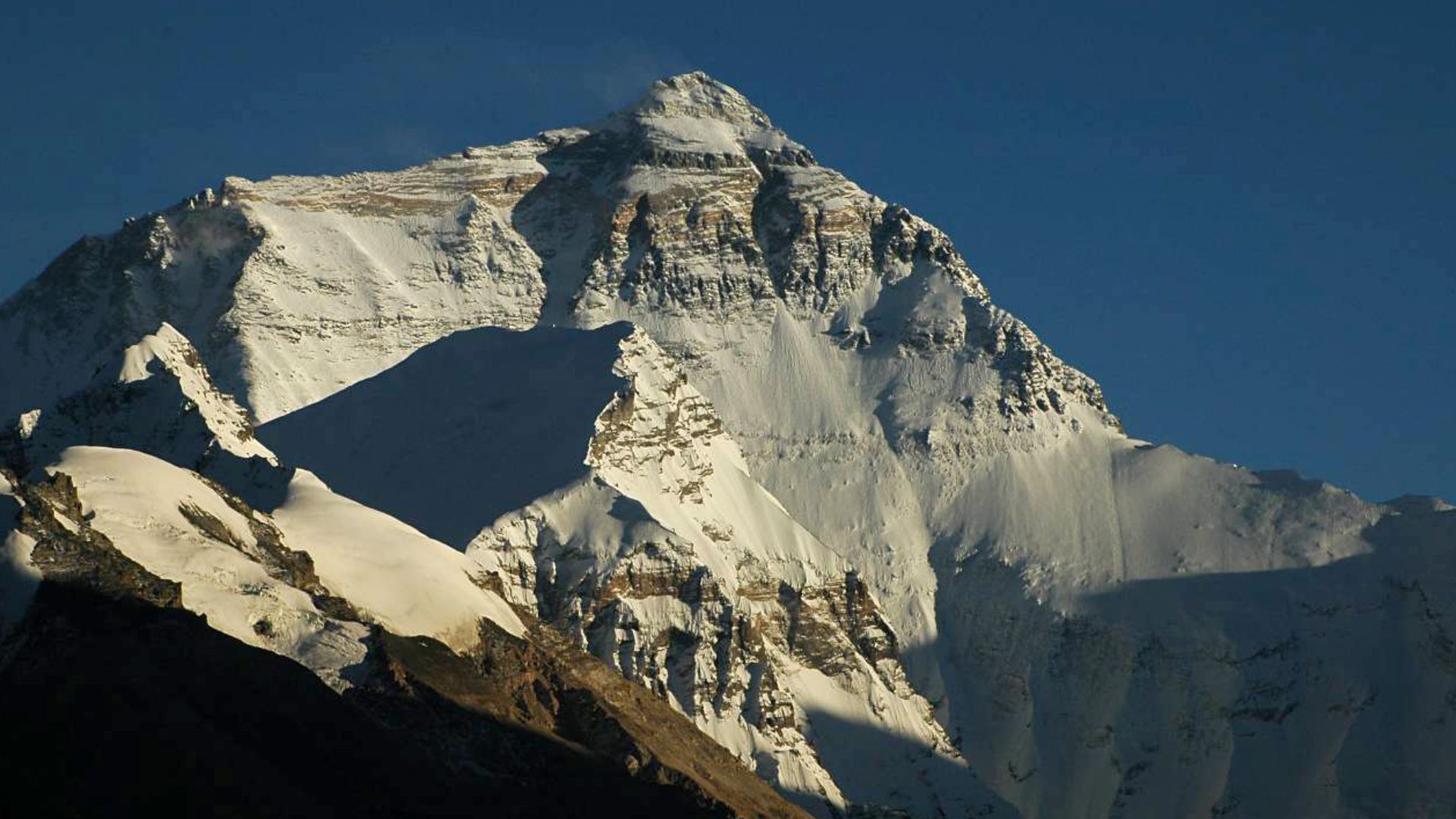
The photograph wasn’t supposedly destined for a campsite or some convenient lookout. The reported plan was to leave it on the summit itself. If Mallory carried it that morning and fulfilled that promise, he reached the top roughly 29 years before Hillary and Tenzing.
 Carsten.nebel, Wikimedia Commons
There’s One Obvious Problem
A missing photograph can’t tell us where it went. It could have been lost during the climb or the fall, or never carried on that particular attempt. The survival of other papers makes its absence intriguing, but it doesn’t turn that absence into proof.
 Lloyd Smith, Wikimedia Commons
Rewind To The Final Attempt
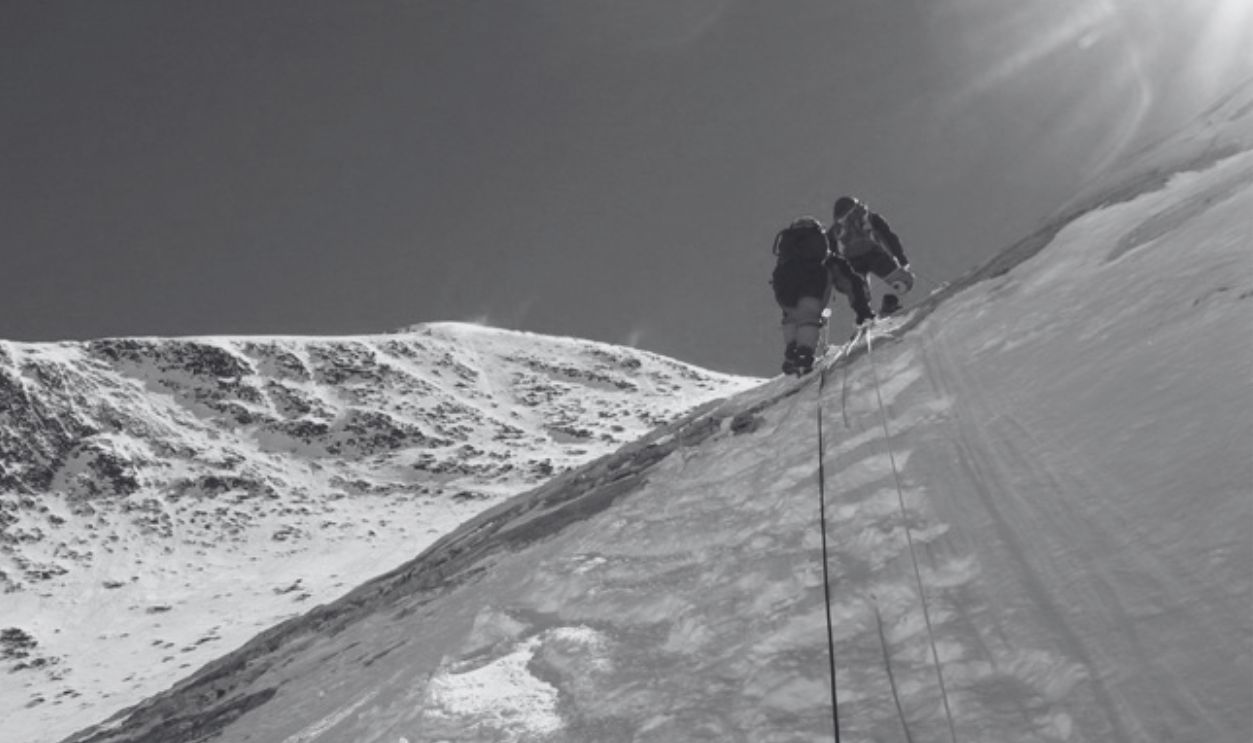
To judge the photograph fairly, you have to look at the climb around it. Mallory and Irvine set out from their high camp on June 8, 1924, using bottled oxygen. Their route followed the mountain’s northern side toward the northeast ridge and its difficult upper rock steps.
Irvine Was More Than A Companion
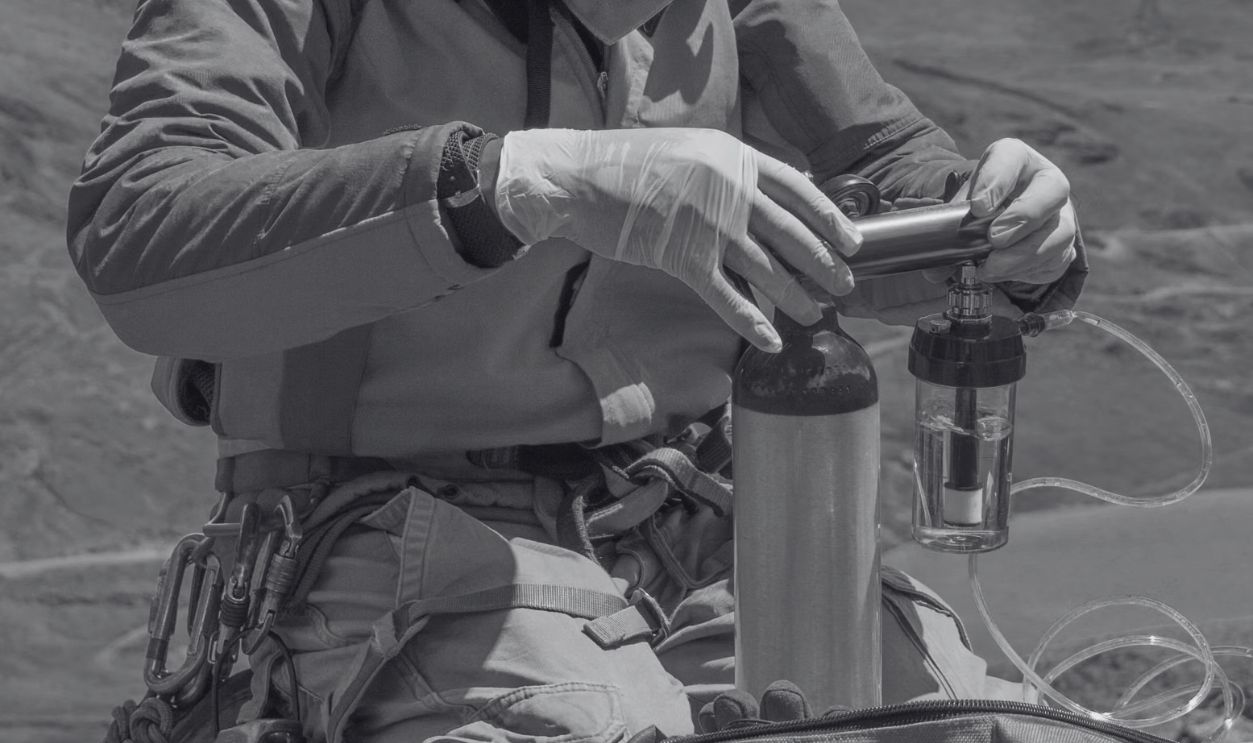
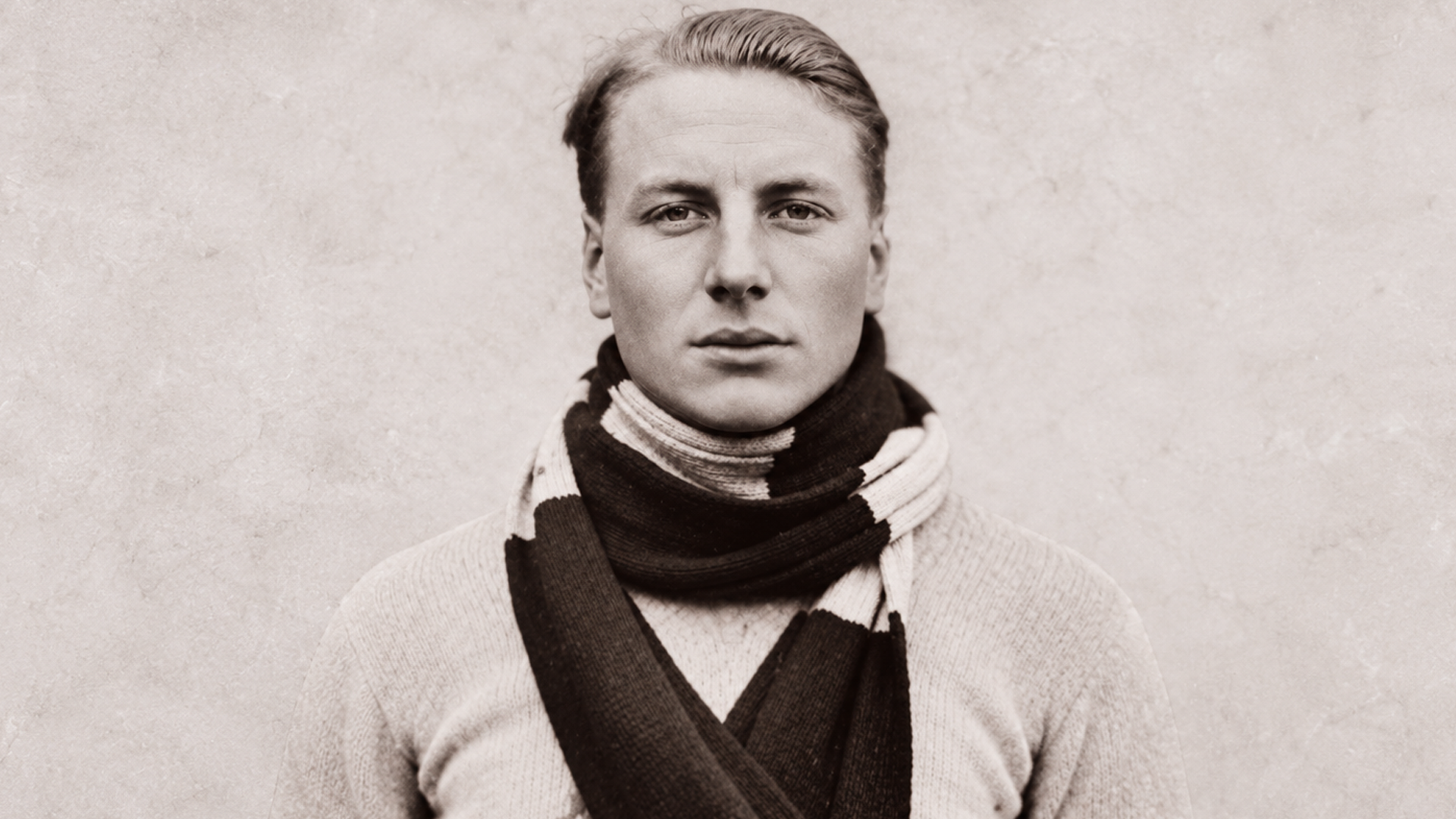
Irvine was only 22 and had much less mountaineering experience than Mallory. But he brought something particularly useful: mechanical skill. He worked on the expedition’s oxygen equipment, which Mallory considered essential to their chances. Taking the younger climber therefore had a practical explanation, despite his limited experience.
 Unknown photographer, Wikimedia Commons
Someone Saw Them Still Going Up
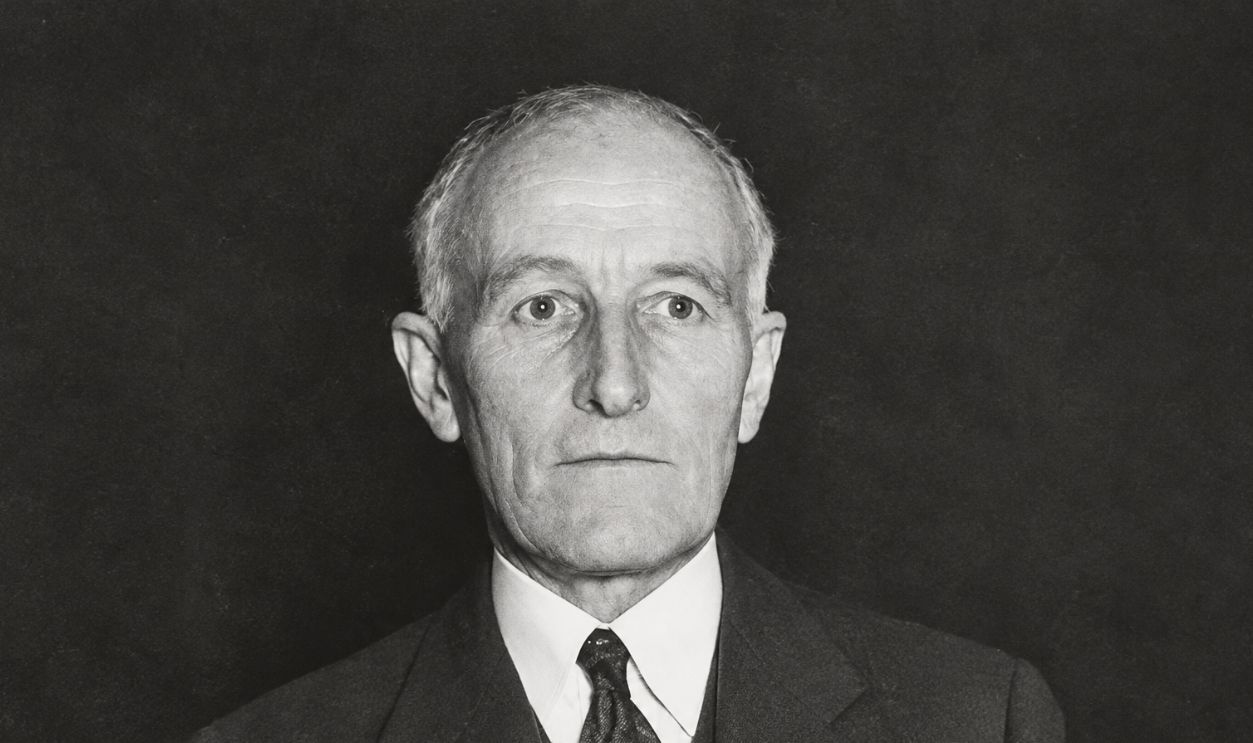
At approximately 12:50 p.m., expedition member Noel Odell caught sight of two figures through a break in the clouds. He described them as “going strong for the top.” It was an encouraging glimpse, but he didn’t watch them reach the summit. The clouds closed again.
 Archives New Zealand from New Zealand, Wikimedia Commons
Which Rock Step Did He See?
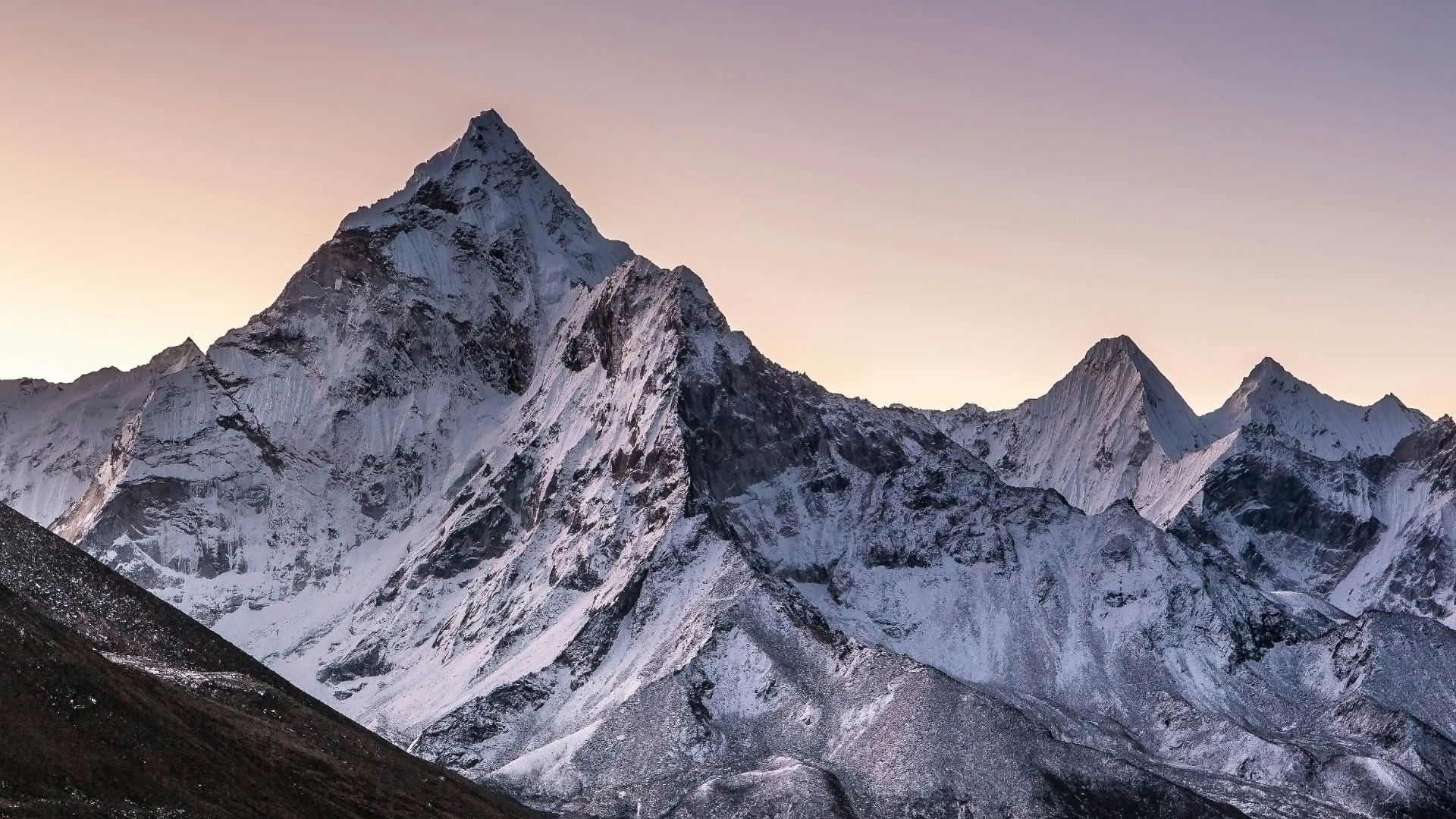
Odell’s sighting became one of the most argued-over details in the entire mystery. Researchers have debated whether he saw the pair at the First, Second, or Third Step. Those are different points on the ridge, and choosing the wrong one changes how close they were.

The Obstacle That Could Stop Them
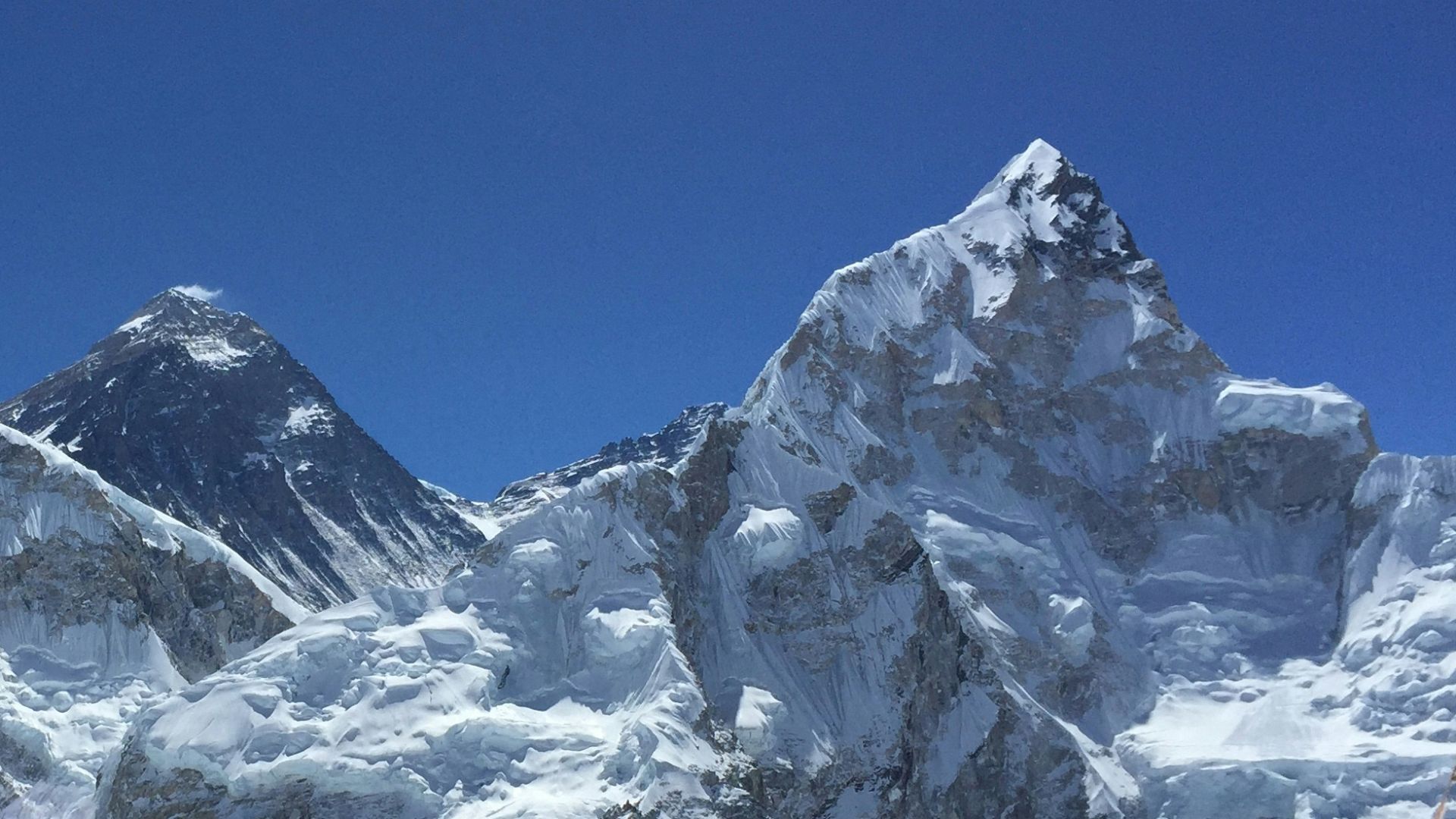
The Second Step is the major technical obstacle on that ridge route. It includes a steep rock section at extreme altitude, where even simple movements require enormous effort. A ladder installed by Chinese climbers in 1975 helps modern climbers negotiate it. Mallory and Irvine had no such help.
Modern Climbers Put It To The Test
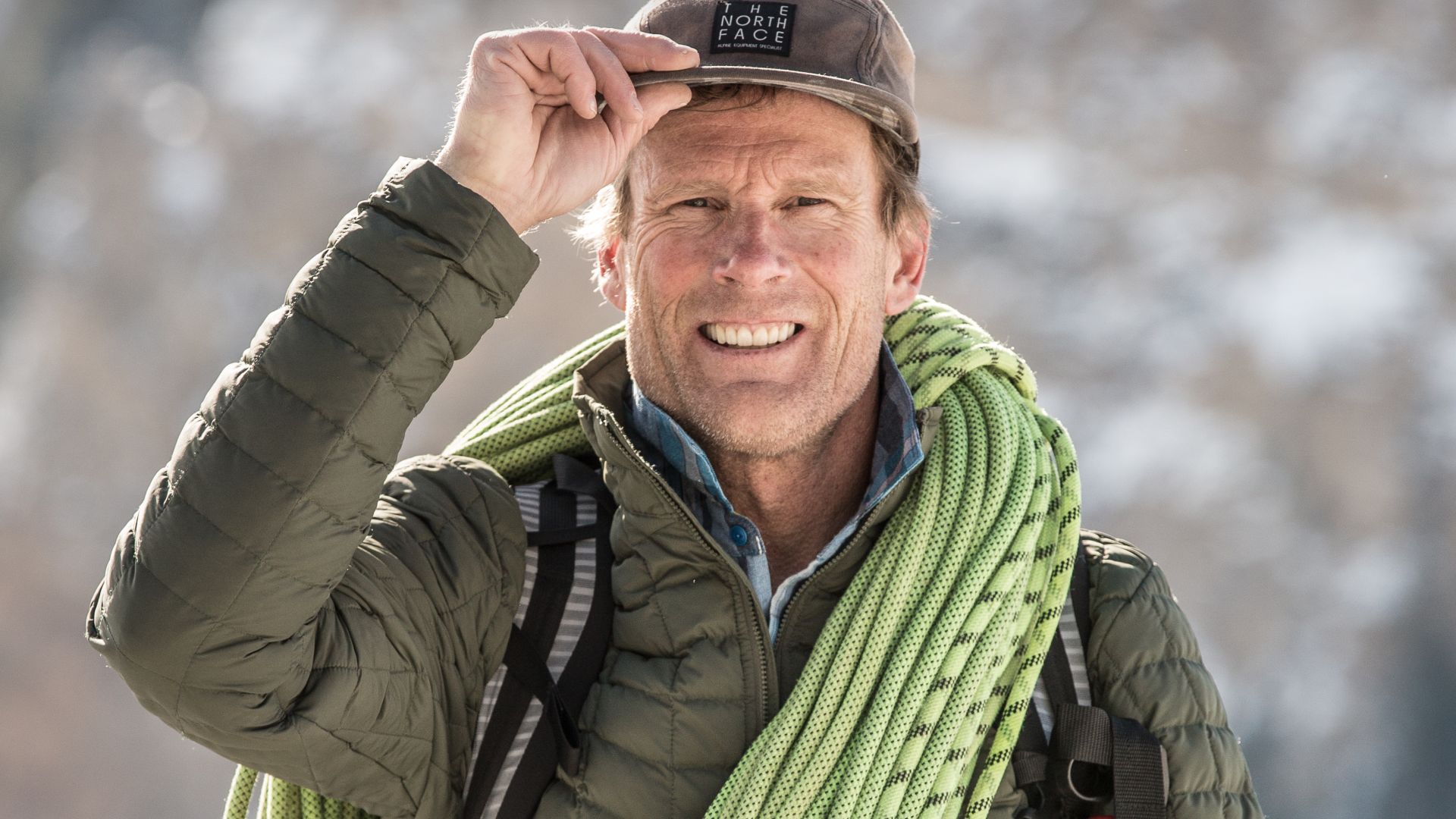
In 2007, Anker and British climber Leo Houlding climbed the Second Step after the ladder was temporarily removed. They used modern protection, but climbed the rock without the ladder’s assistance. That demonstrated a way past the obstacle. It didn’t establish that Mallory and Irvine managed it.
 Yellowstone National Park from Yellowstone NP, USA, Wikimedia Commons
Their Oxygen Had Limits
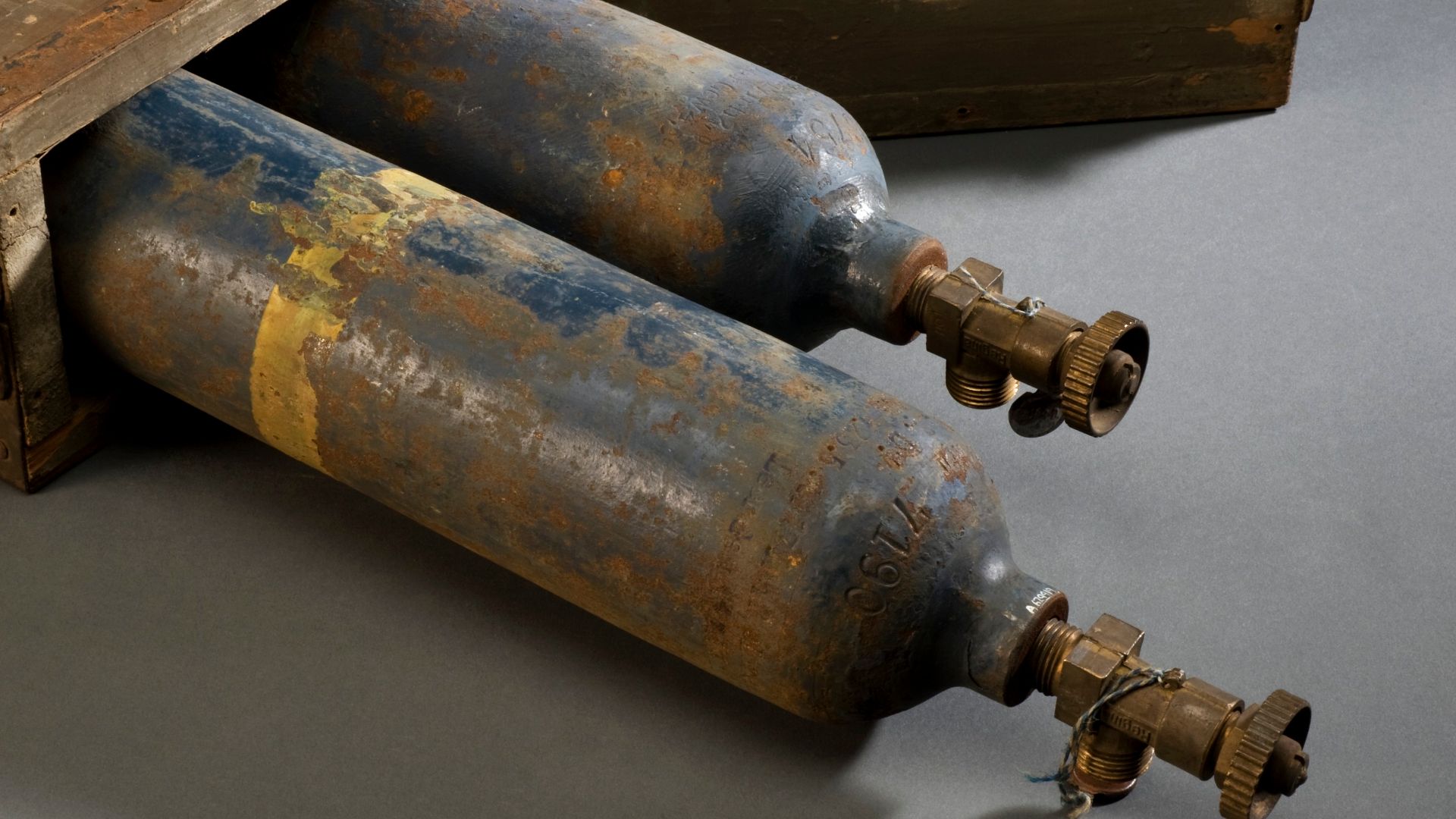
Mallory and Irvine’s oxygen equipment offered a real advantage, but it was heavy and less reliable than modern systems. Their supply was also finite. Any reconstruction of a successful summit attempt has to explain how they handled the difficult climbing before their oxygen ran low.
The Clock Was Another Problem
Even if they overcame the Second Step, the summit still lay ahead, followed by a long descent. Odell’s lunchtime sighting has therefore fueled arguments about their pace and remaining daylight. A successful climb would need to fit into a demanding schedule, with little room for delays.
One Bottle Confirmed Part Of Their Route
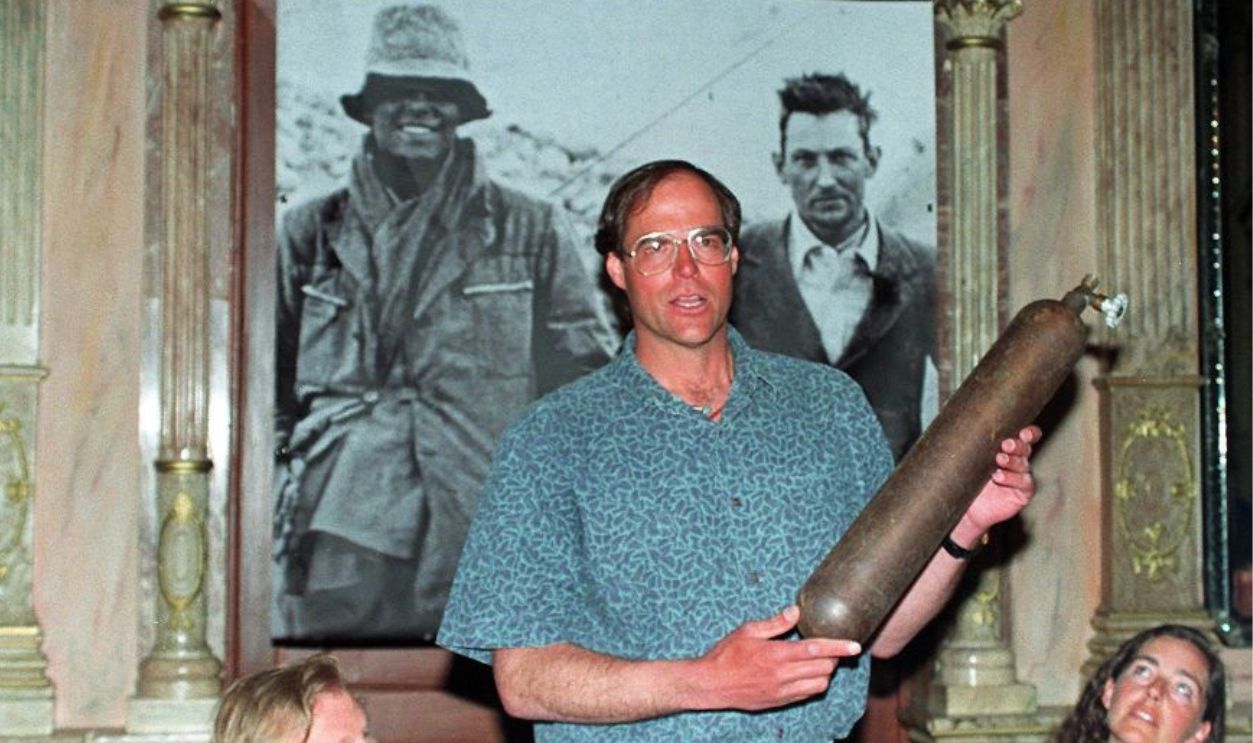
A 1924 oxygen cylinder recovered below the First Step in 1999 provided physical evidence associated with their final attempt. It helped establish their progress along the upper route. But its location couldn’t show how much farther they continued, or whether they eventually stood on the summit.
 DEVENDRA M SINGH, Getty Images
Mallory Had Suffered A Fall
The examination of Mallory revealed a badly broken leg and deep rope marks around his waist. Those marks suggested he had been tied to Irvine and that the rope had caught a fall. They couldn’t establish whether the accident happened before or after a summit visit.
His Goggles Raised Another Question
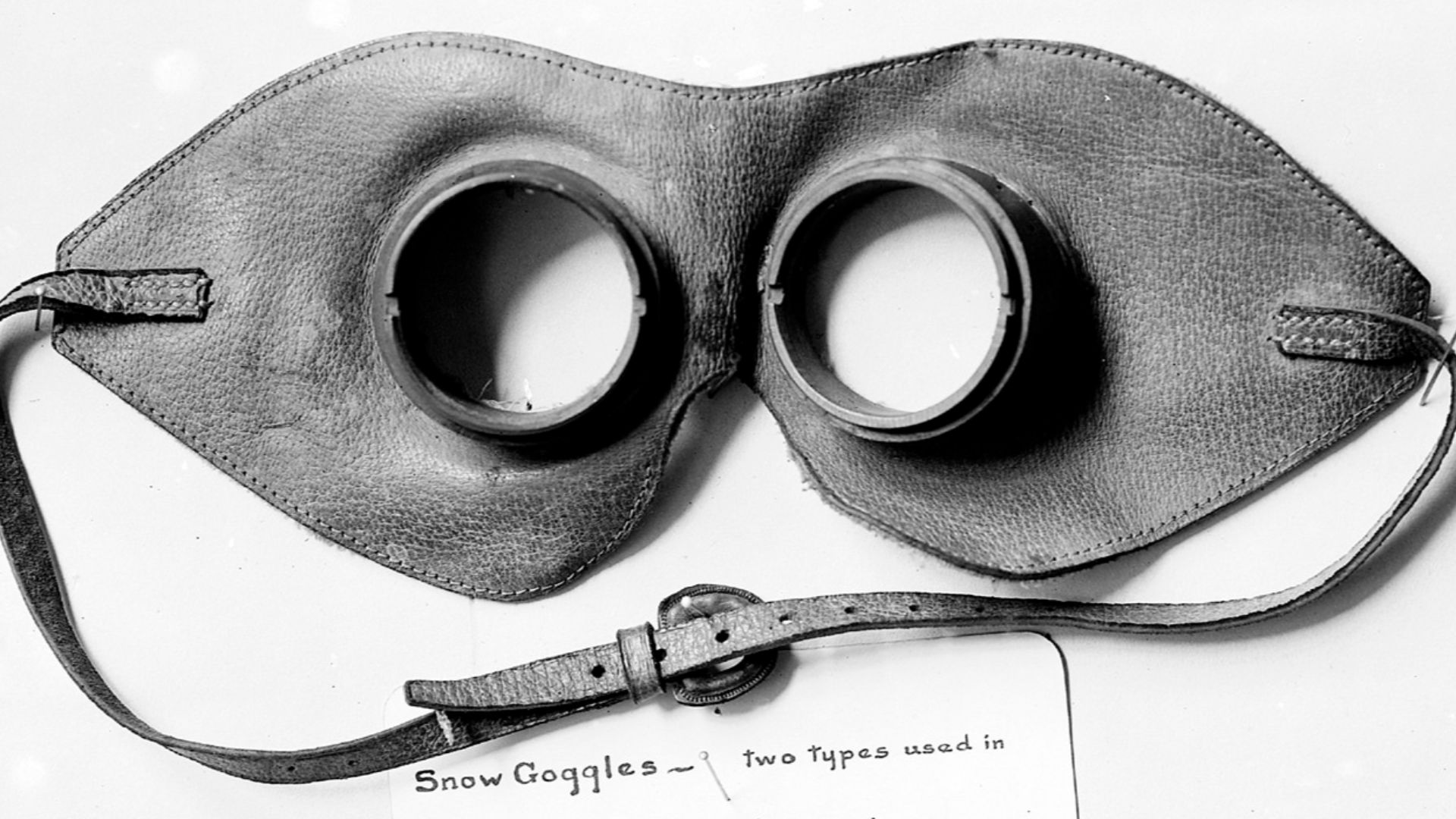
Mallory’s snow goggles were found in his pocket. Some interpreted that as evidence he was climbing in fading light, perhaps descending after reaching the summit. But Anker raised another possibility: They might have been a spare pair. Even this apparently helpful clue came with an alternative explanation.
There Was Another Missing Item
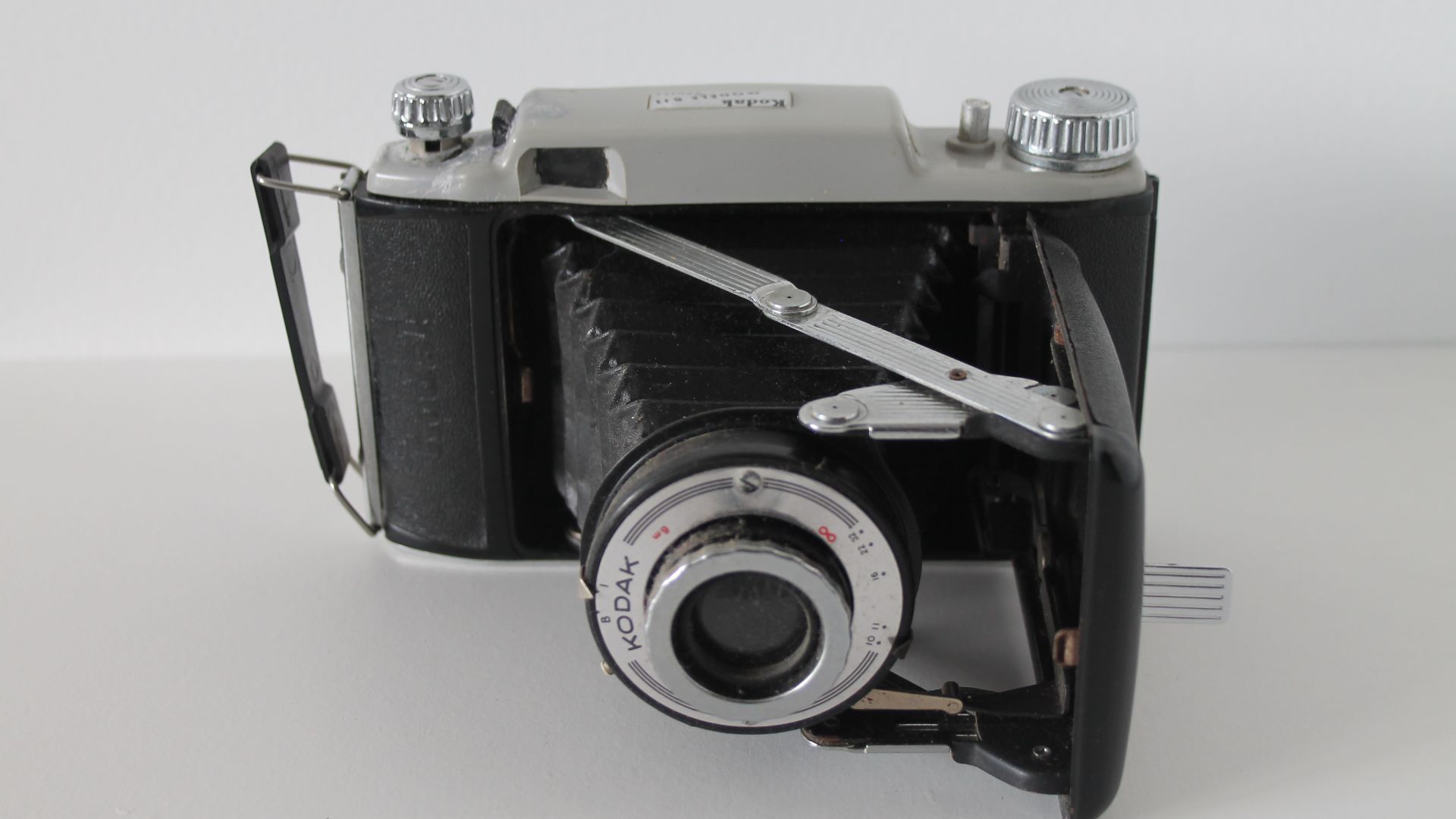
The photograph of Ruth wasn’t the only thing researchers wanted to find. Mallory had borrowed a small Kodak camera from expedition member Howard Somervell for the attempt. Unlike the family photograph, that camera might contain a direct record of where they went. It wasn’t found with Mallory.
Two Photographs, Two Different Questions
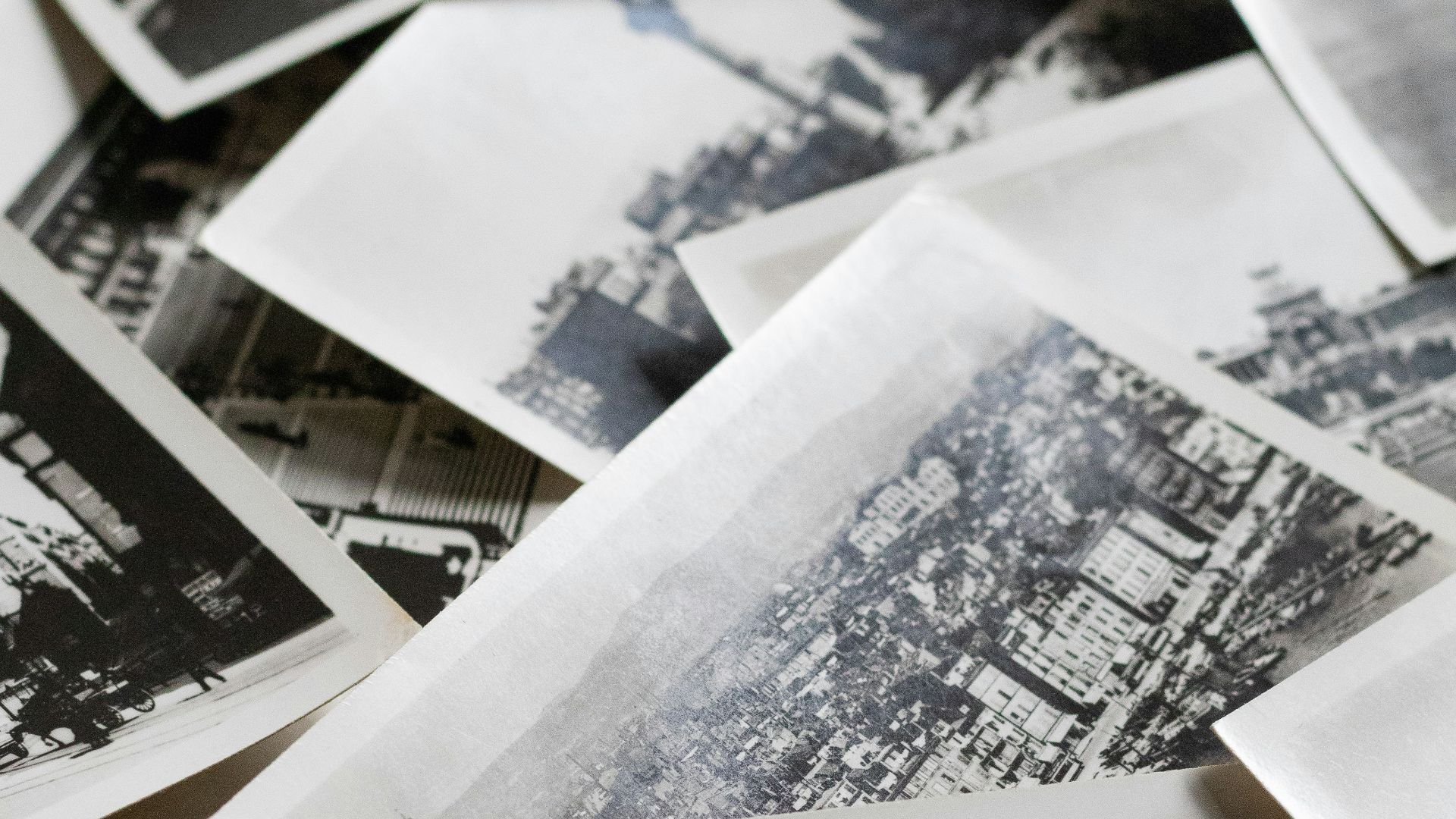
It’s easy to mix up these parts of the story. Ruth’s photograph was an existing picture Mallory reportedly intended to leave behind. The camera could have recorded new photographs during the climb. One offers a circumstantial clue. The other might contain an image showing them on the summit.
 Fiona Murray-deGraaff, Unsplash
Could The Film Still Reveal Anything?
Kodak specialists consulted during the 1999 search outlined how recovered film might be handled and developed. Their advice included keeping it frozen until processing. That offered hope that images could be recovered, but it was a proposed procedure, not a promise that the film had survived.

Why That Hope Has Faded
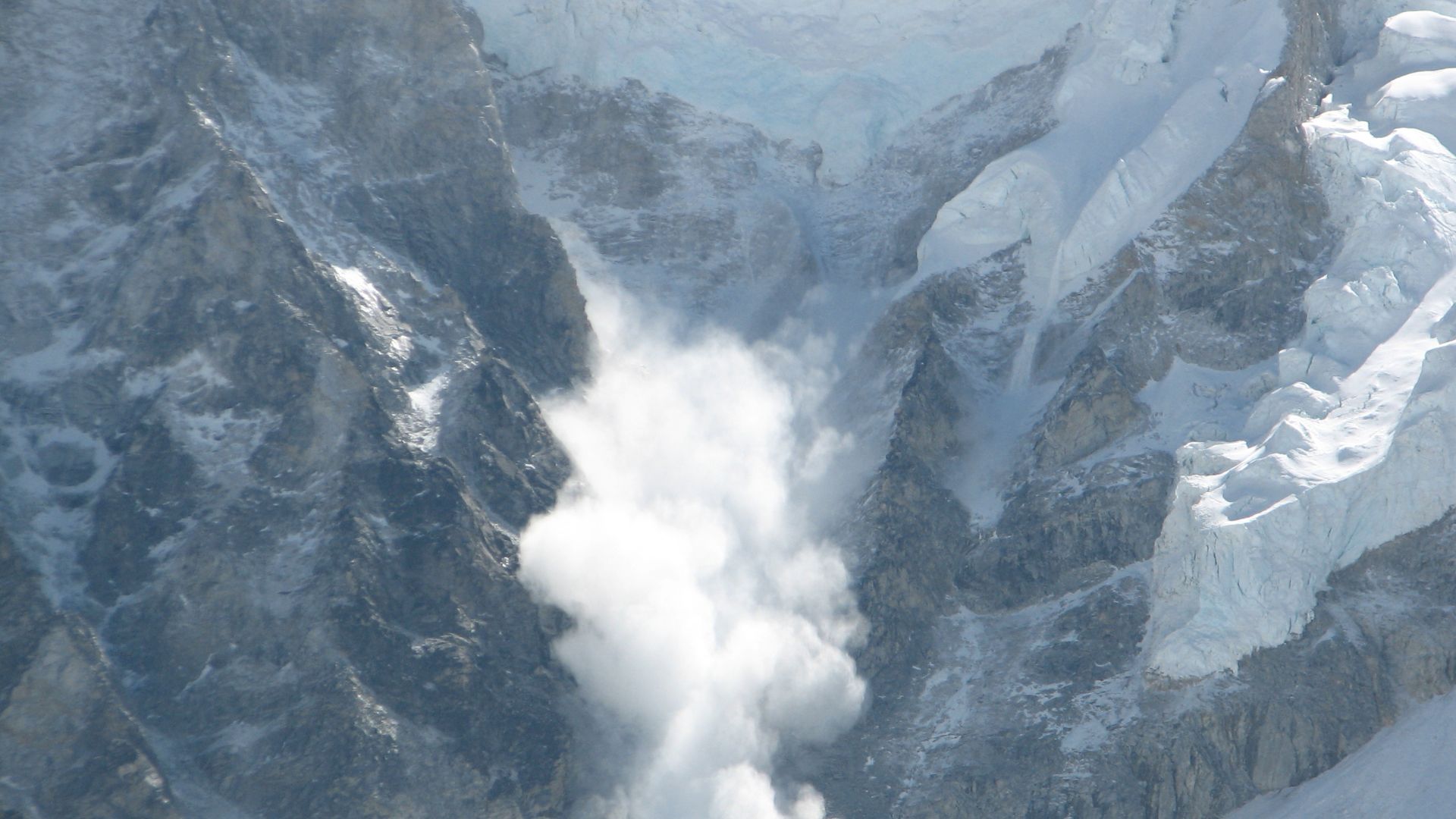
Later assessments were less encouraging. In 2024, experts discussing the mystery warned that repeated freezing, thawing, avalanches, and glacier movement could leave little recoverable information. Finding the camera would still be extraordinary. Finding readable photographs inside it would require another considerable piece of good fortune.
 Chagai at English Wikipedia, Wikimedia Commons
No Summit Picture Wouldn’t Settle It Either
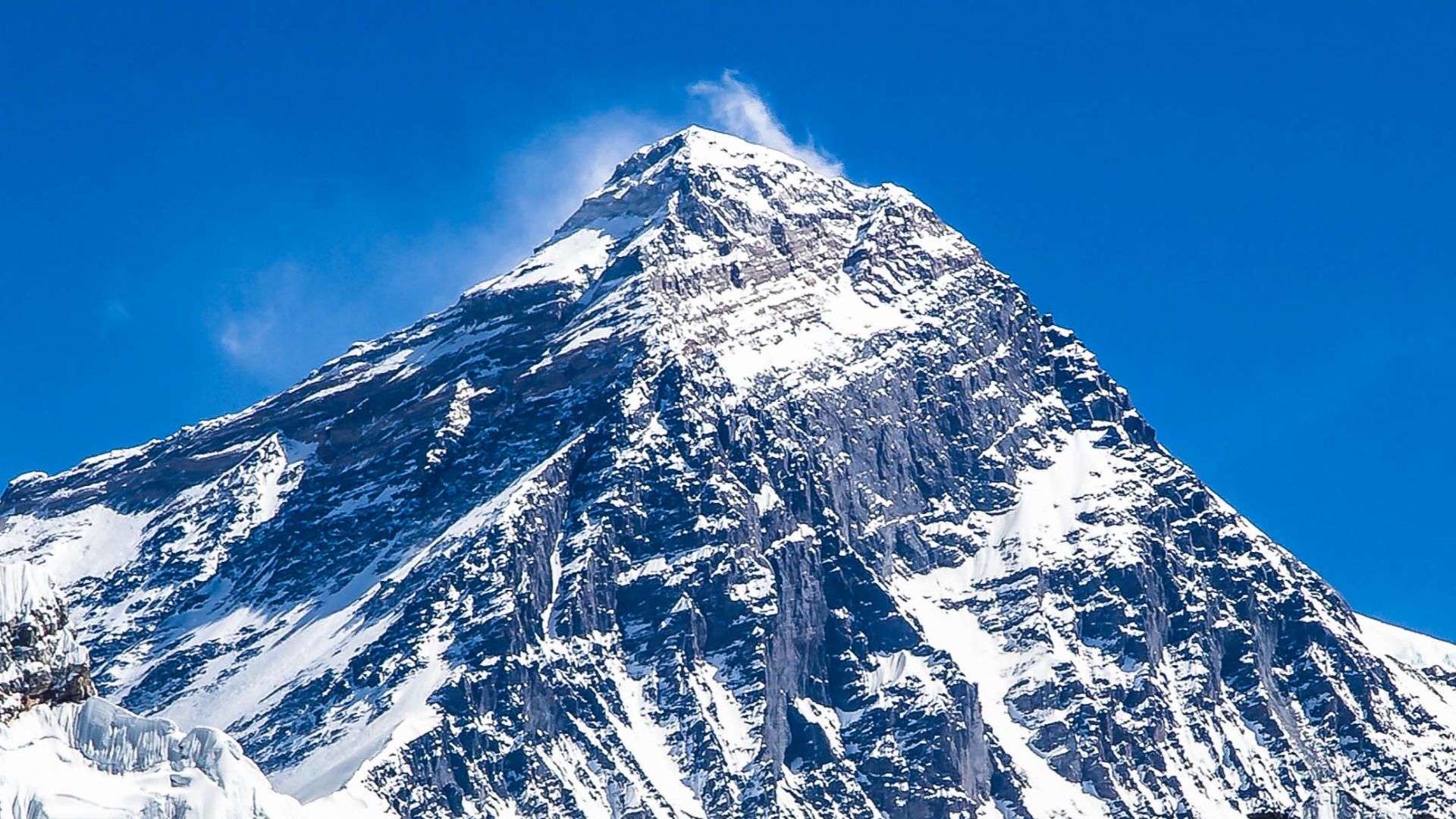
Suppose the camera turned up without a usable summit photograph. That still wouldn’t prove the pair failed. They might not have taken one, the exposure could have failed, or the film could have deteriorated. A clear summit image could establish success; its absence would leave several possibilities.
 INFINITY ADVENTURE NEPAL, Pexels
Then A New Discovery Emerged
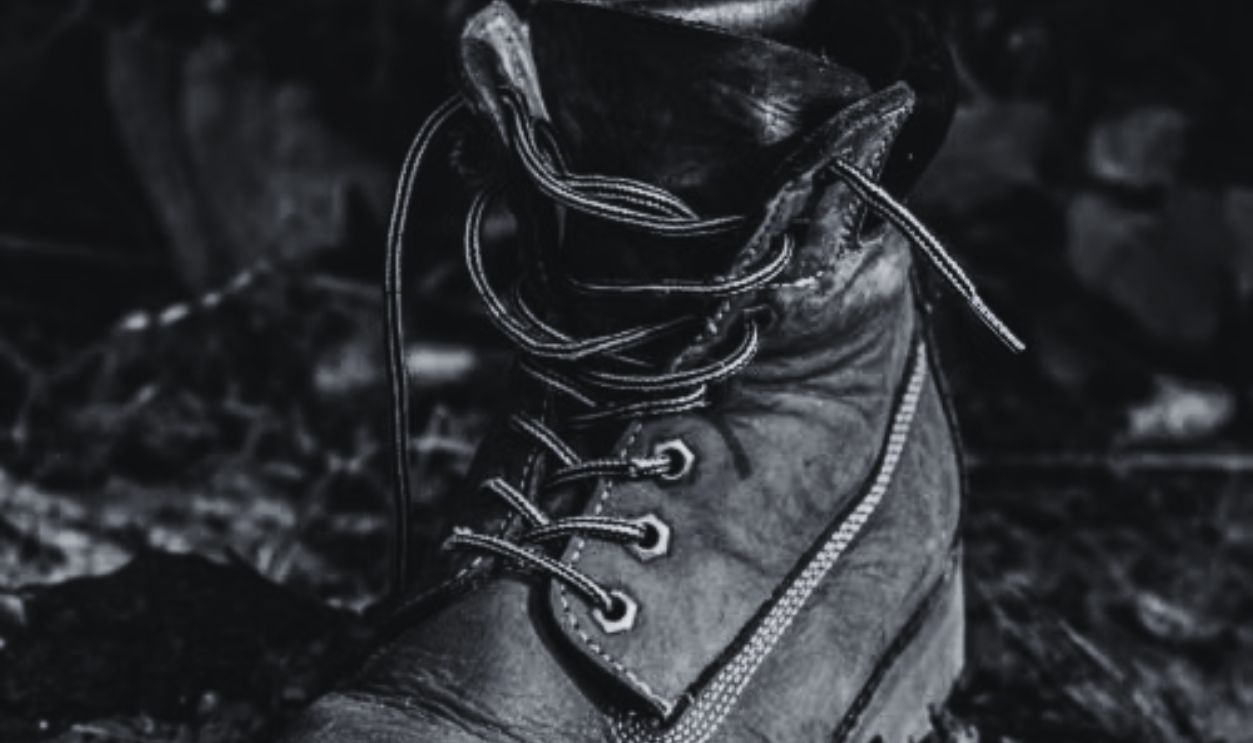
In September 2024, a National Geographic team including Jimmy Chin found a boot containing partial remains on the Central Rongbuk Glacier. Inside was a sock labeled “A.C. Irvine.” Announced that October, the discovery was believed to be the first recovery of remains belonging to Mallory’s missing partner.
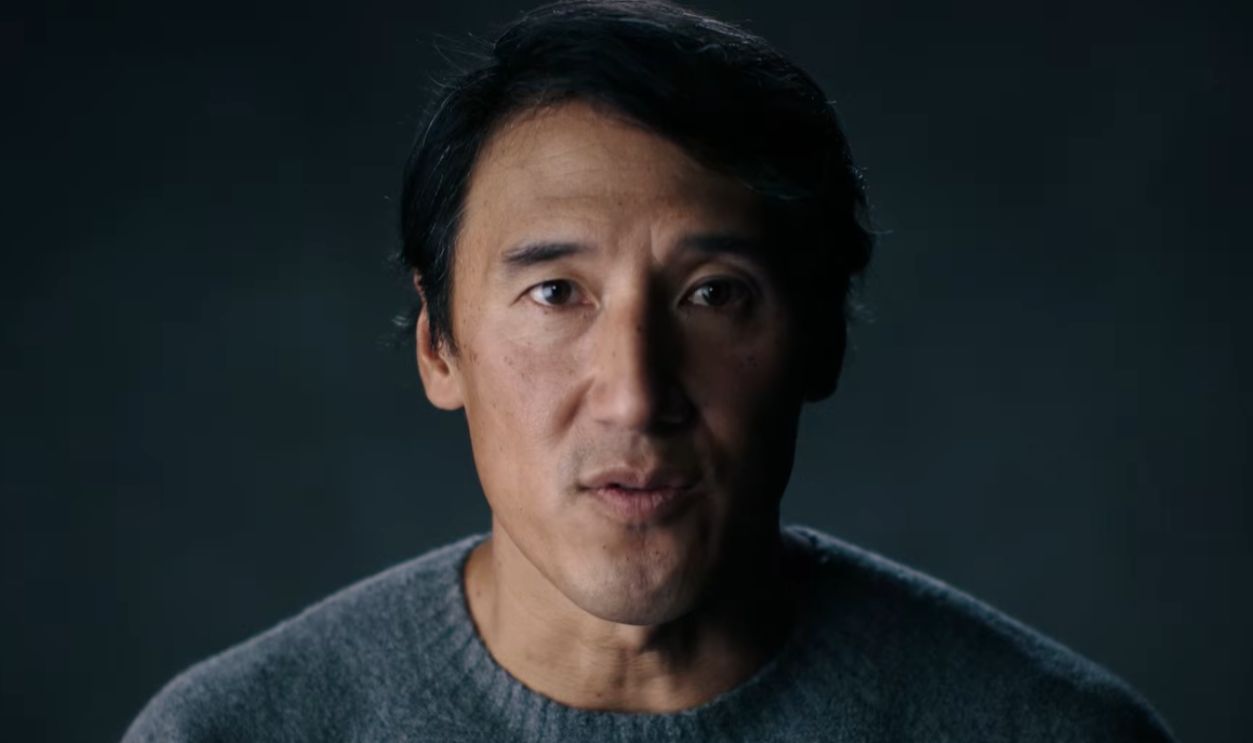 Screenshot from Edge of the Unknown with Jimmy Chin, National Geographic Channel (2022)
The Boot Didn’t Answer The Summit Question
The discovery gave researchers a new lead, but it didn’t come with a camera or a summit photograph. Glacial movement also complicates efforts to work backward from the location. An object found far below the ridge cannot, by itself, reveal the highest point its owner reached.
The Investigation Hasn’t Stopped
In 2026, Irvine’s great-niece Julie Summers and mountaineering historian Jochen Hemmleb revisited the expedition in “The Everest Mystery.” Their research examines the climbers’ abilities, the final attempt, and later discoveries. But it doesn’t announce a proven summit. More than a century later, the central question remains open.
What Would Change The History Books?
A clearly authenticated photograph placing Mallory or Irvine on the summit in 1924 could establish an earlier ascent. Hillary and Tenzing’s documented achievement would remain, including their successful return. But the answer to who first reached the top would change. That’s why the camera matters so much.
 Jamling Tenzing Norgay, Wikimedia Commons
One Missing Picture Still Keeps Us Guessing
After the 1999 search, expedition leader Eric Simonson wrote that nothing recovered had “definitively proven the high point of Mallory and Irvine’s climb.” Ruth’s missing photograph leaves an intriguing possibility: Mallory fulfilled his promise, then never made it home to tell anyone. We still don’t know whether he did.
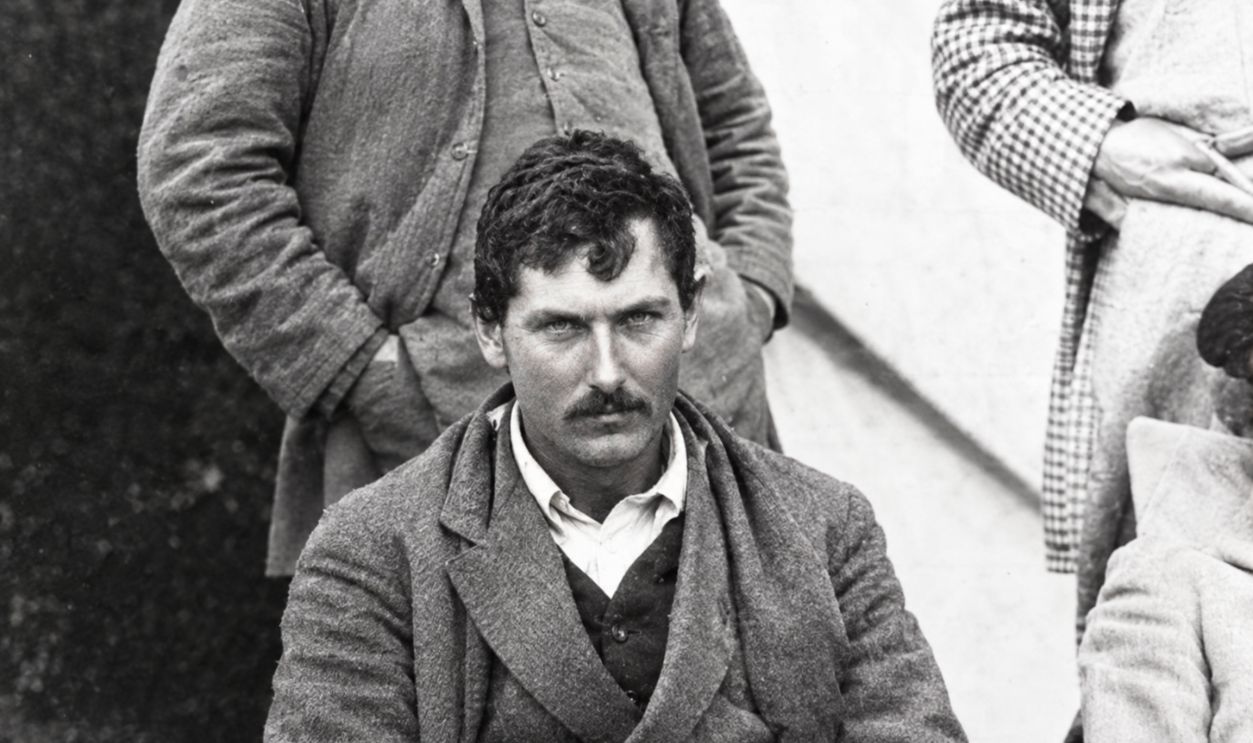 Fairfax Media Archives, Getty Images, Enhanced
You Might Also Like: