
Our Ancestors Were Surprisingly Clever Travellers
Imagine setting off across an unfamiliar continent without a map, compass, or even a decent pair of shoes. Sounds like a recipe for disaster, doesn't it? Yet our ancient ancestors managed journeys that still astonish scientists today. New archaeological discoveries and DNA research suggest these prehistoric travellers were far more resourceful than anyone once imagined.
The Old Picture Of Prehistoric Migration
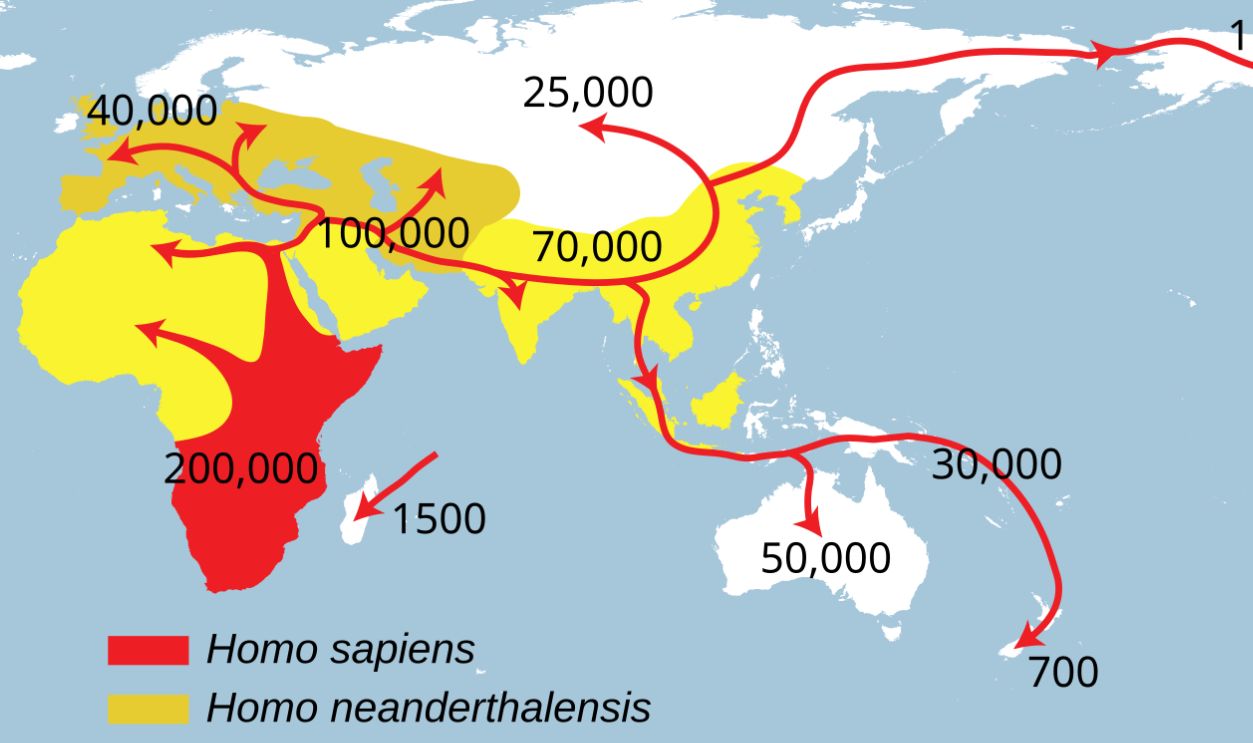
For decades, early human migration was often portrayed as a slow process, with small groups gradually spreading into new territories. Researchers generally assumed geographical barriers limited where ancient populations could go. But archaeological finds are challenging that picture, revealing unexpectedly early arrivals in places once considered almost impossible to reach.
 NordNordWest, Wikimedia Commons
An Extraordinary Discovery In Indonesia
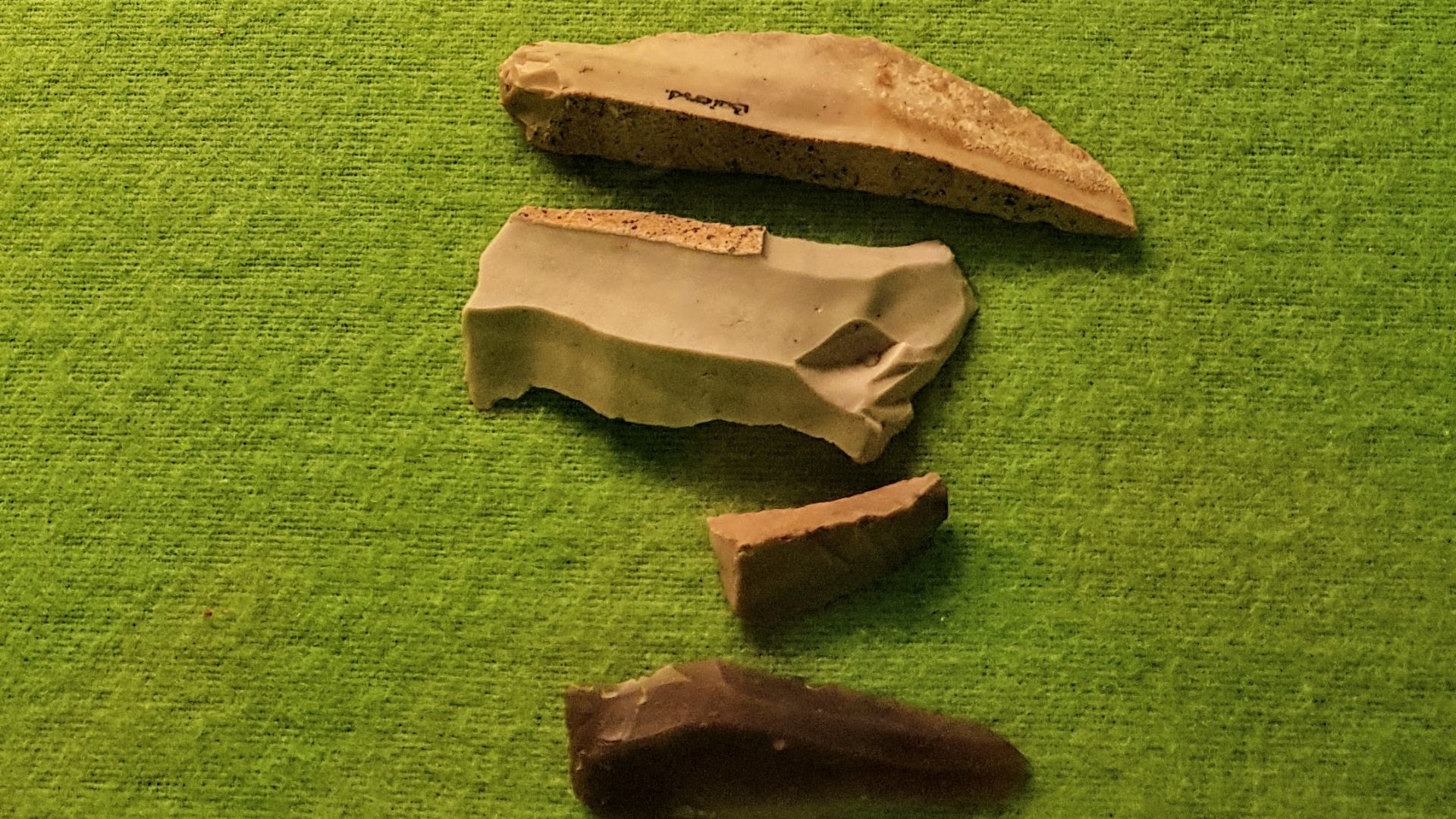
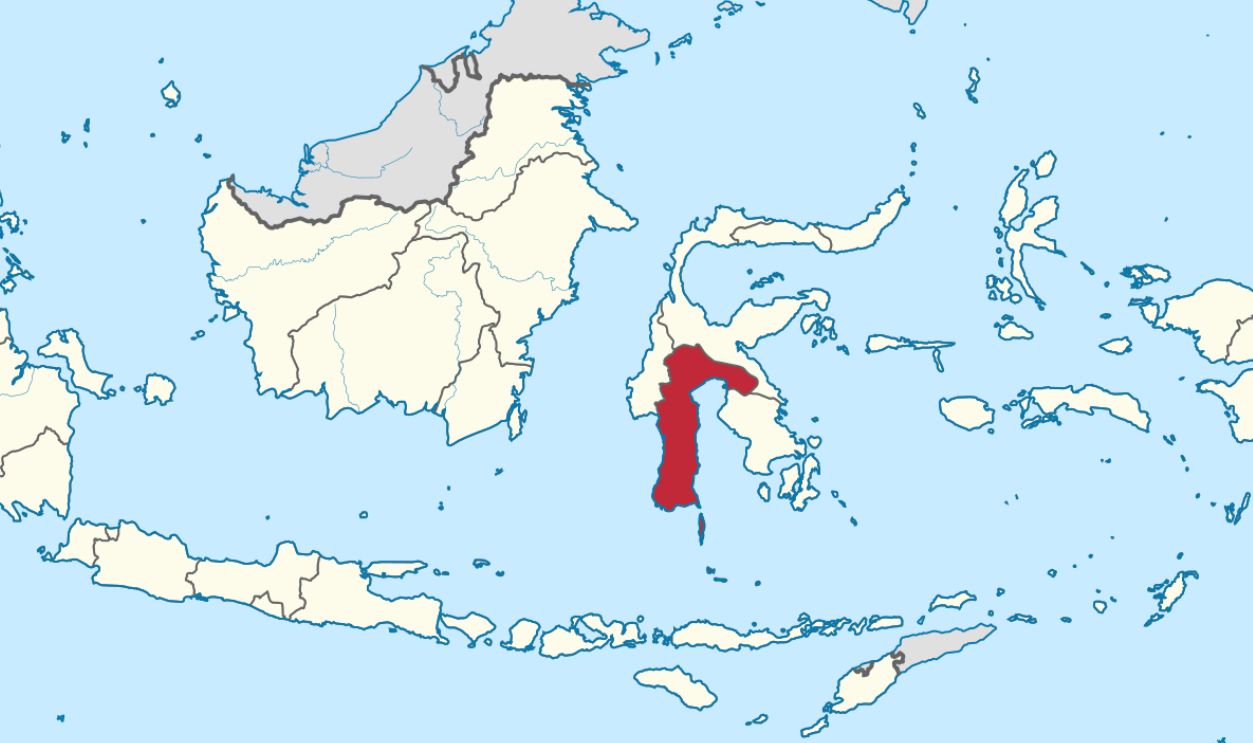
In 2025, researchers announced something remarkable on the Indonesian island of Sulawesi. Stone tools uncovered at a site called Calio were at least 1.04 million years old, potentially dating back 1.48 million years. Published in Nature, the discovery suggested ancient human relatives reached this isolated island astonishingly early.
The Problem With Reaching Sulawesi
Here's what makes the discovery so fascinating: Sulawesi wasn't simply somewhere ancient travellers could reach by walking across a grassy plain. Deep ocean channels separated the island from mainland Asia, even when sea levels were considerably lower. Somehow, ancient hominins crossed a formidable natural barrier long before modern humans appeared.
Were They Building Boats A Million Years Ago?
That's the million-dollar question. Scientists don't know whether those early island crossings involved primitive watercraft, natural rafts, or accidental drifting. No ancient boats have survived to settle the argument. Nevertheless, reaching such isolated places demonstrates that early hominins could overcome obstacles researchers once considered extremely difficult for them.

The Mysterious Travellers Of Flores
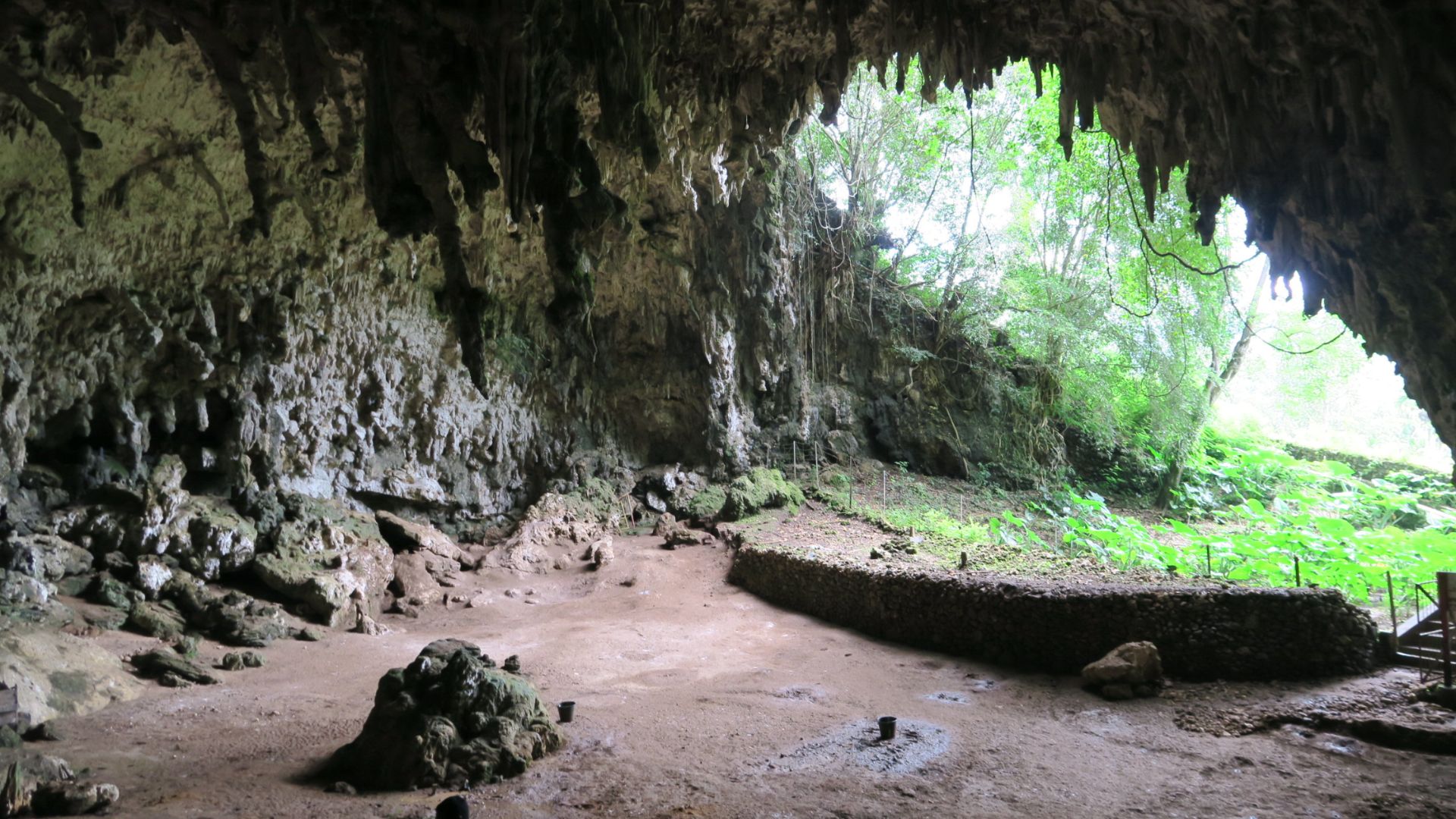
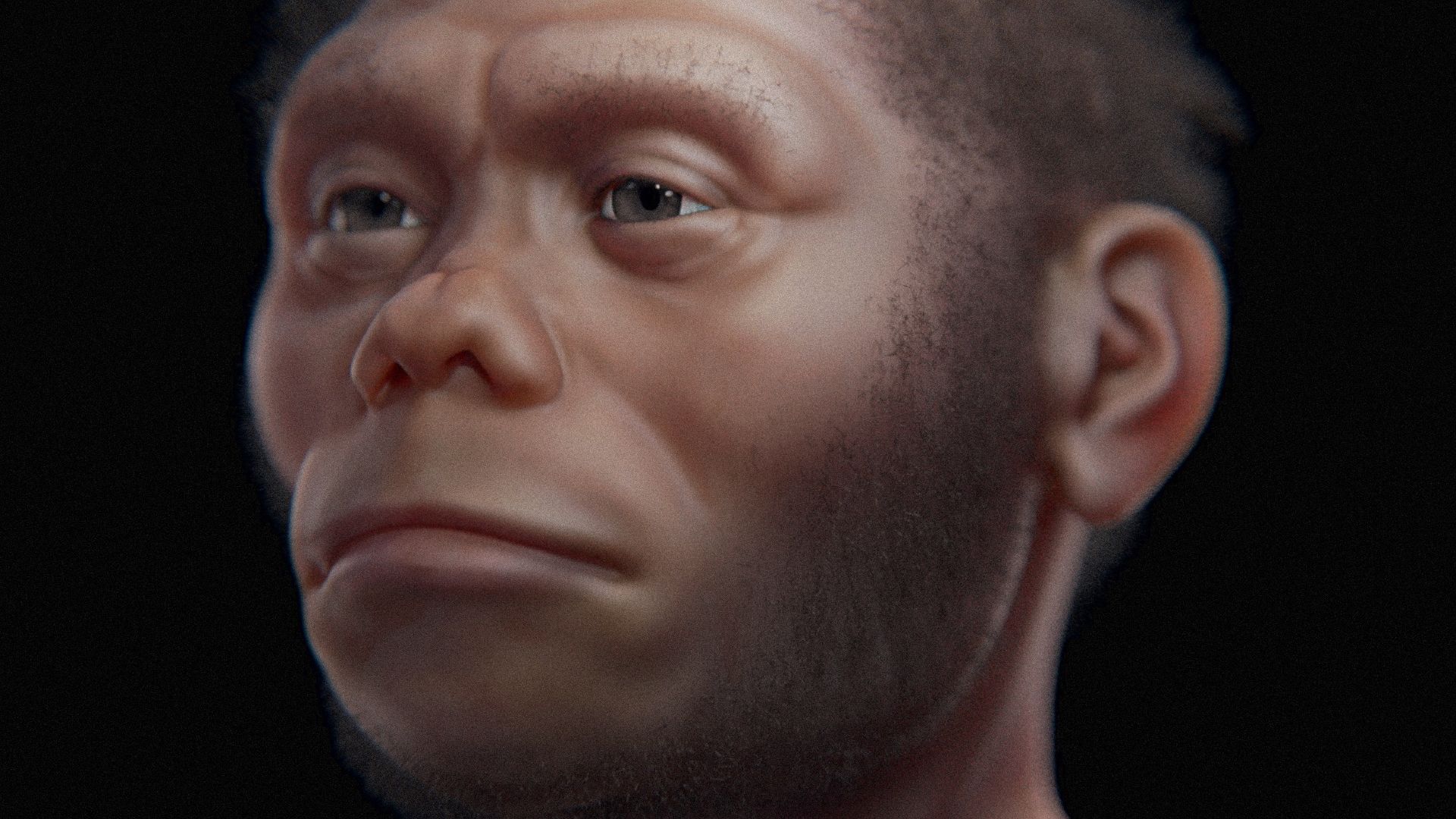
Sulawesi wasn't the only island with a surprising prehistoric population. On nearby Flores, stone tools dating to roughly one million years ago revealed another extraordinary achievement. The island later became famous for Homo floresiensis, the diminutive human relative nicknamed the Hobbit. Clearly, somebody had been making impressive journeys through these islands.
 Felix Dance, Wikimedia Commons
Ancient Humans Reached The Philippines Too
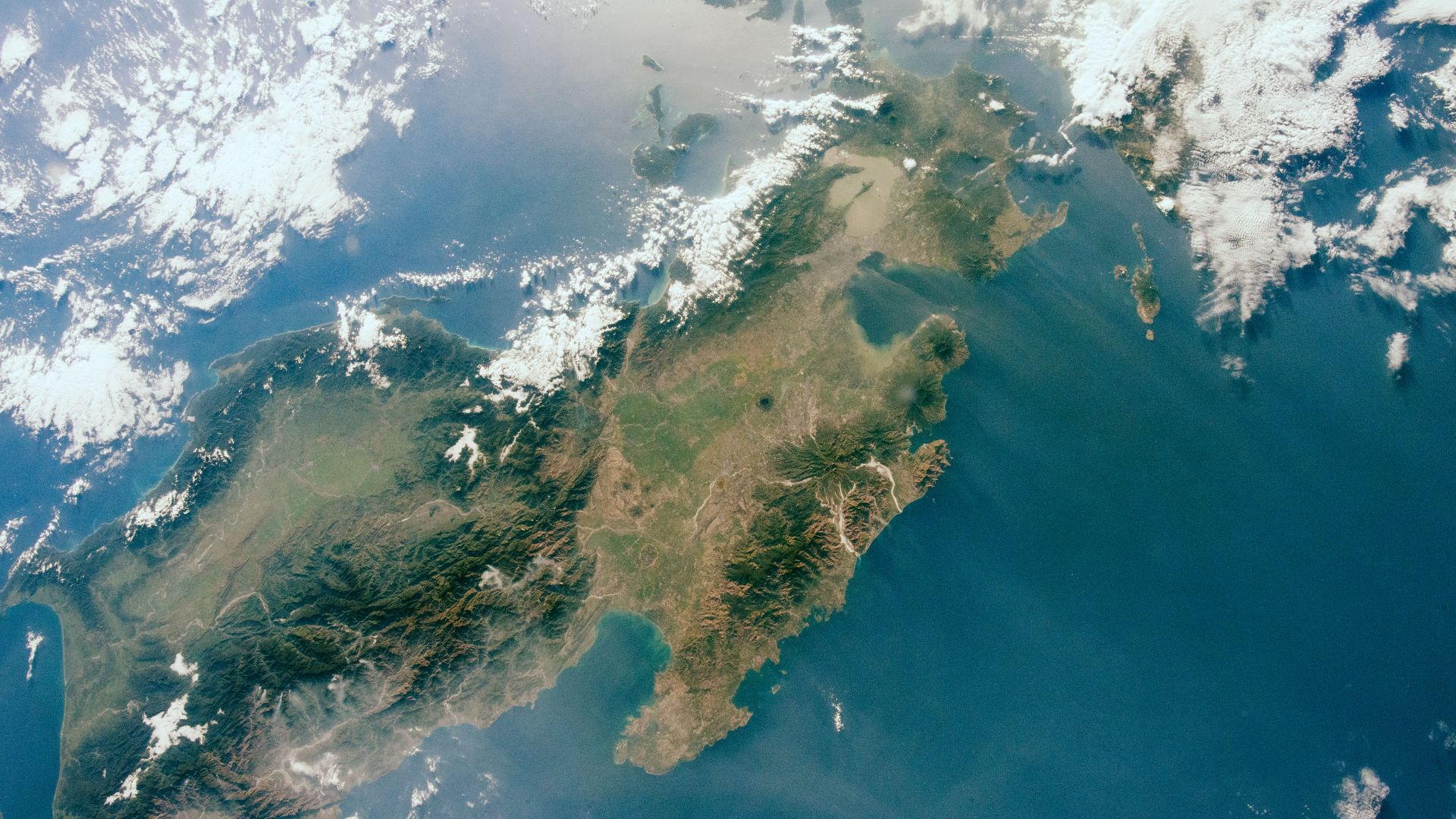
The surprises continued in the Philippines, where archaeologists discovered butchered rhinoceros bones alongside stone tools on Luzon. The remains dated to approximately 709,000 years ago. Whoever these ancient travellers were, they managed to reach an island separated from other landmasses by water, then successfully exploited its wildlife.
 ISS Expedition 58 crew, Wikimedia Commons
Perhaps Their Journeys Weren't Always Accidental
Scientists remain cautious about claiming that all these crossings were deliberate voyages. However, repeated discoveries on distant islands have encouraged researchers to reconsider prehistoric mobility. Ancient hominins may have been considerably more capable of moving through complicated island landscapes than traditional explanations allowed. The challenge is proving precisely how they travelled.
 Cicero Moraes, Wikimedia Commons
Modern Humans Became Extraordinary Seafarers
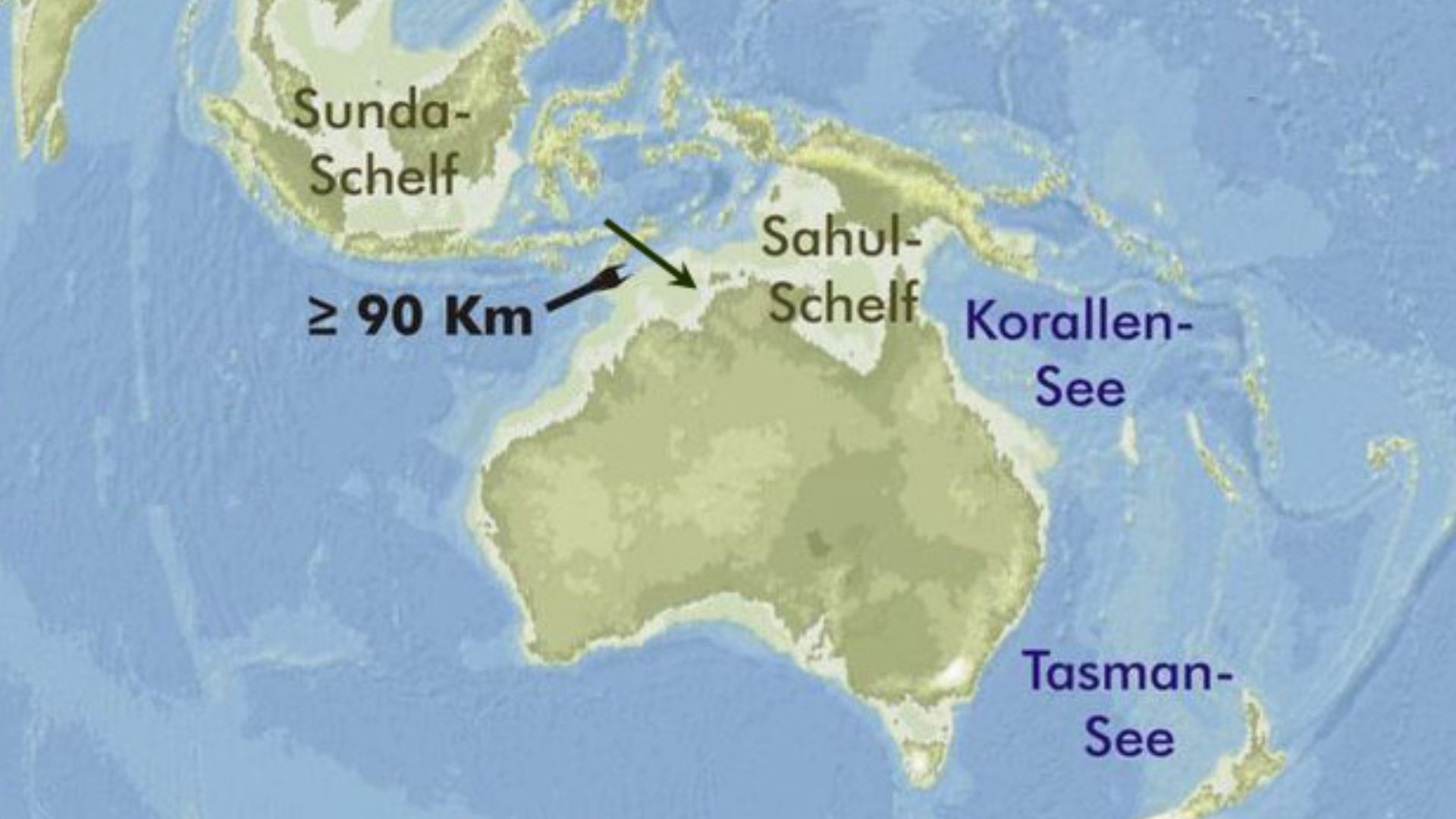
Our own species eventually took maritime travel much further. Reaching ancient Australia required crossing stretches of open water through Southeast Asia. These weren't journeys that could be completed entirely on foot, even during periods of lower sea levels. Somehow, prehistoric communities possessed the knowledge and resources to reach an entirely new continent.
 The original uploader was Muntuwandi at English Wikipedia., Wikimedia Commons
Australia Changes The Entire Story
At Madjedbebe, an archaeological site in northern Australia, researchers found evidence interpreted as human occupation roughly 65,000 years ago. The excavations revealed sophisticated stone tools, grinding equipment, and pigments. Although the precise arrival date remains debated, the discovery demonstrated how early humans were capable of reaching distant lands.

Crossing The Sea Required Serious Planning
Getting people safely across open water wasn't as simple as climbing onto a floating log. Travellers needed to survive unpredictable conditions, potentially carry food and water, and reach somewhere suitable for settlement. Even relatively modest maritime crossings required abilities that were once underestimated in discussions of early human technology.

Scientists Tested The Accidental Voyage Theory
In 2019, researchers used computer simulations to investigate whether humans might have reached ancient Australia by accident. Their findings suggested that accidental arrival was comparatively unlikely without many repeated drifting events. Even limited control over direction and departure timing dramatically improved the chances of success.

They May Have Known Where They Were Going
Those simulations raise an intriguing possibility: some early seafarers deliberately headed toward distant destinations. Researchers cannot reconstruct exactly what these travellers understood about geography. However, the evidence suggests that purposeful movement, environmental awareness, and practical decision-making could have played important roles in prehistoric maritime expansion.

Timor Reveals Another Piece Of The Puzzle
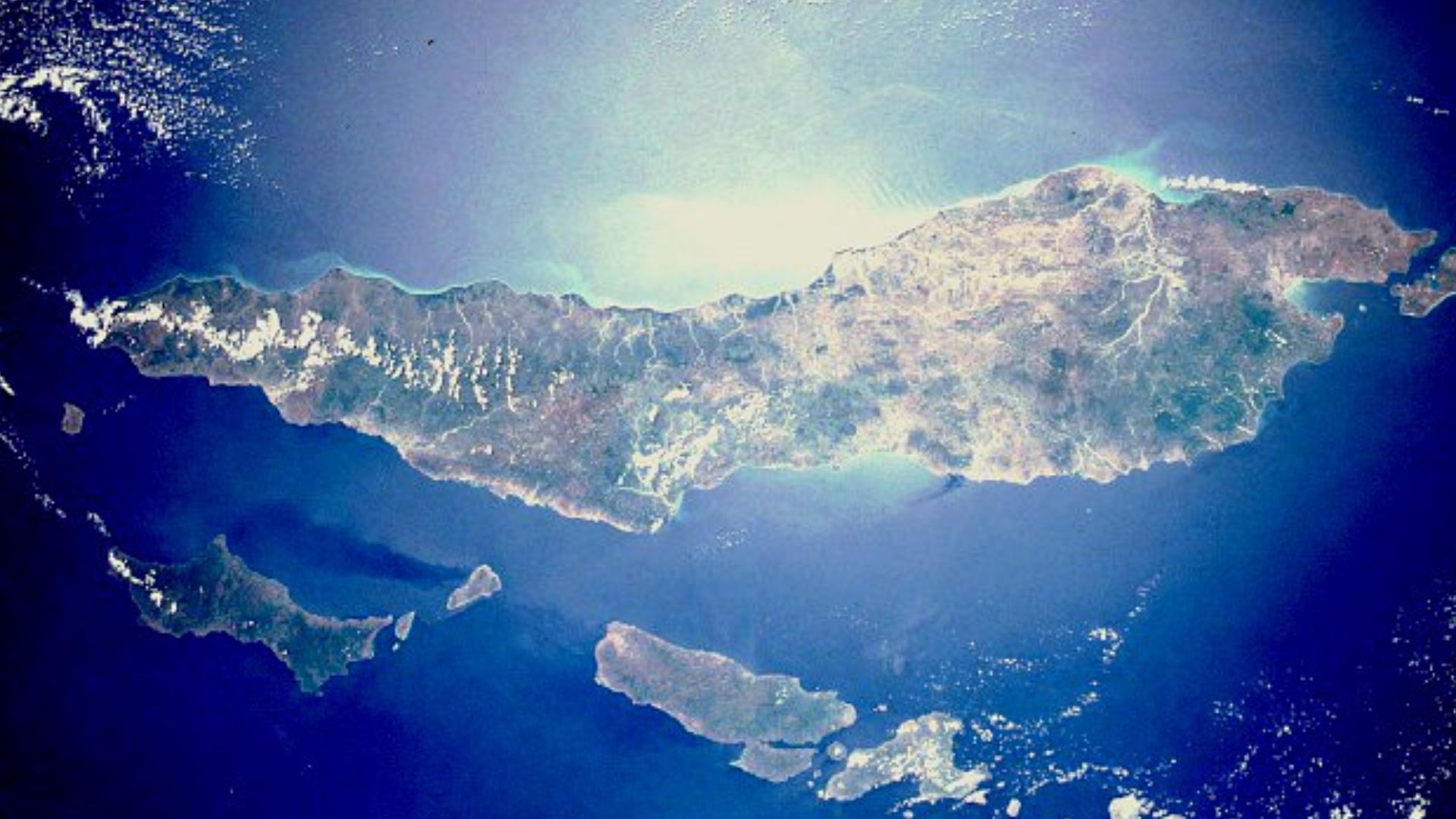
Archaeologists investigating the Laili rock shelter in Timor-Leste discovered evidence of intensive human occupation beginning around 44,000 years ago. Early inhabitants exploited aquatic resources, demonstrating their ability to make use of coastal environments. The findings offer another glimpse of the skills that supported human movement through Southeast Asia.
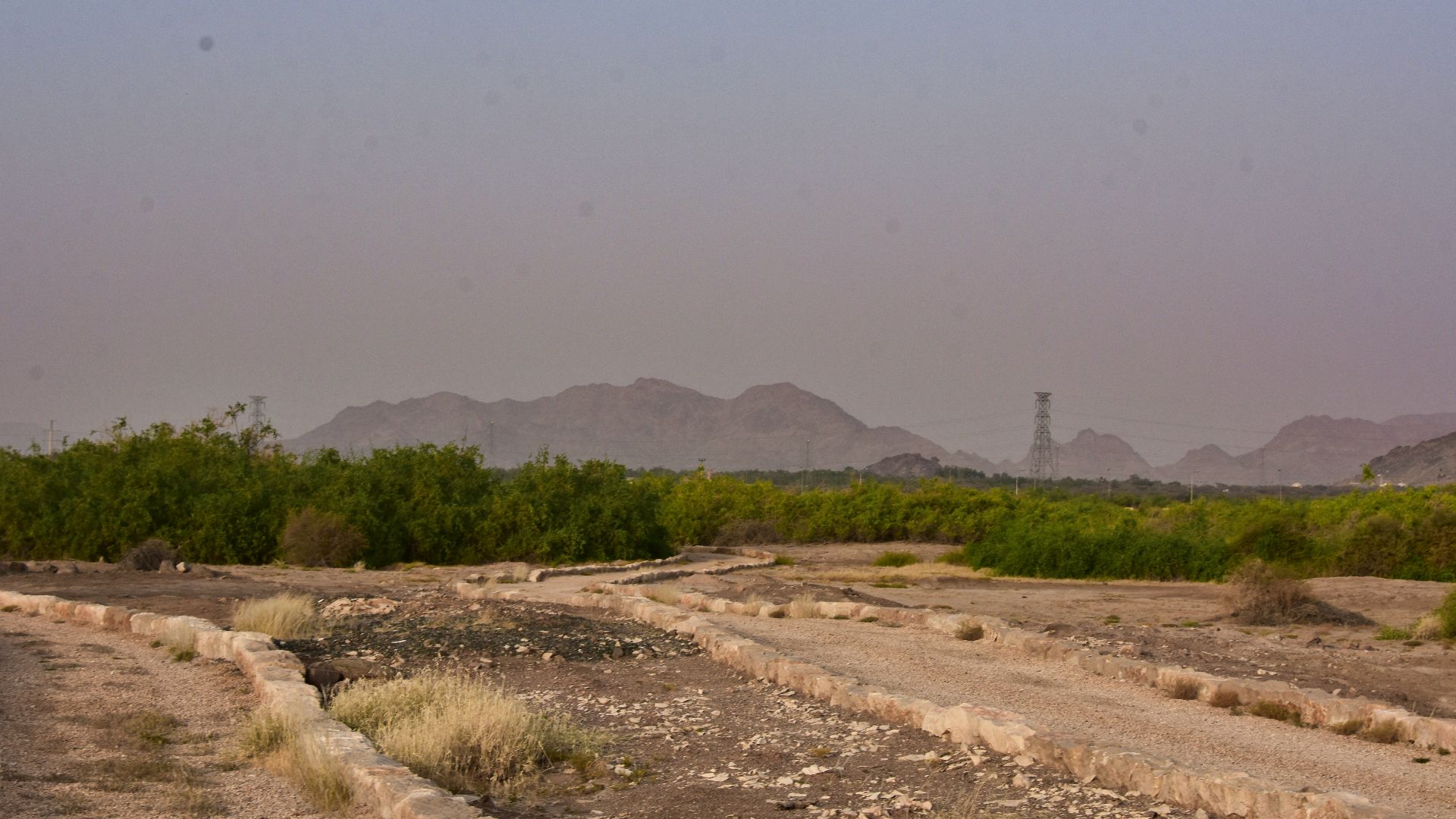
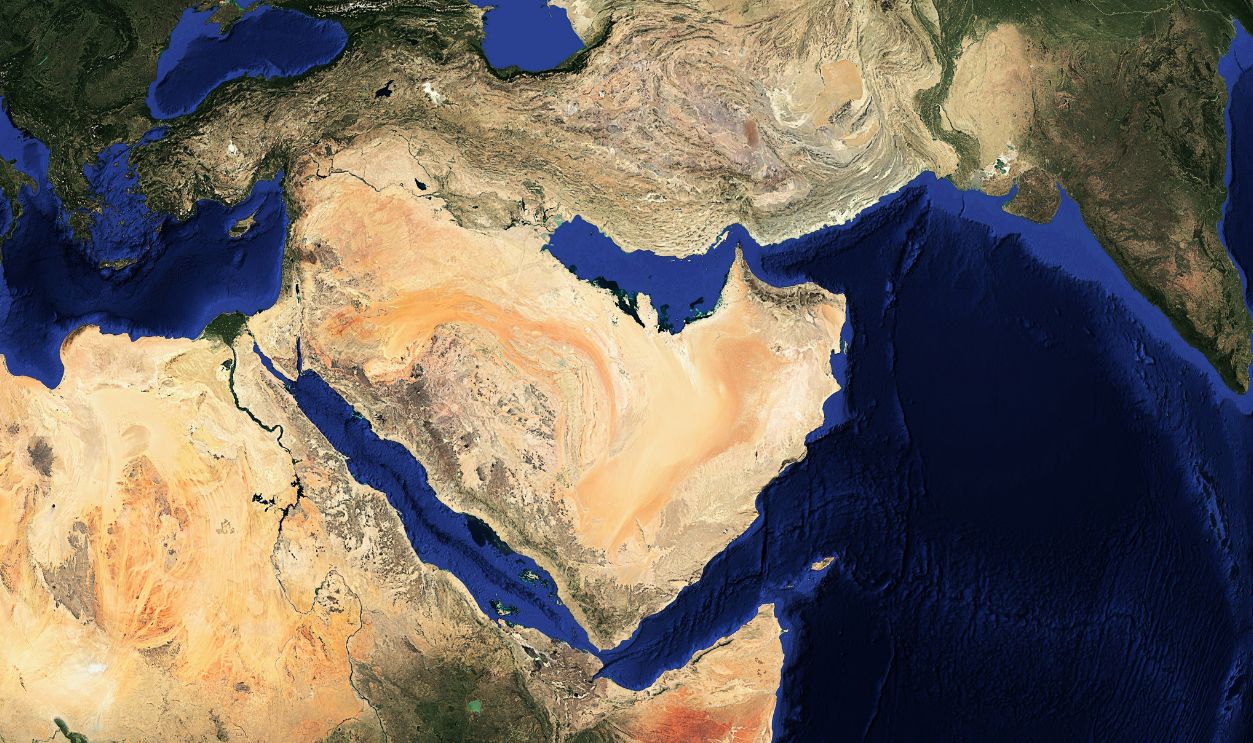
Ancient Arabia Wasn't Always A Desert
Early travellers also benefited from understanding landscapes that changed dramatically over time. Much of Arabia is dry today, but prehistoric conditions were sometimes remarkably different. Lakes, grasslands, and freshwater sources periodically appeared, creating opportunities for human populations to move through regions that would otherwise have been extremely difficult to cross.
 Prof. Mortel, Wikimedia Commons
They Followed Windows Of Opportunity
Research published in Nature identified at least five periods when ancient hominins expanded into northern Arabia over roughly 400,000 years. These movements coincided with wetter conditions. Whether through inherited knowledge, exploration, or following available resources, ancient populations repeatedly took advantage of opportunities created by changing climates.
The Persian Plateau May Have Been A Major Stopover
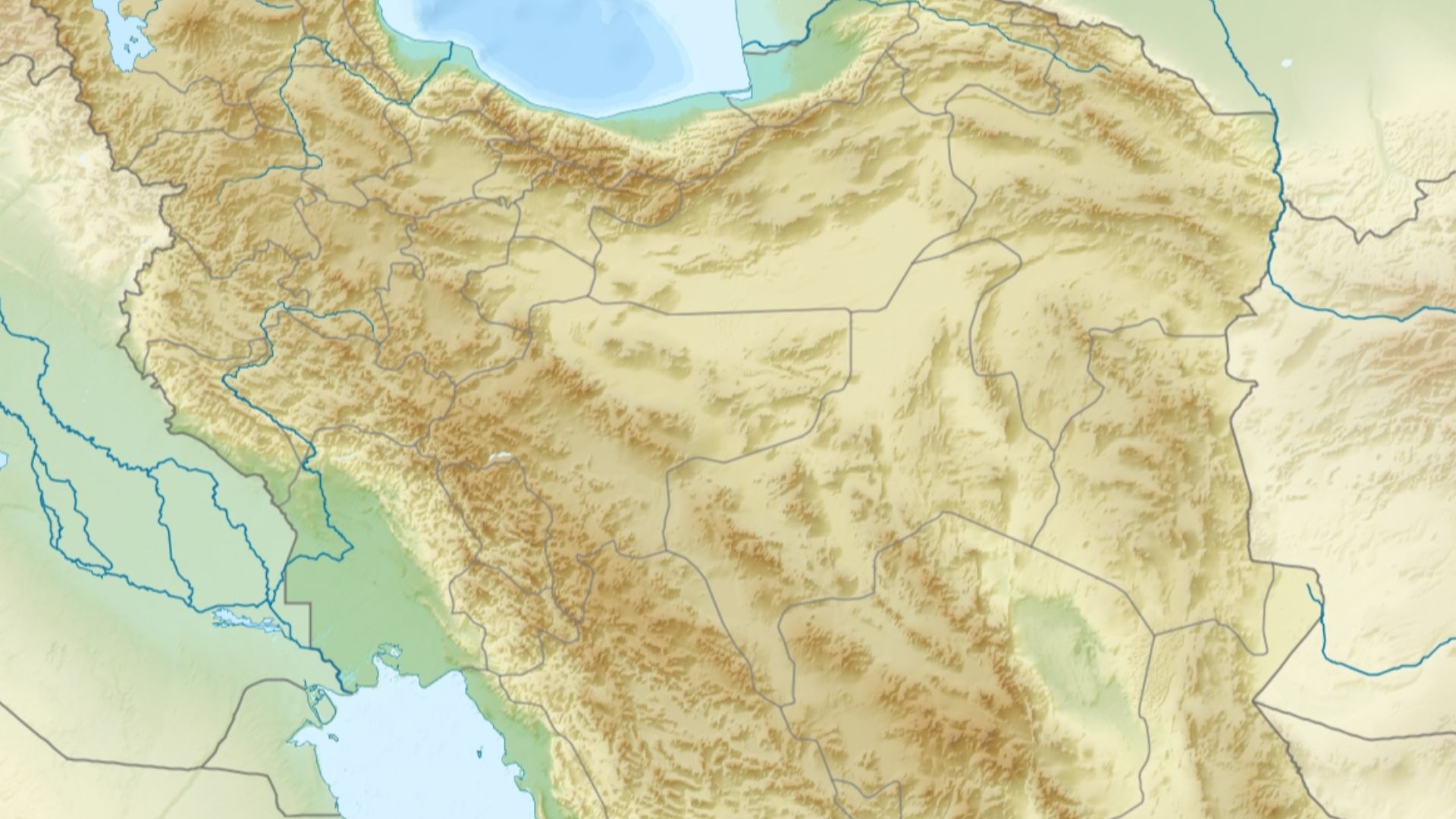
DNA research has added another fascinating possibility. A 2024 study suggested that the Persian Plateau served as an important population hub after modern humans expanded beyond Africa. Rather than immediately scattering across Eurasia, some ancestral populations may have remained in this region for thousands of years before later migrations.
 Uwe Dedering, Wikimedia Commons
Their Journeys Involved More Than Walking
The emerging picture isn't one of people endlessly wandering without direction. Ancient populations established settlements, adapted to local resources, and sometimes remained in favourable regions for generations. Migration could involve long periods of stability punctuated by expansion. Successful travel meant knowing when to stay somewhere, not simply knowing when to leave.
 Neanderthal Museum, Wikimedia Commons
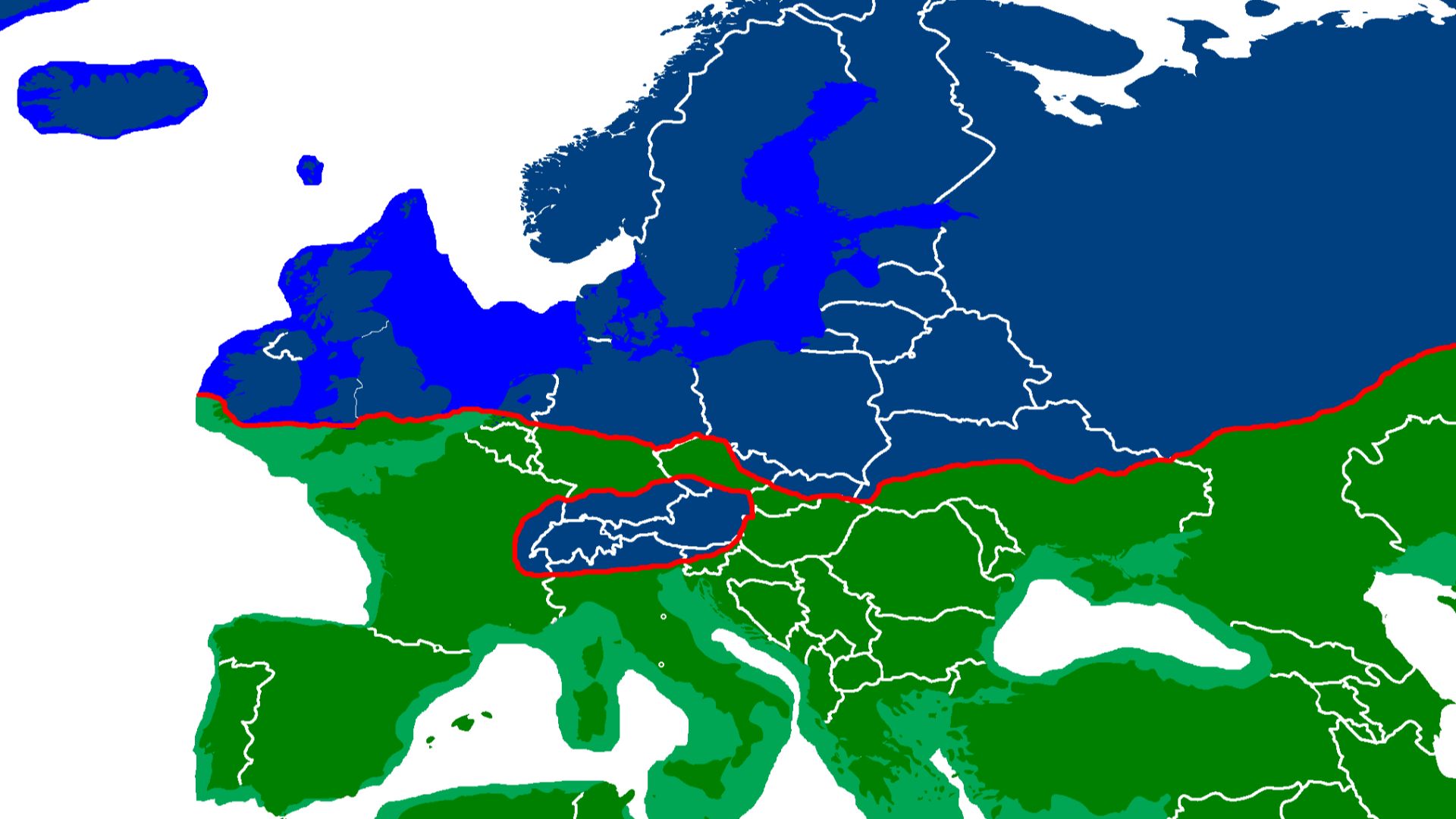
Europe Wasn't Too Cold For Them
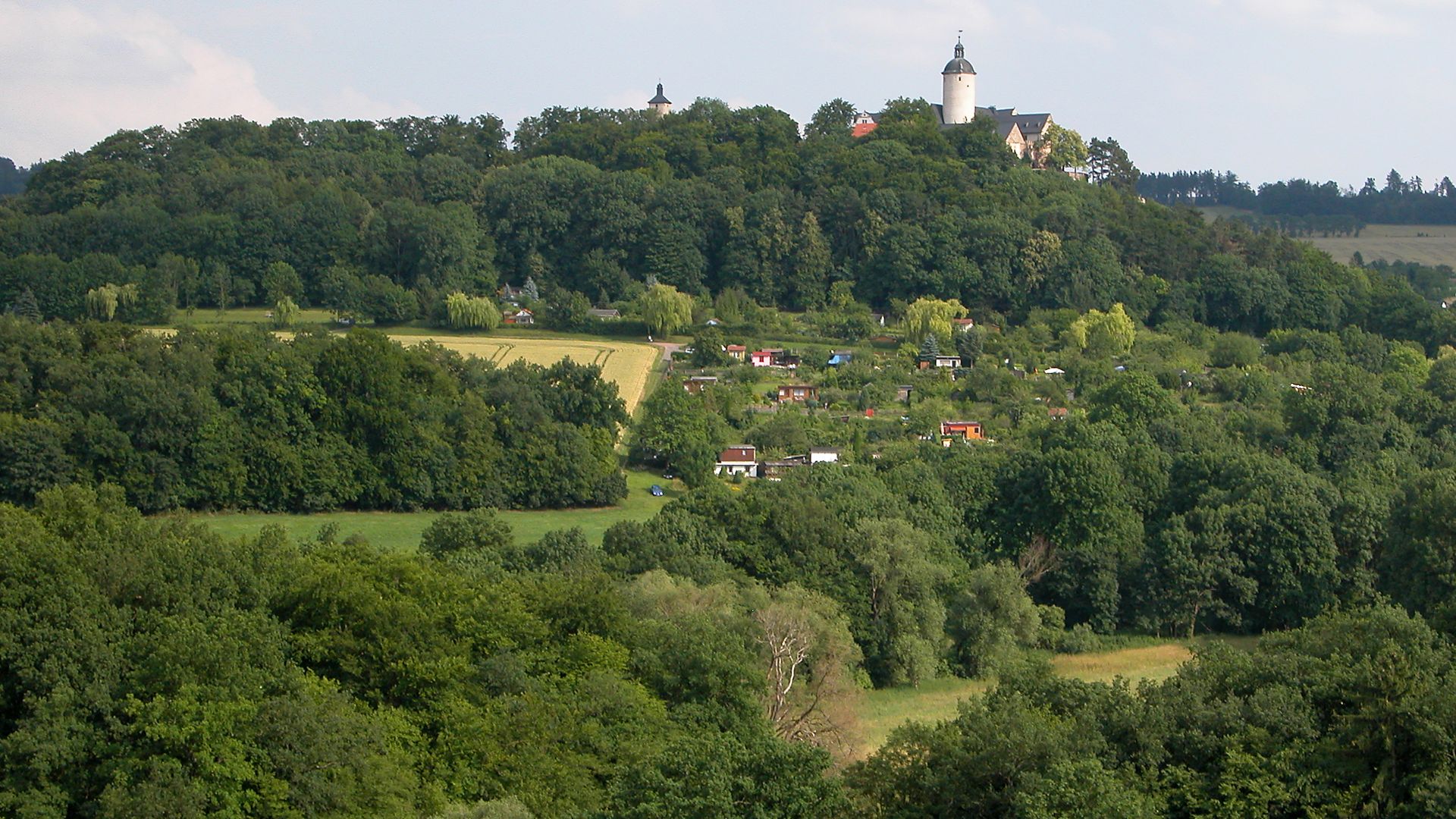
Scientists once underestimated how early modern humans entered some of Europe's colder regions. Research published in 2024 identified Homo sapiens remains from Ranis, Germany, dating to approximately 45,000 years ago. The discovery showed that modern humans ventured into northern European environments thousands of years earlier than some previous estimates suggested.
 Jorg Blobelt, Wikimedia Commons
Even Ice Age Conditions Couldn't Stop Them
Travelling through northern Europe during cold periods presented obvious difficulties. Food availability, shelter, and seasonal conditions could determine whether communities survived. Yet early humans repeatedly entered challenging environments, suggesting considerable behavioural flexibility. Their success wasn't about ignoring nature's dangers; it depended on finding ways to live with them.
The Denisovans Conquered The Roof Of The World
Our species wasn't the only resourceful member of the human family. Evidence from Baishiya Karst Cave on the Tibetan Plateau indicates that Denisovans occupied high-altitude environments from at least 160,000 years ago. Animal remains and stone tools reveal how these mysterious relatives survived in conditions many modern travellers would find exhausting.
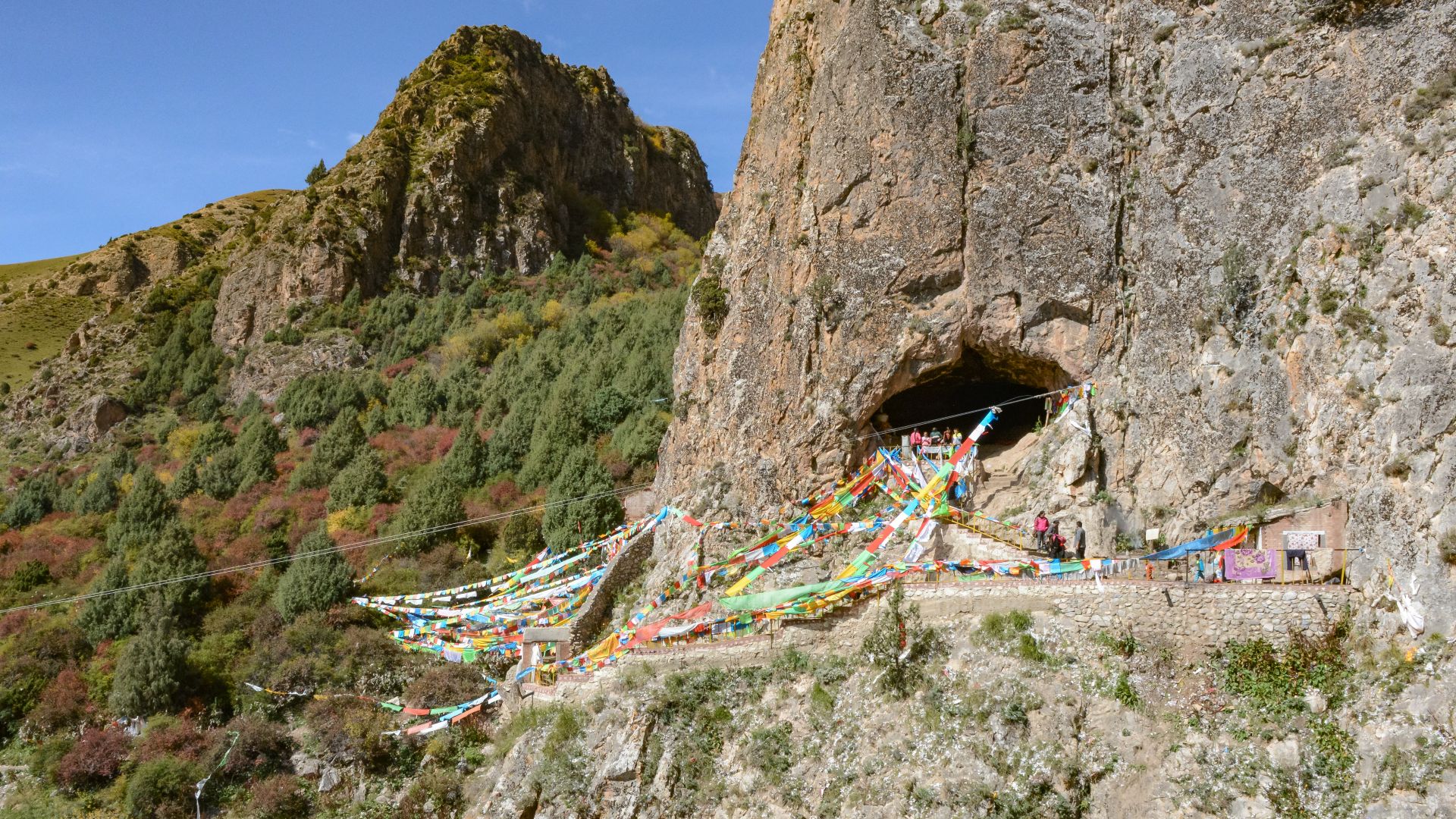 Dongju Zhang, Wikimedia Commons
DNA Reveals An Extraordinary Survival Advantage
Modern Tibetan populations carry a version of the EPAS1 gene inherited from Denisovan-related ancestors. This genetic variant helps people cope with low-oxygen environments at high elevations. The discovery illustrates how encounters between ancient human groups eventually contributed to adaptations that made living in difficult landscapes easier.

Ancient DNA Is Rewriting The Travel Map
DNA also reveals migrations that stone tools alone cannot explain. Genetic research involving hundreds of prehistoric European individuals has uncovered population movements, replacements, and connections across enormous distances. Instead of one straightforward journey, human history involved repeated migrations and interactions between communities, sometimes separated by thousands of miles.
 Screenshot from Quest for Fire, The Walt Disney Company (1981)
Americans May Have Arrived Earlier Than Expected
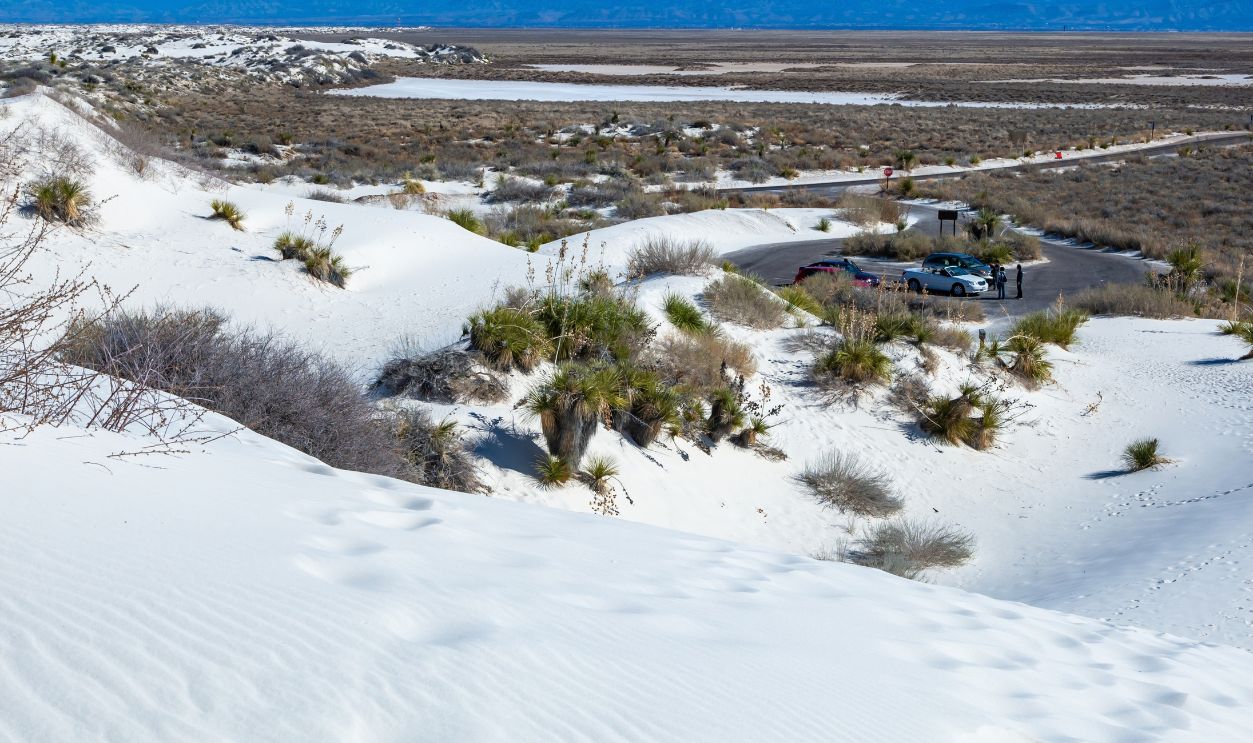
At White Sands National Park in New Mexico, researchers discovered ancient human footprints dating to approximately 21,000–23,000 years ago. Additional dating evidence published in 2023 strengthened that estimate. The footprints suggest people were present in North America during the last glacial maximum, much earlier than some traditional migration models proposed.

The First American Routes Remain A Mystery
Those footprints raise enormous questions. How did humans reach regions south of the great North American ice sheets so early? Researchers continue investigating possible coastal and inland migration routes. Although the complete story remains unsettled, the evidence suggests the settlement of the Americas was more complicated than previously understood.
 Sergey Demo SVDPhoto, Shutterstock
Scientists Are Rethinking Ancient Intelligence
A 2025 Nature study found that modern humans expanded into a broader range of African environments before the major dispersal that shaped much of today's non-African ancestry. That flexibility may have helped later populations succeed abroad. Increasingly, scientists recognize that adaptation and environmental knowledge mattered enormously in early human migration.
Our Ancestors Deserve More Credit
The next time your GPS sends you down the wrong road, spare a thought for prehistoric travellers. They crossed unfamiliar landscapes, survived extraordinary climates, and somehow reached distant islands without modern technology. Archaeology and DNA cannot tell us everything about their journeys, but one thing is becoming clear: our ancestors were remarkably capable explorers.
You May Also Like:
Americans Reveal What They Wish Europeans Understood Before Visiting The U.S.
The Strangest Local Legend From Every Canadian Province And Territory