Canada Gets Weird After Dark
Every corner of Canada has stories that become stranger the longer you listen. From a demon-haunted flying canoe to a hotel proprietor who supposedly never checked out, these legends are woven into the places that still tell them.
Newfoundland And Labrador: The Old Hag Comes At Night
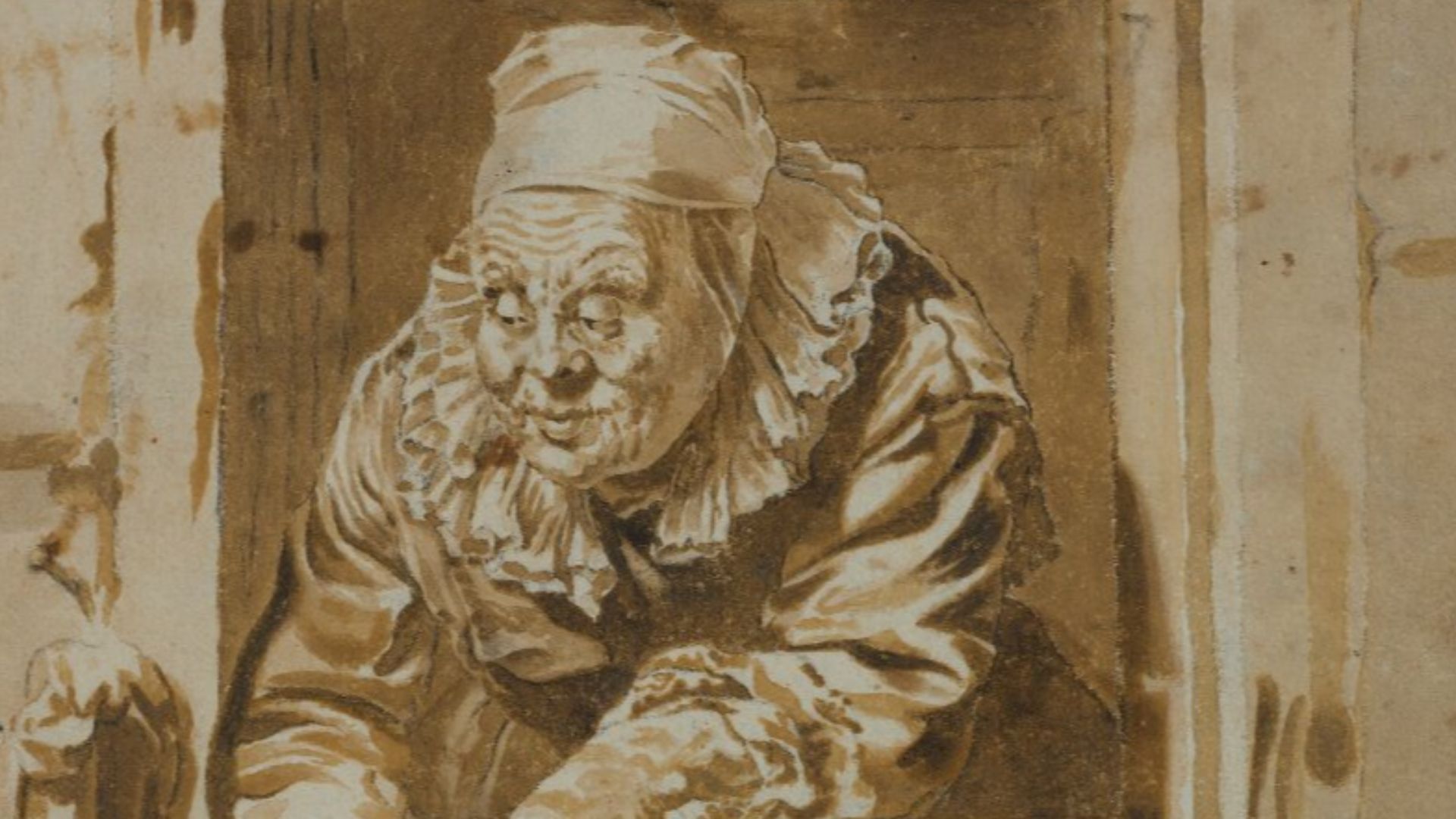
Newfoundland's Old Hag tradition describes waking suddenly while unable to move, sometimes with a crushing sensation on the chest and the feeling that another presence is nearby. Heritage Newfoundland and Labrador has collected accounts in which residents attributed the frightening experience to an old woman-like supernatural visitor. What medicine now commonly describes as sleep paralysis became, in Newfoundland folk belief, an encounter with something far more sinister.
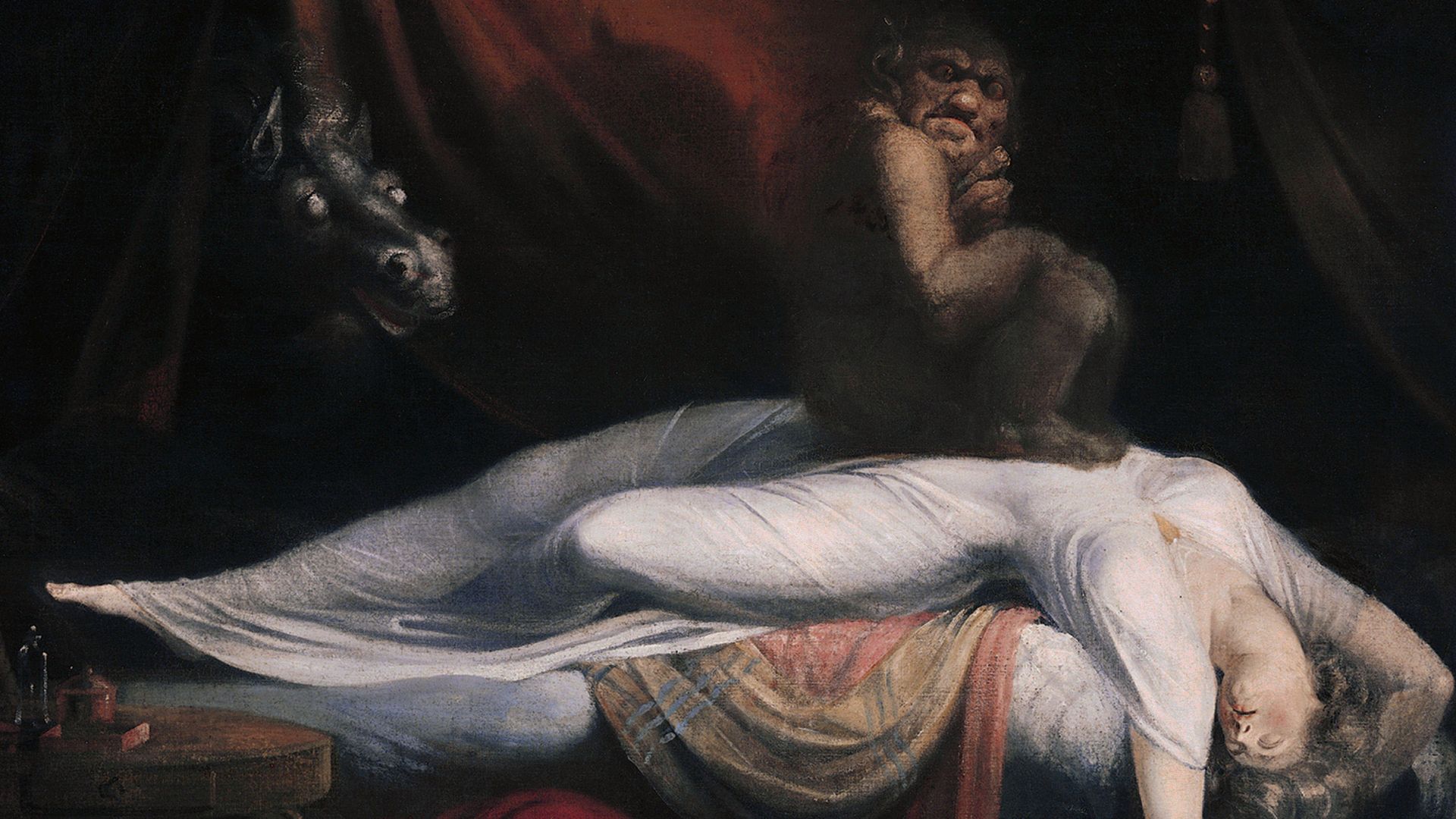 Henry Fuseli, Wikimedia Commons
The Hag Had Her Own Folk Defences
The Old Hag was not simply a spooky story told after the fact because traditional belief also produced ways of preventing or breaking an attack. Newfoundland folklore includes charms and protective practices intended to stop frightening supernatural encounters during sleep. The endurance of the story shows how people once used folklore to give a recognizable shape to an otherwise baffling nighttime experience.
 Jan de Bisschop, Wikimedia Commons
Prince Edward Island: A Ship Burns Without Burning Up
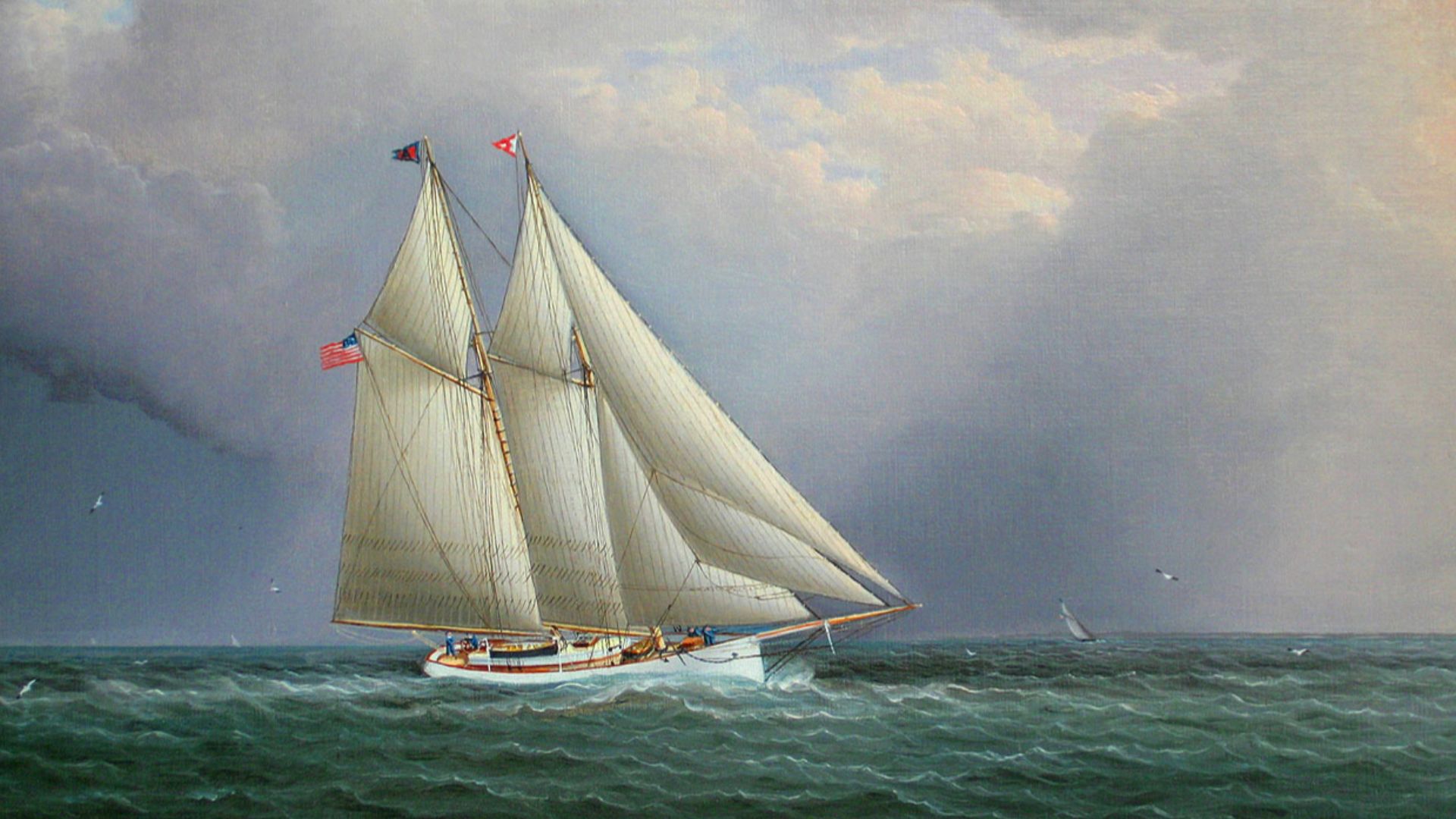
The Northumberland Strait is home to one of Atlantic Canada's most persistent maritime legends. Witnesses in stories describe a sailing vessel apparently engulfed in flames, racing across the water before disappearing, sinking, or simply fading from sight. The tale is shared around the strait, but Tourism PEI still highlights the Phantom Ship as part of Island folklore.
 James E. Buttersworth, Wikimedia Commons
People Even Tried To Explain The Phantom
The burning ship became famous enough that scientific explanations were proposed more than a century ago. Canada's History notes that naturalist William Francis Ganong suggested St. Elmo's fire, an electrical atmospheric phenomenon that can produce a glow around ship masts, as one possibility. Whatever its origin, the legend has remained attached to the waters between PEI, New Brunswick, and Nova Scotia for generations.
 Arthur Henry Pierce, Wikimedia Commons
Nova Scotia: Esther Cox Became A Paranormal Celebrity
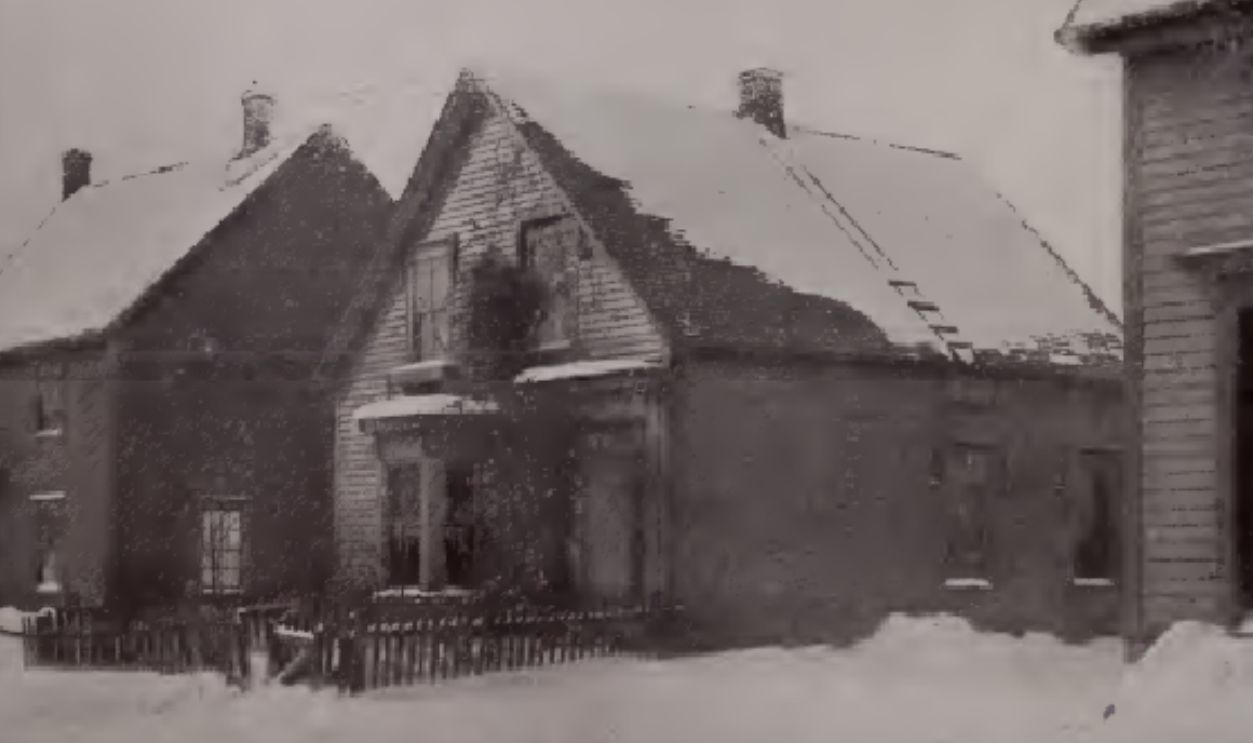
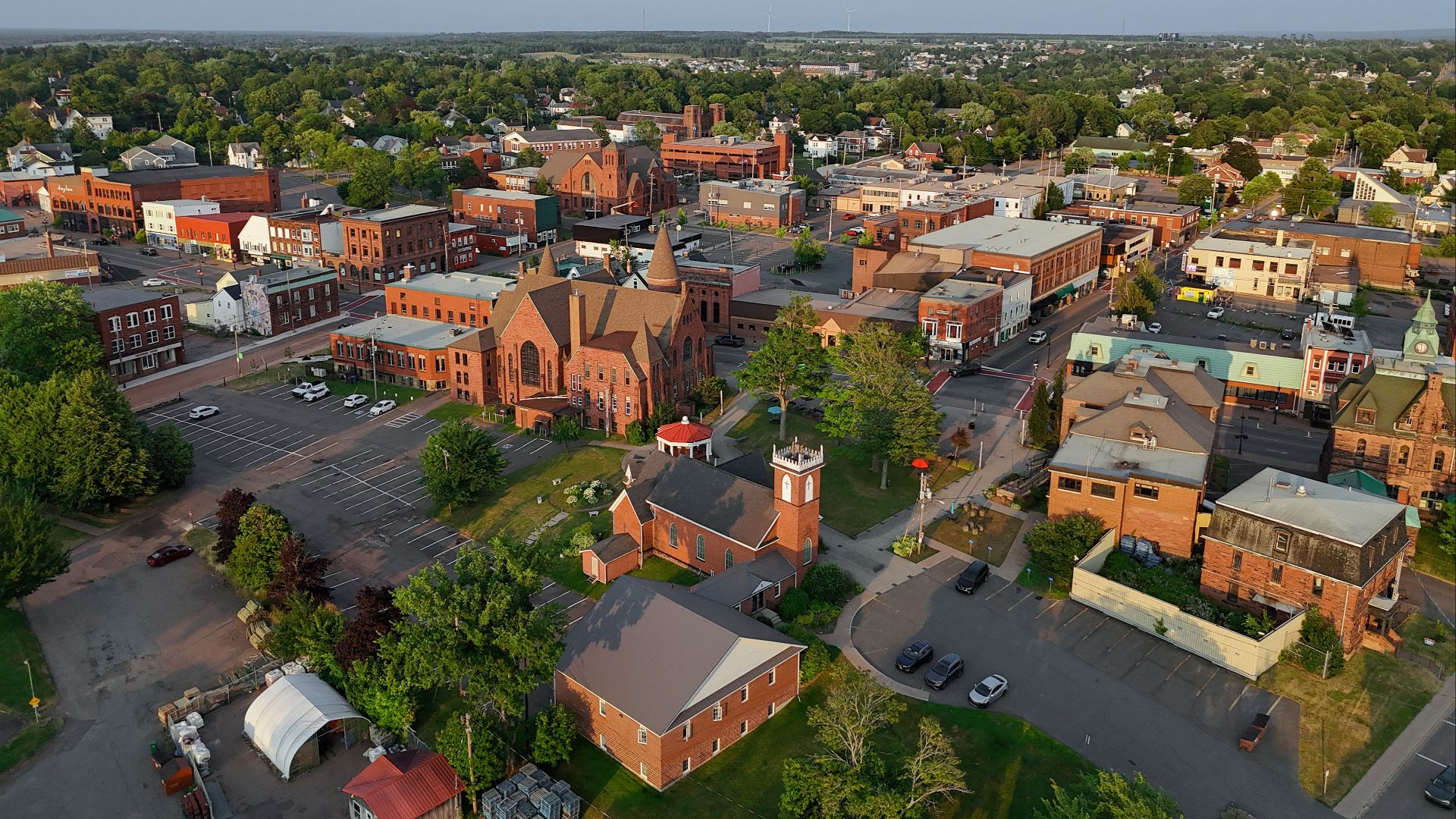
In 1878, 18-year-old Esther Cox of Amherst found herself at the center of what became known as the Great Amherst Mystery. Accounts described violent knocking, moving objects, unexplained fires, and disturbing messages appearing in the house. Tourism Nova Scotia now celebrates the story through Esther Fest, which openly treats the episode as one of the province's great paranormal tales rather than established supernatural fact.
 Hereward Carrington, Wikimedia Commons
The Mystery Became Bigger Than The House
The strange events attracted outside witnesses and eventually became part of international paranormal literature. More than a century later, Amherst still organizes events inspired by Cox and the story surrounding her. Few Canadian ghost legends became so closely identified with one real person whose ordinary life was overtaken by extraordinary claims.
 Quintin Soloviev, Wikimedia Commons
New Brunswick: The Dungarvon Whooper Would Not Stay Quiet
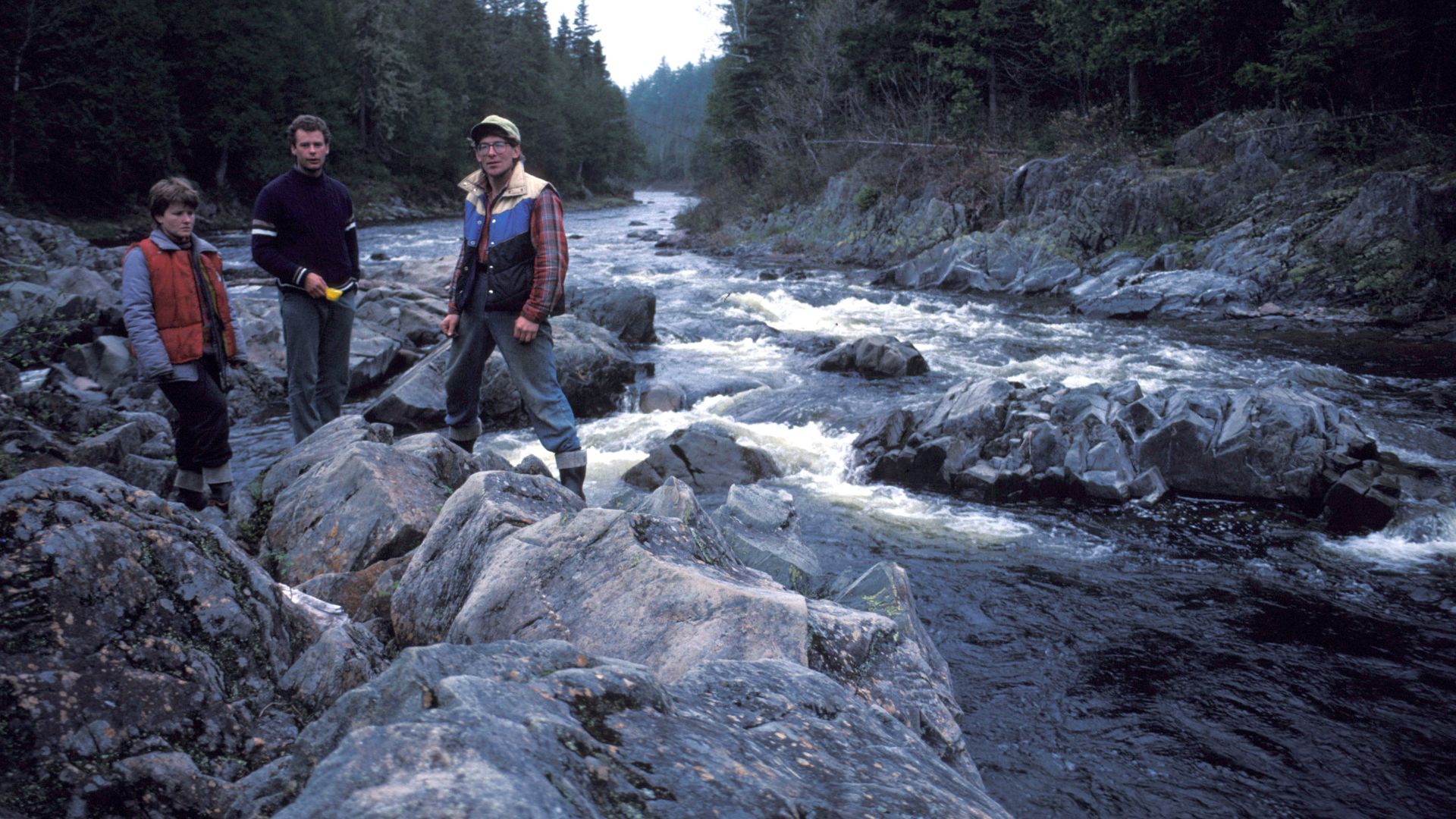
The Dungarvon Whooper is one of New Brunswick's classic lumber-camp ghost stories. Archival references describe a murdered cook whose death was followed by an inexplicable, terrifying noise in the woods along the Dungarvon River. The story became entrenched enough in provincial folklore that government archival material specifically catalogues it among New Brunswick lumbering traditions.
 New Brunswick Tourism, Wikimedia Commons
The Ghost Eventually Got A Place On The Map
The legend became so embedded in the region that Dungarvon Whooper Spring Woodlot Protected Natural Area is an official geographical name recognized by Natural Resources Canada. Folklore even attached warnings to the supposed grave, including claims that disturbing it would summon the noisy spirit. When a ghost story leaves its mark on an official map, it has clearly moved beyond an ordinary campfire tale.
Quebec: Lumberjacks Made A Deal For A Flying Canoe
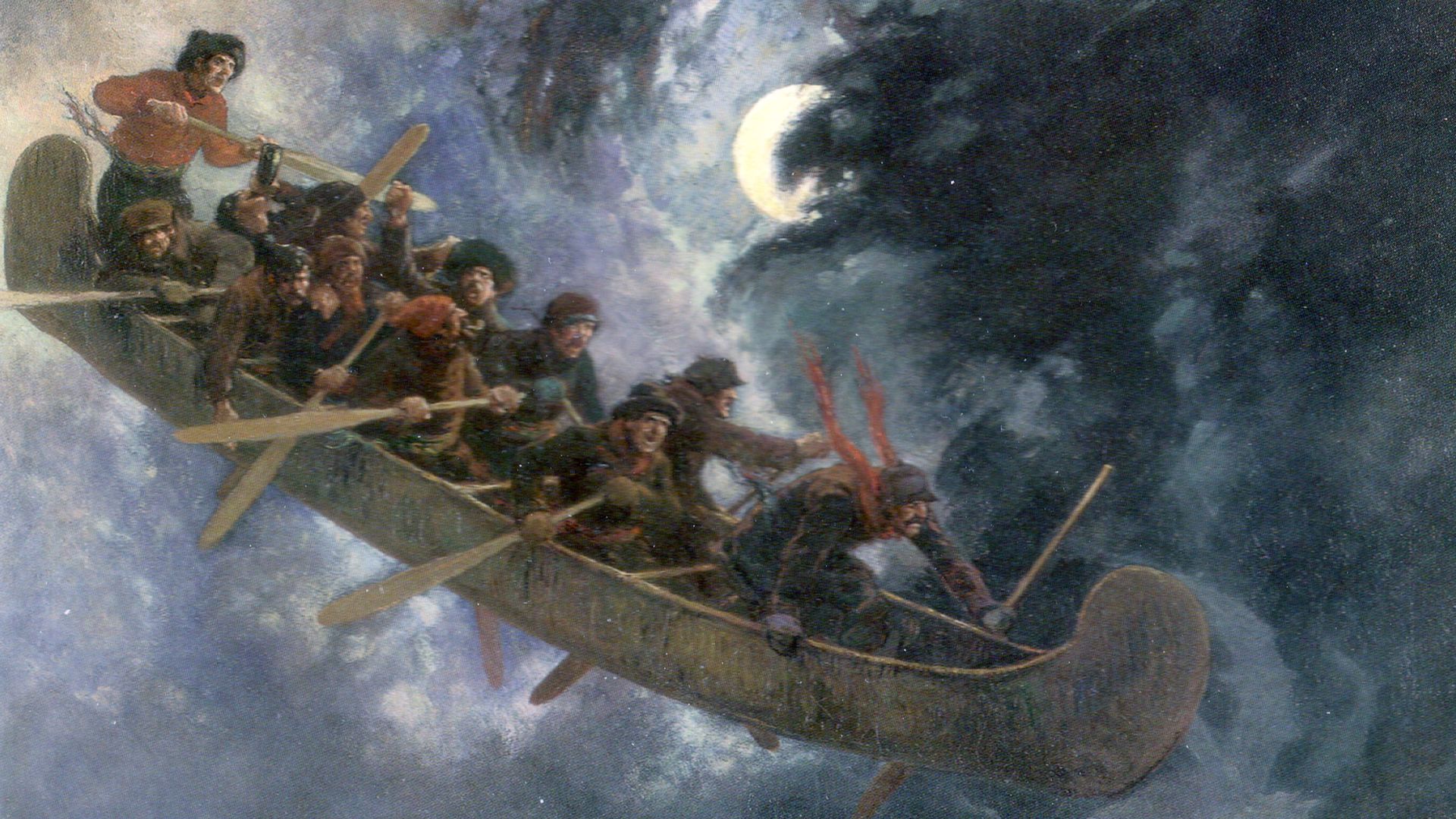
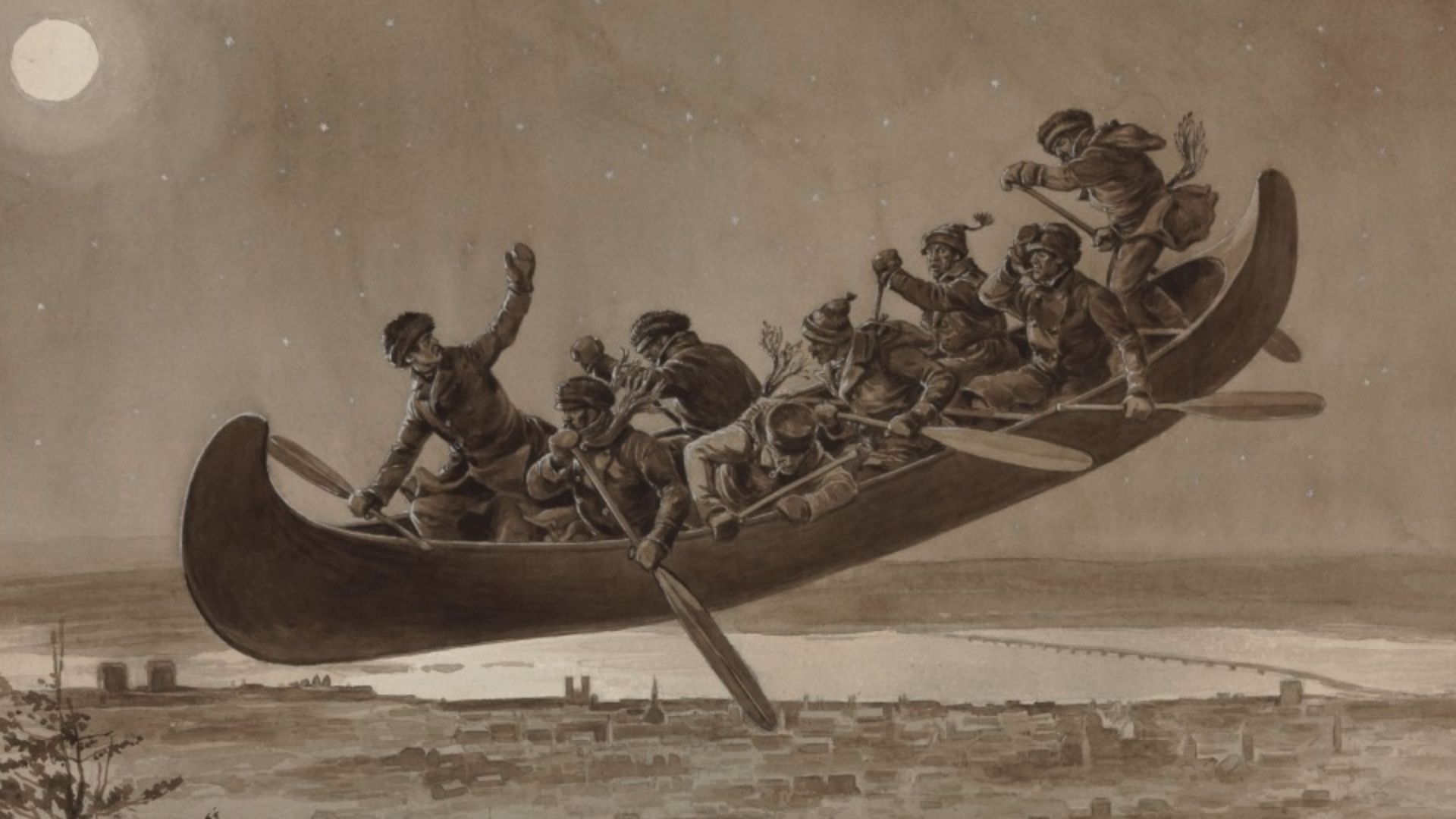
La chasse-galerie tells of isolated lumberjacks who desperately wanted to return home for New Year's celebrations. Their solution was to make a bargain with the Devil, who magically sent their canoe flying through the night sky. The arrangement came with dangerous rules, including avoiding church steeples and religious words that could cost the men their souls.
 Henri Julien, Wikimedia Commons
The Story Became Unmistakably Québécois
The legend blended older French tales of supernatural aerial hunts with stories of enchanted canoes in North America. Writer Honoré Beaugrand helped popularize a famous literary version in the late 19th century. Today, the image of terrified lumberjacks hurtling through the winter sky remains one of Quebec's most recognizable pieces of folklore.
 Henri Julien, Wikimedia Commons
Ontario: The Baldoon Farm Seemed To Attack Its Owners
Near present-day Wallaceburg, a series of bizarre 19th-century incidents became known as the Baldoon Mystery. The story developed around a family that reportedly endured unexplained disturbances on its farm, eventually giving the region one of Ontario's better-known supernatural legends. Chatham-Kent still promotes the mystery through the Wallaceburg and District Museum.
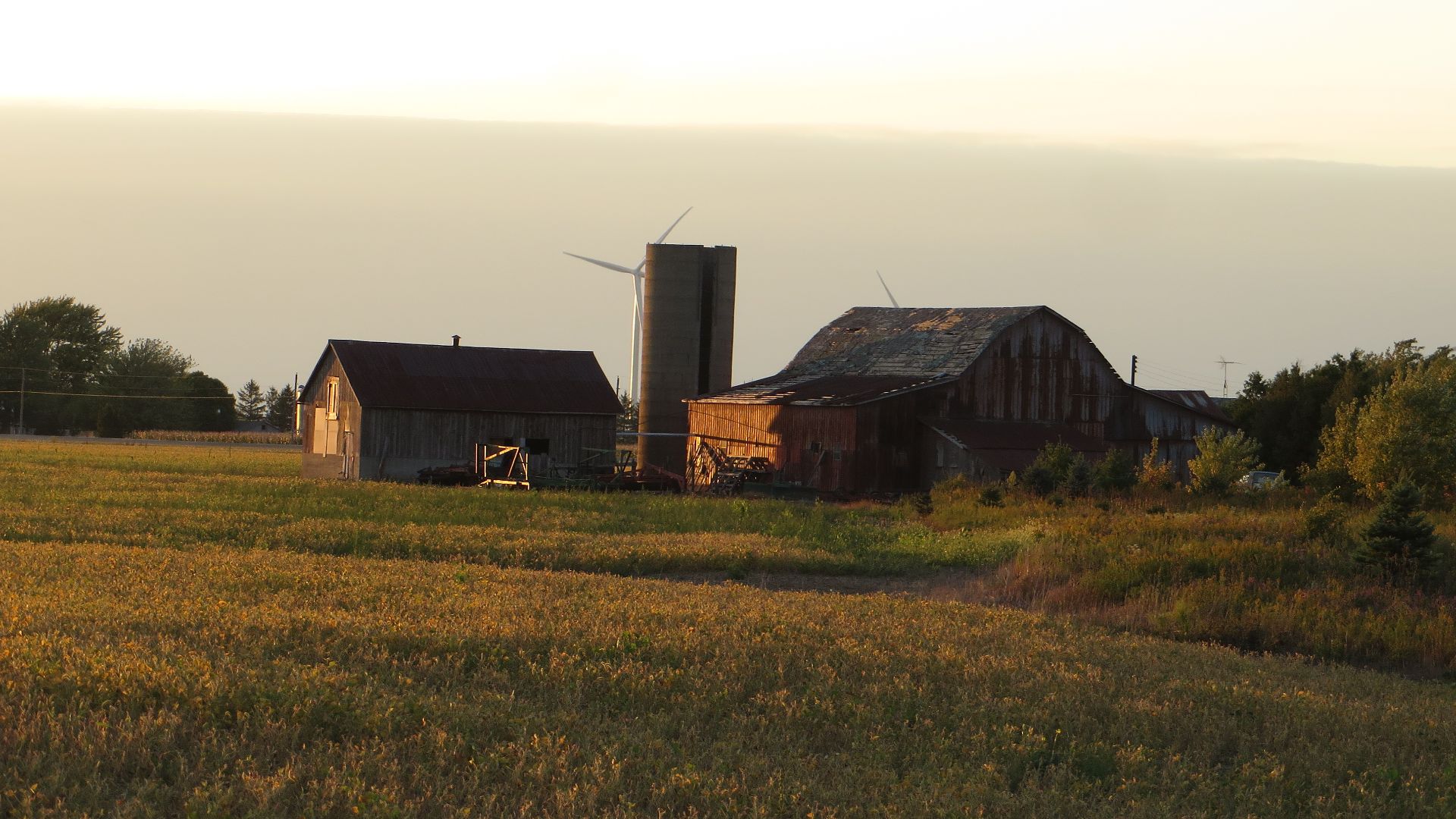 Ken Lund from Reno, Nevada, USA, Wikimedia Commons
The Mystery Never Really Left Wallaceburg
The municipality describes the Baldoon events as a series of unexplained occurrences from around 1830 that once attracted attention well beyond the immediate area. Local historical institutions continue to preserve books, displays, and artifacts connected with the legend. The important historical fact is not that anything supernatural was proven, but that the story became part of the community's identity.
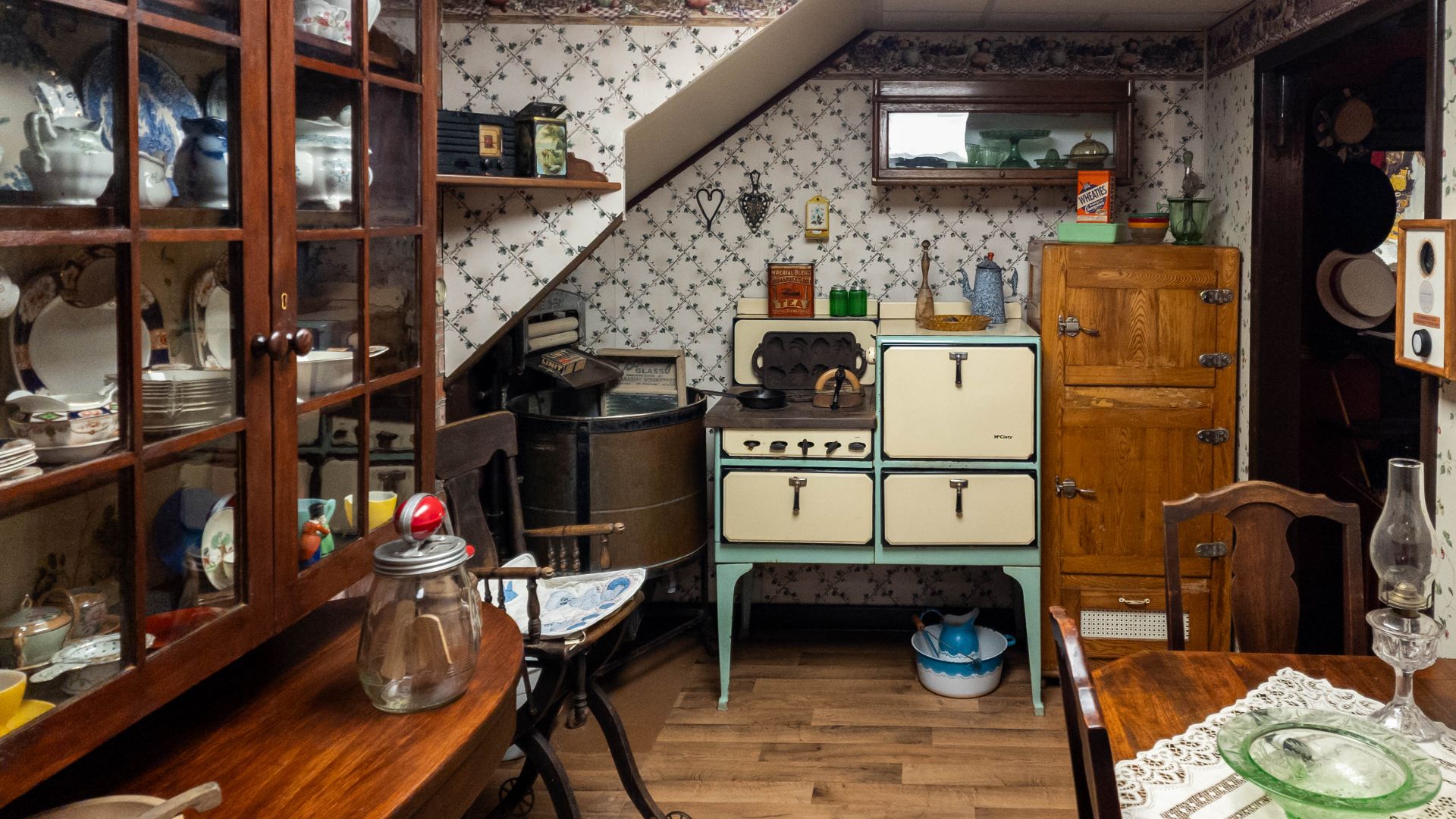 Crisco 1492, Wikimedia Commons
Manitoba: Something Huge Supposedly Lives In Lake Manitoba
Manipogo is Manitoba's answer to the classic lake-monster story. Travel Manitoba describes reports of a long, serpent-like creature in Lake Manitoba, with eyewitness estimates varying wildly from about 12 to 50 feet. Reported sightings stretch back generations, while Indigenous oral traditions from the region include much older stories of serpent-like beings associated with the lake.
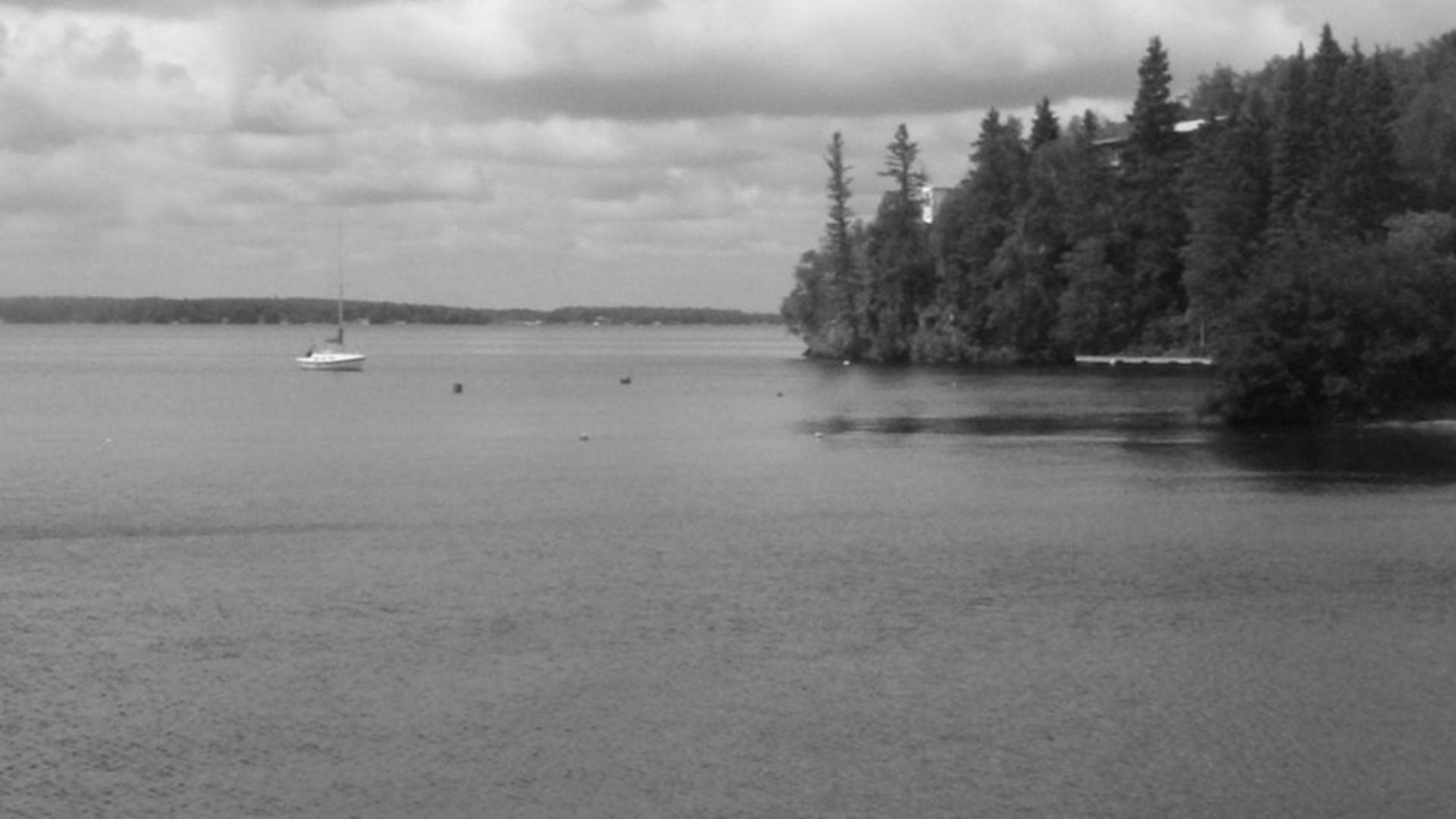
Manipogo Even Got A Name In The Modern Era
Canada's History says land inspector Tom Locke coined the name Manipogo in the 1960s, distinguishing the Lake Manitoba creature from the similarly named Winnipogo of Lake Winnipegosis. Reported descriptions often include a long body and unusual head breaking the water's surface. Skeptical explanations have ranged from large fish to misidentified moose, but the monster remains a fixture of Manitoba folklore.
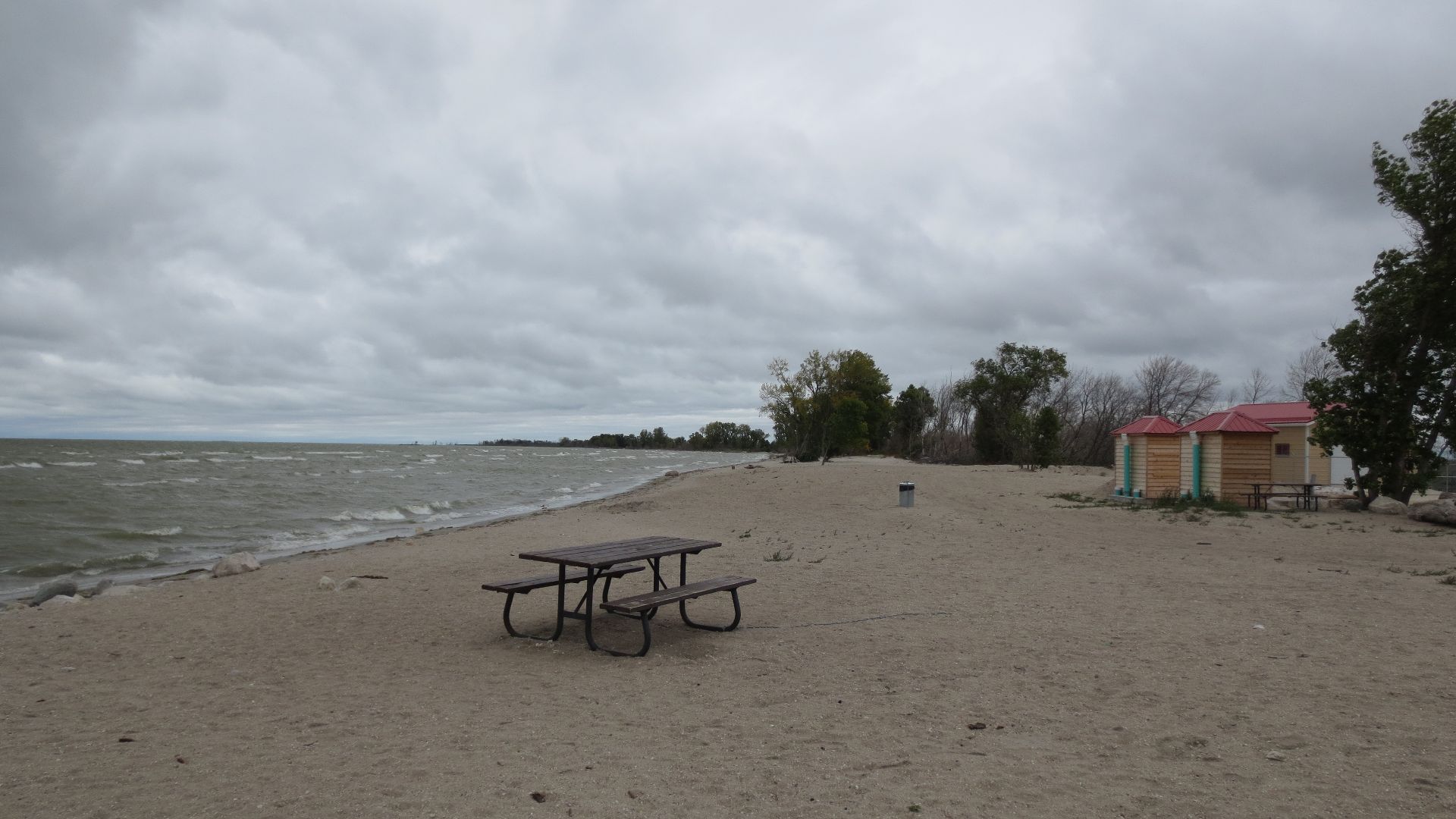
Saskatchewan: A Train Light Survived The Train Tracks
Near St. Louis, Saskatchewan, people have long reported a mysterious light appearing where railway tracks once ran. Local tradition turned the glow into the headlight of a phantom train, sometimes connected with the story of a railway worker killed along the line. The strangest detail is that sightings continued even after the rails were removed.
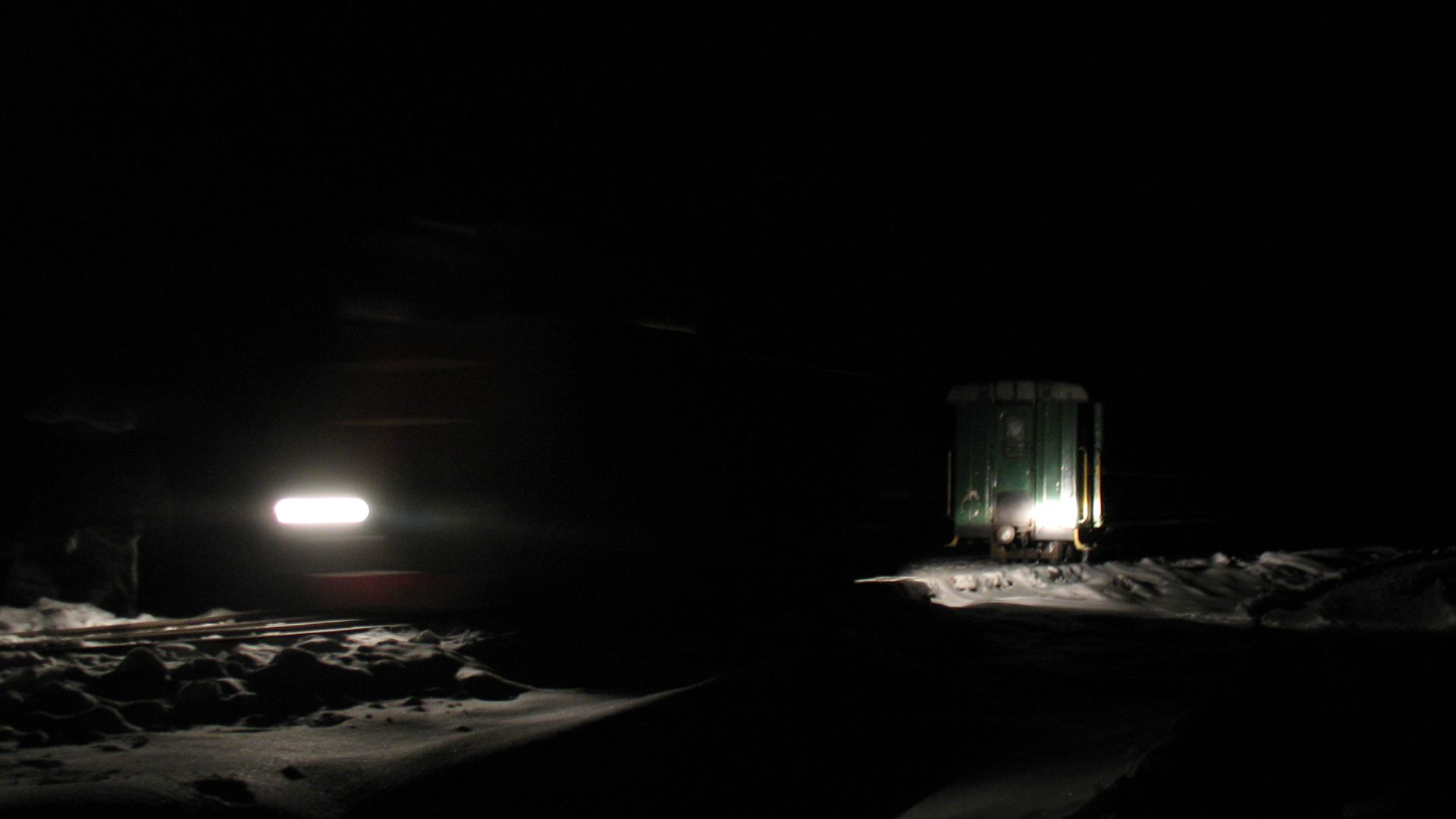 Artem Svetlov from Moscow, Russia, Wikimedia Commons
Skeptics Found A Possible Explanation
Researchers and skeptics have argued that distant vehicle headlights can create the illusion under the right atmospheric and geographic conditions. Canada's History notes that believers counter with stories claiming the light was seen long before cars became common in the area. Whatever causes it, the St. Louis Light became important enough to local identity that residents still speak of it as one of the community's defining stories.
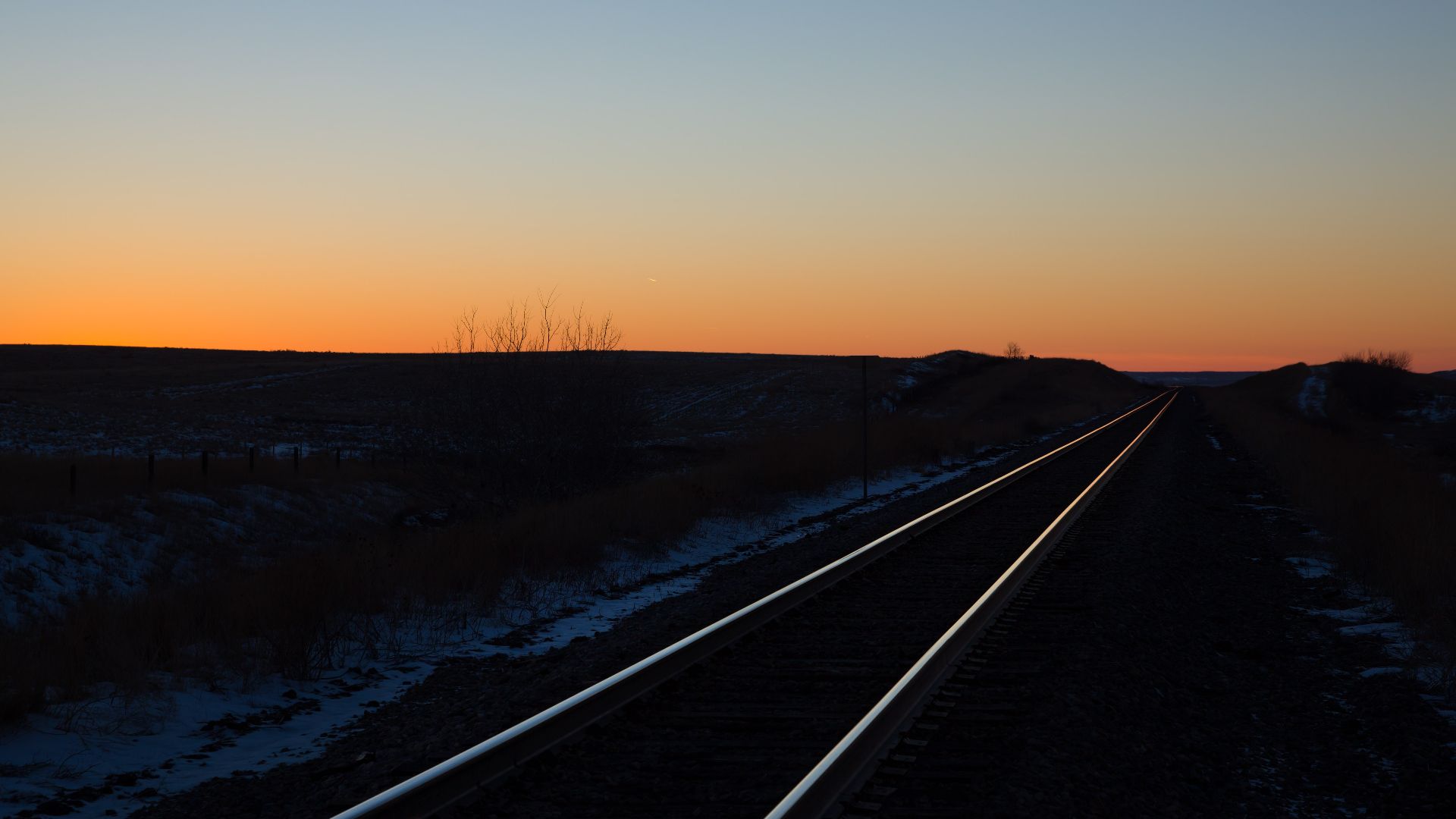 Kabelleger / David Gubler, Wikimedia Commons
Alberta: A Murder Supposedly Hid A Fortune In Gold
The Lost Lemon Mine legend begins with two prospectors, commonly called Lemon and Blackjack, supposedly discovering rich gold deposits somewhere in southwestern Alberta. In the most famous version, Lemon killed his partner before fleeing the mountains and later found himself unable to relocate the fortune. Canada's History traces the enduring story to accounts circulated by former senator Daniel Riley.
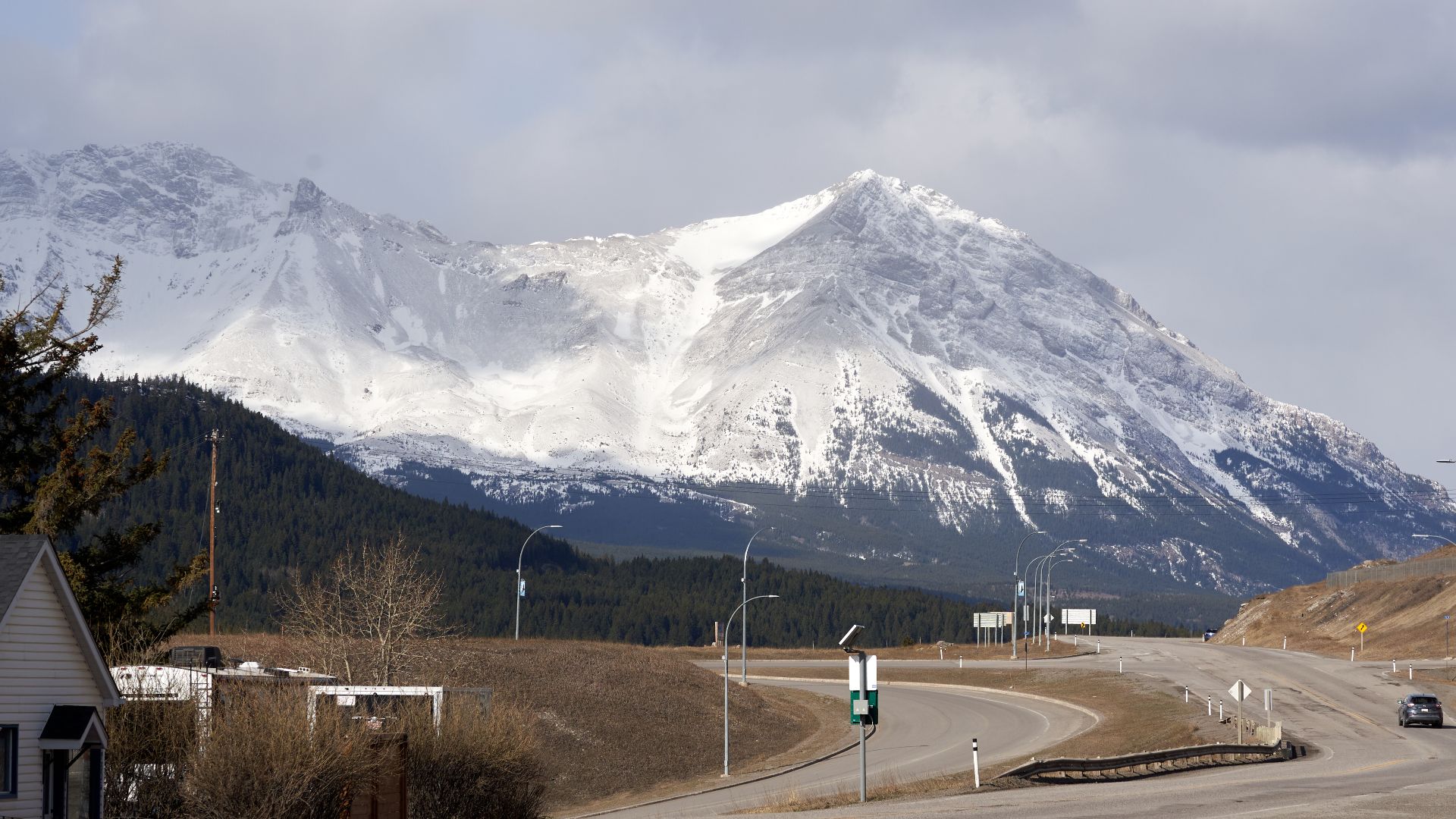
Treasure Hunters Never Completely Gave Up
Different versions place the mine in different locations and add curses, mysterious deaths, or secret maps. Crowsnest Pass tourism still promotes the Lost Lemon Mine as one of the region's most celebrated legends, and Alberta's tourism industry has even turned the tale into entertainment. Nobody has conclusively produced the fabled mine, which is exactly what keeps the story useful.
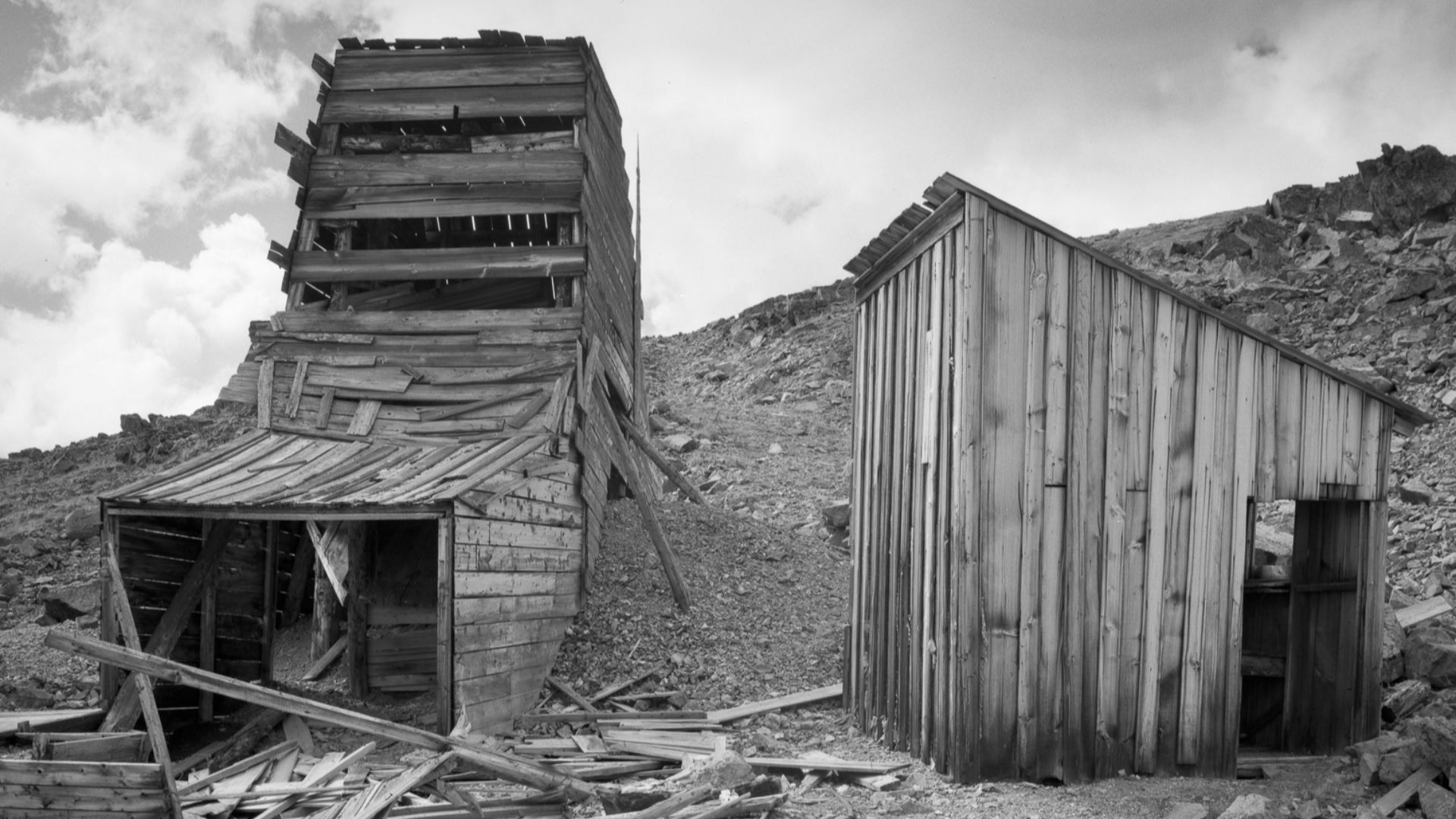 Anthony DeLorenzo from Whitehorse, Yukon, Canada, Wikimedia Commons
British Columbia: Ogopogo Is More Complicated Than A Lake Monster
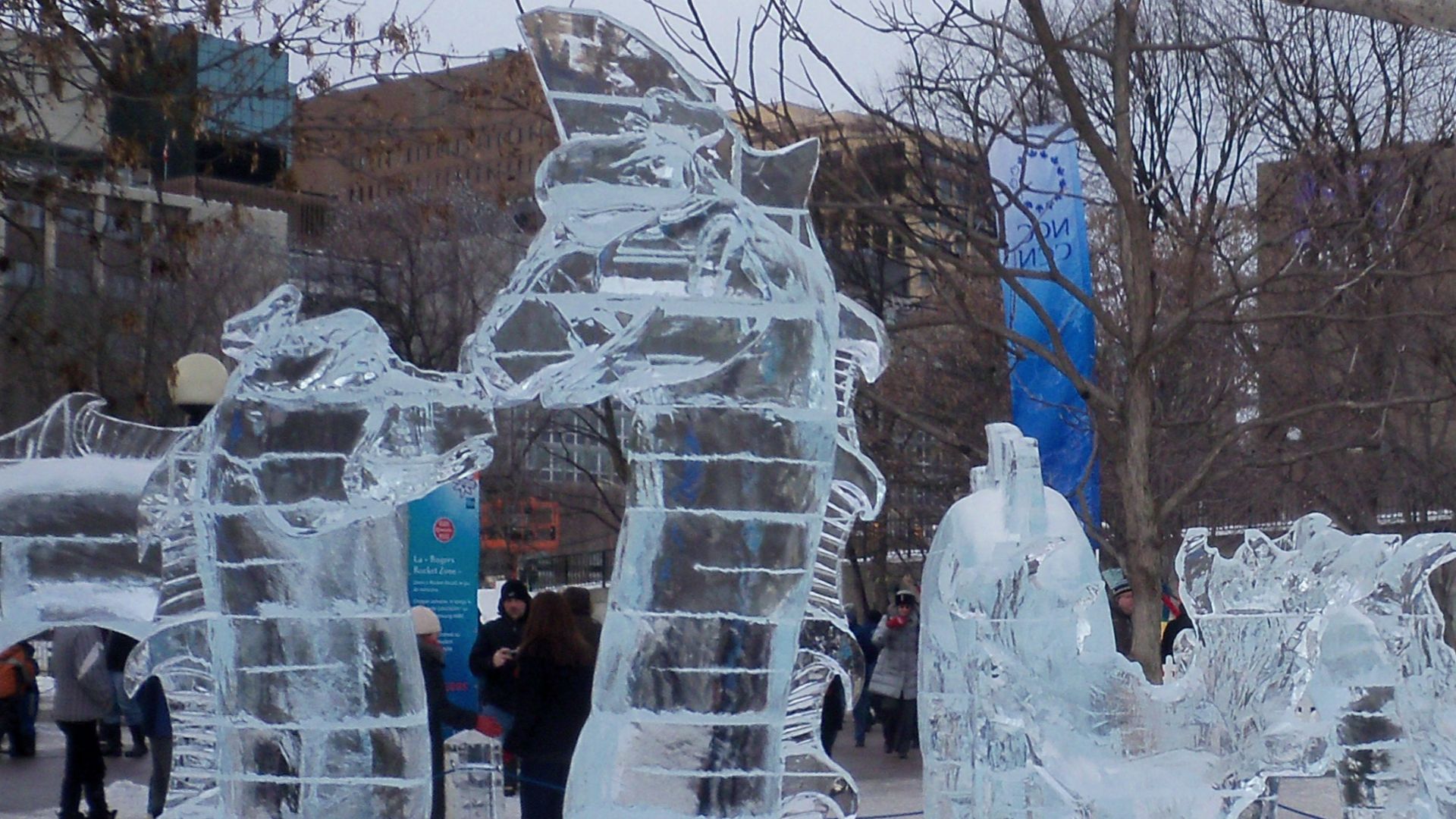
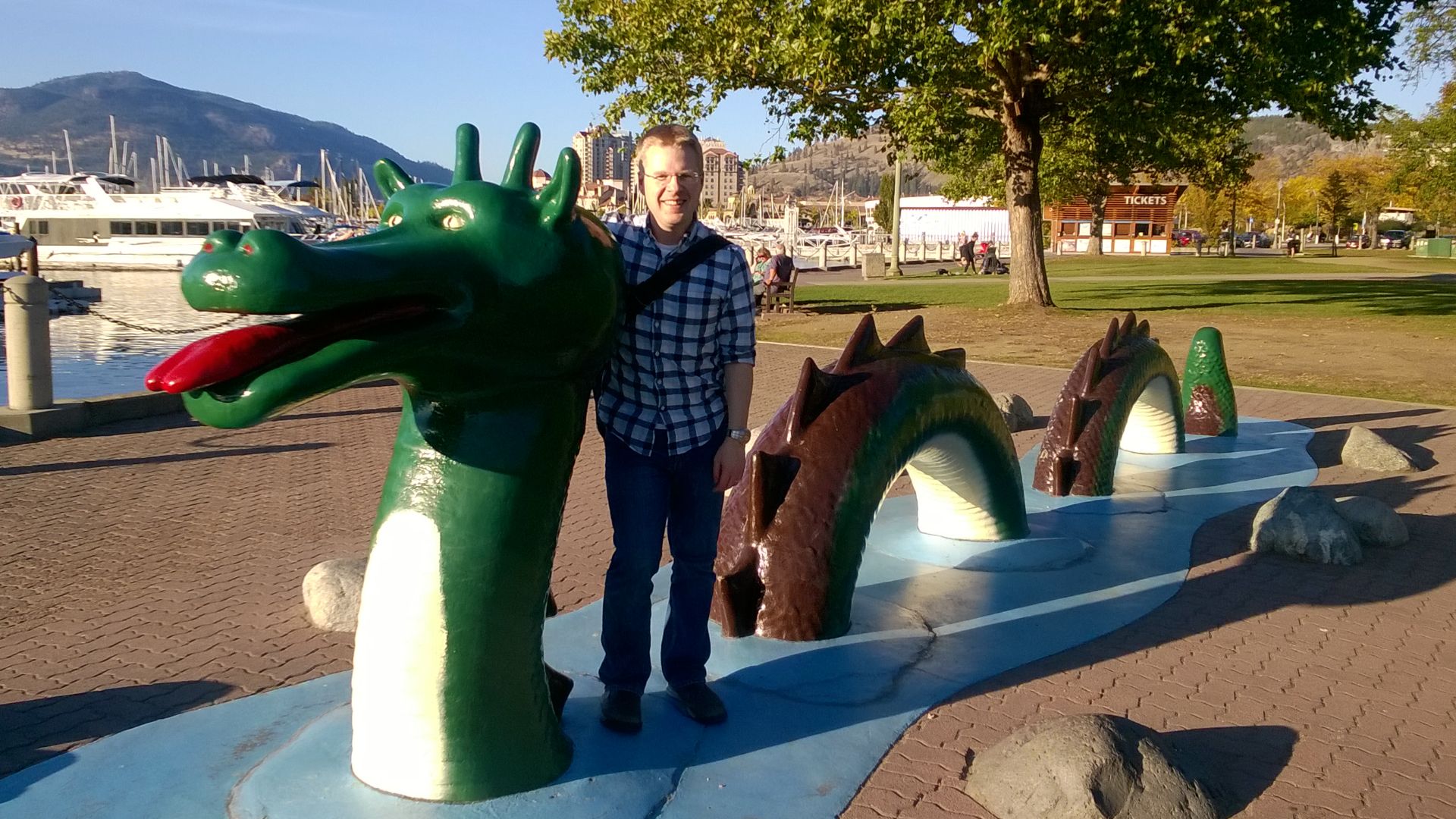
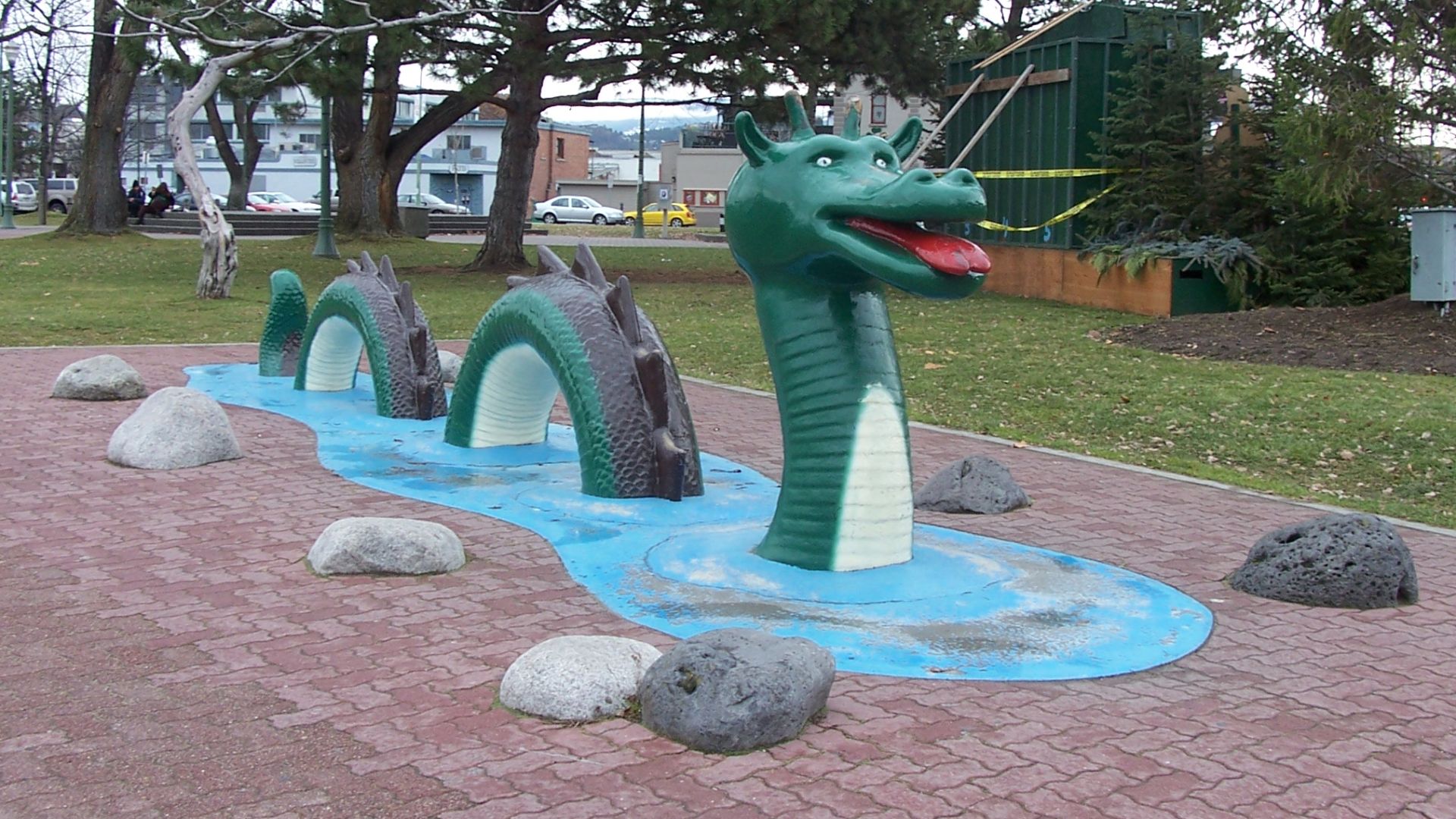
Okanagan Lake's famous creature is popularly called Ogopogo, and Kelowna has long embraced a cheerful cartoon version as a tourism symbol. The deeper Syilx tradition, however, concerns nx̌ax̌aitkʷ, a spiritual being associated with the lake rather than simply Canada's version of the Loch Ness Monster. Tourism Kelowna itself now encourages visitors to understand that distinction.
 Deinocheirus, Wikimedia Commons
The Mascot And The Tradition Are Not The Same Thing
Settler reports of strange things in Okanagan Lake helped transform an Indigenous spiritual tradition into the modern Ogopogo cryptid story. Kelowna installed a well-known Ogopogo sculpture on its waterfront, where tourists still pose for photographs. The result is a fascinating example of how a serious cultural tradition can become mixed with commercial folklore over time.
 Mack Male from Edmonton, AB, Canada, Wikimedia Commons
Yukon: Bessie Gideon Apparently Never Checked Out
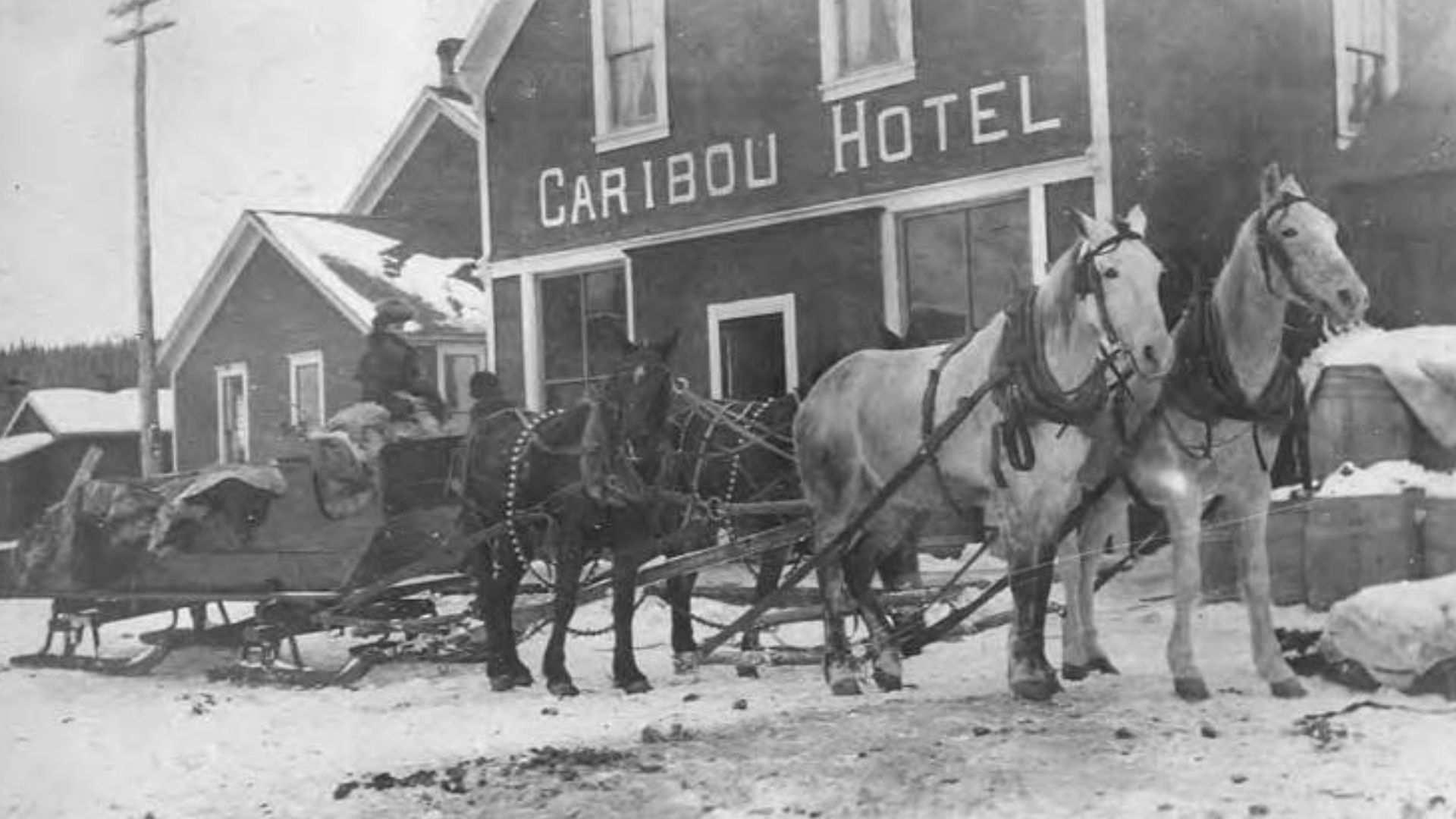
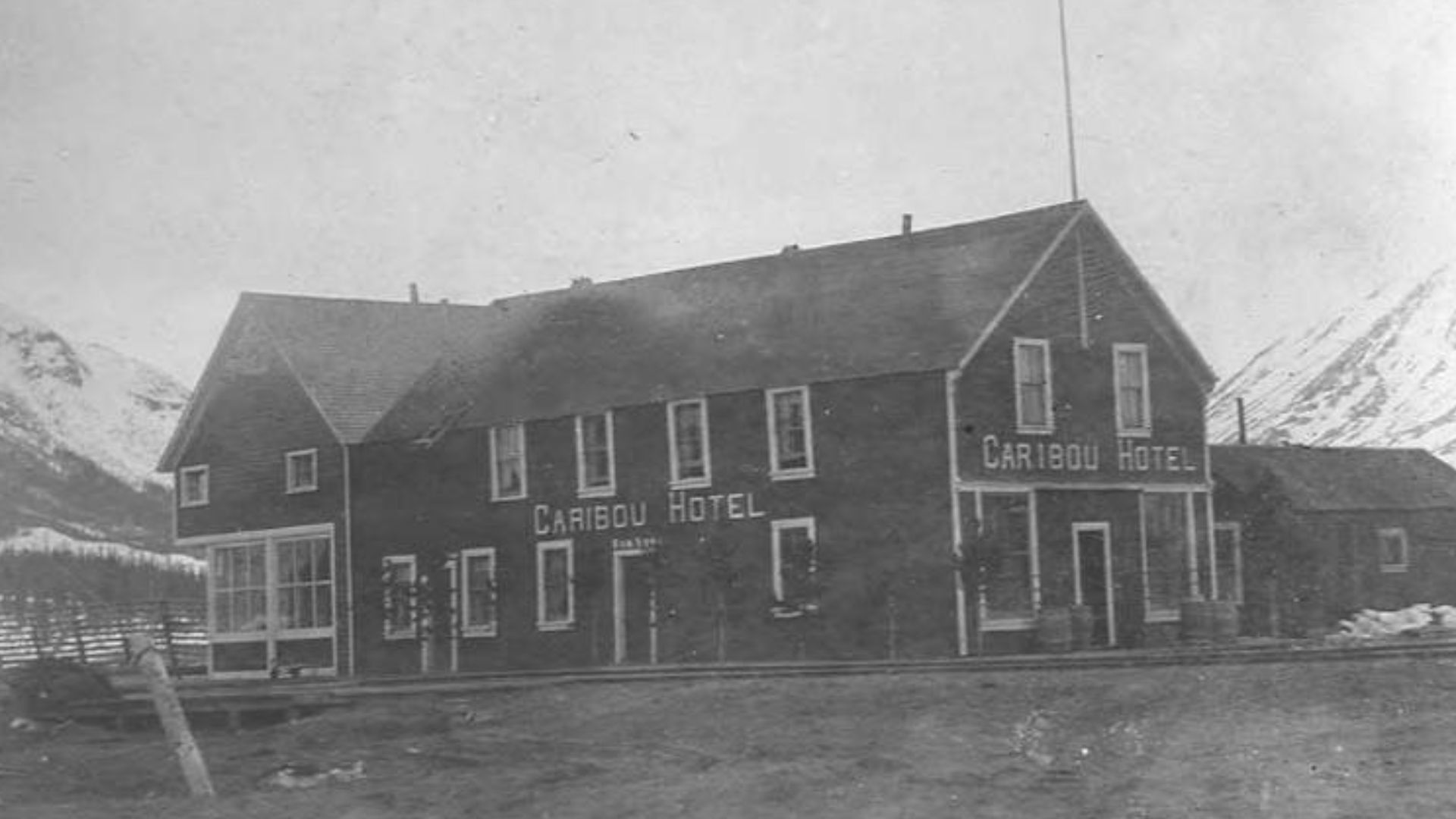
The Caribou Hotel in Carcross has a real Gold Rush history and an equally persistent ghost story. Travel Yukon says former proprietor Bessie Gideon is reputed to haunt the building, with stories of knocks, unexplained movements, and appearances around the upper floors. Gideon actually ran the property and died in 1933, giving the legend a documented historical figure at its center.
 Unknown authorUnknown author, Wikimedia Commons
The Haunted Hotel Also Had A Cursing Parrot
As if the ghost were not memorable enough, the Caribou Hotel became famous for Polly, a long-lived parrot associated with the property from 1918 until 1972. Travel Yukon cheerfully markets both Bessie and Polly as part of the hotel's unusual legacy. Few Canadian historic sites manage to combine Gold Rush history, a resident apparition, and a famously foul-mouthed bird in one story.
 Unknown authorUnknown author, Wikimedia Commons
Northwest Territories: Nahanni Became The Valley Of The Headless Men
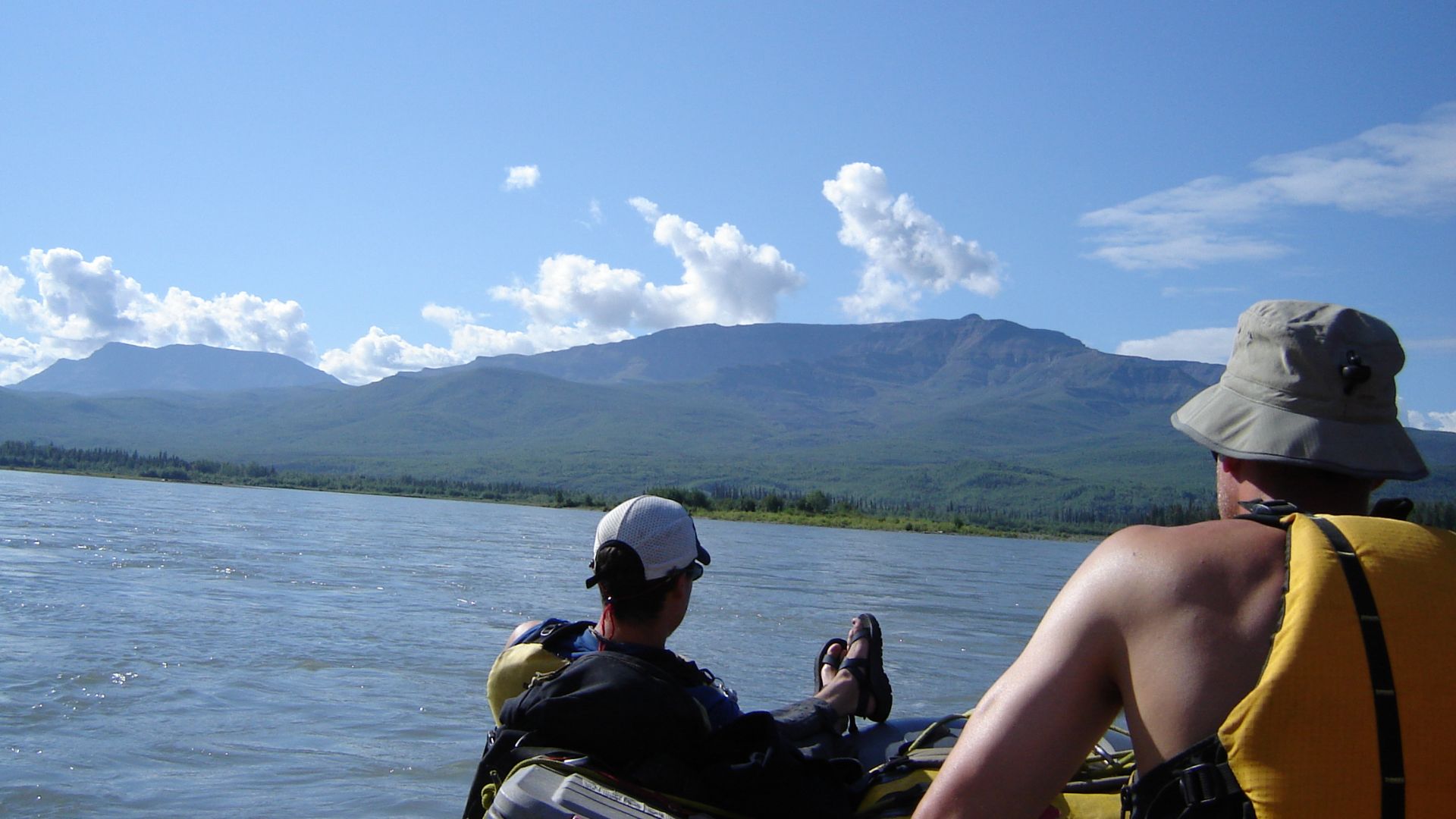
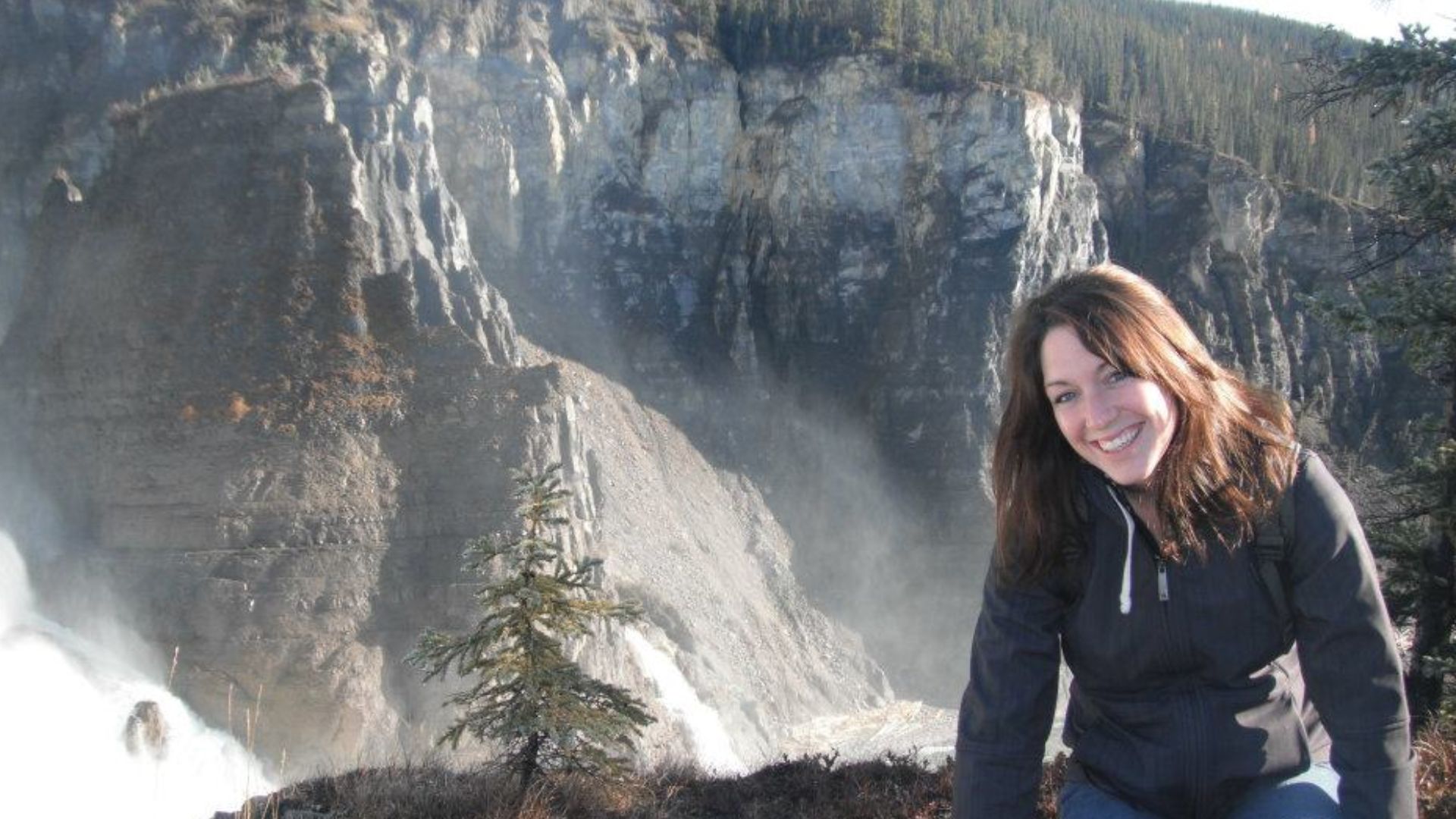
Nahanni National Park Reserve contains some of Canada's most intimidating wilderness, and stories surrounding the area eventually produced the nickname “Valley of the Headless Men.” Spectacular NWT recounts tales of prospectors who disappeared or were later found dead under strange circumstances, helping generate a reputation for the region as cursed or haunted. The remoteness of the landscape made already grim historical events even easier to transform into legend.
 Fort Simpson Chamber of Commerce, Wikimedia Commons
The Landscape Did Half The Storytelling
Nahanni is difficult to reach even today, with major areas accessible only by aircraft or river travel. Early travelers entered an enormous, sparsely populated region where disappearance could have many entirely natural explanations. Yet stories of missing men and unexplained deaths turned geographic isolation into something almost supernatural in the public imagination.
 Fort Simpson Chamber of Commerce, Wikimedia Commons
Nunavut: Qallupilluit Wait Beneath The Ice
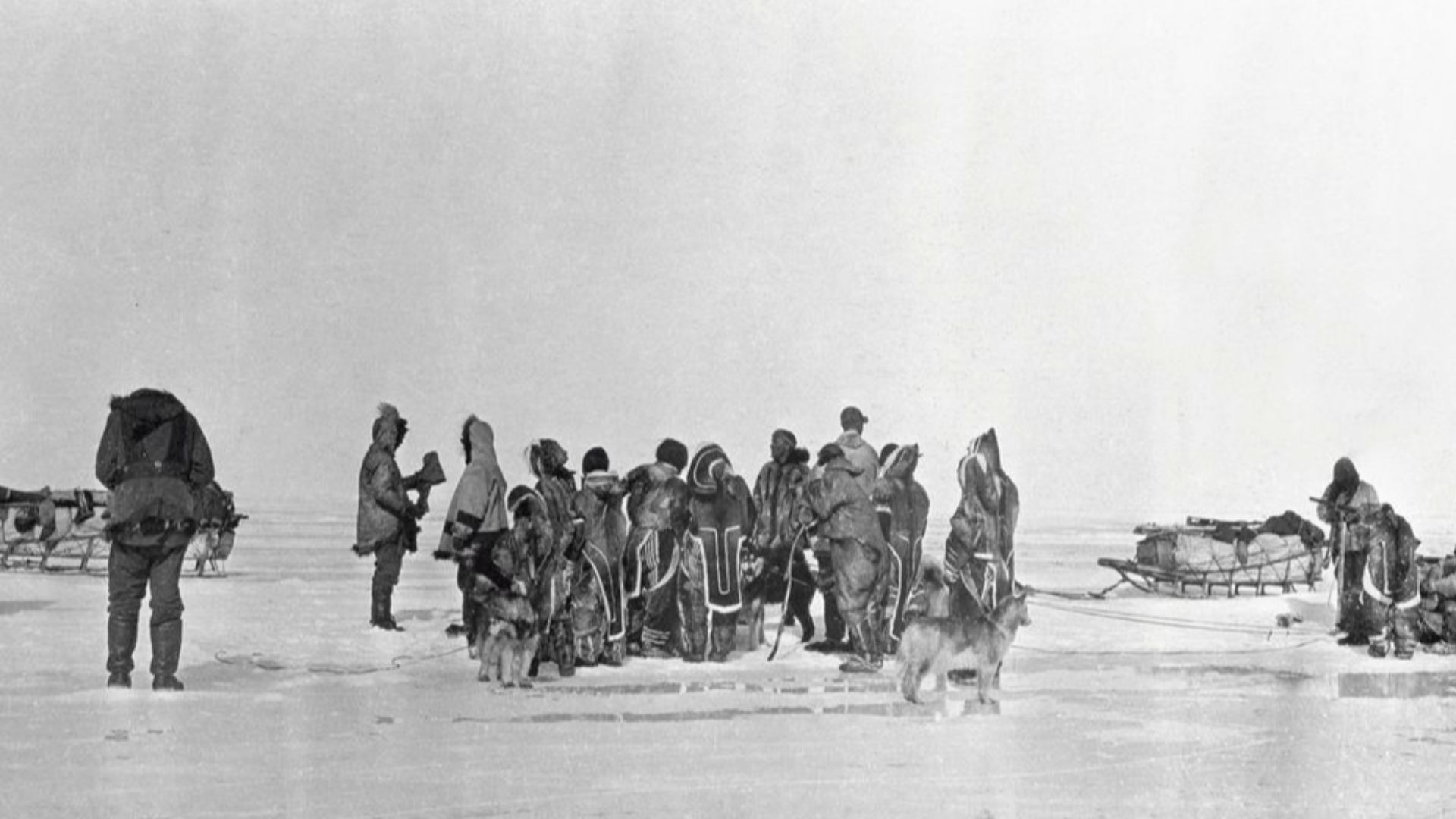
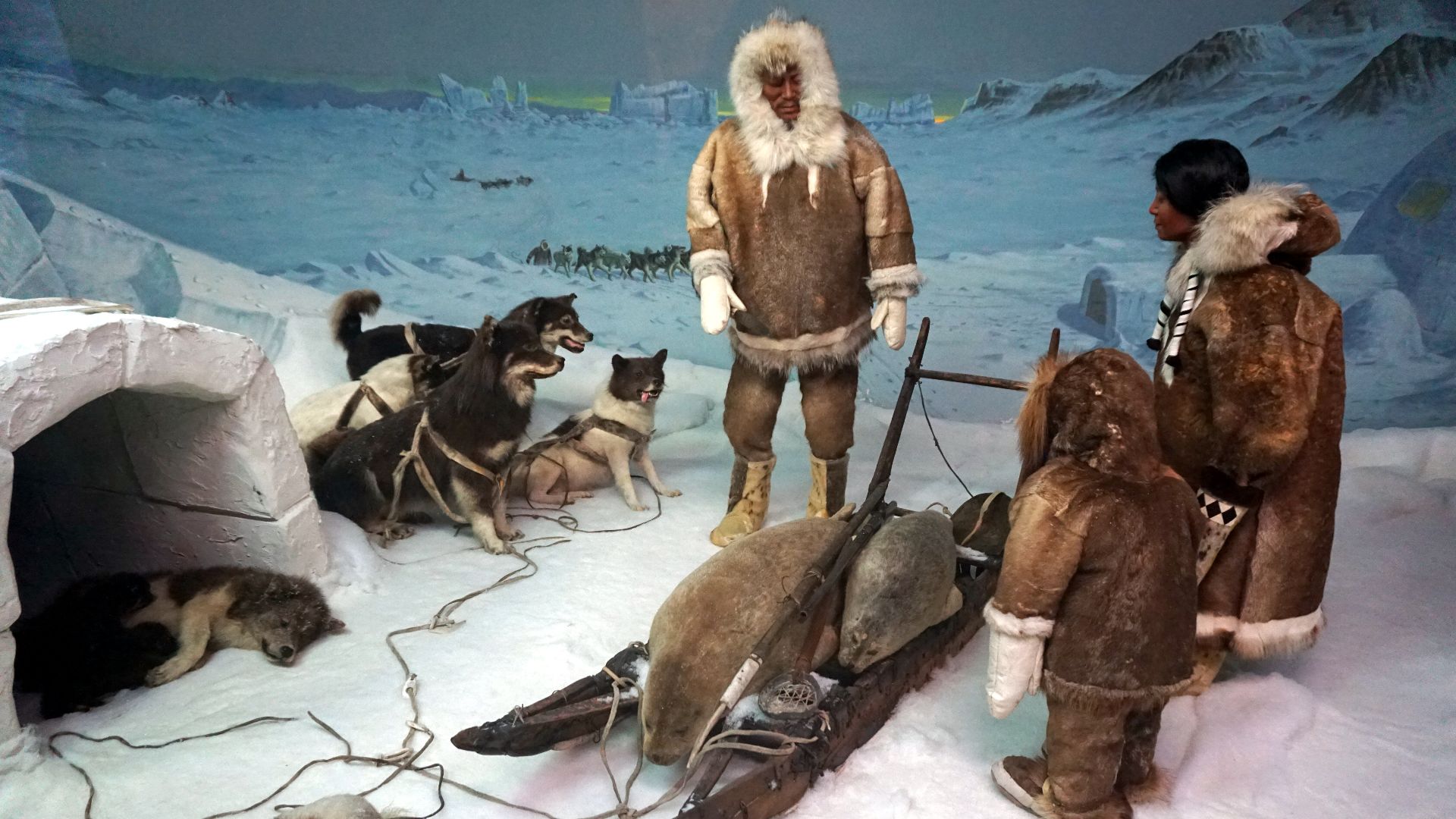
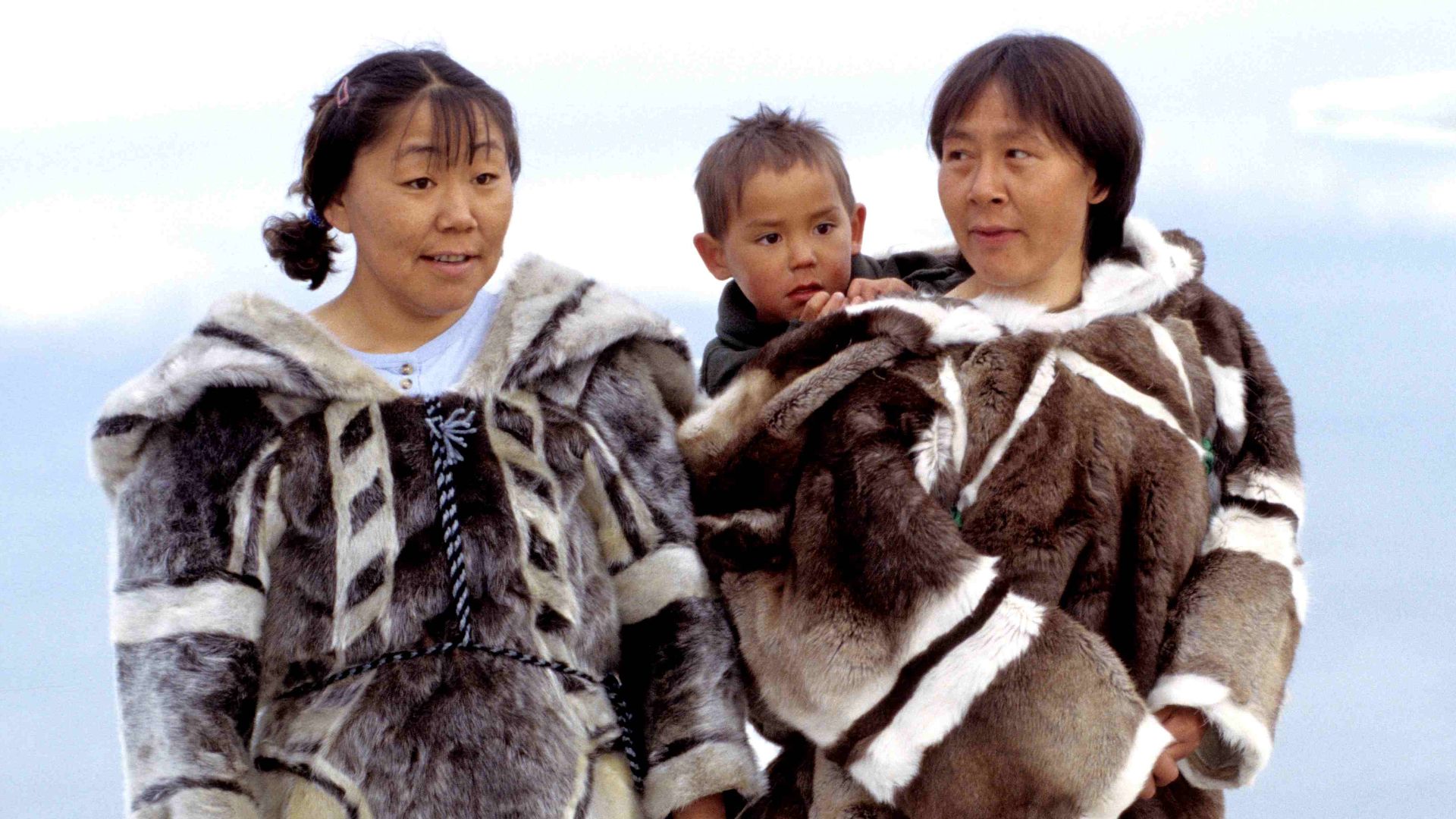
In Inuit oral traditions, Qallupilluit or Qalupalik are frightening beings associated with the water and sea ice. The Inuit Art Foundation describes them as humanoid creatures said to wait beneath the ice and carry away children who venture dangerously close to the floe edge. The stories function in part as cautionary teachings about a genuinely hazardous Arctic environment.
 J.J. O'Neill, Wikimedia Commons
The Creature Still Appears In Inuit Art
Qalupalik is not merely an old story frozen in the past. Inuit artists including David Ruben Piqtoukun, Tim Pitsiulak, Annie Killabuk, and Susie Seeta Saila have represented the being in modern sculpture and graphic art. That continuing artistic life is a reminder that Inuit oral traditions should be treated as living cultural knowledge, not reduced to generic monster stories.
 Michael Barera, Wikimedia Commons
Not Every Legend Is Supposed To Be Taken Literally
Canadian folklore includes ghost stories, cautionary tales, spiritual traditions, claimed eyewitness encounters, and stories designed partly for entertainment. Treating all of them as failed attempts at scientific reporting misses much of their purpose. Folklore often explains frightening experiences, reinforces community values, or gives cultural meaning to a difficult landscape.
Tourism Keeps Many Of The Stories Alive
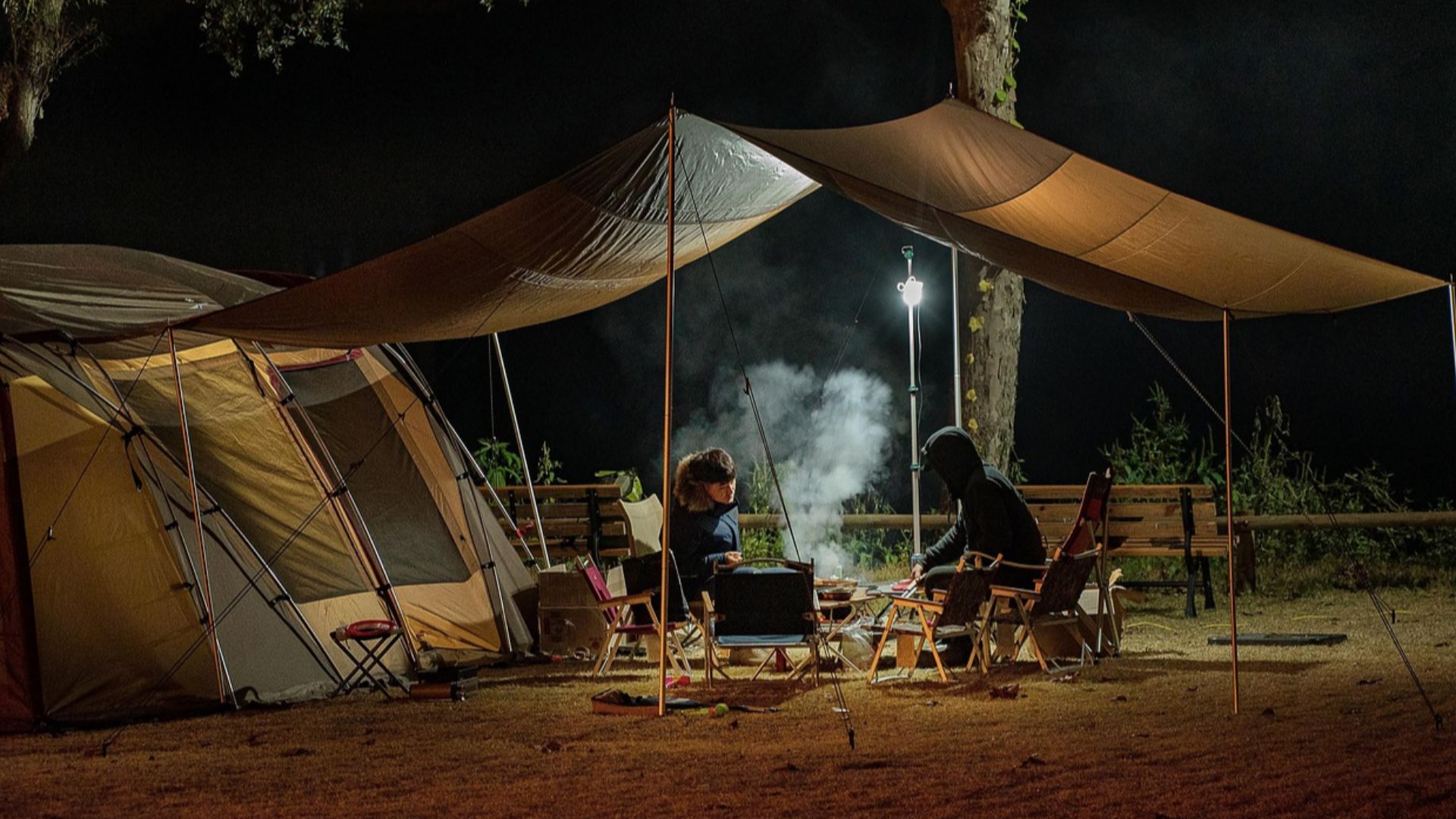
Several of these legends now have physical destinations attached to them. Amherst holds Esther Fest, Kelowna has an Ogopogo sculpture, Carcross promotes the haunted Caribou Hotel, and Chatham-Kent maintains museum material about the Baldoon Mystery. Folklore survives particularly well when visitors can stand in the place where the story supposedly happened.
 Hamedog at English Wikipedia, Wikimedia Commons
Indigenous Stories Need More Than A Cryptid Label
Some Canadian legends entered popular culture only after Indigenous traditions were retold by outsiders. Tourism Kelowna now explicitly distinguishes the cartoon Ogopogo from Syilx teachings about nx̌ax̌aitkʷ, while the Inuit Art Foundation presents Qallupilluit within a broader Inuit spiritual and social context. That distinction matters because living cultural traditions are not interchangeable with modern paranormal entertainment.
 Ansgar Walk, Wikimedia Commons
The Best Legends Refuse To Stay Finished
A strange light gets a railway-worker backstory, an old hotel acquires generations of ghost sightings, and a lake creature becomes both a tourist mascot and an object of investigation. Details shift because legends are repeatedly retold by different communities and generations. Their factual claims may remain unproven, but their continued place in Canadian culture is very real.

You May Also Like:
The Creepiest Places In The World
Five Must-Have Travel Accessories
Sources: 1, 2, 3, 4, 5, 6, 7, 8, 9, 10, 11, 12, 13, 14, 15, 16, 17, 18, 19, 20, 21, 22, 23, 24, 25, 26, 27