Scientists Found Evidence That Our Ancestors Nearly Vanished—And Somehow A Tiny Population Survived
Around 900,000 years ago, something may have gone terribly wrong for our distant human ancestors. A major genetic study concluded that the population capable of reproducing crashed to roughly 1,280 individuals and stayed frighteningly small for more than 100,000 years. Somehow, that lineage survived—and eventually helped give rise to us.

The Discovery Was Announced In August 2023
The research appeared in Science on August 31, 2023, with the full journal issue dated September 1. The international team included scientists from China, Italy, and the United States. Their study proposed one of the most dramatic population crashes ever suggested in the human evolutionary story.
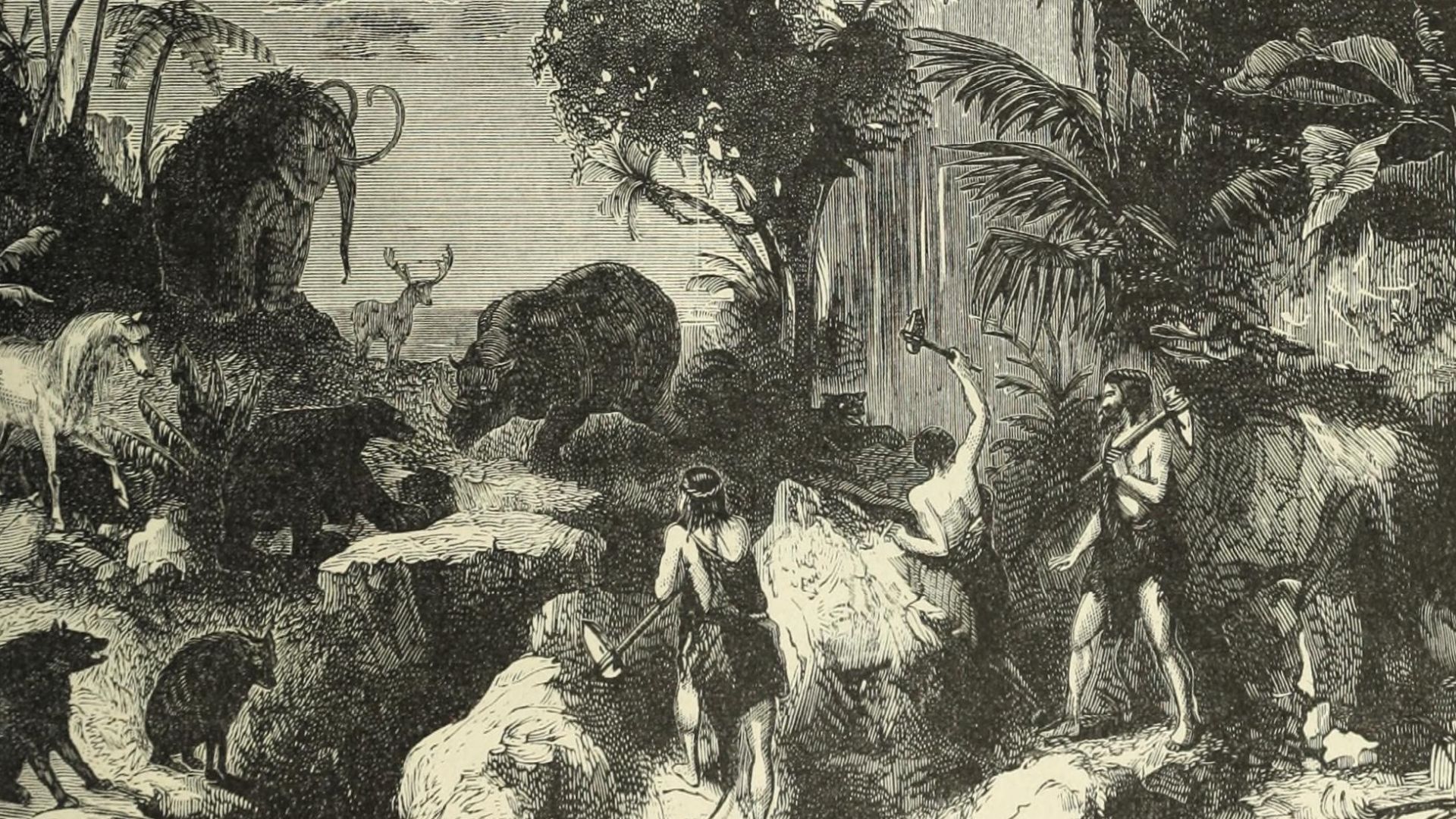 Gilbert, Frank, Wikimedia Commons
This Wasn’t Actually Ancient DNA
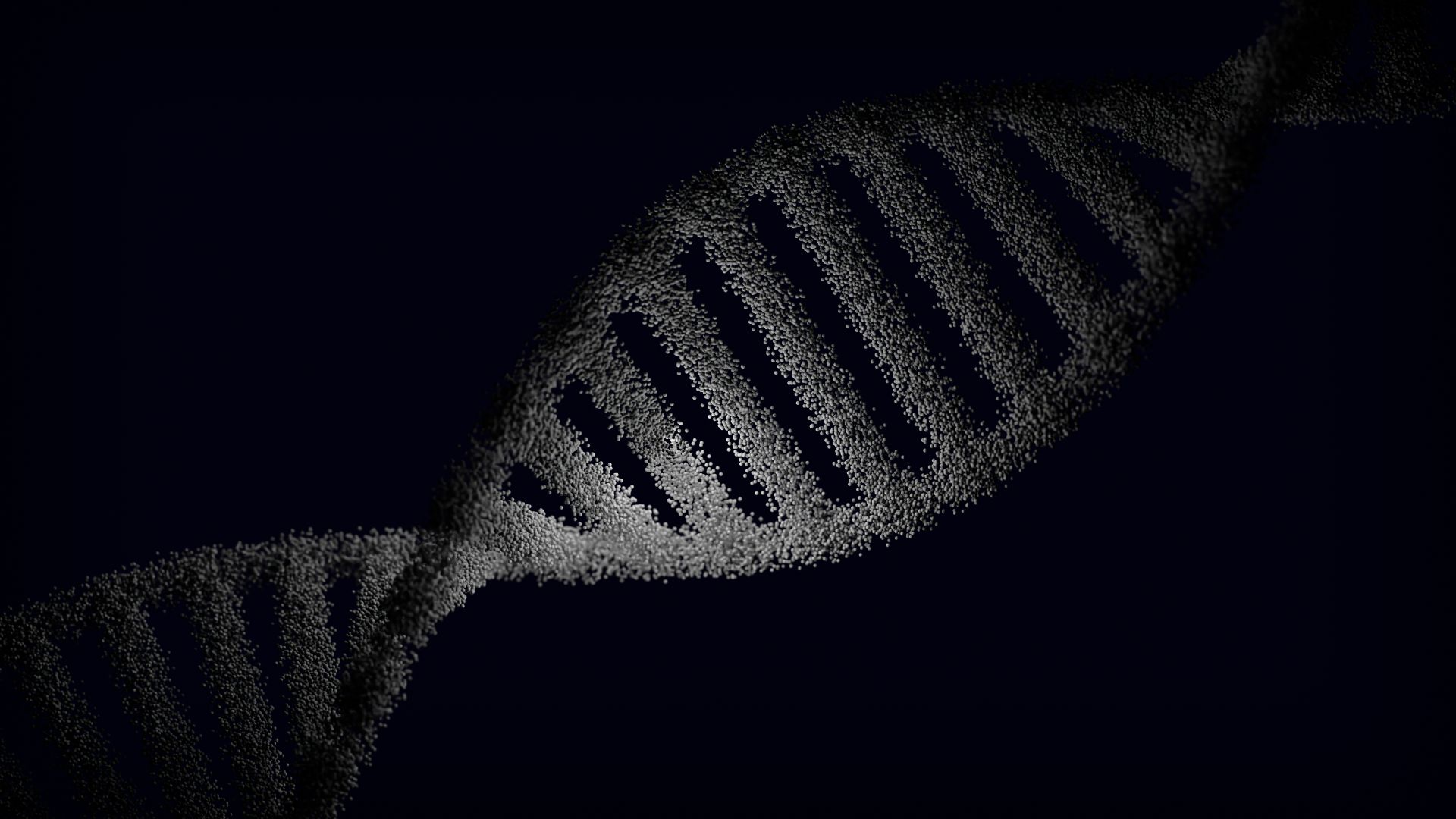
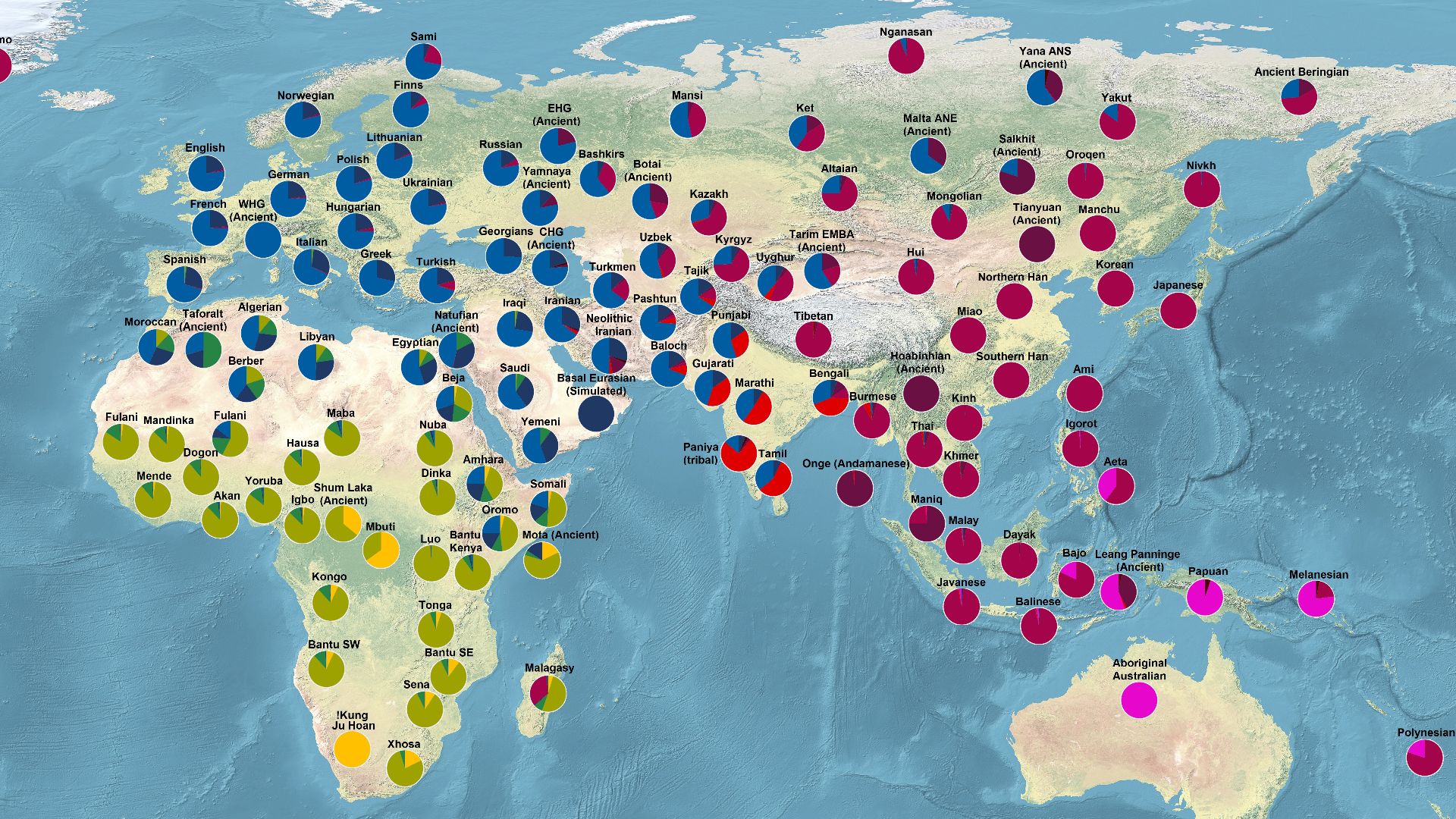
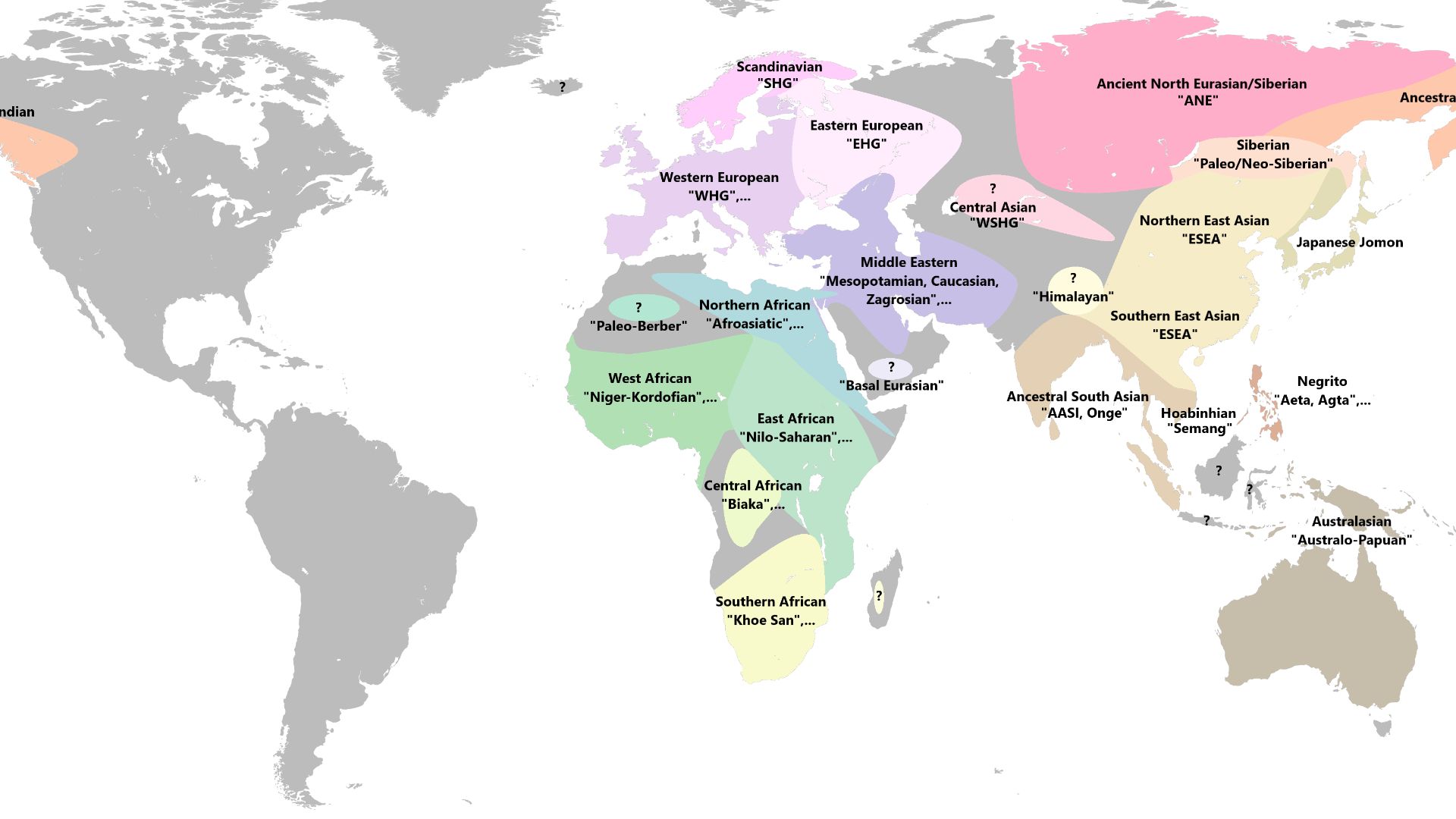
There’s an important twist here. Researchers did not recover DNA from people who lived 900,000 years ago. Instead, they analyzed genetic variation preserved in 3,154 present-day human genomes and worked backward mathematically to reconstruct what ancestral populations may have looked like. This will make more sense as you read on.
 Svante Paabo, Max Planck Institute for Evolutionary Anthropology, Wikimedia Commons
Modern DNA Still Carries Ancient History
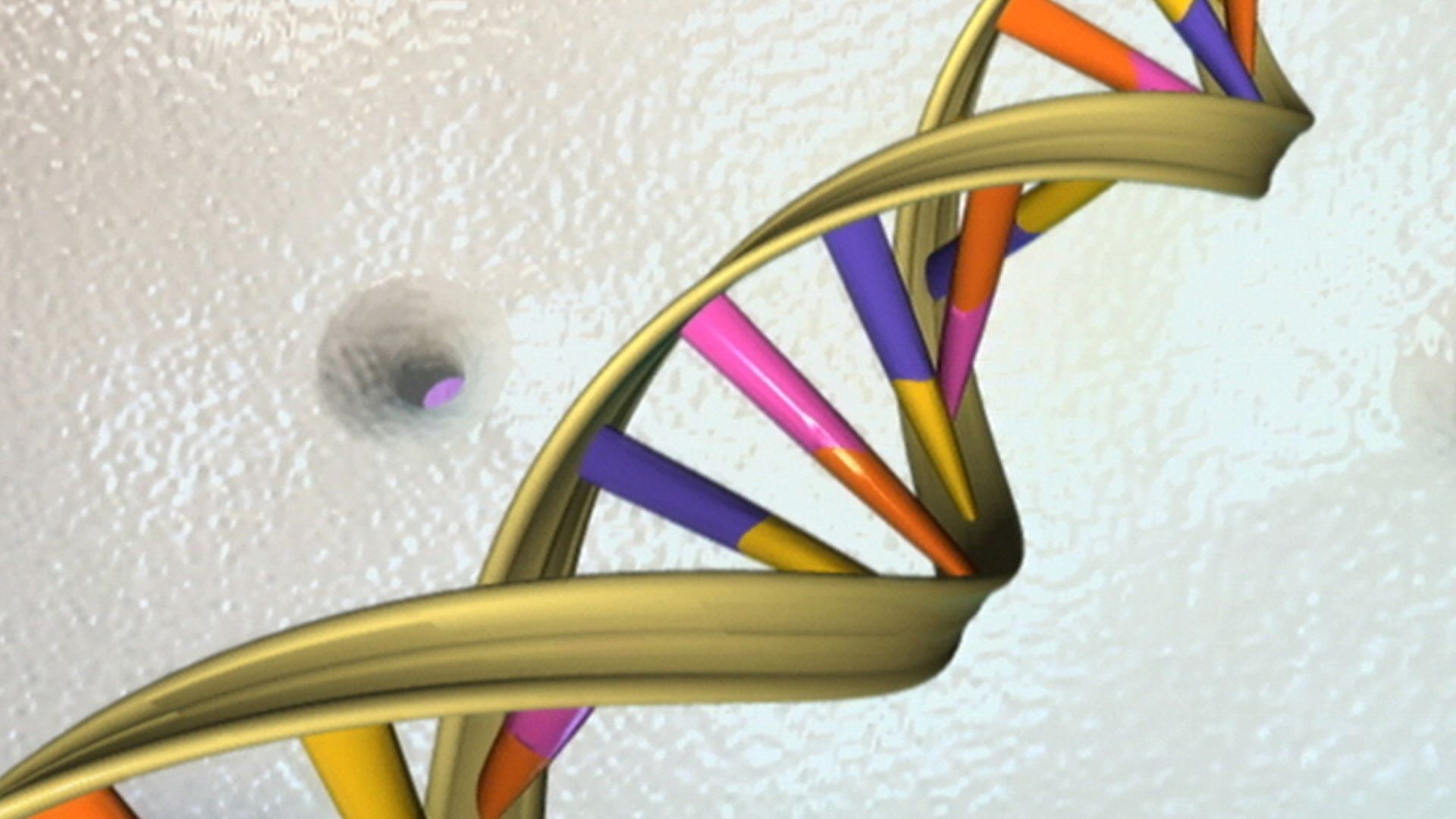
Every living person carries genetic material inherited through countless generations. Population crashes leave recognizable patterns because small groups contain less genetic diversity than large ones. By studying how mutations are distributed today, population geneticists can estimate when our ancestors may have passed through severe bottlenecks.
Meet FitCoal
The researchers developed a computational method called the fast infinitesimal time coalescent process, thankfully shortened to FitCoal. The model analyzes patterns of genetic variation and estimates how the number of reproducing ancestors changed through time. Not exactly Indiana Jones, but the result was considerably more dramatic than most spreadsheet work.
 PublicDomainPictures, Wikimedia Commons
More Than 3,000 Genomes Went Into The Model
FitCoal was applied to genomic sequences from 3,154 people representing African and non-African populations. The data came from major modern genome projects. When researchers reconstructed the distant past, an enormous population decline repeatedly appeared around the same period.
And when we say enormous, we mean enormous.
Then The Numbers Fell Off A Cliff
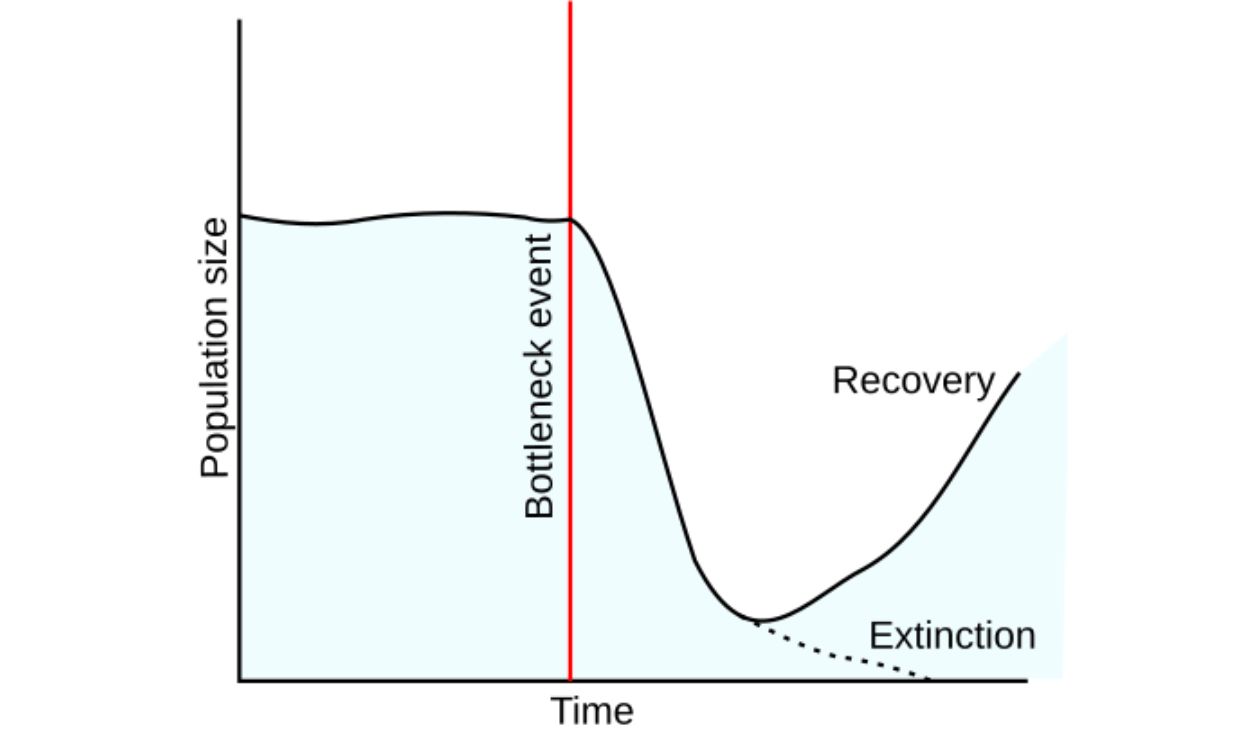
According to the model, the ancestral breeding population dropped to a mere 1,280 individuals (approximately) around 930,000 years ago. This equates to a loss of about 98.7% of the ancestral population. If accurate, our human lineage came alarmingly close to disappearing entirely.
 Wikiuser1314, Wikimedia Commons
And It Stayed Tiny For 117,000 Years
The strangest part wasn’t simply the crash. The model suggested that this tiny effective population persisted from approximately 930,000 to 813,000 years ago—around 117,000 years. A short disaster is one thing. Surviving at dangerously low numbers for longer than recorded human civilization has existed is another.
 Emoke Denes, Wikimedia Commons
“About 98.7% Of Human Ancestors Were Lost”
Study co-leader Haipeng Li, a population geneticist at the Shanghai Institute of Nutrition and Health of the Chinese Academy of Sciences, summarized the result dramatically: “About 98.7% of human ancestors were lost.” Few sentences make our family tree sound quite that precarious.

But 1,280 Does Not Mean Exactly 1,280 People
The figure represents an effective breeding population, not necessarily a literal census of every human ancestor alive. Effective population size estimates how many individuals were successfully contributing genes to future generations. The actual number of living hominins could therefore have been larger.
 Jayasinghe23, Wikimedia Commons
They Were Not Homo Sapiens Yet
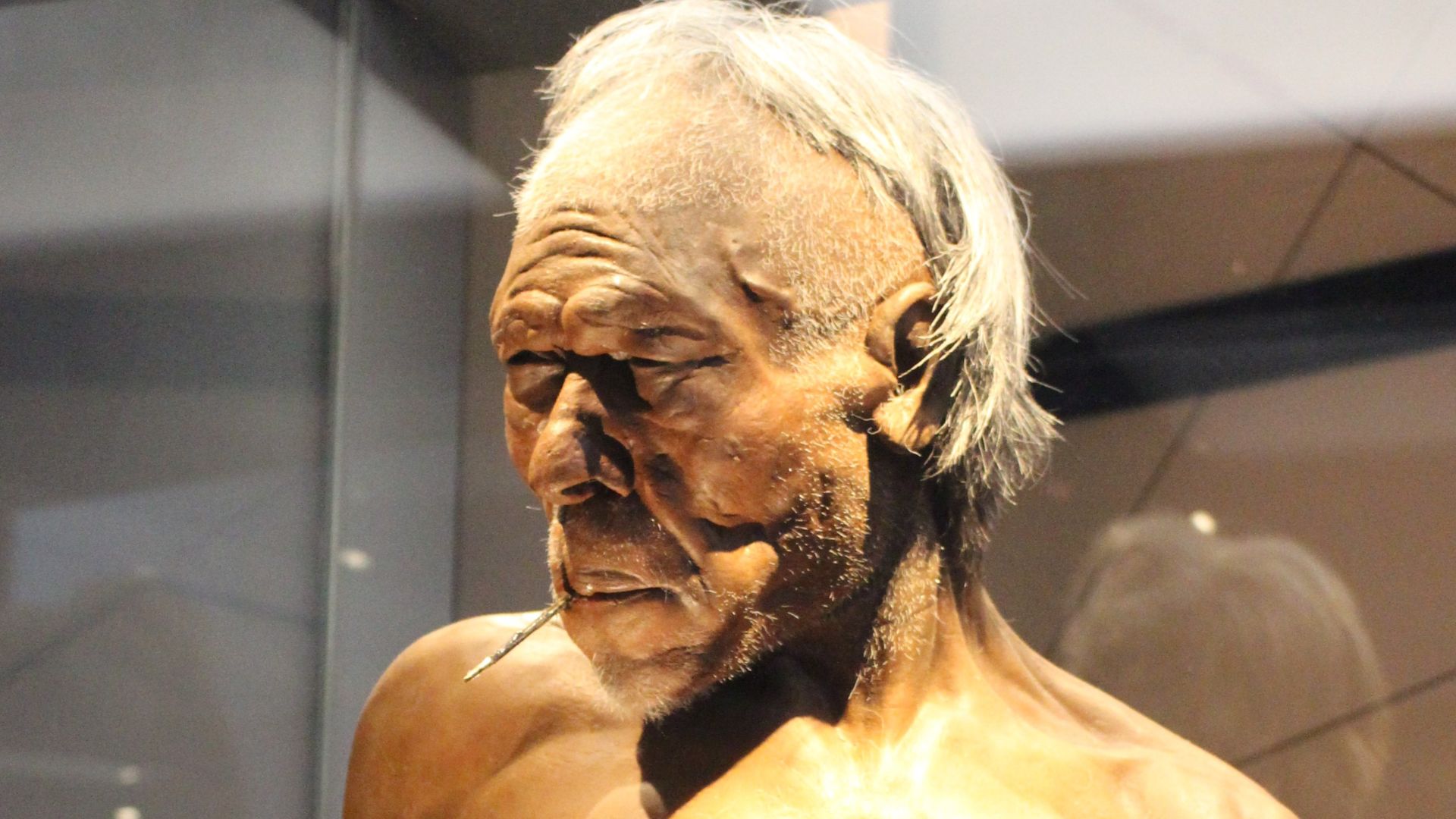
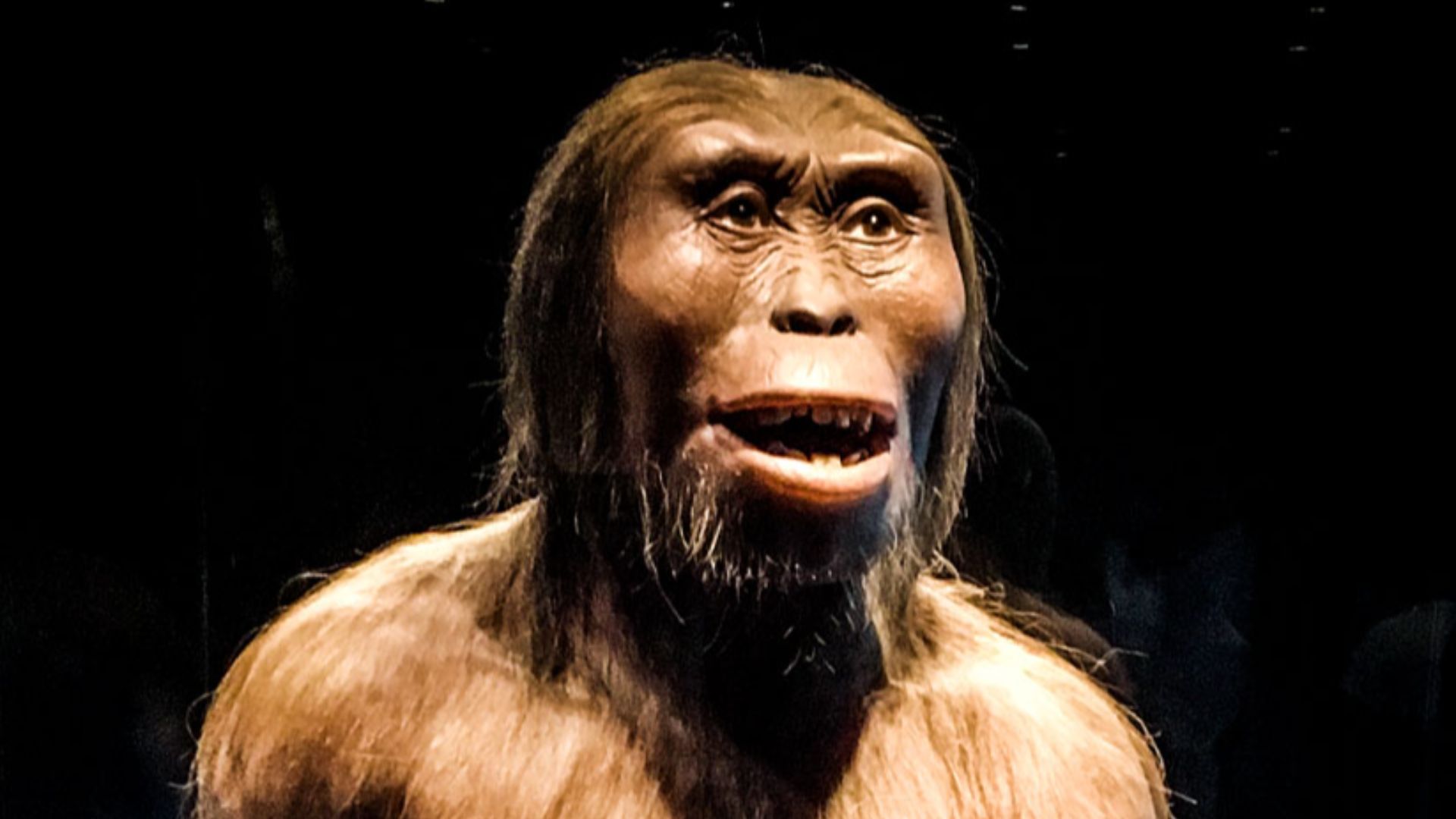
Another important distinction: these were not modern humans like us. Homo sapiens would not appear until hundreds of thousands of years later, with the earliest widely accepted fossils dating to roughly 300,000 years ago. The population in this study belonged to an earlier branch of our ancestral lineage.
 ErnestoLazaros, Wikimedia Commons
So Who Were These People?
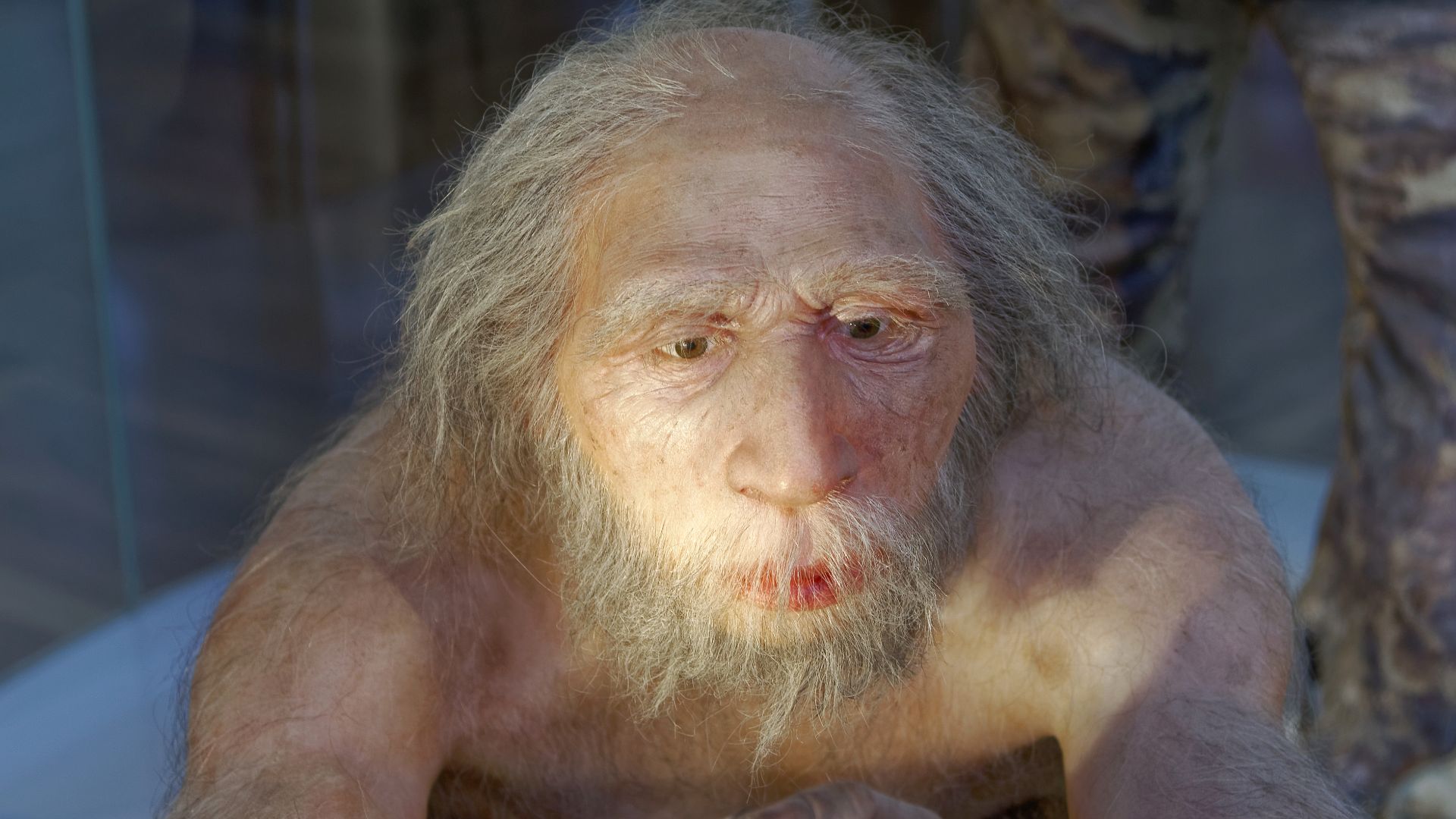
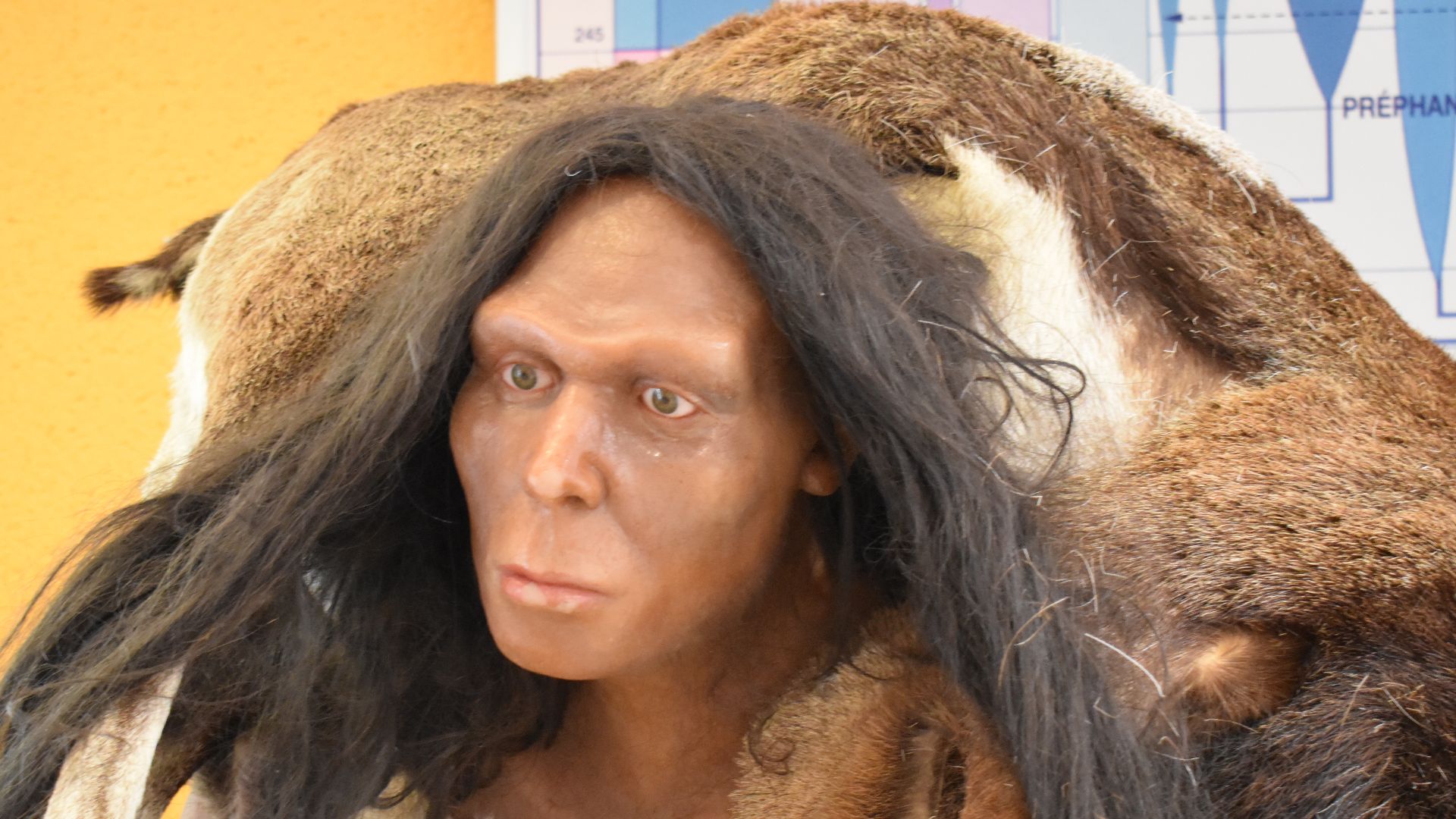
That remains uncertain. Researchers cannot confidently assign the population to a particular named species because fossils from this period are scarce and classifications are debated. They may have belonged to a population ancestral to later humans, Neanderthals, and Denisovans.
 Jakub Halun, Wikimedia Commons
The Fossil Record Gets Weird At The Same Time
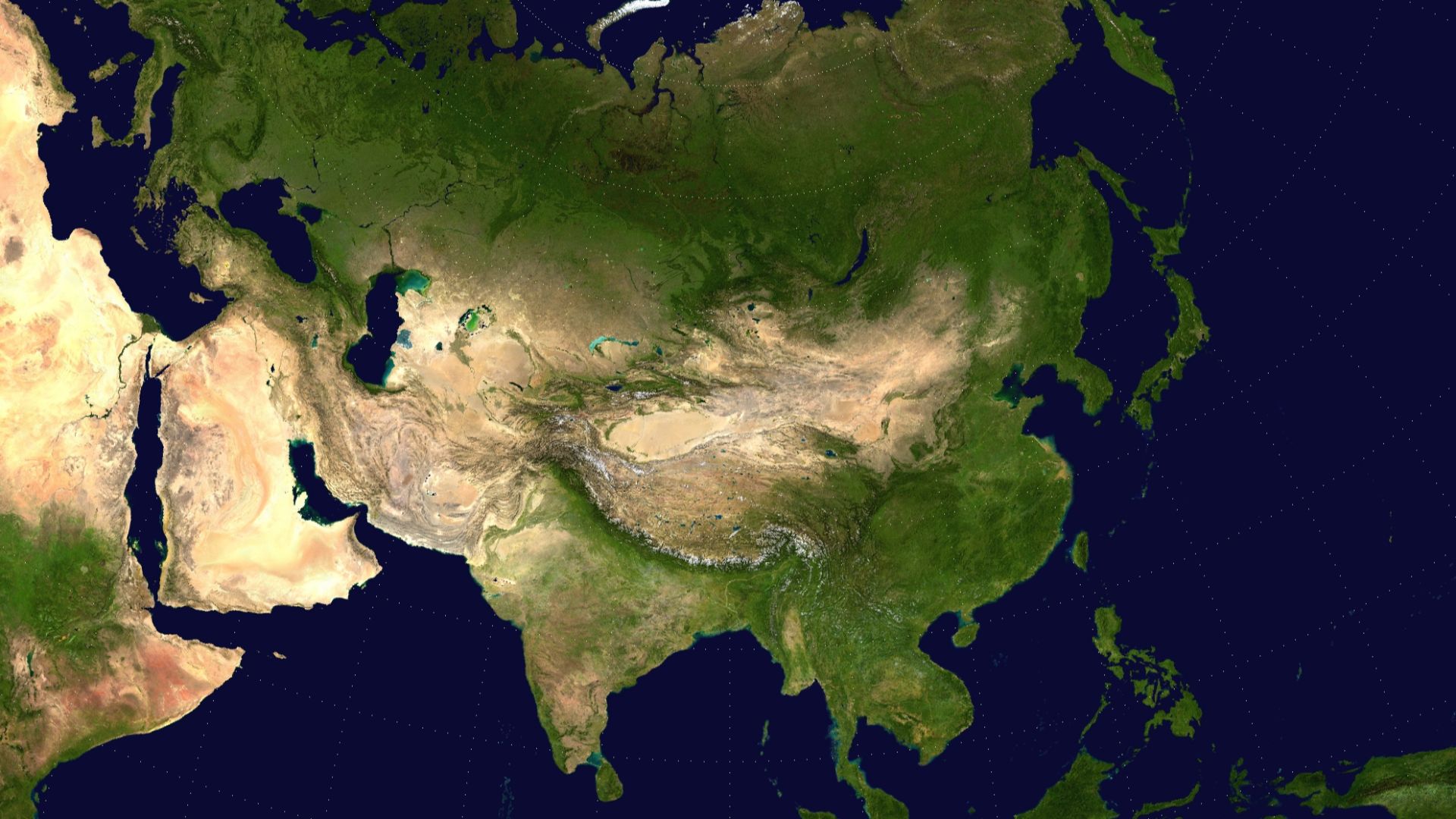
One reason the study attracted so much attention is that the proposed bottleneck overlaps with a frustrating gap in the fossil record. Human fossils from parts of Africa and Eurasia become noticeably sparse during roughly this period. Researchers suggested the population collapse could help explain why.
Climate May Have Been The Culprit
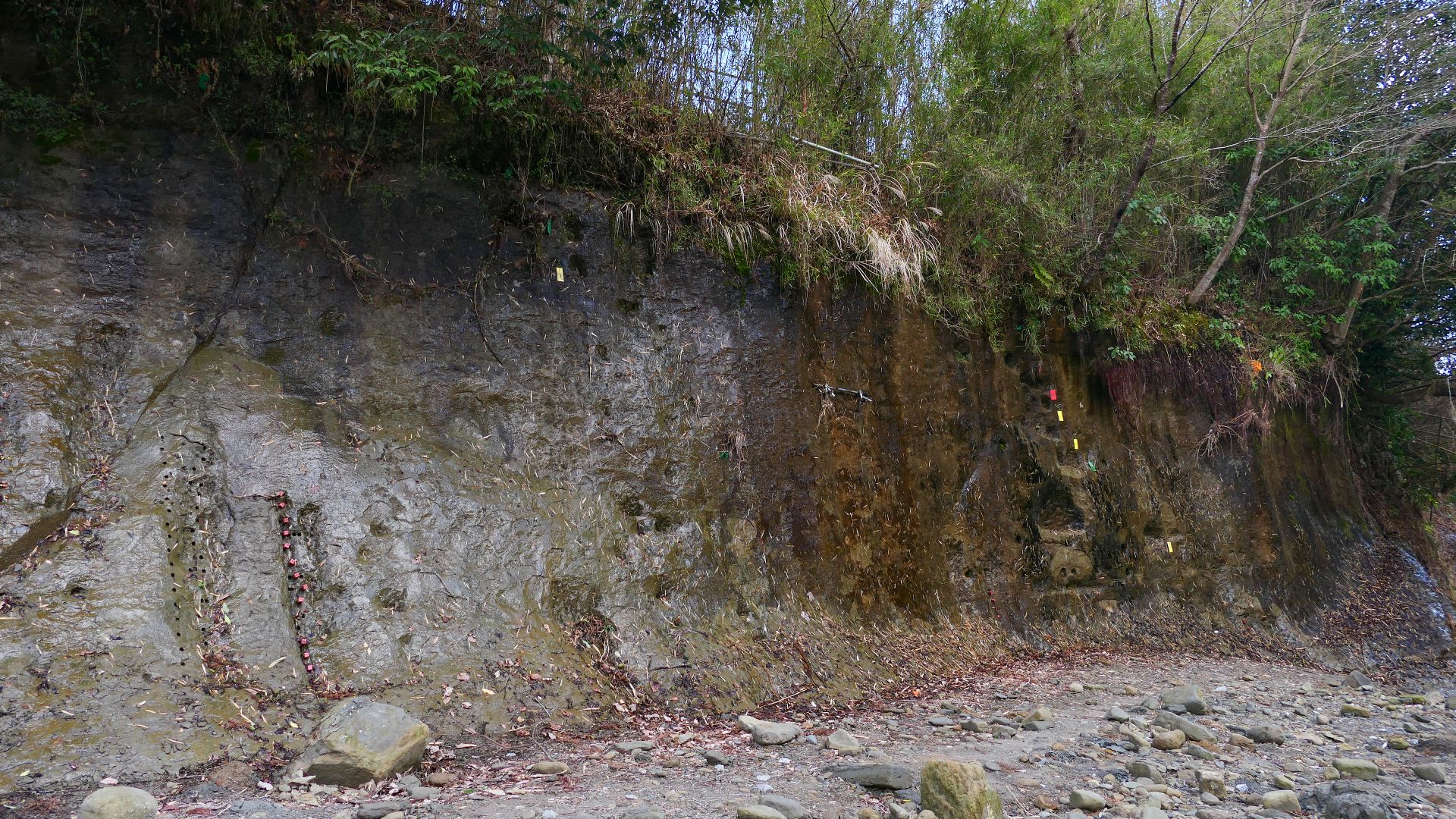
The crash occurred during the Early-to-Middle Pleistocene transition, when Earth’s climate was changing dramatically. Glacial cycles became longer and more intense, while environmental conditions across Africa shifted. Severe cooling, drought, and disappearing food resources could have put enormous pressure on early human populations.
 MaedaAkihiko, Wikimedia Commons
Survival Would Have Been Brutal
A population this small would have faced serious genetic and demographic dangers. Disease, poor reproduction, environmental disasters, and simple bad luck could potentially have wiped out entire communities. Maintaining enough genetic diversity for 117,000 years would have been an extraordinary balancing act.
Scientists Wonder Where They Hid
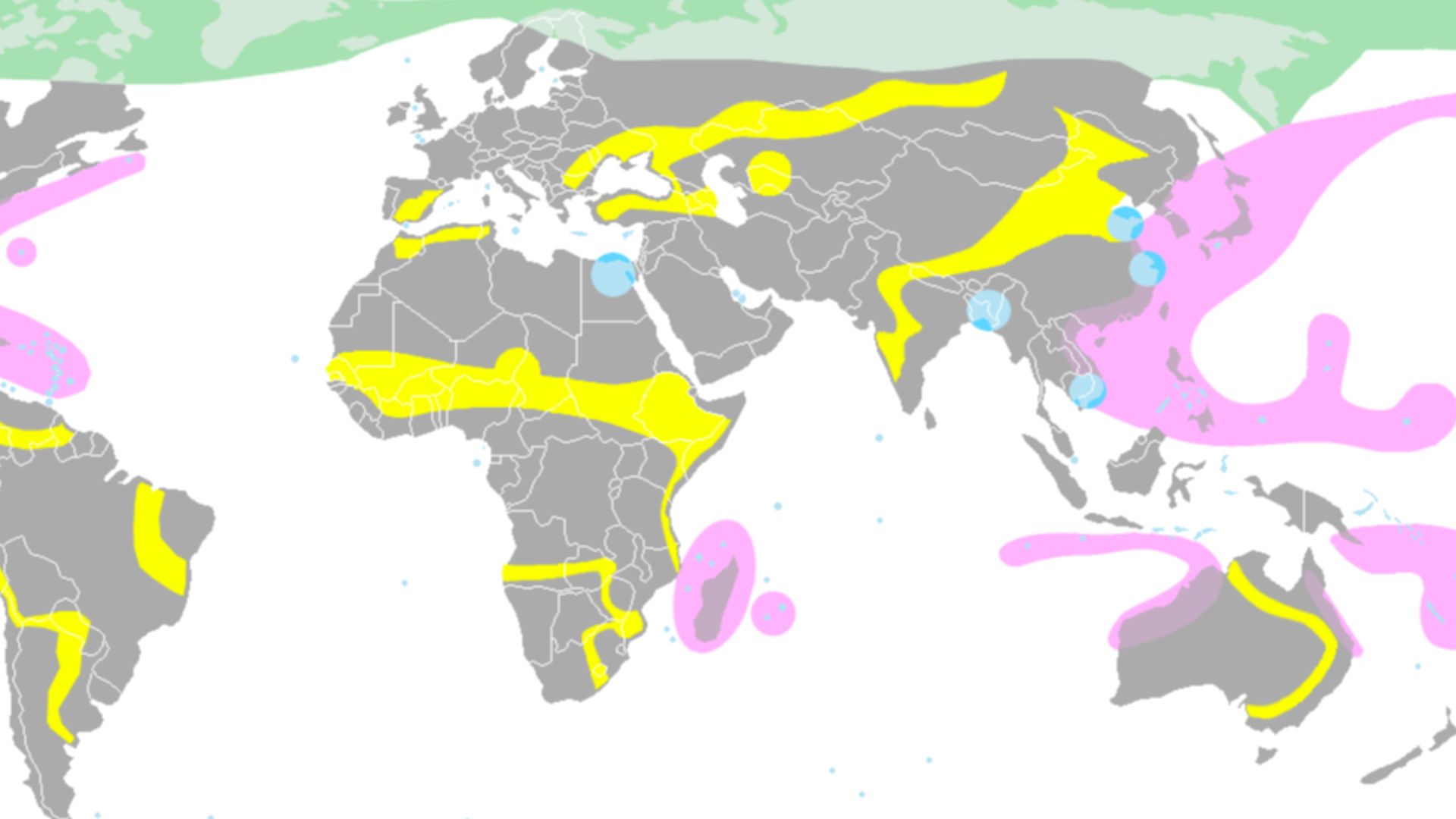
If the population really became this small, researchers suspect it may have survived in a relatively limited geographic refuge where water, food, and suitable climate remained available. Exactly where that refuge existed is unknown. Somewhere, apparently, our ancestors found a very good place not to die.

Social Cooperation May Have Helped
British Museum archaeologist Nick Ashton noted that such a small population would probably have needed strong social cohesion to persist. Small groups depended heavily on cooperation, resource sharing, and maintaining connections with neighboring communities. Surviving the bottleneck may have required people to become particularly good at working together.

Fire Could Have Changed Everything
The study suggested that population numbers began recovering around 813,000 years ago. Researchers have proposed several possible reasons, including a warmer climate and increasingly effective use of fire. Better control of fire would have provided warmth, protection, cooked food, and access to colder environments.

Then The Population Suddenly Rebounded
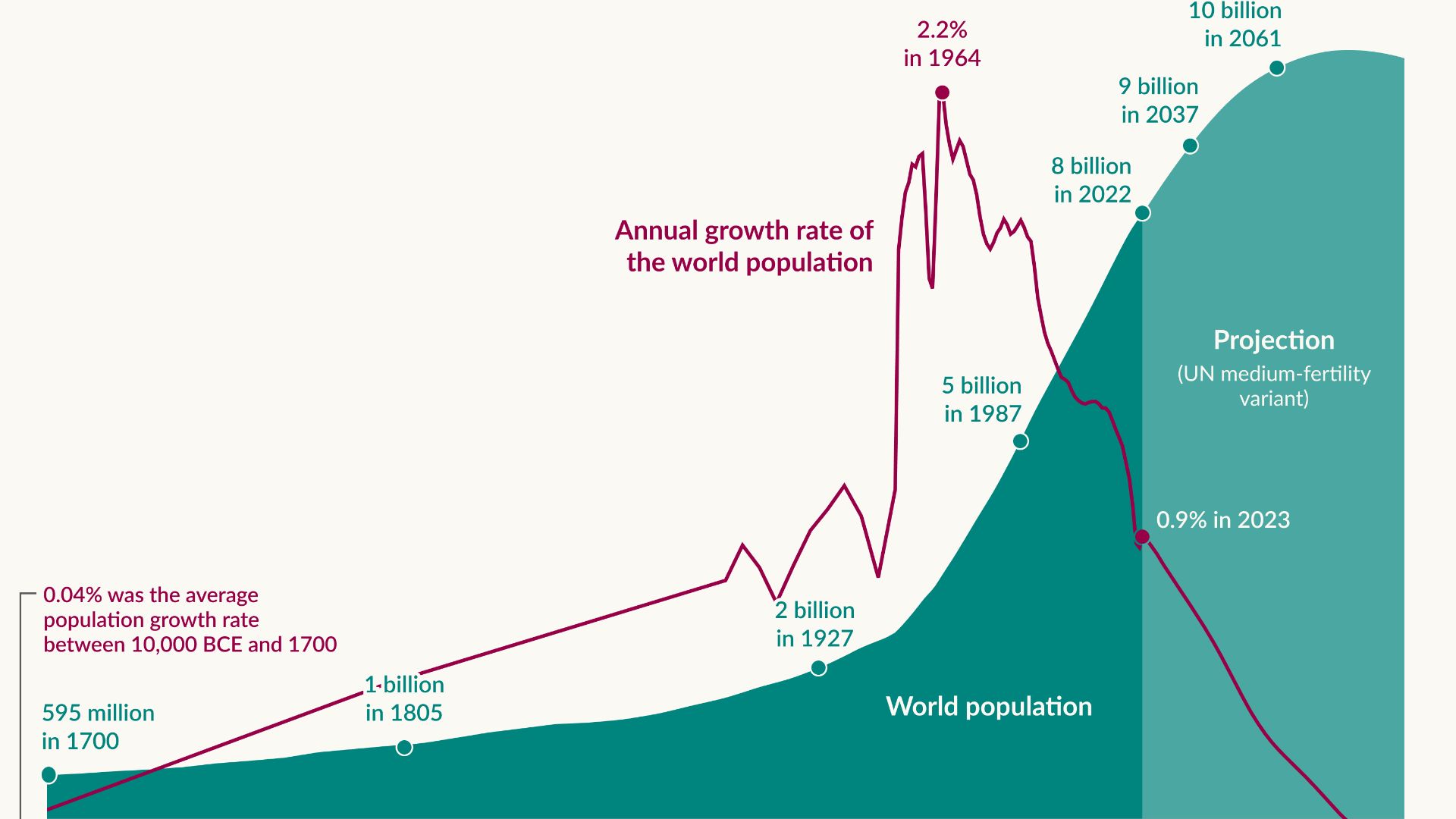
After spending more than 100,000 years near the genetic danger zone, the estimated ancestral population began growing rapidly. That rebound marks a major transition in the model. Whatever conditions had kept the population suppressed were finally easing—or our ancestors had become better at dealing with them.
 Our World in Data (Max Roser, Hannah Ritchie, Veronika Samborska), Wikimedia Commons
A Chromosome Mystery May Be Connected
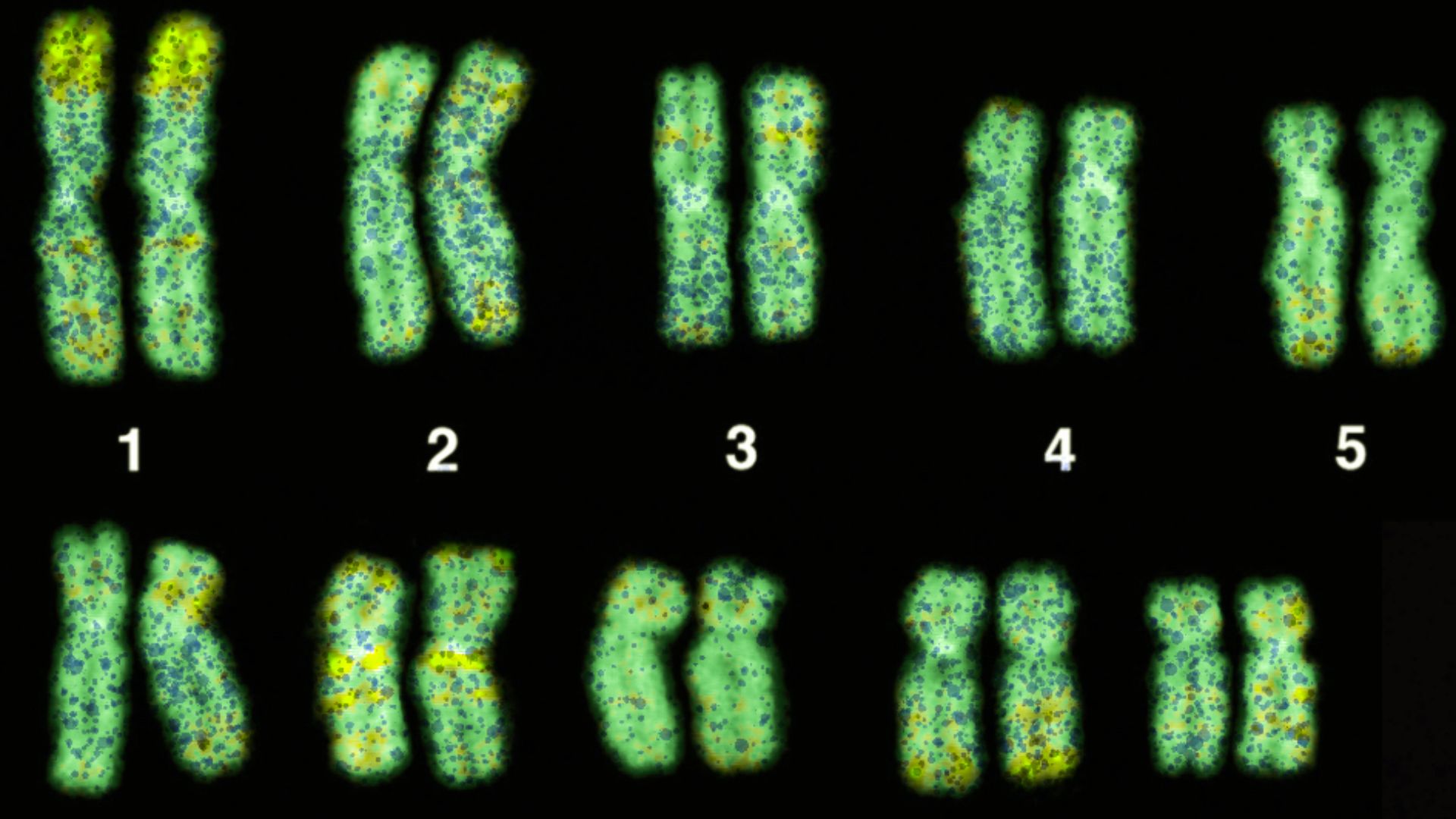
The researchers also noted that the bottleneck occurred around an important period in human chromosome evolution. Humans have 23 pairs of chromosomes, while chimpanzees and other great apes have 24. Two ancestral chromosomes eventually fused to create what is now human chromosome 2.
The Bottleneck Could Have Helped Fix The Change
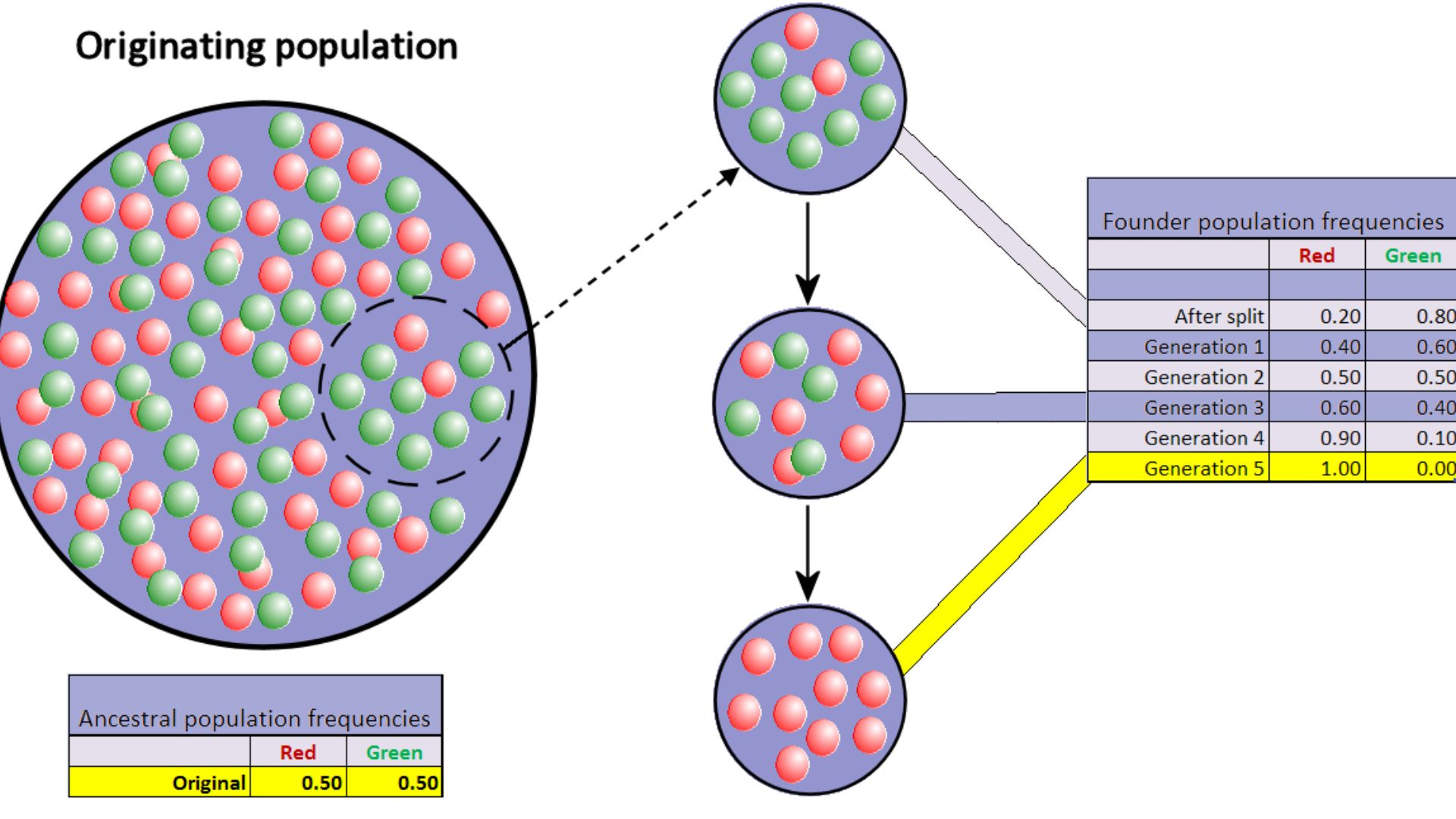
In a large population, a rare chromosome fusion might struggle to spread widely. In a very small population, however, genetic changes can become common much more quickly. The authors suggested the bottleneck may have helped this chromosome arrangement become established in the ancestral population.
A New Human Species May Have Emerged Around This Time
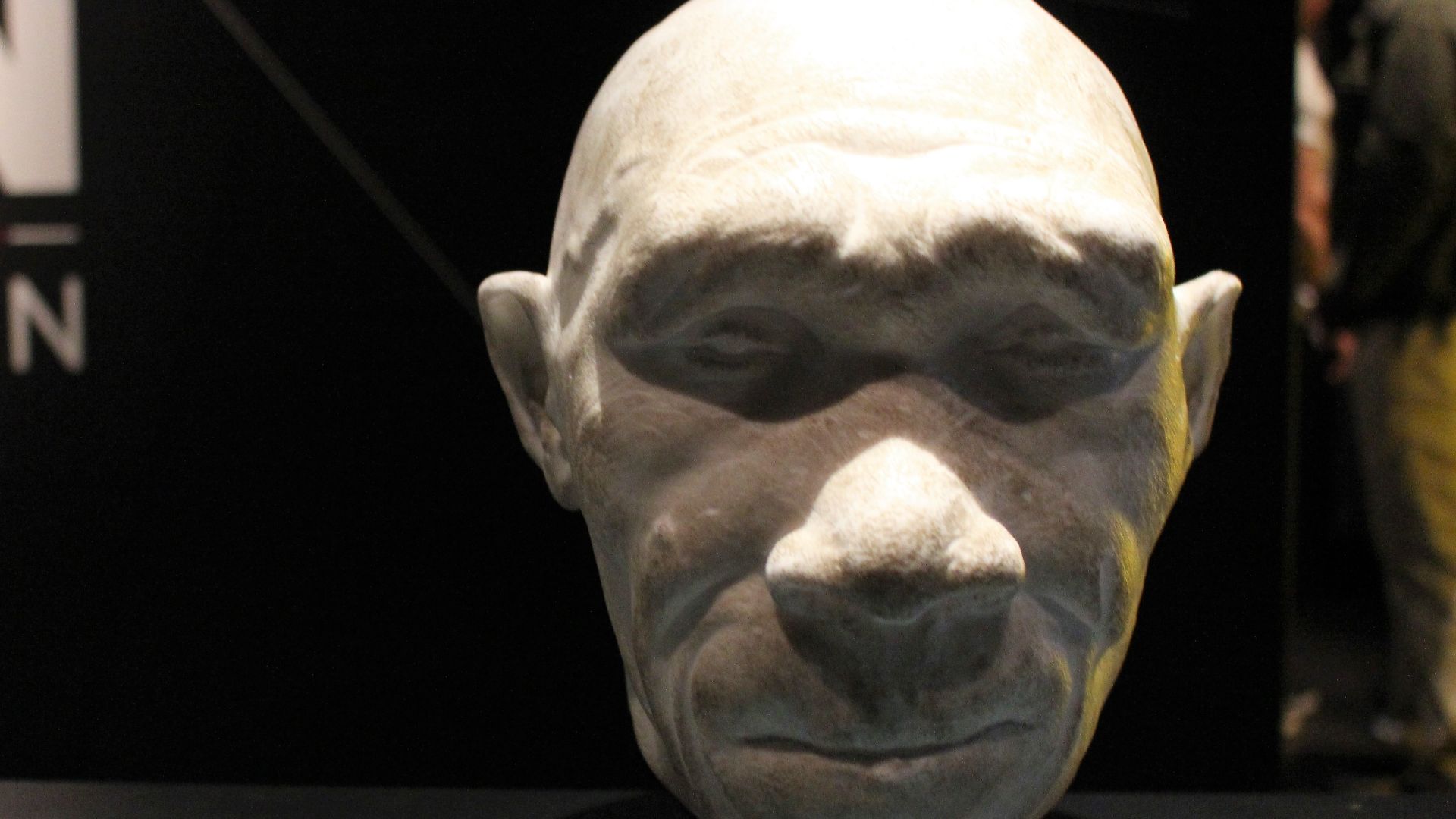
The researchers went further, proposing that the intense evolutionary pressure surrounding the bottleneck may have been connected with a major speciation event. Some scientists have linked this broad period with populations eventually associated with Homo heidelbergensis, although exactly how that species fits into our family tree remains debated.
 Emoke Denes, Wikimedia Commons
Giorgio Manzi Saw An Evolutionary Opportunity
Paleoanthropologist Giorgio Manzi of Sapienza University of Rome, a senior author on the study, noted that small, isolated populations can sometimes become engines of evolutionary change. Severe isolation is dangerous, but it can also accelerate the spread of new traits through a population.

The Discovery Could Explain Our Low Genetic Diversity
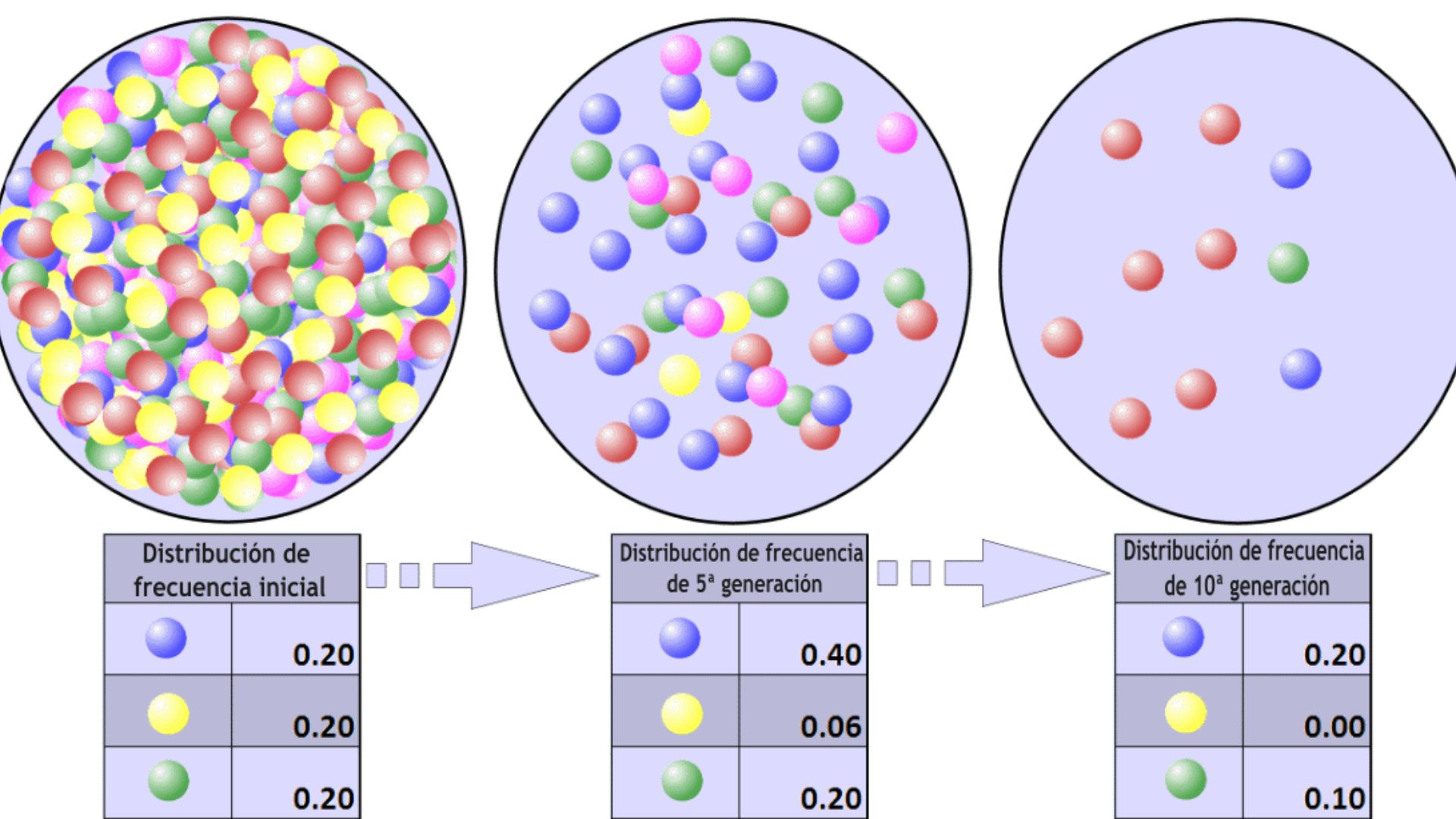
Humans have surprisingly low genetic diversity compared with some other primates. Severe population bottlenecks can erase genetic variation because entire branches of ancestry simply disappear. The 2023 study suggested this ancient crash may have eliminated a huge amount of genetic diversity that our lineage never recovered.
 Professor marginalia, Wikimedia Commons
But Scientists Immediately Raised Questions
Not everyone was convinced. Researchers including Chris Stringer of London’s Natural History Museum called the findings fascinating but emphasized that such deep demographic reconstructions are difficult. Genetic models depend heavily on assumptions about mutation rates, population structure, and how groups interacted.
A Later Study Challenged The Bottleneck
The debate became more serious when researchers published a critique in Genetics arguing that the dramatic 900,000-year bottleneck may be a statistical artifact. They found that alternative demographic histories could produce very similar genetic patterns, making it difficult to prove that such an extreme crash actually happened.
 Professor marginalia, Wikimedia Commons
One Problem Was Especially Strange
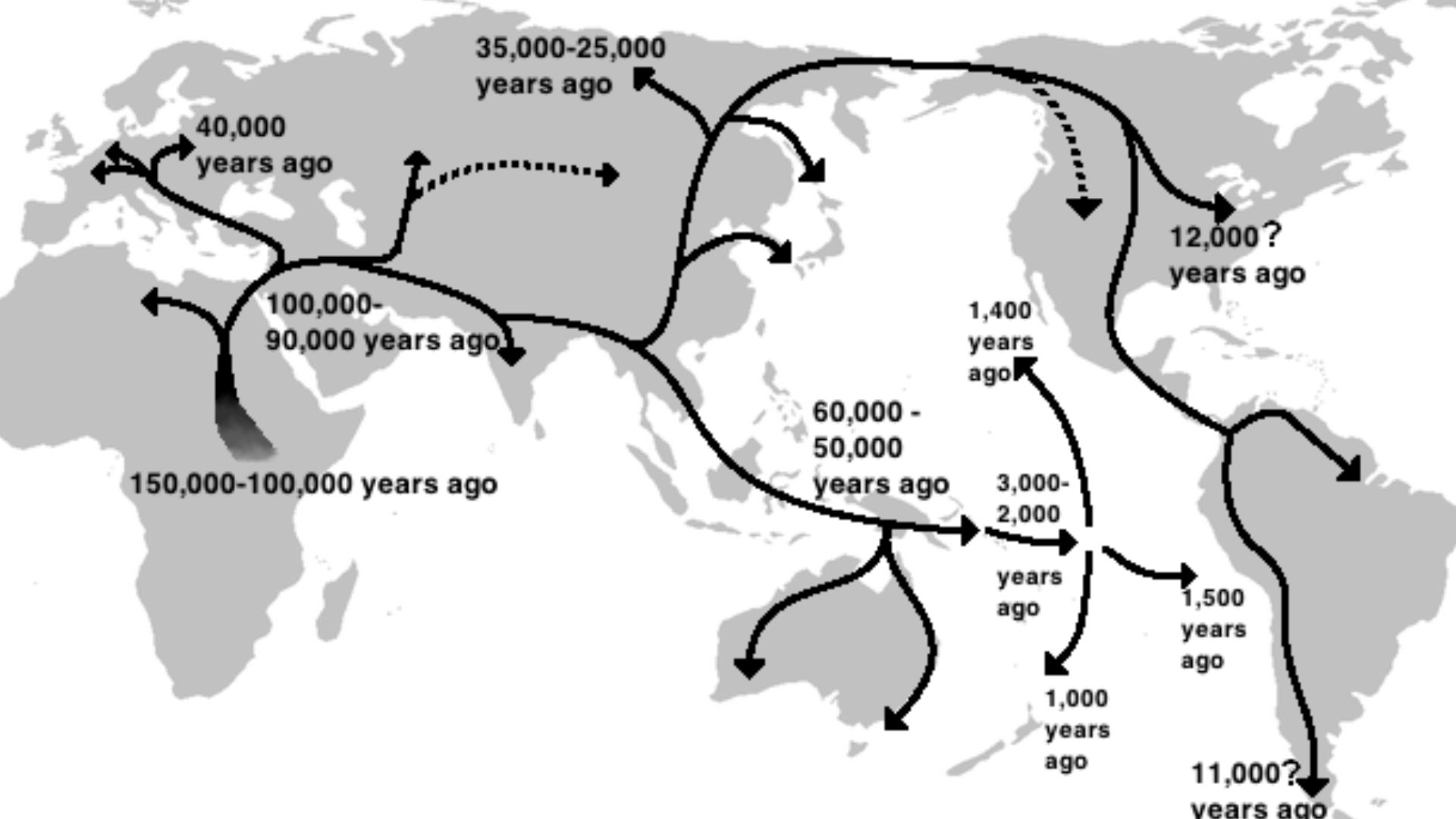
Critics pointed out that the strongest bottleneck signal appeared in analyses of African populations but was not equally apparent in non-African groups. Because all modern human populations share ancestors far more recently than 900,000 years ago, researchers argued that such a discrepancy deserved a much closer look.
The Original Researchers Haven’t Backed Down
The story did not end there. The FitCoal researchers continued testing their method and have defended the bottleneck interpretation. More recent computational work argues that FitCoal can recover very sharp ancient population changes that some competing methods may smooth over or miss.

So Did Humanity Almost Go Extinct?
The safest answer is: possibly, but the exact severity is still being debated. There is real genetic evidence that ancient human population sizes changed dramatically, but whether our ancestors dropped specifically to an effective population of about 1,280 for 117,000 years remains an active scientific question.
That Debate Is Actually A Good Thing
Science rarely moves forward because one paper announces something dramatic and everyone agrees forever. New methods get tested, criticized, improved, and sometimes overturned. The near-extinction hypothesis is now being examined far more intensely precisely because the original conclusion was so extraordinary.

Fossils Could Eventually Help Settle It
One of the biggest problems is the sparse fossil record from roughly 900,000 years ago. New discoveries in Africa could reveal where ancestral humans were living, how widespread they were, and whether their numbers really appear to have crashed. A few well-dated skulls could suddenly make the genetic debate much more interesting.
 Tylwyth Eldar, Wikimedia Commons
Ancient DNA Would Be A Dream—But It’s Unlikely
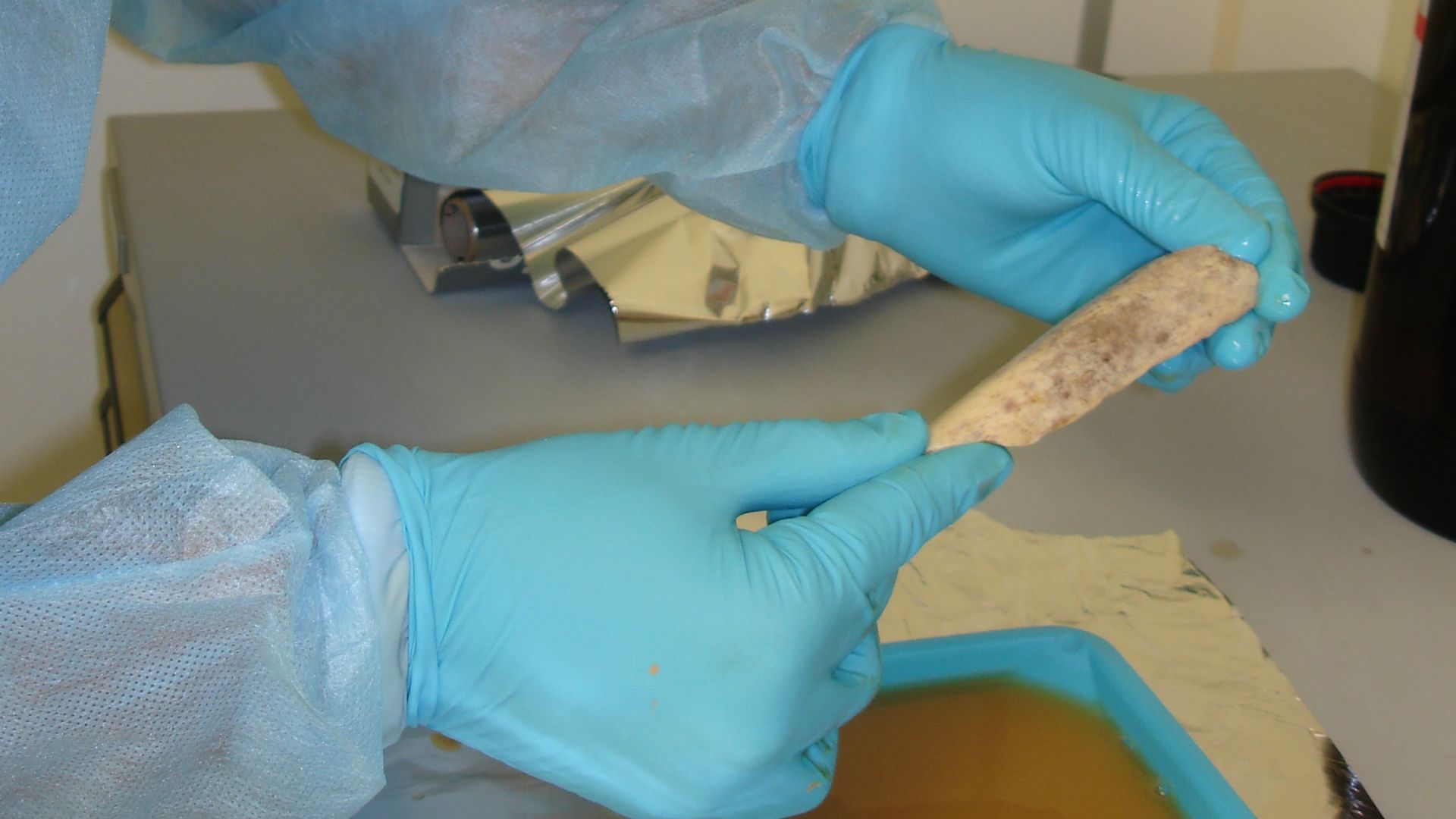
Recovering actual DNA from a 900,000-year-old African human fossil would be revolutionary, but DNA breaks down quickly in warm environments. The oldest surviving genetic material usually comes from cold conditions. For now, researchers largely have to reconstruct this chapter indirectly.
 Max Planck Institute for Evolutionary Anthropology, Wikimedia Commons
Our Survival Was Never Guaranteed
Whether the population truly fell to exactly 1,280 breeding individuals or the decline was less severe, the research highlights an uncomfortable truth about human evolution: our lineage was not destined to survive. Climate shifts, isolation, competition, and simple chance repeatedly shaped which populations disappeared and which carried on.
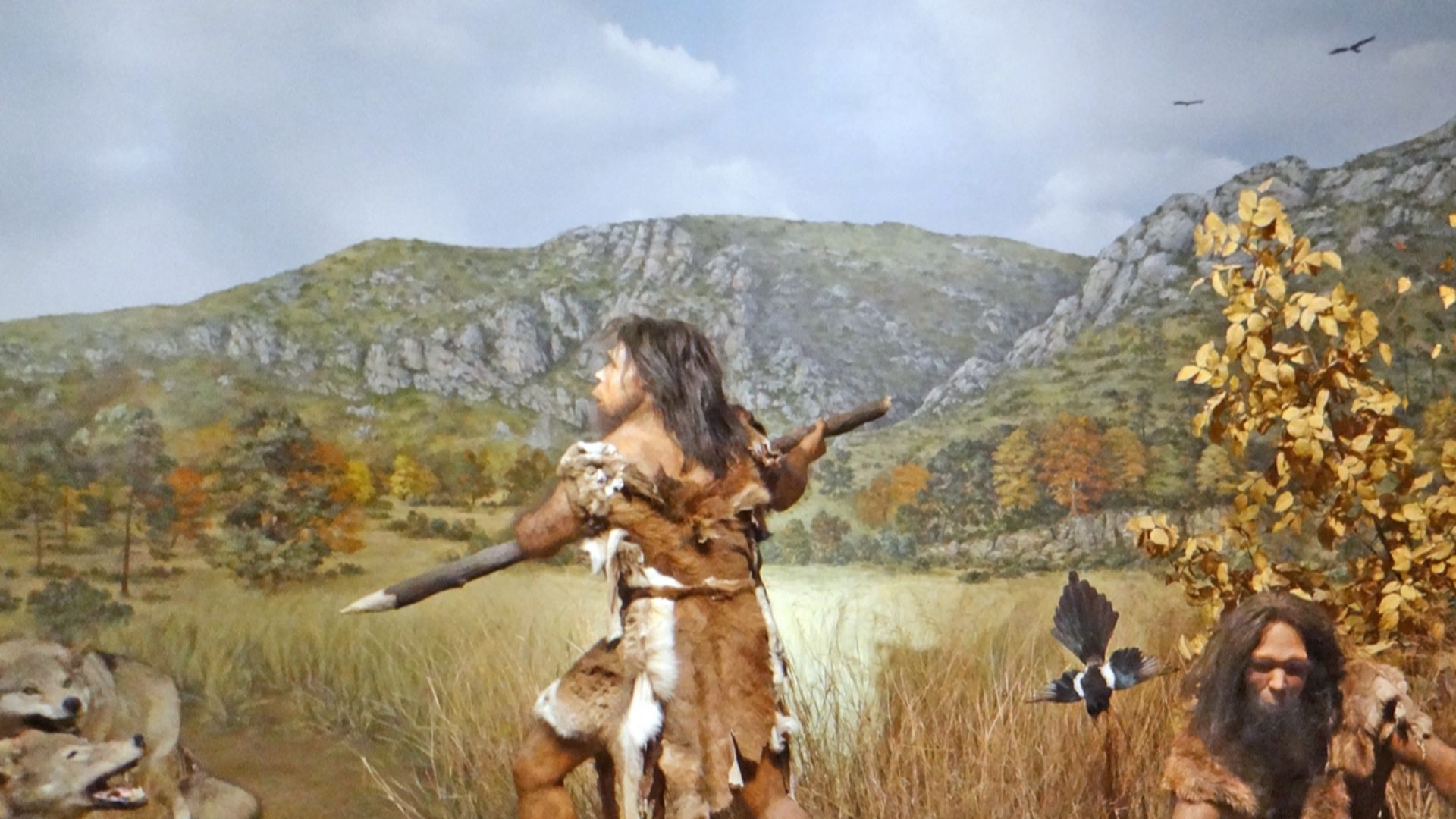 Jean-Pierre Dalbera from Paris, France, Wikimedia Commons
A Tiny Population May Have Carried Our Future
If the original FitCoal estimate is broadly correct, nearly everyone in our ancestral lineage disappeared during this forgotten crisis. A surprisingly small population endured long enough for conditions to improve, leaving descendants who eventually diversified into later human groups.
Hundreds of thousands of years later, one of those branches became us. Not bad for a population that came dangerously close to having no future at all.
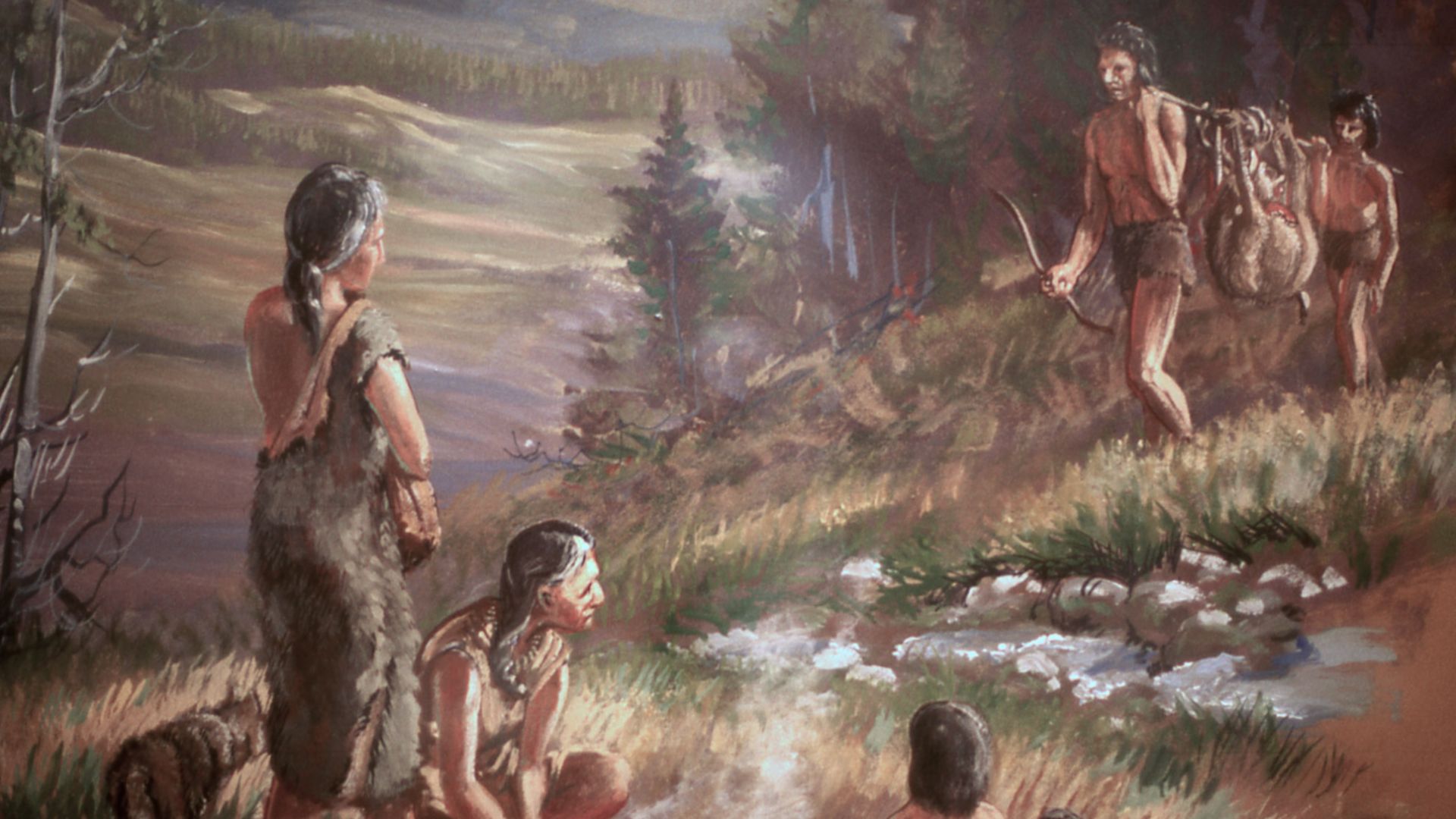 Artist unknown, Wikimedia Commons
You May Also Like: