The Day One Of Earth's Largest Eruptions Put Humanity To The Test
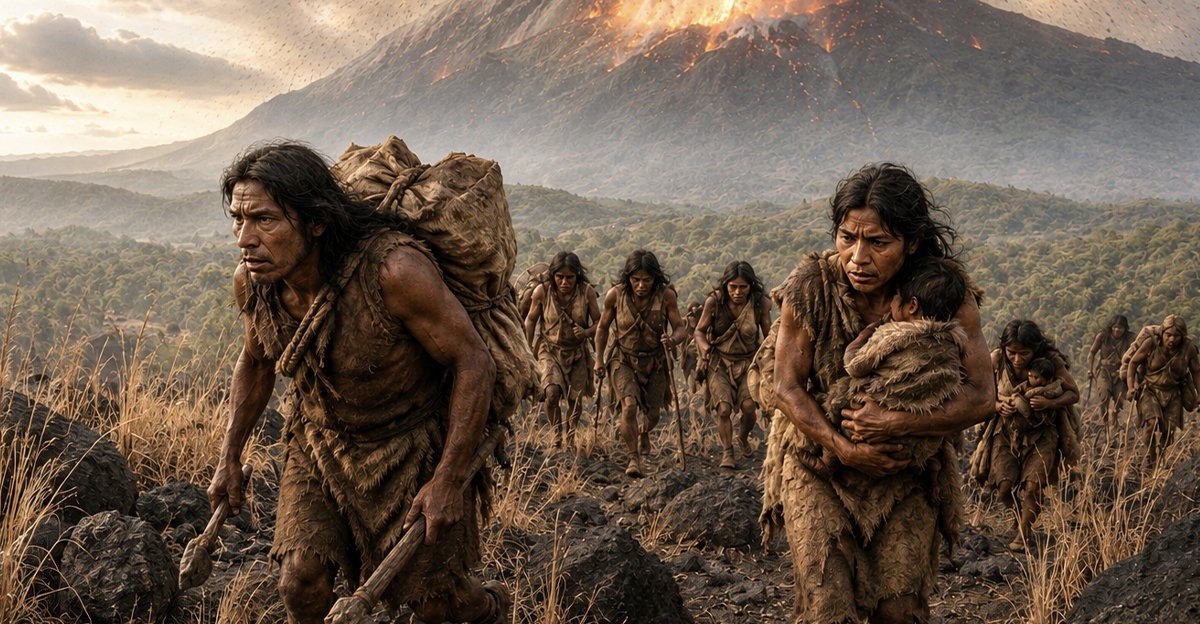
Around 74,000 years ago, something almost unimaginable happened on the Indonesian island of Sumatra. The Toba volcano erupted with enough force to spread ash across enormous portions of Asia and inject volcanic material high into the atmosphere. For years, one influential theory argued that the disaster triggered a brutal volcanic winter and nearly drove humanity to extinction, but archaeology has complicated that story.
Toba Was An Enormous Eruption
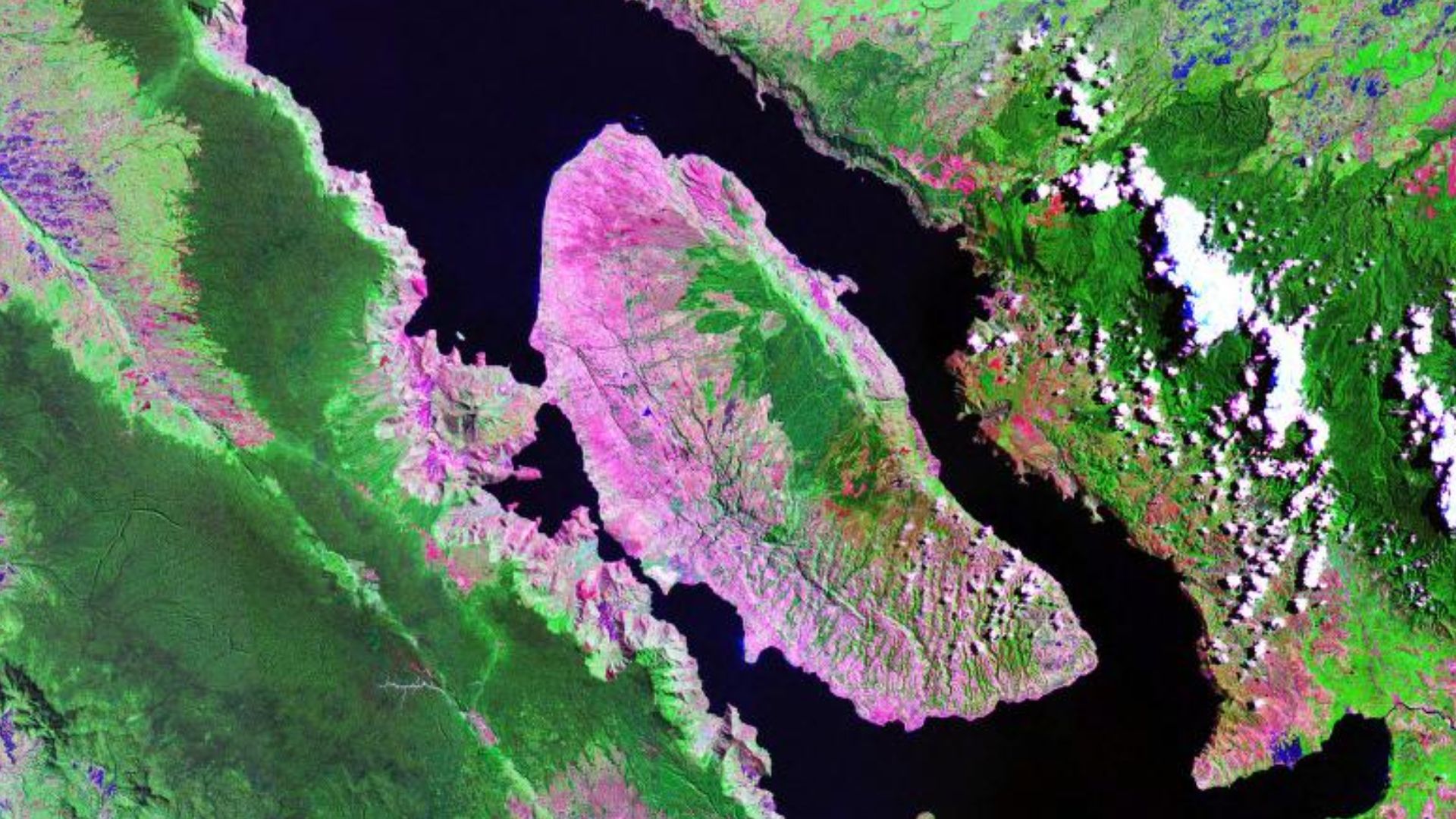
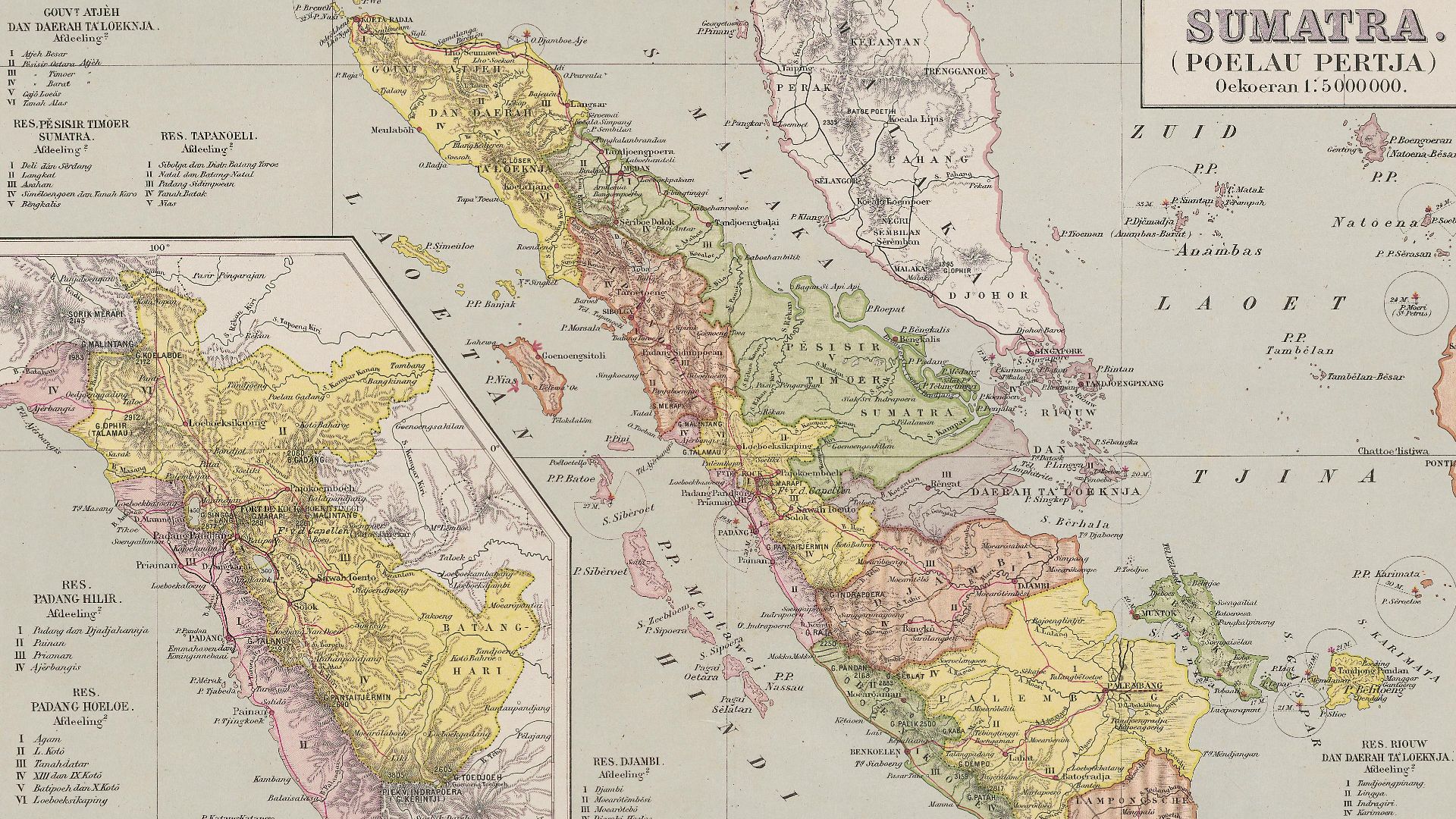
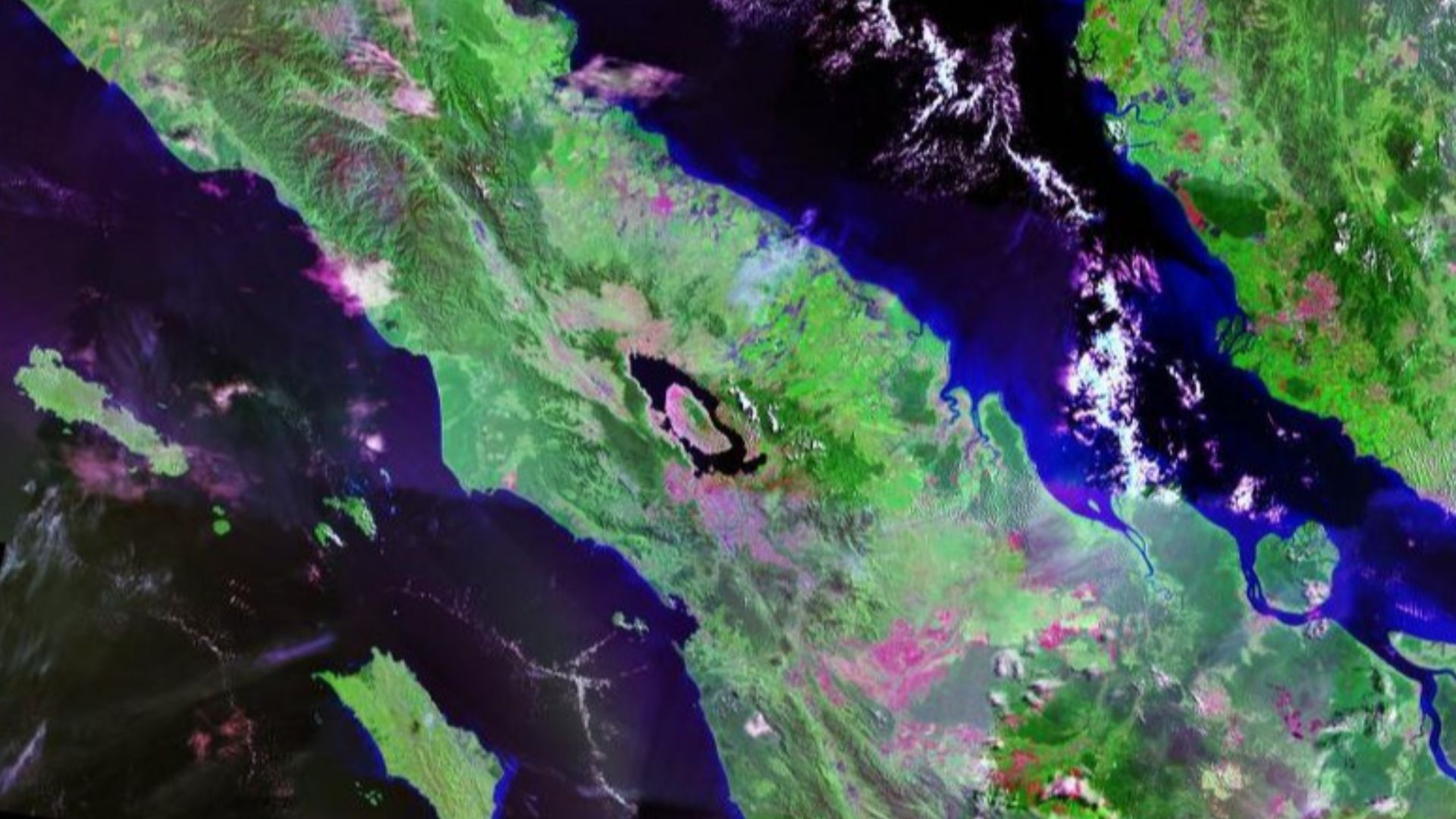
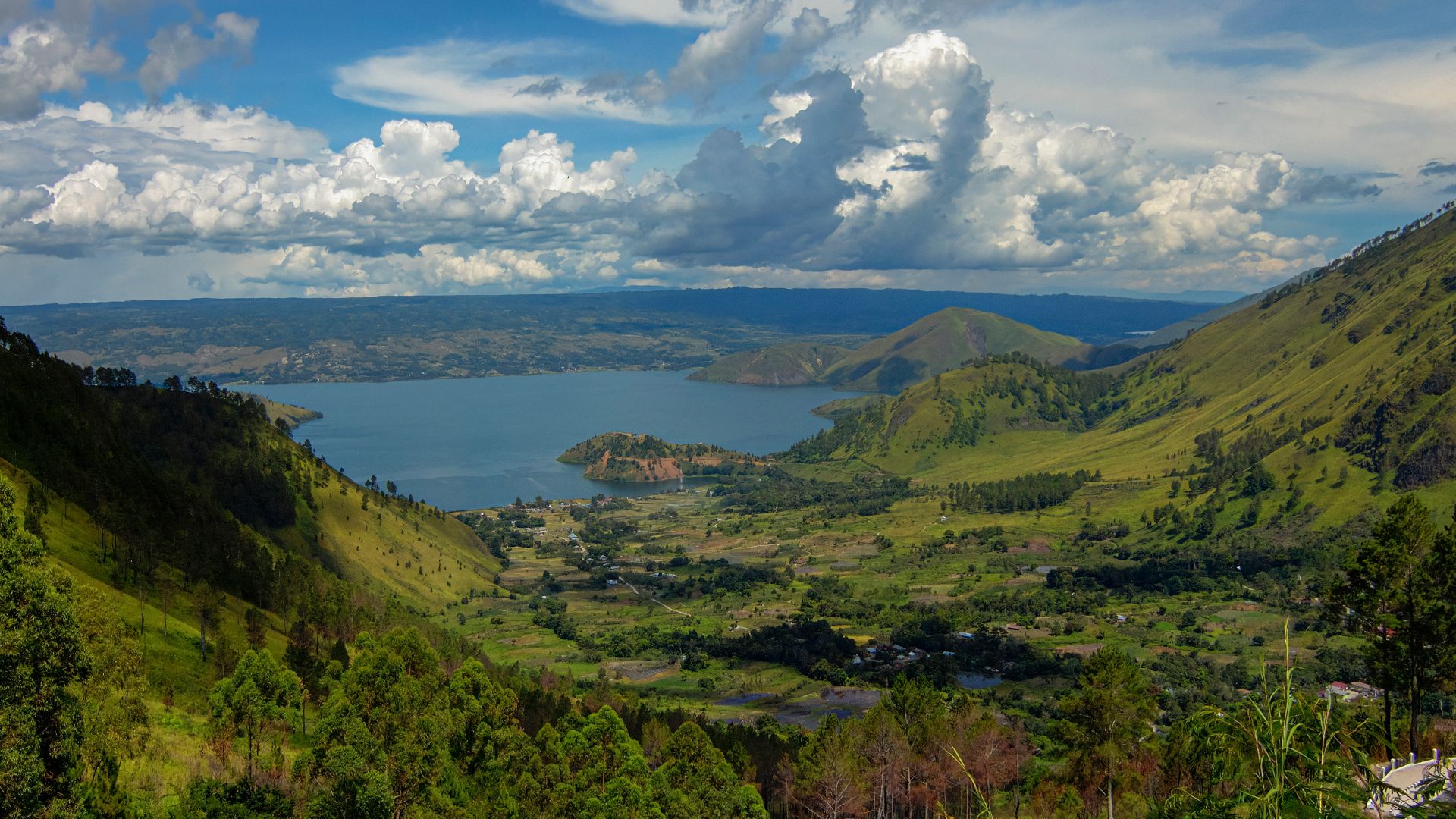
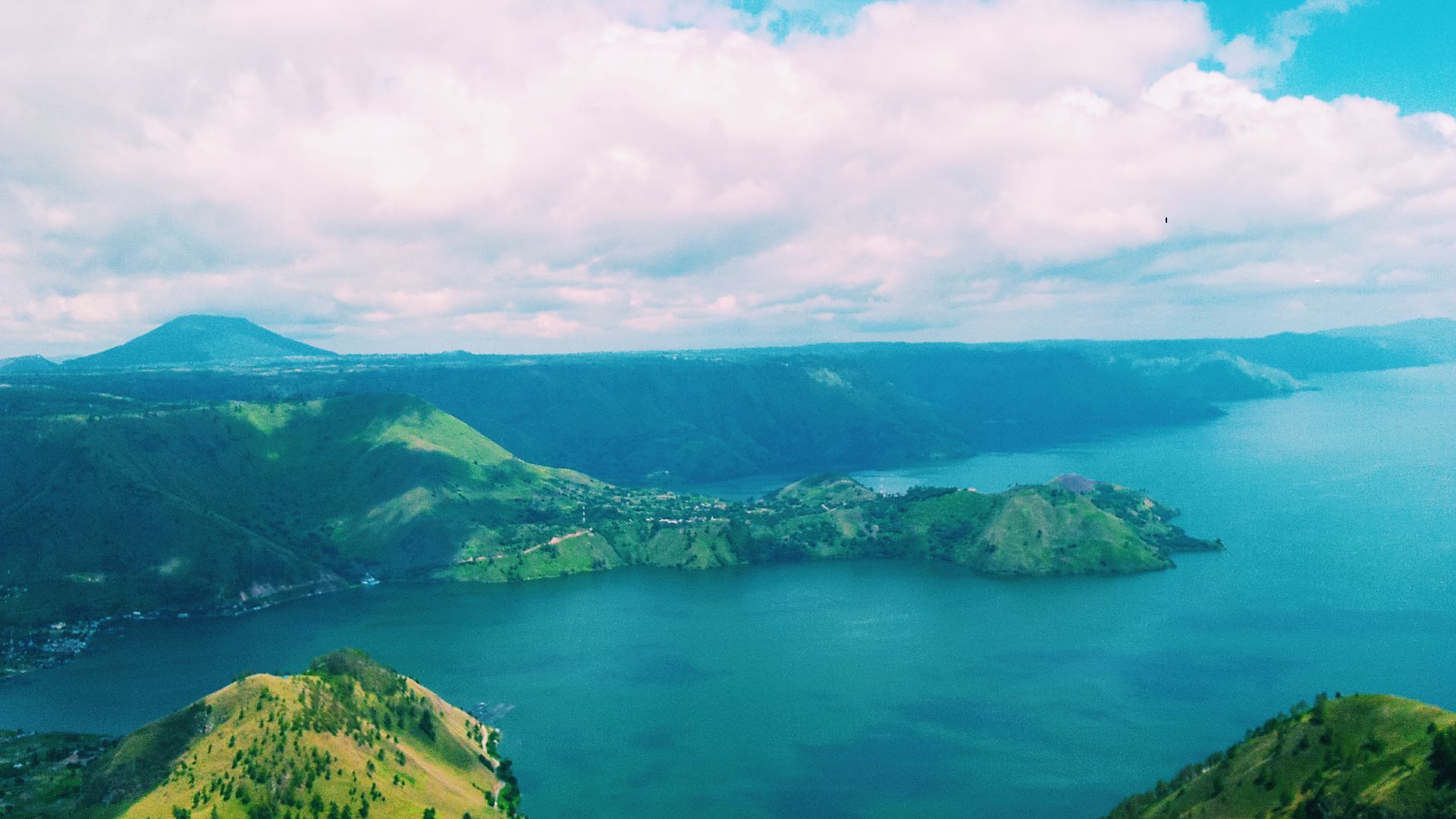
The Youngest Toba Tuff eruption was one of the largest explosive volcanic events of the last several million years. Scientists estimate that roughly 2,800 cubic kilometers of volcanic material were expelled from the system, vastly more than most eruptions in recorded history. The event transformed the landscape around northern Sumatra and left behind the enormous caldera now occupied by Lake Toba.
 NASA Landsat, Wikimedia Commons
Ash Spread Across A Huge Part Of Asia
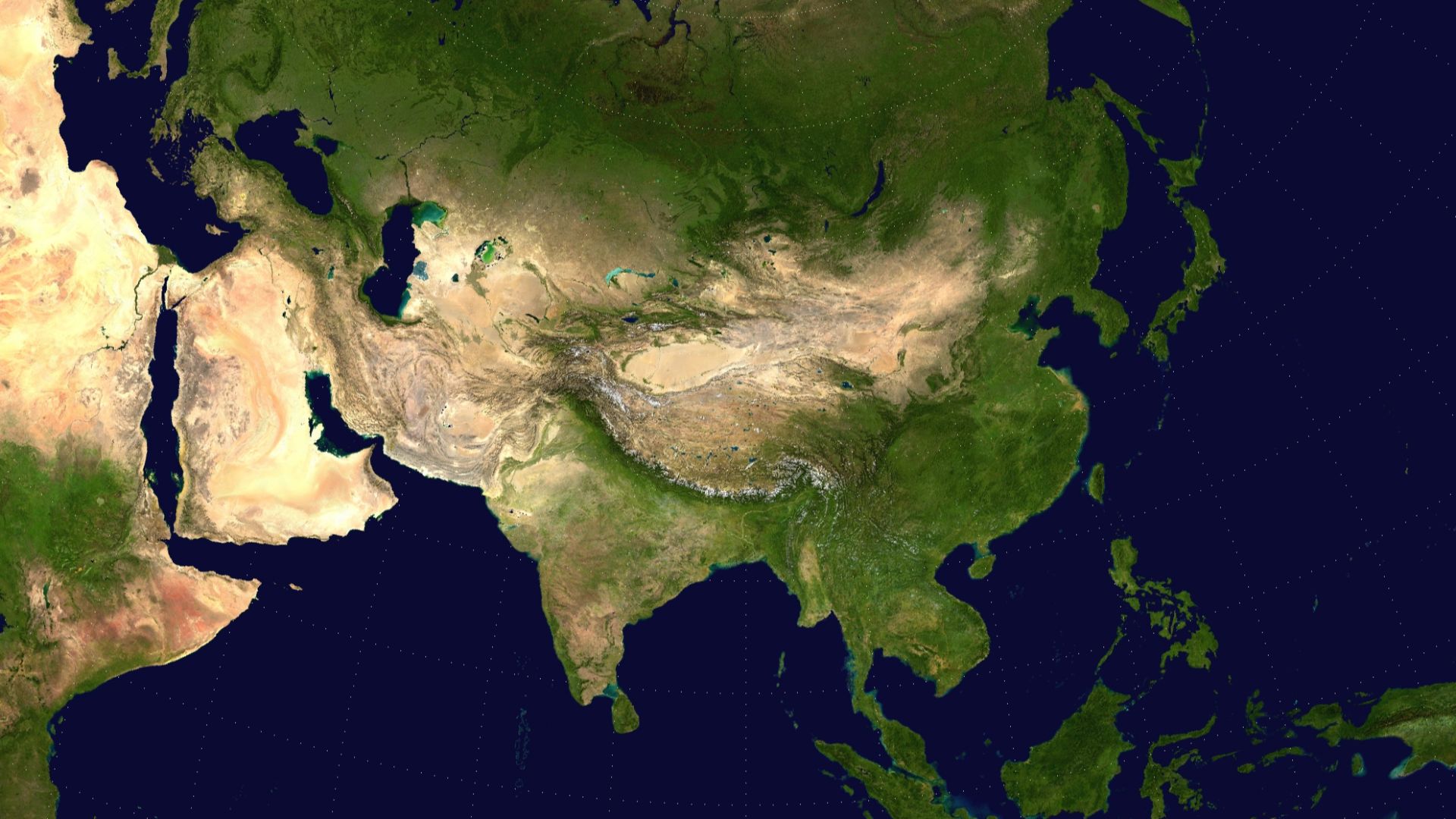
Toba's impact wasn't limited to Indonesia. Ash from the eruption traveled thousands of kilometers, with deposits identified across India and other parts of Asia. Microscopic volcanic glass linked to Toba has even been found at archaeological sites in Africa. These distinctive ash particles now give researchers an incredibly useful timestamp for comparing human activity in different regions.
The Eruption May Have Cooled The Climate
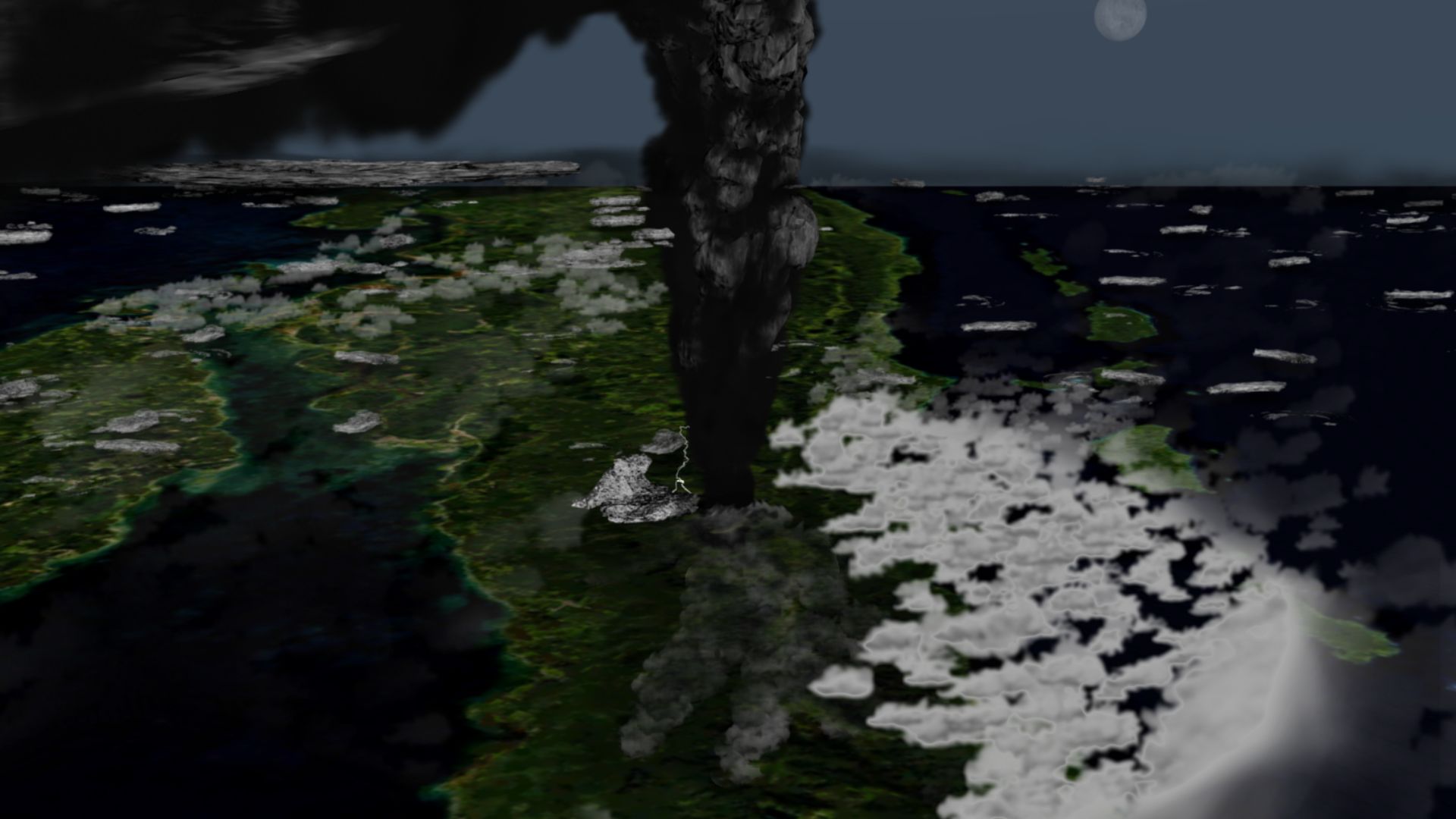
Toba released sulfur-rich gases and fine particles high into the atmosphere, where they could reflect sunlight and lower temperatures. Scientists agree that the eruption affected climate, but there's still debate over how dramatic and long-lasting those effects were. The strongest early models proposed years of severe cooling, while newer research suggests the consequences probably varied significantly from region to region.
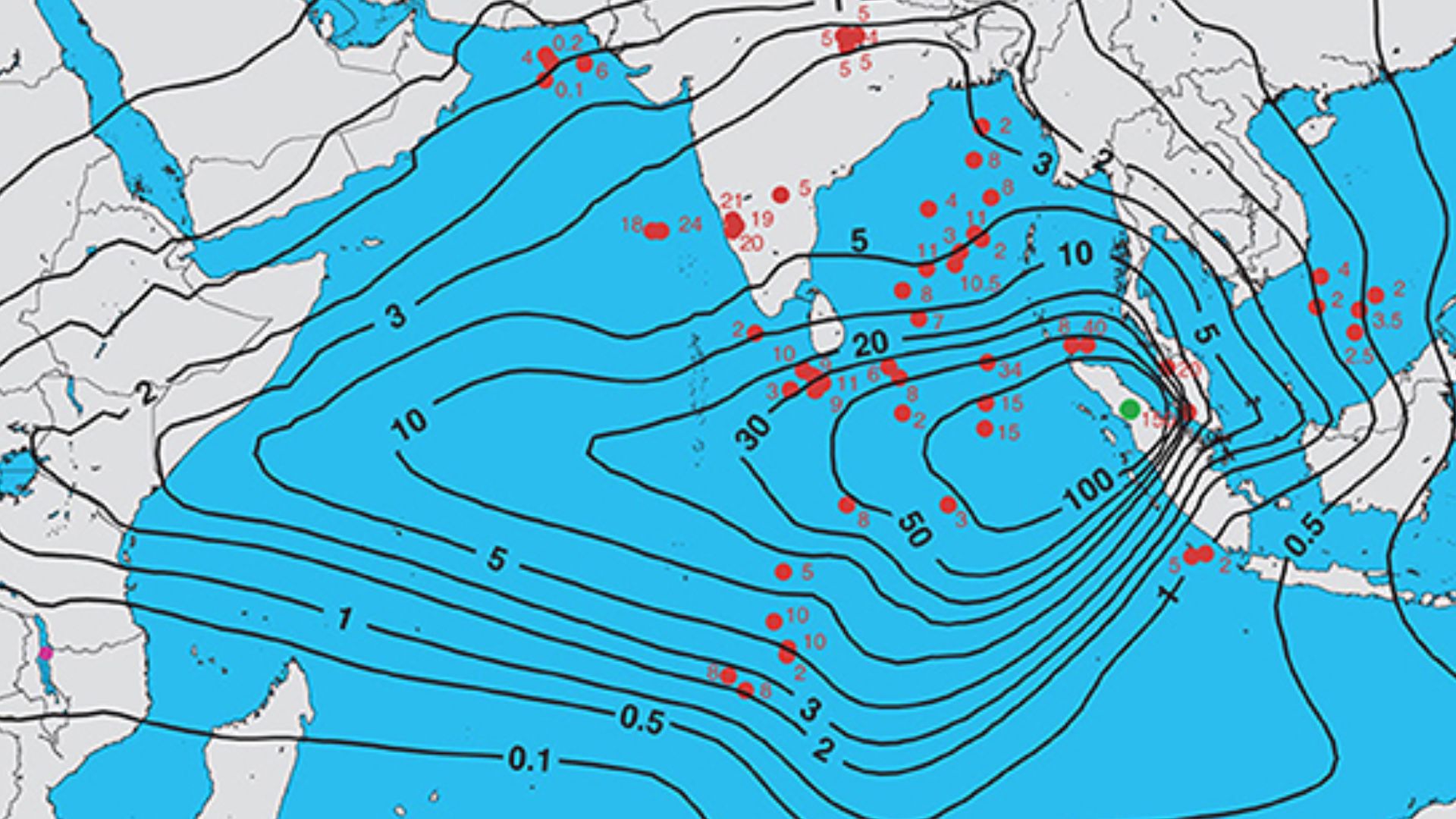 Victoria Christina Smith, Antonio Costa, Giovanni Macedonio, Naomi E. Matthews, Wikimedia Commons
The Near-Extinction Theory Took Hold
In the 1990s, anthropologist Stanley Ambrose proposed that Toba triggered a devastating volcanic winter that dramatically reduced human populations. The idea seemed to fit genetic evidence suggesting Homo sapiens had passed through an ancient population bottleneck. Toba's enormous eruption and the apparent genetic reduction happened in roughly the same broad period, creating one of prehistory's most dramatic theories.
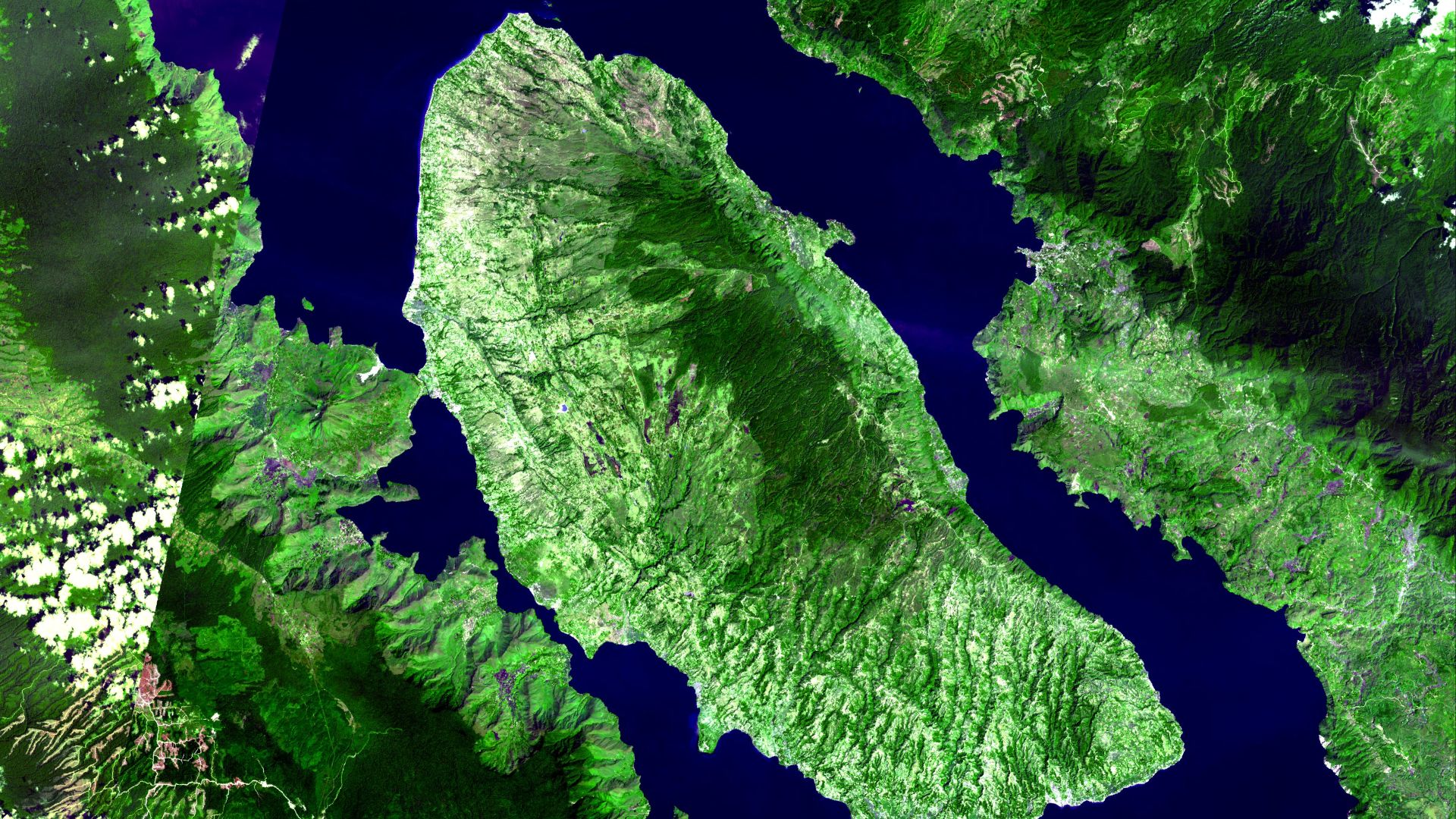 NASA/METI/AIST/Japan Space Systems, and U.S./Japan ASTER Science Team, Wikimedia Commons
Humanity Was Thought To Have Barely Survived
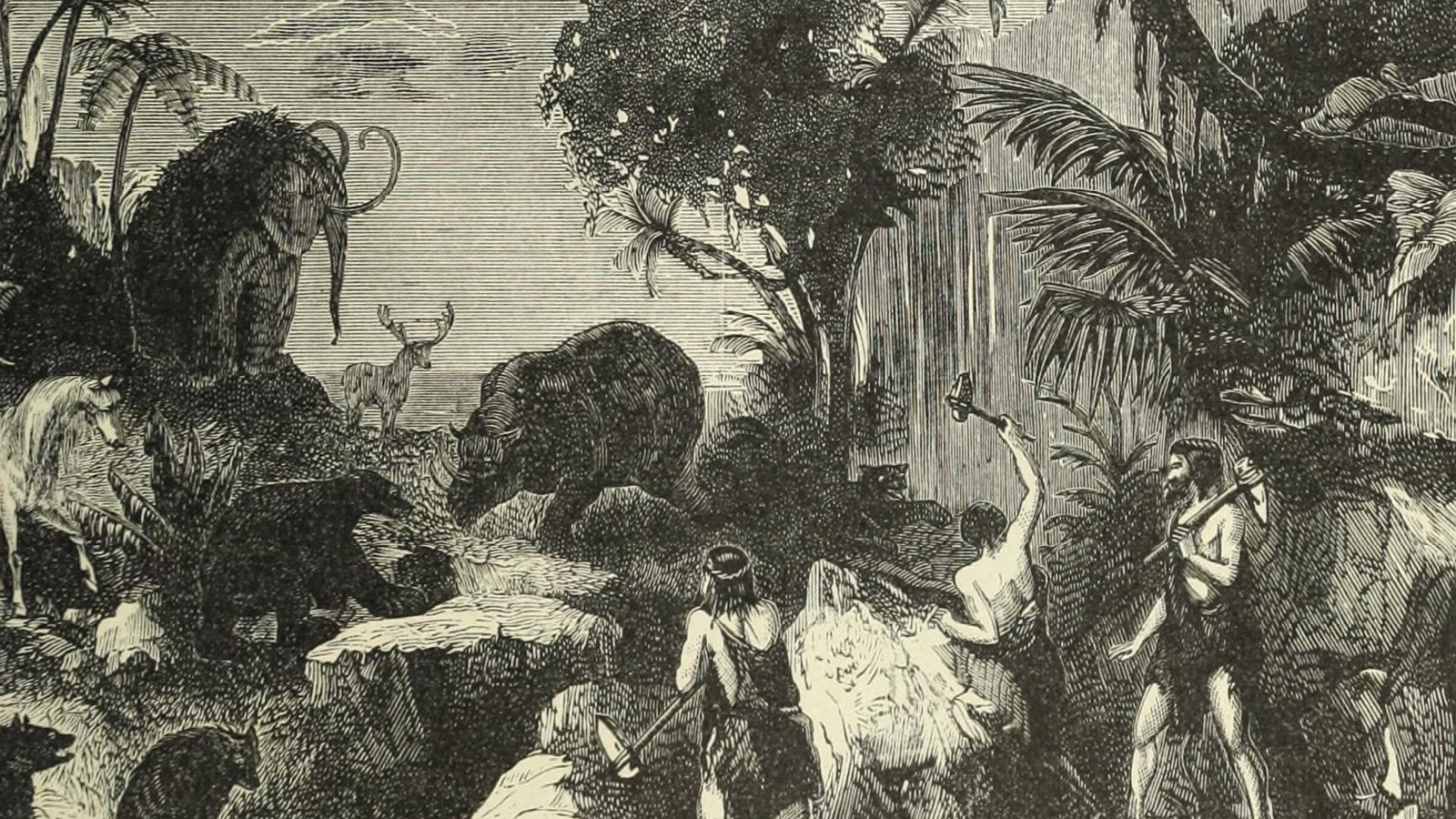
Some versions of the hypothesis suggested that only a relatively small number of humans survived the aftermath. Harsh temperatures, dying vegetation, reduced animal populations, and failing food supplies may have forced people into scattered refuges. The survivors, according to this model, later expanded and contributed disproportionately to the ancestry of modern humans.
 Gilbert, Frank, Wikimedia Commons
Genetic Bottlenecks Are More Complicated
The story wasn't quite as simple as it sounded. A genetic bottleneck doesn't necessarily mean that only a few thousand people remained alive. Geneticists often estimate effective population size, which reflects the number of individuals contributing genes to later populations. Migration, isolation, population structure, and other factors can produce similar genetic patterns without requiring a single global catastrophe.

India Became A Critical Testing Ground
If Toba had devastated humans across southern Asia, India should preserve some of the clearest evidence. Large quantities of volcanic ash fell across the subcontinent, creating obvious archaeological layers. Researchers began comparing tools and occupation deposits below and above the ash to see whether human activity suddenly disappeared after the eruption.
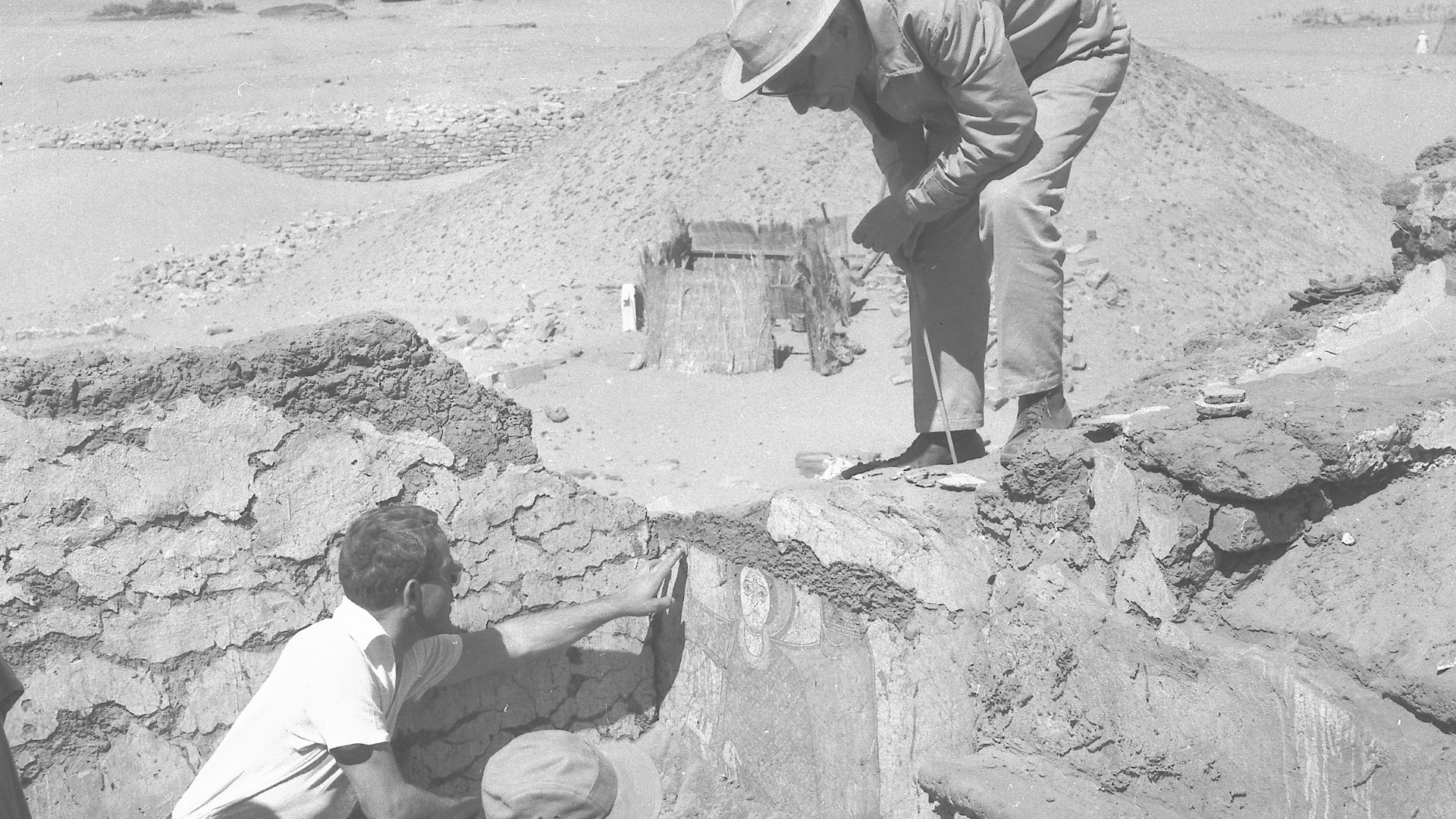 Tadeusz Biniewski, Wikimedia Commons
The Stone Tools Didn't Disappear
At several Indian sites, archaeologists found stone tools beneath the Toba ash, showing people were already living there before the eruption. More surprisingly, tools also appeared above the ash. Instead of a dramatic gap in occupation, the archaeological record in some areas suggested that people continued living and making tools after the disaster.
![A variety of tools made of mussel shells.[1]](https://www.factinate.com/storage/app/media/splashtravels/2026/8/20/1787217668d100d7b10ef07d411fe4cd63f141d32a2337528f.jpg)
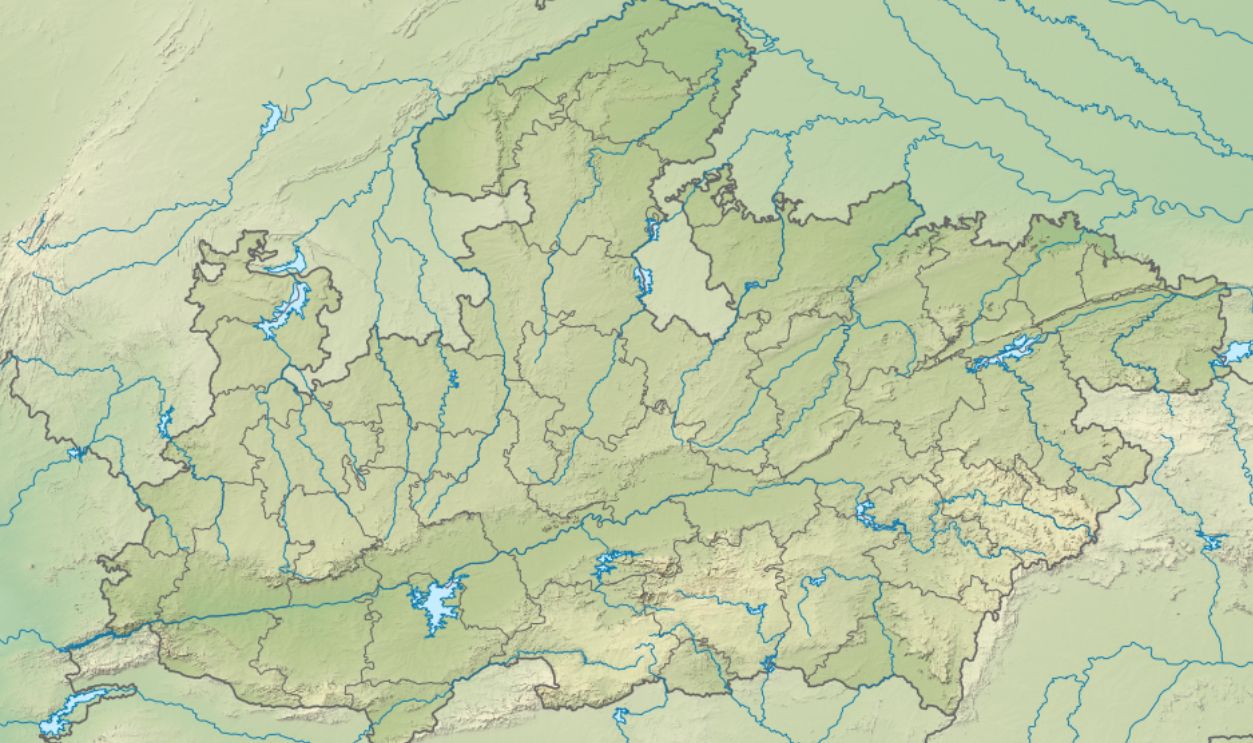
Dhaba Became One Of The Key Sites
The site of Dhaba in north-central India has provided some of the most important evidence. Archaeologists recovered stone tools from layers dating roughly between 80,000 and 40,000 years ago, allowing them to track human activity across the Toba eruption. That unusually long sequence gave researchers a chance to look for signs of disruption or replacement.
People Were Living There Before Toba
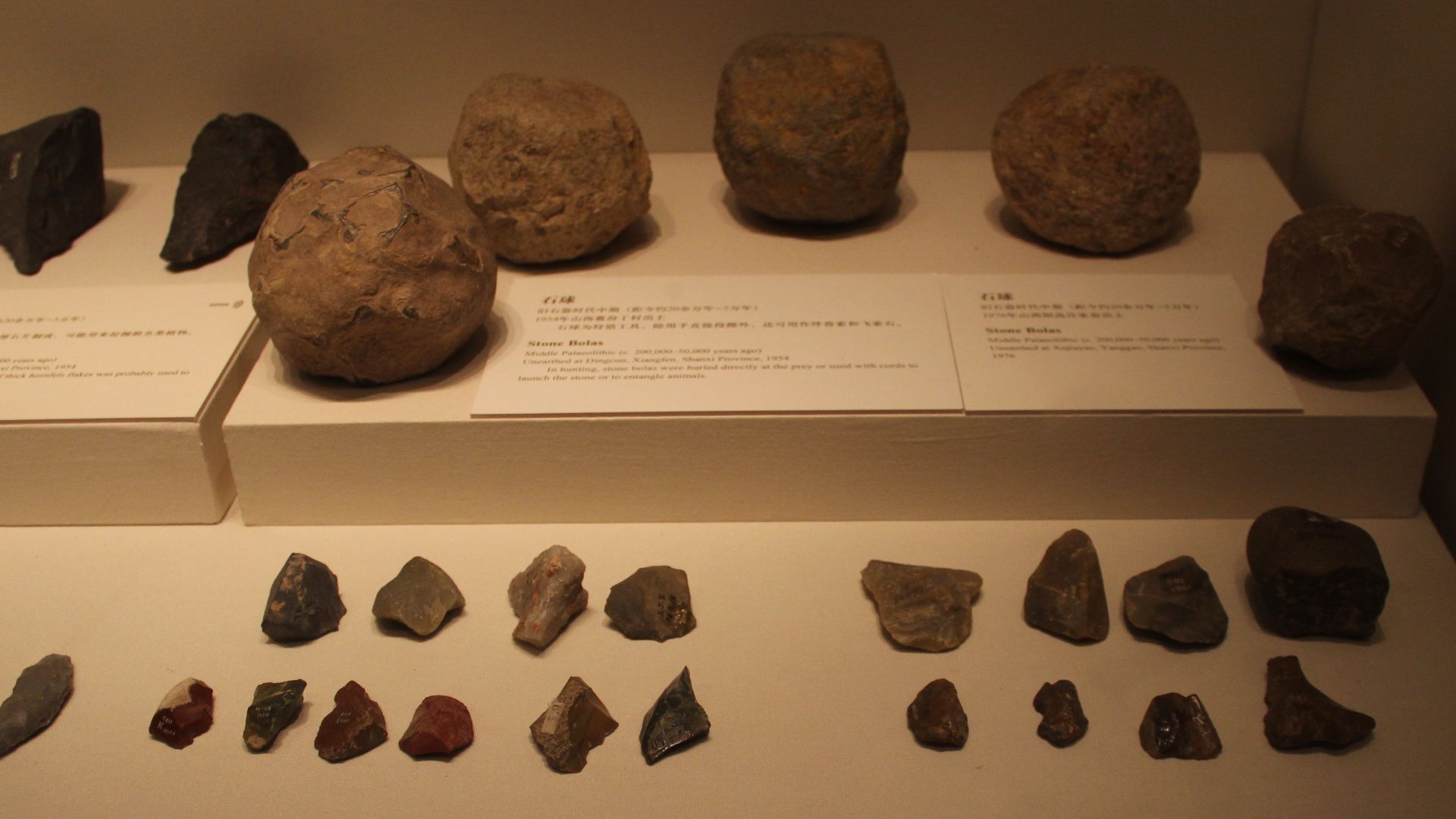
The oldest Dhaba layers contain Middle Paleolithic stone tools made before the eruption. These include carefully produced flakes and points that resemble technologies found at some sites in Africa and Arabia. Researchers have argued that this makes the assemblage important for understanding early human movement across southern Asia.
The Same General Technology Continued Afterward
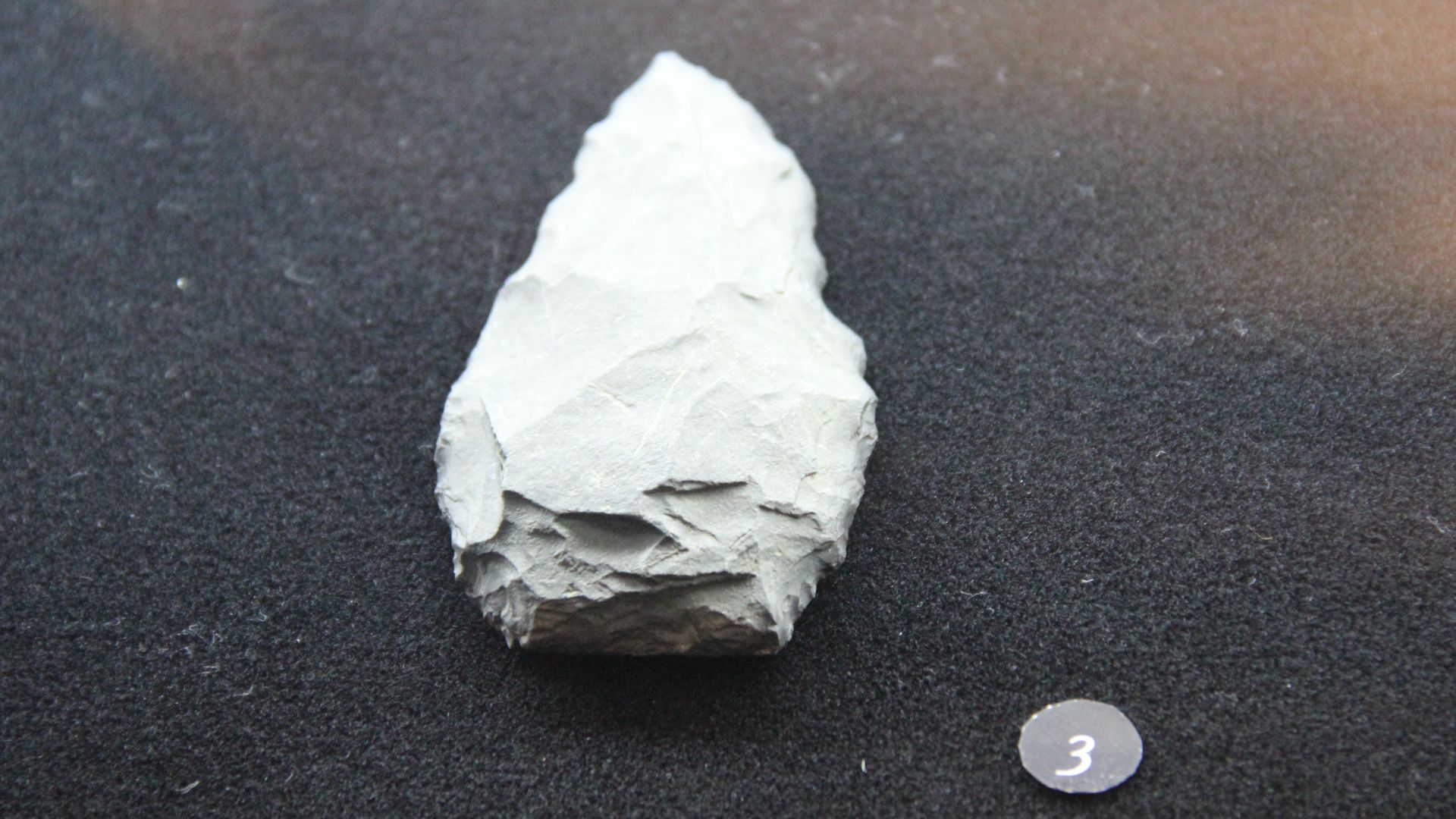
The biggest surprise came from the layers after Toba. Archaeologists didn't see an obvious technological collapse. Broadly similar toolmaking traditions continued, suggesting that local human populations either survived the eruption or were replaced very quickly by people using nearly identical methods. Either way, the strongest version of the complete wipeout theory became much harder to defend.
 Gary Todd from Xinzheng, China, Wikimedia Commons
We Don't Know Exactly Who Made The Tools
No human fossils were recovered alongside the Dhaba artifacts, so researchers can't definitively identify the toolmakers. Some scientists think they were likely Homo sapiens because of similarities with African and Arabian technologies, but other possibilities remain. The discovery is still significant because it proves some human population continued occupying the region.
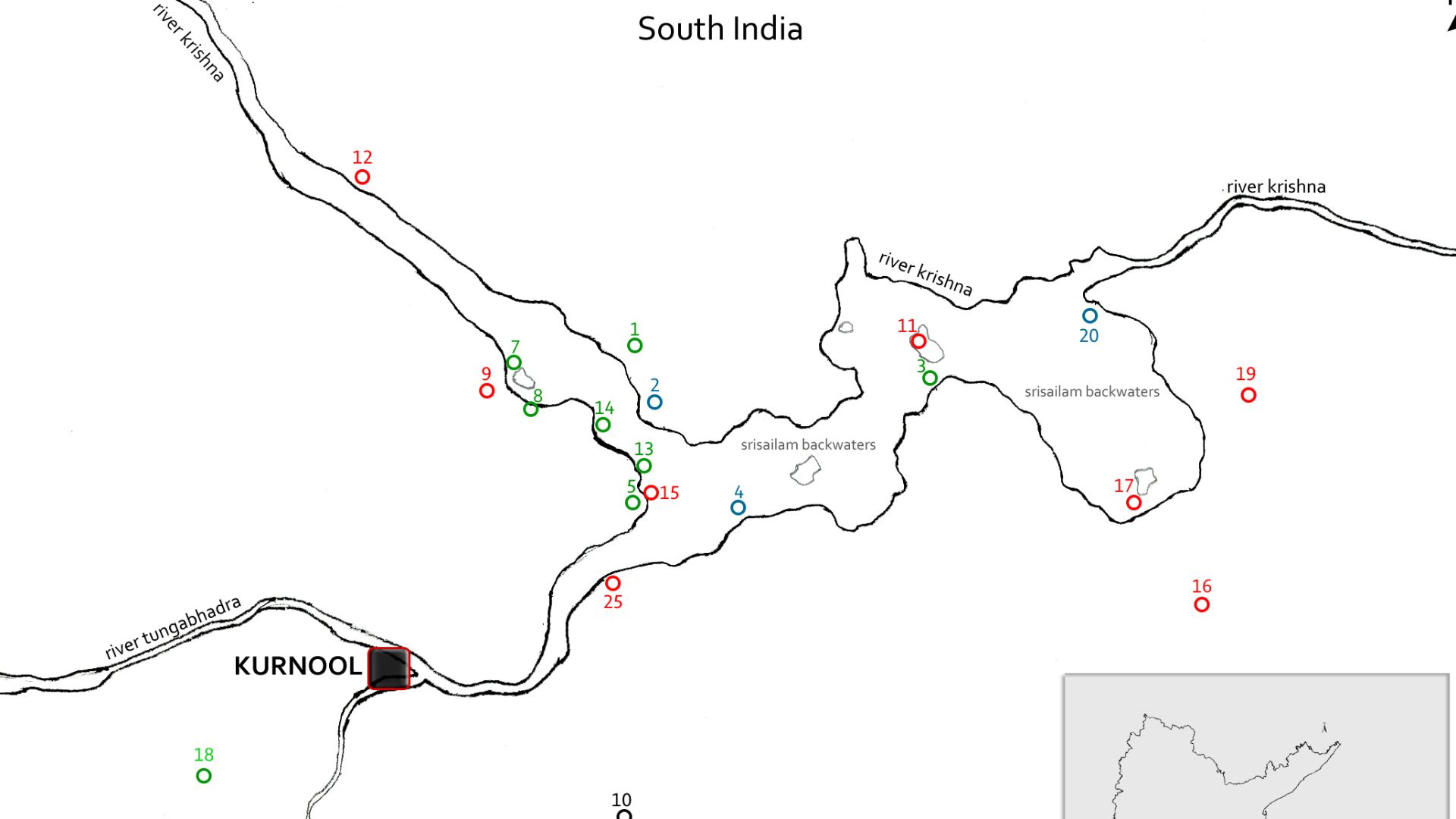
Jwalapuram Added More Evidence
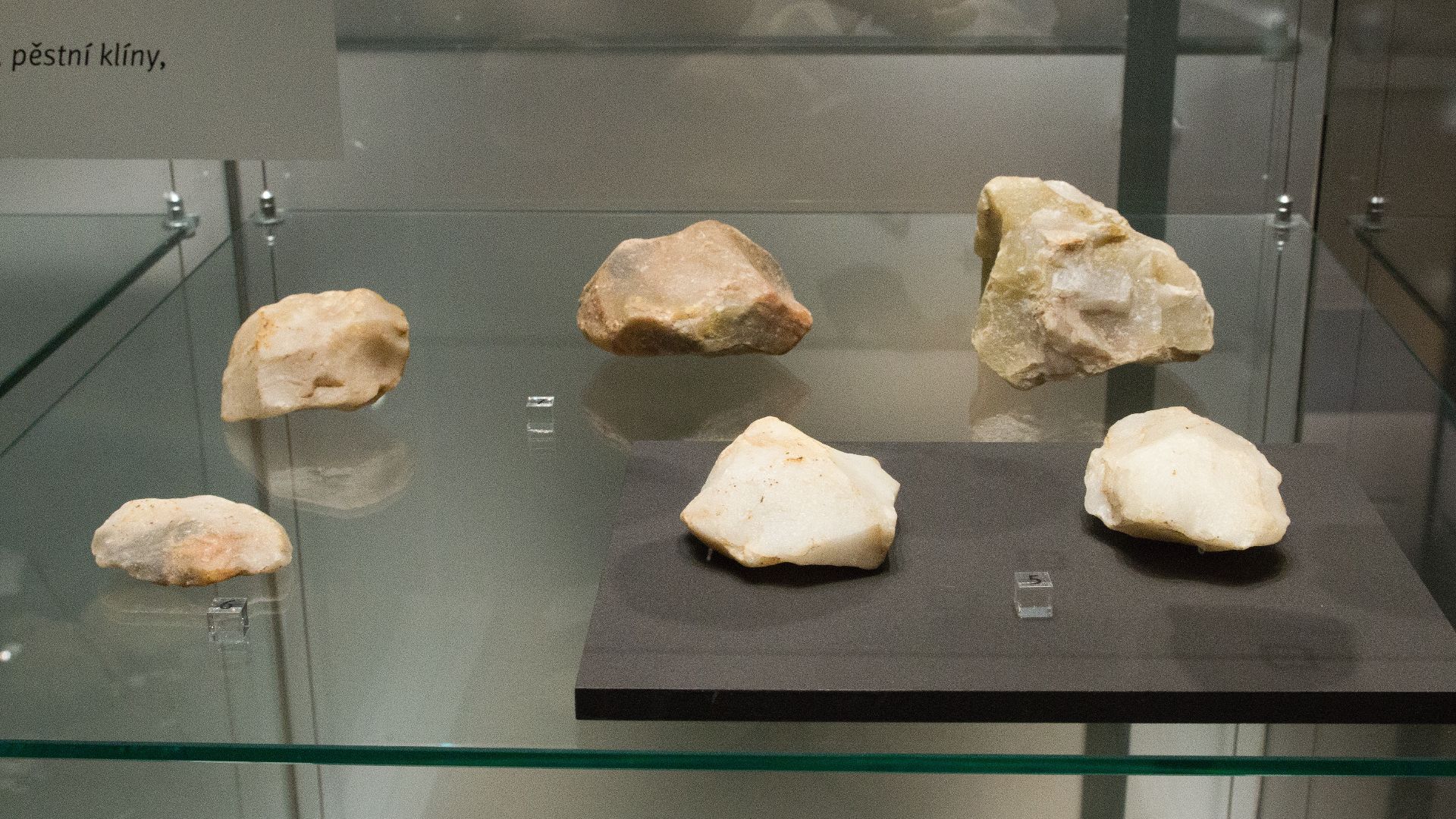
The site of Jwalapuram in southern India also produced stone tools associated with deposits before and after Toba ash. Researchers continue to debate details of the site's chronology and interpretation, but it again points toward human survival in a region that should have been badly affected if the eruption had caused a total demographic collapse.
 Adityamadhav83, Wikimedia Commons
Surviving Didn't Mean The Eruption Was Harmless
The newer evidence doesn't mean ancient people barely noticed Toba. Communities close to Sumatra would have faced catastrophic destruction, while populations farther away may have dealt with ash-covered landscapes, disrupted rainfall, reduced vegetation, and changing animal populations. Survival simply means people found ways to cope with conditions that may still have been extremely difficult.
 Gelder, W. van, Wikimedia Commons
The Old Catastrophe Model Began To Weaken
As more archaeological and environmental evidence appeared, the idea of a uniform global disaster became less convincing. Researchers weren't finding clear signs that humans vanished everywhere after Toba. Climate records also failed to consistently show the prolonged ecological devastation expected by the strongest versions of the volcanic winter model.
 NASA Landsat, Wikimedia Commons
South Africa Produced Another Surprise
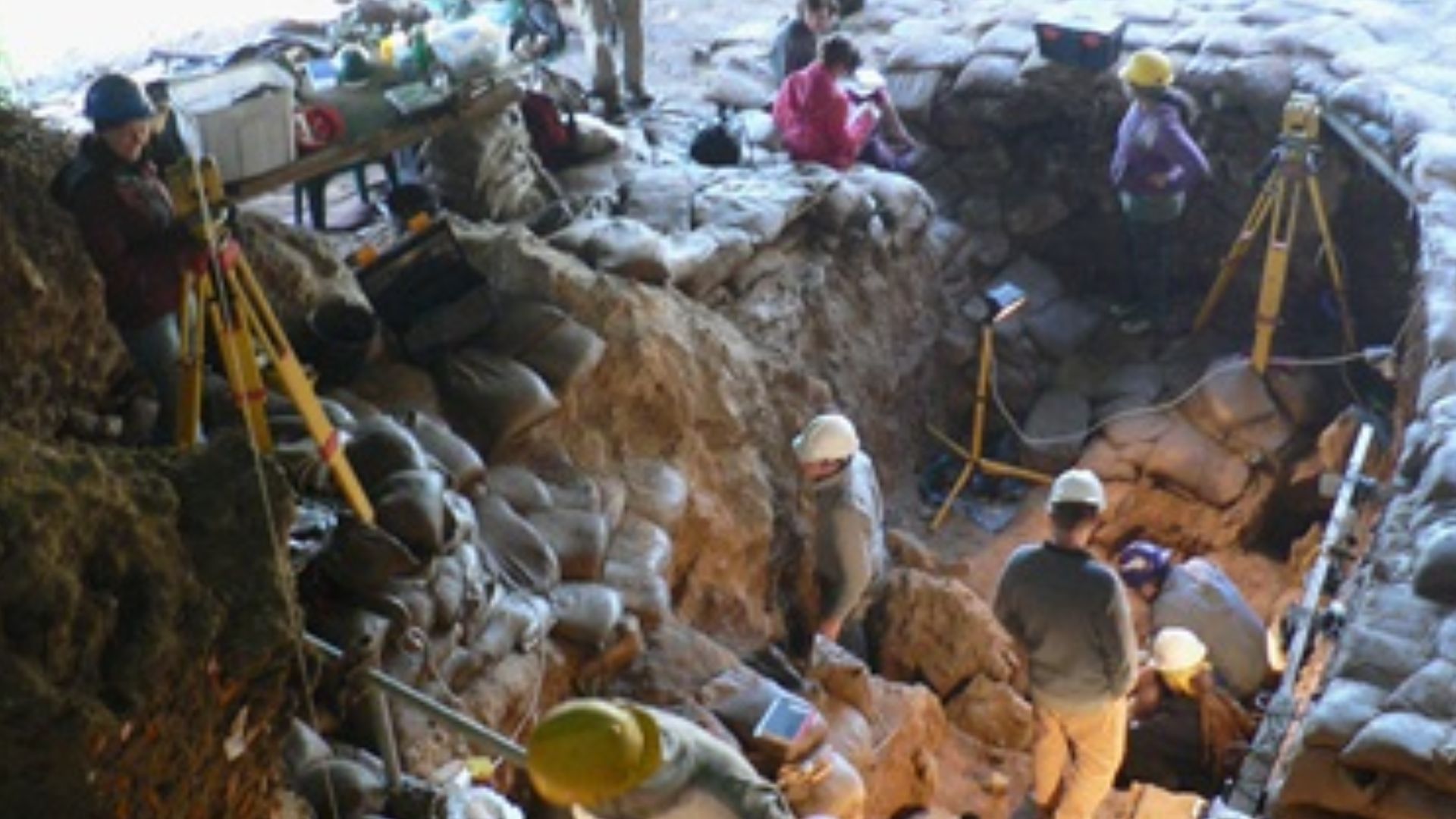
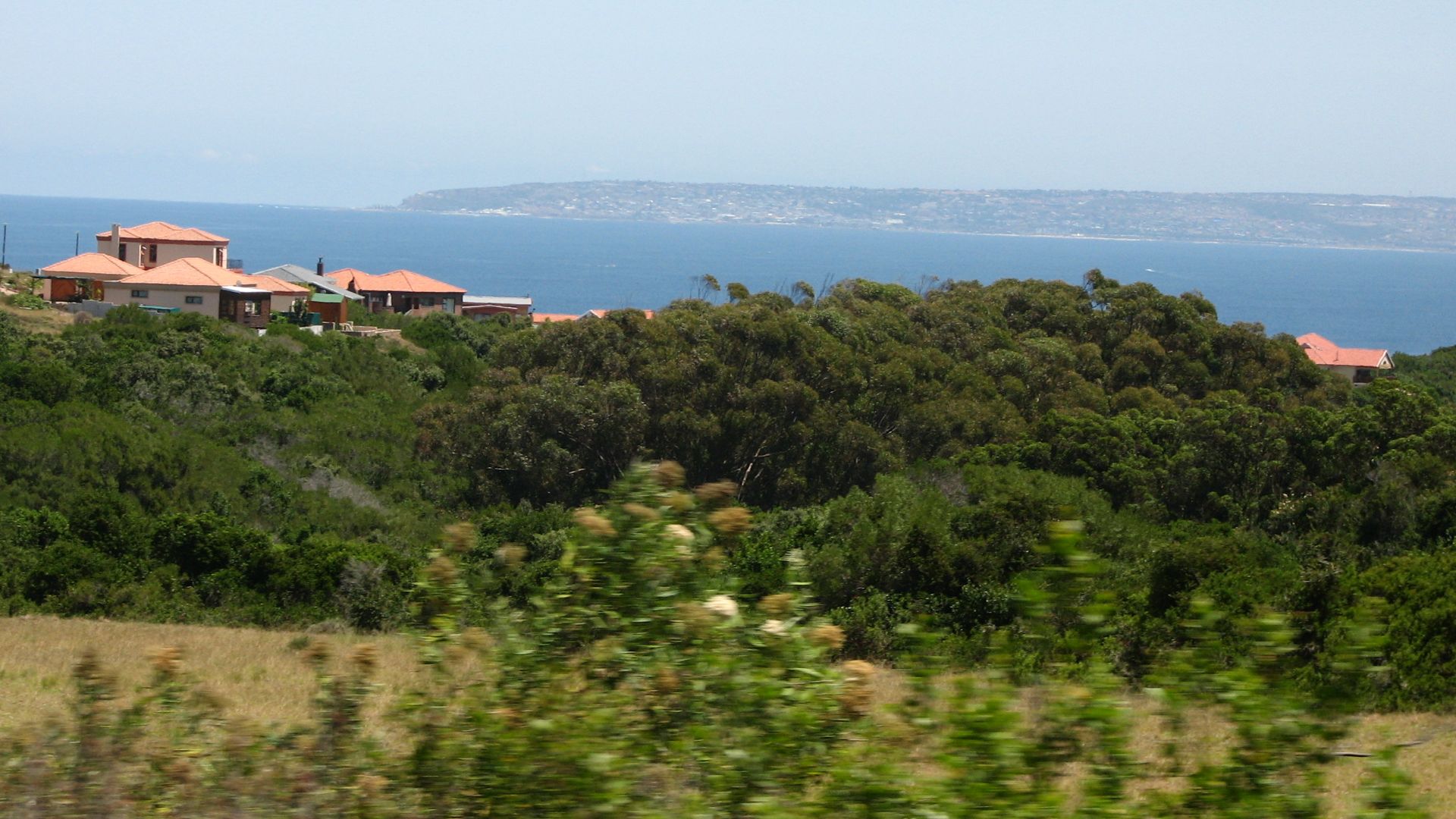
At Pinnacle Point on the southern coast of South Africa, scientists identified microscopic Toba glass within archaeological deposits. That allowed them to tie local human activity directly to the eruption. People were present before, during, and after the event, providing another powerful challenge to the idea of a worldwide human collapse.
 Andrew Hall, Wikimedia Commons
Activity At Pinnacle Point Actually Continued
Researchers found no sign that humans abandoned the region after Toba. In some areas, archaeological evidence suggests site use may even have intensified. Technological development also continued. This showed that at least some Homo sapiens populations were capable of remaining active despite whatever climatic effects reached southern Africa.
 Andres de Wet (talk), Wikimedia Commons
Coastal Resources May Have Helped
One reason populations at Pinnacle Point may have coped well was access to diverse food sources. Shellfish and other coastal resources could provide dependable nutrition even when conditions on land became difficult. A varied diet would've given people more options during periods of environmental stress and reduced their dependence on any single food source.

Ethiopia Revealed Another Survival Strategy
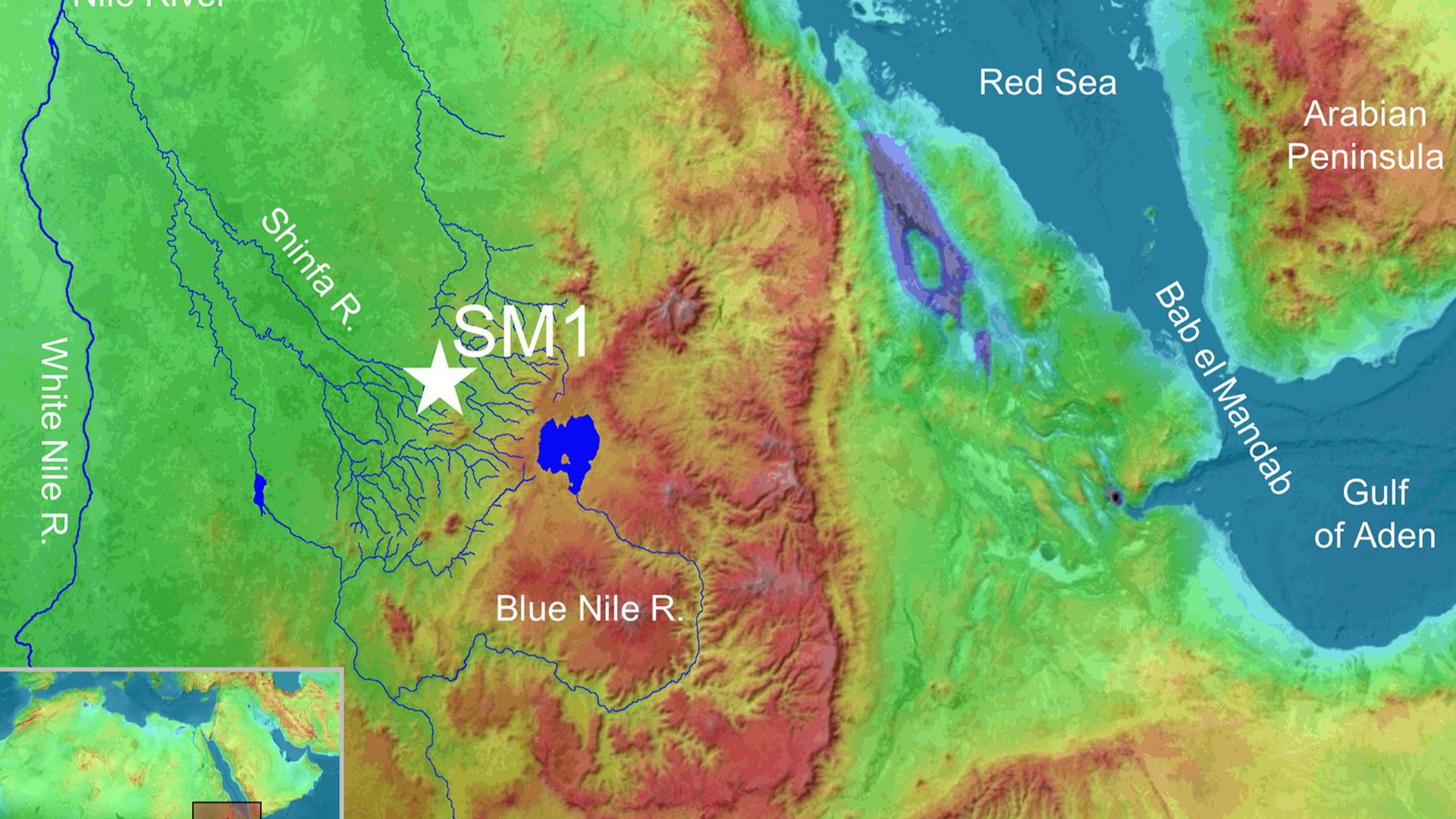
At Shinfa-Metema 1 in northwestern Ethiopia, scientists found microscopic volcanic glass linked to Toba in layers associated with human occupation. The site showed that people were present around the time of the eruption, but it also revealed something more interesting: evidence that they adjusted their behavior as the environment became drier.
 topographic-map.com, Wikimedia Commons
Shrinking Rivers Created New Opportunities
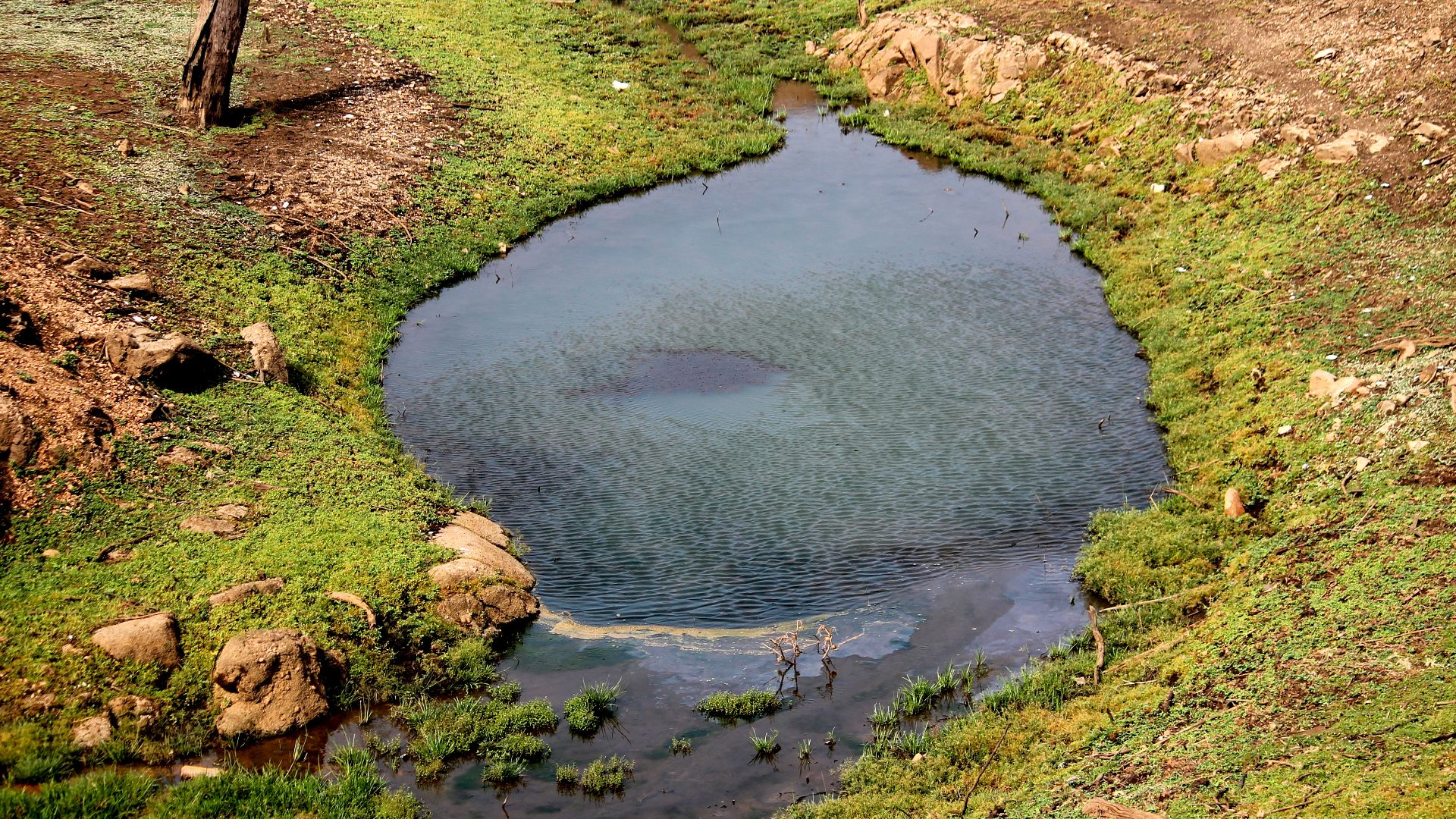
During dry periods, rivers in the region broke into isolated waterholes. Animals gathered around those shrinking pools, making them easier to hunt, while fish became concentrated in smaller areas. Archaeological evidence suggests people increasingly exploited these resources, showing that they could quickly change their diets when environmental conditions shifted.
Flexibility May Have Been Humanity's Greatest Advantage
Ancient humans weren't dependent on one food, one hunting method, or one environment. They could switch between large game, fish, shellfish, plants, and smaller animals depending on what was available. That flexibility would've been incredibly valuable during sudden climatic disruption and may explain why some populations survived events that could devastate more specialized species.

They May Have Used Early Projectile Weapons
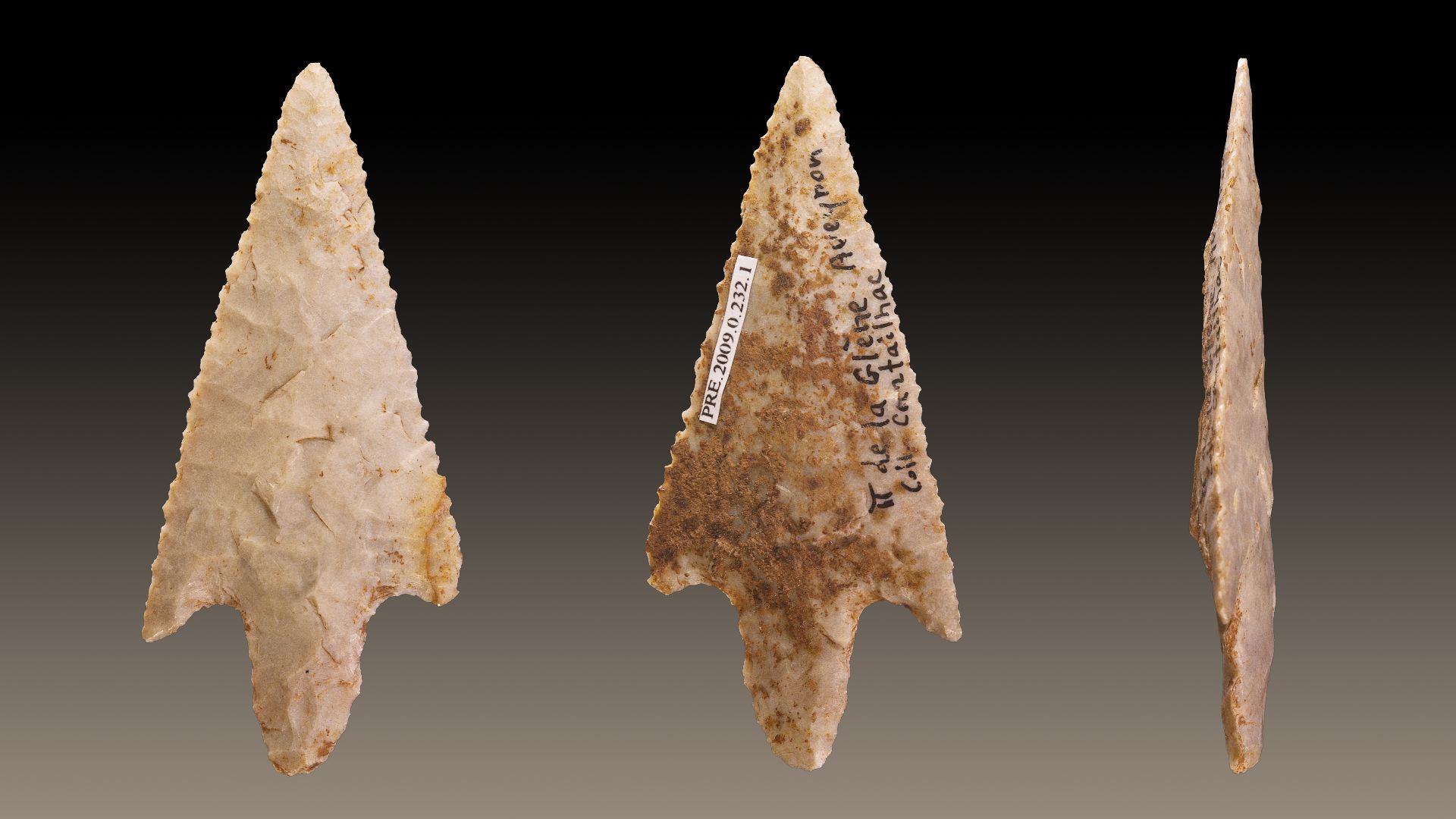
Researchers at Shinfa-Metema recovered small triangular stone points that may have been used as arrowheads. If that interpretation is correct, they could represent very early bow-and-arrow technology. Projectile weapons would've made hunting more efficient and given people another way to adapt when familiar prey or environments changed.
 Didier Descouens, Wikimedia Commons
Dry Conditions May Have Encouraged Migration
Researchers studying the Ethiopian site proposed that shrinking rivers could have acted as "blue highways." Groups moving between remaining water sources may have gradually traveled greater distances as conditions dried. Rather than stopping migration, environmental stress may sometimes have pushed people into new territory.
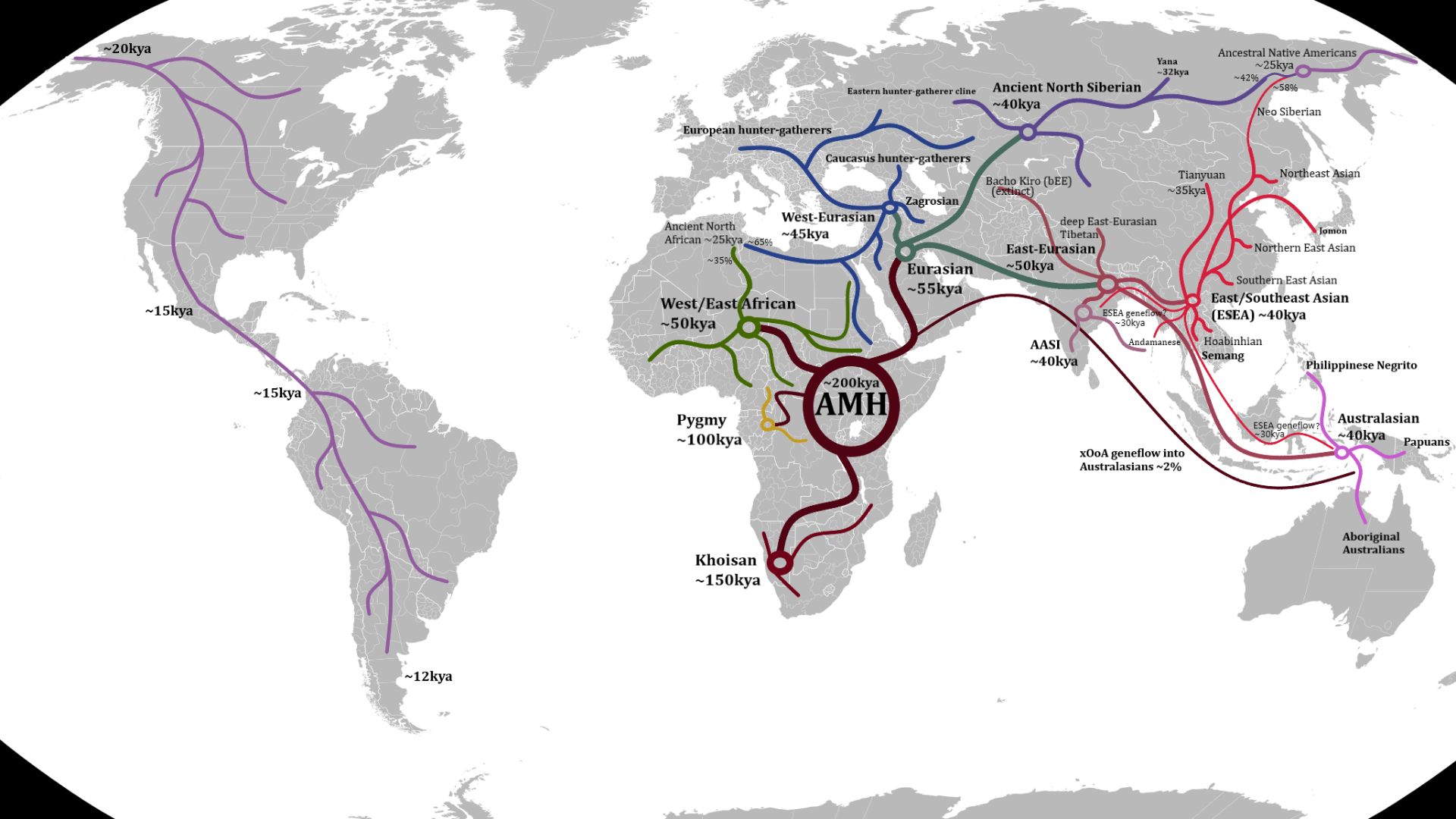
Human Expansion Wasn't One Big Journey
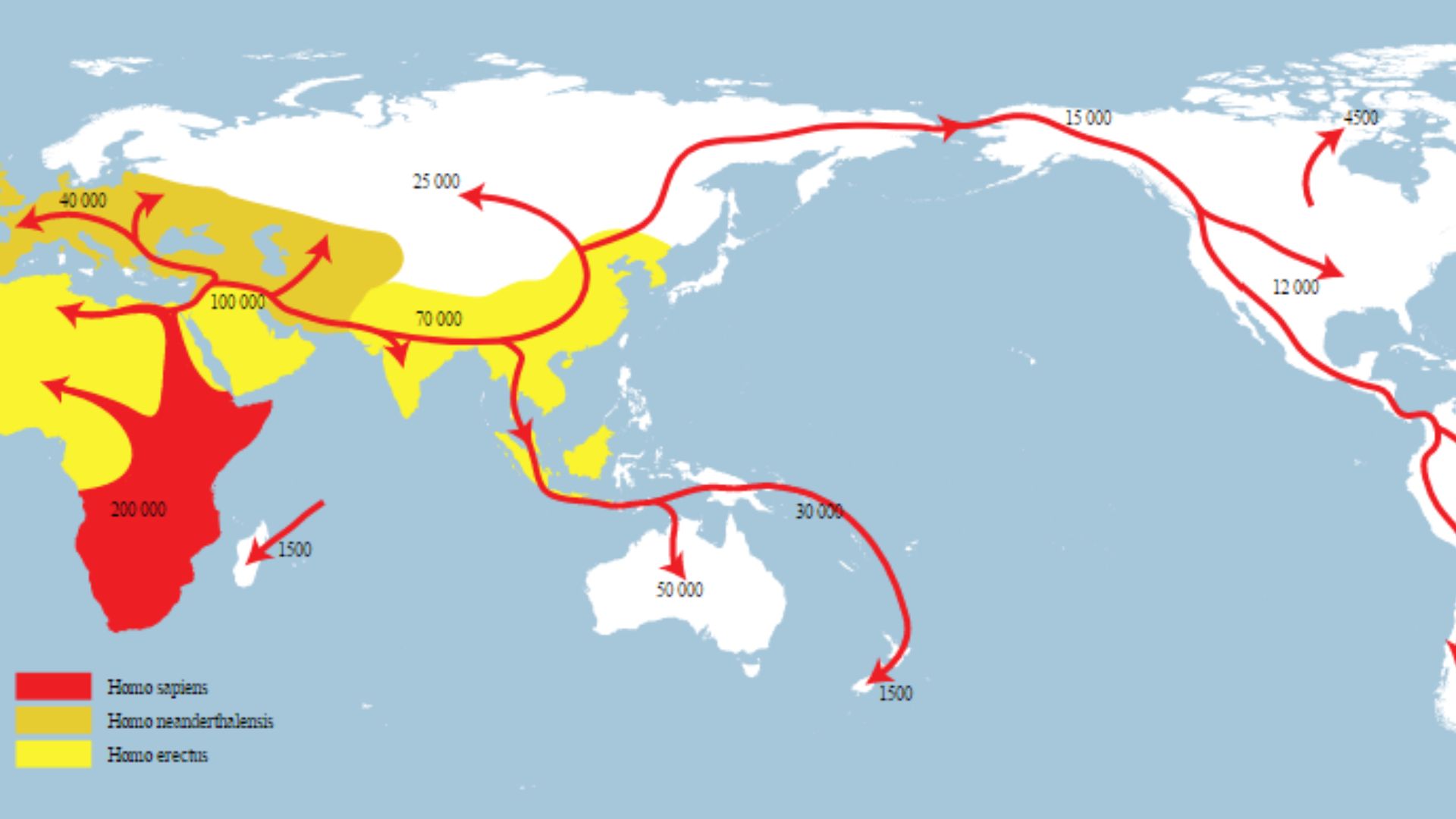
Homo sapiens didn't leave Africa in one single migration. Archaeological and genetic evidence suggests multiple dispersals happened at different times. Some groups reached the Levant and Arabia much earlier than the populations that later contributed most of the ancestry of living people outside Africa. Toba happened during this complicated period of exploration and movement.
 Neanderthal-Museum, Mettmann, Wikimedia Commons
India Sat On An Important Migration Route
South Asia occupies a key position between Africa, the Middle East, and Southeast Asia. Evidence of human occupation in India before and after Toba supports the possibility that populations had already moved deep into Asia surprisingly early. The region may have played a crucial role in some of humanity's first major expansions eastward.
 Unknown authorUnknown author, Wikimedia Commons
Tiny Glass Shards Became Time Markers
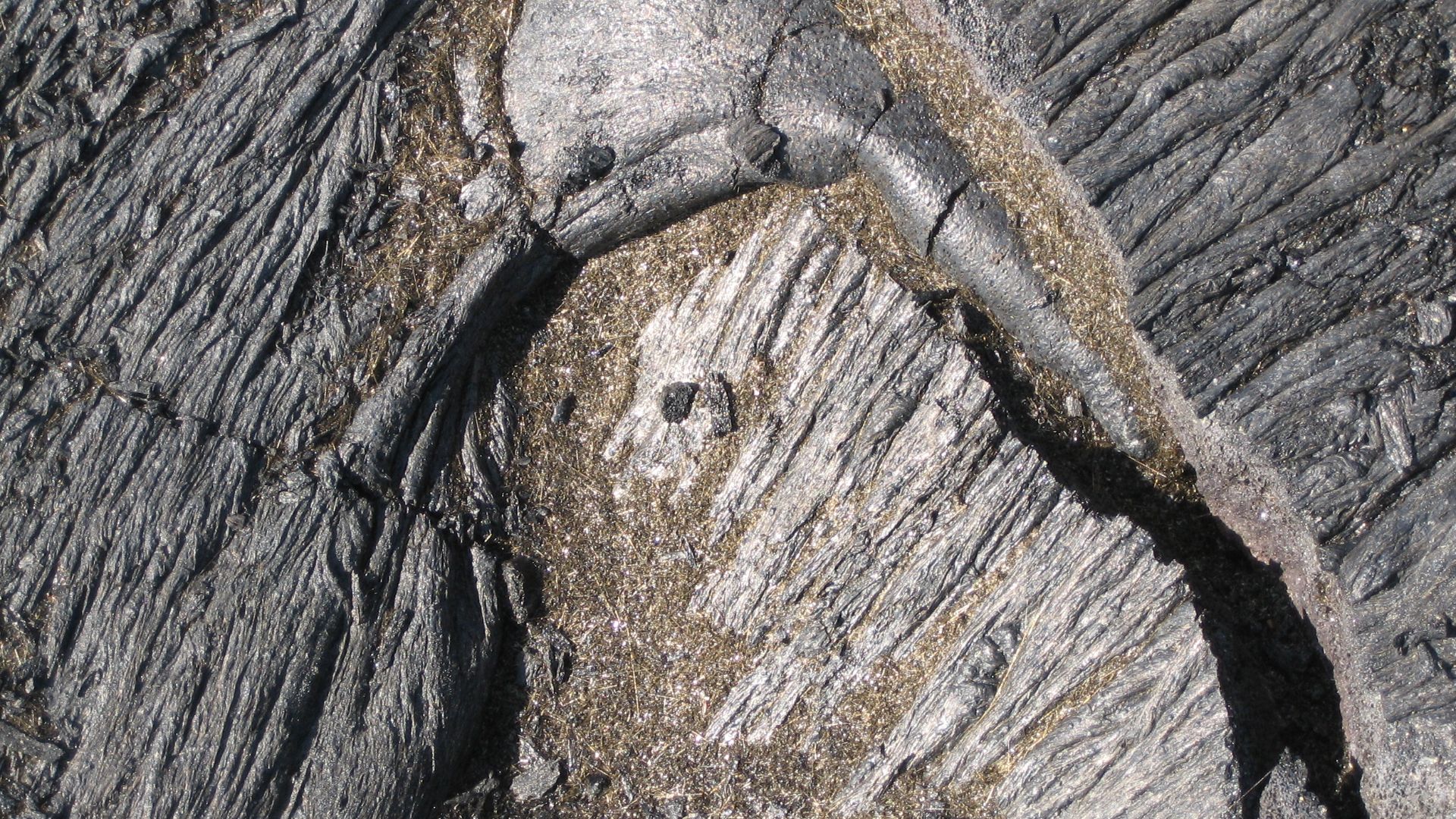
One of the most useful tools in this research is cryptotephra, microscopic volcanic glass produced by eruptions. Each eruption leaves behind material with a distinctive chemical signature. When scientists identify Toba glass at sites thousands of kilometers apart, they can compare human activity around the same event with remarkable precision.
 Douglaspperkins, Wikimedia Commons
Toba Still Probably Caused Serious Problems
Scientists haven't replaced the catastrophe theory with the idea that the eruption had no effect. Toba almost certainly caused short-term environmental disruption, and some local populations may have declined or disappeared. The key difference is that the disaster no longer looks like a single global event that pushed every human population to the edge of extinction.
Climate Evidence Also Challenged The Old Theory
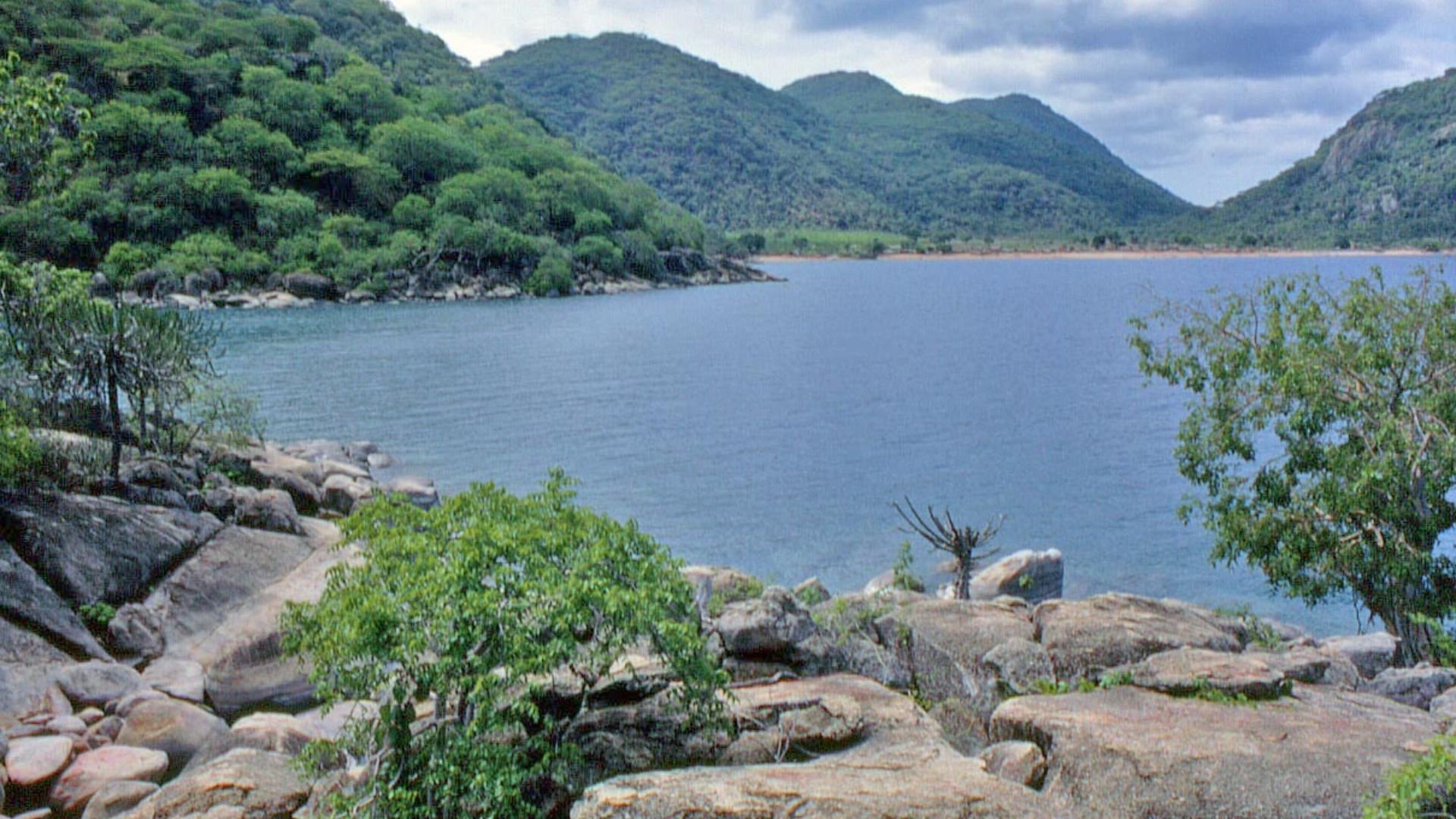
Environmental records from places such as Lake Malawi in East Africa haven't shown the kind of prolonged ecological collapse predicted by the strongest Toba models. Researchers still see signs of climatic change, but not necessarily the years of devastating global winter once imagined. The response appears to have been much more uneven.
 Paul venter at English Wikipedia, Wikimedia Commons
Social Cooperation Would Have Been Critical
Stone tools survive well, but many of the behaviors that helped people survive don't. Sharing food, caring for children, remembering distant water sources, exchanging information, and cooperating with neighboring groups would've been essential during a crisis. Human survival probably depended as much on social knowledge as it did on technology.
 Neanderthal-Museum, Mettmann, Wikimedia Commons
Mobility Helped People Stay Alive
Hunter-gatherers weren't permanently tied to one settlement. If water dried up, animals moved, or vegetation changed, people could relocate. Knowledge of rivers, coastlines, seasonal routes, and nearby landscapes gave groups a powerful way to respond to environmental stress. The same mobility that helped them survive may also have helped humans spread across Eurasia.
Toba Changed The Way Scientists View Ancient Humans
The older Toba story portrayed early Homo sapiens as a fragile species lucky to survive a massive catastrophe. The newer picture is much more dynamic. Human groups adjusted what they ate, changed where they lived, maintained technologies, and exploited new opportunities. Rather than being passive victims of environmental change, they were active problem-solvers.
 RosmaSaragih, Wikimedia Commons
Final Thoughts
The Toba supereruption was one of the most extreme natural disasters ancient humans ever experienced, but it apparently wasn't the near-extinction event scientists once imagined. Archaeological evidence from India, South Africa, Ethiopia, and other regions shows that people survived, adapted, and continued living through enormous environmental disruption. Some changed their diets, some moved more frequently, and others maintained technologies despite the upheaval around them. Toba may not have nearly ended humanity after all. Instead, it has become one of the clearest demonstrations of the adaptability that helped our species survive almost everything the prehistoric world could throw at it.
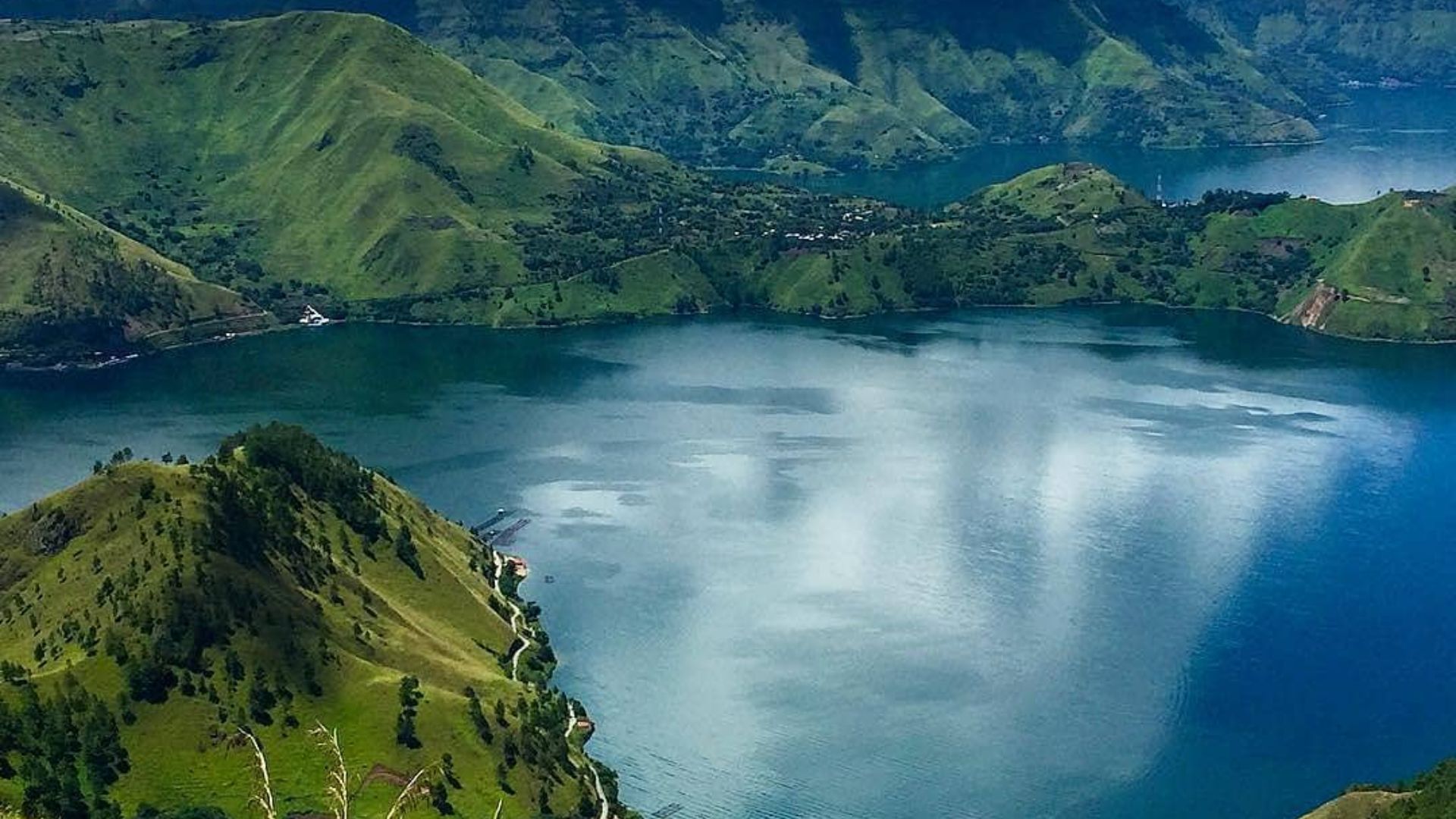 Ace King Hutauruk, Wikimedia Commons
You May Also Like:
What did Neanderthals sound like? Scientists think they've finally figured it out.
New research suggests Neanderthals didn’t just survive the Ice Age, they rebuilt after it.