A Different Neanderthal Story
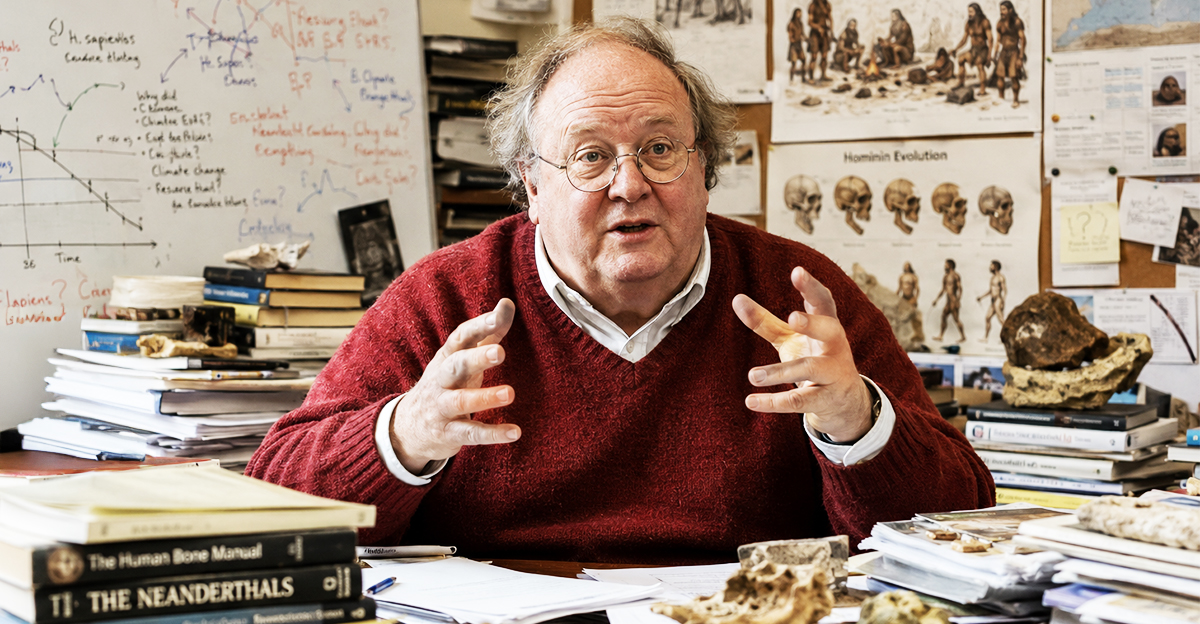
For decades, Neanderthals were often portrayed as a species barely hanging on until extinction. New research paints a more complicated picture. Evidence suggests that after enduring severe Ice Age conditions, some Neanderthal populations recovered, adapted, and rebuilt their way of life rather than simply declining.
Life During Harsh Conditions
Neanderthals lived through periods of dramatic climatic instability. Ice sheets expanded, temperatures fluctuated, and ecosystems changed repeatedly. These environmental challenges affected animal populations and food resources, forcing Neanderthal groups to adapt their behavior in order to survive.

The Importance Of Food
One of the biggest challenges during cold periods was obtaining enough calories. Large bodies and cold environments required substantial energy intake. Researchers increasingly believe Neanderthals developed sophisticated strategies for extracting nutrients from available food sources.
 Neanderthal-Museum, Mettmann, Wikimedia Commons
A Surprising Discovery
Recent studies suggest Neanderthals may have operated what researchers describe as a 'fat factory.' Rather than consuming only lean meat, they appear to have processed animal bones to extract valuable fats that could supplement their diets during difficult periods.
 Neanderthal-Museum, Mettmann, Wikimedia Commons
Why Fat Mattered
Fat contains significantly more calories than protein. During periods when large game animals were available but plant foods were scarce, obtaining sufficient fat may have been essential for maintaining health and meeting the body's energy requirements.
Processing Animal Bones
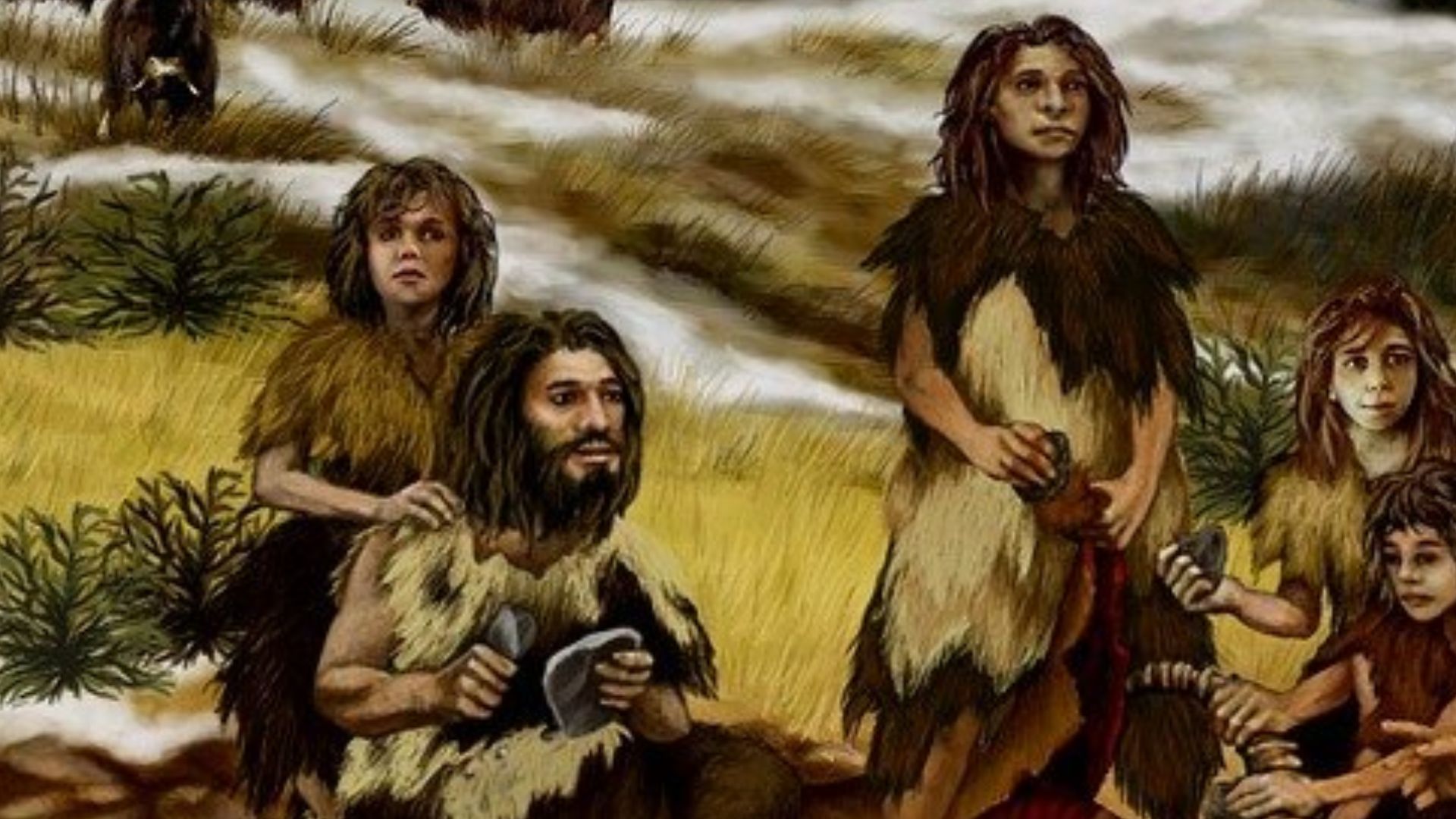
Evidence indicates Neanderthals deliberately broke and processed bones to obtain marrow and grease. Researchers found signs that bones were systematically fragmented and heated in ways consistent with extracting every possible nutritional resource from animal carcasses.
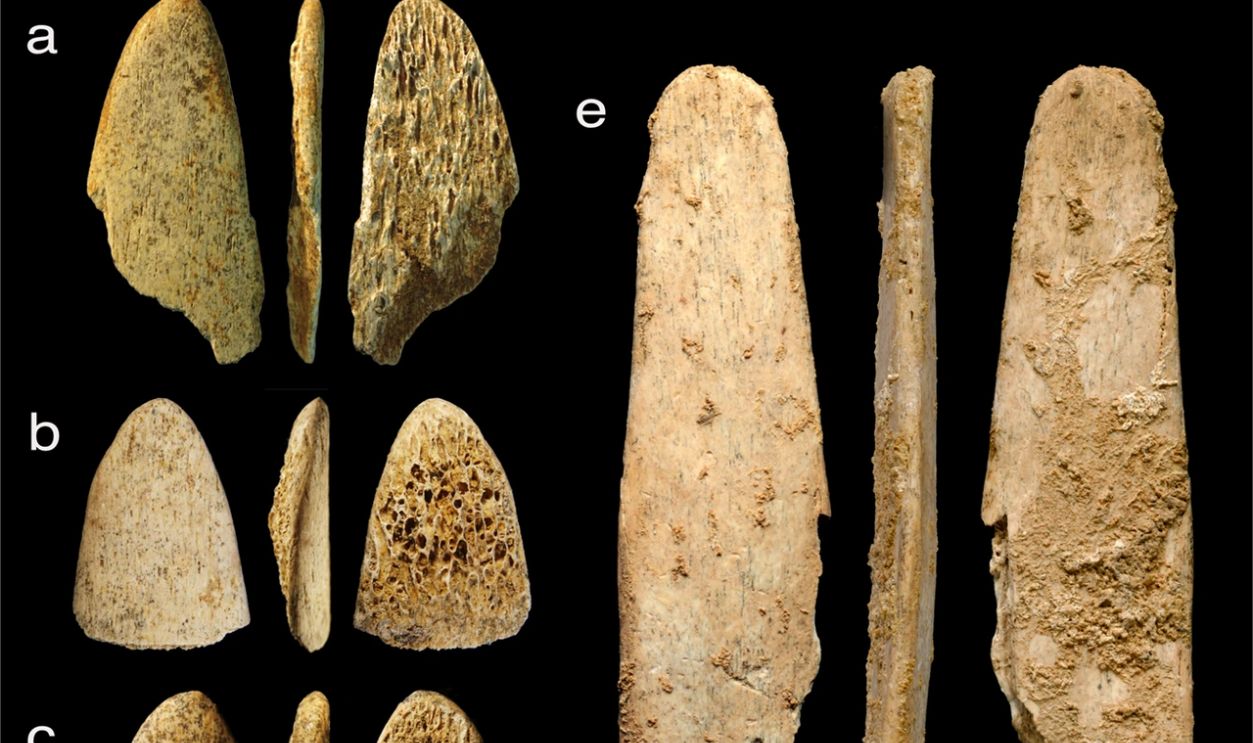 Naomi L. Martisius, Wikimedia Commons
Beyond Simple Hunting
The findings challenge older stereotypes that portrayed Neanderthals as unsophisticated hunters. Extracting bone grease requires planning, labor, and knowledge of food processing techniques. Researchers view these activities as evidence of complex survival strategies.
 Trougnouf (Benoit Brummer), Wikimedia Commons
Recovering After Climate Stress
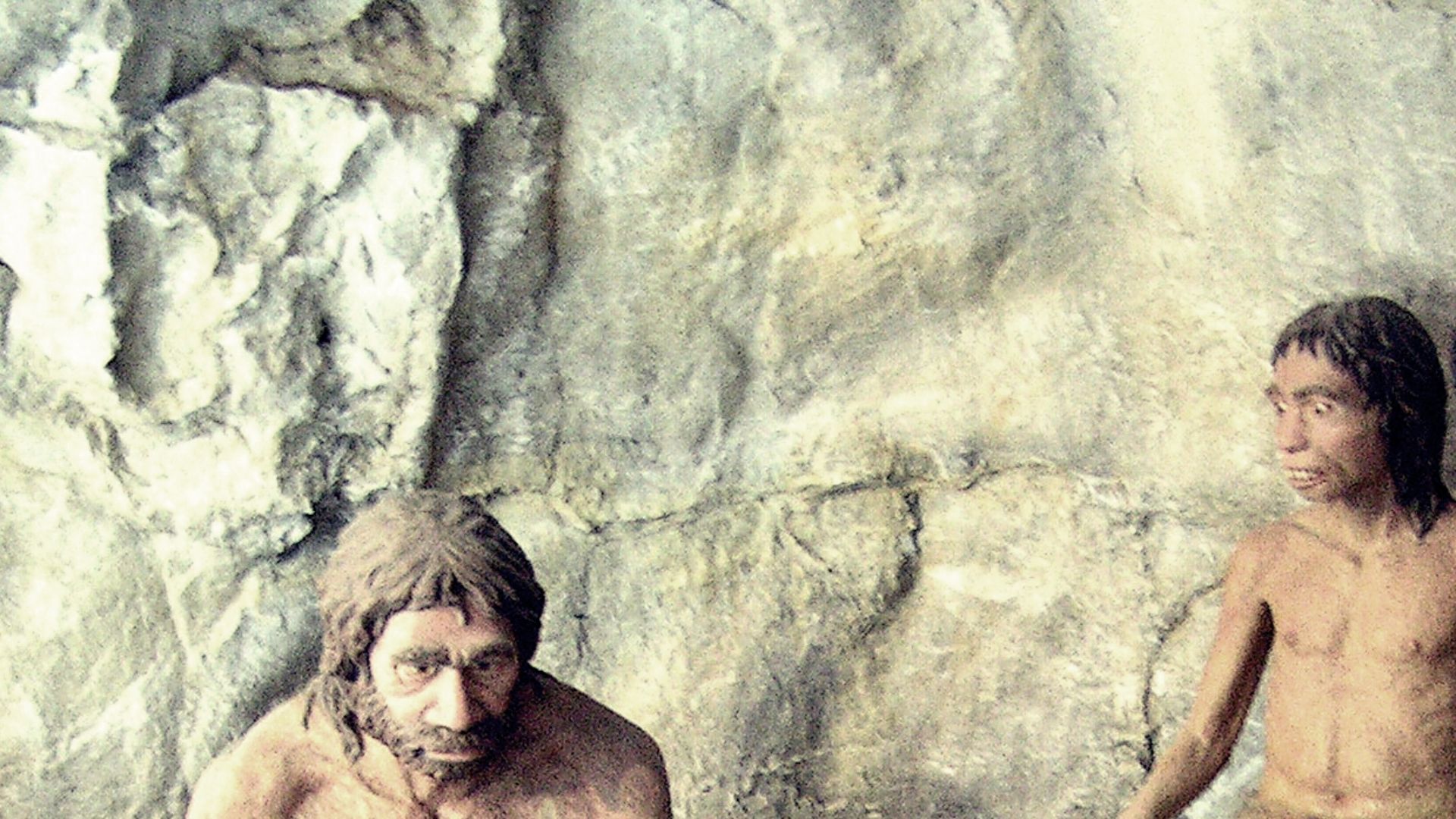
According to recent research, some Neanderthal groups did not merely endure harsh climatic episodes. Evidence suggests populations rebounded after environmental crises, reoccupying territories and rebuilding local ways of life once conditions improved.
 Jaroslav A. Polák from Brno, Czech Republic, Wikimedia Commons
Studying Animal Remains
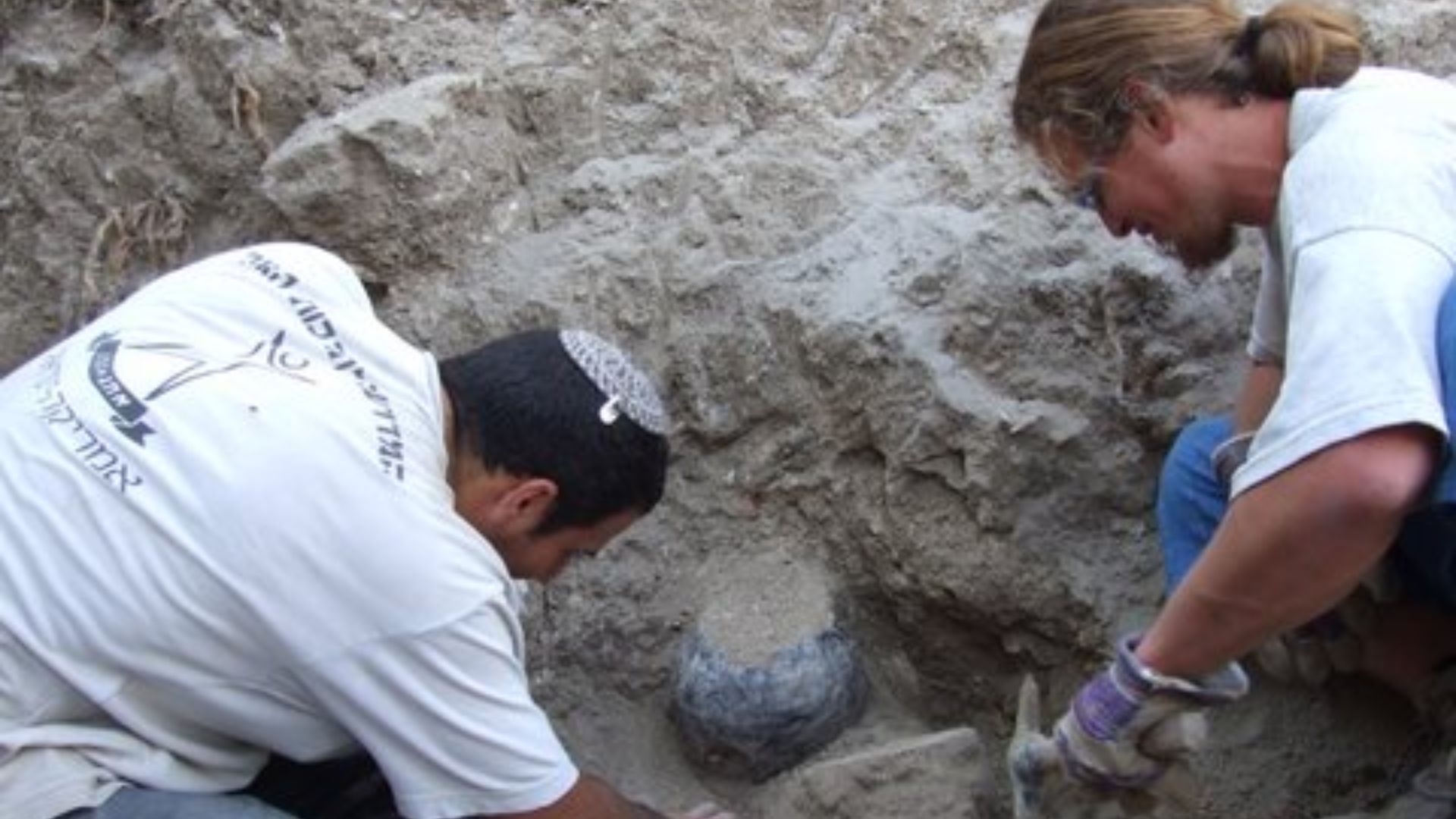
Researchers have used zooarchaeology, the study of animal remains from archaeological sites, to better understand Neanderthal behavior. Animal bones preserve evidence about hunting practices, diet, seasonal activities, and responses to changing environmental conditions.
New Analytical Methods
Modern techniques allow scientists to extract far more information from archaeological remains than was possible in the past. Researchers can analyze cut marks, fractures, burning patterns, and other details to reconstruct how Neanderthals processed animals.

Evidence Of Adaptability
The research highlights Neanderthal adaptability rather than simple resilience. Instead of responding to every environmental challenge in the same way, groups appear to have adjusted their hunting, food processing, and settlement patterns as conditions changed.
![A Shoshone encampment in the Wind River Mountains of Wyoming, photographed by W. H. Jackson, 1870. See variation from Smithsonian Institution, National Anthropological Archives [#1668] here: [1]
TITLE: Shoshoni Indians--Skin tepies [sic]
CALL NUMBER: L](https://www.factinate.com/storage/app/media/splashtravels/2026/6/30/17828140896e5bf84115a715cce55c101c30f1eaa8980c4036.jpg) W. H. Jackson, Wikimedia Commons
W. H. Jackson, Wikimedia Commons
Hunting Different Species
Zooarchaeological studies reveal that Neanderthals exploited a variety of animal species. The evidence suggests flexibility in prey selection, allowing groups to adjust when particular animals became less available because of climatic or ecological shifts.
Returning To Familiar Areas
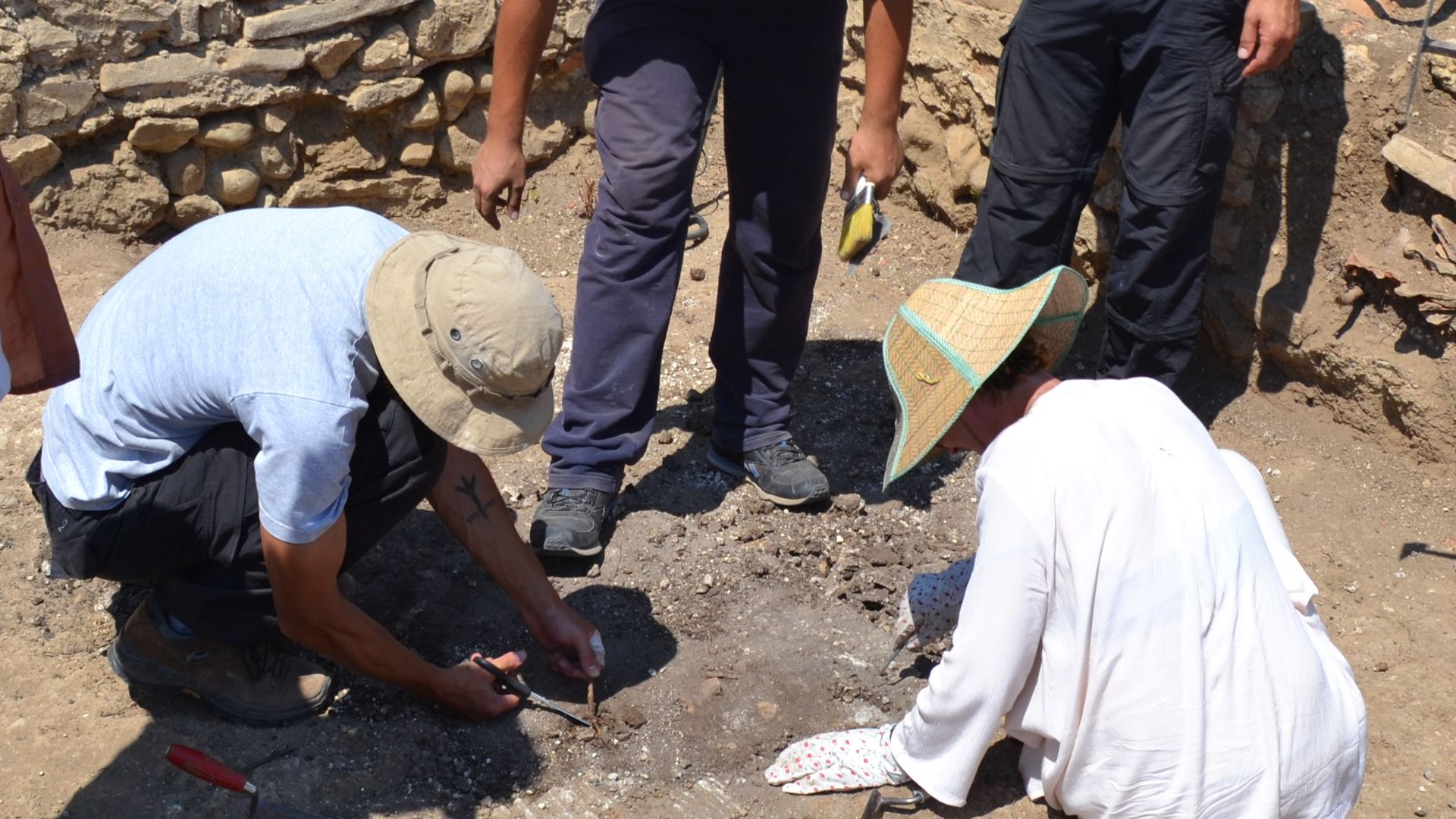
Some archaeological evidence indicates that Neanderthal groups repeatedly returned to certain regions after difficult periods. Researchers interpret this as evidence that populations were capable of re-establishing themselves when environmental conditions became more favorable.
 Charles Robert Knight, Wikimedia Commons
Thriving, Not Just Surviving
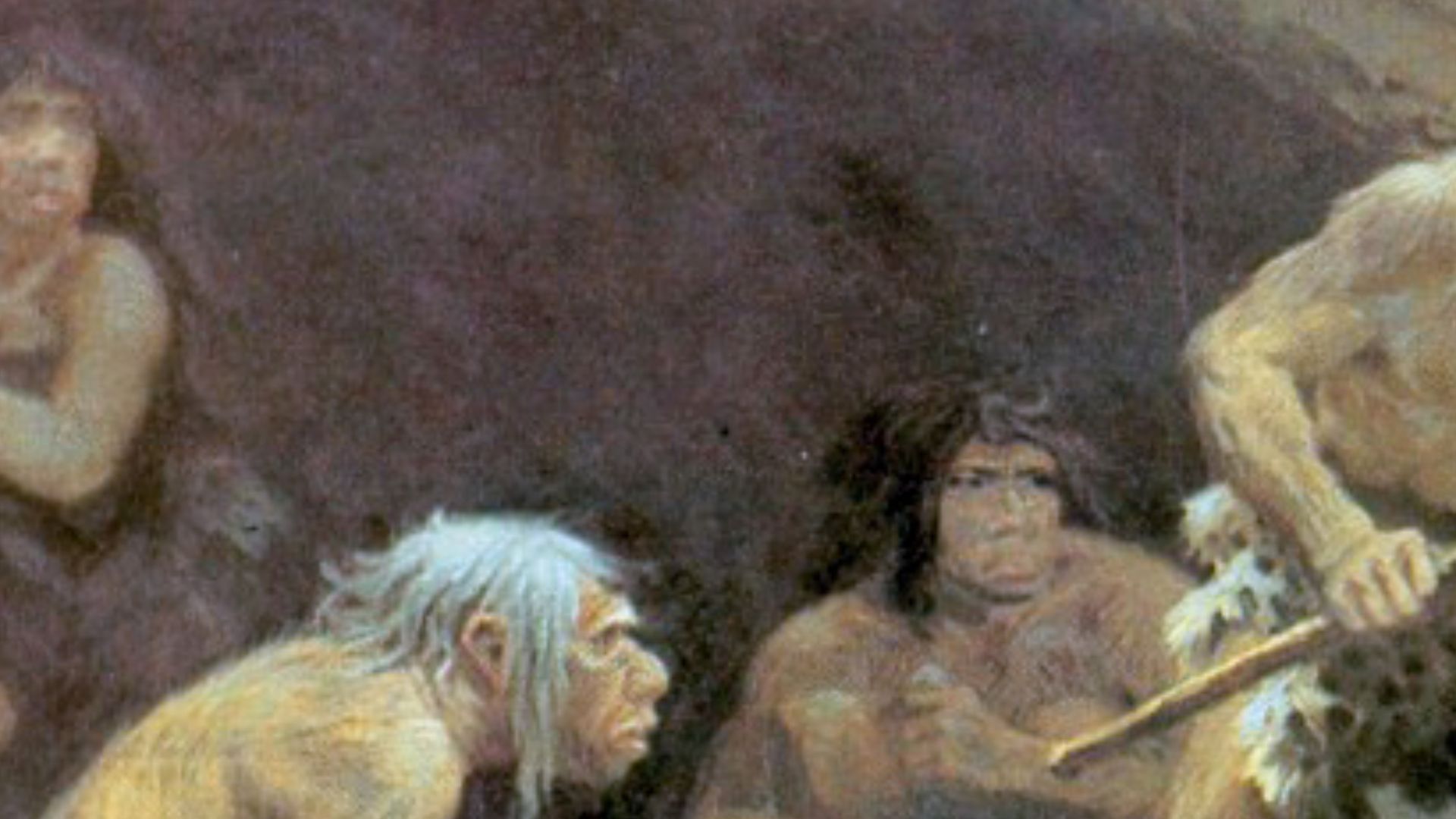
Researchers behind recent studies argue that some Neanderthal communities did more than simply survive. Archaeological evidence suggests periods of recovery and stability in which populations successfully exploited resources and maintained established traditions.
The Maggot Hypothesis
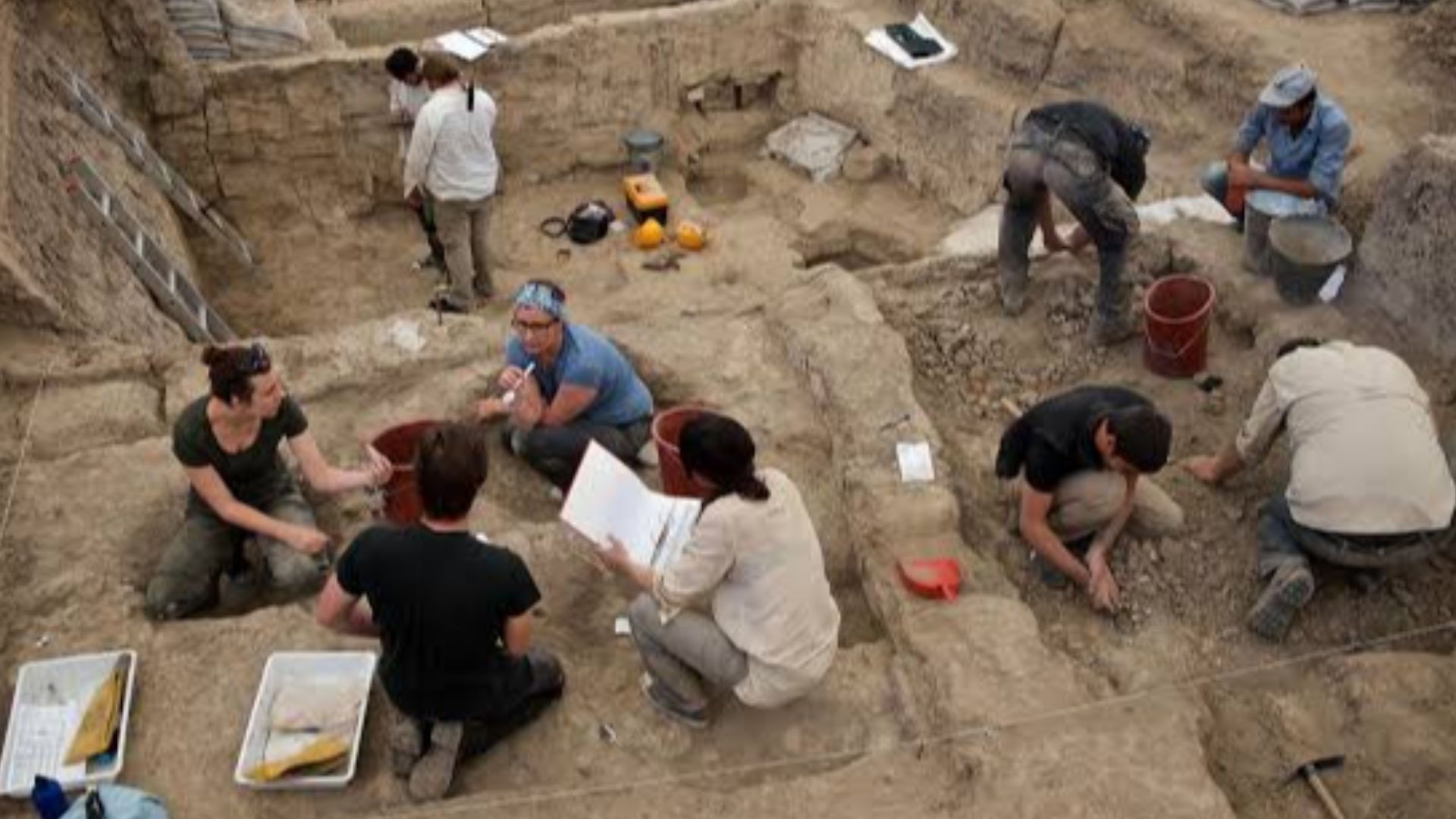
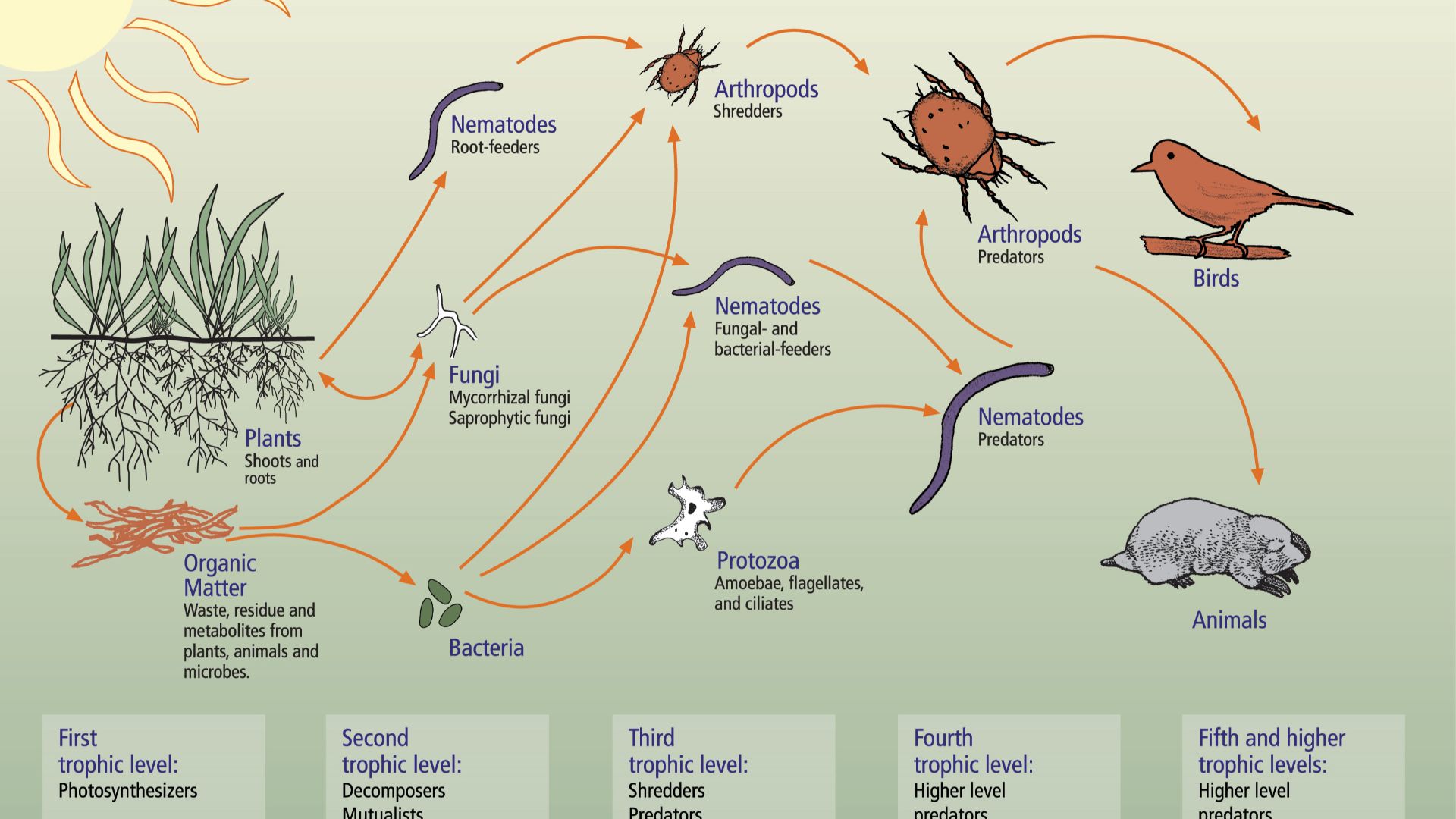
One study explored the possibility that Neanderthals obtained nutrition from decomposing meat and the insect larvae associated with it. Researchers noted that such resources could have provided valuable fats and nutrients during periods of scarcity.
 Paul venter, Wikimedia Commons
A Practical Solution
Rather than viewing decomposing meat as unusable, Neanderthals may have recognized it as a source of calories. Researchers suggest this possibility reflects practical adaptation to challenging environments rather than desperation or poor survival skills.
 Elaine R. Ingham Artwork by Nancy K. Marshall, Wikimedia Commons
Challenging Old Assumptions
Many traditional portrayals depicted Neanderthals as less innovative than modern humans. The emerging evidence instead points toward populations capable of adjusting their behavior and exploiting available resources in sophisticated ways.

Population Recovery Evidence
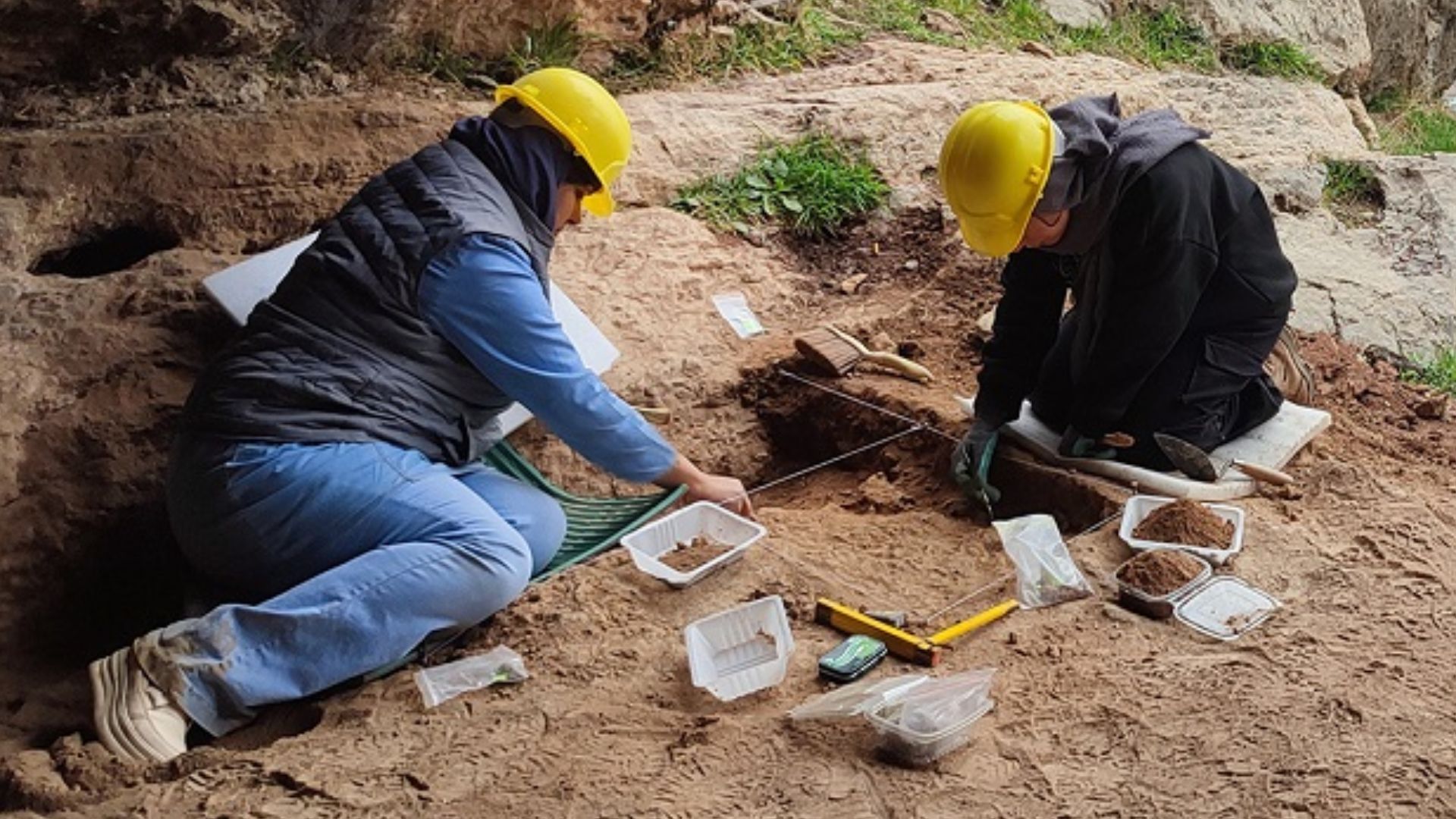
Research published in 2026 reported evidence that Neanderthal populations recovered after climatic downturns. Rather than experiencing a simple, uninterrupted decline, groups appear to have expanded again when environmental conditions improved.
 Kermanshahi1398, Wikimedia Commons
Rebuilding Communities
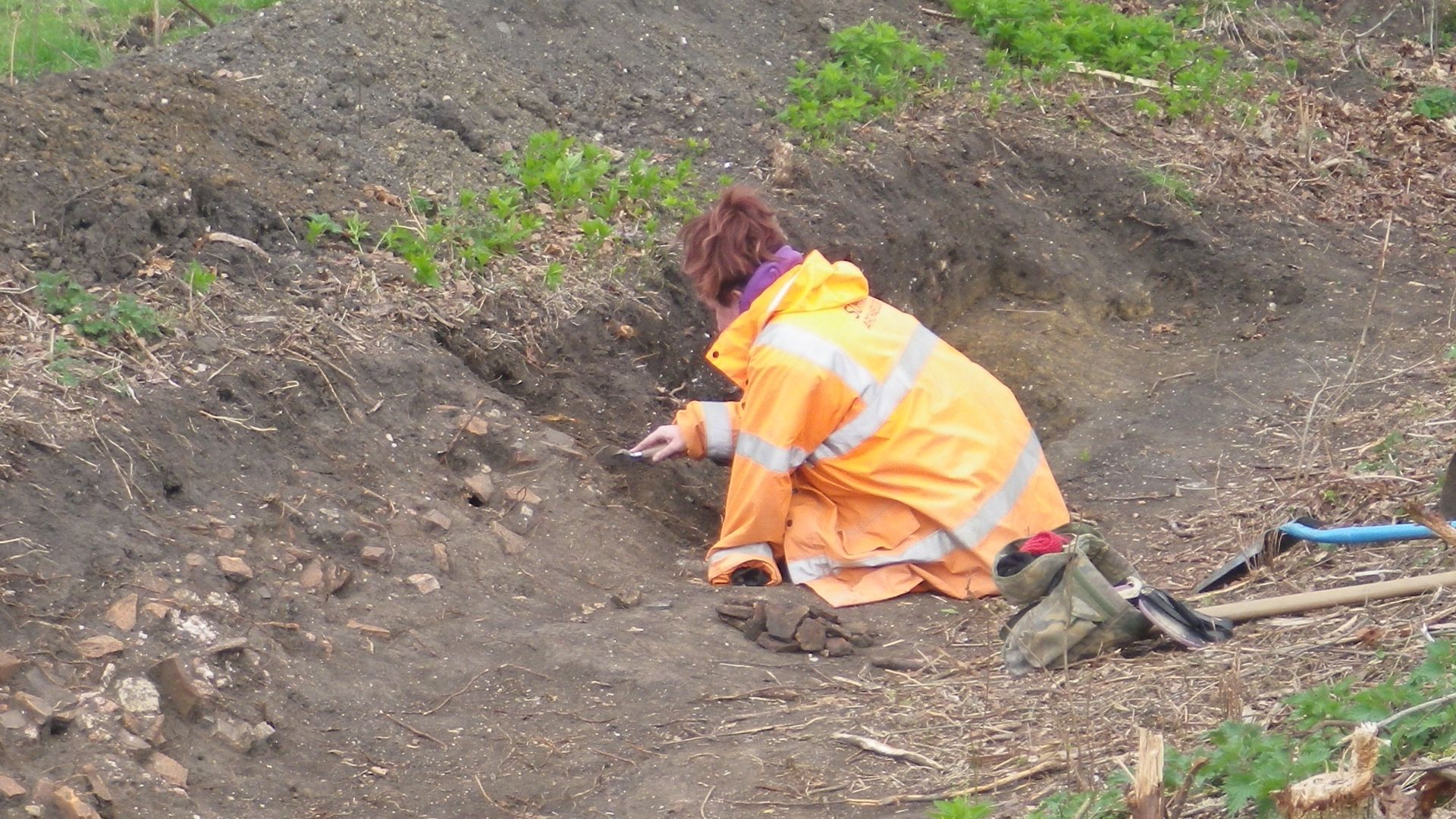
The evidence suggests that population recovery involved more than numbers alone. Neanderthal groups also re-established settlement patterns, hunting practices, and social systems that allowed them to continue occupying parts of Eurasia.
 Suffolk Archaeology, Wikimedia Commons
Not An Immediate Extinction
The new findings reinforce the idea that Neanderthal extinction was not an immediate consequence of Ice Age conditions. They survived severe climatic challenges and demonstrated an ability to recover from environmental disruptions.
 Jakub Hałun, Wikimedia Commons
The Final Disappearance
Although Neanderthals ultimately disappeared, researchers continue to debate the reasons. Proposed explanations include climate change, competition with modern humans, disease, demographic pressures, and combinations of several interacting factors.
Extinction Remains Complex
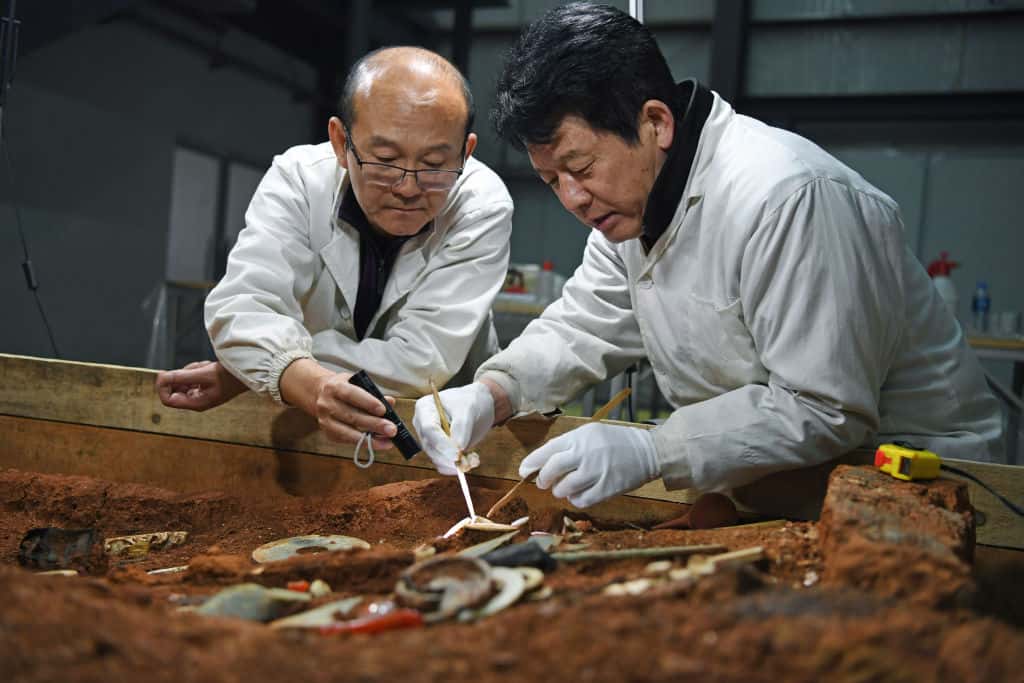
The evidence summarized in current research suggests there was no single cause of extinction. Neanderthals had already demonstrated their ability to survive and recover from difficult environmental conditions, indicating that the final outcome was likely multifaceted.
 Wolfgang Sauber, Wikimedia Commons
A More Capable Species
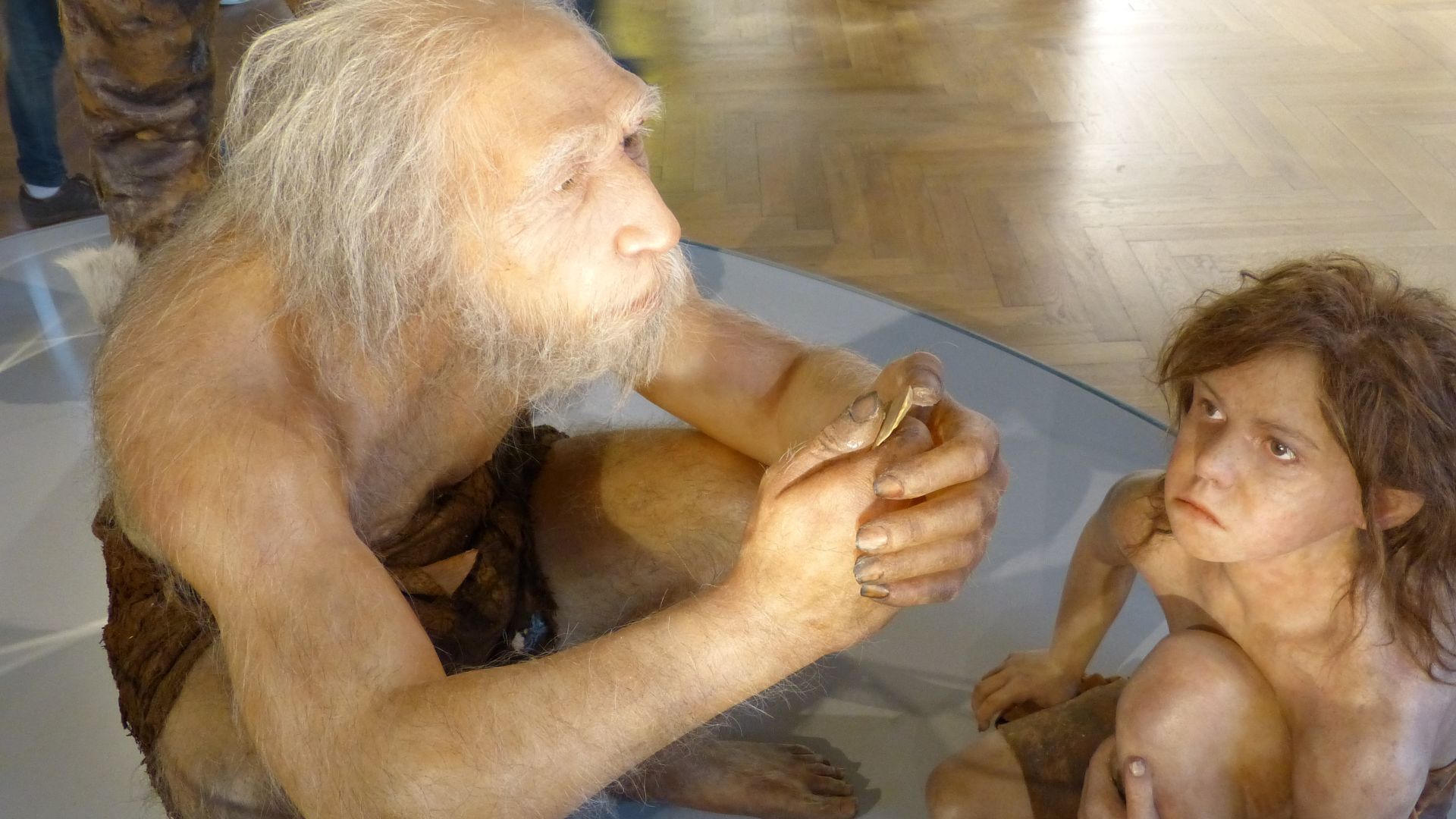
Taken together, the new studies present Neanderthals as resourceful and adaptable people. Their ability to process animal fats, exploit diverse food sources, and rebuild populations after climatic setbacks reveals a much more capable species than earlier stereotypes suggested.

What Scientists Are Learning
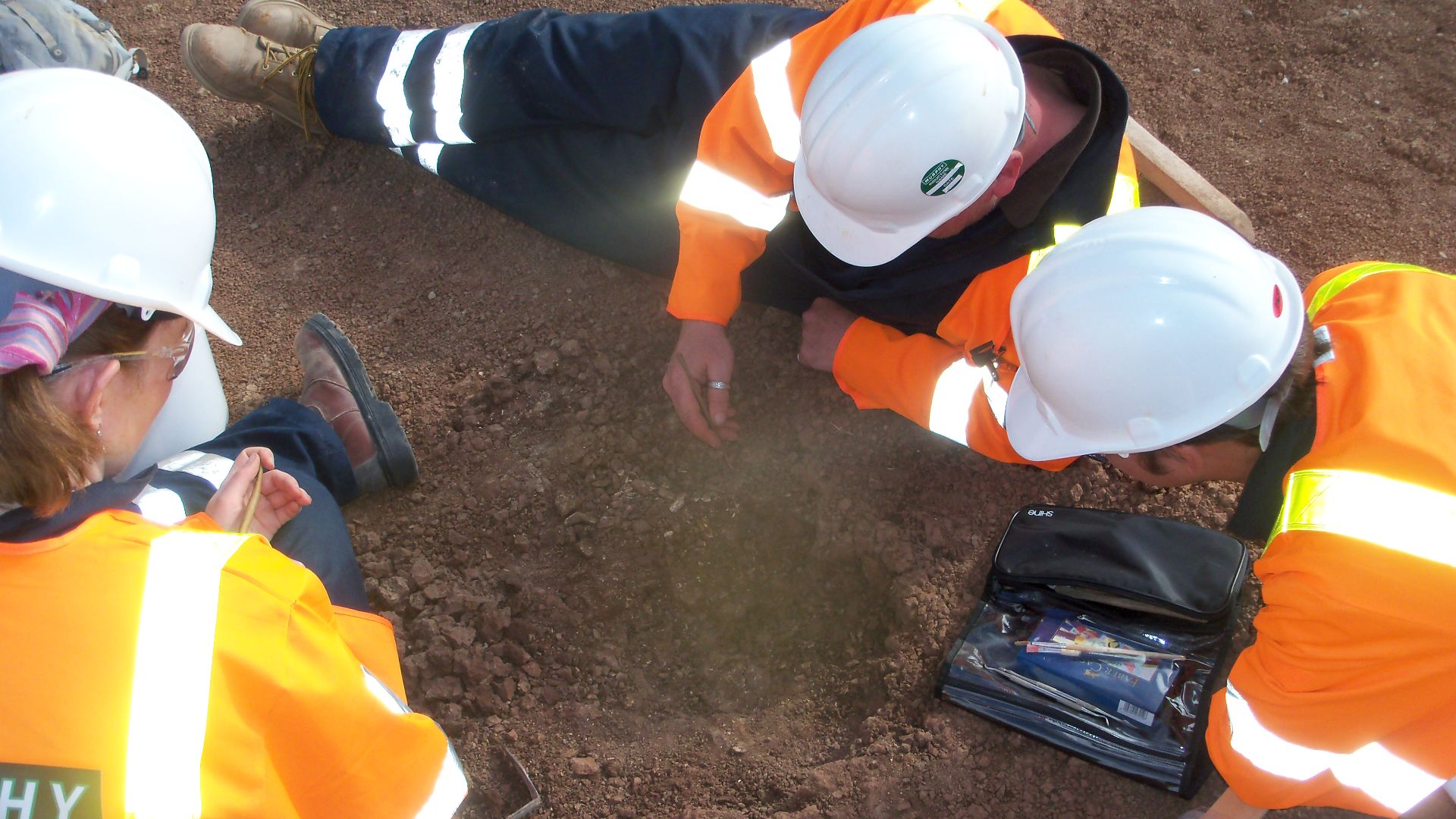
Ongoing research continues to transform understanding of Neanderthal life. Each new analysis of animal remains, food processing techniques, and population history provides a clearer picture of how these ancient humans successfully navigated a challenging world.
 Network Archaeology Ltd, Wikimedia Commons
Rewriting The Narrative
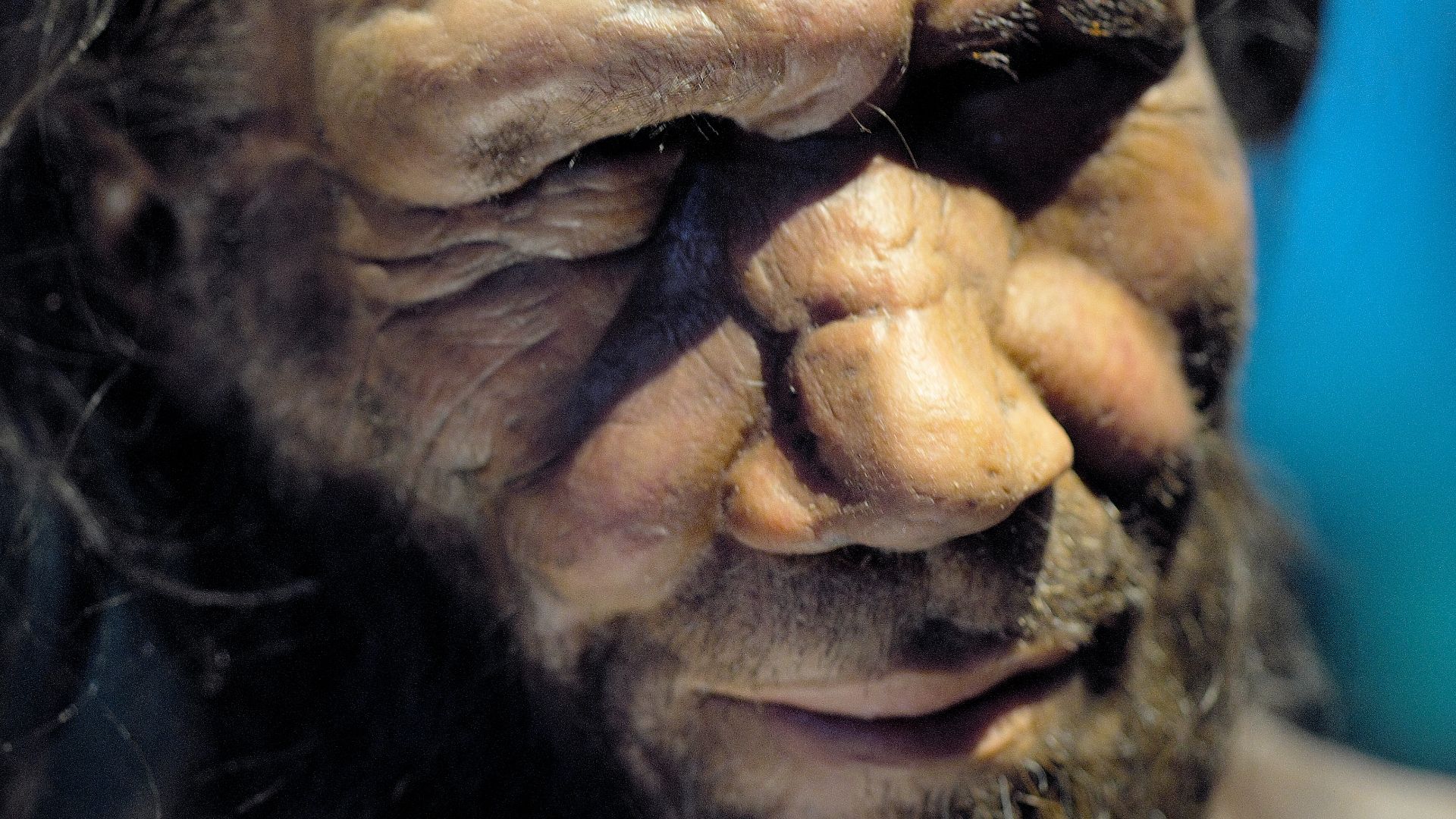
The emerging story is not one of inevitable decline. Instead, researchers increasingly see Neanderthals as resilient and adaptable populations that survived the Ice Age, recovered from environmental crises, and maintained complex lifeways long before their eventual disappearance.
 Werner Ustorf, Wikimedia Commons
You May Also Like:
Archaeologists Recreated A Neanderthal Diet, And The Results Were Surprisingly Unhealthy