Ice To Meet You
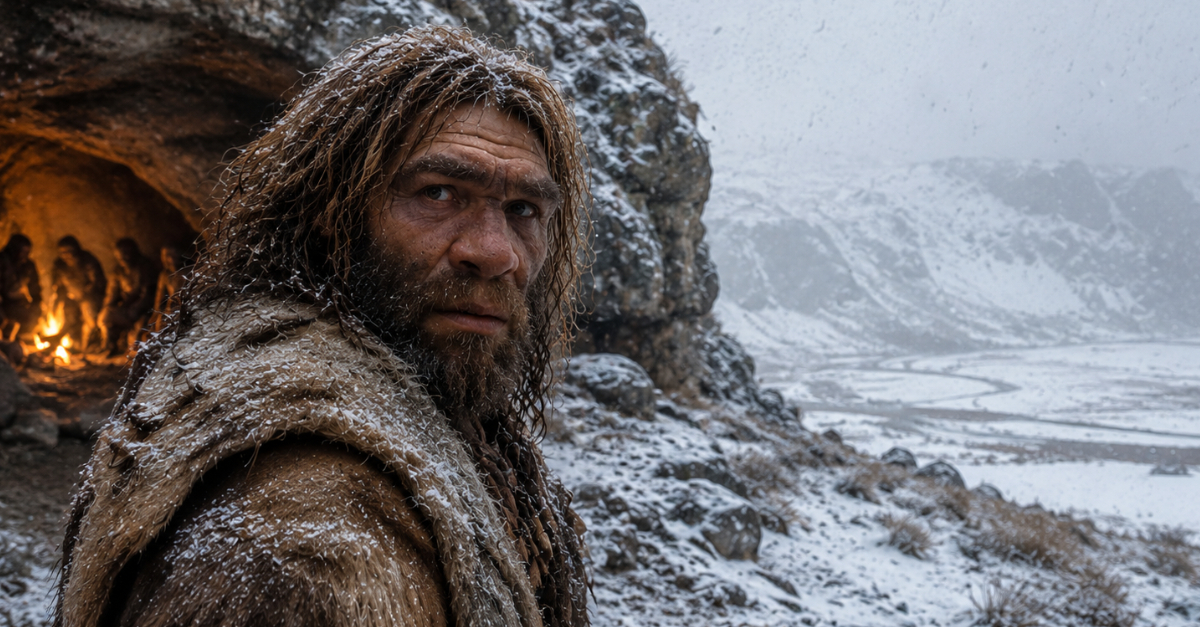
For years, scientists wondered how Neanderthals managed to survive some of Europe’s harshest Ice Age conditions. Now, new genetic research suggests the answer may have involved a surprising European “safe zone.” Without that refuge, Neanderthals almost certainly would have disappeared far earlier.
Europe Turned Into A Frozen Nightmare
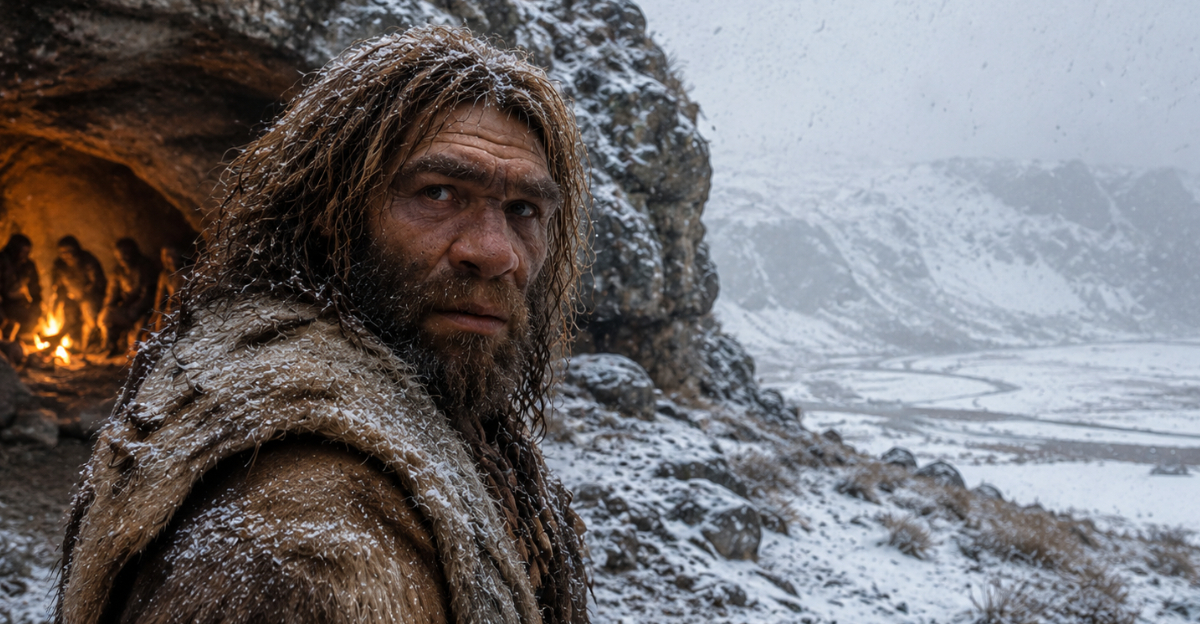
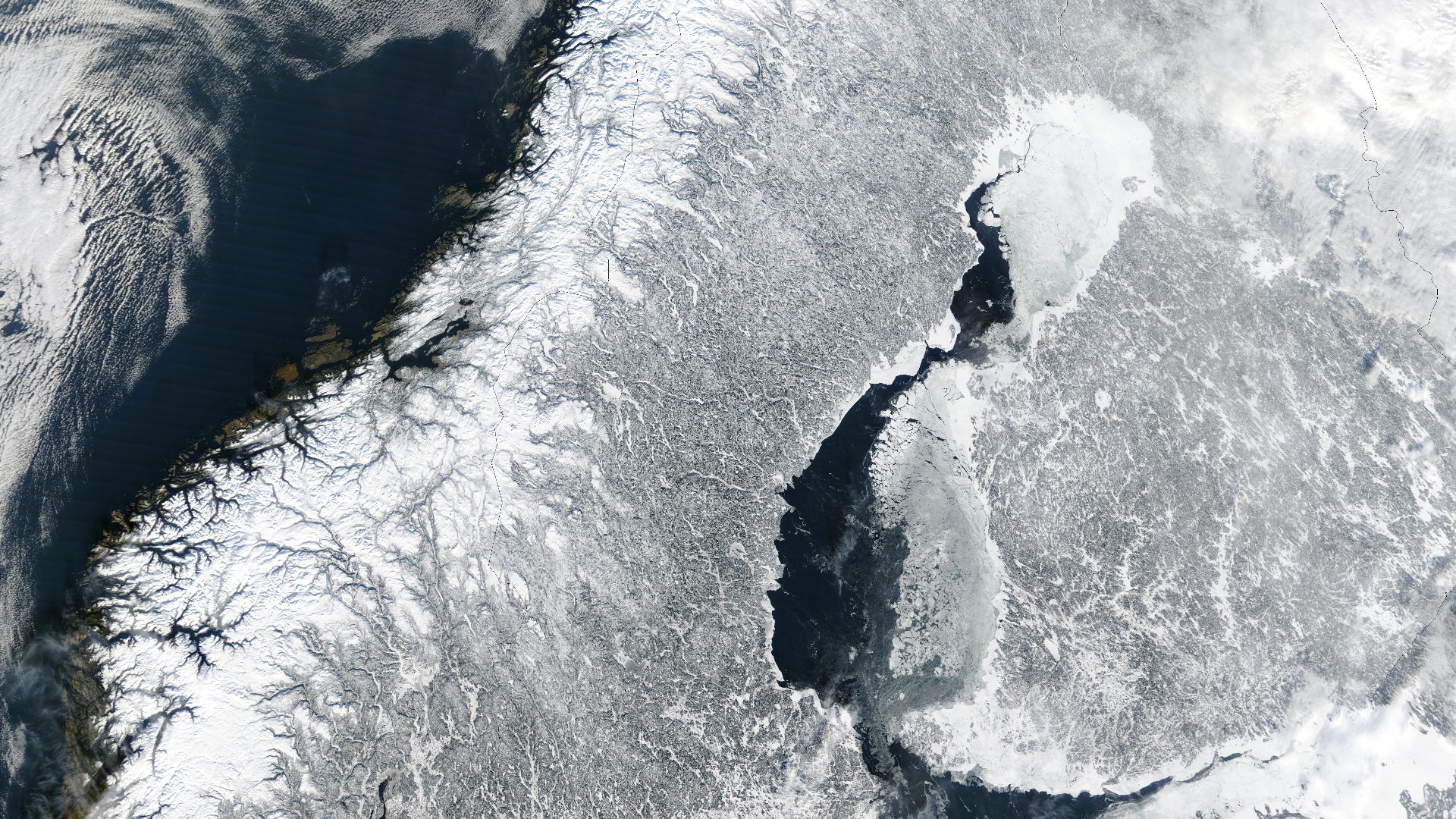
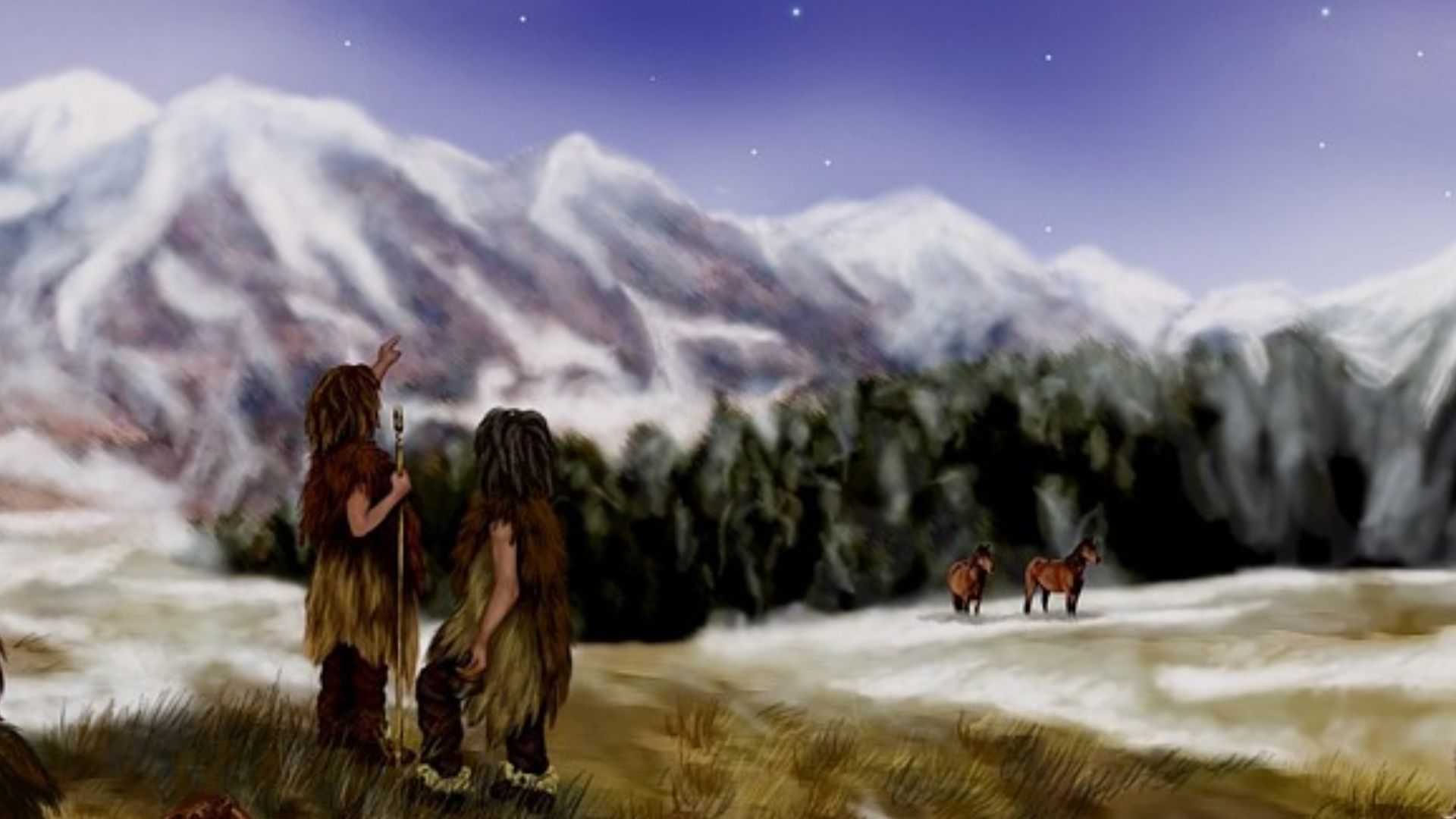
Around 75,000 years ago, Europe entered an especially harsh glacial period. Temperatures dropped, ecosystems shifted, and huge parts of the continent became far less hospitable. Food sources changed rapidly, and survival suddenly became much harder for both animals and humans. Even for tough, cold-adapted Neanderthals, this was bad news.
 Jacques Descloitres, MODIS Land Rapid Response Team at NASA GSFC, Wikimedia Commons
Scientists Think Their Population Crashed
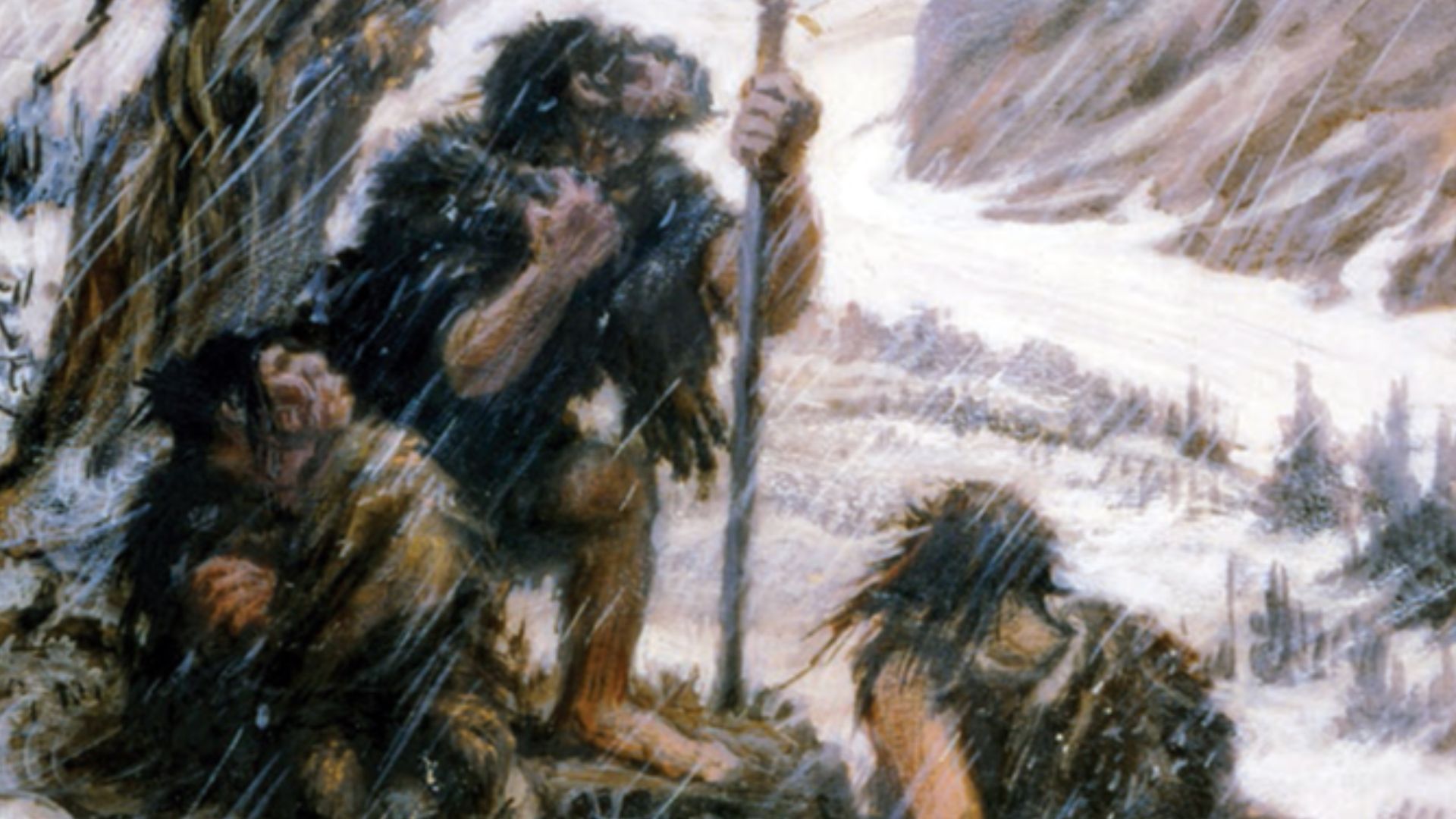
Researchers now believe Neanderthal numbers may have plummeted during this icy period. Genetic evidence suggests their population became dramatically smaller for a time, which scientists call a bottleneck event. That means only a relatively small number of Neanderthals may have survived while others disappeared across much of Europe.
 Charles R. Knight, Wikimedia Commons
Ancient DNA Started Raising Questions
Scientists uncovered clues by studying genetic material from Neanderthal remains found across Europe. Certain DNA patterns suggested later Neanderthal populations shared surprisingly limited genetic diversity. That’s often a sign that a species went through a severe population collapse somewhere in its past.

A Tiny Survivor Group May Have Remained
The evidence suggests many later European Neanderthals may have descended from a relatively small surviving population. Instead of large groups spread evenly across Europe, researchers think isolated pockets of survivors endured in only a few habitable regions during the worst climate conditions.

Southwestern France May Have Become A Safe Zone
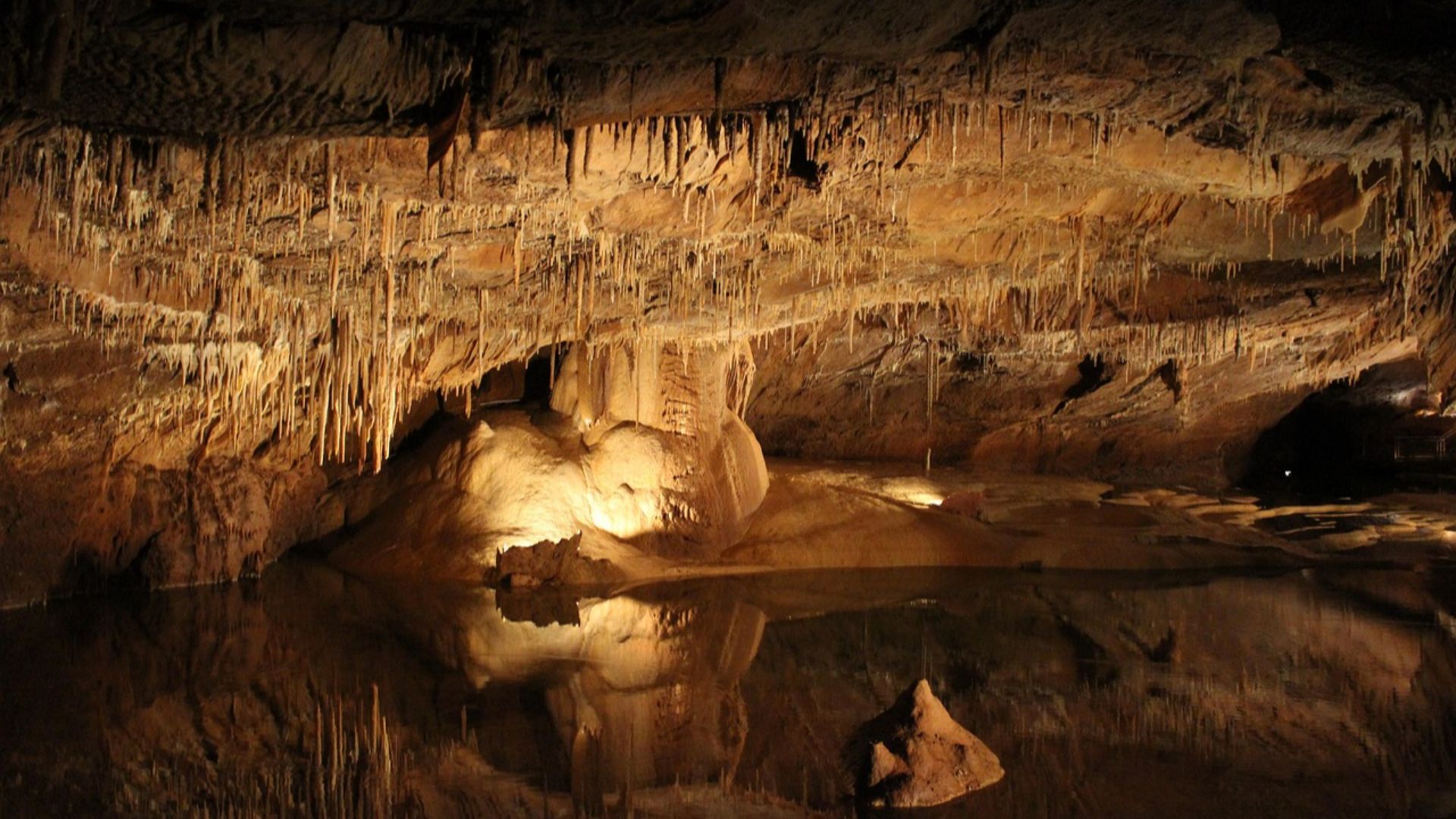
Scientists think southwestern France may have acted as a climatic refuge during the Ice Age. The area appears to have stayed milder than much of northern Europe during the worst conditions. Rivers, forests, caves, and stable animal populations may have made it one of the few places where Neanderthals could still survive relatively consistently.
It Was Basically Ice Age Real Estate Gold
Compared to frozen wastelands farther north, southwestern France may have looked surprisingly livable. The region likely offered better hunting opportunities, access to water, and more reliable shelter. In prehistoric survival terms, it may have been the equivalent of finding the last open convenience store during a blizzard.

Famous Neanderthal Sites Are Located There
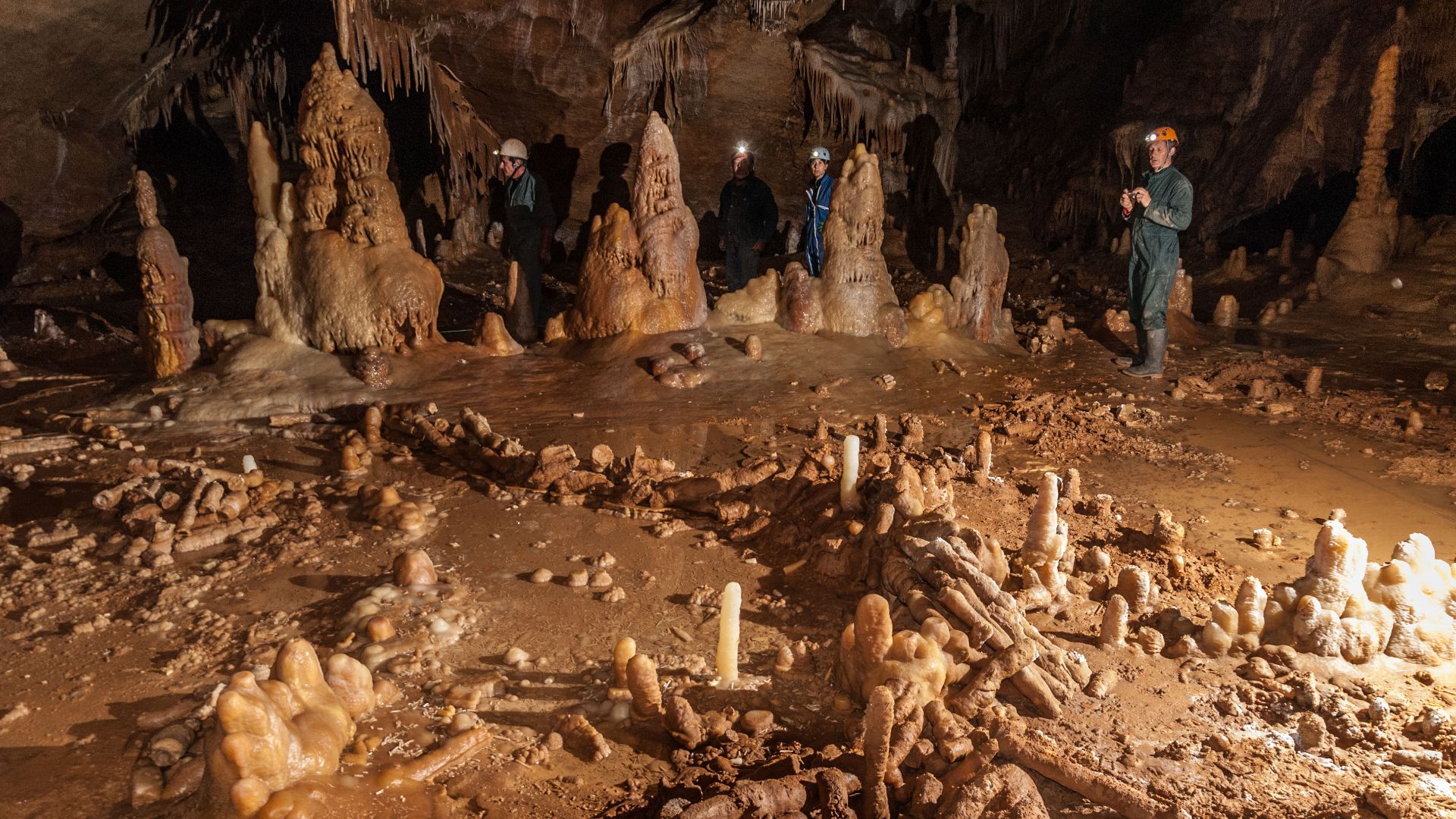
The theory also fits with decades of archaeological discoveries. Southwestern France contains some of Europe’s most famous Neanderthal cave systems and tool sites. Researchers now think these locations may not just represent ordinary settlements. They may have been part of a critical survival refuge for the species.
 Luc-Henri Fage/SSAC, Wikimedia Commons
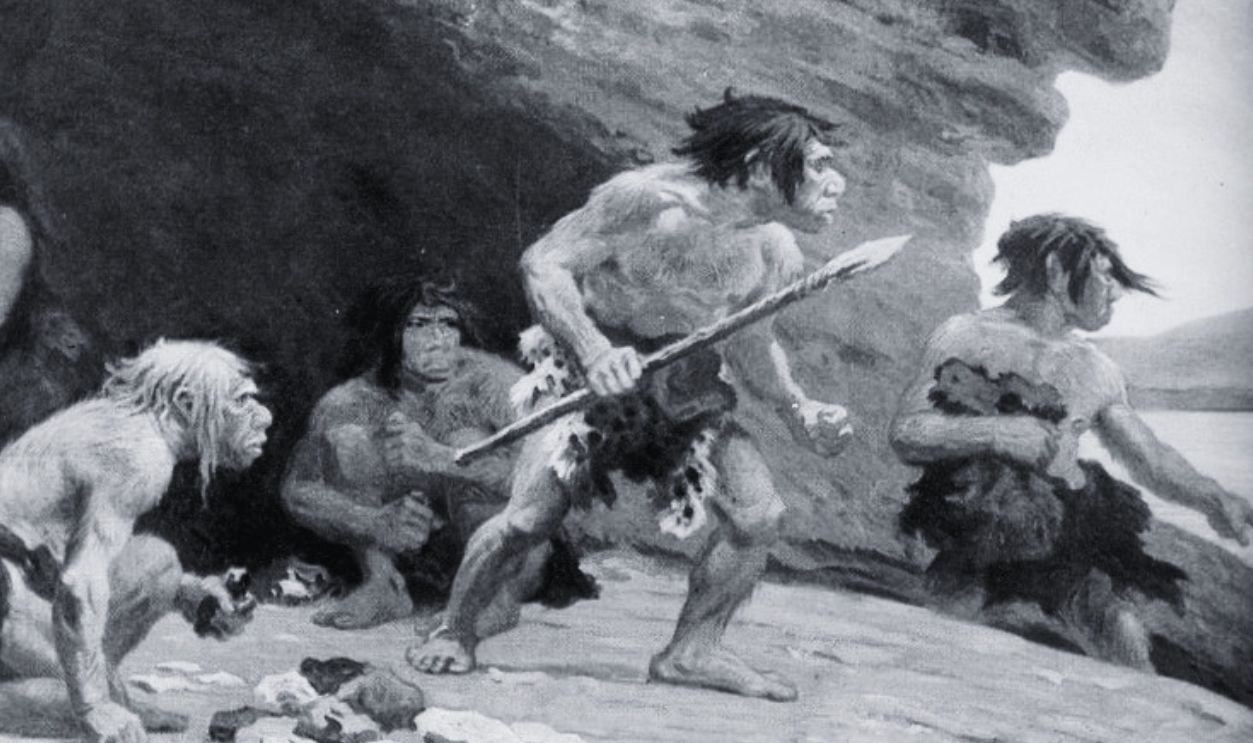
Caves Probably Became Survival Hubs
Caves would have been especially valuable during harsh climate swings. Temperatures inside remain relatively stable year-round, offering protection from brutal outdoor conditions. Archaeologists have uncovered evidence of repeated Neanderthal occupation in many French cave systems, suggesting they returned to these shelters again and again.
 Charles Robert Knight, Wikimedia Commons
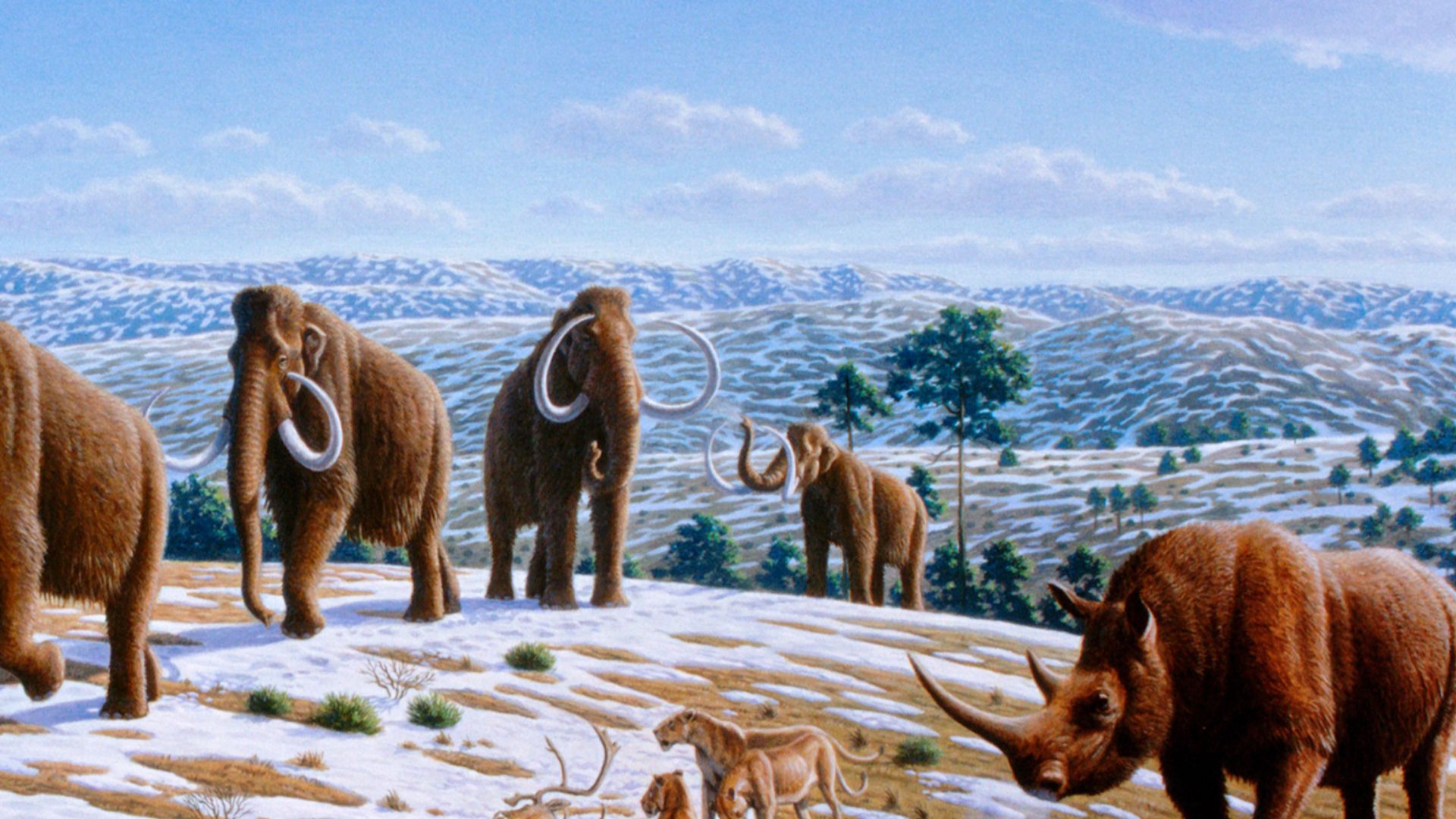
Food Was Becoming Harder To Find
One major problem during Ice Age periods was access to food. Large game animals often migrated or disappeared as climates changed. Since Neanderthals depended heavily on hunting, shrinking animal populations could have made entire regions impossible to survive in for long periods.
 Mauricio Antón, Wikimedia Commons
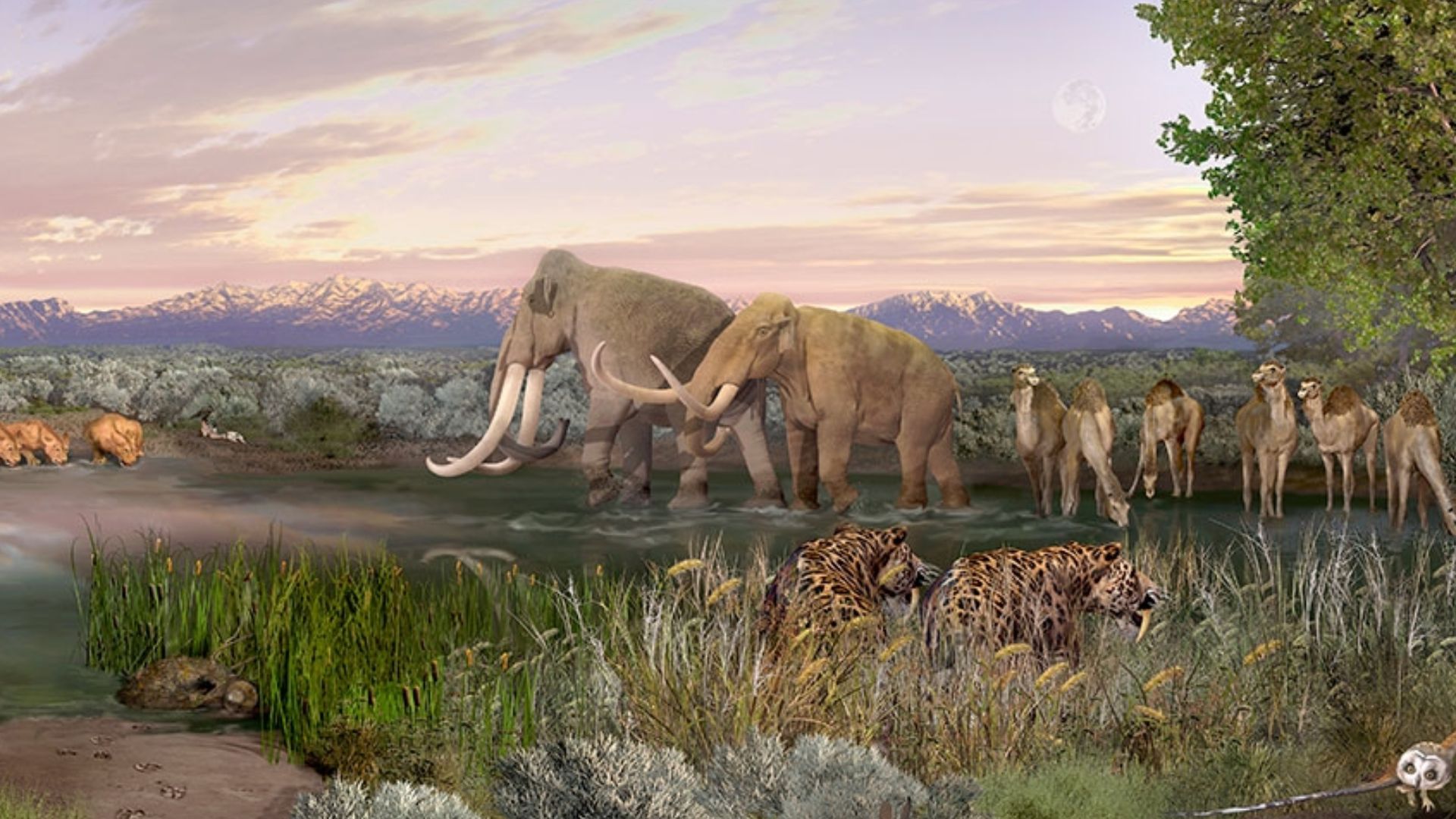
Not All Of Europe Froze The Same Way
Scientists stress that Ice Age Europe wasn’t equally frozen everywhere. Some areas remained relatively habitable while others became extremely hostile. These milder pockets are known as refugia—safe zones where species managed to survive during severe climate periods before spreading outward again later.
 uncredited National Park Service (NPS) artist, Wikimedia Commons
The DNA Evidence Is Pretty Convincing
Researchers can detect ancient population collapses by examining genetic diversity over time. When only a small number of individuals survive, future generations inherit a narrower genetic pool. The Neanderthal DNA evidence strongly suggests something along those lines happened during this harsh glacial period.

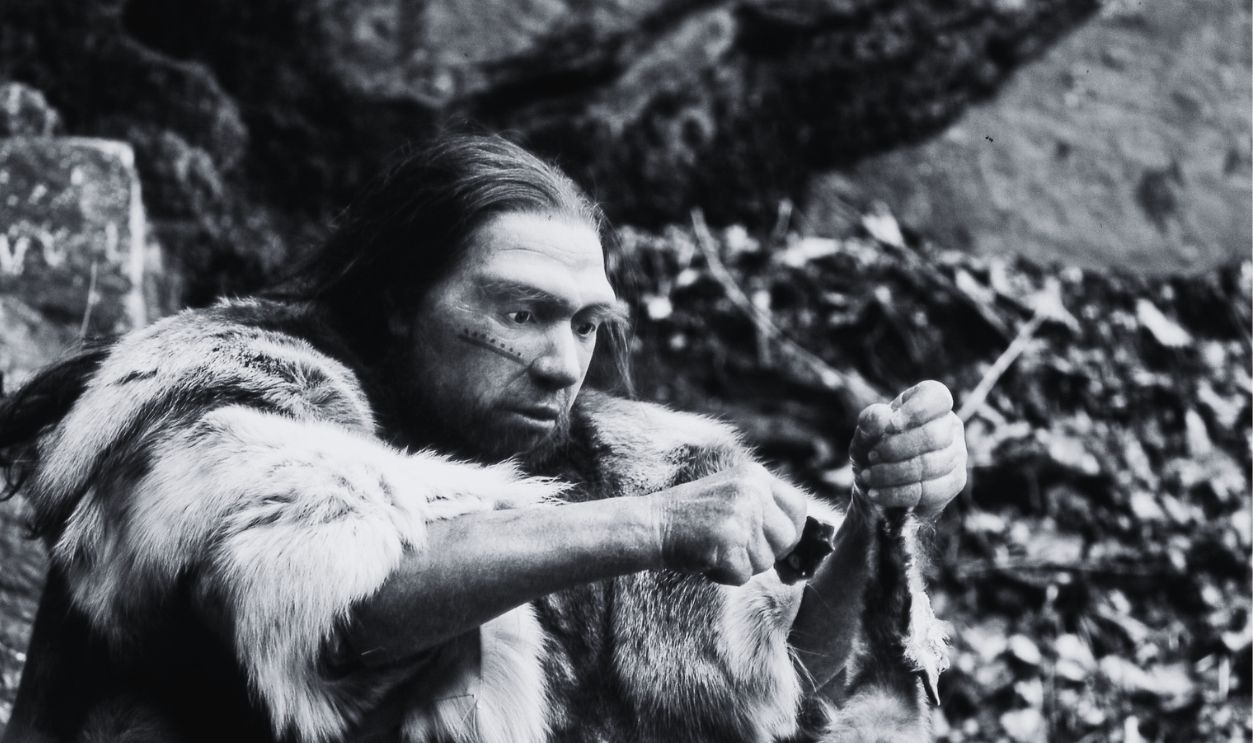
Archaeologists Had Already Seen Weird Gaps
Long before the genetic research, archaeologists noticed mysterious occupation gaps in some parts of Europe. Certain regions appeared populated for thousands of years before suddenly showing little evidence of human activity. Later, Neanderthal populations appeared there again once conditions improved.
 Neanderthal-Museum, Mettmann, Wikimedia Commons
Large Parts Of Europe May Have Been Sparsely Populated
The new research suggests some parts of Europe may have become sparsely populated during the coldest periods. Rather than continuously occupying the continent, Neanderthals may have retreated into scattered survival zones while huge stretches became too harsh to comfortably support human life.
Their Comeback Took A Long Time
If this theory is correct, Neanderthals didn’t immediately bounce back once the climate improved. Descendants of the refuge populations likely spread gradually across Europe over thousands of years. Prehistoric migration was a slow process, especially in environments still recovering from major climate instability.
 Paul Hermans, Wikimedia Commons
Neanderthals Were More Adaptable Than People Think
Studies like this continue changing public perceptions of Neanderthals. Older stereotypes portrayed them as primitive and inflexible, but evidence increasingly shows they adapted strategically to changing environments. Surviving a near-extinction event by retreating into safer territory actually required impressive resilience.
They Weren’t Just Brutish Cavemen
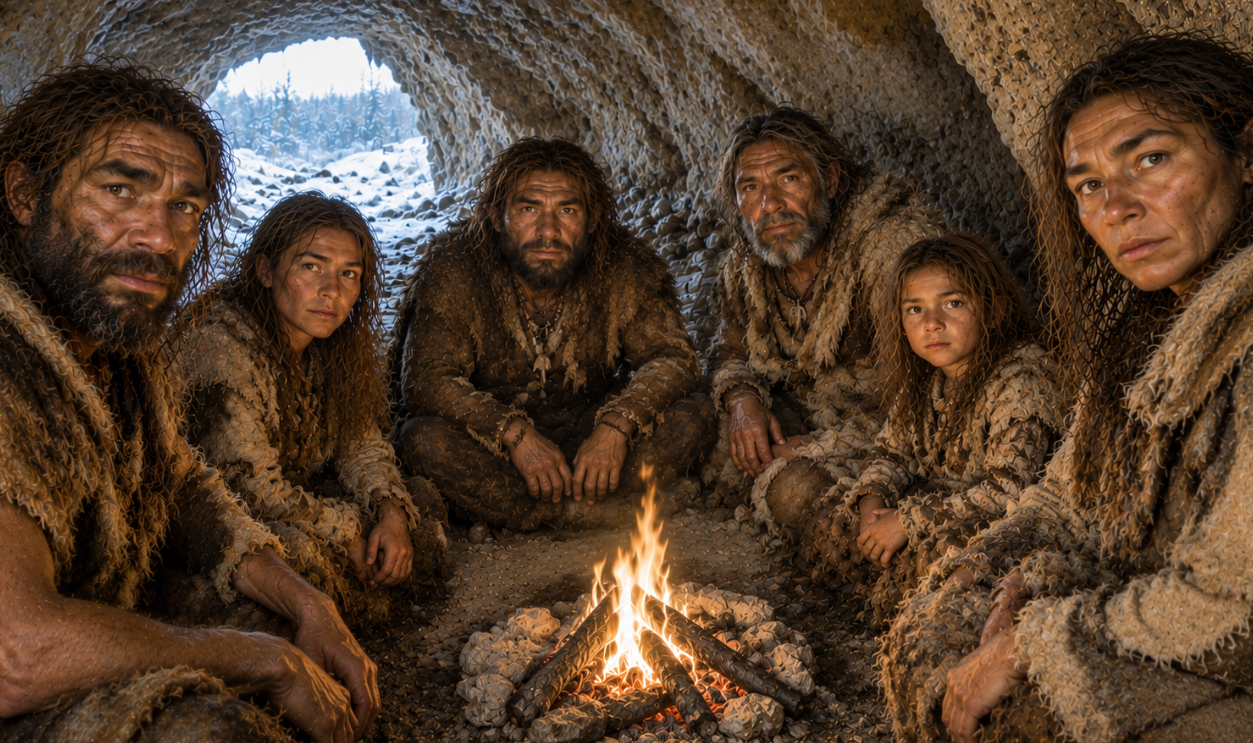
Modern research has revealed that Neanderthals made sophisticated tools, controlled fire, hunted cooperatively, and likely cared for injured members of their communities. Some evidence even suggests symbolic behavior and artistic expression. The old “dumb caveman” image has been getting demolished for years now.

Climate Change Kept Rewriting Their World
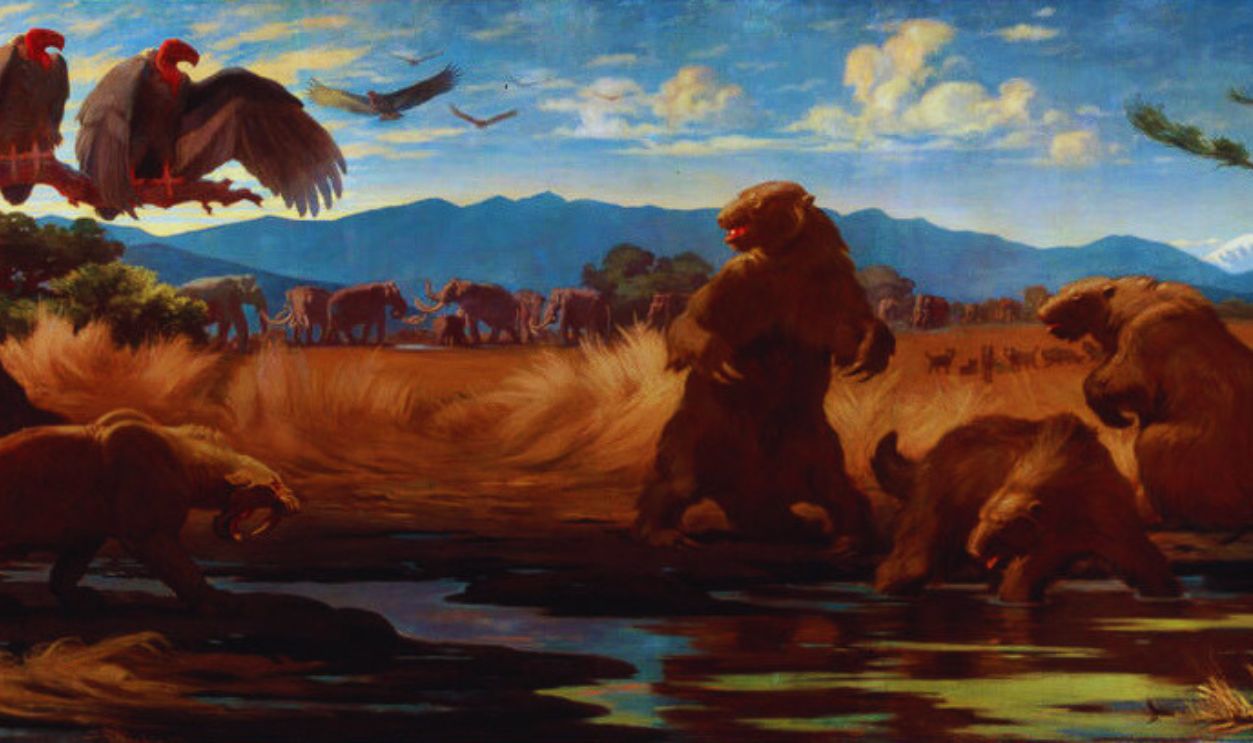
Ice Age climates changed constantly, sometimes faster than ecosystems could adapt. Temperatures swung dramatically over relatively short periods, forcing animals and humans to repeatedly adjust. Neanderthals survived brutal climate swings for hundreds of thousands of years, which makes their endurance even more impressive.
 Charles Robert Knight, Wikimedia Commons
This Wasn’t Their Final Extinction
Importantly, this bottleneck event did not wipe Neanderthals out entirely. They survived for tens of thousands of years afterward and continued living across Europe and parts of Asia. Their eventual disappearance around 40,000 years ago likely involved several different factors working together.
 Jakub Hałun, Wikimedia Commons
Then Modern Humans Arrived
By the time Homo sapiens entered Europe, Neanderthals were already experienced survivors of brutal climates. The two species overlapped for thousands of years. Scientists still debate exactly how much competition existed between them, but their interactions clearly shaped human history.
 Jean-Pierre Dalbéra from Paris, France, Wikimedia Commons
Humans And Neanderthals Interbred
One of the biggest discoveries in recent decades is that Neanderthals and modern humans interbred multiple times. Today, many people still carry small percentages of Neanderthal DNA. In a weird way, part of their story never really ended.
 Christopher Campbell, Unsplash
Some Of Their Genes Still Affect Us
Researchers have linked Neanderthal DNA to traits involving immunity, skin biology, pain sensitivity, and even sleep patterns. So although Neanderthals themselves disappeared, small pieces of them continue living on inside modern human populations around the world.

Scientists Are Still Debating The Details
Researchers still disagree about exactly how isolated these refuge populations became and how severe the bottleneck truly was. Paleoanthropology is full of evolving theories and new discoveries. But the overall evidence increasingly supports the idea that Neanderthals survived at least one major climate disaster by retreating into safer regions.
 National Cancer Institute, Unsplash
The Wildest Part? They Almost Vanished
For a species that survived hundreds of thousands of years, Neanderthals may have come shockingly close to extinction long before modern humans appeared in Europe. A relatively small refuge population in southwestern France may have helped save them from disappearing entirely during one catastrophic Ice Age freeze.
 Neanderthal-Museum, Mettmann, Wikimedia Commons
You Might Also Like: