


American History Is Evidenced In All Of These
Most people think America’s story begins in 1776, but archaeologists have uncovered evidence of civilizations and human activity stretching back tens of thousands of years. Each discovery adds another piece to a much older—and far more mysterious—version of the country’s history that researchers are still trying to fully understand.
 Frame Stock Footage, www.shutterstock.com
Winnemucca Lake Petroglyphs
Found in the Great Basin region of Nevada in 1992, these rock carvings allegedly are over 10,000 years old. This makes them some of the oldest rock “art” on the face of the planet.
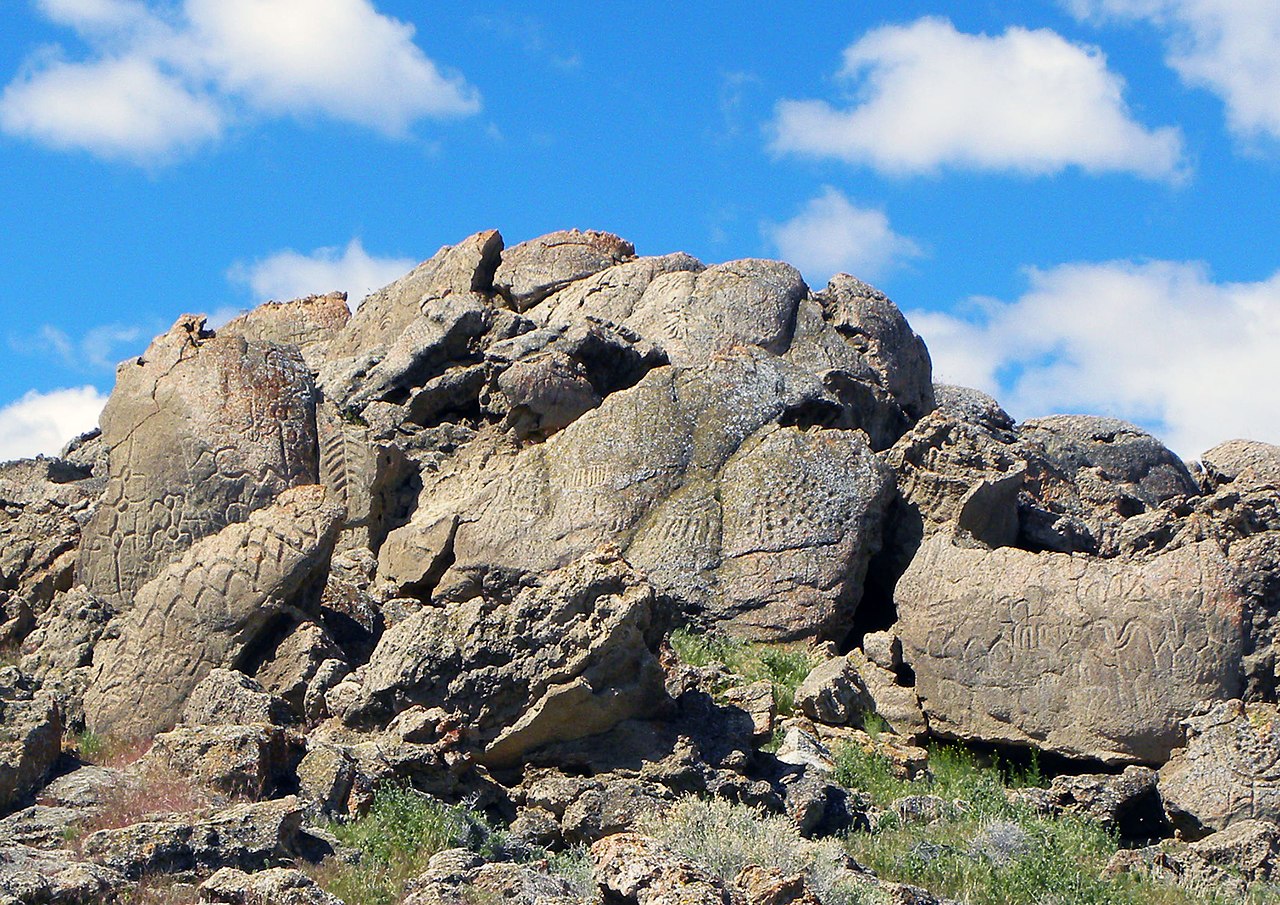 Larry V. Benson, USGS, Wikimedia Commons
Winnemucca Lake Petroglyphs
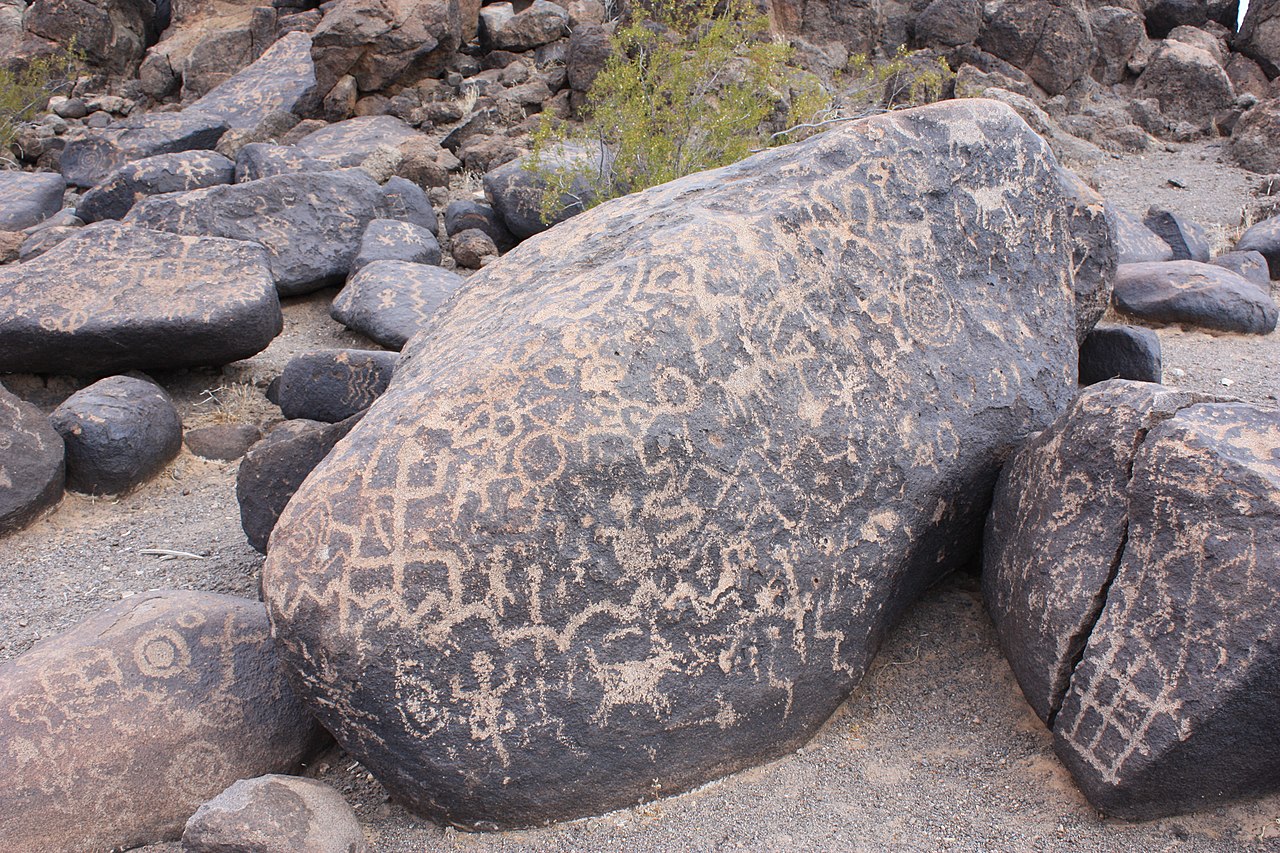
As for what’s depicted in the petroglyphs, there are recognizable things like animals or humans, but there also seem to be mysterious symbols that archaeologists are still trying to decipher. For all we know, it could answer all the world’s mysteries.
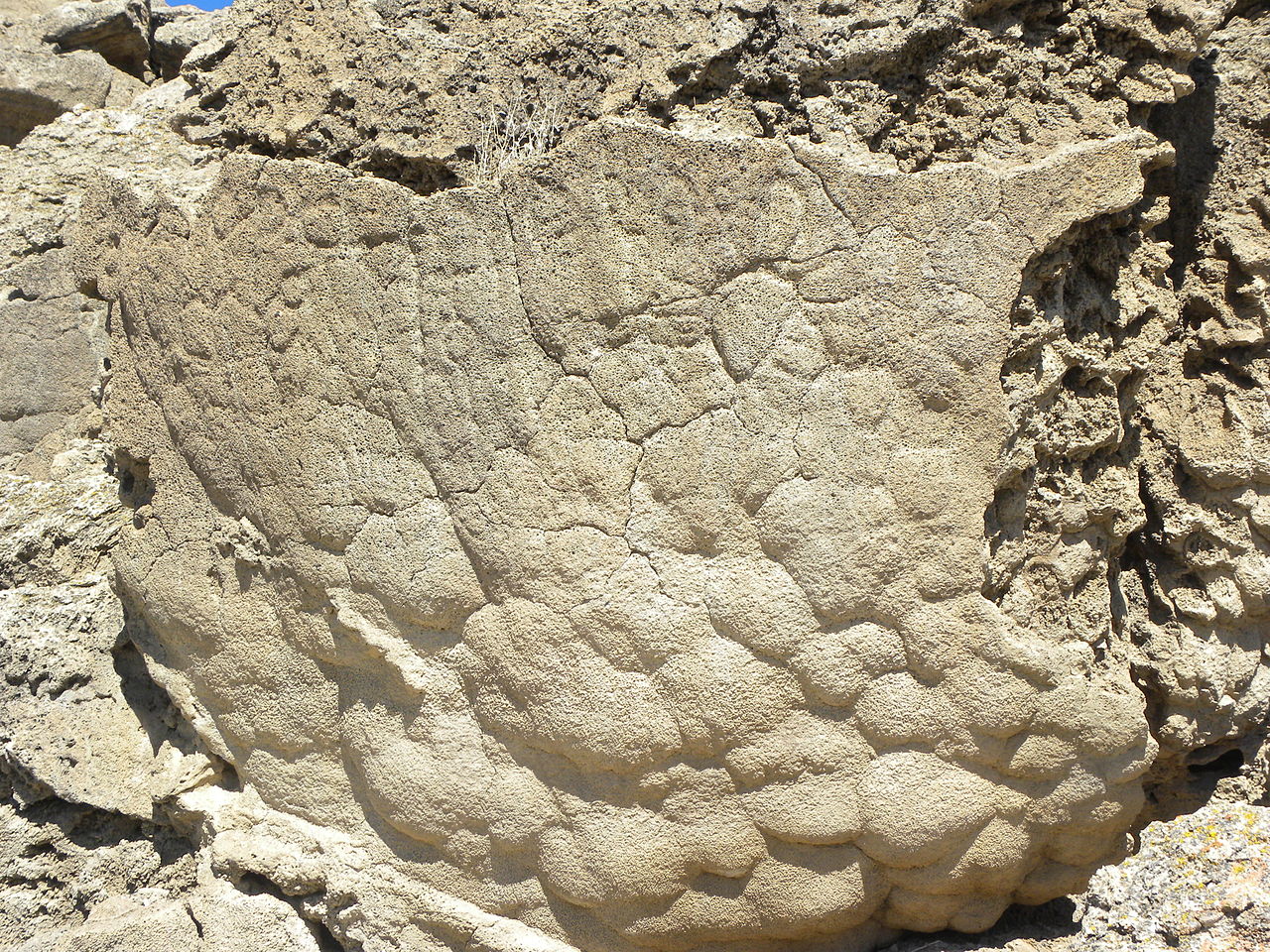 Larry V. Benson, USGS, Wikimedia Commons
Montezuma Castle National Monument
Southwest America is full of many wonderful things to behold amidst all the dry desert. For example, the deeply impressive Montezuma Castle National Monument is located in central Arizona.
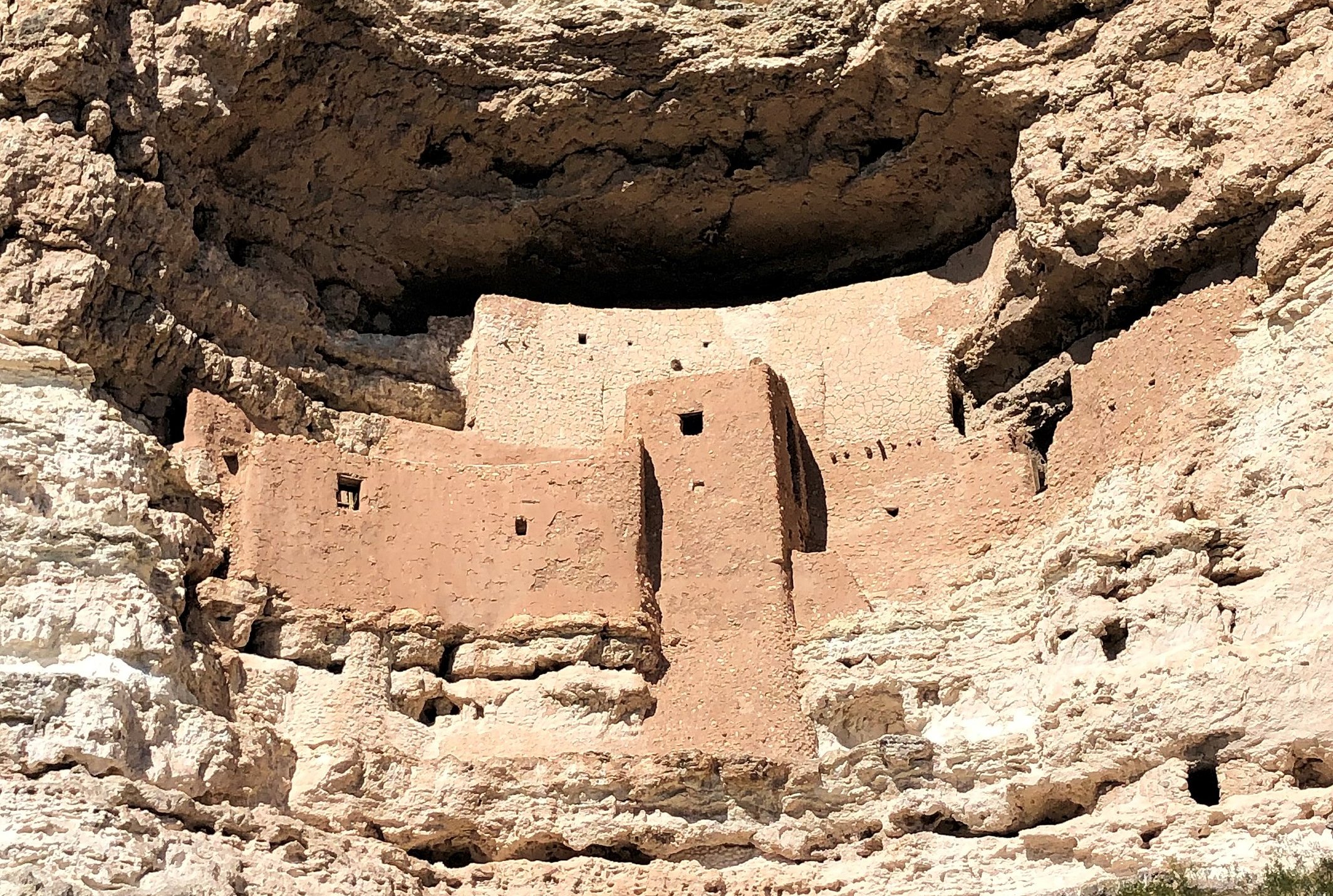 Beyond My Ken, CC BY-SA 4.0, Wikimedia Commons
Montezuma Castle National Monument
A relic of the Indigenous tribe of the Sinagua people, this monument, first uncovered in 1933, shows off the kind of structures they would’ve lived in. It’s estimated that they would have lived there until 1425 AD.
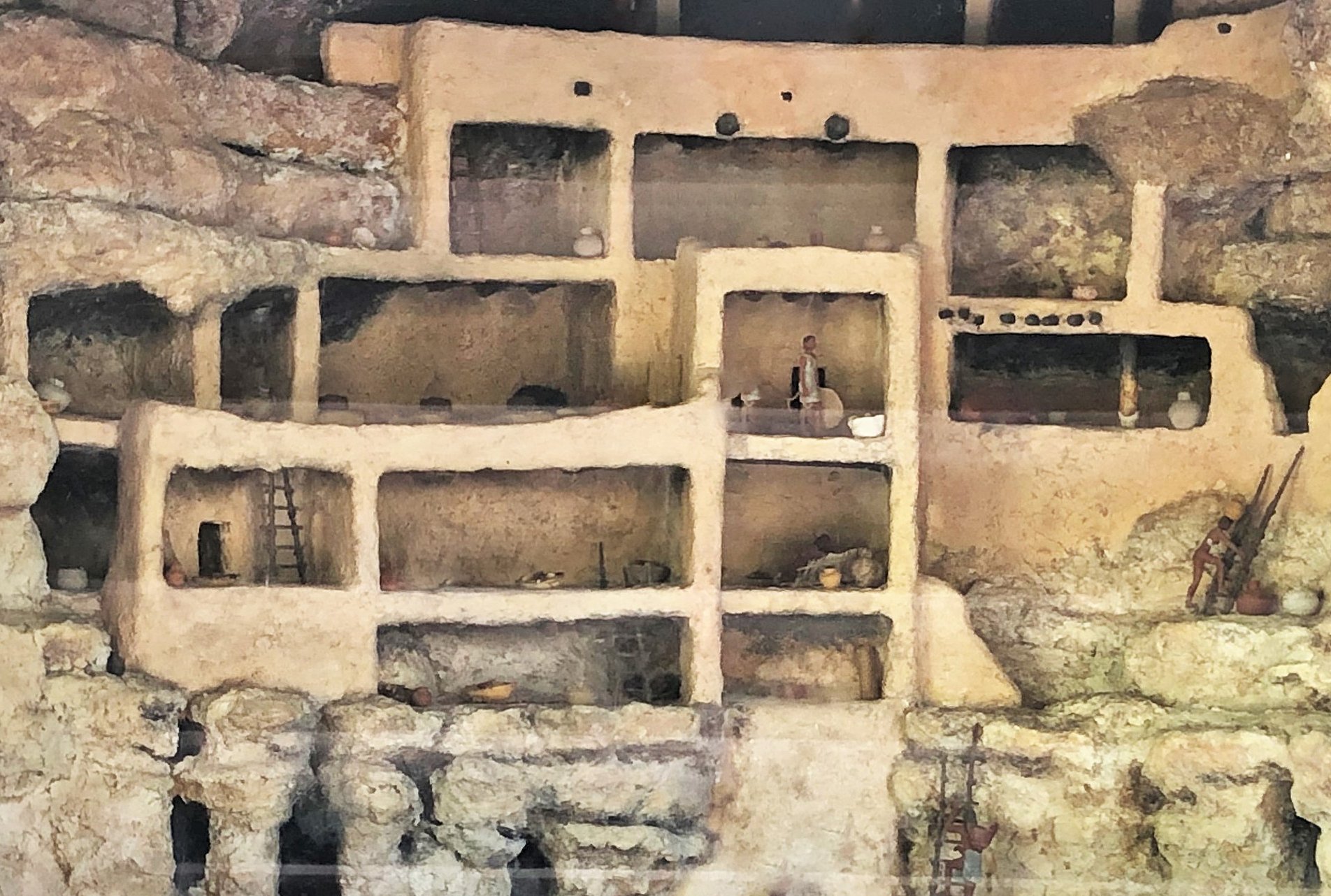 Beyond My Ken, CC BY-SA 4.0, Wikimedia Commons
Cahokia, Illinois
A settlement dating back all the way to 600 AD, Cahokia, Illinois is an important remnant of American and particularly Indigenous history. It’s estimated to have had around 20,000 citizens in its heyday.
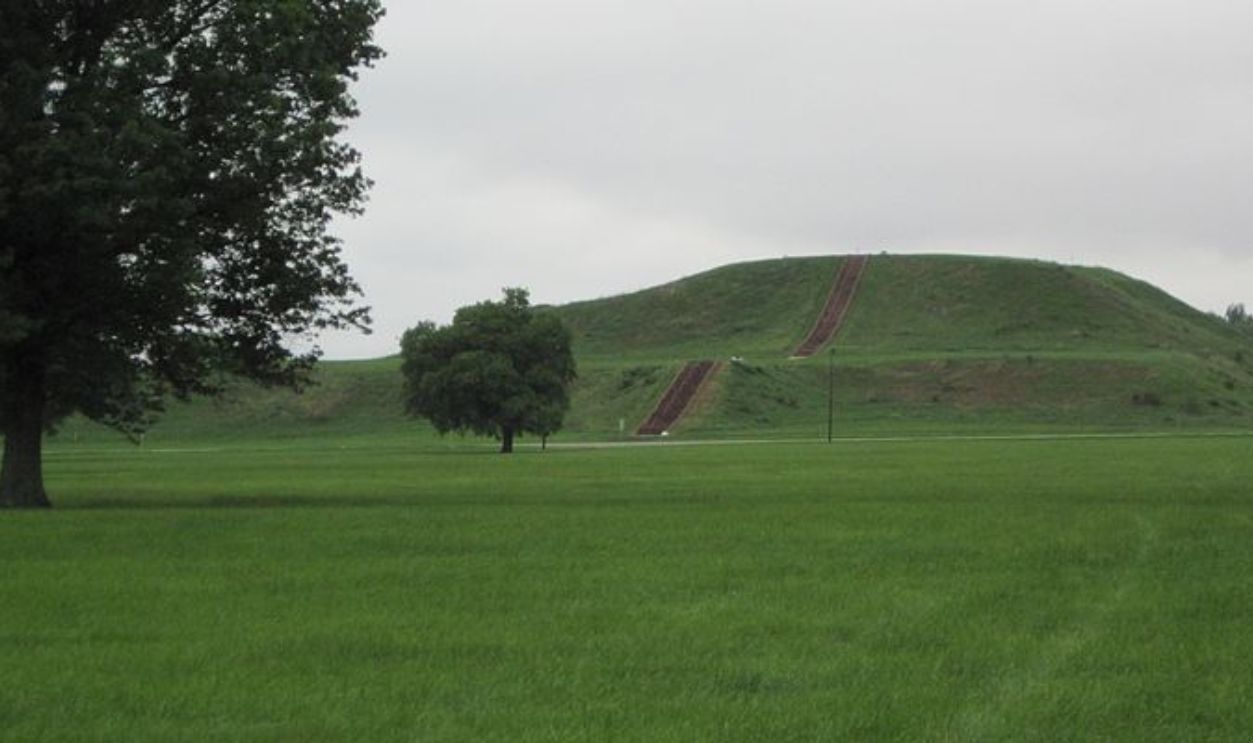 QuartierLatin1968, CC BY-SA 3.0, Wikimedia Commons
Cahokia, Illinois
Part of Cahokia’s vast history has to do with agriculture, as remnants allude to a rich farming location. If anything, it shows the beginning of America’s relationship to that industry, which clearly began before colonists founded the city in 1699.
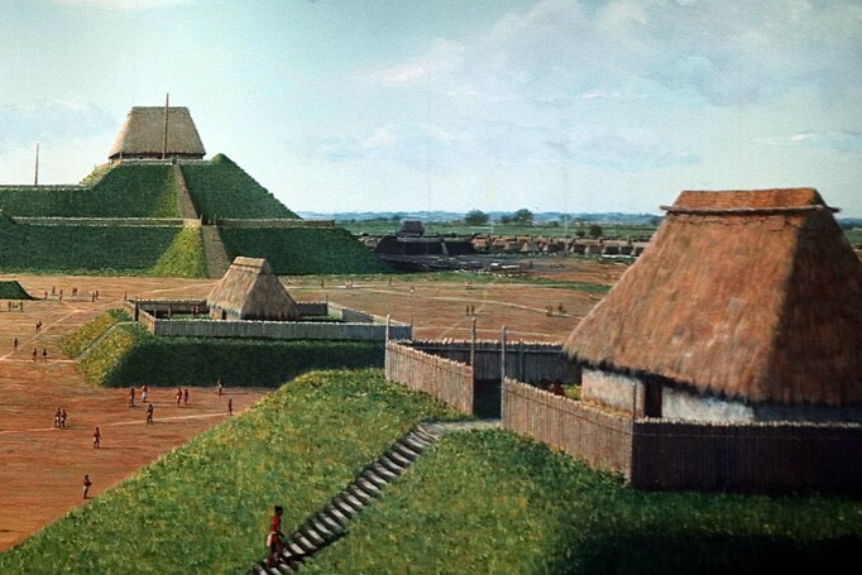 Thank You (24 Millions ) views, CC BY 2.0, Wikimedia Commons
Fossilized Footprints In White Sands National Park
Retracing your steps means something more when there are over 10,000 years of history behind the sentiment. This is what you’ll get from these fossilized footprints found in New Mexico, initially discovered in 2009.
 US Geological Service, Wikimedia Commons
Fossilized Footprints In White Sands National Park
Frozen into ancient gypsum long ago, these footprints captured a haunting snapshot of prehistoric life. Human tracks crossed paths with animals in what appears to tell the story of early hunter-gatherers surviving alongside massive creatures—while some mysterious prints may even belong to extinct species researchers still can’t identify.
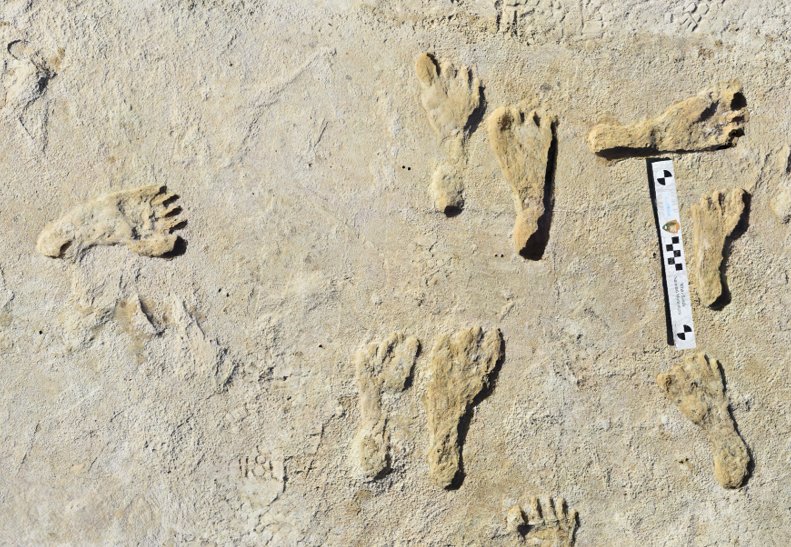
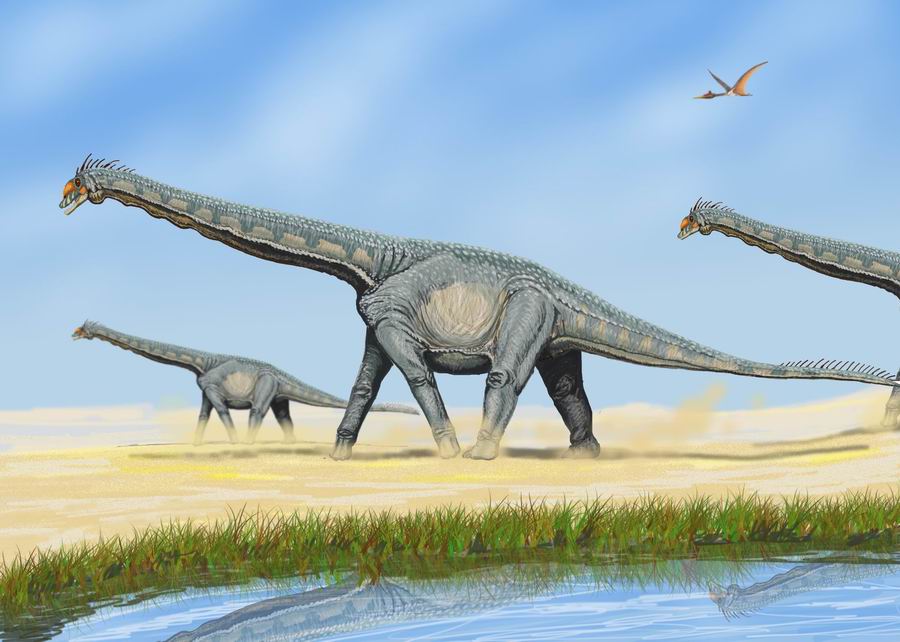
Alamosaurus
It’s odd to think of dinosaurs as a uniquely American creation, but the aptly titled Alamosaurus directly articulates that. It was discovered at Big Bend National Park in Texas in 1999.
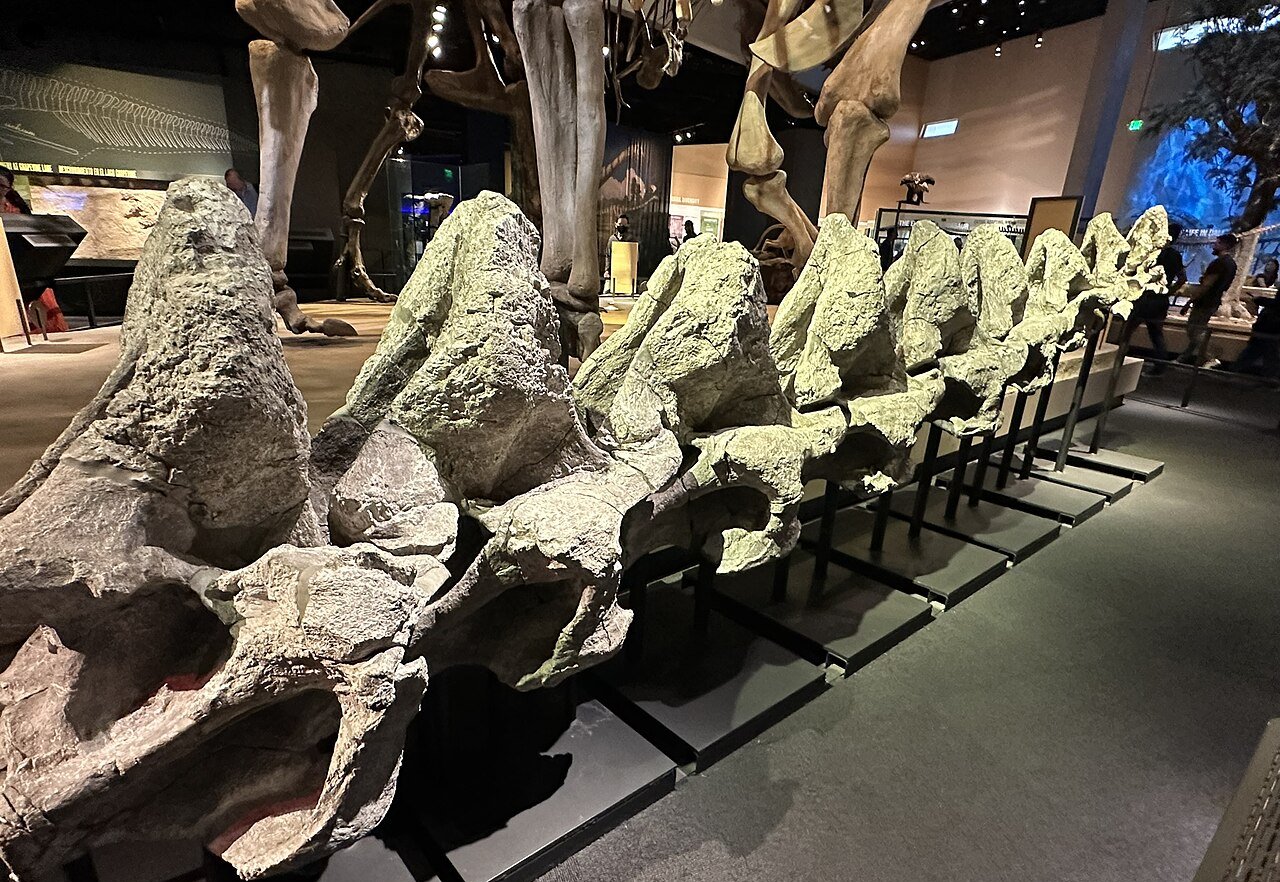 Geekgecko, CC BY 4.0, Wikimedia Commons
Alamosaurus
Coming in at over 30 tonnes, this dinosaur was likely one of the biggest creatures of its kind. Though for all we know, there might be an even bigger one out there, still to be discovered in America.
 DiBgd, CC BY-SA 3.0, Wikimedia Commons
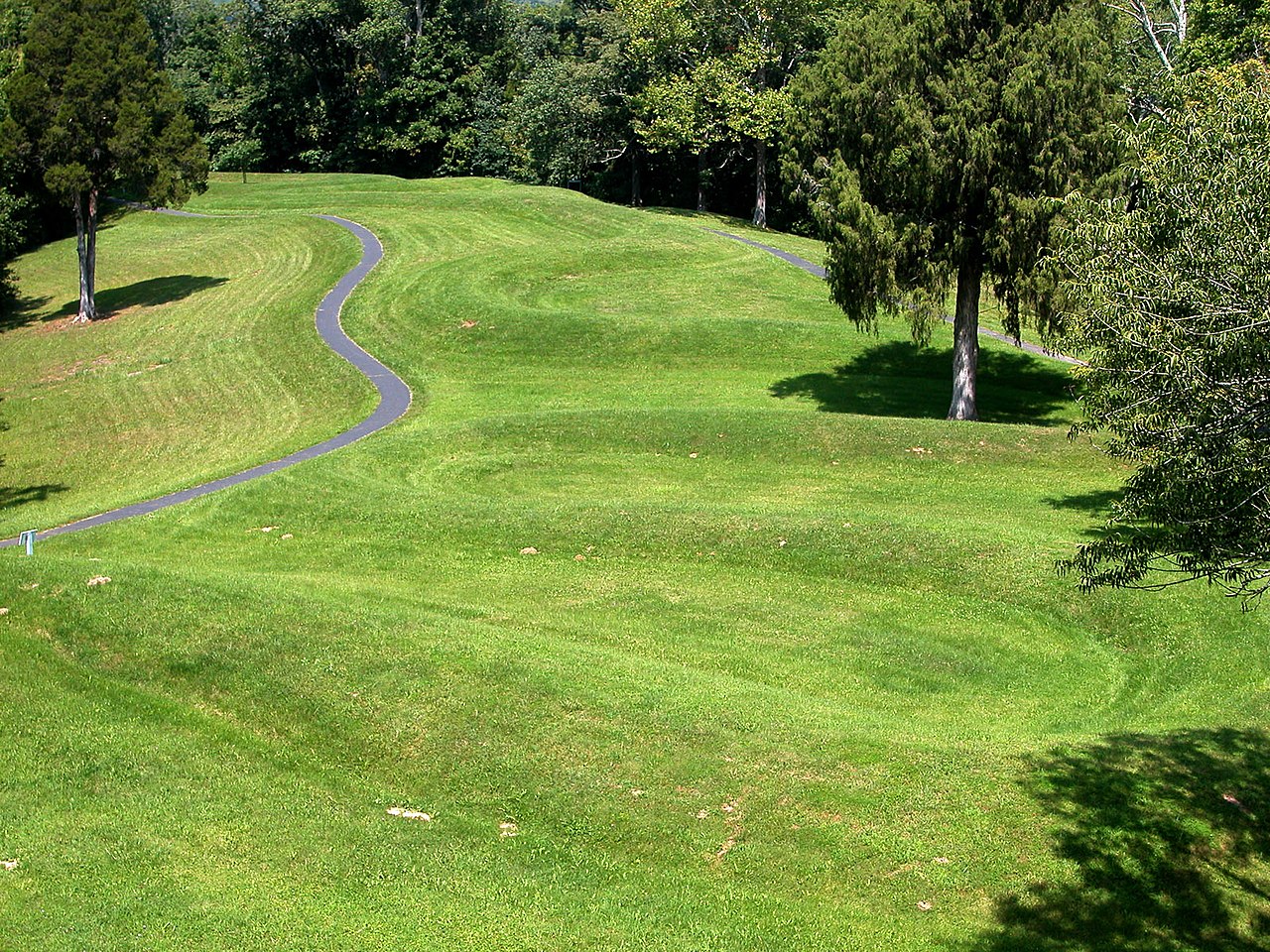
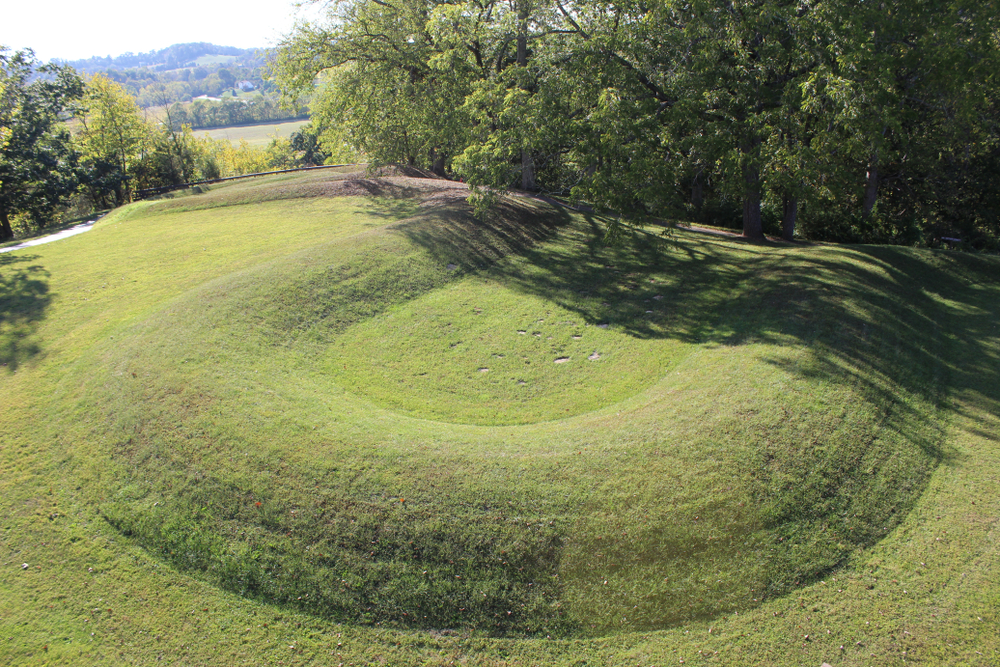
Serpent Mount Historical Site
It means a lot when something can befuddle even the most expert archaeologists. The Serpent Mound Historical Site in Ohio has achieved this very distinction through its extremely elaborate layout, which has been available to the public since 1967.
 Pollinator, CC BY-SA 3.0, Wikimedia Commons
Serpent Mount Historical Site
A grouping of burial mounds that goes longer than 1,300 feet, it’s been debated whether it served either religious or ceremonial purposes for the Indigenous people of the land. It’s quite a sight to behold in person, you can only imagine.
 Seen Unseen Media, Shutterstock
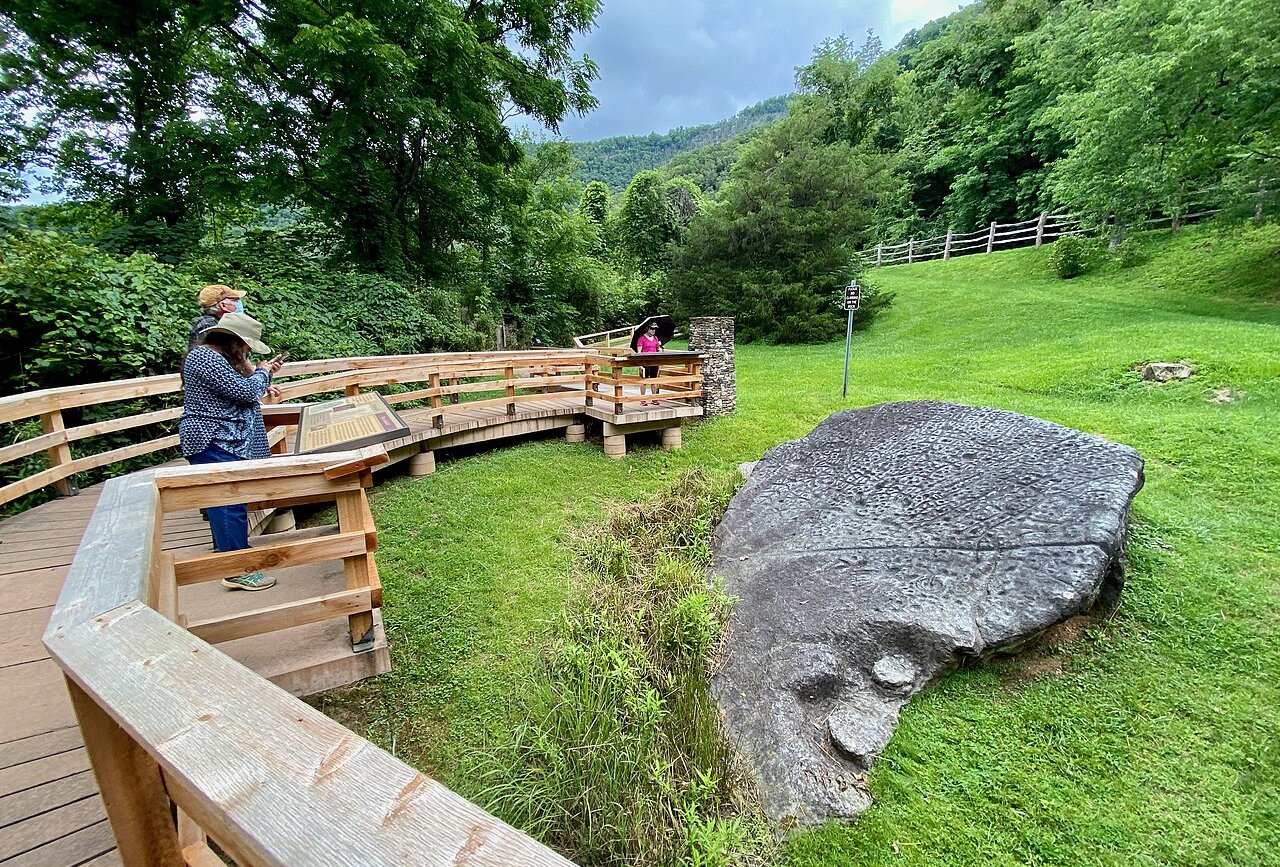
Judaculla Rock
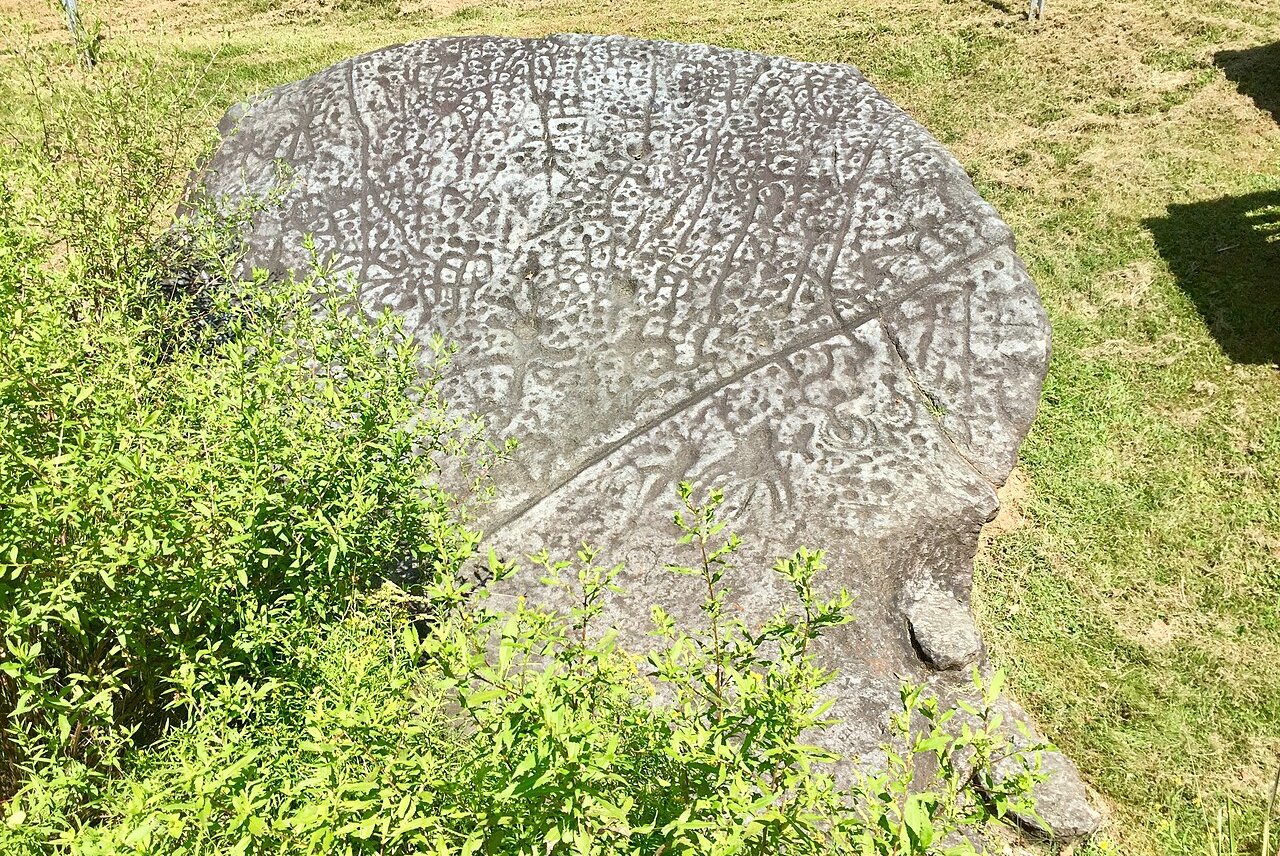
The Judaculla Rock found in Cullowhee, North Carolina is another example of stunning art found etched in gravel. Just pouring over it leads to a great glance into the history of North America.
 Harrison Keely, CC BY 4.0, Wikimedia Commons
Judaculla Rock
The rock itself belonged to the Cherokee tribe, and the study of it revealed a great deal about their history. If anything, the fact that it was discovered in 1880 and is still being talked about shows that it will only reveal more in the years to come.
 Warren LeMay, CC BY-SA 4.0, Wikimedia Commons
Hohokam Canal System
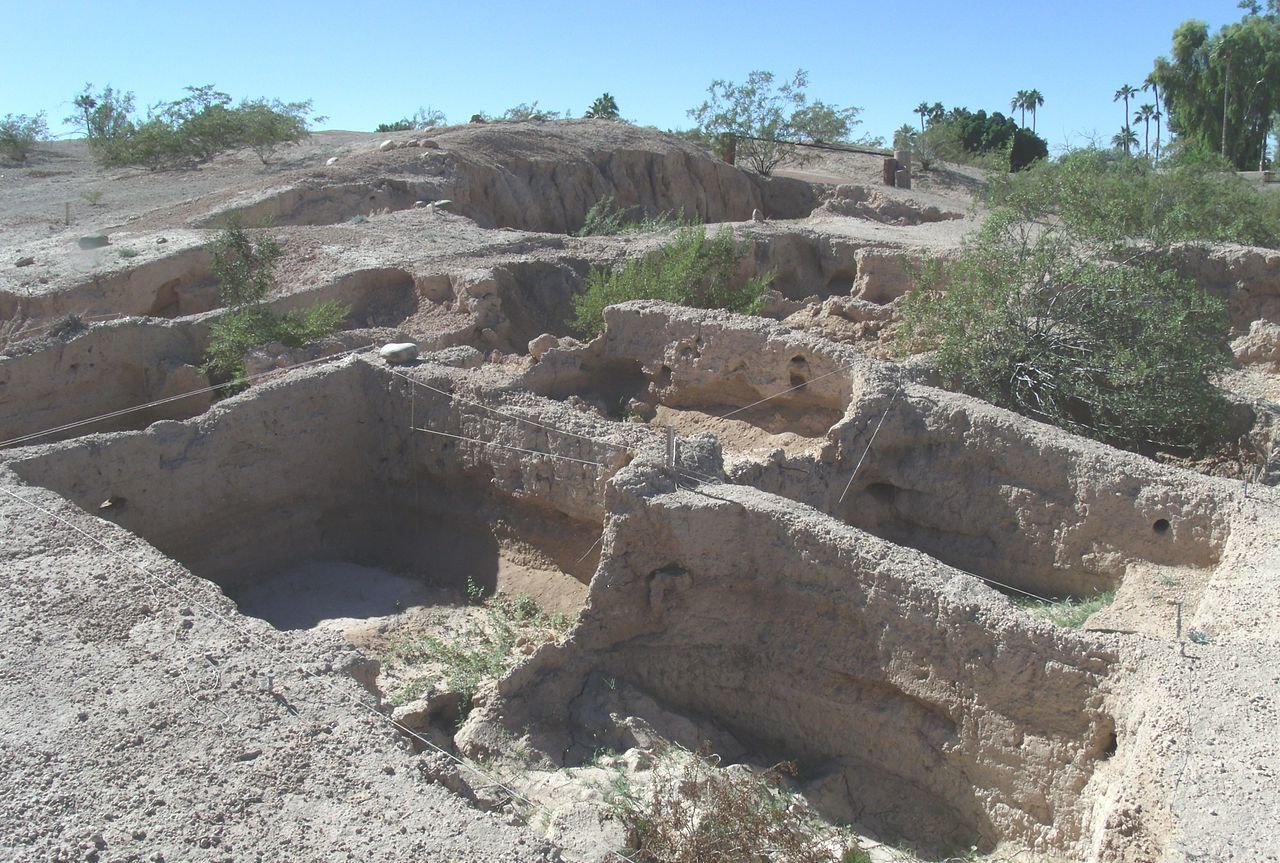
Long before modern cities transformed the Southwest, the Hohokam people engineered an enormous canal system that helped life flourish in the Arizona desert. Discovered in the late 1800s, the sprawling network revealed just how advanced ancient irrigation systems really were—and proved that America’s relationship with water management stretches back centuries.
 Marine 69-71, CC BY-SA 3.0, Wikimedia Commons
Hohokam Canal System
The Hohokam people were said to have existed from 300 BC to 1450 AD, with this canal system assisting them throughout those 1,000+ years. It’s been estimated that around half of Arizona’s canals began from this very one, so it was influential, to say the least.
 Shereth, CC BY-SA 3.0, Wikimedia Commons
Cliff Palace
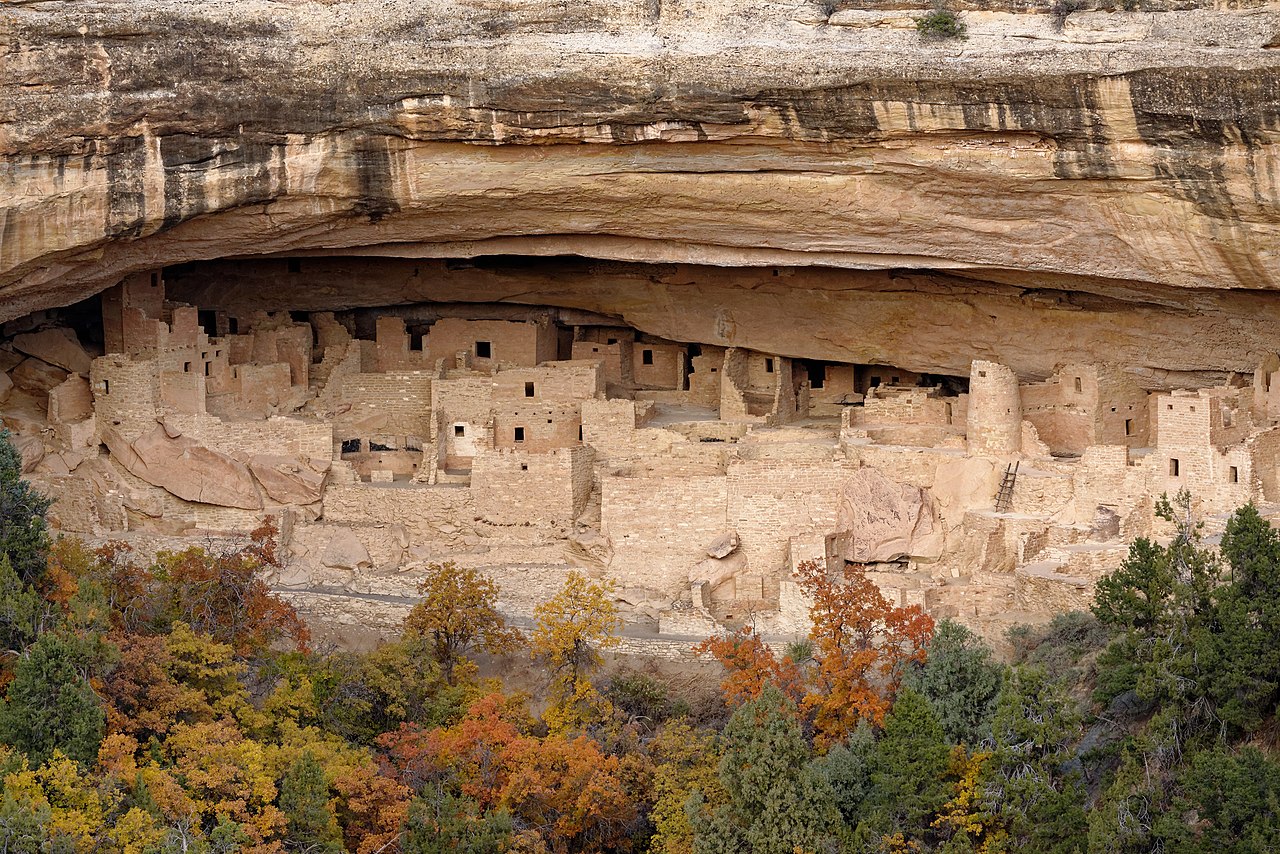
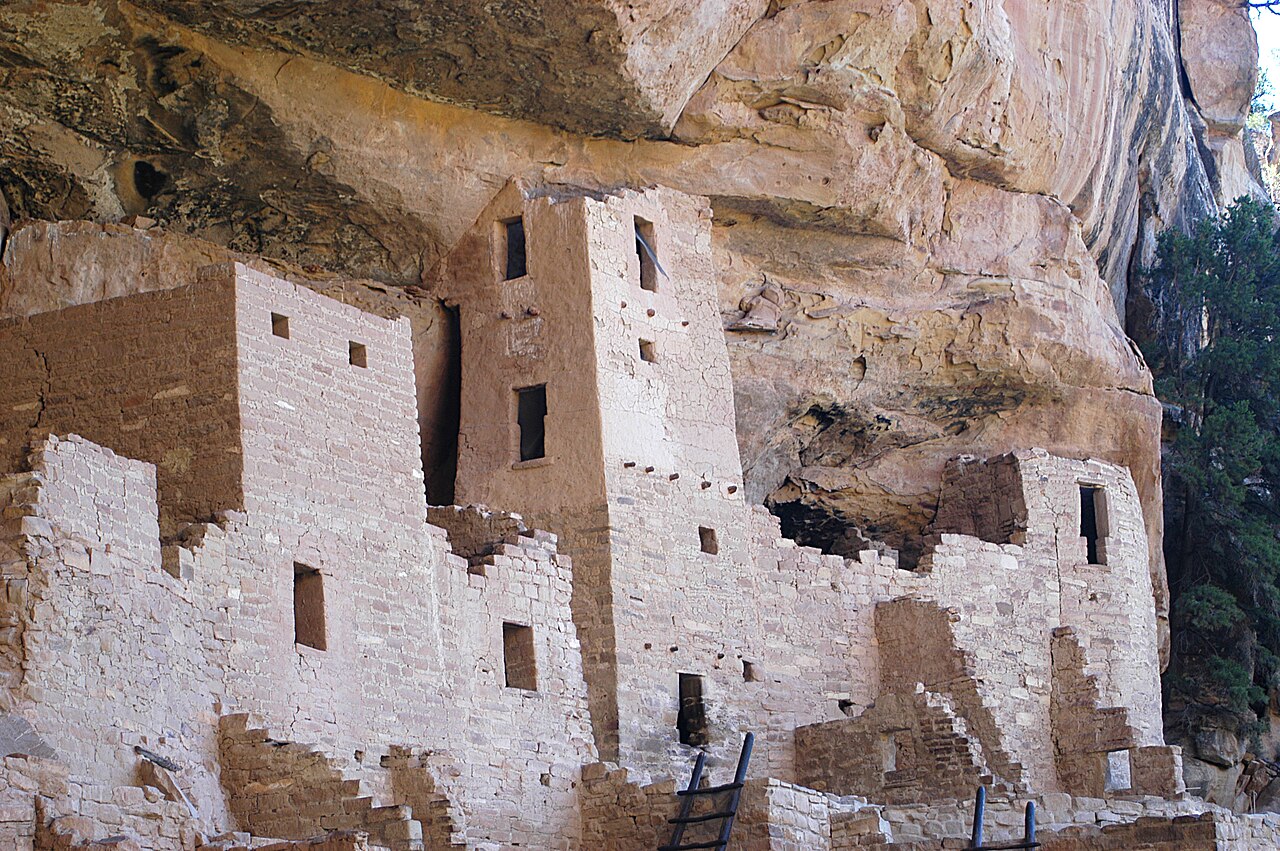
Located in Colorado’s Mesa Verde National Park, this elaborate structure is quite a wonder to behold. And while some might ask questions about the fun tourist aspects of this site, we’re more interested in the incredible archaeological significance.
 Judson McCranie, CC BY-SA 3.0, Wikimedia Commons
Cliff Palace
Called a palace for a reason, this structure points to an advanced living quarters for the Indigenous Pueblo people. The palace contains 150 rooms and potentially housed hundreds, maybe even a thousand people, a question asked since it was discovered in 1888.
 G. Edward Johnson, CC BY-SA 3.0, Wikimedia Commons
Horseshoe Canyon Rock Art
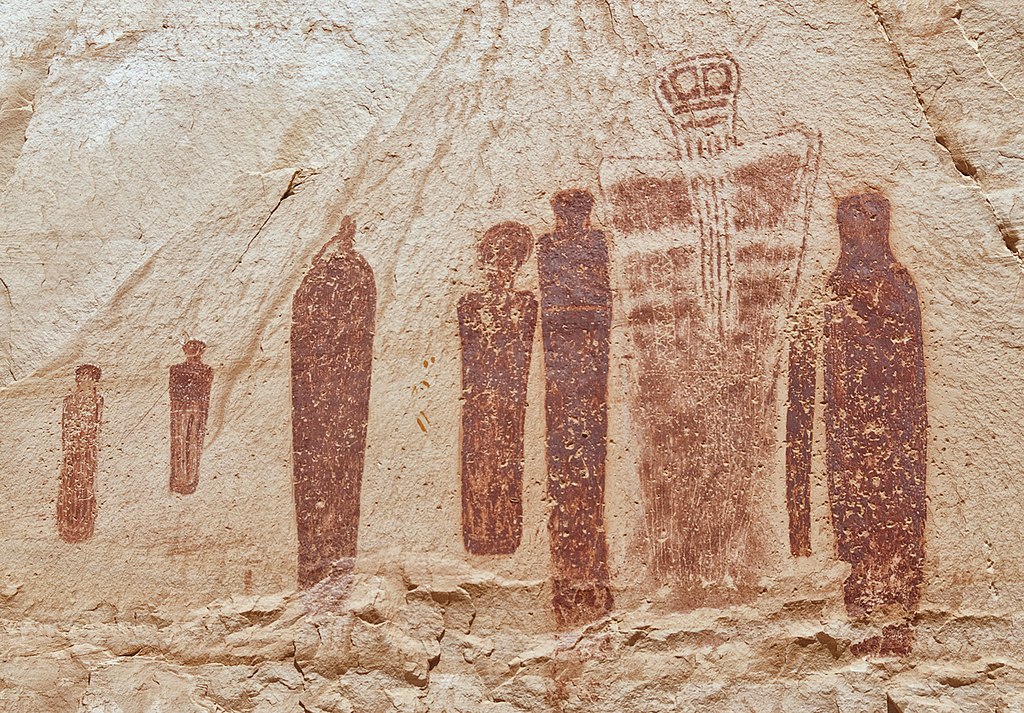
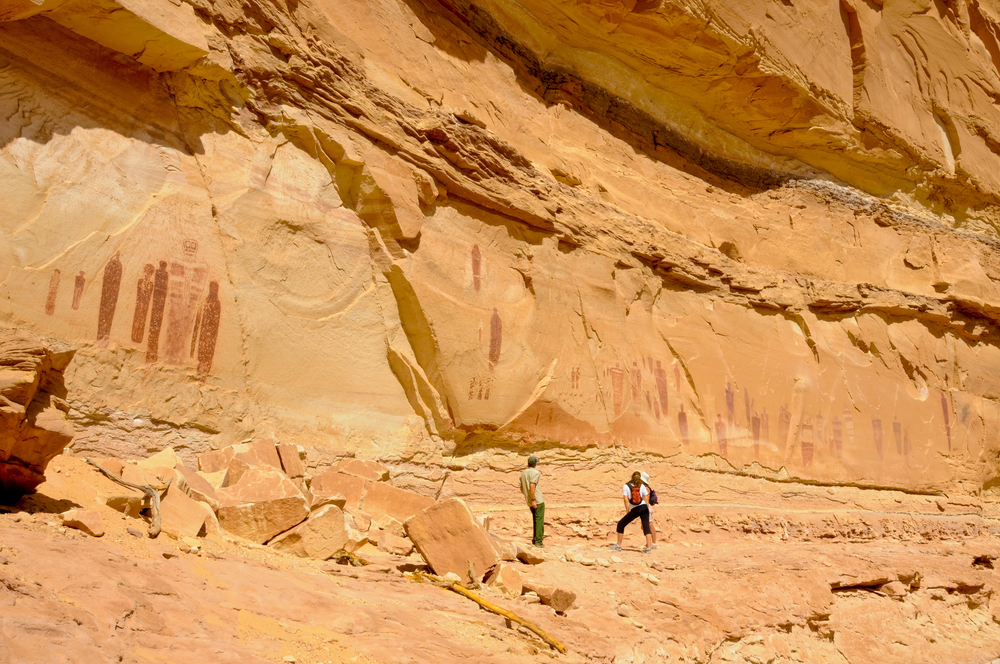
Homed in Utah’s Canyonlands National Park since 1971, Horseshoe Canyon is essentially an outdoor gallery. If you venture there, you can see a rock art collection over 8,000 years of age.
 John Fowler, CC BY 2.0, Wikimedia Commons
Horseshoe Canyon Rock Art
The art seen in Horseshoe Canyon certainly holds historical relevance, but also points to artistic skill. It stands out amongst other rock art murals for featuring elaborate use of color, which implies some seriously talented artists took to this form.
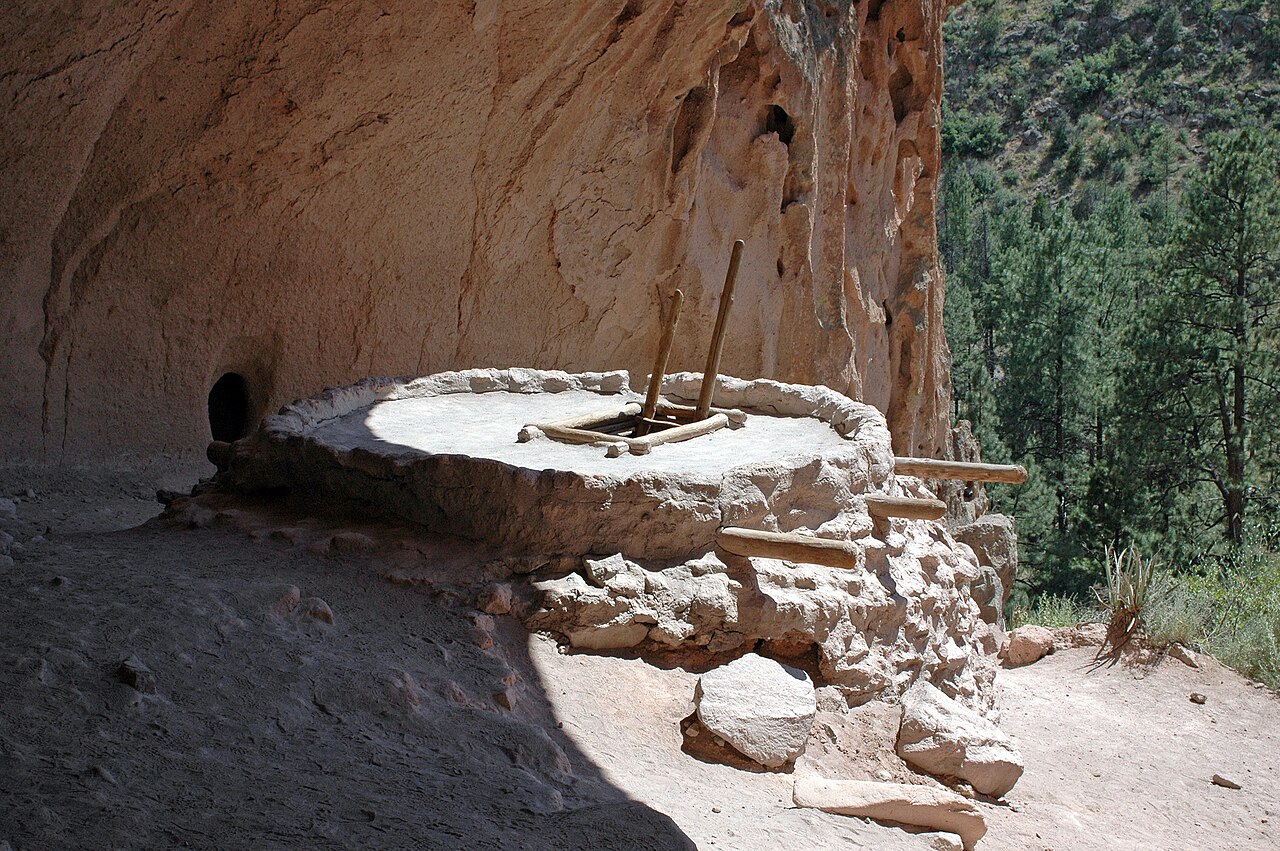
Bandelier National Monument
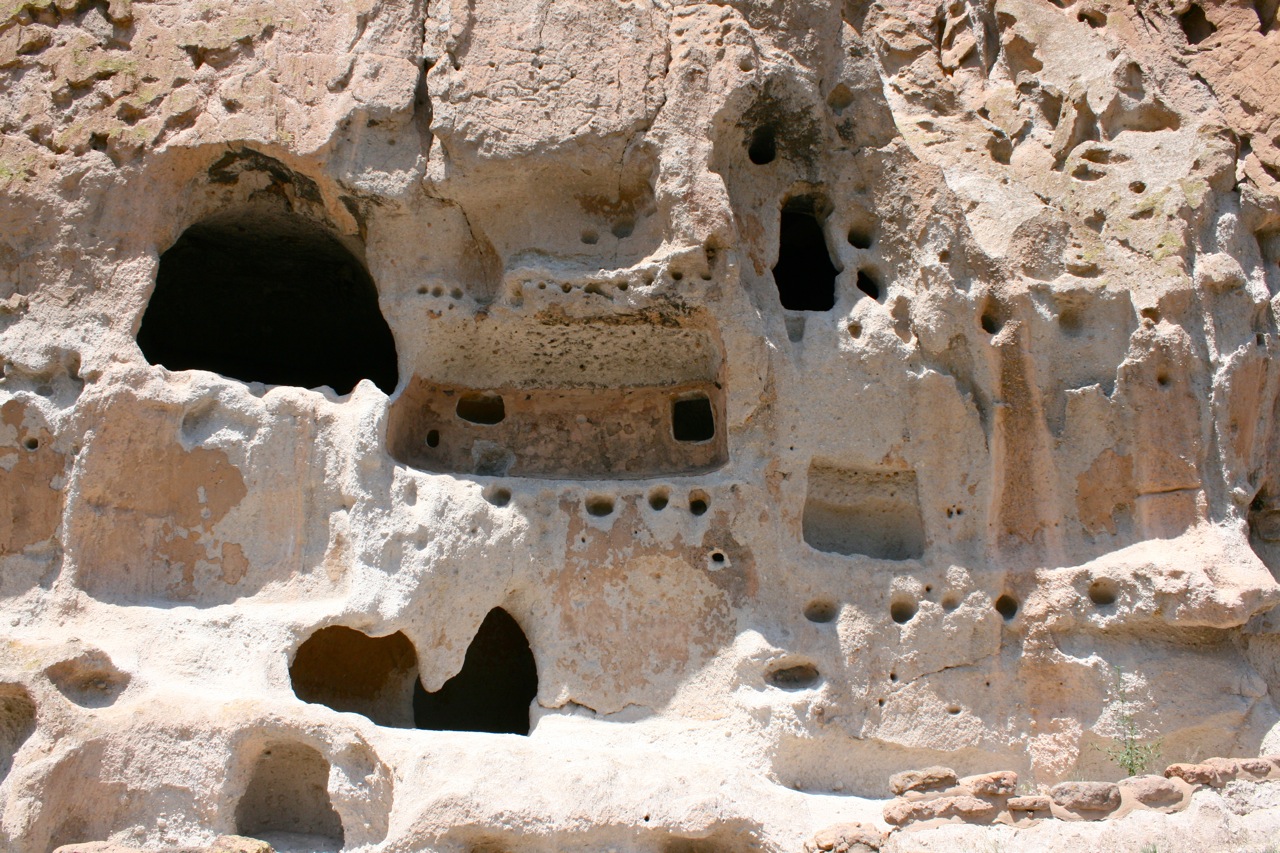
New Mexico’s Bandelier National Monument offers the whole package in terms of historical importance. However, some may take umbrage with the historical site that initially belonged to Indigenous people being named after the Swiss-American archaeologist who discovered it in 1916.
 Artotem, CC BY 2.0, Wikimedia Commons
Bandelier National Monument
Dating back roughly 11,000 years, this remarkable monument preserves ancient homes, masonry, and petroglyphs that offer a rare glimpse into humanity’s distant past. Walking through the site can feel like stepping into another era entirely—but because of its deep cultural and historical importance, visitors are encouraged to explore it with care and respect.
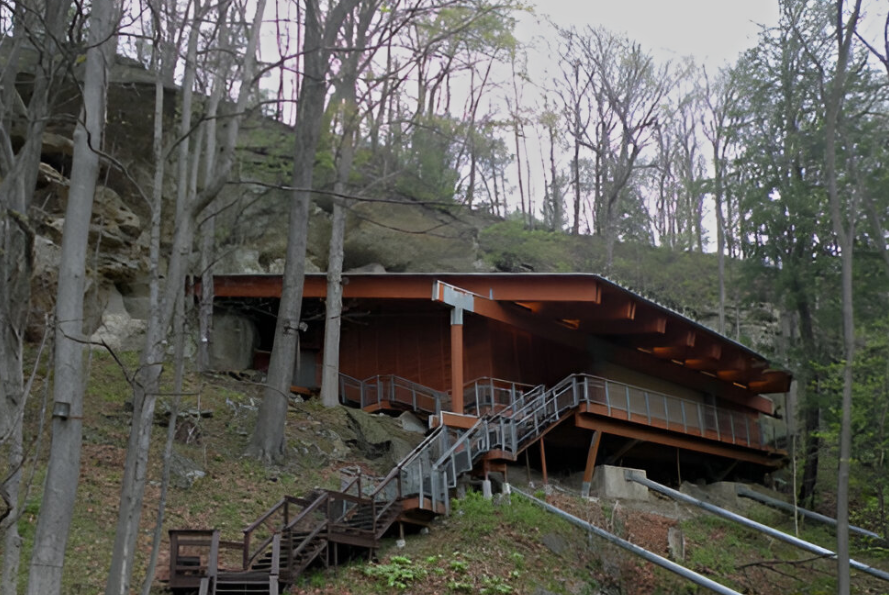
Meadowcrock Rockshelter
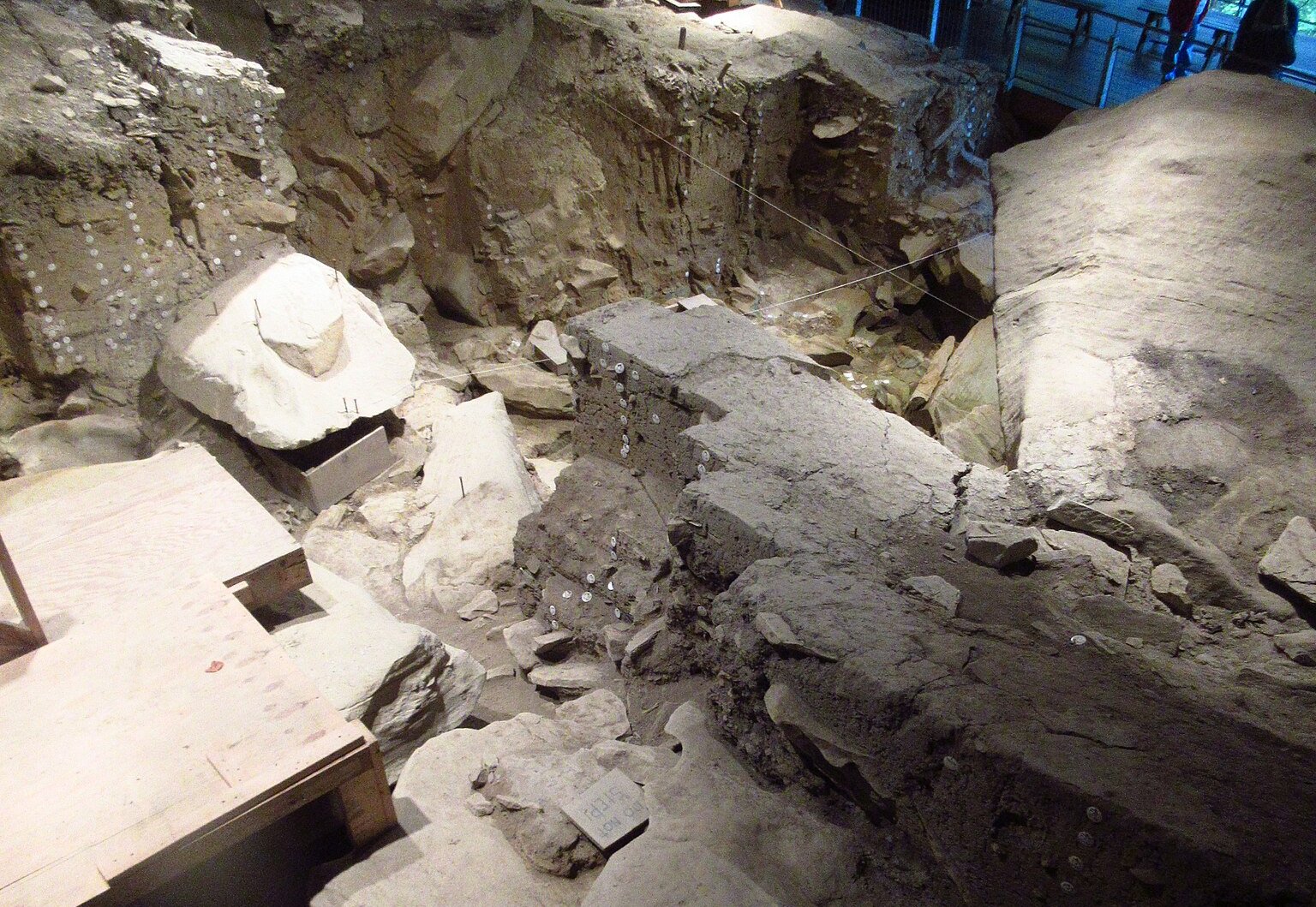
Initially founded in the 1950s, the Meadowcrock Rockshelter is one of the most curious institutions of Pennsylvania. Going back more than 16,000 years, it points to the continuing mysteries of not just America but the human race’s origins.
 Leepaxton, CC BY-SA 4.0, Wikimedia Commons
Meadowcrock Rockshelter
Particularly groundbreaking about its discovery was the amount of floral material as well as a considerable hearth, which was one of the first to be found in North America. This site remains a landmark in American history.
 Unknown Author, Wikimedia Commons
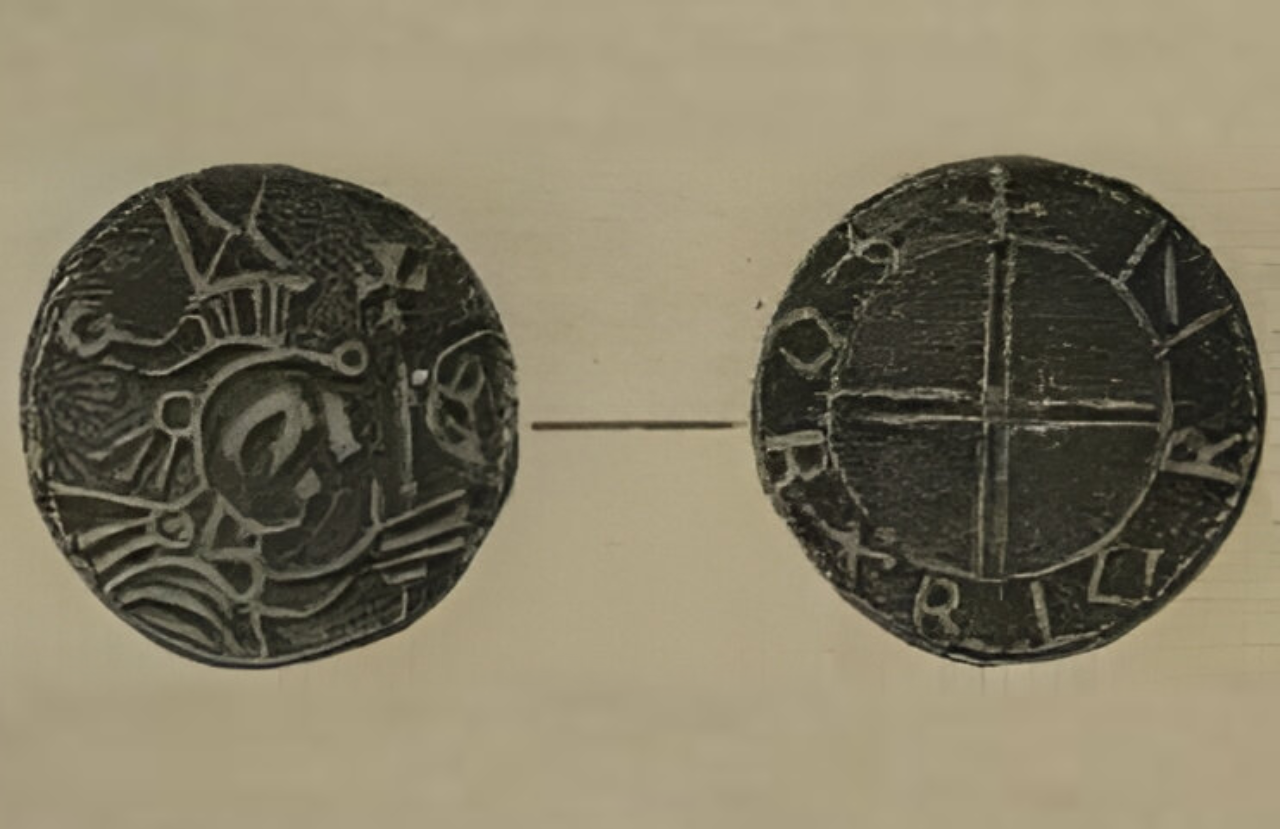
The Maine Penny
Currency is certainly an underrated element of archaeology, as money has always been a society’s form of communication as well as a source of conflict. This is why the Maine Penny, discovered in 1957, was such an important find.
 Stenersen, L. B, Wikimedia Commons
The Maine Penny
Importantly, the coin seems to imply that Vikings had visited the United States in the 11th century. Via the history of the coin, we can learn more about both American and Norse history.
 Christian Krohg, Wikimedia Commons
Lake Winnipesaukee Mystery Stone
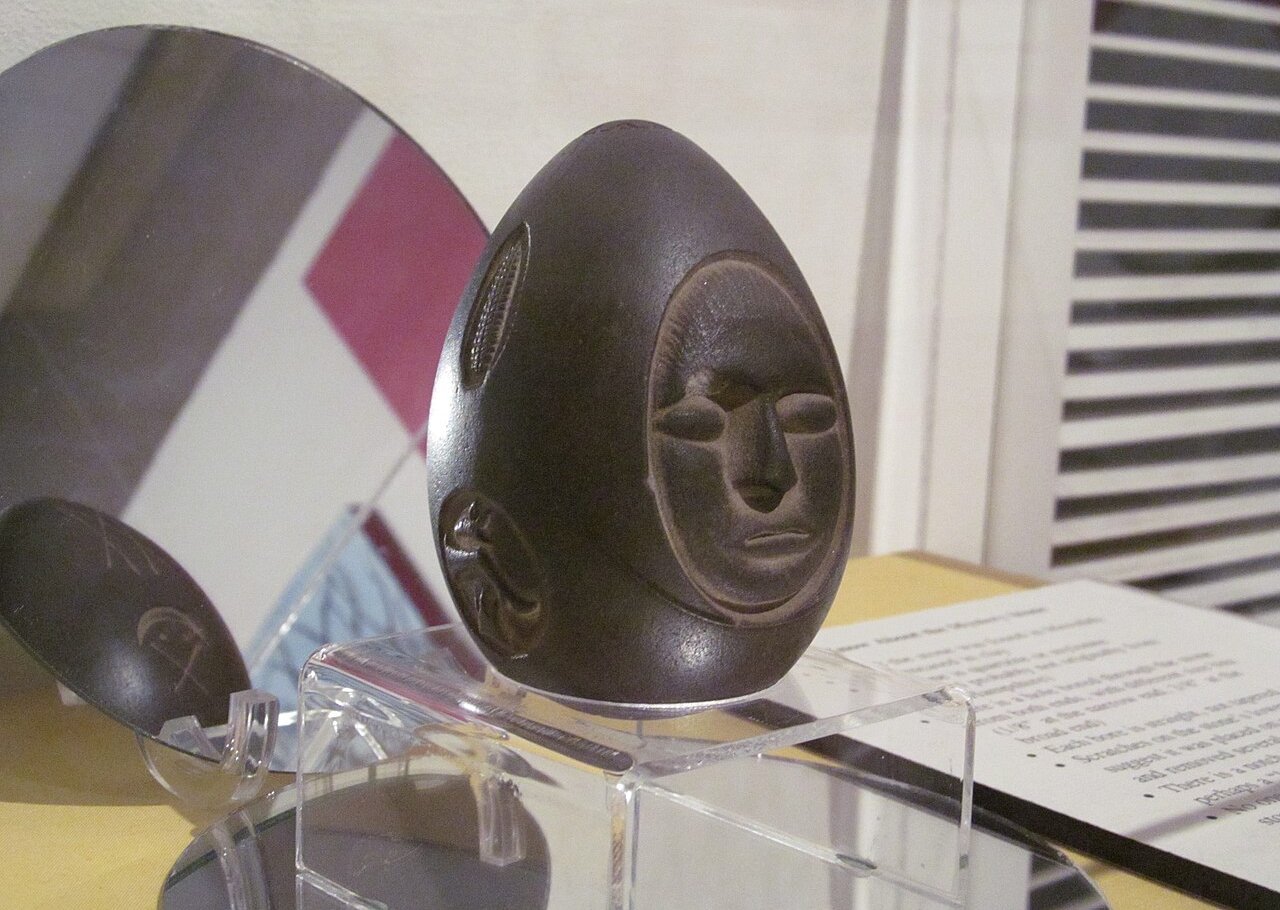
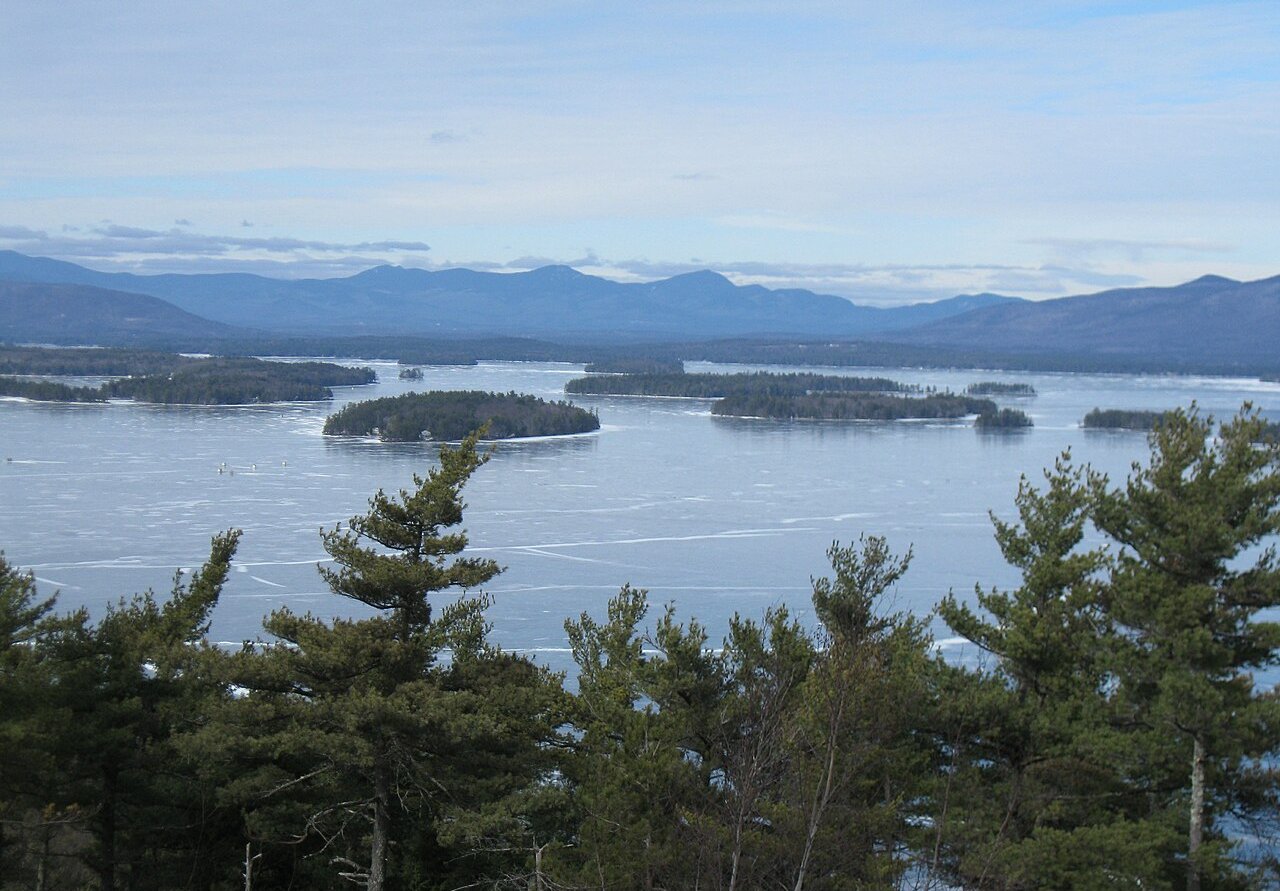
A rather beautiful egg-shaped object, the Lake Winnipesaukee Mystery Stone stands out amongst unearthed objects. Yet part of the object’s appeal is the mystery behind it, with its origins still unknown after being unearthed in 1872 in New Hampshire.
 John Phelan, CC BY-SA 3.0, Wikimedia Commons
Lake Winnipesaukee Mystery Stone
The mystery might really be: What was it actually used for? Was it just decoration or even an object of worship, science, or even something we can’t begin to comprehend?
 Ken Gallager, Wikimedia Commons
Dugout Canoe
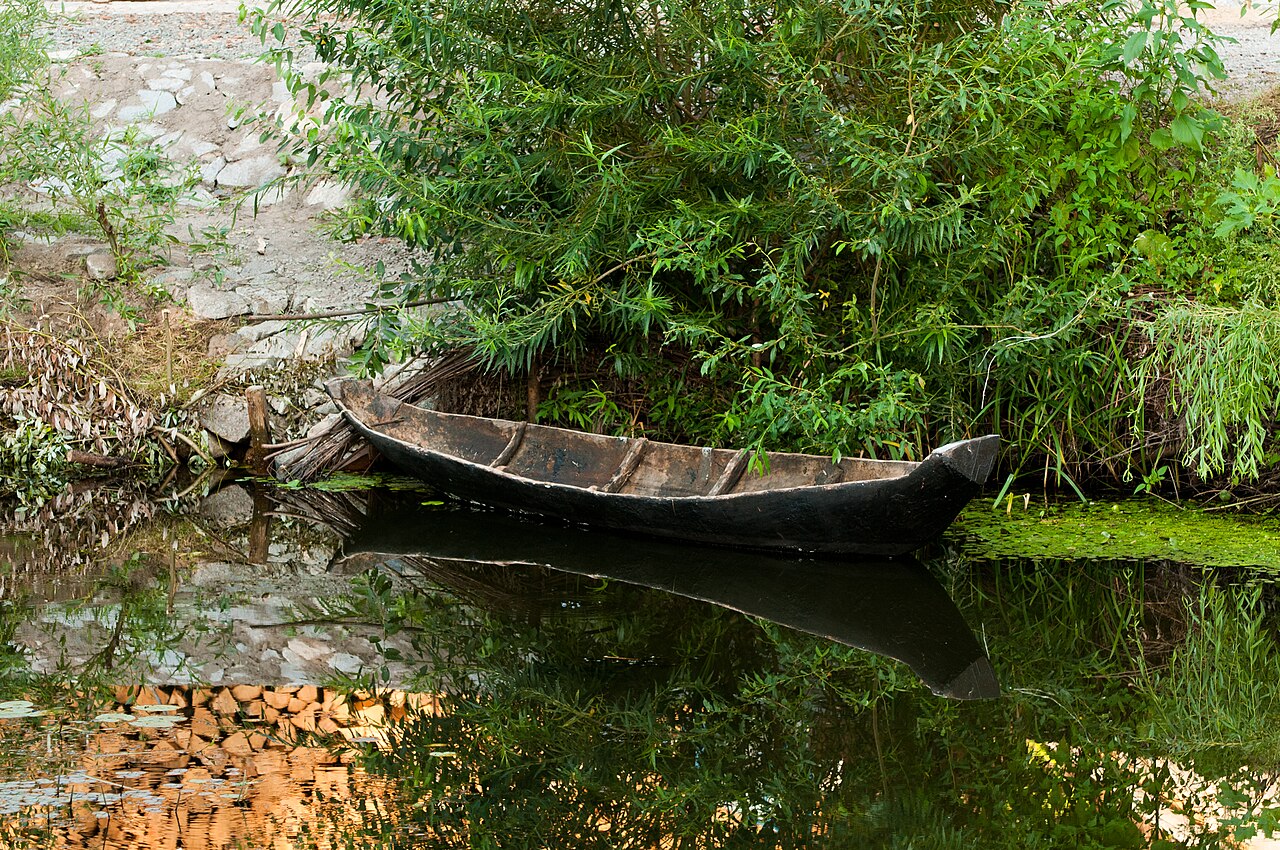
Gliding through the water in a canoe feels simple enough—until you stop and wonder where the idea even began. What seems like a basic vessel today is actually the result of centuries of ingenuity, survival, and craftsmanship that ancient cultures perfected long before modern technology existed.
 Yuri Rudnitsky, CC BY-SA 3.0, Wikimedia Commons
Dugout Canoe
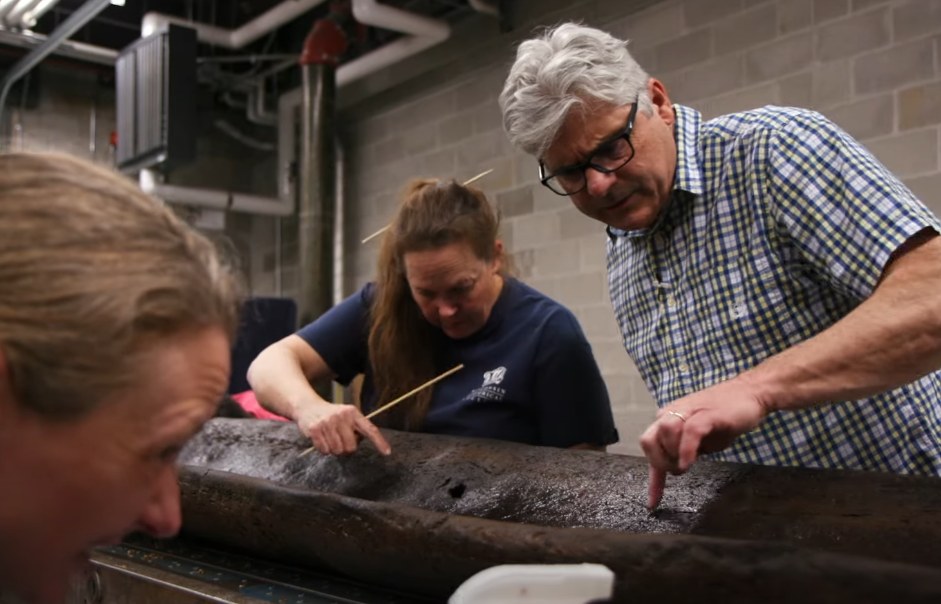
In 2022, a scuba driver discovered what appeared to be the oldest canoe at the bottom of Lake Mendota in Wisconsin. The canoe was carbon-dated all the way back to 1000 BC, implying a minor miracle in terms of it being intact.
 LAKE MENDOTA CANOES: CONNECTING PAST & PRESENT, Wisconsin Historical Society
Rimrock Draw Rockshelter Site
Considered the earliest found site of civilization in America, the Rimrock Draw Rockshelter Site in Oregon apparently could be as old as 18,000 years. Remarkably, it was only discovered two years ago, implying there’s still a lot more of America to find.
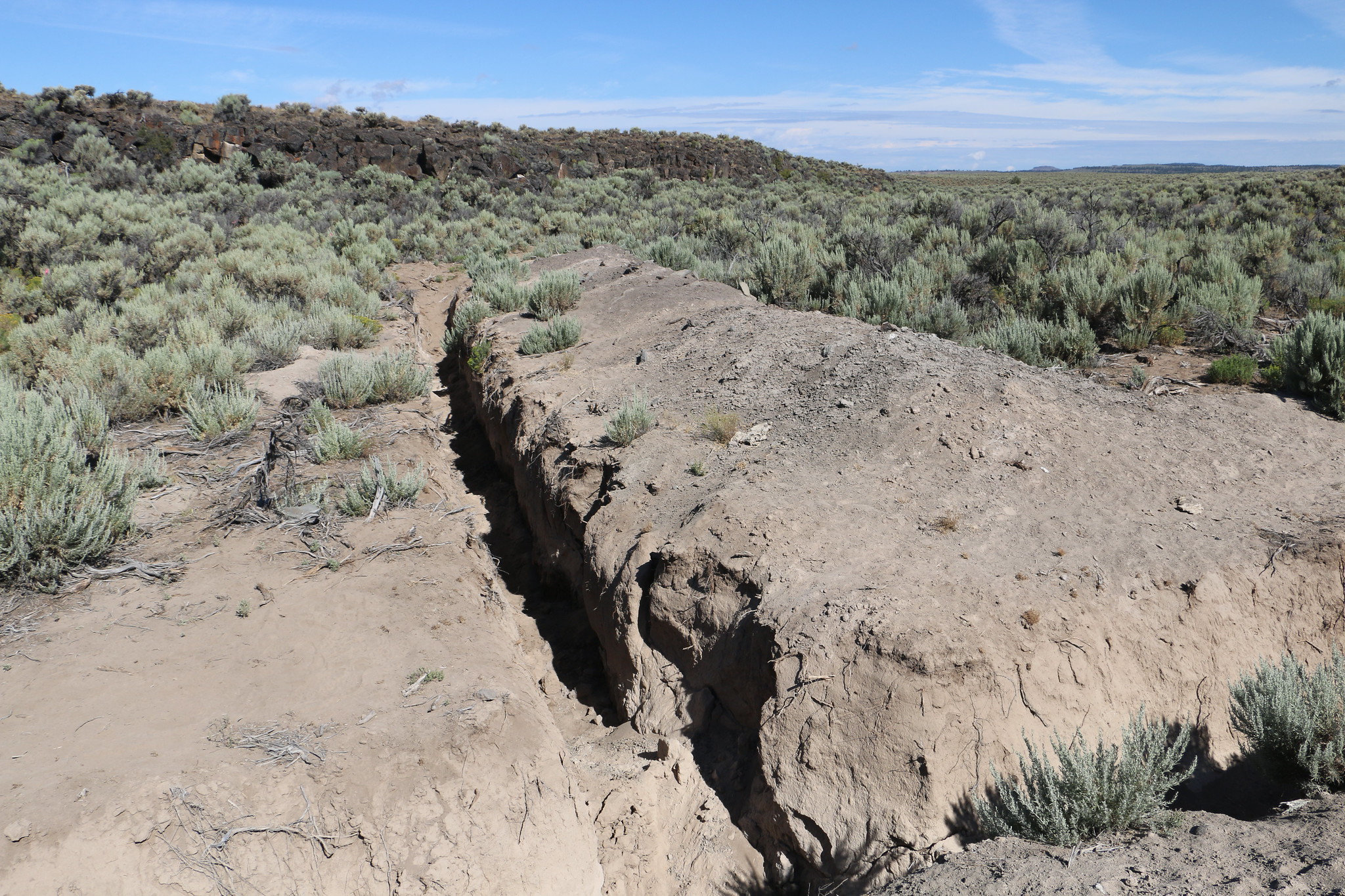 Bureau of Land Management Oregon and Washington, Flickr
Rimrock Draw Rockshelter Site
One of the craziest finds at Rimrock is the tooth extract of a breed of camel believed to be extinct for 10,000 years. It’s likely the site only has more secrets to unearth, including extinct animals we never knew about.
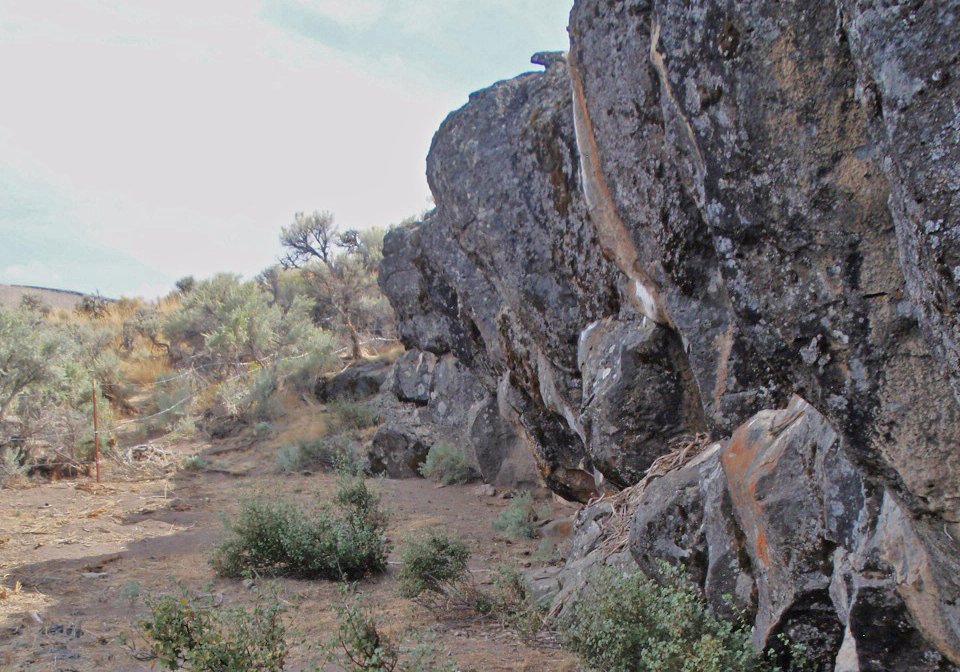 Bureau of Land Management, Wikimedia Commons
Spearheads At Cooper’s Ferry
The term technology implies, probably to most people, computers or the such. But in thinking of the word, we have to go back to the origins of innovation, which the spearheads founded at Cooper’s Ferry in Idaho showcase
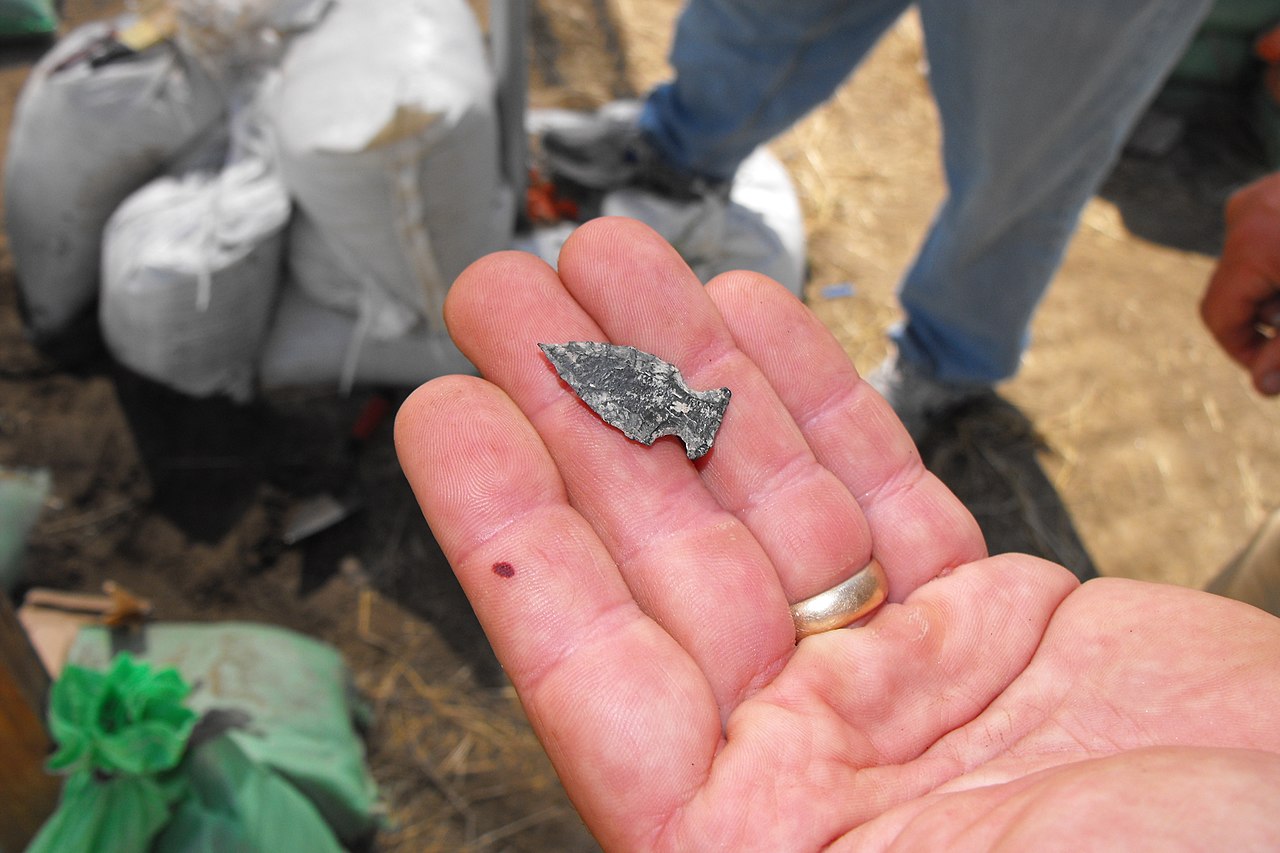 Bureau of Land Management, Wikimedia Commons
Spearheads At Cooper’s Ferry
Found in 2012 and allegedly dating back 13,000 years, the items excavated at Cooper’s Ferry point to the earliest American inhabitants. It’s also likely even more will be unearthed in the years to come.
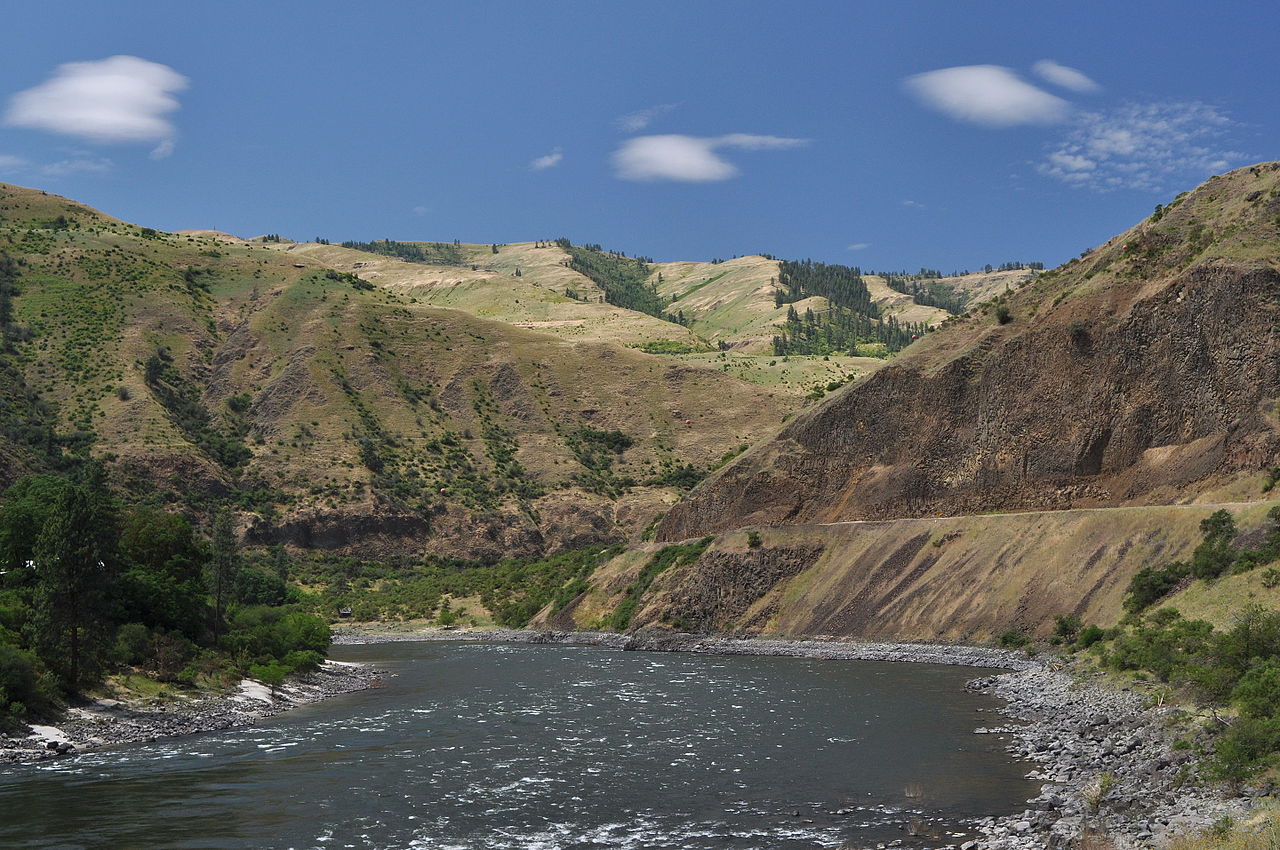 Forest Service Northern Region, Wikimedia Commons
Dighton Rock
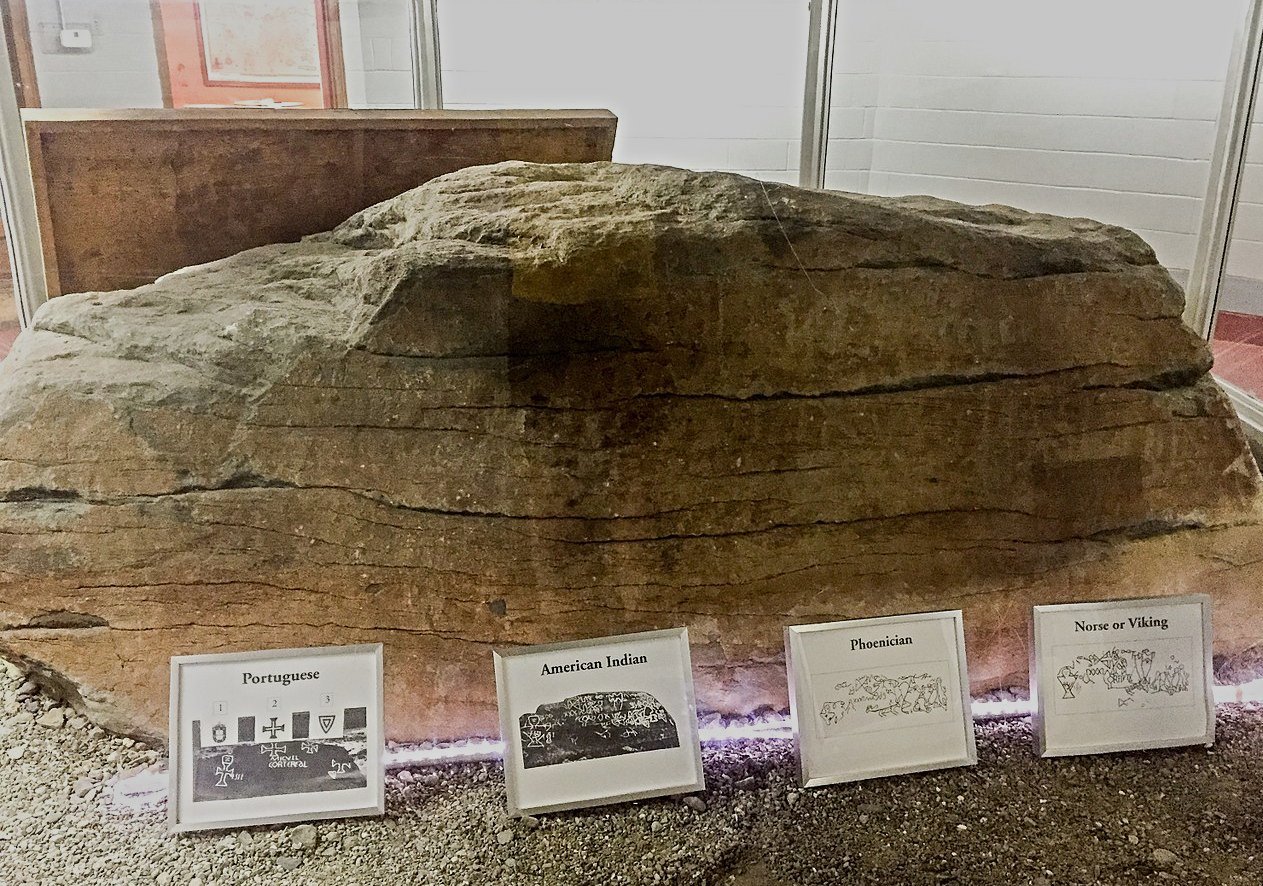
Found in Massachusetts Taunton River, the Dighton Rock is another relic of a past civilization that we’ve only begun to comprehend. Some, however, have found our level of understanding up for debate, with the rock’s meaning being hard to pin down since being unearthed in 1963.
 Horatio B. King, Wikimedia Commons
Dighton Rock
Straight out of a sci-fi mystery, this strange rock covered in indecipherable petroglyphs has puzzled researchers for generations. Nobody knows exactly where it came from or what the symbols truly mean, leaving plenty of room for wild theories—including whispers that it could be tied to something far beyond ancient human civilization.
 Kenneth C. Zirkel, CC BY-SA 4.0, Wikimedia Commons
Blythe Intaglios
Almost like crop circles but in the ground, the Blythe Intaglios found in California are somewhat of a beguiling sight. Preservation has made sure these gigantic figures etched into the desert floor remain there for all to see ever since their discovery in 1932.
 Rsfinlayson, CC BY-SA 4.0, Wikimedia Commons
Blythe Intaglios
The intaglios are credited to the Mojave people and depict both human beings and animals. The size of the figures indicates storytelling on a grand canvas, to say the least.
 Rsfinlayson, CC BY-SA 4.0, Wikimedia Commons
Kennewick Man
The uncovering of the Kennewick Man in 1996 was a highly controversial event. The unearthed skeleton, found in Washington, was estimated to be around 9,000 years old and also saw a debate between scientists and Indigenous tribes towards ownership.
 Wolfgang Sauber, CC BY-SA 4.0, Wikimedia Commons
Kennewick Man
The debate ended up favoring the scientists in terms of ownership, but in the popular imagination, the skeleton doesn’t necessarily belong to them. It has been used to uncover truths about the very origins of the human race.
You May Also Like:
The Story Of America's First Megacity
The Discovery Of America's Largest Dinosaur
The Incredible Rediscovery Of America’s Oldest Colony







.jpg)


.jpg)


.jpg)
.jpg)
.jpg)


