The Fire That Changed the Story
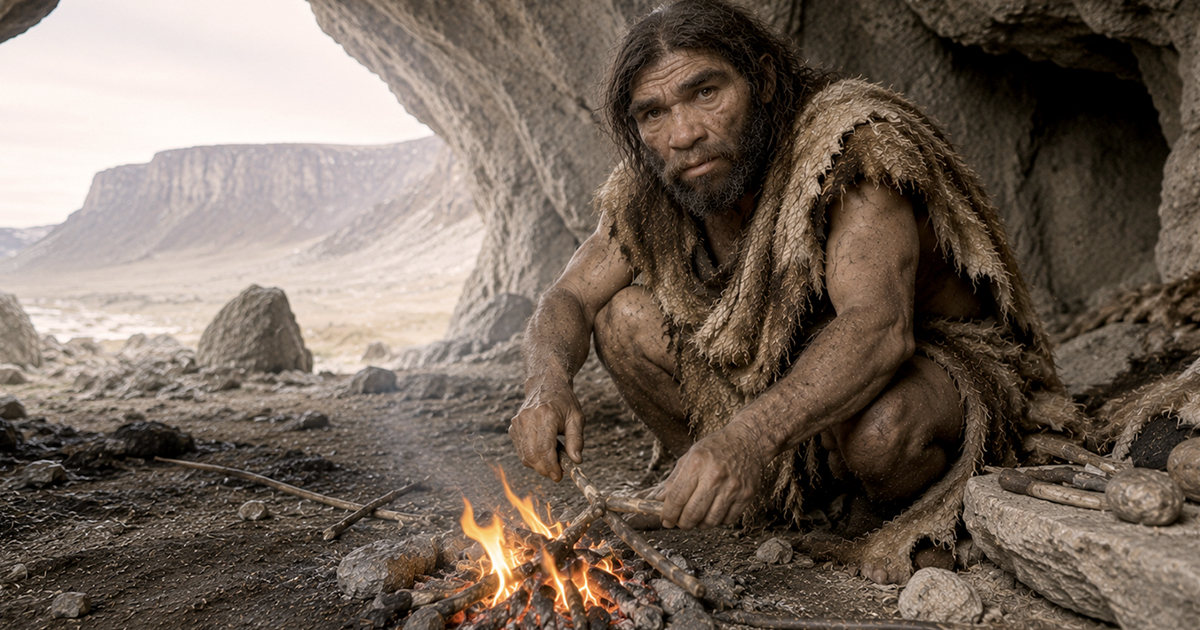
For years, people assumed Neanderthals mostly borrowed fire from lightning strikes and natural wildfires. But new research is now challenging that idea. Recent studies in Britain and France now suggests Neanderthals may have intentionally made fire themselves—and the evidence is incredible.
The Old Caveman Stereotype Burns Up
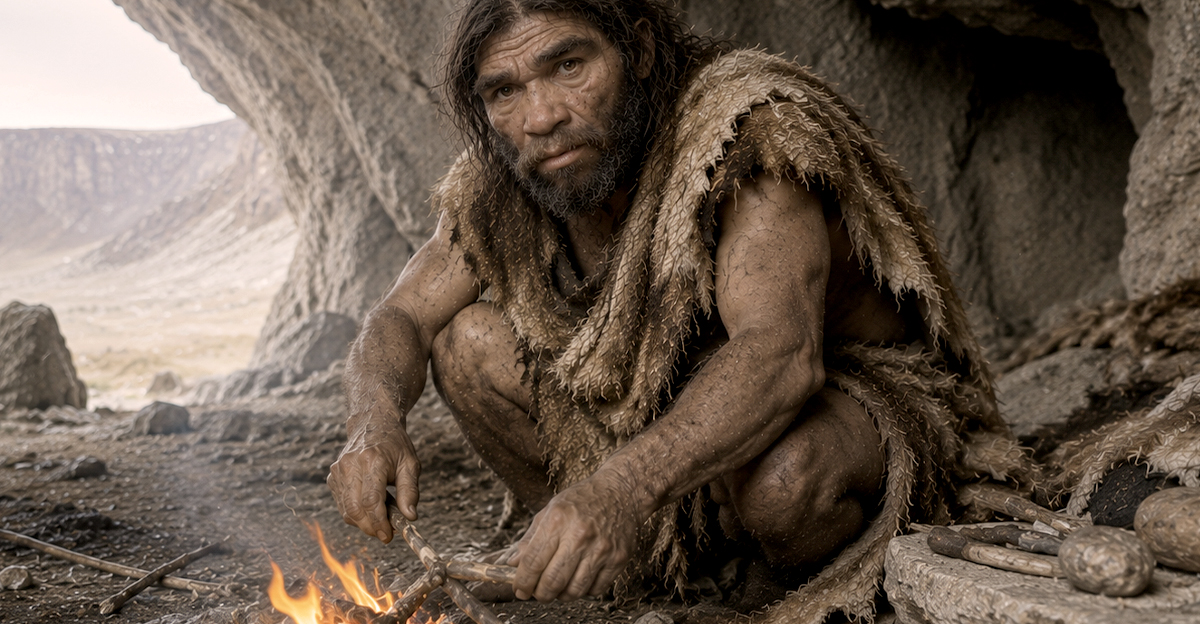
Neanderthals lived across Europe and western Asia for hundreds of thousands of years, surviving cold climates, dangerous animals, and a lifestyle with absolutely zero room for laziness. Modern research has already shown they made tools, hunted skillfully, used fire, and adapted to harsh environments.
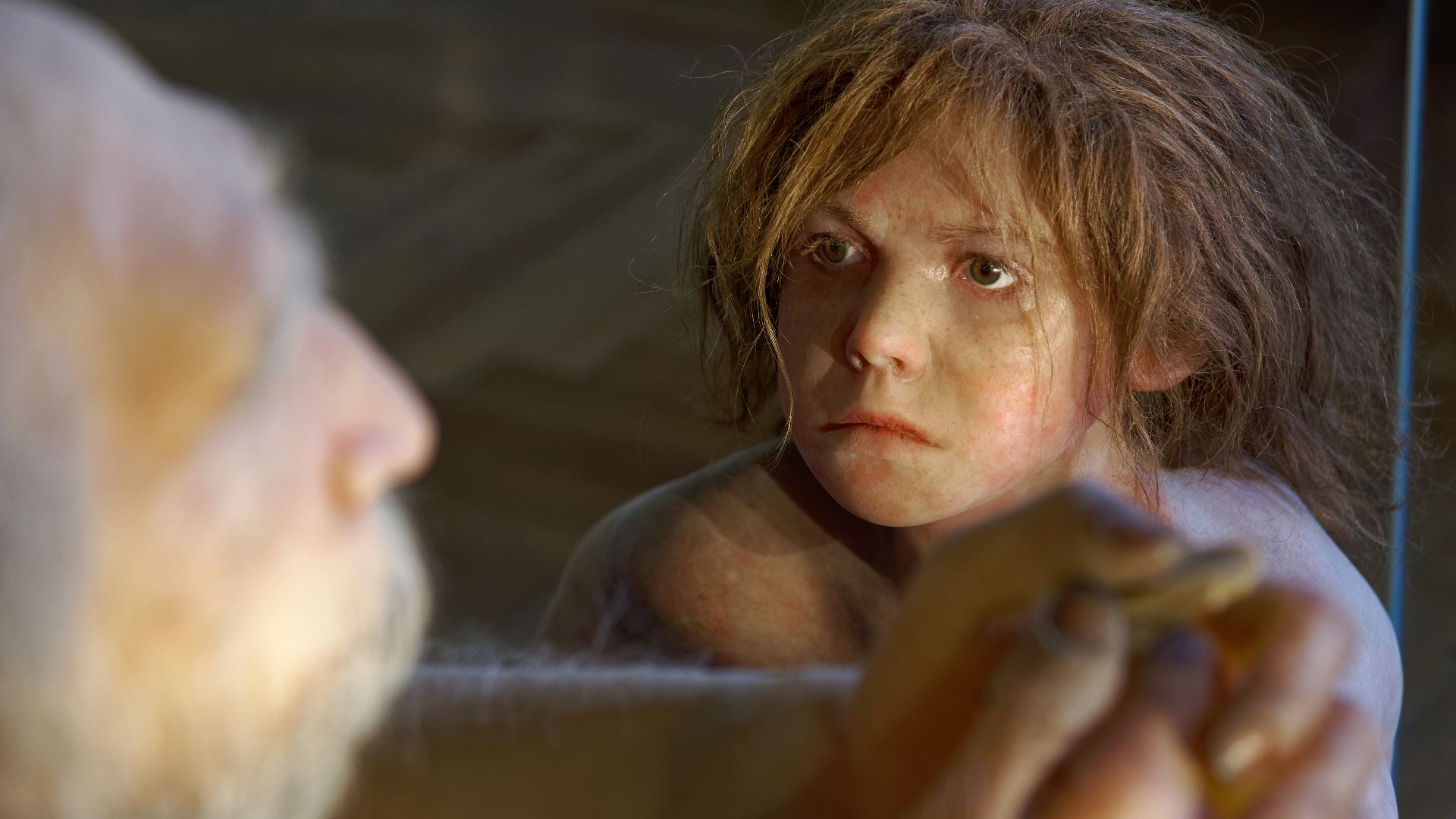 Jakub Halun, Wikimedia Commons
Fire Was Everything
For Ice Age humans, fire was not just cozy background lighting. It meant warmth, cooked food, protection from predators, and maybe even social time around the flames. Basically, fire was the prehistoric version of central heating, a kitchen, and a group chat.
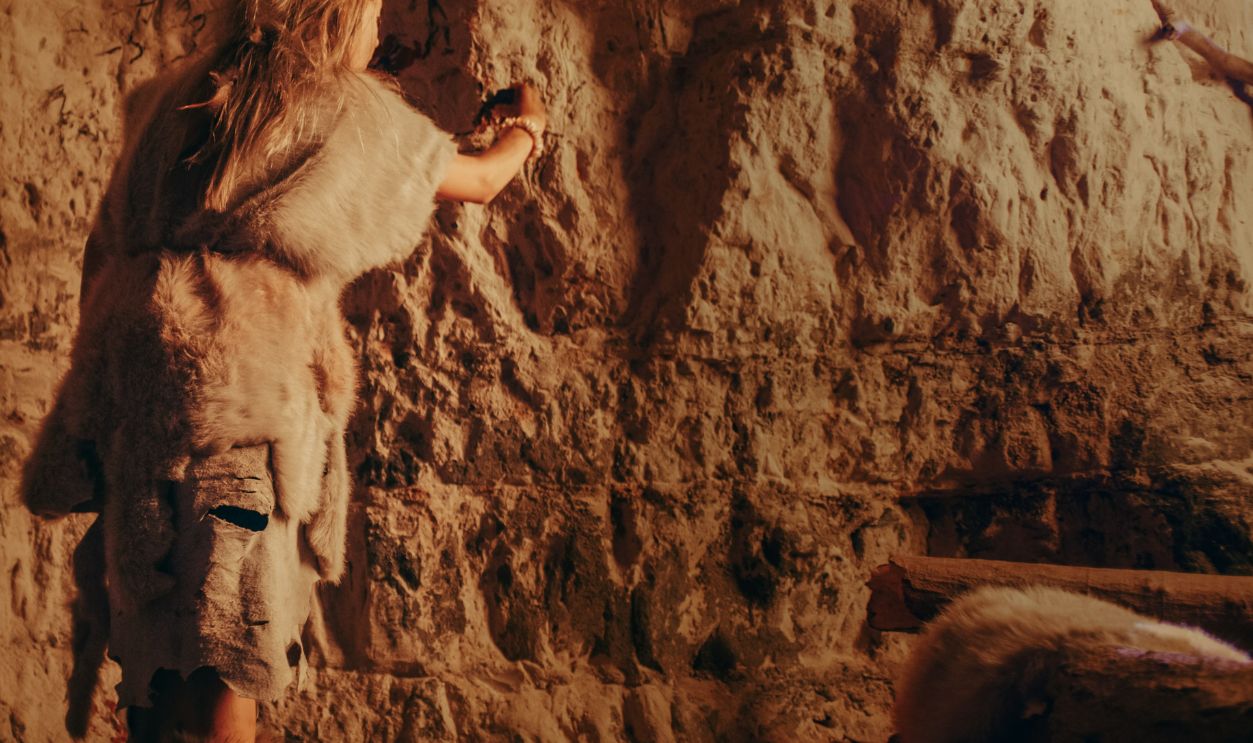
The Big Question
Archaeologists have long debated whether Neanderthals could actually make fire on demand. Using fire is one thing. Creating it whenever you need it is a whole different level of skill. That’s where the newest research gets interesting.
 Neanderthal-Museum, Mettmann, Wikimedia Commons
The Barnham Discovery
A major study reported evidence from Barnham, a Paleolithic site in Suffolk, England, suggesting early Neanderthals or closely related archaic humans were making fire around 400,000 years ago. Nature described it as the earliest evidence so far for deliberate fire-making.
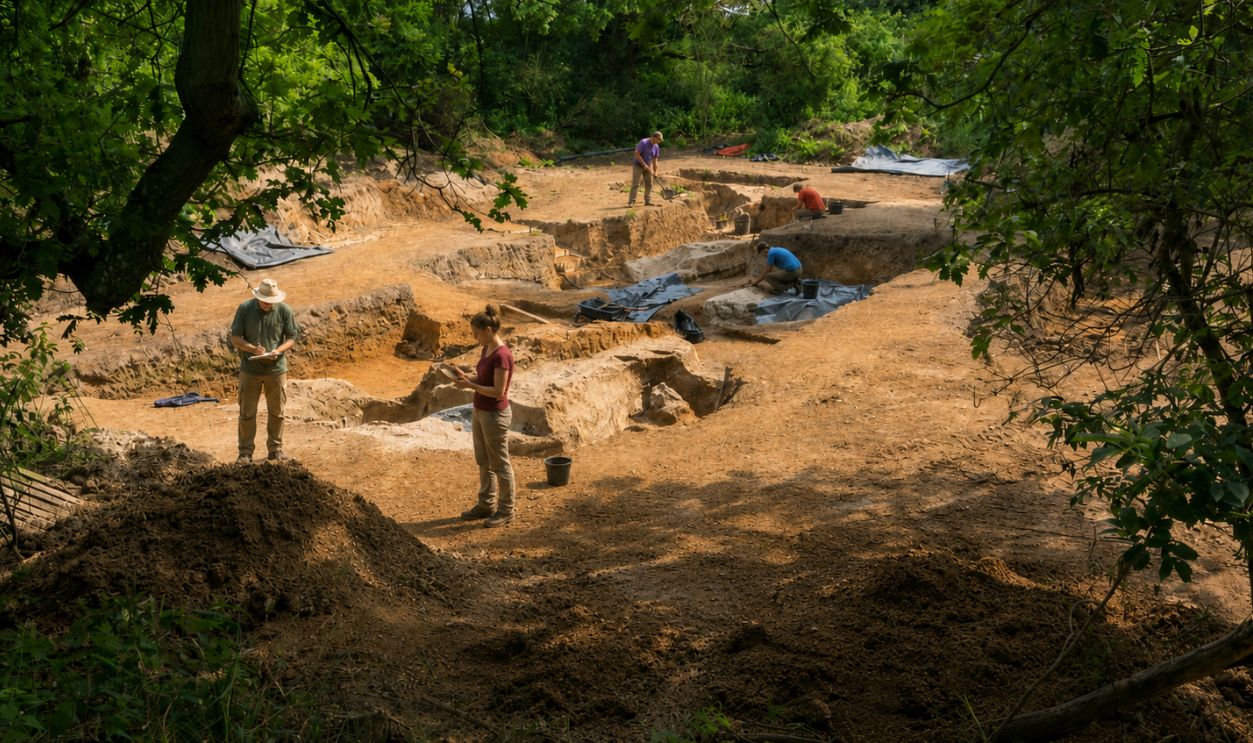
Baked Soil and Burned Tools
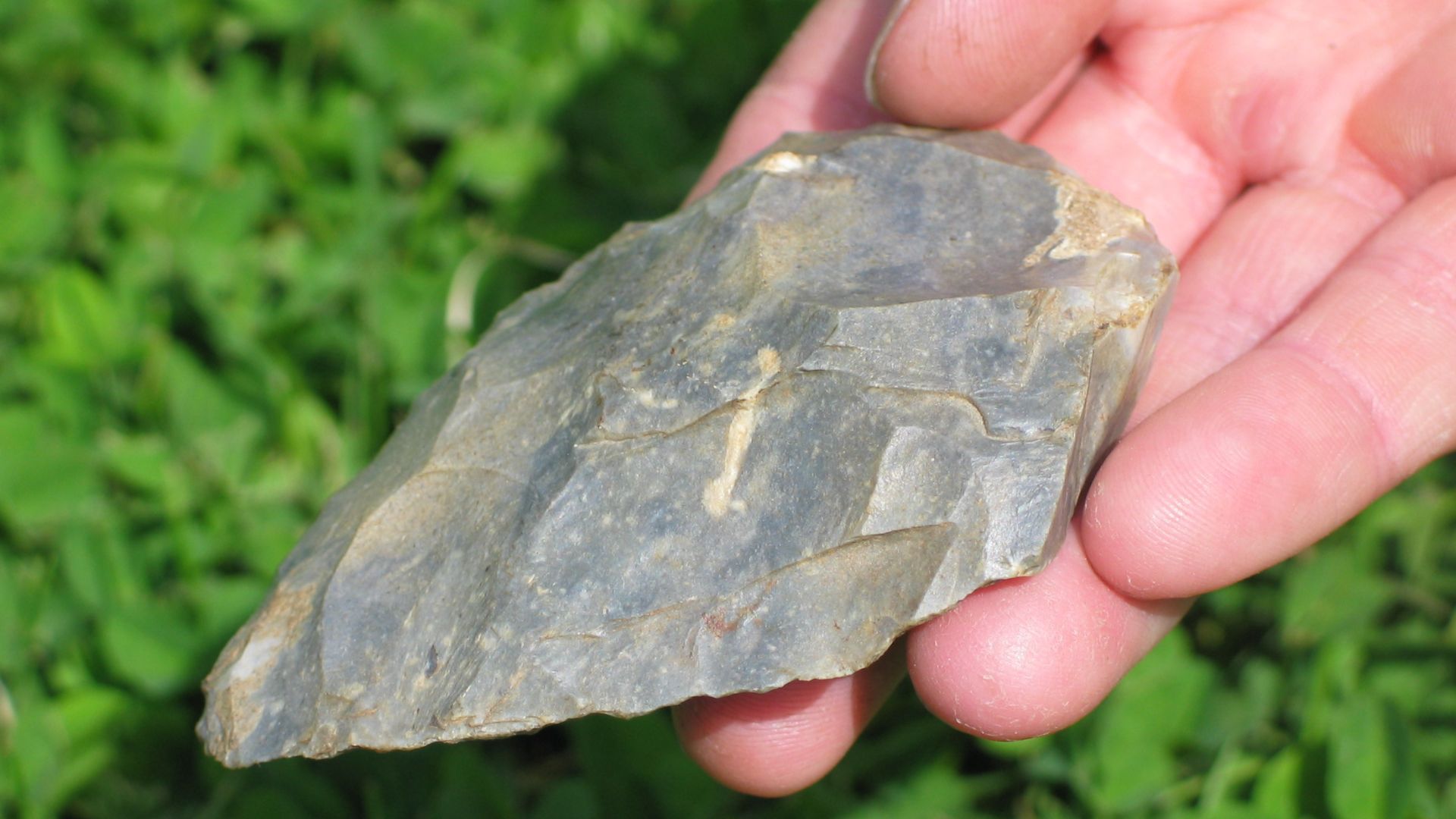
At Barnham, researchers found baked sediment, heat-damaged hand axes, and geochemical evidence of burning temperatures above natural surface fires. That combination made the site look less like a random wildfire and more like repeated, controlled fire use.
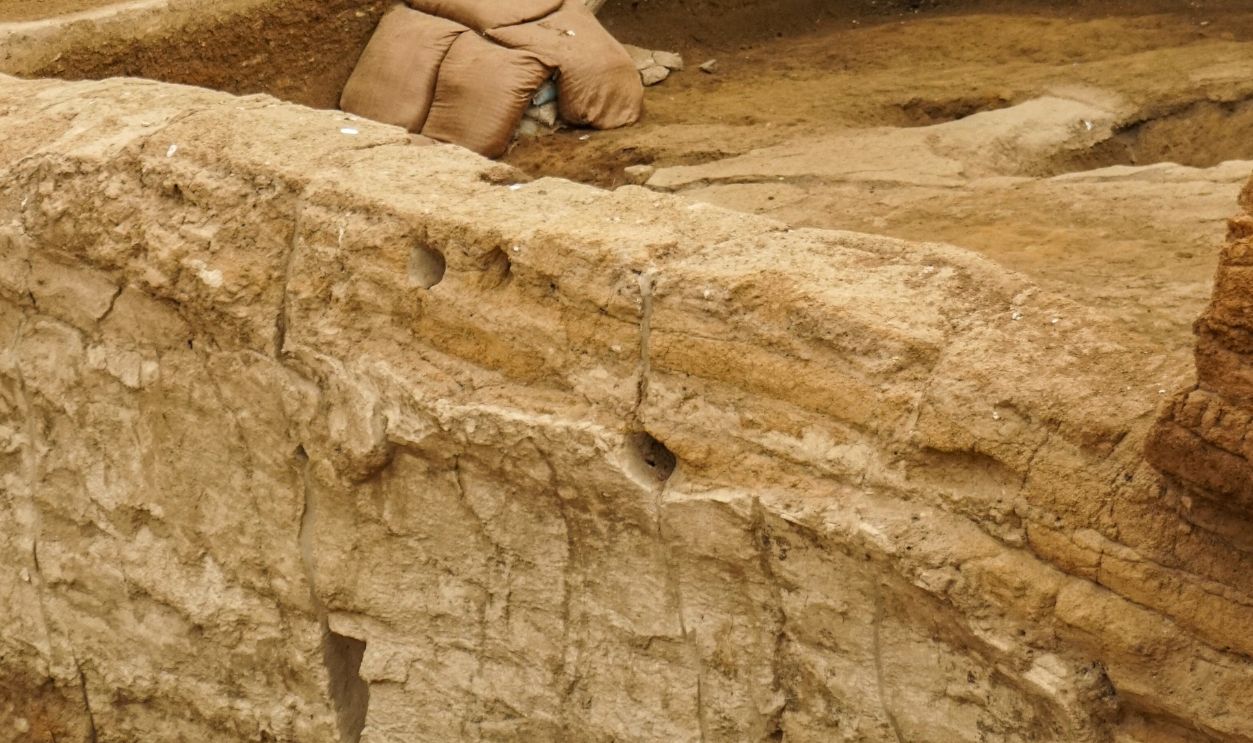
The Spark-Maker Clue
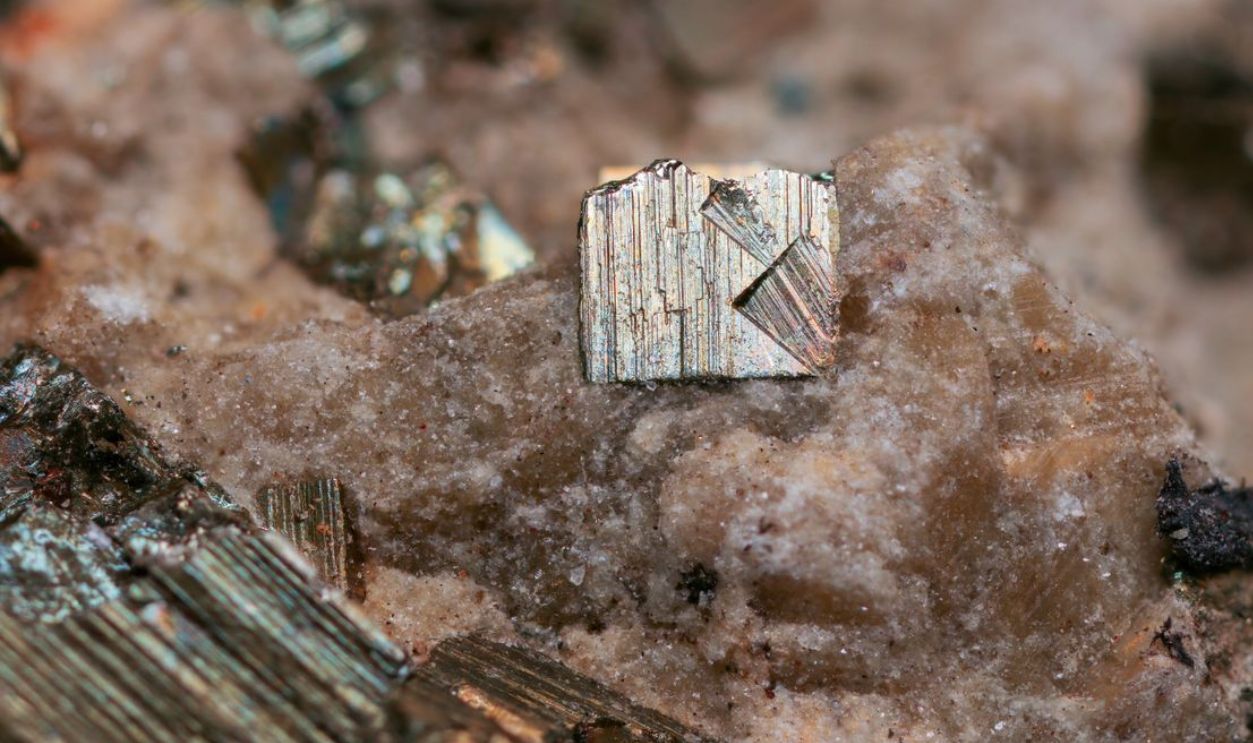
The really exciting clue was iron pyrite, a mineral that can create sparks when struck against flint. Since pyrite does not naturally occur at Barnham, researchers argue someone likely brought it there on purpose. That is a pretty big 'not accidental' detail.
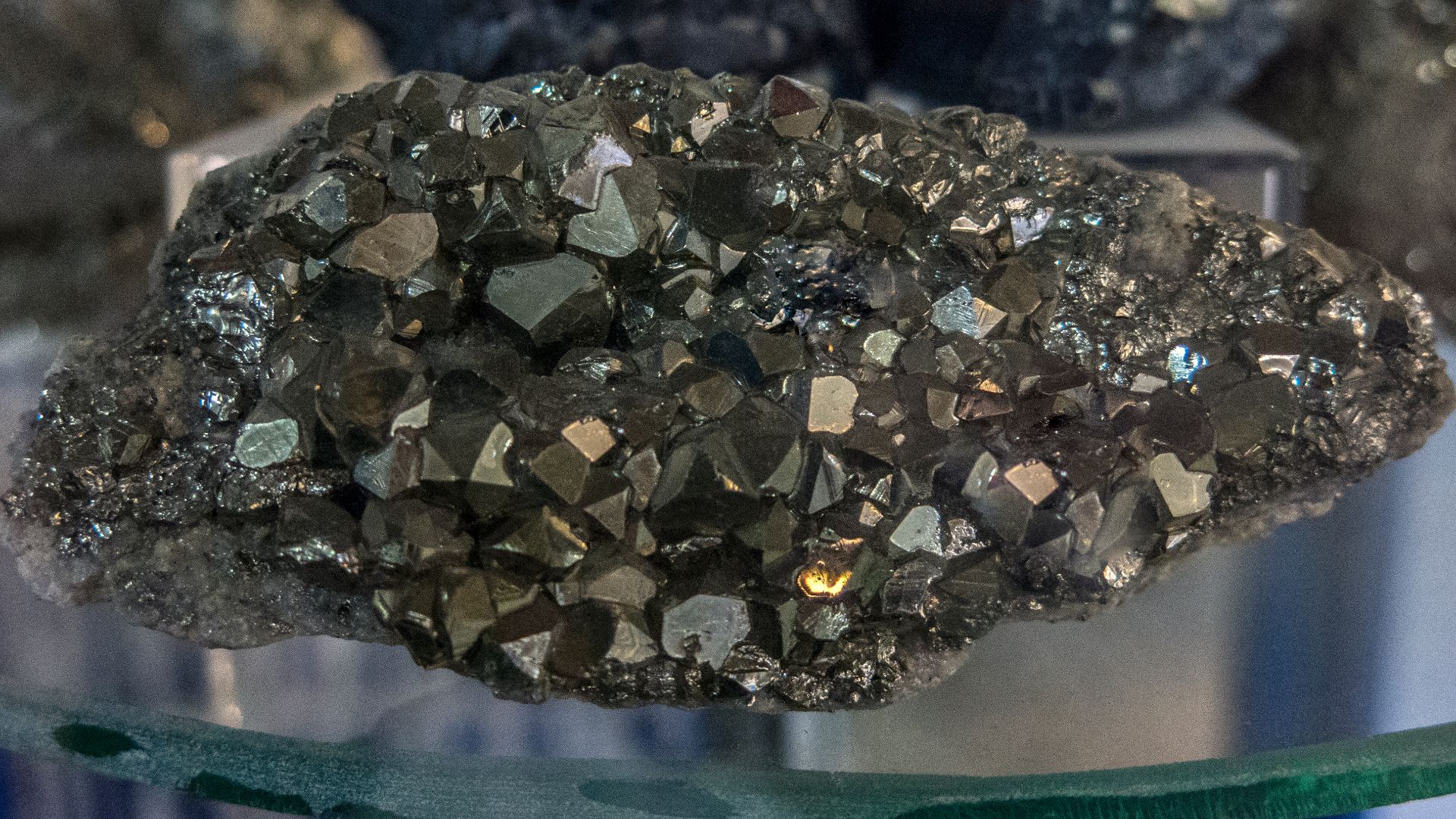 Mahdikarimi70, Wikimedia Commons
Earlier Than Expected
Before this, the clearest evidence for deliberate Neanderthal fire-making was much younger, around 50,000 years old in France. If the Barnham interpretation holds up, it pushes intentional fire-making back by more than 350,000 years.
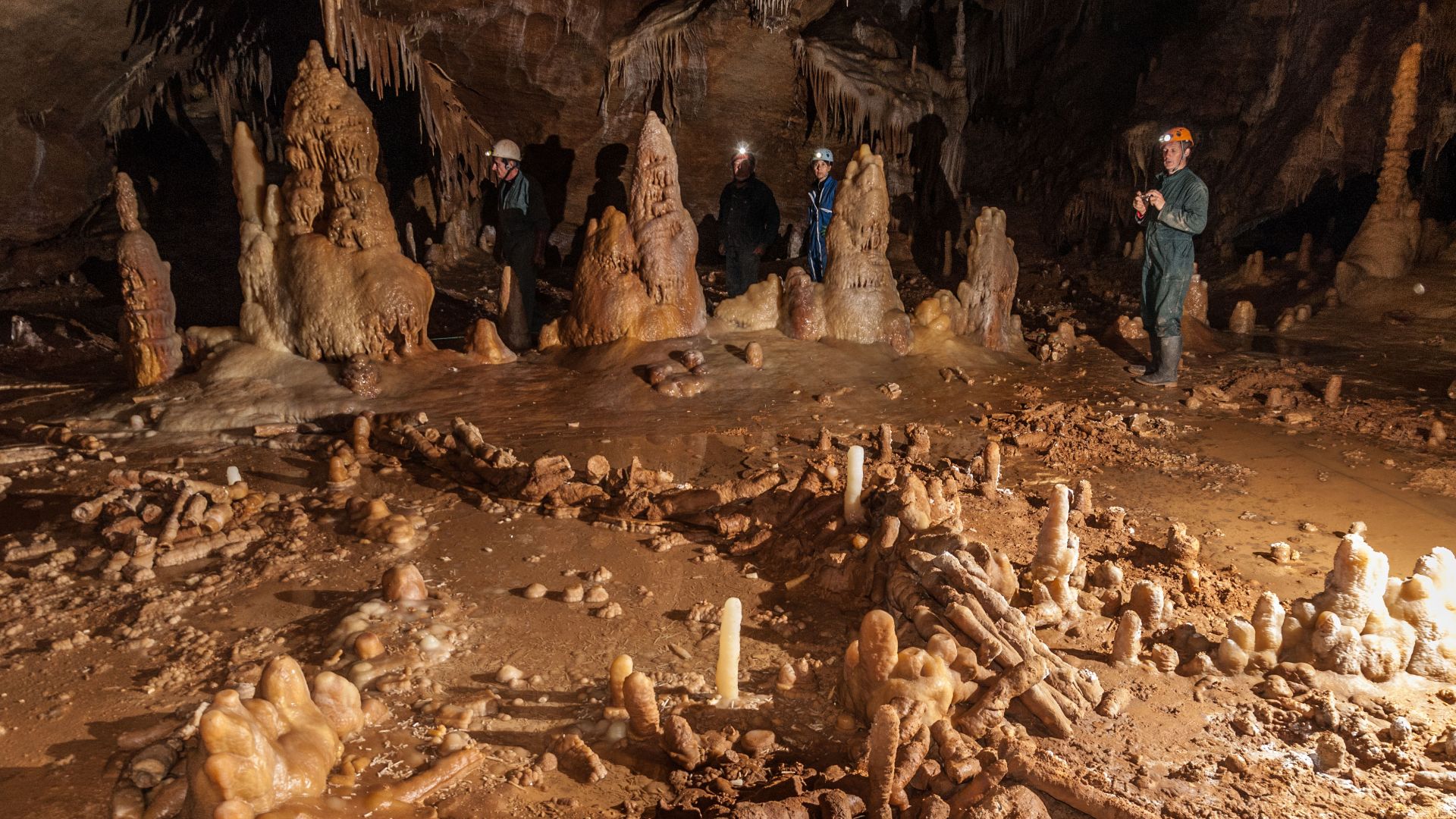 Luc-Henri Fage/SSAC, Wikimedia Commons
Then France Added More Clues
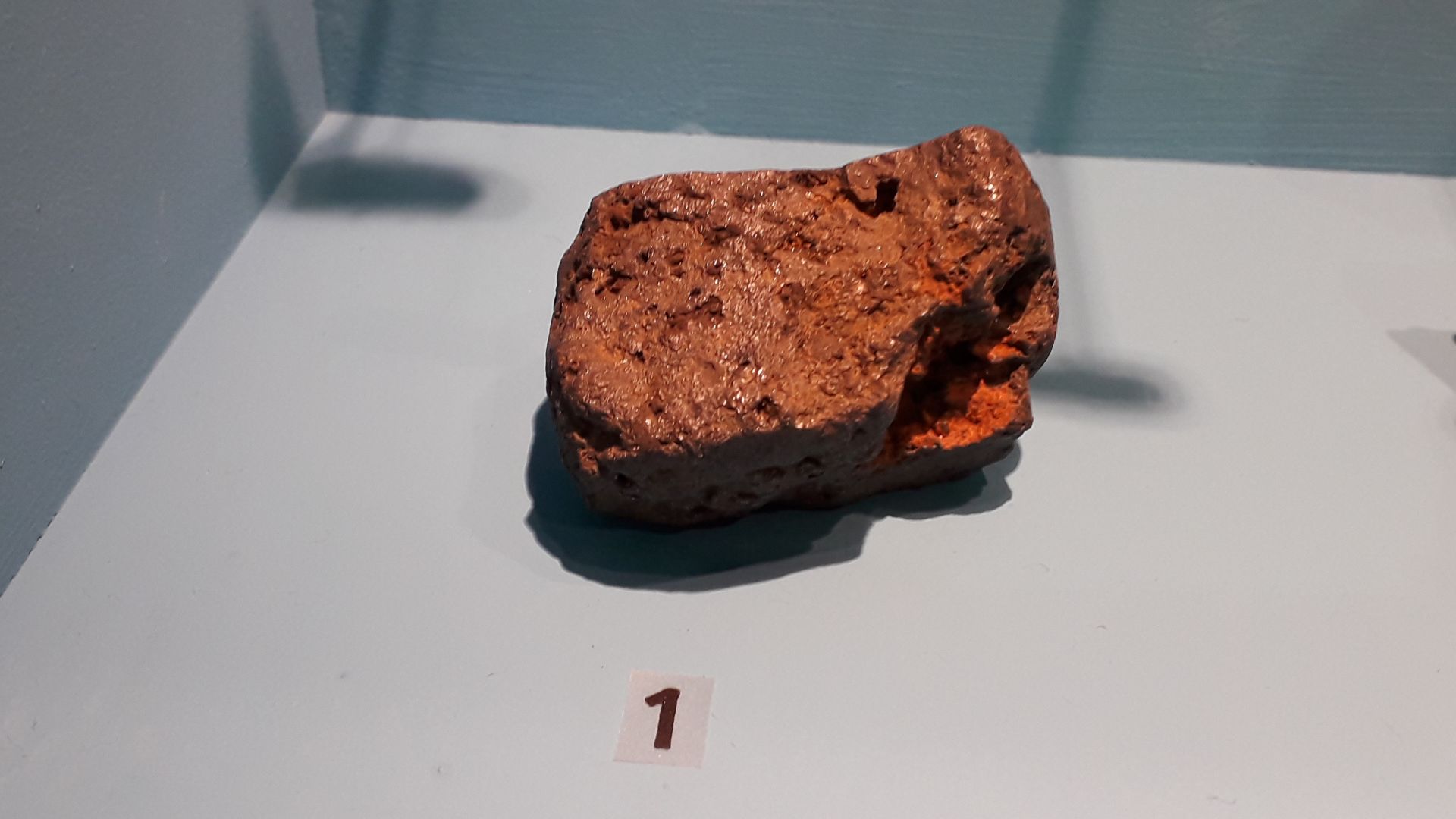
Another important piece of the story comes from Pech-de-l’Azé I in southwestern France. There, researchers studied black mineral blocks collected by Neanderthals. At first, many thought they were pigments. Then the chemistry got weird—in a good way.
The Manganese Mystery
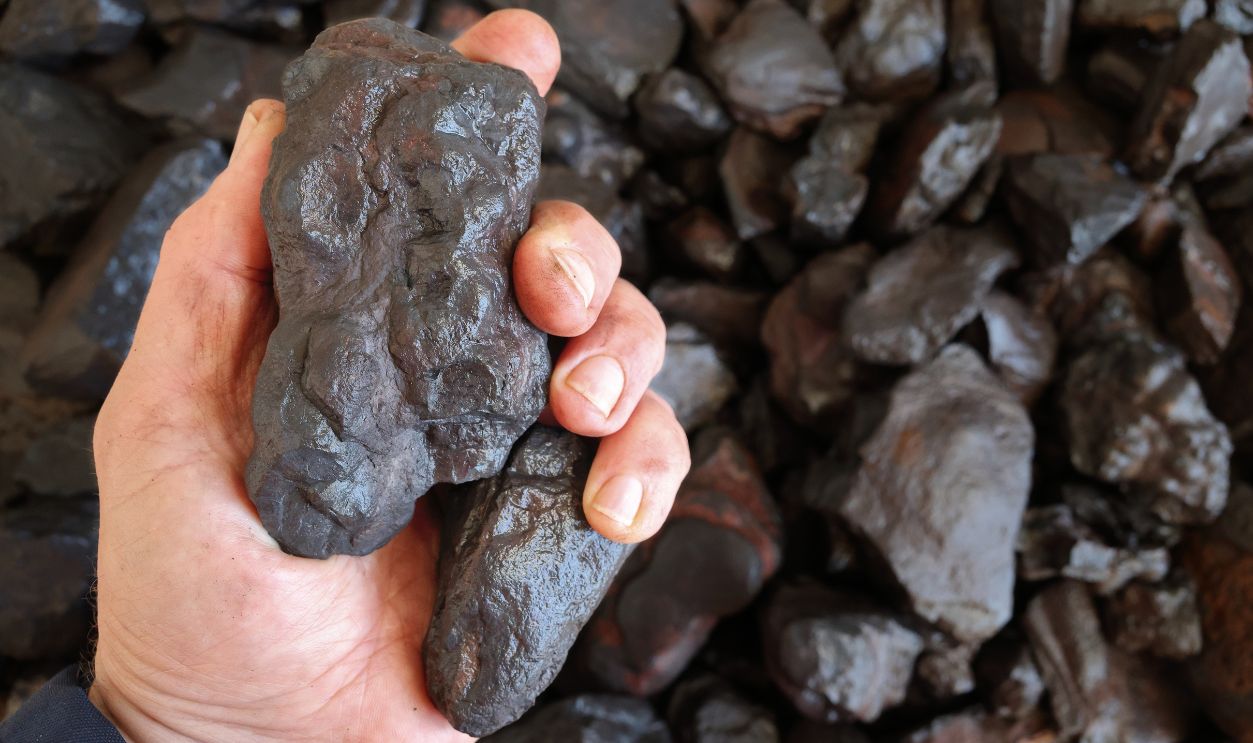
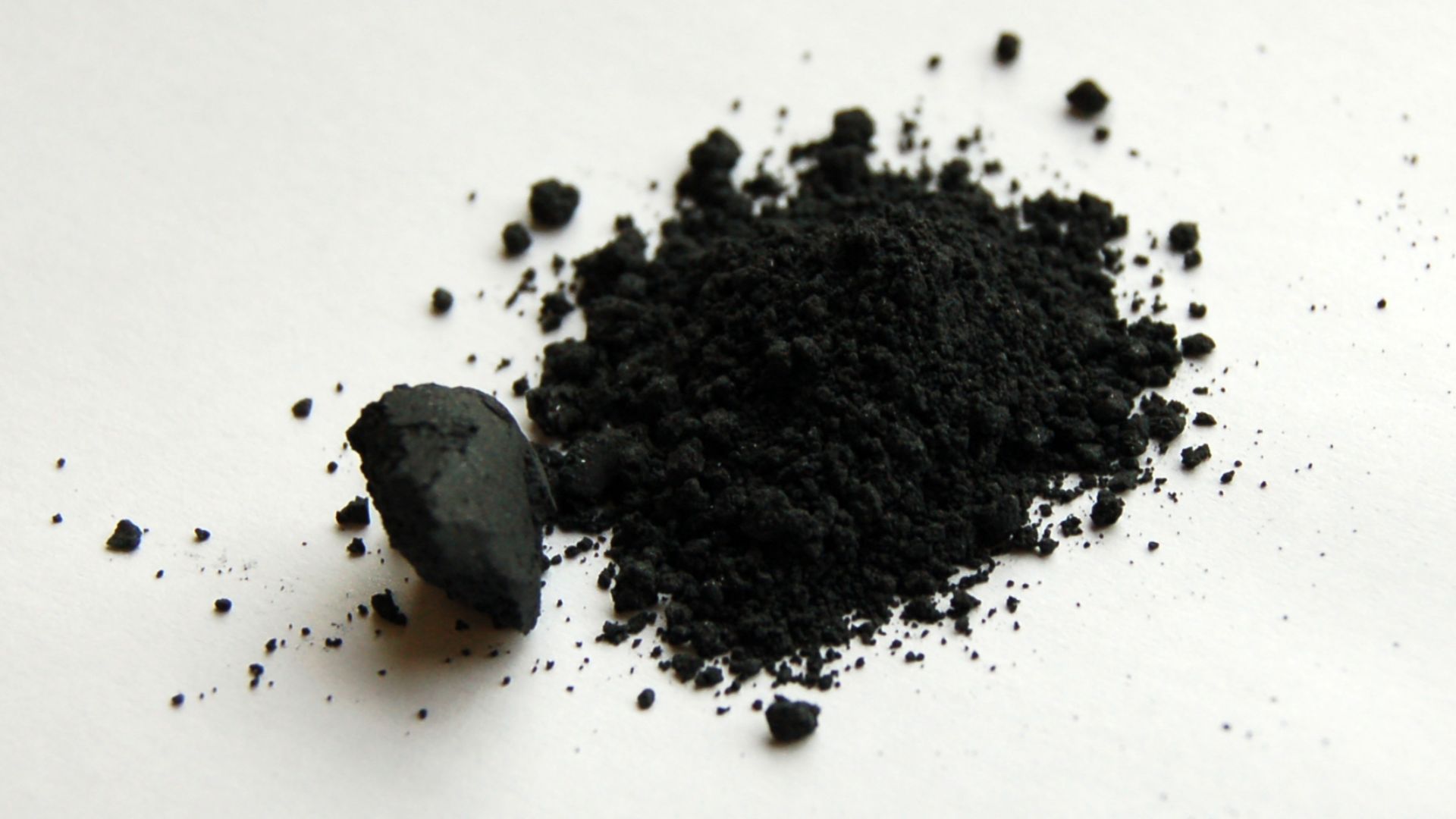
Scientists found that Neanderthals were deliberately selecting manganese dioxide, not just random black rocks. That mattered because manganese dioxide can help wood ignite more easily. So, instead of body paint, these minerals may have been fire-starting helpers.
The Fire Experiment
In a 2016 Scientific Reports study, researchers tested powdered manganese dioxide and found it reduced the temperature needed for wood combustion by about 80 to 180°C. That means Neanderthals may have discovered a prehistoric fire hack.
 Benjah-bmm27, Wikimedia Commons
Not Just Guesswork
The researchers also found archaeological evidence that the manganese dioxide blocks had been ground into powder. That matters because powder works better for fire-starting than chunky mineral blocks. Neanderthals were not just collecting shiny rocks for fun.

Sparks From Stone
A 2018 Scientific Reports study added another layer. Researchers examined Neanderthal tools and argued that some hand axes showed wear patterns consistent with being struck against pyrite to make sparks. That suggests fire-making may have been part of their tool use.
 DocteurCosmos, Wikimedia Commons
A Prehistoric Lighter
Put together, the evidence suggests Neanderthals may have used a combination of flint tools, pyrite, tinder, and possibly manganese dioxide. In modern terms, they may have had a very rough, very smoky prehistoric lighter. Not stylish, but effective.
Why This Matters
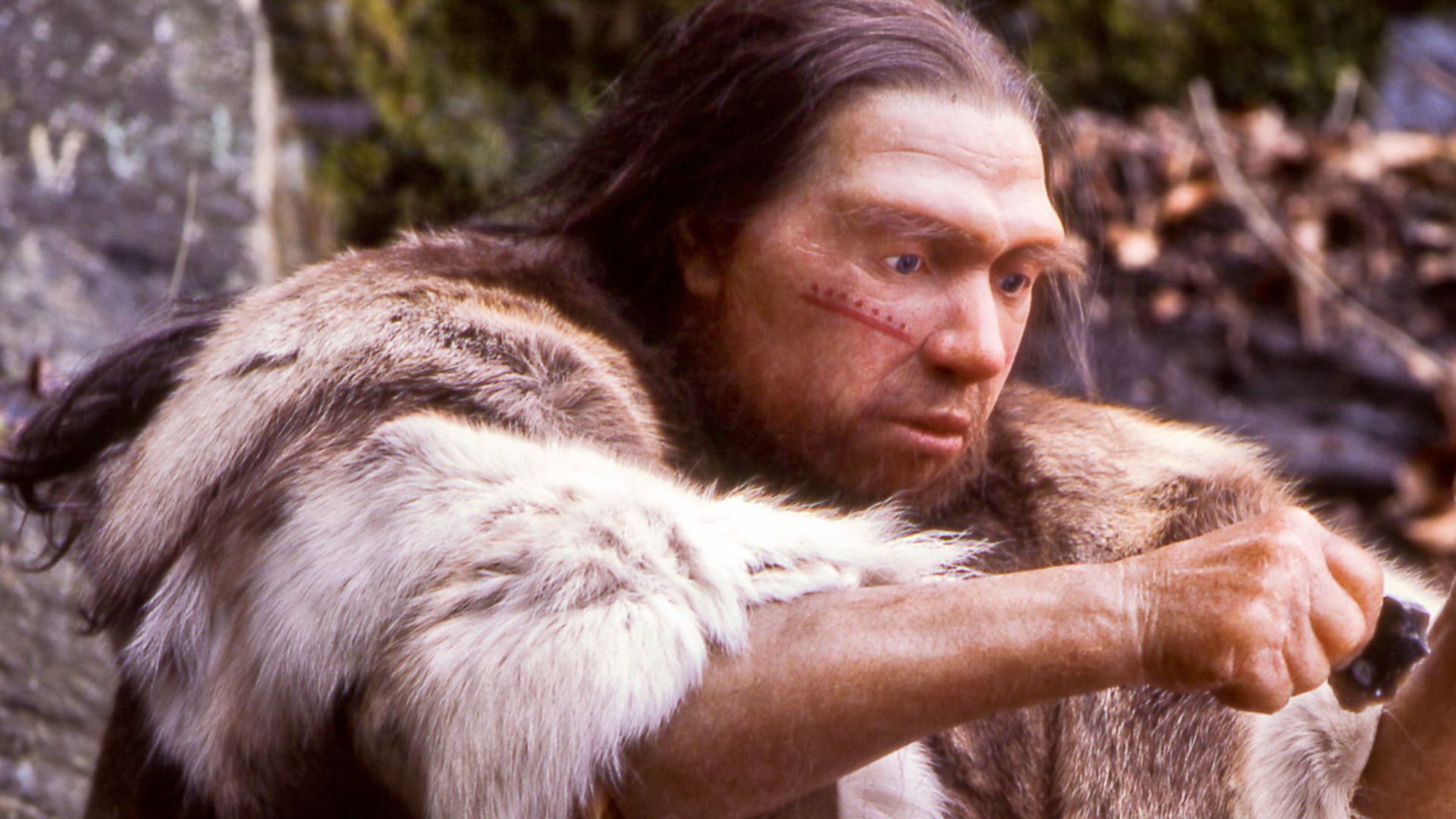
Making fire on demand requires planning. You need the right materials, the right technique, and enough knowledge to repeat the process. That points to intelligence, memory, experimentation, and probably someone saying, 'No, hit the rock like this.'
 Neanderthal-Museum, Mettmann, Wikimedia Commons
Survival in the Cold
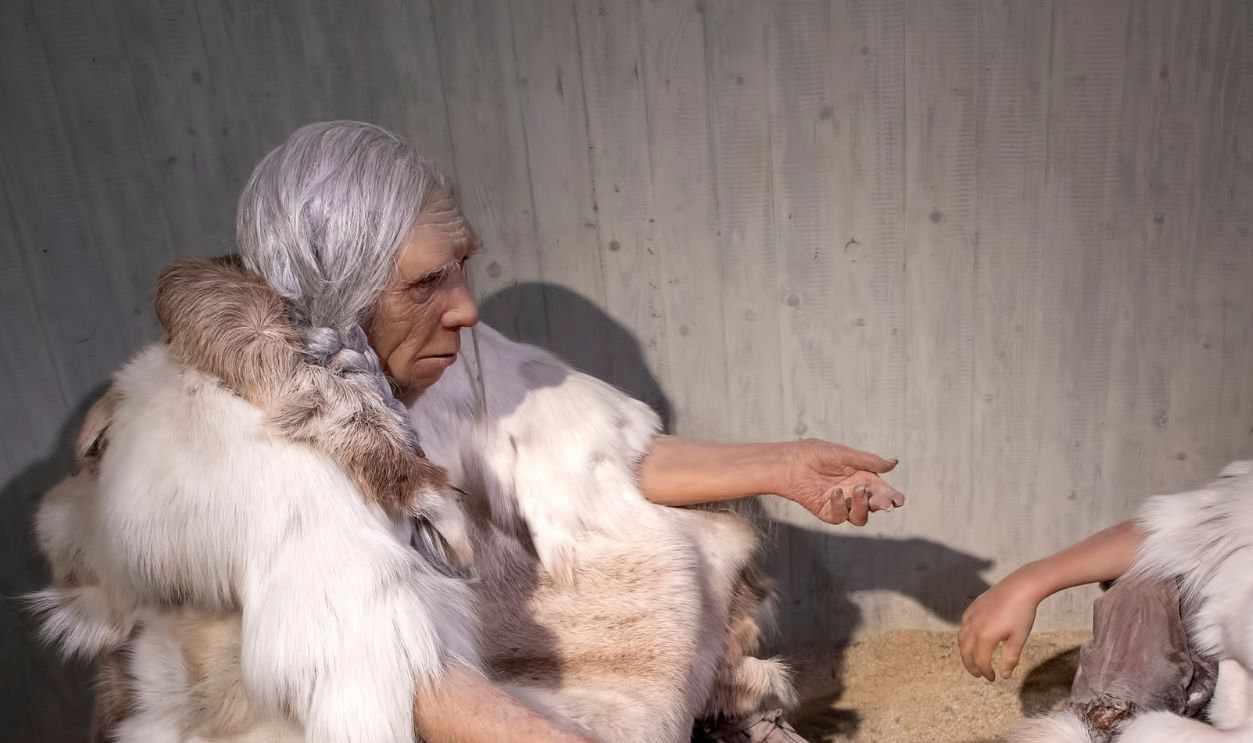
Fire-making would have been especially important in northern Europe. In places like Ice Age Britain, being able to create fire could mean surviving freezing temperatures, drying wet clothing, cooking meat, and keeping predators away. That is not a small advantage.
Not Everyone Is Fully Convinced
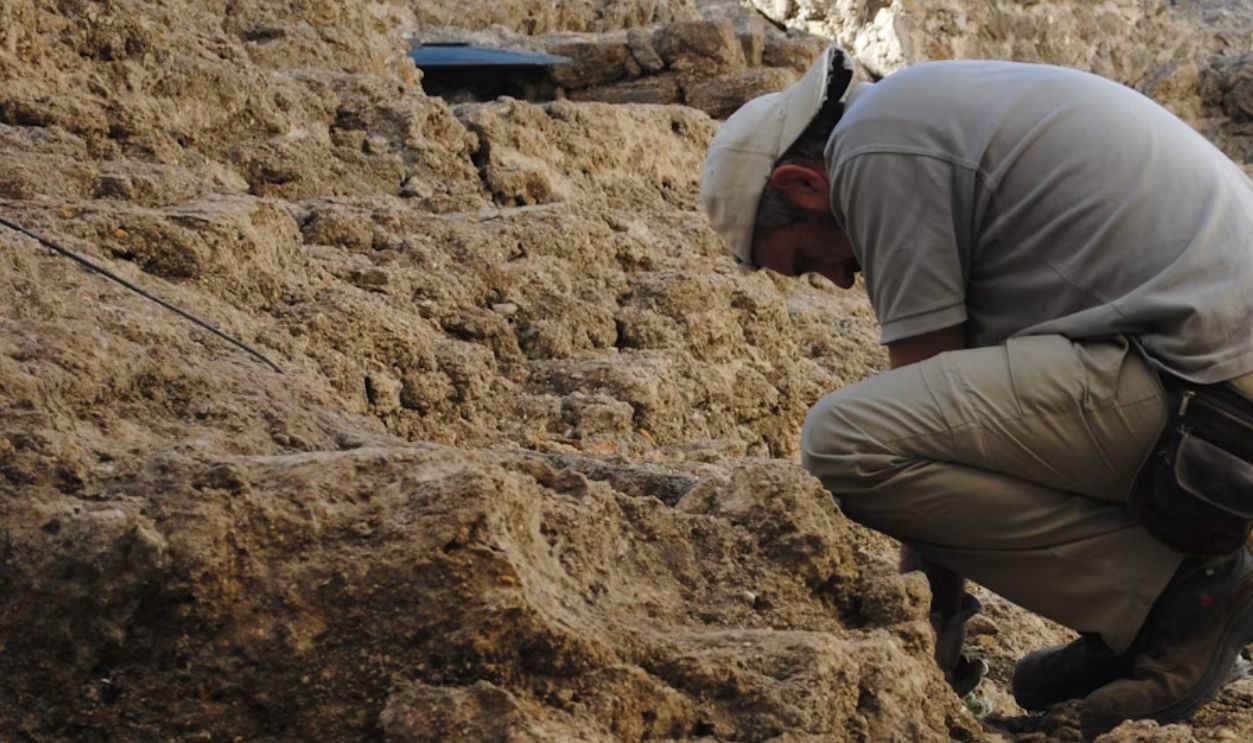
Archaeologists are careful people, which is good because nobody wants history built on vibes. Some experts note that distinguishing natural fire from human-made fire is difficult, especially at very old sites. But the combined Barnham evidence is considered unusually strong.
The Story Keeps Building
The Barnham evidence does not stand alone. The French manganese studies and tool-wear research support the broader idea that Neanderthals understood fire technology in a surprisingly advanced way. The picture is becoming harder to ignore.

Neanderthals Were Experimenters
The manganese dioxide research is especially fascinating because it suggests experimentation. Neanderthals may have noticed that certain minerals made fires easier to start, then deliberately collected and processed those materials. That is not brute behavior. That is practical science.
The Old Image Falls Apart Again
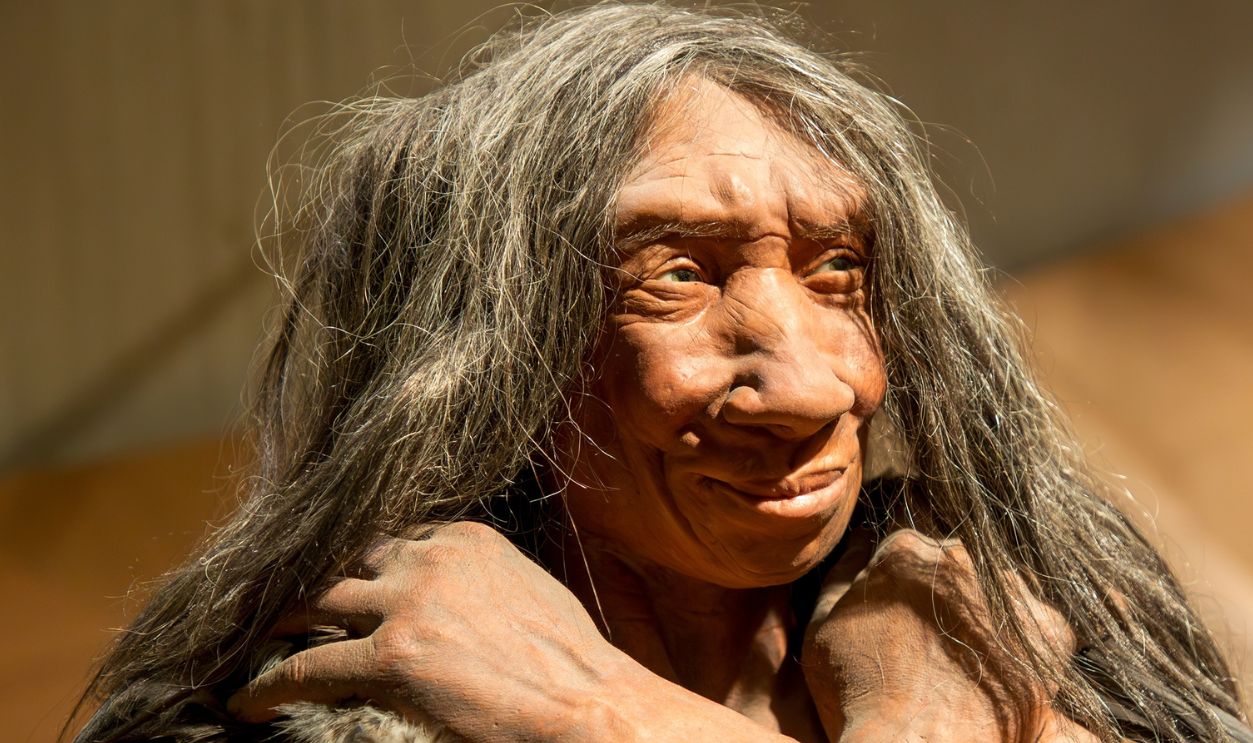
For decades, Neanderthals were treated like the rough draft of humanity. But fire-making evidence adds to a growing list of abilities: toolmaking, hunting, caring for others, symbolic behavior, and adapting to brutal environments. They were not simple.
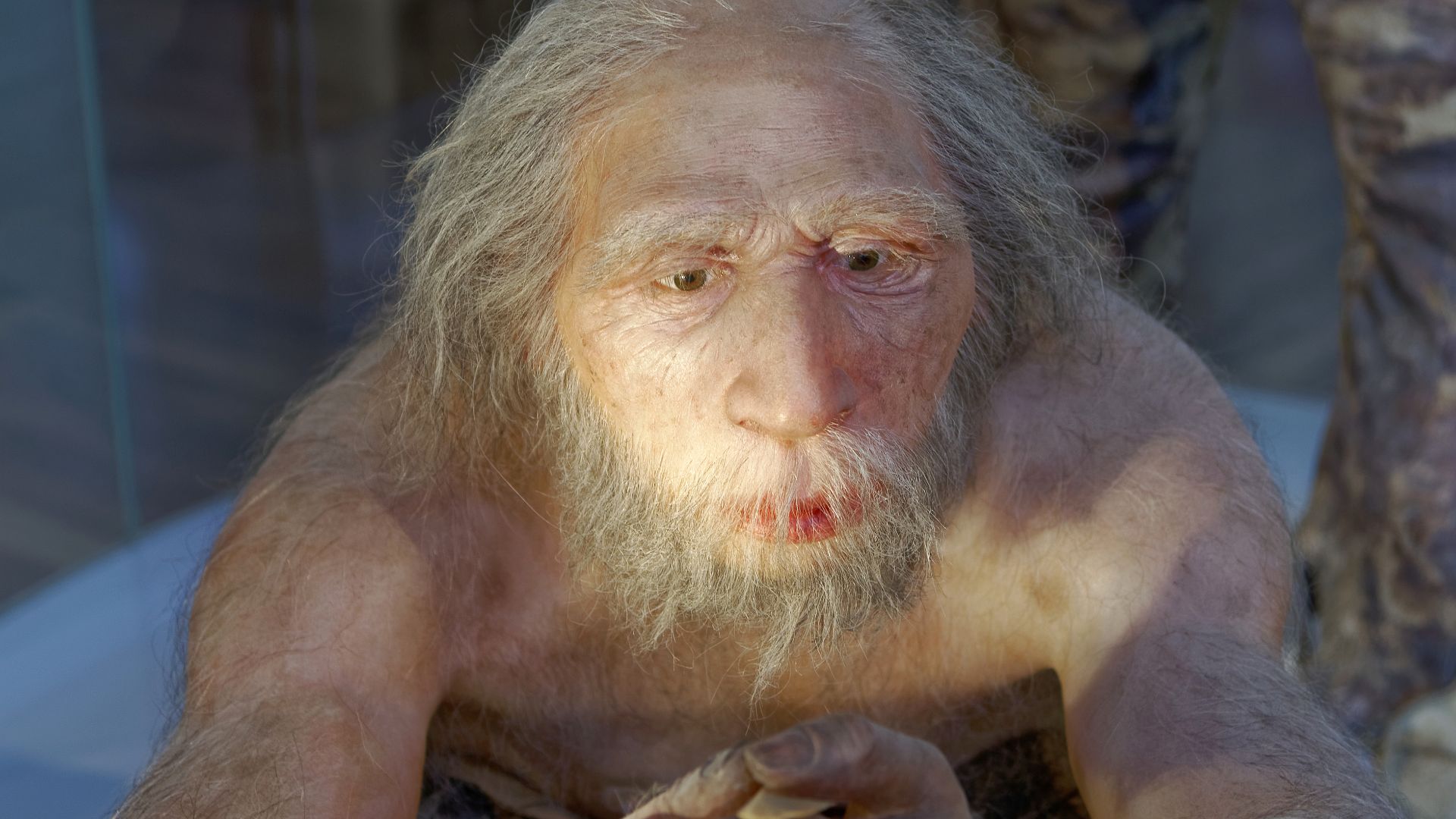 Jakub Halun, Wikimedia Commons
The Most Important Spark
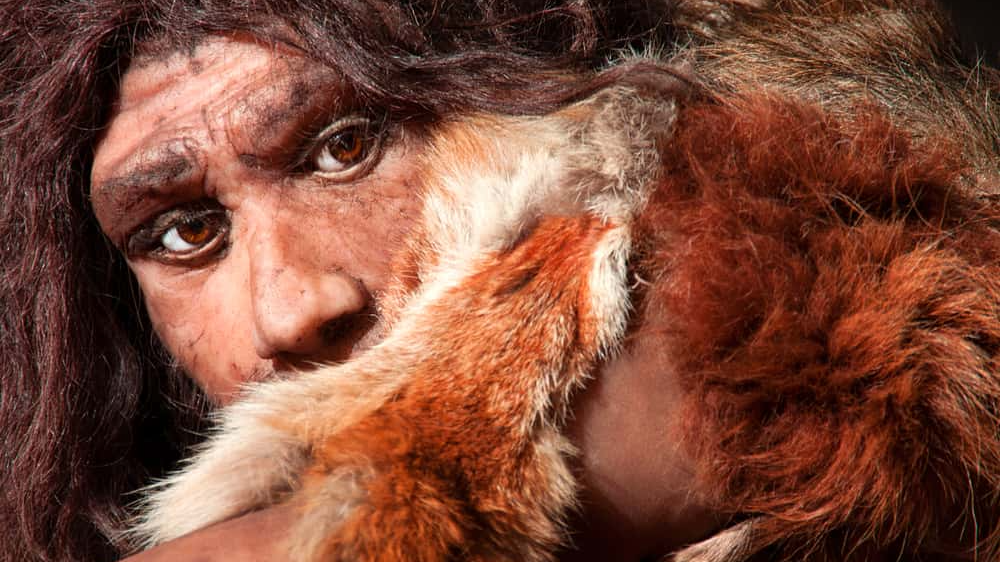
The biggest takeaway is not just that Neanderthals used fire. It is that they may have known how to make it intentionally, repeatedly, and strategically. That changes how researchers think about their minds and daily lives.
The Flame That Rewrites History
If the latest research holds up, Neanderthals may have mastered intentional fire-making far earlier than anyone expected. A few burned tools, mineral traces, and ancient sparks are now helping rewrite one of the oldest survival stories in human history.
You May Also Like: