


Archaeology’s Grossest Dinner Party
Modern “Paleo diet” fans usually picture sizzling steaks, wild berries, and rugged caveman abs. What they probably don’t picture is spoiled meat wriggling with maggots sitting in the prehistoric equivalent of a pantry for weeks. But according to recent research, Neanderthals may have been dining on exactly that—and scientists say it may explain why their bodies carried surprisingly unhealthy chemical signatures.
 Gorodenkoff, www.shutterstock.com
The Original Paleo Menu Wasn’t Instagram-Friendly
Researchers now believe Neanderthal diets were far messier than the clean-eating fantasy promoted today. Instead of fresh slabs of mammoth meat cooked over a fire every night, ancient humans probably relied on partially rotten animal carcasses stored for long stretches. That means their meals likely came with plenty of bacteria, decay, and insects included for free.
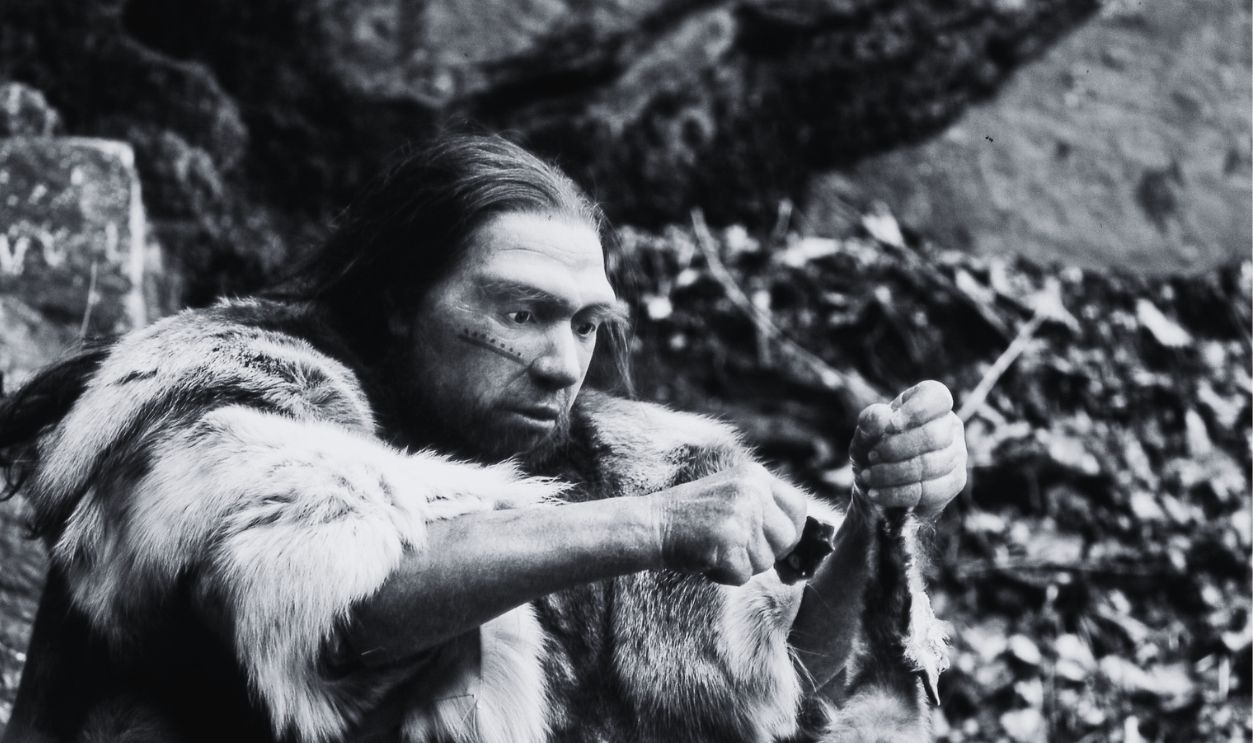 Neanderthal-Museum, Mettmann, Wikimedia Commons
Scientists Were Confused By Their Bones
For decades, archaeologists studying Neanderthal bones found unusually high nitrogen levels. Those readings made researchers assume Neanderthals were “hypercarnivores” sitting at the absolute top of the food chain alongside wolves and cave lions. The problem was that the amount of lean meat required to create those numbers would have been dangerously unhealthy for humans.
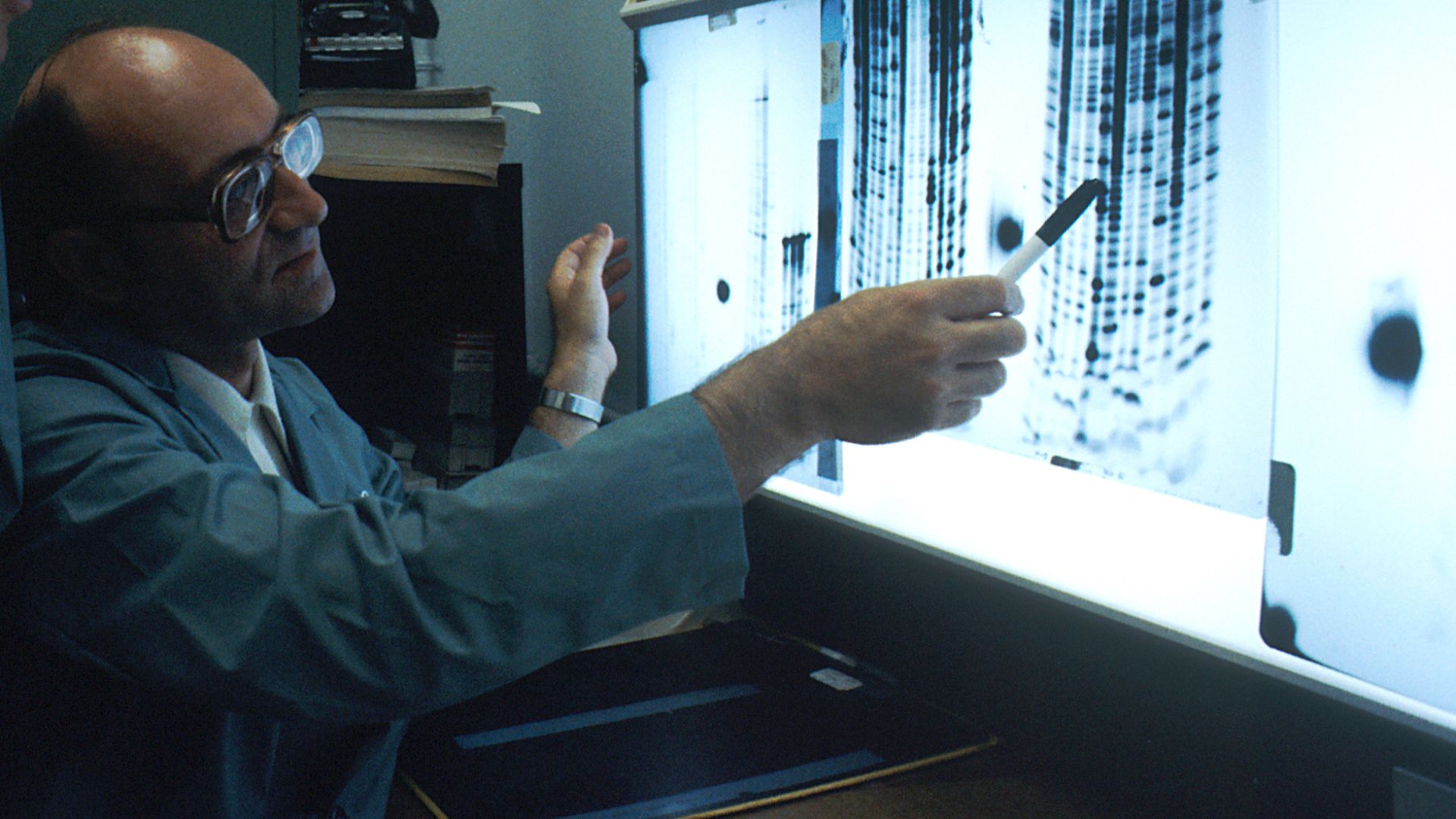 Linda Bartlett (Photographer), Wikimedia Commons
Humans Can’t Actually Eat Like Lions
Unlike true carnivores, humans cannot safely process massive amounts of protein for long periods. Researchers explained that too much lean meat can cause protein poisoning because the liver struggles to handle it. In other words, a nonstop mammoth-steak lifestyle would probably have wrecked a Neanderthal’s body before winter even arrived.
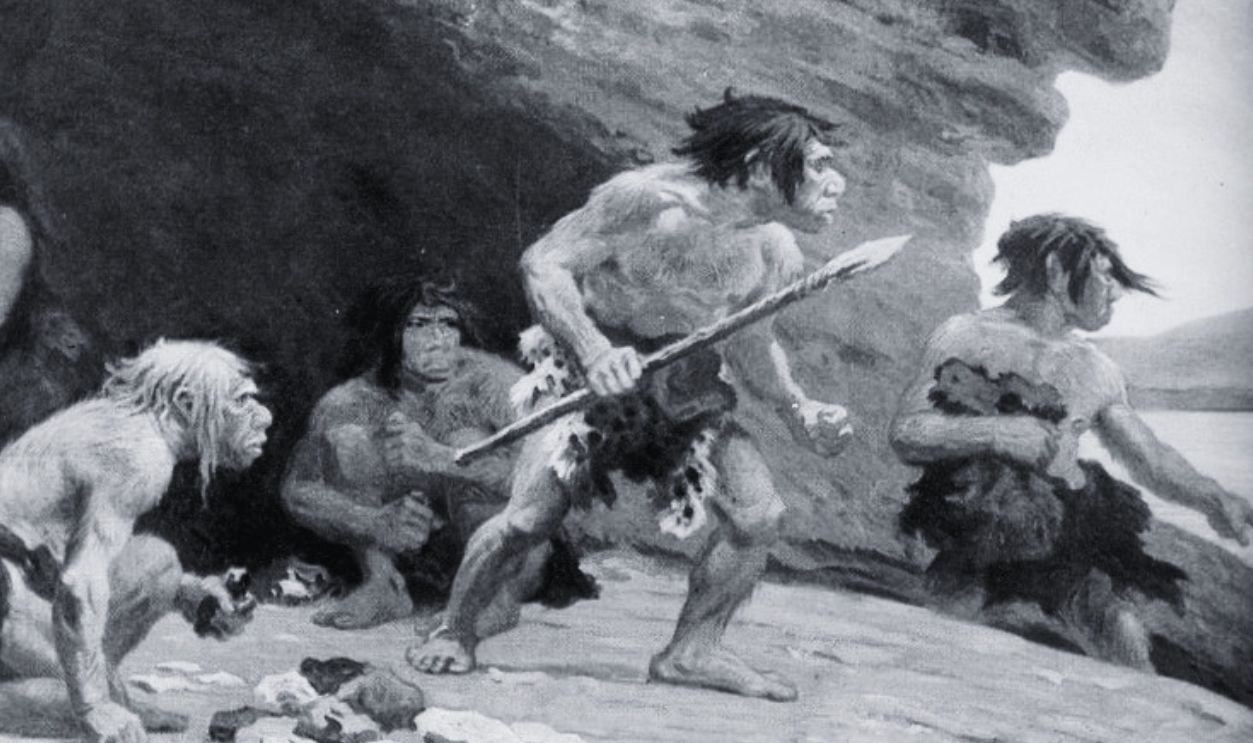 Charles Robert Knight, Wikimedia Commons
Enter The Maggots
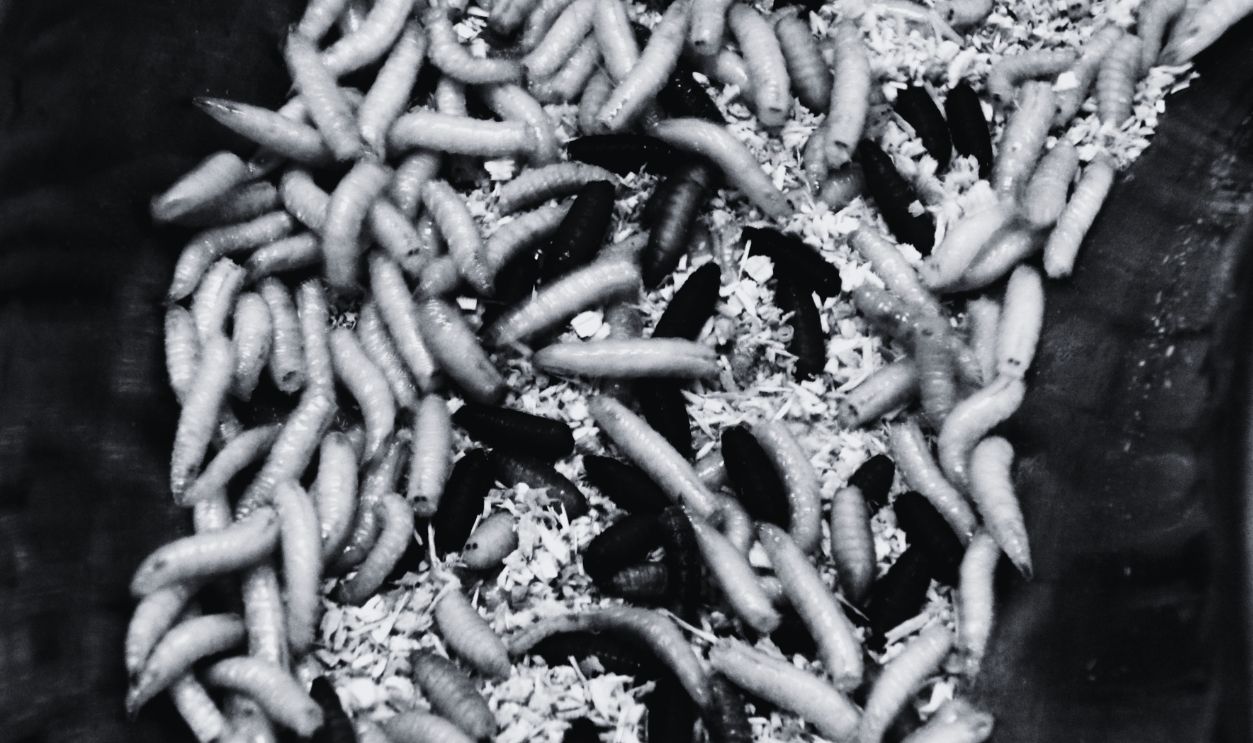
The new theory suggests the missing ingredient was maggots feeding on decomposing meat. Scientists discovered that maggots carry extremely high nitrogen levels, which could explain the strange chemical signatures found in Neanderthal remains. Suddenly, the mystery of the “super meat eaters” started looking a lot more like a prehistoric garbage-bin buffet.
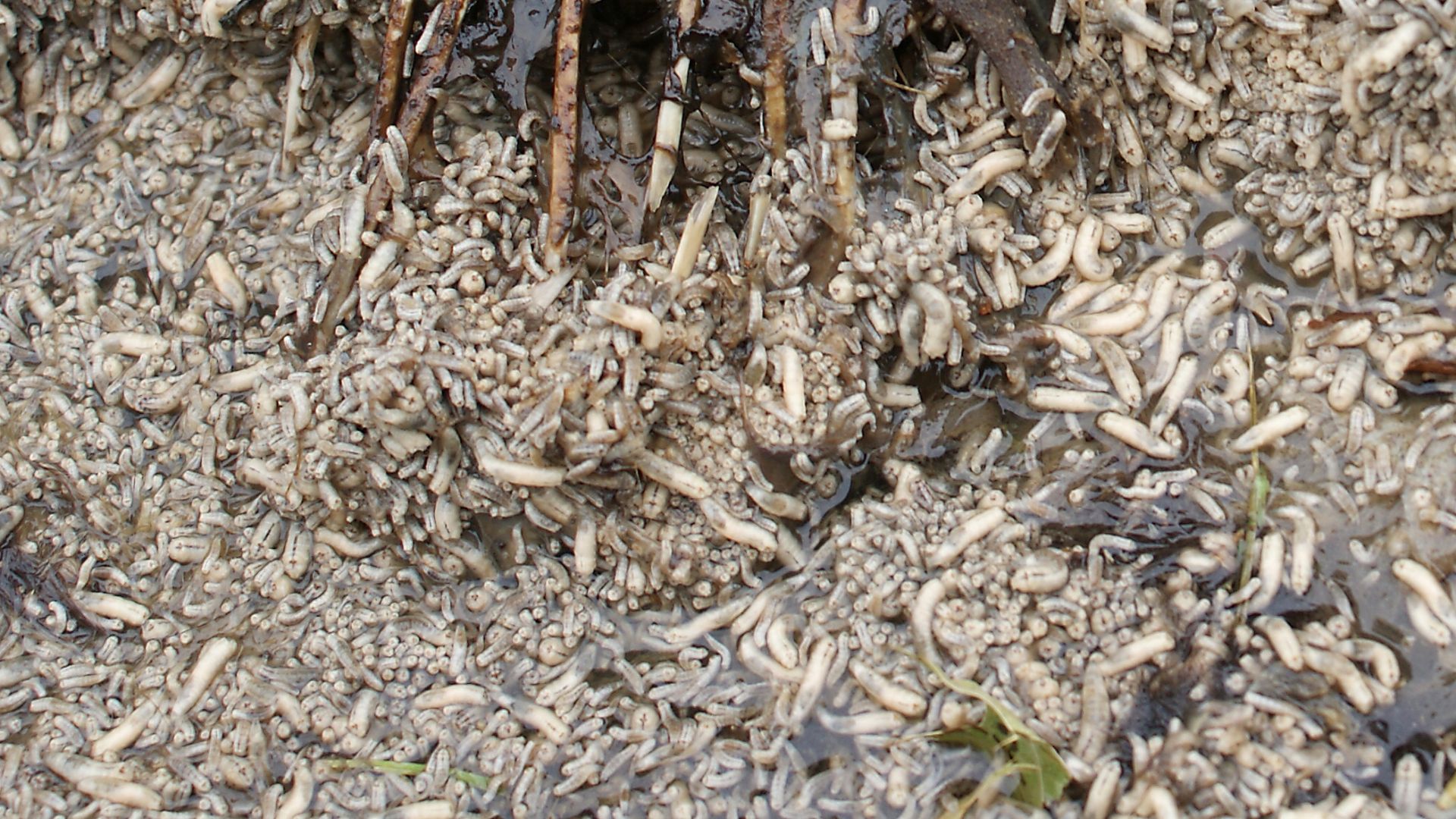
Rotten Meat Was Probably Stored On Purpose
Researchers believe Neanderthals may have deliberately stored carcasses for weeks or even months after a successful hunt. Without refrigeration, meat naturally rotted and attracted fly larvae. Instead of throwing it away, ancient humans likely treated the decomposing food as an important calorie source during hard times.
 Alan R Walker, Wikimedia Commons
Maggots Were Surprisingly Nutritious
As disgusting as it sounds today, maggots actually contain a lot of fat and protein. Scientists pointed out that larvae can provide a more balanced nutritional profile than lean meat alone. So while the diet sounds horrifying, those wriggly side dishes may have helped Neanderthals avoid deadly protein overload.
 Cory Doctorow, Wikimedia Commons
The Smell Was Apparently Not A Dealbreaker
Historical accounts from Indigenous communities around the world show that fermented meat and maggots were not always considered disgusting. Some groups intentionally allowed meat to age until larvae appeared because they valued the nutrition. Researchers noted that ancient people often cared more about survival and calories than modern ideas about freshness.

Scientists Used Human Cadavers To Test The Theory
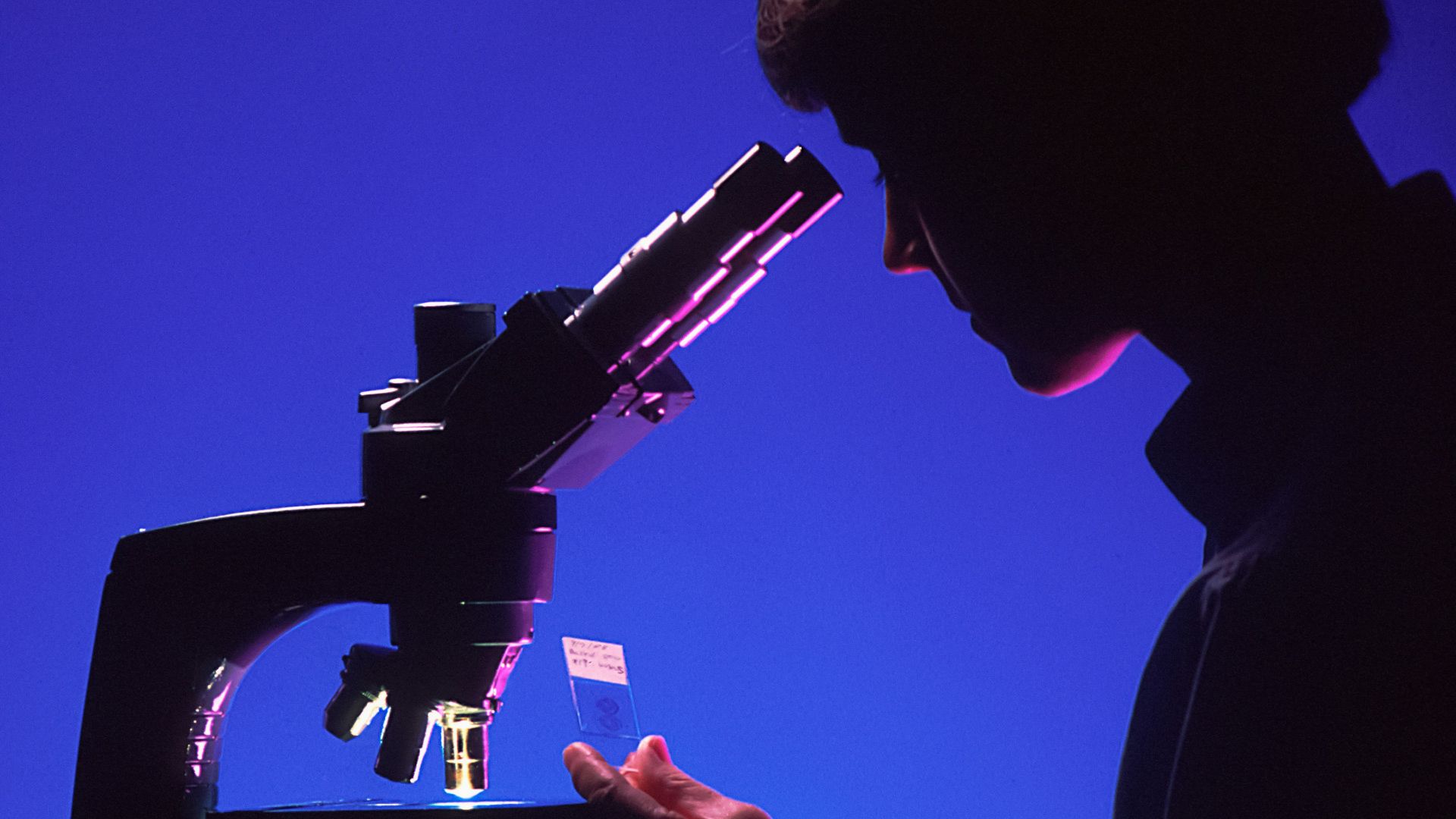
To study the process, researchers analyzed fly larvae feeding on decomposing human tissue at a forensic anthropology center. They measured nitrogen isotope levels in the maggots and compared them to ancient Neanderthal remains. The larvae showed nitrogen readings high enough to finally make the prehistoric diet puzzle fit together.
 National Cancer Institute, Unsplash
Neanderthals Probably Loved Fat More Than Meat
Experts now think Neanderthals were likely targeting fatty tissue rather than endlessly eating lean muscle. Fat provided more energy and helped balance their nutrition during brutal Ice Age conditions. That means the stereotypical image of cavemen obsessively chomping giant steaks may be wildly inaccurate.
The Diet Wasn’t Exactly Healthy
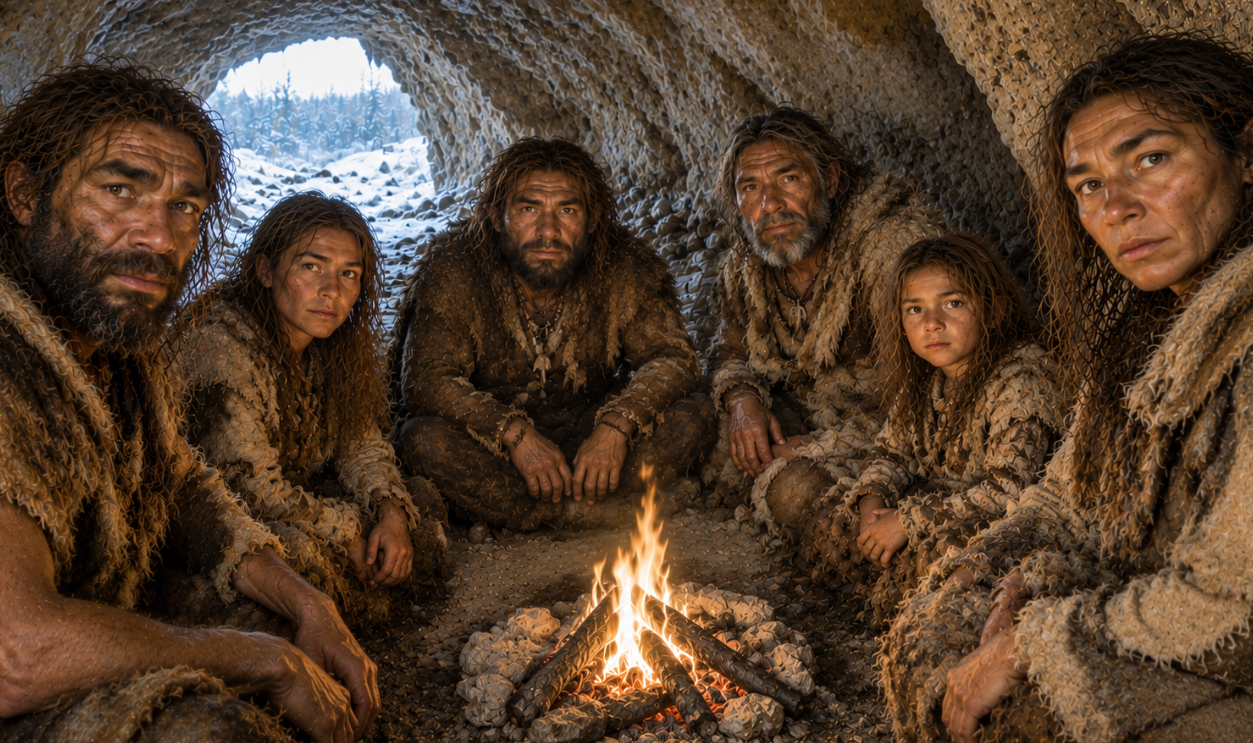
Even if the maggots solved the nitrogen mystery, the reconstructed diet still sounds rough on the body. Constant exposure to spoiled meat could increase the risk of dangerous bacteria and parasites. It may have been practical for survival, but nobody would mistake it for modern nutritional advice.
Ancient Humans Were Surprisingly Resourceful
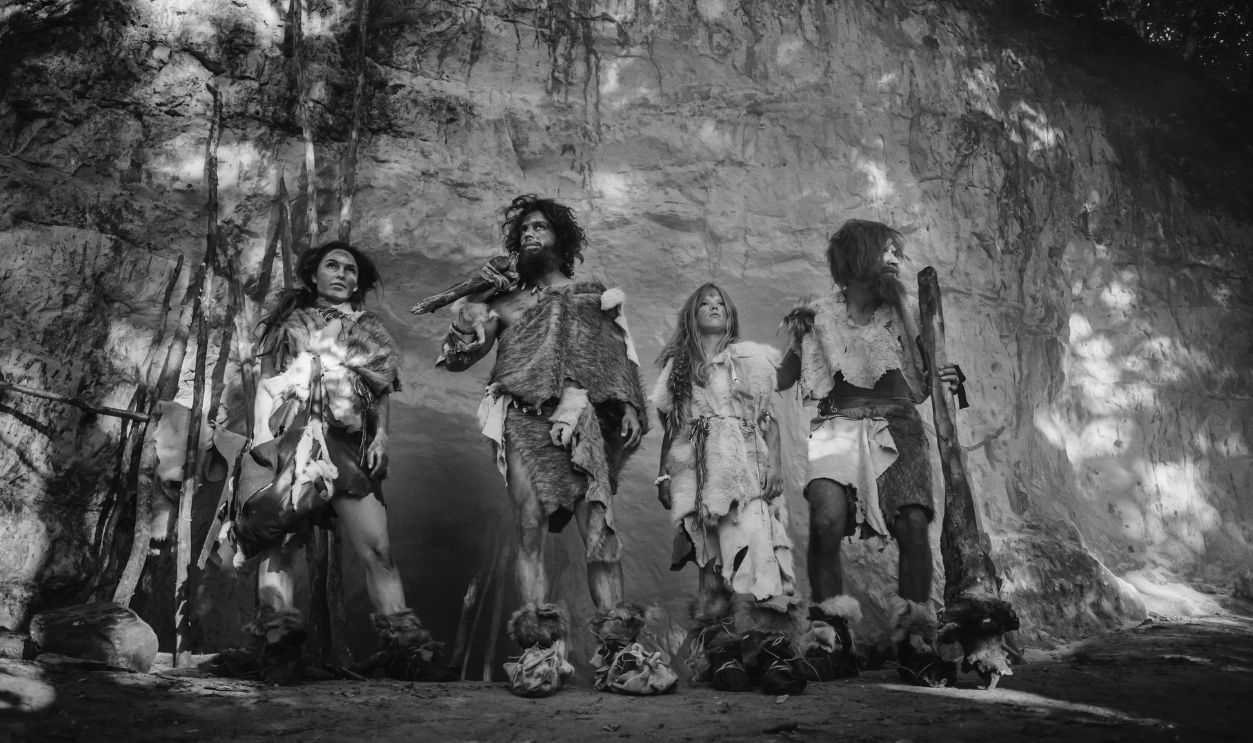
The research also paints Neanderthals as smarter food planners than many people assumed. Instead of eating only fresh kills, they preserved food and used every possible calorie source available. That kind of flexibility probably helped them survive in unpredictable prehistoric environments.
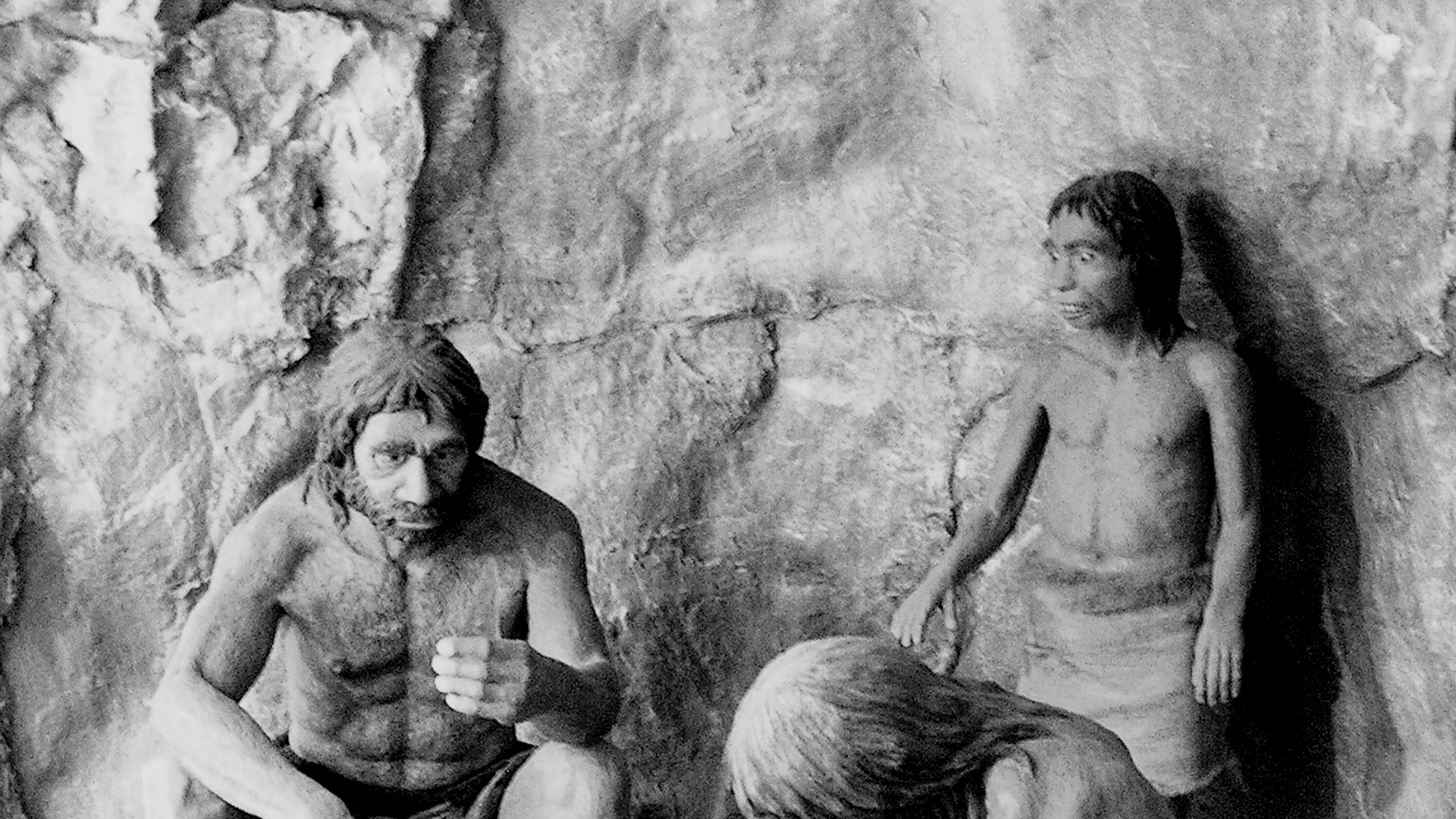 Jaroslav A. Polák from Brno, Czech Republic, Wikimedia Commons
Fresh Meat Wasn’t Always Available
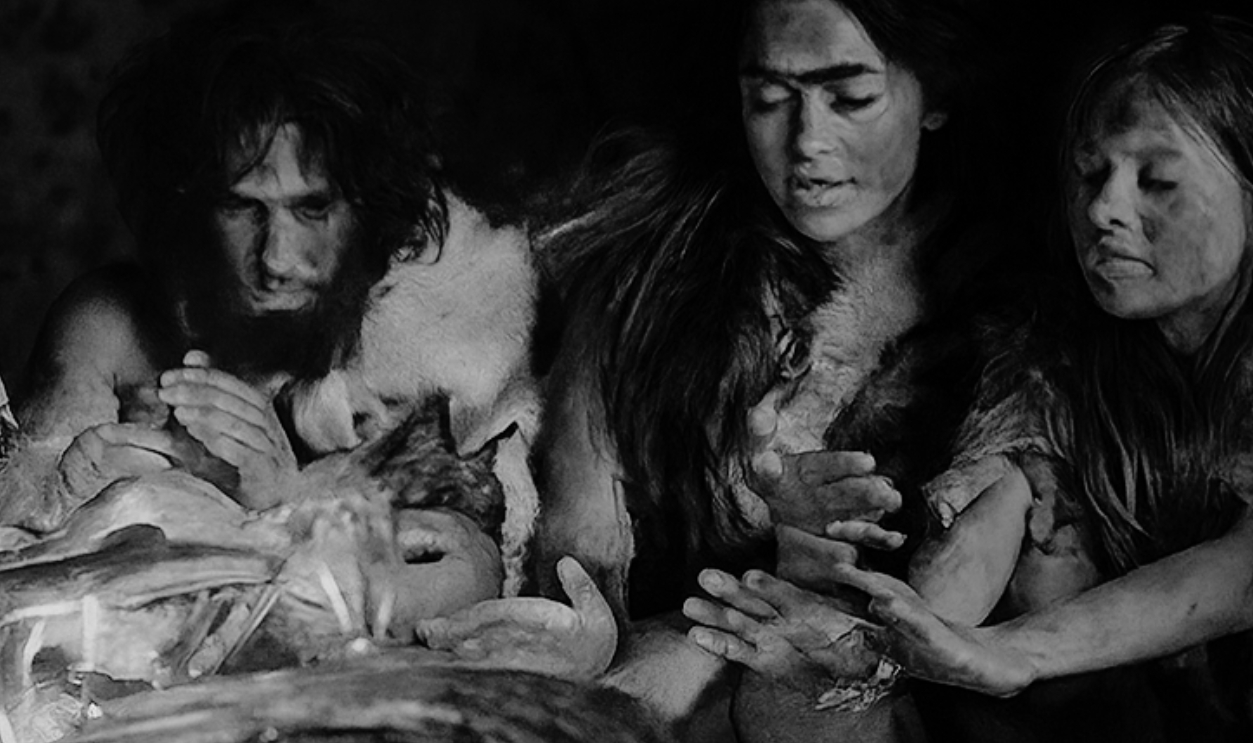
Hunting during the Ice Age was dangerous, exhausting, and incredibly unreliable. A successful hunt could feed a group for weeks, so wasting spoiled meat simply wasn’t an option. From a survival standpoint, eating decomposed leftovers made far more sense than starving between hunts.
Plants Were Still Part Of The Story
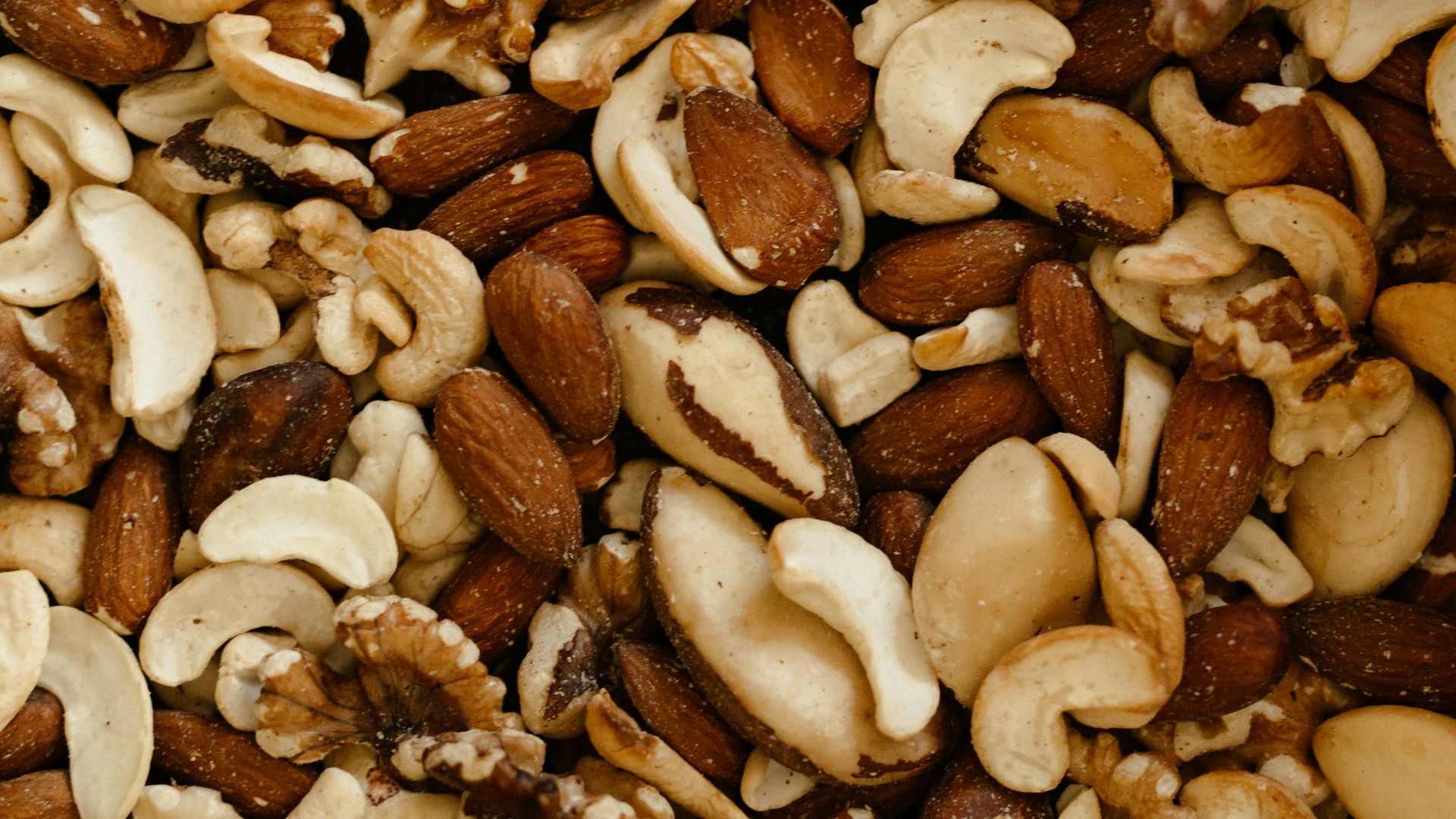
Despite the attention-grabbing maggot theory, scientists say Neanderthals probably ate far more than just meat. Evidence from dental plaque and archaeological sites suggests they also consumed nuts, grains, legumes, and other plants. Their menu may have been broader and more adaptable than the old caveman stereotype suggests.
The Modern Paleo Diet Took A Weird Turn
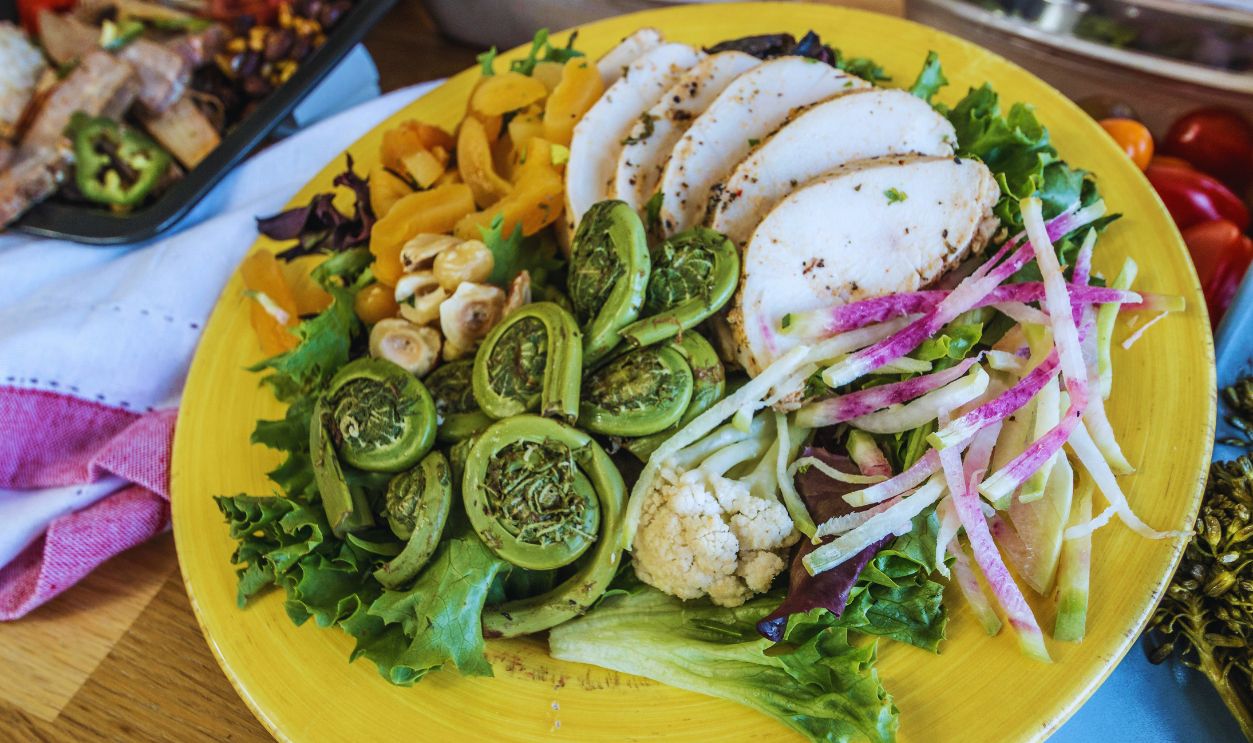
Today’s Paleo diet markets itself as a return to ancient eating habits. The problem is that most followers probably aren’t interested in fermented carcasses filled with insect larvae. Researchers say the new findings show how oversimplified modern ideas about prehistoric nutrition really are.
Too Much Of A “Good” Thing
Humans need fat and carbohydrates to survive long term, especially in harsh climates. Eating too much lean meat without enough fat can lead to nausea, weakness, and potentially fatal health problems. Scientists think Neanderthals had to balance their diets carefully or risk serious consequences.
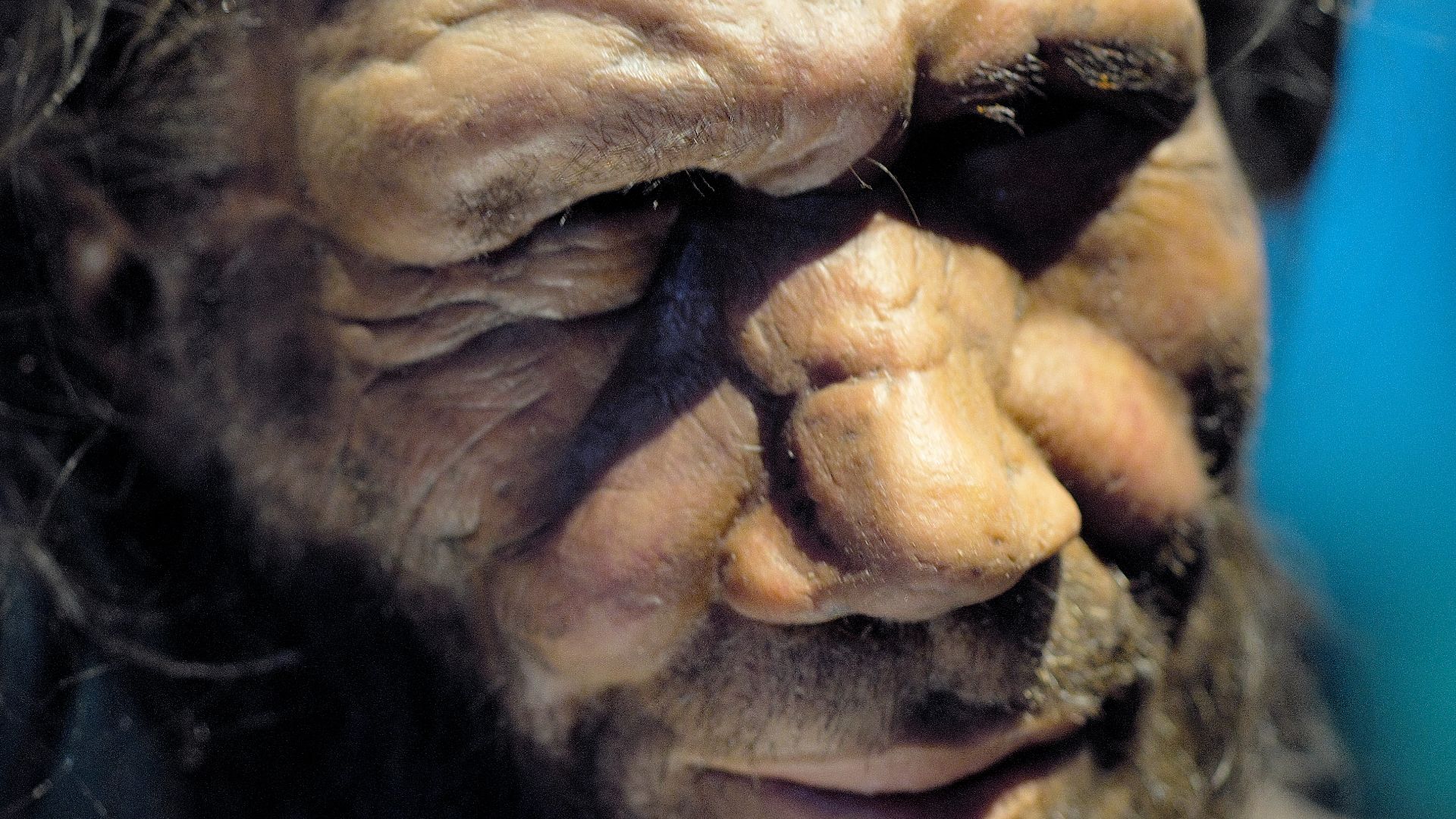 Werner Ustorf, Wikimedia Commons
Archaeologists Are Rethinking Ancient Survival
The study is forcing researchers to reconsider how prehistoric humans handled food storage and nutrition. Instead of seeing Neanderthals as primitive hunters, scientists increasingly view them as adaptable survival experts. Even their seemingly gross habits may have been smart responses to extreme conditions.
 Rhoda Baer (Photographer), Wikimedia Commons
The Findings Still Aren’t Fully Proven
Researchers admit the maggot theory is still a hypothesis rather than a confirmed fact. The conclusions rely on isotope evidence, historical comparisons, and forensic experiments rather than direct observation. Even so, many scientists think the explanation fits the evidence better than the old “super predator” idea.
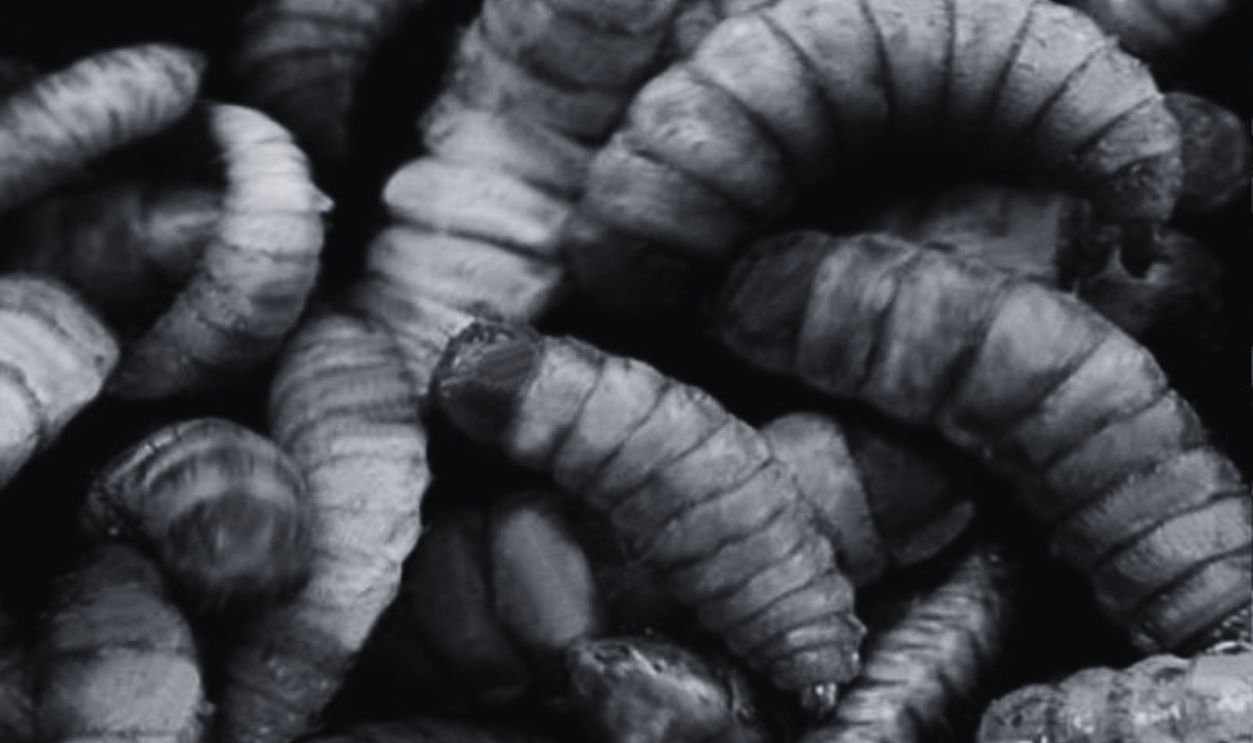 MD-Terraristik – Laut [1] ist Dennis Kress Mitinhaber des Unternehmens, Wikimedia Commons
Your Caveman Ancestors Were Probably Tougher Than You
Most modern people panic when milk expires one day early. Meanwhile, Neanderthals may have happily dug into rotting carcasses crawling with fly larvae after storing them for months. Suddenly forgetting leftovers in the fridge doesn’t seem quite as dramatic anymore.

The Real Paleo Diet
The reconstructed Neanderthal menu is a reminder that ancient survival was brutal, messy, and deeply unglamorous. There were no smoothie bowls, organic snacks, or carefully measured macros around the campfire. Just spoiled meat, fatty scraps, and quite possibly enough maggots to keep archaeologists talking thousands of years later.

You May Also Like:
Wild Facts About Johnny Weissmuller, The Original Tarzan






![MD-Terraristik – Laut [1] ist Dennis Kress Mitinhaber des Unternehmens, Wikimedia Commons](https://commons.wikimedia.org/wiki/File:Hermetiaillucens.jpg%20)