

A Shiny Clue In The Wild
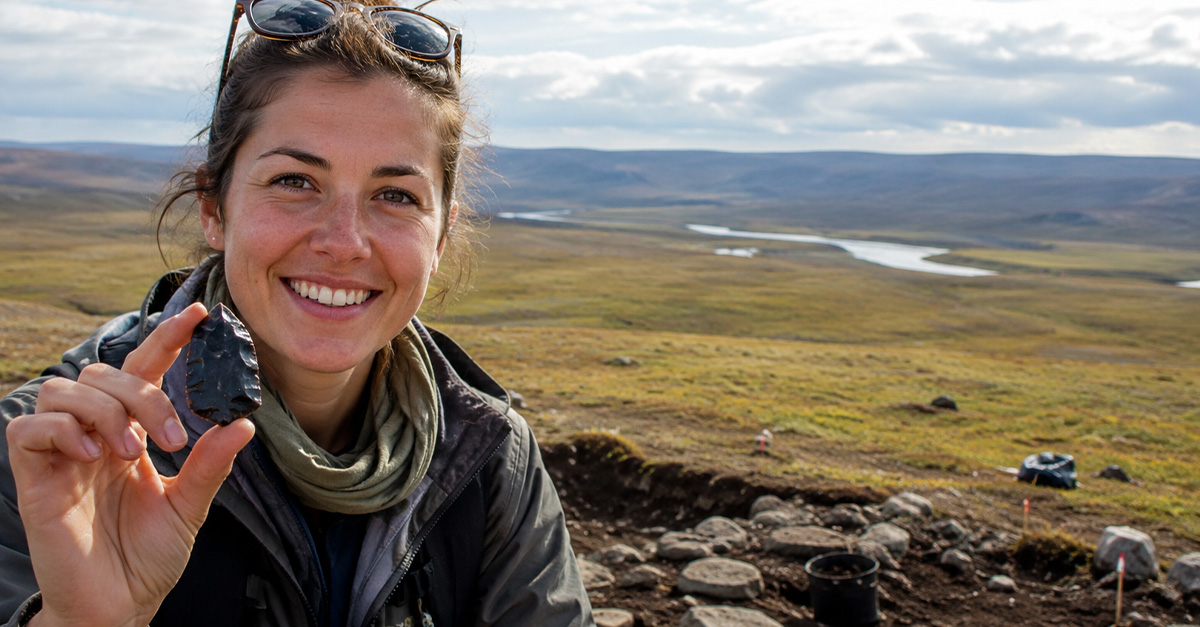
At first glance, a tiny black flake of volcanic glass might not look like a travel story. But across western Canada, obsidian has been found at more than 500 archaeological sites, and that changes everything. These glossy fragments suggest ancient Indigenous communities were connected by routes far bigger than many people imagined.
The Glass That Shouldn’t Be There
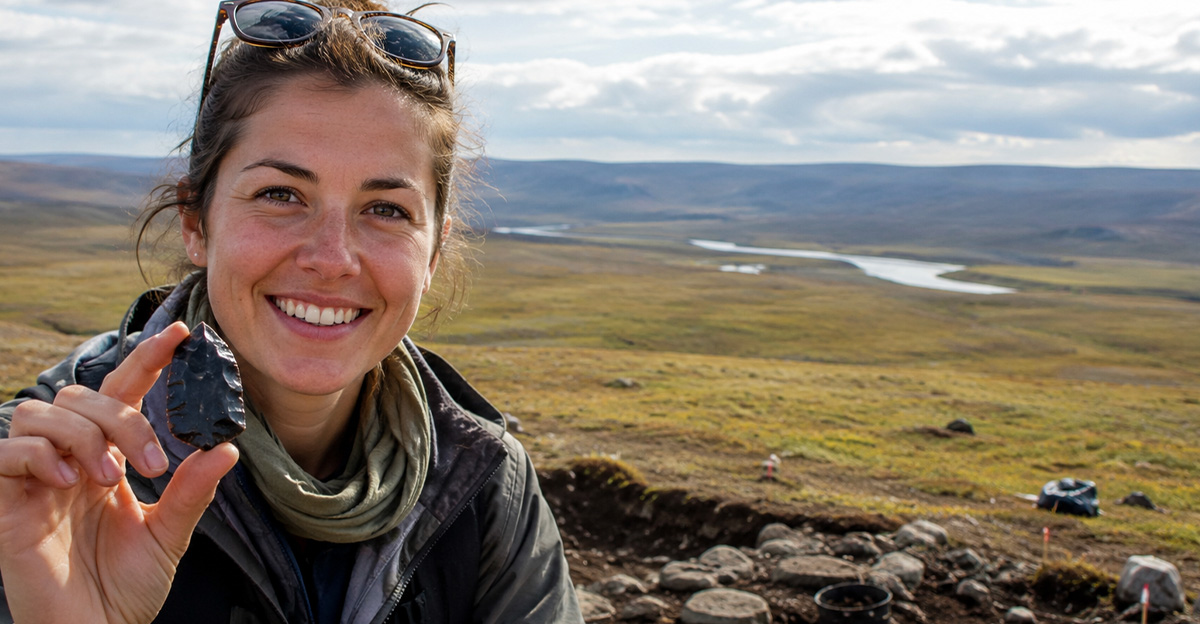
Here’s the strange part: Alberta has no volcanoes that produced this obsidian. So when archaeologists find volcanic glass there, it means the material had to travel. Not by truck, train, or highway, of course, but through human hands, social ties, and exchange networks.
Why Obsidian Was So Special
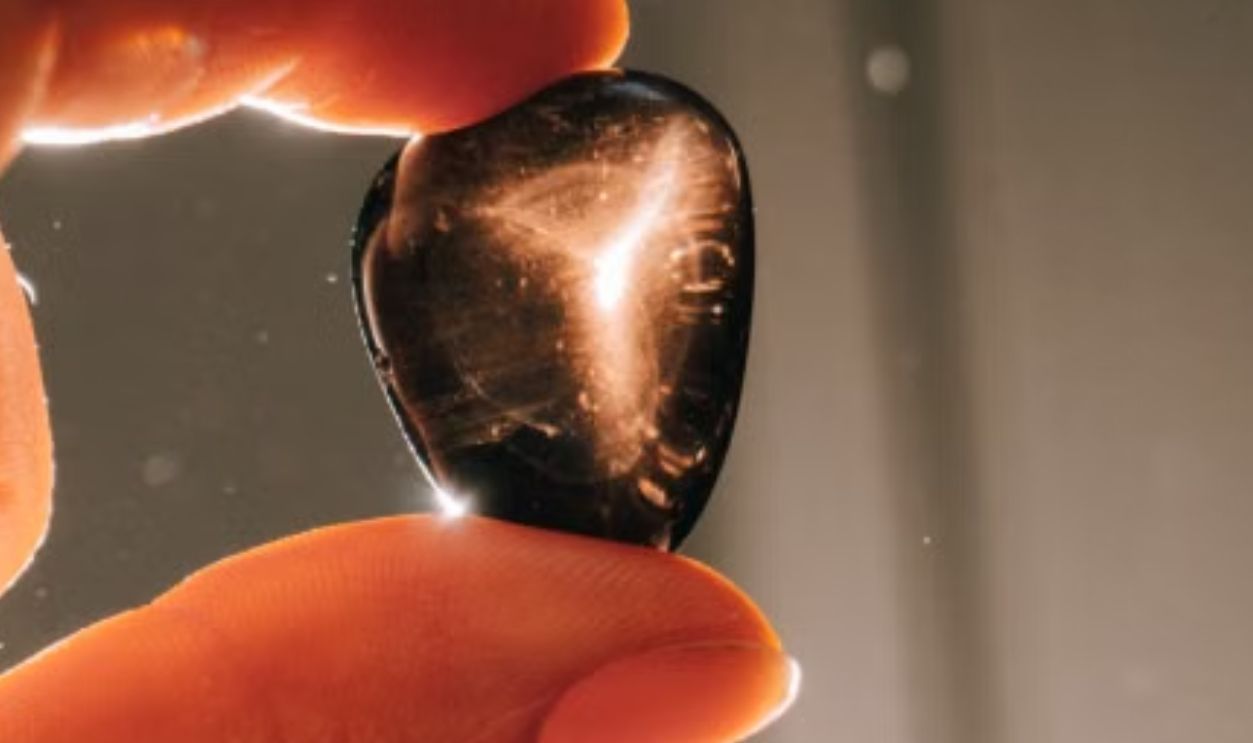
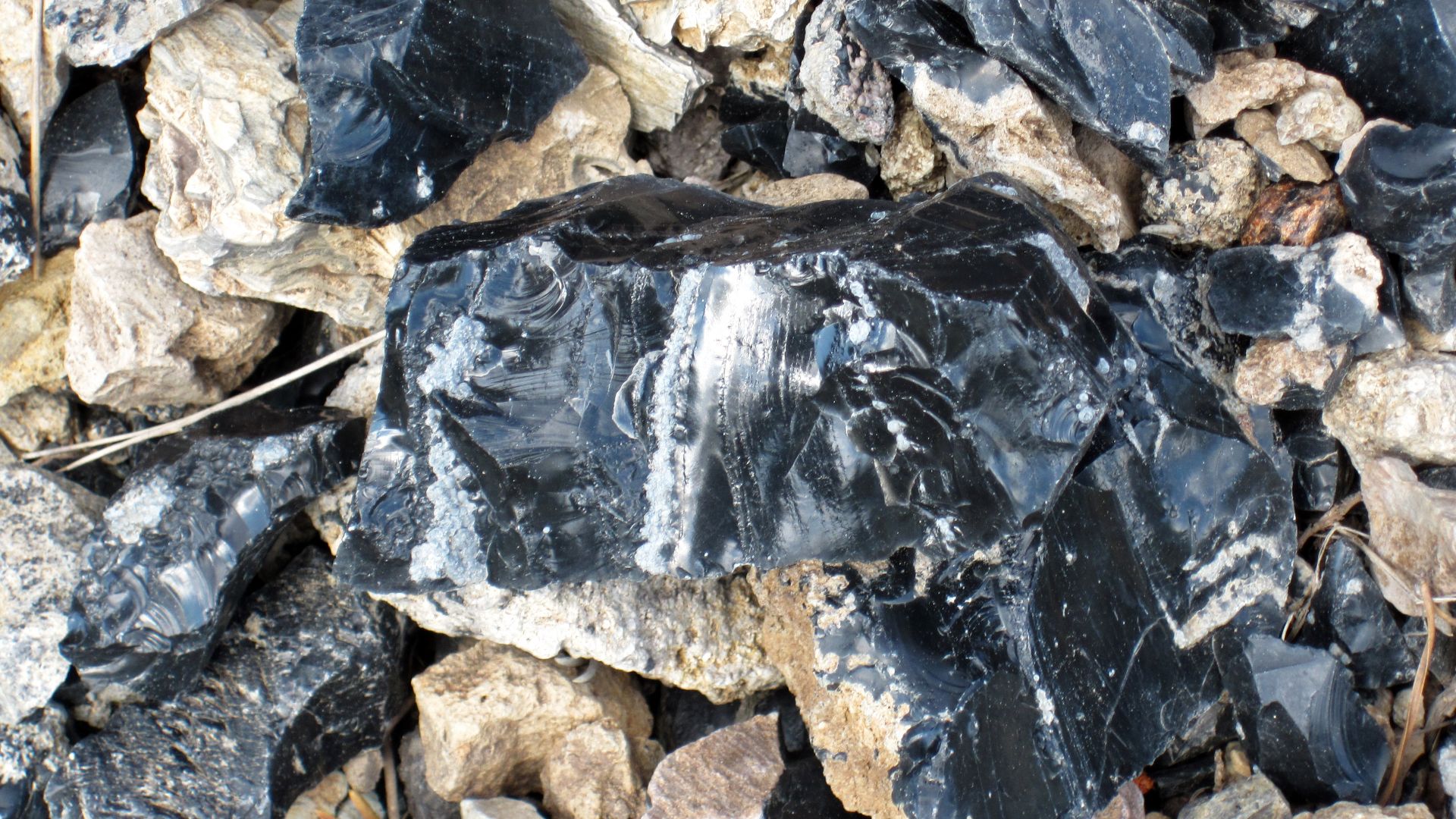
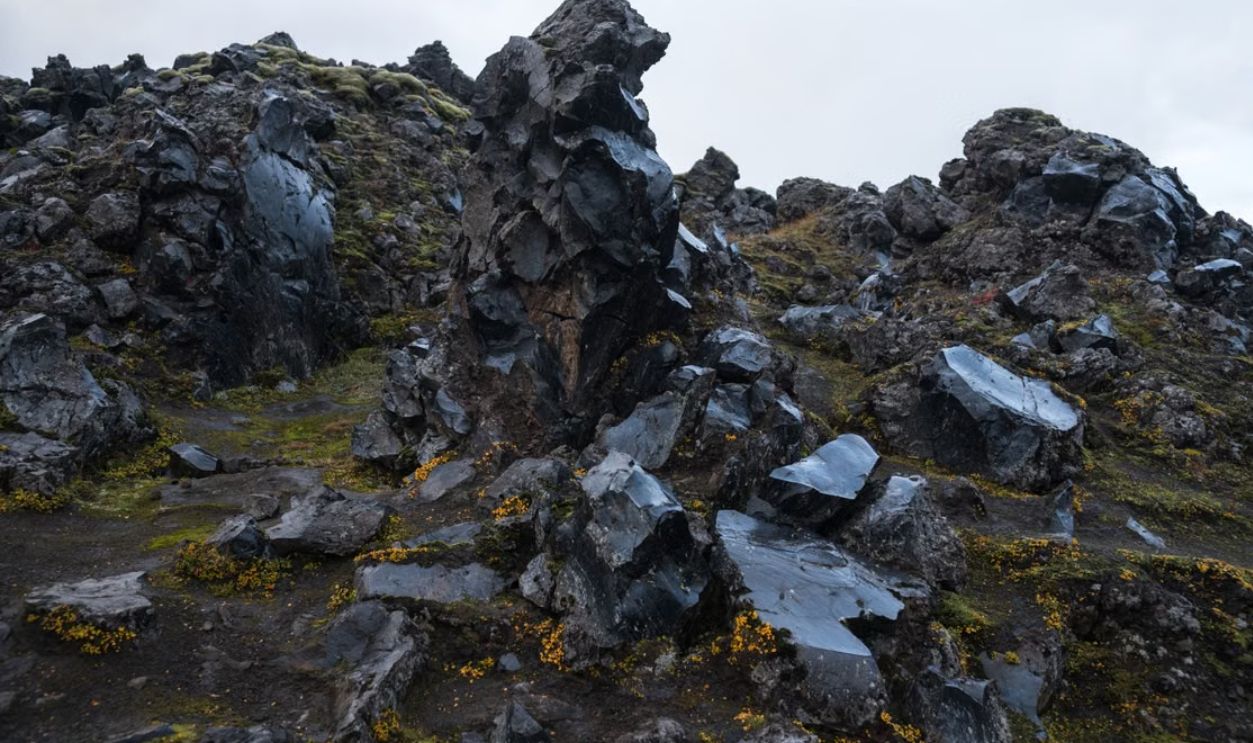
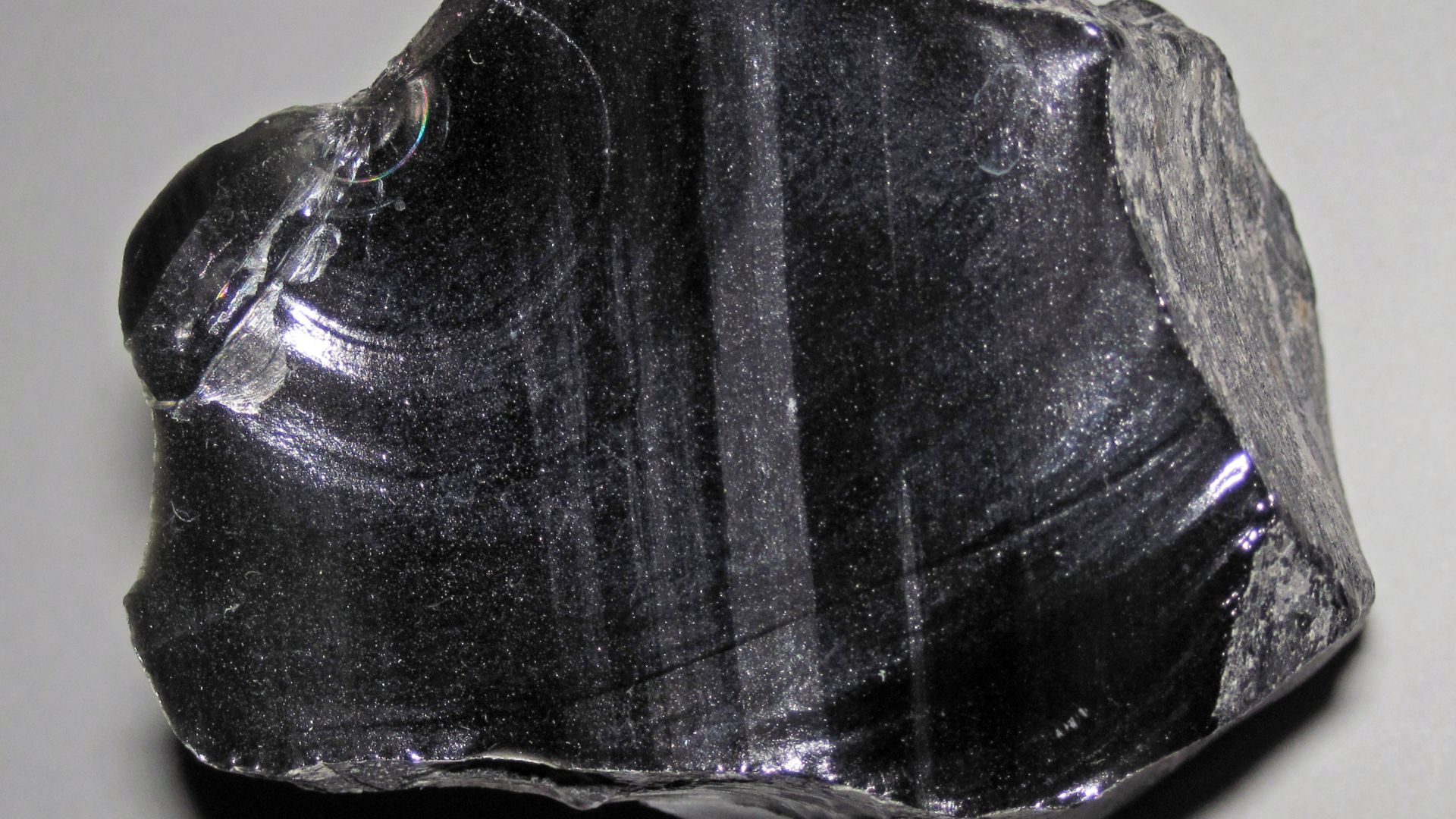
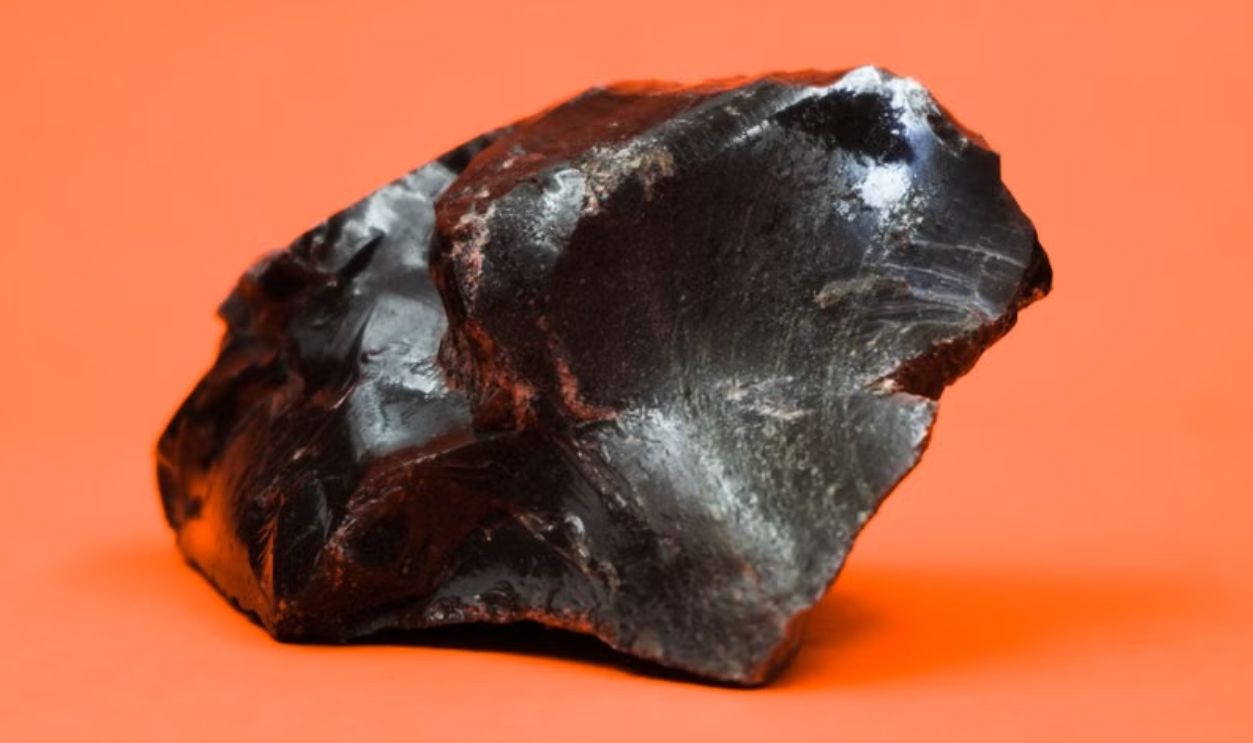
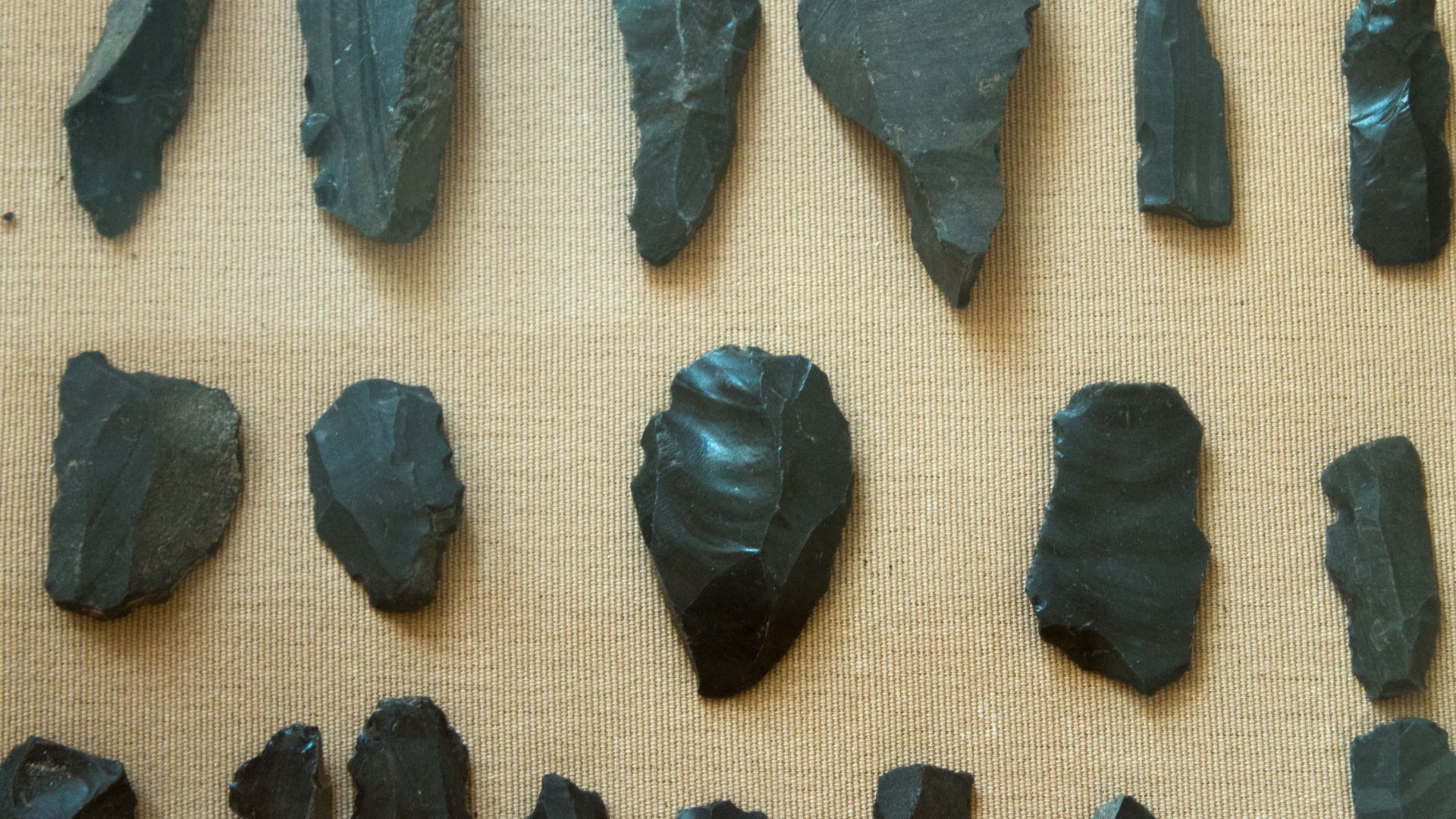
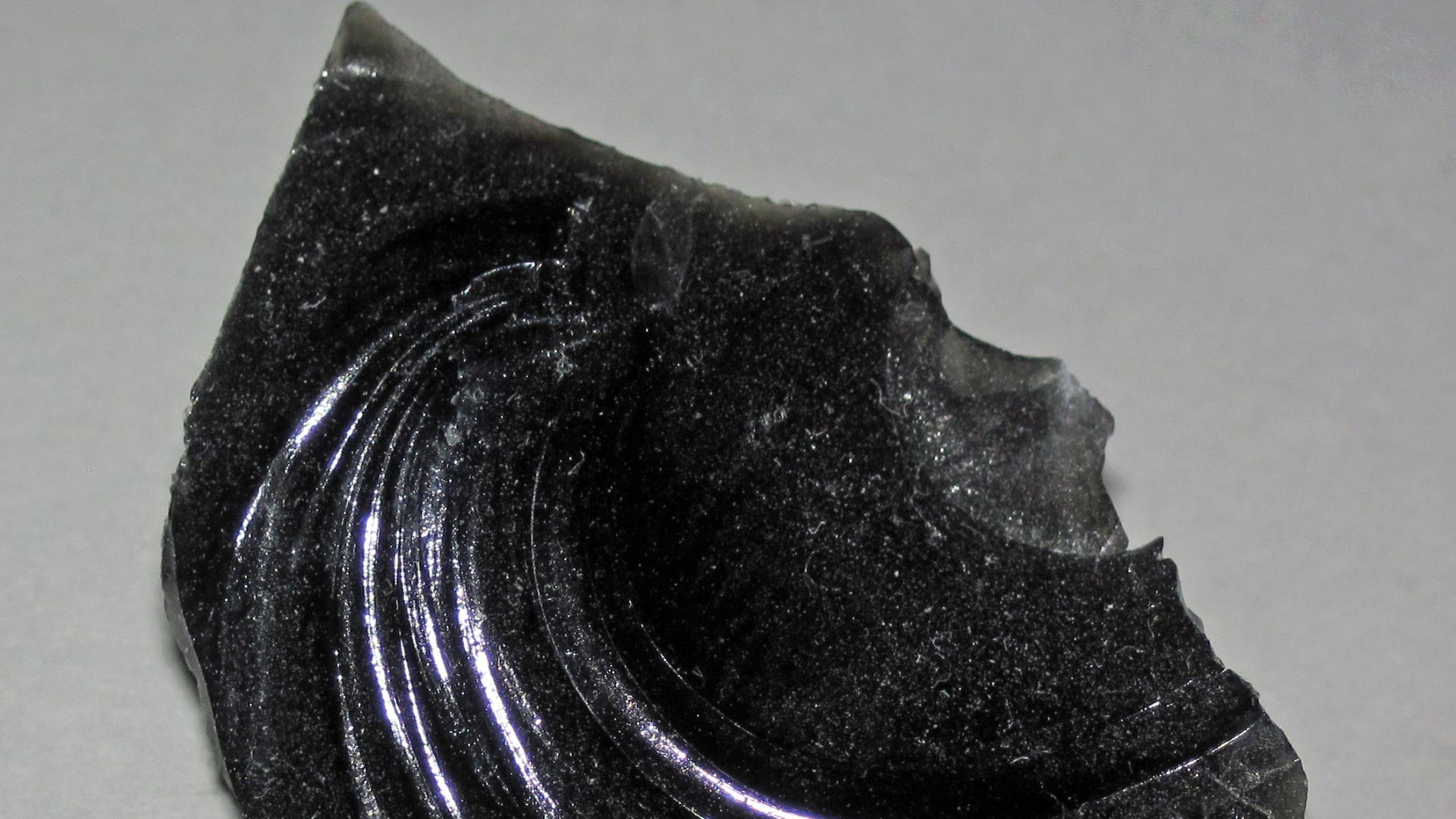
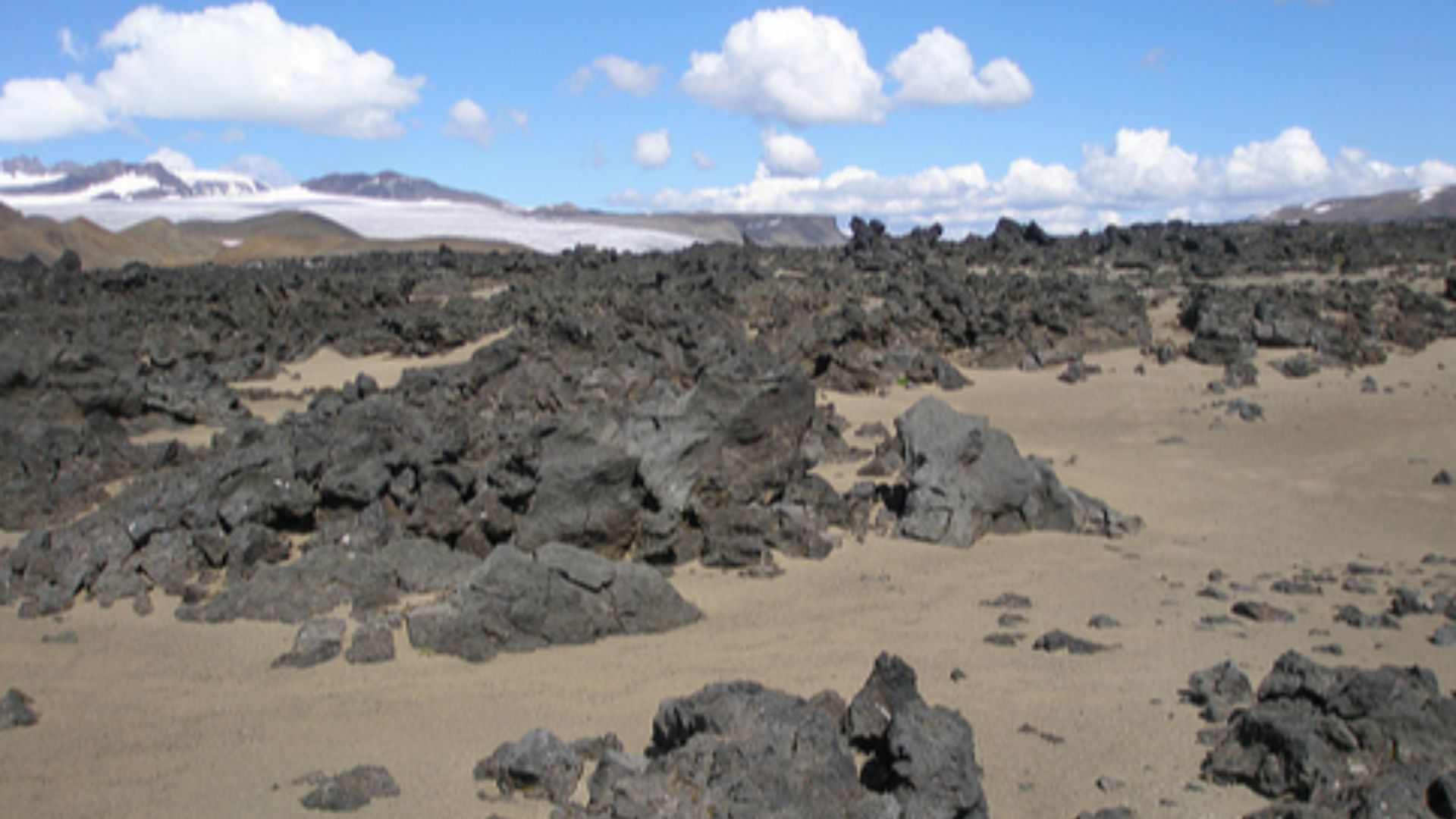
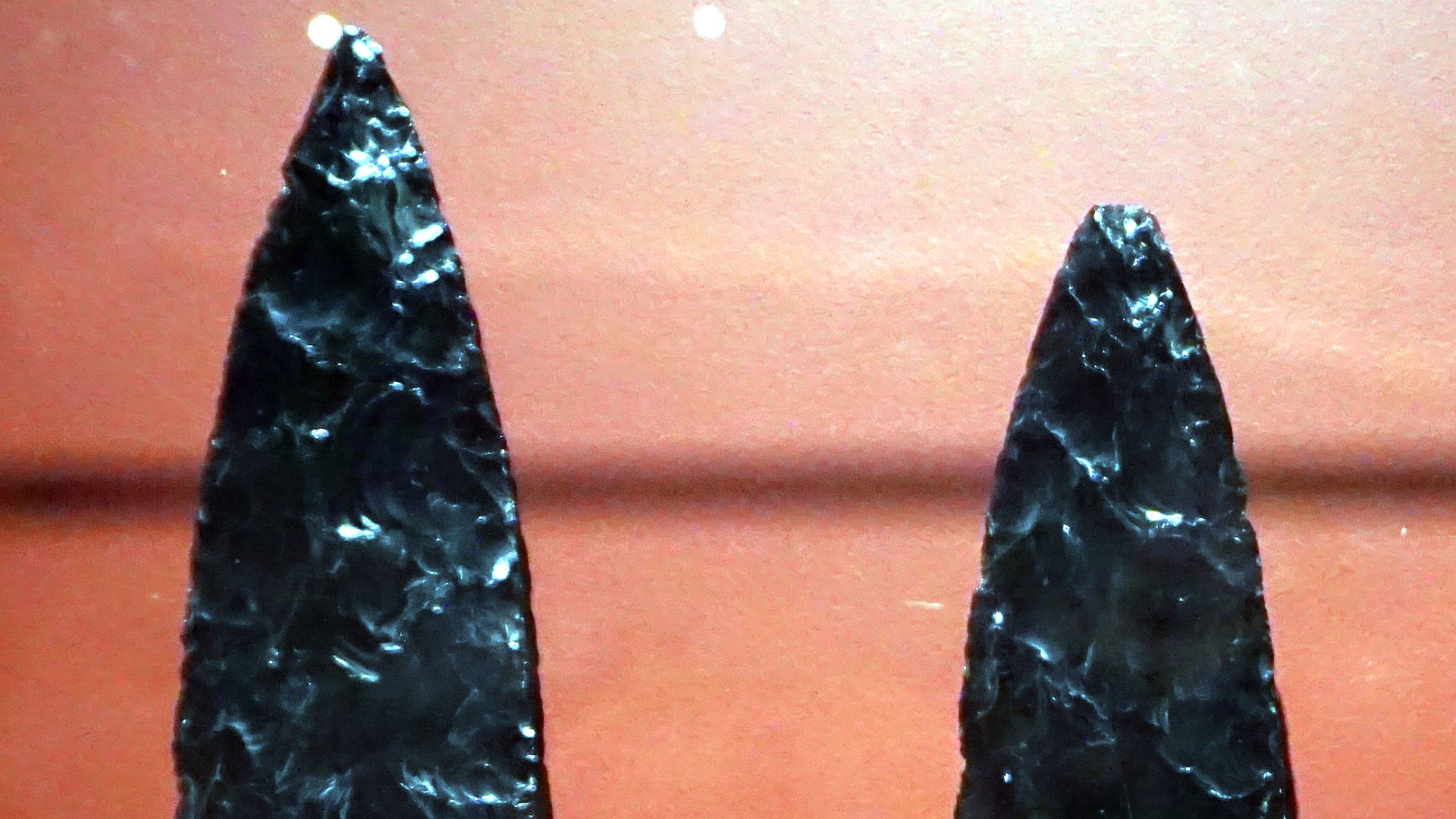
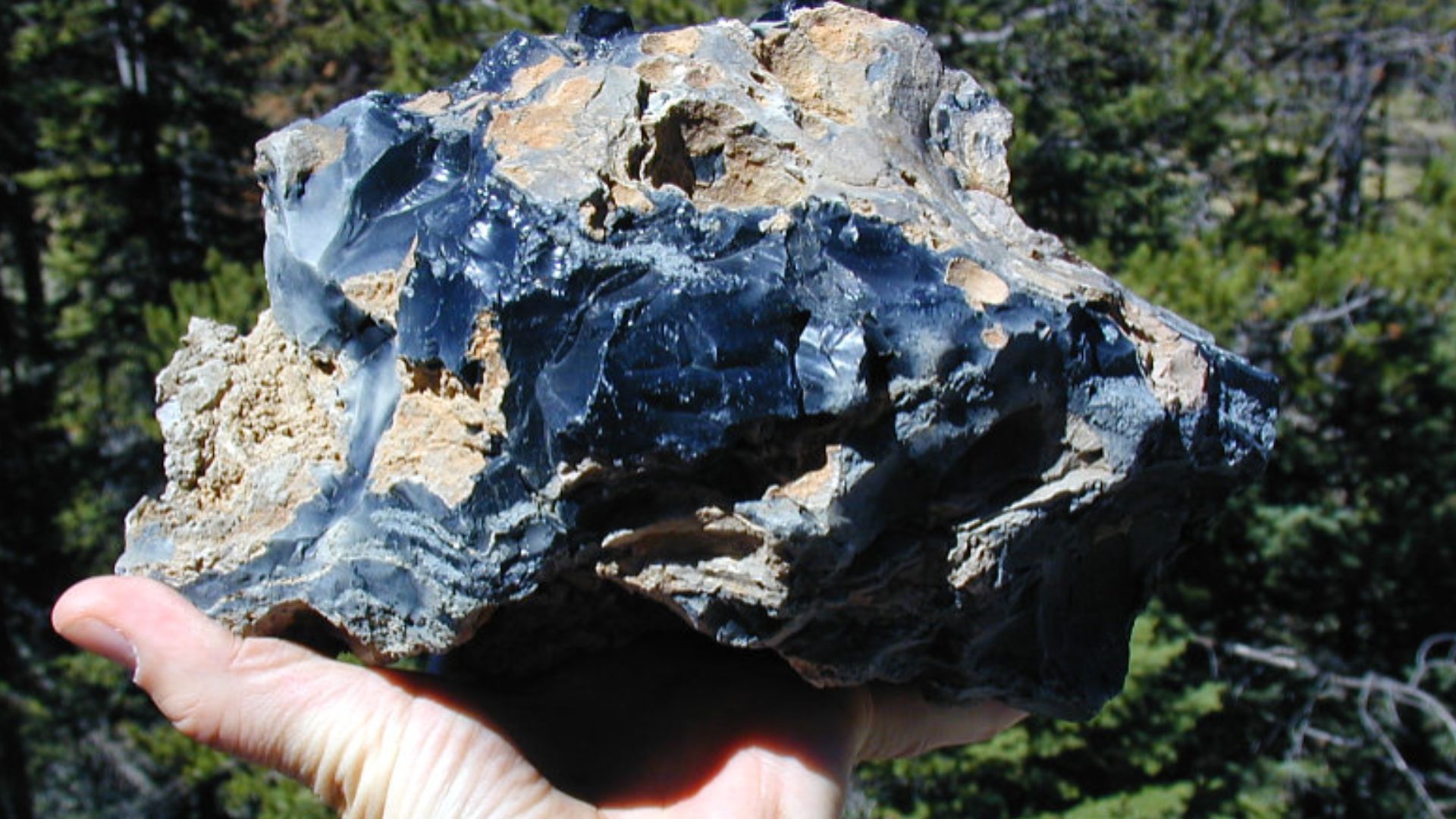
Obsidian forms when lava cools quickly, creating a hard, shiny glass that can break into razor-sharp edges. For ancient toolmakers, that made it incredibly useful. It could become blades, arrowheads, spear tips, scrapers, and cutting tools that were both practical and beautiful.
 James St. John, Wikimedia Commons
A Prehistoric Passport Stamp
Every piece of obsidian carries a chemical fingerprint. Scientists can test it and match it to a volcanic source, almost like checking a passport. That is how researchers traced hundreds of Alberta artifacts back to places far beyond their discovery sites.
The Alberta Obsidian Project
The research comes from the Alberta Obsidian Project, which studied 383 obsidian artifacts from 96 sites across Alberta. Some pieces were thousands of years old, with finds dating from around 13,000 years ago to just a few centuries before the present.
 James St. John, Wikimedia Commons
Four Main Source Regions
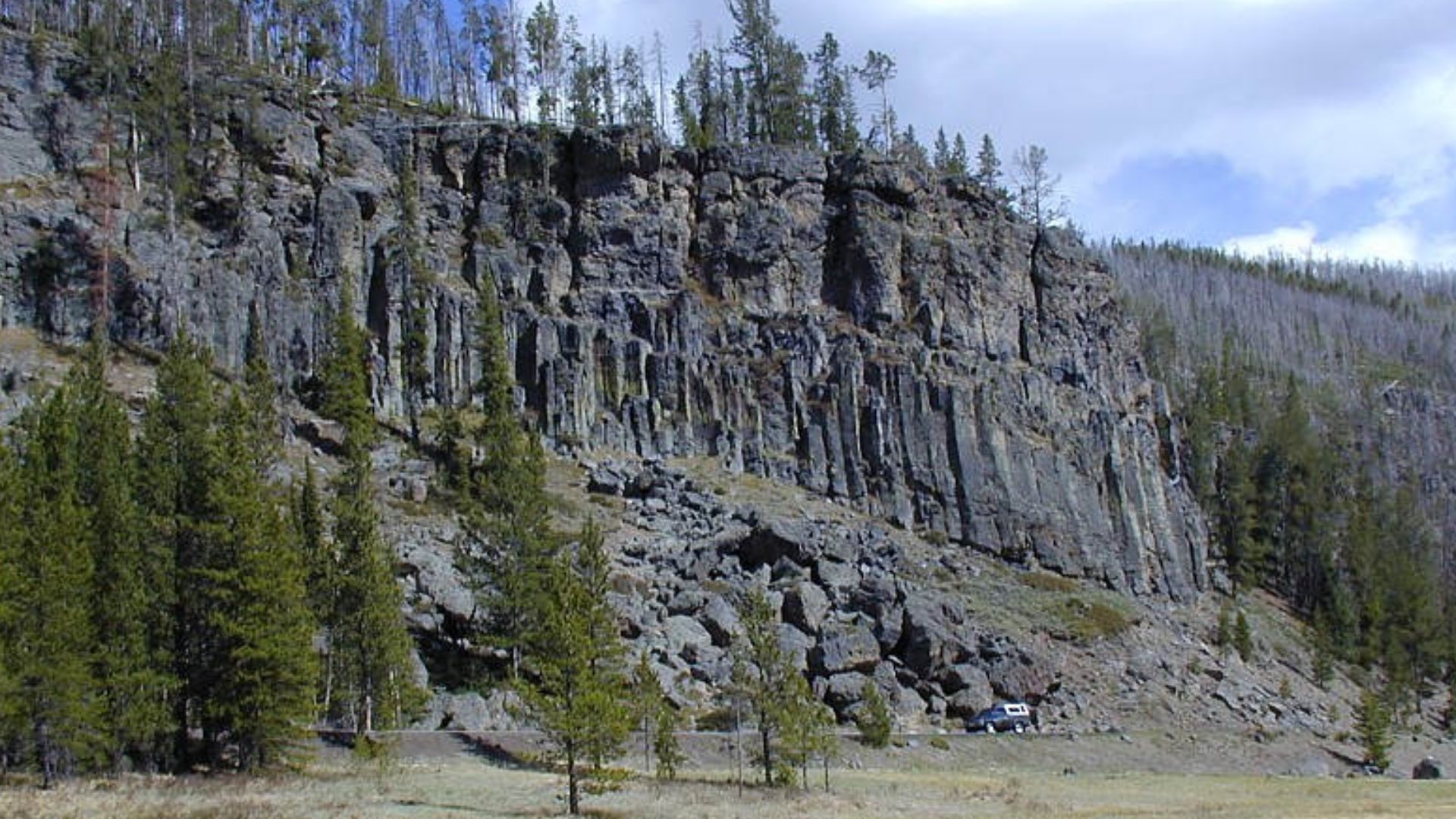
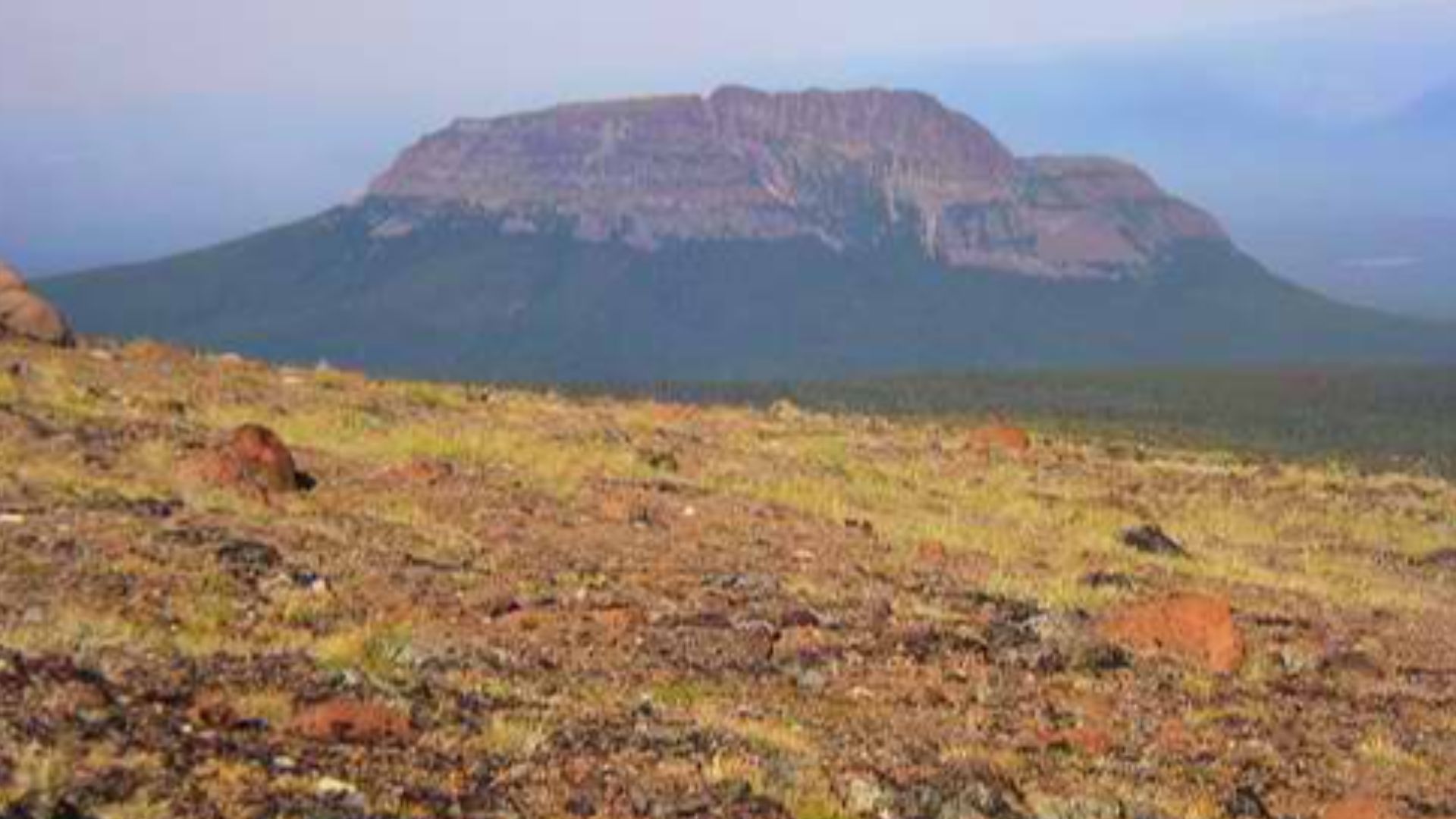
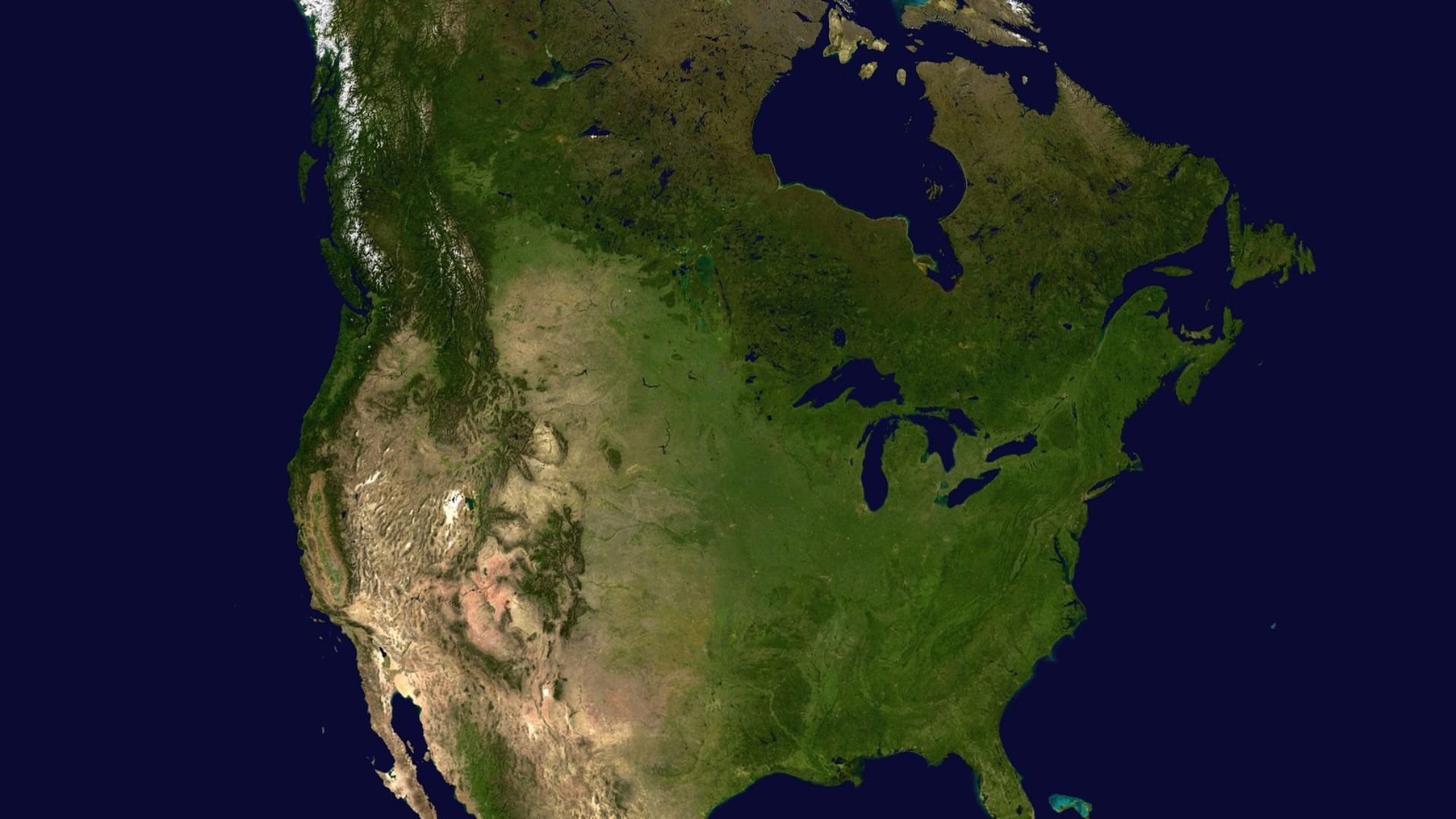
The obsidian did not all come from one place. Researchers traced many artifacts to Bear Gulch in Idaho, Obsidian Cliff in Wyoming, Anahim Peak in British Columbia, and Mount Edziza in British Columbia. That means the ancient map was wide, busy, and surprisingly connected.
The 750-Mile Journey
Some of the obsidian traveled nearly 750 miles from its source before ending up in Alberta. That is a huge distance even today. In a world without paved roads, engines, or cargo planes, it points to repeated exchanges across communities, landscapes, and generations.
Not One Long Shopping Trip
This was probably not one person hiking hundreds of miles for a rock. Archaeologist Tim Allan has suggested that a single piece of obsidian likely passed through many hands. Each exchange added a new chapter to the object’s already impressive journey.
Ancient Networks, Modern Surprise
The discovery reminds us that prehistoric North America was not isolated or simple. People moved, met, traded, visited, and shared information. The obsidian is proof that communities across vast regions had relationships that stretched far beyond their own hunting grounds.
Bison Jumps And Busy Gatherings
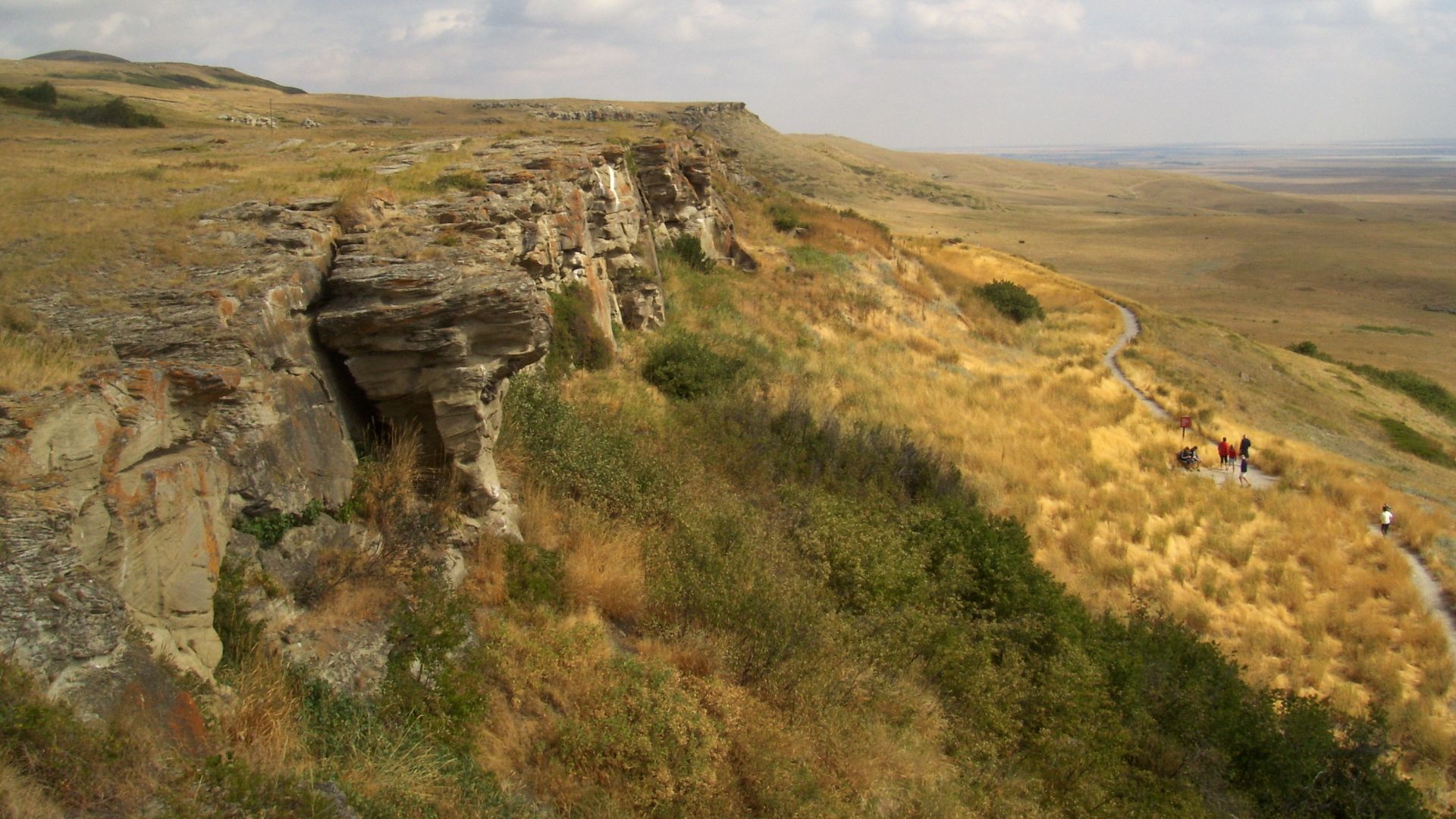
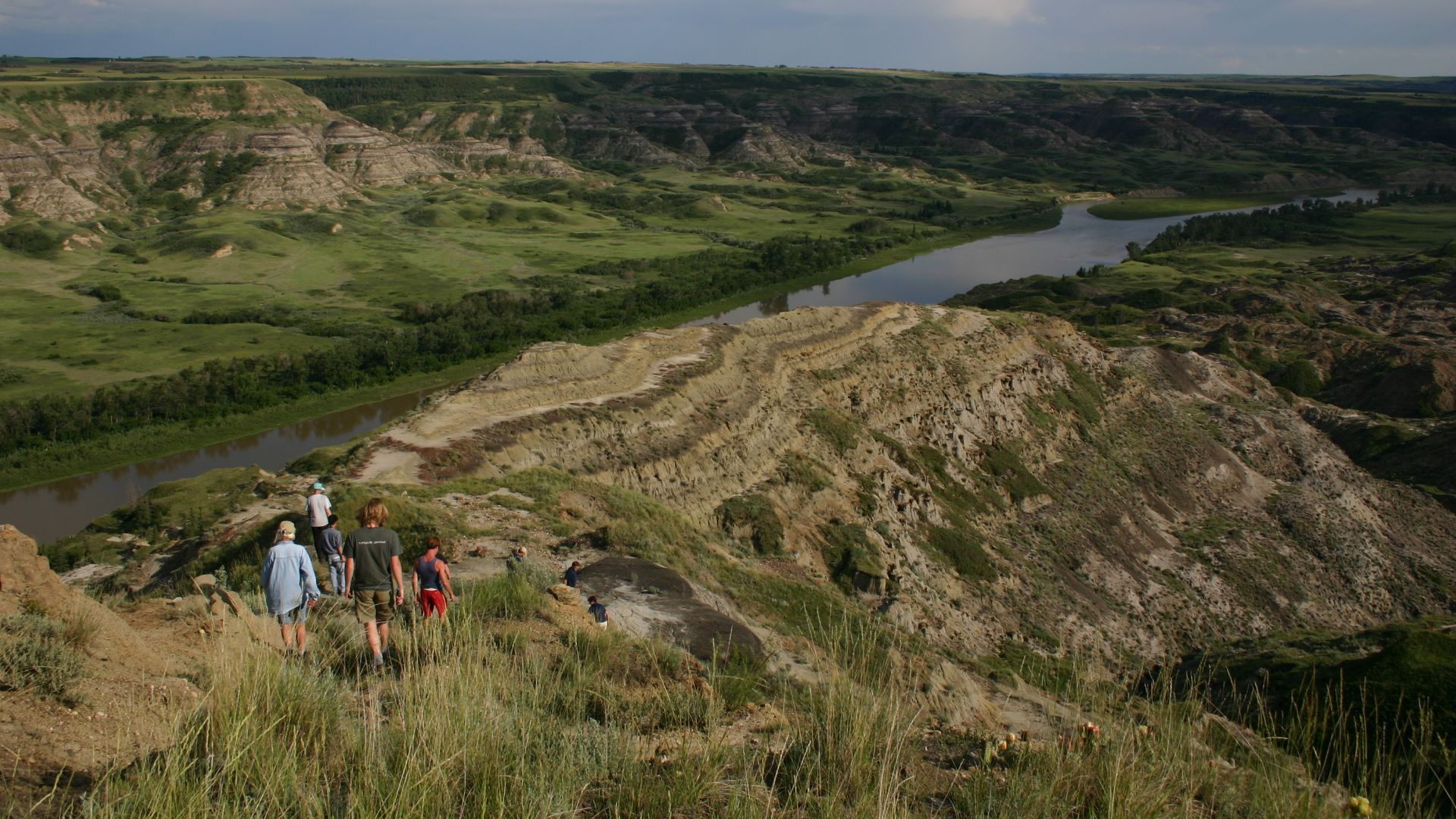
Many obsidian finds were discovered at bison jumps, places where Indigenous hunters worked together during large communal hunts. These sites were not just about food. They were also social hubs where people gathered, cooperated, exchanged goods, and shared news.
Trade Around The Hunt
Imagine a bison jump after a successful hunt. Families are processing food, repairing tools, telling stories, and catching up with visitors. In that lively setting, obsidian could move from one group to another, perhaps as a tool, a gift, or a valued trade item.
Rivers As Ancient Highways
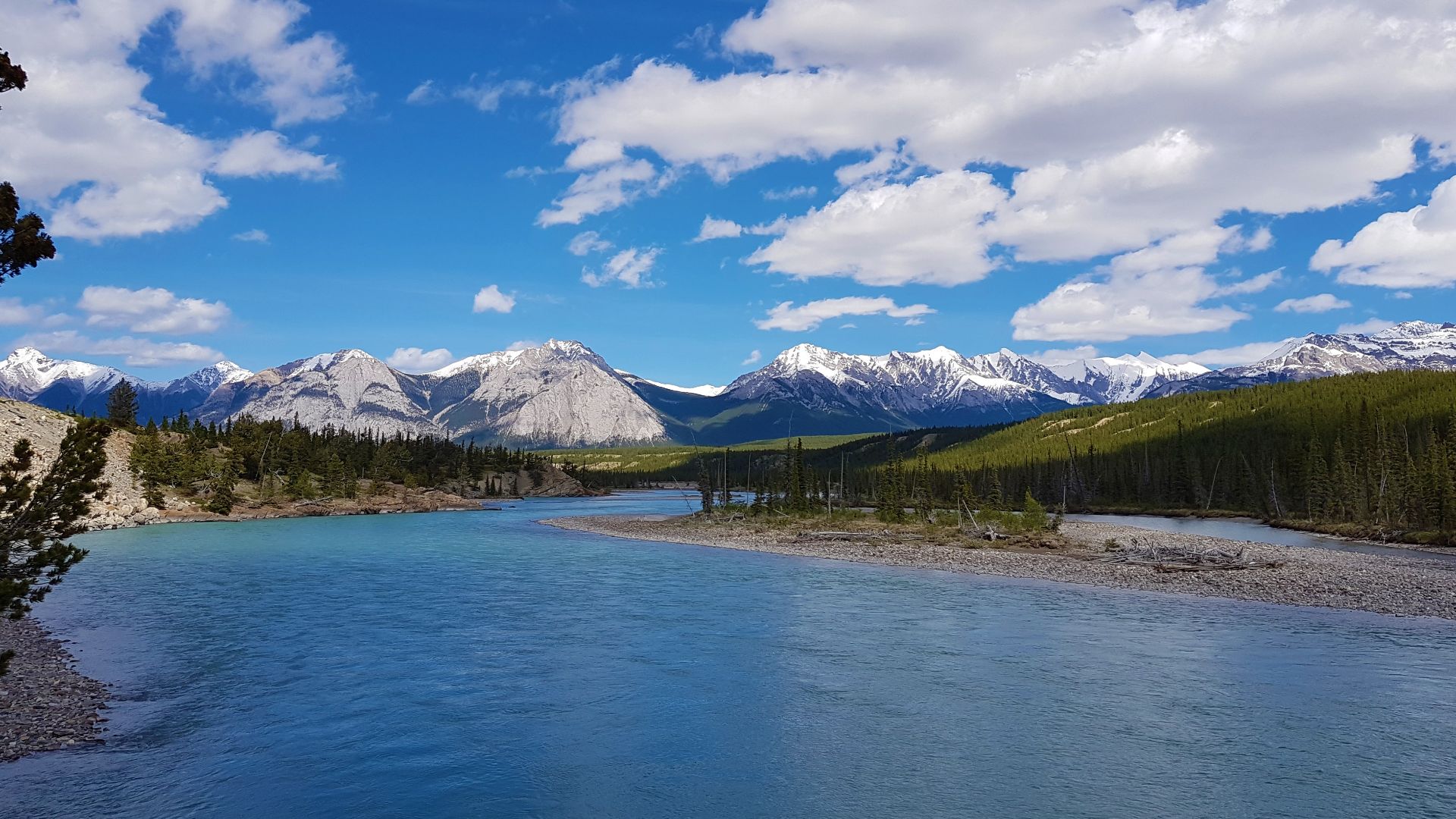
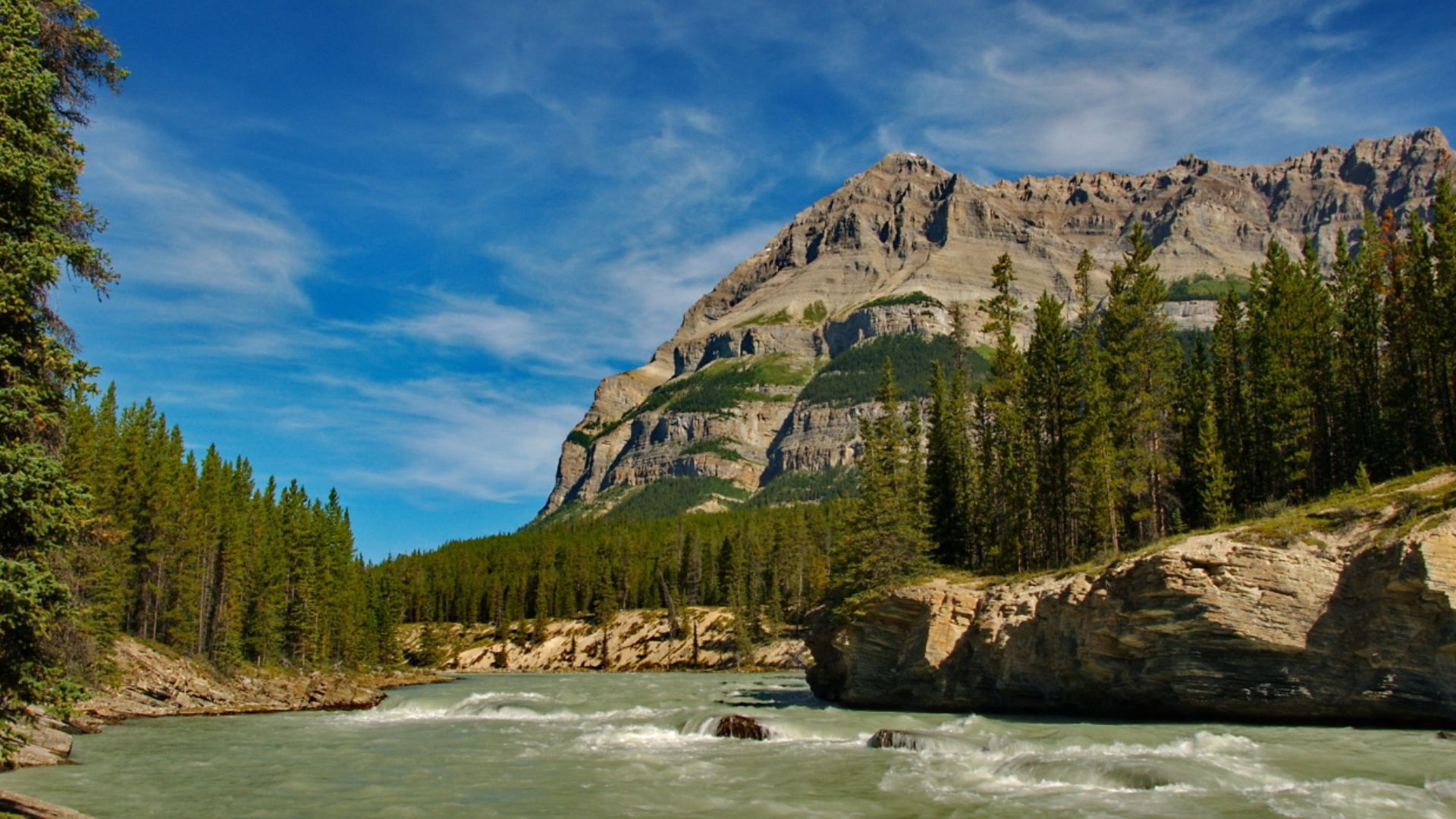
Researchers also suggest river networks may have helped obsidian travel. That makes sense. Long before modern highways, rivers guided movement across the land. They offered routes through difficult terrain and connected communities that might otherwise have seemed very far apart.
 Ivan Pozyhun, Wikimedia Commons
Mountains Did Not Stop Movement
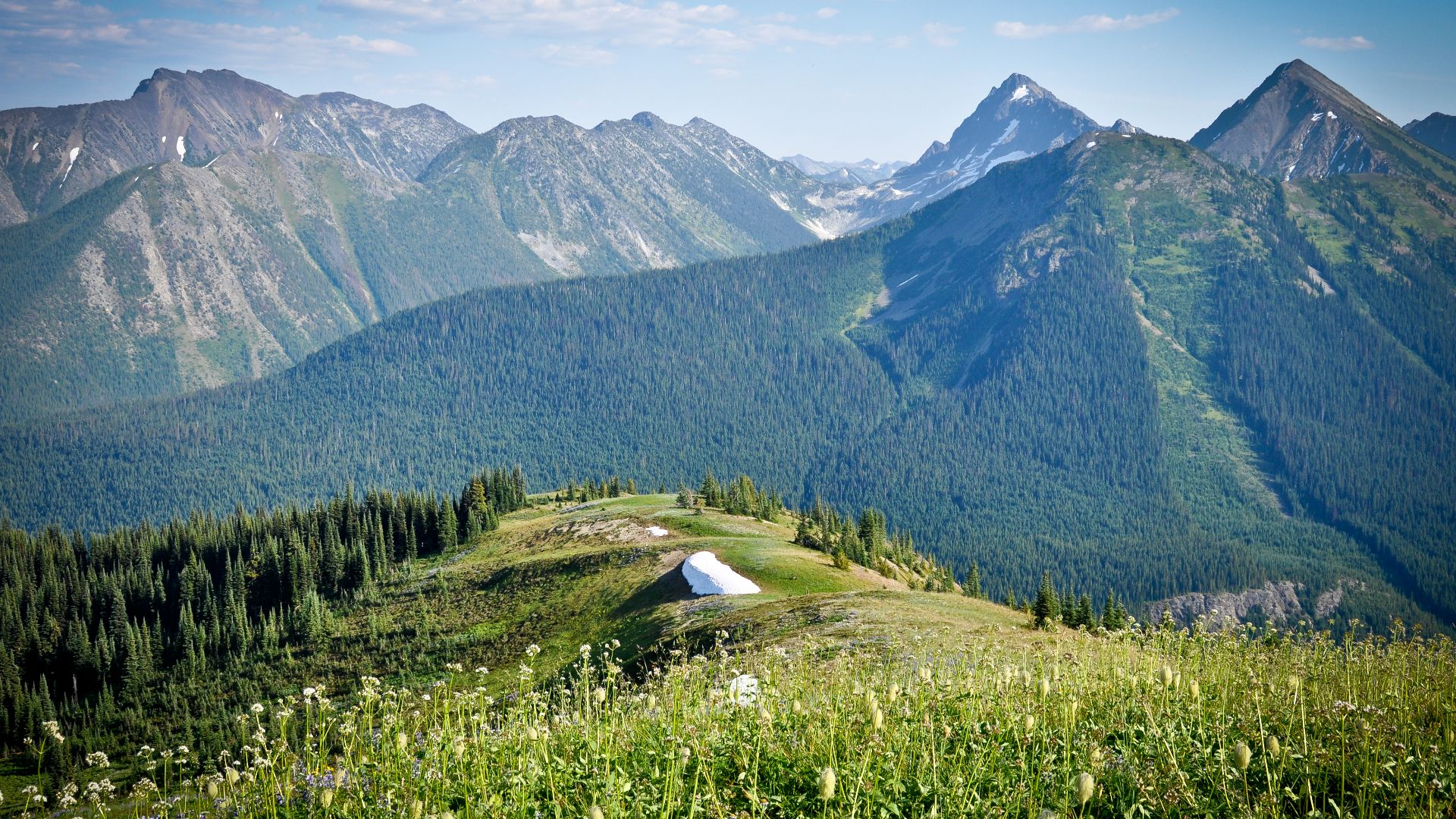
Western Canada’s mountains, plains, forests, and river valleys can look like barriers on a map. But the obsidian tells another story. Ancient people knew these landscapes deeply. They moved through them with skill, memory, purpose, and social connections.
 Stephen Hui, Wikimedia Commons
More Than Just Tools
It is easy to think of obsidian only as a useful material, but it probably carried meaning too. A blade from a distant volcanic source may have shown connection, status, friendship, or trust. In other words, the object mattered because of where it had been.
 James St. John, Wikimedia Commons
A Travel Story Without Writing
There are no postcards from these prehistoric journeys, but the artifacts still speak. Their chemistry reveals routes. Their locations reveal meeting points. Their shapes reveal use. Together, they tell a travel story written not in ink, but in stone and glass.
 NickLongrich, Wikimedia Commons
Rethinking Ancient Canada
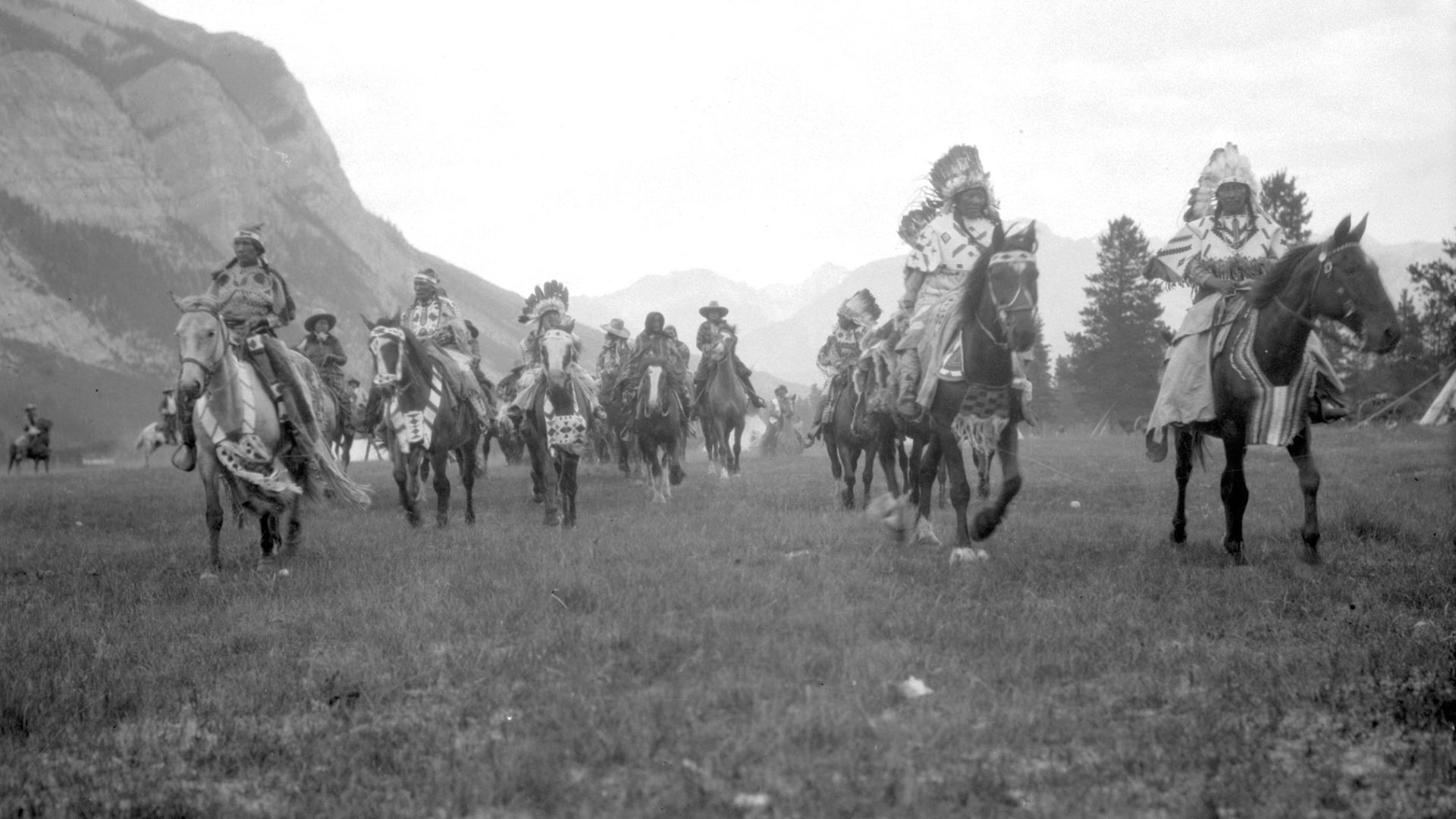
For travelers, this research adds a new layer to western Canada. The landscapes were not empty wilderness waiting to be discovered. They were lived-in, understood, and connected by Indigenous communities for thousands of years before European contact.
 Provincial Archives of Alberta, Wikimedia Commons
A Bigger Human Picture
Tim Allan has said Indigenous communities were extremely interconnected before European contact and colonization. That matters because it pushes back against old myths of small, disconnected groups. The obsidian shows a world of relationships, movement, and exchange.
The Power Of Tiny Objects
One tiny obsidian flake can do a lot of storytelling. It can point to a volcano hundreds of miles away. It can suggest trade, travel, and cooperation. It can also remind us that small artifacts often carry the biggest surprises.
Science Makes The Map
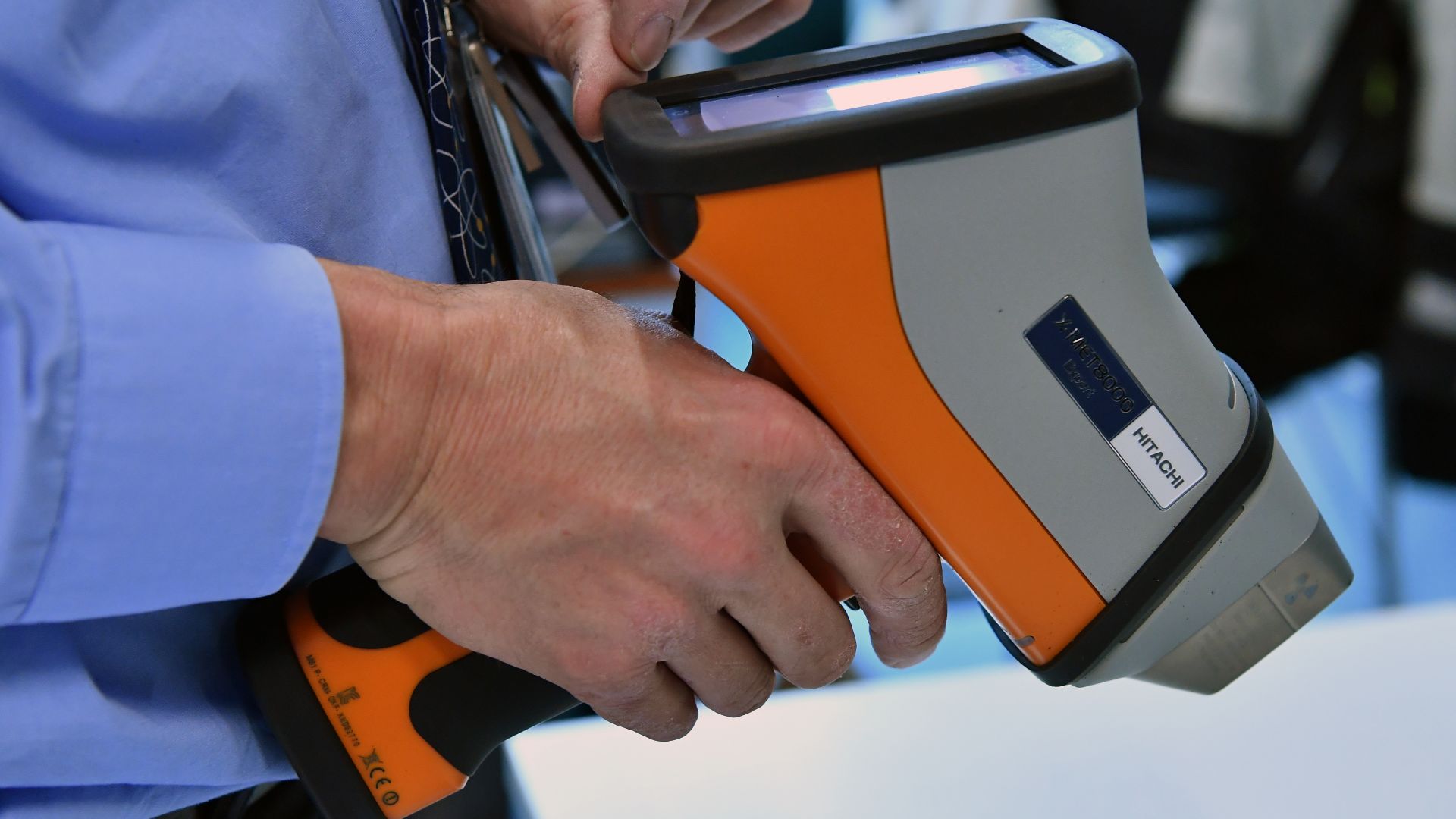
The key technology here is X-ray fluorescence, a method that helps identify the chemical makeup of artifacts. By comparing that makeup with known obsidian sources, scientists can trace where a piece likely began its life before people carried it elsewhere.
 IAEA Imagebank, Wikimedia Commons
Not Every Answer Is Clear Yet
The broad pattern is exciting, but archaeologists are still careful. The obsidian may have moved through trade, gift-giving, seasonal gatherings, marriages, hunting partnerships, or other relationships. The evidence is strong, but the human stories behind it were probably wonderfully complicated.
Why Travelers Should Care
Travel is not just about where people go now. It is also about where people went before us. These obsidian finds turn western Canada into a deeper destination, one where rivers, plains, and mountain passes become ancient corridors of connection.
 Dave Bezaire & Susi Havens-Bezaire, Wikimedia Commons
Seeing Alberta Differently
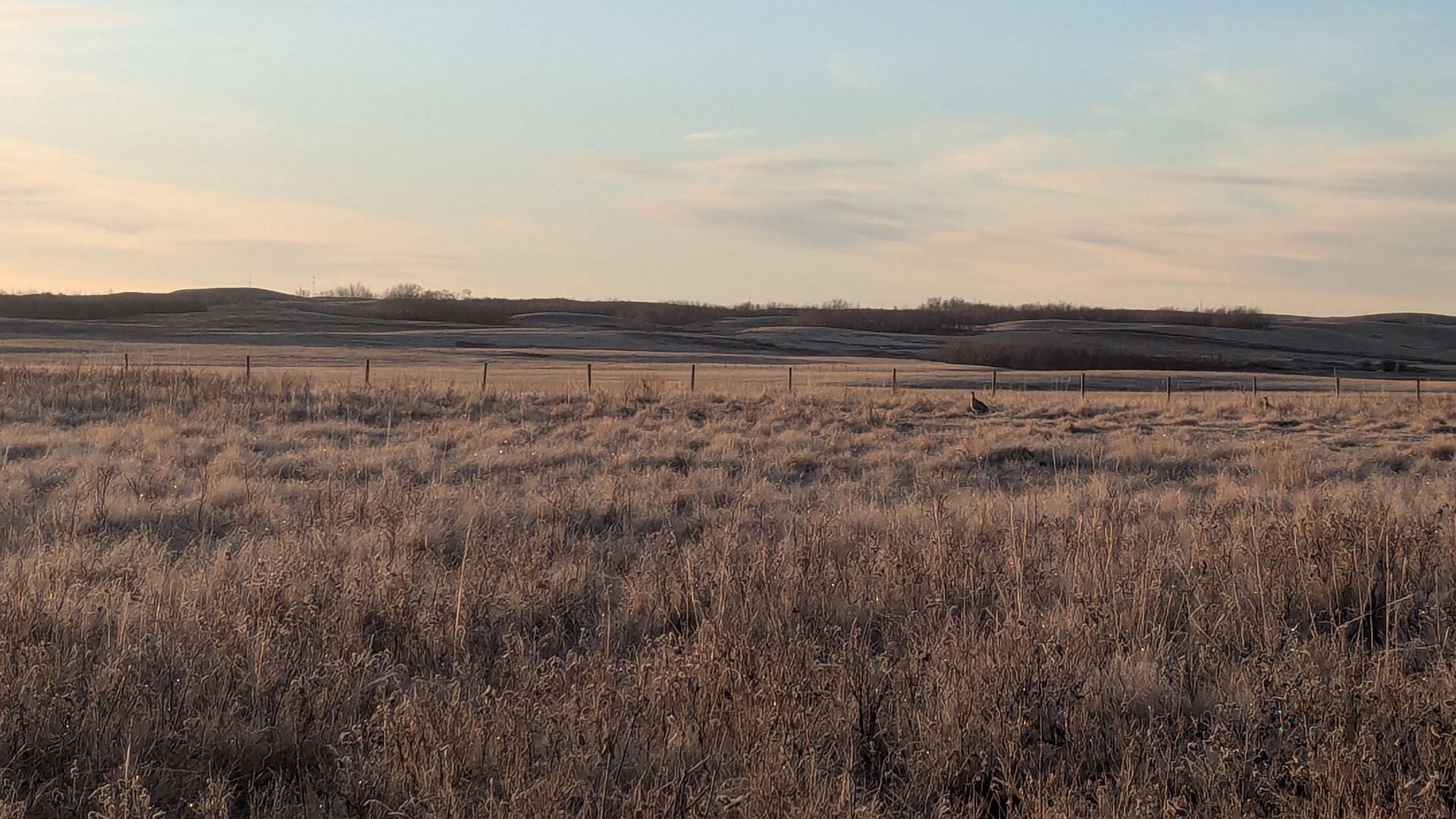
When you stand on the Alberta plains today, it is easy to notice the huge sky first. But beneath that landscape is another view: a place linked to Idaho, Wyoming, British Columbia, and beyond through ancient movement and exchange.
Seeing British Columbia Differently
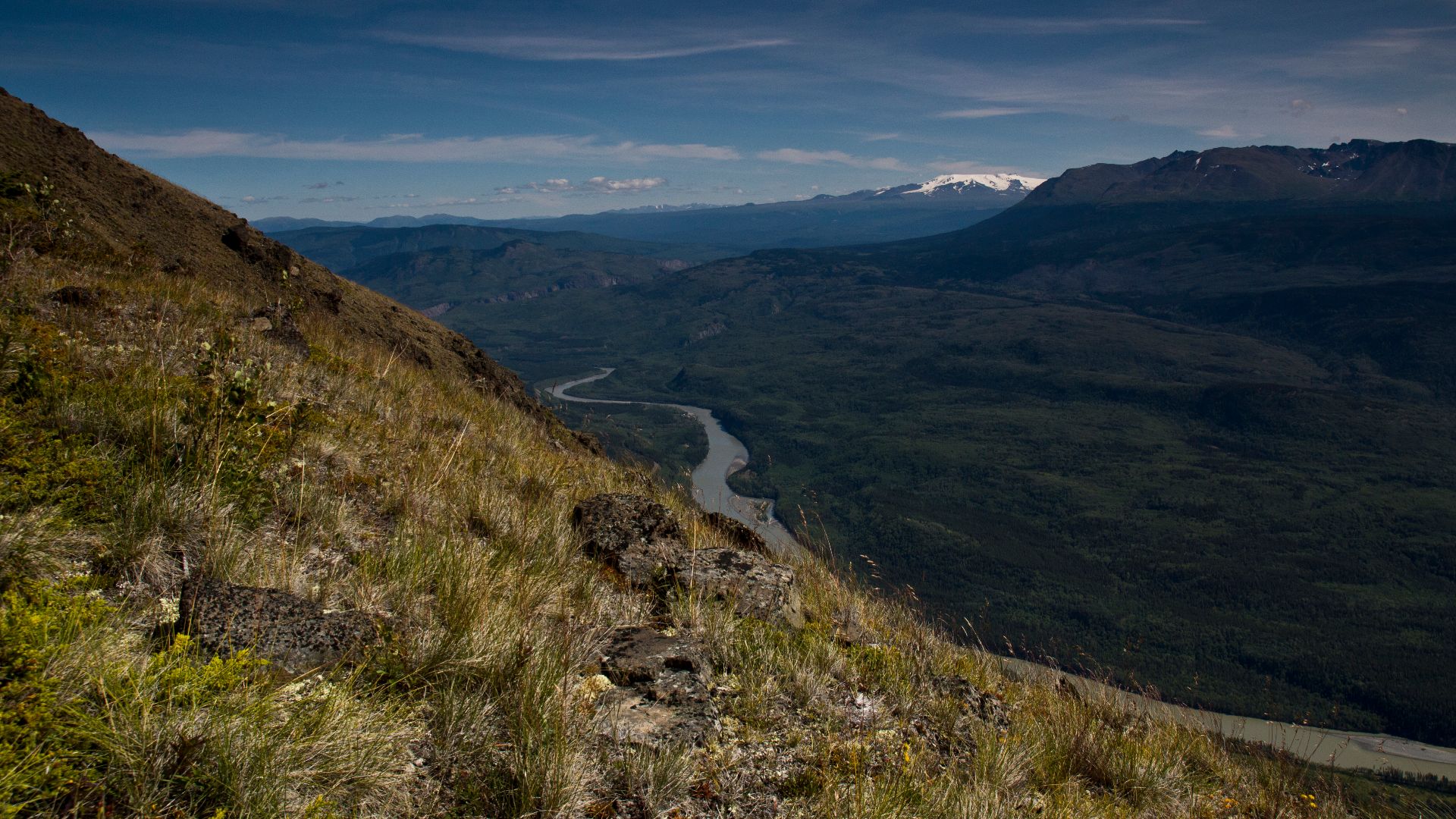
British Columbia’s volcanic regions were not just dramatic scenery. Sources such as Mount Edziza and Anahim Peak helped supply material that traveled far beyond its birthplace. Those places were part of a much larger Indigenous world of movement and meaning.
 Ethan Reitz, Wikimedia Commons
A Network Across Generations
Because some artifacts date back thousands of years, this was not a quick trend. These connections lasted, changed, and continued across generations. The same general idea kept working: people valued obsidian, and communities found ways to move it.
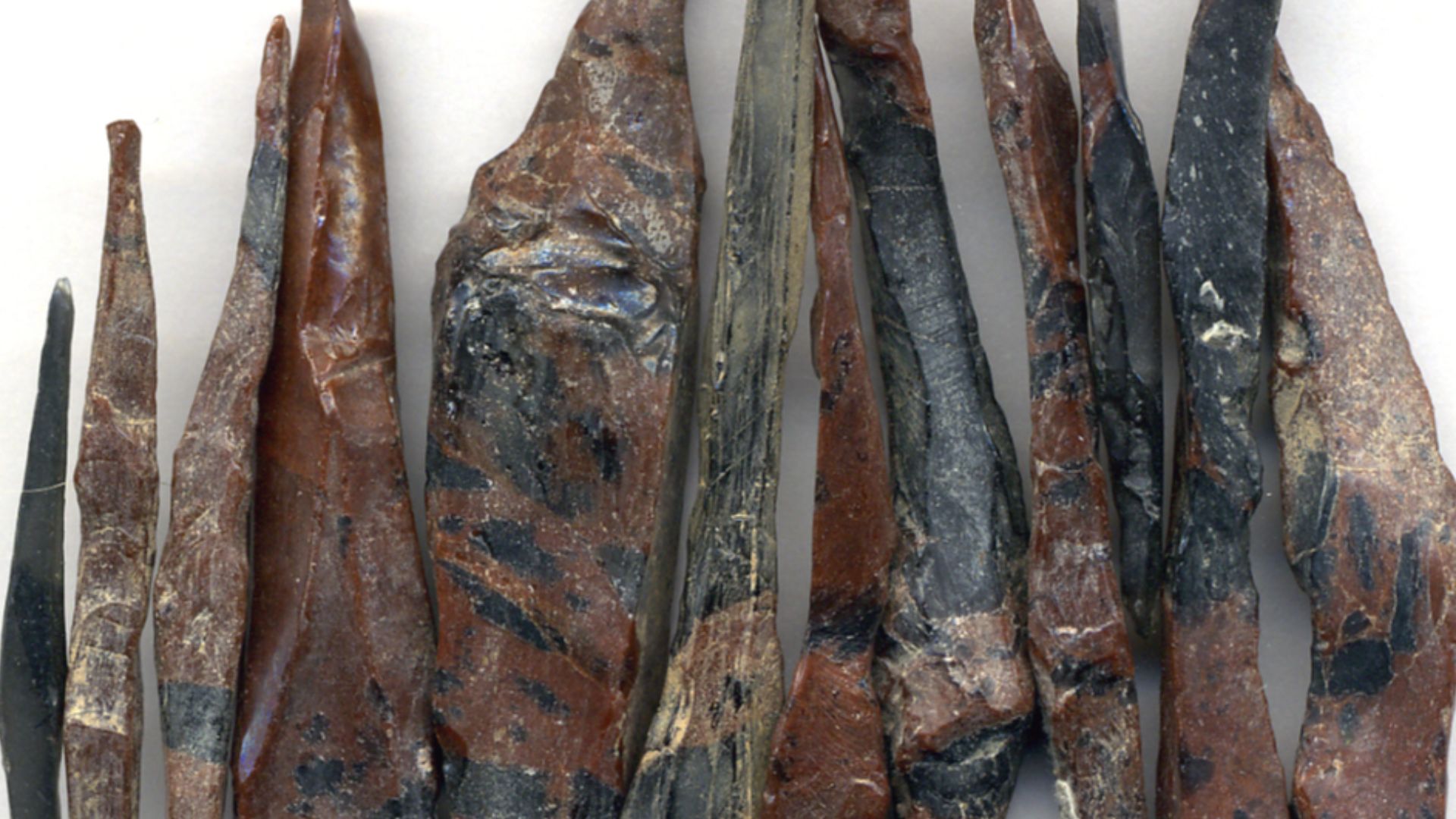 James St. John, Wikimedia Commons
Respecting The Story
It is important to tell this story with respect. These were Indigenous networks, built by people with knowledge, agency, and deep relationships to the land. The obsidian does not “discover” them. It helps modern researchers better understand what was already there.
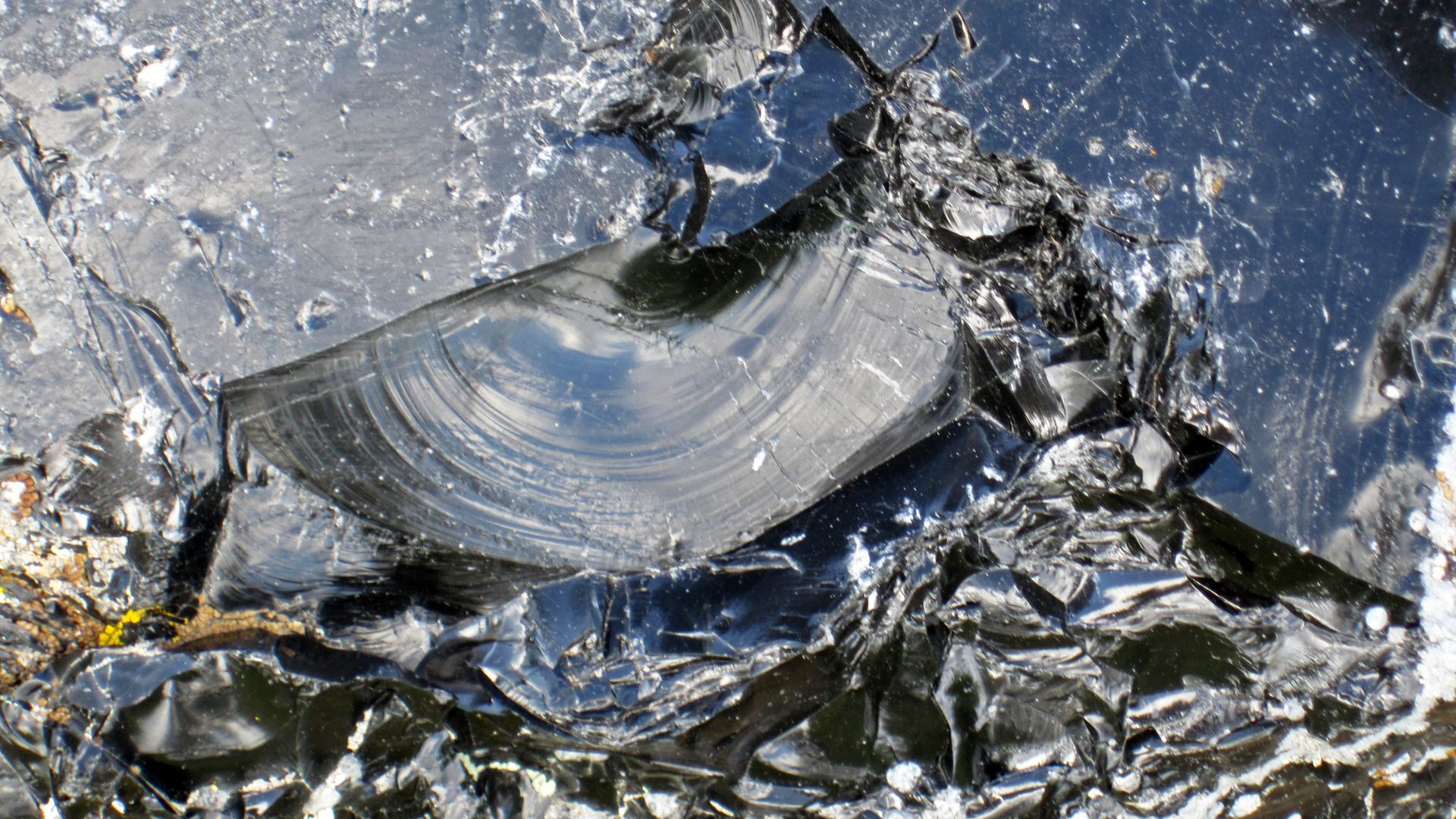 James St. John, Wikimedia Commons
The Ancient World Was Connected
The discovery of volcanic glass at hundreds of western Canadian sites proves something simple but powerful: ancient people were expert travelers, traders, and network-builders. Their world was not small. It was wide, active, and full of connection.
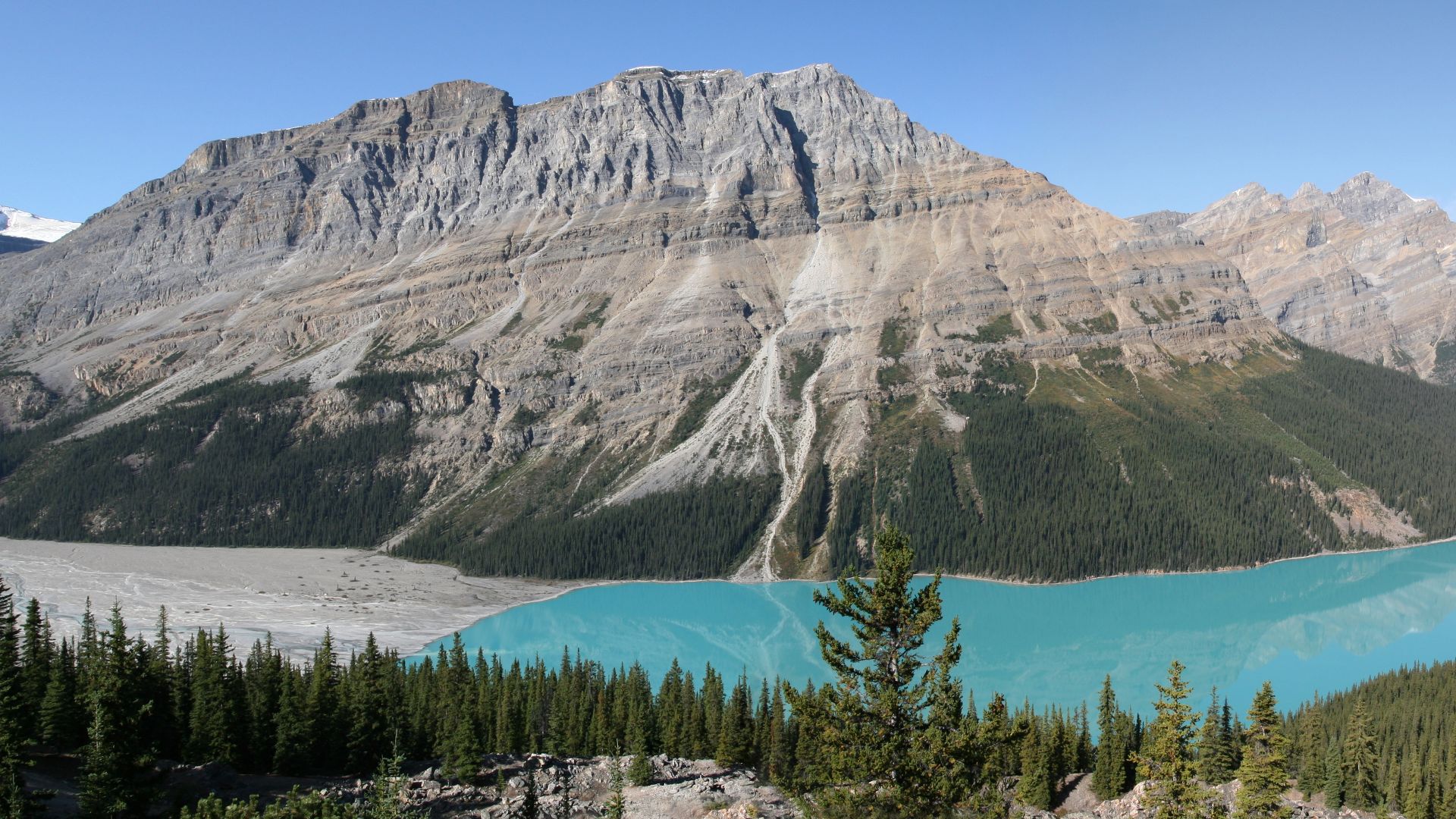 Michael Bemmerl, Wikimedia Commons
The Shine That Changed The Map
A black shard of volcanic glass may be small enough to hold in your palm, but its story stretches across mountains, rivers, plains, and centuries. Thanks to these finds, western Canada’s prehistoric past looks more connected, more mobile, and far more fascinating than ever.
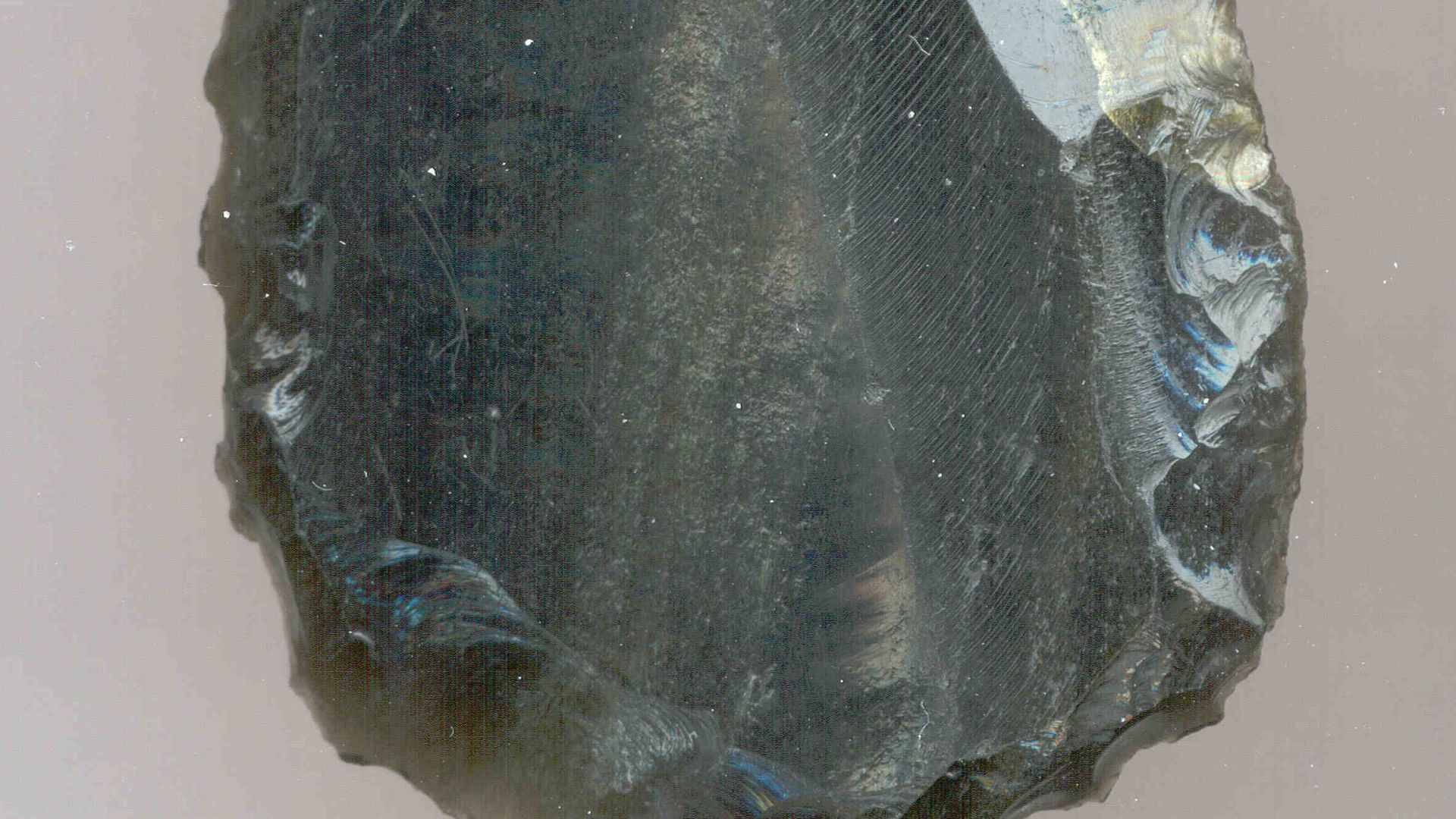 Craig Skinner of the Northwest Research Obsidian Studies Laboratory, Wikimedia Commons
You May Also Like:
What did Neanderthals sound like? Scientists think they've finally figured it out.




_13_(39844297003).jpg)