When The World Wouldn’t Sit Still
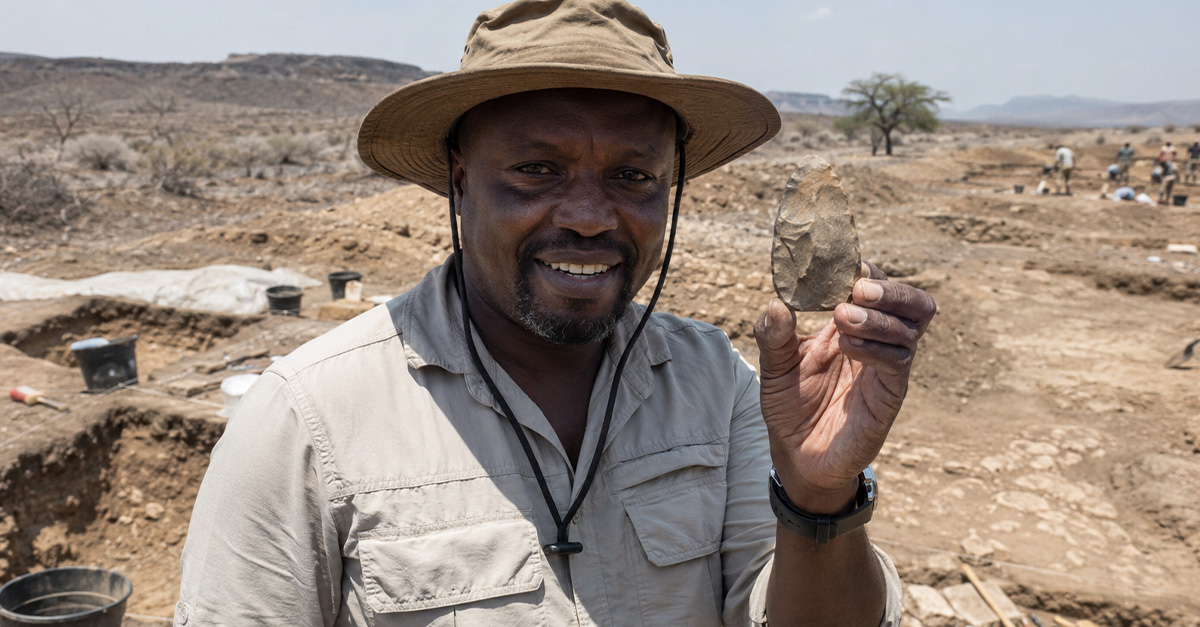
Imagine waking up to find the river shrinking, the grasslands spreading, and familiar food sources disappearing. That was life for some of our earliest ancestors. New evidence from northern Kenya shows that prehistoric humans survived enormous climate shifts by staying flexible, choosing good materials, and relying on tools they knew would work.
A Remarkable Site In Kenya
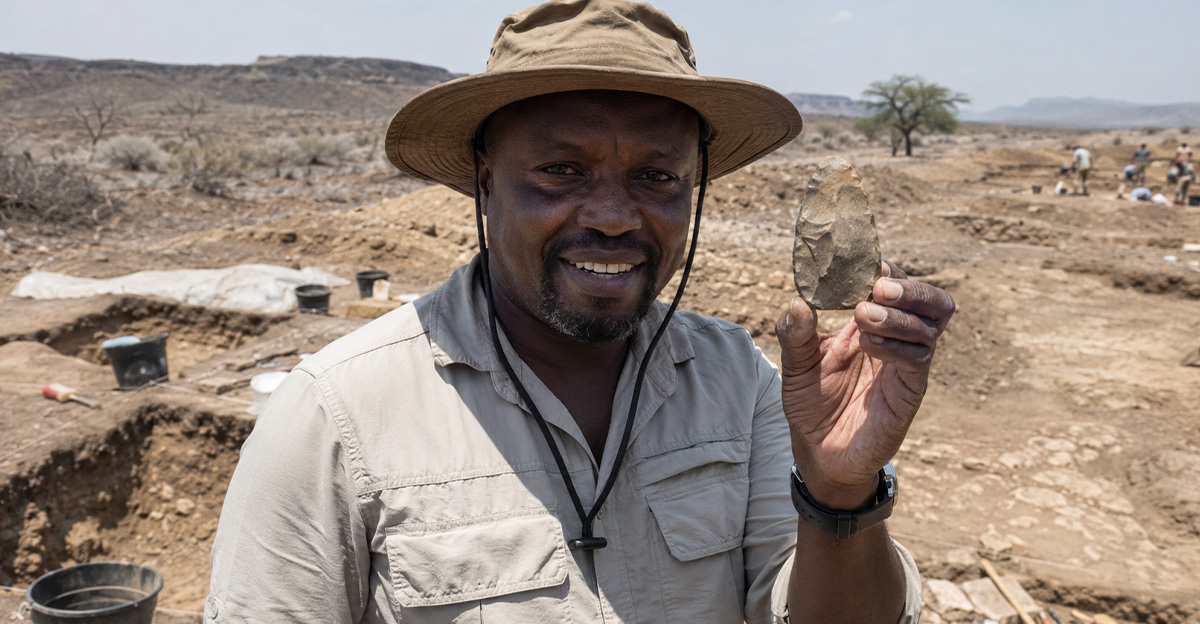
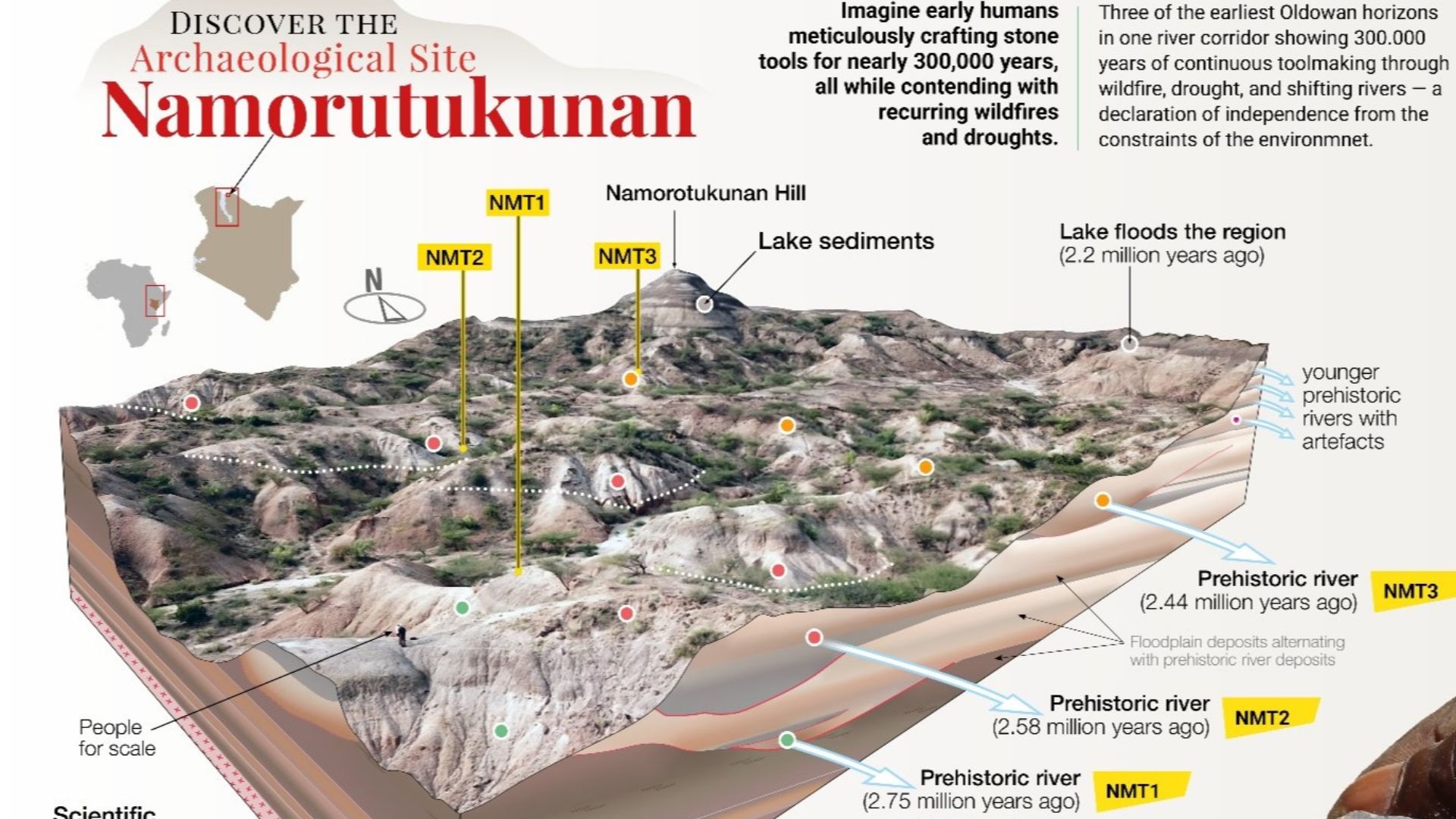
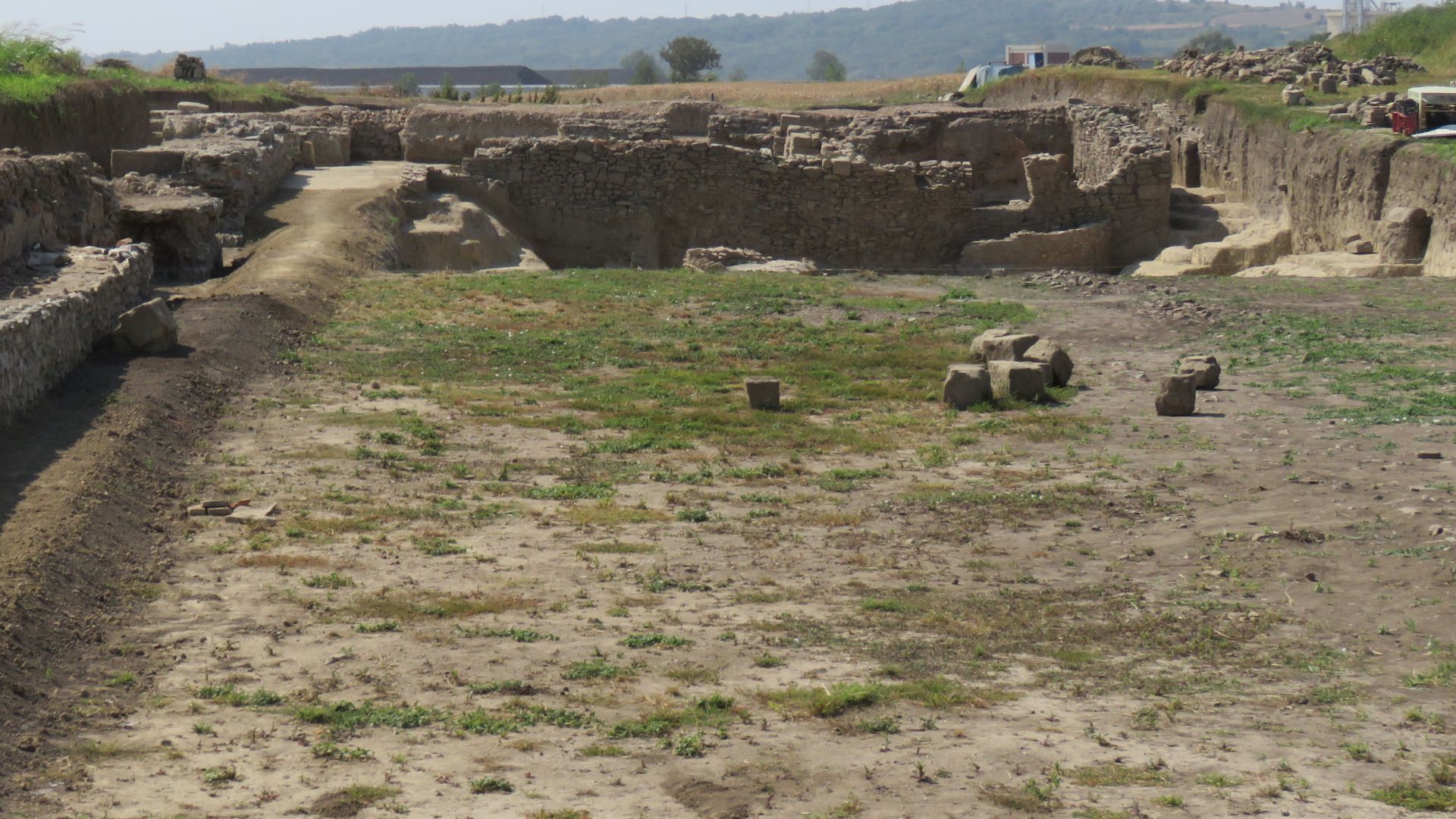
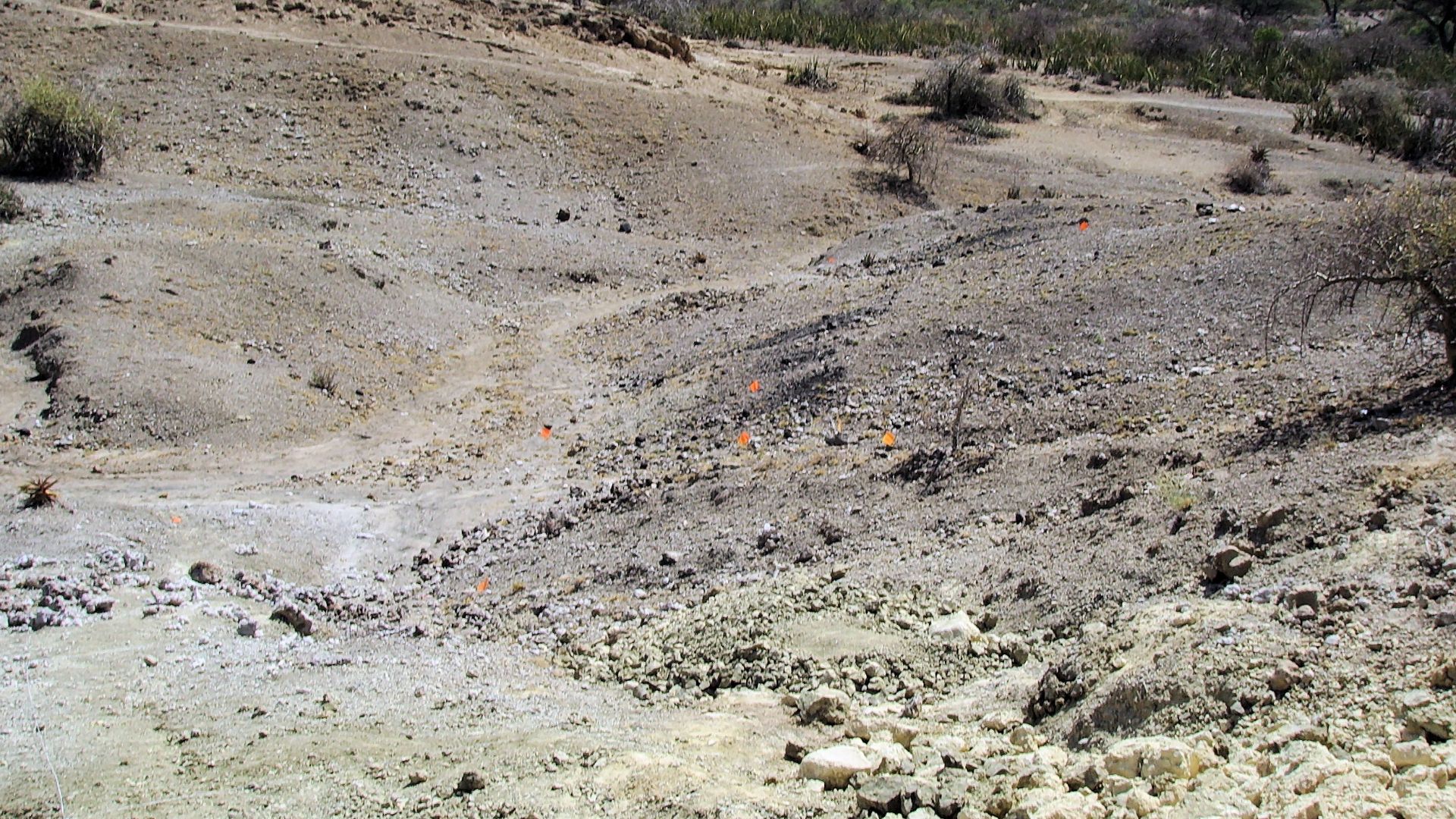
The story comes from Namorotukunan, an archaeological site in Kenya’s Turkana Basin. Today, the area is dry, dusty, and brutally hot. Millions of years ago, it looked very different, with rivers, wetlands, grasslands, and lakes appearing and disappearing as the climate changed.
Three Layers Of Ancient Life
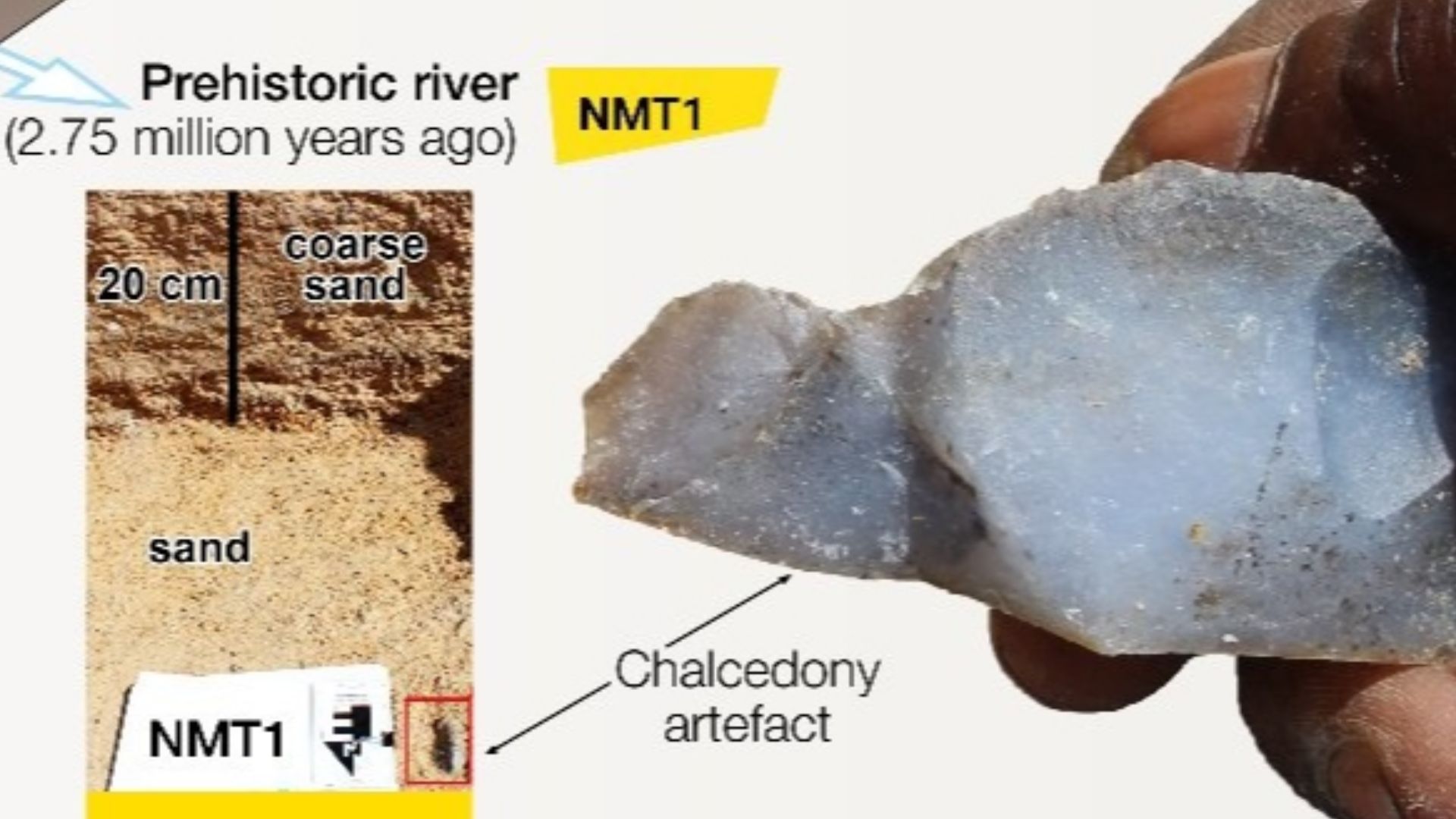
Researchers found stone tools in three separate layers of earth. The oldest were made about 2.75 million years ago, while the youngest dated to roughly 2.44 million years ago. Together, the layers cover an astonishing 300,000 years of early human activity.
This Was No Overnight Camp
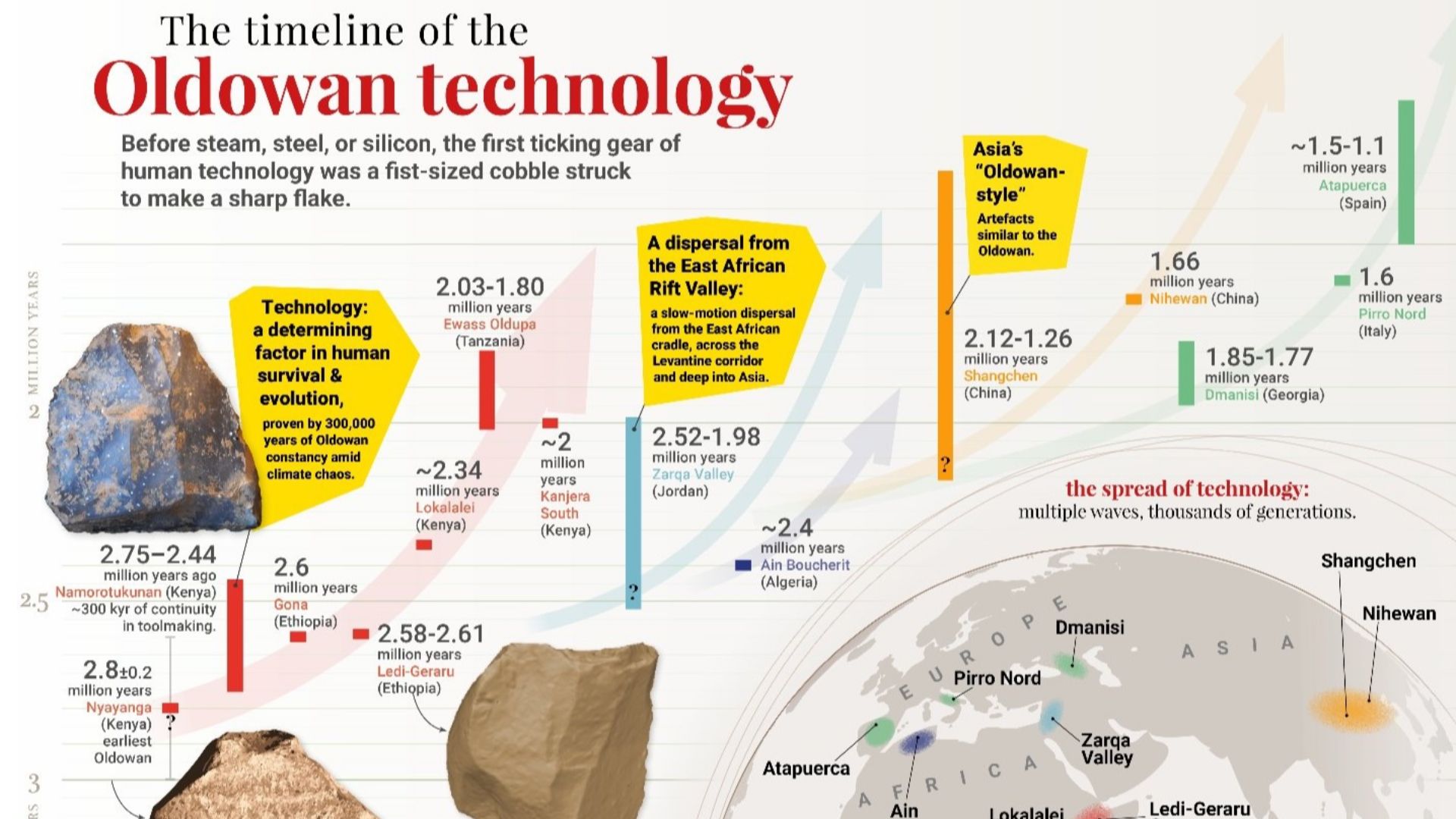
Some ancient sites capture a single visit, almost like a prehistoric campsite frozen in time. Namorotukunan tells a much bigger story. Early humans returned to the area again and again, or lived nearby for generations, even as the landscape around them changed beyond recognition.
 Mickey Mystique, Wikimedia Commons
Their Tools Were Simple But Clever
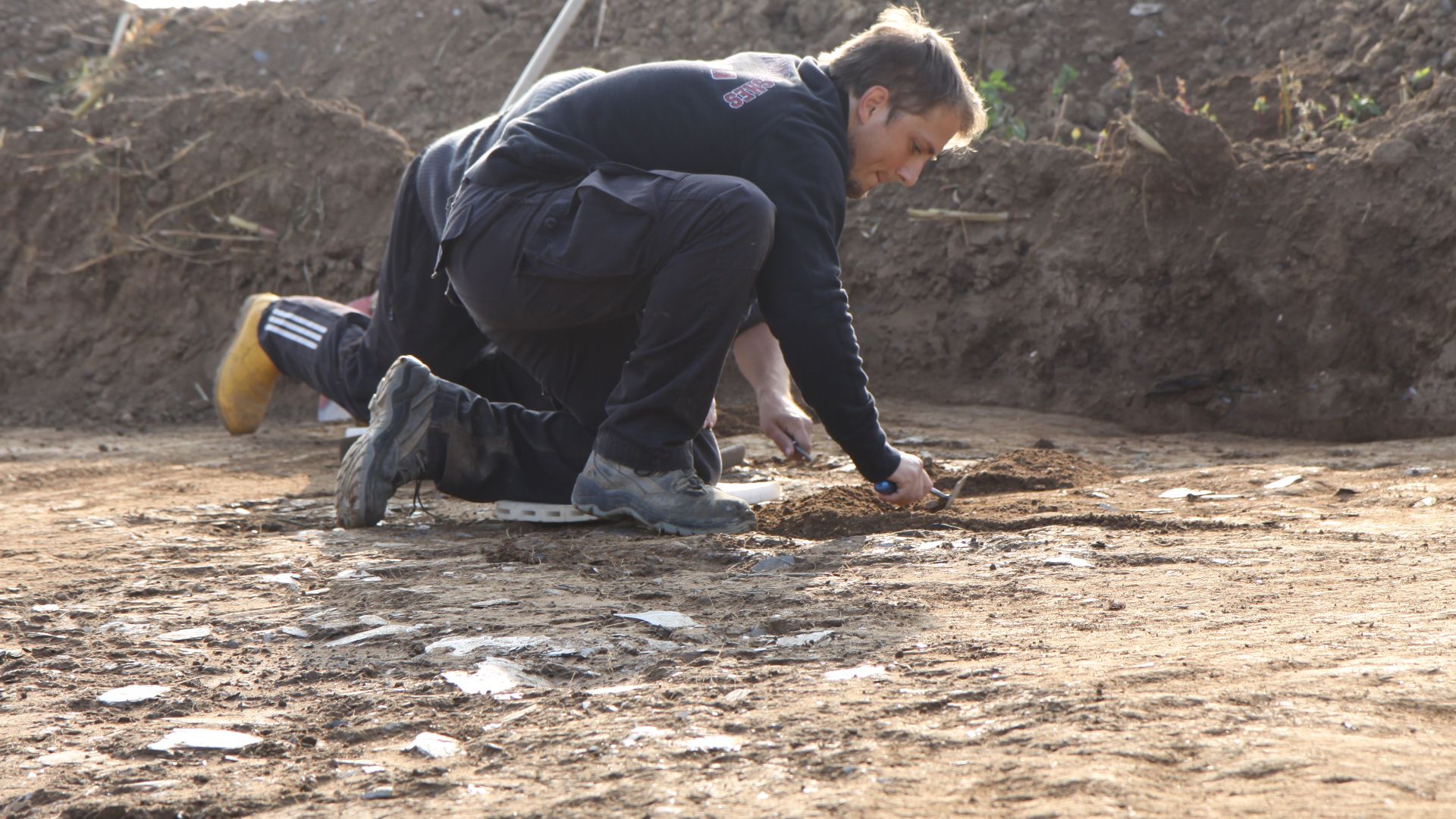
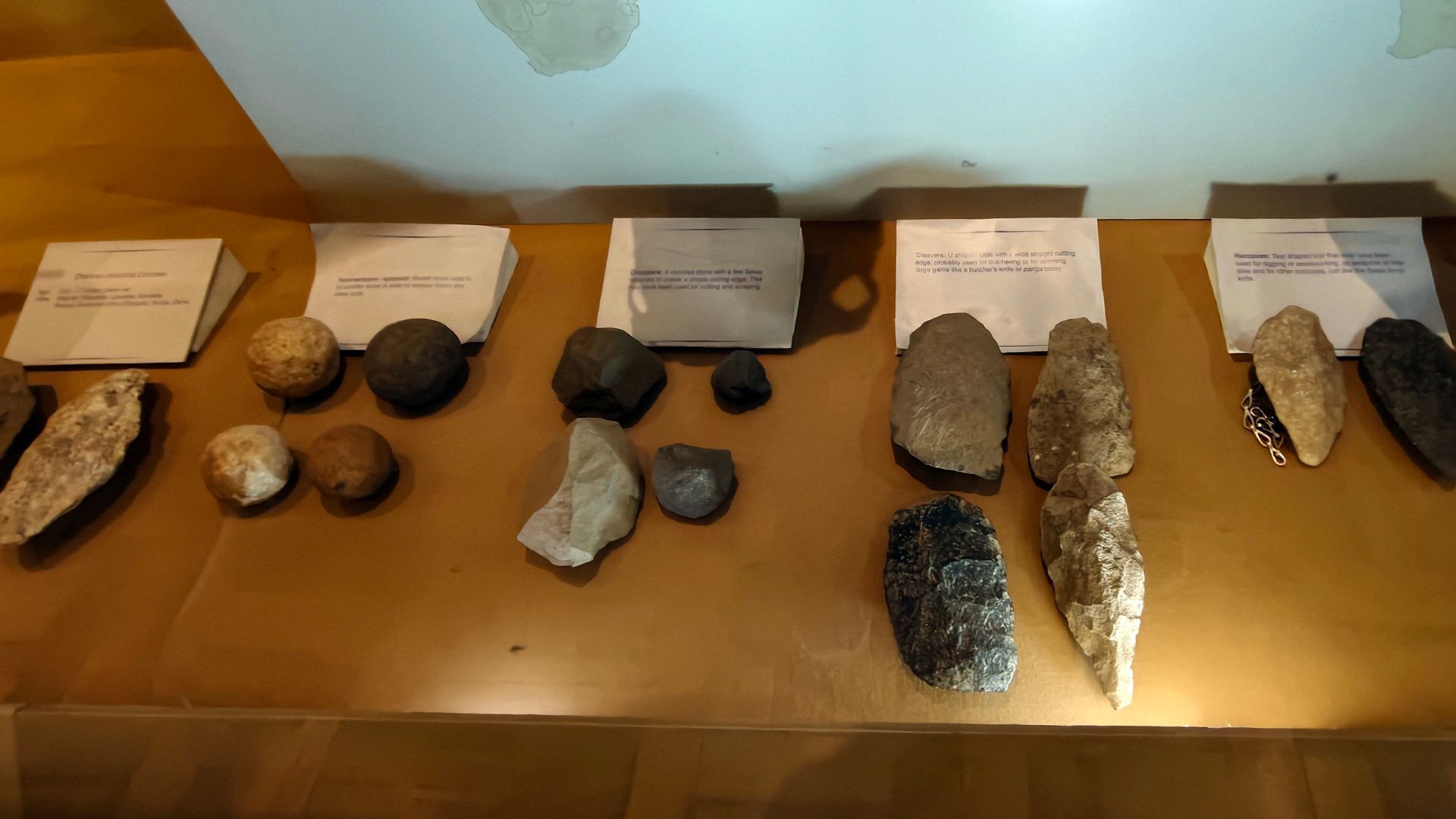
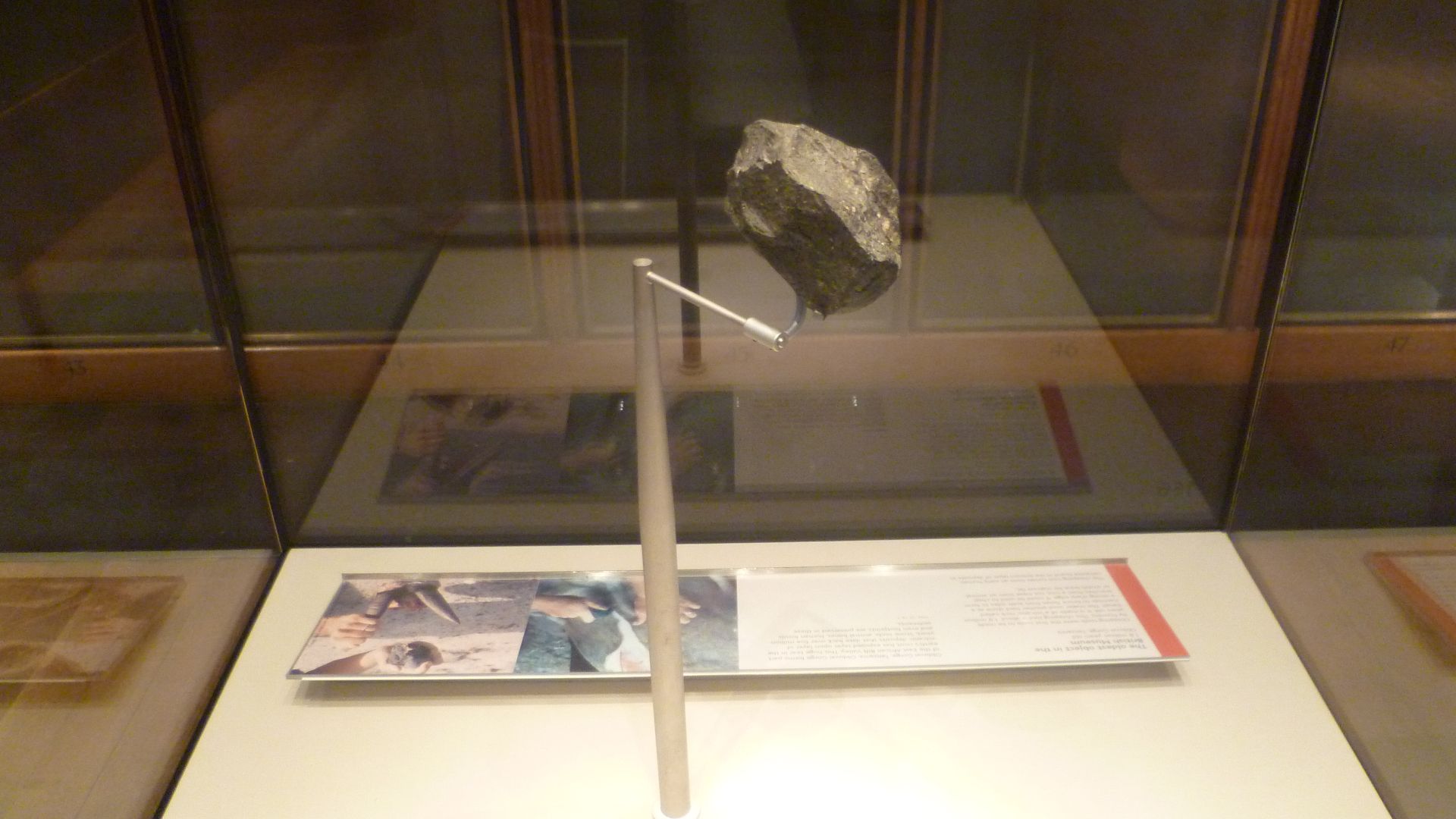
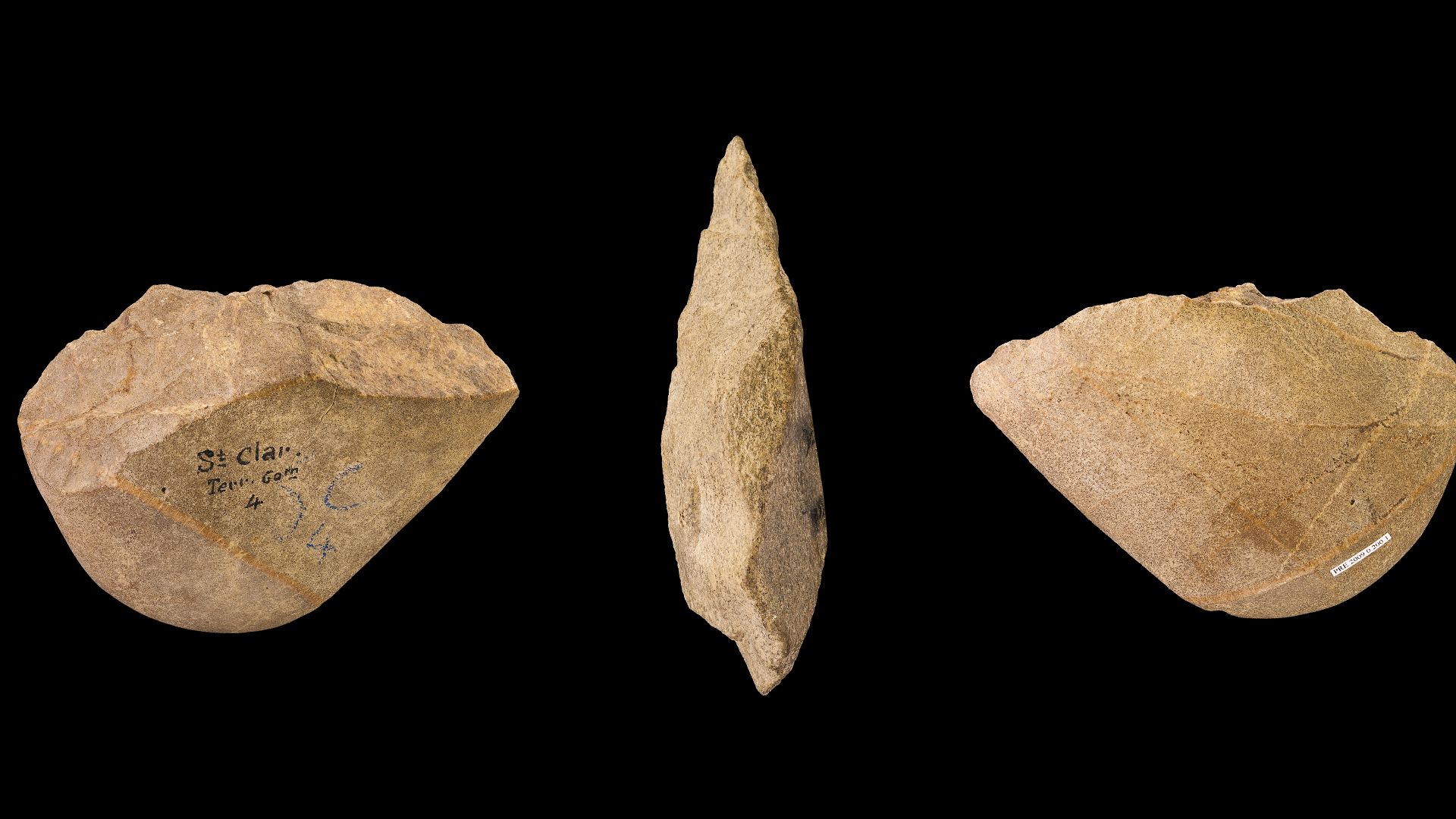
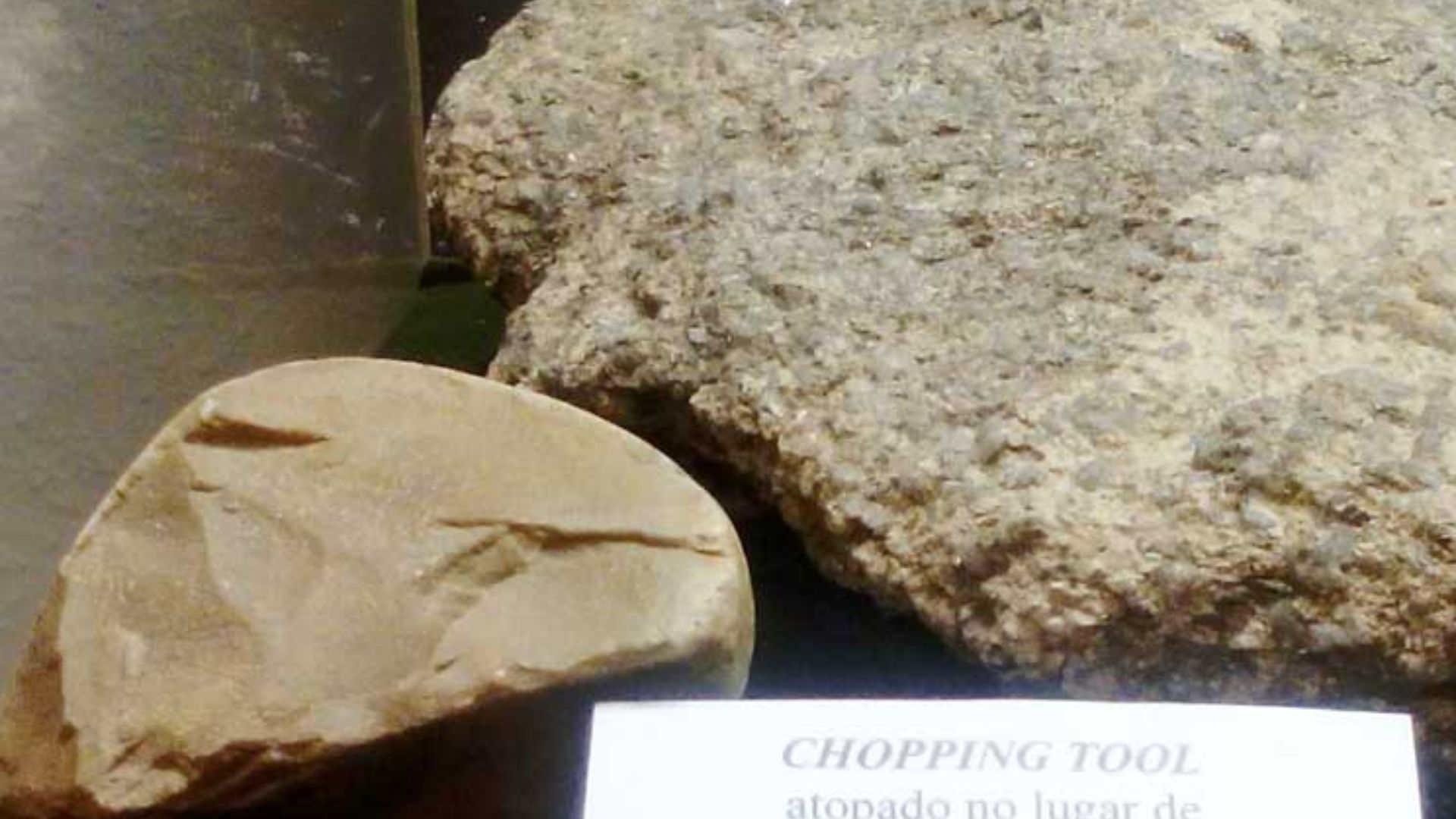
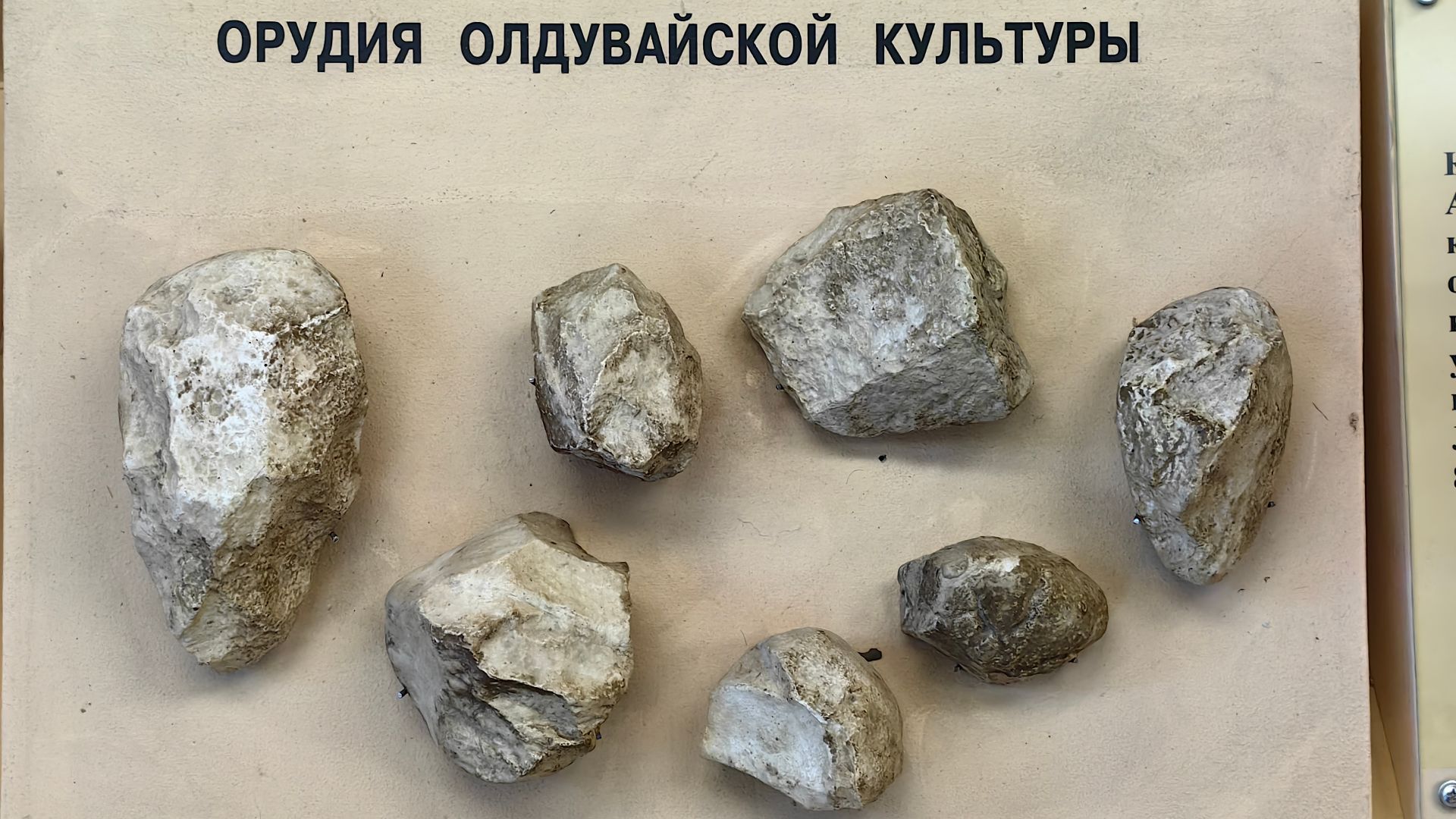
The tools belonged to a tradition known as the Oldowan. Toolmakers struck stones together to break off sharp flakes. They were not fancy, but they did the job. A good flake could slice meat, cut plants, scrape hide, or help process food that bare hands could not handle.
 Rachel Goodspeed (U.S. Corps of Engineers Europe District), Wikimedia Commons
The Pocketknife Of Prehistory
Oldowan tools were among the first widely used stone technologies in human history. They were easy to carry, quick to make, and useful for many different jobs. In that sense, they were a little like the Swiss Army knives of the ancient world, only without the corkscrew.
 Suyash Dwivedi, Wikimedia Commons
The Region Was Once Lush
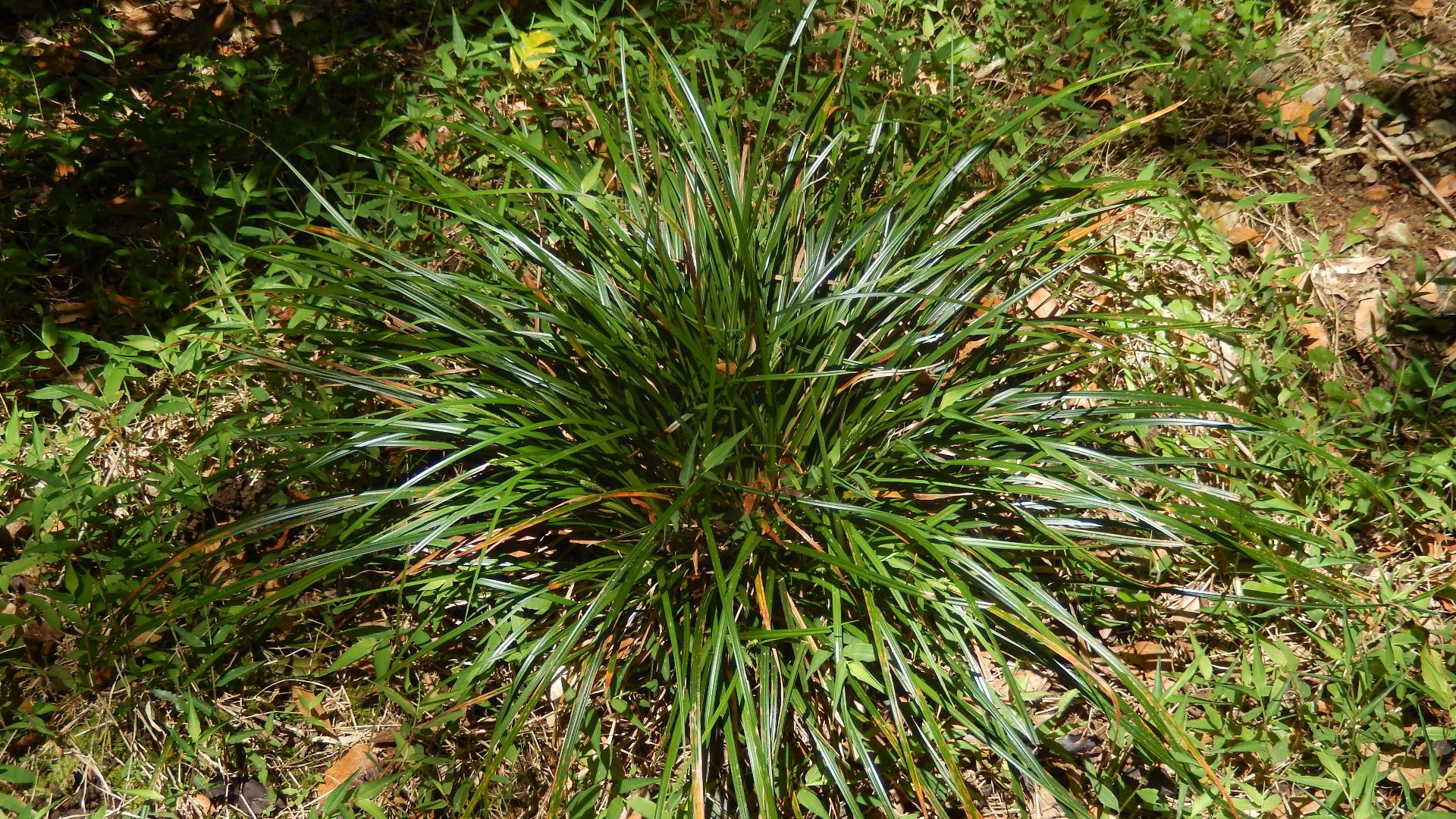
Long before the Turkana Basin became dry, it had wetter floodplains and thick vegetation. Fossilized plant remains show that palms, sedges, and other water-loving species once grew there. For early humans, that would have meant easier access to water, plants, and animals.
 Poyt448, Peter Woodard, Wikimedia Commons
Then Everything Began To Dry Out
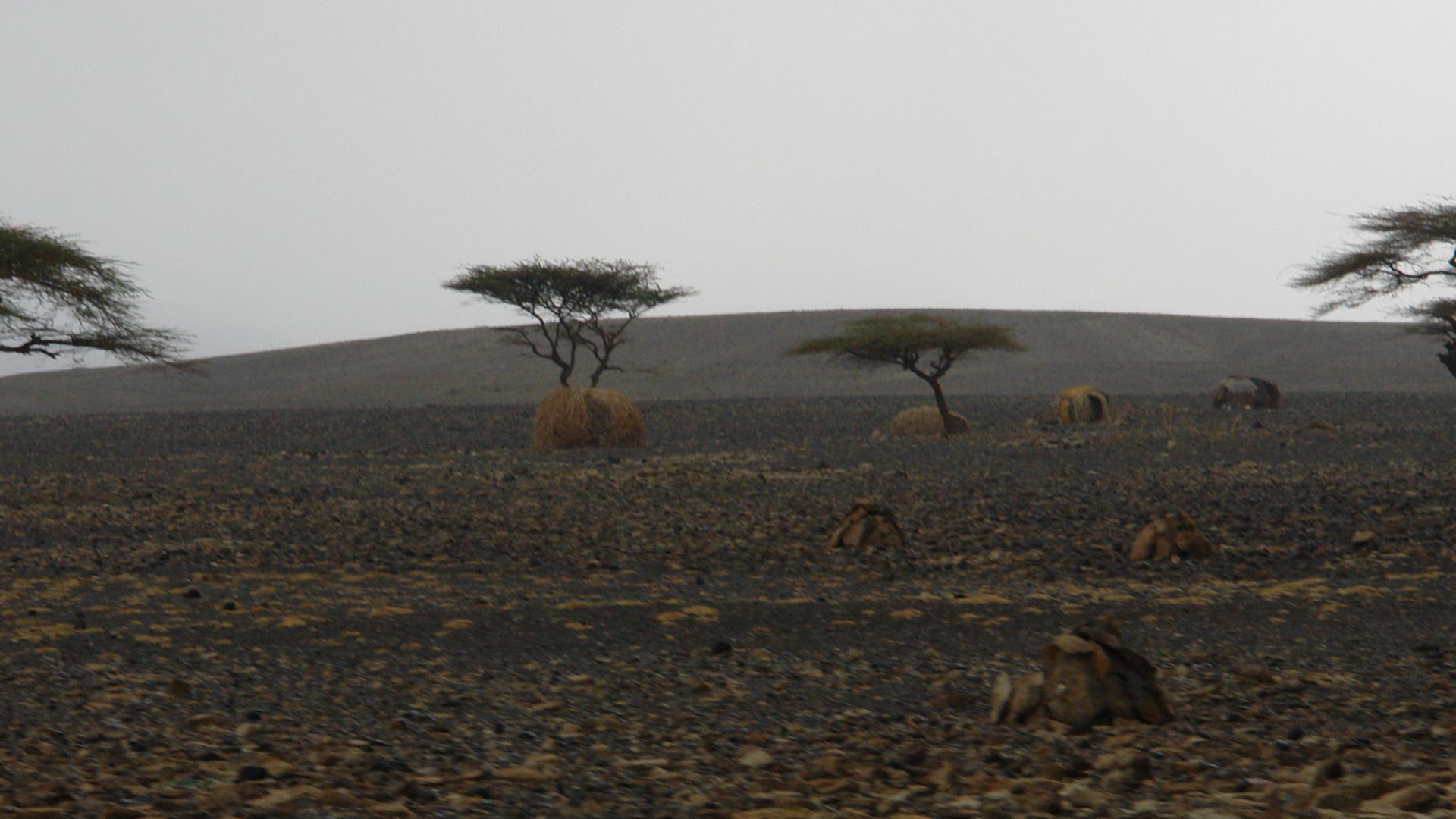
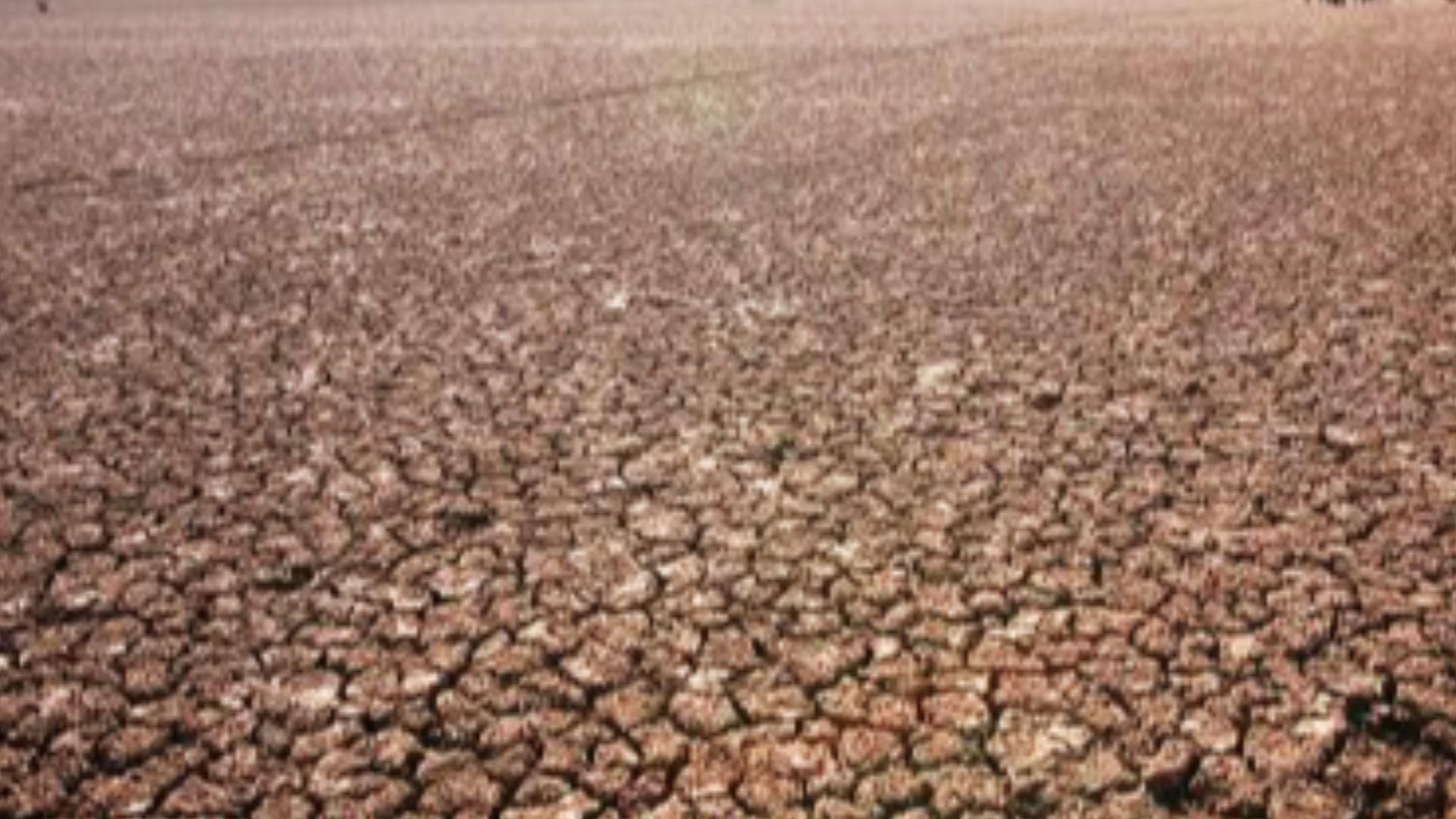
Around 2.8 million years ago, conditions started changing. Wetlands shrank, rivers shifted, and open grasslands spread across the region. Plants that needed lots of water disappeared, while tougher grasses and shrubs took over. The environment was becoming less predictable and much harder to live in.
 Filiberto Strazzari, Wikimedia Commons
Wildfires Added To The Trouble
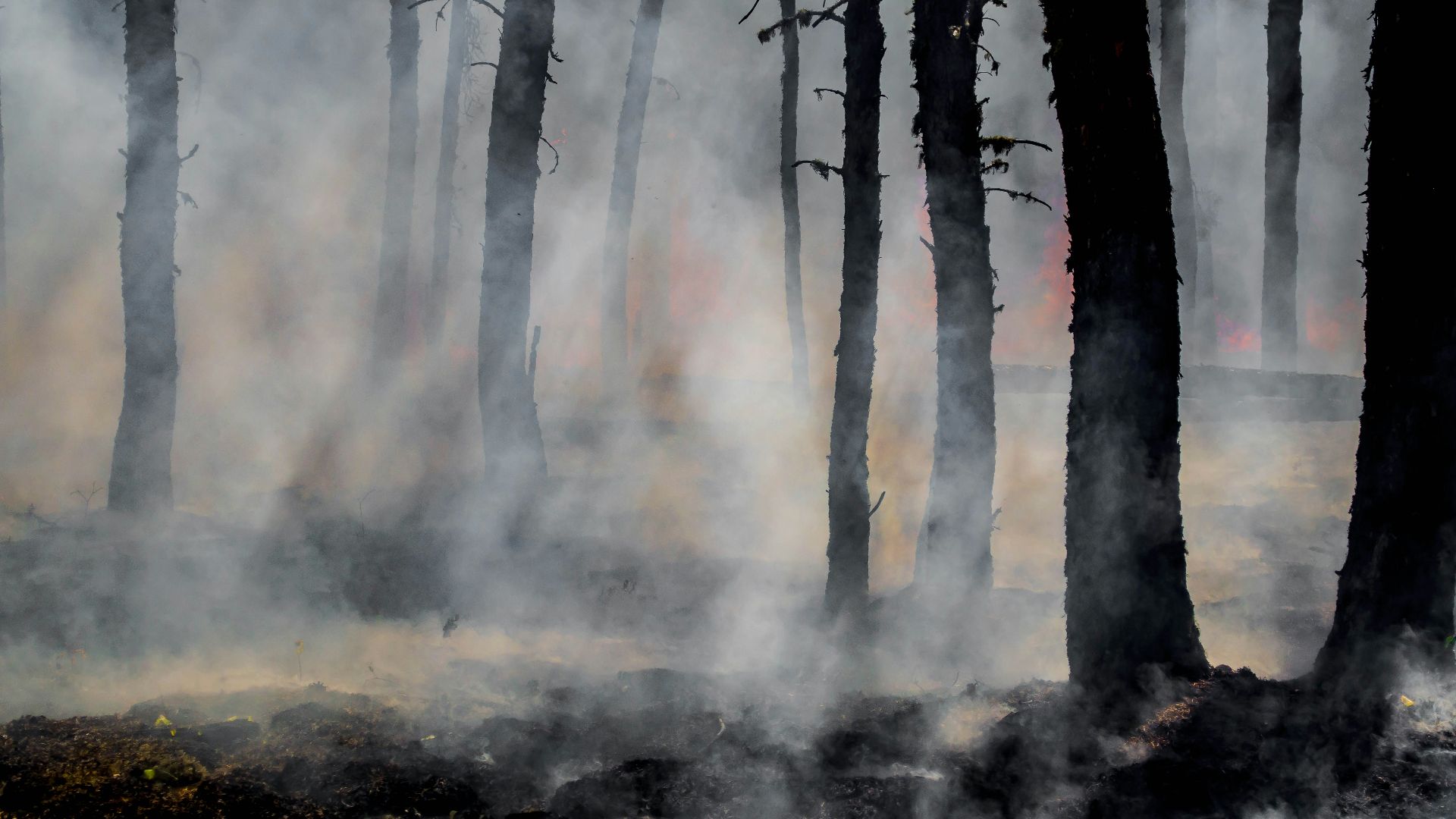
Researchers also found tiny pieces of charcoal left behind by ancient fires. Wildfires would have swept through the landscape, destroying vegetation and sending animals elsewhere. For early humans, that meant another layer of uncertainty in a world already becoming hotter and drier.
Volcanoes Were Part Of The Story
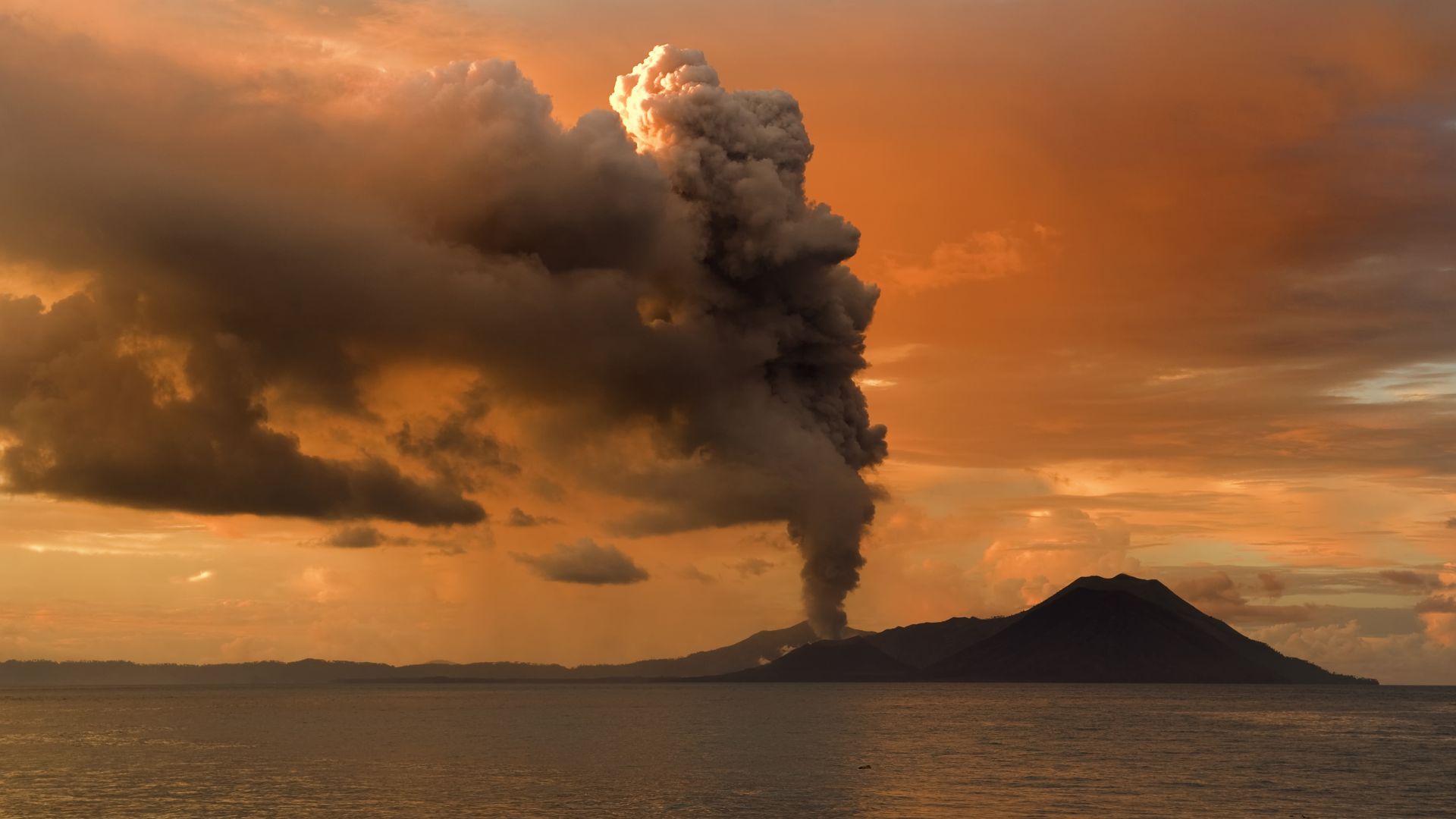
The Turkana Basin was also shaped by volcanic activity. Ash settled across the region at different points in time, covering the landscape in thin layers. For ancient humans, that may have been one more challenge. For modern scientists, those ash layers are valuable clues for dating the site.
 Taro Taylor edit by Richard Bartz, Wikimedia Commons
Even The Lakes Could Not Be Trusted
Ancient lakes in the region expanded and shrank as the climate shifted. A shoreline that once supplied water and food could move miles away or disappear completely. Early humans had to cope with a landscape where dependable places did not always stay dependable for long.
Yet The Tools Barely Changed
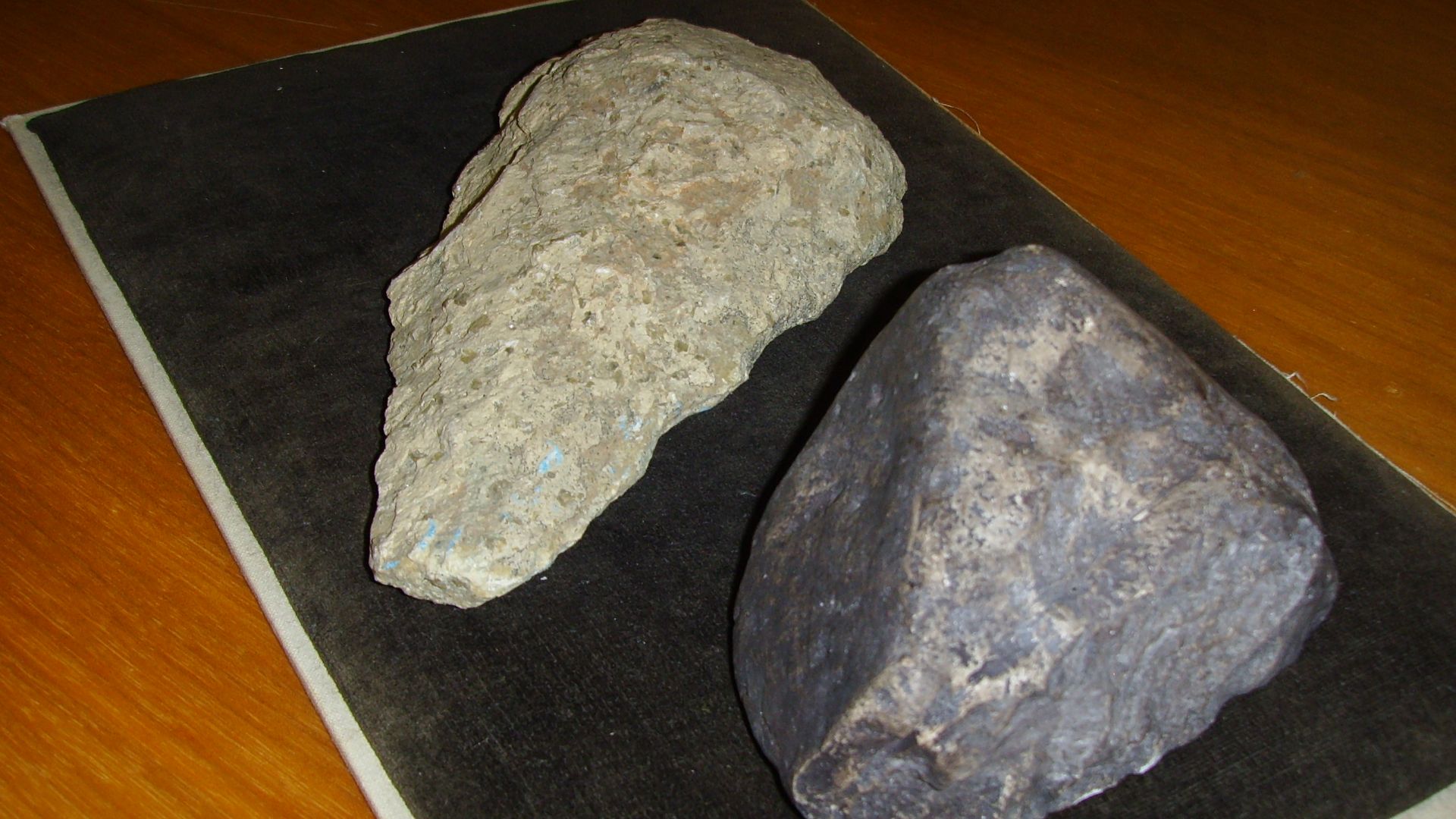
What surprised researchers was how consistent the toolmaking remained. Even while the environment changed dramatically, early humans continued making the same general style of stone tools. They did not throw out a useful idea simply because the scenery around them had changed.
Sometimes Reliable Beats Revolutionary
We often imagine progress as a nonstop parade of new inventions. This discovery suggests something different. Survival may have depended on having a dependable technology that worked in many situations. The Oldowan toolkit was simple, but it was flexible enough to remain useful for hundreds of thousands of years.
They Knew A Good Rock When They Saw One
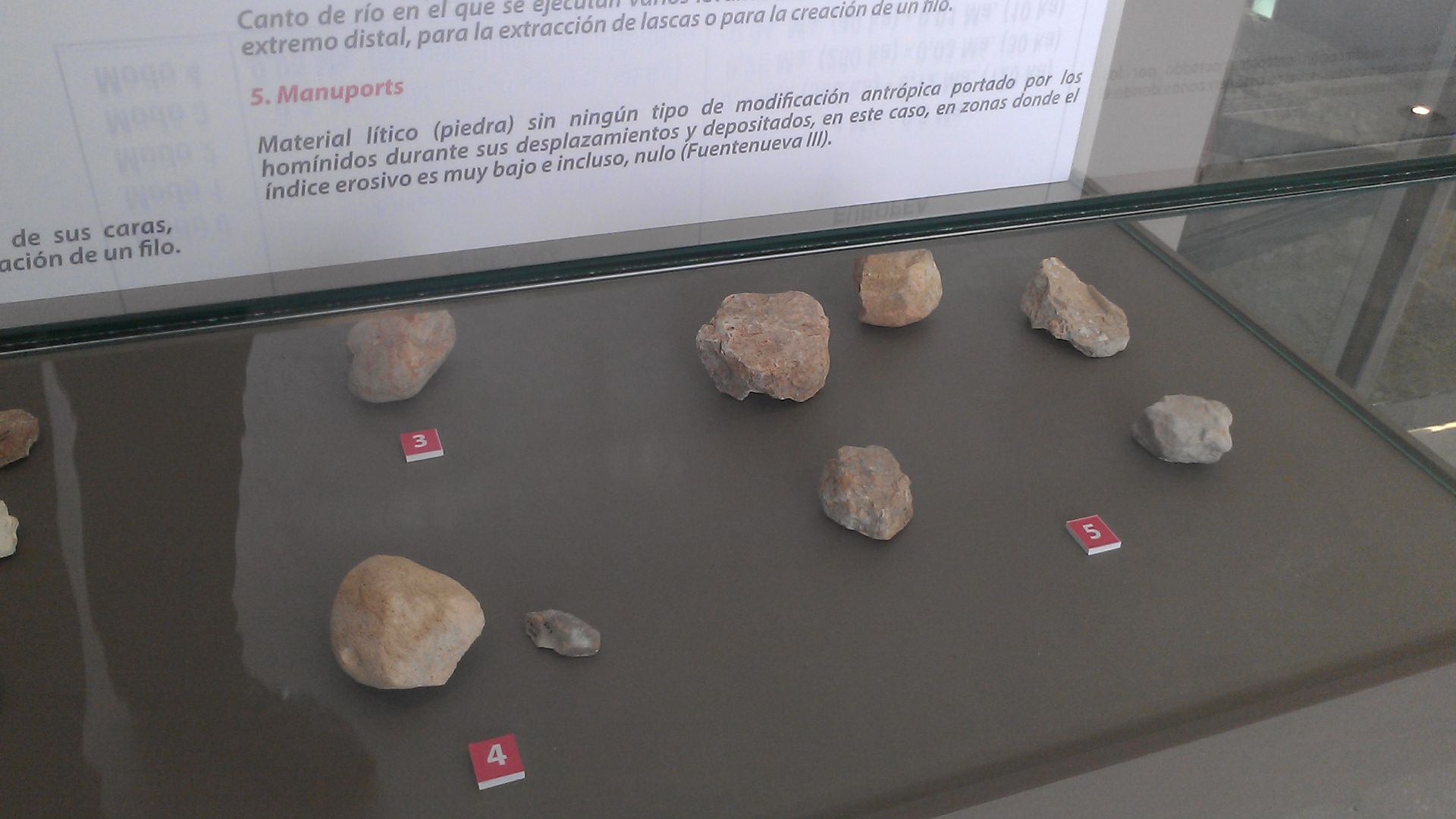
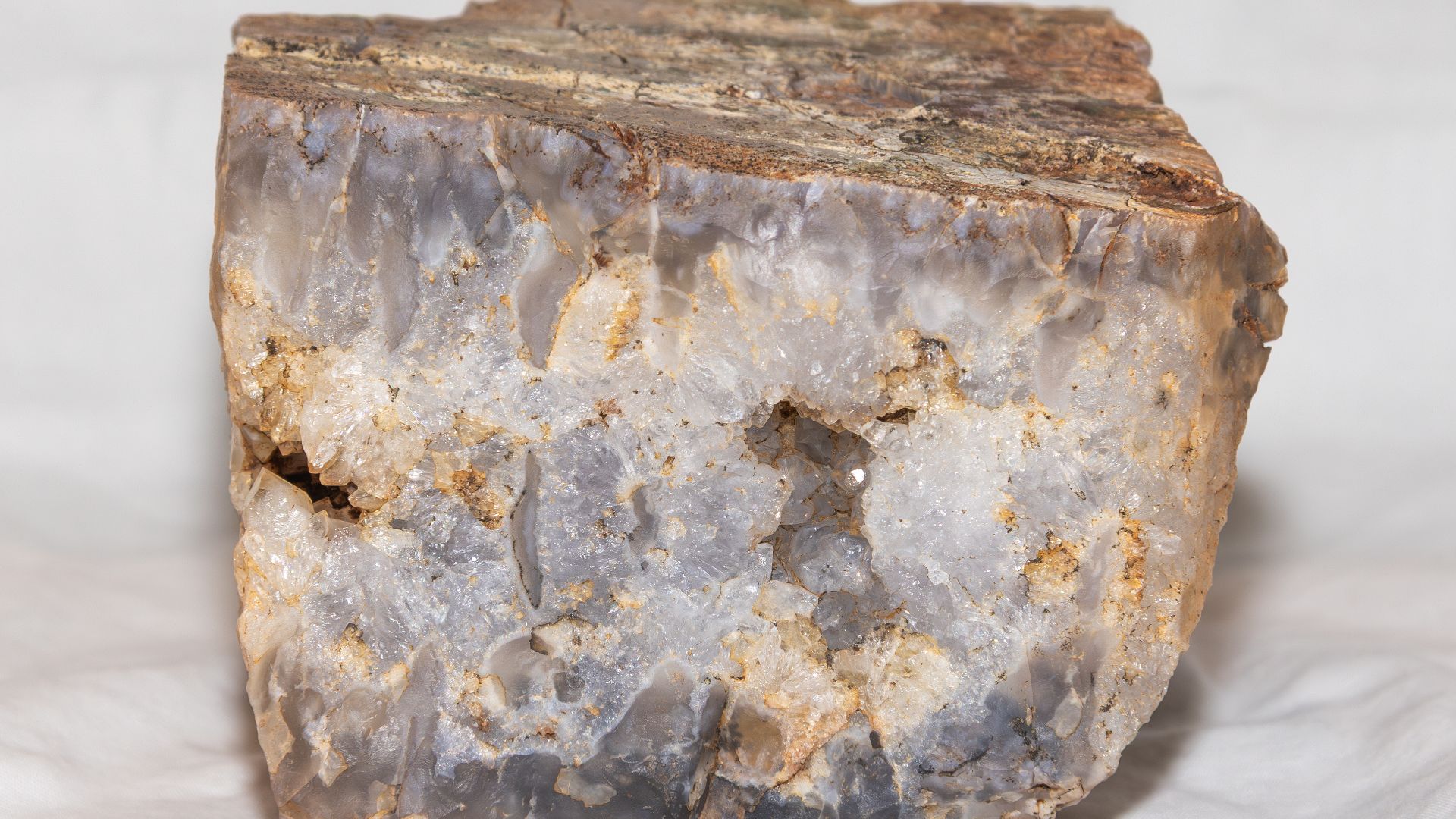
The toolmakers were selective about the stones they used. They often chose materials such as chalcedony, which could be broken into sharp, predictable edges. This was not random rock-bashing. They understood, through experience, that certain stones made much better tools than others.
 Kevin M. Gill, Wikimedia Commons
Nature Supplied The Workshop
Ancient rivers carried cobbles and pebbles into the area, giving toolmakers a handy supply of raw material. They did not always need to travel far to find good stone. The riverbanks provided something like a natural hardware store, stocked with everything needed to make a sharp cutting edge.

Sharp Flakes Were The Main Prize
Most of the artifacts found at the site were flakes or broken pieces with sharp edges. That tells researchers what the toolmakers were really after. The heavy stone core mattered, but the sharp flakes were often the most useful part for cutting, slicing, and processing food.
 Ali A. Fazal, Wikimedia Commons
This Took Real Skill
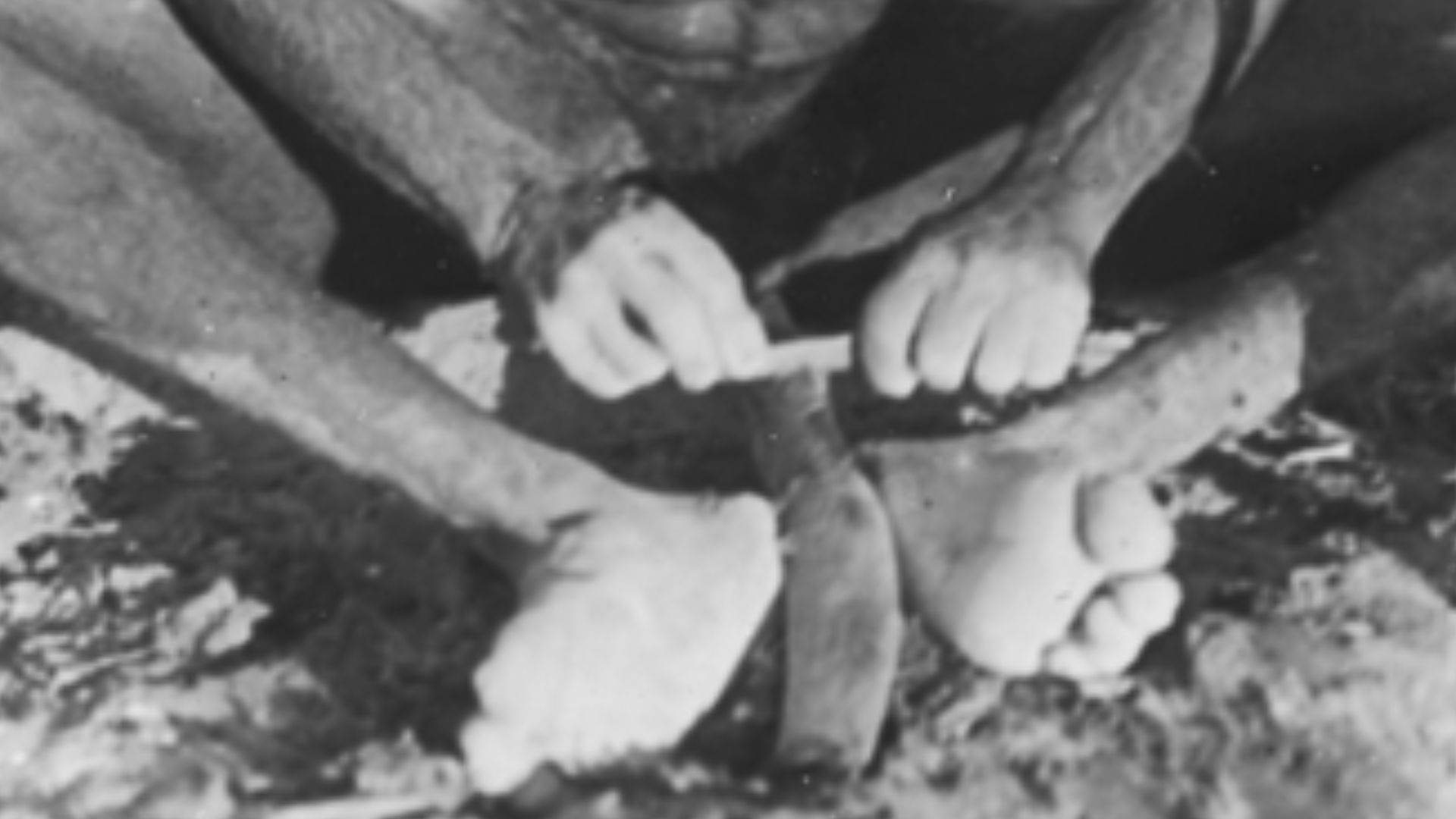
Making a sharp flake is not as easy as it looks. Strike the stone in the wrong place and it may shatter uselessly. The patterns on the tools suggest that these early humans understood how stone fractured and knew how to hit it with control.
 Herbert Basedow, Wikimedia Commons
Ancient Bones Tell A Story
Animal bones found at the site carried cut marks made by stone tools. Those marks suggest early humans used their flakes to butcher animal remains. Meat, fat, and marrow would have provided valuable calories, especially when plant foods became harder to find during dry periods.
 Rachel Goodspeed (U.S. Corps of Engineers Europe District), Wikimedia Commons
Tools Expanded The Menu
A stone edge could open up food sources that teeth and fingers alone could not easily reach. It may have helped early humans cut meat, break into bones, dig up tough roots, or prepare fibrous plants. In a changing climate, a wider menu could mean the difference between surviving and starving.
 U.S. Army National Guard photo by Staff Sgt. Emily Simonson, Wikimedia Commons
One Tool Could Do Many Jobs
The real genius of the Oldowan toolkit was its versatility. A sharp flake could be useful beside a wetland, on an open plain, or near a shrinking river. The environment changed, but the basic usefulness of a cutting edge did not.
 McHenry, L, Njau, J, Pante, M and de la Torre, I 2012, Wikimedia Commons
Skills Were Passed Down
No prehistoric instruction manuals have been found, but the long survival of this technology suggests that knowledge passed from one generation to the next. Young toolmakers probably learned by watching older ones, copying their movements, and practicing until they could produce a useful edge.
 Didier Descouens, Wikimedia Commons
We Do Not Know Exactly Who Made Them
Scientists cannot say for certain which early human species created every tool at Namorotukunan. Several kinds of hominins lived in East Africa during this period. The tools tell us more about what these ancient populations could do than exactly which branch of the human family made them.
Crude Looking Does Not Mean Crude Thinking
To modern eyes, Oldowan tools can look rough and unfinished. But appearances are misleading. They were light, practical, easy to replace, and effective. Early humans were not trying to win a design award. They were making tools that helped them get through the day.
Many Sciences Came Together
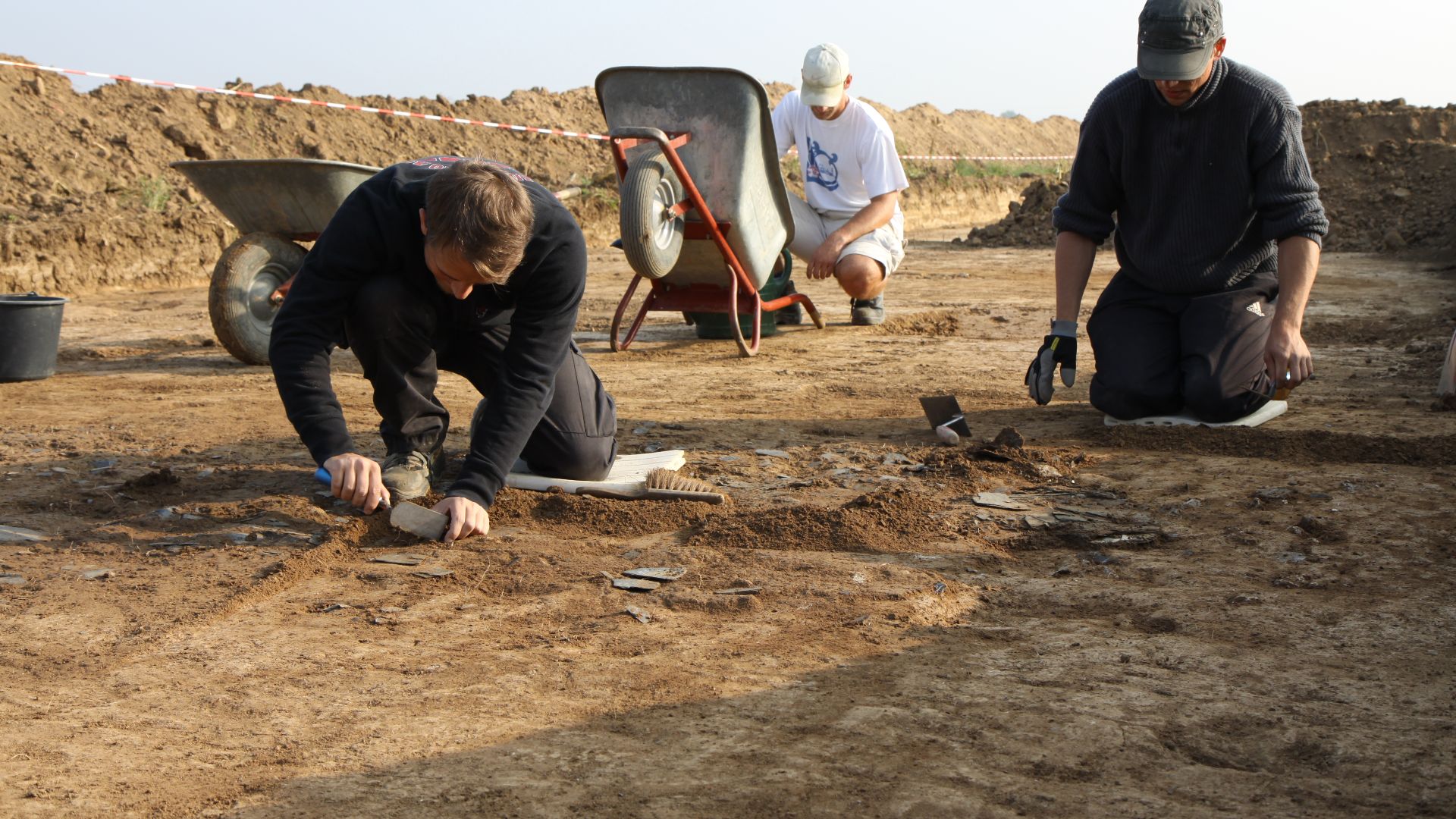
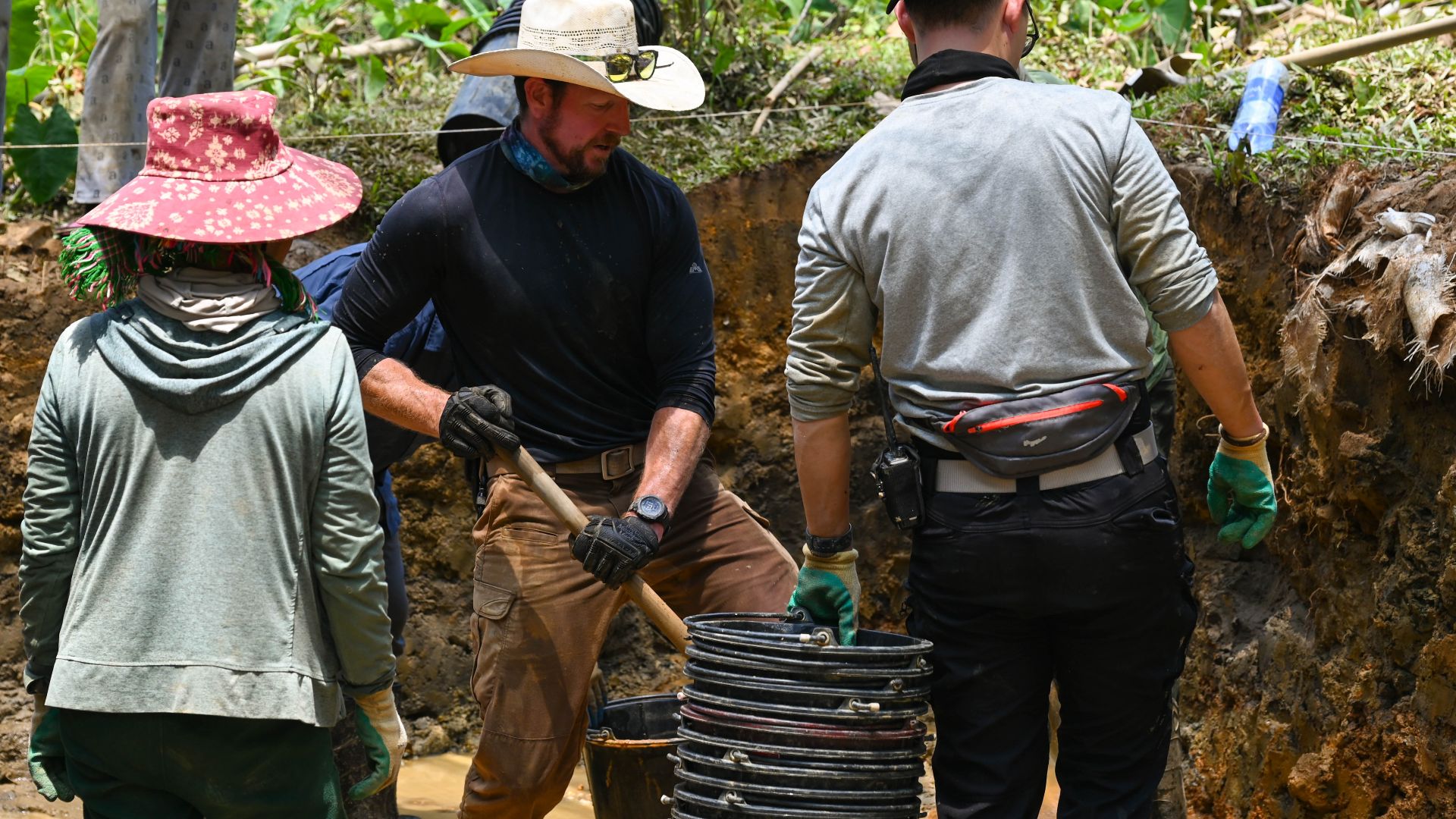
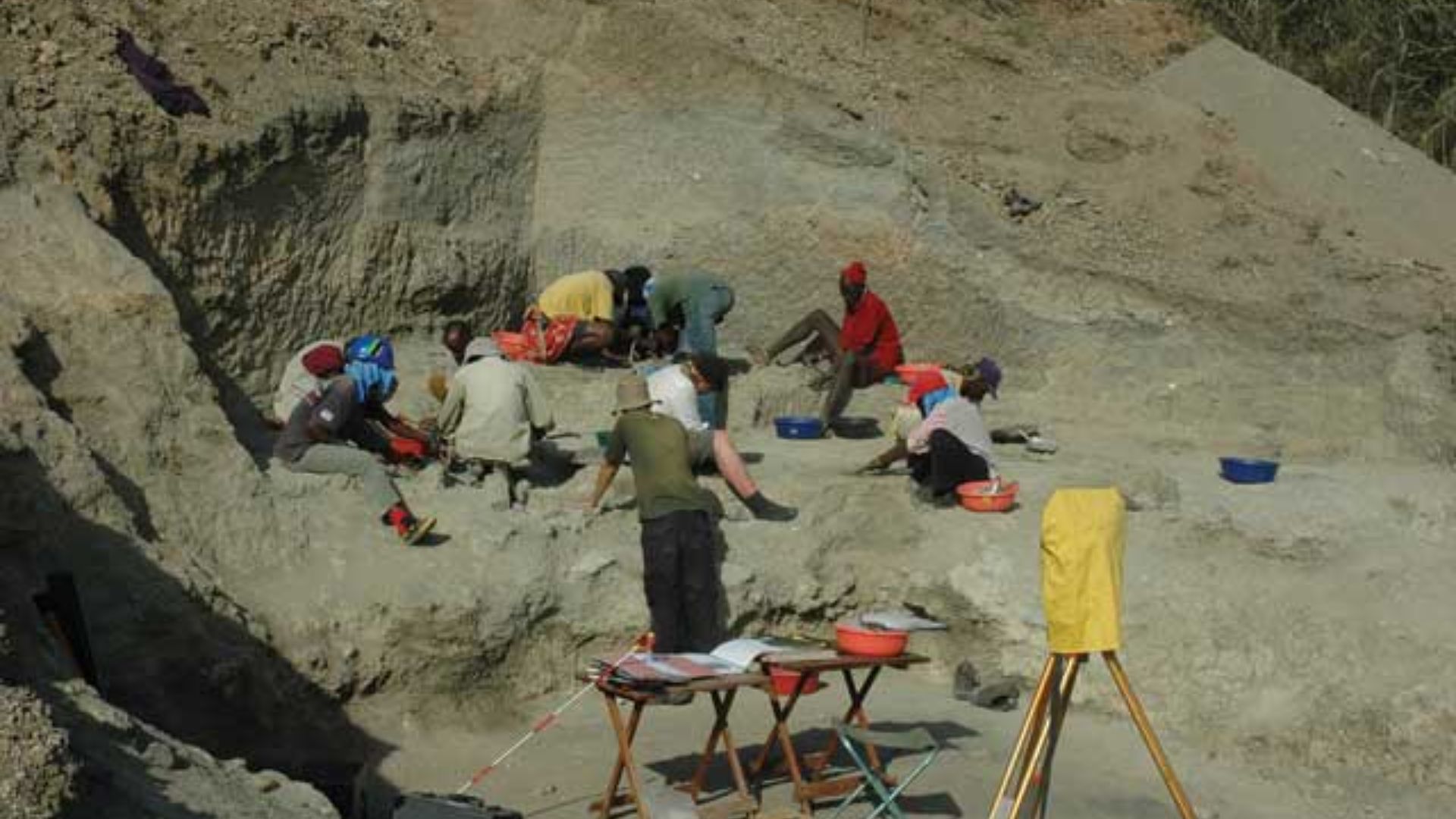
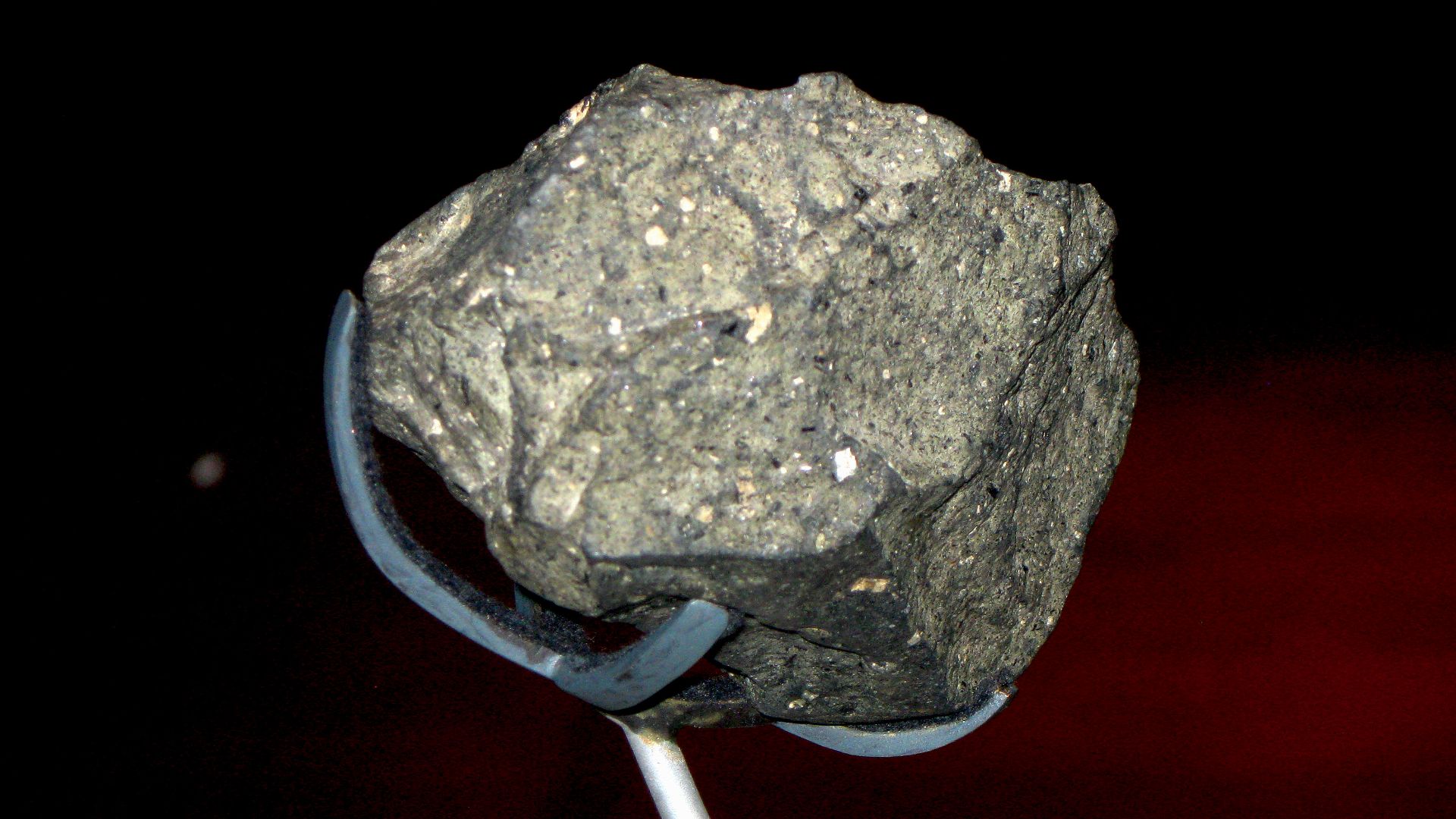
Researchers did not rely on stone tools alone. They studied fossil plants, animal bones, sediments, charcoal, volcanic ash, and magnetic signals in the ground. By combining archaeology, geology, and climate science, they rebuilt a picture of how the landscape changed over time.
 Archaeomoonwalker, Wikimedia Commons
Technology Became A Survival Advantage
The findings suggest that tools were already becoming a major part of human survival millions of years ago. Our ancestors did not depend only on physical strength or natural defenses. They used knowledge, learned skills, and technology to cope with conditions their bodies could not control.
There Was Probably More To The Story
Stone tools were only part of the survival strategy. Early humans likely changed where they travelled, what they ate, how they found water, and how they worked together. Those behaviors are harder to see in the archaeological record, but they were probably just as important.
 Александр Сигачёв, Wikimedia Commons
The Original Climate Survivors
The people who lived at Namorotukunan faced shrinking wetlands, spreading grasslands, wildfires, volcanic activity, and disappearing lakes. They survived because they were adaptable, observant, and practical. Their world kept changing, but they kept finding ways to live in it.
 Mididoctors (talk · contribs), Wikimedia Commons
You May Also Like: