One Ancient Tooth Is Rewriting The History Of Dentistry
For a long time, scientists believed that dentistry was a relatively recent invention, developing only after humans began farming and forming permanent settlements. But a single Neanderthal tooth found in a Siberian cave is turning that idea upside down.
Meet The Patient From Prehistoric Siberia
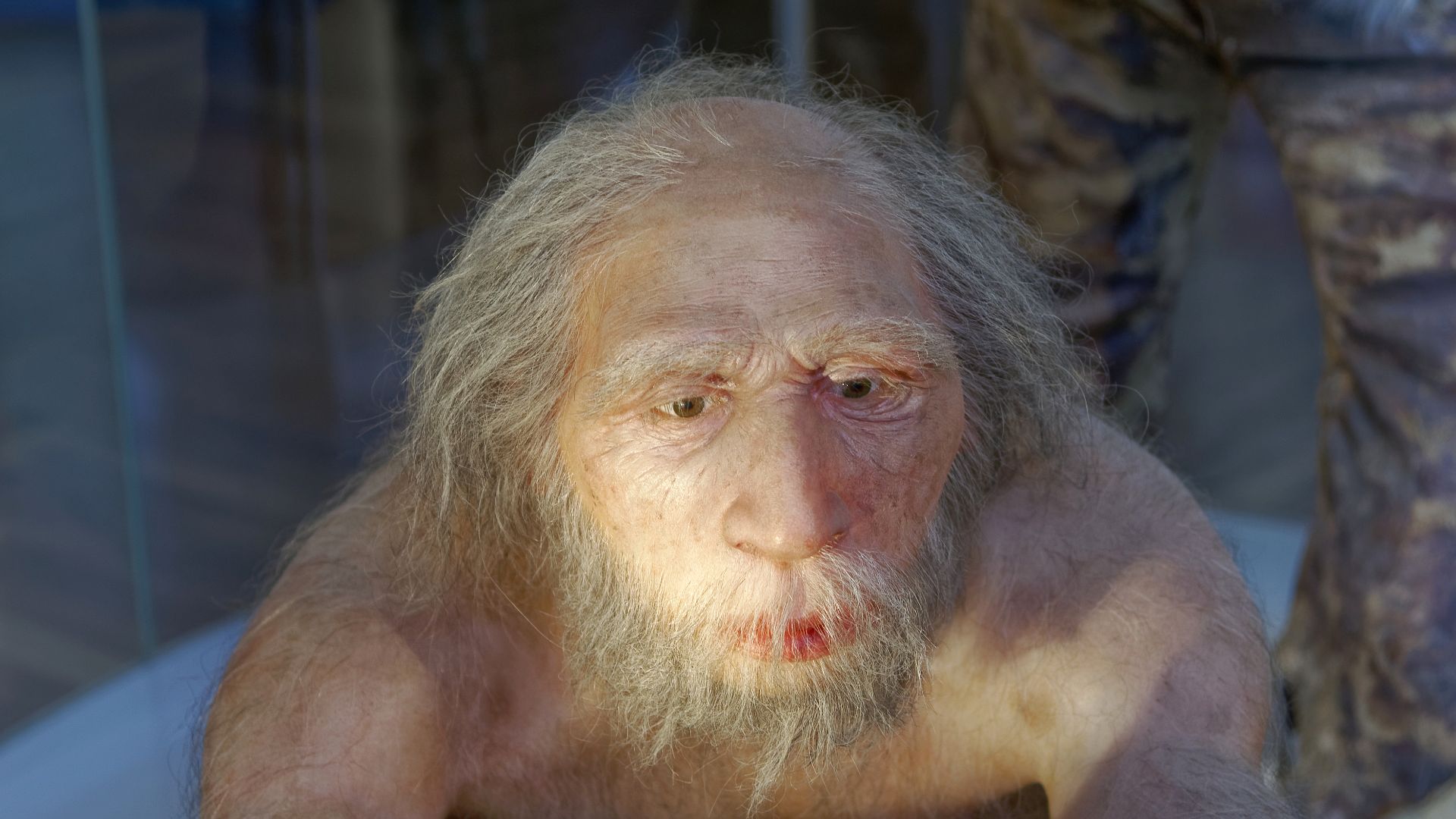
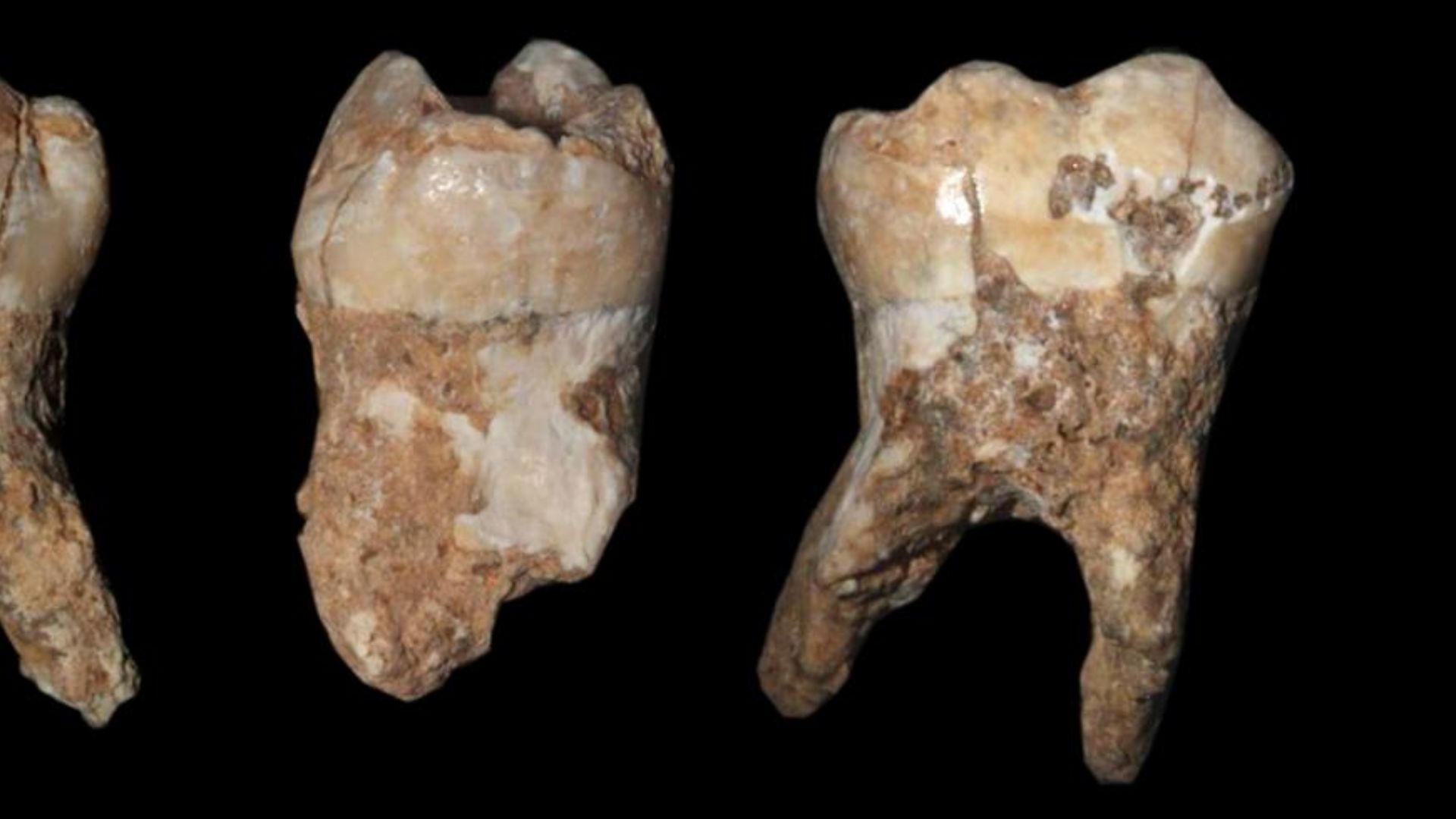
The tooth belonged to an adult Neanderthal who lived approximately 59,000 years ago in what is now southern Siberia. Although the individual's skeleton has not been completely reconstructed, the molar alone has become one of the most important Neanderthal fossils discovered in recent years. Researchers refer to it as "Chagyrskaya 64," after the cave where it was found.
 Jakub Hałun, Wikimedia Commons
A Cave Rich In Neanderthal History
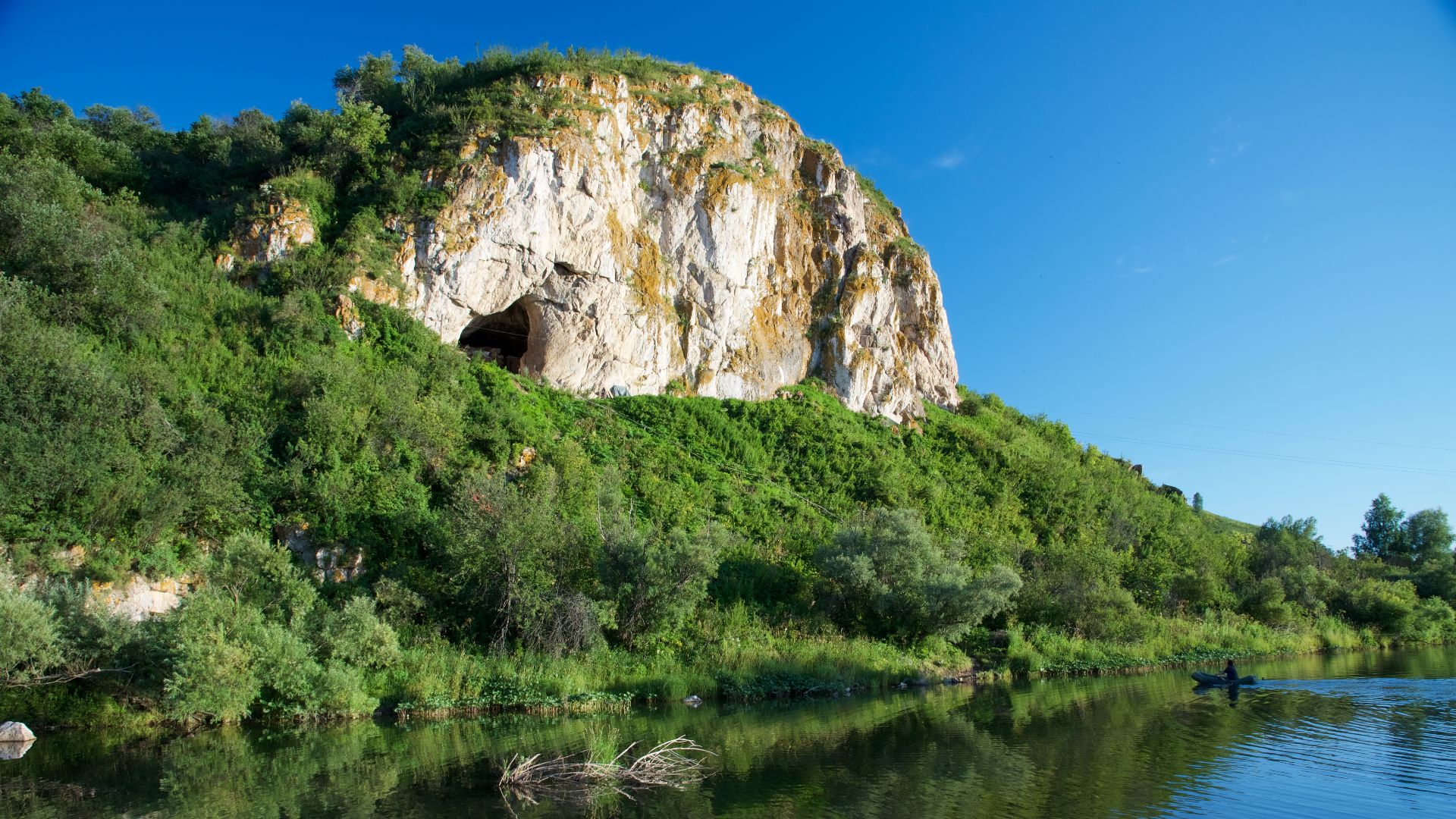
The tooth was recovered from Chagyrskaya Cave in Russia's Altai Mountains, one of the world's most significant Neanderthal sites. Over the past decade, archaeologists have uncovered thousands of stone tools, butchered animal bones, and numerous Neanderthal remains there. Genetic studies show that the people who lived in the cave were closely related to Neanderthal groups that had migrated eastward from Central and Eastern Europe.
Neanderthals Called This Place Home
Evidence suggests Neanderthals occupied Chagyrskaya Cave between roughly 70,000 and 60,000 years ago. The surrounding landscape offered an ideal environment, with abundant game animals, fresh water, and high-quality stone suitable for toolmaking. Like many Ice Age hunter-gatherers, these Neanderthal communities likely moved seasonally while returning to favorable sites such as this cave over many generations.
 Nilenbert, N. Perrault, auteur du guide complet du canotageI, Wikimedia Commons
The Tooth Immediately Stood Out
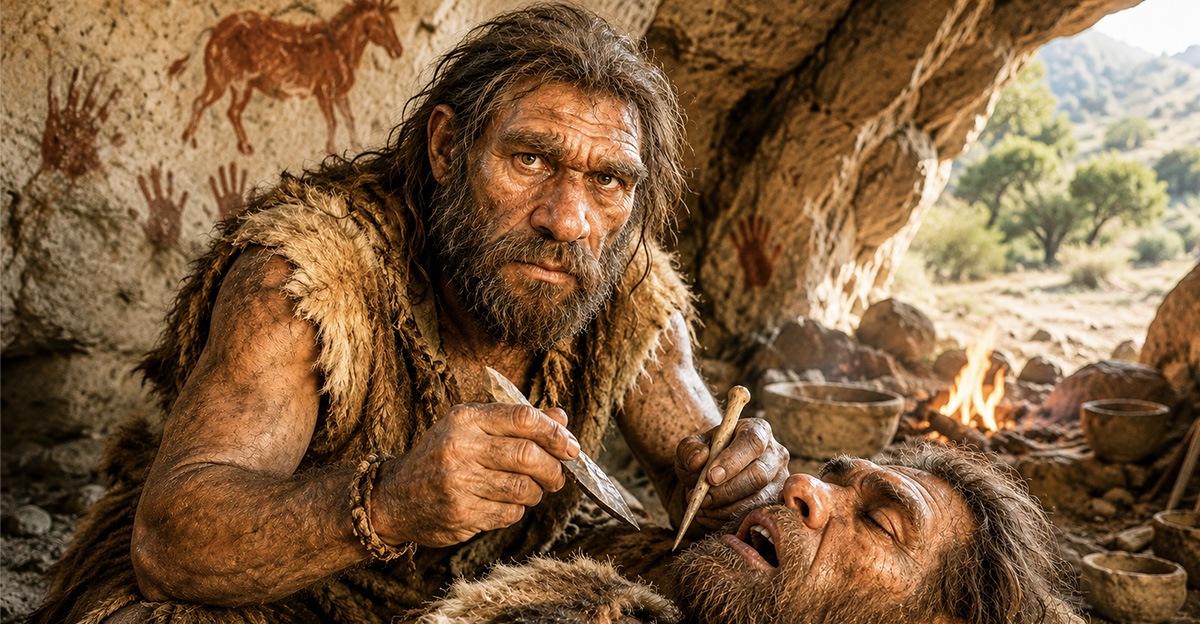
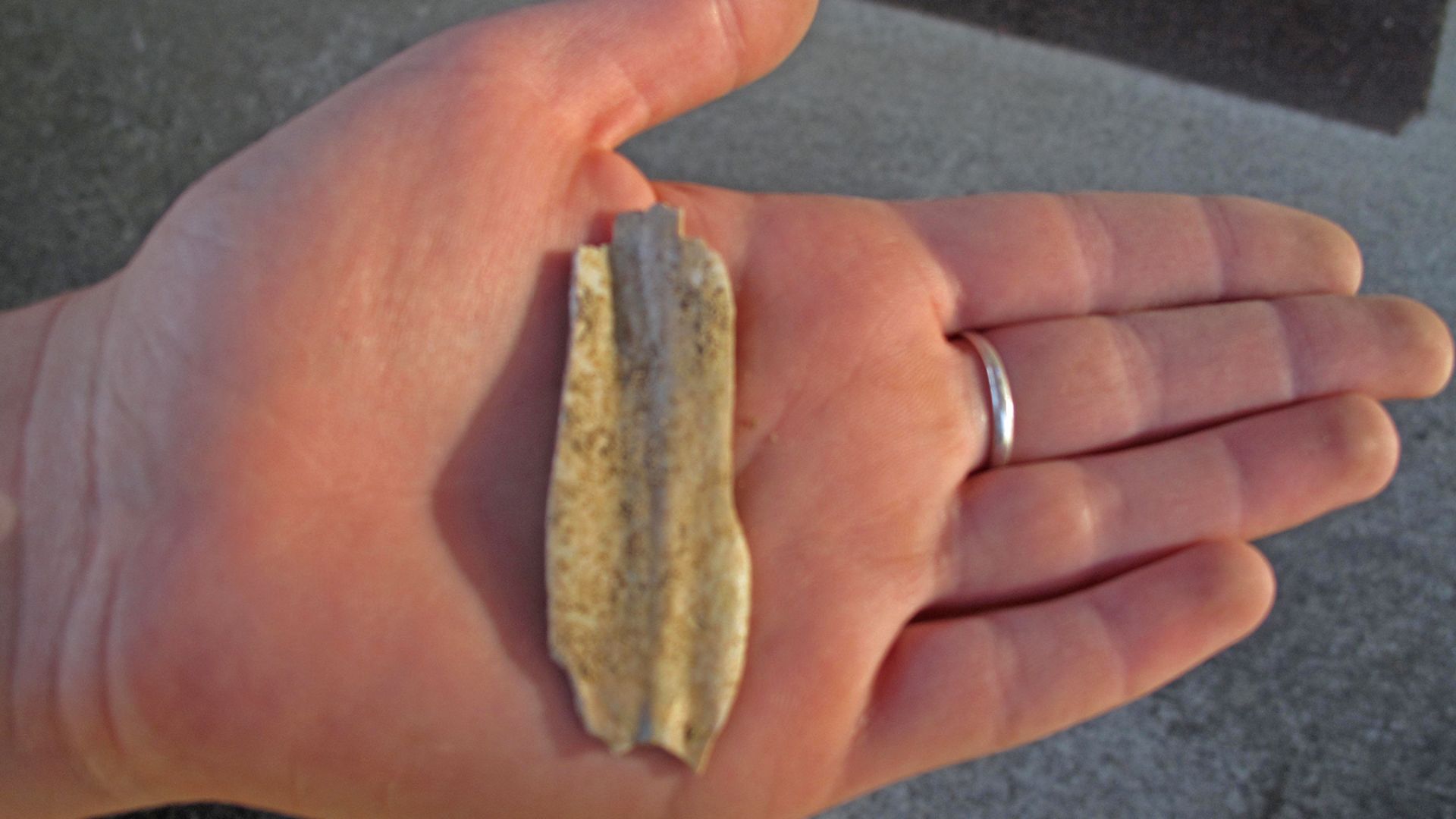
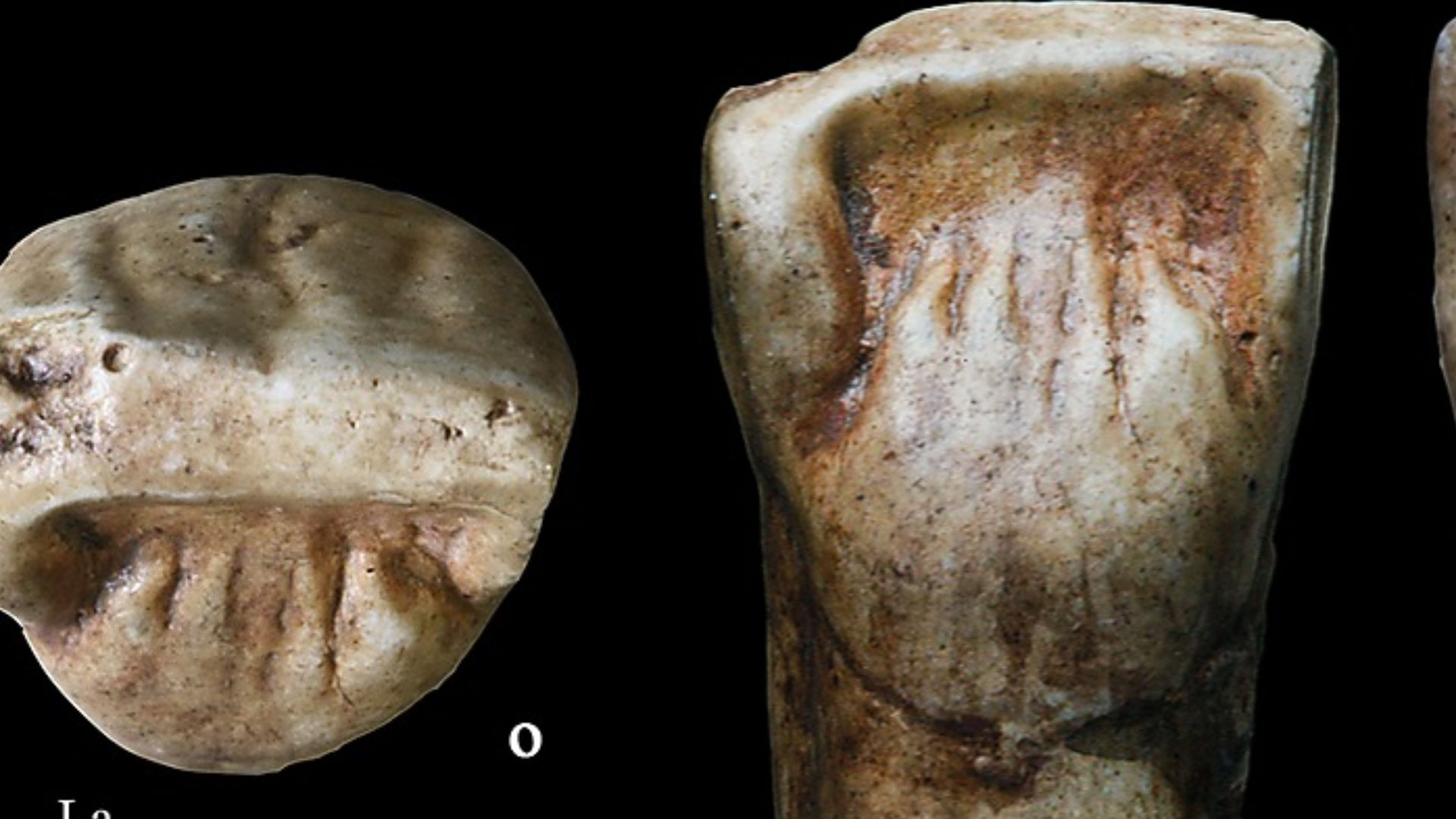
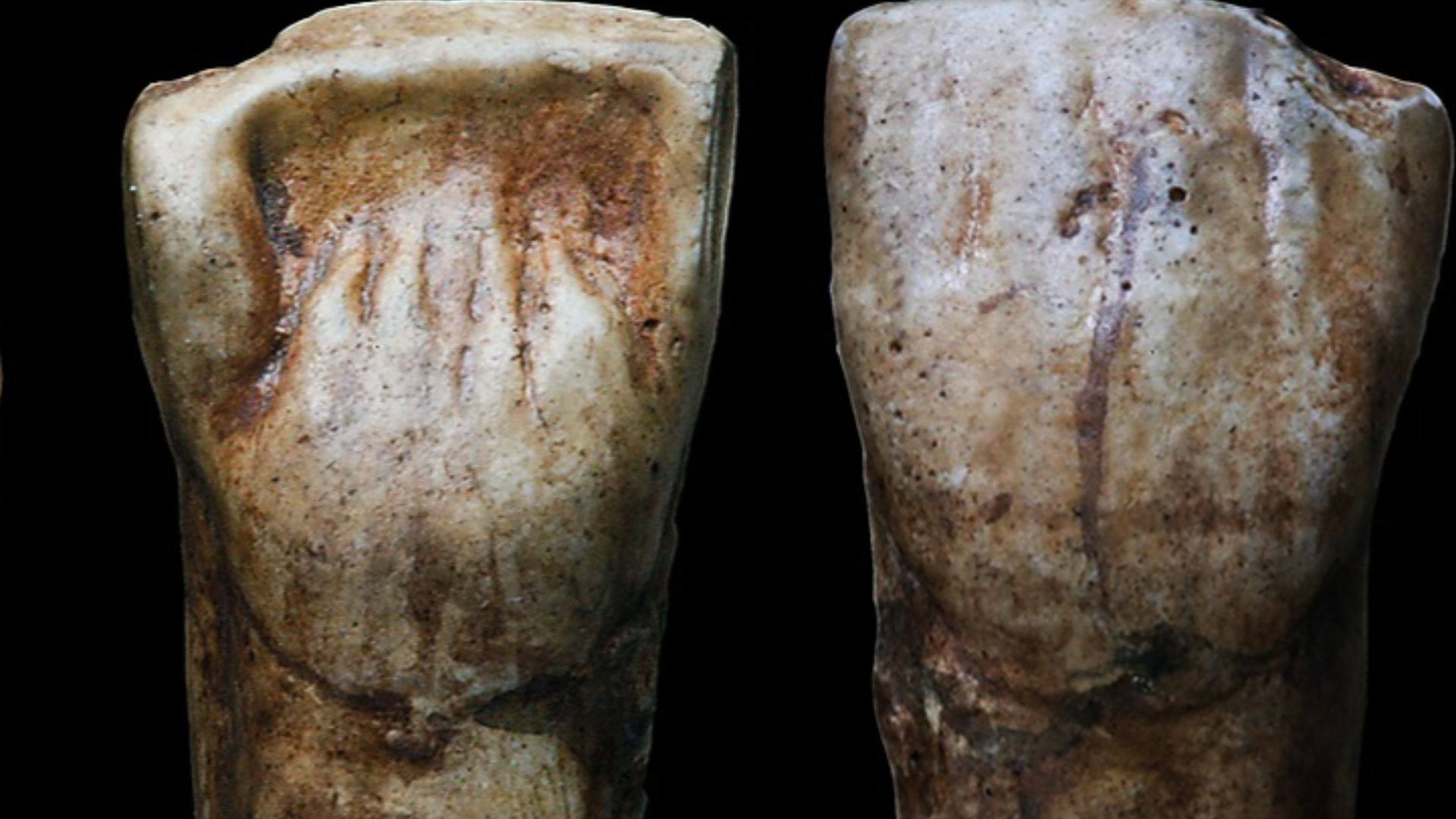
When researchers examined the molar, they noticed something unusual. A large opening had been cut into the chewing surface, extending deep toward the pulp chamber where the nerves and blood vessels are located. Unlike ordinary cavities or natural wear, the hole had remarkably smooth walls and microscopic features that hinted it had been created intentionally rather than by decay alone.
 Bureau of Land Management, Wikimedia Commons
It Was More Than Just A Bad Cavity
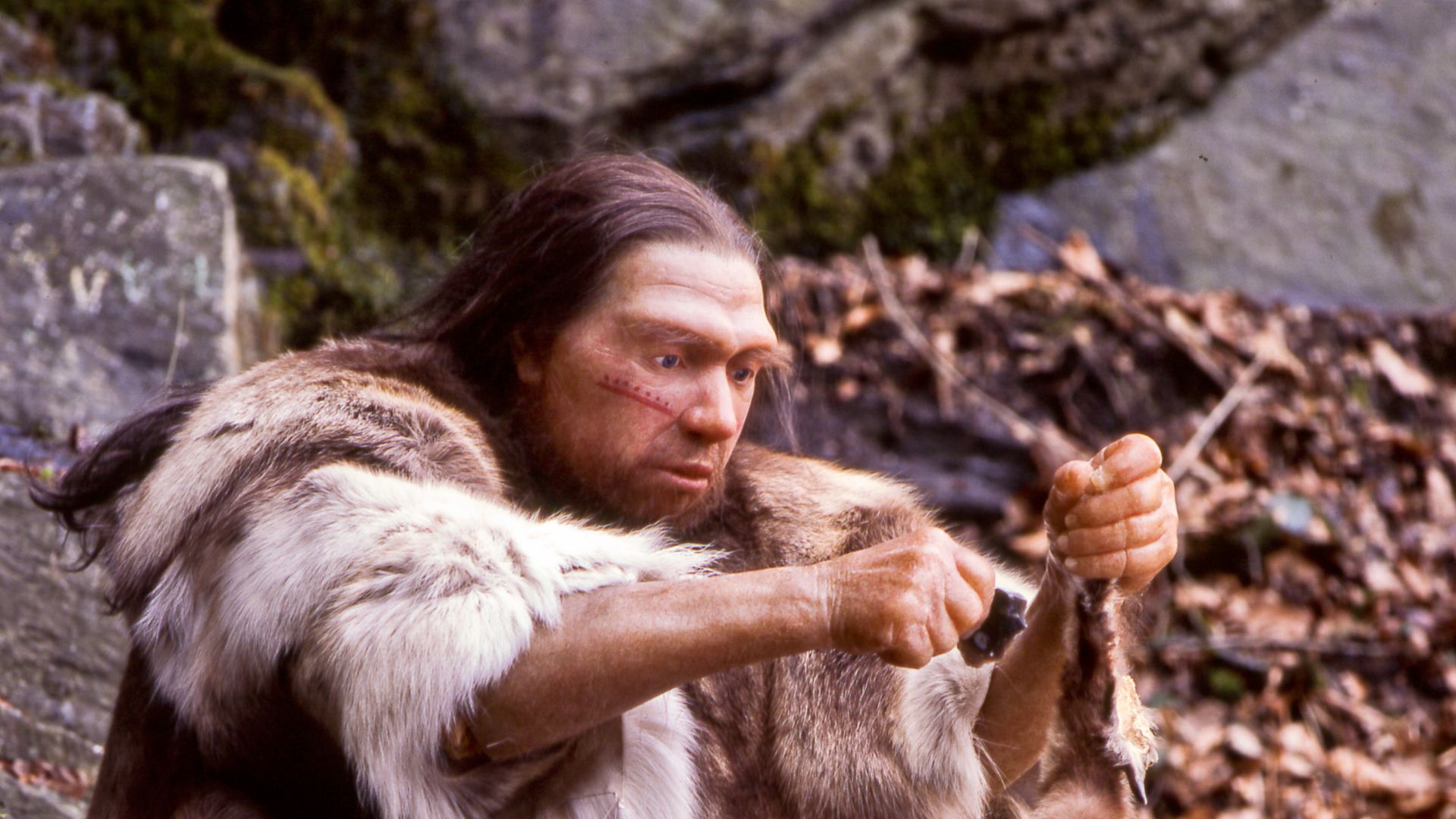
The Neanderthal suffered from advanced dental caries, better known as tooth decay. The infection had reached the sensitive pulp inside the tooth, which would have caused constant pain whenever the individual ate, drank, or even breathed cold air. Anyone who has experienced an untreated tooth infection can imagine how agonizing daily life would have been.
 Neanderthal-Museum, Mettmann, Wikimedia Commons
Looking Closer With Modern Technology
To determine exactly how the hole formed, researchers used high-resolution CT scans, powerful microscopes, and three-dimensional imaging. These techniques allowed them to study microscopic grooves left behind on the tooth's surface. The marks did not resemble natural cracking or erosion. Instead, they appeared strikingly similar to the scratches produced when stone tools interact with hard dental tissue.
 National Institute of Allergy and Infectious Diseases, Unsplash
Recreating The Procedure
The team didn't stop with imaging. They recreated the process using sharp stone tools similar to those recovered from Chagyrskaya Cave and drilled into modern human teeth. The experimental grooves closely matched those preserved on the Neanderthal molar, strongly supporting the idea that someone deliberately drilled into the infected tooth using a stone implement.
 Nataliya Shestakova, Wikimedia Commons
A Primitive Form Of Dentistry
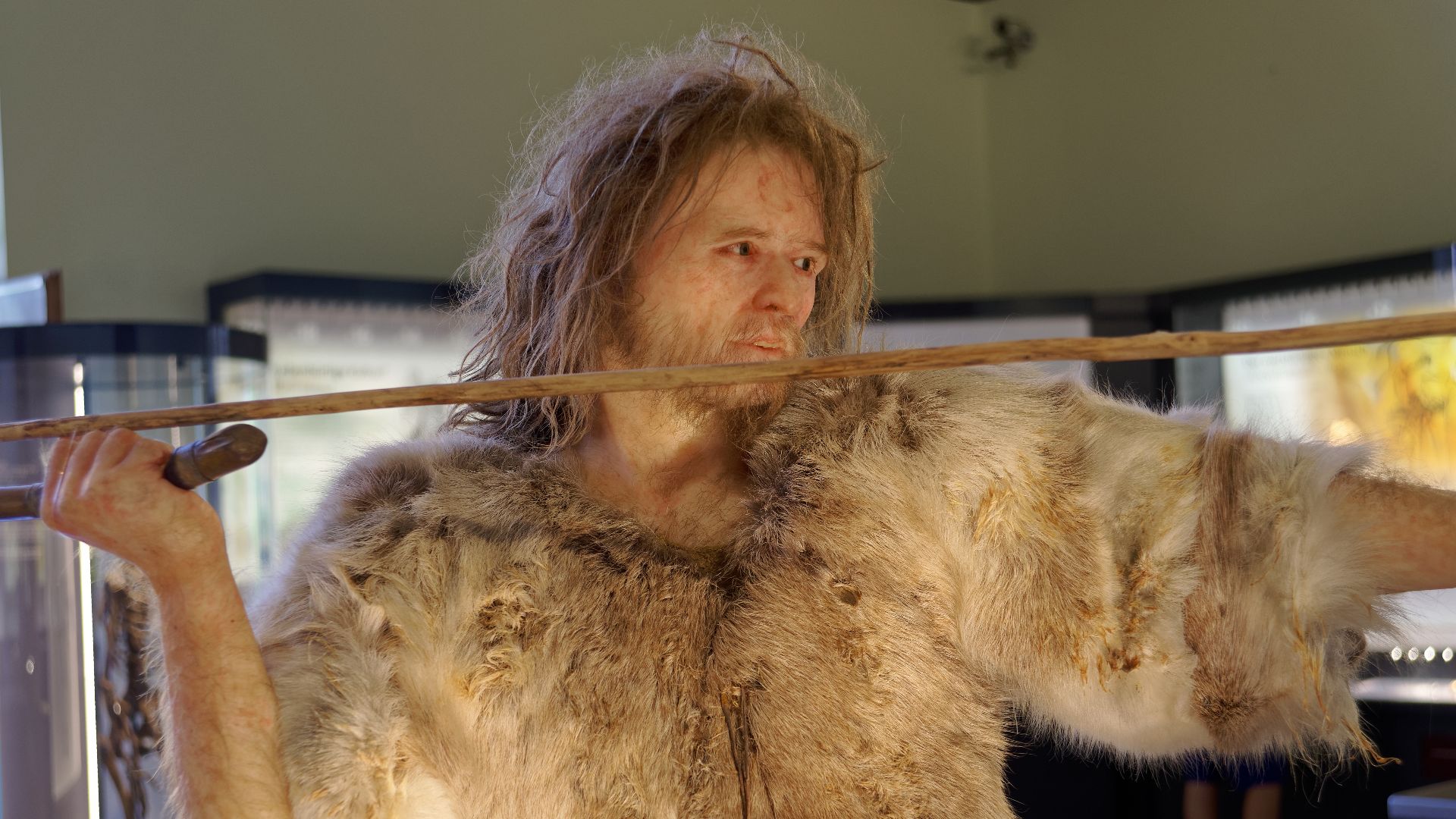
If the researchers are correct, this represents the oldest known evidence of invasive dental treatment anywhere in the world. Previously, the earliest accepted examples of dentistry came from Homo sapiens living about 14,000 years ago in Italy. The Chagyrskaya tooth pushes that timeline back by more than 40,000 years and suggests Neanderthals developed these techniques long before modern humans did.
 Jakub Hałun, Wikimedia Commons
Why Would Anyone Attempt This?
The goal was probably straightforward: relieve unbearable pain. By removing decayed tissue from inside the tooth, the procedure may have reduced pressure on the nerves and slowed the spread of infection. It certainly would not have cured the problem completely, but even temporary relief could have made eating and surviving much easier.
 https://journals.plos.org, Wikimedia Commons
It Would Have Been Painful
As impressive as the procedure sounds, it would not have been pleasant. There were no anesthetics, no metal drills, and no sterile dental offices. Instead, someone likely spent between 35 and 50 minutes carefully scraping and drilling into an infected tooth using a sharp stone tool. It must have been an incredibly painful experience, requiring remarkable endurance from the patient and considerable skill from whoever performed the treatment.
 https://journals.plos.org, Wikimedia Commons
Did The Patient Survive?
Evidence suggests the individual lived for some time after the procedure. Wear marks on the treated tooth indicate that it continued to be used for chewing, meaning the Neanderthal survived long enough for the tooth to function afterward. While researchers cannot say exactly how much longer the individual lived, the treatment appears to have achieved at least some degree of success.
 Charles R. Knight, Wikimedia Commons
Someone Had To Know What They Were Doing
This discovery suggests more than simple trial and error. Whoever performed the procedure needed to identify the painful tooth, understand that removing damaged material might help, choose an appropriate stone tool, and manipulate it with surprising precision. That combination of observation, planning, and fine motor control points to a level of practical medical knowledge that many people never associated with Neanderthals.
 Prof. Israel Hershkovitz, Tel Aviv University, Wikimedia Commons
Neanderthals Already Had A Reputation For Caring
The dental discovery fits with a growing body of evidence showing that Neanderthals cared for one another. Archaeologists have previously found individuals who survived serious injuries, severe arthritis, and disabilities that would have required long-term assistance from other members of their group. This latest discovery suggests that care may have extended beyond nursing to include active medical intervention.

Medicine May Have Included More Than Surgery
This is not the first time Neanderthals have been linked to healthcare. Earlier studies suggest they may have used medicinal plants such as yarrow and chamomile, possibly for their anti-inflammatory or pain-relieving properties. They also appear to have cleaned their teeth with primitive toothpicks. The drilled molar now adds another layer to this emerging picture of surprisingly sophisticated prehistoric medicine.
 Rhododendrites, Wikimedia Commons
Changing Our View Of Neanderthal Intelligence
For much of the twentieth century, Neanderthals were often portrayed as primitive, unintelligent, and lacking the cognitive abilities of modern humans. That image has steadily fallen apart. Evidence now shows they created specialized tools, controlled fire, cared for injured companions, made symbolic objects, and may even have produced art. The possibility that they also practiced dentistry further narrows the perceived gap between Neanderthals and Homo sapiens.
 Neanderthal-Museum, Mettmann, Wikimedia Commons
What Makes This Discovery So Important?
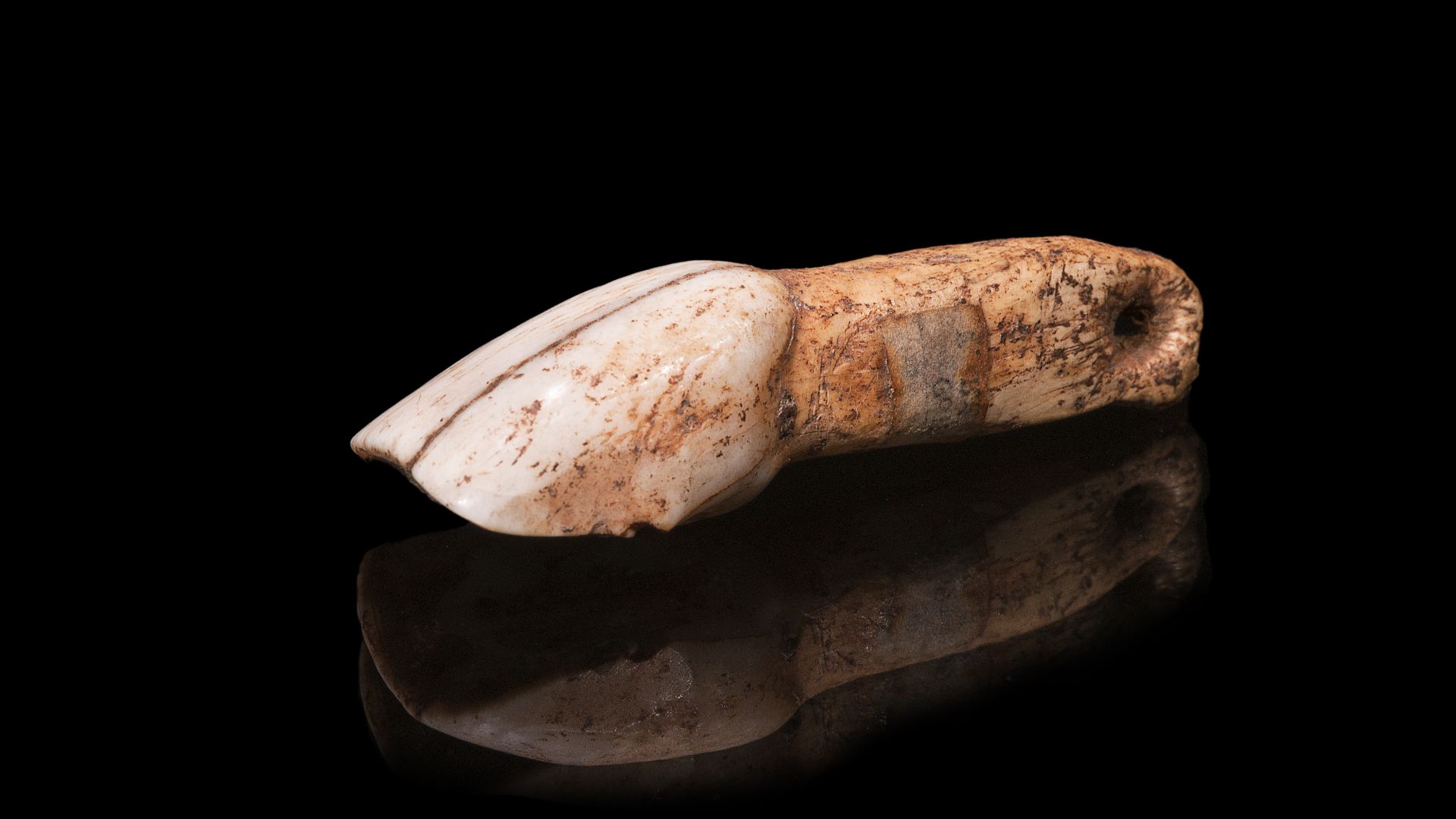
The tooth represents much more than a single medical procedure. It demonstrates that Neanderthals could identify a health problem, choose an appropriate intervention, and successfully perform a delicate task requiring patience and precision. That combination of technical ability and practical knowledge reveals a level of behavioral complexity that scientists are only beginning to appreciate.
 Didier Descouens, Wikimedia Commons
Researchers Still Have Questions
Despite the excitement, many mysteries remain. Scientists still do not know who performed the procedure, whether similar treatments were common, or whether the knowledge spread between different Neanderthal groups. Future discoveries from sites like Chagyrskaya Cave may reveal whether this was an exceptional case or part of a much broader medical tradition.
 National Cancer Institute, Unsplash
Neanderthals Keep Surprising Us
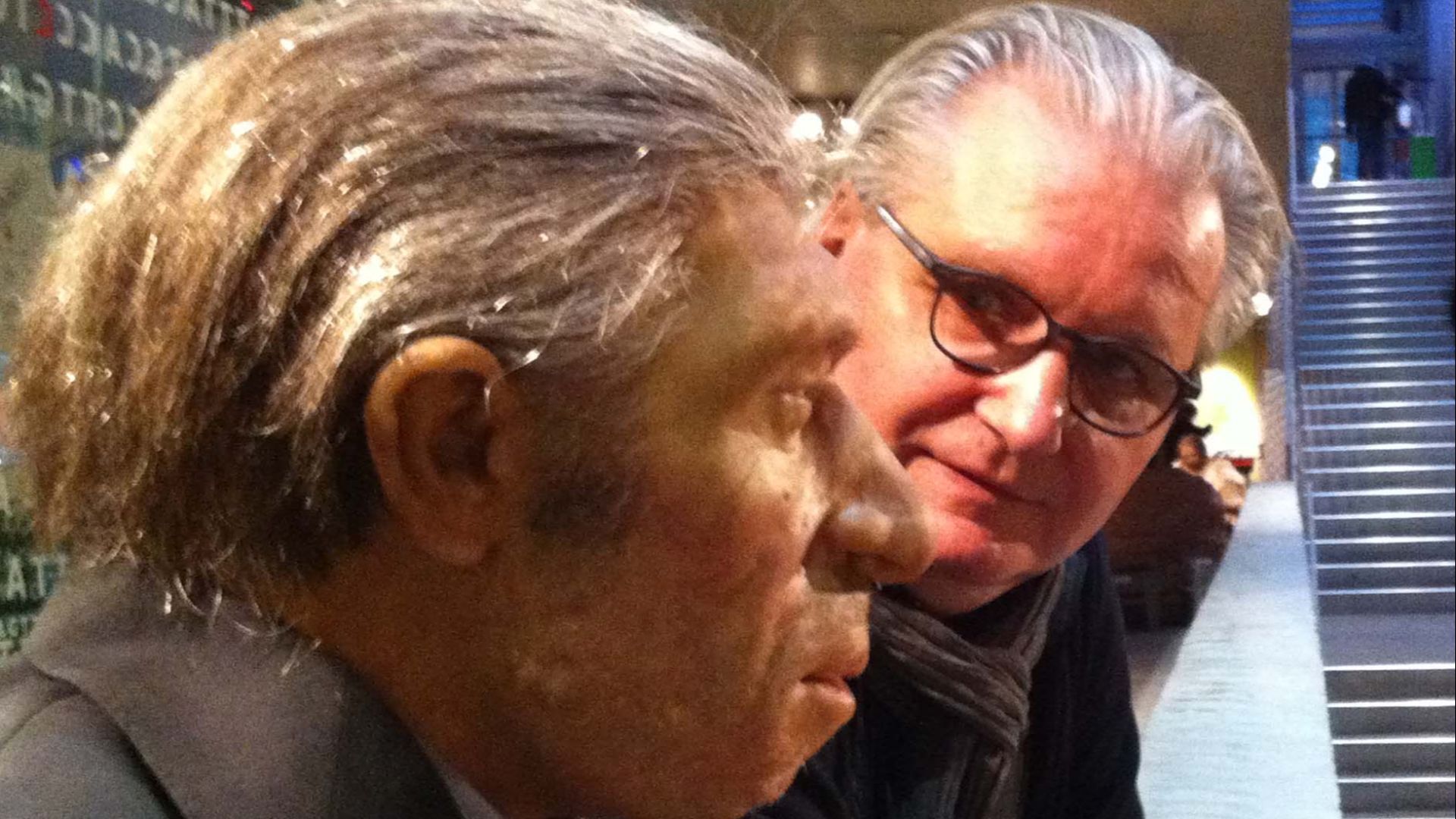
Every few years, another discovery forces researchers to rethink what Neanderthals were capable of. What once seemed like a simple Ice Age species increasingly appears to have possessed advanced technical skills, social cooperation, and an impressive ability to solve practical problems. The drilled molar is just the latest reminder that the more we learn about Neanderthals, the more human they seem.
Final Thoughts
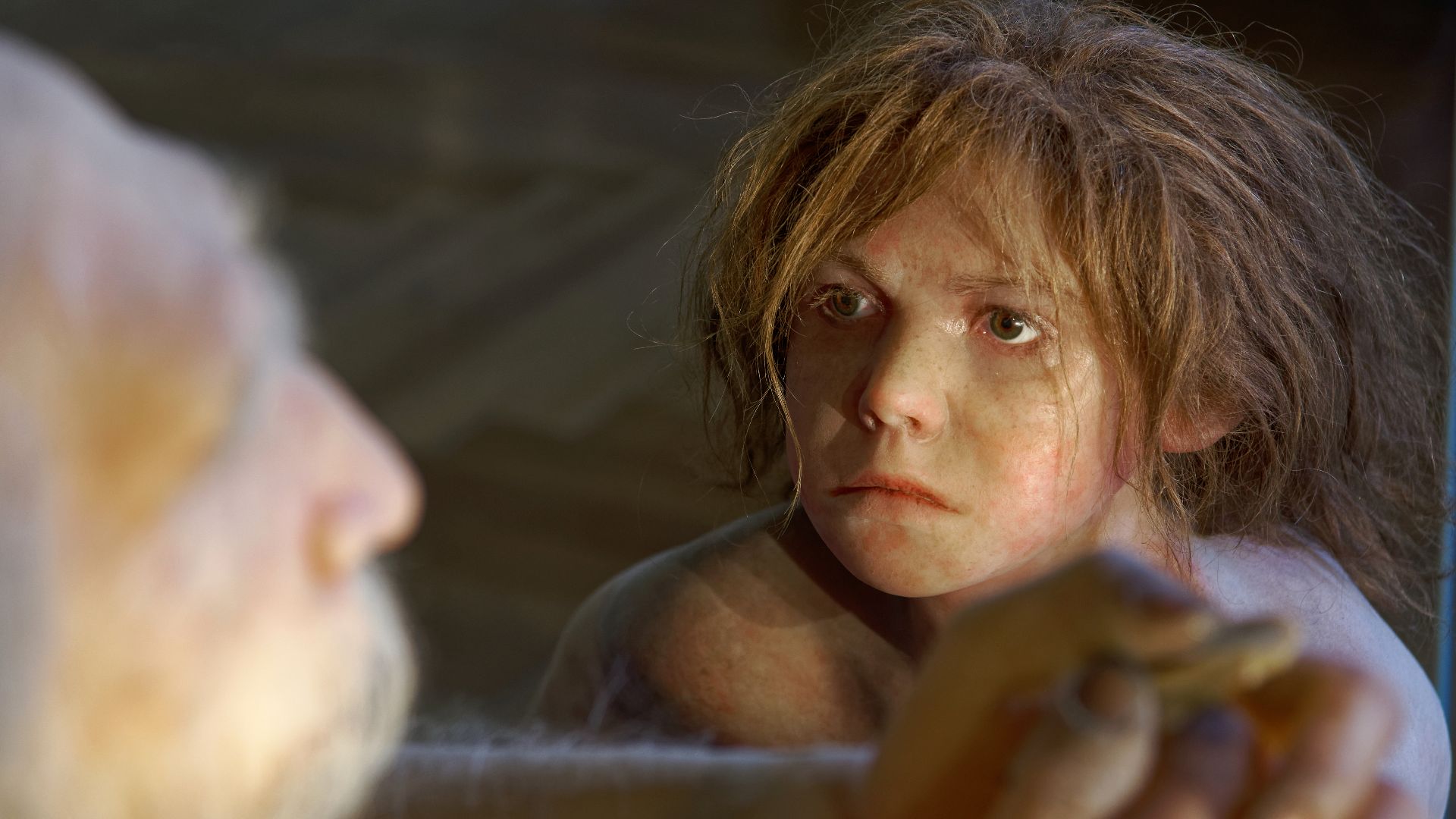
The 59,000-year-old molar from Chagyrskaya Cave is far more than an ancient tooth. It is a window into a forgotten world where Neanderthals recognized illness, developed practical solutions, and were willing to endure an incredibly painful procedure in the hope of relief. By pushing the origins of dentistry back more than 40,000 years, the discovery challenges long-held assumptions about prehistoric medicine and human evolution.
It also reinforces a lesson that archaeology continues to teach us again and again: our extinct relatives were not primitive caricatures but intelligent, resourceful people whose ingenuity still has the power to surprise us tens of thousands of years later.
 Jakub Hałun, Wikimedia Commons
You May Also Like:
New DNA Discovery Completely Rewrites The Origins Of Humanity
New research suggests Neanderthals didn’t just survive the Ice Age, they rebuilt after it.