
The First Word Wasn’t The Beginning
At some point, humans crossed a line no other species crossed quite the same way. We stopped just reacting to the world and started explaining it, planning for it, gossiping about it, warning each other, and probably complaining about the weather. Scientists have argued for decades about when that happened. Now DNA may have pushed the answer way, way back.

The Question Sounds Simple
When did humans first learn to speak? It sounds like the kind of thing science should be able to answer with a fossil, a skull, or maybe one very dramatic cave painting. Unfortunately, language does not fossilize. Nobody left behind the first sentence. So researchers had to look somewhere else entirely.
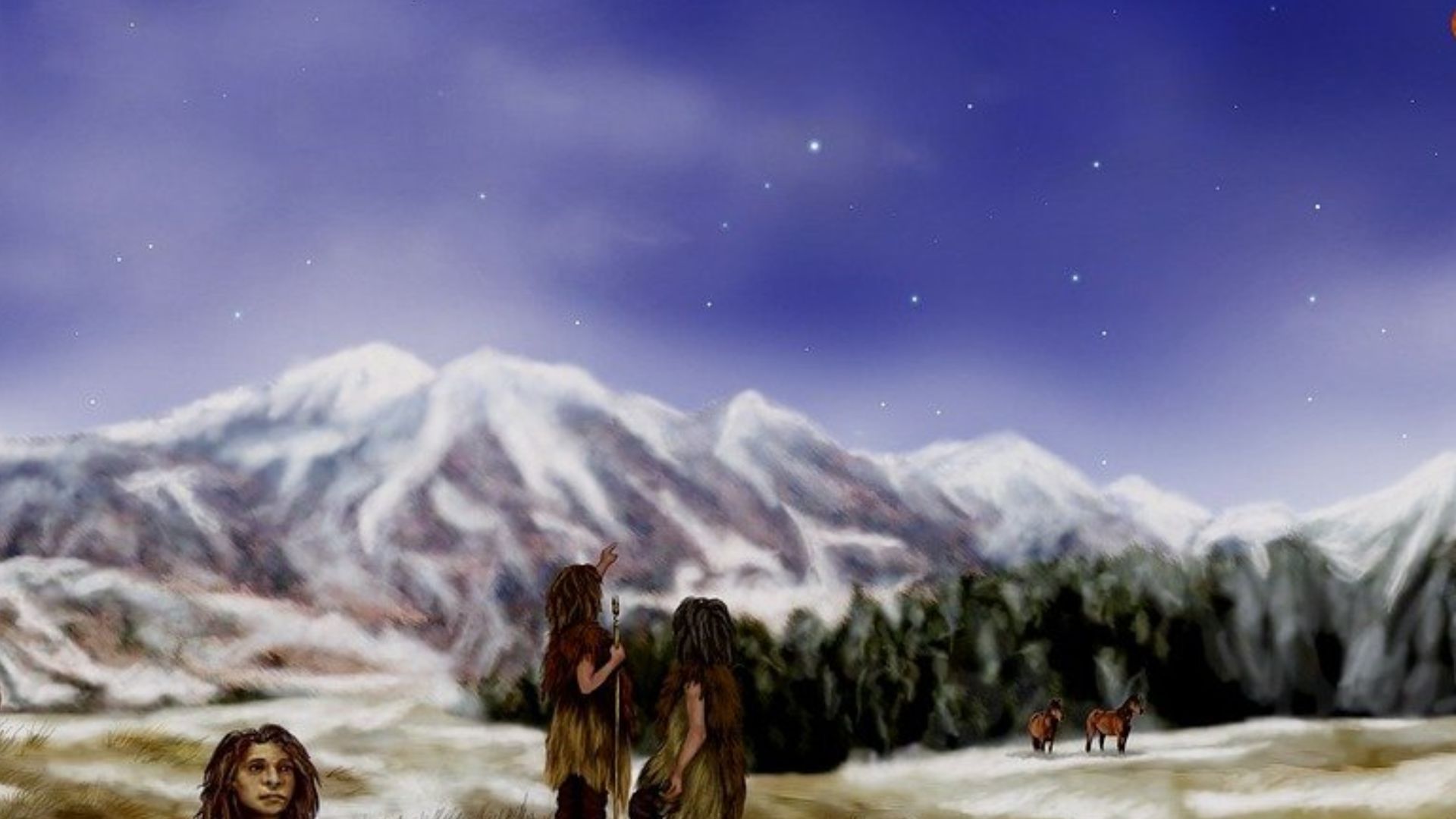
The Clue Wasn’t In A Cave
For years, the hunt for early language focused on bones, brains, tools, and ancient art. All of that matters, but none of it gives a clean date. The new argument comes from something much harder to ignore: human DNA. And the idea behind it is surprisingly simple.
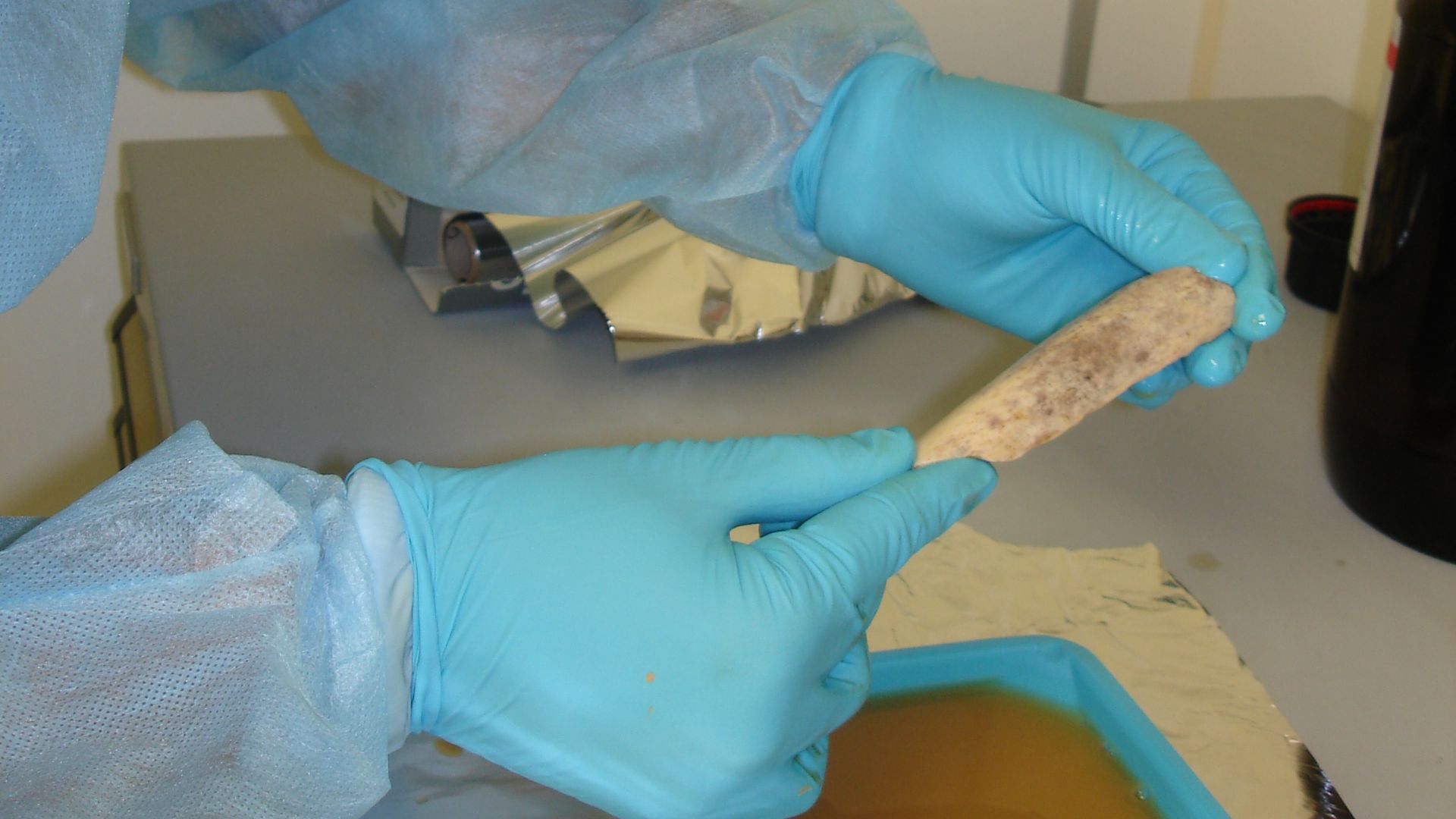 Max Planck Institute for Evolutionary Anthropology, Wikimedia Commons
Every Human Group Has Language
This is where things get interesting. Every known human population has language. Not simple noises. Not random calls. Full language. Different languages, obviously, but the same basic human ability underneath them. So if scientists can figure out when early human groups began splitting apart, they can work backward from there.
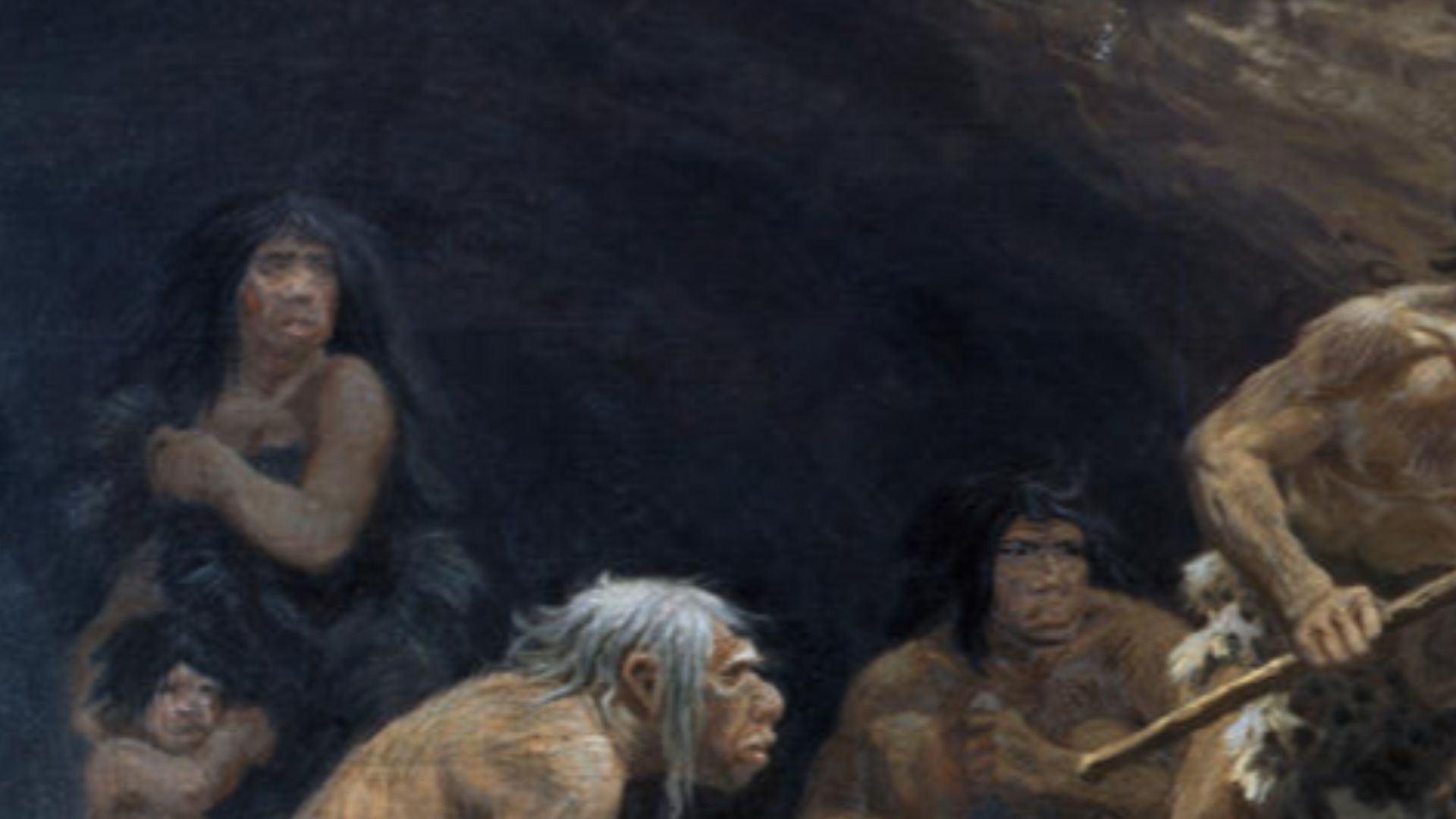 Charles Robert Knight, Wikimedia Commons
The DNA Started Pointing To One Time Period
Researchers looked at genetic studies tracking when early human populations began separating from one another. Different studies used different genetic evidence, but the timeline kept circling the same rough window. That mattered, because the capacity for language had to exist before those groups split if all modern humans inherited the same ability.
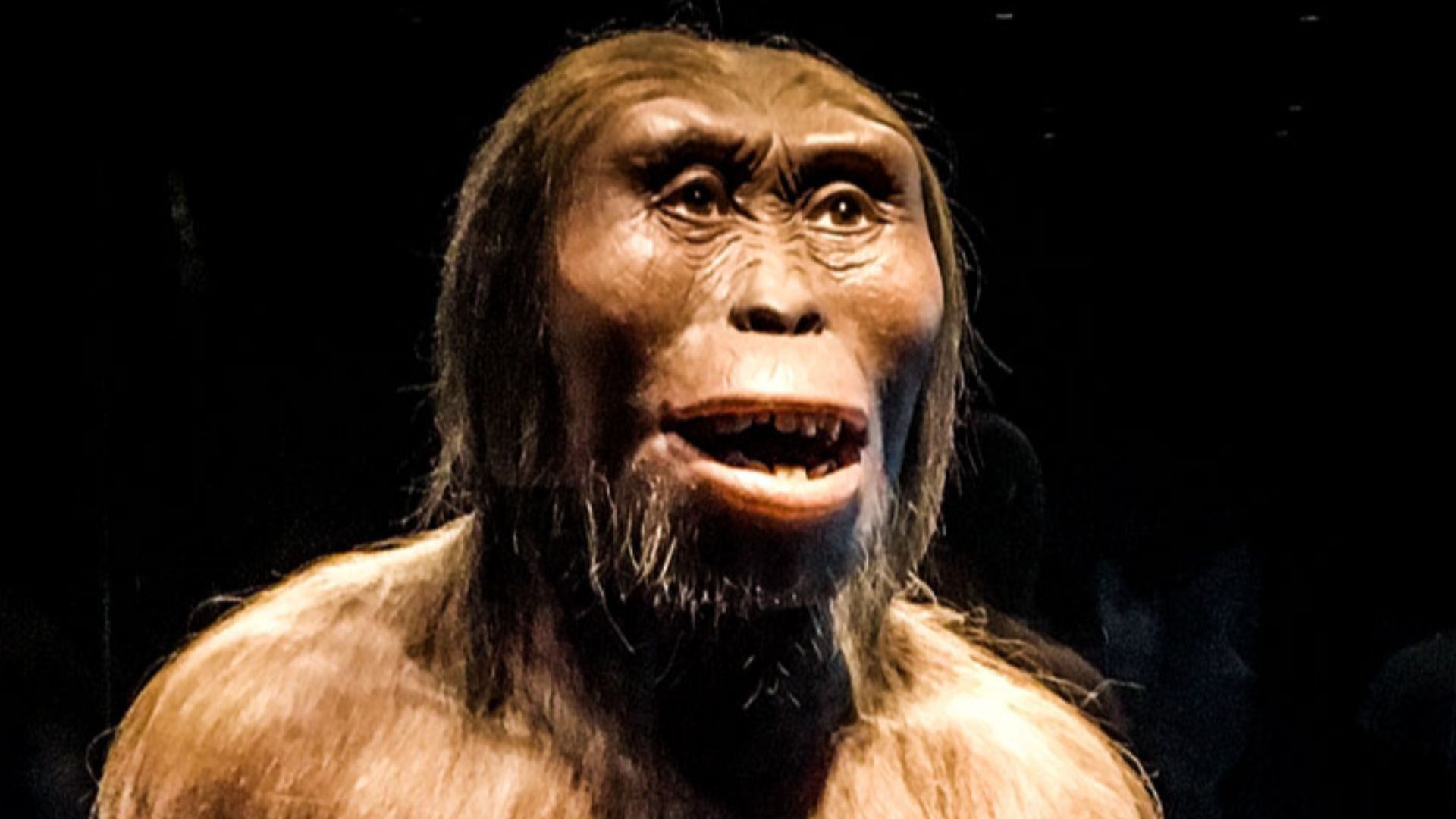 ErnestoLazaros, Wikimedia Commons
Then Came The Number
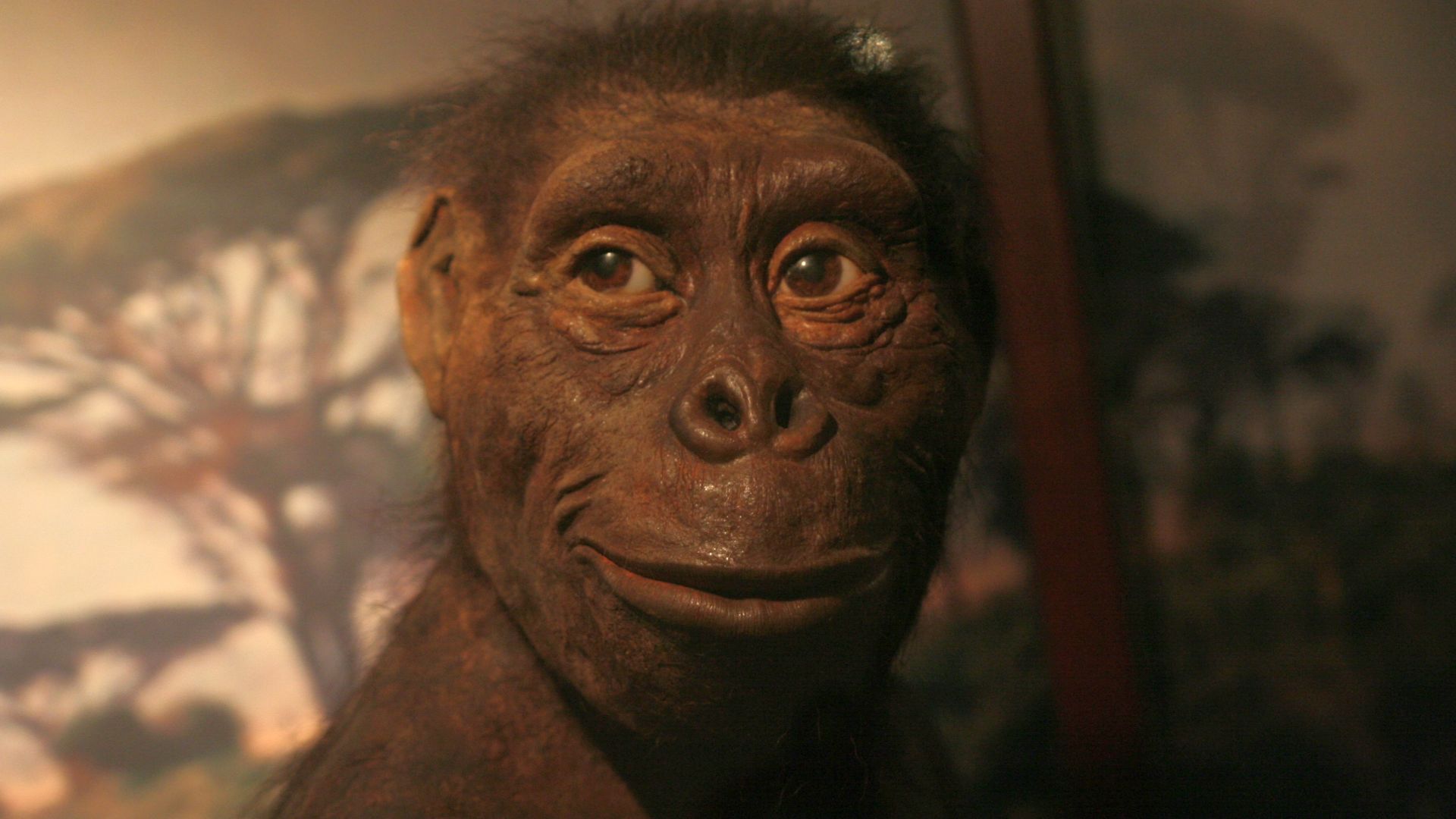
The study’s big estimate is that humans had the capacity for language at least 135,000 years ago. Not 50,000 years ago. Not just around the time cave art became famous. Around 135,000 years ago. Which means the roots of human speech may be much older than many people probably picture.
But There’s A Catch
This does not mean some ancient person woke up exactly 135,000 years ago and invented talking before breakfast. The study is not claiming an exact birthday for language. It is saying that by that point, the human brain likely already had the machinery needed for language. That difference matters.
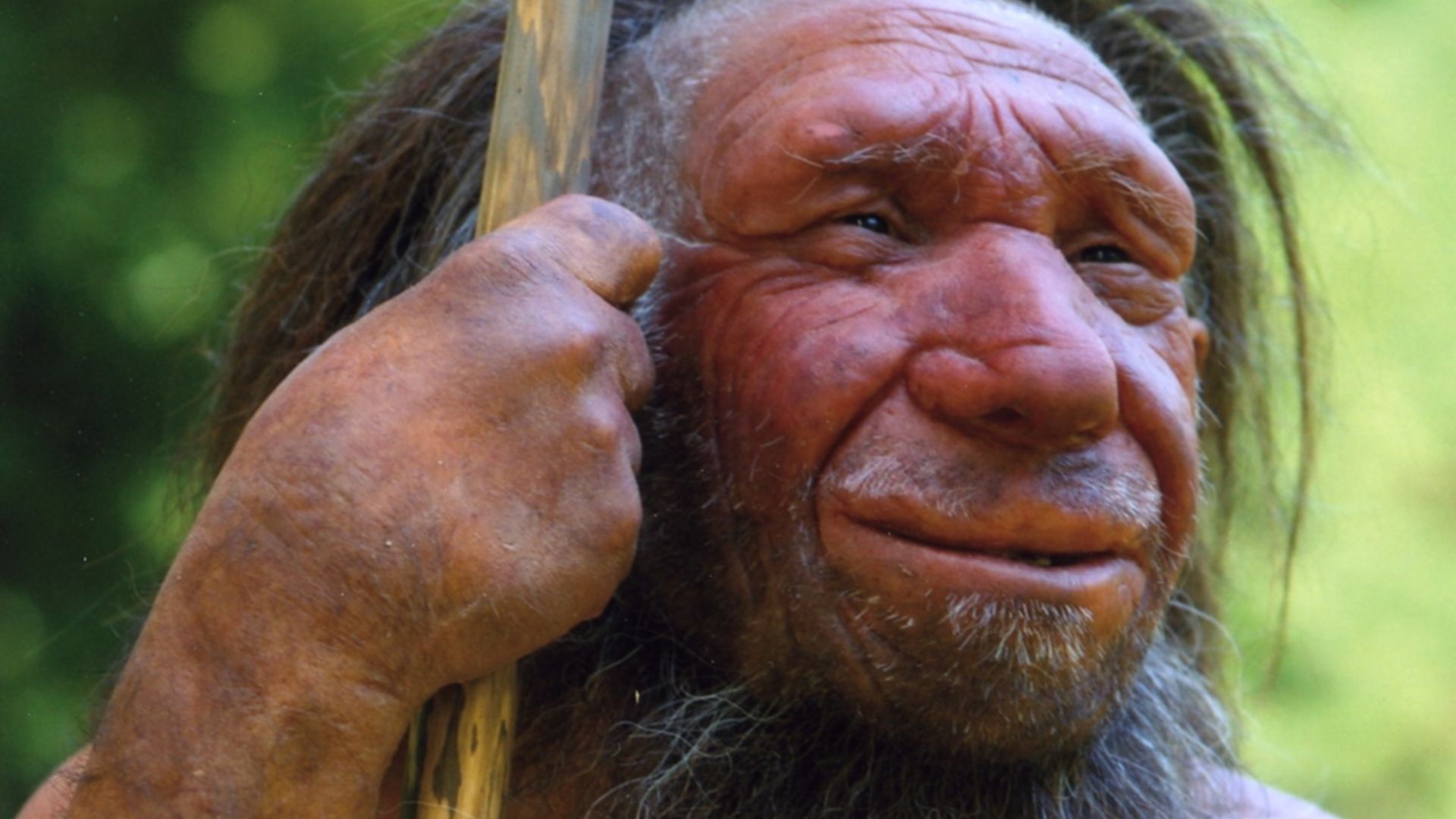 Neanderthal-Museum, Mettmann, Wikimedia Commons
Speaking May Have Come In Stages
The researchers suggest language may have existed first as a cognitive ability before becoming the everyday social tool we recognize. In other words, the brain may have been ready before language exploded into full daily use. Which is somehow even weirder, because it means the first language may have started inside the mind.
 Jaroslav A. Polák from Brno, Czech Republic, Wikimedia Commons
The Social Boom May Have Come Later
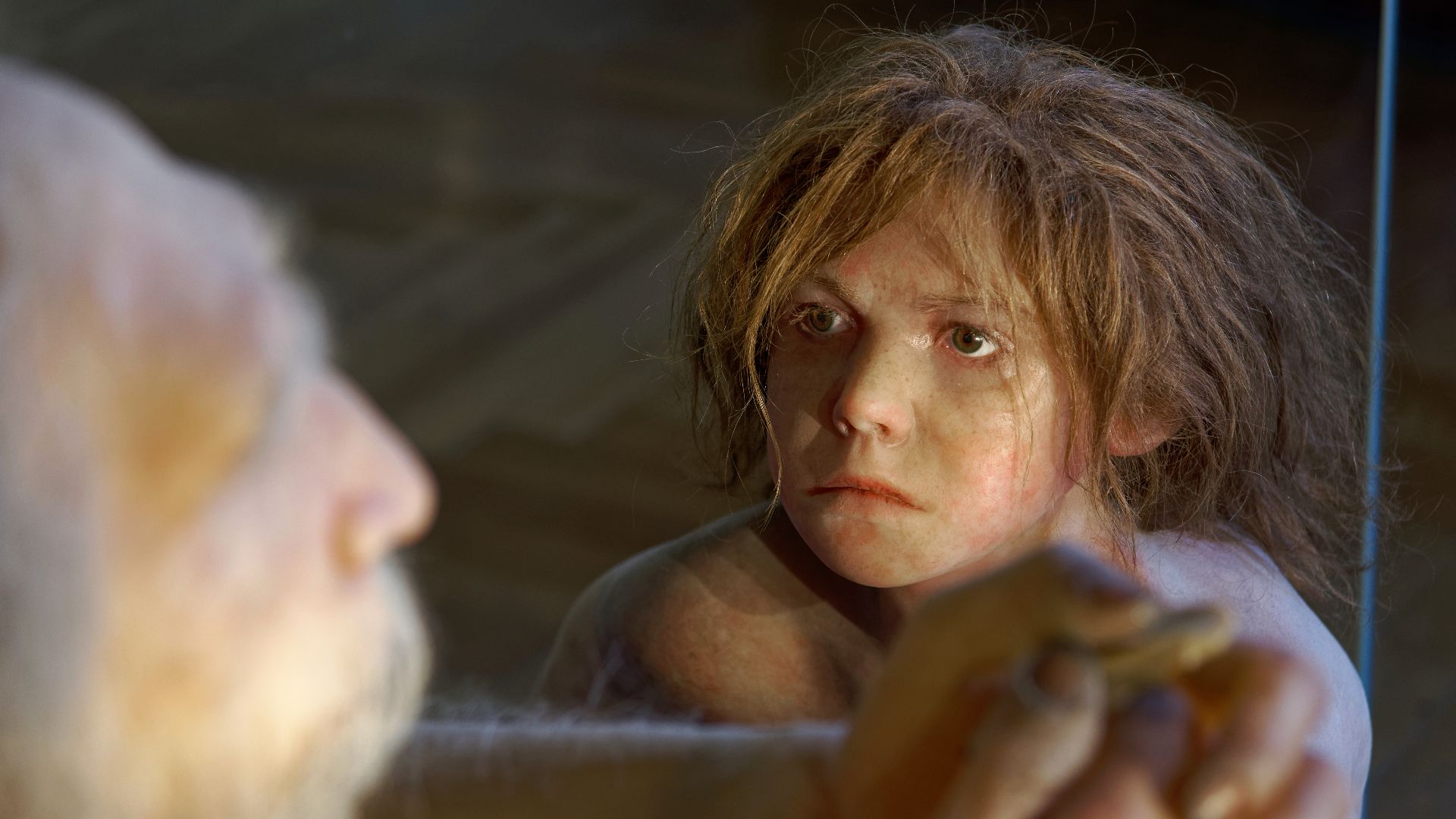
The study points to another important window: around 100,000 years ago. That is when language may have become much more widely used in social life. And that is where the story gets bigger, because something else starts showing up more clearly in the archaeological record around that time.
 Jakub Hałun, Wikimedia Commons
Humans Started Acting More Symbolically
Once you get language, you do not just get better small talk. You get symbols, shared meanings, rituals, planning, stories, identity, and probably the first person who said, 'Actually, let me explain.' Around 100,000 years ago, evidence of symbolic behavior becomes more noticeable, and the researchers suggest language may be one reason why.
It Could Explain A Huge Human Shift
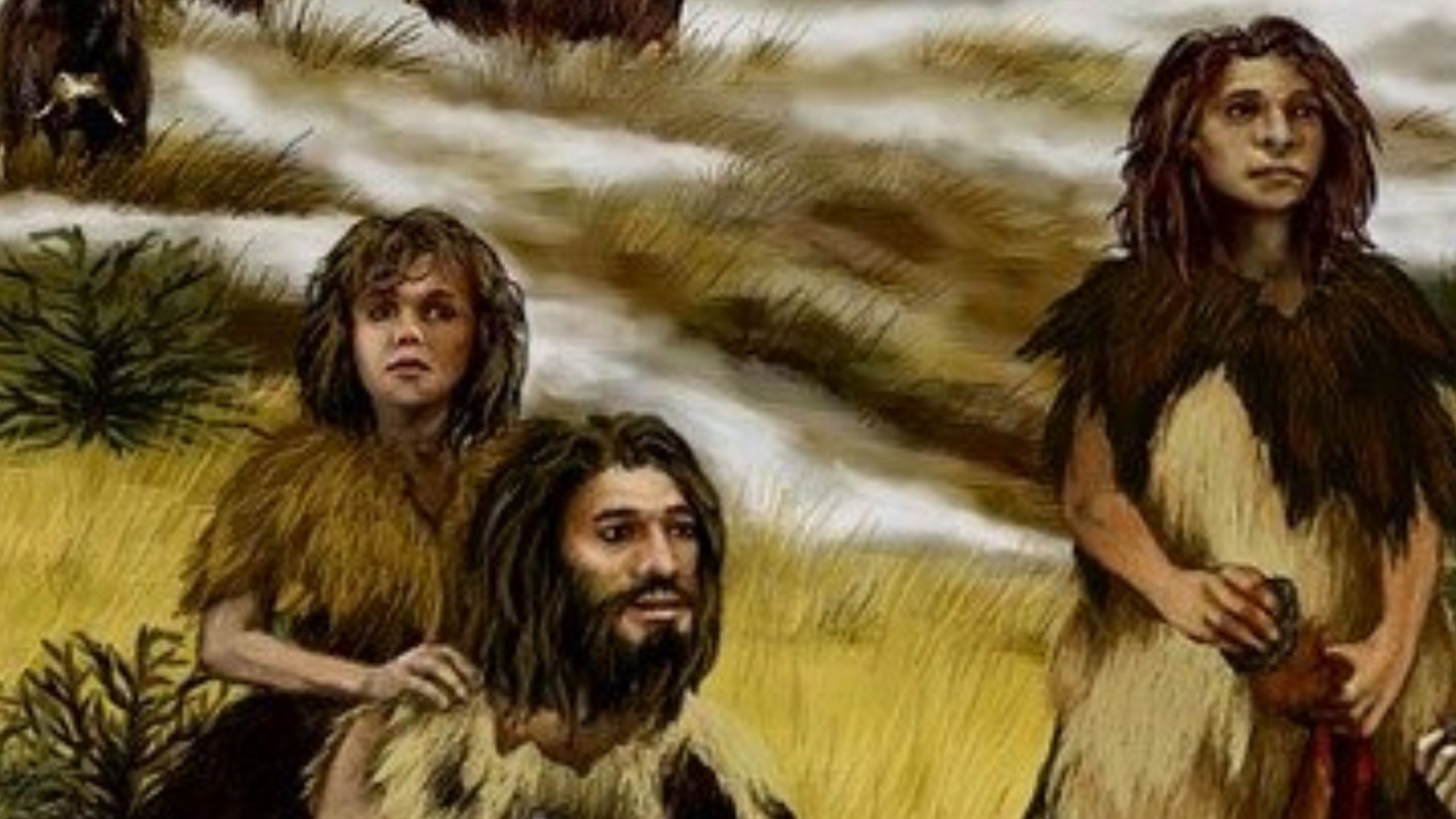
Language does not just help people talk. It helps people think together. Suddenly, a group can plan a hunt, teach a child, pass down warnings, explain tools, remember the dead, and create shared rules. That turns a smart animal into something much more dangerous, creative, and weird.
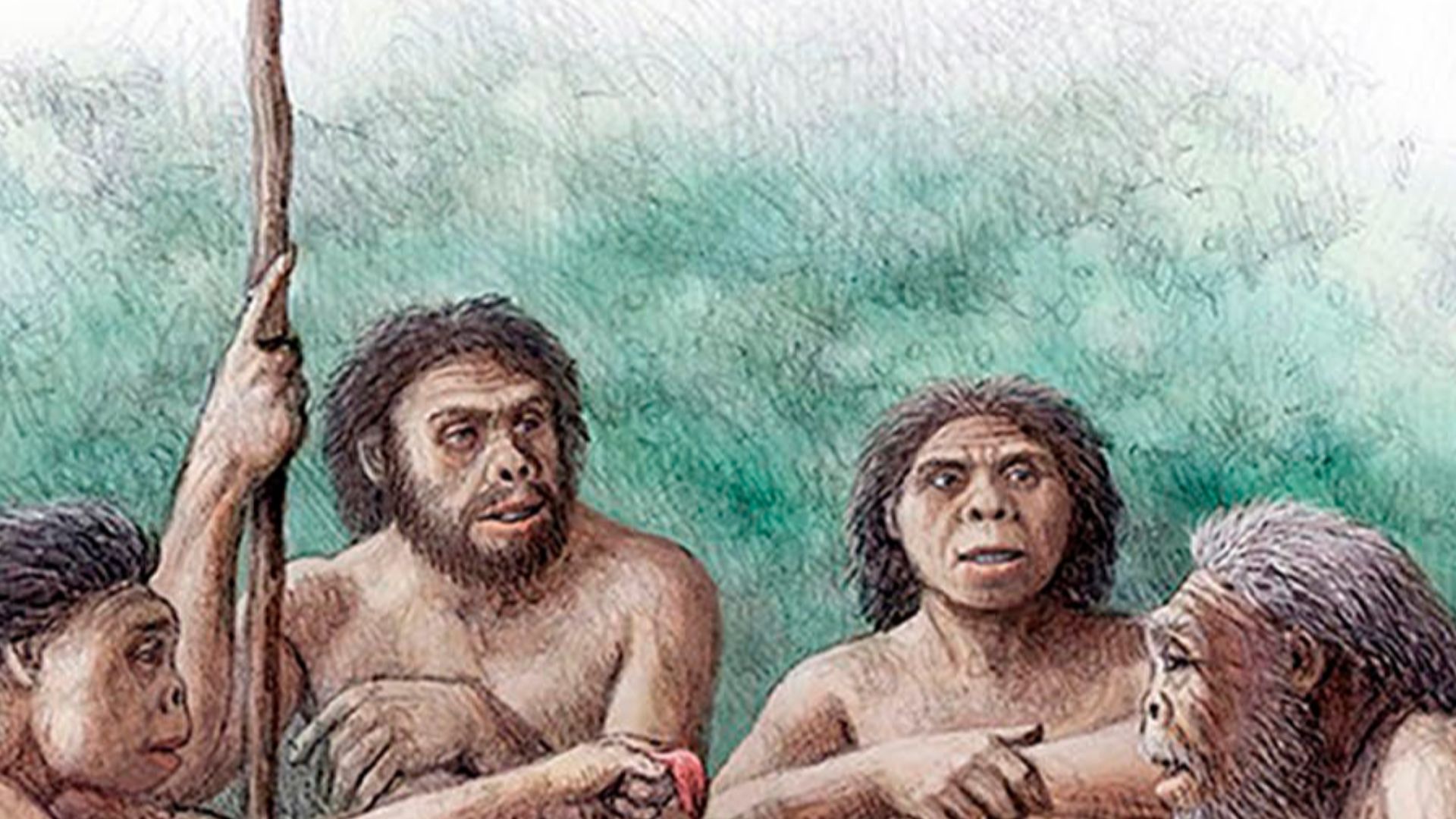 Mauricio Antón. Published by Bartolini-Lucenti, S et al., Wikimedia Commons
This Wasn’t Just About Making Sounds
Animals communicate. Birds sing. Monkeys call. Wolves coordinate. But human language is different because it can build ideas on top of ideas. We can talk about yesterday, tomorrow, imaginary things, dead relatives, invisible forces, and someone else's bad decision from three weeks ago. That is a very strange superpower.
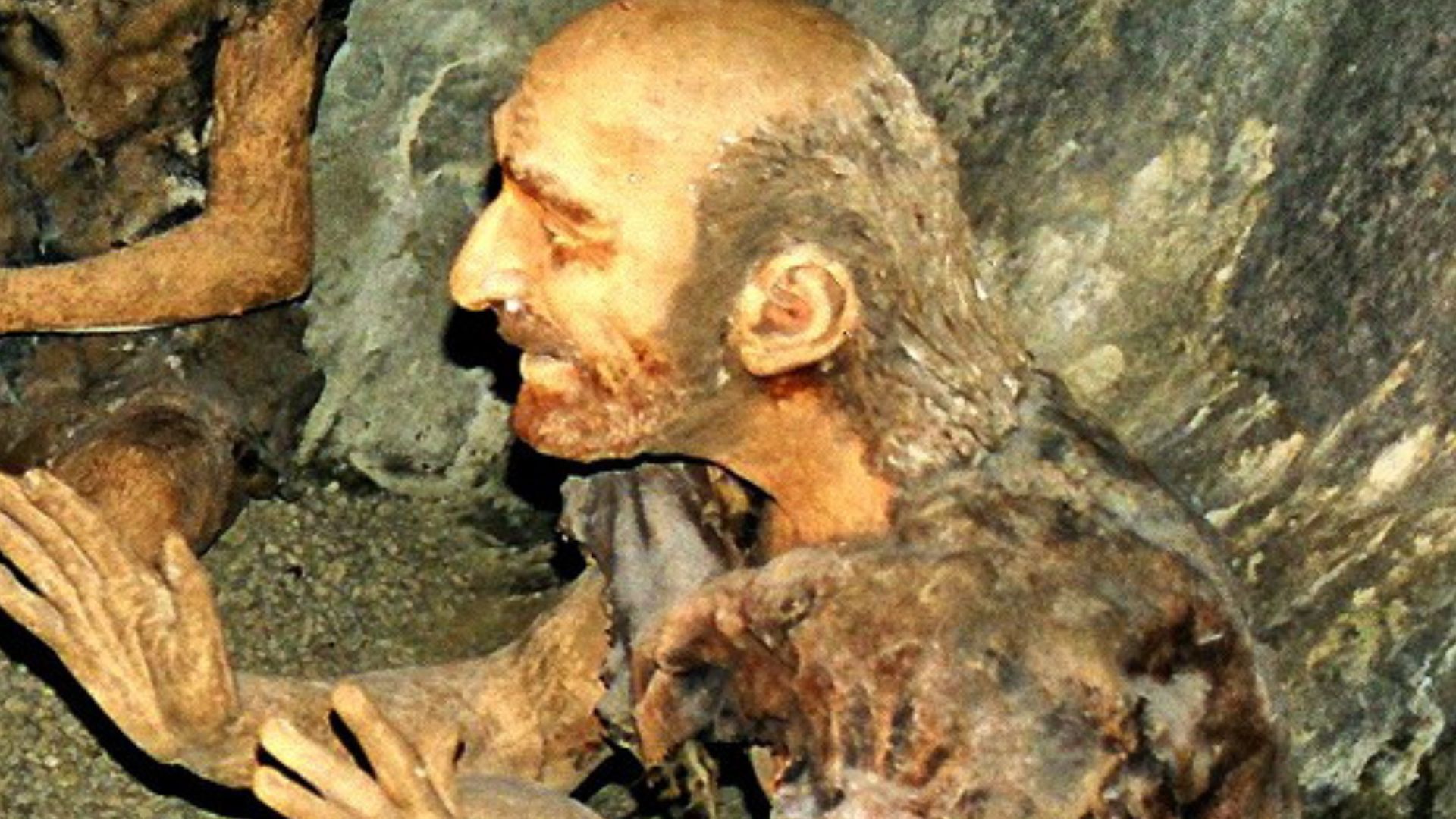
DNA Gave Scientists A Back Door
Because language itself leaves no fossil, the researchers used population splits as a kind of indirect clue. If early human groups separated around 135,000 years ago, and all their descendants inherited the capacity for language, then that capacity likely existed before the split. It is not a recording of the first conversation, but it is a powerful clue.
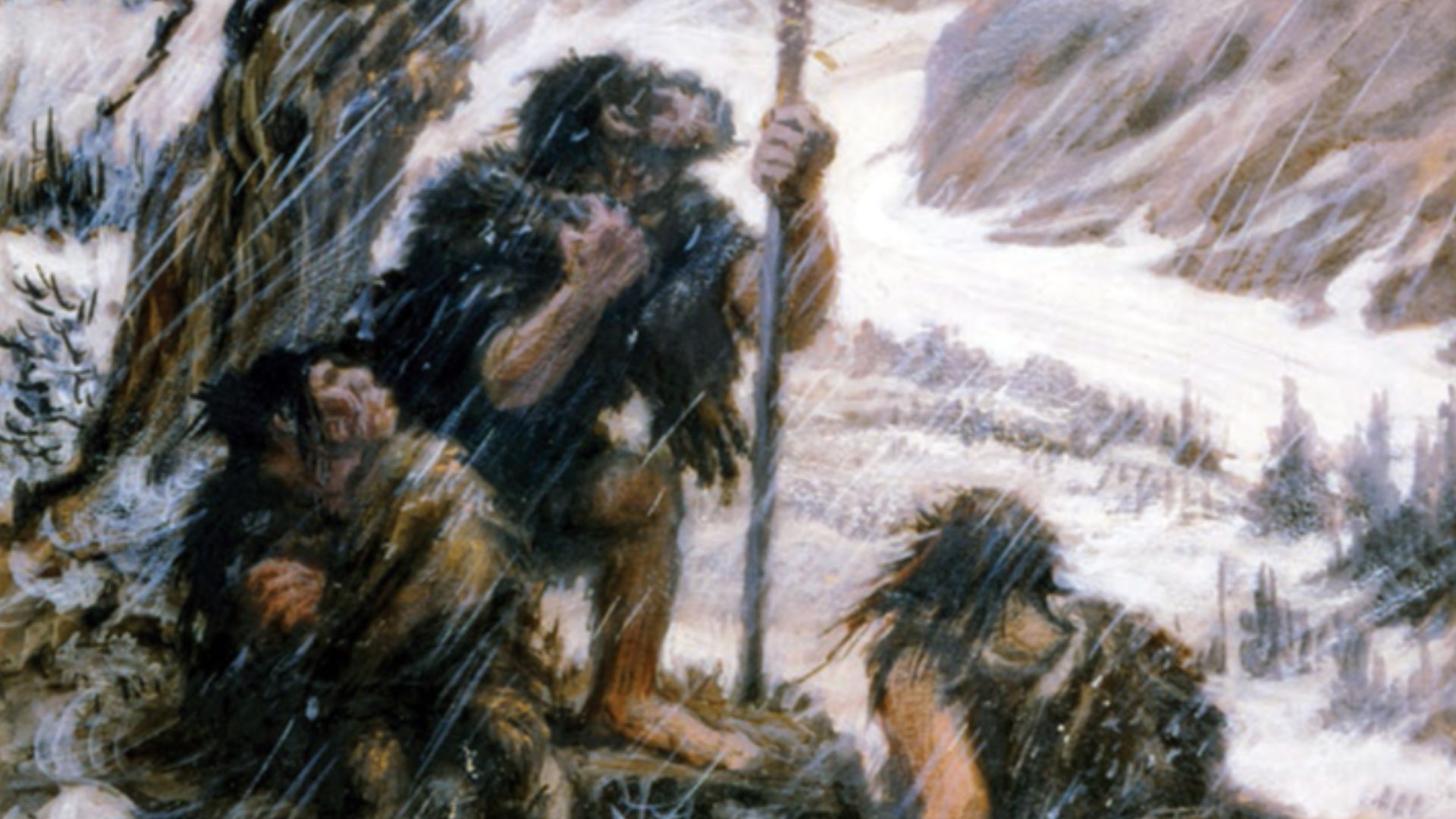 Charles R. Knight, Wikimedia Commons
The Study Pulled From Multiple Genetic Lines
This was not based on one tiny clue hanging by a thread. The researchers reviewed multiple genomic studies, including work involving whole genomes, mitochondrial DNA, and Y chromosome evidence. The important part is that different genetic approaches kept pointing toward the same general population split.

That Makes The Timeline Harder To Dismiss
One study can be interesting. A pattern across many studies is harder to wave away. The researchers argue that the 135,000-year mark gives a reasonable lower boundary. In plain English: humans may have had language earlier, but they probably had the capacity for it by then.
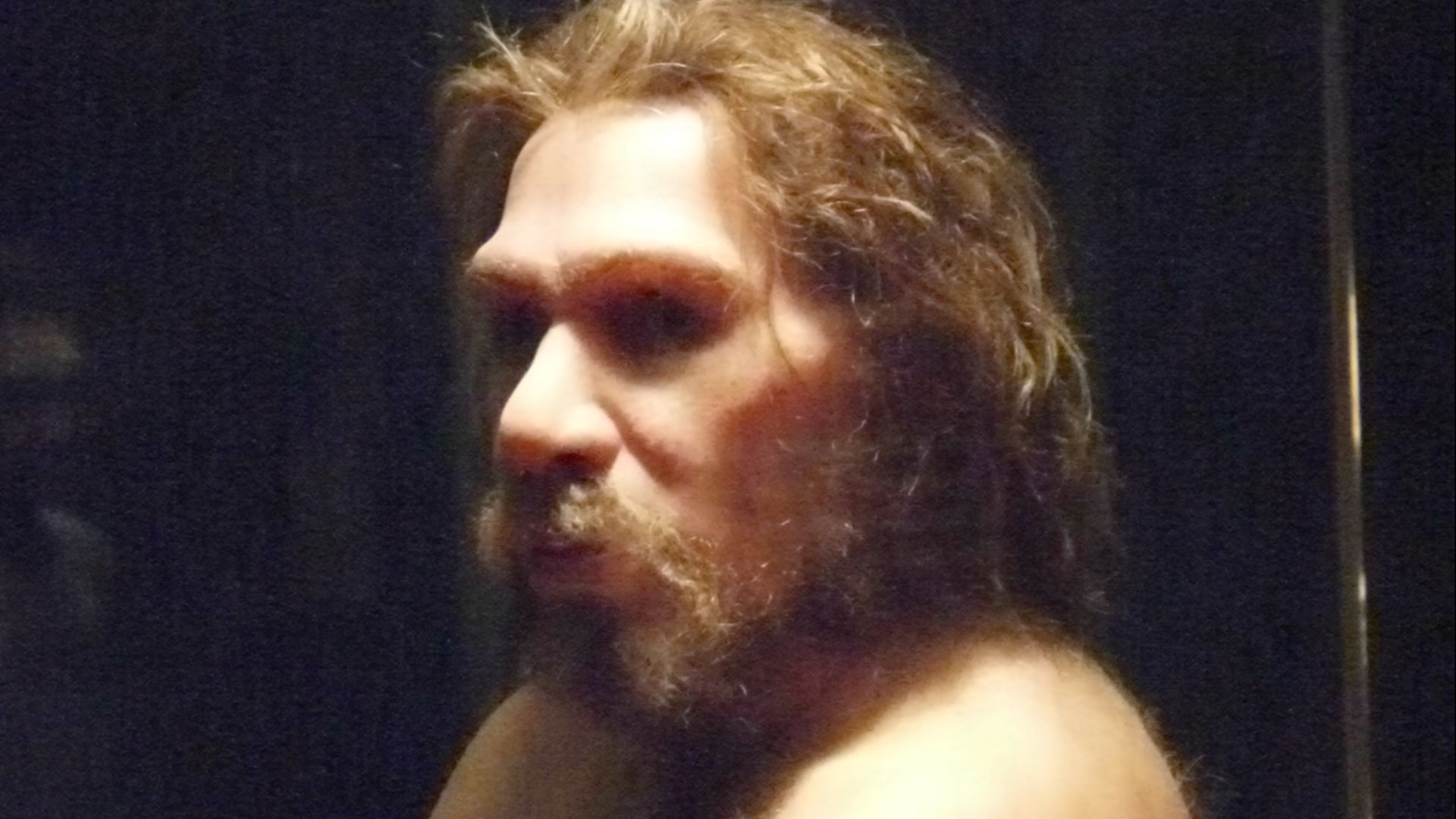 Eden, Janine and Jim from New York City, Wikimedia Commons
Earlier Theories Were All Over The Place
For a long time, estimates for the origin of language ranged wildly. Some ideas placed it closer to 50,000 years ago, around the so-called creative explosion of art, ornaments, and symbolic culture. Others argued it had to be older. This DNA-based argument gives the older side a serious boost.
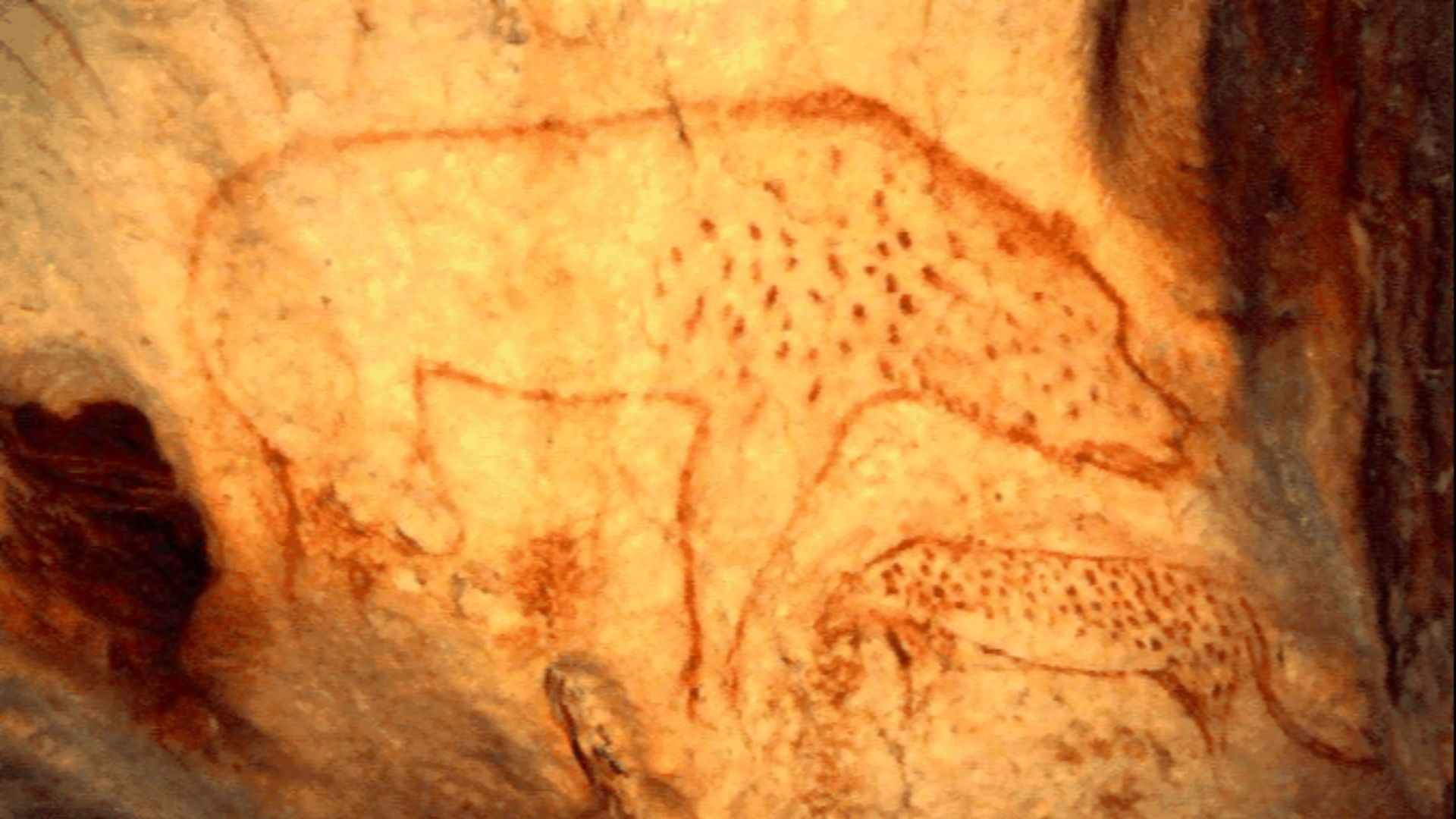 Carla Hufstedler, Wikimedia Commons
The 50,000-Year Idea Now Looks Too Late
If language capacity was already present 135,000 years ago, then the later burst of art and symbolic behavior may not mark the invention of language. It may mark what happened after language had already been around for a very long time. That changes the whole story.
Language May Have Been The Hidden Engine
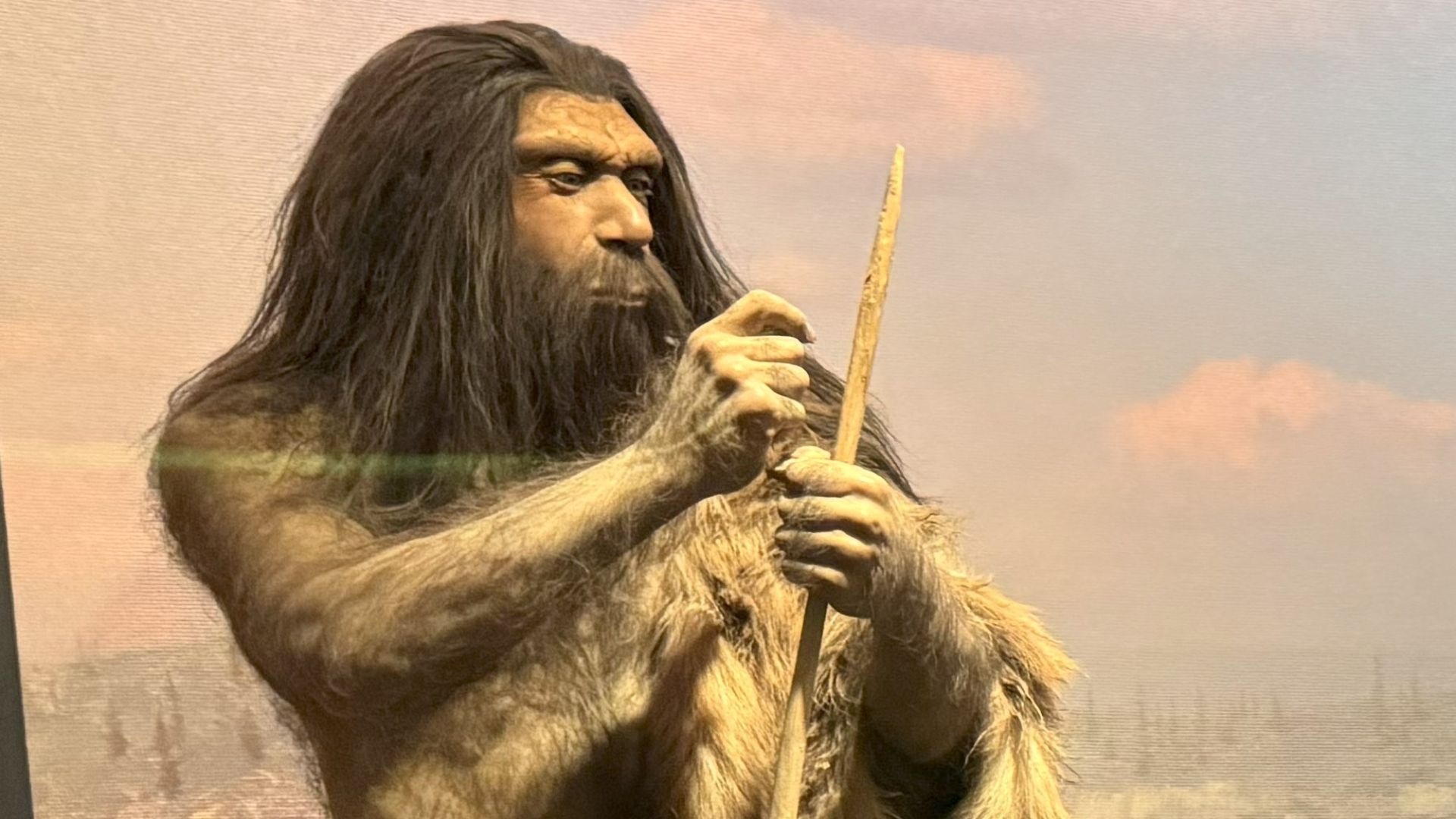
Think of language as the thing quietly powering everything else. Better teaching means better tools. Better memory means better survival. Better planning means bigger risks. Better storytelling means stronger groups. By the time symbols and complex culture show up more clearly, language may have already been doing its work behind the scenes.
It Also Makes Early Humans Feel Less Distant
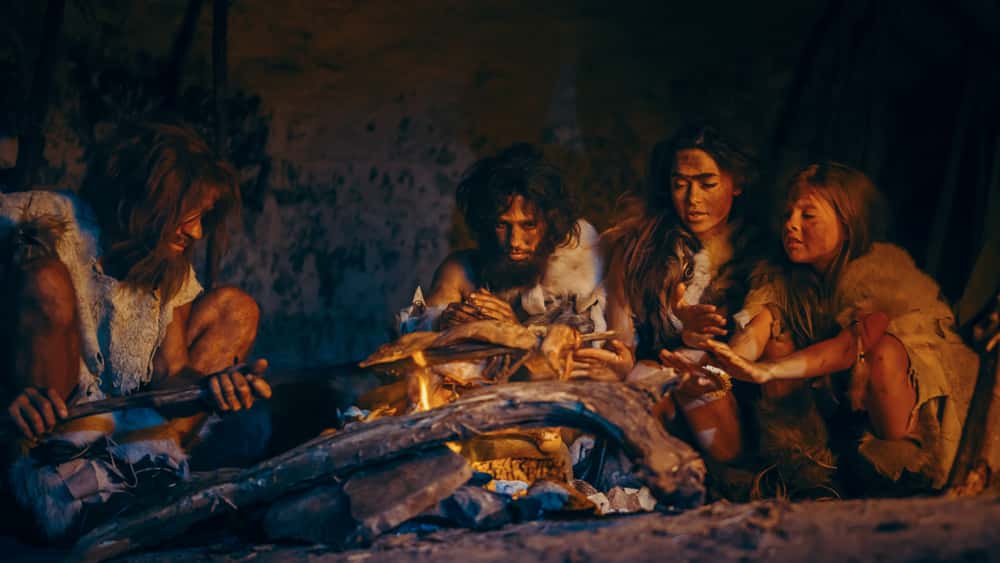
We tend to imagine ancient humans as silent figures wandering through a brutal world. But if this research is right, people 135,000 years ago may have already been communicating in deeply human ways. They may have warned, joked, argued, taught, comforted, and told stories long before written history existed.
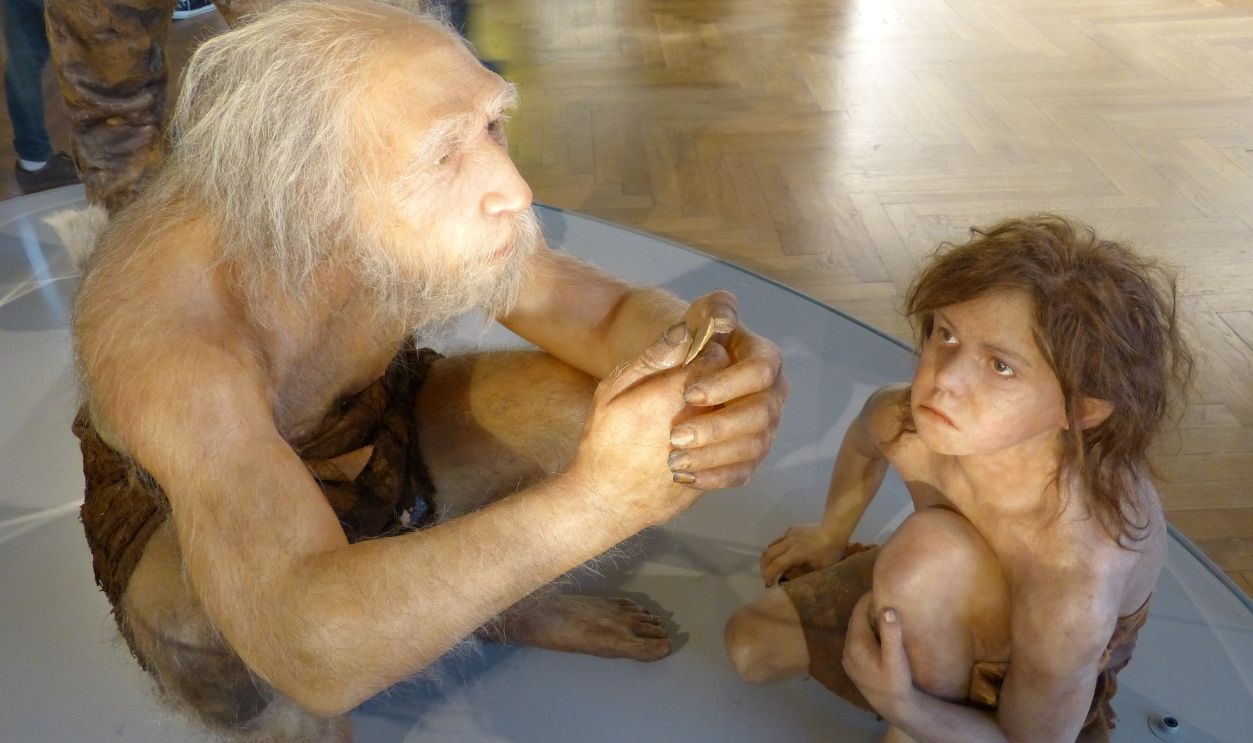 Wolfgang Sauber, CC BY-SA 4.0, Wikimedia Commons
No One Knows What It Sounded Like
Here is the frustrating part: we will probably never know the first human language. No recordings, no writing, no ancient phrasebook buried under a rock. The sounds are gone. The words are gone. But the ability behind them may still be visible in the DNA of every person alive today.
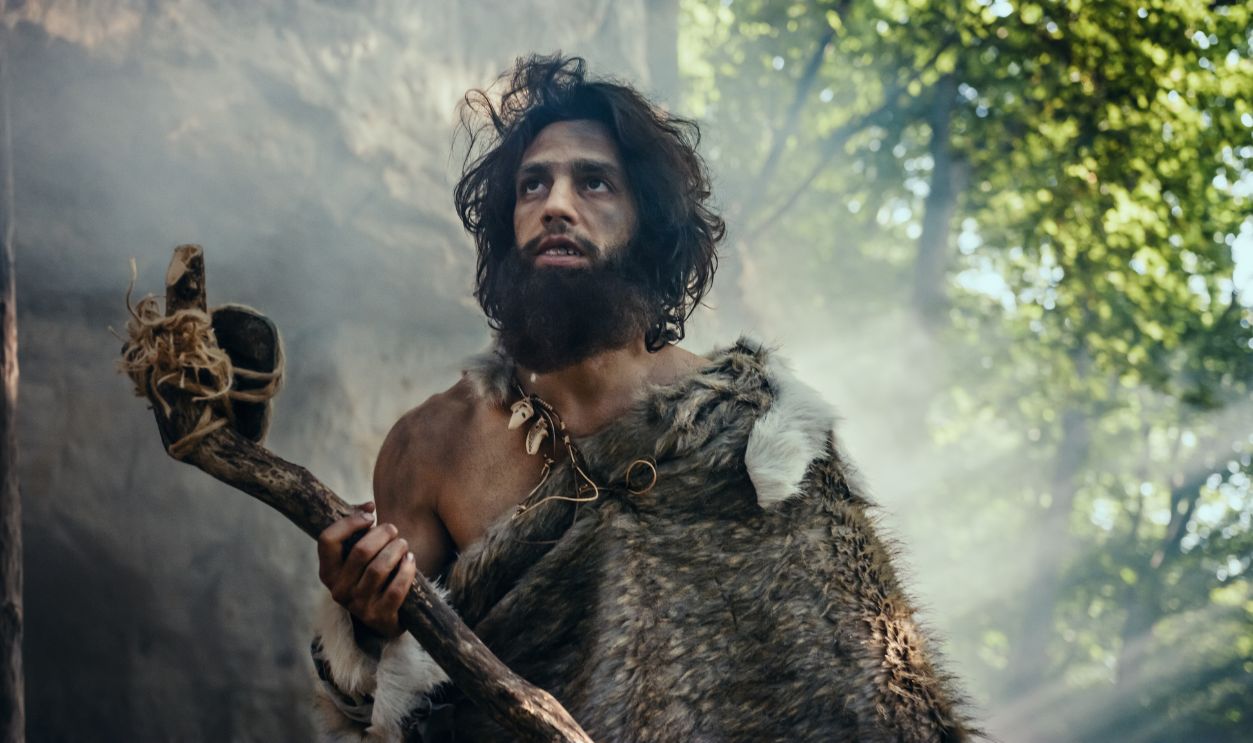
It Probably Wasn’t Like Modern Speech Overnight
Early language may not have sounded like modern English, Spanish, Mandarin, or any language we know. It may have been simpler at first, then expanded as humans used it more. But once the basic system existed, the door was open. And humans are very good at walking through doors they probably should not touch.
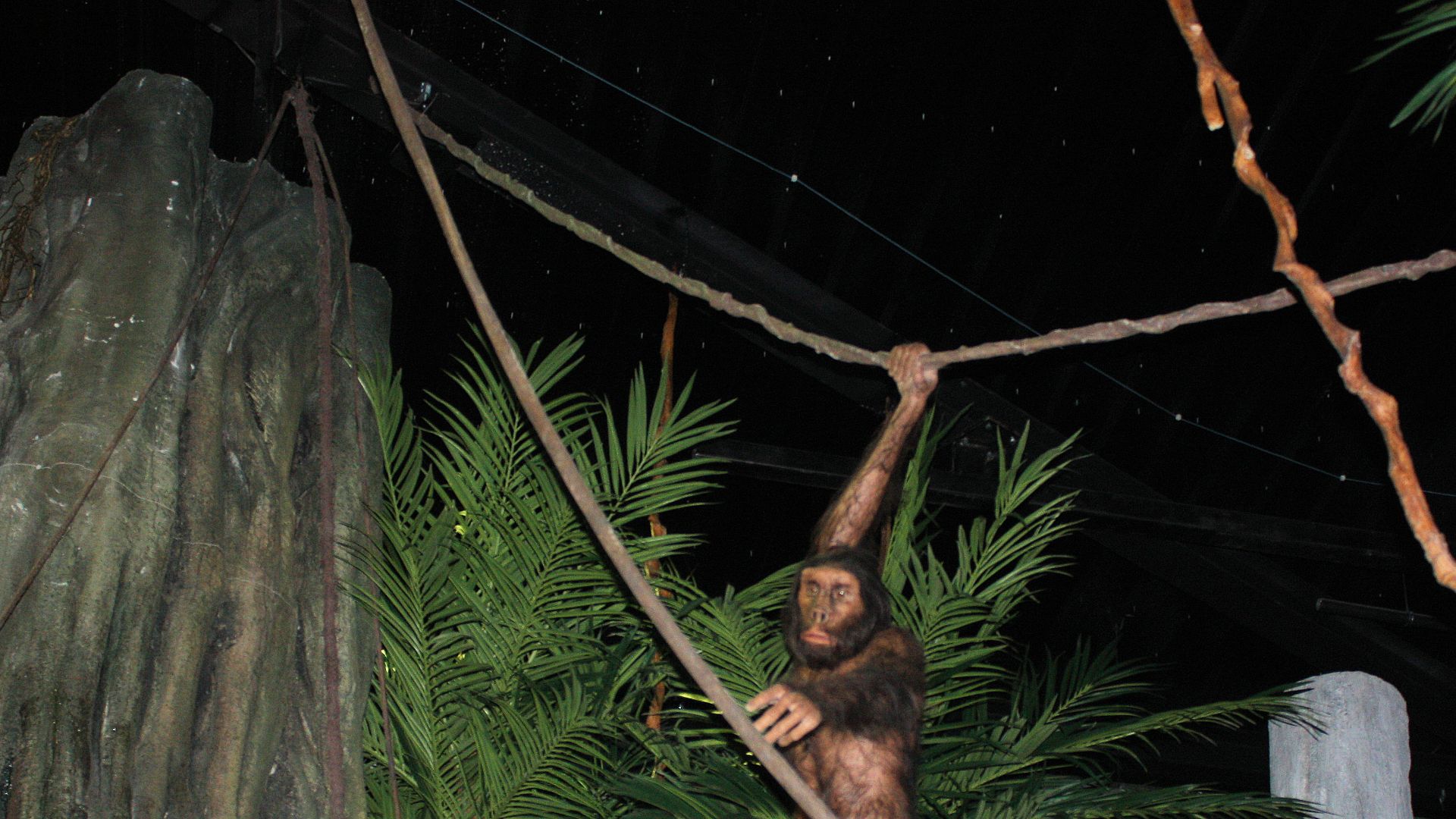
This Changes How We See Human Survival
Language may have helped early humans survive in ways muscles never could. A warning could travel faster than danger. A lesson could outlive the person who learned it. A story could carry a map, a rule, or a memory. That is not just communication. That is survival technology.
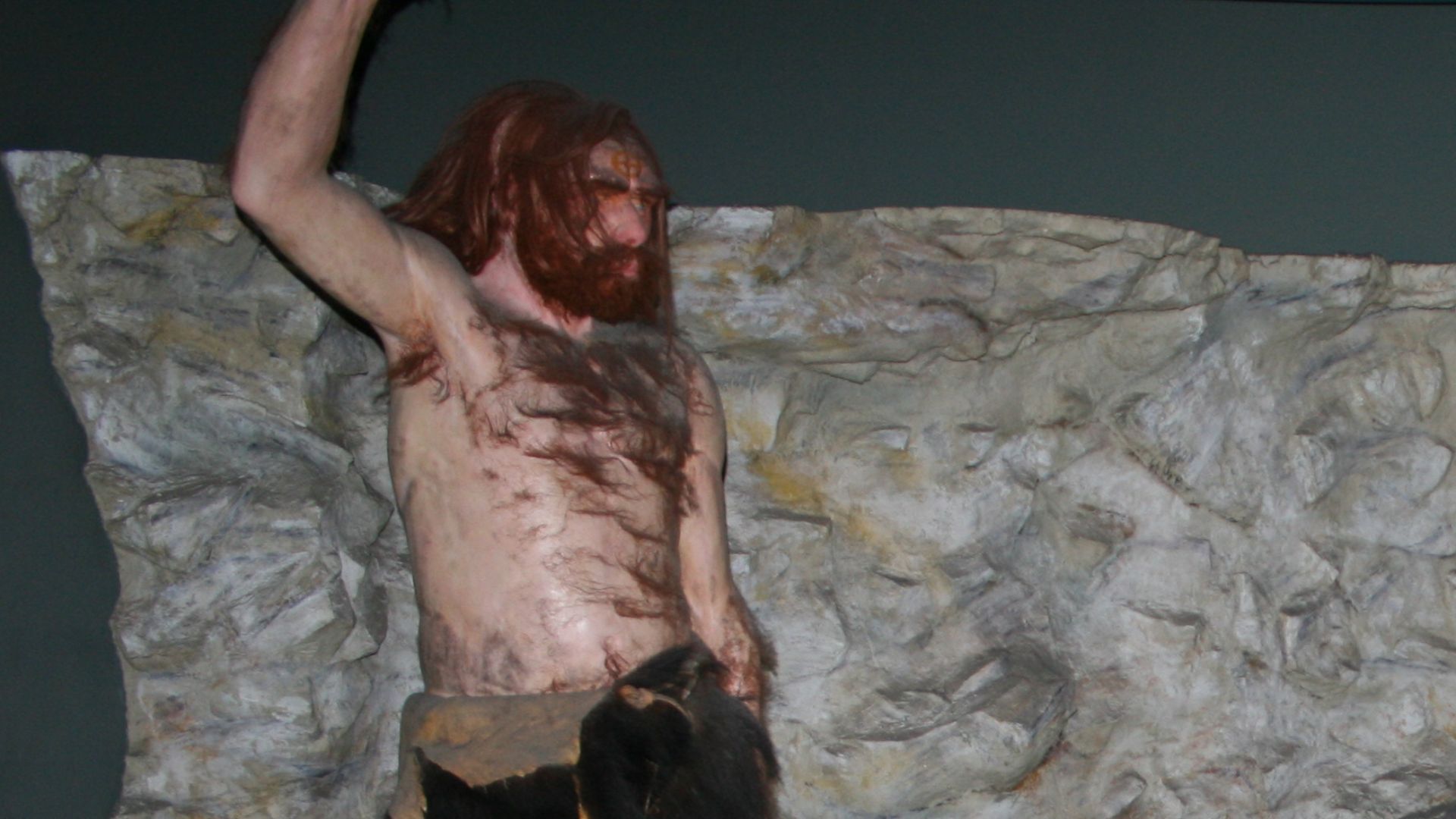 Gary Todd from Xinzheng, China, Wikimedia Commons
And It May Explain Why We Took Over
Humans were not the biggest, strongest, or fastest species around. Not even close. But language gave us coordination on a ridiculous scale. It let people cooperate with relatives, strangers, and eventually entire societies. Once humans could share ideas efficiently, the world was in trouble.
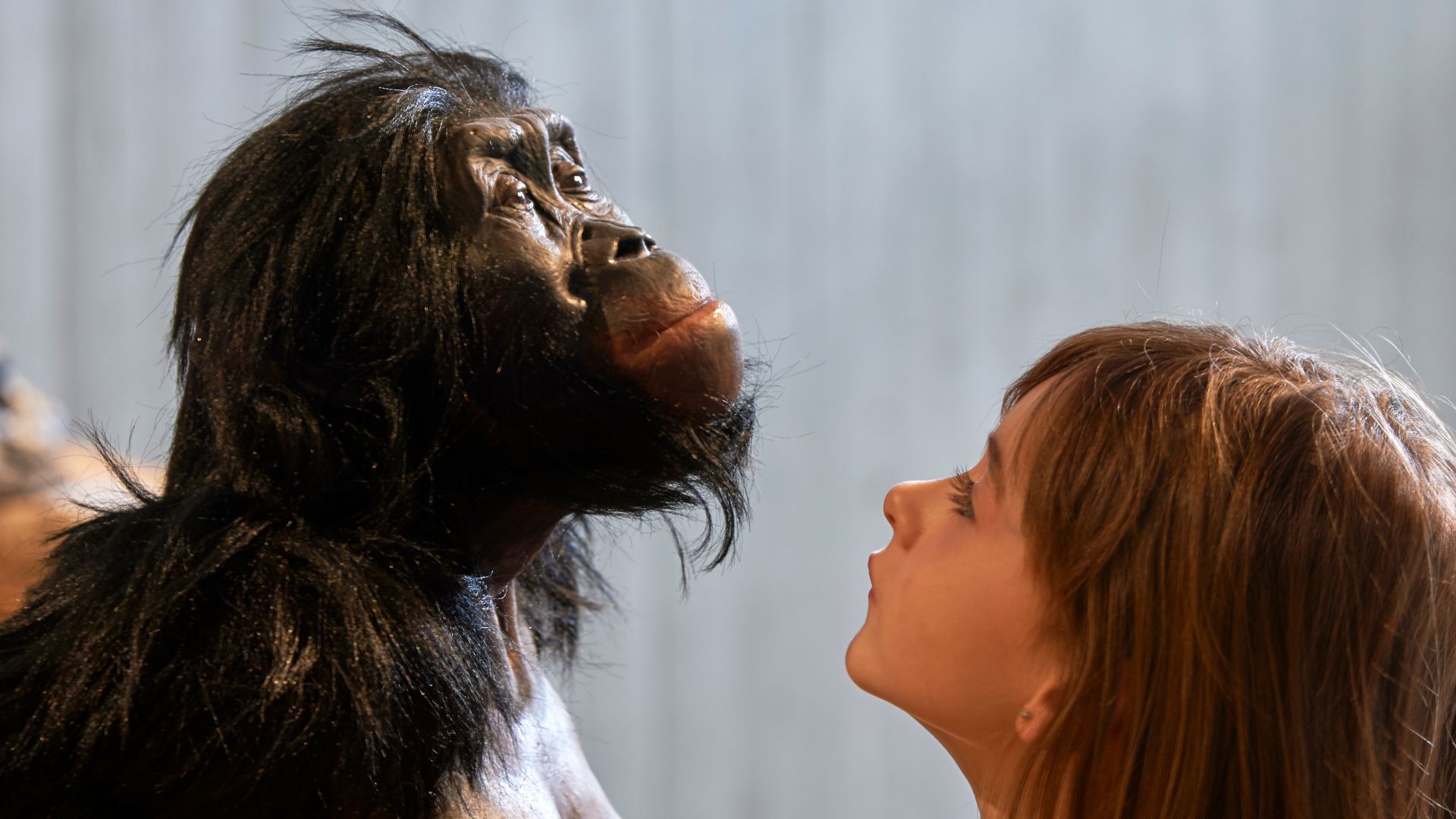 Neanderthal-Museum, Mettmann, Wikimedia Commons
The Answer Is Older Than Expected
So the big reveal is not just that humans may have had the capacity for language 135,000 years ago. It is that language may have been shaping us long before the most obvious signs of modern human behavior appeared. The talking may have started before the world-changing stuff became easy to see.
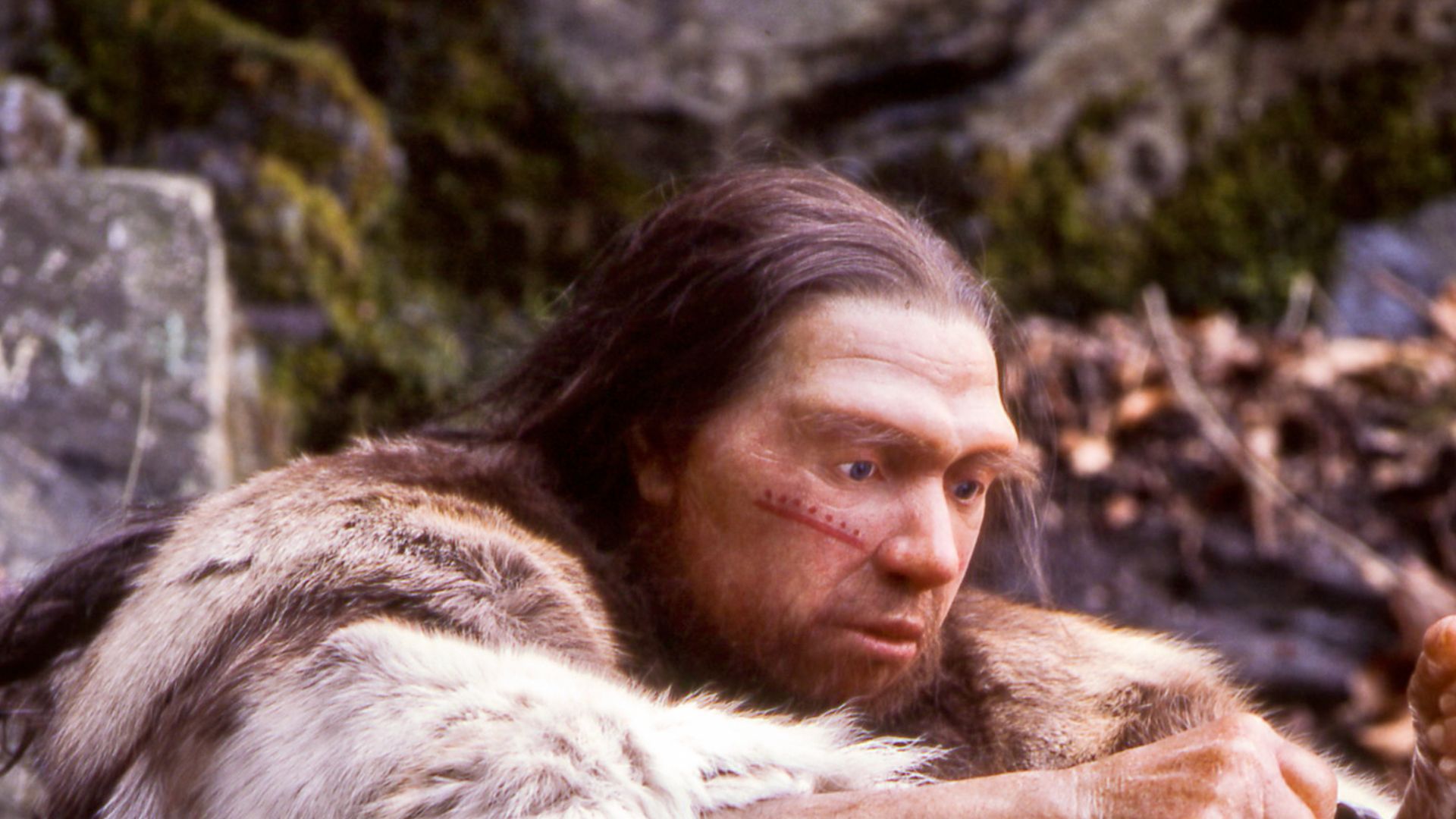 Neanderthal-Museum, Mettmann, Wikimedia Commons
The Mystery Is Not Fully Solved
The study gives scientists a stronger timeline, but not the final word. Language origins are still messy, indirect, and debated. DNA can tell us when the capacity likely had to exist, but it cannot tell us the first word, the first joke, or the first person who talked too much.
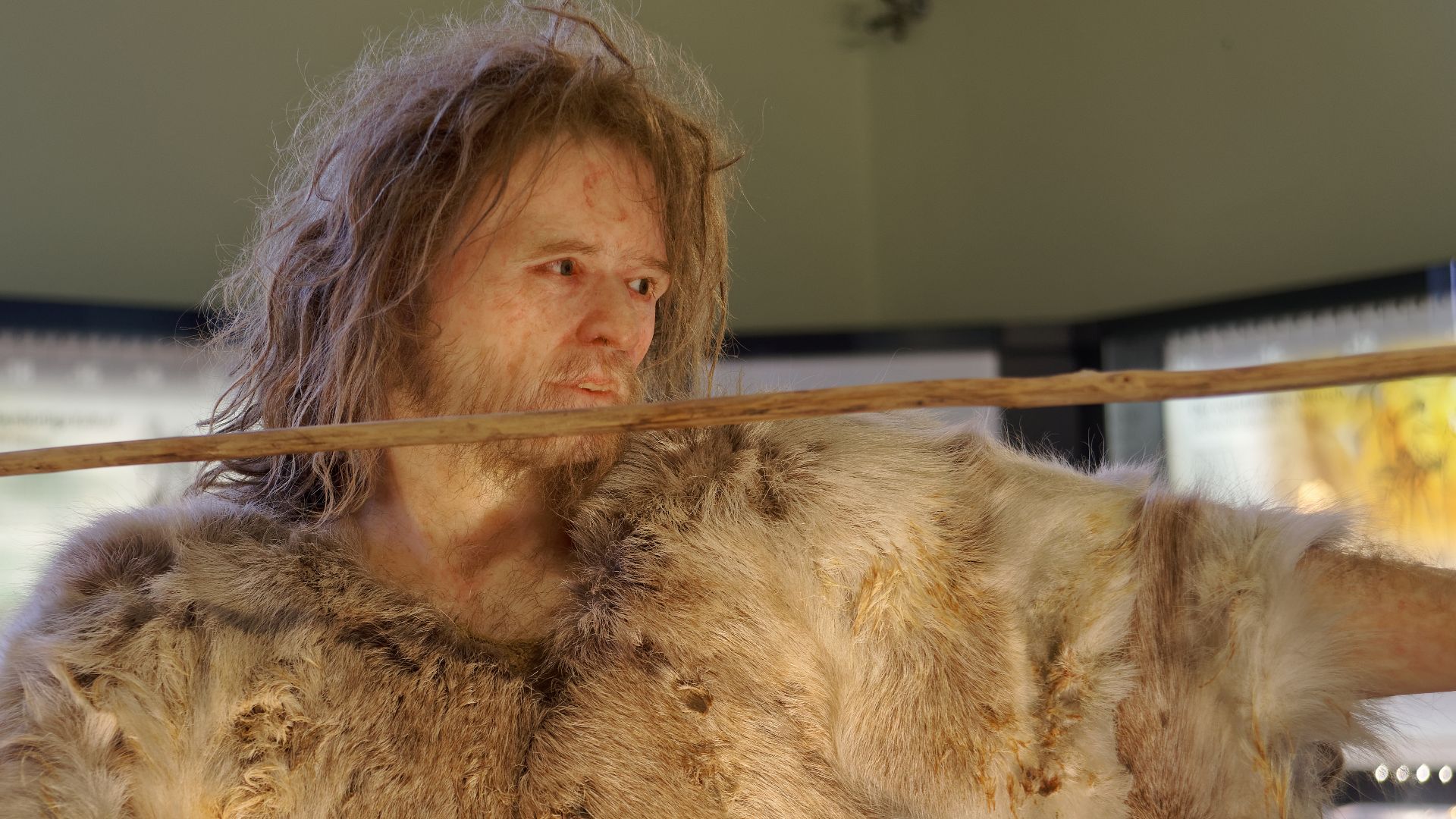 Jakub Hałun, Wikimedia Commons
But The Big Picture Is Hard To Ignore
Humans may have been language-ready at least 135,000 years ago, with speech becoming a major social force by around 100,000 years ago. That means the thing that makes us feel most human may be older than our cities, older than farming, older than writing, and older than almost every story we have ever told.
You Might Also Like: