Ancient Giants Of The Armenian Highlands
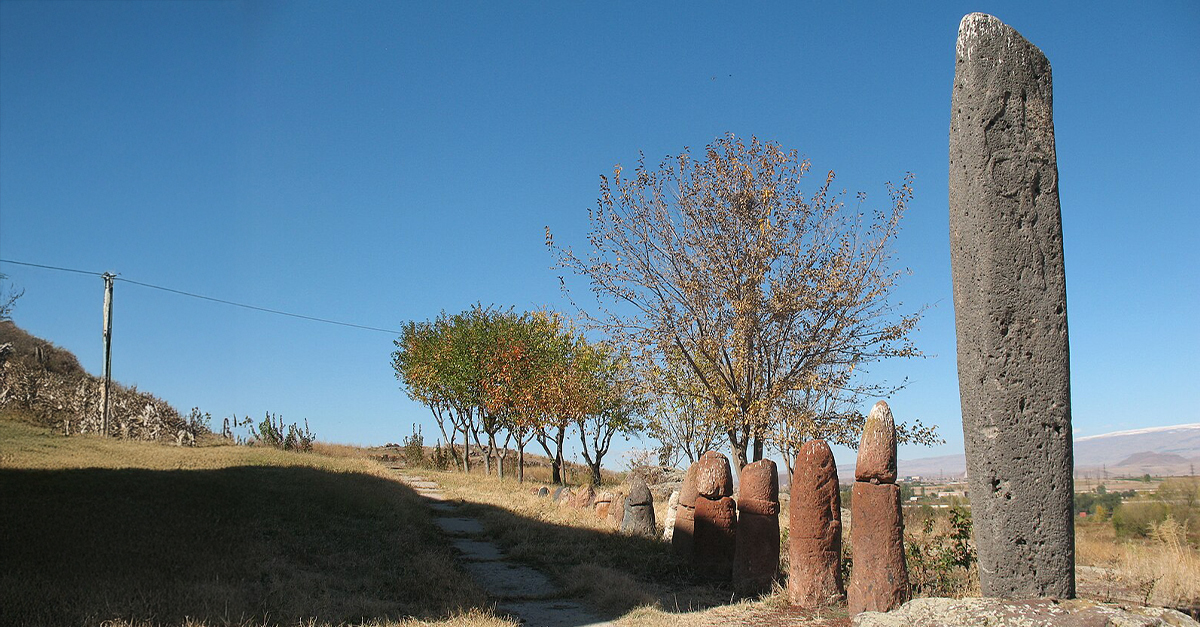
Scattered across Armenia’s rugged highlands stand massive carved stones known as “dragon stones,” or vishaps. For more than a century, archaeologists have argued the purpose of the mighty monoliths. Now, research has at last figured out what these mysterious monuments were for, reshaping our understanding of prehistoric life in this mountainous region.

What Are Dragon Stones?
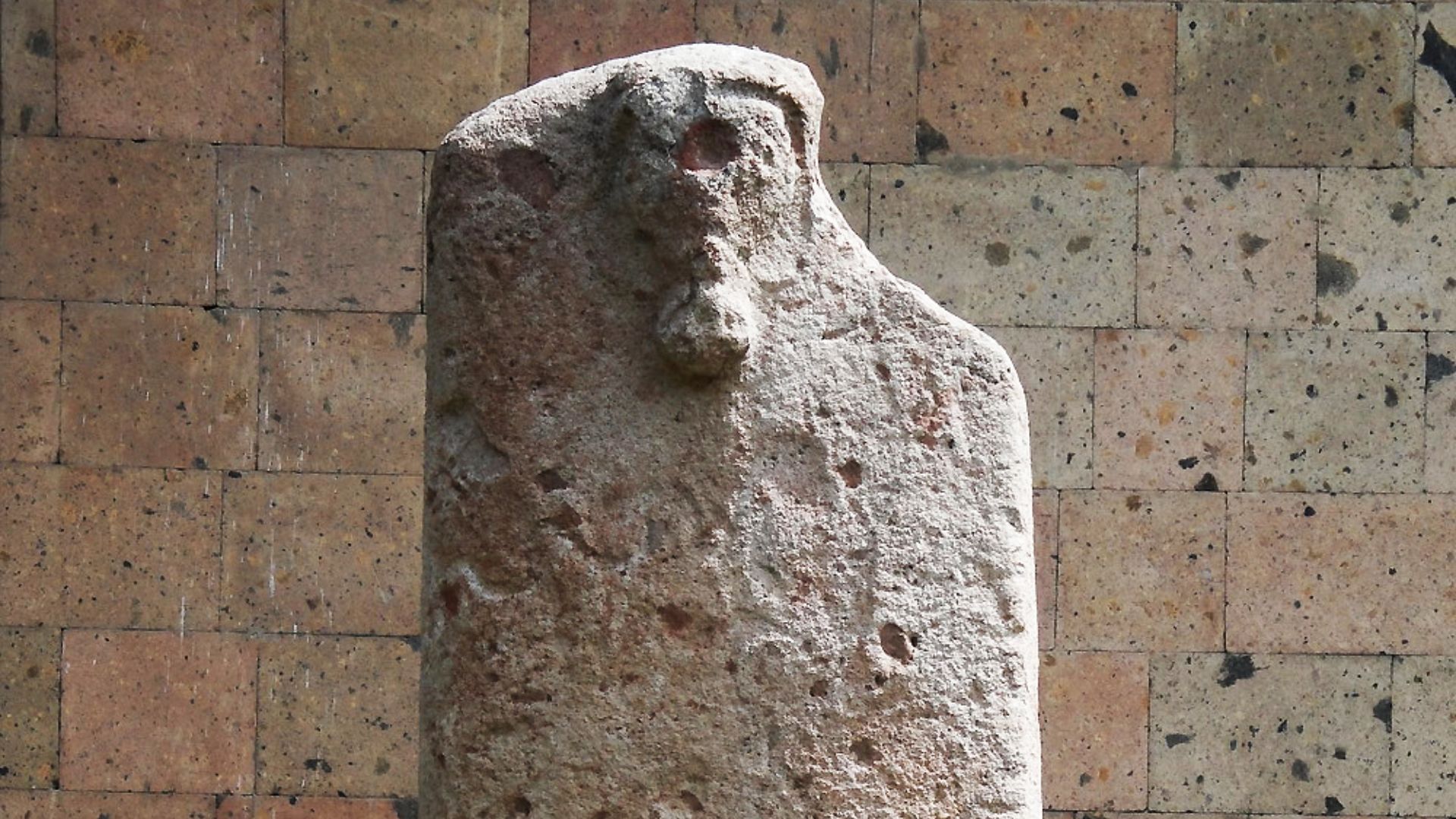
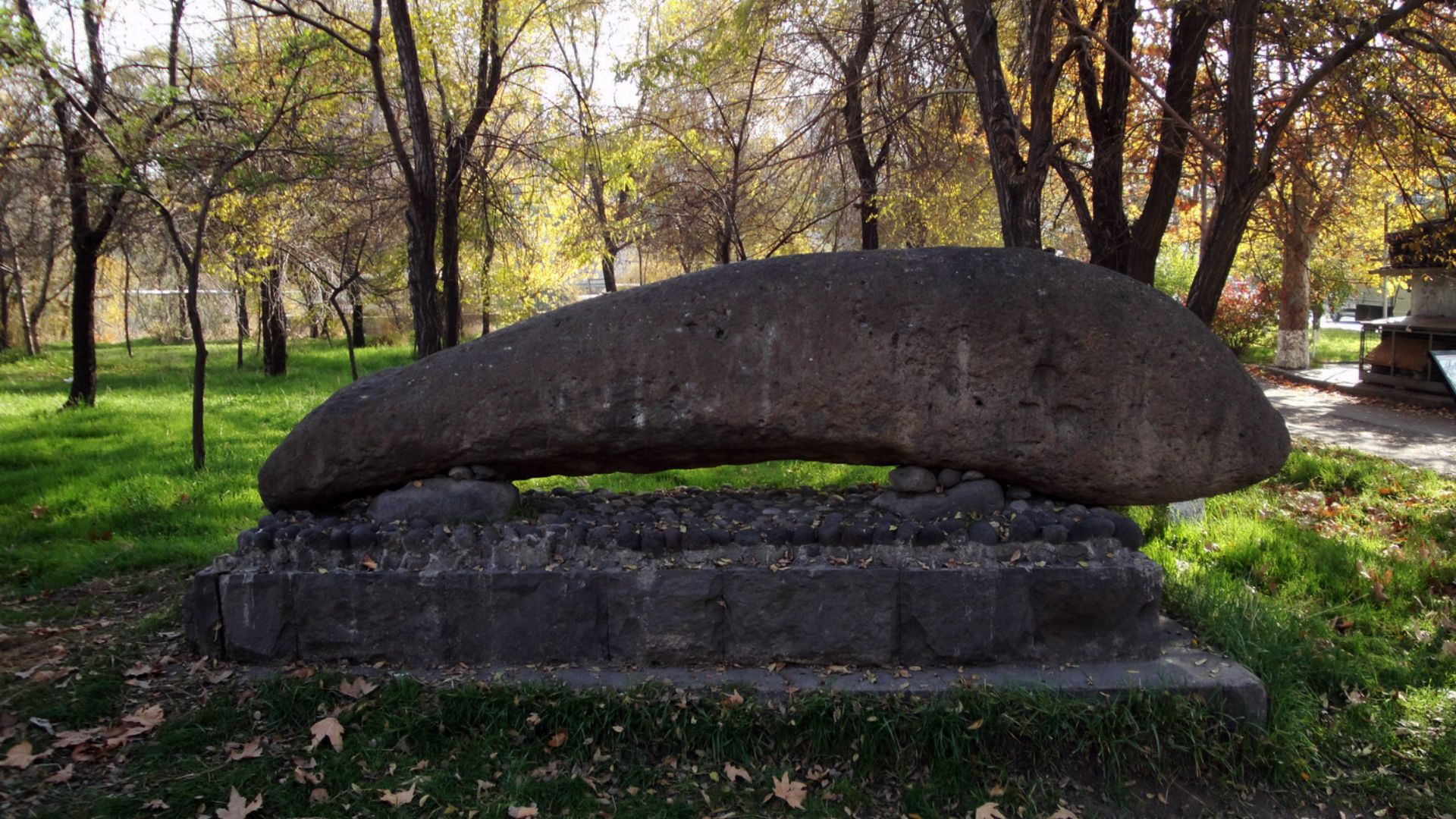
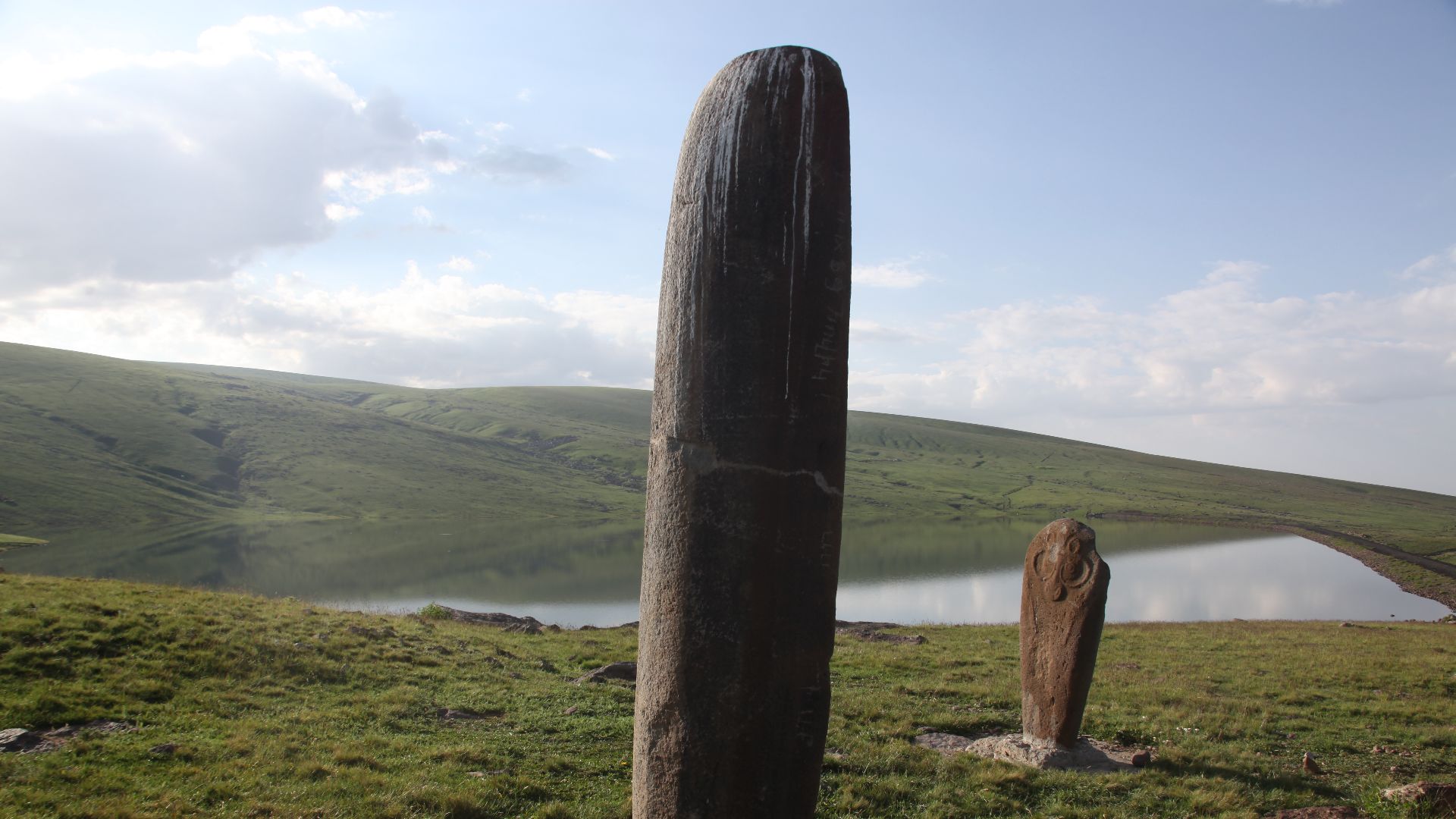
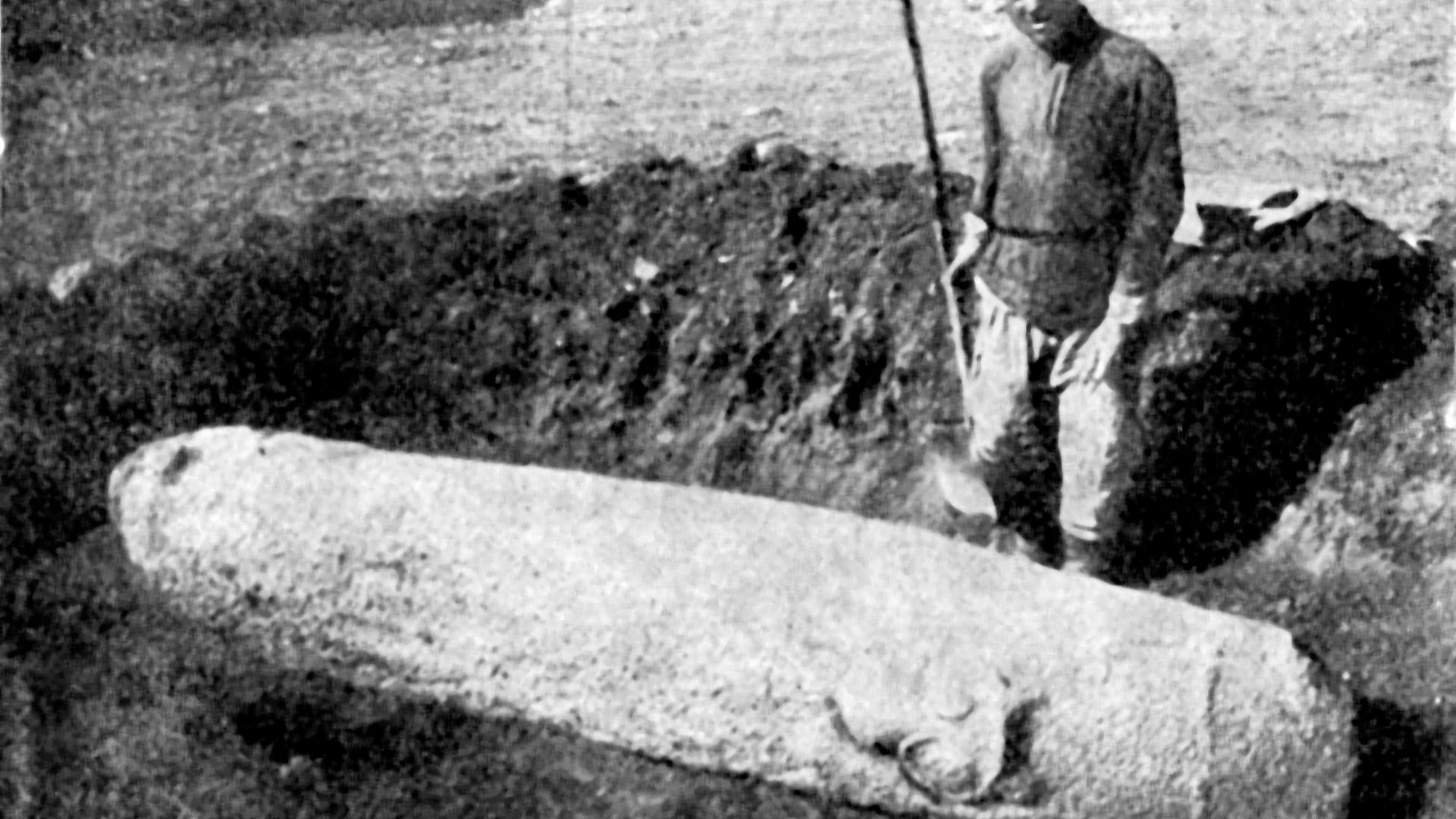
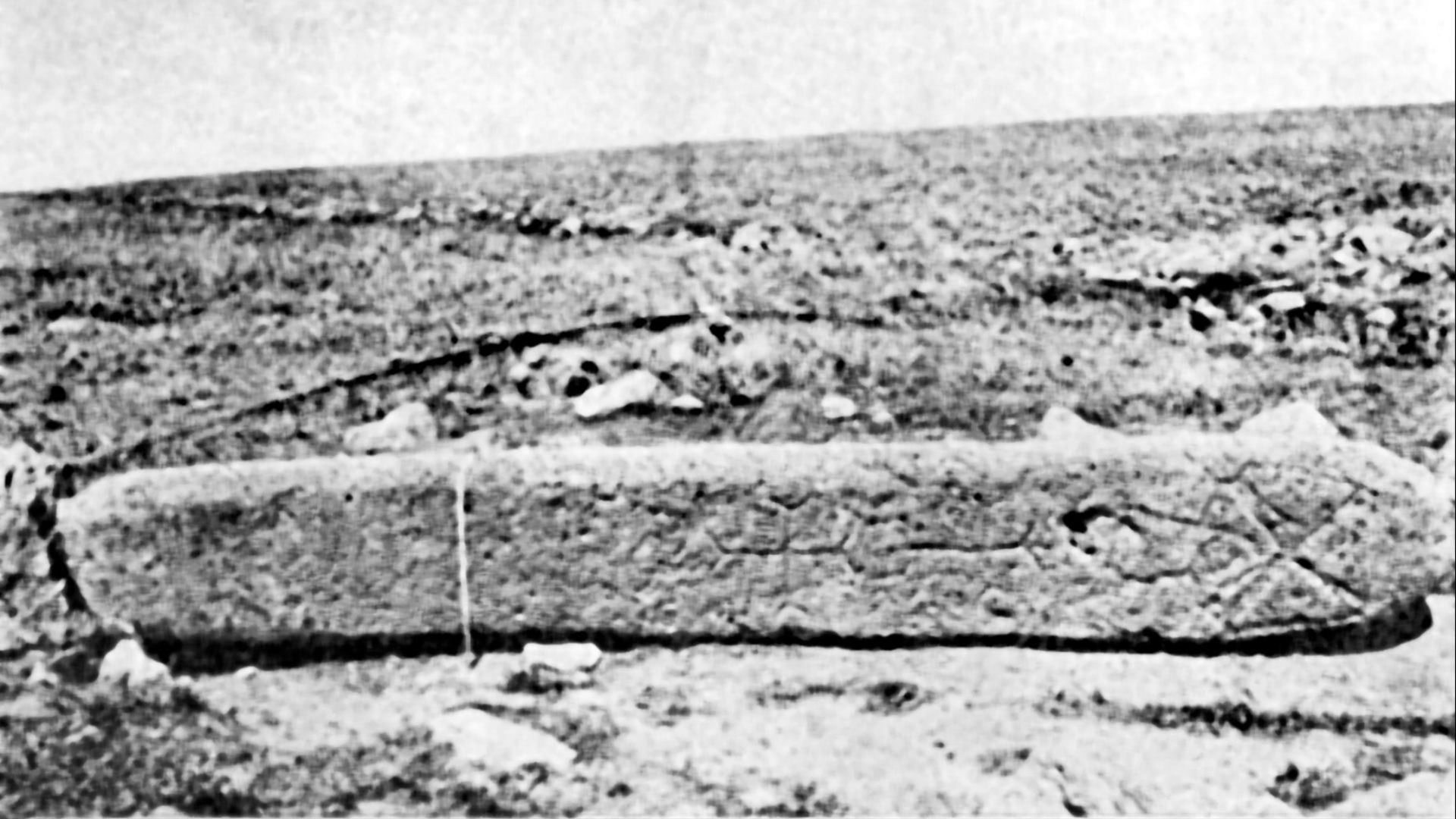
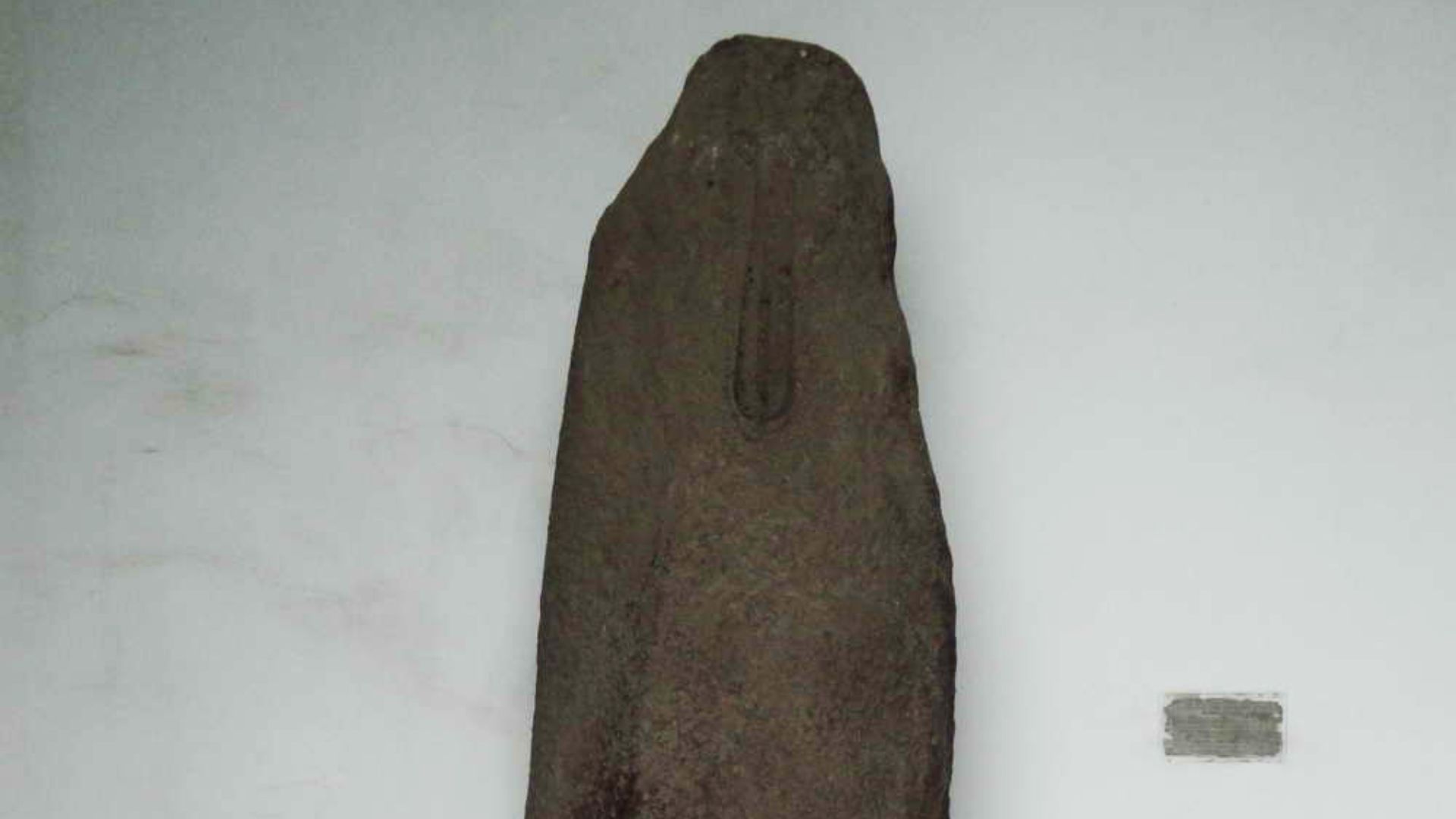
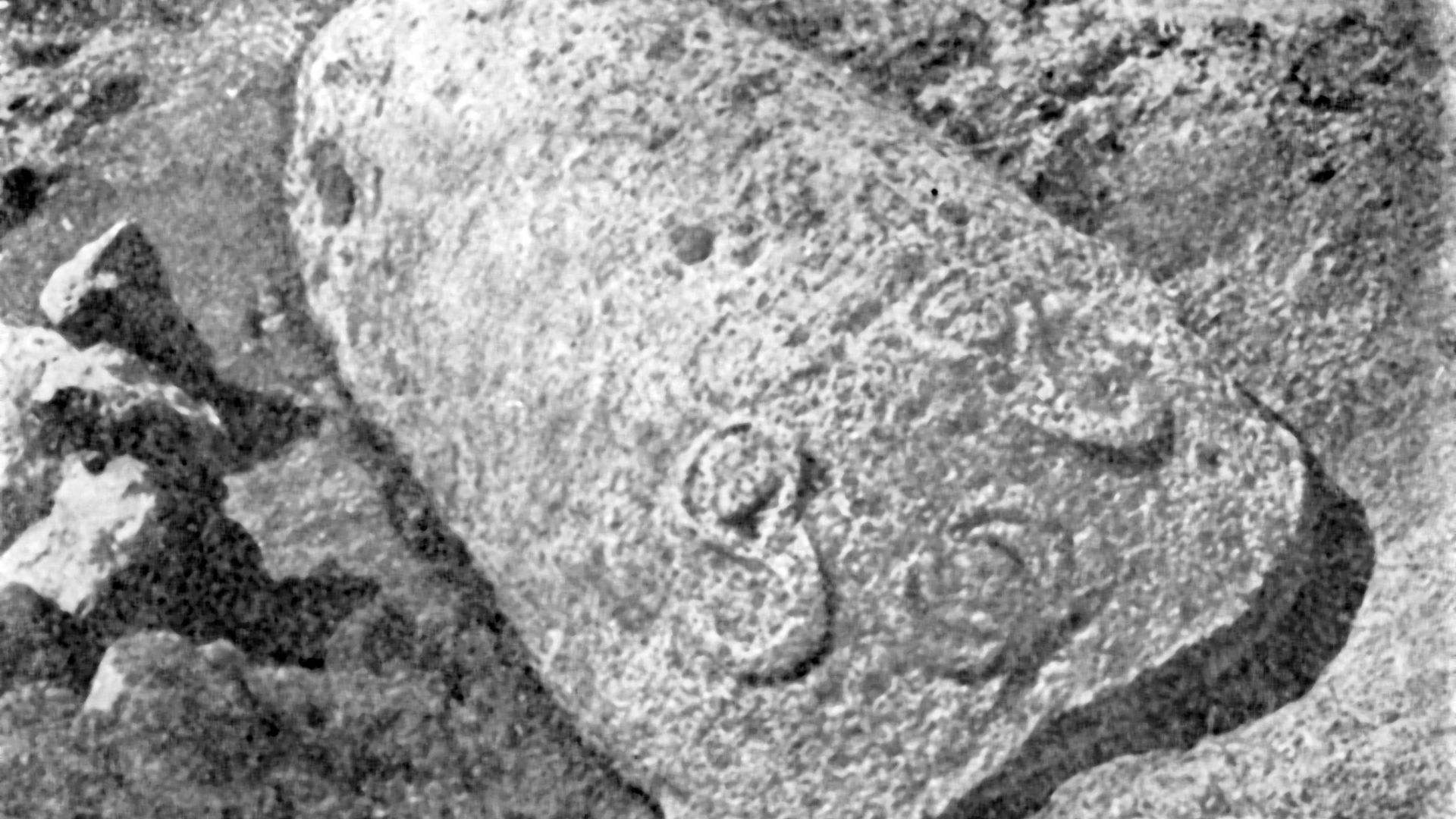
Dragon stones are towering monoliths, sometimes as high as 18 feet tall, carved from single blocks of stone. Many feature fish-like shapes or animal imagery, which is where they get their name. These striking forms were clearly intentional, suggesting that the stones held a deeper symbolic or cultural meaning that researchers struggled to explain for decades.
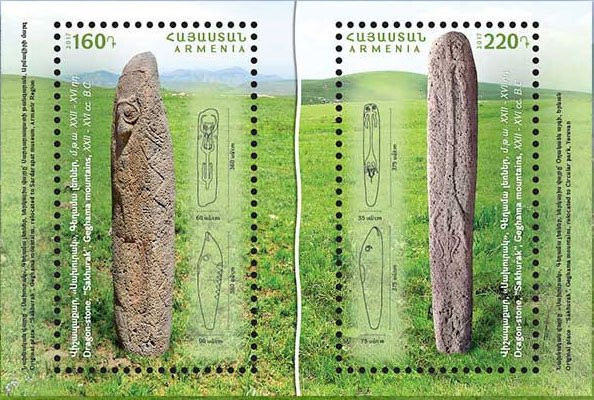 Post of Armenia, Wikimedia Commons
A Mystery To Last A Century
Since their discovery in the early 1900s, scholars have proposed countless theories. Some thought the stones marked burial sites, while others suggested they were linked to forgotten cults or myths. With no solid dating methods or context, the true purpose of the stones remained frustratingly out of reach.
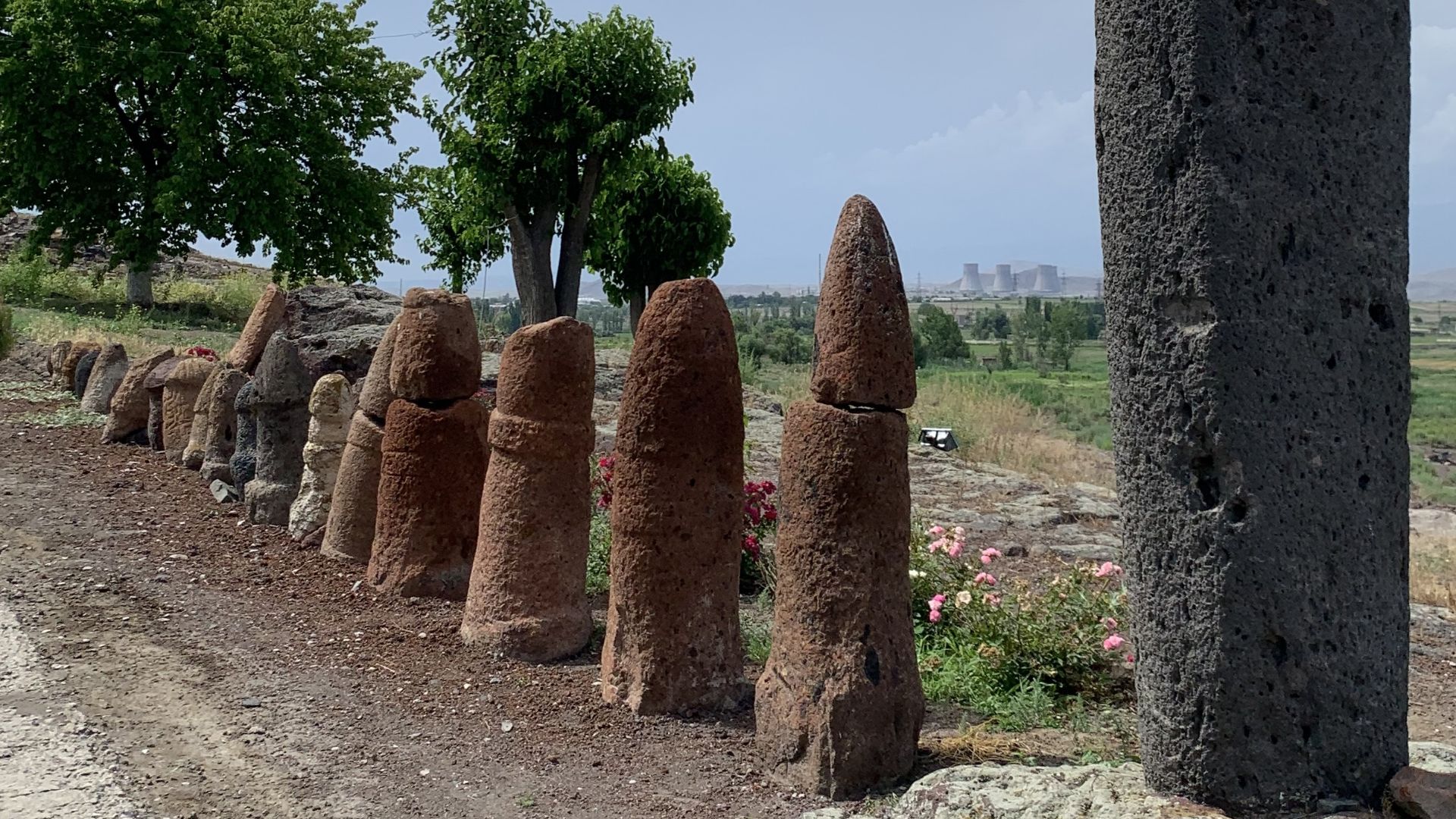 Well-read MountainMan, Wikimedia Commons
A Breakthrough That Changed Everything
A recent large-scale study by Armenia’s Yerevan University analyzed over 100 dragon stones using modern techniques, including radiocarbon dating and spatial analysis. For the first time, researchers could examine patterns across the entire landscape instead of just at isolated monuments, leading to a major breakthrough.

Dating The Stones To A Prehistoric Era
The research revealed that many of the stones date back to between 4200 and 4000 BC, placing them firmly in what is known as the Chalcolithic period. This means they were created at around the same time as some of the world’s earliest monumental structures.
Key Clue: Water
The most important discovery had to do with the stones’ location. Nearly all dragon stones were found near water sources such as springs, lakes, or ancient irrigation channels. This consistent pattern hinted that water, not burial or defense, held the key to their purpose.
 Armen Manukov, Wikimedia Commons
Link To Ancient Water Rituals
Researchers now think the stones were part of a water-centered belief system. These monuments likely marked sacred sites where sacred rituals were carried out, emphasizing water as a life-giving force for early communities.
Fish Shapes With Meaning
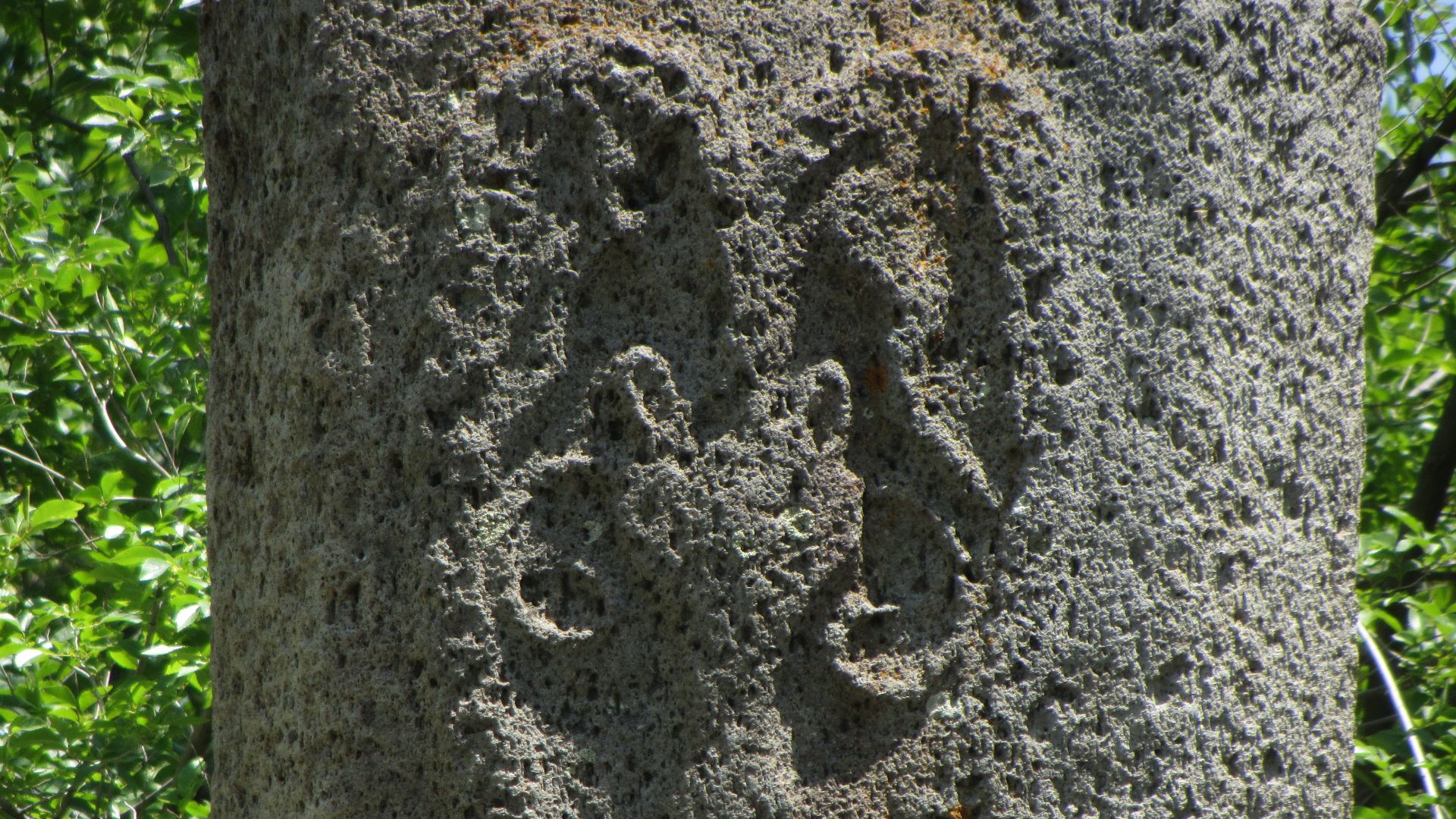
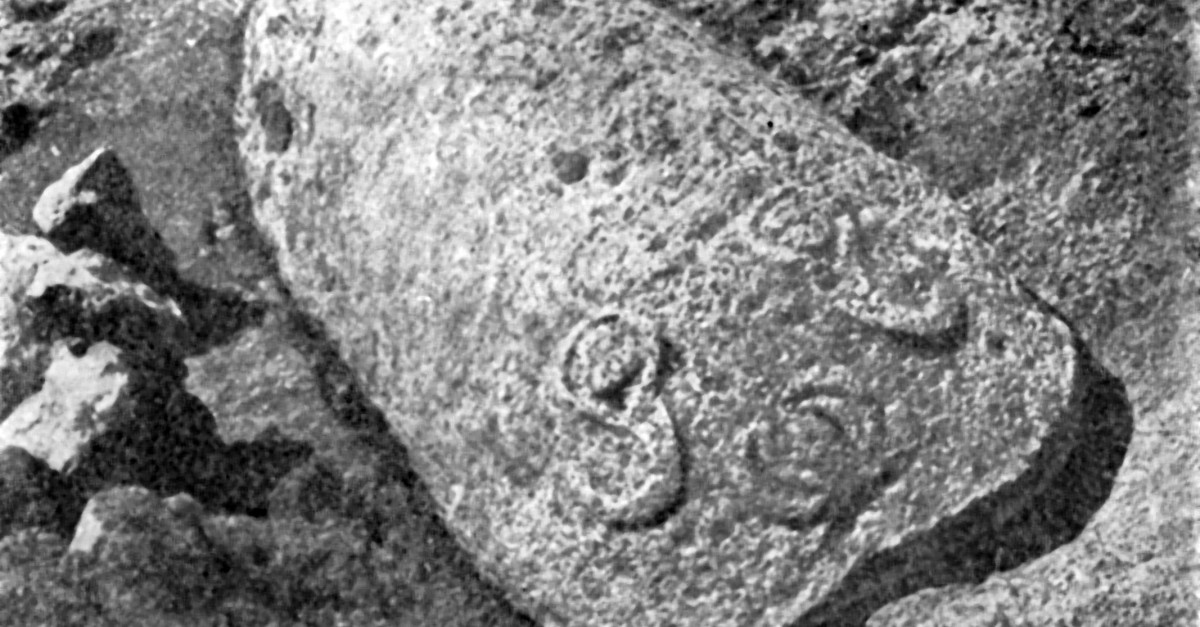
The frequent fish-like carvings on the stones are no coincidence. Fish are instantly emblematic of water, reinforcing the idea that these monuments symbolized rivers, springs, and fertility. The carvings weren’t decorative, but had deeply symbolic meaning.
High Altitude Placement
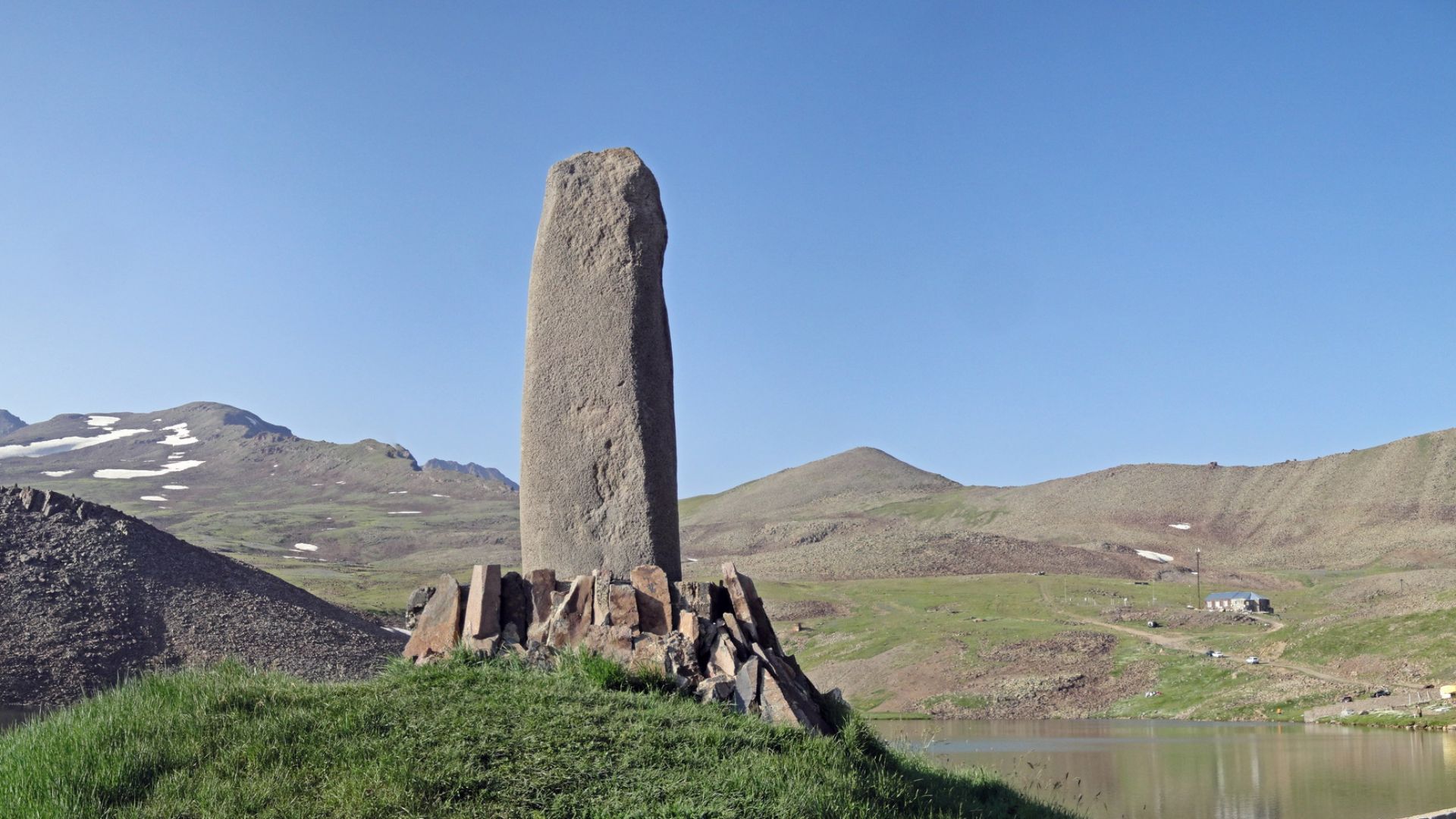
Many dragon stones were placed at elevations over 6,000 feet, often near mountain springs fed by snowmelt. These locations were crucial sources of water for valleys below, which means that the ancient builders understood their environment in remarkable detail.
Two-Zone System Emerges
Researchers pinpointed a pattern in how the stones were distributed. Fish-shaped stones were more likely to be found at higher elevations near natural water sources, while other forms were found in valleys connected to irrigation. This suggests a coordinated system tied to water flow.
 EvgenyGenkin, Wikimedia Commons
Early Irrigation Markers
The stones may have served as markers for ancient irrigation networks. By placing them near water channels, prehistoric communities could indicate important resource points while also investing some spiritual meaning into their landscape.

Blend Of Practical And Spiritual
What makes the dragon stones remarkable is their dual role. They weren’t just symbolic monuments. They also seem to have guided water use and agricultural planning, blending religion with the desire to survive in a harsh environment.
 Melekh Hashemesh, Wikimedia Commons
Effort Behind The Stones
Transporting and erecting these stones was a massive undertaking. Some weigh several tons and were moved to remote, high-altitude locations. This suggests organized labor and strong communal cooperation among early societies.

Culture Built Around Water
The placement and symbolism of the stones reveal how central water was to life in the Armenian Highlands. Communities were dependent on spring snowmelt and artesian springs, and their belief systems evolved to reflect that dependence.
Not Just Isolated Monuments
The research study showed that dragon stones were part of a broader landscape system. They were connected to each other and to water routes, forming a network rather than standing as randomly scattered structures.
 EvgenyGenkin, Wikimedia Commons
Later Civilizations Reused Them
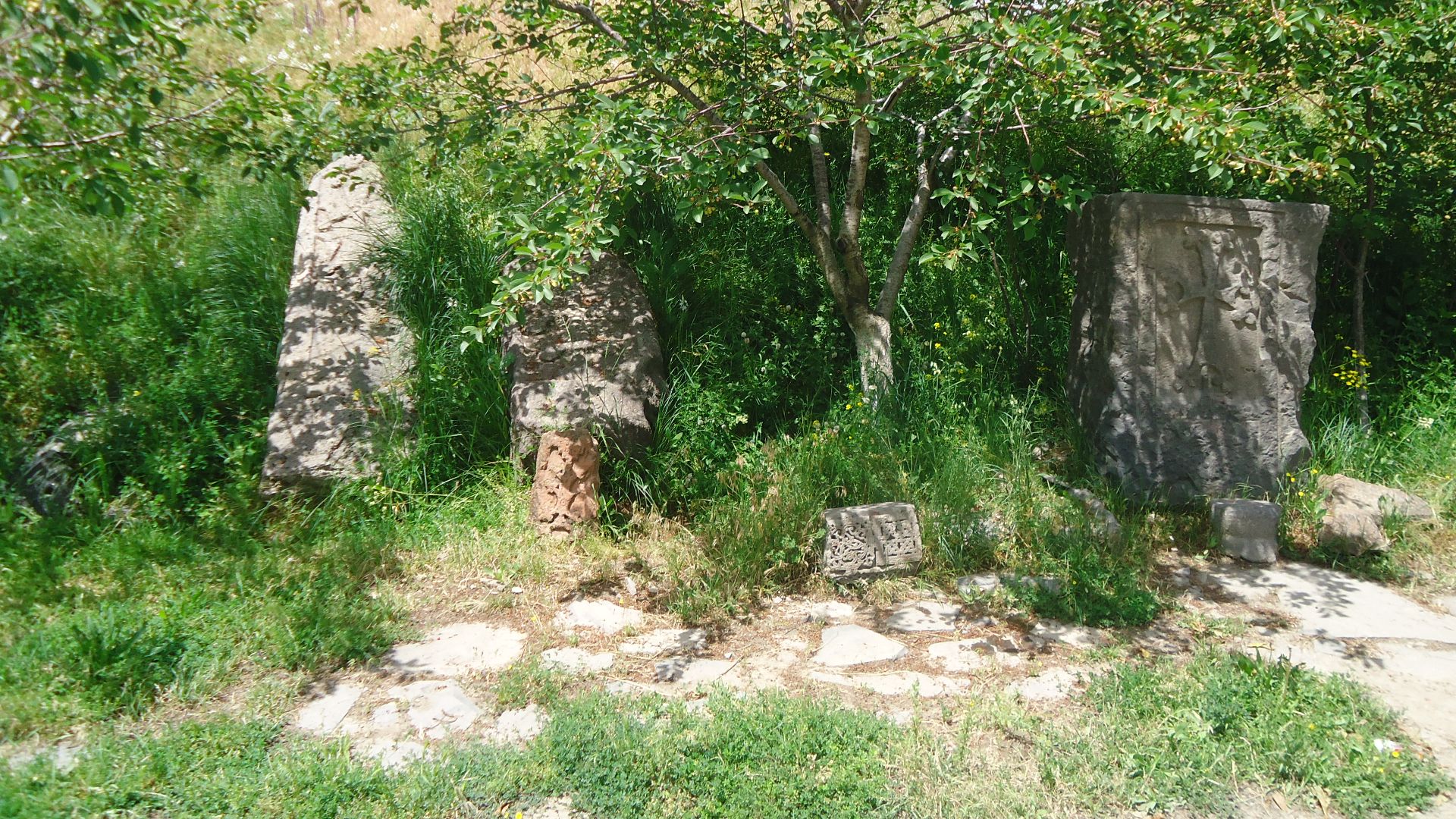
Over time, later cultures added their own markings to the stones. Some were inscribed during the Urartian period from the 9th to the 6th century BC while others were adapted for use by Christian communities. This means the sites maintained their importance long after their original builders disappeared.
 EvgenyGenkin, Wikimedia Commons
The Name “Dragon” Comes From Myth
The term “dragon stone” is a reflection of later interpretations. In Armenian mythology, dragons, or vishaps, had a strong association with water and storms. This connection likely influenced how people understood the stones in later periods.

Window Into Prehistoric Thinking
The dragon stones show a sophisticated worldview. Early communities weren’t simply surviving, but organizing their environment, creating symbolic systems, and implanting the landscape around them with a larger meaning.
Why This Discovery Matters Today
Solving the mystery of the dragon stones helps archaeologists better understand how early societies managed their resources. It also shows that even six thousand years ago, humans were thinking strategically about water and survival.

Final Answer To The Mystery
The dragon stones weren’t random monuments or lost relics left behind by a rag-tag forgotten cult. They were part of a complex system that combined water management, ritual practice, and community identity. In solving the mystery, researchers uncovered a powerful story about how ancient people lived, believed, and thrived.
 EvgenyGenkin, Wikimedia Commons
You May Also Like: