When The Water Pulled Back
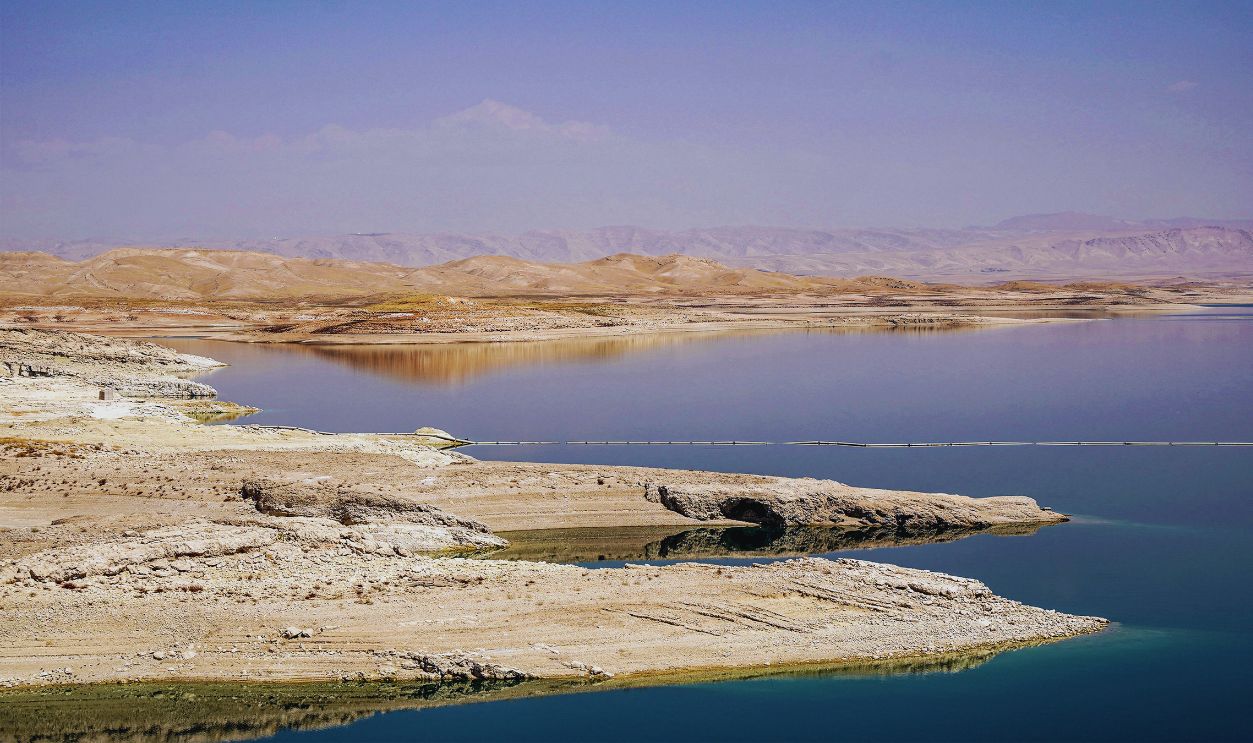
At the edge of Iraq’s Mosul Dam reservoir, the ground has started telling secrets. Where water once shimmered, cracked earth now stretches under the sun—and from that drying mud, the ancient past has reappeared. A severe drought has lowered the reservoir to levels not seen in decades, revealing something extraordinary: around 40 ancient tombs that had been hidden underwater for generations. Buried for more than 2,300 years, these graves are now rewriting what we know about life and death in Hellenistic-era Mesopotamia.
A Discovery Born From Crisis
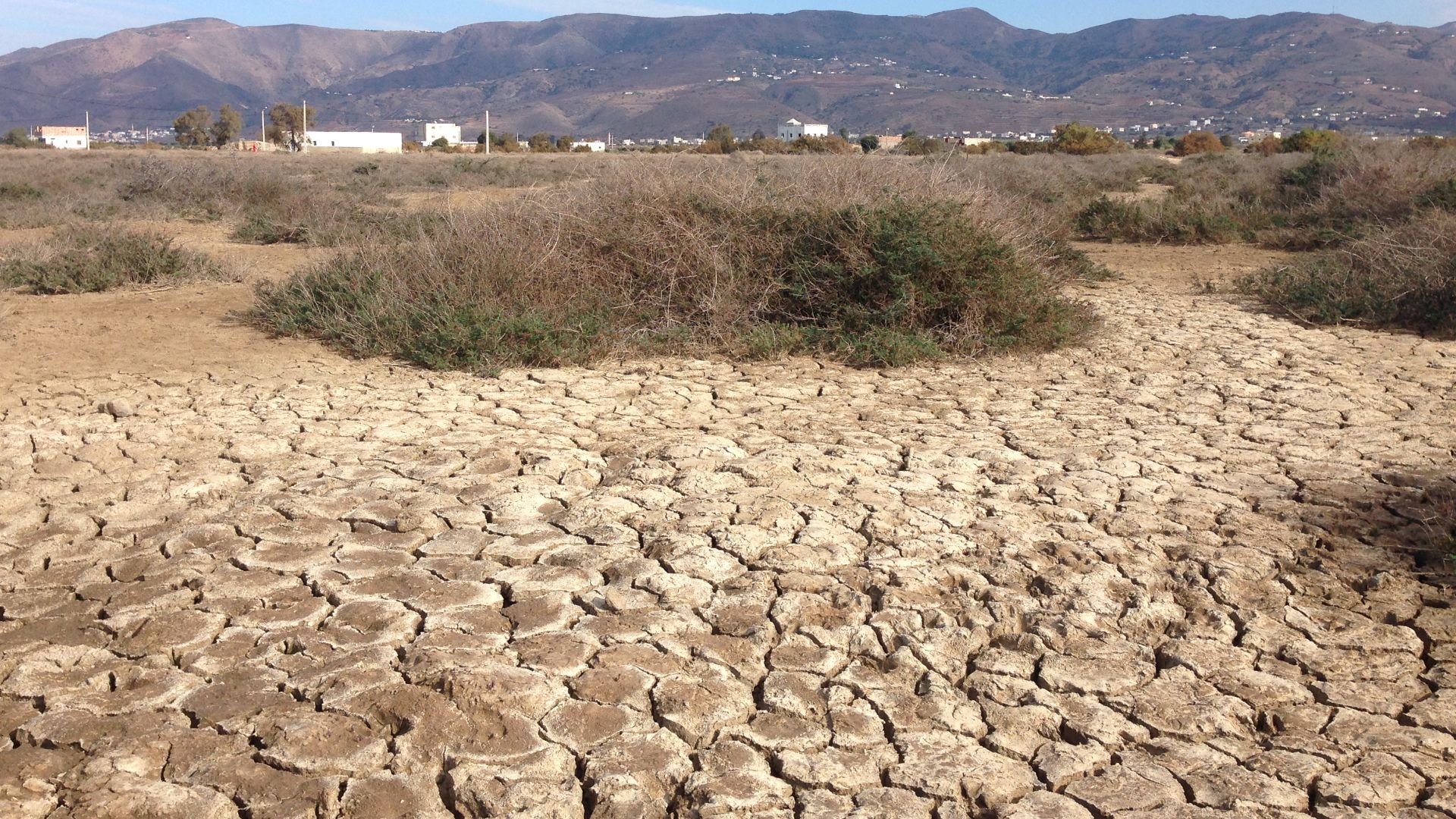
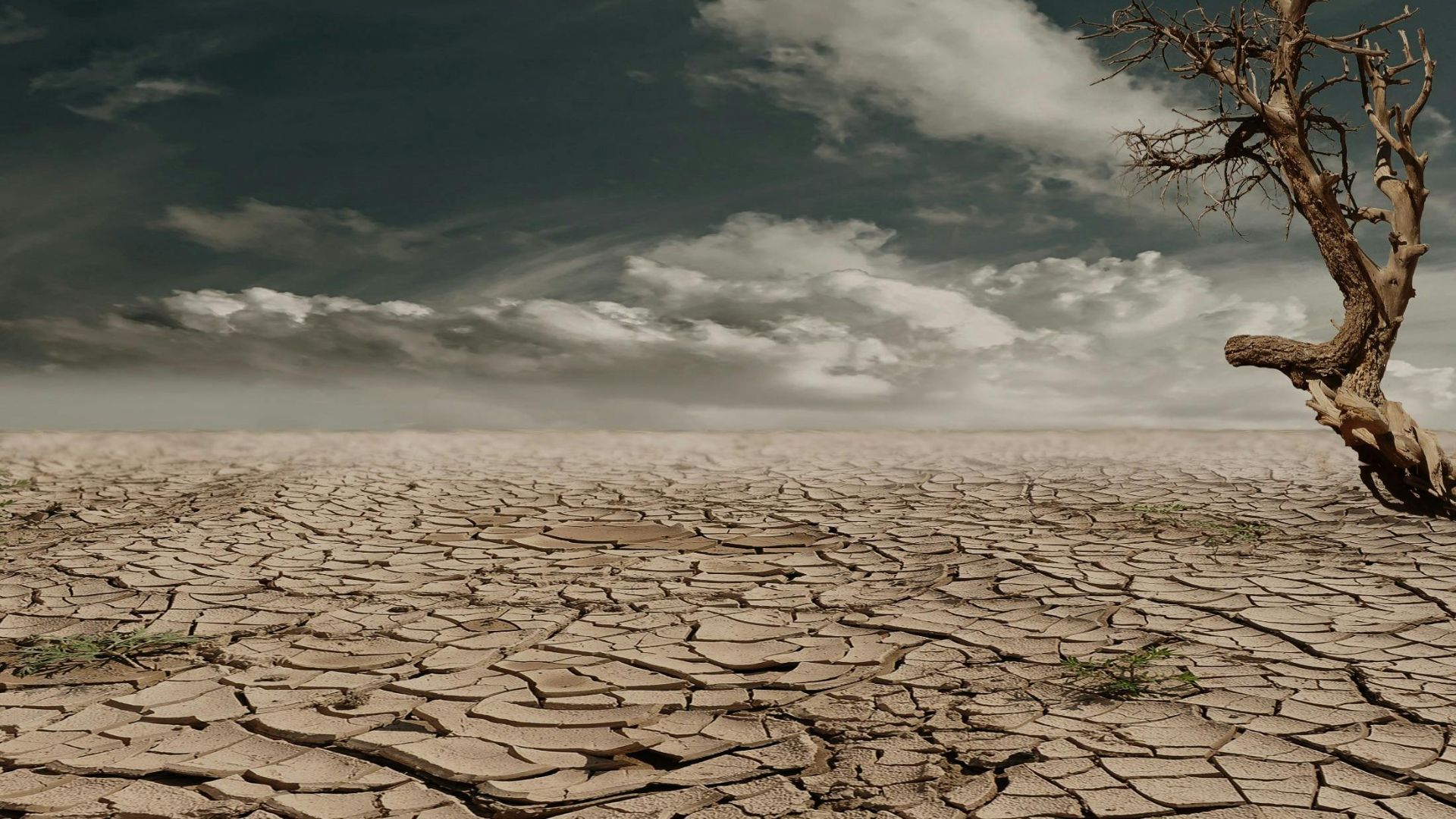
This discovery didn’t come from a carefully planned excavation. It came from hardship. Iraq has been enduring one of the worst droughts in its modern history, driven by climate change, reduced river flows, and rising temperatures. Reservoirs shrank, crops failed, and communities struggled. Yet as the water retreated, archaeology stepped into the spotlight—offering knowledge even as the land suffered.
 Pierre Banoori, Wikimedia Commons
The Mosul Dam’s Hidden Past
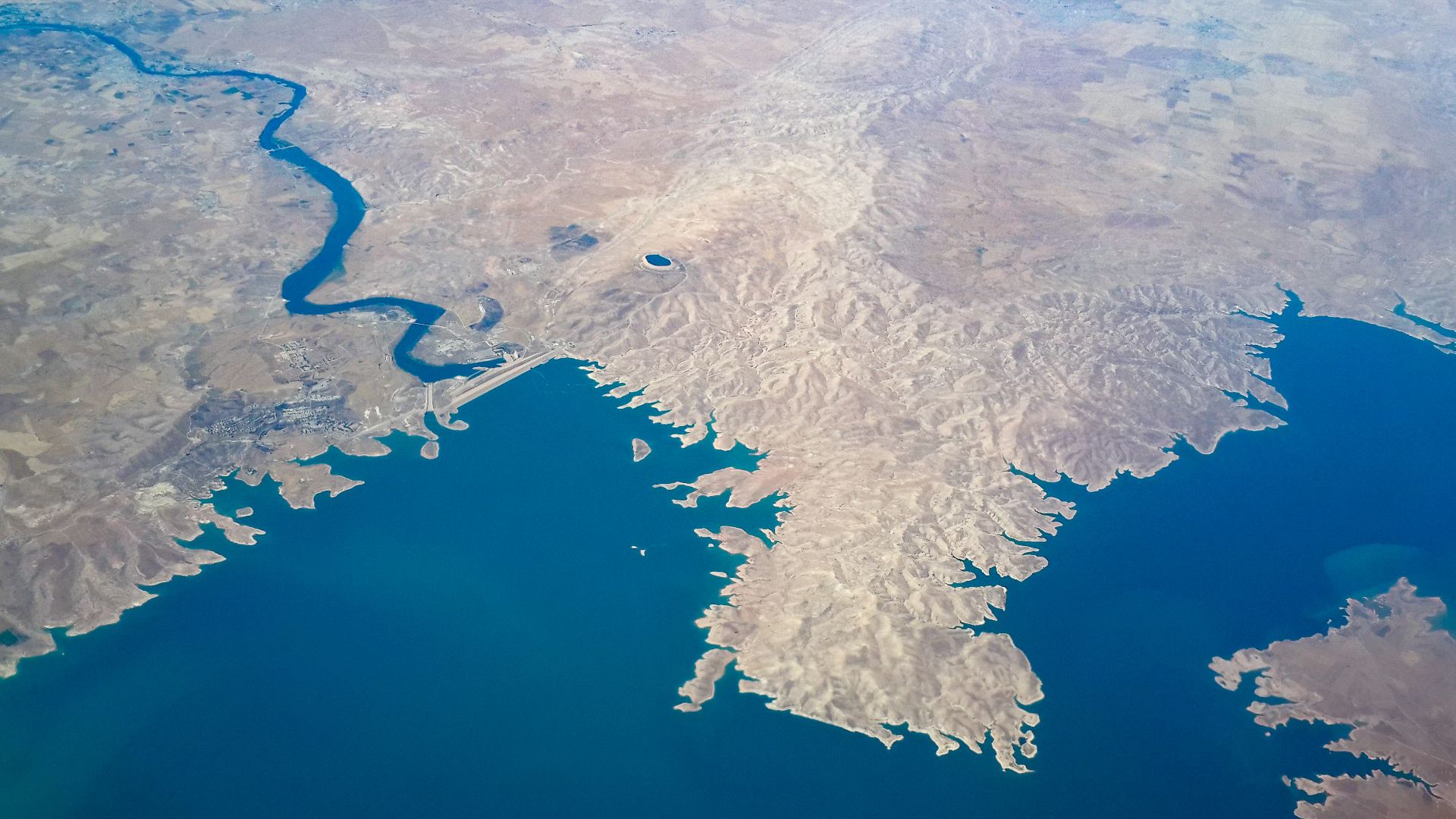
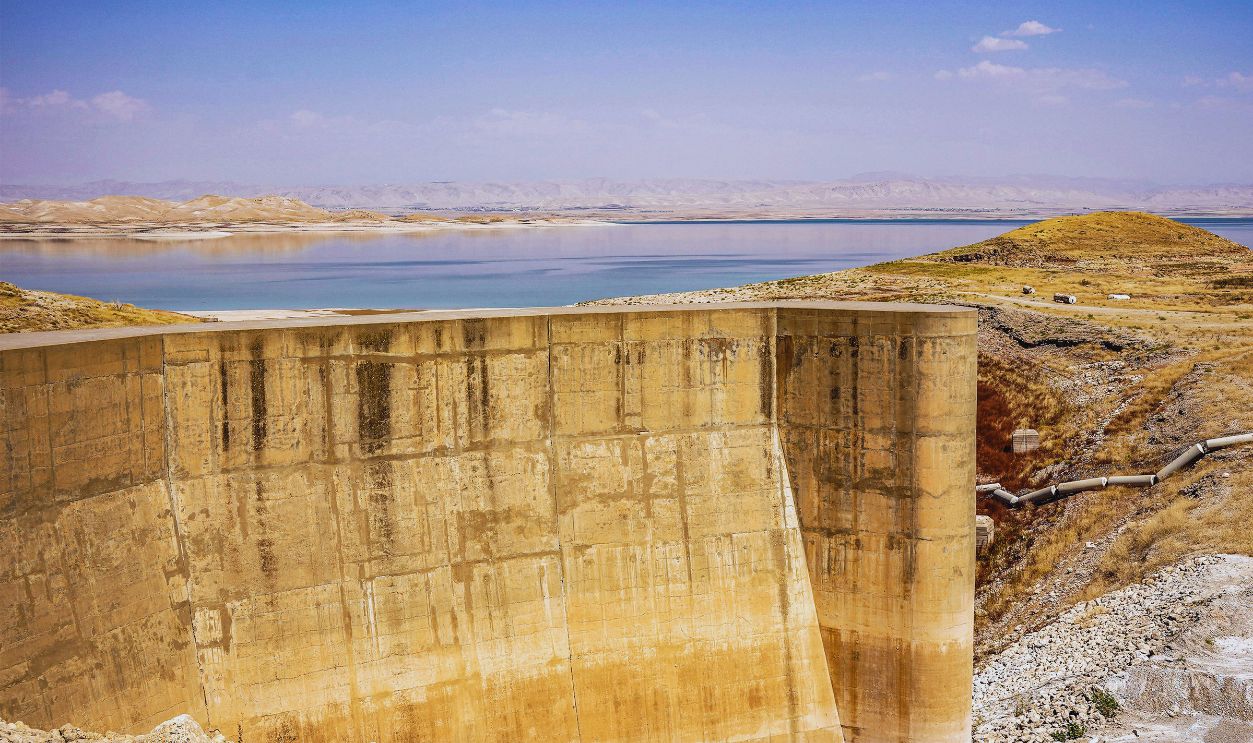
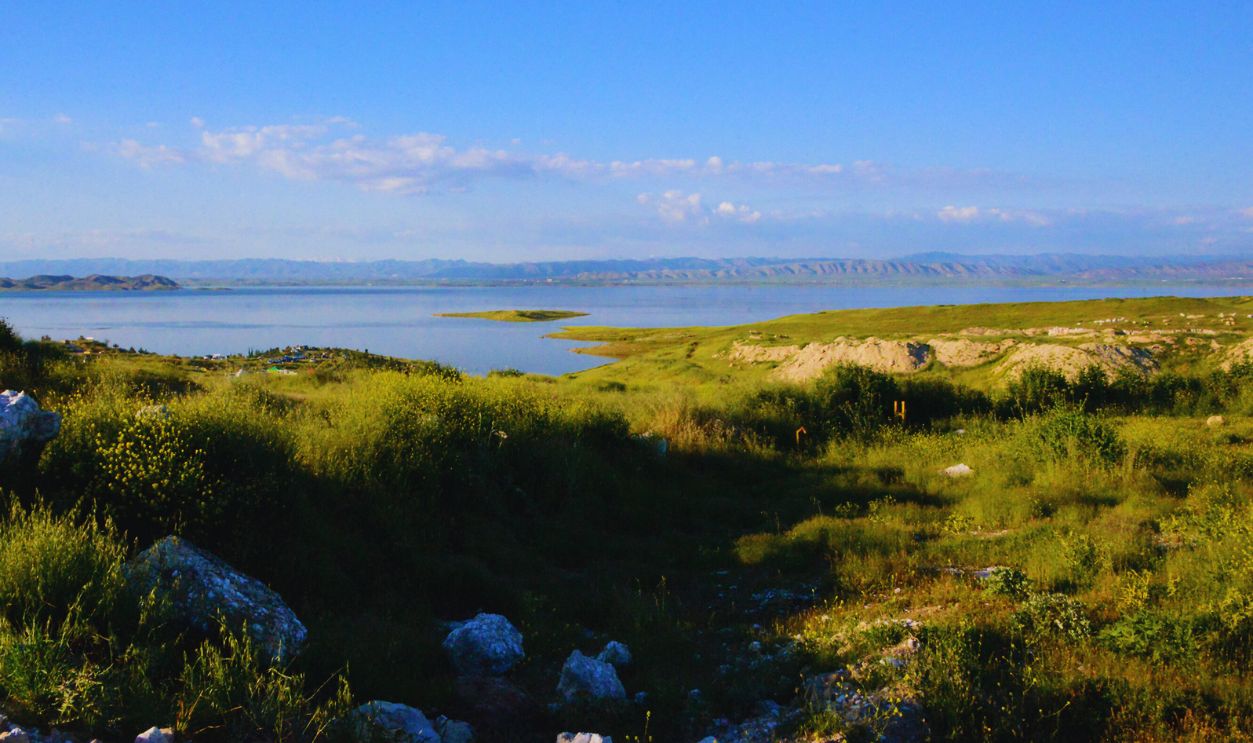
The Mosul Dam reservoir, created in the 1980s, flooded vast stretches of land along the Tigris River. Entire villages vanished beneath its waters, along with untold archaeological sites. For decades, researchers suspected that ancient settlements and cemeteries lay submerged below—but there was no way to reach them. Until now.
 Ali Haidar Khan, Wikimedia Commons
Emerging From The Mud
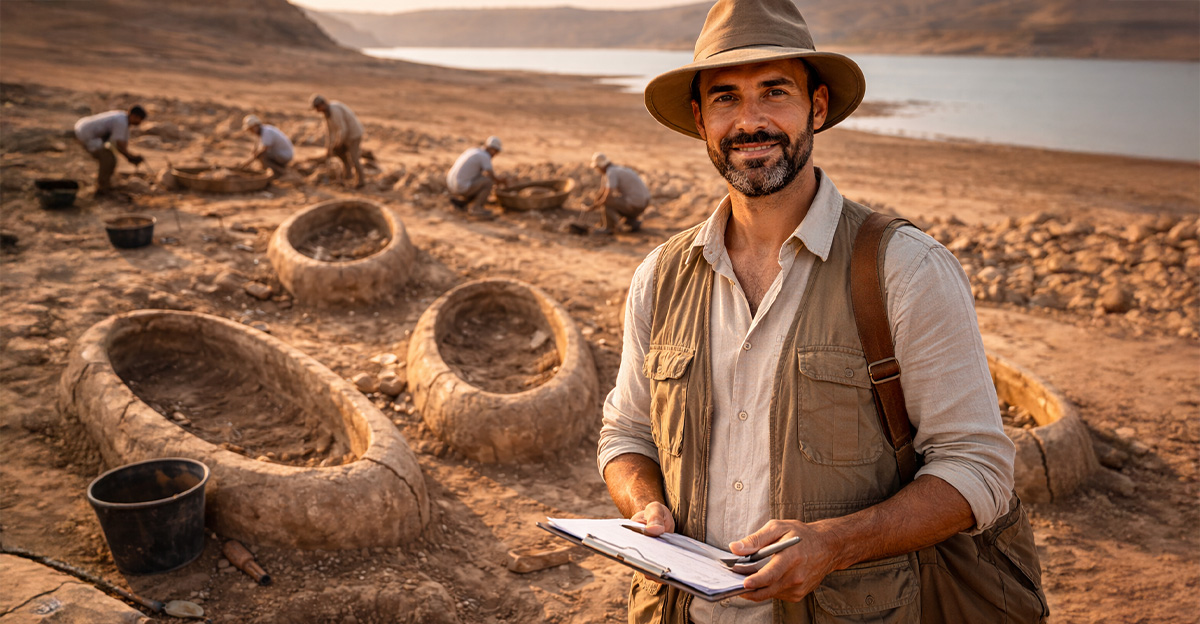
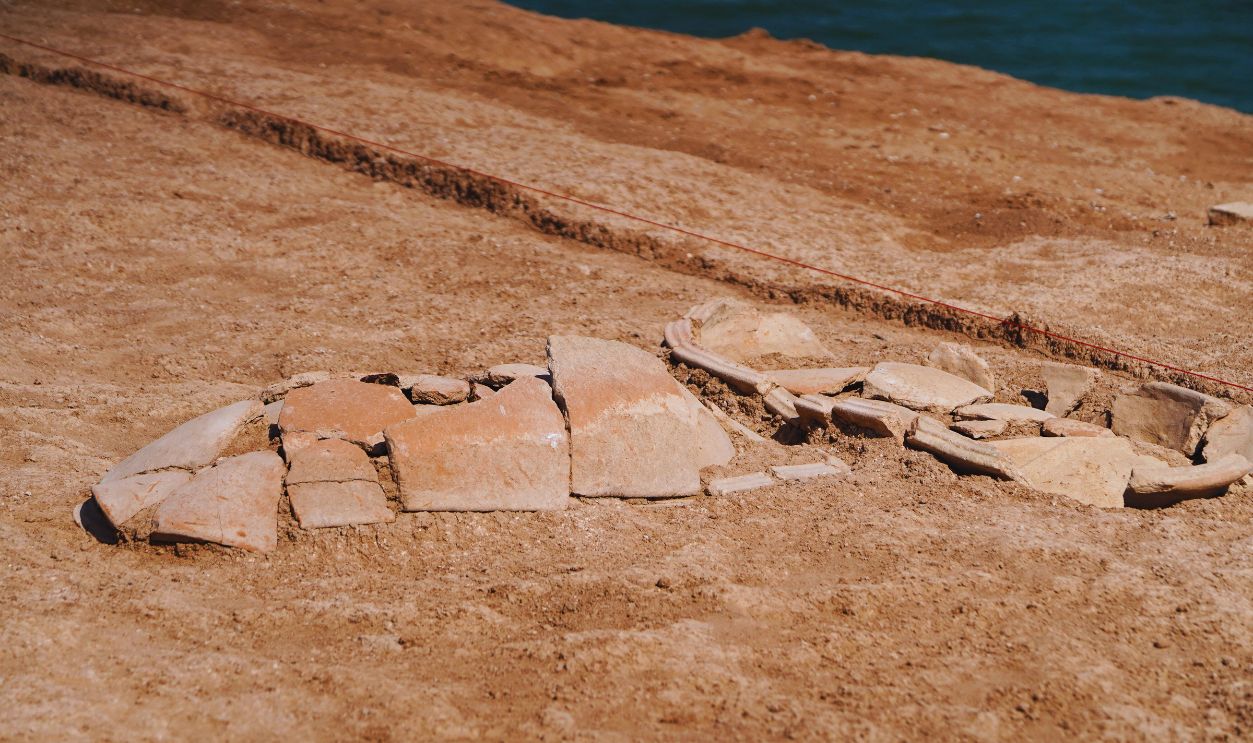
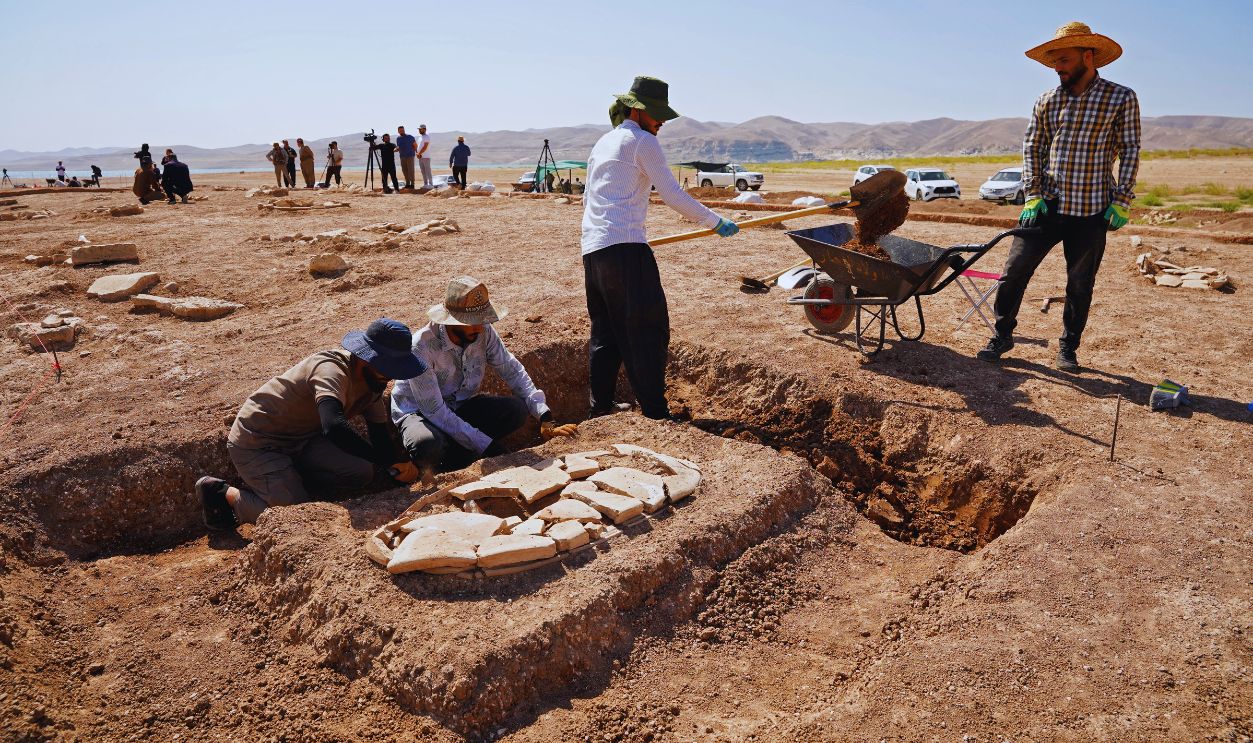
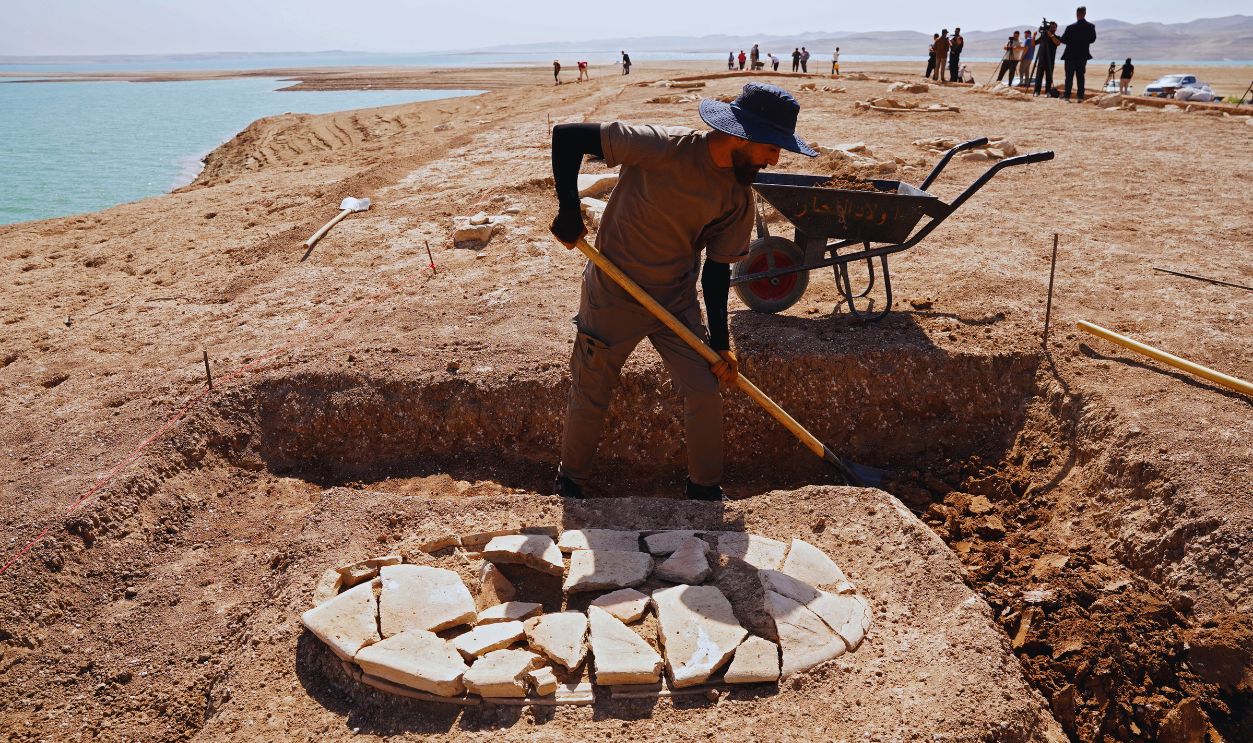
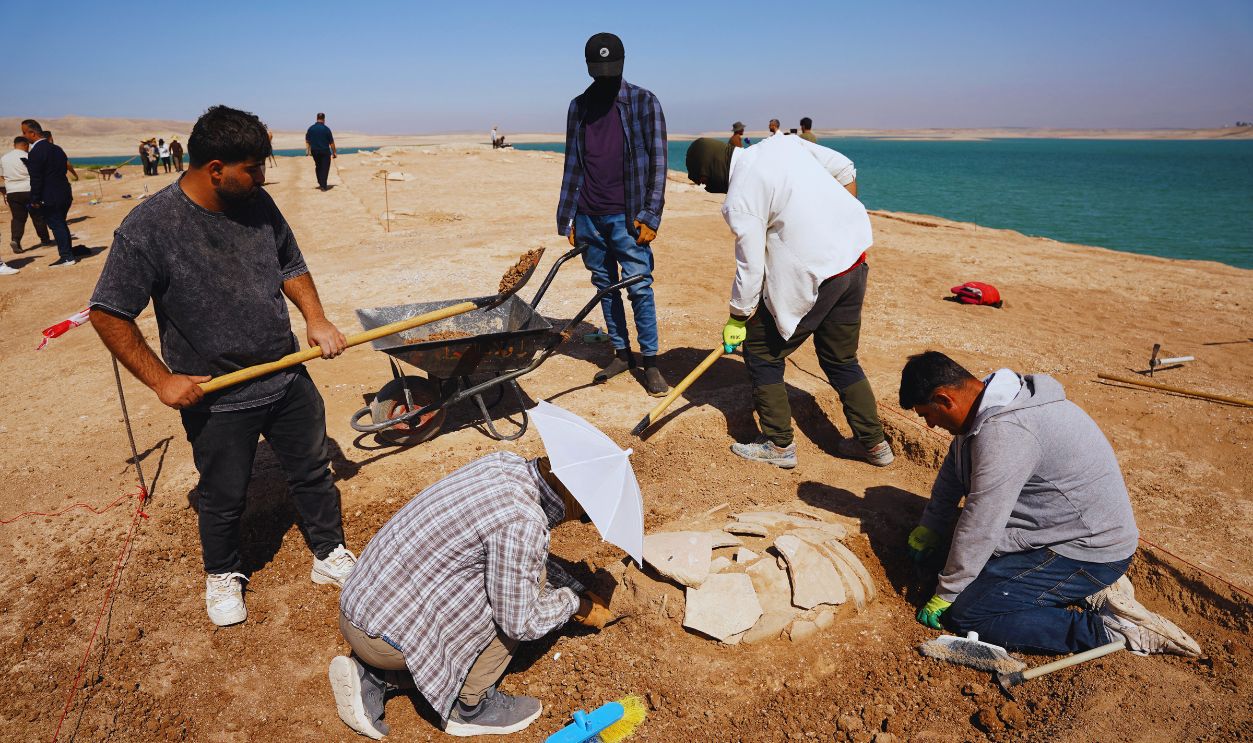
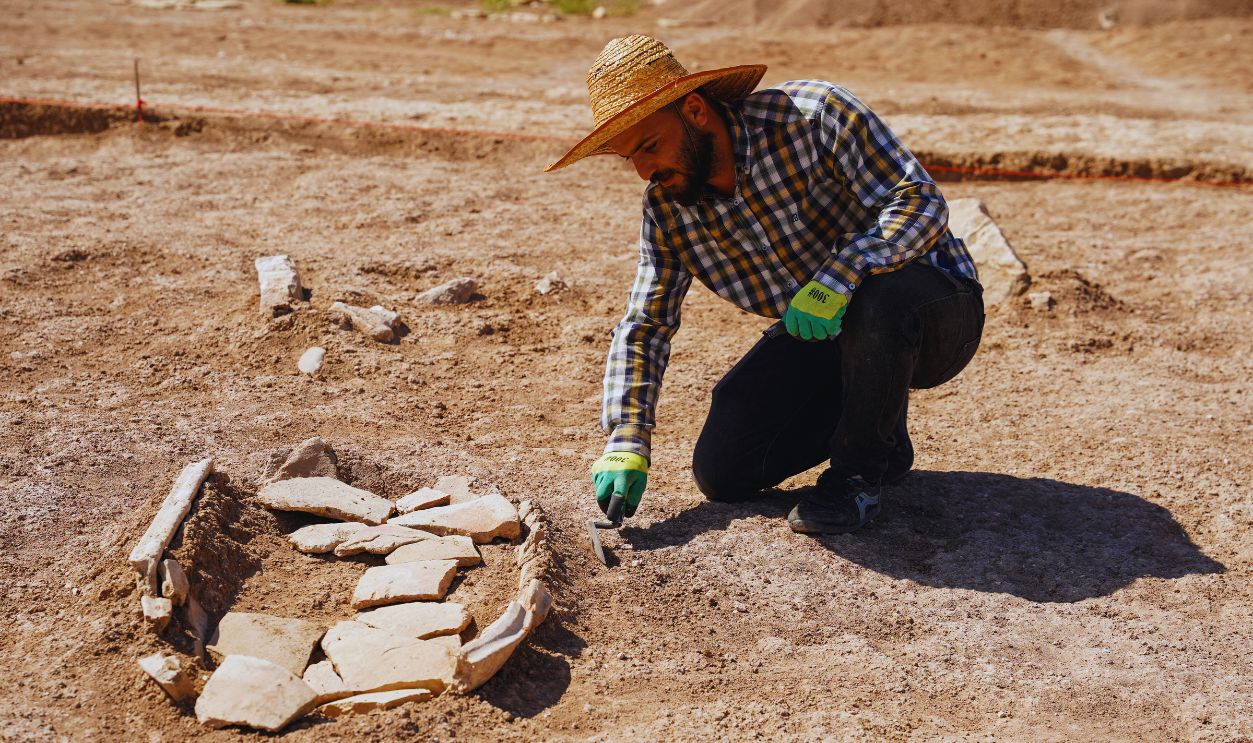
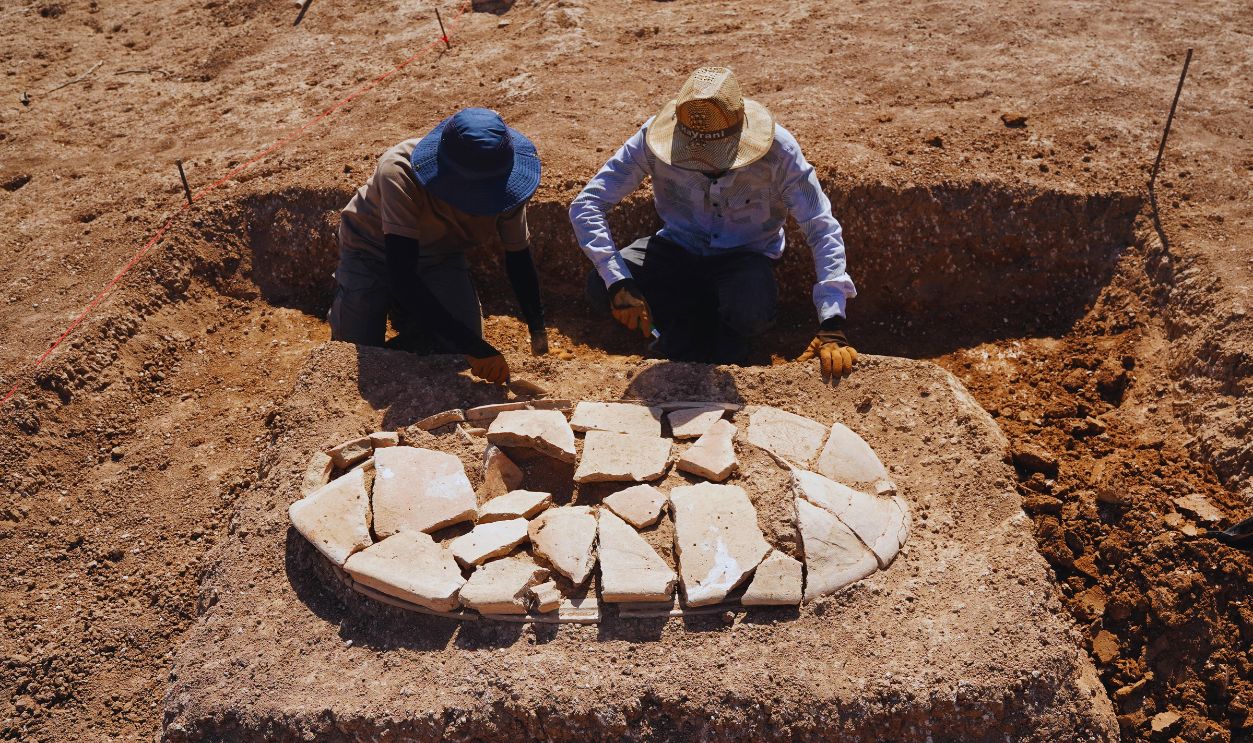
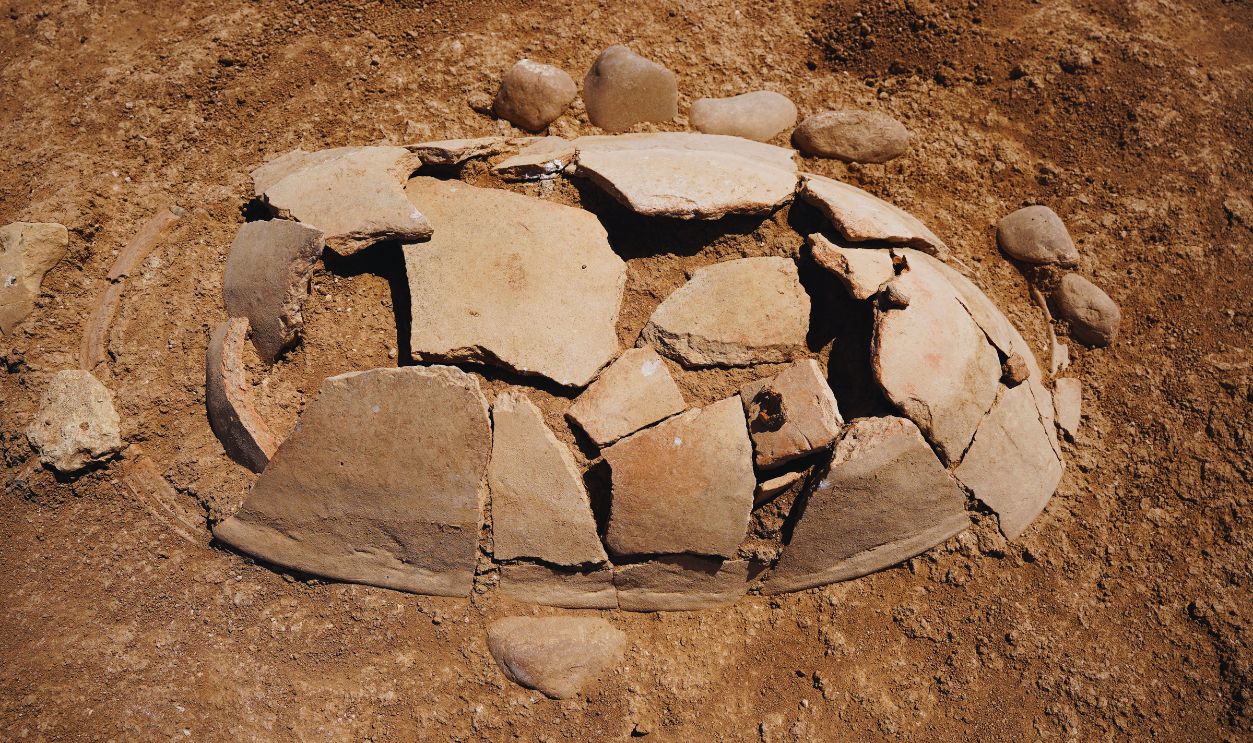
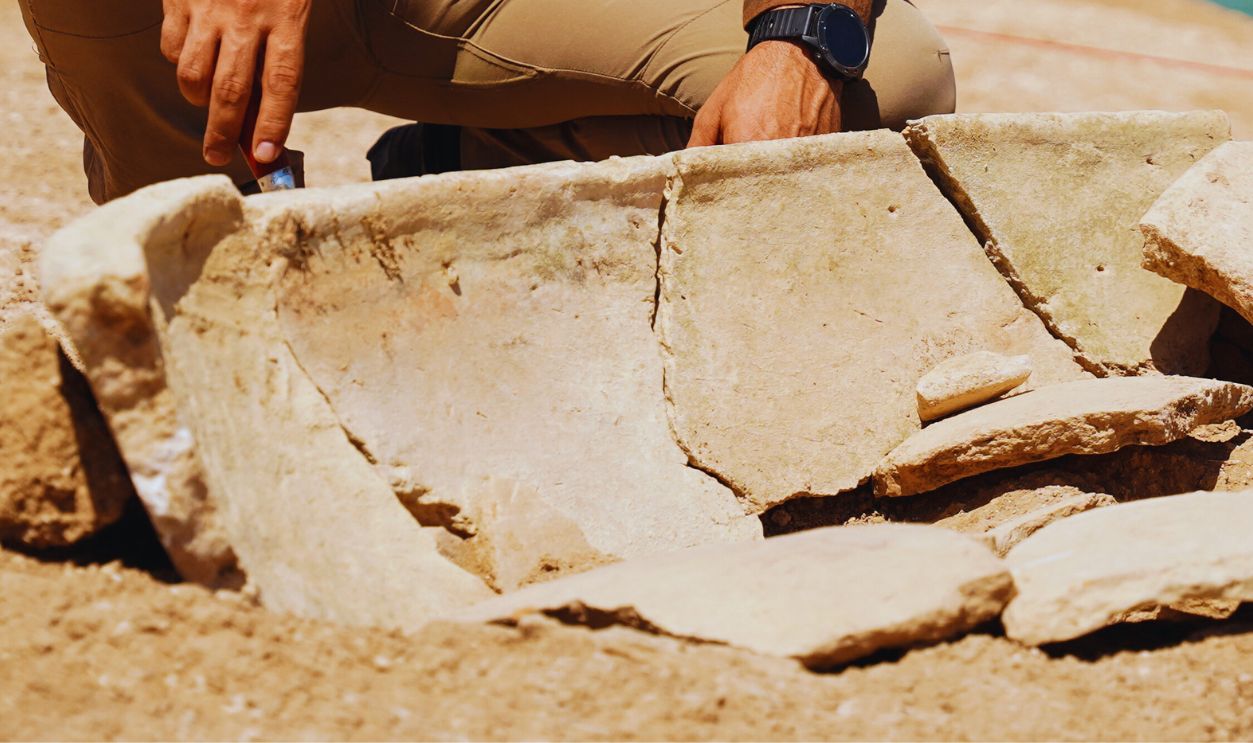
As water levels dropped dramatically, stone outlines and ceramic shapes began to surface along the reservoir’s edge. What archaeologists found was not a single grave or isolated artifact, but an entire cemetery. Roughly 40 tombs appeared, many still intact, preserved by decades of submersion.
Dating The Dead
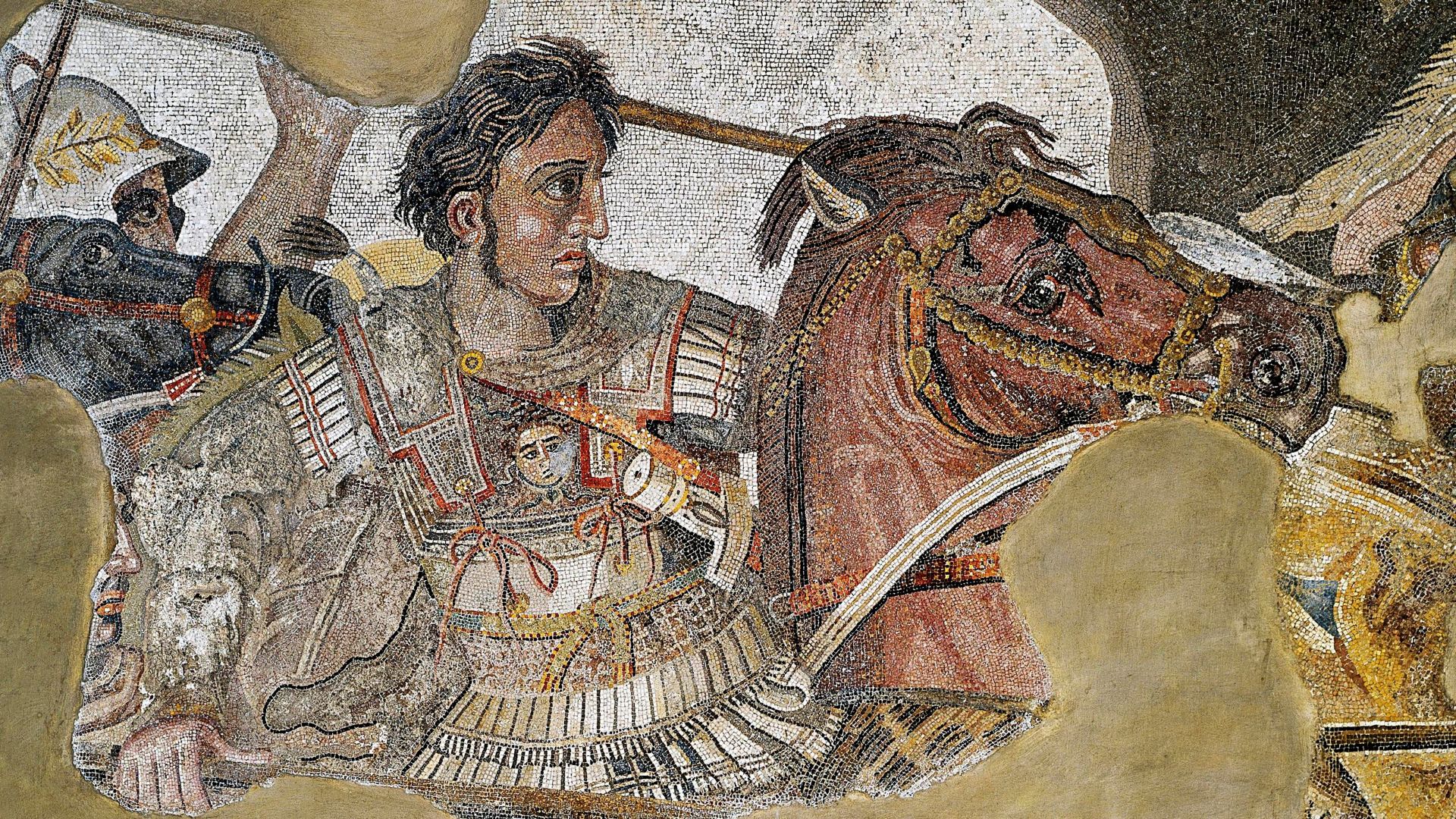
Early analysis dates the burials to the Hellenistic period, roughly the 2nd or 3rd century BCE. This was a time when the legacy of Alexander the Great still shaped the region, and Greek political and cultural influence blended with long-standing Mesopotamian traditions. These tombs belong to that moment of fusion.
 Unknown authorUnknown author, Wikimedia Commons
Clay Coffins And Careful Planning
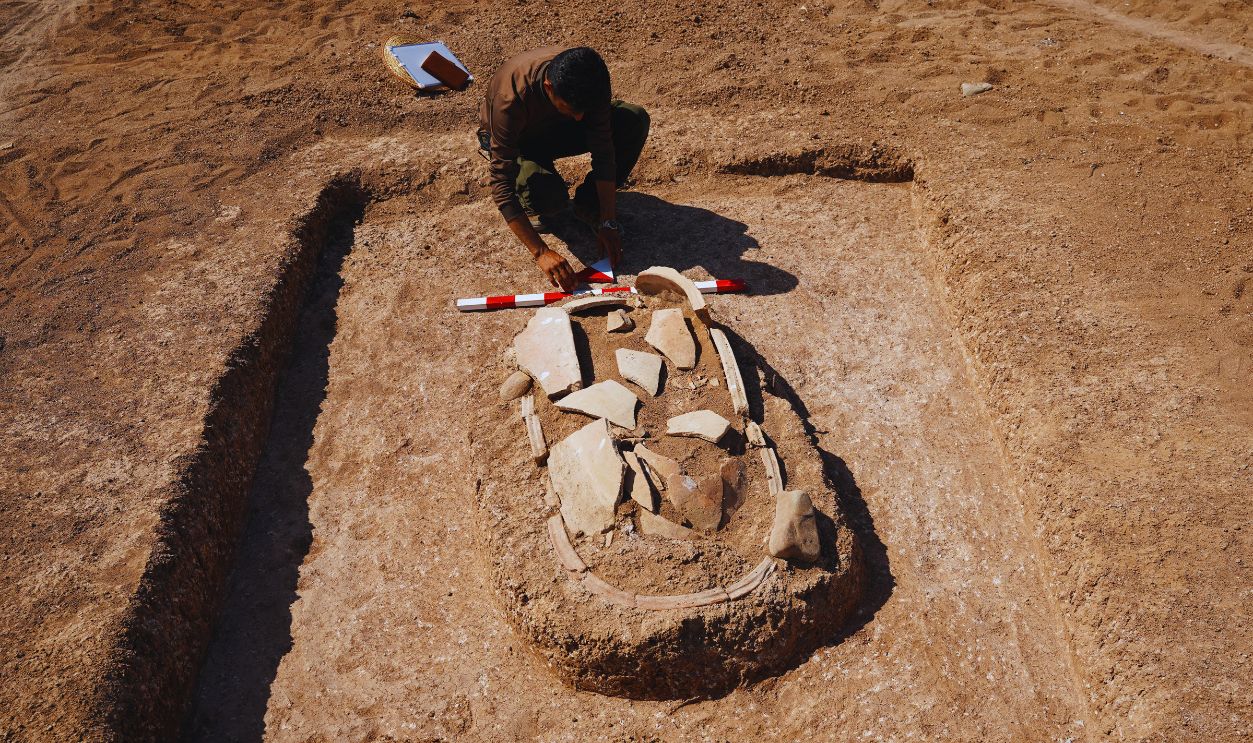
Most of the graves are oval-shaped ceramic coffins, carefully placed in the ground. They are not random or chaotic. The cemetery shows organization—suggesting planning, shared customs, and a community that took burial seriously. Even in death, order mattered.
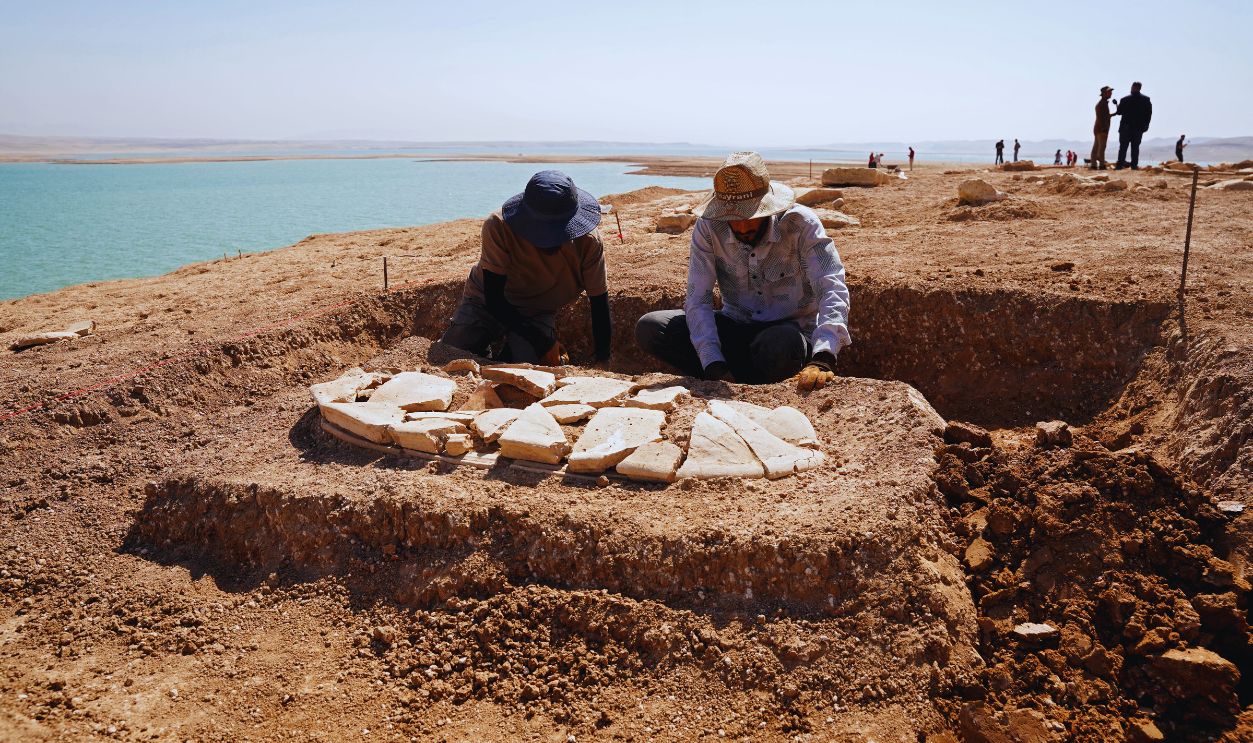
A Cemetery With Structure
Larger tombs appear in one area, while smaller ones cluster elsewhere. Archaeologists believe this may reflect age differences, family groupings, or social distinctions. Children and adults may have been buried separately, hinting at structured funerary rules rather than improvised practices.
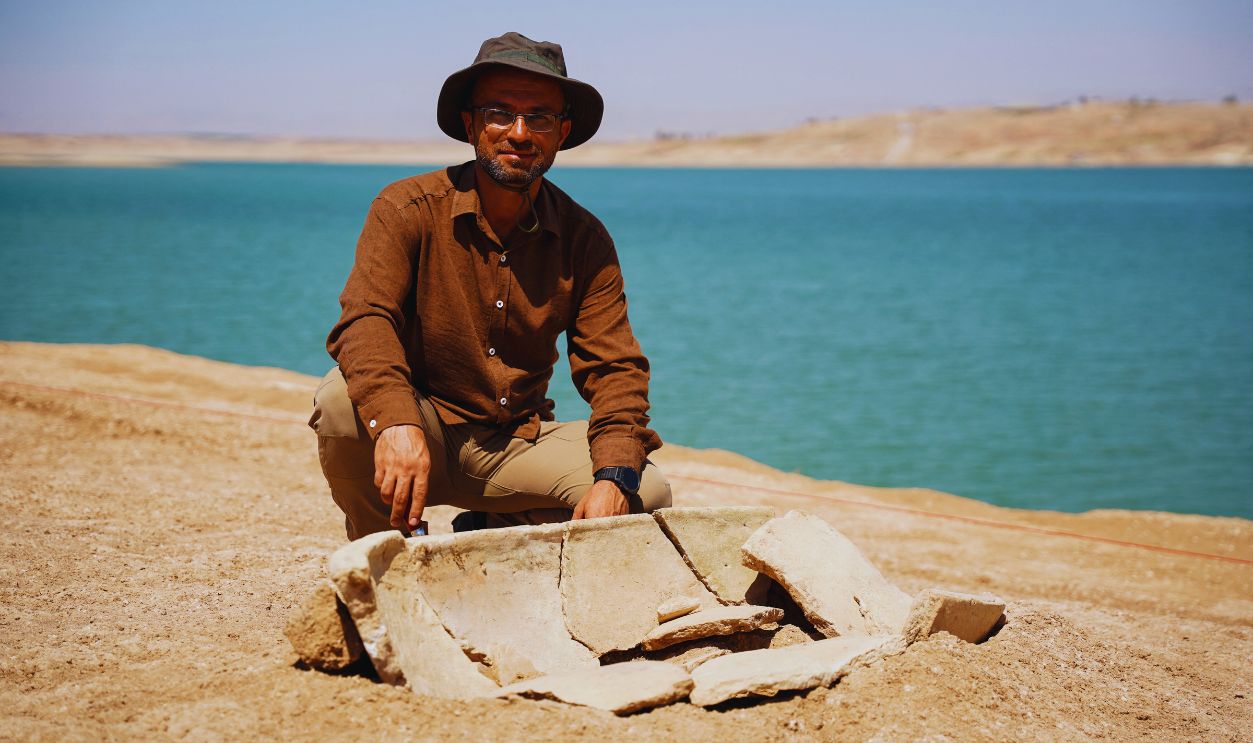
First Hints Below The Surface
Fragments of this site were noticed before. In 2023, when the reservoir dipped temporarily, archaeologists spotted pieces of pottery and stone that suggested something larger lay beneath. But only the recent extreme drought exposed the cemetery fully enough to understand its scale.
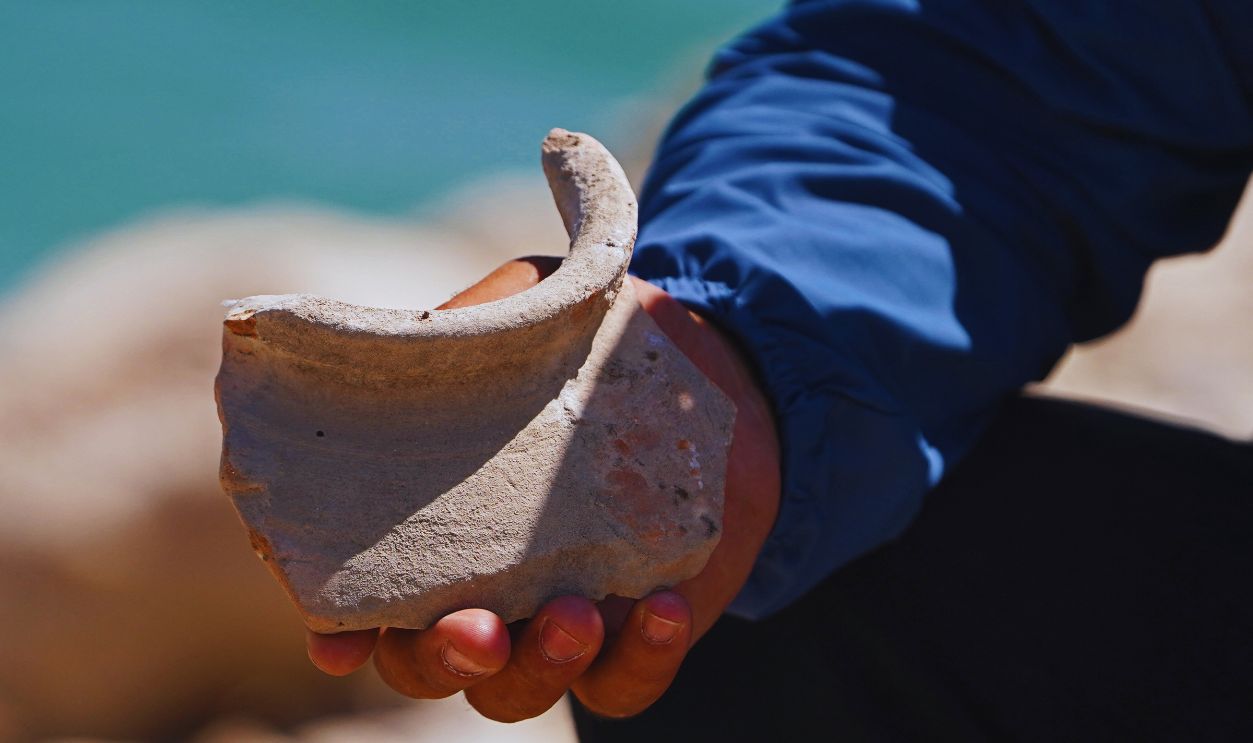
A Race Against Time
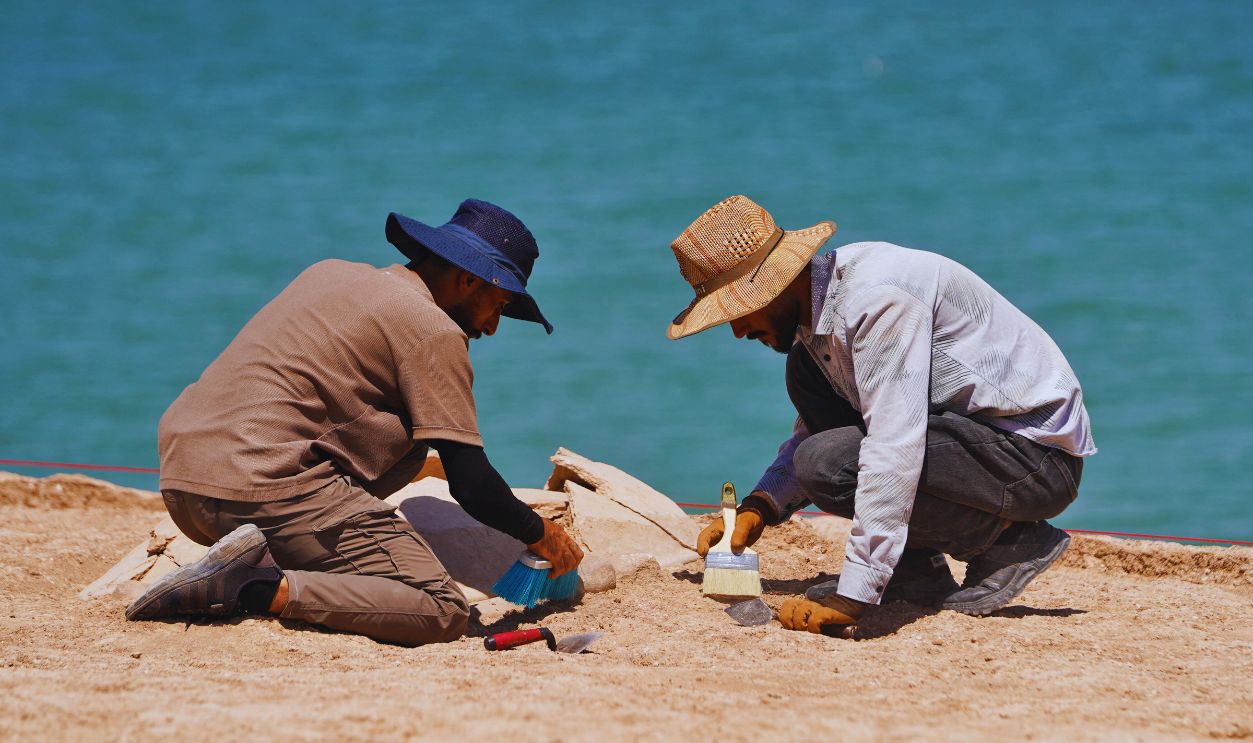
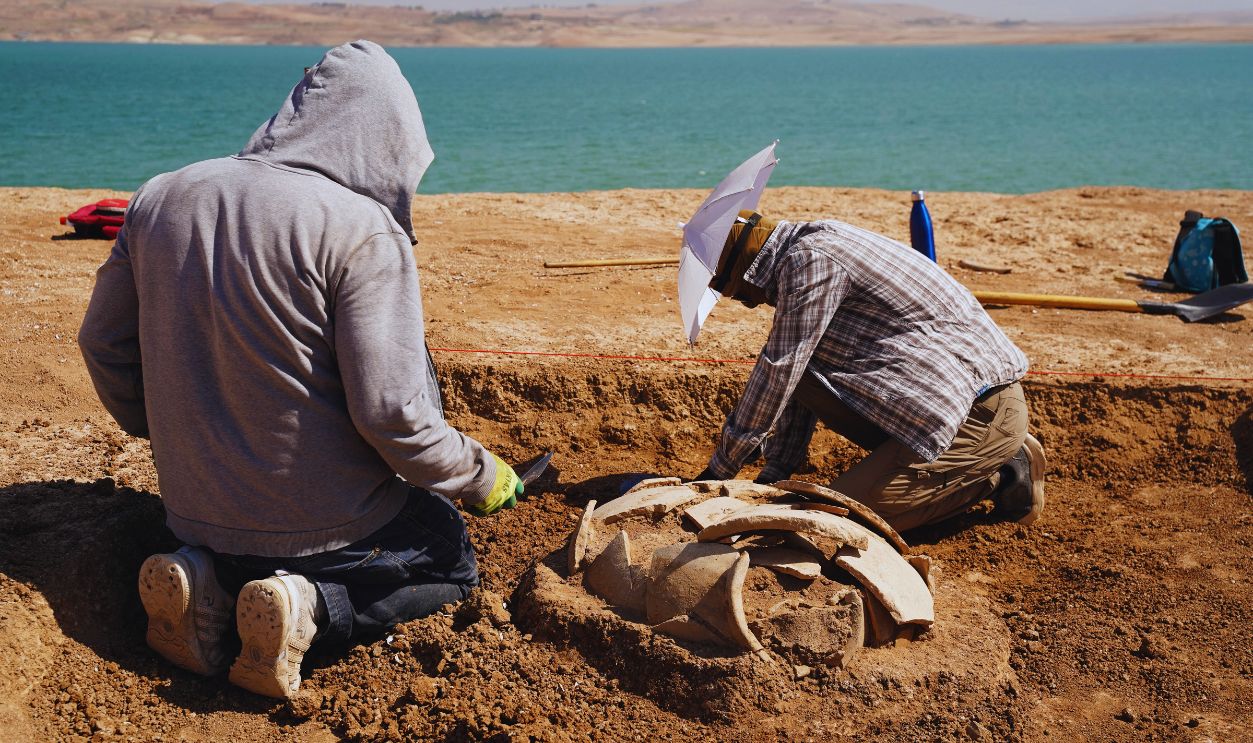
The discovery sparked urgency. Reservoir levels can rise quickly if rains return or water releases change. Archaeologists rushed to document the site—mapping graves, photographing structures, and excavating where possible. Every day counted.
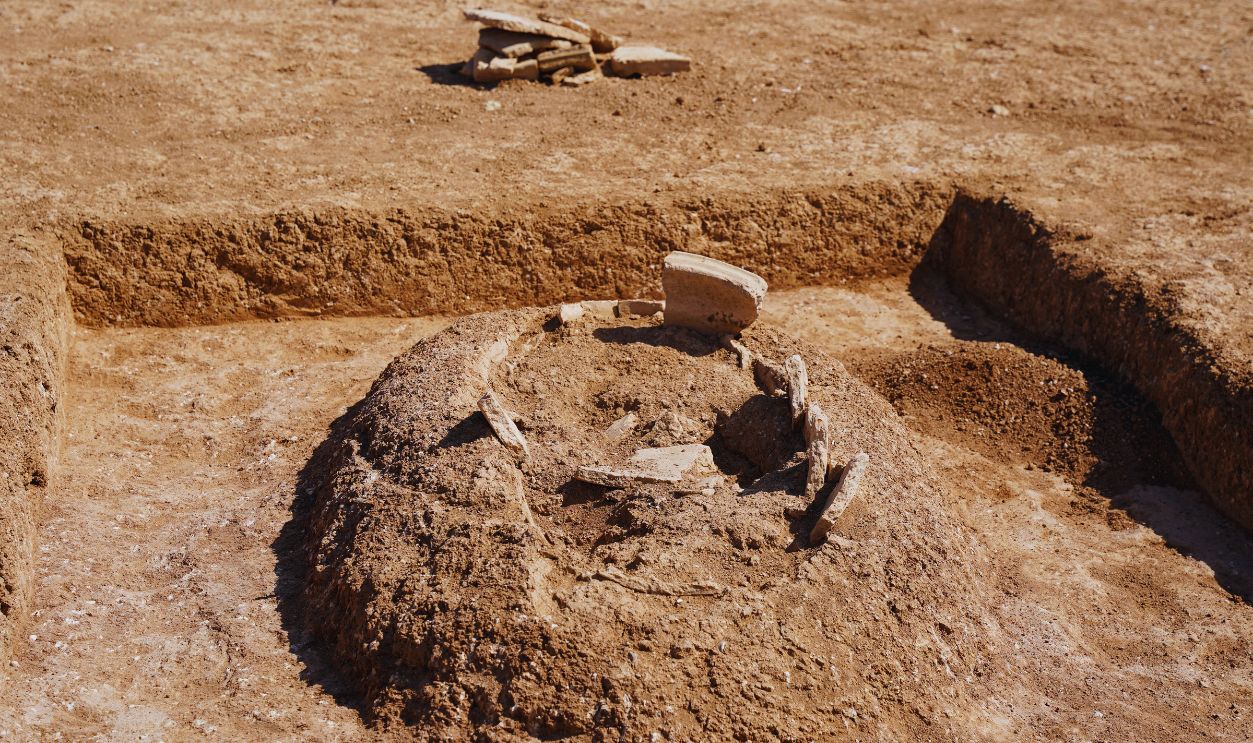
Excavation Under Pressure
Unlike traditional digs that unfold over months or years, this excavation feels like a countdown. Teams work knowing the site could disappear again at any moment. Some tombs may never be fully explored before water reclaims them.
What The Graves Can Tell Us
Burials are windows into daily life. From skeletal remains, scientists can learn about diet, disease, and physical labor. From burial positions and grave goods, they can infer beliefs about the afterlife. These tombs offer rare, personal insights into a long-vanished community.
Traces Of A Lost Settlement
The cemetery likely belonged to a nearby settlement—possibly an urban center overlooking the ancient valley. Archaeologists believe buildings, streets, and homes may still lie hidden nearby, buried beneath layers of silt or still submerged offshore.
A Landscape Of Deep History
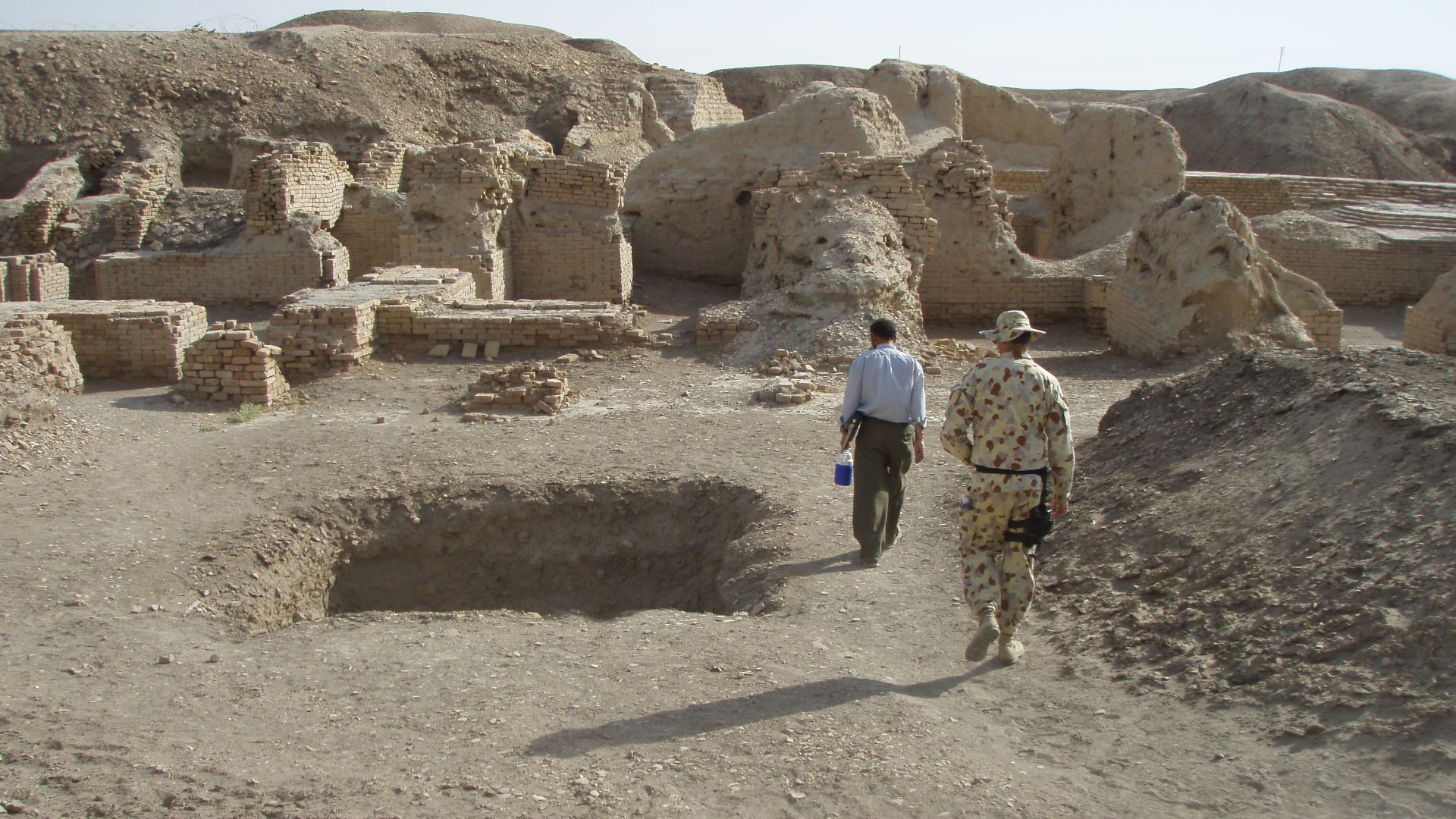
The region around the Mosul Dam isn’t just ancient—it’s ancient many times over. Archaeological mounds show evidence of human occupation stretching back thousands of years, layer stacked upon layer. The Hellenistic cemetery is just one chapter in a very long story.
Life In Hellenistic Mesopotamia
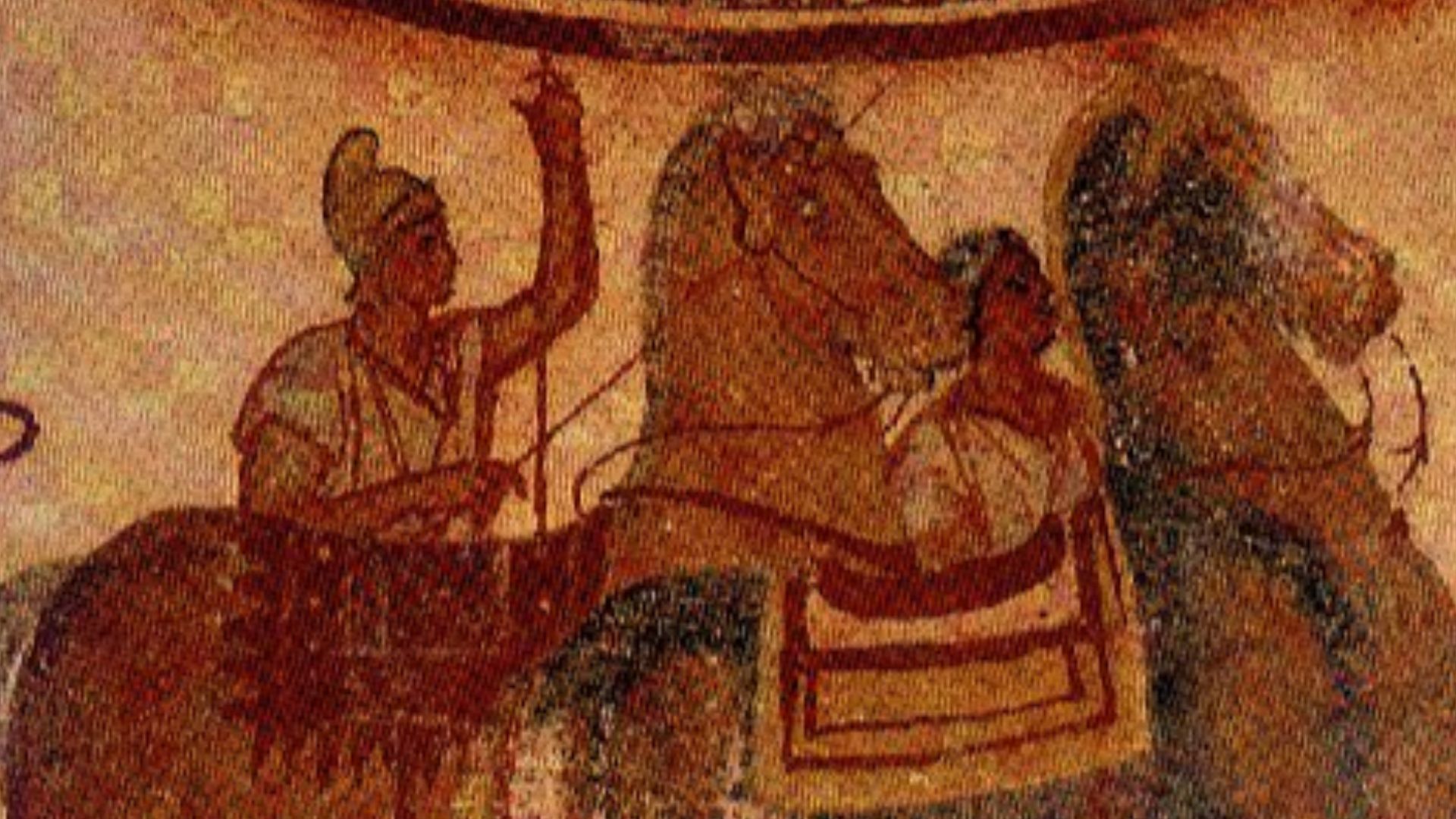
During the Hellenistic period, northern Mesopotamia was a crossroads. Greek governance coexisted with local languages, religions, and traditions. People here lived in a blended world—neither fully Greek nor purely Mesopotamian.
Cultural Blending In Death
That fusion likely shows up in the tombs themselves. Burial styles, coffin shapes, and cemetery layouts may combine Greek influences with older local customs. The graves are physical proof of cultural exchange, frozen in time.
Trade Routes And Connectivity
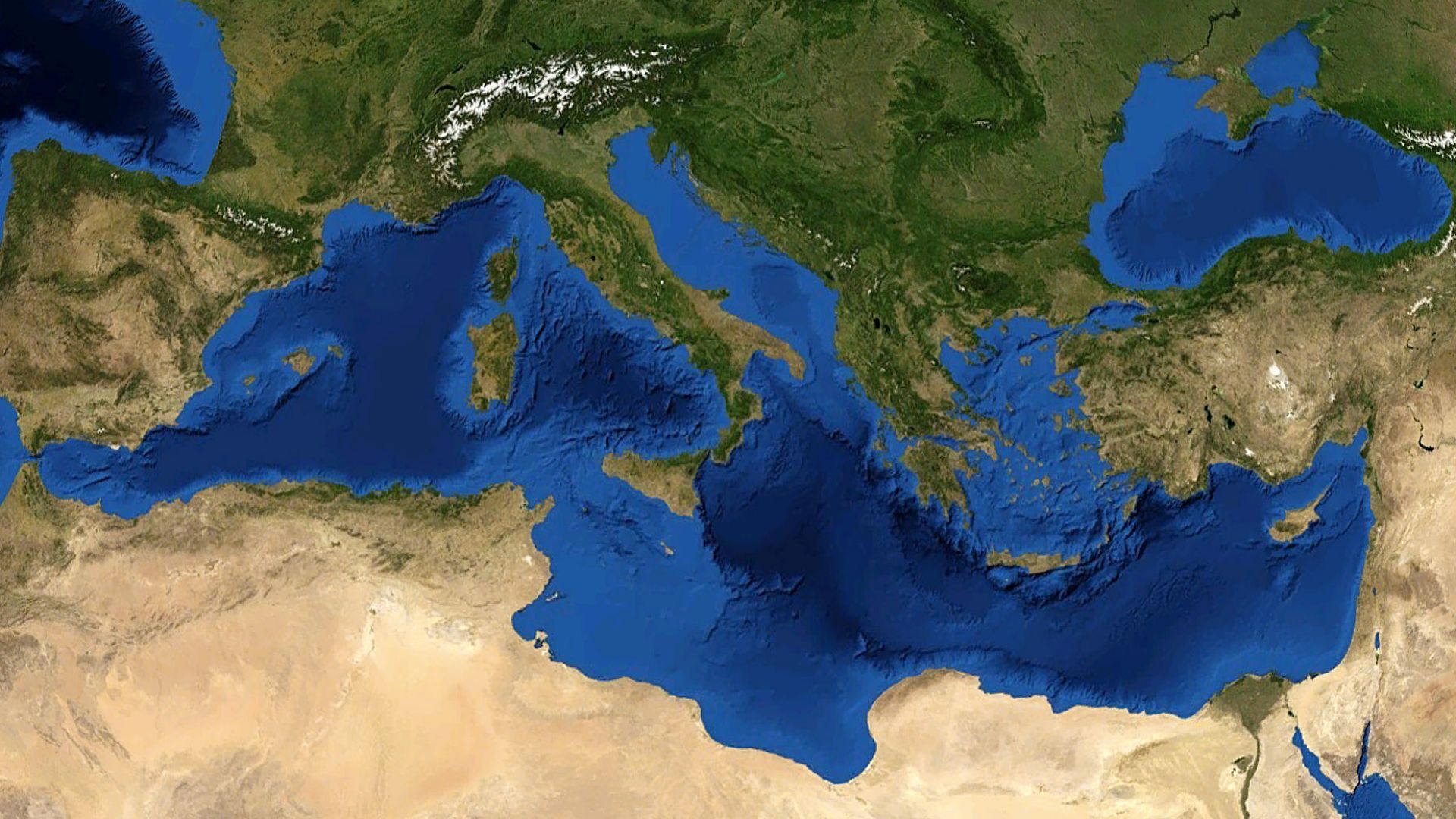
This area sat along important trade corridors linking the Mediterranean world with Persia and Central Asia. The people buried here were not isolated—they were connected to wider networks of commerce and ideas.
 of the modification : Eric Gaba (Sting), Wikimedia Commons
Preservation By Submersion
Ironically, being underwater helped preserve the tombs. Sediment and water protected them from looters and weathering for decades. Now exposed, they face a very different—and much more dangerous—environment.
New Risks Above Water
Once uncovered, the tombs are vulnerable. Heat, wind erosion, and human activity can damage fragile structures quickly. Archaeologists must balance excavation with protection, knowing they can’t save everything.
Echoes Of Earlier Discoveries
This isn’t the first time the Mosul Dam reservoir has revealed ancient surprises. In recent years, droughts exposed entire Bronze Age cities nearby, reminding researchers that the reservoir covers a vast archaeological landscape.
Accidental Archaeology
Many of Iraq’s most dramatic discoveries in recent decades have come not from planned surveys, but from crisis—war, construction, or environmental change. The Mosul tombs are part of that pattern.
 Kaufingdude, Wikimedia Commons
The Human Side Of The Find
Behind every tomb is a person. Someone was mourned here. Someone was remembered. These graves remind us that ancient history isn’t abstract—it’s deeply human.
Iraqi Archaeologists On The Front Line
Local archaeologists have led the effort, working in extreme heat under immense pressure. Their work ensures these discoveries are documented properly and preserved in museums for future generations.
From Reservoir To Museum
Artifacts recovered from the site are being transferred for conservation and study. Even if the cemetery is submerged again, its story will survive through careful documentation.
Climate Change And The Past
This discovery highlights a strange paradox of climate change. Environmental damage is revealing history—but also threatening it. What emerges today may vanish tomorrow.
A Landscape That Remembers
The Mosul Dam reservoir is no longer just a modern infrastructure project. It’s a memory bank—one that releases pieces of the past when conditions shift.
History Rising From Drought
As the water pulled back, it didn’t just expose mud and stone. It revealed lives, traditions, and a community long forgotten. The drought may have been devastating, but it also gave the ancient dead a voice again.
When The Water Returns
Eventually, the reservoir will refill. The tombs may disappear once more beneath the surface. But now they’ve been seen, studied, and remembered—and that may be enough to ensure they’re never truly lost again.
You May Also Like:
Things Americans Wish Were Normal In Europe, But Europeans Would Never Want