The Human Story Seemed Settled
Humanity's origin story has seemed fairly straightforward for years. Scientists knew modern humans evolved in Africa, and while plenty of details remained debated, the broad outline appeared settled. Then a team of researchers took a much closer look at ancient genetic patterns hidden inside modern DNA.
What they found is forcing scientists to rethink one of the biggest questions of all: where exactly did we come from?

The Evidence Was Hiding In Plain Sight
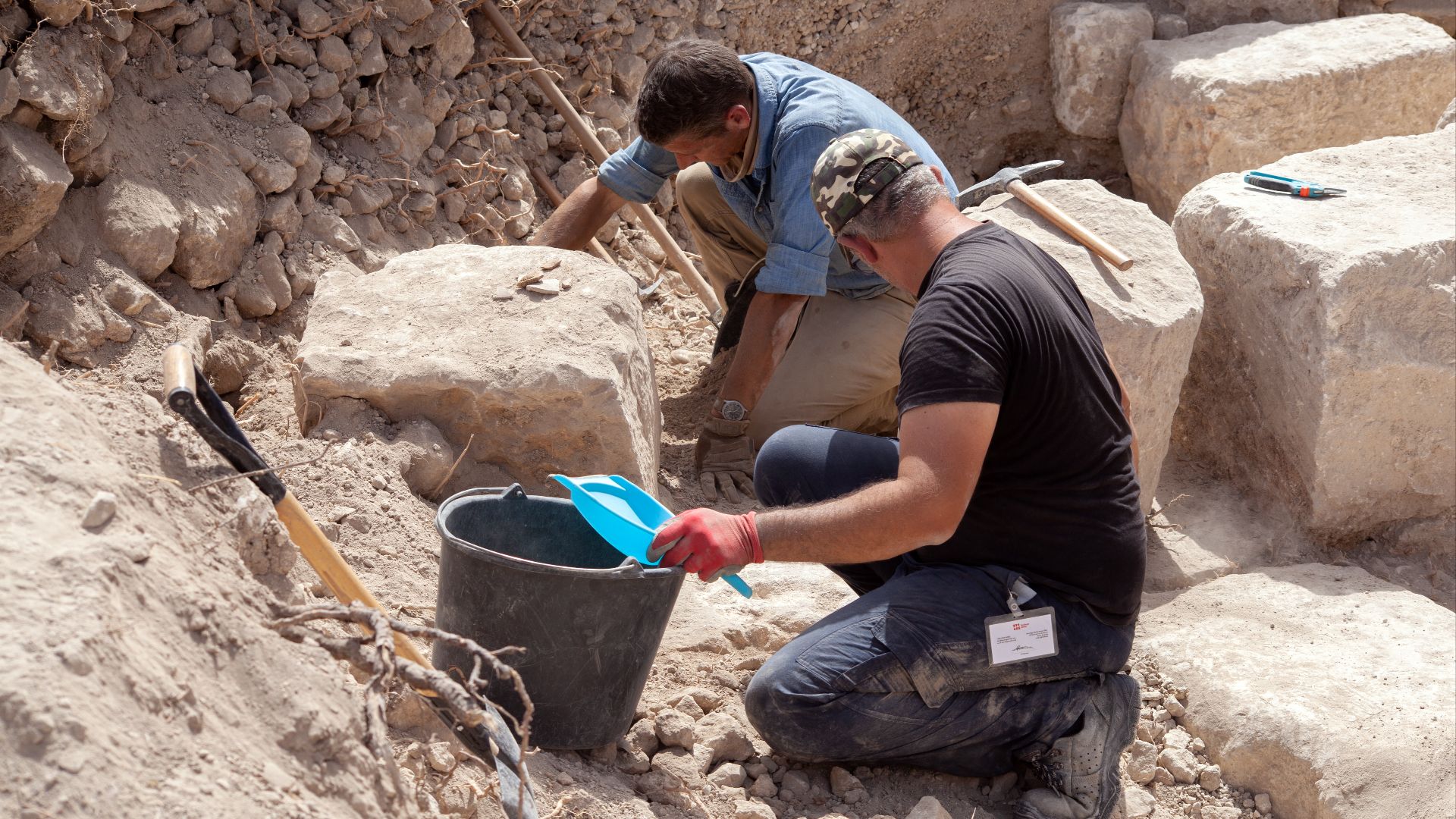
Instead of searching for new fossils or ancient skeletons, researchers focused on something living people carry every day: their DNA. The clues they were looking for had been hiding inside modern genomes all along.
 Godwin Borg, Wikimedia Commons
A Massive Genetic Investigation
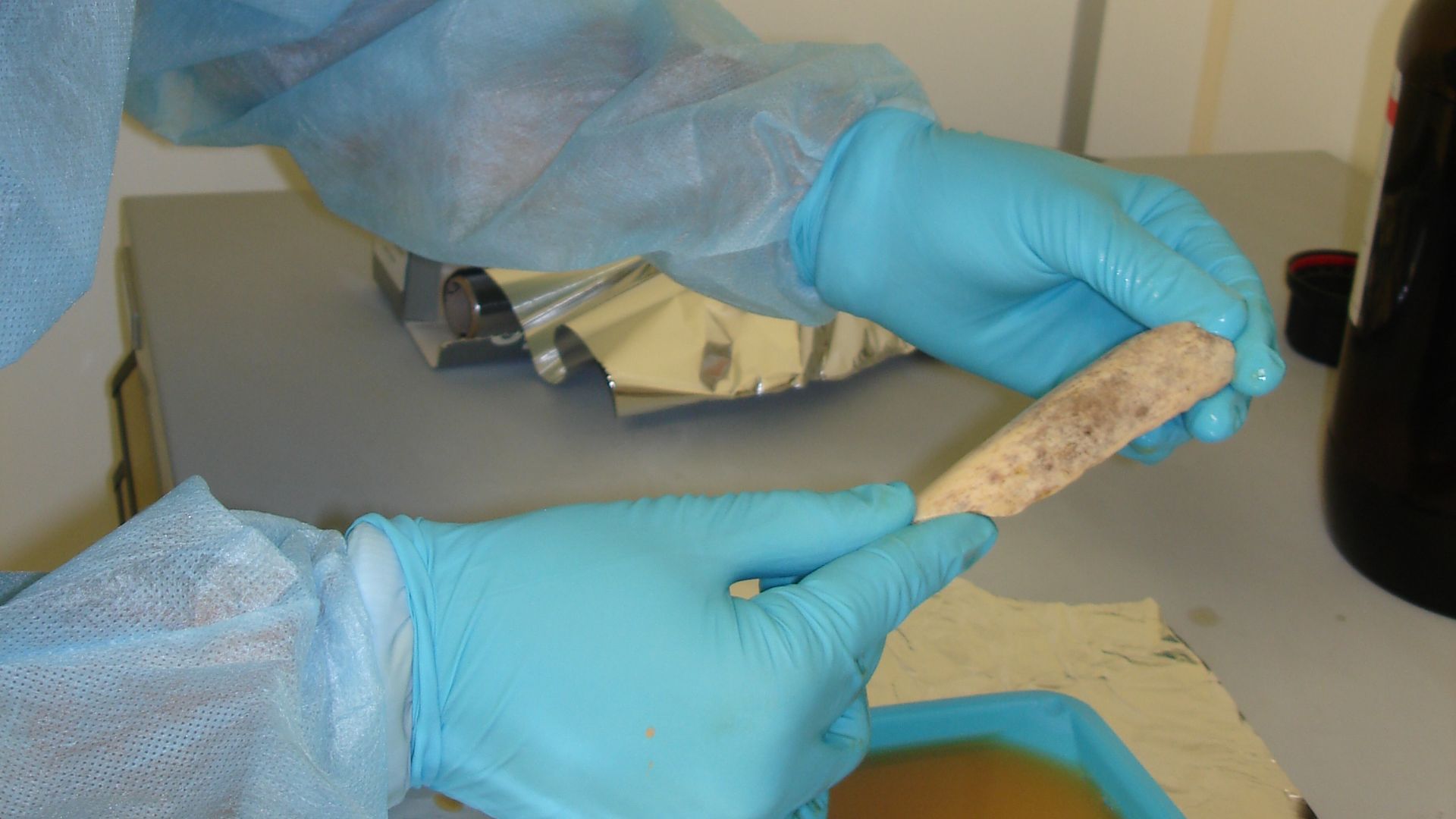
The team analyzed DNA from several African populations, including newly sequenced genomes from the Nama people of southern Africa. Their goal was simple: reconstruct humanity's deepest origins as accurately as possible.
 Max Planck Institute for Evolutionary Anthropology, Wikimedia Commons
The Numbers Started Pointing Somewhere Unexpected
Researchers tested multiple explanations for the genetic patterns they found. Some matched existing models of human origins. Others suggested something far more complicated may have happened.
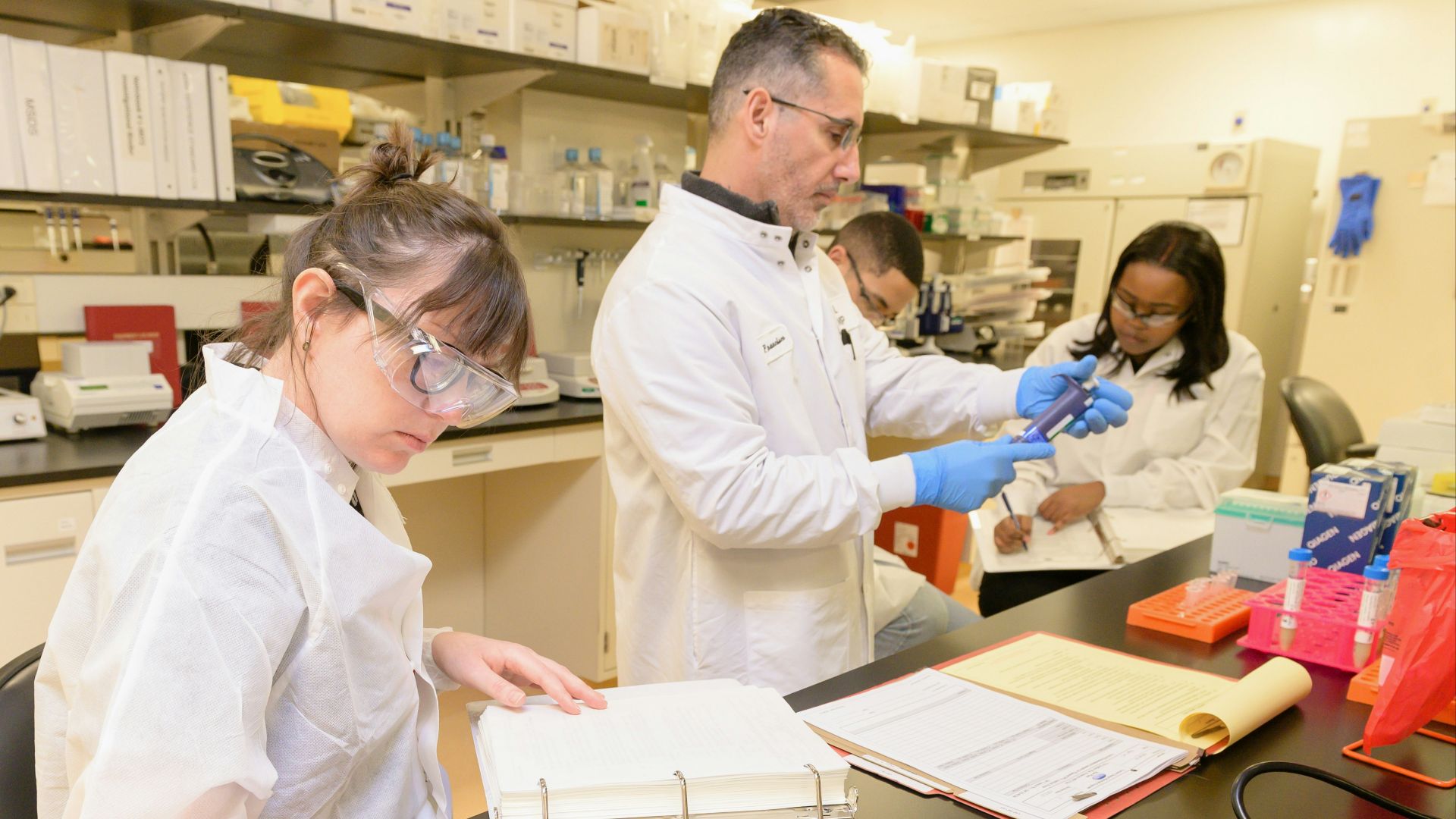 National Institute of Allergy and Infectious Diseases, Unsplash
Simpler Models Kept Falling Short
Again and again, the models ran into the same problem. A surprisingly large amount of human genetic diversity simply wasn't explained as well as scientists expected. Instead of confirming the simplest version of the story, the DNA kept pointing toward a very different explanation.
 Ajay Kumar Chaurasiya, Wikimedia Commons
One Ancestral Population?
Rather than one ancestral population giving rise to modern humans, the evidence suggests several ancient populations across Africa may have contributed to humanity's story. In other words, the search for humanity's single 'starting group' may have been asking the wrong question all along.
But the researchers weren't finished yet. The next question was even bigger: if these populations existed, how long had they been interacting?
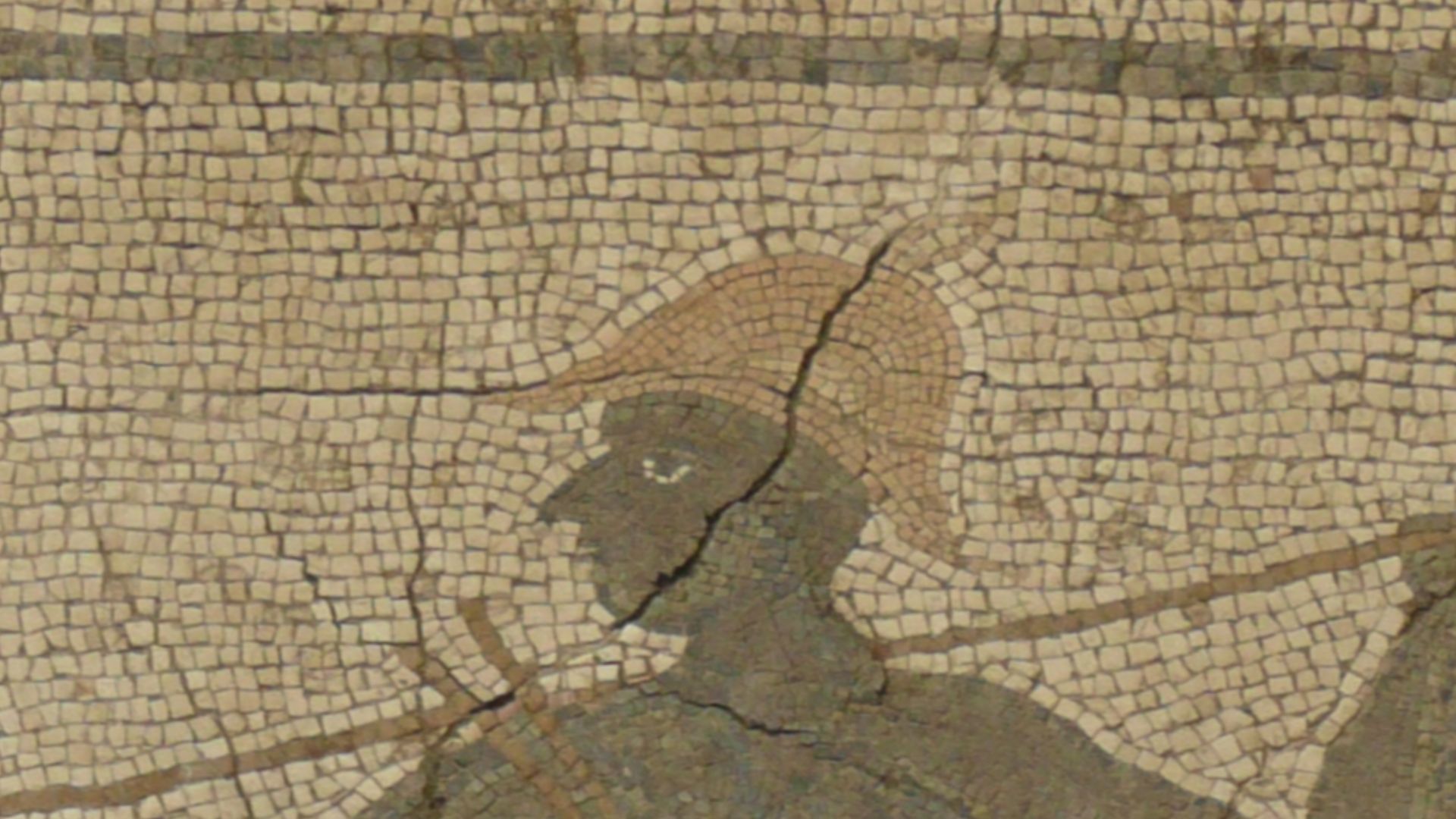 Nevit Dilmen (talk), Wikimedia Commons
The Ancient Populations Didn't Stay Apart
Scientists found evidence that these groups weren't simply separate branches evolving on their own. Instead, they appear to have exchanged genes repeatedly over enormous stretches of time. That raised another mystery. How far back did those interactions actually go?
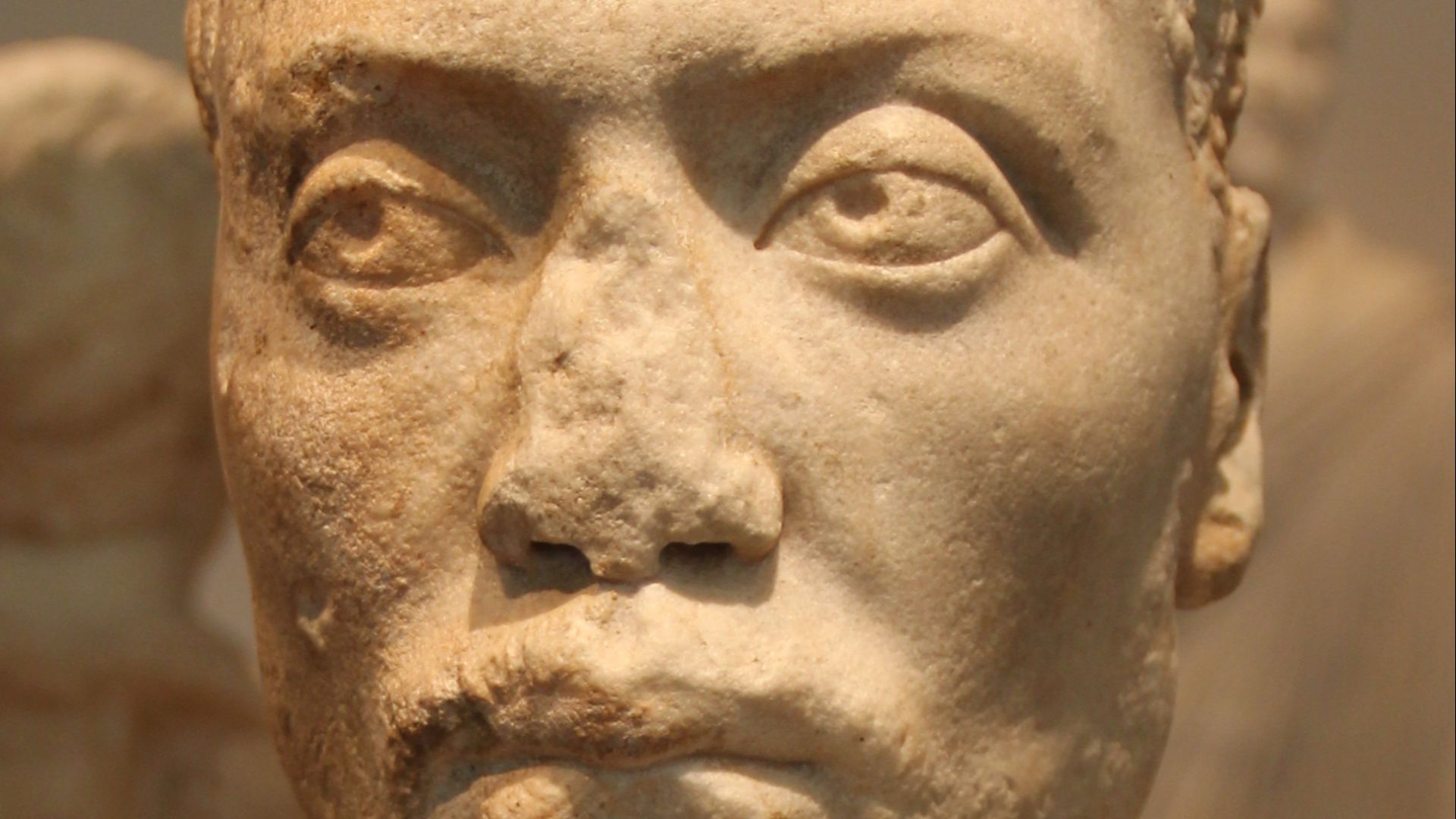
The Timeline Was Longer Than Expected
According to the study, some of these populations may have begun diverging roughly 120,000 to 135,000 years ago. Yet the genetic evidence suggests they continued influencing one another long afterward. Suddenly, humanity's family tree was starting to look less like a tree at all.
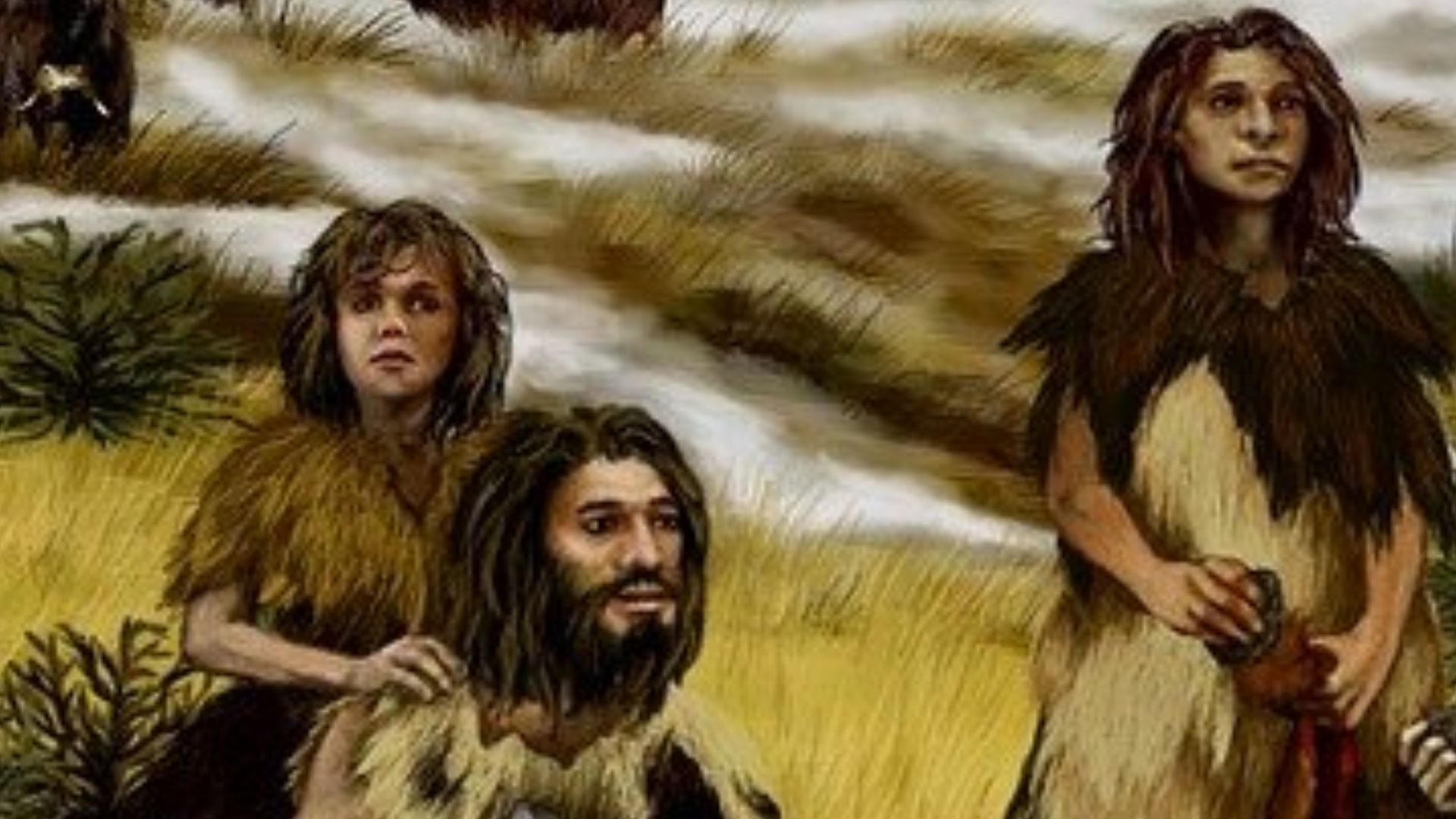
The Family Tree Started Looking More Like A Web
The traditional picture of human origins often resembles a trunk with branches. Researchers now believe the reality may have been closer to an interconnected network. And that network may help explain genetic puzzles scientists have struggled with for years.
 Ryan Schwark, Wikimedia Commons
A Mystery That Never Quite Made Sense
For decades, researchers kept finding unusual genetic signals in African populations. Some scientists proposed contributions from unknown archaic human populations to explain them. The new study may finally offer a different answer.
 E. Haschek und Dr. O. Th. Lindenthal, Wikimedia Commons
Scientists May Not Need Those Missing Populations After All
Instead of requiring entirely unknown archaic human groups, many of those strange DNA signatures could simply reflect long-separated populations that later mixed together. That possibility solved several problems at once—but it also revealed something even more surprising.
 Charles Robert Knight, Wikimedia Commons
Far More Diverse Than Anyone Realized
The findings suggest Africa once contained numerous interconnected populations spread across vast regions. Some may have left few fossils behind, yet traces of them still survive inside human DNA today.
 Internet Archive Book Images, Wikimedia Commons
The Study Included A Rare Genetic Resource
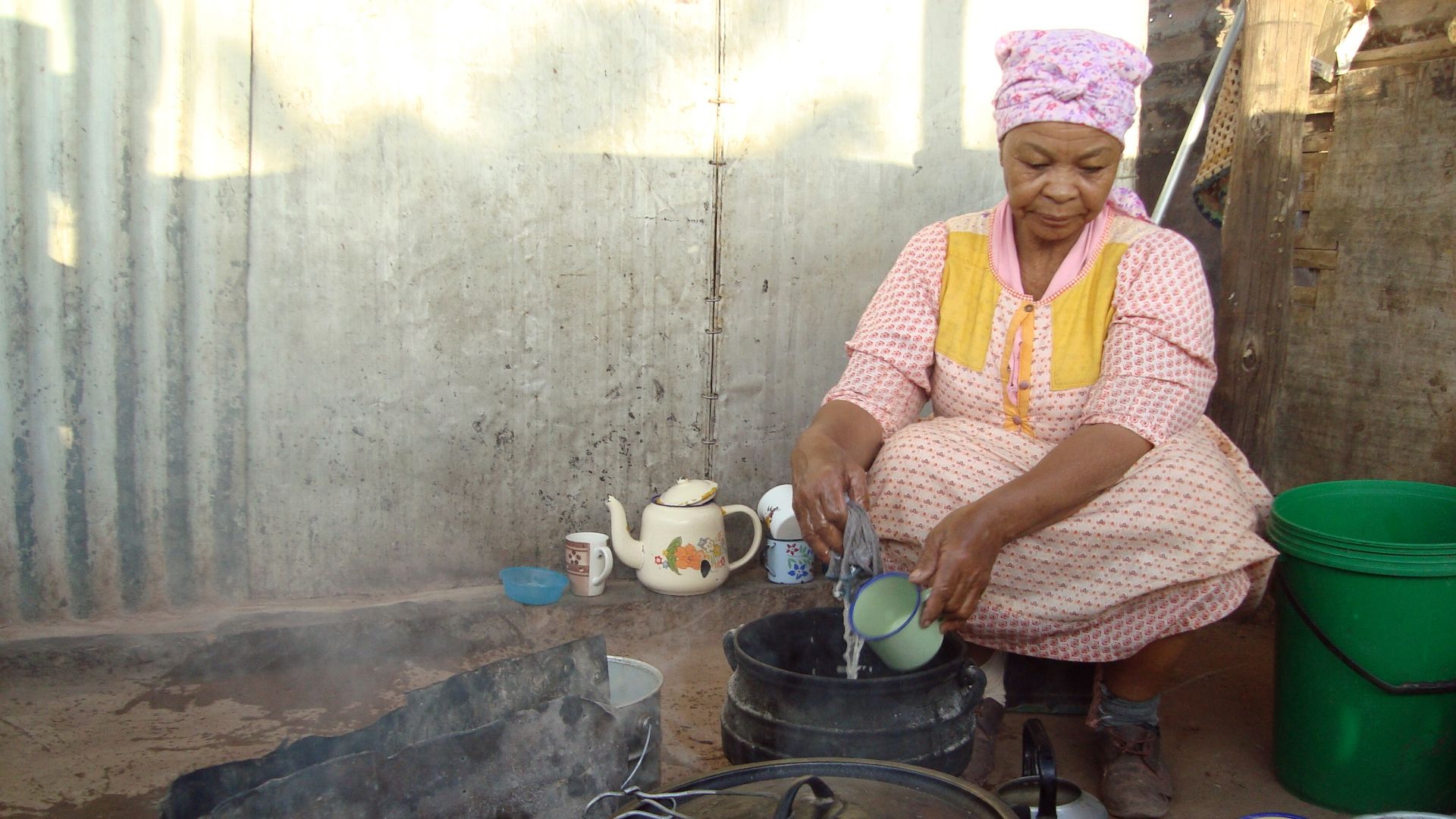
Part of the research involved 44 newly sequenced genomes from Nama individuals in southern Africa. Because the Nama possess some of the deepest known branches of human genetic diversity, their DNA offered researchers an unusually valuable window into humanity's distant past.
 Shark studio, Wikimedia Commons
A Small Percentage Changed A Big Story
Researchers estimate that only about 1% to 4% of the genetic differences seen among modern human populations trace back to these ancient population structures. That may sound small, but it was enough to significantly change which models best fit the evidence.

Scientists Call It A 'Weakly Structured Stem'
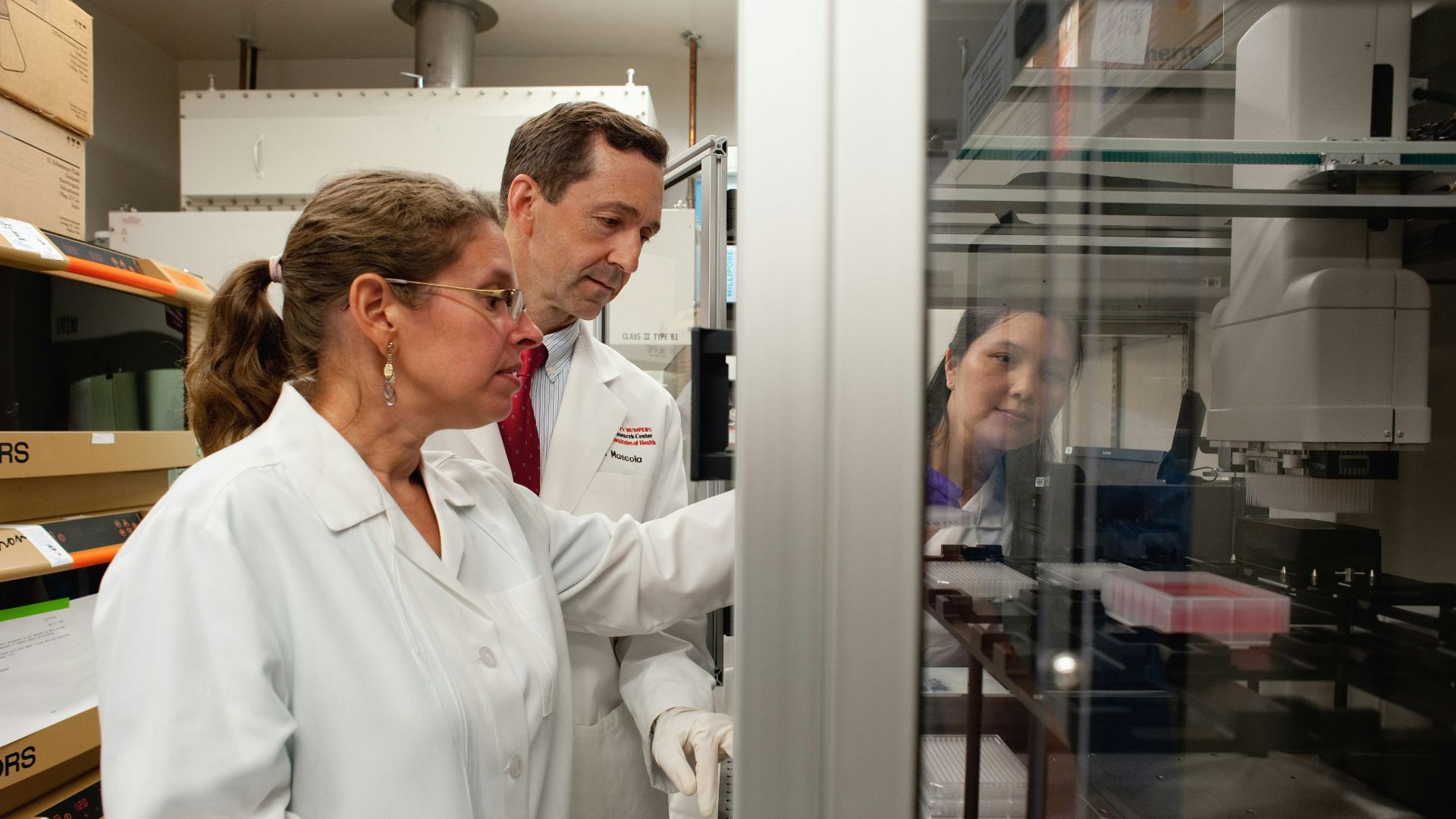
Researchers use the term 'weakly structured stem' to describe this model. While the phrase sounds technical, the idea is simple. Humanity's origins may not trace back to one population at all, but to several closely related groups connected across Africa.
 National Institute of Allergy and Infectious Diseases, Unsplash
Africa Is Still The Birthplace Of Humanity
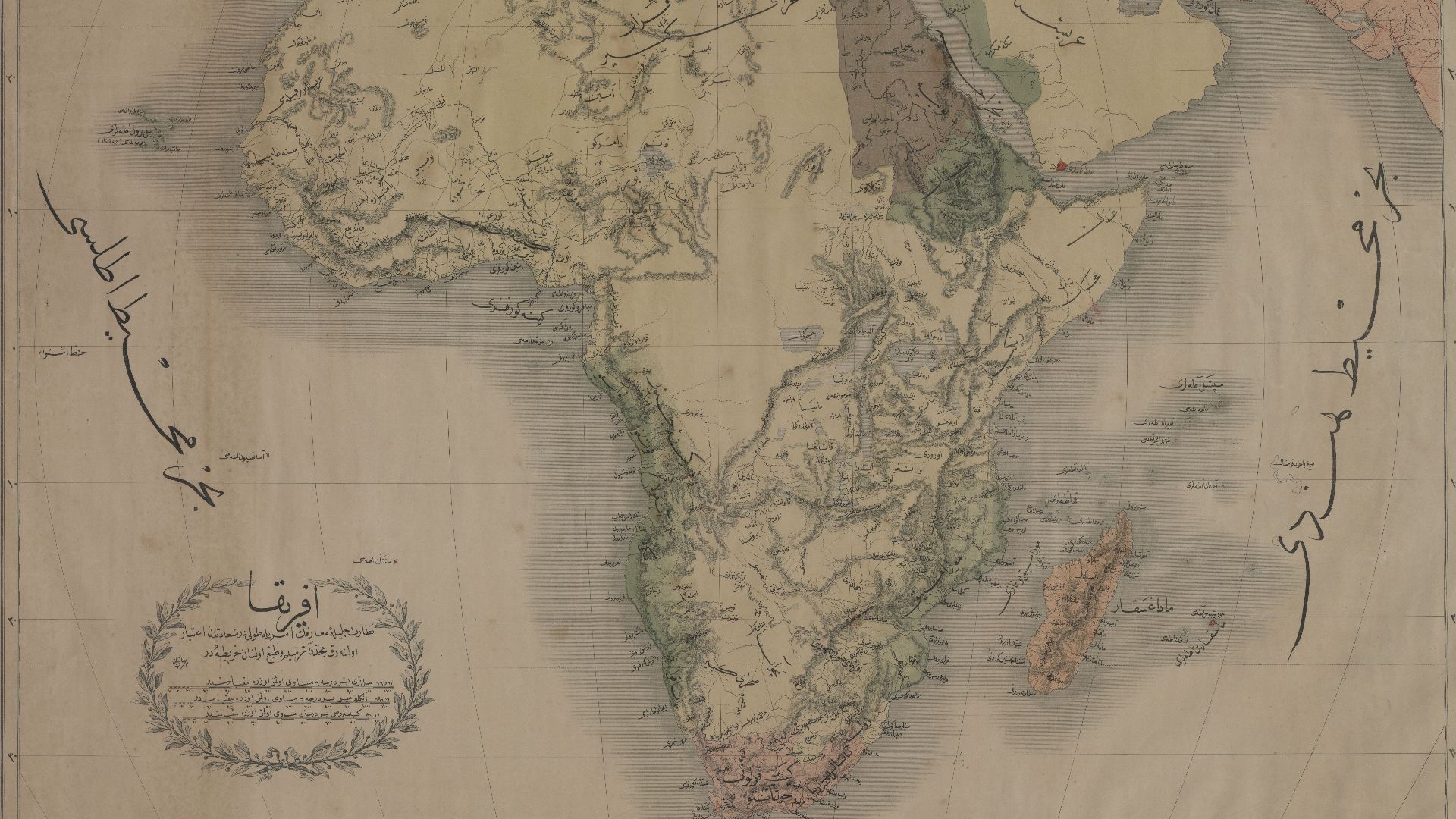
One thing the study does not change is where modern humans originated. Scientists still agree that Africa was the birthplace of our species. The discovery changes the 'how' far more than the 'where.'
 Unknown author, Wikimedia Commons
Fossils Couldn't Reveal This Alone
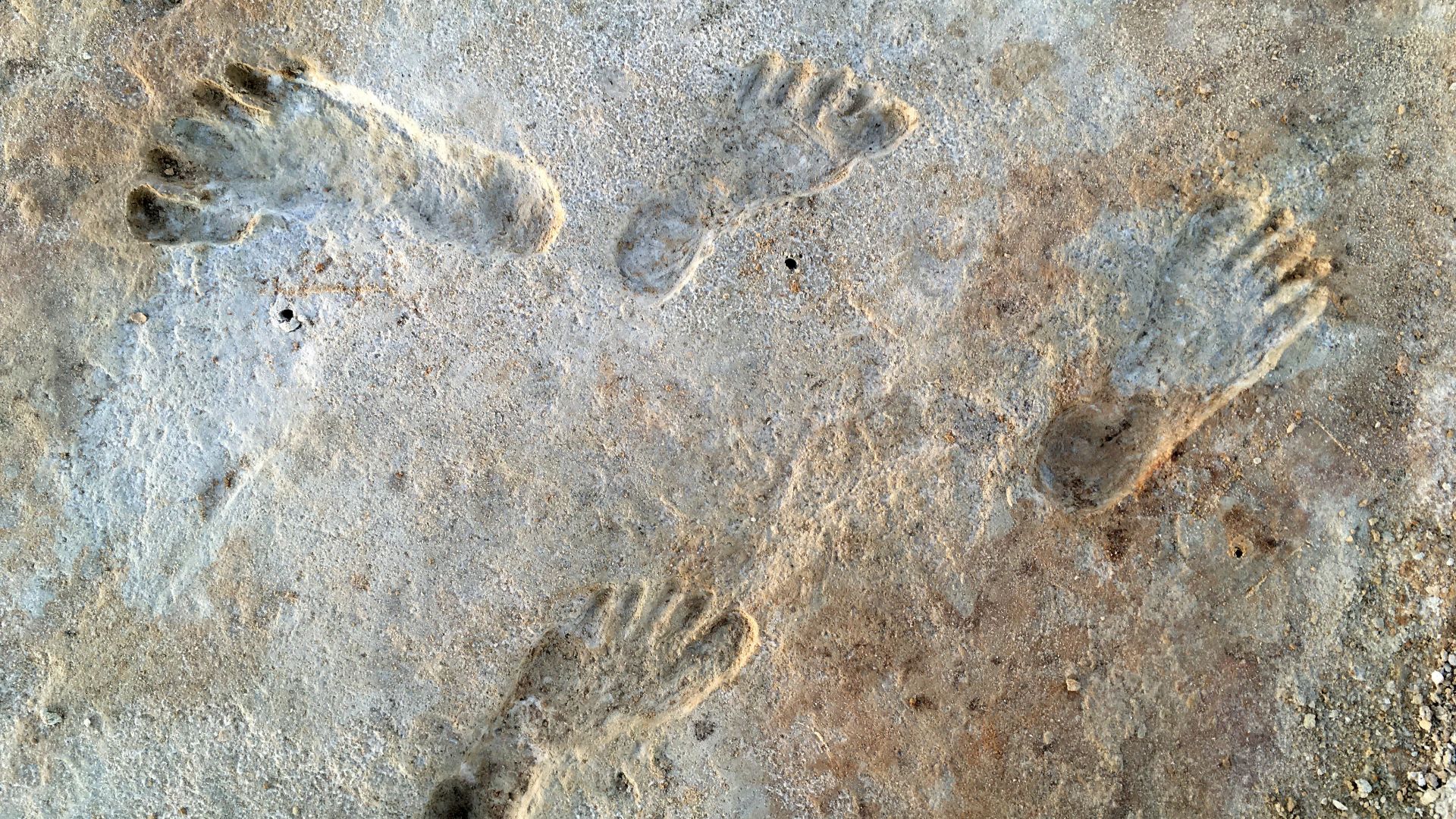
Ancient bones can tell scientists what early humans looked like, but DNA can reveal relationships stretching back hundreds of thousands of years. That's one reason discoveries like this can dramatically reshape our understanding of the past.
 US Geological Service, Wikimedia Commons
The Nama People Played A Key Role
The newly sequenced Nama genomes helped researchers test competing models of human origins with greater precision. Their genetic diversity preserves clues that may have been lost or diluted in many other populations over time.
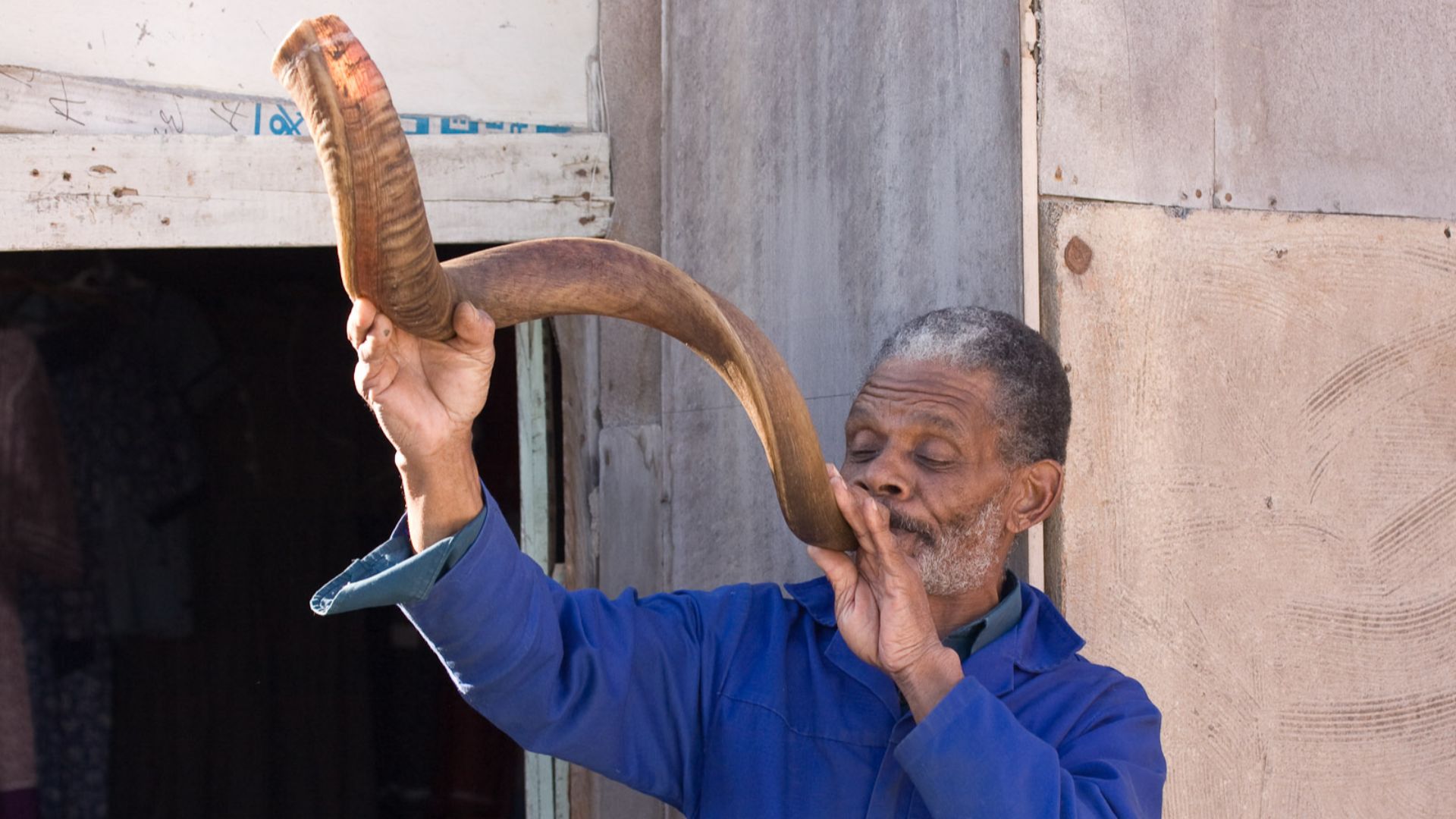 Greg Willis from Denver, CO, usa, Wikimedia Commons
Researchers Were Surprised By The Results
When scientists compared competing models, the multiple-population explanation consistently matched the genetic evidence better than simpler scenarios. The pattern appeared again and again across the data.
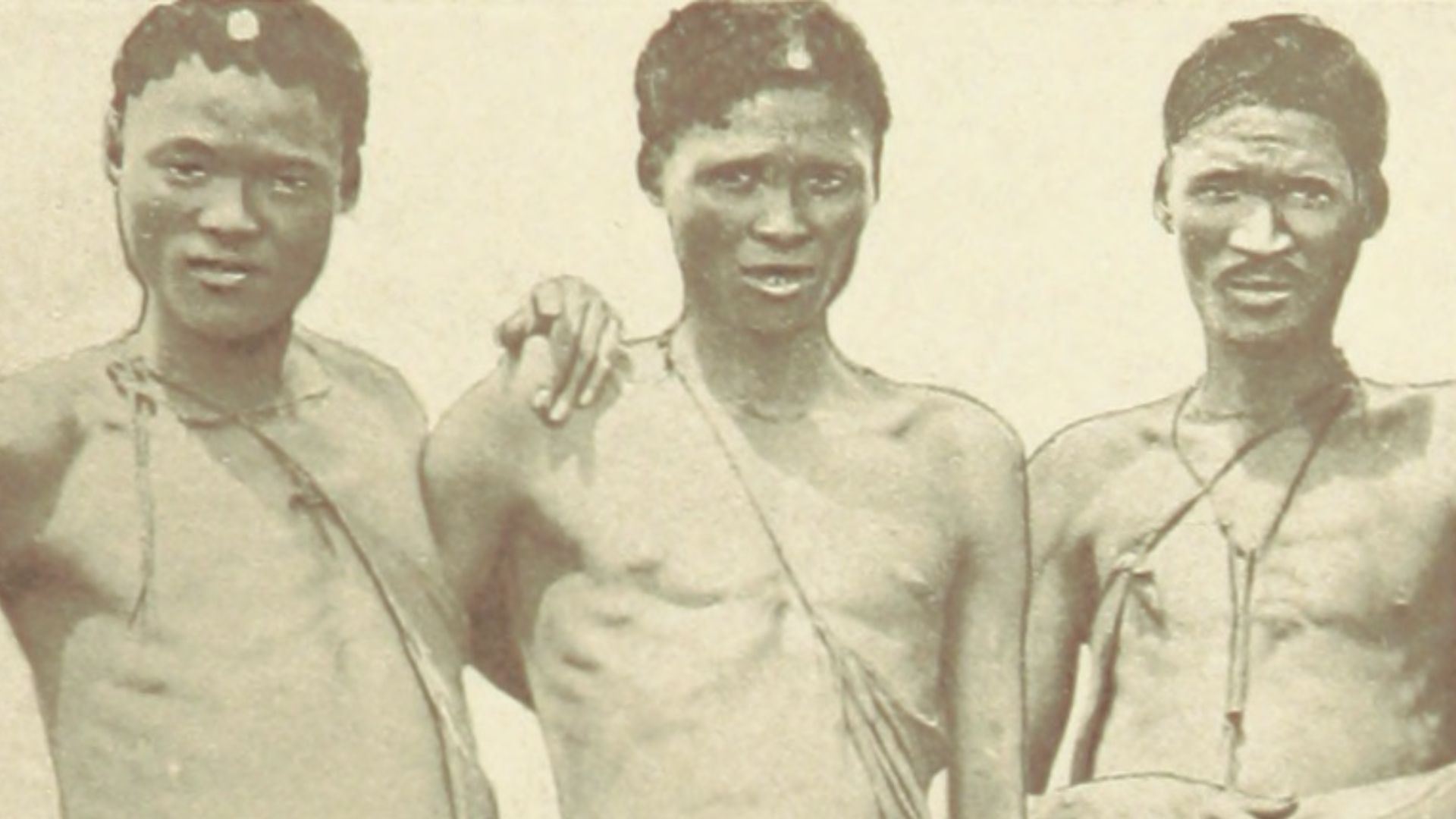 Sebastian Wallroth, Wikimedia Commons
The Discovery Solves Several Old Mysteries
For years, certain genetic patterns didn't fit comfortably into existing models of human origins. The new framework helps explain some of those puzzling signals without requiring entirely unknown human species.
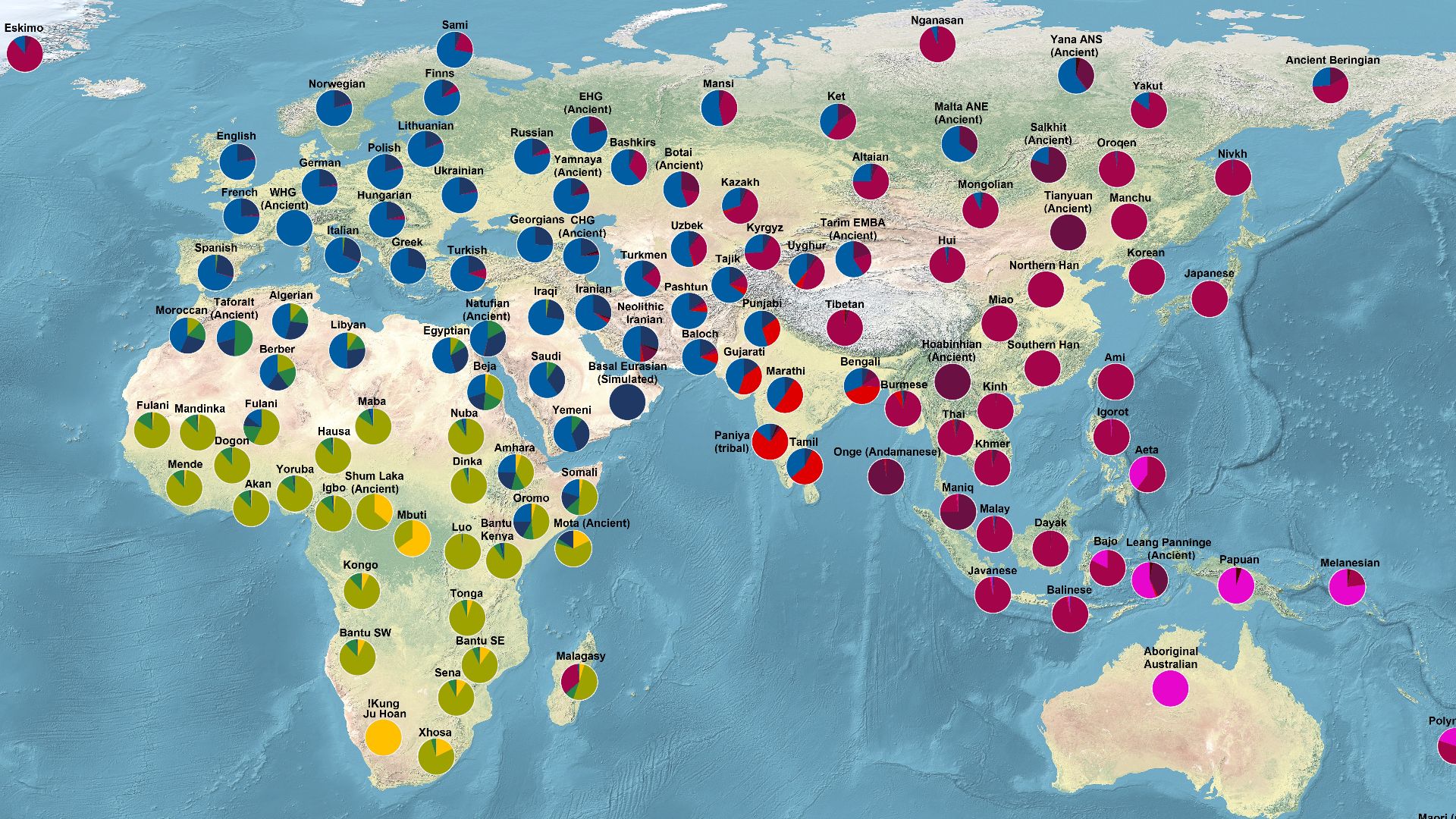 Wikiuser1314, Wikimedia Commons
Scientists Are Still Testing The Idea
Like any major scientific claim, the new model will be debated, challenged, and refined. Other researchers will continue testing whether it explains the evidence better than competing explanations.
 National Cancer Institute, Unsplash
The Story Of Humanity May Never Look The Same Again
For years, scientists searched for a single ancestral population that could explain where modern humans came from. This research suggests the answer may have been far more complicated all along. Instead of one starting point, humanity's origins may trace back to an entire network of ancient populations spread across Africa. If that's true, one of the most familiar stories in science just became a whole lot more complicated.
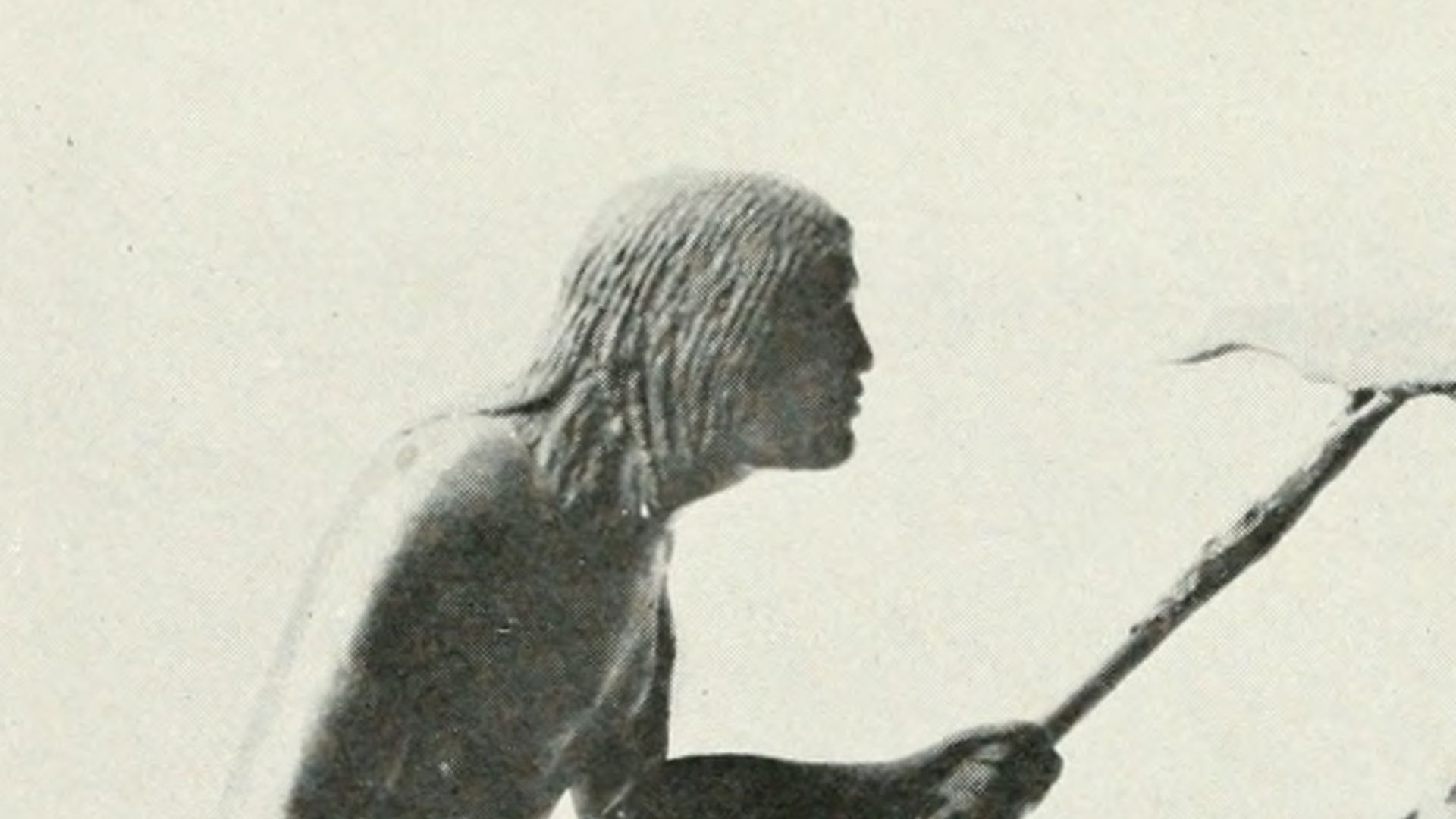 Internet Archive Book Images, Wikimedia Commons
You Might Also Like:
Researchers discovered metal highways hidden beneath the Earth's crust.
Historic Destinations That Still Exist—But Look Nothing Like They Did 100 Years Ago